



287 Results for "

Distribution

" in MedChemExpress (MCE) Product Catalog:
Products (287)

287 Results for "Distribution" in MCE Product Catalog:

1
1 Cited Publications
Cat. No.: HY-N0335
CAS No.: 482-89-3
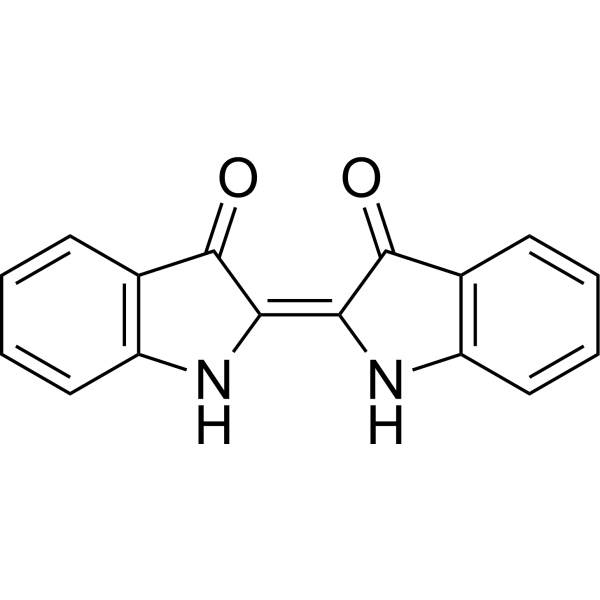
Indigo is a blue dye. Indigo stains cellulose fibers such as cotton. Indigo stains food or biological samples to visualize and quantify the uptake or distribution of substances by organisms .
loading...
    loading...
1
1 Cited Publications
Cat. No.: HY-111647
CAS No.: 2140-77-4
Purity:  98.03%
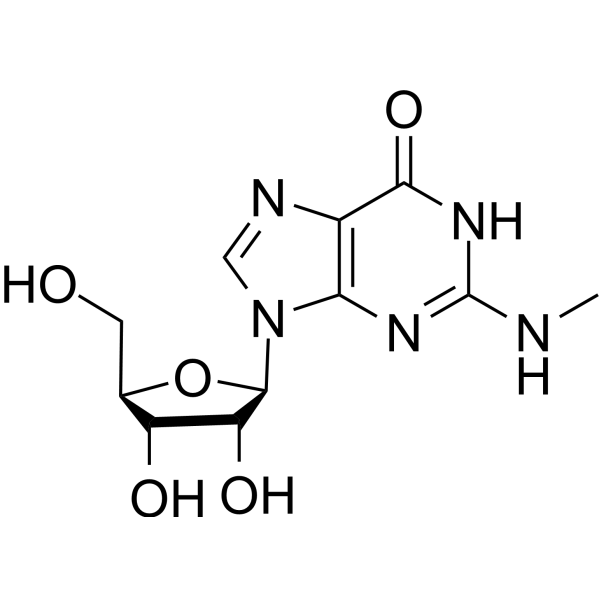
N2-Methylguanosine is a commonly modified nucleoside in rRNA and tRNA, with specific distributions in both E. coli rRNA and eukaryotic tRNA. N2-Methylguanosine can be found in urine. N2-Methylguanosine affects the structure and stability of RNA .
loading...
    loading...
1
1 Cited Publications
Cat. No.: HY-D1903
CAS No.: 218280-33-2
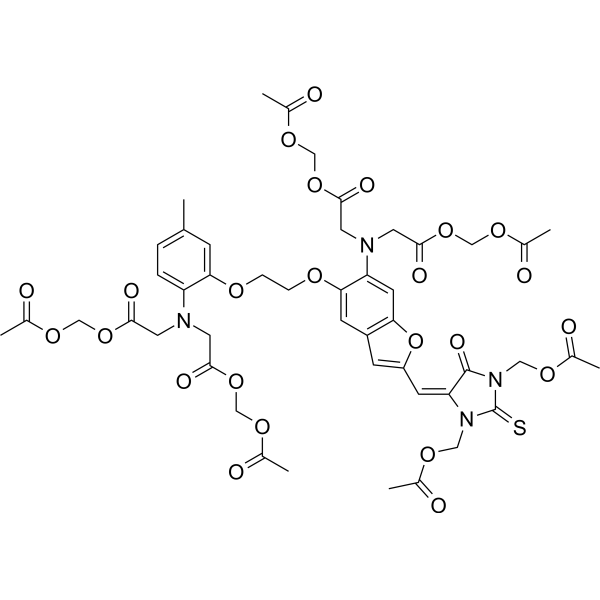
Fura Red AM is a fluorescent probe that can be used to visualize Ca 2+ distribution in the cytoplasm of undifferentiated cells. Fura Red AM operates at an excitation wavelength of 488 nm .
loading...
    loading...
1
1 Cited Publications
Cat. No.: HY-154631
CAS No.: 8002-03-7
Purity:  99.2%
Research Areas:  

Others

Peanut Oil can be used as an excipient. Pharmaceutical excipients, or pharmaceutical auxiliaries, refer to other chemical substances used in the pharmaceutical process other than pharmaceutical ingredients. Pharmaceutical excipients generally refer to inactive ingredients in pharmaceutical preparations, which can improve the stability, solubility and processability of pharmaceutical preparations. Pharmaceutical excipients also affect the absorption, distribution, metabolism, and elimination (ADME) processes of co-administered drugs .
loading...
    loading...
1
1 Cited Publications
Cat. No.: HY-P2031
CAS No.: 26645-35-2
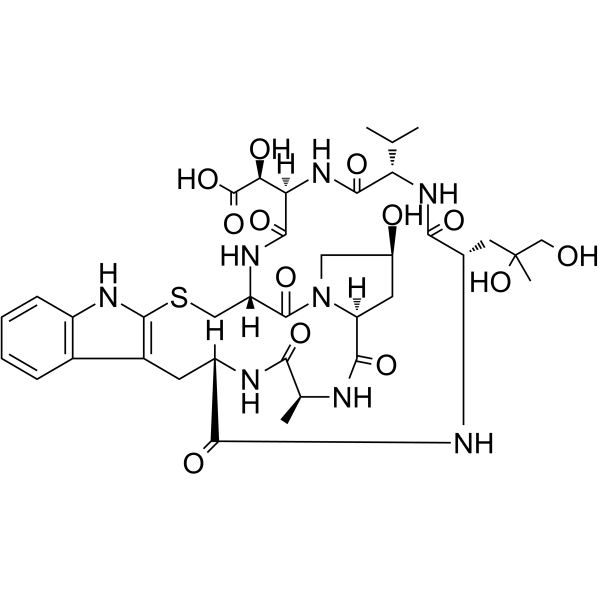
Phallacidin is a natural bicyclic heptapeptide derived from the poisonous mushroom Amanita phalloides. Phallacidin binds to filamentous actin specifically with high affinity, with a Kd of 20 nM. After binding to F-actin, Phallacidin strongly inhibits its depolymerization, stabilizes microfilament structures, and prevents their disruption by drugs such as cytochalasins. When conjugated with a fluorophore, Phallacidin serves as a specific fluorescent probe for F-actin, which is used to clearly visualize the distribution of actin in the cytoskeleton (e.g., stress fibers, cortical peripheral bands) under fluorescence microscopy .
loading...
    loading...
1
1 Cited Publications
Cat. No.: HY-B2221
CAS No.: 9004-34-6
Synonyms: Pectin glycosidase
Cellulose (Pectin glycosidase) is a natural high molecular weight polysaccharide found in many plants and organisms. It is widely used in manufacturing industries, such as in paper making, textiles, food and medicine, etc. As a renewable resource, Cellulose is biodegradable and sustainable, and can also be used to manufacture chemicals such as Cellulose Esters, Cellulose Acetate and Cellulose Nitrate. In addition, Cellulose is often used as a food additive to increase the stability and quality of food.
loading...
    loading...
1
1 Cited Publications
Cat. No.: HY-B2243
CAS No.: 7558-80-7
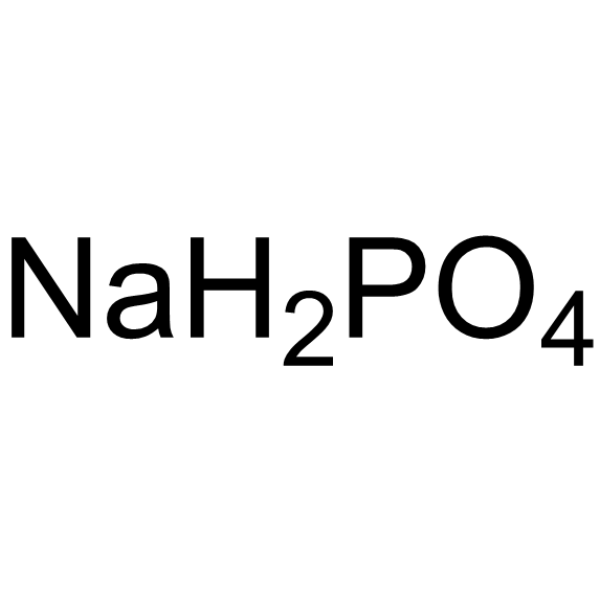
Synonyms: Sodium phosphate monobasic; Monosodium dihydrogen orthophosphate; Monosodium phosphate
Dihydrogen monosodium phosphate (Monosodium phosphate) is an inorganic salt compound commonly used in industry and laboratories. It can be used as a buffer, nutritional supplement, cleaning agent, etc., and plays a role in certain metal processing, pharmaceutical and chemical industries. In addition, Dihydrogen monosodium phosphate can also be used in the field of water treatment and environmental protection, for example as a purifying agent or precipitating agent for solutions.
loading...
    loading...
1
1 Cited Publications
Cat. No.: HY-W019883
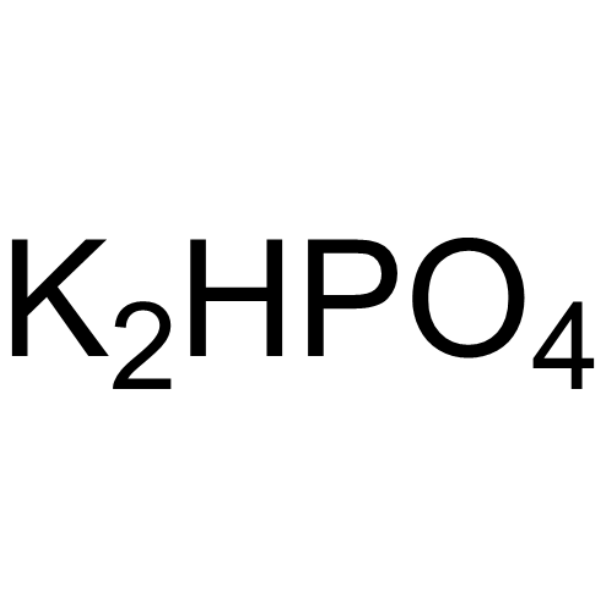
CAS No.: 7758-11-4
Dipotassium hydrogen phosphate is a salt. Dipotassium hydrogen phosphate can enhance the lipase production of Rhizopous oligosporous in neutral pH phosphate buffer. Dipotassium hydrogen phosphate can be used as a pharmaceutical excipient, such as a pH adjuster, a buffer .
loading...
    loading...
1
1 Cited Publications
Cat. No.: HY-N6924
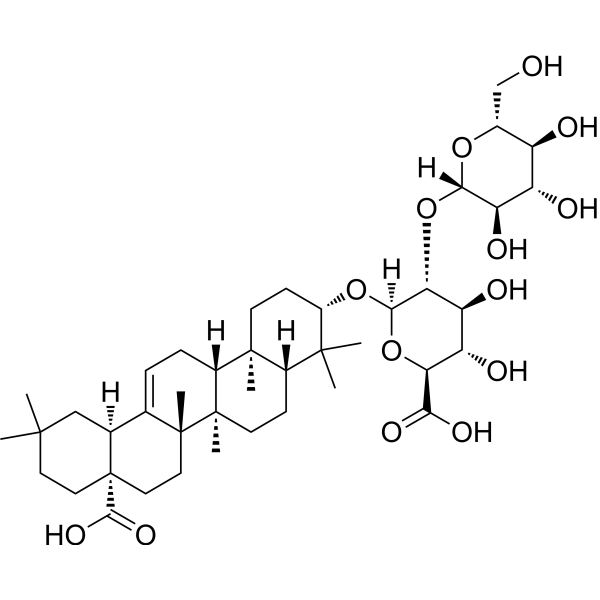
CAS No.: 80930-74-1
Zingibroside R1 is an orally active triterpene saponin with multiple biological activities including antioxidant, anti-inflammatory, antiviral, and metabolic regulatory properties. Zingibroside R1 reduces the expression of PIN family members, inhibits the expression of PLT1/PLT2, WOX5, SHR, and SCR, disrupts auxin transport and distribution, triggers plant ROS responses, and inhibits root growth. Zingibroside R1 extends the lifespan of Caenorhabditis elegans, enhances its heat stress resistance, and improves its motor ability. Hydrogel derivatives of Zingibroside R1 inhibit the proliferation of Candida albicans by binding to its β-1,3-glucan and exhibit antifungal activity. Zingibroside R1 inhibits GLUT1-mediated uptake and alleviates liver injury. Zingibroside R1 can be used in research related to neurodegenerative diseases, vulvovaginal candidiasis, acute liver injury, Ehrlich ascites tumor and HIV-1 infection .
loading...
    loading...
Cat. No.: HY-Y0873F
CAS No.: 25322-68-3
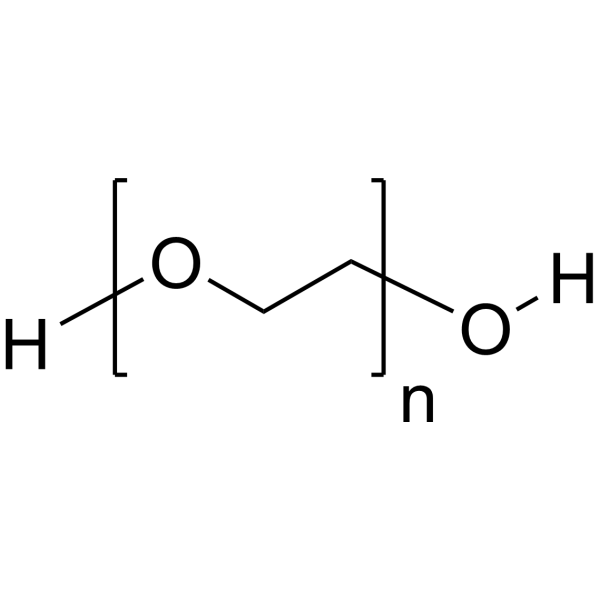
Synonyms: Polyethylene glycol 600
PEG600 can be used as an excipient, such as ointment base, lubricant. Pharmaceutical excipients, or pharmaceutical auxiliaries, refer to other chemical substances used in the pharmaceutical process other than pharmaceutical ingredients. Pharmaceutical excipients generally refer to inactive ingredients in pharmaceutical preparations, which can improve the stability, solubility and processability of pharmaceutical preparations. Pharmaceutical excipients also affect the absorption, distribution, metabolism, and elimination (ADME) processes of co-administered drugs .
loading...
    loading...
Cat. No.: HY-W250795
CAS No.: 9050-36-6
Synonyms: Maltodextrin; Dextrin maize starch
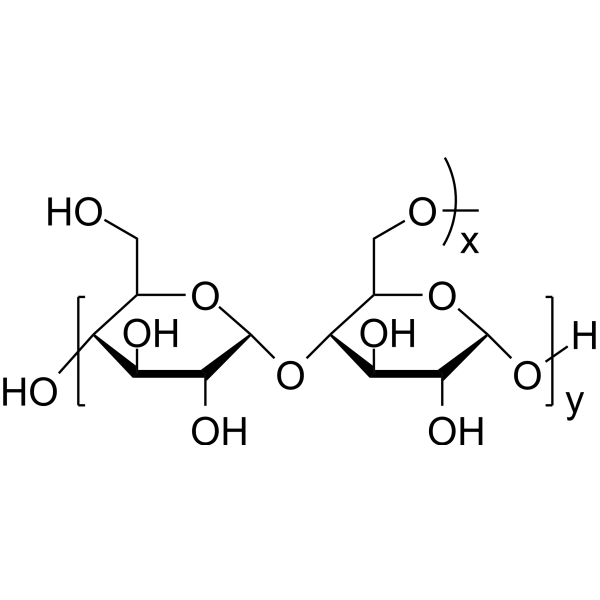
Maltodextrin, dextrose equivalent 16.5-19.5 can be used as an excipient. Pharmaceutical excipients, or pharmaceutical auxiliaries, refer to other chemical substances used in the pharmaceutical process other than pharmaceutical ingredients. Pharmaceutical excipients generally refer to inactive ingredients in pharmaceutical preparations, which can improve the stability, solubility and processability of pharmaceutical preparations. Pharmaceutical excipients also affect the absorption, distribution, metabolism, and elimination (ADME) processes of co-administered drugs .
loading...
    loading...
Cat. No.: HY-W051271
CAS No.: 13463-67-7
Synonyms: Titanium dioxide
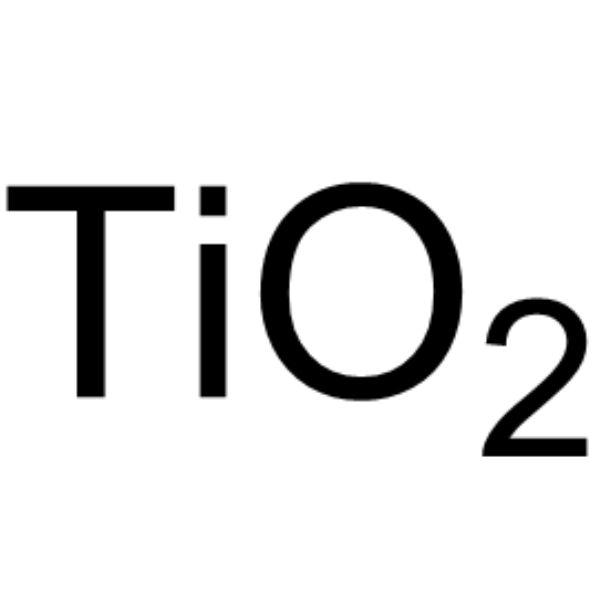
Titanium(IV) oxide is a photosensitizer and photocatalyst. Titanium(IV) oxide can be used as a pharmaceutical excipient such as a flow aid, coating agent, sunscreen, colorant, etc. Pharmaceutical excipients or pharmaceutical excipients refer to other chemical substances used in the pharmaceutical process other than the drug ingredients. Pharmaceutical excipients generally refer to inactive ingredients in pharmaceutical preparations that can improve the stability, solubility and processability of pharmaceutical preparations. Pharmaceutical excipients also affect the absorption, distribution, metabolism and elimination (ADME) process of co-administered drugs. Titanium(IV) oxide can use light energy to generate electron-hole pairs to degrade pollutants. Photons excite electrons in TiO2 to generate active oxygen species (such as ·OH and ·O2 -), thereby oxidizing and mineralizing pollutants such as organic compounds and heavy metals. TiO2 can be used in the research of environmental remediation fields such as water treatment, air purification and self-cleaning materials .
loading...
    loading...
Cat. No.: HY-Y1054
CAS No.: 557-04-0
Synonyms: Stearic Acid Magnesium(II) Salt
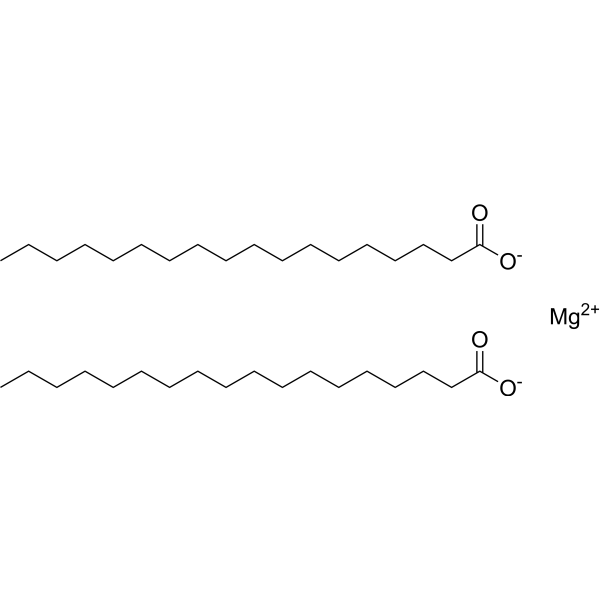
Magnesium stearate is a commonly used pharmaceutical lubricant. But Magnesium stearate leads to an adverse effect on bonding between particles. Magnesium stearate can be used as an excipient, such as lubricant. Pharmaceutical excipients, or pharmaceutical auxiliaries, refer to other chemical substances used in the pharmaceutical process other than pharmaceutical ingredients. Pharmaceutical excipients generally refer to inactive ingredients in pharmaceutical preparations, which can improve the stability, solubility and processability of pharmaceutical preparations. Pharmaceutical excipients also affect the absorption, distribution, metabolism, and elimination (ADME) processes of co-administered drugs .
loading...
    loading...
Cat. No.: HY-N11684
CAS No.: 8002-31-1
Research Areas:  

Others

Cocoa butter can be used as an excipient, such as lubricants, suppository bases. Pharmaceutical excipients, or pharmaceutical auxiliaries, refer to other chemical substances used in the pharmaceutical process other than pharmaceutical ingredients. Pharmaceutical excipients generally refer to inactive ingredients in pharmaceutical preparations, which can improve the stability, solubility and processability of pharmaceutical preparations. Pharmaceutical excipients also affect the absorption, distribution, metabolism, and elimination (ADME) processes of co-administered drugs .
loading...
    loading...
Cat. No.: HY-W011426
CAS No.: 142-91-6
Synonyms: Propan-2-yl hexadecanoate
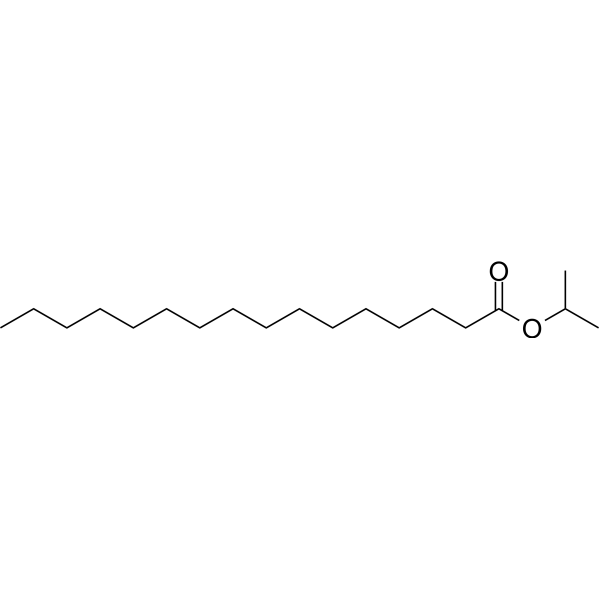
Isopropyl palmitate is an fatty acid ester. Isopropyl palmitate can be used for design and characterization of bioactive bilayer films. The bilayer membrane not only has the ability to scavenge free radicals and inhibit lipid peroxidation, but also can inhibit the growth of known foodborne pathogens. Isopropyl palmitate can be used as an excipient, such as lubricant, oily carrier, solvent, controlled-release transdermal film. Pharmaceutical excipients, or pharmaceutical auxiliaries, refer to other chemical substances used in the pharmaceutical process other than pharmaceutical ingredients. Pharmaceutical excipients generally refer to inactive ingredients in pharmaceutical preparations, which can improve the stability, solubility and processability of pharmaceutical preparations. Pharmaceutical excipients also affect the absorption, distribution, metabolism, and elimination (ADME) processes of co-administered drugs .
loading...
    loading...
Cat. No.: HY-W422419
CAS No.: 67762-27-0
Synonyms: Cetostearyl alcohol
Research Areas:  

Others

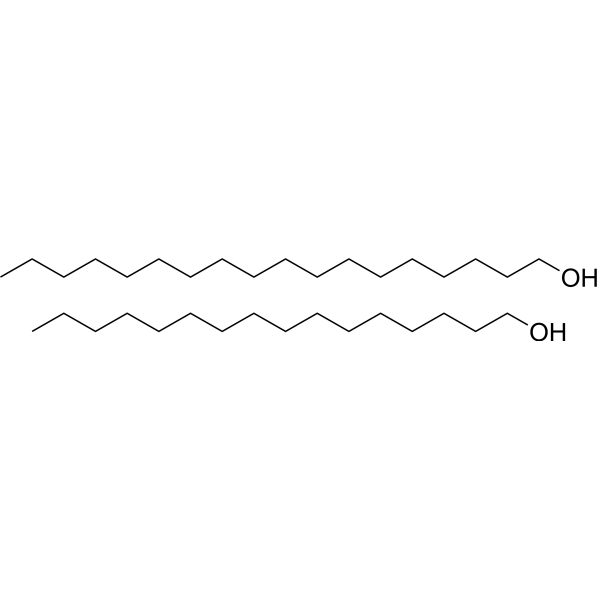
Cetearyl alcohol can be used as an excipient. Pharmaceutical excipients, or pharmaceutical auxiliaries, refer to other chemical substances used in the pharmaceutical process other than pharmaceutical ingredients. Pharmaceutical excipients generally refer to inactive ingredients in pharmaceutical preparations, which can improve the stability, solubility and processability of pharmaceutical preparations. Pharmaceutical excipients also affect the absorption, distribution, metabolism, and elimination (ADME) processes of co-administered drugs .
loading...
    loading...
Cat. No.: HY-112624F1
CY5-Dextran (MW 4000) is a fluorescent dye CY5 (HY-D0821)-labeled Dextran (HY-112624). Dextran-CY5 (MW 4000) can be used to visualize the specific subcellular distribution of dextran at the nanoscale .
loading...
    loading...
Cat. No.: HY-45894
CAS No.: 1118767-16-0
Synonyms: Semaglutide side chain
Target:  

GLP Receptor

tBuO-Ste-Glu(AEEA-AEEA-OH)-OtBu is an intermediate in the synthesis of the glucagon-like peptide 1 receptor (GLP-1R) agonist Semaglutide (HY-114118). tBuO-Ste-Glu(AEEA-AEEA-OH)-OtBu exhibits a strong binding affinity to albumin and can be used to modify SN38 prodrugs to improve tumor distribution .
loading...
    loading...
Cat. No.: HY-154696
CAS No.: 51274-00-1
Research Areas:  

Others

Ferric oxide, yellow can be used as an excipient, such as colorant. Pharmaceutical excipients, or pharmaceutical auxiliaries, refer to other chemical substances used in the pharmaceutical process other than pharmaceutical ingredients. Pharmaceutical excipients generally refer to inactive ingredients in pharmaceutical preparations, which can improve the stability, solubility and processability of pharmaceutical preparations. Pharmaceutical excipients also affect the absorption, distribution, metabolism, and elimination (ADME) processes of co-administered drugs .
loading...
    loading...
Cat. No.: HY-12499
CAS No.: 21416-43-3
Purity:  98.93%
Synonyms: (-)-Willardiine
Target:  

iGluR

Research Areas:  

Neurological Disease

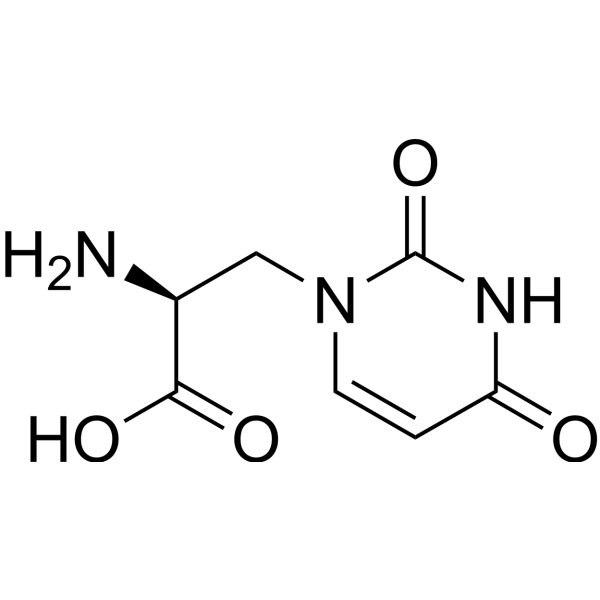
(S)-Willardiine ((-)-Willardiine) is a subtype-selective glutamate receptor agonist and the active isomer of Willardiine. Willardiine binds to and activates hGluR1, hGluR2, hGluR4 and hGluR5, with Ki values of 3.6 nM and 0.24 nM for hGluR4 and hGluR5, respectively. (S)-Willardiine is used to investigate the distribution and physiological functions of glutamate receptor subunits in the central nervous system .
loading...
    loading...

