1. Search Result
Search Result
Pathways Recommended: Stem Cell/Wnt Cell Cycle/DNA Damage
Results for "

4-4 cell

" in MedChemExpress (MCE) Product Catalog:

715

Inhibitors & Agonists

3

Screening Libraries

25

Fluorescent Dye

35

Biochemical Assay Reagents

32

Peptides

40

Inhibitory Antibodies

109

Natural
Products

15

Recombinant Proteins

31

Isotope-Labeled Compounds

7

Antibodies

5

Click Chemistry

3

Oligonucleotides

2

GMP Molecules

Cat. No. Product Name Target Research Areas Chemical Structure
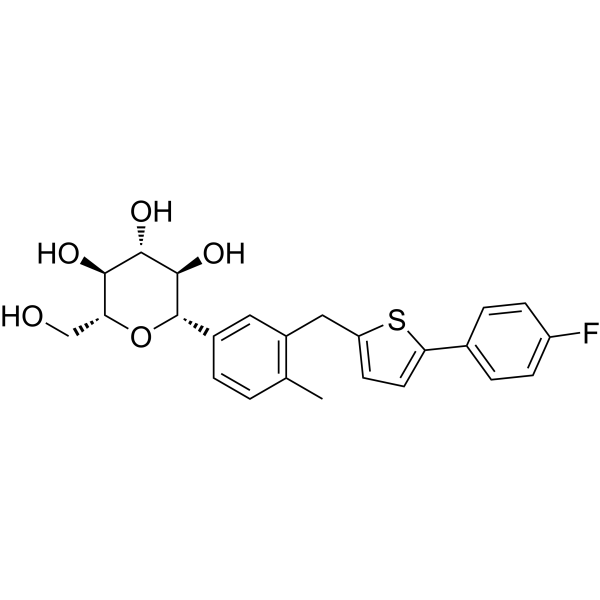
  • HY-10451
    Canagliflozin
    45+ Cited Publications

    JNJ 28431754

    SGLT Metabolic Disease Cancer
    Canagliflozin (JNJ 28431754) is a selective SGLT2 inhibitor with IC50s of 2 nM, 3.7 nM, and 4.4 nM for mSGLT2, rSGLT2, and hSGLT2 in CHOK cells, respectively .
    Canagliflozin
  • HY-122609

    PF-6808472

    CDK Cancer
    XO44 (PF-6808472) is a broad-spectrum covalent kinase probe. XO44 can bind in CDK2 and CDK1. XO44 also labels CDK4 proteins in cells .
    XO44
  • HY-B0688
    Dapsone
    4 Publications Verification

    4,4′-Diaminodiphenyl sulfone; DDS

    Antibiotic Parasite Bacterial Reactive Oxygen Species (ROS) Infection Inflammation/Immunology
    Dapsone (4,4′-Diaminodiphenyl sulfone) is an orally active and blood-brain penetrant sulfonamide antibiotic with bacteriostatic, antimycobacterial and antiprotozoal activities . Dapsone?exerts effective antileprosy activity?and inhibits folate synthesis in cell extracts of?M. leprae. Dapsone is used for dermatologic disorder research, including leprosy, dermatitis herpetiformis, acne vulgaris et al .
    Dapsone
  • HY-17592
    Bithionol
    3 Publications Verification

    Environmental Pollutants Bacterial Parasite Infection Cancer
    Bithionol is an antibacterial, anthelmintic, and algaecide agent. Bithionol is also a potent inhibitor of soluble adenylyl cyclase through binding to the allosteric activator site (IC50: 4 μM) .
    Bithionol
  • HY-149898

    Transmembrane Glycoprotein CD44 Cancer
    HA-CD44 interaction inhibitor 1 is a CD44 inhibitor that can inhibit the interaction between Hyaluronic acid (HA) (HY-B0633A) and CD44. HA-CD44 interaction inhibitor 1 exerts an antiproliferative effect on CD44+ cancer cell lines. HA-CD44 interaction inhibitor 1 can be used for the research of cancer .
    HA-CD44 interaction inhibitor 1
  • HY-P99126
    Anti-Mouse/Human CD44 Antibody (IM7)
    2 Publications Verification

    Transmembrane Glycoprotein CD44 Inflammation/Immunology Cancer
    Anti-Mouse/Human CD44 Antibody (IM7) is an anti-huamn and mouse CD44 IgG2b monoclonal antibody that recognizes a conserved epitope outside the HA-binding domain of the CD44 molecule. Anti-Mouse/Human CD44 Antibody (IM7) exerts a potent anti-inflammatory effect by inducing the shedding of cell surface CD44, significantly improving symptoms in mice with rheumatoid arthritis without affecting relevant immune responses. Anti-Mouse/Human CD44 Antibody (IM7) can be used for researches on inflammation conditions and cancer such as arthritis and osteosarcoma .
    Anti-Mouse/Human CD44 Antibody (IM7)
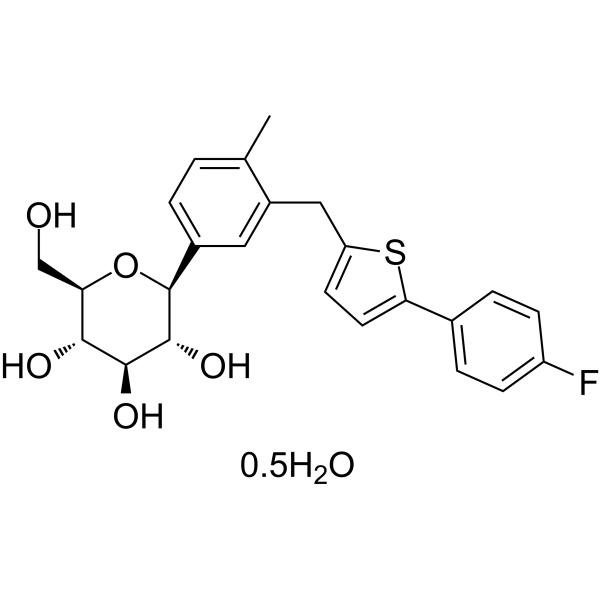
  • HY-I0383
    Canagliflozin hemihydrate
    45+ Cited Publications

    JNJ 28431754 hemihydrate

    SGLT Metabolic Disease Cancer
    Canagliflozin hemihydrate (JNJ28431754 hemihydrate) is a selective SGLT2 inhibitor with IC50s of 2 nM, 3.7 nM, and 4.4 nM for mSGLT2, rSGLT2, and hSGLT2 in CHOK cells, respectively .
    Canagliflozin hemihydrate
  • HY-149897
    HA-CD44 interaction inhibitor 2
    1 Publications Verification

    Transmembrane Glycoprotein CD44 Cancer
    HA-CD44 interaction inhibitor 2 is a CD44 inhibitor that can inhibit the interaction between Hyaluronic acid (HA) (HY-B0633A) and CD44. HA-CD44 interaction inhibitor 2 acts as an antiproliferative agent against CD44 + cancer cells. HA-CD44 interaction inhibitor 2 can disrupt the integrity of cancer spheres and reduce cancer cell viability in a dose-dependent manner. HA-CD44 interaction inhibitor 2 is applicable for tumor research .
    HA-CD44 interaction inhibitor 2
  • HY-136530

    KLF Cancer
    SR18662 is a potent inhibitor of Krüppel-like factor five (KLF5) with an IC50 of 4.4 nM and an analogue of ML264 (HY-19994) with improved inhibitory potency against colorectal cancer cells. SR18662 can be used for the study of colorectal cancer .
    SR18662
  • HY-129937A
    GNE-987
    1 Publications Verification

    PROTACs Epigenetic Reader Domain Cancer
    GNE-987 is a VHL-dependent BRD4 PROTAC degrader. GNE-987 exhibits picomolar cell BRD4 degradation activity (DC50=0.03 nM for EOL-1 AML cell line). GNE-987 binds equipotently to the BD1 and BD2 bromodomains of BRD4 with low nanomolar affinities (IC50=4.7 and 4.4 nM, respectively). GNE-987 can be used for the research of cancer .
    GNE-987
  • HY-111433
    BRD4 degrader AT1
    2 Publications Verification

    PROTACs Epigenetic Reader Domain Cancer
    BRD4 degrader AT1 is a PROTAC connected by ligands for von Hippel-Lindau and BRD4 as a highly selective Brd4 degrader, with a Kd of 44 nM for Brd4 BD2 in cells.
    BRD4 degrader AT1
  • HY-P2230
    Angstrom6
    1 Publications Verification

    A6 Peptide

    PAI-1 Cancer
    Angstrom6 (A6 Peptide) is an 8 amino-acid peptide derived from single-chain urokinase plasminogen activator (scuPA) and interferes with the uPA/uPAR cascade and abrogates downstream effects. Angstrom6 binds to CD44 resulting in the inhibition of migration, invasion, and metastasis of tumor cells, and the modulation of CD44-mediated cell signaling .
    Angstrom6
  • HY-118907

    Fluorescent Dye Others
    Methyl Orange is a soluble azo dye commonly used as an acid-base indicator and for staining cells and tissue sections, as well as for dyeing textiles. Methyl Orange appears red at a pH of 3.1 and changes to bright yellow as the pH increases to 4.4. Methyl Orange (500 mg/L) exhibits cytotoxicity and can cause DNA damage .
    Methyl Orange
  • HY-P991558

    RG-7356

    Transmembrane Glycoprotein Cancer
    RO-5429083 (RG-7356) is a humanized monoclonal antibody targeting CD44. RO-5429083 binds to the extracellular domain of CD44 and inhibits constitutive EGFR phosphorylation. RO-5429083 suppresses tumor growth in xenograft models and can be used in research related to head and neck squamous cell carcinoma and acute myeloid leukemia .
    RO-5429083
  • HY-P2284
    AD 01
    2 Publications Verification

    Transmembrane Glycoprotein Cancer
    AD 01, a 24 amino acid peptide of FKBPL (FK506-binding protein like), possesses potent anti-angiogenic activity. AD 01 bind to the CD44 receptor and inhibit tumour cell migration in a CD44 dependant manner .
    AD 01
  • HY-16904
    RI-2
    1 Publications Verification

    RAD51 Cancer
    RI-2 is a reversible RAD51 inhibitor, with an IC50 of 44.17 μM, and specifically inhibits homologous recombination repair in human cells.
    RI-2
  • HY-B1984
    p,p'-DDD
    1 Publications Verification

    4,4'-DDD; p,p'-Dichlorodiphenyl dichloroethane

    Environmental Pollutants Drug Metabolite Apoptosis Insecticide Necroptosis Infection Neurological Disease Cancer
    p,p'-DDD (4,4’-DDD) is an organochlorine insecticide, a major metabolite of p,p'-DDT. p,p'-DDD is an agonist at estrogen receptor α(ERα) and ERβ. p,p'-DDD increases DNA damage, apoptosis and necrosis in peripheral blood. p,p'-DDD stimulates cell proliferation in SKBR3 cells. p,p'-DDD activates the AP-1 transcription factor. p,p'-DDD decreases sleep times of barbiturates and steroids in rats .
    p,p'-DDD
  • HY-145080
    Dynole 2−24
    1 Publications Verification

    Dynamin Neurological Disease
    Dynole 2−24 is an indole-based dynamin GTPase inhibitor (IC50=0.56 μM for dynamin I). Dynole 2−24 is nontoxic and shows increased potency against dynamin I and II in vitro and in cells (IC₅₀(CME)=1.9 μM). Dynole 2−24 also shows 4.4-fold selectivity for dynamin I. Dynole 2−24 is active in-cell inhibitor of clathrin-mediated endocytosis . CME: Clathrin mediated endocytosis
    Dynole 2−24
  • HY-162650

    ClpP Cancer
    SL44 is an agonist for human caseinolytic protease P (HsClpP), with an EC50 of 1.30 μM. SL44 inhibits the proliferation of LM3 with an IC50 of 3.1 μM. SL44 induces apoptosis in HCC cells, through the degradation of respiratory chain complex subunits. SL44 exhibits antitumor efficacy in mouse models without obvious toxicity (LD50=400 mg/kg). SL44 exhibits good pharmacokinetic characters in rat models .
    SL44
  • HY-P99719

    BAY 1129980; Anti-C4.4a antibody-drug conjugates

    Antibody-Drug Conjugates (ADCs) Cancer
    Lupartumab Amadotin (BAY 1129980) is an antibody–drug conjugate (ADC) consisting of a fully human C4.4A (LYPD3)-targeting mAb (BAY 1135626) (HY-147281) conjugated to a novel, highly potent derivative of the microtubule-disrupting cytotoxic drug auristatin via a noncleavable alkyl hydrazide linker. Lupartumab Amadotin can be used for the research of non-small cell lung cancer .
    Lupartumab Amadotin
  • HY-N16050

    Ethyl salvionolate A

    HIV Reverse Transcriptase HIV Integrase HIV Protease Infection
    Ethyl salvianolate A (Ethyl salvionolate A) is an anti-HIV-1 compound that can be extracted from the roots of Salvia yunnanensis. Ethyl salvianolate A inhibits P24 antigen in HIV-1 infected MT-4 cell cultures (EC50: 1.44 μg/mL). Ethyl salvianolate A inhibits HIV-1 replicative enzymes, with IC50s of 56.38 μM (Reverse transcriptase), 12.03 μM (Protease), 14.54 μM (Integrase), respectively .
    Ethyl salvianolate A
  • HY-139054

    Apoptosis Cancer
    4'-Methoxyflavone is a flavonoid with antioxidant properties and anti-proliferative activity against cancer cells. 4'-Methoxyflavone can inhibit cycle-dependent kinases leading to cell cycle arrest and regulate cell signaling pathways to influence cell proliferation and apoptosis. 4'-Methoxyflavone can be used in cancer chemoprevention research .
    4'-Methoxyflavone
  • HY-113803

    4-HNE alkyne

    Biochemical Assay Reagents Cancer
    4-Hydroxynonenal alkyne (4-HNE alkyne) is a click chemical reagent containing alkynes. 4-Hydroxynonenal alkyne induces heme oxygenase and cell apoptosis in colon cancer (RKO) cells .
    4-Hydroxynonenal alkyne
  • HY-113965
    CUR61414
    1 Publications Verification

    Hedgehog Smo Apoptosis Inflammation/Immunology
    CUR61414 is a novel, potent and cell permeable Hedgehog signaling pathway inhibitor (IC50 =100-200 nM). CUR61414 is a small-molecule aminoproline class compound and selectively binds to smoothened (Smo) with a Ki value of 44 nM. CUR-61414 can induce apoptosis in cancer cells without affecting neighboring non-tumor cells .
    CUR61414
  • HY-147281

    Drug-Linker Conjugates for ADC Cancer
    BAY 1135626 is used to synthesize BAY 1129980, and use to anti-tumor research. BAY 1129980 is a Auristatin-based anti-C4.4A (LYPD3) antibody–agent conjugate (ADC), is used to non–small cell lung cancer (NSCLC) research .
    BAY 1135626
  • HY-175809

    CD44 Src EGFR MAPKAPK2 (MK2) Cancer
    SRT6 is a CD44 inhibitor. SRT6 exerts antiproliferative activity in CD44 + breast cancer and lung cancer cells. SRT6 inhibits CD44-associated SRC kinase, as well as EGFR, ERBB2, ERBB4, MAP3K10 and MAPKAPK2. SRT6 can be used for the research of breast cancer and lung cancer .
    SRT6
  • HY-152205

    Myosin Others
    JB061 is a nonmuscle myosin inhibitor with IC50s of 4.4 μM (Cardiac muscle myosin), 9.1 μM (Skeletal muscle myosin), and >100 μM (Smooth muscle myosin II), respectively. JB061 poorly decreases ATPase activity (IC50>200 μM). JB061 shows cytotoxicity against COS-7 cells with an IC50 value of 39 μM .
    JB061
  • HY-109583

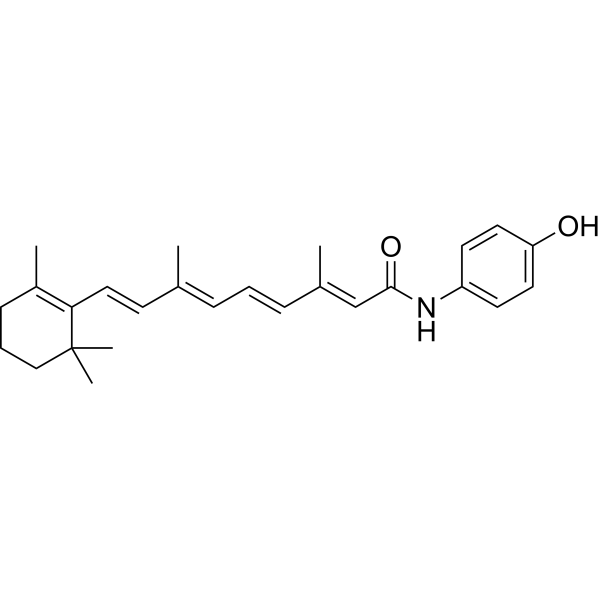
    4-Oxo-4-HPR

    Apoptosis Reactive Oxygen Species (ROS) Drug Metabolite Cancer
    4-Oxofenretinide (4-Oxo-4-HPR) is a metabolite of Fenretinide (HY-15373). 4-Oxofenretinide induces cell growth inhibition in ovarian, breast, and neuroblastoma tumor cell lines. 4-Oxofenretinide causes a marked accumulation of cells in G2-M. 4-Oxofenretinide induces cancer cell apoptosis through caspase-9 .
    4-Oxofenretinide
  • HY-B0688S2

    4,4′-Diaminodiphenyl sulfone-13C12; DDS-13C12

    Isotope-Labeled Compounds Antibiotic Parasite Bacterial Reactive Oxygen Species (ROS) Infection Inflammation/Immunology
    Dapsone- 13C12 is the 13C12 labeled Dapsone (HY-B0688). Dapsone (4,4′-Diaminodiphenyl sulfone) is an orally active and blood-brain penetrant sulfonamide antibiotic with bacteriostatic, antimycobacterial and antiprotozoal activities. Dapsone exerts effective antileprosy activity and inhibits folate synthesis in cell extracts of M. leprae. Dapsone is used for dermatologic disorder research, including leprosy, dermatitis herpetiformis, acne vulgaris et al .
    Dapsone-13C12
  • HY-P10553

    Apoptosis Cancer
    ARF(26–44), cell-permeable is a cell-penetrating peptide derived from a specific amino acid sequence of the p14ARF tumor suppressor protein. As a functional inhibitor of FoxM1, ARF(26–44) cell-permeable shows significant anti-tumor activity in the treatment of mouse hepatocellular carcinoma (HCC), significantly increasing tumor cell apoptosis and reducing tumor cell proliferation and angiogenesis. ARF(26–44), cell-permeable can be used in research on tumor therapy .
    ARF(26–44), cell-permeable
  • HY-N7171

    4,4'-DiOMEA; Nasutin C

    Wnt Cancer
    4,4'-Di-O-methylellagic acid (4,4'-DiOMEA; Nasutin C) can be isolated from the Australian termites. 4,4'-Di-O-methylellagic acid is blue-fluorescent under ultra-violet light . 4,4'-Di-O-methylellagic acid inhibits colon cancer cell proliferation via the wnt signal pathway .
    4,4'-Di-O-methylellagic acid
  • HY-178431

    mTOR Apoptosis Reactive Oxygen Species (ROS) STING Cancer
    MT-44 is a highly selective and potent mTOR inhibitor with an IC50 of 49.4 nM. MT-44 can inhibit cancer cells proliferation, migration and invasion. MT-44 can induce cells apoptosis and ROS production and cause G2/M phase arrest. MT-44 can activate the cGAS/STING pathway. MT-44 can be used for the research of cancer, such as triple-negative breast cancer .
    MT-44
  • HY-175525

    PROTACs Aurora Kinase Cancer
    MS44 is a potent aurora kinase B (AURKB PROTAC) degrader (DC50 = 103 nM). MS44 effectively degrades AURKB in a time- and ubiquitin-proteasome system (UPS)-dependent manner and is selective for AURKB over AURKA and AURKC. MS44 effectively inhibits the proliferation in multiple cancer cell lines and potently induces G2/M arrest. MS44 can be used for the study of AURKB-dependent tumors (Pink: Target protein ligand (HY-175526); Blue: E3 ligand (HY-112078); Black: Linker; E3 ligand + Linker (HY-132938)) .
    MS44
  • HY-W103792

    HDAC Cancer
    4-Phenylcinnamic acid is a weak HDAC2 inhiibitor (IC50 > 5 μM). 4-Phenylcinnamic acid has weak cell growth inhibition against tumor cells .
    4-Phenylcinnamic acid
  • HY-P10553A

    Apoptosis Cancer
    ARF(26–44), cell-permeable acetate is a cell-penetrating peptide derived from a specific amino acid sequence of the p14ARF tumor suppressor protein. As a functional inhibitor of FoxM1, ARF(26–44) cell-permeable acetate shows significant anti-tumor activity in the treatment of mouse hepatocellular carcinoma (HCC), significantly increasing tumor cell apoptosis and reducing tumor cell proliferation and angiogenesis. ARF(26–44), cell-permeable acetate can be used in research on tumor therapy .
    ARF(26–44), cell-permeable acetate
  • HY-N15380

    PARP Reactive Oxygen Species (ROS) Caspase Apoptosis Pyroptosis Cancer
    4,4′-Secalonic acid D (Compound 12) is a PARP1 inhibitor. 4,4′-Secalonic acid D induces the accumulation of ROS and DNA damage, activates the caspase-3/GSDME pathway, and triggers apoptosis and pyroptosis of tumor cells by inhibiting PARP1. 4,4′-Secalonic acid D has anti-tumor activity .
    4,4′-Secalonic acid D
  • HY-170955

    Transmembrane Glycoprotein Cancer
    HA-CD44 interaction inhibitor 3 (compound 5d) is a Hyaluronic acid (HY-B0633A) (HA)-CD44 interaction inhibitor with antiproliferative activities. HA-CD44 interaction inhibitor 3 inhibits MDA-MB-231 (CD44++) cells and MCF-7 cells (CD44--) with EC50s of 4.24 μM and 14.74 μM, respectively. HA-CD44 interaction inhibitor 3 shows the potential for cancer research .
    HA-CD44 interaction inhibitor 3
  • HY-175010

    STAT Apoptosis Bcl-2 Family Caspase Cancer
    STAT3-IN-44 is a potent STAT3 inhibitor with IC50s of 1.84 (C6 cells) and 4.81 μM (A549 cells). STAT3-IN-44 inhibits STAT3 phosphorylation, downregulates Bcl-2, and upregulates Caspase-3 to promote late-stage apoptosis. STAT3-IN-44 significantly suppresses tumor cell proliferation and migration. STAT3-IN-44 can be used for the study of cancers such as glioma and lung cancer .
    STAT3-IN-44
  • HY-176257

    STING Cancer
    STING agonist-44 (Compound 4) is a potent and selective STING agonist with an EC50 value of 5.68 for IRF induction in THP1 cells and 2.212 μM in RAW cells. STING agonist-44 activates the STING pathway, inducing the production of type I interferons and pro-inflammatory cytokines (e.g., CXCL10, TNFα). STING agonist-44 is promising for research of cancers .
    STING agonist-44
  • HY-178032

    PARP Apoptosis Reactive Oxygen Species (ROS) DNA/RNA Synthesis STING Cancer
    PARP1-IN-44, an Olaparib (HY-10162) derivative, is an orally active PARP1 inhibitor (IC50 = 0.6 nM), and also inhibits PARP2 (IC50 = 1.0 nM) and PARP7 (IC50 = 7.5 nM). PARP1-IN-44 has selective antiproliferative activity against BRCA-deficient cancer cells with minimal toxicity to normal cells. PARP1-IN-44 induces G2/M phase arrest, promotes apoptosis, elevates ROS levels, disrupts mitochondrial membrane potential. PARP1-IN-44 suppresses PARylation while increasing γH2AX accumulation. PARP1-IN-44 activates the cGAS-STING pathway, upregulating IFN-β and CXCL10 expression. PARP1-IN-44 enhancing CD8+ T cell infiltration in a CT26 tumor mouse model, demonstrating robust in vivo antitumor efficacy .
    PARP1-IN-44
  • HY-10451R

    JNJ 28431754 (Standard)

    Reference Standards SGLT Metabolic Disease Cancer
    Canagliflozin (Standard) is the analytical standard of Canagliflozin. This product is intended for research and analytical applications. Canagliflozin (JNJ 28431754) is a selective SGLT2 inhibitor with IC50s of 2 nM, 3.7 nM, and 4.4 nM for mSGLT2, rSGLT2, and hSGLT2 in CHOK cells, respectively .
    Canagliflozin (Standard)
  • HY-175184

    Histone Demethylase Infection
    LSD1-IN-44 (Compound 19) is a LSD1 inhibitor with an IC50 of 0.02  μM for LSD1-CoREST enzymatic complex. LSD1-IN-44 has significant antischistosomal activity against transformed schistosomula (NTS) and Schistosoma mansoni adult worms while showing a delayed onset of action towards juvenile forms. LSD1-IN-44 has no significant toxicity to human cells. LSD1-IN-44 can be used for schistosomiasis research .
    LSD1-IN-44
  • HY-123663

    PNU-101958 maleate

    Dopamine Receptor Neurological Disease
    U-101958 (PNU-101958) maleate is a highly selective ligand and antagonist for dopamine D4 receptor, with an IC50 of 2.7 nM. U-101958 maleate behaves as an agonist in HEK-293 cells expressing the human recombinant D4.4 receptor. U-101958 maleate is an antipsychotic .
    U-101958 maleate
  • HY-178499

    CDK c-Myc Bcl-2 Family Neurological Disease Cancer
    CDK9-IN-44 (Compound 7) is a selective CDK9 inhibitor (IC50=7.6 μM). CDK9-IN-44 inhibits CDK9/cyclin T1 kinase activity, blocking transcriptional elongation, reducing the expression of pro-cancer proteins (such as MCL1, c-MYC), and inducing tumor cell apoptosis. CDK9-IN-44 is promising for research of glioblastoma (GBM) and central nervous system (CNS) disorders .
    CDK9-IN-44
  • HY-178356

    Cholinesterase (ChE) nAChR Interleukin Related TNF Receptor Neurological Disease Inflammation/Immunology
    BChE-IN-44 is a potent, brain-penetrant, highly selective BChE inhibitor [equine BChE IC50 = 18.00 pM, human BChE IC50 = 1.50 nM]. BChE-IN-44 shows neuroprotective effects against the Aβ1-42-induced injury model and inhibitory effects on Aβ1-42 self-aggregation. BChE-IN-44 reduces the levels of inflammatory factors (NO, IL-6, and TNF-α) in Lipopolysaccharides (HY-D1056)-induced BV2 cells. BChE-IN-44 can significantly ameliorate Scopolamine (HY-N0296)-induced cognition impairment. BChE-IN-44 exhibits capacity in the regulation of BChE and acetylcholine levels in the mouse hippocampus. BChE-IN-44 can be used for the study of Alzheimer’s disease (AD) .
    BChE-IN-44
  • HY-112393

    HIV Src PKA PKC Infection
    TX-1918 is an inhibitor for eukaryotic elongation factor 2 kinase (eEF2-K) and Src kinase with IC50 of 0.44 and 4.4 μM, respectively. TX-1918 exhibits cytotoxicity in cell HepG2 and HCT116, with IC50 of 2.07 and 230 μM, respectively. TX-1918 inhibits the C-terminal domain of HIV-1 CA (CA CTD)(IC50 =3.81 μM), and inhibits the viral replication (IC50 =15.16 μM) .
    TX-1918
  • HY-175815

    Apoptosis Bcl-2 Family Caspase MMP Cadherin Cancer
    Apoptosis inducer 44 is an apoptosis inducer. Apoptosis inducer 44 triggers apoptosis in MDA-MB-231 cells by increasing the levels of Bax and Cyt C, reducing Bcl-2, and initiating caspase-3 cleavage. Apoptosis inducer 44 suppresses the invasion and migration of MDA-MB-231 cells by down-regulating MMP-2 and MMP-9 expression and up-regulating E-cadherin protein levels. Apoptosis inducer 44 can be used for the study of breast cancer .
    Apoptosis inducer 44
  • HY-148641

    Histone Methyltransferase Cancer
    ZJH-16 (Compound 11e) is an orally active EED inhibitor (IC50 = 2.72 nM, Kd = 4.4 nM). ZJH-16 inhibits the growth of lymphoma cells and reduces H3K27 trimethylation levels. ZJH-16 inhibits tumor growth in lymphoma animal models. ZJH-16 can be used for research on lymphoma and other cancers .
    ZJH-16
  • HY-P4032

    HCV Inflammation/Immunology
    HCV Peptide (35-44), a HCV core protein at positions 35 to 44, is a HLA-A2-restricted CTL epitope. HCV Peptide (35-44) inhibits NK cell activity via two distinct mechanisms, directly via KIR2DL2/3, and synergistically via the CD94:NKG2A receptor .
    HCV Peptide (35-44)
  • HY-142946

    Ras Cancer
    KRAS G12C inhibitor 44 (compound 54) is a potent and orally active KRAS G12C inhibitor. KRAS G12C inhibitor 44 shows anti-proliferation activities with IC50s of 0.016, 0.028 µM in MIA PaCA-2, H358 cells, respectively. KRAS G12C inhibitor 44 shows antitumor effects in vivo .
    KRAS G12C inhibitor 44

Inquiry Online

Your information is safe with us. * Required Fields.

Salutation


Country or Region *

Applicant Name *


Organization Name *

Department *


Email Address *


Product Name *

Cat. No.


Requested quantity *

Phone Number *


Remarks

Inquiry Online

Inquiry Information

Product Name:
Cat. No.:
Quantity:
MCE Japan Authorized Agent:

