1. Search Result
Search Result
Results for "

87

" in MedChemExpress (MCE) Product Catalog:

419

Inhibitors & Agonists

2

Fluorescent Dye

10

Biochemical Assay Reagents

14

Peptides

3

Inhibitory Antibodies

45

Natural
Products

19

Recombinant Proteins

20

Isotope-Labeled Compounds

12

Antibodies

2

Click Chemistry

12

Oligonucleotides

Cat. No. Product Name Target Research Areas Chemical Structure
  • HY-15836
    BAY 87-2243
    25+ Cited Publications

    HIF/HIF Prolyl-Hydroxylase Ferroptosis Cancer
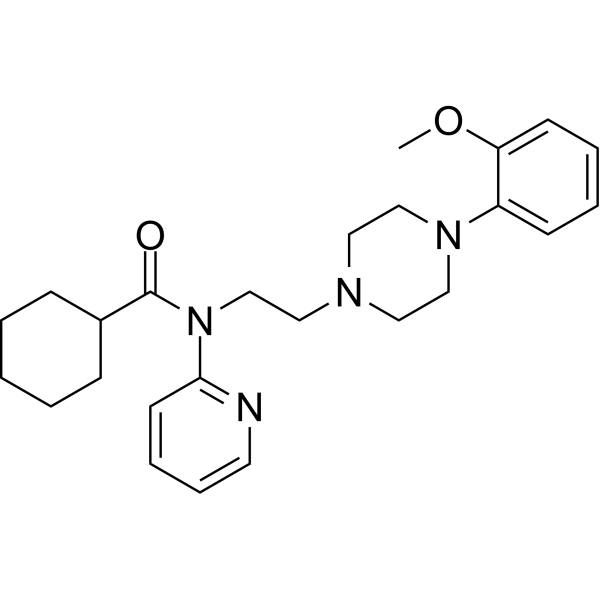
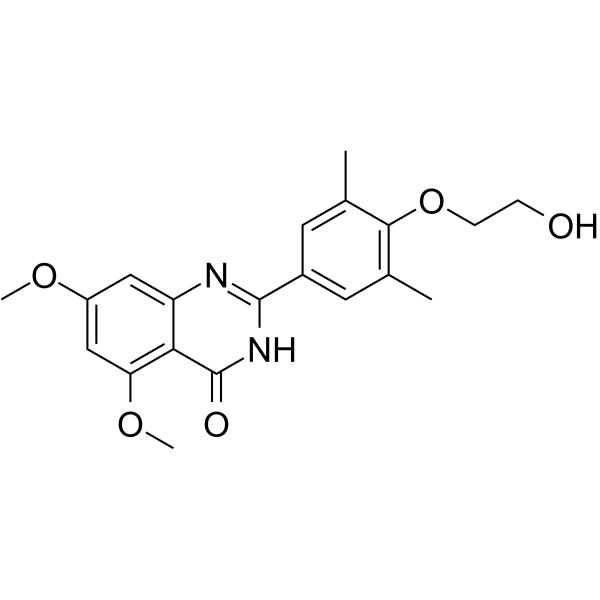
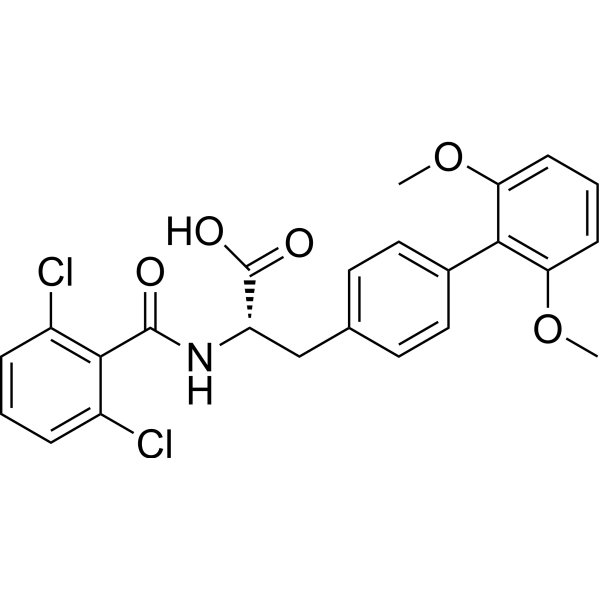
    BAY 87-2243 is a highly potent and selective hypoxia-inducible factor-1 (HIF-1) inhibitor.
    BAY 87-2243
  • HY-B1490
    Imipramine hydrochloride
    5+ Cited Publications

    Serotonin Transporter Apoptosis Autophagy Neurological Disease Inflammation/Immunology Cancer
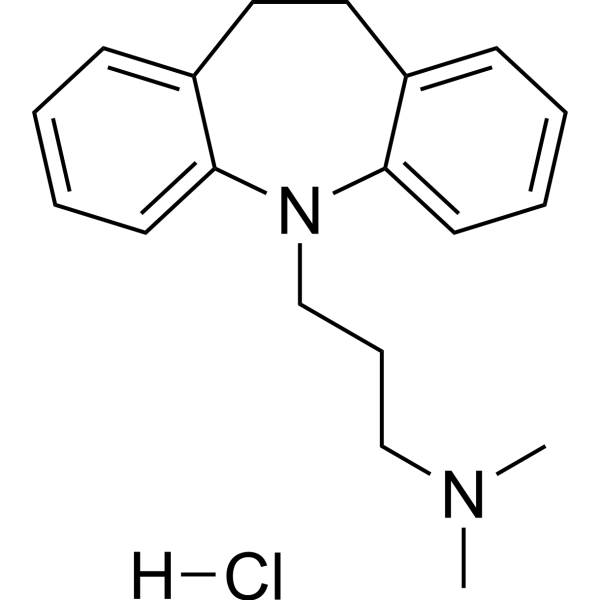
    Imipramine hydrochloride is an orally active tertiary amine tricyclic antidepressant. Imipramine hydrochloride is a Fascin1 inhibitor with antitumor activities. Imipramine hydrochloride also inhibits serotonin transporter with an IC50 value of 32 nM. Imipramine hydrochloride stimulates U-87MG glioma cells autophagy and induces HL-60 cell apoptosis. Imipramine hydrochloride shows neuroprotective and immunomodulatory effects .
    Imipramine hydrochloride
  • HY-B1490A
    Imipramine
    5+ Cited Publications

    Serotonin Transporter Autophagy Apoptosis Neurological Disease Inflammation/Immunology Cancer
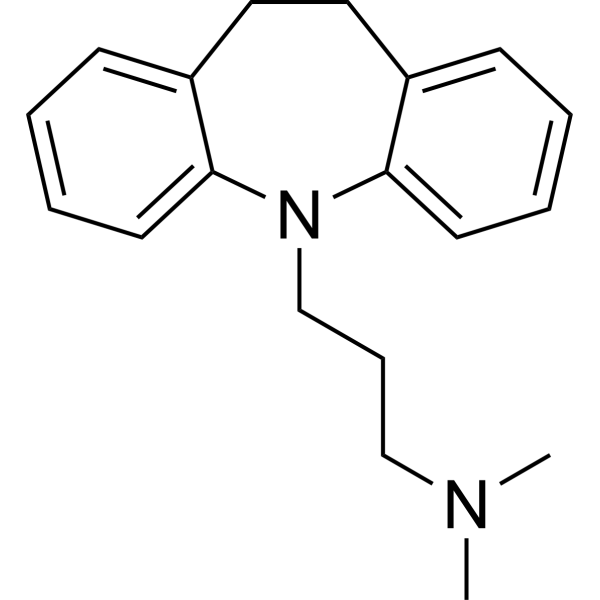
    Imipramine is an orally active tertiary amine tricyclic antidepressant. Imipramine is a Fascin1 inhibitor with antitumor activities. Imipramine also inhibits serotonin transporter with an IC50 value of 32 nM. Imipramine stimulates U-87MG glioma cells autophagy and induces HL-60 cell apoptosis. Imipramine shows neuroprotective and immunomodulatory effects .
    Imipramine
  • HY-Y0850E

    PVA (Mw 30000-70000, 87-90% hydrolyzed); Poly(Ethenol) (Mw 30000-70000, 87-90% hydrolyzed)

    Environmental Pollutants Biochemical Assay Reagents Cardiovascular Disease Cancer
    Polyvinyl alcohol (Mw 30000-70000, 87-90% hydrolyzed) is a polyvinyl alcohol with a molecular weight of 30000-70000 and hydrolytic properties. The degree of hydrolysis refers to the degree to which the acetate groups in the original polyvinyl acetate are converted into hydroxyl groups during the hydrolysis process. Polyvinyl alcohol (Mw 30000-70000, 87-90% hydrolyzed) is the hydrolysis and removal of acetate groups after the polymerization of ethylene acetate. And polyvinyl alcohol is obtained. A degree of hydrolysis of 87-90% indicates that a large part of the acetate groups have been removed, resulting in a large number of hydroxyl groups in the PVA structure. Polyvinyl alcohol with different degrees of hydrolysis can be used to self-crosslink to form cryogel, which can be used as biological excipients .
    Polyvinyl alcohol (Mw 30000-70000, 87-90% hydrolyzed)
  • HY-N2146
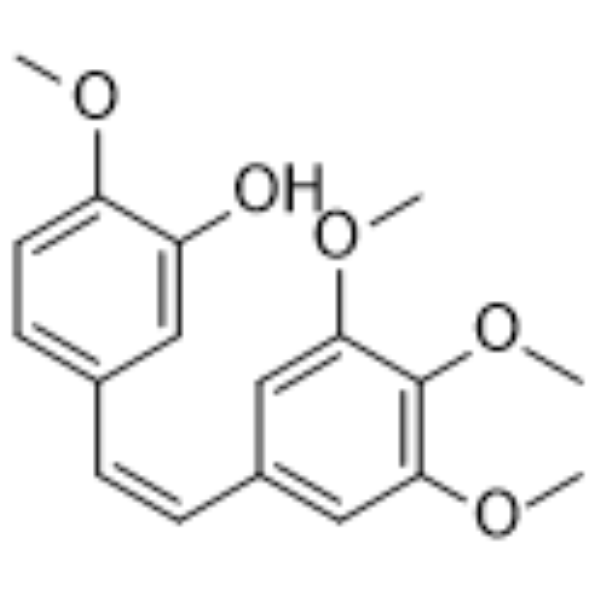
    Combretastatin A4
    4 Publications Verification

    CRC 87-09

    Microtubule/Tubulin Cancer
    Combretastatin A4 is a microtubule-targeting agent that binds β-tubulin with Kd of 0.4 μM.
    Combretastatin A4
  • HY-D0505
    Eosin Y
    3 Publications Verification

    Acid Red 87 free base

    Fluorescent Dye Others
    Eosin Y (Acid Red 87 free base) is a soluble acid red dye molecule. Eosin Y has a wide application in organic synthesis as a photoredox catalyst .
    Eosin Y
  • HY-Y0850J

    PVA (Mw 13000-23000, 87-89% hydrolyzed); Poly(Ethenol) (Mw 13000-23000, 87-89% hydrolyzed)

    Environmental Pollutants Biochemical Assay Reagents Cancer
    Polyvinyl alcohol (Mw 13000-23000, 87-89% hydrolyzed) is a polyvinyl alcohol with a molecular weight of 130000-23000 and hydrolytic properties. Polyvinyl alcohol (Mw 13000-23000, 87-89% hydrolyzed) is the hydrolysis and removal of acetate groups after the polymerization of ethylene acetate and polyvinyl alcohol is obtained. A degree of hydrolysis of 87-89% indicates that a large part of the acetate groups have been removed, resulting in a large number of hydroxyl groups in the PVA structure. Polyvinyl alcohol with different degrees of hydrolysis can be used to self-crosslink to form cryogel, which can be used as biological excipient. Polyvinyl alcohol can be used in tissue engineering by electrospinning. Polyvinyl alcohol can achieve high cellular density, infiltration, and uniform distribution, facilitating functional connections between cells. Polyvinyl alcohol can improve cell vitality through in vitro cultivation. Polyvinyl alcohol demonstrates promising inhibition of ostersarcoma cancer cells with Doxorubicin (HY-15142A) .
    Polyvinyl alcohol (Mw 13000-23000, 87-89% hydrolyzed)
  • HY-Y0850M

    PVA (Mw 85000-124000, 87-89% hydrolyzed); Poly(Ethenol) (Mw 85000-124000, 87-89% hydrolyzed)

    Environmental Pollutants Biochemical Assay Reagents Others
    Polyvinyl alcohol (Mw 85000-124000, 87-89% hydrolyzed) is a polyvinyl alcohol with a molecular weight of 85000-124000 and hydrolytic properties. The degree of hydrolysis refers to the degree to which the acetate groups in the original polyvinyl acetate are converted into hydroxyl groups during the hydrolysis process. Polyvinyl alcohol (Mw 85000-124000, 87-89% hydrolyzed) is the hydrolysis and removal of acetate groups after the polymerization of ethylene acetate. And polyvinyl alcohol is obtained. A degree of hydrolysis of 87-89% indicates that a large part of the acetate groups have been removed, resulting in a large number of hydroxyl groups in the PVA structure. Polyvinyl alcohol with different degrees of hydrolysis can be used to self-crosslink to form cryogel, which can be used as biological excipient .
    Polyvinyl alcohol (Mw 85000-124000, 87-89% hydrolyzed)
  • HY-Y0850P

    PVA (Mw 146000-186000, 87-89% hydrolyzed); Poly(Ethenol) (Mw 146000-186000, 87-89% hydrolyzed)

    Environmental Pollutants Biochemical Assay Reagents Cancer
    Polyvinyl alcohol (Mw 146000-186000, 87-89% hydrolyzed) is a polyvinyl alcohol with a molecular weight of 146000-186000 and hydrolytic properties. Polyvinyl alcohol (Mw 146000-186000, 87-89% hydrolyzed) is the hydrolysis and removal of acetate groups after the polymerization of ethylene acetate. And polyvinyl alcohol is obtained. Polyvinyl alcohol with different degrees of hydrolysis can be used to self-crosslink to form cryogel, which can be used as biological excipient. Polyvinyl alcohol can be used in tissue engineering by electrospinning. Polyvinyl alcohol can achieve high cellular density, infiltration, and uniform distribution, facilitating functional connections between cells. Polyvinyl alcohol can improve cell vitality through in vitro cultivation. Polyvinyl alcohol demonstrates promising inhibition of ostersarcoma cancer cells with Doxorubicin (HY-15142A) .
    Polyvinyl alcohol (Mw 146000-186000, 87-89% hydrolyzed)
  • HY-D0505A
    Eosin Y disodium
    3 Publications Verification

    Acid Red 87

    Fluorescent Dye Others
    Eosin Y disodium (Acid Red 87) is a soluble acid red dye molecule. Eosin Y disodium has a wide application in organic synthesis as a photoredox catalyst .
    Eosin Y disodium
  • HY-100735
    C 87
    2 Publications Verification

    TNF Receptor Inflammation/Immunology
    C 87 is a novel small-molecule TNFα inhibitor; potently inhibits TNFα-induced cytotoxicity with an IC50 of 8.73 μM.
    C 87
  • HY-Y0850O

    PVA (Mw 31000-50000, 87-89% hydrolyzed); Poly(Ethenol) (Mw 31000-50000, 87-89% hydrolyzed)

    Environmental Pollutants Biochemical Assay Reagents Cancer
    Polyvinyl alcohol (PVA; Poly (Ethenol)) (Mw 31000-50000, 87-89% hydrolyzed) is a polymer with emulsifying and stabilizing properties, with a degree of hydrolysis of 87-89%. Polyvinyl alcohol (Mw 31000-50000, 87-89% hydrolyzed) mainly acts as a stabilizer in the preparation of nanomedicines; it not only maintains the structural integrity of PEGylated PLGA nanoparticles during double emulsion synthesis, but also facilitates the preparation of chitosan/matrine-PLGA nanoparticle aqueous solutions and lipid-polymer nanoparticles. Polyvinyl alcohol (Mw 31000-50000, 87-89% hydrolyzed) can be widely used in research related to fields such as breast cancer .
    Polyvinyl alcohol (Mw 31000-50000, 87-89% hydrolyzed)
  • HY-Y0850U9

    Polyvinyl alcohol (Mw 67000, 87-89% hydrolyzed, ~1400 polymerization); Poly(Ethenol) (Mw 67000, 87-89% hydrolyzed, ~1400 polymerization)

    Biochemical Assay Reagents Others
    PVA (Mw 67000, 87-89% hydrolyzed, ~1400 polymerization) is a polyvinyl alcohol with a molecular weight of 67000 and hydrolytic properties. Degree of hydrolysis refers to the conversion rate of acetate groups in the original polyvinyl acetate to hydroxyl groups; PVA (Mw 67000, 87-89% hydrolyzed, ~1400 polymerization) is obtained by hydrolyzing and removing acetate groups after the polymerization of vinyl acetate. Polyvinyl alcohol with different degrees of hydrolysis can be used to form self-crosslinked cryogels and is applied as a biological adjuvant .
    PVA (Mw 67000, 87-89% hydrolyzed, ~1400 polymerization)
  • HY-107496
    Imidocarb dipropionate
    1 Publications Verification

    Parasite Antibiotic Infection
    Imidocarb dipropionate is a potent antiprotozoal agent. Imidocarb dipropionate is active against the parasite B. bovis with an IC50 of 87 μg/mL .
    Imidocarb dipropionate
  • HY-15811

    ACK1-B19

    Tyrosinase Cancer
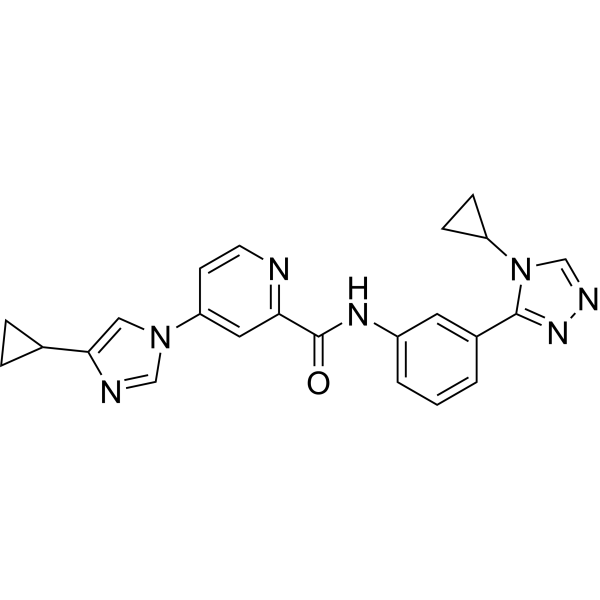
    XMD8-87 is a potent TNK2 inhibitor with IC50 values of 38 and 113 nM for the D163E and R806Q mutations, respectively.
    XMD8-87
  • HY-D1005B
    Poloxamer 237 (F87)
    1 Publications Verification

    PEG-PPG-PEG, 7700 (Average Mn)

    Environmental Pollutants Others
    Poloxamer 237 (F87) (PEG-PPG-PEG, 7700 (Average Mn)) is an alcohol substance that acts as an oil-in-water emulsifier and solubilizer. Poloxamer 237 (F87) is used in the research of formulations such as contact lens care solutions and eye drops .
    Poloxamer 237 (F87)
  • HY-100555

    HSP Infection Cancer
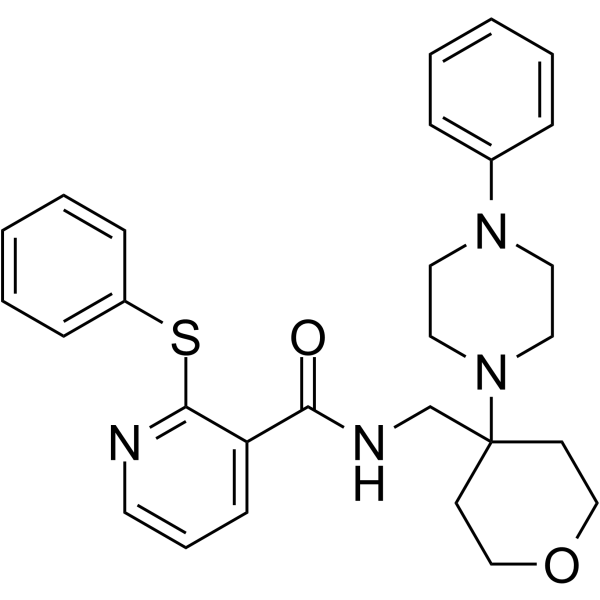
    CH5138303 is a potent and orally active Hsp90 inhibitor. CH5138303 shows high binding affinity for N-terminal Hsp90α, with Kd of 0.52 nM. CH5138303 shows potent anti-proliferative activity against human cancer cell lines (HCT116 and NCI-N87), with IC50 values of 0.098 and 0.066 μM, respectively. CH5138303 shows high oral bioavailability in mice (F=44.0%). CH5138303 shows potent antitumor efficacy in a human NCI-N87 gastric cancer xenograft model .
    CH5138303
  • HY-116273

    Phospholipase Cancer
    ML299 is a selective allosteric modulator and a dual inhibitor of phospholipases D1 and D2 (IC50 values are 6 and 12 nM, respectively). ML299 decreases invasive migration in U87-MG glioblastoma cells .
    ML299
  • HY-106850

    AzdU; AzddU; CS-87

    HIV Infection
    3′-Azido-2′,3′-dideoxyuridine (AzdU) is a nucleoside analog of Zidovudine (HY-17413). 3′-Azido-2′,3′-dideoxyuridine is a potent inhibitor of human immunodeficiency virus (HIV) replication in human peripheral blood mononuclear cells (PBMC) with limited toxicity for human bone marrow cells (BMC) . 3′-Azido-2′,3′-dideoxyuridine is a click chemistry reagent, it contains an Azide group and can undergo copper-catalyzed azide-alkyne cycloaddition reaction (CuAAc) with molecules containing Alkyne groups. It can also undergo strain-promoted alkyne-azide cycloaddition (SPAAC) reactions with molecules containing DBCO or BCN groups.
    3′-Azido-2′,3′-dideoxyuridine
  • HY-135611
    Imidocarb
    1 Publications Verification

    Parasite Antibiotic Infection
    Imidocarb is a potent antiprotozoal agent. Imidocarb is active against the parasite B. bovis with an IC50 of 87 μg/mL .
    Imidocarb
  • HY-106892

    348U87

    DNA/RNA Synthesis Infection
    BW 348U87 is an inhibitor for ribonucleotide reductase, which exhibits synergistic effect with Acyclovir (HY-17422), potentiate the antiviral activity of Acyclovir against herpes simplex virus (HSV) in athymic nude mouse model .
    BW 348U87
  • HY-155439

    FAK Cancer
    FAK-IN-14 (compound 8d) is a focal adhesion kinase(FAK) inhibitor with an IC50 value of 0.2438 nM. FAK-IN-14 induces U87-MG cell early apoptosis and arrest the cell at the G2/M phase .
    FAK-IN-14
  • HY-168708

    Histone Demethylase Apoptosis Cancer
    AH2-14c is an inhibitor for DNA demethylase ALKBH2. AH2-14c inhibits the cell viability (IC50 is 4.56 µM) and migration of GBM U87. AH2-14c regulates the expression of apoptosis-related genes, and induces apoptosis in GBM U87 cell .
    AH2-14c
  • HY-129619

    SNIPERs Estrogen Receptor/ERR Cancer
    SNIPER(ER)-87 consists of an inhibitor of apoptosis protein (IAP) ligand LCL161 derivative that is conjugated to the estrogen receptor α (ERα) ligand 4-hydroxytamoxifen by a PEG linker, and efficiently degrades the ERα protein (IC50=0.097 μM). SNIPER(ER)-87 preferentially recruits XIAP to ERα in the cells, and XIAP is the primary E3 ubiquitin ligase responsible for the SNIPER(ER)-87-induced ERα degradation .
    SNIPER(ER)-87
  • HY-P1750

    HSP Survivin Cancer
    Shepherdin (79-87) is amino acids 79 to 87 fragment of Shepherdin. Shepherdin is a peptidomimetic antagonist of the complex between Hsp90 and Survivin. Anticancer activity .
    Shepherdin (79-87)
  • HY-134557

    GSK-3 Cancer
    GS87 is a highly specific and potent GSK3 inhibitor with IC50s of 415nM and 521nM for GSK3α and GSK3β, respectively. GS87 induces differentiation of acute myeloid leukemia (AML) cell lines by effectively activating GSK3-dependent signaling components including MAPK signaling. GS87 modulates key GSK3 target proteins involved in cell proliferation and differentiation more effectively than Lithium and SB415285 (SB). GS87 has the potential for acting as a differentiation agent for non-promyelocytic AML research .
    GS87
  • HY-P1750A

    HSP Survivin Cancer
    Shepherdin (79-87) TFA is amino acids 79 to 87 fragment of Shepherdin. Shepherdin is a peptidomimetic antagonist of the complex between Hsp90 and Survivin. Anticancer activity .
    Shepherdin (79-87) TFA
  • HY-Y0850U2

    Polyvinyl alcohol (Mw 130000, 87-89% hydrolyzed, ~2700 polymerization); Poly(Ethenol) (Mw 130000, 87-89% hydrolyzed, ~2700 polymerization)

    Biochemical Assay Reagents Others
    PVA (Mw 130000, 87-89% hydrolyzed, ~2700 polymerization) (Polyvinyl alcohol (Mw 130000, 87-89% hydrolyzed, ~2700 polymerization); Poly(Ethenol) (Mw 130000, 87-89% hydrolyzed, ~2700 polymerization)) is a biodegradable of polymer. PVA (Mw 130000, 87-89% hydrolyzed, ~2700 polymerization) can be used to blend with various biopolymers and hydrophilic synthetic polymers to improve mechanical properties of films .
    PVA (Mw 130000, 87-89% hydrolyzed, ~2700 polymerization)
  • HY-Y0850U

    Polyvinyl alcohol (Mw 31000, 87-89% hydrolyzed, ~630 polymerization); Poly(Ethenol) (Mw 31000, 87-89% hydrolyzed, ~630 polymerization)

    Biochemical Assay Reagents Others
    PVA (Mw 31000, 87-89% hydrolyzed, ~630 polymerization) (Polyvinyl alcohol (Mw 31000, 87-89% hydrolyzed, ~630 polymerization); Poly(Ethenol) (Mw 31000, 87-89% hydrolyzed, ~630 polymerization)) is a biocompatible, biodegradable, nontoxic and hydrophilic synthetic polymer. PVA (Mw 31000, 87-89% hydrolyzed, ~630 polymerization) can be used to produce bone tissue engineering scaffold [1]
    PVA (Mw 31000, 87-89% hydrolyzed, ~630 polymerization)
  • HY-118785

    TRP Channel Neurological Disease
    MSP-3 is a potent TRPV1 agonist, with an EC50 of 0.87 μM. MSP-3 exhibits neuroprotective and antinociceptive effects .
    MSP-3
  • HY-173053

    HDAC Fungal Infection
    HDAC-IN-87 (Compound XII6) is a nonselective HDAC inhibitor, with pIC50 of 6.9 (HDAC4) and 5.8 (HDAC6) respectively. HDAC-IN-87 has fungicidal activity against P. sorghi and P. pachyrhizi. HDAC-IN-87 shows an acute oral LD50 of greater than 500 mg/kg in male and female rats .
    HDAC-IN-87
  • HY-156741A

    EGFR Cancer
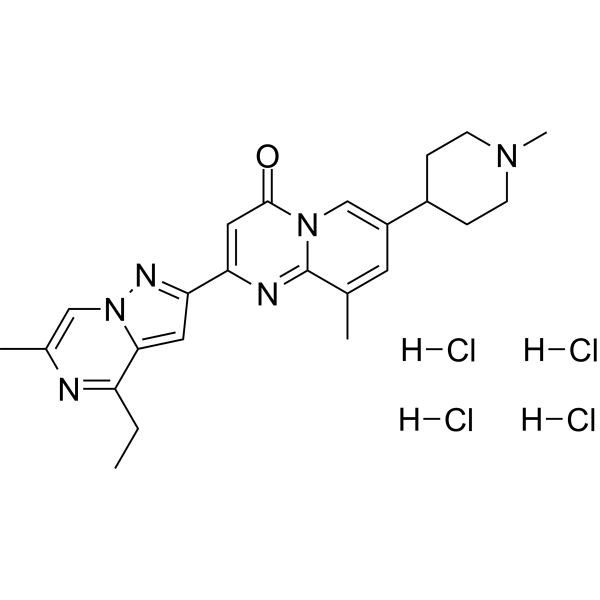
    EGFR-IN-87 (Compound Example 2) hydrochloride is a EGFR tyrosine kinase inhibitor. EGFR-IN-87 hydrochloride has IC50 value of 3.1 nM, 1.3 nM and 7.1 nM for EGFR_d746-750, EGFR_L858R/T790 and EGFR_WT in A431 cells, respectively. EGFR-IN-87 hydrochloride can be used for cancer diseases research .
    EGFR-IN-87 hydrochloride
  • HY-116165

    Phospholipase Cancer
    ML298 is a potent and selective inhibitor of Phospholipase D2 (PLD2) with an IC50 of 355 nM. ML298 decreases invasive migration in U87-MG glioblastoma cells .
    ML-298
  • HY-13768S1

    Isotope-Labeled Compounds Topoisomerase Autophagy Cancer
    Topotecan-d6 is the deuterium labeled Topotecan. Topotecan (SKF 104864A; NSC 609669) is a Topoisomerase I inhibitor. The IC50 values of Topotecan at 24 h are 2.73±0.25 μM of U251 cells, 2.95±0.23 μM of U87 cells, 5.46±0.41 μM of GSCs-U251 and 5.95 μM of GSCs-U87 .
    Topotecan-d6
  • HY-W1117786

    ADC Payload NAMPT Cancer
    Nampt-IN-10 (Compound 4) is an efficient inhibitor of nicotinamide phosphoribosyltransferase (NAMPT). Nampt-IN-10 exhibits nanomolar-level inhibitory activity against cell lines such as MDA-MB453, NCI-N87, and NCI-H526. Nampt-IN-10 can be used as an ADC payload, and the ADC constructed with it as the core demonstrates significant anti-tumor activity .
    Nampt-IN-10
  • HY-156741

    EGFR Cancer
    EGFR-IN-87 (Compound Example 2) is a EGFR tyrosine kinase inhibitor. EGFR-IN-87 has IC50 value of 3.1 nM, 1.3 nM and 7.1 nM for EGFR_d746-750, EGFR_L858R/T790 and EGFR_WT in A431 cells, respectively. EGFR-IN-87 can be used for cancer diseases research .
    EGFR-IN-87
  • HY-19130

    Adenosine Receptor Neurological Disease
    BW-534U87 is an orally active adenosine A1 receptor agonist and competitive adenosine deaminase (ADA) inhibitor (Ki=7 μM). BW-534U87 elevates brain adenosine levels and suppresses epileptiform activity. BW-534U87 demonstrate anticonvulsant efficacy in animal seizure models. BW-534U87 is promising for research of epilepsy and adenosine-related neuropsychiatric disorders .
    BW-534U87
  • HY-105102

    882C87

    Nucleoside Antimetabolite/Analog HSV Infection
    Netivudine is a nucleoside analogue with potent anti-varicella zoster virus activity. Netivudine is a click chemistry reagent, it contains an Alkyne group and can undergo copper-catalyzed azide-alkyne cycloaddition (CuAAc) with molecules containing Azide groups.
    Netivudine
  • HY-156349

    Apoptosis Others
    Sec61-IN-4 (Compound 16b) is a Sec61 inhibitor (IC50: 0.04 nM in U87-MG cells) .
    Sec61-IN-4
  • HY-N1187
    Syzalterin
    1 Publications Verification

    NO Synthase Neurological Disease Inflammation/Immunology
    Syzalterin is an inhibitor of NO production with an IC50 of 1.87 μg/mL.
    Syzalterin
  • HY-N2146R

    CRC 87-09 (Standard)

    Reference Standards Microtubule/Tubulin Cancer
    Combretastatin A4 is a microtubule-targeting agent that binds β-tubulin with Kd of 0.4 μM.
    Combretastatin A4 (Standard)
  • HY-157085

    HSP Cancer
    BX-2819 is a Hsp90 inhibitor with an IC50 value of 41 nM. BX-2819 inhibits the proliferation of cancer cells. BX-2819 can significantly inhibit the growth of NCI-N87 and HT-29 tumors in nude mice .
    BX-2819
  • HY-176538

    HSP Cancer
    Antiproliferative agent-72 (Compound 10) is a Hsp90 inhibitor with a Kd of 11 nM. Antiproliferative agent-72 has antiproliferative activity with IC50s of 1.5  μM and 1.1 μM for HCT116 and NCI-N87 cells, respectively. Antiproliferative agent-72 can be used for cancers research .
    Antiproliferative agent-72
  • HY-175213

    Isocitrate Dehydrogenase (IDH) Cancer
    Mutant IDH1-IN-7 is a highly selective Isocitrate Dehydrogenase 1 (IDH1) R132H (IC50 = 0.26 μM, Kd = 2.1 μM)/R132C (IC50 = 1.1 μM) inhibitor. Mutant IDH1-IN-7 has no inhibitory effect on wild-type IDH1, IDH2-wt, and IDH2 R140Q. Mutant IDH1-IN-7 inhibits 2-Hydroxyglutarate (2-HG) production in U87-MG R132H cells (EC50 = 0.55 μM). Mutant IDH1-IN-7 exhibits moderate antiproliferative effects on U87-MG R132H and HT-1080 cells .
    Mutant IDH1-IN-7
  • HY-W040303

    DE-498; XRD-498

    Environmental Pollutants Herbicide Others
    Flumetsulam is pre- and postemergence herbicide, which is susceptible to dissipate in corn ecosystem with half-live less than 8.7 days .
    Flumetsulam
  • HY-157778

    SARS-CoV Infection
    MK-7845 is a reversible covalent SARS-CoV-2 3CL protease inhibitor with an IC50 of 8.7 nM .
    MK-7845
  • HY-144190

    Macrophage migration inhibitory factor (MIF) Neurological Disease
    MIF-IN-1 (compound 14) is a potent macrophage migration inhibitory factor (MIF) inhibitor (pIC50=6.87) .
    MIF-IN-1
  • HY-15990

    HSP Cancer
    CH5164840 (16) shows high binding affinity for N-terminal Hsp90a (Kd = 0.52 nM) and strong anti-proliferative activity against human cancer cell lines (HCT116 IC50 = 0.15 μM, NCI-N87 IC50 = 0.066 μM). CH5164840 (16) is orally active (t1/2 = 2.64 h) with potent antitumor efficacy .
    CH5164840
  • HY-148592

    Cytochrome P450 Cancer
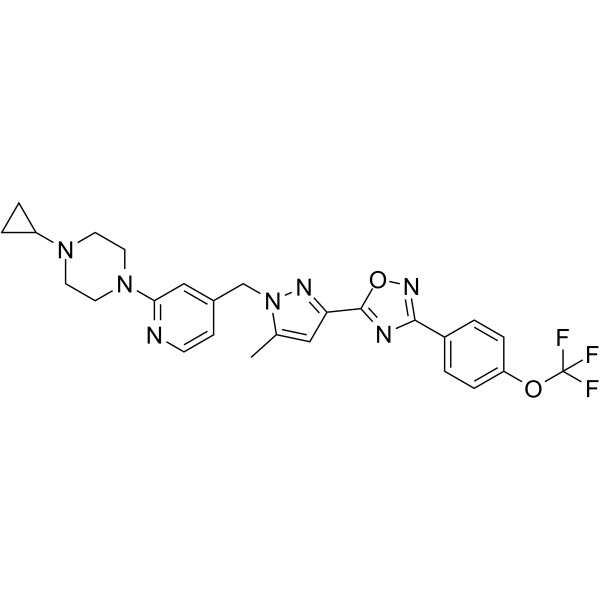
    Antitumor agent-87 is a potent antitumor agent. Antitumor agent-87 shows a high affinity for CYP1A1 with a Ki value of 0.23 µM. Antitumor agent-87 shows antiproliferative activity. Antitumor agent-87 induces cell cycle arrest at the G2/M phase. Antitumor agent-87 show antitumoral activity .
    Antitumor agent-87
  • HY-151570

    Others Cancer
    Anticancer agent 87 is a potent anticancer agent. Anticancer agent 87 can be used in the research of breast adenocarcinoma and liver cancer .
    Anticancer agent 87

Inquiry Online

Your information is safe with us. * Required Fields.

Salutation


Country or Region *

Applicant Name *


Organization Name *

Department *


Email Address *


Product Name *

Cat. No.


Requested quantity *

Phone Number *


Remarks

Inquiry Online

Inquiry Information

Product Name:
Cat. No.:
Quantity:
MCE Japan Authorized Agent:

