1. Search Result
Search Result
Pathways Recommended: Stem Cell/Wnt Cell Cycle/DNA Damage
Results for "

B cell receptor

" in MedChemExpress (MCE) Product Catalog:

342

Inhibitors & Agonists

1

Screening Libraries

16

Fluorescent Dyes

5

Biochemical Assay Reagents

16

Peptides

31

Inhibitory Antibodies

41

Natural
Products

64

Recombinant Proteins

36

Isotope-Labeled Compounds

43

Antibodies

1

Click Chemistry

10

Oligonucleotides

Cat. No. Product Name Target Research Areas Chemical Structure
  • HY-113134
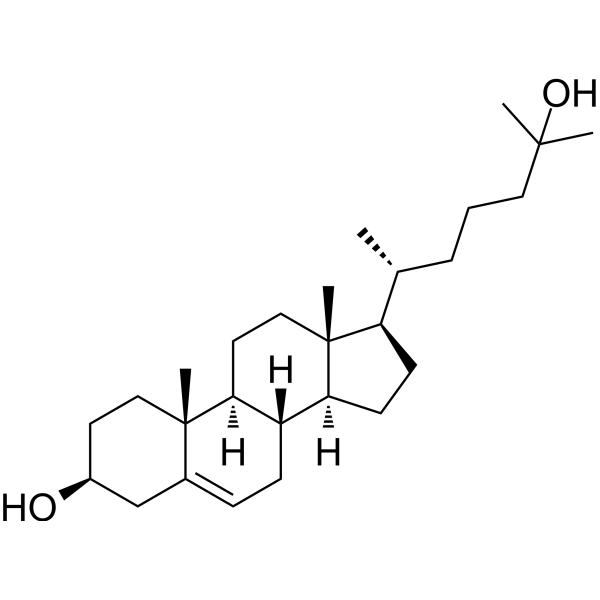
    25-Hydroxycholesterol
    Maximum Cited Publications
    28 Publications Verification

    25-OHC

    Endogenous Metabolite Inflammation/Immunology
    25-Hydroxycholesterol (25-OHC) is a metabolite of cholesterol that is produced and secreted by macrophages in response to Toll-like receptor (TLR) activation. 25-hydroxycholesterol is a potent (EC50≈65 nM) and selective suppressor of IgA production by B cells.
    25-Hydroxycholesterol
  • HY-113962
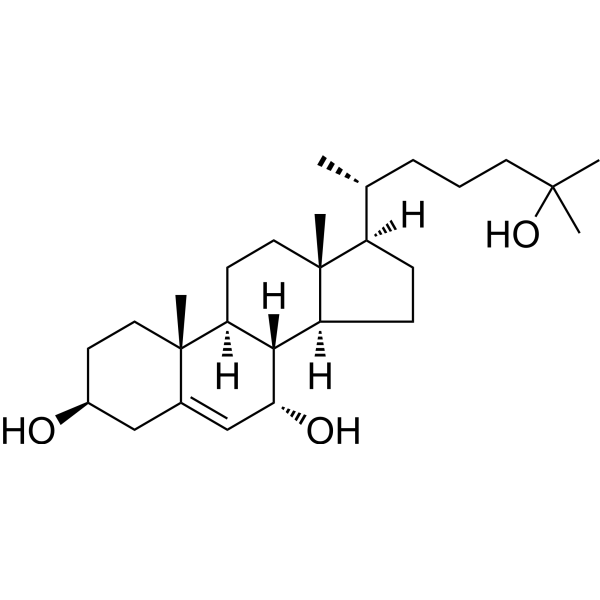
    7α,25-Dihydroxycholesterol
    3 Publications Verification

    7α,25-OHC

    EBI2/GPR183 Endogenous Metabolite Inflammation/Immunology
    7α, 25-dihydroxycholesterol (7α,25-OHC) is a potent and selective agonist and endogenous ligand of the orphan GPCR receptor EBI2 (GPR183). 7α, 25-dihydroxycholesterol is highly potent at activating EBI2 (EC50=140 pM; Kd=450 pM). 7α, 25-dihydroxycholesterol can serve as a chemokine directing migration of B cells, T cells and dendritic cells .
    7α,25-Dihydroxycholesterol
  • HY-147308
    Zelenirstat
    2 Publications Verification

    PCLX-001

    N-myristoyltransferase Cancer
    Zelenirstat is an orally acitve, small-molecule, dual N-myristoyltransferase (NMT) inhibitor, with IC50s of 5 nM (NMT1) and 8 nM (NMT2), respectively. Zelenirstat can induce cell apoptosis, has anti-cancer activity, inhibits early B cell receptor (BCR) signaling, and can be used to study malignant lymphoma .
    Zelenirstat
  • HY-129390
    Orelabrutinib
    3 Publications Verification

    ICP-022

    Btk Cancer
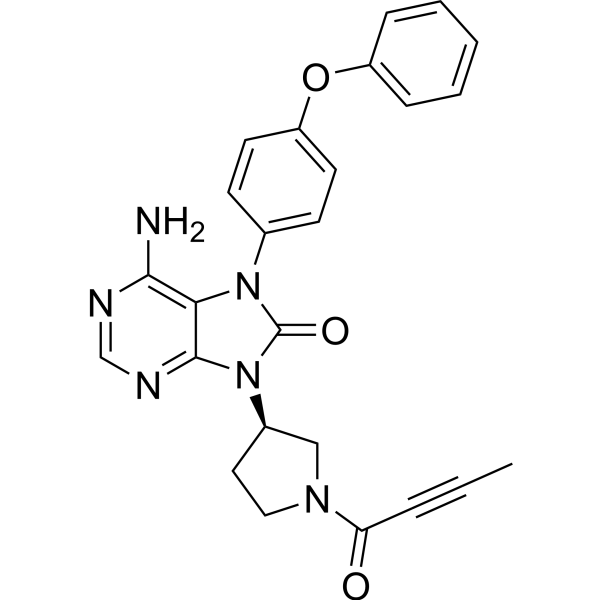
    Orelabrutinib (ICP-022) is a potent, orally active, and irreversible Bruton's tyrosine kinase (BTK) inhibitor with potential antineoplastic activity. Orelabrutinib prevents both the activation of the B-cell antigen receptor (BCR) signaling pathway and BTK-mediated activation of downstream survival pathways, inhibiting the growth of malignant B-cells that overexpress BTK .
    Orelabrutinib
  • HY-14153
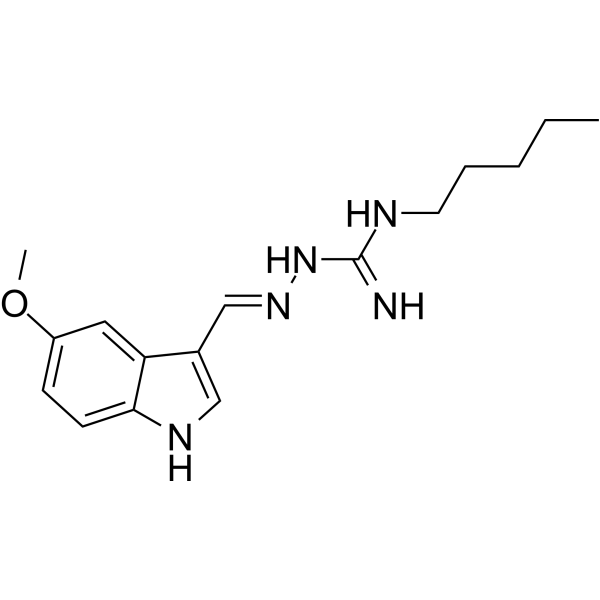
    Tegaserod
    4 Publications Verification

    5-HT Receptor Apoptosis Metabolic Disease Cancer
    Tegaserod is an orally active serotonin receptor 4 (HTR4; 5-HT4R) agonist and a 5-HT2B receptor antagonist. Tegaserod has pKis of 7.5, 8.4 and 7.0 for human recombinant 5-HT2A, 5-HT2B and 5-HT2C receptors, respectively. Tegaserod causes tumor cell apoptosis, blunts PI3K/Akt/mTOR signaling and decreases S6 phosphorylation. Tegaserod has anti-tumor activity and has the potential for irritable bowel syndrome (IBS) research .
    Tegaserod
  • HY-14153A
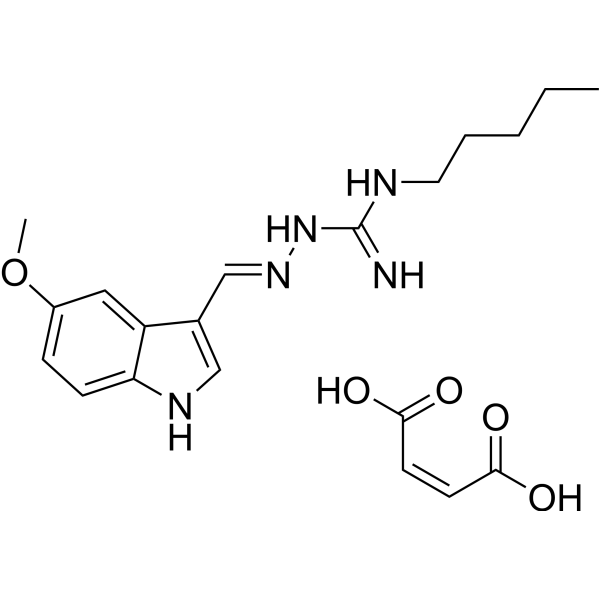
    Tegaserod maleate
    4 Publications Verification

    SDZ-HTF-919; HTF-919

    5-HT Receptor Apoptosis Neurological Disease Metabolic Disease Cancer
    Tegaserod maleate (SDZ-HTF-919) is an orally active serotonin receptor 4 (HTR4; 5-HT4R) agonist and a 5-HT2B receptor antagonist. Tegaserod maleate has pKis of 7.5, 8.4 and 7.0 for human recombinant 5-HT2A, 5-HT2B and 5-HT2C receptors, respectively. Tegaserod maleate causes tumor cell apoptosis, blunts PI3K/Akt/mTOR signaling and decreases S6 phosphorylation. Tegaserod maleate has anti-tumor activity and has the potential for irritable bowel syndrome (IBS) research .
    Tegaserod maleate
  • HY-B0837
    Emamectin Benzoate
    1 Publications Verification

    MK-244

    Environmental Pollutants Parasite Apoptosis Reactive Oxygen Species (ROS) GABA Receptor Infection Neurological Disease
    Emamectin Benzoate (MK-244) is an orally active nervoussystem toxicant by binding g-aminobutyric (GABA) receptor in insects. Emamectin Benzoate is one of semi-synthetic derivative of Avermectin (HY-15311) with a broadspectrum of insecticidal and acaricidal activity. Emamectin Benzoate induces ROS-mediated DNA damage and cell apoptosis. Emamectin Benzoate, a mixture of the natural Emamectin B1a benzoate and Emamectin B1b benzoate, has the main component of Emamectin B1a benzoate .
    Emamectin Benzoate
  • HY-15322
    PRT062607
    4 Publications Verification

    P505-15; PRT-2607; BIIB-057

    Syk Apoptosis Caspase Inflammation/Immunology Cancer
    PRT062607 (P505-15; PRT-2607) is an orally active ATP-competitive Syk inhibitor with an IC50 value of 1 nM, and exhibits at least 80-fold selectivity over other kinases. PRT062607 blocks B cell antigen receptor-mediated activation, Fcε receptor 1-mediated basophil degranulation and microglial phagocytosis, and induces caspase-dependent apoptosis and microglial death. PRT062607 inhibits tumor growth and peripheral nerve injury-induced mechanical allodynia, and prevents neuronal loss. PRT062607 can be used in research related to rheumatoid arthritis, chronic lymphocytic leukemia, non-Hodgkin's lymphoma, neurodegenerative diseases and neuropathic pain .
    PRT062607
  • HY-B0199A

    RS 61443 hydrochloride; TM-MMF hydrochloride

    Interleukin Related Inflammation/Immunology
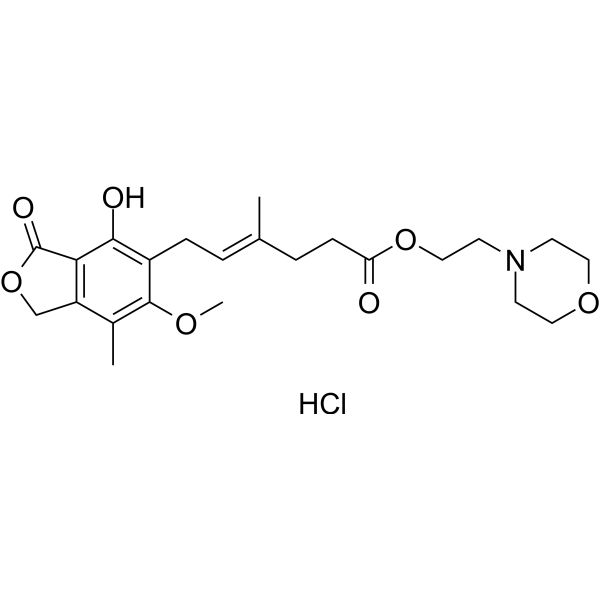
    Mycophenolate mofetil (RS 61443; TM-MMF) hydrochloride is an orally active antimetabolic immunosuppressant with antiproliferative and anti-inflammatory properties. Mycophenolate mofetil hydrochloride significantly inhibits the production of B, T lymphocytes and the proliferation of smooth muscle cells by selectively blocking the de novo purine synthesis pathway. Mycophenolate mofetil hydrochloride effectively reduces adventitial inflammation, medial necrosis and intimal thickening in rat aortic allografts, and decreases the number of lymphocytes expressing the IL-2 receptor, thereby delaying xenograft rejection. Mycophenolate mofetil hydrochloride shows certain toxicity in a hamster-to-rat limb xenotransplantation model when used in combination with FK506 (HY-13756). Mycophenolate mofetil hydrochloride is widely used in studies related to allograft arteriosclerosis (chronic rejection) .
    Mycophenolate mofetil hydrochloride
  • HY-P99761

    XmAb5871

    CD19 Apoptosis Inflammation/Immunology
    Obexelimab (XmAb5871) is a humanized anti-CD19 antibody. Obexelimab works by inhibiting B cell receptor (BCR) mediated calcium influx and promoting the phosphorylation of Fc γ receptor IIb (FcγRIIb), which reduces B cell activation and function, leading to B cell apoptosis. Obexelimab can be used in research for rheumatoid arthritis and systemic lupus erythematosus .
    Obexelimab
  • HY-100678

    Adenosine Receptor PI3K Inflammation/Immunology Cancer
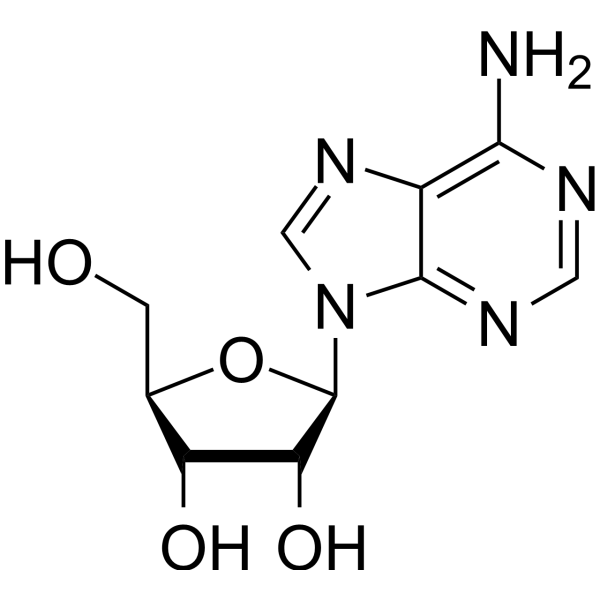
    CGS 15943 is an orally bioavailable non-xanthine Adenosine Receptor antagonist. Its Ki for human A1, A2A, A2B, and A3 Adenosine Receptors are 3.5, 4.2, 16, and 50 nM in transfected CHO cells, respectively. .
    CGS 15943
  • HY-W013935

    Endogenous Metabolite Estrogen Receptor/ERR Reactive Oxygen Species (ROS) Endocrinology
    Bisphenol B is a close structural analog of Bisphenol A (BPA) (HY-18260). Bisphenol B is a potent, orally active endocrine disruptor (ED). Bisphenol B binds to G protein-coupled estrogen receptor (GPER) (IC50 = 3.3 μM) with higher affinity and agonistic activity than BPA. Bisphenol B promotes GPER mediated cell migration. Bisphenol B exerts estrogenic effects via GPER pathway at nanomolar concentration. Bisphenol B is used in the manufacture of polycarbonate resin with ED properties .
    Bisphenol B
  • HY-P99300
    Ligelizumab
    1 Publications Verification

    QGE 031; Anti-IGHE Recombinant Antibody

    Fc Receptor (FcR) Inflammation/Immunology
    Ligelizumab (QGE 031) is a humanized high-affinity anti-immunoglobulin IgE monoclonal antibody. Ligelizumab selectively inhibits the binding of IgE to the high-affinity receptor FcεRI, while the inhibitory effect on the low-affinity receptor CD23 is weak. Ligelizumab can inhibit the activation of effector cells such as mast cells and Basophil, while reducing the production of IgE by B cells, and restoring the IFN-α production and regulatory T cell (Treg) induction function of plasmacytoid dendritic cells (pDC). Ligelizumab can be used in the study of allergic diseases (such as chronic spontaneous urticaria, allergic asthma) .
    Ligelizumab
  • HY-131686

    Akt mTOR EGFR ERK Infection Neurological Disease Metabolic Disease Inflammation/Immunology Cancer
    Ganglioside GT1b (bovine) ammonium is a member of the ganglioside family. Ganglioside GT1b (bovine) ammonium acts as a protective signal against nerve injury-induced spinal synapse elimination. Ganglioside GT1b (bovine) ammonium induces HA synthesis and the phosphorylation of Akt/mTOR in orbital fibroblasts. Ganglioside GT1b (bovine) ammonium enhances porcine oocyte maturation and induce activation of EGFR and ERK1/2 signaling. Ganglioside GT1b (bovine) ammonium is a putative host cell receptor for the Merkel cell polyomavirus. Ganglioside GT1b (bovine) ammonium can be used for the researches of cancer, infection, immunology, endocrinology and neurological disease, such as Thyroid eye disease .
    Ganglioside GT1b (bovine) ammonium
  • HY-P99446

    TACI-Ig; TACI-Fc 5

    TNF Receptor Inflammation/Immunology
    Atacicept (TACI-Ig) is a is a recombinant fusion protein containing the extracellular, ligand-binding portion of the TACI receptor and the Fc portion of human IgG. Atacicept inhibits B cell stimulation by binding to B lymphocyte stimulator and a proliferation-inducing ligand. Atacicept can be used in research of B-cell autoimmune disease .
    Atacicept
  • HY-P99618

    IBI-315; BH2950

    EGFR PD-1/PD-L1 Cancer
    Fidasimtamab is a bispecific antibody targeting human epidermal growth factor receptor 2 (Her2) and programmed death protein 1 (PD-1), with a Ka of 3.55e-10 M for human Her2 and a Ka of 1.17e-9 M for human PD-1. Fidasimtamab cross-links Her2-positive tumor cells with PD-1-positive T cells to form immune synapses, blocks PD-1-ligand interactions, preserves antibody-dependent cellular cytotoxicity, induces gasdermin B (GSDMB)-mediated pyroptosis, and activates T cells. Fidasimtamab is applicable to relevant research on Her2-positive gastric cancer .
    Fidasimtamab
  • HY-157562

    Phospholipase Apoptosis Cancer
    DS68591889 is a selective and orally active phosphatidylserine synthase 1 (PTDSS1) inhibitor. DS68591889 has no inhibitory activity against PTDSS2. DS68591889 induces the phospholipid imbalance in a wide range of cancer cells. DS68591889 negatively regulates B cell receptor (BCR)-induced Ca 2+ signaling and subsequent apoptotic cell death. DS68591889 can be used for the cancer research, such as B cell lymphoma .
    DS68591889
  • HY-137438

    TG-1701

    Btk Cancer
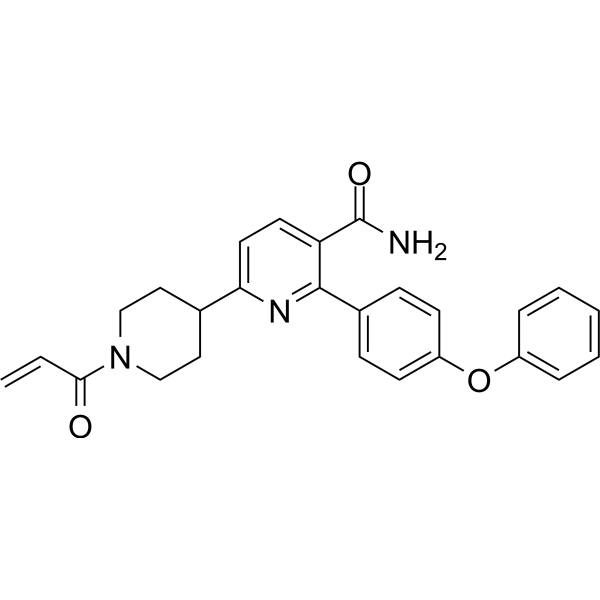
    Edralbrutinib (TG-1701) is a highly selective, orally available irreversible BTK inhibitor, with an EC50 of 6.70 nM and a Kd of 3 nM against human BTK. Edralbrutinib inhibits downstream signaling of the B cell receptor, induces dephosphorylation of Ikaros Ser442/445, promotes nuclear exclusion of Ikaros, attenuates Ikaros gene signatures, and exerts anti-tumor activity. Edralbrutinib can be used in research related to B-cell non-Hodgkin lymphoma, chronic lymphocytic leukemia, mantle cell lymphoma, follicular lymphoma, and diffuse large B-cell lymphoma .
    Edralbrutinib
  • HY-109010
    Poseltinib
    2 Publications Verification

    HM71224; LY3337641

    Btk BMX Kinase Toll-like Receptor (TLR) Metabolic Disease
    Poseltinib (HM71224) is an orally active, selective, irreversible small molecule Bruton tyrosine kinase (BTK) inhibitor. With an IC50 of 1.95 nM. Poseltinib effectively inhibits the signaling mediated by B cell receptors (BCR), Fc receptors (FcR), and Toll-like receptors (TLR). Poseltinib has anti-inflammatory activity and can be used in the research of rheumatoid arthritis .
    Poseltinib
  • HY-NP0194A

    Complement System Cardiovascular Disease Infection Neurological Disease Metabolic Disease Inflammation/Immunology
    C1q Protein (mouse) is a complement protein and is a recognition molecule of the classical pathway, performs a diverse range of complement and non-complement functions. C1q Protein (mouse) binds various ligands derived from self, non-self, and altered self and modulate the functions of immune
    and non-immune cells. C1q Protein (mouse) can be used for the research of mutiple disease .
    C1q Protein (mouse)
  • HY-103286
    PD176252
    2 Publications Verification

    Bombesin Receptor Cancer
    PD176252 is a potent antagonist of neuromedin-B preferring (BB1) and gastrin-releasing peptide-preferring (BB2) receptor with Kis of 0.17 nM and 1 nM for human BB1 and BB2 receptors, and 0.66 nM, 16 nM for Rat BB1 and BB2 receptors, respectively; PD176252 is also an agonist of N-Formyl peptide receptor1/2 (FPR1/FPR2), with EC50s of 0.31 and 0.66 μM in HL-60 cells.
    PD176252
  • HY-15039

    Bradykinin Receptor Metabolic Disease Inflammation/Immunology Endocrinology
    SSR240612 is a potent, and orally active specific non-peptide bradykinin B1 receptor antagonist, with Kis of 0.48 nM and 0.73 nM for B1 kinin receptors of human fibroblast MRC5 and HEK cells expressing human B1 receptors, 481 nM and 358 nM for B2 receptors of guinea pig ileum membranes and CHO cells expressing human B1 receptor, respectively.
    SSR240612
  • HY-158145

    Phospholipase Cancer
    DS55980254 is the orally active inhibitor for phosphatidylserine synthase 1 (PTDSS1) that blocks the synthesis of intracellular phosphatidylserine. PTDSS1 deficiency affects the balance of cell membrane phospholipid components, and activates B cell receptor (BCR) signaling pathway .
    DS55980254
  • HY-N7045
    Isosilybin B
    2 Publications Verification

    Androgen Receptor Apoptosis CDK Caspase PSMA Cancer
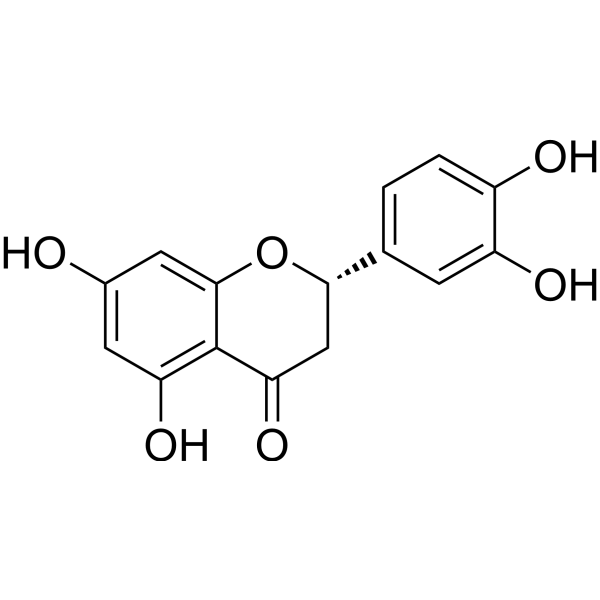
    Isosilybin B is a flavonolignan. Isosilybin B can be isolated from Silybum marianum. Isosilybin B can regulate cell cycle-related proteins (e.g., reduce cyclins (D3, D1, A, E), Cdk4, Cdk2, Cdc25A), and activate Caspases (Caspase-9 and Caspase-3). Isosilybin B can promote Apoptosis, reduce androgen receptor (AR) and PSA. Isosilybin B has anticancer activity against prostate cancer .
    Isosilybin B
  • HY-101365A
    RS-102221 hydrochloride
    1 Publications Verification

    5-HT Receptor Neurological Disease
    RS-102221 hydrochloride is a selective 5-HT2C receptor antagonist (Ki=10 nM). RS-102221 hydrochloride shows nearly 100-fold selectivity for the 5-HT2C receptor as compared to the 5-HT2A and 5-HT2B receptors. RS-102221 hydrochloride can promote the differentiation of new nerve cells. RS-102221 hydrochloride increases food-intake and weight-gain in rats .
    RS-102221 hydrochloride
  • HY-112611

    Estrogen Receptor/ERR Cancer
    H3B-5942 is a selective, irreversible and orally active estrogen receptor covalent antagonist, inactivates both wild-type and mutant ERα by targeting Cys530, with Kis of 1 nM and 0.41 nM, respectively. H3B-5942 reduces ERα target gene GREB1, shows potent antitumor activity both in multiple cell lines or animals bearing ERα WT or ERα mutations .
    H3B-5942
  • HY-160167

    DZD8586

    Src Btk Inflammation/Immunology Cancer
    Birelentinib (DZD8586) is an orally effective, selective, non-covalent inhibitor targeting LYN tyrosine kinase and BTK tyrosine kinase, capable of penetrating the blood-brain barrier. Birelentinib exhibits concentration-dependent antiproliferative effects in RI-1 cells and diffuse large B-cell lymphoma (DLBCL) cell lines carrying BTK resistance mutations (such as C481X, V416L, etc.). Birelentinib blocks both BTK-dependent and independent signaling of the B-cell receptor (BCR), thereby inhibiting tumor cell proliferation and inducing cell death. Birelentinib can be used in research to overcome resistance to existing covalent and non-covalent BTK inhibitors in B-cell non-Hodgkin lymphoma (B-NHL) .
    Birelentinib
  • HY-15809

    Btk Calcium Channel Inflammation/Immunology
    (Rac)-Ibrutinib alkyne (Compound 8) is a Btk inhibitor with an IC50 of 0.72 nM. (Rac)-Ibrutinib alkyne can effectively inhibit functions related to the B-cell receptor signaling pathway, with an IC50 of 9 nM for inhibiting Ca flux in Ramos cells. (Rac)-Ibrutinib alkyne can be used in the research of diseases such as rheumatoid arthritis .
    (Rac)-Ibrutinib alkyne
  • HY-114641A
    BIIL-260 hydrochloride
    1 Publications Verification

    Leukotriene Receptor Inflammation/Immunology
    BIIL-260 hydrochloride is a potent and long-acting orally active leukotriene B(4) receptor LTB4 antagonist, with anti-inflammatory activity. BIIL-260 hydrochloride interacts with the LTB4 receptor in a saturable, reversible, and competitive manner, has high affinity to the LTB4 receptor on isolated human neutrophil cell membranes with Ki values of 1.7 nM .
    BIIL-260 hydrochloride
  • HY-P99242
    Alsevalimab
    1 Publications Verification

    CD276/B7-H3 Cancer
    Alsevalimab is a humanized, afucosylated IgG1 monoclonal antibody against B7-H4. Alsevalimab blocks the binding of the B7-H4 protein to the receptors on the surface of T cells, reversing the immunosuppressive state in the tumor microenvironment, thereby activating the killing effect of T cells on cancer cells. Alsevalimab can be used in combination with Pembrolizumab (HY-P9902), and shows good safety profiles .
    Alsevalimab
  • HY-15404

    Lu-135252

    Endothelin Receptor Cardiovascular Disease Endocrinology
    Darusentan (Lu-135252) is a selective endothelin receptor A (ET-A) receptor antagonist, which binds with a Ki of 1.4 nM to the ET-A receptor and a Ki of 184 nM to ET-B receptor, respectively with a 100-fold selectivity for ETA rather than ETB receptors . Darusentan competes for radiolabeled endothelin binding in rat aortic vascular smooth muscle cells (RAVSMs) membranes with single-site kinetics, exhibiting a Ki of 13 nM .
    Darusentan
  • HY-120553
    B-355252
    1 Publications Verification

    Apoptosis Neurological Disease
    B355252, a phenoxy thiophene sulfonamide small molecule, is a potent NGF receptor agonist. B355252 potentiates NGF-induced neurite outgrowth. B355252 protects ischemic neurons from neuronal loss by attenuating DNA damage, reducing ROS production and the LDH level, and preventing neuronal apoptosis. B355252 has anti-apoptotic effects in glutamate-induced excitotoxicity, as well as in a murine hippocampal cell line (HT22) model of Parkinson disease (PD) .
    B-355252
  • HY-P991086

    PRV-3279

    Fc Receptor (FcR) Inflammation/Immunology
    MGD010 (PRV-3279) is a bispecific antibody targeting CD32B (FcγRIIb) and CD79B. MGD010 transmits negative signals by simultaneously co-linking CD32B (FcγRIIb) with CD79B, a component of the B-cell receptor (BCR), thereby inhibiting activated B cells. MGD010 can be used in research related to autoimmune diseases .
    MGD010
  • HY-111767

    Adenosine Receptor Inflammation/Immunology
    BAY-545 is a potent and selective A2B adenosine receptor antagonist, with an IC50 of 59 nM. BAY-545 also exhibits IC50s of 66, 400, 280 nM for human, mouse, rat A2B adenosine receptor in cells, respectively, and a Ki of 97 nM for human A2B adenosine receptor, with more selectivity over A1, A2A, and A3 adenosine receptor .
    BAY-545
  • HY-149132

    DDA

    LXR Cancer
    Dendrogenin A (DDA) is a ligand for liver X receptor (LXR), that induces the expression of sodium/iodine symporter, and increases iodine uptake. Dendrogenin A induces cell differentiation of MCF-7, and reactivates the function of lactating cells. Dendrogenin A induces the expressions of the TSH receptor, thyroid peroxidase, and thyroglobulin, and affects thyroid hormone generation. Dendrogenin A exhibits cytotoxicity in cancer cell B-CPAP and 8505c with IC50 of 4.1 and 6.2 µM. Dendrogenin A arrests the cell cycle at G0/G1 phase .
    Dendrogenin A
  • HY-P10998

    TET Protein Neurological Disease
    Tet1 peptide is a peptide that specifically binds to neurons. Tet1 peptide binds to GT1B ganglioside and trisialoganglioside clostridial toxin receptor on the surface of neuronal cells, and can be used in peptide conjugation and drug delivery research .
    Tet1 peptide
  • HY-N16483

    Apoptosis Caspase Bcl-2 Family PARP Androgen Receptor Cancer
    Procyanidin B2-3'-O-gallate is a mono-gallate ester that can be isolated from grape seed extract. Procyanidin B2-3'-O-gallate has anti-cancer efficacy and reduces the viability of prostate carcinoma LNCaP cells. Furthermore, Procyanidin B2-3'-O-gallate induces apoptosis, and causes caspases-9 and -3 and PARP cleavage, and down-regulates Bcl-2, Bcl-Xl and androgen receptor levels .
    Procyanidin B2-3'-O-gallate
  • HY-101365

    5-HT Receptor Neurological Disease
    RS-102221 is a selective 5-HT2C receptor antagonist (Ki=10 nM). RS-102221 shows nearly 100-fold selectivity for the 5-HT2C receptor as compared to the 5-HT2A and 5-HT2B receptors. RS-102221 can promote the differentiation of new nerve cells. RS-102221 increases food-intake and weight-gain in rats .
    RS-102221
  • HY-147261

    Histone Acetyltransferase Cancer
    B026 is a selective, potent, orally active p300/CBP histone acetyltransferase (HAT) inhibitor with IC50 values of 1.8 nM and 9.5 nM for p300 and CBP enzyme, respectively. B026 has anticancer activity for androgen receptor-positive (AR+) prostate cancer cell lines .
    B026
  • HY-136268

    Phosphatase Apoptosis Inflammation/Immunology
    AQX-435 is a potent SHIP1 phosphatase activator. AQX-435 reduces PI3K activation downstream of the B-cell receptor (BCR) and induces apoptosis of malignant B cells, and reduces lymphoma growth .
    AQX-435
  • HY-153085

    CD19 Inflammation/Immunology Cancer
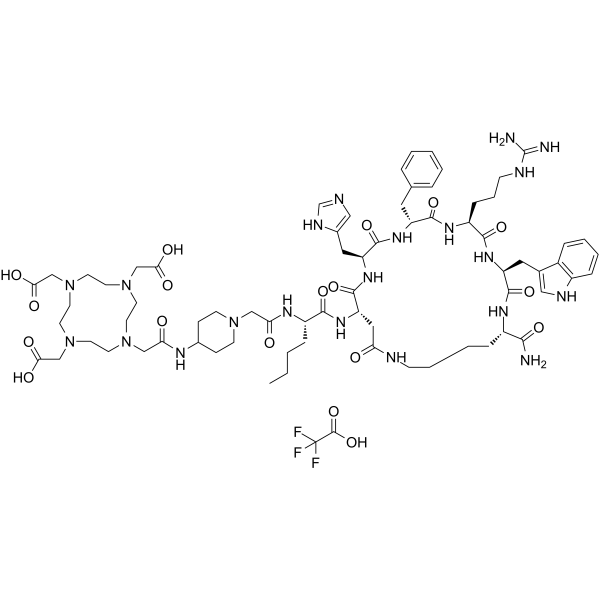
    CD19 CAR circRNA will express CD19 car protein, and can be used in chimeric antigen receptor T cell immunotherapy (CAR-CD19). The CD19 car is a chimeric antigen receptor. Among them, CD19 is a CD molecule expressed by B cells (i.e. leukocyte differentiation antigen), an important membrane antigen involved in B cell proliferation, differentiation, activation and antibody production, and can also promote BCR signal transduction.
    CD19 CAR circRNA
  • HY-101698

    Alnitidan

    5-HT Receptor Neurological Disease Inflammation/Immunology
    Alniditan (Alnitidan) is a potent 5-HT1B and 5-HT1D receptors agonist, with IC50s of 1.7 nM and 1.3 nM for h5-HT1B and h5-HT1D receptors in HEK293 cells, respectively. Alniditan has migraine-preventive effects .
    Alniditan
  • HY-P99487

    BR 3FC

    ADC Antibody Inflammation/Immunology
    Briobacept (BR 3FC) is a recombinant glucoprotein, consists of 2 molecules from the BLyS receptor (BR3)and a Fc domain of human IgG1. Briobacept selectively targets to BLyS (BAFF), induces B cells apoptosis. Briobacept can be used in studies of rheumatoid arthritis (RA) .
    Briobacept
  • HY-N0366R

    Reference Standards PDGFR Cancer
    Sennoside B (Standard) is the analytical standard of Sennoside B. This product is intended for research and analytical applications. Sennoside B is an anthraquinone glycoside, found in large quantities in leaves and pods of Senna (Cassia angustifolia) . Sennoside B can inhibit PDGF-stimulated cell proliferation by binding to PDGF-BB and its receptor and by down-regulating the PDGFR-beta signaling pathway .
    Sennoside B (Standard)
  • HY-157491

    PROTACs Androgen Receptor Epigenetic Reader Domain Cancer
    K2-B4-5e is a E3 ligase KLHDC2-based BRD4 and androgen receptor (AR) degradation PROTAC. K2-B4-5e is capable of inducing rapid and robust degradation of BET-family and AR proteins in cells .
    K2-B4-5e
  • HY-122054A

    Keap1-Nrf2 Cancer
    BPK-29 hydrochloride is a specific ligand that disrupts the atypical orphan nuclear receptor NR0B1-protein (such RBM45 and SNW1) interactions by covalently modifying C274. BPK-29 hydrochloride impairs the anchorage-independent growth of KEAP1-mutant cancer cells .
    BPK-29 hydrochloride
  • HY-139007

    LXR Metabolic Disease
    BLT-4 is a specific, reversible inhibitor of scavenger receptor, class B, type I (SR-BI). BLT-4 inhibits the transfer of lipids between high-density lipoproteins (HDL) and cells mediated by SR-BI. .
    BLT-4
  • HY-124605

    Syk Btk Apoptosis Cancer
    IQS-019 is a B cell receptor (BCR) kinase inhibitor. IQS-019 can inhibit the de-phosphorylation of constitutive and IgM-activated Syk, Lyn, and Btk. IQS-019 can inhibit cell proliferation, migration and induce apoptosis. IQS-019 exhibits antitumor activity and can be used for the research of cancer, such as B cell lymphoma .
    IQS-019
  • HY-107550

    HDAC Cancer
    NCT-14b is a HDAC6-selective inhibitor. NCT-14b blocks the growth of estrogen receptor α-positive breast cancer MCF-7 cells .
    NCT-14b
  • HY-P11015

    Ephrin Receptor Cancer
    (123B9)2-Motif is a selective EphA2 receptor agonist (Kd=4.9 μM) that does not bind to EphA4. (123B9)2-Motif works by inducing EphA2 receptor phosphorylation and oligomerization, thereby promoting receptor activation and internalization. (123B9)2-Motif is primarily used in targeted drug delivery studies for cancers that overexpress EphA2, such as breast cancer, to reduce circulating tumor cells and inhibit metastasis .
    (123B9)2-Motif

Inquiry Online

Your information is safe with us. * Required Fields.

Salutation


Country or Region *

Applicant Name *


Organization Name *

Department *


Email Address *


Product Name *

Cat. No.


Requested quantity *

Phone Number *


Remarks

Inquiry Online

Inquiry Information

Product Name:
Cat. No.:
Quantity:
MCE Japan Authorized Agent:

