1150 Results for "

B.1

" in MedChemExpress (MCE) Product Catalog:
Products (1150)

1150 Results for "B.1" in MCE Product Catalog:

143
143 Publications Verification
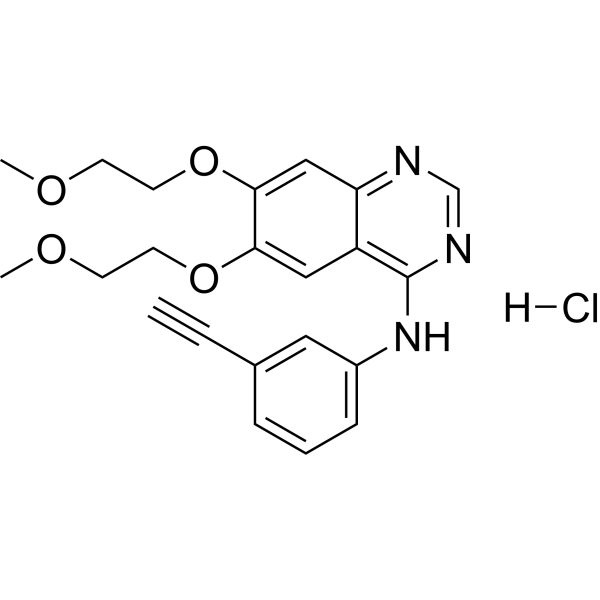
Cat. No.: HY-12008
CAS No.: 183319-69-9
Purity:  99.94%
Synonyms: CP-358774 hydrochloride; NSC 718781 hydrochloride; OSI-774 hydrochloride
Target:  

EGFR OAT ERK GSK-3 β-catenin

Research Areas:  

Endocrinology Cancer

Erlotinib (CP-358774) Hydrochloride is a selective, orally active EGFR tyrosine kinase inhibitor. Erlotinib Hydrochloride also acts as a substrate and inhibitor of OATP2B1, with an IC50 of approximately 0.079 μM for inhibiting OATP2B1-mediated uptake of estrone 3-sulfate. Erlotinib Hydrochloride blocks EGFR phosphorylation, downstream signal transduction, as well as the growth and proliferation of cancer cells. Erlotinib Hydrochloride inhibits MMP-10-mediated renal injury, fibrotic lesions, the ERK1/2, GSK-3β and β-catenin signaling pathways, as well as the deposition of fibronectin, α-SMA, collagen and renal injury markers. Erlotinib Hydrochloride is metabolized via CYP3A to produce the active metabolite OSI-420. Erlotinib Hydrochloride can be used in research related to non-small cell lung cancer, gastric cancer, papillary renal cell carcinoma, EGFR inhibitor resistance and renal fibrosis [1] .
loading...
    loading...
143
143 Publications Verification
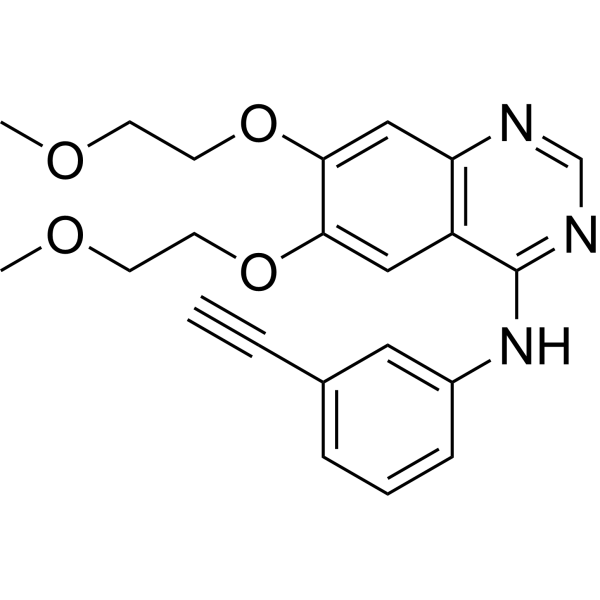
Cat. No.: HY-50896
CAS No.: 183321-74-6
Synonyms: CP-358774; NSC 718781; OSI-774
Target:  

EGFR OAT ERK GSK-3 β-catenin

Research Areas:  

Endocrinology Cancer

Erlotinib (CP-358774) is a selective, orally active EGFR tyrosine kinase inhibitor. Erlotinib also acts as a substrate and inhibitor of OATP2B1, with an IC50 of approximately 0.079 μM for inhibiting OATP2B1-mediated uptake of estrone 3-sulfate. Erlotinib blocks EGFR phosphorylation, downstream signal transduction, as well as the growth and proliferation of cancer cells. Erlotinib inhibits MMP-10-mediated renal injury, fibrotic lesions, the ERK1/2, GSK-3β and β-catenin signaling pathways, fibronectin, α-SMA, collagen deposition, and renal injury markers. Erlotinib is metabolized via CYP3A to produce the active metabolite OSI-420. Erlotinib can be used in research related to non-small cell lung cancer, gastric cancer, papillary renal cell carcinoma, pancreatic cancer, renal fibrosis, and other conditions [1] .
loading...
    loading...
74
74 Cited Publications
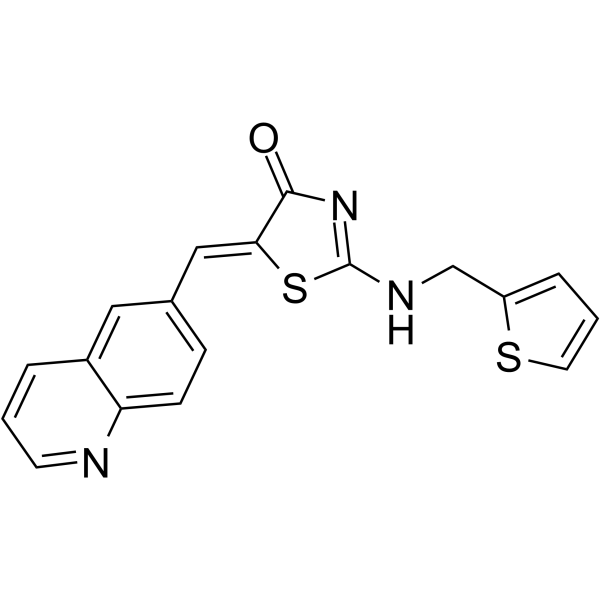
Cat. No.: HY-12529
CAS No.: 872573-93-8
Purity:  98.68%
Target:  

CDK Apoptosis

Research Areas:  

Cancer

Ro-3306 is a potent and selective inhibitor of CDK1, with Kis of 20 nM, 35 nM and 340 nM for CDK1, CDK1/cyclin B1 and CDK2/cyclin E, respectively.
loading...
    loading...
22
22 Cited Publications
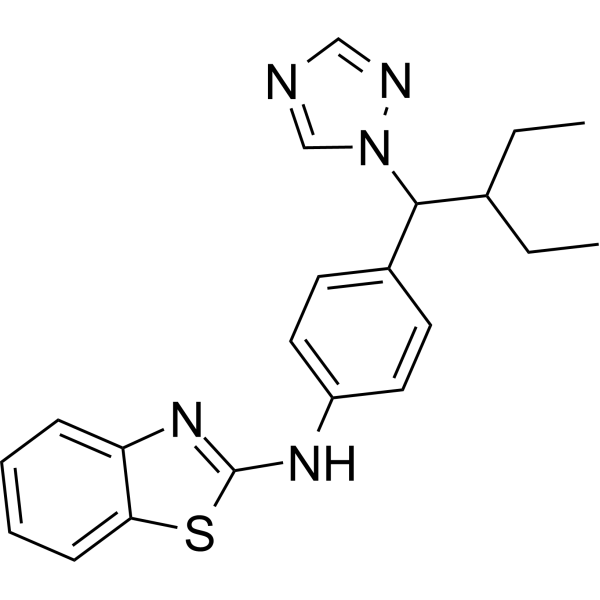
Cat. No.: HY-14531
CAS No.: 201410-53-9
Purity:  99.61%
Synonyms: R115866
Research Areas:  

Inflammation/Immunology

Talarozole (R115866) is an oral systemic all-trans retinoic acid metabolism blocking agent (RAMBA) which increases intracellular levels of endogenous all-trans retinoic acid (RA). Talarozole inhibits both CYP26A1 and CYP26B1 with IC50s of 5.4 and 0.46 nM, respectively.
loading...
    loading...
22
22 Cited Publications
Cat. No.: HY-P7007
Purity:  ≥ 95%, as determined by reducing SDS-PAGE.
Synonyms: BMP4; MCOPS6; Prev. BMP2B; OFC11; Bone Morphogenetic Protein 2B; BMP-4; Bone Morphogenetic Protein 4 Preproprotein; ZYME; Alternative Protein BMP4; DVR4; BMP2B1; Bone Morphogenetic Protein 4; BMP-2B
Species:  
Source:  
loading...
    loading...
21
21 Cited Publications
Cat. No.: HY-117383
CAS No.: 790702-57-7
Purity:  99.97%
Synonyms: ML414
Target:  

Virus Protease

Research Areas:  

Cancer

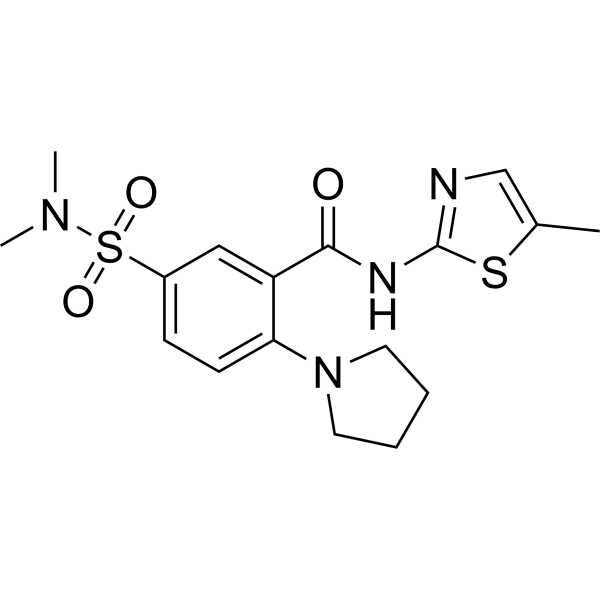
NGI-1 (ML414) is a potent oligosaccharyltransferase (OST) inhibitor, directly targeting and blocking the function of the OST catalytic subunits STT3A and STT3B . NGI-1 is a cell permeable inhibitor and can effectively reduce virus infectivity without affecting cell viability .
loading...
    loading...
20
20 Cited Publications
Cat. No.: HY-145405
CAS No.: 1220890-25-4
Purity:  99.91%
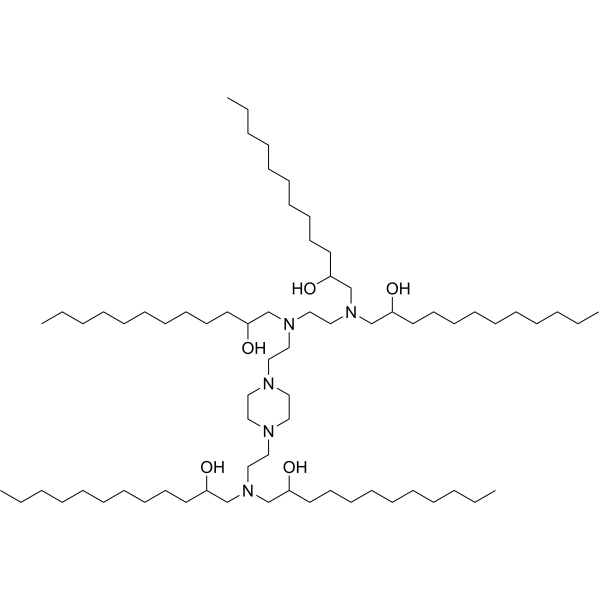
C12-200 is a type of ionizable cationic lipid and helper lipid commonly used for mRNA delivery. In the hemophilia B mouse model, mRNA encoding human erythropoietin (EPO) and coagulation factor IX (FIX) can be successfully delivered and expressed using C12-200. C12-200 is utilized in research related to hemophilia B .
loading...
    loading...
19
19 Cited Publications
Cat. No.: HY-122272
CAS No.: 61869-08-7
Purity:  99.92%
Synonyms: BRL29060
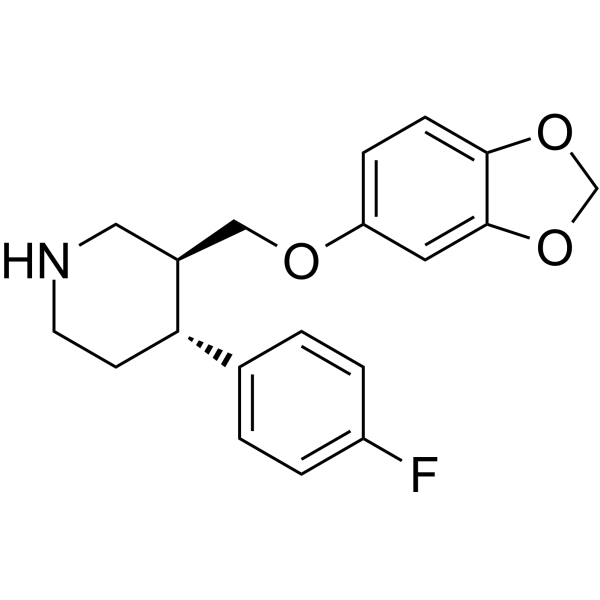
Paroxetine (BRL29060) is an orally active and selective serotonin reuptake inhibitor (SSRI) and apoptosis inducer with blood-brain barrier permeability. Paroxetine inhibits nitric oxide synthase and CYP2D6, induces desensitization of 5-HT1A/1B/1D autoreceptors, downregulates 5-HT2 receptors, and promotes the production of inflammatory cytokines. Paroxetine is a weak norepinephrine (NE) uptake inhibitor and possesses antitumor activity. Paroxetine is widely used in research concerning depression, obsessive-compulsive disorder, panic disorder, social phobia, generalized anxiety disorder, post-traumatic stress disorder, premenstrual dysphoric disorder, hot flashes, and related conditions [1] .
loading...
    loading...
19
19 Cited Publications
Cat. No.: HY-B0492
CAS No.: 78246-49-8
Synonyms: BRL29060 hydrochloride; BRL29060A
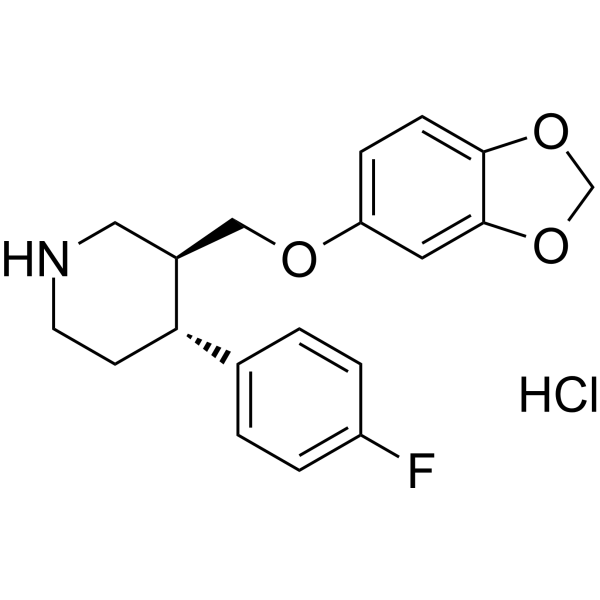
Paroxetine (BRL29060) hydrochloride is an orally active and selective serotonin reuptake inhibitor (SSRI) and apoptosis inducer with blood-brain barrier permeability. Paroxetine hydrochloride inhibits nitric oxide synthase and CYP2D6, induces desensitization of 5-HT1A/1B/1D autoreceptors, downregulates 5-HT2 receptors, and promotes the production of inflammatory cytokines. Paroxetine hydrochloride is a weak norepinephrine (NE) uptake inhibitor and possesses antitumor activity. Paroxetine hydrochloride is widely used in research concerning depression, obsessive-compulsive disorder, panic disorder, social phobia, generalized anxiety disorder, post-traumatic stress disorder, premenstrual dysphoric disorder, hot flashes, and related conditions [1] .
loading...
    loading...
14
14 Cited Publications
Cat. No.: HY-15455
CAS No.: 162401-32-3
Purity:  99.98%
Synonyms: APTA-2217; BYK 20869; B9302-107
Research Areas:  

Inflammation/Immunology

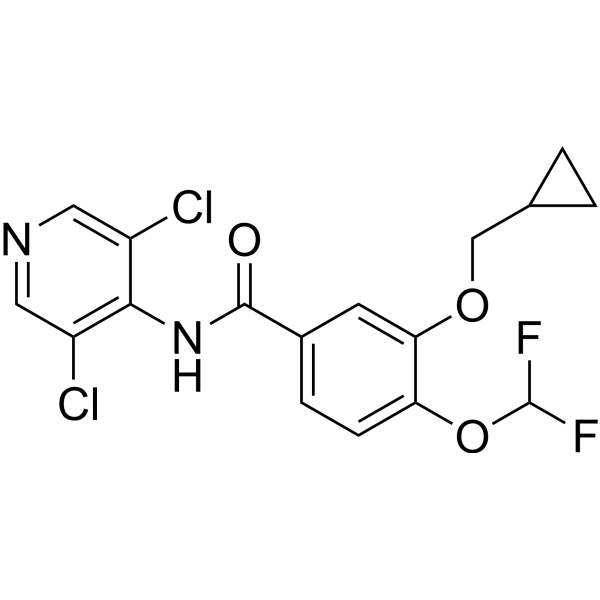
Roflumilast (APTA-2217) is a selective PDE4 inhibitor with IC50s of 0.7, 0.9, 0.7, and 0.2 nM for PDE4A1, PDE4A4, PDE4B1, and PDE4B2, respectively, without affecting PDE1, PDE2, PDE3 or PDE5 isoenzymes from various cells.
loading...
    loading...
13
13 Cited Publications
Cat. No.: HY-136453
CAS No.: 1352914-52-3
Purity:  98.38%
Research Areas:  

Cancer

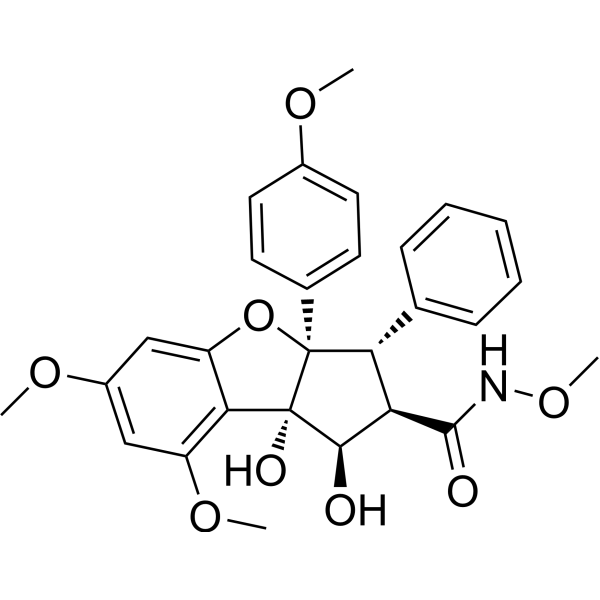
CR-1-31-B is a synthetic rocaglate and a potent eIF4A inhibitor. CR-1-31-B exhibits powerful inhibitory effects over eIF4A by perturbing the interaction between eIF4A and RNA, sequentially impeding initiation during protein synthesis. CR-1-31-B perturbs association of Plasmodium falciparum eIF4A (PfeIF4A) with RNA. CR-1-31-B induces apoptosis of neuroblastoma and gallbladder cancer cells [1] .
loading...
    loading...
12
12 Cited Publications
Cat. No.: HY-10799
CAS No.: 1210945-69-9
Purity:  98.03%
Target:  

Complement System

Research Areas:  

Cancer

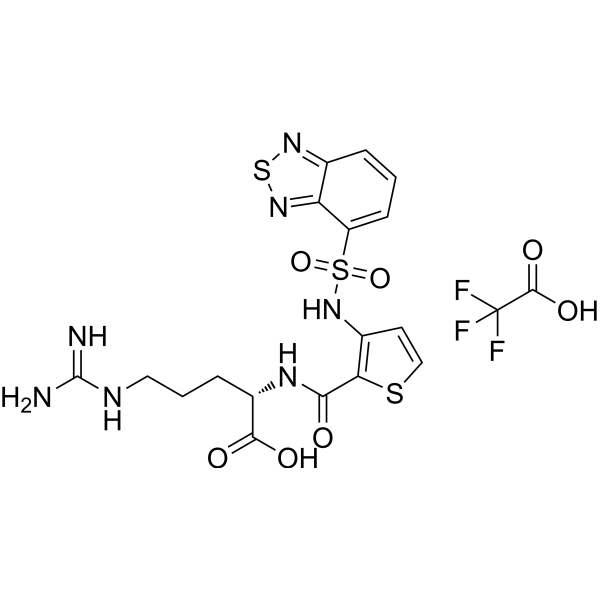
EG00229 is a neuropilin 1 (NRP1) receptor antagonist. EG00229 selectively inhibits VEGF-A binding to NRP1 b1 domain with an IC50 of 3 μM, but has no effect on VEGFA binding to VEGFR-1 and VEGFR-2 [1].
loading...
    loading...
12
12 Cited Publications
Cat. No.: HY-N6798
CAS No.: 35891-70-4
Synonyms: Thermozymocidin; ISP-I
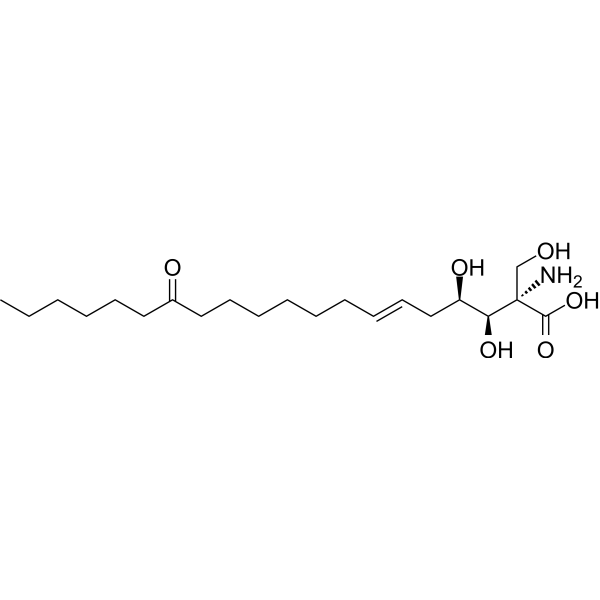
Myriocin (Thermozymocidin), a fungal metabolite could be isolated from Myriococcum albomyces, Isaria sinclairi and Mycelia sterilia, is a potent inhibitor of serine-palmitoyl-transferase (SPT) and a key enzyme in de novo synthesis of sphingolipids. Myriocin suppresses replication of both the subgenomic HCV-1b replicon and the JFH-1 strain of genotype 2a infectious HCV, with an IC50 of 3.5 μg/mL for inhibiting HCV infection [1] .
loading...
    loading...
11
11 Cited Publications
Cat. No.: HY-B0492A
CAS No.: 110429-35-1
Synonyms: BRL29060 hydrochloride hemihydrate; BRL29060A hemihydrate
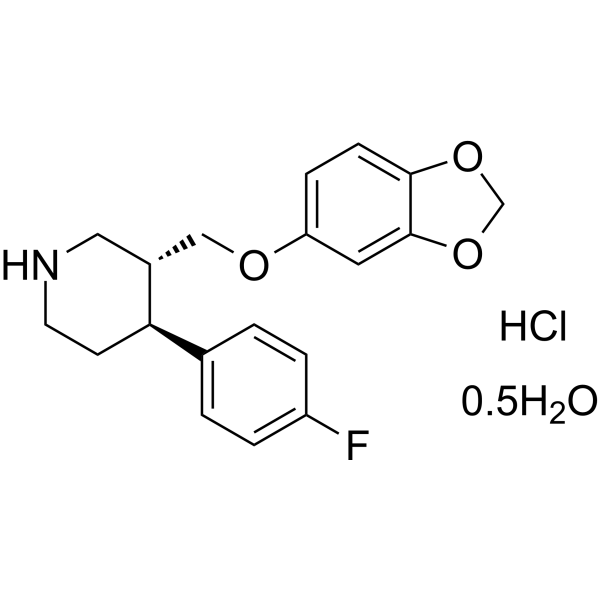
Paroxetine (BRL29060) hydrochloride hemihydrate is an orally active and selective serotonin reuptake inhibitor (SSRI) and apoptosis inducer with blood-brain barrier permeability. Paroxetine hydrochloride hemihydrate inhibits nitric oxide synthase and CYP2D6, induces desensitization of 5-HT1A/1B/1D autoreceptors, downregulates 5-HT2 receptors, and promotes the production of inflammatory cytokines. Paroxetine hydrochloride hemihydrate is a weak norepinephrine (NE) uptake inhibitor and possesses antitumor activity. Paroxetine hydrochloride hemihydrate is widely used in research concerning depression, obsessive-compulsive disorder, panic disorder, social phobia, generalized anxiety disorder, post-traumatic stress disorder, premenstrual dysphoric disorder, hot flashes, and related conditions [1] .
loading...
    loading...
11
11 Cited Publications
Cat. No.: HY-104048
CAS No.: 1851373-36-8
Purity:  99.13%
Target:  

Histone Demethylase

Research Areas:  

Cancer

QC6352 is an orally active KDM4 inhibitor with anti-tumor and anti-proliferative activity. QC6352 has in vivo inhibitory effects on PDX models of breast and colon cancer and reduces the number of chemoresistant cell populations. QC6352 inhibits KDM4 different isoforms with IC50s of 104 nM (KDM4A), 56 nM (KDM4B), 35 nM (KDM4C), and 104 nM (KDM4D), respectively. QC6352 has moderate inhibitory activity against KDM5 with an IC50 of 750 nM (KDM5B) .
loading...
    loading...
11
11 Cited Publications
Cat. No.: HY-12882
CAS No.: 23210-56-2
Purity:  99.94%
Synonyms: NP-120; RC-61-91
Ifenprodil (NP-120), a cerebral vasodilator, is a noncompetitive NMDA receptor antagonist. Ifenprodil exerts high affinity at NR1A/NR2B receptors (IC50=0.34 μM) over 400-fold than at NR1A/NR2A receptors (IC50=146 μM) [1]. Ifenprodil is an α1 adrenergic receptor antagonist. Ifenprodil inhibits GIRK (Kir3), reduces inward currents through the basal GIRK activity. Ifenprodil has reliable inhibitory effects against A/H1N1 strains (EC50 of 6.6 µM). Ifenprodil has neuroprotective, anticonvulsant and antinociceptive effects. Ifenprodil can be used for the study of cerebrovascular diseases and peripheral arterial obliterative disease .
loading...
    loading...
11
11 Cited Publications
Cat. No.: HY-12882A
CAS No.: 23210-58-4
Purity:  99.95%
Synonyms: NP-120 tartrate; RC-61-91 tartrate
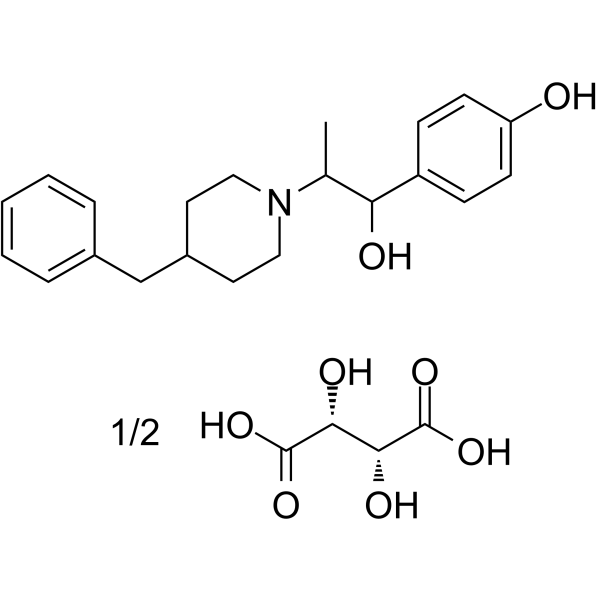
Ifenprodil (NP-120) tartrate, a cerebral vasodilator, is a noncompetitive NMDA receptor antagonist. Ifenprodil tartrate exerts high affinity at NR1A/NR2B receptors (IC50=0.34 μM) over 400-fold than at NR1A/NR2A receptors (IC50=146 μM) [1]. Ifenprodil tartrate is an α1 adrenergic receptor antagonist. Ifenprodil tartrate inhibits GIRK (Kir3), reduces inward currents through the basal GIRK activity. Ifenprodil tartrate has reliable inhibitory effects against A/H1N1 strains (EC50 of 6.6 µM). Ifenprodil tartrate has neuroprotective, anticonvulsant and antinociceptive effects. Ifenprodil tartrate can be used for the study of cerebrovascular diseases and peripheral arterial obliterative disease .
loading...
    loading...
9
9 Cited Publications
Cat. No.: HY-N6719
CAS No.: 116355-83-0
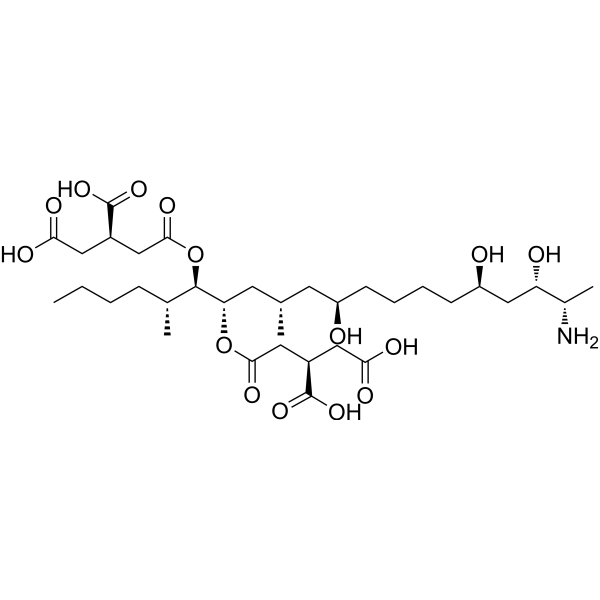
Fumonisin B1 is a mycotoxin produced from Fusarium moniliforme. Fumonisin B1 is a potent inhibitor of sphingosine N-acyltransferase (ceramide synthase) and disrupts de novo sphingolipid biosynthesis. Fumonisin B1 is the most abundant and toxic fumonisin [1] .
loading...
    loading...
9
9 Cited Publications
Cat. No.: HY-19340
CAS No.: 24144-92-1
Synonyms: (E)-2,3',4,5'-tetramethoxystilbene
Target:  

Cytochrome P450

Research Areas:  

Cancer

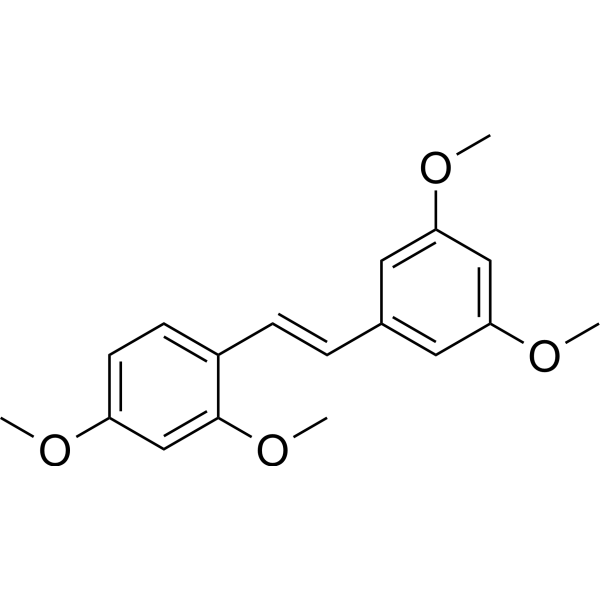
TMS ((E)-2,3',4,5'-tetramethoxystilbene) is a selective and competitive CYP1B1 inhibitor with an IC50 of 6 nM and a Ki value of 3 nM. TMS shows a lesser extent inhibitory effect on CYP1A1 (IC50=300 nM) and CYP1A2 (IC50=3.1 μM). TMS is a methylated derivative of resveratrol and has anti-cancer activity [1] .
loading...
    loading...
9
9 Cited Publications
Cat. No.: HY-108347
CAS No.: 142715-48-8
Purity:  99.19%
Target:  

P-glycoprotein BCRP

Research Areas:  

Metabolic Disease

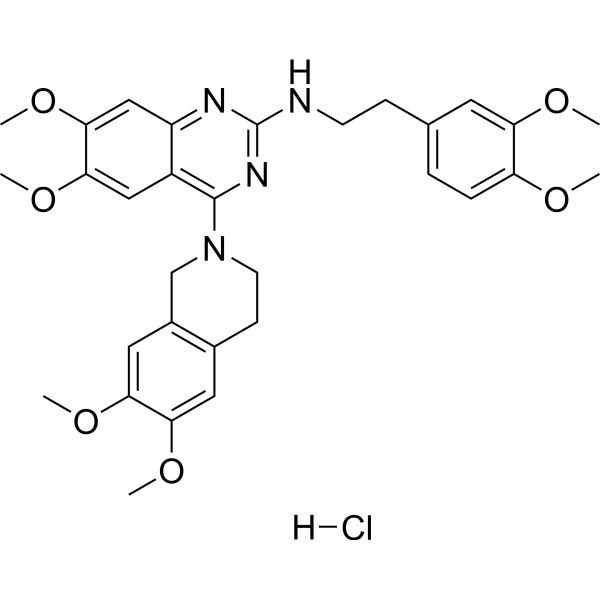
CP-100356 hydrochloride is an orally active dual MDR1 (P-gp)/BCRP inhibitor, with an IC50s of 0.5 and 1.5 µM for inhibiting MDR1-mediated Calcein-AM transport and BCRP-mediated Prazosin transport, respectively. CP-100356 hydrochloride is also a weak inhibitor of OATP1B1 (IC50=∼66 µM). CP-100356 hydrochloride is devoid of inhibition against MRP2 and major human P450 enzymes (IC50>15 µM) [1].
loading...
    loading...

