Search Result
Results for "
BMDM
" in MedChemExpress (MCE) Product Catalog:
1
Isotope-Labeled Compounds
| Cat. No. |
Product Name |
Target |
Research Areas |
Chemical Structure |
-
- HY-12815
-
-
-
- HY-12815A
-
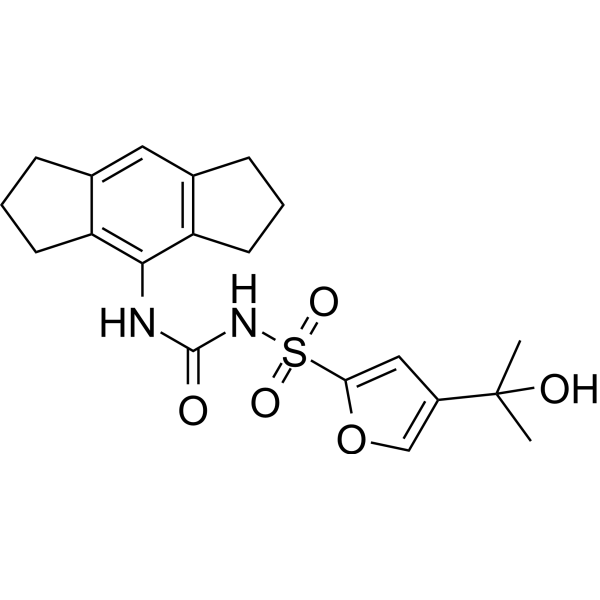
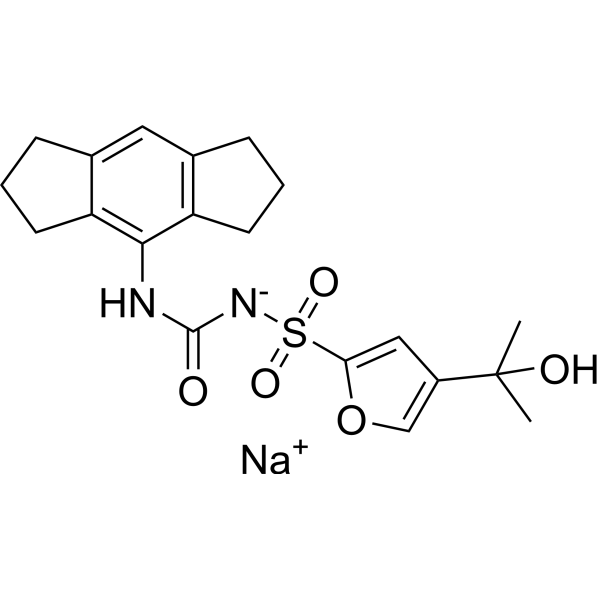
MCC950 sodium
Maximum Cited Publications
453 Publications Verification
CP-456773 sodium; CRID3 sodium salt
|
NOD-like Receptor (NLR)
|
Inflammation/Immunology
|
|
MCC950 sodium (CP-456773 sodium; CRID3 sodium salt) is a potent, selective NLRP3 inhibitor with IC50s of 7.5 and 8.1 nM in BMDMs and HMDMs, respectively.
|
-
-
- HY-N0379
-
-
-
- HY-128853
-
-
-
- HY-B1899
-
-
-
- HY-B2176R
-
|
Adenosine 5'-triphosphate (Standard)
|
Reference Standards
Endogenous Metabolite
|
Metabolic Disease
Inflammation/Immunology
|
ATP (Standard) is the analytical standard of ATP. This product is intended for research and analytical applications. ATP (Adenosine 5'-triphosphate) is a central component of energy storage and metabolism in vivo. ATP provides the metabolic energy to drive metabolic pumps and serves as a coenzyme in cells. ATP is an important endogenous signaling molecule in immunity and inflammation .
In Vitro: ATP (5 mM; 1 hour) co-treatment with LPS (1 μg/mL) has a synergistic effect on the activation of the NLRP3 inflammasome in HGFs .
ATP (2 mM; 0.5-24 hours) induces secretion of IL-1β, KC and MIP-2 from BMDMs in a caspase-1 activation-dependent manner .
ATP promotes neutrophil chemotaxis in vitro .
In Vivo: ATP (50 mg/kg; i.p.) protects mice against bacterial infection in vivo .
ATP induces the secretion of IL-1β, KC and MIP-2 and neutrophils recruitment in vivo .
|
-
-
- HY-W089835
-
-
-
- HY-120149
-
|
|
Toll-like Receptor (TLR)
MDM-2/p53
MMP
Caspase
SOD
p38 MAPK
NF-κB
Apoptosis
|
Neurological Disease
Inflammation/Immunology
Cancer
|
|
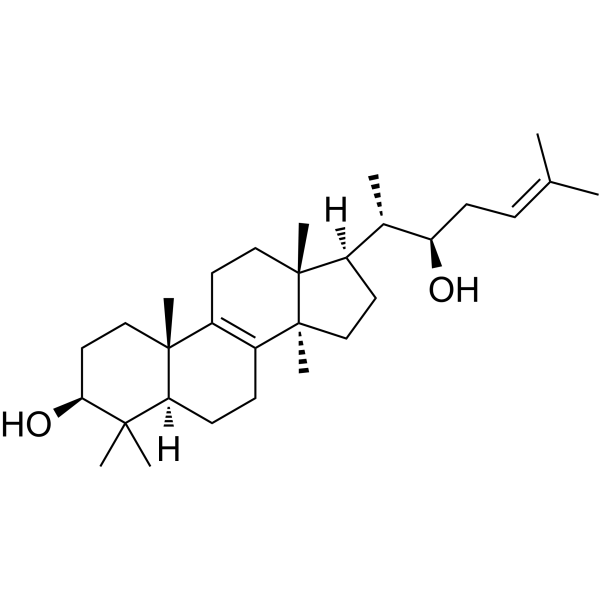
Inotodiol activates p53 signaling pathway, inhibits MMP-2/9, and exhibits antitumor activity in cancer cell HeLa. Inotodiol inhibits the generation of ROS and exhibits antioxidant and neuroprotective effects. Inotodiol inhibits the activation of MAPK and NF-κB signaling pathway, and exhibits anti-inflammatory activity. Inotodiol inhibits TLR-4 mediated TNF-α production (IC50s in BMMC and BMDM is 0.7 μM and 3.0 μM), inhibits the degranulation in mast cell, exhibits anti-allergic activity. Inotodiol is orally active .
|
-
-
- HY-N1939
-
-
-
- HY-117878
-
ML345
1 Publications Verification
|
IDE
NOD-like Receptor (NLR)
Interleukin Related
|
Inflammation/Immunology
Endocrinology
|
|
ML345 is a potent and selective inhibitor of insulin-degrading enzyme (IDE) and NLRP3, with an IC50 of 188 nM against IDE. ML345 targets the Cys819 residue of IDE to inhibit IDE. ML345 selectively binds to NLRP3 in a non-covalent manner. ML345 inhibits inflammatory cytokines (IL-1β, IL-6) and exhibits potent anti-inflammatory activity. ML345 exerts a protective effect against miscarriage .
|
-
-
- HY-171658
-
|
|
PROTACs
Ser/Thr Kinase
TNF Receptor
Toll-like Receptor (TLR)
NF-κB
p38 MAPK
|
Inflammation/Immunology
Cancer
|
|
R1-ICR-5 is a highly selective RIPK1 PROTAC degrader. Mediated by VHL, R1-ICR-5 induces the degradation of RIPK1, which in turn dysregulates the TNFR1 and TLR3/4 signaling hubs, enhances the signaling outputs of NF-κB, MAPK and IFN, and simultaneously promotes RIPK3 activation and necroptosis (necroptosis). R1-ICR-5 can be used in the research of triple-negative breast cancer and skin inflammation .
|
-
-
- HY-155108B
-
|
|
Arginase
|
Cancer
|
|
OATD-02 hydrochloride is the hydrochloride salt form of OATD-02 (HY-155108). OATD-02 hydrochloride an orally active, competitive, reversible, noncovalent dual inhibitor of Arginase1 and Arginase2. OATD-02 hydrochloride is a slow offset inhibitor, blocking intracellular arginases with IC50s of 20 nM (hARG1), 39 nM (hARG2), 39 nM (mARG1), and 28 nM (rARG1), respectively. OATD-02 hydrochloride bolishes tumor immunosuppression induced by both arginases. OATD-02 hydrochloride can be used for melanoma study .
|
-
-
- HY-157131
-
|
|
TRP Channel
|
Neurological Disease
|
|
TRPV2-selective blocker 1 is a TRPV2-selective blocker that inhibits calcium influx and ionic currents. TRPV2-selective blocker 1 exhibits an IC50 of 6.3 μM against rat TRPV2, and shows no activity against TRPV1, TRPV3 or TRPV4 channels. TRPV2-selective blocker 1 attenuates macrophage phagocytosis, LPS-induced macrophage migration, and calcium microdomains generated by peripheral TRPV2. TRPV2-selective blocker 1 is non-cytotoxic and can be used to investigate the function of TRPV2 during immune processes .
|
-
-
- HY-B1076
-
|
HMS; 6α-Methyl-11β-hydroxyprogesterone
|
VEGFR
CCR
STAT
|
Neurological Disease
|
|
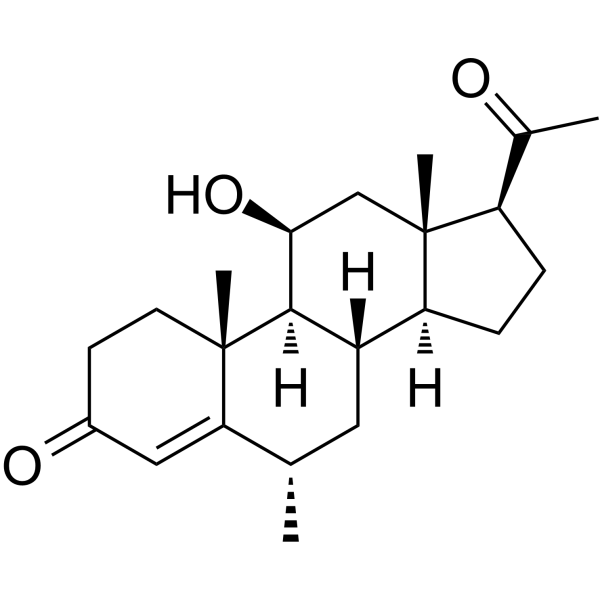
Medrysone (HMS; 6α-Methyl-11β-hydroxyprogesterone) is a STAT6 modulator and M2 macrophage polarization inducer. Medrysone enhances IL-4-triggered STAT6 activation, upregulates the expression of M2 markers, and promotes the secretion of VEGF and CCL2. Medrysone also enhances the pro-migratory activity of M2-like macrophages toward endothelial cells. By regulating macrophage polarization and related repair pathways, Medrysone significantly promotes corneal wound repair in a rat mechanical injury model. Medrysone can be used for research related to corneal injury .
|
-
-
- HY-N6711
-
|
|
HIV Integrase
Bacterial
Antibiotic
Reactive Oxygen Species (ROS)
STAT
AMPK
11β-HSD
|
Infection
Metabolic Disease
|
|
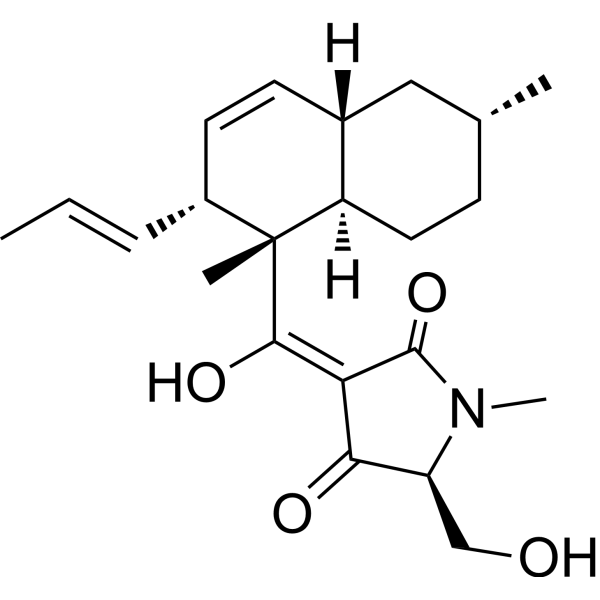
Equisetin is an N-methylserine-derived acyl tetramic acid, quorum sensing inhibitor (QSI), herbicides and antibiotics. Equisetin specifically inhibits the anionic carriers of substrates in the inner mitochondrial membrane. Equisetin inhibits the activity of HIV-1 integrase, 11β-HSD1, and 2,4-dinitrophenol (Dnp)-stimulated ATPase (IC50 = ~8 nmol per mg of protein). Equisetin exhibits growth inhibition of bacteria, anti-inflammatory, amelioration of lipid-associated disorders, and cytotoxic effects .
|
-
-
- HY-173425
-
|
|
STING
IFNAR
TNF Receptor
Interleukin Related
|
Inflammation/Immunology
|
|
STING-IN-15 is an orally active STING inhibitor, with an IC50 of 116 nM against h-STING and an IC50 of 96.3 nM against m-STING. STING-IN-15 inhibits the STING signaling pathway in cells, reduces the secretion of IFN-β and IP-10, downregulates the expression of ISG15, ISG56 and TNF-α, and suppresses the phosphorylation of TBK1/IRF3. STING-IN-15 alleviates systemic and renal inflammation induced by STING agonists in mice, reduces tissue damage and the expression of interferon pathway genes, and inhibits spontaneous tissue inflammation in mice. STING-IN-15 can be used for the research of acute kidney injury and autoimmune/inflammatory diseases .
|
-
-
- HY-151252
-
|
|
Proteasome
NOD-like Receptor (NLR)
|
Inflammation/Immunology
|
|
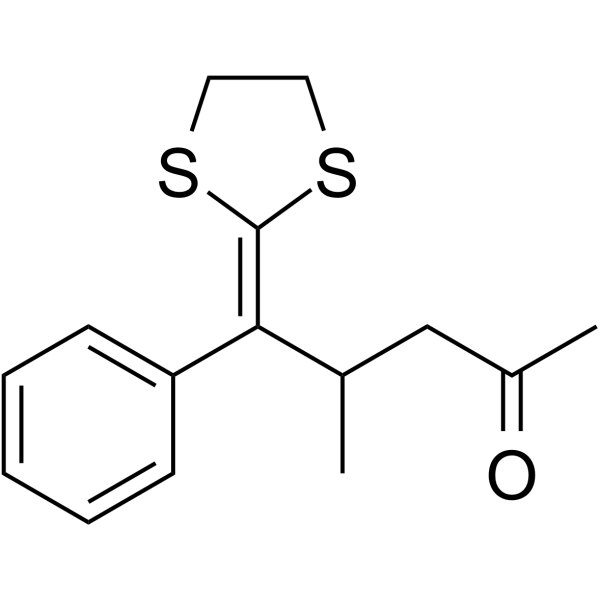
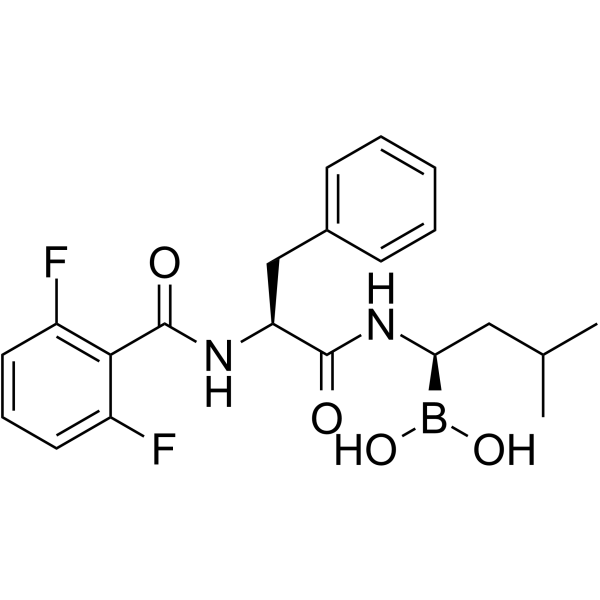
NIC-0102 is an orally active proteasome inhibitor (pIC50=7.55) that specifically inhibits NLRP3 inflammatory vesicle activation. NIC-0102 shows potent anti-inflammatory effects in a model of dextran sulfate sodium (DSS)-induced ulcerative colitis. NIC-0102 also inhibits production of pro-IL-1β .
|
-
-
- HY-155108
-
|
|
Arginase
|
Cancer
|
|
OATD-02 is an orally active, competitive, reversible, noncovalent dual inhibitor of Arginase1 and 2. OATD-02 is a slow offset inhibitor, blocking intracellular arginases with IC50s of 20 nM (hARG1), 39 nM (hARG2), 39 nM (mARG1), and 28 nM (rARG1), respectively. OATD-02 abolishes tumor immunosuppression induced by both arginases. OATD-02 can be used for melanoma study .
|
-
-
- HY-114340
-
|
|
Histone Methyltransferase
Apoptosis
|
Cancer
|
|
LEM-14 is a potent and selective NSD2 inhibitor with an IC50 of 132 µM. LEM-14 has very weak activitv
against NSD1 and has no activity against NSD3. LEM-14 inhibits fibrotic gene expression in ND but not DIO BMDMs. LEM-14 combined with ionizing radiation (IR) enhances the apoptosis rate and reduces the colony-formation ability of CRC cells. LEM-14 exhibits enhanced anti-tumor efficacy in Balb/c nude mice bearing LoVo cell xenografts when combined with ionizing radiation. LEM-14 has the potential for the research of multiple myeloma and colorectal cancer .
|
-
-
- HY-N0379R
-
|
|
Reference Standards
Endogenous Metabolite
|
Others
|
|
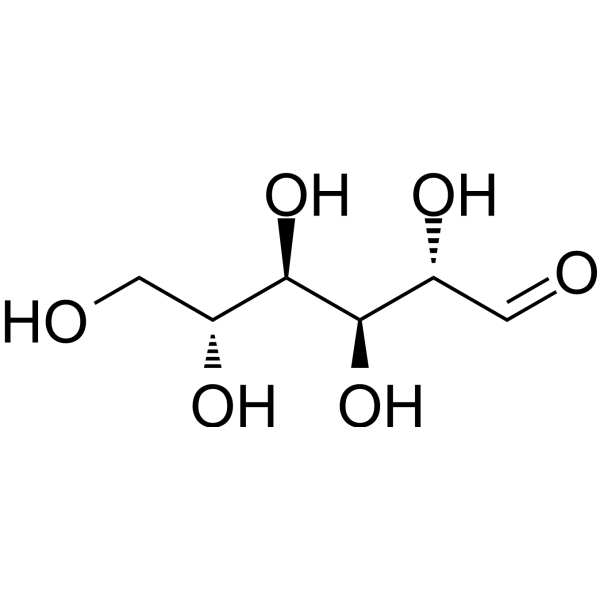
D-Mannose (Standard) is the analytical standard of D-Mannose. This product is intended for research and analytical applications. D-Mannose is a C-2 superpolymer of glucose that occurs naturally in many plants and fruits. D-Mannose has anti-inflammatory and antitumor activity. D-Mannose plays an important role in immune regulation .
|
-
-
- HY-P990294
-
|
|
Transmembrane Glycoprotein
STAT
Collagen
Reactive Oxygen Species (ROS)
Interleukin Related
|
Cardiovascular Disease
Inflammation/Immunology
|
|
Anti-Mouse CD106/VCAM-1 Antibody (M/K-2.7) is an anti-mouse CD106/VCAM-1 IgG1 monoclonal antibody. Anti-Mouse CD106/VCAM-1 Antibody (M/K-2.7) reduces inflammatory response and oxidative stress by lowering p-STAT3 and reactive oxygen species (ROS) levels. Anti-Mouse CD106/VCAM-1 Antibody (M/K-2.7) can alleviate cardiac inflammation and fibrosis by reducing the expression of collagen I and collagen III. Anti-Mouse CD106/VCAM-1 Antibody (M/K-2.7) can be used for research on cardiovascular conditions such as hypertensive heart condition and subretinal fibrosis .
|
-
-
- HY-W505771
-
-
-
- HY-158741
-
|
APG-2 Acetoxymethyl ester
|
Fluorescent Dye
Potassium Channel
|
Others
|
|
IPG-2 AM (APG-2 Acetoxymethyl ester) is a membrane-permeant acetoxymethyl ester derivative and selective fluorescent potassium ion indicator. IPG-2 AM exhibits fluorescence increases proportional to extracellular potassium ion concentrations. IPG-2 AM enables real-time monitoring of cytosolic free potassium ion fluxes in human platelets and macrophages. IPG-2 AM can be used for the research of intracellular potassium concentration dynamics .
|
-
-
- HY-146594
-
|
|
NOD-like Receptor (NLR)
|
Inflammation/Immunology
|
|
NLRP3-IN-8 (compound 27) is an orally active, directly binding NLRP3 inflammasome inhibitor with an IC50 value of 1.23 μM against IL-1 β. NLRP3-IN-8 has good metabolic stability to liver microsomes (t1/2 = 138.63 min), and has almost no toxicity (against L02: IC50 > 100 μM) .
|
-
-
- HY-B1899R
-
|
Taurodeoxycholate (Standard)
|
Reference Standards
Endogenous Metabolite
G protein-coupled Bile Acid Receptor 1
PARP
Apoptosis
NF-κB
PKA
|
Neurological Disease
Inflammation/Immunology
|
|
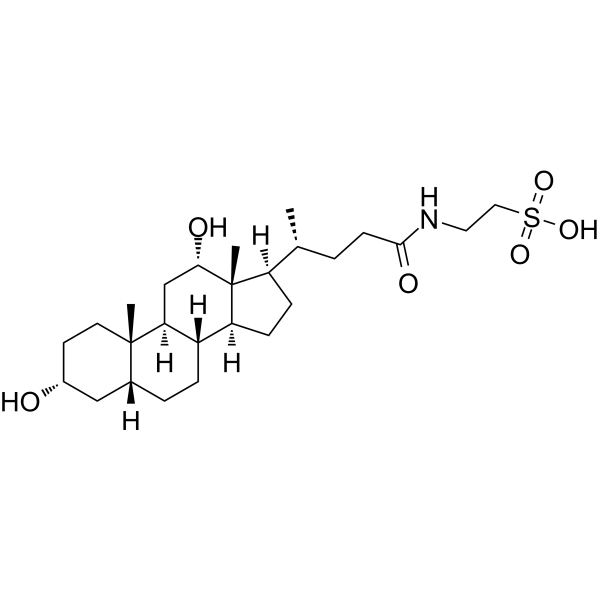
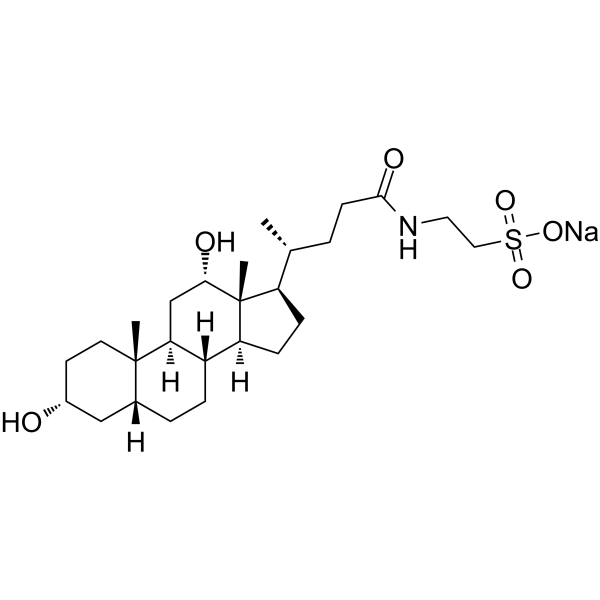
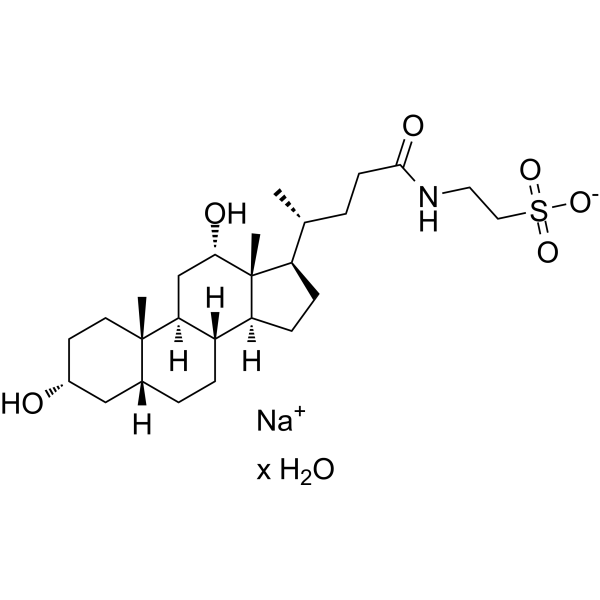
Taurodeoxycholic acid (Standard) is the analytical standard of Taurodeoxycholic acid. This product is intended for research and analytical applications. Taurodeoxycholate sodium salt is a bile salt-related anionic detergent. Taurodeoxycholic acid is formed in the liver by conjugation of deoxycholate with Taurine (HY-B0351). Taurodeoxycholic acid is used for isolation of membrane proteins including inner mitochondrial membrane proteins. Taurodeoxycholic acid (TDCA) exhibits anti-inflammatory and neuroprotective effects[1][2][3][9][10].
|
-
-
- HY-P990820
-
|
|
Transmembrane Glycoprotein
|
Inflammation/Immunology
Cancer
|
|
Anti-Mouse TIM-4 Antibody (RMT4-53) is a rat-derived IgG2b κ type antibody inhibitor, targeting to mouse TIM-4. Anti-Mouse TIM-4 Antibody (RMT4-53) can block T cell immunoglobulin and mucin domain 4 (TIM-4). Anti-Mouse TIM-4 Antibody (RMT4-53) can inhibit the engulfment of apoptotic cells and T cell proliferation. Anti-Mouse TIM-4 Antibody (RMT4-53) can be used for the researches of cancer, immunology and metabolic disease, such as MC38 tumor and graft .
|
-
-
- HY-173070
-
|
|
Toll-like Receptor (TLR)
IFNAR
PD-1/PD-L1
ADC Payload
|
Inflammation/Immunology
Cancer
|
|
TLR7 agonist 29 (Compound 1) is the agonist for TLR7 with an EC50 of 5.2 nM for human TLR7 (EC50 for mouse TLR7 is 48.2 nM). TLR7 agonist 29 activates bone marrow-derived macrophages (BMDMs), stimulates myeloid cells in the tumor microenvironment, promotes the expression of PD-L1, CD86 and IFN-α. TLR7 agonist 29 can be used as payload for synthesis of ADC .
|
-
-
- HY-P10383
-
|
|
NO Synthase
|
Infection
|
|
SPSB2-iNOS inhibitory cyclic peptide-1 is an inhibitor for the interaction of SPRY domain and SOCS-box protein 2 (SPSB2) and iNOS, through binding SPSB2 on iNOS site with KD of 4.4 nM. SPSB2-iNOS inhibitory cyclic peptide-1 is resistant to the proteases pepsin, trypsin and α-chymotrypsin. SPSB2-iNOS inhibitory cyclic peptide-1 is stable in human plasma and in oxidative environment .
|
-
-
- HY-128853S
-
-
-
- HY-145087
-
|
NLRP3-IN-5
|
NOD-like Receptor (NLR)
Interleukin Related
Caspase
|
Inflammation/Immunology
|
|
NP3-146 is a NLRP3 inflammasome inhibitor through locking the NACHT domain of NLRP3. NP3-146 shows potent inhibitory activity against IL-1β release with an IC50 value of 0.171 μM in LPS (HY-D1056)/Nigericin (HY-127019)-stimulated BMDM cells. NP3-146 regulates the levels of cleaved Caspase-1 and cleaved IL-1β in cell supernatants. NP3-146 can be used for the research of inflammatory diseases .
|
-
-
- HY-175645
-
|
|
NOD-like Receptor (NLR)
URAT1
Interleukin Related
OAT
GLUT
|
Metabolic Disease
Inflammation/Immunology
|
|
NLRP3/URAT1-IN-1 is an orally active double inhibitor of NLRP3 and URAT1 (IC50 = 3.81 μM). NLRP3/URAT1-IN-1 inhibits IL-1β release in LPS (HY-D1056) and ATP-stimulated mouse bone marrow-derived macrophages (BMDMs), with an IC50 of 2.61 μM. NLRP3/URAT1-IN-1 reduces serum uric acid (SUA) and alleviates liver/kidney damage in mice with acute hyperuricemia (HUA). NLRP3/URAT1-IN-1can be used for the study of gout and hyperuricemia .
|
-
-
- HY-175210
-
|
|
STING
Interleukin Related
IFNAR
Reactive Oxygen Species (ROS)
Apoptosis
|
Inflammation/Immunology
|
|
STING-IN-16 is a STING inhibitor with IC50 values of 44 nM (human) and 32 nM (mice) for cellular STING inhibition. STING-IN-16 effectively inhibits the activation of the STING axis in both human and murine cells. STING-IN-16 can restore renal mitochondrial function, suppress reactive oxygen species (ROS) production, and reduce cell apoptosis. STING-IN-16 shows robust anti-inflammatory efiicacy in vivo. STING-IN-16 can be used for the study of autoimmune and autoinflammatory diseases .
|
-
-
- HY-N7697C
-
|
|
Toll-like Receptor (TLR)
Interleukin Related
Reactive Oxygen Species (ROS)
|
Cardiovascular Disease
Metabolic Disease
Inflammation/Immunology
|
|
Chitohexaose hexahydrochloride is a small molecular polysaccharide. Chitohexaose hexahydrochloride inhibits the binding of AgW to TLR4. Chitohexaose hexahydrochloride upregulates IL-10, inhibits LPS-induced upregulation of ROS, induces alternative activation of macrophages/monocytes, and suppresses LPS-induced production of TNF-α, IL-1β and IL-6. Chitohexaose hexahydrochloride reverses the mortality of mice challenged with APAP or LPS. Chitohexaose hexahydrochloride can be used in research related to Acetaminophen (HY-66005)-induced hepatotoxicity and endotoxemia .
|
-
-
- HY-W615446
-
|
|
Glutathione S-transferase
Interleukin Related
|
Inflammation/Immunology
Cancer
|
|
GSTO1-IN-3 is a potent GSTO1-1 inhibitor with an IC50 of 0.11 μM, and shows selectivity over GSTO2-2, GSTA1-1 and GSTP1-1 (IC50 > 100 μM). GSTO1-IN-3 enhances the cytotoxicity of Cisplatin (HY-17394) against human breast cancer cells. GSTO1-IN-3 inhibits IL-1β release in mouse bone marrow-derived macrophage (BMDM) cells. GSTO1-IN-3 attenuates inflammation in mice. GSTO1-IN-3 can be used for breast cancer and inflammation research .
|
-
-
- HY-12815R
-
|
CP-456773 (Standard); CRID3 (Standard)
|
NOD-like Receptor (NLR)
Reference Standards
|
Inflammation/Immunology
|
|
MCC950 (Standard) is the analytical standard of MCC950. This product is intended for research and analytical applications. MCC950 (CP-456773; CRID3) is a potent and selective NLRP3 inhibitor with IC50s of 7.5 and 8.1 nM in BMDMs and HMDMs, respectively.
|
-
-
- HY-131040
-
|
|
NOD-like Receptor (NLR)
|
Inflammation/Immunology
|
|
NLRP3-IN-NBC6 is a potent, selective NLRP3 inflammasome inhibitor (IC50= 574 nM) that acts independently of Ca 2+. NLRP3-IN-NBC6 inhibits Nigericin (HY-127019)-induced inflammasome activation in THP-1 cells and Imiquimod (HY-B0180)-induced IL-1β release from LPS-primed bone marrow-derived macrophages (BMDMs) .
|
-
-
- HY-172134
-
|
|
NOD-like Receptor (NLR)
|
Inflammation/Immunology
|
|
NLRP3-IN-70 (Compound 5m) is an NLRP3 inflammasome inhibitor with low oral bioavailability. NLRP3-IN-70 can directly bind to the NACHT domain of the NLRP3 protein and block the interaction of NLRP3 and ASC, thus inhibiting ASC oligomerization and NLRP3 inflammasome assembly. NLRP3-IN-70 can be used in the research of sepsis and nonalcoholic steatohepatitis .
|
-
-
- HY-145087A
-
|
|
NOD-like Receptor (NLR)
Interleukin Related
Caspase
|
Inflammation/Immunology
|
|
NP3-146 sodium is a NLRP3 inflammasome inhibitor through locking the NACHT domain of NLRP3. NP3-146 sodium shows potent inhibitory activity against IL-1β release with an IC50 value of 0.171 μM in LPS (HY-D1056)/Nigericin (HY-127019)-stimulated BMDM cells. NP3-146 sodium regulates the levels of cleaved Caspase-1 and cleaved IL-1β in cell supernatants. NP3-146 sodium can be used for the research of inflammatory diseases .
|
-
-
- HY-171592
-
|
|
RIP kinase
NOD-like Receptor (NLR)
TNF Receptor
|
Inflammation/Immunology
|
|
RIPK2-IN-7 (Compound 10w) is an orally active, selective RIPK2 inhibitor (IC50: 0.6 nM). RIPK2-IN-7 inhibits RIPK2 kinase activity, blocks the nucleotide-binding oligomerization domain (NOD) signaling pathway, and reduces the production of inflammatory factors (such as TNFα). RIPK2-IN-7 can be used in the study of inflammatory bowel disease (IBD) .
|
-
-
- HY-163674
-
|
|
Interleukin Related
|
Inflammation/Immunology
|
|
Mincle agonist 1 (compound 1c) is a Mincle agonist. Mincle agonist 1 can promote IL-1β expression in BMDM cells. Mincle agonist 1 can be used in immune and inflammation related research .
|
-
-
- HY-12815AR
-
|
CP-456773 sodium (Standard); CRID3 sodium salt (Standard)
|
NOD-like Receptor (NLR)
Reference Standards
|
Inflammation/Immunology
|
|
MCC950 (sodium) (Standard) is the analytical standard of MCC950 (sodium). This product is intended for research and analytical applications. MCC950 sodium (CP-456773 sodium; CRID3 sodium salt) is a potent, selective NLRP3 inhibitor with IC50s of 7.5 and 8.1 nM in BMDMs and HMDMs, respectively.
|
-
-
- HY-128776
-
|
|
TNF Receptor
|
Cancer
|
|
Antitumor agent-19 is an antitumor agent that targets tumor-associated macrophages (TAMs) and can be used as a potent TAMs modulator. Antitumor agent-19 can increase TNF-alpha levels in tumor cells with EC50 values???of 17.18 μM and 18.87 μM in RAW 264.7 cells and BMDM cells, respectively .
|
-
-
- HY-162848
-
|
|
PI3K
|
Cancer
|
|
IHMT-PI3K-315 (20e) is a potent and selective PI3Kγ/δ inhibitor with IC50 values for PI3Kγ and PI3Kδ of 4.0 and 9.1 nM, respectively. IHMT-PI3K-315 has antitumor activity .
|
-
-
- HY-P10384A
-
|
|
NO Synthase
|
Infection
|
|
SPSB2-iNOS inhibitory cyclic peptide-2 TFA is the TFA salt form of SPSB2-iNOS inhibitory cyclic peptide-2 (HY-P10384). SPSB2-iNOS inhibitory cyclic peptide-2 TFA is an inhibitor for the interaction of SPRY domain and SOCS-box protein 2 (SPSB2) and iNOS, through binding SPSB2 on iNOS site with KD of 21 nM. SPSB2-iNOS inhibitory cyclic peptide-2 TFA is reduction-resistant and oxidatively stable .
|
-
-
- HY-P10385A
-
|
|
NO Synthase
|
Infection
|
|
SPSB2-iNOS inhibitory cyclic peptide-3 TFA is the TFA salt form of SPSB2-iNOS inhibitory cyclic peptide-3 (HY-P10385). SPSB2-iNOS inhibitory cyclic peptide-3 TFA is an inhibitor for the interaction of SPRY domain and SOCS-box protein 2 (SPSB2) and iNOS, through binding SPSB2 on iNOS site with KD of 7 nM .
|
-
-
- HY-P10384
-
|
|
NO Synthase
|
Infection
|
|
SPSB2-iNOS inhibitory cyclic peptide-2 (Compound CP2) is an inhibitor for the interaction of SPRY domain and SOCS-box protein 2 (SPSB2) and iNOS, through binding SPSB2 on iNOS site with KD of 21 nM. SPSB2-iNOS inhibitory cyclic peptide-2 is reduction-resistant and oxidatively stable .
|
-
-
- HY-P10385
-
|
|
NO Synthase
|
Infection
|
|
SPSB2-iNOS inhibitory cyclic peptide-3 (Compound CP3) is an inhibitor for the interaction of SPRY domain and SOCS-box protein 2 (SPSB2) and iNOS, through binding SPSB2 on iNOS site with KD of 7 nM .
|
-
-
- HY-10109A
-
|
|
PI3K
Akt
|
Inflammation/Immunology
|
|
AS-605240 (potassium) is an orally active PI3Kγ inhibitor (IC50: 8 nM; Ki: 7.8 nM). AS-605240 (potassium) inhibits MCP-1- and CSF1-induced PKB phosphorylation (IC50 values are 0.181 and 0.550 µM, respectively). AS-605240 (potassium) reduces neutrophil recruitment in RANTES (CCL5)- and thioglycolate-induced peritonitis mouse models (EC50 values are 9.1 and 10 mg/kg, respectively). AS-605240 (potassium) ameliorates αCII-IA-induced arthritis in mice .
|
-
-
- HY-149493
-
|
|
PI3K
|
Inflammation/Immunology
Cancer
|
|
IHMT-PI3K-455 (Compound 15u) is a potent, selective, orally active PI3Kγ/δ dual inhibitor with IC50s of 7.1 nM and 0.57 nM for PI3Kγ and PI3Kδ, respectively. IHMT-PI3K-455 suppresses the AKT phosphorylation. IHMT-PI3K-455 inhibits tumor growth by recruiting and activating more CD8 + killing T cells.IHMT-PI3K-455 is used in cancer research .
|
-
-
- HY-P10383A
-
|
|
NO Synthase
|
Infection
|
|
SPSB2-iNOS inhibitory cyclic peptide-1 TFA is the TFA salt form of SPSB2-iNOS inhibitory cyclic peptide-1(HY-P10383). SPSB2-iNOS inhibitory cyclic peptide-1 is an inhibitor for the interaction of SPRY domain and SOCS-box protein 2 (SPSB2) and iNOS, through binding SPSB2 on iNOS site with KD of 4.4 nM. SPSB2-iNOS inhibitory cyclic peptide-1 is resistant to the proteases pepsin, trypsin and α-chymotrypsin. SPSB2-iNOS inhibitory cyclic peptide-1 is stable in human plasma and in oxidative environment .
|
-
- HY-N1939R
-
|
Icarisid I (Standard)
|
Reference Standards
Apoptosis
Reactive Oxygen Species (ROS)
NOD-like Receptor (NLR)
STAT
CDK
Bcl-2 Family
Aryl Hydrocarbon Receptor
JAK
Caspase
IFNAR
PD-1/PD-L1
|
Inflammation/Immunology
Endocrinology
Cancer
|
|
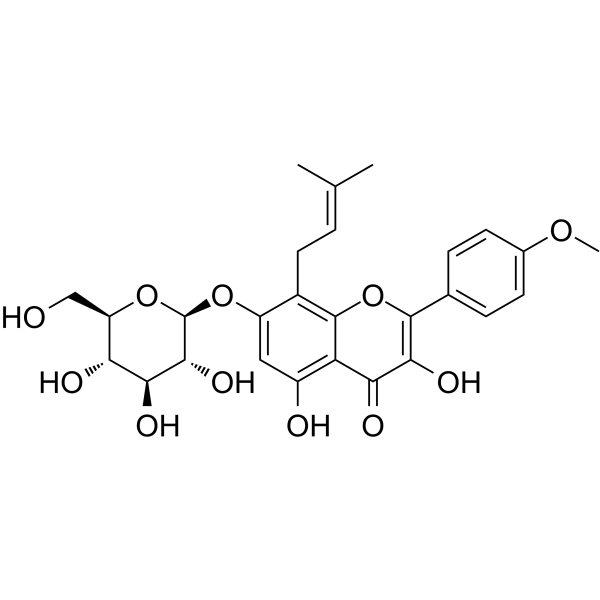
Icariside I (Standard) is the analytical standard of Icariside I (HY-N1939). This product is intended for research and analytical applications. Icariside I (GH01) is an orally active metabolite of icalin. Icariside I improves estrogen deficiency-induced osteoporosis by simultaneously regulating osteoblast and osteoclast differentiation. Icariside I promotes ATP (HY-B2176) or Nigericin (HY-127019)-induced mtROS production and NLRP3 inflammasome activation and causes idiosyncratic hepatotoxicity. Icariside I does not alter the activation of NLRC4 and AIM2 inflammasomes. Icariside I inhibits breast cancer proliferation, apoptosis, invasion, and metastasis by targeting the IL-6/STAT3 pathway. Icariside I is a kynurenine-AhR pathway inhibitor that alleviates cancer by blocking tumor immune escape .
|
-
- HY-128853R
-
-
- HY-183569
-
|
|
c-Fms
Akt
PERK
Aminotransferases (Transaminases)
Apoptosis
TNF Receptor
Interleukin Related
|
Metabolic Disease
|
|
CSF1R-IN-27 is a CSF1R inhibitor with oral effectiveness, kinome-wide selective profile, low cellular cytotoxicity, and CSF1R IC50 values of 19 nM, 88 nM, 173 nM, 797 nM, 1448 nM, and >3000 nM. CSF1R-IN-27 suppresses M-CSF-induced phosphorylation of CSF1R, AKT, and ERK in macrophages, and inhibits hepatic p-CSF1R/p-AKT/p-ERK signaling. CSF1R-IN-27 reduces serum transaminase levels, improves hepatic histopathology, alleviates inflammatory cell infiltration, and decreases circulating TNF-α and IL-6 levels. CSF1R-IN-27 can be used for the research of acute liver injury .
|
-
- HY-181488
-
|
|
NOD-like Receptor (NLR)
Caspase
Interleukin Related
|
Metabolic Disease
Inflammation/Immunology
|
|
NLRP3-IN-87 is a selective and orally active NLRP3 inhibitor with a Kd of 0.23 μM. NLRP3-IN-87 binds directly to the NLRP3 NACHT domain, disrupts NLRP3-NEK7 and NLRP3-ASC interactions, inhibits ASC oligomerization, and blocks inflammasome assembly. NLRP3-IN-87 suppresses caspase-1 activation and IL-1β secretion. NLRP3-IN-87 exhibits anti-inflammatory and analgesic activity, reducing joint swelling, inflammation, and pain in an MSU (HY-B2130A)-induced acute gout mouse model. NLRP3-IN-87 can be used for the research of gout .
|
-
| Cat. No. |
Product Name |
Type |
-
- HY-158741
-
|
APG-2 Acetoxymethyl ester
|
Fluorescent Dye
|
|
IPG-2 AM (APG-2 Acetoxymethyl ester) is a membrane-permeant acetoxymethyl ester derivative and selective fluorescent potassium ion indicator. IPG-2 AM exhibits fluorescence increases proportional to extracellular potassium ion concentrations. IPG-2 AM enables real-time monitoring of cytosolic free potassium ion fluxes in human platelets and macrophages. IPG-2 AM can be used for the research of intracellular potassium concentration dynamics .
|
| Cat. No. |
Product Name |
Target |
Research Area |
-
- HY-P10383
-
|
|
NO Synthase
|
Infection
|
|
SPSB2-iNOS inhibitory cyclic peptide-1 is an inhibitor for the interaction of SPRY domain and SOCS-box protein 2 (SPSB2) and iNOS, through binding SPSB2 on iNOS site with KD of 4.4 nM. SPSB2-iNOS inhibitory cyclic peptide-1 is resistant to the proteases pepsin, trypsin and α-chymotrypsin. SPSB2-iNOS inhibitory cyclic peptide-1 is stable in human plasma and in oxidative environment .
|
-
- HY-P10384A
-
|
|
NO Synthase
|
Infection
|
|
SPSB2-iNOS inhibitory cyclic peptide-2 TFA is the TFA salt form of SPSB2-iNOS inhibitory cyclic peptide-2 (HY-P10384). SPSB2-iNOS inhibitory cyclic peptide-2 TFA is an inhibitor for the interaction of SPRY domain and SOCS-box protein 2 (SPSB2) and iNOS, through binding SPSB2 on iNOS site with KD of 21 nM. SPSB2-iNOS inhibitory cyclic peptide-2 TFA is reduction-resistant and oxidatively stable .
|
-
- HY-P10385A
-
|
|
NO Synthase
|
Infection
|
|
SPSB2-iNOS inhibitory cyclic peptide-3 TFA is the TFA salt form of SPSB2-iNOS inhibitory cyclic peptide-3 (HY-P10385). SPSB2-iNOS inhibitory cyclic peptide-3 TFA is an inhibitor for the interaction of SPRY domain and SOCS-box protein 2 (SPSB2) and iNOS, through binding SPSB2 on iNOS site with KD of 7 nM .
|
-
- HY-P10384
-
|
|
NO Synthase
|
Infection
|
|
SPSB2-iNOS inhibitory cyclic peptide-2 (Compound CP2) is an inhibitor for the interaction of SPRY domain and SOCS-box protein 2 (SPSB2) and iNOS, through binding SPSB2 on iNOS site with KD of 21 nM. SPSB2-iNOS inhibitory cyclic peptide-2 is reduction-resistant and oxidatively stable .
|
-
- HY-P10385
-
|
|
NO Synthase
|
Infection
|
|
SPSB2-iNOS inhibitory cyclic peptide-3 (Compound CP3) is an inhibitor for the interaction of SPRY domain and SOCS-box protein 2 (SPSB2) and iNOS, through binding SPSB2 on iNOS site with KD of 7 nM .
|
-
- HY-P10383A
-
|
|
NO Synthase
|
Infection
|
|
SPSB2-iNOS inhibitory cyclic peptide-1 TFA is the TFA salt form of SPSB2-iNOS inhibitory cyclic peptide-1(HY-P10383). SPSB2-iNOS inhibitory cyclic peptide-1 is an inhibitor for the interaction of SPRY domain and SOCS-box protein 2 (SPSB2) and iNOS, through binding SPSB2 on iNOS site with KD of 4.4 nM. SPSB2-iNOS inhibitory cyclic peptide-1 is resistant to the proteases pepsin, trypsin and α-chymotrypsin. SPSB2-iNOS inhibitory cyclic peptide-1 is stable in human plasma and in oxidative environment .
|
| Cat. No. |
Product Name |
Target |
Research Area |
Image |
-
- HY-P990294
-
|
|
Transmembrane Glycoprotein
STAT
Collagen
Reactive Oxygen Species (ROS)
Interleukin Related
|
Cardiovascular Disease
Inflammation/Immunology
|
|
Anti-Mouse CD106/VCAM-1 Antibody (M/K-2.7) is an anti-mouse CD106/VCAM-1 IgG1 monoclonal antibody. Anti-Mouse CD106/VCAM-1 Antibody (M/K-2.7) reduces inflammatory response and oxidative stress by lowering p-STAT3 and reactive oxygen species (ROS) levels. Anti-Mouse CD106/VCAM-1 Antibody (M/K-2.7) can alleviate cardiac inflammation and fibrosis by reducing the expression of collagen I and collagen III. Anti-Mouse CD106/VCAM-1 Antibody (M/K-2.7) can be used for research on cardiovascular conditions such as hypertensive heart condition and subretinal fibrosis .
|
-
(5)
-
- HY-P990820
-
|
|
Transmembrane Glycoprotein
|
Inflammation/Immunology
Cancer
|
|
Anti-Mouse TIM-4 Antibody (RMT4-53) is a rat-derived IgG2b κ type antibody inhibitor, targeting to mouse TIM-4. Anti-Mouse TIM-4 Antibody (RMT4-53) can block T cell immunoglobulin and mucin domain 4 (TIM-4). Anti-Mouse TIM-4 Antibody (RMT4-53) can inhibit the engulfment of apoptotic cells and T cell proliferation. Anti-Mouse TIM-4 Antibody (RMT4-53) can be used for the researches of cancer, immunology and metabolic disease, such as MC38 tumor and graft .
|
-
(5)
| Cat. No. |
Product Name |
Category |
Target |
Chemical Structure |
| Cat. No. |
Product Name |
Chemical Structure |
-
- HY-128853S
-
|
|
|
Taurodeoxycholate-d6 sodium salt is a bile salt-related anionic detergent. Taurodeoxycholate-d6 sodium salt is formed in the liver by conjugation of deoxycholate with Taurine (HY-B0351). Taurodeoxycholate-d6 sodium salt is used for isolation of membrane proteins including inner mitochondrial membrane proteins. Taurodeoxycholate-d6 (TDCA) exhibits anti-inflammatory and neuroprotective effects .
|
-
Your information is safe with us. * Required Fields.
Inquiry Information
- Product Name:
- Cat. No.:
- Quantity:
- MCE Japan Authorized Agent:

