
1. Search Result
Search Result
Results for "

Bacterial Growth

" in MedChemExpress (MCE) Product Catalog:

240

Inhibitors & Agonists

1

Screening Libraries

5

Fluorescent Dyes

17

Biochemical Assay Reagents

10

Peptides

86

Natural
Products

20

Isotope-Labeled Compounds

2

Oligonucleotides

Cat. No. Product Name Target Research Areas Chemical Structure
  • HY-B0438
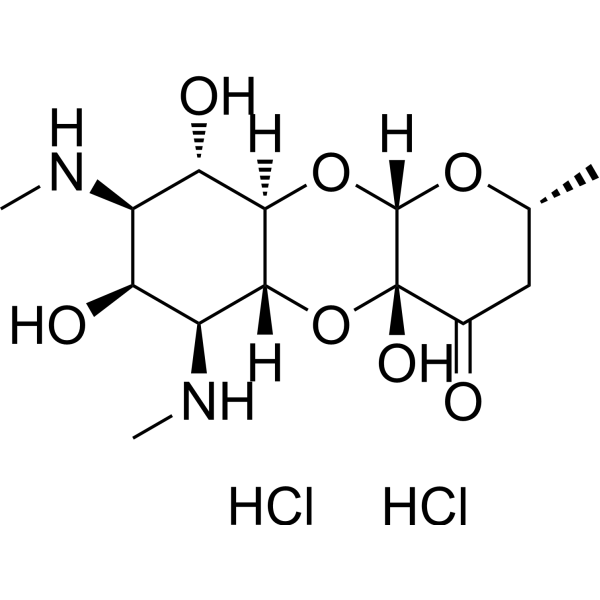
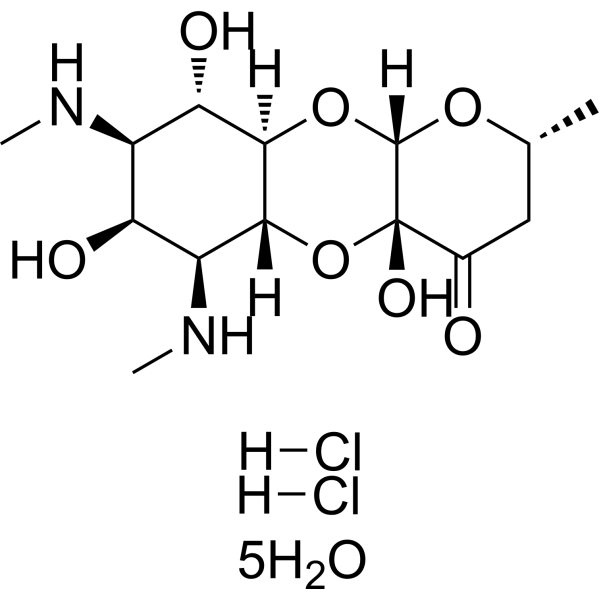
    Spectinomycin dihydrochloride
    3 Publications Verification

    Bacterial Antibiotic Infection
    Spectinomycin dihydrochloride is a broad-spectrum antibiotic and inhibits the growth of a variety of gram-positive and gram-negative organisms. Spectinomycin dihydrochloride acts by selectively targeting to the bacterial ribosome and interrupting protein synthesis. Spectinomycin dihydrochloride is also a noncompetitive inhibitor of td intron RNA with an Ki value of 7.2 mM - .
    Spectinomycin dihydrochloride
  • HY-131045
    HADA hydrochloride
    5+ Cited Publications

    HCC-Amino-D-alanine hydrochloride

    Bacterial Infection
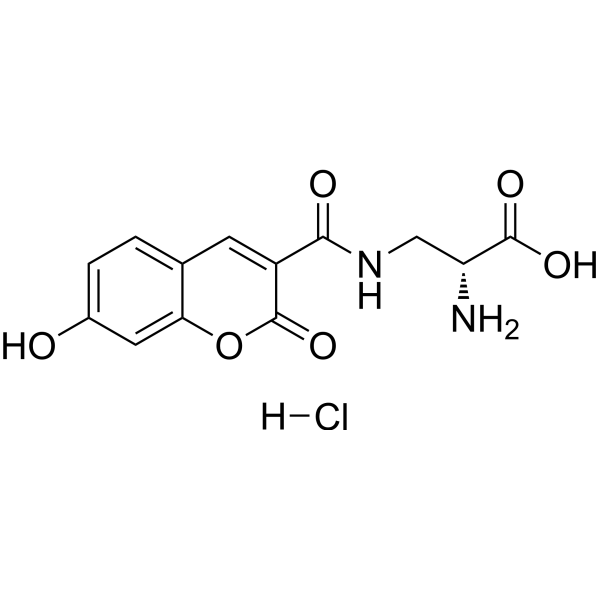
    HADA hydrochloride (HCC-Amino-D-alanine hydrochloride) is a blue (λem~450 nm) fluorescent D-amino acid (FDAA). FDAAs are efficiently incorporated into the peptidoglycans (PGs) of diverse bacterial species at the sites of PG biosynthesis, allowing specific and covalent probing of bacterial growth with minimal perturbation .
    HADA hydrochloride
  • HY-B1207
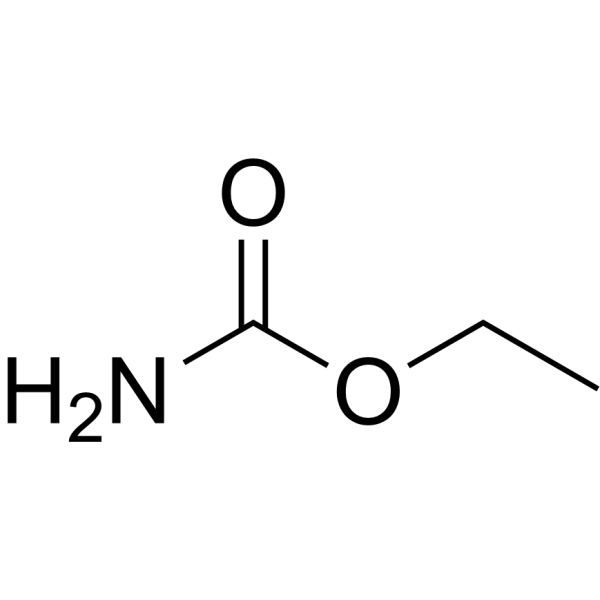
    Urethane
    4 Publications Verification

    Ethyl carbamate; Carbamic acid ethyl ester; Ethylurethane

    Environmental Pollutants Bacterial Parasite Infection Neurological Disease Cancer
    Urethane (Ethyl carbamate), the ethyl ester of carbamic acid, is a byproduct of fermentation found in various food products. Urethane has the ability to suppress bacterial, protozoal, sea urchin egg, and plant tissue growth in vitro .
    Urethane
  • HY-W009274

    MurNAc; NAMA

    p38 MAPK NF-κB Bacterial Infection Inflammation/Immunology
    N-acetylmuramic acid is a component of the bacterial cell wall peptidoglycan, essential for maintaining cell shape and integrity . N-acetylmuramic acid inhibits spore germination by inhibiting a coat-associated hexosaminidase and a core enzyme . N-acetylmuramic acid is required by Bacteroides forsythus for proliferation and the maintenance of its cell shape . N-Acetylmuramic acid inhibits the p38 MAPK/NF-κB signaling pathway, and exhibits anti-inflammatory activity. N-Acetylmuramic acid is orally active .
    N-Acetylmuramic acid
  • HY-110382
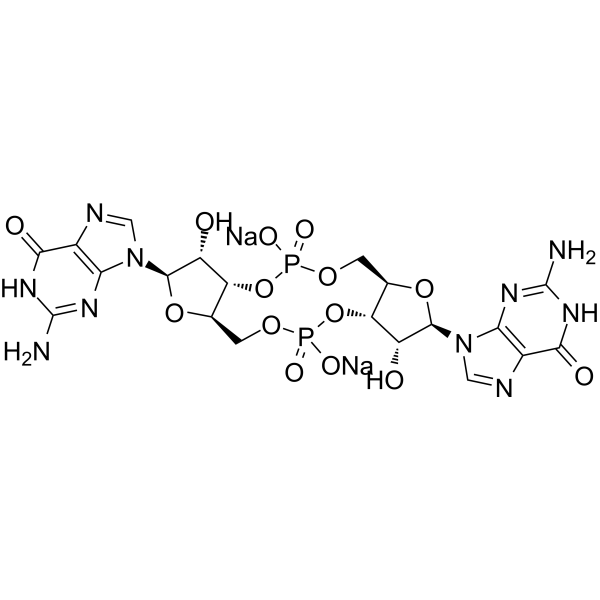
    Cyclic-di-GMP disodium
    5+ Cited Publications

    c-di-GMP disodium; cyclic diguanylate disodium; 5GP-5GP disodium

    STING Endogenous Metabolite Cancer
    Cyclic-di-GMP disodium is a STING agonist and a bacterial second messenger that coordinates different aspects of bacterial growth and behavior, including motility, virulence, biofilm formation, and cell cycle progression. Cyclic-di-GMP disodium has anti-cancer cell proliferation activity and also induces elevated CD4 receptor expression and cell cycle arrest. Cyclic-di-GMP disodium can be used in cancer research .
    Cyclic-di-GMP disodium
  • HY-B0915
    Orbifloxacin
    1 Publications Verification

    CP-104354

    Bacterial Antibiotic Infection
    Orbifloxacin is an orally administrable Antibiotic. Orbifloxacin disrupts the replication and proliferation of Bacterial DNA, inhibits bacterial growth and exerts bactericidal activity. Orbifloxacin inhibits the growth of canine-derived E. coli and Pseudomonas aeruginosa isolates. Orbifloxacin is used in research related to bacterial infections .
    Orbifloxacin
  • HY-160238

    Corynebactin

    Bacterial Fungal Infection
    Bacillibactin (Corynebactin) is a cyclic tricatecholate siderophore. Bacillibactin’s primary function is to facilitate bacterial iron acquisition by chelating iron ions (Fe 3+) from the environment, thereby aiding bacterial survival under iron-limited conditions. Bacillibactin exhibits direct antimicrobial activity, such as inhibition of the growth of the producing bacteria Pseudomonas aeruginosa and Aeromonas veronae, as well as plant pathogens such as Pseudomonas syringae.Bacillibactin can be used in antibacterial and antifungal research .
    Bacillibactin
  • HY-126387

    Bacterial Antibiotic Penicillin-binding protein (PBP) Infection
    Moenomycin complex is a class of antibacterial agents and PBP inhibitors, with Kd values ranging from 94 nM to 1690 nM against various bacterial PBPs. Moenomycin complex inhibits bacterial growth by blocking the transglycosylase activity of class A penicillin-binding proteins (PBPs). Moenomycin complex is used in the research of bacterial infections .
    Moenomycin complex
  • HY-Y0444

    Tyrosinase Metabolic Disease
    D-Tyrosine is the D-isomer of tyrosine. D-Tyrosine negatively regulates melanin synthesis by inhibiting tyrosinase activity. D-Tyrosine inhibits biofilm formation and trigger the self-dispersal of biofilms without suppressing bacterial growth .
    D-Tyrosine
  • HY-107486

    Multhiomycin; RP 9671

    Bacterial Antibiotic Infection
    Nosiheptide (Multhiomycin), a thiopeptide antibiotic produced by Streptomyces actuosus, inhibits bacterial protein synthesis and bears a unique indole side ring system and regiospecific hydroxyl groups on the characteristic macrocyclic core. Nosiheptide has been widely used as a feed additive for animal growth .
    Nosiheptide
  • HY-N0626

    Environmental Pollutants Bacterial Endogenous Metabolite Fungal Antibiotic Infection Neurological Disease Cancer
    Sorbic acid is an antibacterial preservative effective against most molds, yeasts, and some bacterial species. Sorbic acid inhibits microbial growth. Sorbic acid suppresses the activity of intestinal microorganisms in zebrafish, alters the composition of intestinal flora, and reduces the levels of intestinal immune biomarkers, including IgG, IL-1β, and TNF-α. Sorbic acid can be used in research on the prevention and treatment of mold, yeast, and bacterial infections .
    Sorbic acid
  • HY-N0626A

    Sorbic acid potassium

    Environmental Pollutants Endogenous Metabolite Antibiotic Bacterial Fungal Infection
    Potassium sorbate (Sorbic acid potassium) is an antibacterial preservative effective against most molds, yeasts, and some bacterial species. Potassium sorbate inhibits microbial growth. Potassium sorbate suppresses the activity of intestinal microorganisms in zebrafish, alters the composition of intestinal flora, and reduces the levels of intestinal immune biomarkers, including IgG, IL-1β, and TNF-α. Potassium sorbate can be used in research on the prevention and treatment of mold, yeast, and bacterial infections .
    Potassium sorbate
  • HY-131150

    Antibiotic Bacterial Cardiovascular Disease Infection
    Ristomycin sulfate is an antibacterial antibiotic and platelet aggregation inducer. Ristomycin sulfate interacts with the D-alanyl-D-alanine terminus of bacterial cell wall precursors to regulate bacterial cell wall synthesis. Ristomycin sulfate induces platelet aggregation in vitro and inhibits the growth of Gram-positive bacteria. Ristomycin sulfate serves as an in vitro diagnostic compound for detecting von Willebrand factor activity. Ristomycin sulfate is applicable to research related to von Willebrand disease and Bernard-Soulier syndrome .
    Ristomycin sulfate
  • HY-W034067

    Biochemical Assay Reagents Bacterial Infection
    Silver nitrite is an inorganic compound with the chemical formula AgNO2. Silver nitrite can inhibit cell division and bacterial growth by interfering with protein synthesis .
    Silver nitrite
  • HY-W011117

    Bacterial DNA/RNA Synthesis Antibiotic Infection
    Danofloxacin is an orally active quinolone antibiotic. Danofloxacin targets bacterial DNA gyrase and inhibits bacterial DNA replication, transcription and growth. Danofloxacin can be used for various bacterial infections caused by Escherichia coli, Mycoplasma and other pathogens .
    Danofloxacin
  • HY-135498

    Bacterial Infection
    Ferrioxamine E is a siderophore and bacterial growth regulator. Ferrioxamine E can chelate ferric iron, and promote the growth, morphological differentiation and antibiotic synthesis of Streptomyces tanashiensis .
    Ferrioxamine E
  • HY-B1497
    Silver sulfadiazine
    1 Publications Verification

    AgSD

    Bacterial DNA/RNA Synthesis Antibiotic Infection
    Silver sulfadiazine (AgSD), a sulfonamide antibiotic, effects a dual inhibitory action on bacterial growth by its sulfa moiety (SD-SDZ) that prevents bacterial folate absorption and subsequent DNA synthesis. The silver that is released from Silver sulfadiazine binds and disrupts the DNA structure, precluding bacterial DNA replication .
    Silver sulfadiazine
  • HY-19487

    Bacterial Infection
    Ribocil is a selective inhibitor targeting the bacterial FMN riboswitch, regulating the bacterial riboflavin riboswitch. Ribocil competitively binds to the FMN binding site, mimicking the natural ligand FMN to induce conformational changes in the riboswitch, inhibiting ribB gene expression, reducing riboflavin synthesis, and thus inhibiting bacterial growth. Ribocil strongly inhibits GFP expression (EC50=0.3 μM). Ribocil exhibits in vivo antibacterial activity in a mouse model and can be used to study antibacterial drugs related to drug-resistant bacterial infections and bacterial riboflavin metabolic pathways[1][2].
    Ribocil
  • HY-DY1044

    Bacterial Infection
    HADA hydrochloride (HCC-Amino-D-alanine hydrochloride) is a blue (λem~450 nm) fluorescent D-amino acid (FDAA). FDAAs are efficiently incorporated into the peptidoglycans (PGs) of diverse bacterial species at the sites of PG biosynthesis, allowing specific and covalent probing of bacterial growth with minimal perturbation .
    Solvent and concentration: DMSO: 50 mM
    HADA hydrochloride (solution)
  • HY-125650
    Pseudouridimycin
    1 Publications Verification

    PUM

    Antibiotic DNA/RNA Synthesis Bacterial Nucleoside Antimetabolite/Analog Infection
    Pseudouridimycin (PUM) is an antibiotic that selectively inhibits bacterial RNA polymerase (RNAP), with an IC50 of about 0.1 μM and MICs of 4-6 μg/mL. Pseudouridimycin is a C-nucleoside analogue that's effective against both Gram-negative and Gram-positive bacteria. Pseudouridimycin inhibits bacterial growth in vitro and shows activity in a mouse model of purulent streptococcal peritonitis .
    Pseudouridimycin
  • HY-D0024

    Solvent Yellow 14

    Environmental Pollutants Bacterial Others
    Sudan I (Solvent Yellow 14) is a diazo-conjugate red dye and can be used as an additive to products such as oils, solvents or polishes. Sudan I inhibits growth of bacterial strains Clostridium perfringens and L. rhamnosus .
    Sudan I
  • HY-B1828

    Antibiotic Bacterial Infection
    Spectinomycin is a broad-spectrum antibiotic and inhibits the growth of a variety of gram-positive and gram-negative organisms. Spectinomycin acts by selectively targeting to the bacterial ribosome and interrupting protein synthesis. Spectinomycin is also a noncompetitive inhibitor of td intron RNA .
    Spectinomycin
  • HY-W045071

    Bacterial Infection
    N-Hexanoyl-DL-homoserine lactone is a bacterial quorum sensing molecule produced in the rhizosphere. N-Hexanoyl-DL-homoserine lactone, a bacterial quorum sensing signal, induces transcriptional changes in Arabidopsis and may contribute to tuning plant growth to the microbial composition of the rhizosphere .
    N-Hexanoyl-DL-homoserine lactone
  • HY-D1117

    NADA hydrochloride

    Fluorescent Dye Infection
    NADA-green is a fluorescent D-amino acid probe. NADA-green is efficiently incorporated into the peptidoglycan of diverse bacterial species peptidoglycan biosynthesis. NADA-green allows probing of bacterial growth with minimal perturbation .
    NADA-green
  • HY-101479
    Iclaprim
    3 Publications Verification

    AR-100

    Bacterial Antibiotic Infection
    Iclaprim is a new selective bacterial Dihydrofolate inhibitor, which can inhibit the growth of S. aureus (MRSA) with an MIC90 of 0.06 μg/mL.
    Iclaprim
  • HY-116872
    MAC13772
    1 Publications Verification

    Bacterial Infection
    MAC13772 is a BioA inhibitor with an IC50 of 0.28 μM against E. coli and an IC50 of 0.269 μM against A. baumannii. MAC13772 inhibits bacterial growth by targeting the biotin biosynthesis pathway. MAC13772 can be used in studies related to bacterial infections .
    MAC13772
  • HY-157536

    Bacterial Infection Inflammation/Immunology
    SMT-738 is a bacterial bactericide. SMT-738 targets the small molecules responsible for lipoprotein transport in Enterobacteriaceae, causing abnormal lipoprotein localization and bacterial cell death. SMT-738 inhibits the growth of E. coli and K. pneumoniae. SMT-738 reduces bacterial loads in mouse models of urinary tract infection, bloodstream infection, and pulmonary infection caused by Enterobacterales. SMT-738 can be used in the research of Enterobacteriaceae infections, urinary tract infections, bloodstream infections, and pneumonia .
    SMT-738
  • HY-107780

    c-di-GMP; cyclic diguanylate; 5GP-5GP

    STING Endogenous Metabolite Cancer
    Cyclic-di-GMP is a STING agonist and a bacterial second messenger that coordinates different aspects of bacterial growth and behavior, including motility, virulence, biofilm formation, and cell cycle progression. Cyclic-di-GMP has anti-cancer cell proliferation activity and also induces elevated CD4 receptor expression and cell cycle arrest. Cyclic-di-GMP can be used in cancer research .
    Cyclic-di-GMP
  • HY-W141916

    Tetraglycylglycine; Gly-Gly-Gly-Gly-Gly; NSC 96353

    Amino Acid Derivatives Bacterial Infection
    Pentaglycine (Tetraglycylglycine; NSC 96353) is a bridging structure composed of five glycine residues. Pentaglycine serves as a characteristic peptidoglycan cross-bridge component of staphylococci and a specific substrate for lysostaphin. Pentaglycine maintains the integrity of the peptidoglycan cell wall of Staphylococcus aureus via peptide chain cross-linking and regulates bacterial growth. Pentaglycine expression is downregulated in high-glucose environments, inhibiting bacterial proliferation. Pentaglycine can be applied to studies related to Staphylococcus aureus infection .
    Pentaglycine
  • HY-W016477

    Bacterial Infection
    Phenazine is an electron shuttles, which modulates the redox state of cells and the downstream gene expression related to biofilm formation and bacterial survival. Phenazines is a biocontrol agents, which affects the growth of plants and induces the systemic resistance in plants. Phenazine maintains NAD+/NADH balance .
    Phenazine
  • HY-157374

    Biochemical Assay Reagents Others
    Beef Heart Infusion is a non-selective microbial culture medium formulation. Beef Heart Infusion provides nutrients for microbial growth. Beef Heart Infusion can be used for the culture, transplantation and rejuvenation of microorganisms.
    Beef Heart Infusion
  • HY-136638

    DNA/RNA Synthesis Bacterial Infection
    ML328 is a selective inhibitor of bacterial AddAB and RecBCD helicase-nucleases with IC50 values of 26 and 5.1 μM, respectively. ML328 is a gyrase inhibitor. ML328 strongly inhibits the growth of E. coli in the presence of phage. ML328 can be used for the research of bacterial infection .
    ML328
  • HY-P3601

    FGF basic (1-24)

    Bacterial HBV Infection Inflammation/Immunology
    Brain Derived Basic Fibroblast Growth Factor (1-24) (FGF basic 1-24) is a synthetic peptide, shows anti-bacterial and anti-HBV activities. Brain Derived Basic Fibroblast Growth Factor (1-24) can be used in infection disease and immune disease research .
    Brain Derived Basic Fibroblast Growth Factor (1-24)
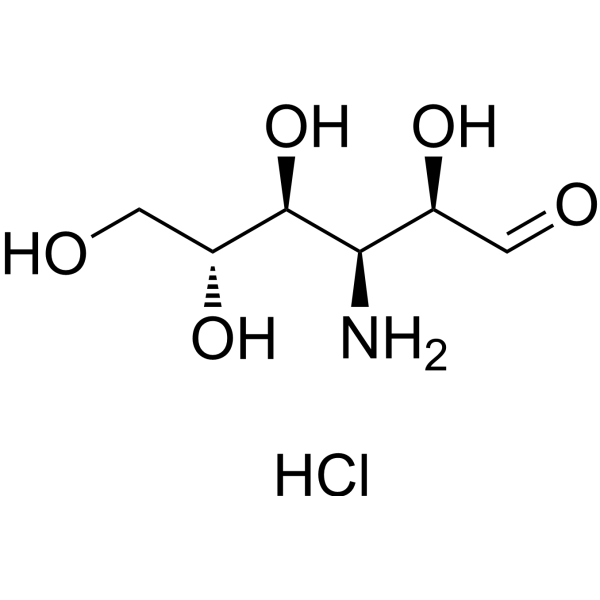
  • HY-112176
    Kanosamine hydrochloride
    2 Publications Verification

    Fungal Bacterial Antibiotic Infection
    Kanosamine hydrochloride is an antibiotic which inhibits the growth of plant-pathogenic oomycetes, certain fungi and a few bacterial species. Kanosamine inhibits Phytophthora medicaginis M2913 and Aphanomyces euteiches WI-98 with MICs of 25 and 60 μg/mL, respectively.
    Kanosamine hydrochloride
  • HY-B1387

    Antibiotic Bacterial Inflammation/Immunology
    Sulfamethoxypyridazine is an orally active and brain-penetrant sulfonamide antibiotic. Sulfamethoxypyridazine exhibits antibacterial activity and inhibits growth of susceptible bacterial strains. Sulfamethoxypyridazine can be used for the research of pyelonephritis, urinary tract infections, and dermatitis herpetiformis .
    Sulfamethoxypyridazine
  • HY-B1207S

    Ethyl carbamate-d5; Carbamic acid ethyl ester-d5; Ethylurethane-d5

    Bacterial Parasite Infection Neurological Disease Cancer
    Urethane-d5 is the deuterium labeled Urethane. Urethane (Ethyl carbamate), the ethyl ester of carbamic acid, is a byproduct of fermentation found in various food products. Urethane has the ability to suppress bacterial, protozoal, sea urchin egg, and plant tissue growth in vitro .
    Urethane-d5
  • HY-107780B
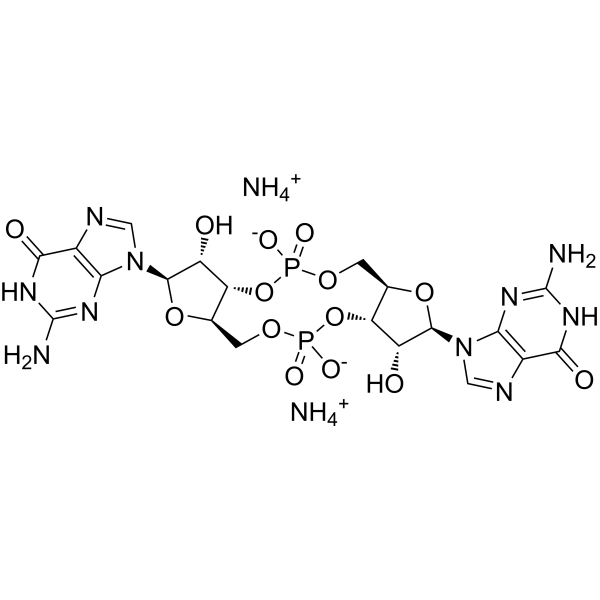
    Cyclic-di-GMP diammonium
    5+ Cited Publications

    c-di-GMP diammonium; cyclic diguanylate diammonium; 5GP-5GP diammonium

    STING Endogenous Metabolite Cancer
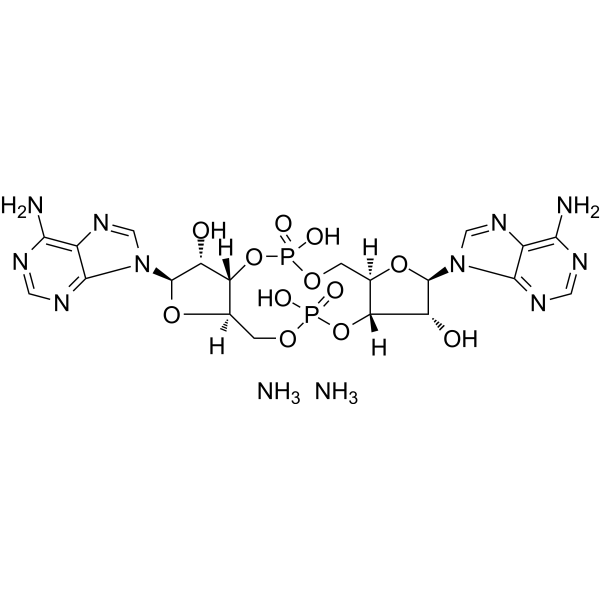
    Cyclic-di-GMP diammonium is a STING agonist and a bacterial second messenger that coordinates different aspects of bacterial growth and behavior, including motility, virulence, biofilm formation, and cell cycle progression. Cyclic-di-GMP diammonium has anti-cancer cell proliferation activity and also induces elevated CD4 receptor expression and cell cycle arrest. Cyclic-di-GMP diammonium can be used in cancer research .
    Cyclic-di-GMP diammonium
  • HY-157372

    Bacterial Others
    Peptone Bacteriological is used as a medium material to provide nitrogen source and amino acid for bacterial growth .
    Peptone Bacteriological
  • HY-B0343C

    Bacterial
    Sarafloxacin hydrochloride 100 μg/mL in methanol is an antibiotic with activity to inhibit bacterial growth. Sarafloxacin hydrochloride 100 μg/mL in methanol is widely used in veterinary medicine to inhibit bacterial infections. The mechanism of action of Sarafloxacin hydrochloride 100 μg/mL in methanol is mainly achieved by inhibiting the activity of bacterial DNA gyrase. Sarafloxacin hydrochloride 100 μg/mL in methanol is also used in animal feed to improve feed conversion and promote growth.
    Sarafloxacin hydrochloride 100 μg/mL in methanol
  • HY-149734

    Bacterial Infection
    MA220607 is a FtsZ protein inhibitor with activity against both Gram-positive and Gram-negative bacteria. MA220607 inhibits bacterial growth and shows low bacterial resistance frequency. MA220607 increases bacterial membrane permeability and alters proton gradients. MA220607 blocks the formation of bacterial biofilms. MA220607 can be used in studies of bacterial infections .
    MA220607
  • HY-103658

    Miramistin

    Bacterial Infection
    Myramistin (Miramistin) is an antibacterial agent targeting bacterial cell membrane. Myramistin can bind to the negatively charged surface of bacteria through its cationic properties, disrupt the integrity of the bacterial cell membrane, inhibit bacterial metabolism and growth, and induce cell death, thus exerting antibacterial activity .
    Myramistin
  • HY-B0035B

    Sulfadimidine 100 µg/mL in acetonitrile; Sulfadimerazine 100 µg/mL in acetonitrile

    Antibiotic Bacterial Infection
    Sulfamethazine (Sulfadimidine) 100 µg/mL in acetonitrile is a brain-penetrant sulfonamide antibiotic. Sulfamethazine 100 µg/mL in acetonitrile inhibits bacterial growth by blocking the synthesis of folic acid. Sulfamethazine 100 µg/mL in acetonitrile can be used for research on bacterial infections .
    Sulfamethazine 100 µg/mL in acetonitrile
  • HY-111903

    Bacterial Infection
    Levomecol (Chloramphenicol), made up of Chloramphenicol, Methyluracil, is a broad-spectrum antibiotic that is derived from the bacterium Streptomyces venezuelae. Levomecol (Chloramphenicol)) stops bacterial growth by binding to the bacterial ribosome (blocking peptidyl transferase) and inhibiting protein synthesis .
    Levomecol
  • HY-W039859

    Biochemical Assay Reagents Others
    2-Chloro-4-nitrophenyl β-D-glucopyranoside, 98% is a substrate for β-glucosidase, used as a bacterial growth medium.
    2-Chloro-4-nitrophenyl β-D-glucopyranoside, 98%
  • HY-B0200S

    Cefalexin-d5; Cephacillin-d5

    Antibiotic Bacterial Infection
    Cephalexin-d5 is deuterium labeled Cephalexin. Cephalexin (Cefalexin; Cephacillin) is a potent, orally active and the first-generation?cephalosporin antibiotic. Cephalexin kills?gram-positive?and some?gram-negative bacteria?by disrupting the growth of the bacterial cell wall. Cephalexin monohydrate is used for the research of?pneumonia,?strep throat, and bacterial endocarditis, et al .
    Cephalexin-d5
  • HY-P5723A

    Bacterial Infection
    Api137 TFA is an antimicrobial peptide that interferes with bacterial growth by inhibiting translation. Api137 TFA inhibits protein synthesis by trapping of release factors on the 70S ribosome following hydrolysis of the nascent polypeptide chain .
    Api137 TFA
  • HY-127072

    Antibiotic Bacterial Infection Inflammation/Immunology Cancer
    Amicoumacin A is an orally active antibiotic. Amicoumacin A targets bacterial ribosomes and inhibits bacterial translation by stabilizing the interaction between mRNA and ribosomes. Amicoumacin A induces cancer cell death by targeting eukaryotic ribosomes. Amicoumacin A exhibits anti-inflammatory and anti-ulcer activities, inhibits carrageenan-induced paw edema, and prevents stress-induced gastric ulcers. Amicoumacin A inhibits the growth of Gram-positive bacteria, Salmonella spp., Shigella spp., Helicobacter pylori, and methicillin-resistant Staphylococcus aureus. Amicoumacin A can be used in the research of lung cancer, breast cancer, bacterial infections, inflammatory edema and gastric ulcers [2] .
    Amicoumacin A
  • HY-B1207R

    Ethyl carbamate (Standard); Carbamic acid ethyl ester (Standard); Ethylurethane (Standard)

    Reference Standards Bacterial Parasite Infection Neurological Disease Cancer
    Urethane (Standard) is the analytical standard of Urethane. This product is intended for research and analytical applications. Urethane (Ethyl carbamate), the ethyl ester of carbamic acid, is a byproduct of fermentation found in various food products. Urethane has the ability to suppress bacterial, protozoal, sea urchin egg, and plant tissue growth in vitro .
    Urethane (Standard)
  • HY-107780A

    c-di-GMP sodium; cyclic diguanylate sodium; 5GP-5GP sodium

    STING Endogenous Metabolite Cancer
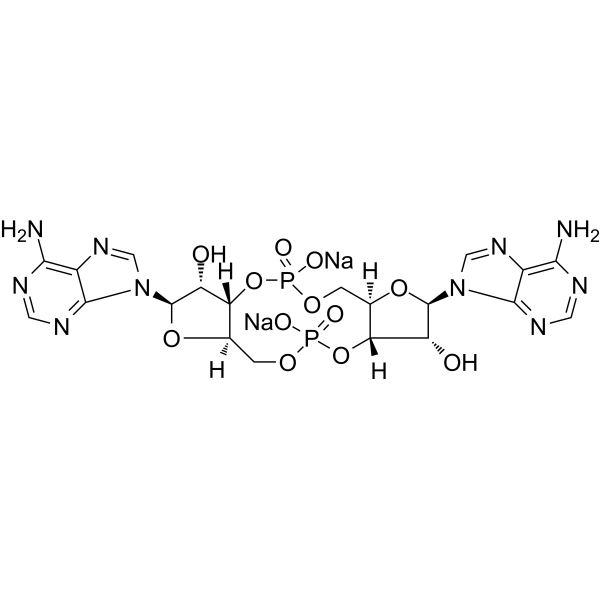
    Cyclic-di-GMP sodium is a STING agonist and a bacterial second messenger that coordinates different aspects of bacterial growth and behavior, including motility, virulence, biofilm formation, and cell cycle progression. Cyclic-di-GMP sodium has anti-cancer cell proliferation activity and also induces elevated CD4 receptor expression and cell cycle arrest. Cyclic-di-GMP sodium can be used in cancer research .
    Cyclic-di-GMP sodium
  • HY-B1781A

    Sulfachlorpyridazine sodium

    Bacterial Antibiotic Infection
    Sulfachloropyridazine (sodium) is a sulfonamide antibiotic that inhibits bacterial growth .
    Sulfachloropyridazine sodium

Inquiry Online

Your information is safe with us. * Required Fields.

Salutation


Country or Region *

Applicant Name *


Organization Name *

Department *


Email Address *


Product Name *

Cat. No.


Requested quantity *

Phone Number *


Remarks

Inquiry Online

Inquiry Information

Product Name:
Cat. No.:
Quantity:
MCE Japan Authorized Agent:

