178 Results for "

Ca2 -dependent

" in MedChemExpress (MCE) Product Catalog:
Products (178)

178 Results for "Ca2 -dependent" in MCE Product Catalog:

76
76 Publications Verification
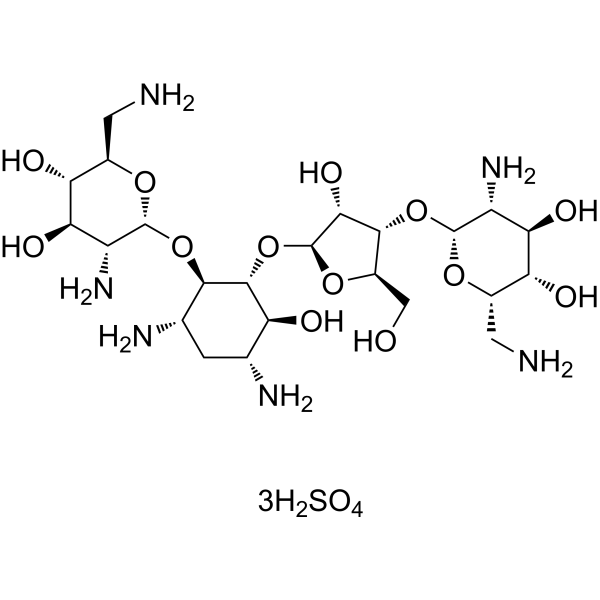
Cat. No.: HY-B0470
CAS No.: 1405-10-3
Neomycin sulfate, an aminoglycoside antibiotic, exerts antibacterial activity through irreversible binding of the nuclear 30S ribosomal subunit, thereby blocking bacterial protein synthesis. Neomycin sulfate is a known phospholipase C (PLC) inhibitor. Neomycin sulfate potently inhibits both the nuclear translocation of angiogenin and angiogenin-induced cell proliferation and angiogenesis. Neomycin sulfate inhibits IP3-mediated Ca 2+ release, MgATP-dependent Ca 2+ uptake, and electrical excitation-evoked skeletal muscle Ca 2+ transients. Neomycin sulfate depletes gut microbiota in specific mouse models, causes hearing impairment, and kidney damage with prolonged exposure. Neomycin sulfate can be used for the research of cancer .
loading...
    loading...
37
37 Cited Publications
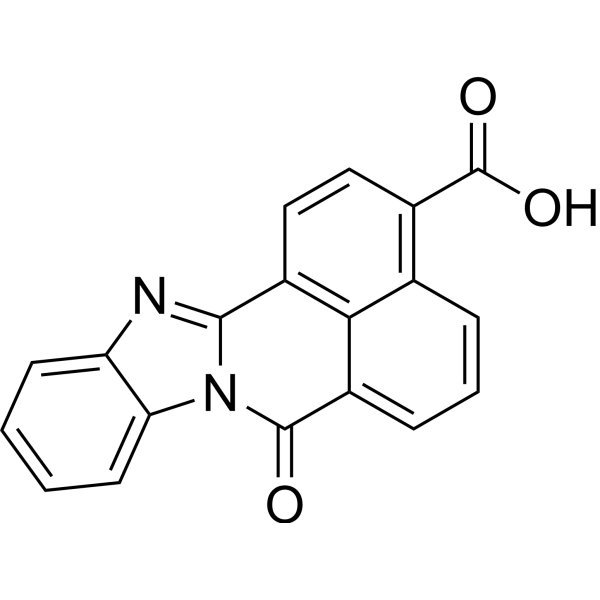
Cat. No.: HY-19805
CAS No.: 52029-86-4
Target:  

CaMK AMPK Autophagy

Research Areas:  

Metabolic Disease

STO-609 is a selective and cell-permeable inhibitor of the Ca 2+/calmodulin-dependent protein kinase kinase (CaM-KK), with Ki values of 80 and 15 ng/mL for recombinant CaM-KKα and CaM-KKβ, respectively. STO-609 inhibits AMP-activated protein kinase kinase (AMPKK) activity in HeLa cell lysates with an IC50 ~0.02 g/ml.
loading...
    loading...
27
27 Cited Publications
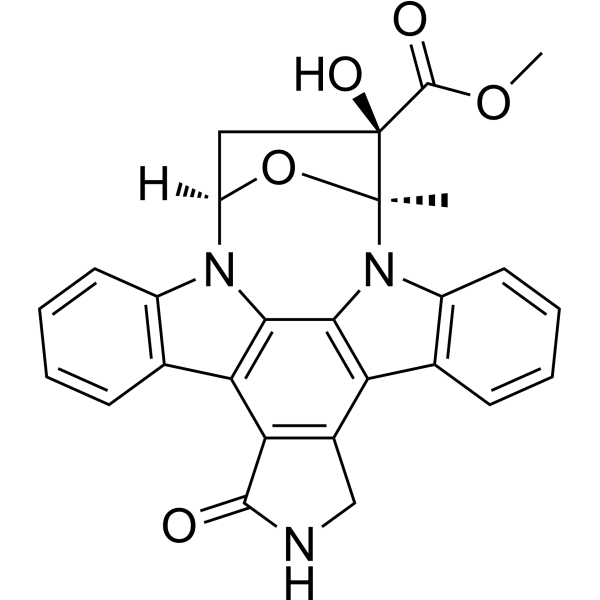
Cat. No.: HY-N6732
CAS No.: 99533-80-9
Synonyms: SF2370; Antibiotic K 252a; Antibiotic SF 2370
K-252a, a staurosporine analog, inhibits protein kinase, with IC50 values of 470 nM, 140 nM, 270 nM, and 1.7 nM for PKC, PKA, Ca 2+/calmodulin-dependent kinase type II, and phosphorylase kinase, respectively . K-252a is a potent inhibitor (IC50 of 3 nM) of the tyrosine protein kinase (TRK) activity of the NGF receptor gp140trk, the product of the trk protooncogene .
loading...
    loading...
26
26 Cited Publications
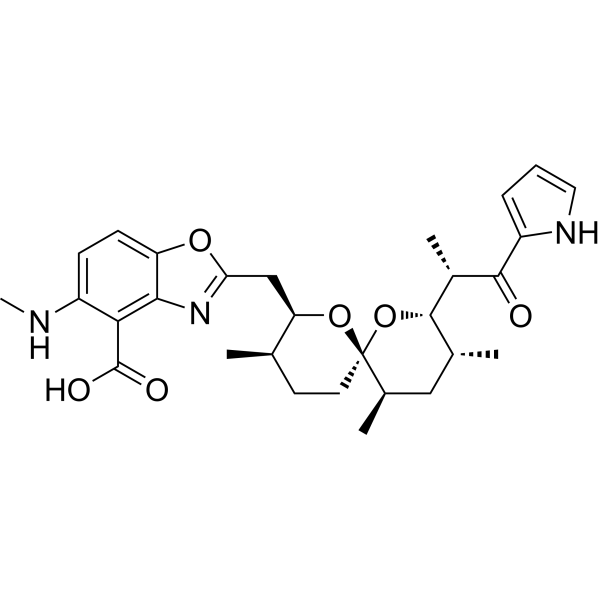
Cat. No.: HY-N6687
CAS No.: 52665-69-7
Synonyms: A-23187; Antibiotic A-23187
Calcimycin (A-23187) is an antibiotic and a unique divalent cation ionophore (like calcium and magnesium). Calcimycin induces Ca 2+-dependent cell death by increasing intracellular calcium concentration. Calcimycin inhibits the growth of Gram-positive bacteria and some fungi. Calcimycin also inhibits the activity of ATPase and uncouples oxidative phosphorylation (OXPHOS) of mammalian cells. Calcimycin induces apoptosis and autophagy .
loading...
    loading...
20
20 Cited Publications
Cat. No.: HY-15515
CAS No.: 223104-29-8
Purity:  99.95%
Target:  

Na+/Ca2+ Exchanger

Research Areas:  

Cardiovascular Disease

SEA0400 is a novel and selective inhibitor of the Na +-Ca 2+ exchanger (NCX), inhibiting Na +-dependent Ca 2+ uptake in cultured neurons, astrocytes, and microglia with IC50s of from 5 to 33 nM.
loading...
    loading...
12
12 Cited Publications
Cat. No.: HY-118630
CAS No.: 351986-85-1
Purity:  98.93%
Target:  

PIKfyve Autophagy

Research Areas:  

Cancer

Vacuolin-1 is a potent and cell-permeable lysosomal exocytosis inhibitor. Vacuolin-1 blocks the Ca 2+-dependent exocytosis of lysosomes and prevents the release of lysosomal content without affecting the process of resealing. vacuolin‐1 is a potent and selective PIKfyve inhibitor and inhibits late‐stage autophagy by impairing lysosomal maturation. Vacuolin-1 can induce vacuole formation and increase the percentage of enucleated cells .
loading...
    loading...
9
9 Cited Publications
Cat. No.: HY-B1221
CAS No.: 530-78-9
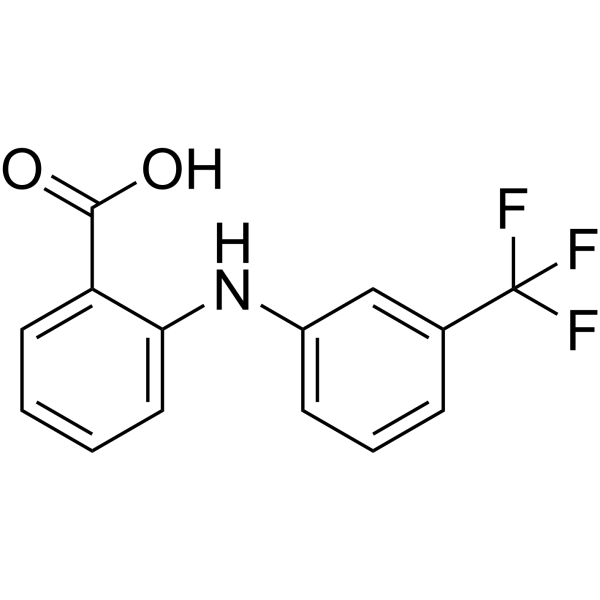
Flufenamic acid is a non-steroidal anti-inflammatory agent, inhibits cyclooxygenase (COX), activates AMPK, and also modulates ion channels, blocking chloride channels and L-type Ca 2+ channels, modulating non-selective cation channels (NSC), activating K + channels. Flufenamic acid binds to the central pocket of TEAD2 YBD and inhibits both TEAD function and TEAD-YAP-dependent processes, such as cell migration and proliferation.
loading...
    loading...
9
9 Cited Publications
Cat. No.: HY-100912
CAS No.: 61714-27-0
Purity:  99.96%
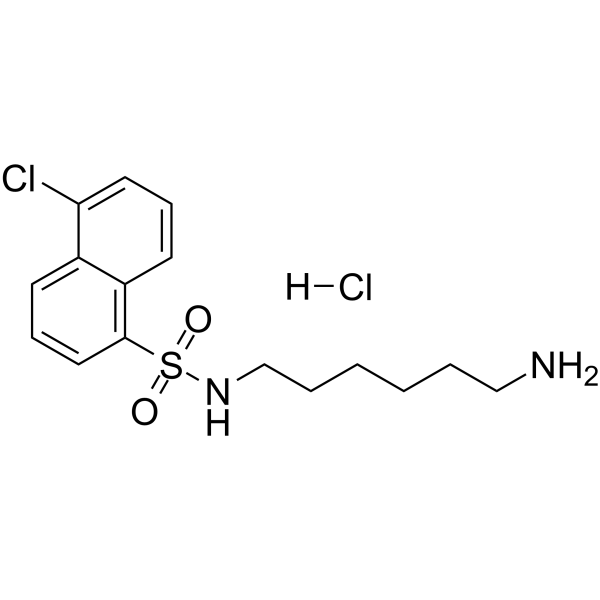
W-7 hydrochloride is a selective calmodulin antagonist. W-7 hydrochloride inhibits the Ca 2+-calmodulin-dependent phosphodiesterase and myosin light chain kinase with IC50 values of 28 μM and 51 μM, respectively. W-7 hydrochloride induces apoptosis and has antitumor and vascular relaxing activity. W-7 hydrochloride is a blocker of Kv4.3 and can be used for research of arrhythmias .
loading...
    loading...
9
9 Cited Publications
Cat. No.: HY-108599
CAS No.: 28399-31-7
Purity:  ≥98.0%
Synonyms: FR236924
Research Areas:  

Neurological Disease

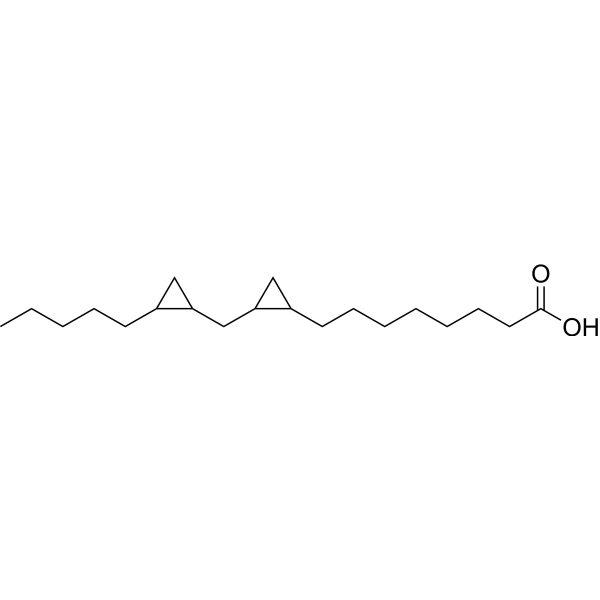
DCP-LA (FR236924), a linoleic acid derivative, selectively and directly activates PKCε. DCP-LA activates Ca( 2+)/calmodulin-dependent protein kinase II (CaMKII) and inhibits protein phosphatase-1 (PP-1) to stimulate AMPA receptor exocytosis. DCP-LA inhibits activation of caspase-3/-9 and protects neurons at least in part from oxidative stress-induced apoptosis .
loading...
    loading...
9
9 Cited Publications
Cat. No.: HY-130368
CAS No.: 65595-90-6
W-7 is a selective calmodulin antagonist. W-7 inhibits the Ca 2+-calmodulin-dependent phosphodiesterase and myosin light chain kinase with IC50 values of 28 μM and 51 μM, respectively. W-7 induces apoptosis and has antitumor and vascular relaxing activity. W-7 is a blocker of Kv4.3 and can be used for research of arrhythmias .
loading...
    loading...
8
8 Cited Publications
Cat. No.: HY-138620
CAS No.: 371924-24-2
Purity:  99.87%
Research Areas:  

Metabolic Disease

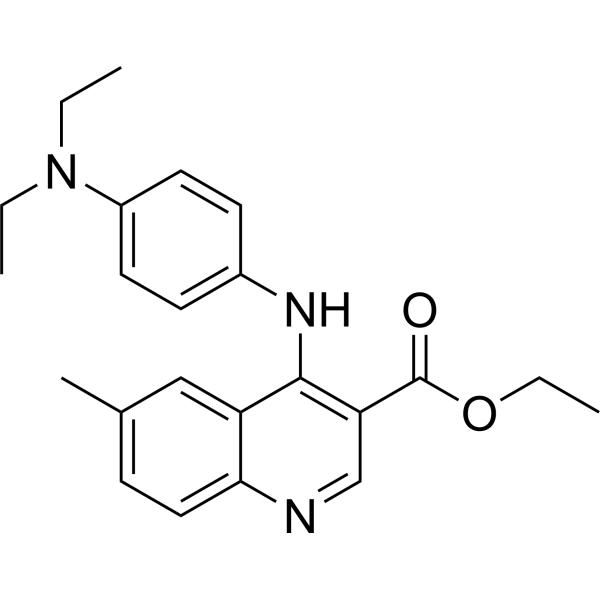
MCU-i4 blocks the IP3-dependent mitochondrial Ca 2+-uptake, maintaining the gatekeeping role of their target .
loading...
    loading...
7
7 Cited Publications
Cat. No.: HY-B0561
CAS No.: 52-01-7
Synonyms: SC9420
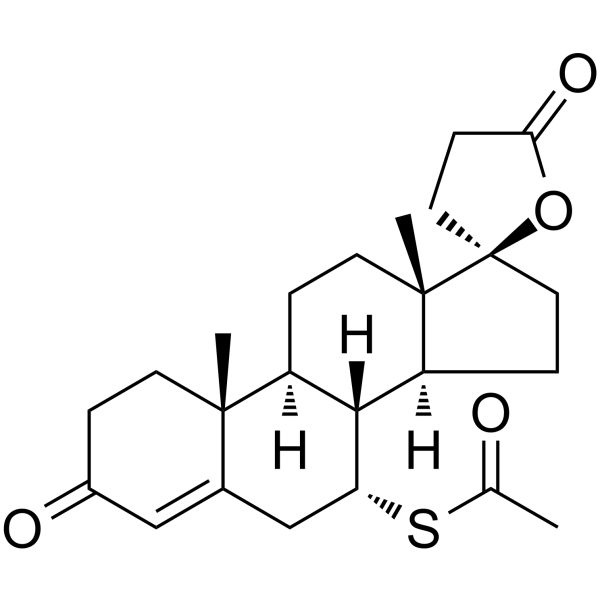
Spironolactone is an aldosterone antagonist that acts on the aldosterone mineralocorticoid receptor (IC50=24 nM) and androgen receptor (IC50=77 nM), promotes podocyte autophagy and regulates pain. Spironolactone improves hypertension-related vascular hypertrophy and remodeling by reducing angiotensin II (Ang II)-induced inflammation, reduces aldosterone-induced vascular and soft tissue calcification through PIT1-dependent signaling, and alleviates vascular dysfunction in type II diabetic mice by reducing oxidative stress and restoring NO/GC signaling; at low concentrations, it and its metabolites can interfere with aldosterone biosynthesis in the adrenal cortex and inhibit voltage-dependent Ca 2+ channels to exert antihypertensive effects .
loading...
    loading...
5
5 Cited Publications
Cat. No.: HY-103319
CAS No.: 57265-65-3
Purity:  99.94%
Synonyms: R 24571
Target:  

Autophagy Calmodulin

Research Areas:  

Neurological Disease Cancer

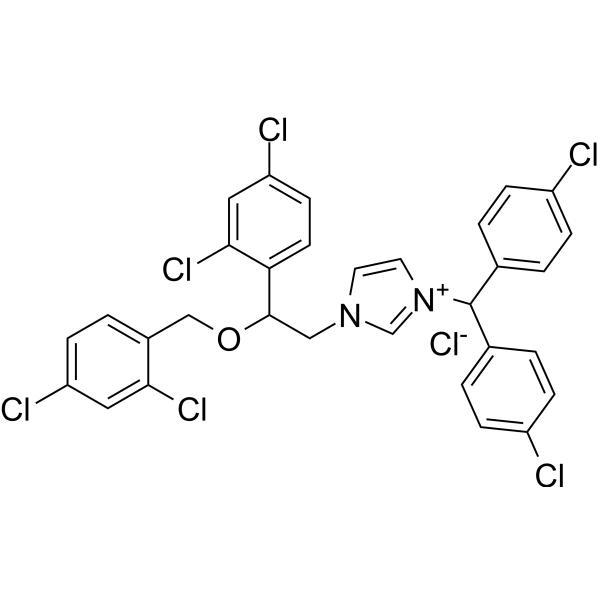
Calmidazolium chloride (R 24571) is a calmodulin antagonist, antagonizing CaM-dependent phosphodiesterase and calmodulin-induced activation of erythrocyte Ca2+-transporting ATPase with IC50s of 0.15 and 0.35 μM, respectively . Also in anti-cancer research . Calmidazolium binds to calmodulin with a Kd of 3 nM.
loading...
    loading...
5
5 Cited Publications
Cat. No.: HY-135897
CAS No.: 165393-06-6
Purity:  ≥98.0%
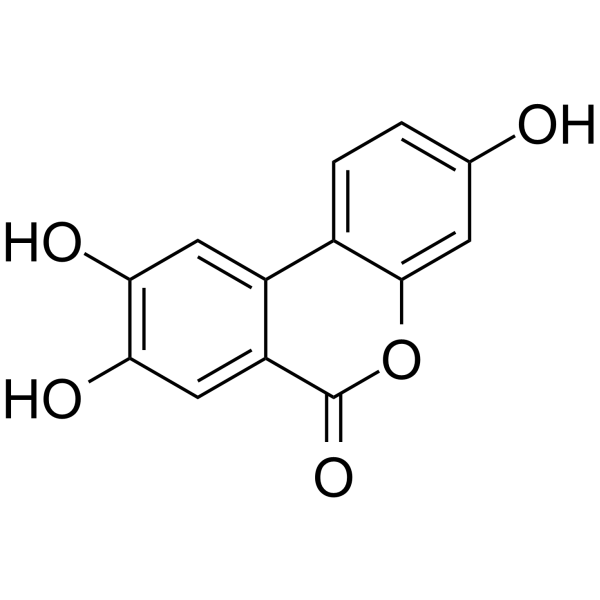
Urolithin C, a gut-microbial metabolite of Ellagic acid, is a glucose-dependent activator of insulin secretion. Urolithin C is a L-type Ca 2+ channel opener and enhances Ca 2+ influx. Urolithin C induces cell apoptosis through a mitochondria-mediated pathway and also stimulates reactive oxygen species (ROS) formation .
loading...
    loading...
4
4 Cited Publications
Cat. No.: HY-100560
CAS No.: 21293-29-8
Purity:  99.64%
Synonyms: (S)​-​(+)​-​Abscisic acid; ABA
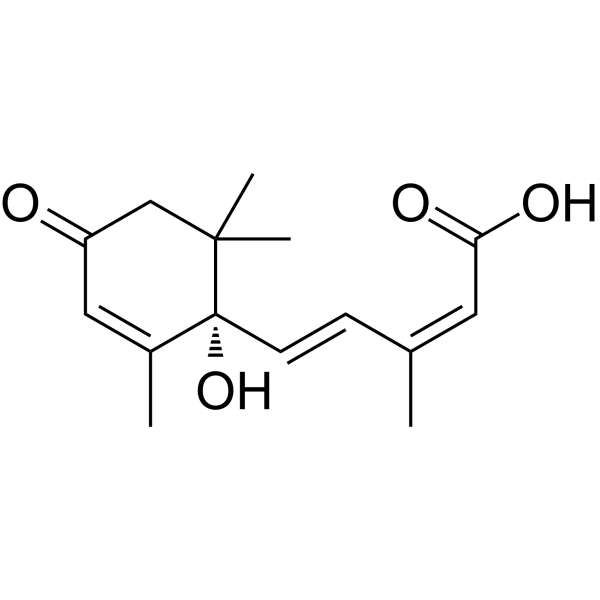
Abscisic acid ((S)-(+)-Abscisic acid), an orally active phytohormone in fruits and vegetables, is an endogenously produced mammalian hormone. Abscisic acid is a growth inhibitor and can regulate many aspects of plant growth and development. Abscisic acid inhibits proton pump (H +-ATPase) and leads to the plasma membrane depolarization in a Ca 2+-dependent manner. Abscisic acid, a LANCL2 natural ligand, is a potent insulin-sensitizing compound and has the potential for pre-diabetes, type 2 diabetes and metabolic syndrome .
loading...
    loading...
4
4 Cited Publications
Cat. No.: HY-B1193
CAS No.: 50679-08-8
Synonyms: (±)-Terfenadine; MDL-991
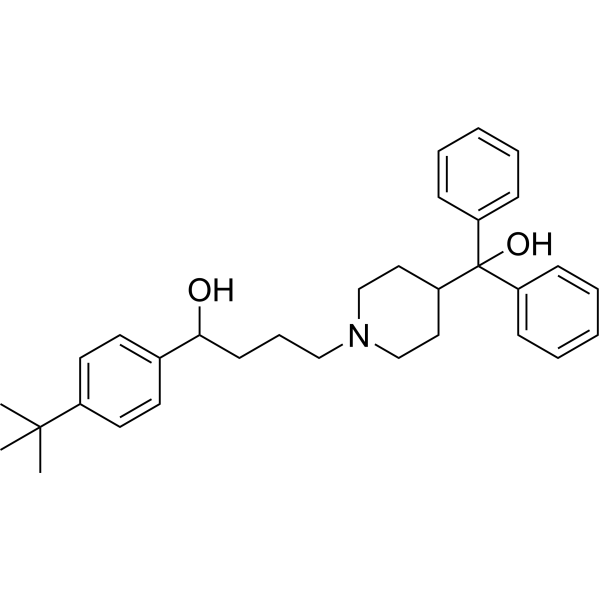
Terfenadine ((±)-Terfenadine) is a potent open-channel blocker of hERG with an IC50 of 204 nM . Terfenadine, an H1 histamine receptor antagonist, acts as a potent apoptosis inducer in melanoma cells through modulation of Ca 2+ homeostasis. Terfenadine induces ROS-dependent apoptosis, simultaneously activates Caspase-4, -2, -9 .
loading...
    loading...
3
3 Cited Publications
Cat. No.: HY-13103
CAS No.: 956014-19-0
Purity:  99.51%
Target:  

Potassium Channel

Research Areas:  

Others

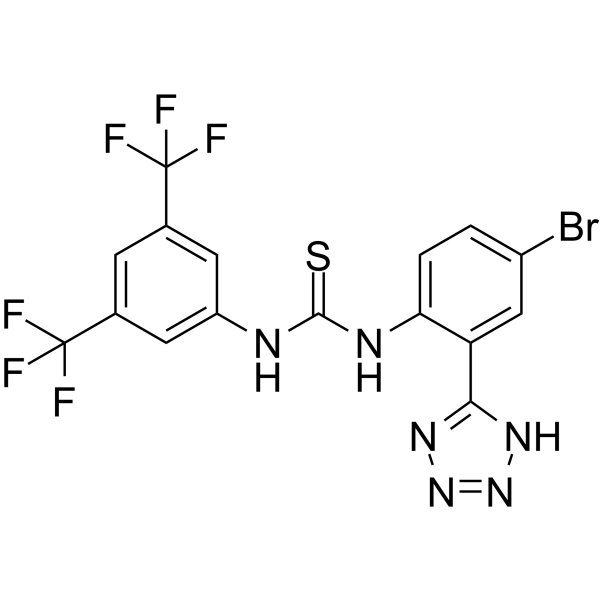
NS 11021 is a potent and specific Ca 2+-activated big-conductance K + Channels (KCa1.1 channels) activator. NS 11021 at concentrations above 0.3 μM activates KCa1.1 in a concentration-dependent manner by parallelshifting the channel activation curves to more negative potentials .
loading...
    loading...
3
3 Cited Publications
Cat. No.: HY-101906
CAS No.: 346692-04-4
Purity:  99.57%
Research Areas:  

Metabolic Disease

DC260126 is a potent antagonist of GPR40 (FFAR1). DC260126 dose-dependently inhibits GPR40-mediated Ca 2+ elevations stimulated by linoleic acid, oleic acid, palmitoleic acid and lauric acid (IC50: 6.28, 5.96, 7.07, 4.58 μM, respectively) . DC260126 could protect MIN6 β cells from palmitate-induced ER stress and apoptosis .
loading...
    loading...
3
3 Cited Publications
Cat. No.: HY-P1077
CAS No.: 145224-99-3
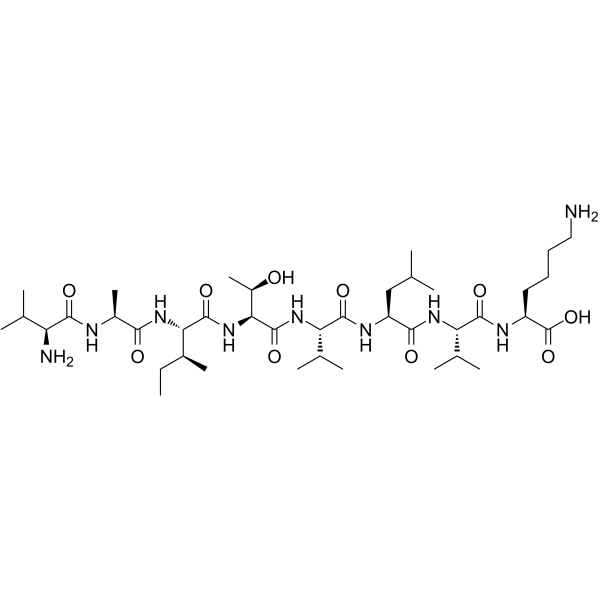
CALP1 is a calmodulin (CaM) agonist (Kd of 88 µM) with binding to the CaM EF-hand/Ca 2+-binding site. CALP1 blocks calcium influx and apoptosis (IC50 of 44.78 µM) through inhibition of calcium channel opening. CALP1 blocks glutamate receptor channels and blocks a store-operated nonselective cation channel. CALP1 activates CaM-dependent phosphodiesterase activity .
loading...
    loading...
3
3 Cited Publications
Cat. No.: HY-P1077A
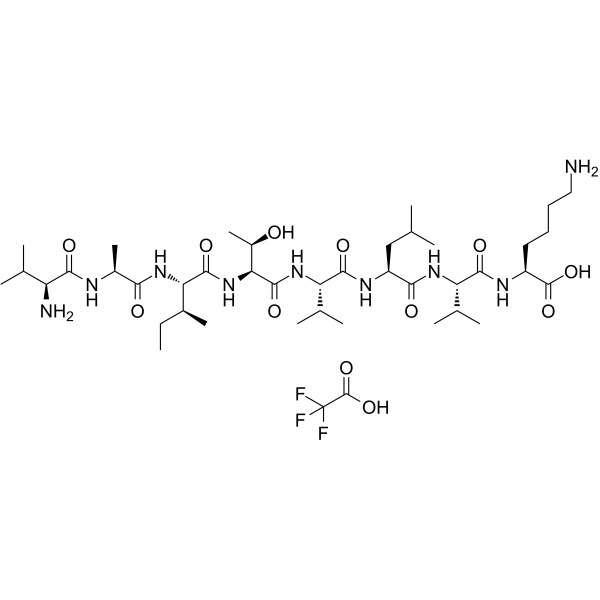
CALP1 TFA is a calmodulin (CaM) agonist (Kd of 88 µM) with binding to the CaM EF-hand/Ca 2+-binding site. CALP1 TFA blocks calcium influx and apoptosis (IC50 of 44.78 µM) through inhibition of calcium channel opening. CALP1 TFA blocks glutamate receptor channels and blocks a store-operated nonselective cation channel. CALP1 TFA activates CaM-dependent phosphodiesterase activity .
loading...
    loading...

