

1. Search Result
Search Result
Isoforms Recommended: CaMK II
Results for "

CaMKII

" in MedChemExpress (MCE) Product Catalog:

59

Inhibitors & Agonists

18

Peptides

4

Natural
Products

3

Recombinant Proteins

1

Isotope-Labeled Compounds

14

Antibodies

3

Oligonucleotides

Cat. No. Product Name Target Research Areas Chemical Structure
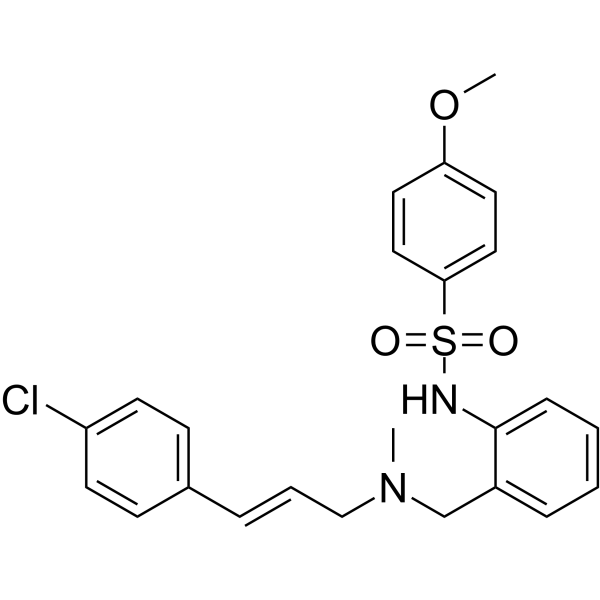
  • HY-15465
    KN-93
    Maximum Cited Publications
    95 Publications Verification

    CaMK Autophagy Cancer
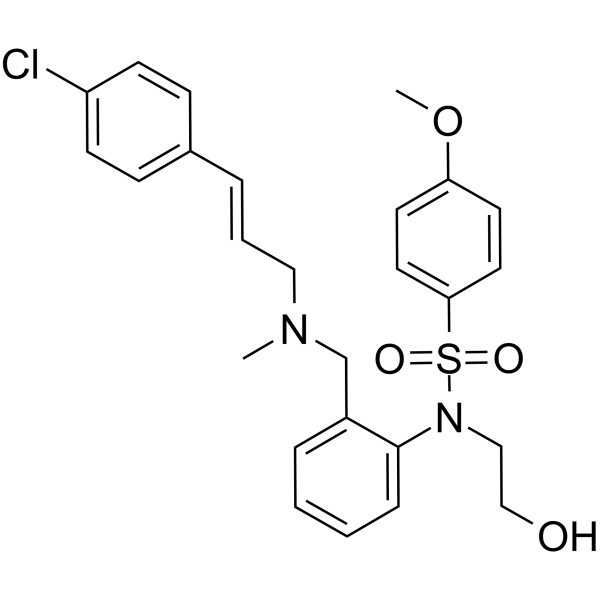
    KN-93 is a cell-permeable, reversible and competitive inhibitor calmodulin-dependent kinase type II (CaMKII) with a Ki of 370 nM.
    KN-93
  • HY-100001
    SKF-96365 hydrochloride
    25+ Cited Publications

    TRP Channel CRAC Channel Autophagy CaMK Akt Apoptosis Na+/Ca2+ Exchanger Calcium Channel Neurological Disease Inflammation/Immunology Cancer
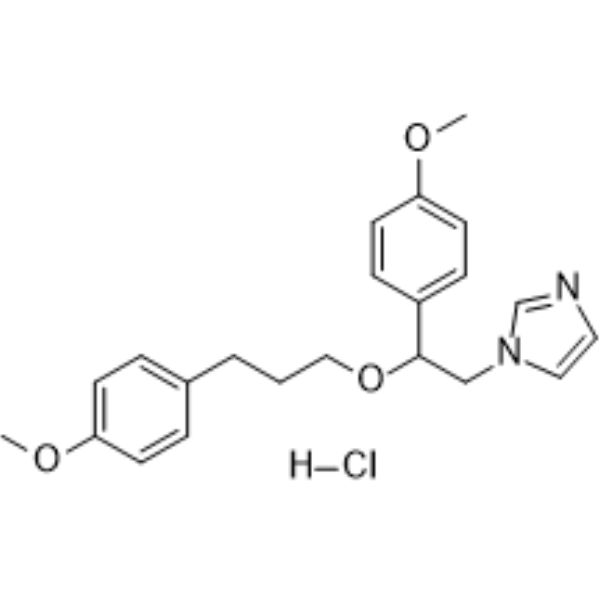
    SKF-96365 hydrochloride is a TRPC channel antagonist and store-operated calcium entry (SOCE) inhibitor. SKF-96365 hydrochloride reduces calcium ion influx by inhibiting the activity and expression of TRPC6, STIM1 and Orai1. SKF-96365 hydrochloride inhibits voltage-gated sodium current (cardiac INa/NaV1.5) and slows myocardial conduction. SKF-96365 hydrochloride inhibits phosphorylation/activation of CaMKIIγ and suppresses the downstream AKT signaling pathway. SKF-96365 hydrochloride induces G2/M phase cell cycle arrest, apoptosis and cytoprotective autophagy in colorectal cancer cells. SKF-96365 hydrochloride alleviates allergic rhinitis symptoms by reducing inflammatory cytokine levels. SKF-96365 hydrochloride reduces intracellular calcium overload, inhibits Homer1 expression, prevents nuclear damage and suppresses apoptosis. SKF-96365 hydrochloride inhibits the growth of colorectal cancer xenografts in nude mice . SKF-96365 hydrochloride is applicable to research related to allergic rhinitis, colorectal cancer, Parkinson's disease, persistent spontaneous nociception and hyperalgesia .
    SKF-96365 hydrochloride
  • HY-13290
    KN-62
    10+ Cited Publications

    CaMK P2X Receptor Metabolic Disease Cancer
    KN-62 is a selective and reversible inhibitor of calmodulin-dependent protein kinase II (CaMK-II) with a Ki of 0.9 μM for rat brain CaMK-II. KN-62 directly binds to the calmodulin binding site of CaMK-II. KN-62 displays noncompetitive antagonism at P2X7 receptors in HEK293 cells, with an IC50 value of approximately 15 nM.
    KN-62
  • HY-Z0478
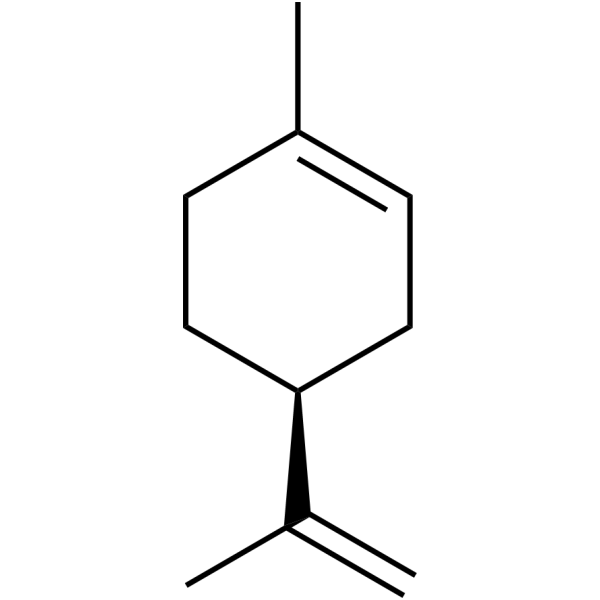
    (-)-Limonene
    1 Publications Verification

    (S)-(-)-Limonene

    Bacterial Antibiotic CaMK Infection Cardiovascular Disease Metabolic Disease
    (-)-Limonene ((S)-(-)-Limonene) is orally active and can cause mild bronchoconstriction. (-)-Limonene alleviates cytosolic and mitochondrial oxidative stress by inhibiting the increase of calcium ions (Ca 2+) and Ca 2+/calmodulin-dependent protein kinase II (CaMKII). It also exerts anti-stress effects by inhibiting the activity of the hypothalamic-pituitary-adrenal (HPA) axis. Additionally, (-)-Limonene can be used as an antibacterial agent in aquaculture .
    (-)-Limonene
  • HY-108599
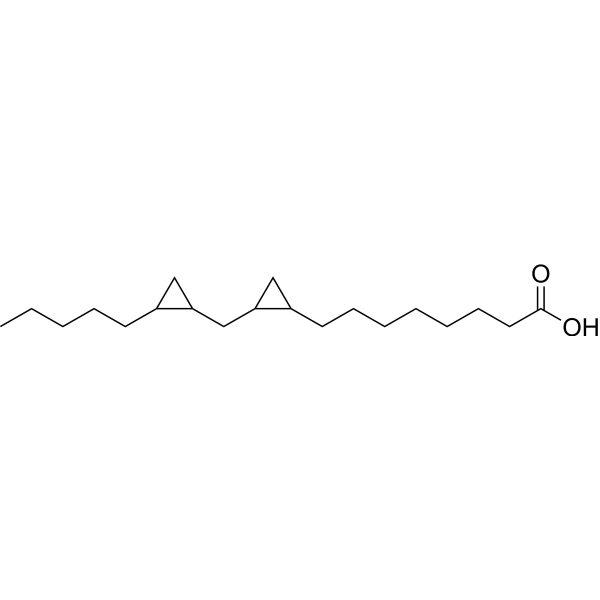
    DCP-LA
    5+ Cited Publications

    FR236924

    PKC CaMK Phosphatase Apoptosis Neurological Disease
    DCP-LA (FR236924), a linoleic acid derivative, selectively and directly activates PKCε. DCP-LA activates Ca( 2+)/calmodulin-dependent protein kinase II (CaMKII) and inhibits protein phosphatase-1 (PP-1) to stimulate AMPA receptor exocytosis. DCP-LA inhibits activation of caspase-3/-9 and protects neurons at least in part from oxidative stress-induced apoptosis .
    DCP-LA
  • HY-P2847

    CRFR Metabolic Disease Endocrinology
    Urocortin II, mouse is a potent and selective endogenous peptide agonist of type-2 corticotropin-releasing factor (CRF2) receptor with Ki values of 0.66 nM and ﹥100 nM for CRFR2 and CRFR1, respectively. Urocortin II, mouse activates CRF2 receptors in a cAMP/PKA- and Ca 2+/CaMKII-dependent manner.Urocortin II, mouse is expressed in discrete areas of the central nervous system, and activates central neurons involved in the processing of visceral sensory information, and in modulating autonomic outflow .
    Urocortin II, mouse
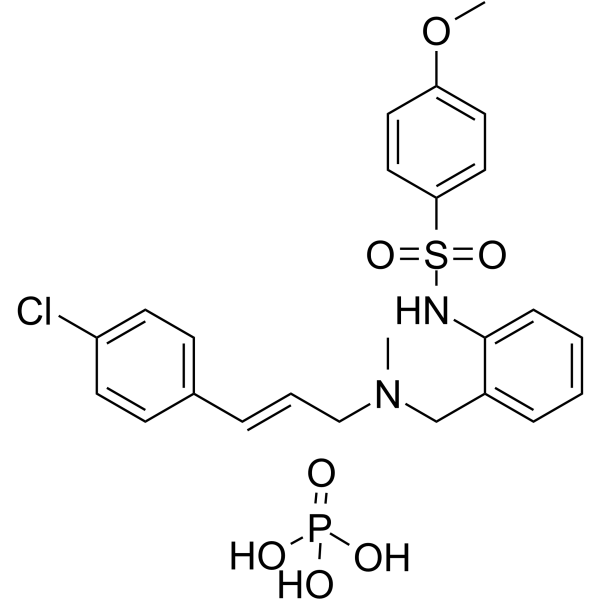
  • HY-15465B
    KN-93 phosphate
    Maximum Cited Publications
    95 Publications Verification

    CaMK Autophagy Cancer
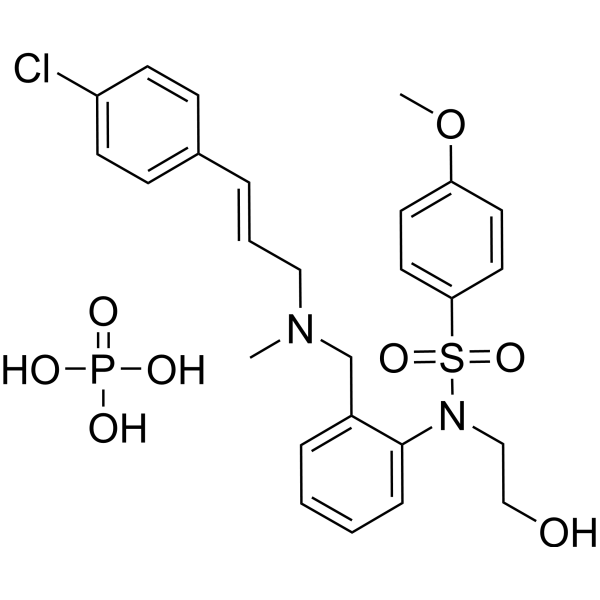
    KN-93 phosphate is a cell-permeable, reversible and competitive inhibitor calmodulin-dependent kinase type II (CaMKII) with a Ki of 370 nM .
    KN-93 phosphate
  • HY-15517
    KN-92
    5+ Cited Publications

    CaMK Cancer
    KN-92 is an inactive derivative of KN-93, without CaM kinase inhibitory activity. KN-92 is intended to be used as a control compound in studies designed to elucidate the antagonist activities of KN-93. KN-93 is a cell-permeable, reversible and competitive CaMKII inhibitor .
    KN-92
  • HY-18271
    CaMKII-IN-1
    5 Publications Verification

    CaMK Neurological Disease
    CaMKII-IN-1 is a highly selective inhibitor of CaMKII with an IC50 value of 63nM. It has almost no effect on CaMKIV, MLCK, p38a, Akt1, and PKC.
    CaMKII-IN-1
  • HY-P10638

    CaMK Cardiovascular Disease Neurological Disease
    TAT-CN21 is a potent CaMKII inhibitor with an IC50 of 77.2 nM. TAT-CN21 inhibits both calcium/calmodulin-dependent and autonomously activated CaMKII, blocks glutamate-induced translocation of CaMK IIα, and reverses the enhanced phosphorylation of CaMKII at Thr286 following excitotoxic injury. TAT-CN21 shows application potential in studies related to ischemic stroke by reducing neuronal excitotoxicity and exacerbating pre-existing long-term neuronal death prior to injury. TAT-CN21 improves definitive behaviors in rats with residual nerve injury without altering indicators such as mechanical/thermal hyperalgesia or spatial memory. TAT-CN21 can also be used in studies related to neuropathic pain .
    TAT-CN21
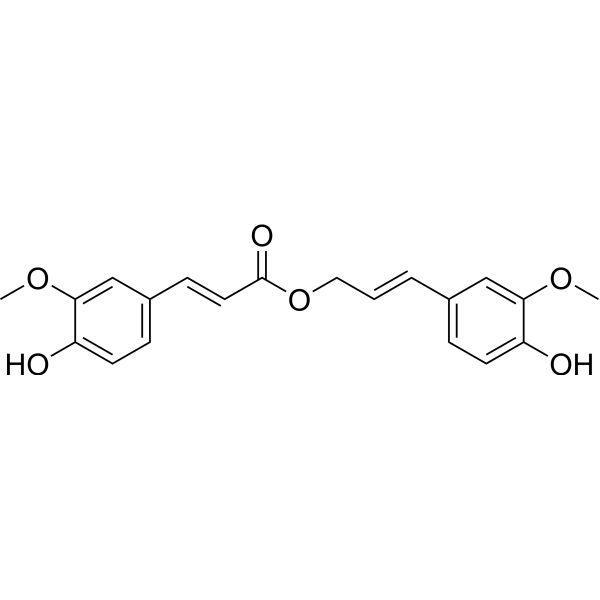
  • HY-N1916
    Coniferyl ferulate
    1 Publications Verification

    Glutathione S-transferase P-glycoprotein Apoptosis iGluR CaMK p38 MAPK Reactive Oxygen Species (ROS) Bacterial Infection Cardiovascular Disease Neurological Disease Inflammation/Immunology Cancer
    Coniferyl ferulate is an orally active phenolic acid compound. Coniferyl ferulate is a potent inhibitor of glutathione S-transferase (GST) (IC50 = 0.3 μM), which downregulates P-gp expression, induces apoptosis in B-MD-C1 (ADR+/+) cells, and reverses multidrug resistance. Coniferyl ferulate blocks the NMDAR/NR2B-CaMKII-MAPKs signaling pathway, inhibits ROS production and mitochondrial apoptosis, while reshapes the intestinal microbiota and microbial metabolism, ameliorates colonic inflammation and alleviates depressive symptoms in mice. Coniferyl ferulate can alleviate the toxicity of xylene to hematopoietic stem and progenitor cells by targeting Mgst2. Coniferyl ferulate exhibits antibacterial activity against the Gram-positive Bacillus subtilis and Staphylococcus aureus .
    Coniferyl ferulate
  • HY-171932

    CaMK Cardiovascular Disease
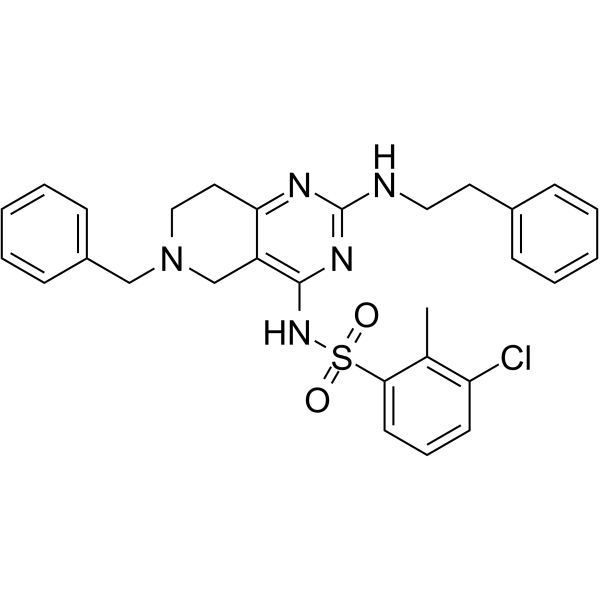
    CaMKIIδ-IN-1 (Compound 15e) is a pyrimidine-based inhibitor of CaMKIIδ with an IC50 of 12 nM .
    CaMKIIδ-IN-1
  • HY-15465A
    KN-93 hydrochloride
    Maximum Cited Publications
    95 Publications Verification

    CaMK Autophagy Cancer
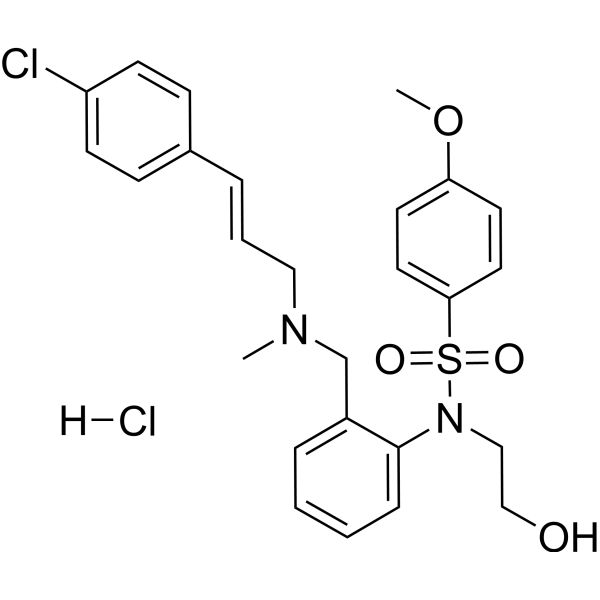
    KN-93 hydrochloride is a cell-permeable, reversible and competitive inhibitor calmodulin-dependent kinase type II (CaMKII) with a Ki of 370 nM.
    KN-93 hydrochloride
  • HY-173117

    CaMK Cardiovascular Disease Cancer
    RA306 is an orally active CaMKIIδ/γ inhibitor with IC50 values of 15, 25, 61, and 420 nM against CaMKIIδ, γ, α, and β isoforms, respectively. RA306 reduces the serine/threonine phosphorylation level of PEAK1, inhibits PEAK1-mediated cancer cell migration and invasion, and attenuates the growth and metastasis of cancer xenografts. RA306 can be used in research related to triple-negative breast cancer and dilated cardiomyopathy .
    RA306
  • HY-N0385
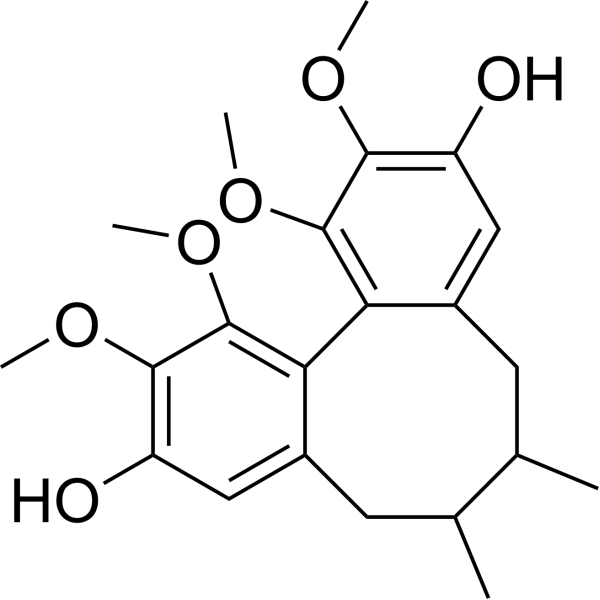
    Gomisin J
    3 Publications Verification

    NO Synthase AMPK CaMK NF-κB Keap1-Nrf2 Cardiovascular Disease Inflammation/Immunology
    Gomisin J is a Schisandra chinensis-derived lignan that can inhibit multiple targets such as eNOS, AMPK (LKB1, CaMKIIβ), fetuin-A, NF-κB, Nrf2/HO-1, and can pass through the blood-brain barrier. Gomisin J increases NO bioavailability by activating eNOS, regulates lipid metabolism by activating the AMPK pathway, inhibits fetuin-A and NF-κB to exert anti-inflammatory effects, and activates Nrf2/HO-1 to enhance antioxidant capacity. Gomisin J has the activities of anti-hypertension, regulating liver lipid metabolism, and reducing cerebral ischemia-reperfusion injury, and can be used for research on hypertension, non-alcoholic fatty liver disease, cerebral ischemia-reperfusion injury, etc .
    Gomisin J
  • HY-110140

    CaMK Cardiovascular Disease Neurological Disease
    (E)-KN-93 phosphate is a Ca 2+/calmodulin-dependent protein kinase II (CaMKII) inhibitor with IC50 values of 9 μM and 3 μM against CaMKIIδMonomer and CaMKIIδDodecamer, respectively. (E)-KN-93 phosphate can be used in research on epilepsy, depression, and arrhythmias. .
    (E)-KN-93 phosphate
  • HY-15517A
    KN-92 phosphate
    5+ Cited Publications

    CaMK Autophagy Cancer
    KN-92 phosphate is an inactive derivative of KN-93, without CaM kinase inhibitory activity. KN-92 phosphate is intended to be used as a control compound in studies designed to elucidate the antagonist activities of KN-93. KN-93 is a cell-permeable, reversible and competitive CaMKII inhibitor .
    KN-92 phosphate
  • HY-177760

    Carboxypeptidase Apoptosis Akt Cancer
    PrCP-7414 is a prolyl carboxypeptidase (PRCP) inhibitor. PrCP-7414 blocks PRCP-mediated activation of the IGF1R/HER3 signaling pathway and subsequent AKT activation. PrCP-7414 exhibits pro-apoptotic, anti-tumor and synergistic cytotoxic activities, and inhibits the proliferation and survival of triple-negative breast cancer cells. PrCP-7414 can be used for the research of breast cancer .
    PrCP-7414
  • HY-165607S

    Piezo Channel Isotope-Labeled Compounds ERK CaMK Metabolic Disease
    MCB-22-174 is a deuterated Piezo1 agonist, with an EC50 value of 6.28 μM. MCB-22-174 remarkably activates the CaMKII/ERK signaling pathway and initiates Ca 2+ influx in rMSCs. MCB-22-174 significantly decreases the expression of chondrogenesis markers (Comp, Acan) and adipogenesis markers (Lpl, Fabp4) in MSCs. MCB-22-174 can effectively improve bone quality in hind-limb unloading (HU) model rats. MCB-22-174 can be used for the study of disuse osteoporosis (OP) .
    MCB-22-174
  • HY-100779

    SMP 114

    CaMK Autophagy Metabolic Disease
    Rimacalib (SMP 114) is a Ca 2+/calmodulin-dependent protein kinase II (CaMKII) inhibitor, with IC50s of ~1 μM for CaMKIIα to ~30 μM for CaMKIIγ .
    Rimacalib
  • HY-P0225

    Autocamtide II

    CaMK Autophagy Neurological Disease
    Autocamtide 2 is a highly selective peptide substrate of calcium/calmodulin-dependent protein kinase II (CaMKII). It can be used in the CaMKII activity assay.
    Autocamtide 2
  • HY-15720B

    ROCK Aurora Kinase CaMK Neurological Disease
    Glycyl H-1152 hydrochloride (compound 18) is a glycyl derivative of Rho-kinase inhibitors H-1152 dihydrochloride. Glycyl H-1152 hydrochloride inhibits ROCKII, Aurora A, CAMKII and PKG, with IC50s of 0.0118, 2.35, 2.57 and 3.26 μM respectively. Glycyl H-1152 hydrochloride has higher selective than H-1152 hydrochloride .
    Glycyl H-1152 hydrochloride
  • HY-P0214A

    CaMK Autophagy Neurological Disease
    Autocamtide-2-related inhibitory peptide (TFA) is a highly specific and potent inhibitor of CaMKII with an IC50 of 40 nM.
    Autocamtide-2-related inhibitory peptide TFA
  • HY-P0215

    CaMK Autophagy Neurological Disease
    Autocamtide-2-related inhibitory peptide, myristoylated is the myristoylated Autocamtide-2-related inhibitory peptide. Autocamtide-2-related inhibitory peptide is a highly specific and potent inhibitor of CaMKII with an IC50 of 40 nM .
    Autocamtide-2-related inhibitory peptide, myristoylated
  • HY-135741

    iGluR Neurological Disease
    NYX-2925 is an orally active NMDAR modulator. NYX-2925 restores levels of activated Src and Src phosphorylation sites on GluN2A and GluN2B in the mPFC. NYX-2925 shows no effect on CAMKII, and any addictive or sedative/ataxic side effects. NYX-2925 can be used for research of a variety of NMDA receptor-mediated central nervous system disorders .
    NYX-2925
  • HY-125942
    SKF-96365
    25+ Cited Publications

    CRAC Channel TRP Channel CaMK Akt Apoptosis Autophagy Na+/Ca2+ Exchanger Calcium Channel Neurological Disease Inflammation/Immunology Cancer
    SKF-96365 is a TRPC channel antagonist and store-operated calcium entry (SOCE) inhibitor. SKF-96365 reduces calcium ion influx by inhibiting the activity and expression of TRPC6, STIM1 and Orai1. SKF-96365 inhibits voltage-gated sodium current (cardiac INa/NaV1.5) and slows myocardial conduction. SKF-96365 inhibits phosphorylation/activation of CaMKIIγ and suppresses the downstream AKT signaling pathway. SKF-96365 induces G2/M phase cell cycle arrest, apoptosis and cytoprotective autophagy in colorectal cancer cells. SKF-96365 alleviates allergic rhinitis symptoms by reducing inflammatory cytokine levels. SKF-96365 reduces intracellular calcium overload, inhibits Homer1 expression, prevents nuclear damage and suppresses apoptosis. SKF-96365 inhibits the growth of colorectal cancer xenografts in nude mice . SKF-96365 is applicable to research related to allergic rhinitis, colorectal cancer, Parkinson's disease, persistent spontaneous nociception and hyperalgesia .
    SKF-96365
  • HY-P3811A

    CaMK Neurological Disease
    Autocamtide-3 acetate, a 13-amino-acid peptide containing Thr287, is a selective CaMKII (Ca 2+/calmodulin-dependent kinase II) (CaMK) substrate .
    Autocamtide-3 acetate
  • HY-146268

    CaMK Neurological Disease
    CaMKIIα-IN-1 (Compound 4d) is an orally active Ca 2+/calmodulin-dependent protein kinase II α (CaMKIIα) inhibitor with a KD of 219 nM for CaMKIIα WT hub. CaMKIIα-IN-1 has good metabolic stability .
    CaMKIIα-IN-1
  • HY-P0271A
    Syntide 2 TFA
    2 Publications Verification

    CaMK Neurological Disease
    Syntide 2 (TFA), a Ca 2+- and calmodulin (CaM)-dependent protein kinase II (CaMKII) substrate peptide, selectively inhibits the gibberellin (GA) response, leaving constitutive and abscisic acid-regulated events unaffected .
    Syntide 2 TFA
  • HY-P10071

    Calmodulin Kinase IINtide; CaM-KIIN; CaM-KIINβ

    CaMK Others
    CaMKII inhibitory peptide KIIN is a potent inhibitor of CaMKII .
    CaMKII inhibitory peptide KIIN
  • HY-151797

    CaMK Neurological Disease
    Ph-HTBA is a high-affinity, brain-penetrating modulator for CaMKIIα. Ph-HTBA has binding affinity for CaMKIIα with a Kd value of 757 nM. Ph-HTBA can be used for the research of ischemia and neurodegenerative disorders .
    Ph-HTBA
  • HY-RS01859

    Small Interfering RNA (siRNA) Others

    CAMK2G Human Pre-designed siRNA Set A contains three designed siRNAs for CAMK2G gene (Human), as well as a negative control, a positive control, and a FAM-labeled negative control.

    CAMK2G Human Pre-designed siRNA Set A
    CAMK2G Human Pre-designed siRNA Set A
  • HY-P0214

    CaMK Autophagy Neurological Disease
    Autocamtide-2-related inhibitory peptide is a highly specific and potent inhibitor of CaMKII with an IC50 of 40 nM.
    Autocamtide-2-related inhibitory peptide
  • HY-W170020

    CaMK Metabolic Disease
    PTCA is a potent Ca2+/calmodulin-dependent protein kinase II α (CaMKIIα) ligand with a pKi value of 7.2 .
    PTCA
  • HY-P10638A

    CaMK Cardiovascular Disease Neurological Disease
    TAT-CN21 (scrambled) is a nonsense sequence control peptide fused with the TAT cell-penetrating sequence. It exerts no inhibitory effect on CaMKII activity and serves as a negative control for TatCN21 (HY-P10638) .
    TAT-CN21 (scrambled)
  • HY-171932A

    CaMK Cardiovascular Disease
    CaMKIIδ-IN-1 (Compound 15e) hydrochloride is a pyrimidine-based inhibitor of CaMKIIδ with an IC50 of 12 nM .
    CaMKIIδ-IN-1 hydrochloride
  • HY-134261

    8-Bromoadenosine-5'-O-diphosphoribose

    TRP Channel CaMK Metabolic Disease Cancer
    8-Br-ADPR (8-Bromoadenosine-5'-O-diphosphoribose) is a TRPM2 inhibitor and ADPR signaling pathway antagonist. 8-Br-ADPR inhibits glucagon-mediated nuclear calcium signaling and downstream CaMKII/CREB phosphorylation by blocking ADPR-induced TRPM2 activation. 8-Br-ADPR significantly reduces gluconeogenic gene expression and blood glucose levels in diabetic models. 8-Br-ADPR effectively blocks ADPR-mediated calcium signal transduction in NK cells, inhibits immune synapse formation, granzyme B release and cytolytic activity against melanoma cells. 8-Br-ADPR is widely used in studies related to diseases such as diabetes, melanoma and lymphoma .
    8-Br-ADPR
  • HY-134261A

    8-Bromoadenosine-5'-O-diphosphoribose disodium

    CaMK TRP Channel Metabolic Disease Inflammation/Immunology Cancer
    8-Br-ADPR disodium (8-Bromoadenosine-5'-O-diphosphoribose) is a TRPM2 inhibitor and ADPR signaling pathway antagonist. 8-Br-ADPR disodium inhibits glucagon-mediated nuclear calcium signaling and downstream CaMKII/CREB phosphorylation by blocking ADPR-induced TRPM2 activation. 8-Br-ADPR disodium significantly reduces gluconeogenic gene expression and blood glucose levels in diabetic models. 8-Br-ADPR disodium effectively blocks ADPR-mediated calcium signal transduction in NK cells, inhibits immune synapse formation, granzyme B release and cytolytic activity against melanoma cells. 8-Br-ADPR disodium is widely used in studies related to diseases such as diabetes, melanoma and lymphoma .
    8-Br-ADPR disodium
  • HY-P5525

    Autocamtide-3 Derived Inhibitory Peptide

    CaMK Others
    AC3-I, myristoylated is a biological active peptide. (This is a myristoylated form of Autocamtide-3-Derived Inhibitory Peptide (AC3-I), a highly specific inhibitor of Calmodulin-Dependent Protein Kinase ll (CaMKII) that is resistant to proteolysis. AC3-I is derived from Autocamtide-3, a substrate for CaMKII, with the Thr-9 phosphorylation site substituted with Ala.)
    AC3-I, myristoylated
  • HY-P0271

    CaMK Autophagy Neurological Disease
    Syntide 2, a Ca 2+- and calmodulin (CaM)-dependent protein kinase II (CaMKII) substrate peptide, selectively inhibits the gibberellin (GA) response, leaving constitutive and abscisic acid-regulated events unaffected .
    Syntide 2
  • HY-137658

    PTP

    Nucleoside Antimetabolite/Analog DNA/RNA Synthesis CaMK Metabolic Disease
    Purine riboside-5'-O-triphosphate, an active metabolite of Nebularine (HY-103694), acts as an inhibitor of DNA primase ATP and GTP polymerization activities, with IC50 values of 35 µM and 28 µM for the human enzyme, respectively. Purine riboside-5'-O-triphosphate also inhibits calmodulin-dependent protein kinase II (CaMKII) with a Ki value of 590 µM .
    Purine riboside triphosphate
  • HY-P5987

    Myr-CaMKIINtide

    CaMK Neurological Disease
    Calmodulin Kinase IINtide, Myristoylated (Myr-CaMKIINtide) is a selective and noncompetitive inhibitor of CaMKII .
    Calmodulin Kinase IINtide, Myristoylated
  • HY-P3811

    CaMK Neurological Disease
    Autocamtide-3, a 13-amino-acid peptide containing Thr287, is a selective CaMKII (Ca 2+/calmodulin-dependent kinase II) (CaMK) substrate .
    Autocamtide-3
  • HY-P10499

    CaMK Others
    [Ala286]-Calmodulin-Dependent Protein Kinase II (281-302) is a modified fragment of calcium/calmodulin-dependent protein kinase II that contains the active domain of CaMKII and has an alanine substitution at position 286. [Ala286]-Calmodulin-Dependent Protein Kinase II (281-302) can be used to develop more potent CaMKII inhibitors .
    [Ala286]-Calmodulin-Dependent Protein Kinase II (281-302)
  • HY-P10367

    MAPKAPK2 (MK2) Checkpoint Kinase (Chk) AMPK Others
    Ziptide is a substrate for MAPK activated protein kinase 2 (MAPKAPK2, Km = 5 μM), MAPKAPK3 (Km = 30 μM), PARK (Km = 40 μM), checkpoint kinase 1 (Chk1, Km = 5 μM), AMP-activated protein kinase (AMPK, Km = 75 μM), and calcium/calmodulin-dependent protein kinase II (CamKII, Km = 300 μM) .
    Ziptide
  • HY-162860

    mGluR CaMK Tau Protein Neurological Disease
    FO-4-15 is an mGluR1/CaMKIIα activator. FO-4-15 has a protective effect against H2O2 in human neuroblastoma (SH-SY5Y) cells. FO-4-15 can improve cognitive impairment in Alzheimer’s disease mice by activating the mGluR1/CaMKIIα pathway, and can reduce accumulation, hyperphosphorylated Tau, and synaptic damage .
    FO-4-15
  • HY-RS01855

    Small Interfering RNA (siRNA) Others

    Camk2a Mouse Pre-designed siRNA Set A contains three designed siRNAs for Camk2a gene (Mouse), as well as a negative control, a positive control, and a FAM-labeled negative control.

    Camk2a Mouse Pre-designed siRNA Set A
    Camk2a Mouse Pre-designed siRNA Set A
  • HY-156104

    PROTACs CaMK Neurological Disease
    CaMKIIα-PHOTAC is a photochemically targeted chimera (PHOTAC) targeting Ca2+/calmodulin-dependent protein kinase II α (CaMKIIα). Molecules such as PHOTAC can catalyze the ubiquitination and degradation of target proteins through the endogenous proteasome under specific wavelengths of light. CaMKIIα-PHOTAC reduces synaptic function under light conditions, and it attenuates the intensity of evoked field excitatory postsynaptic potentials in the mouse hippocampus in response to physiological stimuli. CaMKIIα-PHOTAC plays a critical role in maintaining long-term potentiation and memory capacity in subcellular dendritic domains .
    CaMKIIα-PHOTAC
  • HY-135167

    CaMK Neurological Disease
    HOCPCA is a compound with neuroprotective activity that improves sensorimotor function in mice after experimental stroke. HOCPCA selectively binds to the CaMKIIα hub domain, modulates signaling of different CaMKII pools, and alleviates abnormal CaMKII signaling after cerebral ischemia. HOCPCA promotes hippocampal neuronal activity and enhances working memory. HOCPCA also normalizes Thr286 autophosphorylation in the cytoplasm after ischemia and downregulates ischemia-specific expression of active CaMKII enzymatic cleavage fragments. HOCPCA binds to the GHB binding site with 27-fold higher affinity than GHB and has good blood-brain barrier penetration ability .
    HOCPCA
  • HY-111093

    CaMK Neurological Disease
    Protein kinase inhibitor 8 (Compound CK59) is a calmodulin-dependent protein kinase II (CaMKII) inhibitor. By inhibiting the activity of CaMKII, Protein kinase inhibitor 8 can attenuate the cytotoxicity induced by perfluorooctane sulfonic acid (PFOS) and alleviate the downregulation of GLT-1 expression caused by PFOS, thereby reducing neuronal damage. Protein kinase inhibitor 8 may be useful in research related to neurodegenerative diseases .
    Protein kinase inhibitor 8

Inquiry Online

Your information is safe with us. * Required Fields.

Salutation


Country or Region *

Applicant Name *


Organization Name *

Department *


Email Address *


Product Name *

Cat. No.


Requested quantity *

Phone Number *


Remarks

Inquiry Online

Inquiry Information

Product Name:
Cat. No.:
Quantity:
MCE Japan Authorized Agent:

