
1. Search Result
Search Result
Results for "

Cancer Immunotherapy

" in MedChemExpress (MCE) Product Catalog:

99

Inhibitors & Agonists

4

Screening Libraries

1

Fluorescent Dye

1

Biochemical Assay Reagents

16

Peptides

12

Inhibitory Antibodies

7

Natural
Products

3

Click Chemistry

1

GMP Molecules

Targets Recommended:
Cat. No. Product Name Target Research Areas Chemical Structure
  • HY-P9902
    Pembrolizumab
    25+ Cited Publications

    MK-3475; Lambrolizumab

    PD-1/PD-L1 Cancer
    Pembrolizumab (MK-3475) is a humanized IgG4 antibody inhibiting the programmed cell death 1 (PD-1) receptor, used in cancer immunotherapy.
    Pembrolizumab
  • HY-16961
    Sitravatinib
    5+ Cited Publications

    MGCD516; MG-516

    VEGFR c-Kit FLT3 Discoidin Domain Receptor Trk Receptor Inflammation/Immunology Cancer
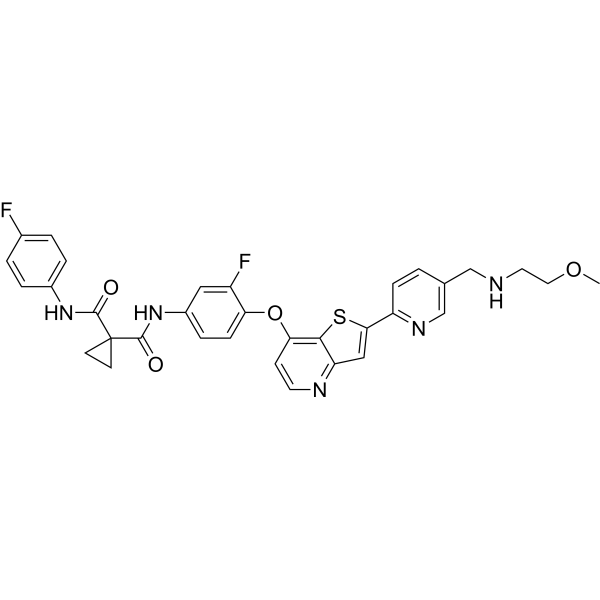
    Sitravatinib (MGCD516) is an orally bioavailable receptor tyrosine kinase (RTK) inhibitor with IC50s of 1.5 nM, 2 nM, 2 nM, 5 nM, 6 nM, 6 nM, 8 nM, 0.5 nM, 29 nM, 5 nM, and 9 nM for Axl, MER, VEGFR3, VEGFR2, VEGFR1, KIT, FLT3, DDR2, DDR1, TRKA, TRKB, respectively . Sitravatinib shows potent single-agent antitumor efficacy and enhances the activity of PD-1 blockade through promoting an antitumor immune microenvironment .
    Sitravatinib
  • HY-119109
    Laminaran
    1 Publications Verification

    Environmental Pollutants Endogenous Metabolite Cancer
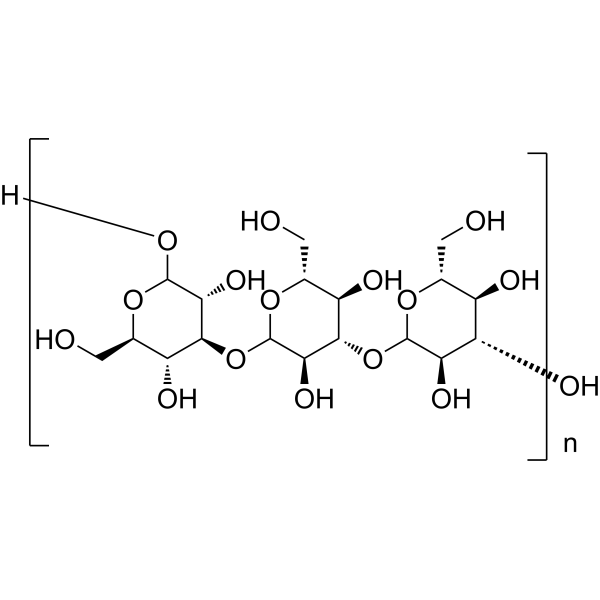
    Laminaran is an β-1-3-glucan and a typical ligand for Dectin-1 from Eisenia Bicyclis, has potent immunomodulating, radioprotective, and anticancer activities . Laminaran is made up of β (1→3)-glucan with β (1→6)-branches and can be catalyzed by enzymes such as laminarinase (EC 3.2.1.6) that breaks the β (1→3) bonds . Laminaran is a promising immune stimulatory molecule for use in cancer immunotherapy .
    Laminaran
  • HY-P990688

    AMG-509

    CD3 Cancer
    Xaluritamig (AMG-509) is a bispecific T cell engager and cytolytic agent with a Kd of 27.6 nM for human CD3ε. Xaluritamig binds to CD3ε via an anti-CD3 single-chain variable fragment (scFv) domain, and to STEAP1 via a bispecific anti-STEAP1 antigen-binding fragment (Fab) domain, thereby recruiting and activating T cells and forming a bridge between T cells and STEAP1-expressing cancer cells. Xaluritamig induces T cell-mediated redirected cytotoxicity, tumor cell lysis, cytokine release, CD8 + T cell activation and expansion, as well as tumor stasis or regression. Xaluritamig contains an Fc domain with no effector function, which prolongs serum half-life, exhibits only minimal activity against cells with low STEAP1 expression and normal cells, and shows extremely low target-related off-tumor toxicity in cynomolgus monkeys. Xaluritamig is used in STEAP1×CD3 XmAb 2+1 immunotherapy and in research on metastatic castration-resistant prostate cancer and Ewing sarcoma .
    Xaluritamig
  • HY-20457

    Toll-like Receptor (TLR) Bacterial Interleukin Related Inflammation/Immunology Cancer
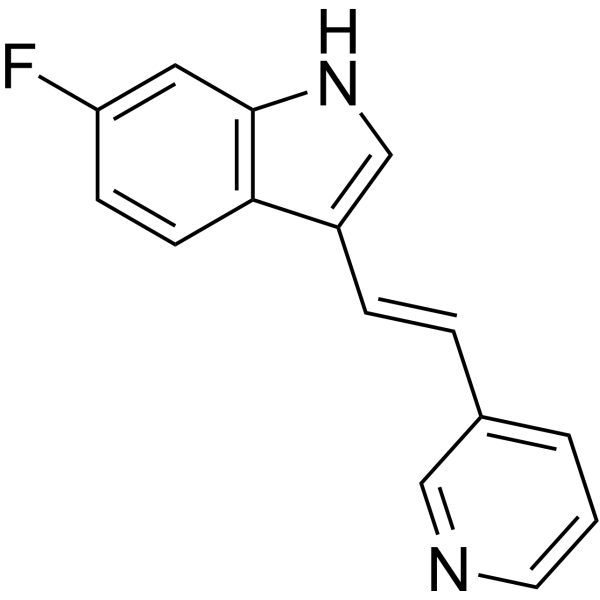
    TL8-506 is a specific TLR8 agonist with an EC50 of 30?nM. TL8-506 has immunomodulatory effects and can be used in the study of tuberculosis and cancer immunotherapy .
    TL8-506
  • HY-108681
    680C91
    2 Publications Verification

    Collagen Neurological Disease Inflammation/Immunology Cancer
    680C91 is an orally active, selective tryptophan 2,3-dioxygenase (TDO) inhibitor with a Ki of 51 nM. TDO is the key enzyme of tryptophan catabolism. 680C91 can be used for the research of cancer immunotherapy and Alzheimer’s Disease .
    680C91
  • HY-P991097

    PM-8002; BNT-327

    VEGFR PD-1/PD-L1 Cancer
    Pumitamig (PM-8002, BNT-327) is a bispecific antibody targeting PD-L1 and VEGF-A, with immune activation and anti-angiogenic activities. By binding to PD-L1, Pumitamig restores the function of effector T cells, while neutralizing VEGF-A in the tumor microenvironment to reverse its inhibition on the infiltration and activation of immune cells and normalize tumor blood vessels. Pumitamig can also be combined with various ADCs targeting TROP2, B7H3, HER2, HER3 for the research of advanced/metastatic solid tumors, including non-small cell lung cancer, ovarian cancer, triple-negative breast cancer, cervical cancer, etc. Pumitamig also exhibits potential efficacy in "cold" tumors with low PD-L1 expression that are insensitive to immunotherapy .
    Pumitamig
  • HY-110382
    Cyclic-di-GMP disodium
    Maximum Cited Publications
    9 Publications Verification

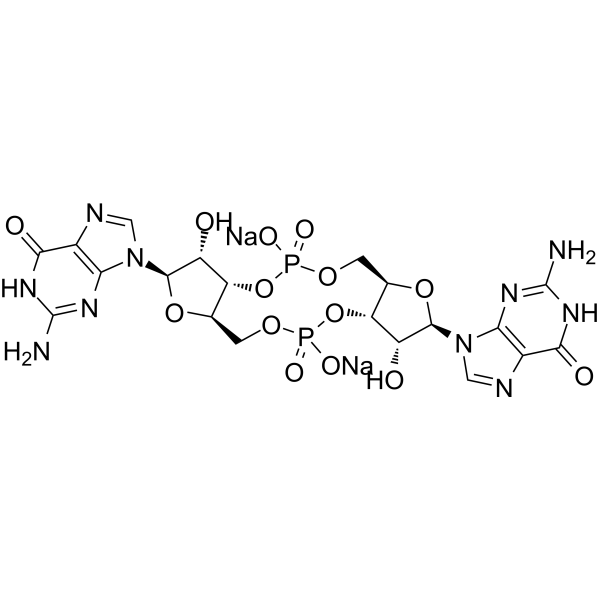
    c-di-GMP disodium; cyclic diguanylate disodium; 5GP-5GP disodium

    STING Endogenous Metabolite Cancer
    Cyclic-di-GMP disodium is a STING agonist and a bacterial second messenger that coordinates different aspects of bacterial growth and behavior, including motility, virulence, biofilm formation, and cell cycle progression. Cyclic-di-GMP disodium has anti-cancer cell proliferation activity and also induces elevated CD4 receptor expression and cell cycle arrest. Cyclic-di-GMP disodium can be used in cancer research .
    Cyclic-di-GMP disodium
  • HY-154919
    DC-Y13-27
    4 Publications Verification

    YTHDF FOXO MMP Pyroptosis Interleukin Related Endocrinology Cancer
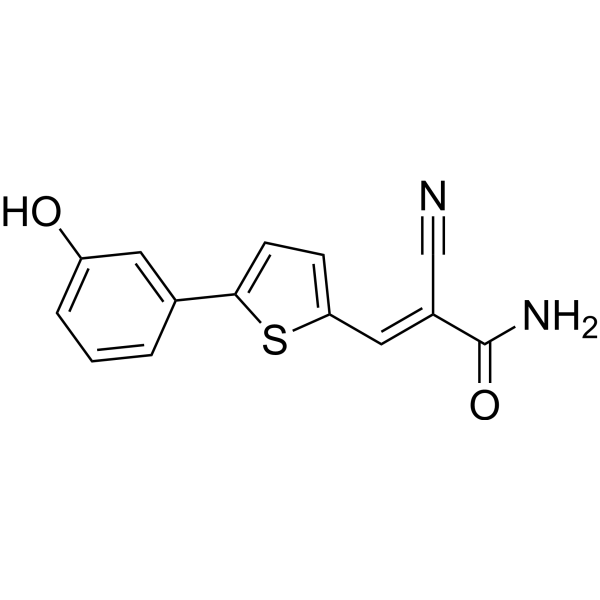
    DC-Y13-27 is a DC-Y13 derivative and YTHDF2 inhibitor (KD: 37.9 μM). DC-Y13-27 inhibits YTHDF2, restores FOXO3 and TIMP1 protein levels, and reduces MMP1/3/7/9 expression. DC-Y13-27 induces Pyroptosis and increases IL-1β secretion. DC-Y13-27 reduces intervertebral disc degeneration and enhances the response to radiotherapy in colon cancer and melanoma. DC-Y13-27 has antitumor activity against breast cancer .
    DC-Y13-27
  • HY-164899

    2-aminopyridine-3-carboxylic acid imidazolide

    Transmembrane Glycoprotein Cancer
    2A3 (2-aminopyridine-3-carboxylic acid imidazolide) is a T cell activator that specifically binds to CEACAM6 and CEACAM5. 2A3 exhibits enzymatic activity that catalyzes the glucuronidation of specific substrates (e.g., 1-naphthol), and possesses significant cytotoxic activity. When integrated into CAR T cells or used alone, 2A3 acts by inducing cytokine release, degranulation, and direct cytotoxicity. 2A3 kills pancreatic and breast cancer cells with high target antigen expression in vitro, and significantly inhibits the growth of pancreatic cancer xenografts in vivo. 2A3 broadly targets malignant tumors with overexpressed CEACAM5, CEACAM6, or co-expressed both, and shows high expression mainly in tissues such as the liver and colon. 2A3 serves as an important research tool for the immunotherapy of pancreatic and breast cancer . 2A3 is a novel SHAPE reagent, which can be used for the analysis of RNA structure both in vitro and in vivo . 2A3 is an electrophilic chemical probe that acylates the 2'-OH in the RNA backbone. 2A3 can be used for RNA SHAPE-MaP experiments and is capable of analyzing the RNA secondary structures at single nucleotide resolution.
    2A3
  • HY-P99175

    CD47 Cancer
    KWAR23 is an anti-human SIRPα antibody. KWAR23 binds human SIRPα with high affinity and disrupts its binding to CD47. KWAR23 shows antitumor activity in combination with tumor-opsonizing antibodies and can be used in cancer immunotherapy research .
    KWAR 23
  • HY-33299
    Serpin B9-IN-1
    1 Publications Verification

    BTCA

    Biochemical Assay Reagents Cancer
    Serpin B9-IN-1 (BTCA) is an inhibitor that specifically targets Serpin B9 (SB9); SB9 is a natural inhibitor of granzyme B (GrB) , but may promote the metastasis of lung cancer cells into the bone marrow. SB9-overexpressing cancer cells promote proliferation and metastasis in an immune cell-dependent manner by binding to GrB. Inhibition of SB9 by Serpin B9-IN-1 significantly inhibits immunotherapy of lung cancer bone metastases in the caudal artery (CA) mouse model (LCBM) .
    Serpin B9-IN-1
  • HY-P99834

    IAB22M2C; ImaginAb

    Transmembrane Glycoprotein Cancer
    Crefmirlimab (IAB22M2C; ImaginAb) is a humanized CD8-specific single-domain antibody. Conjugation of Crefmirlimab with radioisotopes (e.g., 89Zr) enables tumor immune infiltration assessment, autoimmune disease detection, and immunotherapy response monitoring. Crefmirlimab is applicable for cancer research .
    Crefmirlimab
  • HY-132200

    TAM Receptor Anaplastic lymphoma kinase (ALK) FLT3 Cancer
    UNC5293 is a MERTK-selective and potent inhibitor (Ki=190 pM). UNC5293 inhibits MERTK (IC50=0.9 nM) and is more selective over Axl, Tyro3 and Flt3. UNC5293 exhibits excellent mouse PK properties and is used for bone marrow leukemia research .
    UNC5293
  • HY-122542B
    PPACK TFA
    2 Publications Verification

    Ligands for E3 Ligase Molecular Glues IKZF Family Cardiovascular Disease
    PPACK TFA is an orally active, selective molecular glue degrader targeting IKZF2. Through a molecular glue mechanism, PPACK TFA binds to CRBN, recruits IKZF2 to form a ternary complex, and promotes its ubiquitination and proteasomal degradation. This further converts inhibitory regulatory T cells (Treg) into effector-like T cells, enhances CD8 + T cell responses, and modulates the Teff:Treg balance. PPACK TFA also increases the production of the inflammatory cytokine IL-2 and reduces the suppressive activity of Treg. PPACK TFA can be used in cancer immunotherapy research, and exhibits a synergistic effect when combined with immune checkpoint inhibitors such as anti-PD1 .
    PPACK TFA
  • HY-P99032
    Monalizumab
    5 Publications Verification

    IPH2201

    Checkpoint Kinase (Chk) IFNAR Inflammation/Immunology Cancer
    Monalizumab (IPH2201) is an immune checkpoint inhibitor targeting Natural Killer Group 2A (NKG2A). Monalizumab, a humanized anti-NKG2A blocking mAb, increases IFN-γ production, thereby promoting NK cell effector functions. Monalizumab can be used for the research of head and neck squamous cell carcinoma (HNSCC) .
    Monalizumab
  • HY-N5084

    TRP Channel HDAC p38 MAPK JNK ERK NF-κB TNF Receptor Interleukin Related Neurological Disease Inflammation/Immunology Cancer
    Pinocembrin 7-O-[3''-O-galloyl-4'',6''-hexahydroxydiphenoyl]-β-D-glucoside is a TRPV1 antagonist and HDAC7 inhibitor. Pinocembrin 7-O-[3''-O-galloyl-4'',6''-hexahydroxydiphenoyl]-β-D-glucoside blocks TRPV1-mediated calcium influx, suppresses phosphorylation of p65, IκBα, p38, JNK, and ERK1/2, inhibiting NF-κB and MAPK signaling cascades. Pinocembrin 7-O-[3''-O-galloyl-4'',6''-hexahydroxydiphenoyl]-β-D-glucoside reduces production and gene expression of pro-inflammatory cytokines IL-1β, IL-6, and TNF-α. Pinocembrin 7-O-[3''-O-galloyl-4'',6''-hexahydroxydiphenoyl]-β-D-glucoside exhibits potent analgesic activity, elevates thermal pain threshold and mechanical pain threshold in murine models. Pinocembrin 7-O-[3''-O-galloyl-4'',6''-hexahydroxydiphenoyl]-β-D-glucoside restores CD8 + T cell infiltration into bladder cancer tumors and improves bladder cancer immunotherapy efficacy. Pinocembrin 7-O-[3''-O-galloyl-4'',6''-hexahydroxydiphenoyl]-β-D-glucoside can be used for the researches of painand bladder cancer .
    Pinocembrin 7-O-[3''-O-galloyl-4'',6''-hexahydroxydiphenoyl]-β-D-glucoside
  • HY-162275

    Histone Demethylase Histone Methyltransferase STAT Cancer
    JMJD1C-IN-1 is an orally active and selective inhibitor of JMJD1C (IC50 = 0.59 μM, Kd = 1.96 μM). JMJD1C-IN-1 inhibits the binding of JMJD1C to H3K9me2 peptide substrate in the HTRF assay (IC50 = 1.47 μM). JMJD1C-IN-1 disrupts intratumoral regulatory T (Treg) cell fitness by dual mechanisms: promoting H3K9me2 accumulation to downregulate PD1 expression and reducing STAT3 demethylation to enhance STAT3 activation. JMJD1C-IN-1 demonstrates dose-dependent antitumor efficacy in multiple mouse tumor models (MCA205 fibrosarcoma, B16-F10 melanoma, LLC lung cancer, Hepa1-6 hepatocellular carcinoma, CT26 colorectal cancer). JMJD1C-IN-1 can be used for the study of tumor immunotherapy by selectively targeting intratumoral Treg cells .
    JMJD1C-IN-1
  • HY-162080
    METTL1-WDR4-IN-1
    1 Publications Verification

    DNA Methyltransferase Pyruvate Kinase Cancer
    METTL1-WDR4-IN-1 (Compound 1) is a selective competitive inhibitor of the methyltransferase complex METTL1-WDR4 (IC50 = 144 μM). METTL1-WDR4-IN-1 inhibits the m 7G methyltransferase activity of the METTL1-WDR4 complex, blocking m 7G modification of PKM mRNA, reducing PKM2 protein expression, disrupting the METTL1/PKM2/H3K9la positive feedback loop, and simultaneously inhibiting PKM2 nuclear translocation-mediated CD155 transcriptional activation. METTL1-WDR4-IN-1 can inhibit tumor cell proliferation, weaken glycolytic metabolism, reverse tumor immune evasion (restoring NK cell and CD8 + T cell function), and regulate RNA epigenetic modification and the tumor immune microenvironment. METTL1-WDR4-IN-1 can be used in immunotherapy research for cancers such as colorectal cancer, and is particularly suitable for use in combination with PKM2 inhibitors to enhance anti-tumor treatment efficacy .
    METTL1-WDR4-IN-1
  • HY-133123
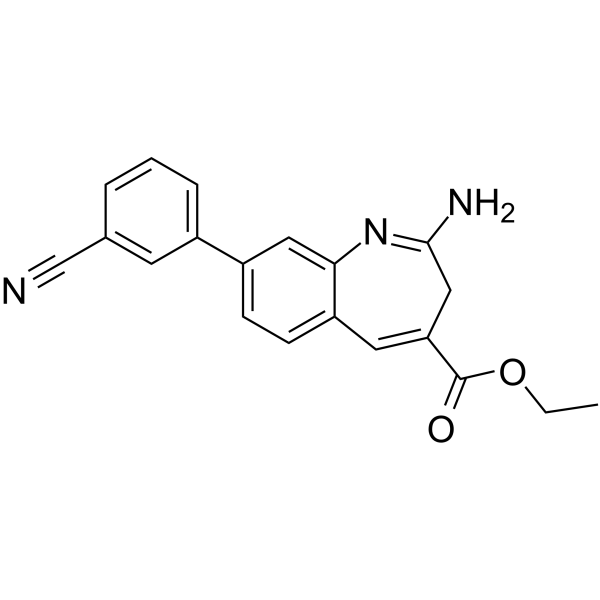
    EP4 receptor antagonist 1
    2 Publications Verification

    Prostaglandin Receptor Inflammation/Immunology Cancer
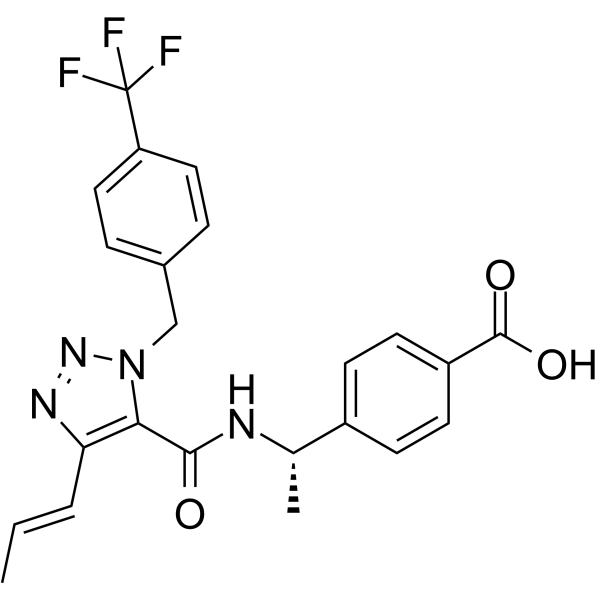
    EP4 receptor antagonist 1 is a highly potent and selective competitive prostanoid EP4 receptor antagonist for cancer immunotherapy. EP4 receptor antagonist 1 inhibits human and mouse EP4 receptor with IC50s of 6.1 nM and 16.2 nM, respectively. IC50s >10 μM for human EP1, EP2,and EP3 receptors .
    EP4 receptor antagonist 1
  • HY-P11058

    OVAp

    MHC Cancer
    OVA(250-264) (OVAvac) (OVAp) is an antigen peptide that can be from ovalbumin (OVA) presented by the class I MHC molecule, H-2Kb. OVA(250-264) combined withαMSLN (anti-MSLN antibody) significantly induces antigen-specific CD8 + T cell generation and infiltration for enhancing antitumor efficacy in orthotopic pancreatic cancer mice model. OVA(250-264) can be used for neoantigen vaccine development in pancreatic cancer immunotherapy research .
    OVA(250-264)
  • HY-107780

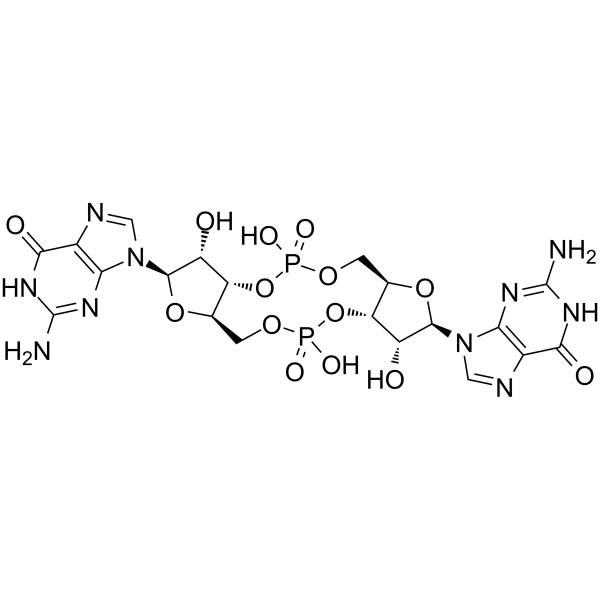
    c-di-GMP; cyclic diguanylate; 5GP-5GP

    STING Endogenous Metabolite Cancer
    Cyclic-di-GMP is a STING agonist and a bacterial second messenger that coordinates different aspects of bacterial growth and behavior, including motility, virulence, biofilm formation, and cell cycle progression. Cyclic-di-GMP has anti-cancer cell proliferation activity and also induces elevated CD4 receptor expression and cell cycle arrest. Cyclic-di-GMP can be used in cancer research .
    Cyclic-di-GMP
  • HY-122542A
    PPACK dihydrochloride
    2 Publications Verification

    Pebac; D-Phenylalanyl-prolyl-arginyl Chloromethyl Ketone; D-Phe-Pro-Arg-CH2Cl

    Ligands for E3 Ligase Molecular Glues IKZF Family Cardiovascular Disease
    PPACK dihydrochloride is an orally active, selective molecular glue degrader targeting IKZF2. Through a molecular glue mechanism, PPACK dihydrochloride binds to CRBN, recruits IKZF2 to form a ternary complex, and promotes its ubiquitination and proteasomal degradation. This further converts inhibitory regulatory T cells (Treg) into effector-like T cells, enhances CD8 + T cell responses, and modulates the Teff:Treg balance. PPACK dihydrochloride also increases the production of the inflammatory cytokine IL-2 and reduces the suppressive activity of Treg. PPACK dihydrochloride can be used in cancer immunotherapy research, and exhibits a synergistic effect when combined with immune checkpoint inhibitors such as anti-PD1 .
    PPACK dihydrochloride
  • HY-159647

    Molecular Glues Ligands for E3 Ligase IKZF Family Cancer
    PLX-4545 is an orally active, selective molecular glue degrader targeting IKZF2. Through a molecular glue mechanism, PLX-4545 binds to CRBN, recruits IKZF2 to form a ternary complex, and promotes its ubiquitination and proteasomal degradation. This further converts inhibitory regulatory T cells (Treg) into effector-like T cells, enhances CD8 + T cell responses, and modulates the Teff:Treg balance. PLX-4545 also increases the production of the inflammatory cytokine IL-2 and reduces the suppressive activity of Treg. PLX-4545 can be used in cancer immunotherapy research, and exhibits a synergistic effect when combined with immune checkpoint inhibitors such as anti-PD1 .
    PLX-4545
  • HY-107780B
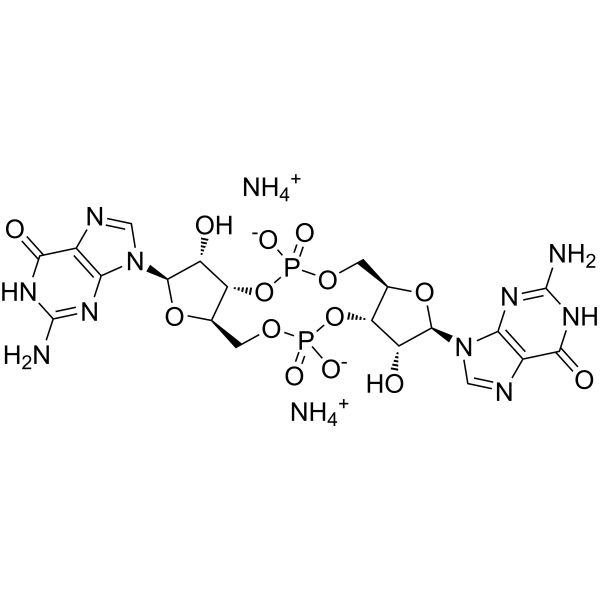
    Cyclic-di-GMP diammonium
    Maximum Cited Publications
    9 Publications Verification

    c-di-GMP diammonium; cyclic diguanylate diammonium; 5GP-5GP diammonium

    STING Endogenous Metabolite Cancer
    Cyclic-di-GMP diammonium is a STING agonist and a bacterial second messenger that coordinates different aspects of bacterial growth and behavior, including motility, virulence, biofilm formation, and cell cycle progression. Cyclic-di-GMP diammonium has anti-cancer cell proliferation activity and also induces elevated CD4 receptor expression and cell cycle arrest. Cyclic-di-GMP diammonium can be used in cancer research .
    Cyclic-di-GMP diammonium
  • HY-P99809

    MK-1308

    CTLA-4 Cancer
    Quavonlimab (MK-1308) is a novel anti-CTLA-4 antibody .
    Quavonlimab
  • HY-P10862A

    Exosomes Virus Protease Infection Cancer
    AH-D peptide TFA is an antiviral peptide that selectively disrupts membrane structures within the size range of exosomes, inducing T-EXO depletion and enhancing cancer immunotherapy .
    AH-D peptide TFA
  • HY-N1420AR

    L-Rhamnose monohydrate (Standard)

    Reference Standards Endogenous Metabolite MMP Interleukin Related PKA Infection Metabolic Disease Cancer
    Rhamnose monohydrate (Standard) is the analytical standard of Rhamnose monohydrate (HY-N1420A). Rhamnose monohydrate (L-Rhamnose monohydrate) is an orally active deoxysugar. Rhamnose monohydrate can inhibit levels of pro-inflammatory interleukin and matrix metalloproteinases (MMPs) in skin aging models. Rhamnose can promote the phosphorylation levels of PKA substrates and HSL in SVF-derived adipocytes, stimulating PKA signaling. Rhamnose monohydrate can act against obesity in mice by stimulating fat dopamine receptors and inducing thermogenesis. Rhamnose monohydrate shows anti-aging effects. Rhamnose monohydrate can be used in the study of Ehrlich’s solid tumors and sarcomas .
    Rhamnose monohydrate (Standard)
  • HY-163719

    PARP Cancer
    PARP7-IN-22 (XLY-1) is a PARP7 inhibitor with an IC50 of 0.6 nM. PARP7-IN-22 (XLY-1) is orally active, enhances type I interferon signaling in vitro, restores type I interferon signaling, promotes T cell infiltration into tumor tissues, and significantly inhibits tumor growth. PARP7-IN-22 shows promise for research in the field of cancer immunotherapy .
    PARP7-IN-22
  • HY-171572

    Antibody-Drug Conjugates (ADCs) Microtubule/Tubulin Apoptosis Inflammation/Immunology Cancer
    Atezolizumab-MMAE is an anti-PD-L1 antibody-drug conjugate (ADC) with an EC50 of 1.1 nM. Atezolizumab-MMAE is composed of a humanized anti-PD-L1 antibody (Atezolizumab) (HY-P9904), a lysosomally cleavable dipeptide linker (valine-citrulline), a tubulin inhibitor (MMAE) (HY-15162), and the drug-linker conjugate for ADC is VcMMAE (HY-15575). Atezolizumab-MMAE has a potent cytotoxicity (EC50: 9.75-11.94 nM) and immune activation effect. Atezolizumab-MMAE has a significantly anti-tumor activity in MC38 xenograft PD-1-humanized immune system mice model .
    Atezolizumab-MMAE
  • HY-175714

    STING Inflammation/Immunology Cancer
    STING agonist-46 is an orally active STING agonist. STING agonist-46 activates the STING signaling pathway, promoting phosphorylation of TBK1 and IRF3, and secretion of IFN-β and IP-10. STING agonist-46 directly binds to STING and increases its thermal stability. STING agonist-46 demonstrates potent anti-tumor efficacy in B16F10, CT26, and 4T1 mouse models. STING agonist-46 can be used for cancer immunotherapy studies .
    STING agonist-46
  • HY-144501

    Toll-like Receptor (TLR) PD-1/PD-L1 Inflammation/Immunology Cancer
    D18 is an immune modulator. D18 acts as a TLR7/8 dual agonist (EC50 = 24 nM for hTLR7 and 10 nM for hTLR8, respectively). D18 increases PD-L1 expression through epigenetic regulation, thus sensitizing tumors to PD-1/PD-L1 blockade. D18 is a ADC cytotoxin uesd for the systhesis of ADC HE-S2 (HY-144497). D18 has strong immune activation and anti-tumor activity. D18 commonly used in cancer research, such as colon cancer .
    D18
  • HY-P10862

    Exosomes Virus Protease Infection Cancer
    AH-D peptide is a brain-penetrant antiviral agent disrupting highly curved lipid membranes. AH-D peptide exhibits broad-spectrum antiviral activity against ZIKV, Dengue virus, Chikungunya virus, yellow fever virus and Japanese encephalitis virus, with
    IC50
    values of 11.9, 12.5, 35.7, 206 and 136 nM, respectively. AH-D peptide reduces the viral load in the brain, suppresses inflammation, protects neurons, and does not damage the blood brain barrier. AH-D peptide restores antitumor immunity by decreasing circulating PD-L1 + exosomes, reducing intratumoral immunosuppressive cells (regulatory T cells, myeloid-derived suppressor cells), and enhancing T cell function. AH-D peptide inhibits membrane-enveloped viruses and cancer cell metastasis in vivo. AH-D peptide exhibits no immunogenicity and has negligible effects on normal tissues. AH-D peptide can be used for research in Zika virus and other mosquito-borne viruses, cancer immunotherapy and metastasis .
    AH-D peptide
  • HY-146231A

    MAP4K PROTACs Inflammation/Immunology Cancer
    SS47 TFA, a PROTAC-based HPK1 degrader, exerts proteasome-mediated HPK1 degradation. The degradation of HPK1 via SS47 also significantly enhances the in vivo antitumor efficacy of BCMA CAR-T cell research. HPK1, an immunosuppressive regulatory kinase, is a promising target for cancer immunotherapies . SS47 (TFA) is a click chemistry reagent, it contains an Alkyne group and can undergo copper-catalyzed azide-alkyne cycloaddition (CuAAc) with molecules containing Azide groups.
    SS47 TFA
  • HY-159161

    Orphan GPCR Inflammation/Immunology Cancer
    PSB-CB-27 is a potent and selective GPR18 inhibitor with an IC50 of 0.65 μM. PSB-CB-27 shows selectivity over Human GPR55, Human CB1 receptor, and Human CB2 receptor. PSB-CB-27 leads to a complete blockade of Δ9-Tetrahydrocannabinol (THC)-induced GPR18 activation. PSB-CB-27 can be used for inflammatory diseases and cancer immunotherapy research .
    PSB-CB-27
  • HY-155847

    Phosphatase PD-1/PD-L1 Inflammation/Immunology Cancer
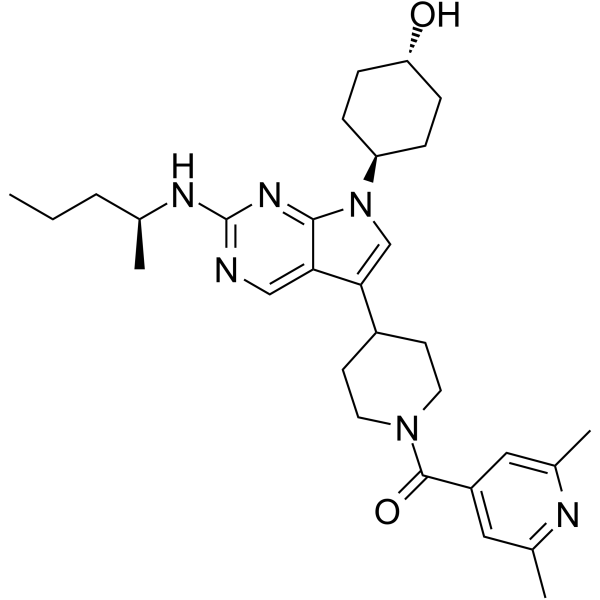
    LYP-IN-3 is a selective, orally active and reversible lymphoid-tyrosine phosphatase (LYP) inhibitor (IC50 = 2.55 μM, Ki = 0.93 μM). D34 exhibits high selectivity of PTP1B, PTPN12, PTPN5 and SSH2. LYP-IN-3 regulates the T-cell receptor (TCR) signaling by specifically inhibiting LYP. LYP-IN-3 does not significantly inhibit MC38 cell viability; its anti-tumor effect stems from immune regulation. LYP-IN-3 can significantly upregulate PD-L1 or PD-1 expression in different immune cells. LYP-IN-3 facilitates T-cell infiltration and enhances T-cell functions. LYP-IN-3 synergizes with PD-L1 blockade can significantly improve colorectal tumor regression. LYP-IN-3 can be used for the study of colorectal cancer .
    LYP-IN-3
  • HY-P10424

    PD-1/PD-L1 Cancer
    OPBP-1 is a D-peptide obtained by phage display screening, molecular docking and molecular dynamics simulation. OPBP-1 has high stability and strong antitumor and oral activity. OPBP-1 can selectively bind PD-L1 protein, significantly block the interaction between PD-1 and PD-L1, and this blocking effect helps to restore and improve the function of T lymphocytes and reduce the proportion of bone marrow derived suppressor cells (MDSCs) to combat tumor-induced immune escape. OPBP-1 can be used in cancer immunotherapy research .
    OPBP-1
  • HY-144329

    STING Inflammation/Immunology Cancer
    STING agonist-11 (Compound 92) is a potent small molecule cyclic urea activator of STING with EC50 of 18 nM. Activation of STING is a highly promising approach in immunotherapy .
    STING agonist-11
  • HY-163041

    PD-1/PD-L1 Inflammation/Immunology Cancer
    PD-1/PD-L1-IN-36 (Compound 2k) is a PD-1/PD-L1 complex inhibitor (IC50: 15 nM). PD-1/PD-L1-IN-36 can be used for research of cancer immunotherapy .
    PD-1/PD-L1-IN-36
  • HY-P10217

    PD-1/PD-L1 Cancer
    PD-1/PD-L1-IN-42 (Compound B8.4) is an inhibitor of the interaction between PD-1 and PD-L1, with an EC50 of 0.1 μM. PD-1/PD-L1-IN-42 can be used for the research of cancer immunotherapy .
    PD-1/PD-L1-IN-42
  • HY-P1813

    PSA-Peptide

    Prostaglandin Receptor Cancer
    PSA1 (141-150), a prostate specific antigen 1 peptide, is used in the immunotherapy of cancer experiments .
    PSA1 (141-150)
  • HY-111786

    Toll-like Receptor (TLR) Cancer
    LHC-165 is a TLR7 agonist. LHC-165 has potential to used in study of solid tumors .
    LHC-165
  • HY-107780A

    c-di-GMP sodium; cyclic diguanylate sodium; 5GP-5GP sodium

    STING Endogenous Metabolite Cancer
    Cyclic-di-GMP sodium is a STING agonist and a bacterial second messenger that coordinates different aspects of bacterial growth and behavior, including motility, virulence, biofilm formation, and cell cycle progression. Cyclic-di-GMP sodium has anti-cancer cell proliferation activity and also induces elevated CD4 receptor expression and cell cycle arrest. Cyclic-di-GMP sodium can be used in cancer research .
    Cyclic-di-GMP sodium
  • HY-P10978

    PD-1/PD-L1 Cancer
    NK224 is a peptide-based radiotracer targeting human PD-L1, with dual-radionuclide ( 68Ga and 18F) labeling compatibility enabled by the NOTA chelator. NK224 exhibits high binding affinity to PD-L1, with an IC50 value of 2.45 nM. NK224 visualizes intrapatient tumor heterogeneity and dynamically monitors PD-L1 target occupancy during immunotherapy. NK224 can be used for the study of non-small cell lung cancer (NSCLC) .
    NK224
  • HY-179047

    Toll-like Receptor (TLR) MyD88 IKK p38 MAPK ERK TNF Receptor Interleukin Related Inflammation/Immunology Cancer
    SMU-L11-R is a selective TLR7 agonist with an EC50 of 0.012 μM for human TLR7. SMU-L11-R specifically activates TLR7, recruits  MyD88, and triggers MAPK/NF-κB pathways, leading to TNF-α/IL-1β/IL-6 secretion in both mouse and human peripheral blood mononuclear cells. SMU-L11-R promotes M1-like macrophage polarization. SMU-L11-R exhibits excellent synergistic anti-tumor effects with PD-L1 inhibitors by upregulating CD8 +T cells. SMU-L11-R shows potential in colorectal cancer studies .
    SMU-L11-R
  • HY-16961A

    MGCD516 malate; MG-516 malate

    VEGFR c-Kit FLT3 Discoidin Domain Receptor Trk Receptor Inflammation/Immunology Cancer
    Sitravatinib malate (MGCD516 malate) is an orally bioavailable receptor tyrosine kinase (RTK) inhibitor with IC50s of 1.5 nM, 2 nM, 2 nM, 5 nM, 6 nM, 6 nM, 8 nM, 0.5 nM, 29 nM, 5 nM, and 9 nM for Axl, MER, VEGFR3, VEGFR2, VEGFR1, KIT, FLT3, DDR2, DDR1, TRKA, TRKB, respectively . Sitravatinib malate shows potent single-agent antitumor efficacy and enhances the activity of PD-1 blockade through promoting an antitumor immune microenvironment .
    Sitravatinib malate
  • HY-164072

    Biochemical Assay Reagents Others Cancer
    DBCO-Dextran is a dibenzocyclooctyne-modified dextran with excellent click chemistry activity and biocompatibility, which can be used in cancer immunotherapy and bioimaging research .
    DBCO-Dextran
  • HY-177483

    Oxaliplatin-artesunate

    Ferroptosis Mitochondrial Metabolism Glutathione Peroxidase Transferrin Receptor MMP Dihydroorotate Dehydrogenase Cancer
    OART (Oxaliplatin-artesunate) is a ferroptosis inducer. OART significantly inhibits tumor cell proliferation. OART induces cytoplasmic and mitochondrial LPO to promote tumor ferroptosis, via destroying glutathione-mediated ferroptosis defense system and enhancing iron-dependent Fenton reaction. OART enhances tumor immunogenicity, transforming tumor environment from immunosuppressive to immunosensitive. OART has strong tumor regression in tumor-bearing mouse models. OART can be used for cancer immunotherapy research .
    OART
  • HY-P991634

    CD73 TNF Receptor Interleukin Related IFNAR Inflammation/Immunology Cancer
    IBI-325 is a humanized monoclonal antibody inhibitor targeting CD73. IBI-325 completely inhibits CD73 enzymatic activity without hook effect. IBI-325 reverses Adenosine monophosphate (HY-A0181)-mediated immune suppression and significantly inhibits T cell proliferation and cytokines (IL-2, IFN-γ and TNF-α) release. IBI-325 has potent antitumor activities in hPBMC-reconstituted mice model and hCD73 knock-in mice model. IBI-325 can be used for cancer immunotherapy research .
    IBI-325
  • HY-P10837

    LAG-3 Inflammation/Immunology Cancer
    LAG-3 cyclic peptide inhibitor 12 (Cyclic peptide 12) is an inhibitor of LAG-3 with an IC50 value of 4.45 μM and a Ki value of 2.66 µM .
    LAG-3 cyclic peptide inhibitor 12

Inquiry Online

Your information is safe with us. * Required Fields.

Salutation


Country or Region *

Applicant Name *


Organization Name *

Department *


Email Address *


Product Name *

Cat. No.


Requested quantity *

Phone Number *


Remarks

Inquiry Online

Inquiry Information

Product Name:
Cat. No.:
Quantity:
MCE Japan Authorized Agent: