
92 Results for "

Cancer biomarker

" in MedChemExpress (MCE) Product Catalog:
Products (92)

92 Results for "Cancer biomarker" in MCE Product Catalog:

  • Targets Recommended:
18
18 Publications Verification
Cat. No.: HY-113466
CAS No.: 75899-68-2
Purity:  99.35%
Synonyms: 4-HNE
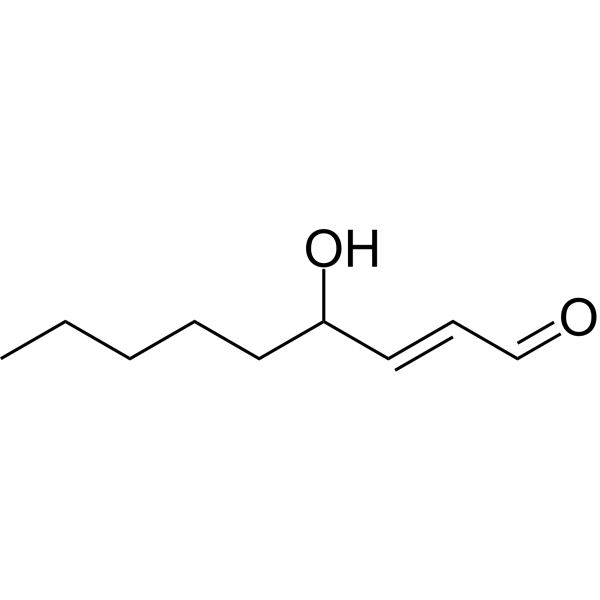
4-Hydroxynonenal (4-HNE) is an α,β unsaturated hydroxyalkenal and an oxidative/nitrosative stress biomarker. 4-Hydroxynonenal is a substrate and an inhibitor of acetaldehyde dehydrogenase 2 (ALDH2). 4-Hydroxynonenal can modulate a number of signaling processes mainly through forming covalent adducts with nucleophilic functional groups in proteins, nucleic acids, and membrane lipids. 4-Hydroxynonenal plays an important role in cancer through mitochondria .
loading...
    loading...
5
5 Cited Publications
Cat. No.: HY-N0667
CAS No.: 70-47-3
Synonyms: (-)-Asparagine; Asn; Asparamide
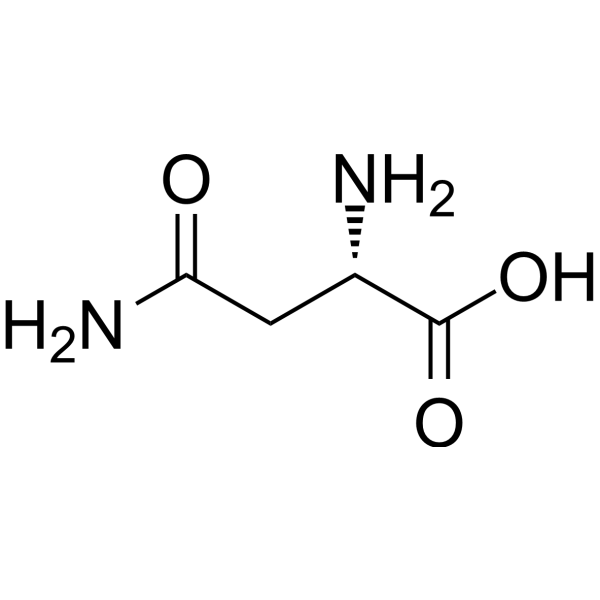
L-Asparagine is an essential amino acid for leukemic cells and a substrate for L-Asparaginase. L-Asparaginase is a potent anti-leukemic enzyme that promotes asparagine (Asn) and glutamine (Gln) depletion and inhibits protein biosynthesis in lymphoblasts. Removal of L-asparagine from plasma by L-Asparaginase results in inhibition of RNA and DNA synthesis and subsequent apoptosis. L-Asparaginase has cell-killing ability in vitro and in vivo, and selectively inhibits the growth of cancer cells with low asparagine synthetase (AASNS) expression. L-Asparagine can be used as a biomarker and sensor for the study of childhood acute lymphoblastic leukemia .
loading...
    loading...
5
5 Cited Publications
Cat. No.: HY-N9933
CAS No.: 25696-60-0
Synonyms: TβMCA
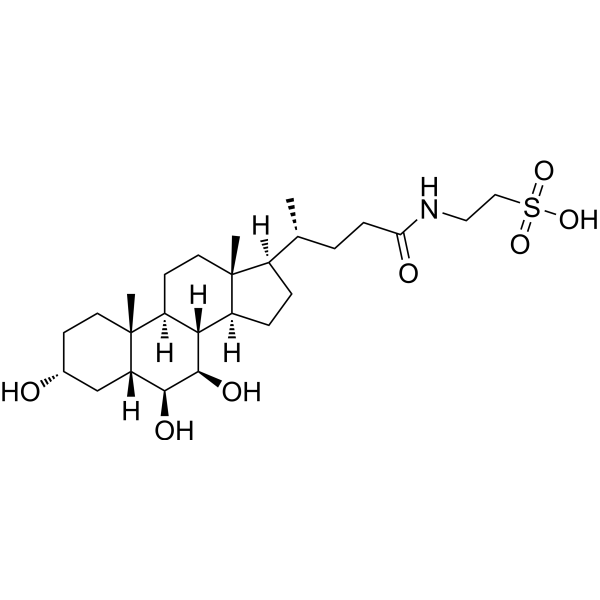
Tauro-β-muricholic acid (TβMCA) is an orally active trihydroxylated bile acid and a competitive, reversible FXR antagonist (IC50=40 μM). Tauro-β-muricholic acid inhibits bile acid-induced hepatocyte apoptosis by maintaining mitochondrial membrane potential, while simultaneously inhibiting intestinal FXR signaling, affecting bile acid synthesis, hepatic lipid metabolism, and insulin sensitivity. Accumulation of tauro-β-muricholic acid disrupts metabolic homeostasis, promoting cancer stem cell proliferation and tumor progression. The mechanisms of tauro-β-muricholic acid involve two aspects: first, inhibiting the translocation of the pro-apoptotic protein Bax to mitochondria and maintaining mitochondrial membrane potential (MMP); and second, blocking the FXR signaling pathway to regulate bile acid metabolism, reduce serum ceramide production, and downregulate the hepatic SREBP1C/CIDEA pathway. Tauro-β-muricholic acid possesses anti-hepatocyte apoptosis, bile acid homeostasis regulation, and liver fat accumulation reduction properties, and also functions as a biomarker, making it useful in the study of diseases such as bile acid metabolism disorders, non-alcoholic fatty liver disease, colorectal cancer, and liver fibrosis .
loading...
    loading...
5
5 Cited Publications
Cat. No.: HY-W017443
CAS No.: 5794-13-8
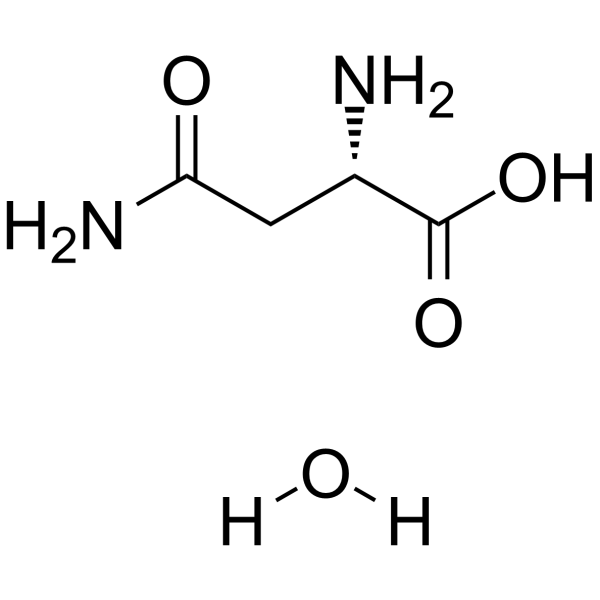
L-Asparagine monohydrate is an essential amino acid for leukemic cells and a substrate for L-Asparaginase. L-Asparaginase is a potent anti-leukemic enzyme that promotes asparagine (Asn) and glutamine (Gln) depletion and inhibits protein biosynthesis in lymphoblasts. Removal of L-asparagine from plasma by L-Asparaginase results in inhibition of RNA and DNA synthesis and subsequent apoptosis. L-Asparaginase has cell-killing ability in vitro and in vivo, and selectively inhibits the growth of cancer cells with low asparagine synthetase (AASNS) expression. L-Asparagine monohydrate can be used as a biomarker and sensor for the study of childhood acute lymphoblastic leukemia .
loading...
    loading...
4
4 Cited Publications
Cat. No.: HY-B1516
CAS No.: 25526-93-6
Synonyms: 3'-Fluoro-3'-deoxythymidine; 3′-Deoxy-3′-fluorothymidine; FLT
Research Areas:  

Infection Cancer

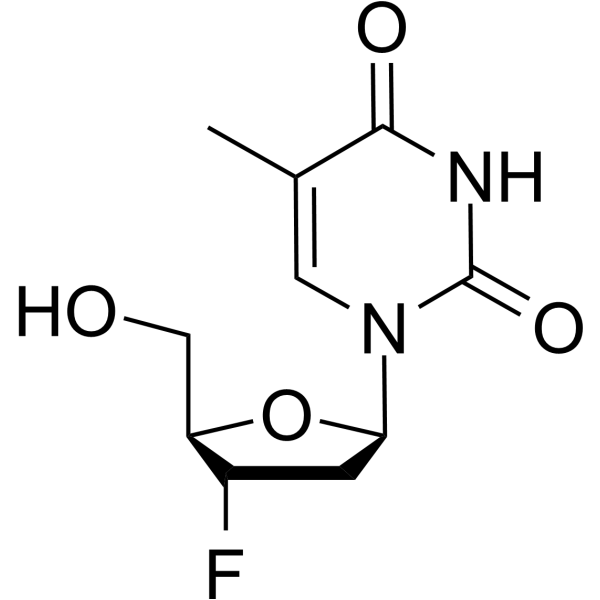
Alovudine (3'-Fluoro-3'-deoxythymidine) is a mtDNA synthesis inhibitor and a marker of DNA synthesis. Alovudine is less susceptible to inflammatory changes than 18F-Fluorodeoxyglucose (FDG) and thus is a better biomarker in pancreatic cancer. Alovudine shows anti-orthopoxvirus and anti-leukemic activity .
loading...
    loading...
3
3 Cited Publications
Cat. No.: HY-116705
CAS No.: 70763-62-1
Purity:  99.99%
Target:  

Glycosyltransferase

Research Areas:  

Cancer

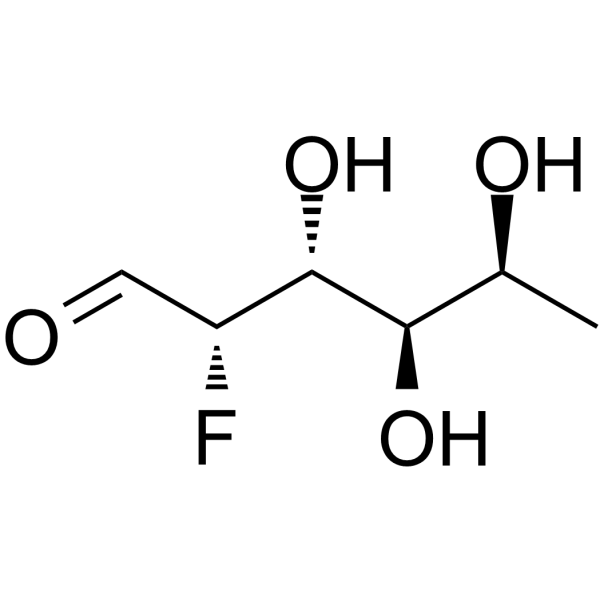
2-Deoxy-2-fluoro-L-fucose, an L-fucose analog, is a fucosylation inhibitor. 2-Deoxy-2-fluoro-L-fucose inhibits de novo synthesis of GDP-fucose in mammalian cells. Fucosylation is a relatively well-defined biomarker for progression in many human cancers; for example, pancreatic and hepatocellular carcinoma .
loading...
    loading...
3
3 Cited Publications
Cat. No.: HY-111645
CAS No.: 2140-64-9
Purity:  99.31%
Research Areas:  

Cancer

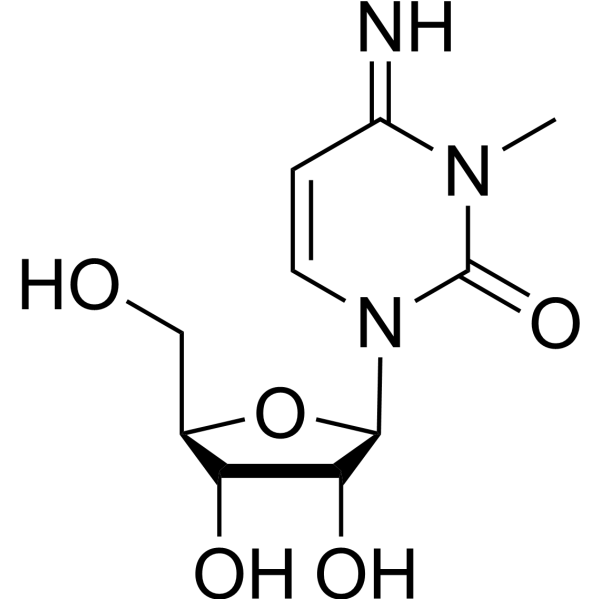
3-Methylcytidine, a urinary nucleoside, can be used as a biomarker of four different types of cancer: lung cancer, gastric cancer, colon cancer, and breast cancer .
loading...
    loading...
1
1 Cited Publications
Cat. No.: HY-113217
CAS No.: 303-43-5
Purity:  ≥99.0%
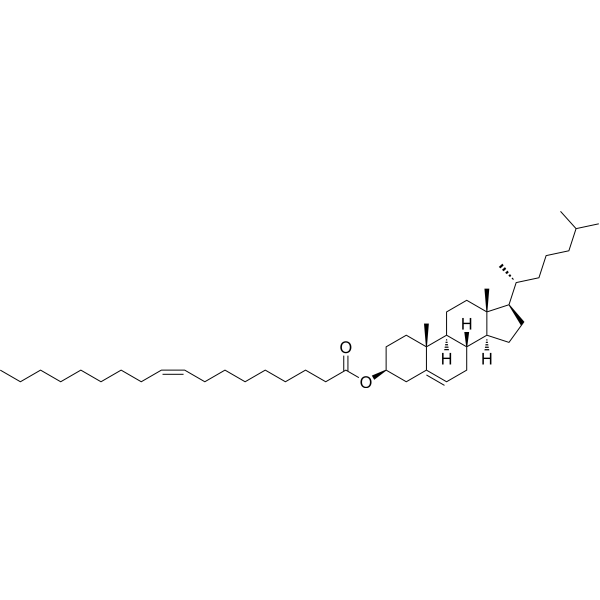
Cholesteryl oleate is an ester compound formed from Cholesterol (HY-N0322) and Oleic acid (HY-N1446), which is involved in lipid transport, storage and cell membrane formation in living organisms. Cholesteryl oleate may serve as a potential biomarker for prostate cancer. Cholesteryl oleate can also prepare cationic solid lipid nanoparticles (SLNs) for efficient gene silencing .
loading...
    loading...
1
1 Cited Publications
Cat. No.: HY-113289
CAS No.: 474-67-9
Purity:  98.71%
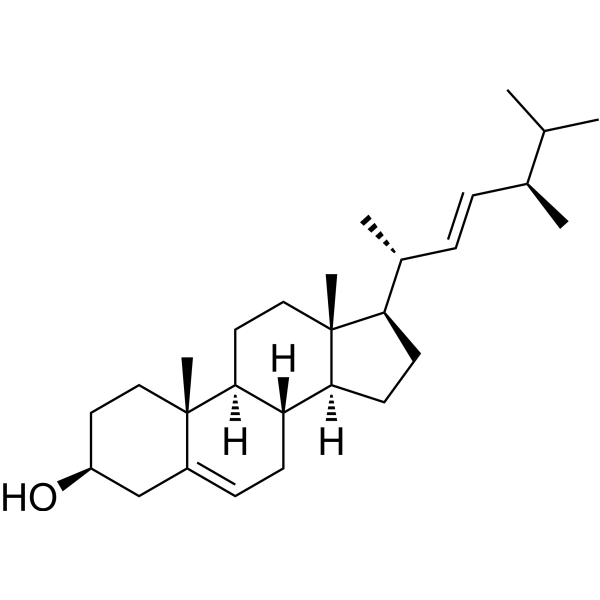
Brassicasterol is a metabolite of Ergosterol and has cardiovascular protective effects. Brassicasterol exerts anticancer effects in prostate cancer through dual targeting of AKT and androgen receptor signaling pathways. Brassicasterol inhibits HSV-1 (IC50=1.2 μM) and Mycobacterium tuberculosis. Brassicasterol also inhibits sterol δ 24-reductase, slowing the progression of atherosclerosis. Brassicasterol is also a cerebrospinal fluid biomarker for Alzheimer's disease .
loading...
    loading...
1
1 Cited Publications
Cat. No.: HY-W342604
CAS No.: 5699-41-2
Synonyms: NAP
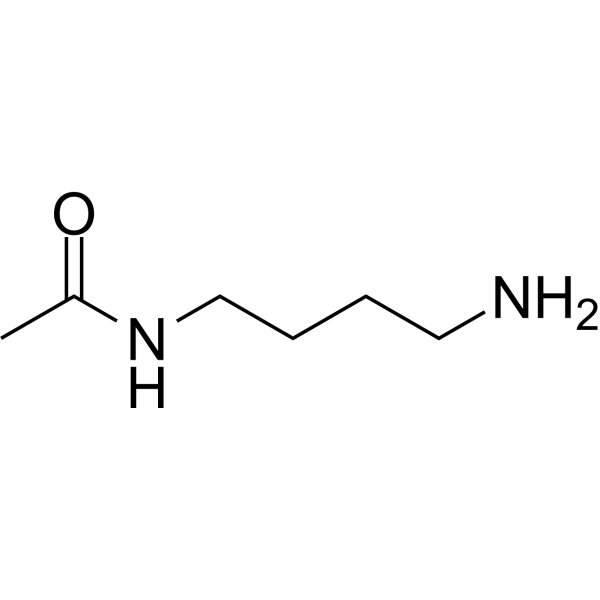
N-Acetylputrescine is a polyamine metabolite that regulates cell proliferation and signal transduction mainly by participating in polyamine acetylation modification. N-Acetylputrescine may reduce the positive charge of polyamines, affect protein-nucleic acid interactions, and promote cell growth. The concentration changes of N-Acetylputrescine can help disease diagnosis (such as early screening and efficacy evaluation of lung cancer) and microbial cell wall structure research. N-Acetylputrescine can be used as a potential biomarker for the progression of squamous cell carcinoma of the lung (SCCL) and Parkinson's disease (PD) .
loading...
    loading...
1
1 Cited Publications
Cat. No.: HY-N0667S2
CAS No.: 287484-32-6
Synonyms: (-)-Asparagine-15N2 monohydrate; Asn-15N2 monohydrate; Asparamide-15N2 monohydrate
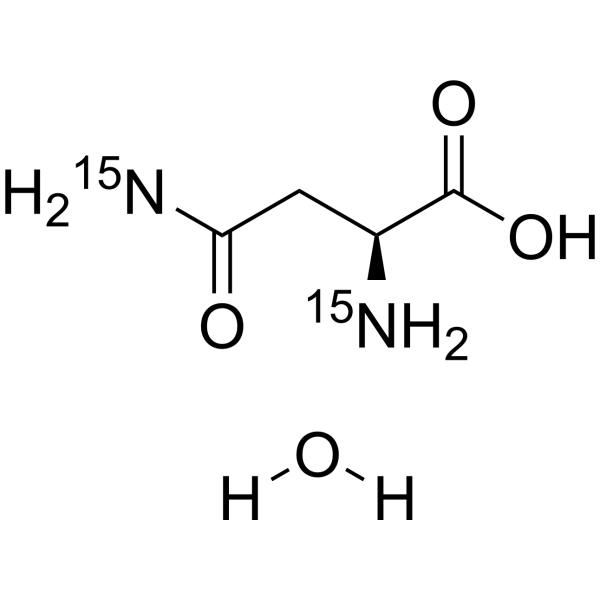
L-Asparagine- 15N2 monohydrate is the 15N-labeled L-Asparagine monohydrate (HY-W017443). L-Asparagine monohydrate is an essential amino acid for leukemic cells and a substrate for L-Asparaginase. L-Asparaginase is a potent anti-leukemic enzyme that promotes asparagine (Asn) and glutamine (Gln) depletion and inhibits protein biosynthesis in lymphoblasts. Removal of L-asparagine from plasma by L-Asparaginase results in inhibition of RNA and DNA synthesis and subsequent apoptosis. L-Asparaginase has cell-killing ability in vitro and in vivo, and selectively inhibits the growth of cancer cells with low asparagine synthetase (AASNS) expression. L-Asparagine monohydrate can be used as a biomarker and sensor for the study of childhood acute lymphoblastic leukemia .
loading...
    loading...
1
1 Cited Publications
Cat. No.: HY-113100
CAS No.: 18233-70-0
Purity:  ≥99.0%
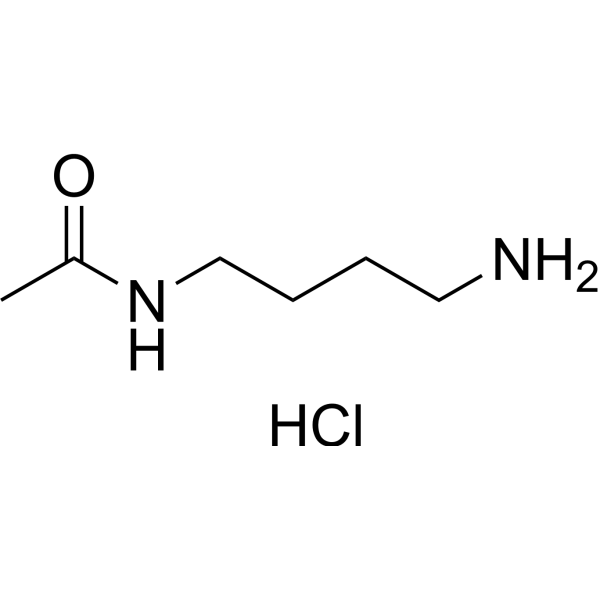
N-Acetylputrescine hydrochloride is a polyamine metabolite that regulates cell proliferation and signal transduction mainly by participating in polyamine acetylation modification. N-Acetylputrescine hydrochloride may reduce the positive charge of polyamines, affect protein-nucleic acid interactions, and promote cell growth. The concentration changes of N-Acetylputrescine hydrochloride can help disease diagnosis (such as early screening and efficacy evaluation of lung cancer) and microbial cell wall structure research. N-Acetylputrescine hydrochloride can be used as a potential biomarker for the progression of squamous cell carcinoma of the lung (SCCL) and Parkinson's disease (PD) .
loading...
    loading...
1
1 Cited Publications
Cat. No.: HY-N0667S5
CAS No.: 2483831-59-8
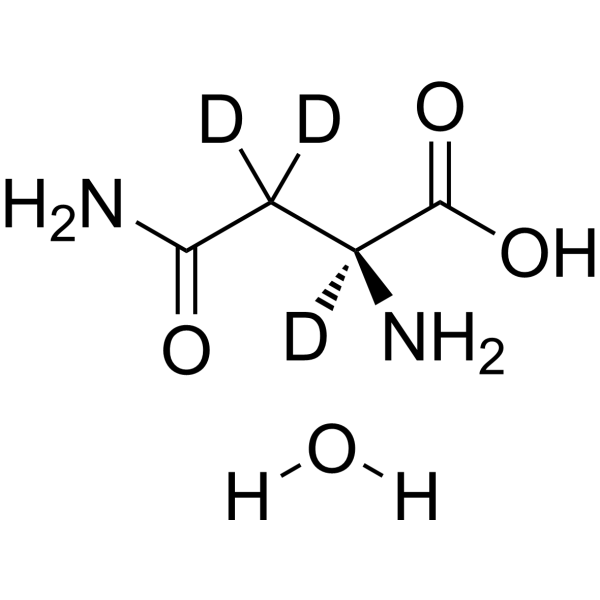
L-Asparagine-d3 hydrate is the deuterium labeled L-Asparagine (HY-N0667). L-Asparagine is an essential amino acid for leukemic cells and a substrate for L-Asparaginase. L-Asparaginase is a potent anti-leukemic enzyme that promotes asparagine (Asn) and glutamine (Gln) depletion and inhibits protein biosynthesis in lymphoblasts. Removal of L-asparagine from plasma by L-Asparaginase results in inhibition of RNA and DNA synthesis and subsequent apoptosis. L-Asparaginase has cell-killing ability in vitro and in vivo, and selectively inhibits the growth of cancer cells with low asparagine synthetase (AASNS) expression. L-Asparagine can be used as a biomarker and sensor for the study of childhood acute lymphoblastic leukemia .
loading...
    loading...
1
1 Cited Publications
Cat. No.: HY-W041171
CAS No.: 7423-93-0
Synonyms: 3-Chlorotyrosine
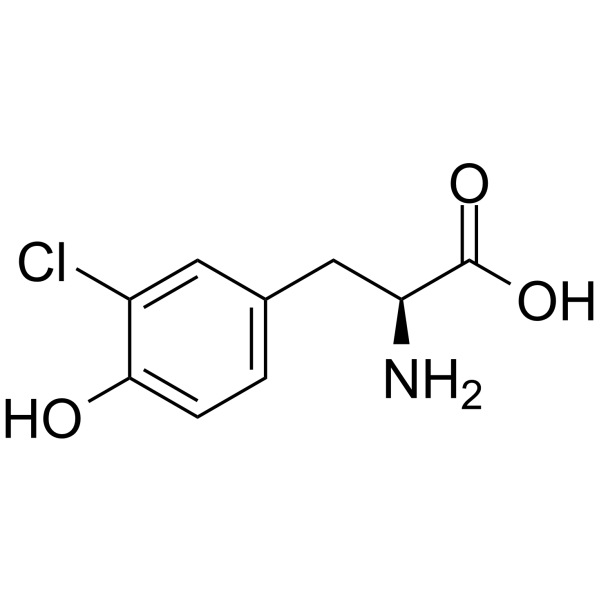
3-Chloro-L-tyrosine is a specific biomarker in myeloperoxidase-catalyzed oxidation. 3-Chloro-L-tyrosine can be used as a molecular marker for oxidative stress and inflammation to determine whether myeloperoxidase-mediated tyrosine chlorination occurs. 3-Chloro-L-tyrosine is therefore used in the diagnosis of chlorine poisoning in forensic toxicology and in the auxiliary diagnosis of inflammation such as colorectal cancer .
loading...
    loading...
Cat. No.: HY-113110
CAS No.: 19246-18-5
Purity:  99.96%
Synonyms: L-Cysteinylglycine; Cys-Gly; H-Cys-Gly-OH
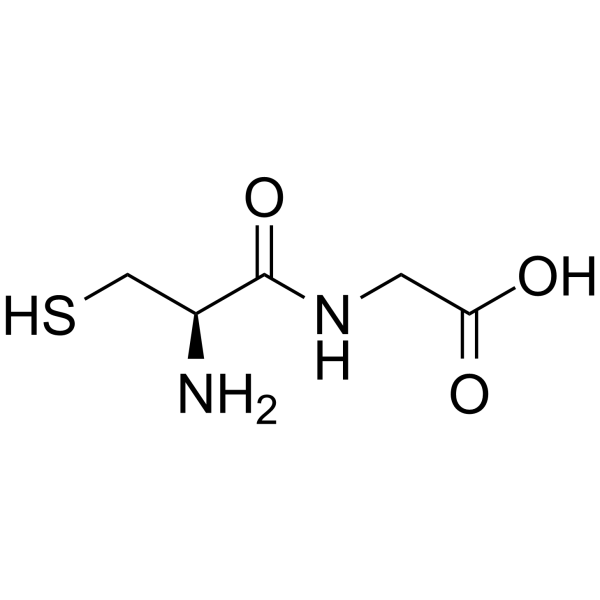
Cysteinylglycine (L-Cysteinylglycine; Cys-Gly) is a dipeptide formed by the peptide bond linkage between cysteine (Cysteine) and glycine (Glycine). Cysteinylglycine is an important metabolic intermediate in the human body, mainly derived from the degradation of glutathione (GSH). Cysteinylglycine reduces ferric iron to ferrous iron, drives the redox cycle of iron, generates reactive oxygen species (ROS), stimulates oxidative reactions, induces lipid peroxidation of human plasma LDL lipoproteins, and causes oxidative damage to DNA bases. Cysteinylglycine can be used as a biomarker to evaluate ischemic heart disease, breast cancer and other conditions .
loading...
    loading...
Cat. No.: HY-150097
Purity:  ≥99.0%
Recombinant Human Serum Albumin (rHSA) is a non-glycosylated monomeric plasma protein that acts as a core factor for maintaining plasma colloid osmotic pressure. Recombinant Human Serum Albumin (rHSA) possesses multiple physiological functions including carrier, metabolic regulation, detoxification, antioxidation and enzyme mimicking. Recombinant Human Serum Albumin (rHSA) not only scavenges reactive oxygen and nitrogen species via specific residues and binds a variety of endogenous and exogenous compounds to maintain redox homeostasis, but also serves as a biomarker for multiple diseases such as cancer and inflammation. Recombinant Human Serum Albumin (rHSA) broadly supports the development of implantable materials, surgical adhesives and ligand capture, and can be used for research on critical illnesses including hypovolemia, liver failure, severe sepsis and various types of trauma resuscitation .
loading...
    loading...
Cat. No.: HY-176083
CAS No.: 2093449-12-6
Research Areas:  

Cancer

ASTX295 is an orally active and selective MDM2 antagonist with an IC50 of <1 nM. ASTX295 inhibits the MDM2-p53 interaction, activates wild-type TP53, and thereby induces the expression of relevant transcriptional targets, leading to cell death. ASTX295 drives the transition of pancreatic cancer cells from senescence to apoptosis and regulates p53 and DNA damage biomarkers. ASTX295 can be used for the research of hematologic malignancies and pancreatic cancer .
loading...
    loading...
Cat. No.: HY-W096638A
CAS No.: 4217-84-9
Synonyms: (S)-Glycerolphosphocholine
Glycerophosphocholine ((S)-Glycerolphosphocholine) is an orally active metabolite that crosses the blood-brain barrier. Glycerophosphocholine acts as a precursor of acetylcholine, a specific marker for phosphatidylcholine breakdown, a major water-soluble storage form of choline, and an intermediate in phosphatidylcholine metabolism. Glycerophosphocholine is specifically elevated in the cerebrospinal fluid of Alzheimer's disease models, and it also promotes growth hormone secretion and fat oxidation. Glycerophosphocholine is also a potential biomarker for breast cancer .
loading...
    loading...
Cat. No.: HY-114988
CAS No.: 24769-56-0
Synonyms: tetranor-PGEM
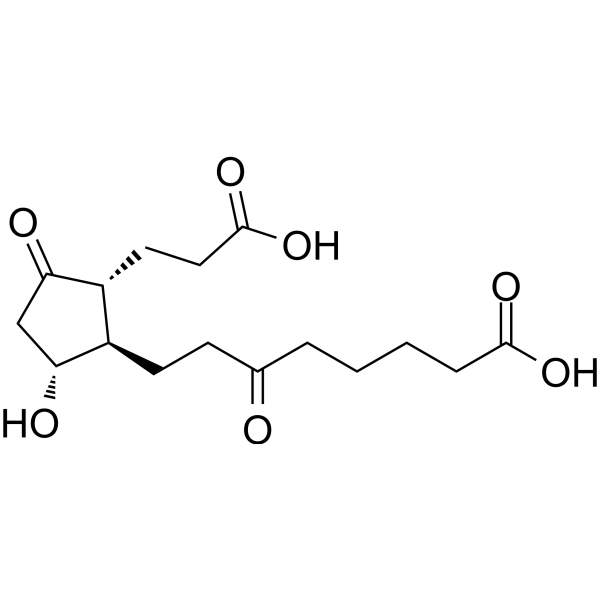
PGE-M (tetranor-PGEM) is a metabolite of Prostaglandin E2 (HY-101952) and also an inflammatory biomarker. Urinary PGE-M is a potential biomarker for detecting advanced colorectal tumors. PGE-M can be used in studies related to colorectal cancer, obesity, aging and breast cancer .
loading...
    loading...
Cat. No.: HY-129912
CAS No.: 82414-35-5
Purity:  99.96%
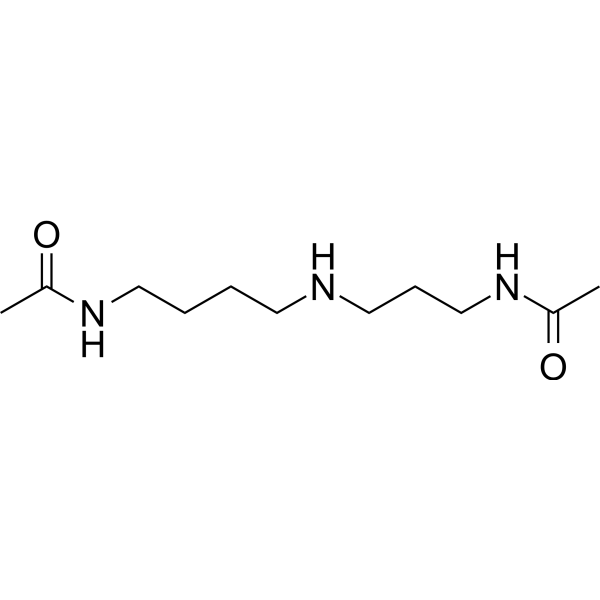
N1,N8-Diacetylspermidine is a diacetylated polyamine metabolite and also a urine biomarker associated with diagnosis, prognosis and disease severity. Urinary levels of N1,N8-Diacetylspermidine increase in breast cancer, colorectal cancer, urogenital malignancies and Parkinson's disease. N1,N8-Diacetylspermidine can be used in studies related to breast cancer, colorectal cancer, urogenital malignancies and Parkinson's disease .
loading...
    loading...

