From 11:00 pm to 12:00 pm EST ( 8:00 pm to 9:00 pm PST ) on January 6th, the website will be under maintenance. We are sorry for the inconvenience. Please arrange your schedule properly.
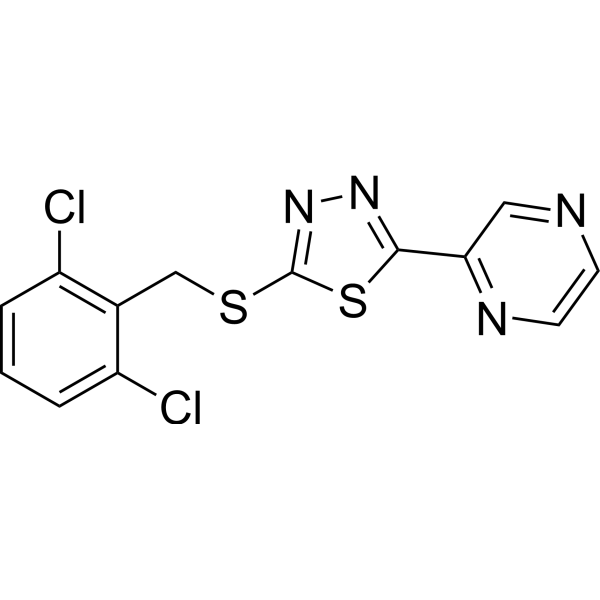
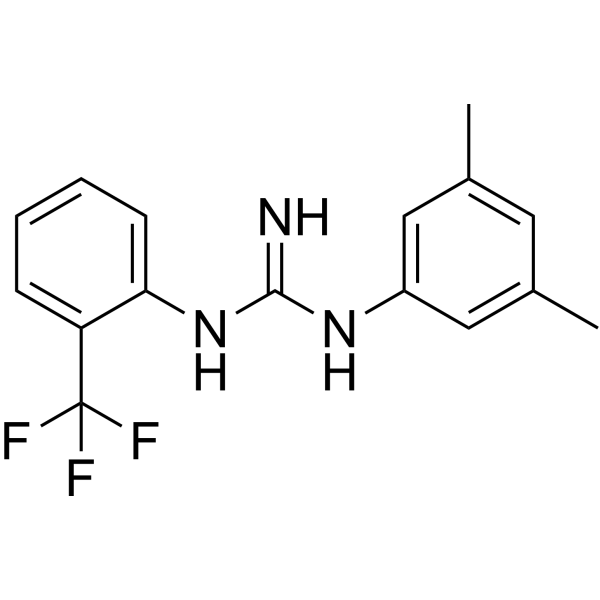
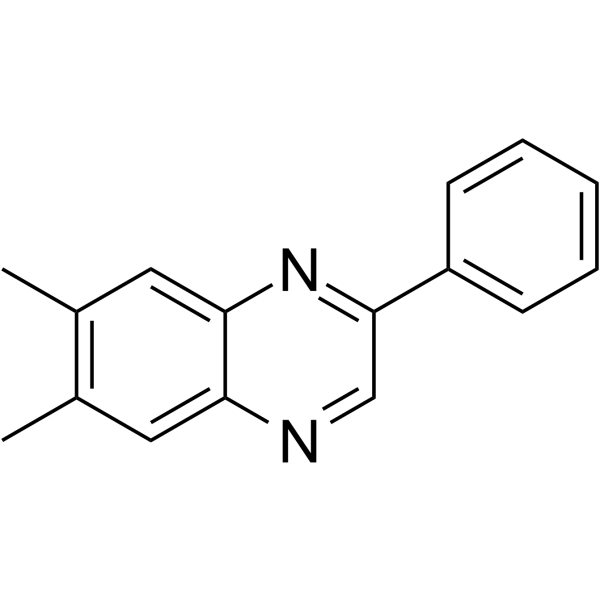
Yoda 1 is a potent and selective Piezo1 agonist. Yoda 1 activates purified Piezo1 channels. Yoda 1 potently inhibits macropinocytosis induced by epidermal growth factor (EGF). Yoda 1 enhances Ca 2+ influx followed by activation of the calcium-activated potassium channel KCa3.1 and inhibition of Rac1 activation .
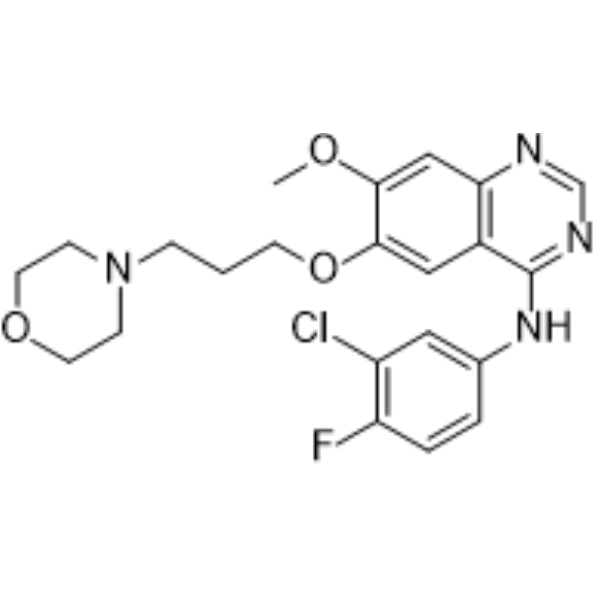
Gefitinib (ZD1839) is a potent, selective and orally active EGFR tyrosine kinase inhibitor with an IC50 of 33 nM. Gefitinib selectively inhibits EGF-stimulated tumor cell growth (IC50 of 54 nM) and that blocks EGF-stimulated EGFR autophosphorylation in tumor cells. Gefitinib also induces autophagy and cell apoptosis, which can be used for cancer related research, such as Lung cancer and breast cancer .
Panitumumab (ABX-EGF) is a fully human IgG2 anti-EGFR monoclonal antibody with anti-tumor activity. Panitumumab inhibits tumor cell proliferation, survival and angiogenesis. Panitumumab can be used in the research of cancers, such as colon cancer .
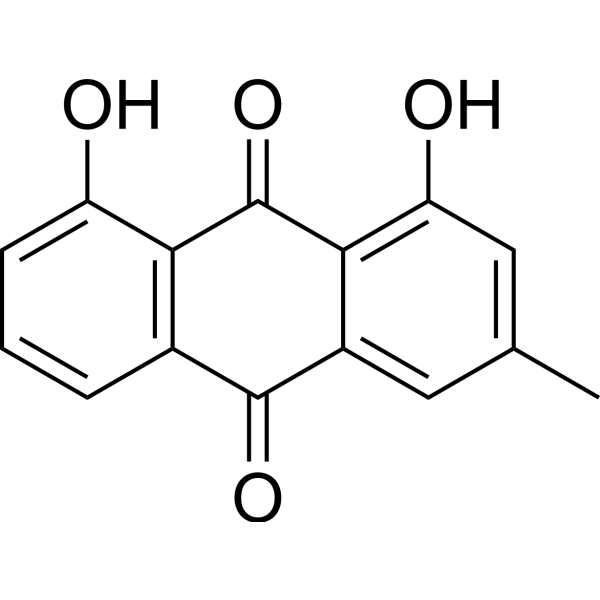
Chrysophanol (Chrysophanic acid) is a natural anthraquinone, which inhibits EGF-induced phosphorylation of EGFR and suppresses activation of AKT and mTOR/p70S6K.
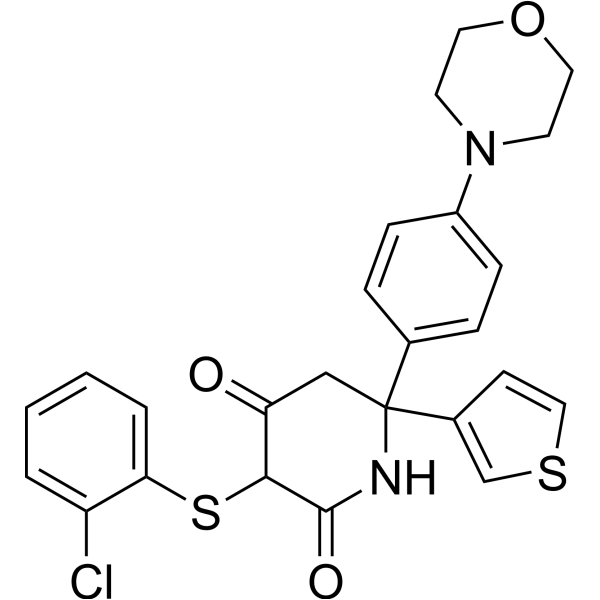
FT709 is a potent and selective USP9X inhibitor, an IC50 of 82 nM. USP9X has been linked with centrosome function, chromosome alignment during mitosis, EGF receptor degradation, chemo-sensitization, and circadian rhythms .
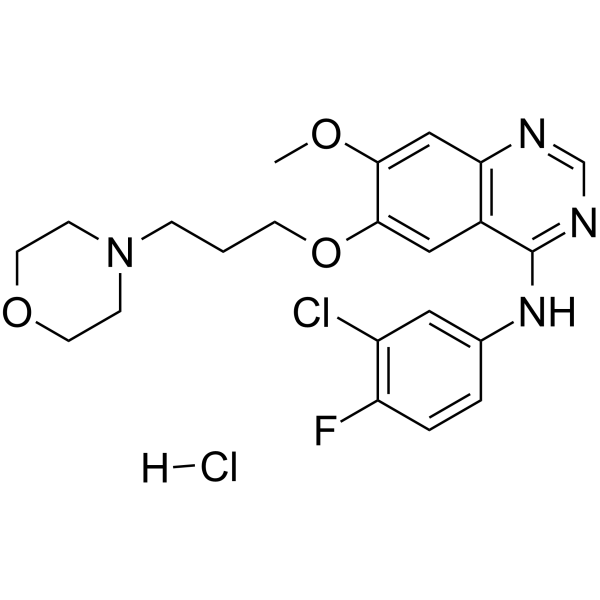
Gefitinib hydrochloride (ZD1839 hydrochloride) is a potent, selective and orally active EGFR tyrosine kinase inhibitor with an IC50 of 33 nM. Gefitinib hydrochloride selectively inhibits EGF-stimulated tumor cell growth (IC50 of 54 nM) and that blocks EGF-stimulated EGFR autophosphorylation in tumor cells. Gefitinib hydrochloride also induces autophagy. Gefitinib hydrochloride has antitumour activity .
Necitumumab (11F8; IMC-11F8; LY3012211) is a human IgG monoclonal antibody directed against EGFR. Necitumumab binds to the EGF binding site of EGFR, blocks ligand binding, neutralizes ligand-induced EGFR phosphorylation and downstream signaling, induces EGFR internalization and degradation, and mediates antibody-dependent cellular cytotoxicity (ADCC) in EGFR-expressing cells. Necitumumab enhances antitumour activity in combination with Gemcitabine (HY-17026) and Cisplatin (HY-17394) in murine non-small-cell lung cancer xenograft models. Necitumumab can be used in research on cancers such as non-small cell lung cancer and colorectal cancer .
1A-116, a potent Rac1 inhibitor, is specific for W56 residues, can prevent EGF-induced Rac1 activation and block Rac1-P-Rex1 interaction. 1A-116 can induce apoptosis and inhibit cell proliferation, migration and cycle progression in a concentration-dependent manner. 1A-116 also demonstrates a high antimetastatic activity in vivo .
AG 1295 is a selective platelet-derived growth factor receptor (PDGFR) tyrosine-kinase inhibitor. AG1295 abolishes autophosphorylation of the PDGFR whereas not affects the autophosphorylation of the EGF receptor .
LJI308 is a potent pan-ribosomal S6 kinase (RSK) inhibitor, with IC50s of 6 nM, 4 nM, and 13 nM for RSK1, RSK2, and RSK3, respectively. LJI308 inhibits the phosphorylation of RSK (T359/S363) and YB-1 (S102) after irradiation, treatment with EGF, and in cells expressing a KRAS mutation .
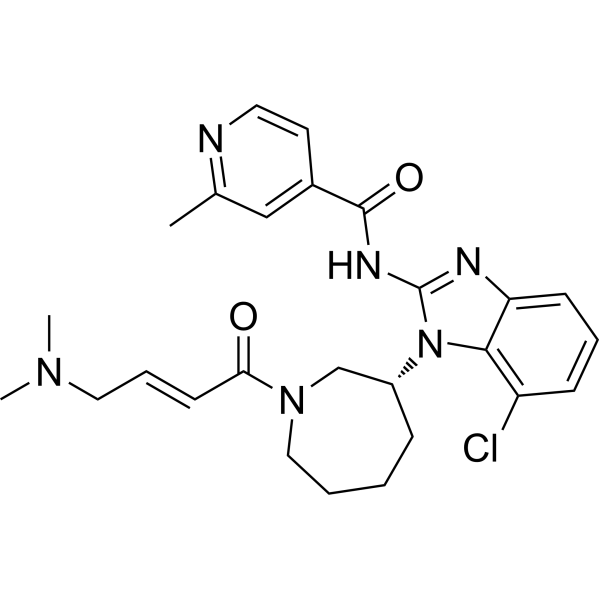
Nazartinib (EGF816) is a covalent mutant-selective EGFR inhibitor, with Ki and Kinact of 31 nM and 0.222 min −1 on EGFR(L858R/790M) mutant, respectively.
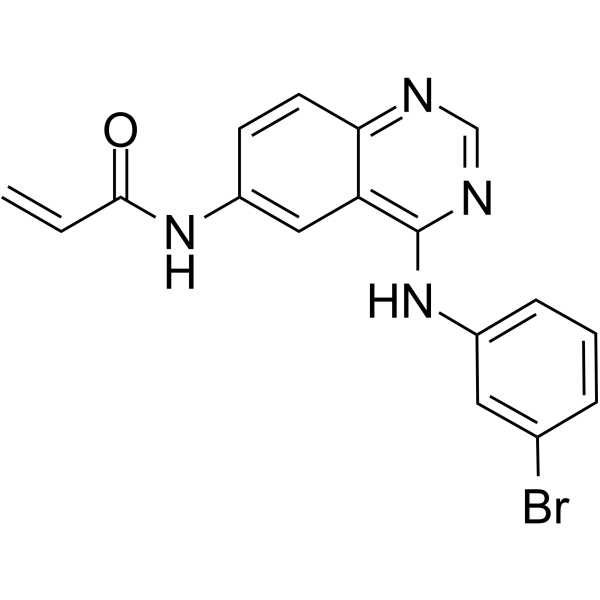
CL-387785 (EKI-785; WAY-EKI 785) is an orally active EGFR inhibitor with an IC50 of 370 pM. CL-387785 inhibits EGF-stimulated EGFR autophosphorylation with an IC50 of approximately 5 nM. CL-387,785 exerts selective inhibition on cell lines overexpressing EGFR or c-erbB-2, whereas it shows weak inhibitory effects on cell lines with low expression of these two receptors. CL-387785 effectively induces cell cycle arrest and apoptosis. CL-387785 can be used for the research of non-small cell lung cancer and autosomal recessive polycystic kidney disease .
Zalutumumab is a high affinity, completely human IgG1 monoclonal antibody targeting EGFR. Zalutumumab binds to domain III of the EGF receptor and acts by blocking the binding of EGF and by sterically interfering with the active conformation of the receptor. Zalutumumab binds with IgG and its Fab fragment with EC50s of 7 and 19 nM, respectively. Zalutumumab can be used for the research of cancer .
PD168393 is a potent, selective and cell-permeable inhibitor of EGFR tyrosine kinase and ErbB2. PD168393 irreversiblely inactivates EGF receptor ( IC50=0.7 nM) and is inactive against insulin receptor, PDGFR, FGFR and PKC .
Cysmethynil is an Icmt inhibitor(IC50 = 2.4 μM). Cysmethynil inhibites RAS membrane binding and EGF signal transduction. Cysmethynil prevents the cells in the G1 phase and induces autophagy. Cysmethynil inhibits PC3 cells proliferation, has synergistic effect with Paclitaxel (HY-B0015) and Doxorubicin (HY-15142A). Cysmethynil has anti-tumor effects and can be used for solid tumor (such as prostate cancer et al.) research .
AG-494 (Tyrphostin AG 494) is a potent and selective EGFR tyrosine kinase inhibitor (IC50=0.7 μM). AG-494 inhibits the autophosphorylation of EGFR, ErbB2, HER1-2 and PDGF-R with IC50s 1.1, 39, 45 and 6 μM, respectively. AG-494 blocks Cdk2 activation and inhibits EGF-dependent DNA synthesis .
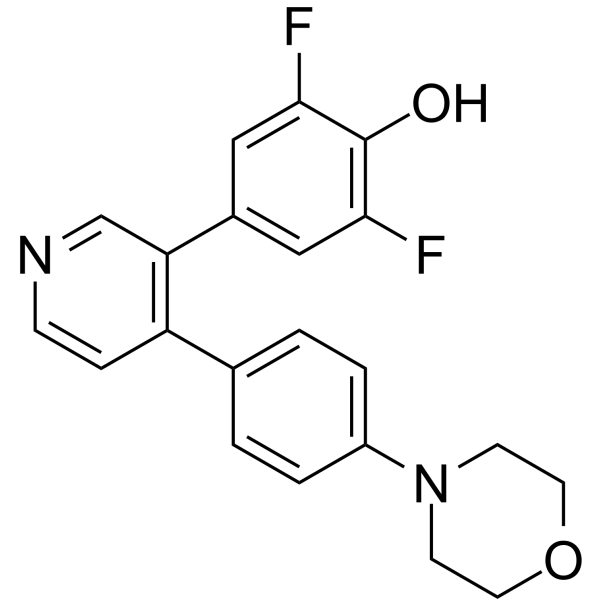
ZINC12409120 is a high selective ERK inhibitor. ZINC12409120 acts on disrupting FGF23:α-Klotho interaction to inhibit ERK activity with an IC50 of 5.0 μM .
VH4127 TFA is a cyclic peptide targeting the low density lipoprotein receptor (LDLR) with a KD of 18 nM for hLDLR. VH4127 TFA specifically binds to rodent and human epidermal growth factor (EGF) homology domain of LDLR .
Notch 1 (Notch homolog 1, translocation-associated) can encode a member of the NOTCH family of proteins. Members of this Type I transmembrane protein family share structural characteristics including an extracellular domain consisting of multiple epidermal growth factor-like (EGF) repeats, and an intracellular domain consisting of multiple different domain types .
Tyrphostin A51 is a potent protein tyrosine kinase (PTK) inhibitor. Tyrphostin A51 inhibits the volume-dependent release of [ 3H]taurine in a dose-dependent manner. Tyrphostin A51 markedly reduces cellular tyrosyl phosphorylation level. Tyrphostin A51 inhibits both basal and EGF-induced human bone cell proliferation .
Bucladesine (Dibutyryl cAMP; DBcAMP) is a membrane-permeable 3′, 5′-cyclic adenosine monophosphate (cAMP) analog. Bucladesine selectively activates cAMP dependent protein kinase (PKA) by increasing the intracellular level of cAMP. Bucladesine significantly attenuates MDMA-induced increases in hippocampal mitochondrial ROS formation, mitochondrial outer membrane damage, cytochrome c release, and hippocampal ADP/ATP ratio, thereby improving spatial learning and memory impairments. Bucladesine exhibit anti-nociceptive and anti-inflammation effect. Bucladesine can inhibit cancer cells proliferation, induce apoptosis. Bucladesine can be used for the researches of neurological disease, cancer, inflammation .
EGFR/ErbB-2/ErbB-4 inhibitor-3 (compound 29) is a potent tyrosine kinase inhibitor with IC50s of 0.3, 1.1, 0.5, 2.5, 24 nM for erbB1, erbB2, erbB4, EGF, HER, respectively . EGFR/ErbB-2/ErbB-4 inhibitor-3 is a click chemistry reagent, it contains an Alkyne group and can undergo copper-catalyzed azide-alkyne cycloaddition (CuAAc) with molecules containing Azide groups.
Gefitinib (Standard) is the analytical standard of Gefitinib. This product is intended for research and analytical applications. Gefitinib (ZD1839) is a potent, selective and orally active EGFR tyrosine kinase inhibitor with an IC50 of 33 nM. Gefitinib selectively inhibits EGF-stimulated tumor cell growth (IC50 of 54 nM) and that blocks EGF-stimulated EGFR autophosphorylation in tumor cells. Gefitinib also induces autophagy and cell apoptosis, which can be used for cancer related research, such as Lung cancer and breast cancer .
ATTO 488 streptavidin is a fluorescent reagent that specifically targets and binds to biotin (biotin), formed by the conjugation of ATTO 488 with streptavidin (HY-P3152). ATTO 488 streptavidin enables visualization of the activity of streptavidin immobilized on the surface of polymeric nanoparticles, or acts as a fluorescent probe to detect the selective binding and internalization process of anti-HB-EGF/NA with cells expressing HB-EGF (with no such effect on cells that do not express this receptor). ATTO 488 streptavidin effectively verifies the function of streptavidin conjugated to the surface of nanoparticles and is suitable for research related to atherosclerotic cardiovascular diseases .
CCT365623 hydrochloride is an orally active lysyl oxidase (LOX) inhibitor, with an IC50 of 0.89 μM. CCT365623 hydrochloride suppresses EGFR (pY1068) and AKT phosphorylation driven by EGF. CCT365623 hydrochloride is extremely well tolerated, and has good pharmacokinetic properties .
Cyclooxygenase 1, sheep (COX-1) is a 71 kDa membrane bound protein predominantly present in endoplasmic reticulum. Cyclooxygenase 1 has three domains, the epidermal growth factor (EGF) like domain, enzymatic and membrane binding domain. Cyclooxygenase 1 mediates prostaglandin synthesis and is modulated by anti-inflammatory nonsteroidal drugs .
PD-089828 is an ATP competitive inhibitor of FGFR-1, PDGFR-β and EGFR (IC50s=0.15, 1.76, and 5.47 µM, respectively) and a noncompetitive inhibitor of c-Src tyrosine kinase (IC50=0.18 µM). PD-089828 also inhibits MAPK with an IC50 of 7.1 µM. PD-089828 inhibits PDGF-, EGF- and bFGF-mediated tyrosine kinase receptor autophosphorylation in vitro. PD-089828 has a long-lasting cellular activity .
PCSK9 Inhibitor, EGF-A is a PCSK9 inhibitor. PCSK9 Inhibitor, EGF-A is residues 293-334 of the EGF-A domain of the low-density lipoprotein (LDL) receptor. PCSK9 Inhibitor, EGF-A can prevent PCSK9-induced intracellular LDLR degradation. PCSK9 Inhibitor, EGF-A can be used in the study of hypercholesterolemia and premature atherosclerosis .
EGF Receptor Substrate 2 (Phospho-Tyr5) acetate, a biologically active peptide, is a tyrosine phosphate substrate. EGF Receptor Substrate 2 (Phospho-Tyr5) acetate can be used to detect protein tyrosine phosphatases activity .
Ethyl 4-chloro-2-(methylthio)pyrimidine-5-carboxylate is a drug intermediate. Ethyl 4-chloro-2-(methylthio)pyrimidine-5-carboxylate can be used to synthesize inhibitors of various kinases such as Cdk4, PDGF, FGF, EGF .
Gefitinib impurity 5 is the impurity of Gefitinib (HY-133779). Gefitinib (ZD1839) is a potent, selective and orally active EGFR tyrosine kinase inhibitor with an IC50 of 33 nM. Gefitinib selectively inhibits EGF-stimulated tumor cell growth (IC50 of 54 nM) and that blocks EGF-stimulated EGFR autophosphorylation in tumor cells. Gefitinib also induces Autophagy. Gefitinib has antitumour activity .
Gefitinib-d3 (ZD1839-d3) is the deuterium labeled Gefitinib. Gefitinib (ZD1839) is a potent, selective and orally active EGFR tyrosine kinase inhibitor with an IC50 of 33 nM. Gefitinib selectively inhibits EGF-stimulated tumor cell growth (IC50 of 54 nM) and that blocks EGF-stimulated EGFR autophosphorylation in tumor cells. Gefitinib also induces autophagy. Gefitinib has antitumour activity .
H-9 Dihydrochloride is a PKA (protein kinase) inhibitor. H-9 Dihydrochloride (10 μM) significantly reduces the excitatory response to 5-HT. H-9 Dihydrochloride also has a direct effect on pharyngeal activity. H-9 Dihydrochloride inhibits signal-transduction and cell growth in EGF (epidermal growth factor)-dependent epithelial cell lines .
SPHINX is a selective SRPK1 inhibitor with an IC50 value of 0.58 μM. SPHINX effectively reduces Choroidal Neovascularization (CNV) in vivo. SPHINX can be used for the research of (age-related macular degenaration) AMD .
EGF Human Pre-designed siRNA Set A contains three designed siRNAs for EGF gene (Human), as well as a negative control, a positive control, and a FAM-labeled negative control.
Panitumumab (ABX-EGF) (powder) is a fully human IgG2 anti-EGFR monoclonal antibody with anti-tumor activity. Panitumumab (powder) inhibits tumor cell proliferation, survival and angiogenesis. Panitumumab (powder) can be used in the research of cancers, such as colon cancer .
Lys-Arg-Thr-Leu-Arg-Arg (KRTLRR) is a hexapeptide. Lys-Arg-Thr-Leu-Arg-Arg is a substrate of protein kinase C from EGF receptor. Lys-Arg-Thr-Leu-Arg-Arg can be used to determine the activity of protein kinase C .
Zalutumumab (powder) is a high affinity, completely human IgG1 monoclonal antibody targeting EGFR. Zalutumumab (powder) binds to domain III of the EGF receptor and acts by blocking the binding of EGF and by sterically interfering with the active conformation of the receptor. Zalutumumab (powder) binds with IgG and its Fab fragment with EC50s of 7 and 19 nM, respectively. Zalutumumab (powder) can be used for the research of cancer .
VEGFR-IN-1 (compound 3) is a potent angiogenesis inhibitor with IC50s of 0.02, 0.18, 0.24 7.3, and 7 µM for KDR, Flt-1, c-Kit, EGF-R, and c-Src, respectively .
Chrysophanol (Standard) is the analytical standard of Chrysophanol. This product is intended for research and analytical applications. Chrysophanol (Chrysophanic acid) is a natural anthraquinone, which inhibits EGF-induced phosphorylation of EGFR and suppresses activation of AKT and mTOR/p70S6K.
PKC-IN-6 (Compound 21) is a selective inhibitor of tyrosine and serine kinases. PKC-IN-6 shows inhibitory activity against PKC-α, PKC-δ, PKA, EGF-R with IC50 values of 240, >500, >500, >100 μM, respectively. PKC-IN-6 is promising for research of cancers .
Notch 1 TFA (Notch homolog 1, translocation-associated) can encode a member of the NOTCH family of proteins. Members of this Type I transmembrane protein family share structural characteristics including an extracellular domain consisting of multiple epidermal growth factor-like (EGF) repeats, and an intracellular domain consisting of multiple different domain types .
4-Methyl erlotinib, is a potent and selective epidermal growth factor receptor (EGFR) tyrosine kinase inhibitor. 4-Methyl erlotinib potently inhibits EGF-mediated tumor cell mitosis by reducing EGFr-specific tyrosine phosphorylation. Using a mouse model of human tumor transplantation, 4-Methyl erlotinib demonstrated significant and sustained suppression of EGFr phosphotyrosine levels, resulting in significant growth inhibition of EGFr-dependent human cancers .
Low molecular weight protamine (LMWP) is a truncated arginine-rich protamine peptide, which also acts as an antidote for heparin/low molecular weight heparin and a cell-penetrating delivery vector. Low molecular weight protamine neutralizes heparin-induced anticoagulant activities, including aPTT, anti-Xa and anti-IIa activities. Low molecular weight protamine translocates across mammalian cell membranes, delivers conjugated impermeable molecules through tumor tissues, enhances the skin permeability of conjugated epidermal growth factor, and accelerates wound healing when conjugated with epidermal growth factor. Low molecular weight protamine retains the in vitro cell proliferation activity of conjugated EGF, and also enables site-specific conjugation with peptides or proteins via genetic recombination. Low molecular weight protamine can be used in studies related to colon cancer, skin wounds and diabetic skin wounds .
Gefitinib-d6 is the deuterium labeled Gefitinib. Gefitinib (ZD1839) is a potent, selective and orally active EGFR tyrosine kinase inhibitor with an IC50 of 33 nM. Gefitinib selectively inhibits EGF-stimulated tumor cell growth (IC50 of 54 nM) and that blocks EGF-stimulated EGFR autophosphorylation in tumor cells. Gefitinib also induces autophagy. Gefitinib has antitumour activity .
Gefitinib (hydrochloride) (Standard) is the analytical standard of Gefitinib (hydrochloride). This product is intended for research and analytical applications. Gefitinib hydrochloride (ZD1839 hydrochloride) is a potent, selective and orally active EGFR tyrosine kinase inhibitor with an IC50 of 33 nM. Gefitinib hydrochloride selectively inhibits EGF-stimulated tumor cell growth (IC50 of 54 nM) and that blocks EGF-stimulated EGFR autophosphorylation in tumor cells. Gefitinib hydrochloride also induces autophagy. Gefitinib hydrochloride has antitumour activity .
VH4127 is a cyclic peptide targeting the low density lipoprotein receptor (LDLR) with a KD of 18 nM for hLDLR. VH4127, bearing non-natural amino acid residues, specifically binds to rodent and human epidermal growth factor (EGF) homology domain of LDLR .
AG 1295 (Standard) is the analytical standard of AG 1295. This product is intended for research and analytical applications. AG 1295 is a selective platelet-derived growth factor receptor (PDGFR) tyrosine-kinase inhibitor. AG1295 abolishes autophosphorylation of the PDGFR whereas not affects the autophosphorylation of the EGF receptor .
MRC-G-001 is a Genipin (HY-17389) derivative with an IC50 of 117 μM against A549 cancer cells. MRC-G-001 inhibits the phosphorylation of EGFR, JAK1, and STAT3, and modulates epithelial-mesenchymal transition (EMT)-related protein expression, thereby attenuating cell migration and invasion. MRC-G-001 induces cell cycle arrest and cell apoptosis. MRC-G-001 can be used for the study of cancers such as non-small-cell lung cancer .
E07 aptamer is an aptamer that targets human EGFR. E07 aptamer can compete with EGF for binding, binds to a novel epitope on EGFR. E07 aptamer binds to cells expressing EGFR, blocks receptor autophosphorylation, and prevents proliferation of tumor cells in three-dimensional matrices. E07 aptamer can be used for tomor disease research .
Corylifol C is a potent protein kinase inhibitor with IC50 valueS of 8.7, 3.0, 2.1, 6.4, 4.5, 6.2, 2.3, 1.2, 5.1 μg/ml for ARK5, Aurora-A, Aurora-B, AXL, B-RAF-VE, CDK4/CycD1, TIE2, EGF-R, EPHB4, respectively .
(Z)-Tyrphostin A51 is the Z configuration of Lanoconazole A51. Tyrphostin A51 is a potent protein tyrosine kinase (PTK) inhibitor. Tyrphostin A51 inhibits the volume-dependent release of [ 3H]taurine in a dose-dependent manner. Tyrphostin A51 markedly reduces cellular tyrosyl phosphorylation level. Tyrphostin A51 inhibits both basal and EGF-induced human bone cell proliferation .
IK-595 is a MEK1/MEK2 inhibitor with high affinity (7.39 nM).IK-595 blocks EGF-induced ERK1/2 phosphorylation in AsPC-1 cells with IC50value of 0.1 nM. IK-595 has oral activity and blood-brain barrier penetration. IK-595 can be used for the research of Ras/MAPK pathway-altered cancers .
Egf Rat Pre-designed siRNA Set A contains three designed siRNAs for Egf gene (Rat), as well as a negative control, a positive control, and a FAM-labeled negative control.
EGF Receptor Substrate 2 (Phospho-Tyr5) acetate, a biologically active peptide, is a tyrosine phosphate substrate. EGF Receptor Substrate 2 (Phospho-Tyr5) acetate can be used to detect protein tyrosine phosphatases activity .
Nazartinib mesylate (EGF816 mesylate) is a novel, covalent mutant-selective EGFR inhibitor, with Ki and Kinact of 31 nM and 0.222 min −1 on EGFR(L858R/790M) mutant, respectively.
EGF Receptor Substrate 2 (Phospho-Tyr5) acetate, a biologically active peptide, is a tyrosine phosphate substrate. EGF Receptor Substrate 2 (Phospho-Tyr5) acetate can be used to detect protein tyrosine phosphatases activity .
(Z)-RG-13022 is a tyrosine kinase (TK) inhibitor, which inhibits preferentially the TK activity of the EGF receptor and inhibits EGF-stimulated growth of cultured cells. (Z)-RG-13022 exerts an IC50 of 11 μM for DNA synthesis in the HN5 cells, which is 3 times more potent than (E)-RG-13022 (IC50=38 μM). (Z)-RG-13022 can be used for research of breast cancer cells .
Lavendustin C6 is a specific inhibitor of tyrosine kinase. Lavendustin C6 inhibits epidermal growth factor (EGF) receptor tyrosine kinase with an EC50 value of 0.05 μg/mL. Lavendustin C6 inhibits platelet-derived growth factor (PDGF)-induced inositol phosphate formation .
DG1 (Compound 8Nc) is a Thymidylate Synthase (TS) inhibitor that affects cancer angiogenesis and metabolic reprogramming in NSCLC cells. DG1 can effectively inhibit the expression of CD26, ET-1, FGF-1 and EGF. DG1 also effectively inhibits the proliferation of cancer tissue in the A549 xenograft mouse model .
3,4-Dephostatin (Methyl-3,4-dephostatin) is an inhibitor of protein-tyrosine phosphatase (PTPase). 3,4-Dephostatin accelerates nerve growth factor (NGF)-induced neurite formation in PC12h cells. 3,4-Dephostatin sustains the NGF-induced tyrosine phosphorylation of proteins, most prominently that of mitogen-activated protein (MAP) kinase. 3,4-Dephostatin also prolongs epidermal growth factor (EGF)-induced tyrosine phosphorylation and activation of MAP kinase .
Epiderstatin is a glutarimide antibiotic. Epiderstatin has the activity of inhibiting the filamentous division induced by epidermal growth factor (EGF), but does not inhibit EGF-receptor kinase. Epiderstatin has only weak antifungal activity and no antibacterial effect .
Gefitinib impurity 1 is the impurity of Gefitinib. Gefitinib (ZD1839) is a potent, selective and orally active EGFR tyrosine kinase inhibitor with an IC50 of 33 nM. Gefitinib selectively inhibits EGF-stimulated tumor cell growth (IC50 of 54 nM) and that blocks EGF-stimulated EGFR autophosphorylation in tumor cells. Gefitinib also induces autophagy. Gefitinib has antitumour activity .
Gefitinib impurity 2 is the impurity of Gefitinib. Gefitinib (ZD1839; HY-50895) is a potent, selective and orally active EGFR tyrosine kinase inhibitor with an IC50 of 33 nM. Gefitinib selectively inhibits EGF-stimulated tumor cell growth (IC50 of 54 nM) and that blocks EGF-stimulated EGFR autophosphorylation in tumor cells. Gefitinib also induces autophagy. Gefitinib has antitumour activity .
Gefitinib (ZD 1839) dihydrochloride is a potent, selective and orally active EGFR tyrosine kinase inhibitor with an IC50 of 33 nM. Gefitinib dihydrochloride selectively inhibits EGF-stimulated tumor cell growth (IC50 of 54 nM) and blocks EGF-stimulated EGFR autophosphorylation in tumor cells. Gefitinib dihydrochloride also induces autophagy and cell apoptosis, which can be used for cancer related research, such as Lung cancer and breast cancer .
Gefitinib impurity 5 (Standard) is the analytical standard of Gefitinib impurity 5. This product is intended for research and analytical applications. Gefitinib impurity 5 is the impurity of Gefitinib. Gefitinib (ZD1839) is a potent, selective and orally active EGFR tyrosine kinase inhibitor with an IC50 of 33 nM. Gefitinib selectively inhibits EGF-stimulated tumor cell growth (IC50 of 54 nM) and that blocks EGF-stimulated EGFR autophosphorylation in tumor cells. Gefitinib also induces autophagy. Gefitinib has antitumour activity .
Lys-Arg-Thr-Leu-Arg-Arg (KRTLRR) acetate is a hexapeptide. Lys-Arg-Thr-Leu-Arg-Arg acetate is a substrate of EGF receptor protein kinase C and can be used to measure protein kinase C activity .
RG 14921 is a compound structurally related to Erbstatin (HY-113549) and has inhibitory activity against EGFR tyrosine kinase and CAMP-dependent kinase activity. RG 14921 inhibits EGF receptor kinase activity as a noncompetitive inhibitor.
Enamidonin is a lipopeptide antibiotic. Enamidonin inhibits EGF-dependent [ 3H] thymidine involvement in Balb/MK cells (IC50 is 10 μg/mL), and it can restore the deformed SRCTS-NRK form to the normal flat form (ED50 is 10 μg/mL). No antimicrobial activity .
Lyso-Monosialoganglioside GM3 (Lyso-GM3) is an analogue of Ganglioside GM3 (HY-114456) with antitumor activities. Lyso-Monosialoganglioside inhibits EGF-induced increases in EGFR kinase activity in A431 epithelial cancer cells .
Human HBEGF mRNA encodes the human heparin binding EGF like growth factor (HBEGF) protein, a growth factor that mediates its effects via EGFR, ERBB2 and ERBB4. HBEGF may be involved in normal cardiac valve formation and normal heart function.
Human AREG mRNA encodes the human amphiregulin (AREG) protein, a member of the epidermal growth factor family. AREG interacts with the EGF/TGF-alpha receptor to promote the growth of normal epithelial cells, and inhibits the growth of certain aggressive carcinoma cell lines. It also functions in mammary gland, oocyte and bone tissue development.
CXCL9(74-103) is a derivative peptide of CXCL9 that has a high affinity for glycosaminoglycans (GAGs) and can bind to GAGs. CXCL9(74-103) possesses anti-angiogenic properties, capable of reducing EGF, VEGF165, and FGF-2-mediated angiogenesis processes in vitro, without exhibiting cytotoxicity .
Pyrimidyn 7 is an inhibitor of dynamin I/II with IC50 values of 1.1 μM and 1.8 μM, respectively. Pyrimidyn 7 competitively inhibits the interactions between GTP and phospholipids with dynamin I. Additionally, Pyrimidyn 7 reversibly inhibits clathrin-mediated endocytosis (CME) of transferrin and epidermal growth factor (EGF) in various non-neuronal cell linecell [1.
BPIQ-II is a linear imidazoloquinazoline that potently inhibits the tyrosine kinase activity of the epidermal growth factor receptor (EGFR; IC50=8 pM). It is selective for EGFR over an assortment of other tyrosine and serine/threonine kinases. Cellular studies indicate that BPIQ-II can enter cells and very selectively shut down EGF-stimulated signal transmission by binding competitively at the ATP site of EGFR.
Reveromycin B is a spiroketal bacterial metabolite originally isolated from Streptomyces. It inhibits EGF-induced mitogenic activity in Balb/MK cells (IC50=6 μg/mL) and exhibits pH-dependent antifungal activity against C. albicans (MICs=15.6 and >500 μg/mL at pH 3.0 and 7.4, respectively). Unlike reveromycin A and reveromycin C, reveromycin B does not inhibit proliferation of KB and K562 cells.
Reveromycin D is a bacterial metabolite originally isolated from Streptomyces. It inhibits EGF-induced mitogenic activity in Balb/MK cells and has pH-dependent antifungal activity against C. albicans (MICs=2 and >500 μg/mL at pH 3 and 7.4, respectively).2 Reveromycin D also inhibits proliferation of KB and K562 cells (IC50s=1.6 and 1.3 μg/mL, respectively).
Reveromycin C is a polyketide originally isolated from Streptomyces that has antifungal activity against C. albicans (MICs=2.0 and >500 μg/mL at pH 3 and 7.4, respectively). Reveromycin C inhibits EGF-induced mitogenic activity in the Balb/MK mouse epidermal cell line. It also reverses the morphology of sarcoma-virus-transformed NRK rat kidney cells (EC50=1.58 μg/mL) and inhibits proliferation of KB cells and K562 human chronic myelogenous leukemia cells (IC50=2.0 μg/mL for both).
4-Methyl erlotinib (Standard) is the analytical standard of 4-Methyl erlotinib. This product is intended for research and analytical applications. 4-Methyl erlotinib, is a potent and selective epidermal growth factor receptor (EGFR) tyrosine kinase inhibitor. 4-Methyl erlotinib potently inhibits EGF-mediated tumor cell mitosis by reducing EGFr-specific tyrosine phosphorylation. Using a mouse model of human tumor transplantation, 4-Methyl erlotinib demonstrated significant and sustained suppression of EGFr phosphotyrosine levels, resulting in significant growth inhibition of EGFr-dependent human cancers .
Egf Mouse Pre-designed siRNA Set A contains three designed siRNAs for Egf gene (Mouse), as well as a negative control, a positive control, and a FAM-labeled negative control.
1A-116 (Standard) is the analytical standard of 1A-116 (HY-104064). This product is intended for research and analytical applications. 1A-116, a potent Rac1 inhibitor, is specific for W56 residues, can prevent EGF-induced Rac1 activation and block Rac1-P-Rex1 interaction. 1A-116 can induce apoptosis and inhibit cell proliferation, migration and cycle progression in a concentration-dependent manner. 1A-116 also demonstrates a high antimetastatic activity in vivo .
ADS103317 is an analog of Afatinib (HY-10261). ADS103317 weakly inhibits MCH-1R. Afatinib is an EGFR inhibitor. ADS103317 can be used in research related to non-small cell lung cancer .
KHK-2866 is a recombinant humanized monoclonal antibody targeting heparin-binding epidermal growth factor-like growth factor (HB-EGF). The predicted molecular weight (MW) of KHK-2866 is 147.68 kDa. KHK-2866 can be used for tumor research .
BAY-693 is a highly potent and highly selective ERK5 inhibitor with an IC50 of 6.40 μM. BAY-693 reduces the transcriptional activity of MEF2. BAY-693 is applicable for cancer research .
Chicken Tenascin,suitable for cell culture is a glycoprotein that forms disulfide-linked hexamers. Chicken Tenascin,suitable for cell culture is composed of repetitive domains, including EGF-like repeats, fibronectin type III repeats, and a region homologous to fibrinogen. Chicken Tenascin,suitable for cell culture can be used for cell culture .
CL-387785 (EKI-785; WAY-EKI 785) (Standard) is the analytical standard of CL-387785 (HY-10325). This product is intended for research and analytical applications. CL-387785 is an orally active EGFR inhibitor with an IC50 of 370 pM. CL-387785 inhibits EGF-stimulated EGFR autophosphorylation with an IC50 of approximately 5 nM. CL-387,785 exerts selective inhibition on cell lines overexpressing EGFR or c-erbB-2, whereas it shows weak inhibitory effects on cell lines with low expression of these two receptors. CL-387785 effectively induces cell cycle arrest and apoptosis. CL-387785 can be used for the research of non-small cell lung cancer and autosomal recessive polycystic kidney disease.
KS0365 is a selective TRPV3 agonist with an EC50 of 5.08 μM. KS0365 does not activate TRPV2 or TRPV4 channels. KS0365 triggers an increase in [Ca 2+]i and accelerates keratinocyte migration. KS0365 can be used in studies related to impaired skin wound healing .
AVID100 Antibody (MAB100) is a monoclonal antibody inhibitor targeting EGFR, which can be used to synthesize a novel antibody-drug conjugate (ADC) molecule AVID100. AVID100 Antibody is applicable to relevant research on breast cancer, head and neck cancer, and lung cancer .
EGFR/ErbB-2/ErbB-4 inhibitor-3 (Standard) is the analytical standard of EGFR/ErbB-2/ErbB-4 inhibitor-3 (HY-103440). This product is intended for research and analytical applications. EGFR/ErbB-2/ErbB-4 inhibitor-3 (compound 29) is a potent tyrosine kinase inhibitor with IC50s of 0.3, 1.1, 0.5, 2.5, 24 nM for erbB1, erbB2, erbB4, EGF, HER, respectively . EGFR/ErbB-2/ErbB-4 inhibitor-3 is a click chemistry reagent, it contains an Alkyne group and can undergo copper-catalyzed azide-alkyne cycloaddition (CuAAc) with molecules containing Azide groups.
Sudachitin is an orally active compound that potently inhibits mouse PDE1C and human PDE4B, with IC50 values of 5.0 μM and 15.0 μM, respectively. Sudachitin upregulates Sirt1 and PGC‑1α expression in skeletal muscle to regulate energy metabolism and promote mitochondrial biogenesis. Sudachitin improves lipid metabolism, glucose tolerance, insulin sensitivity, energy expenditure, and fatty acid β‑oxidation. Sudachitin activates p38MAPK signaling, induces HSP27 phosphorylation and caspase‑dependent apoptosis, and blocks EGF‑driven keratinocyte migration and proliferation. Sudachitin suppresses LPS‑induced TNF‑α, NO, and iNOS expression in macrophages and shows potent anti‑inflammatory activity. Sudachitin can be used for the research of metabolic syndrome, type 2 diabetes, and psoriasis. .
Grb2 SH2 domain inhibitor 1 is an inhibitor of the Grb2 SH2 domain with an IC50 of 0.40 μM. Grb2 SH2 domain inhibitor 1 is also a cell-permeable cyclic peptide that can enter the cytosol of mammalian cells. Grb2 SH2 domain inhibitor 1 downregulates the expression level of p-MEK. Grb2 SH2 domain inhibitor 1 can be used in the research of breast cancer .
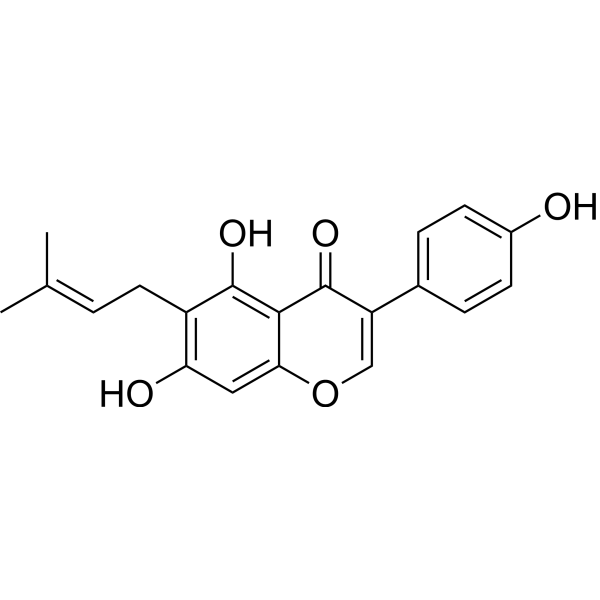
Wighteone (6-Isopentenylgenistein; Erythrinin B) is a prenylated isoflavone that acts as a HSP90/EGFR L858R/T790M inhibitor and antifungal agent. Wighteone reduces the expression level of HSP90, blocks EGF-induced phosphorylation of EGFR, and thereby inhibits the downstream ERK and AKT signaling pathways. Wighteone induces cell cycle redistribution, inhibits proliferation and triggers apoptosis in cancer cells. Wighteone can be isolated from Erythrina suberosa, and can also be induced to synthesize in Lotus japonicus under specific conditions. Wighteone can be used to study HER2-positive breast cancer, leukemia, non-small cell lung cancer with EGFR L858R/T790M mutation, and fungal infections .
Ficerafusp alfa (BCA-101) is a bispecific antibody targeting EGFR and TGFβ, with a Kd of 2.58 nM against EGFR and a Kd of 61.3 nM against TGFβ1. Ficerafusp alfa binds to EGFR, inhibits EGFR phosphorylation, blocks EGF-dependent cell proliferation, and mediates antibody-dependent cellular cytotoxicity against EGFR-positive tumor cells. Ficerafusp alfa sequesters TGFβ via its TGFβRII ECD domain, neutralizes the activity of TGFβ and TGFβ1, and blocks TGFβ-dependent processes, including epithelial-mesenchymal transition, cell invasion, and differentiation of inducible regulatory T cells. Ficerafusp alfa is applicable to research related to head and neck squamous cell carcinoma, advanced solid tumors, squamous non-small cell lung cancer, anal squamous cell carcinoma, colorectal cancer, and pancreatic cancer .
AF488 streptavidin is a fluorescently labeled streptavidin. AF488 streptavidin is a streptavidin conjugated to Alexa Fluor 488, with 4 fluorophores per protein molecule, enabling stoichiometric fluorescent labeling of cell surface targets. AF488 streptavidin can form a complex with biotinylated E07 aptamer to stain cells expressing EGFR, and the staining is reversible after treatment with mA9 detoxifying oligonucleotides (Ex/Em = 470/520 nm) .
Cyclo[K(N3)larllt] is a seven-membered cyclic peptide targeting EGFR, with a Kd value of 5.09 μM, and exhibits binding selectivity toward homologous proteins HER2 and HER3. Cyclo[K(N3)larllt] has no cytotoxicity and shows no growth inhibitory effect on cancer cells overexpressing EGFR. Cyclo[K(N3)larllt] can serve as a ligand for EGFR-targeted fluorescent conjugates, which is applicable to the detection of cancers with EGFR overexpression. Cyclo[K(N3)larllt] can be used in the research of colorectal cancer .
Cancer is one of the leading causes of mortality amongst world’s population, in which prostate cancer (PCa) is one of the most encountered malignancies among men. Several molecular mechanisms are involved in prostate cancer development and progression. These include common survival factors in prostate cancer (IGF-1), growth factors (TGF-α, EGF), Wnt, Hedgehog, NF-κB, and mTOR and other signaling pathways. These provide potential therapeutic target in prostate cancer treatment.
MCE offers a unique collection of 3,419 compounds with identified and potential anti-prostate cancer activity. MCE Anti-Prostate Cancer Compound Library is a useful tool for anti-prostate cancer drugs screening and other related research.
ATTO 488 streptavidin is a fluorescent reagent that specifically targets and binds to biotin (biotin), formed by the conjugation of ATTO 488 with streptavidin (HY-P3152). ATTO 488 streptavidin enables visualization of the activity of streptavidin immobilized on the surface of polymeric nanoparticles, or acts as a fluorescent probe to detect the selective binding and internalization process of anti-HB-EGF/NA with cells expressing HB-EGF (with no such effect on cells that do not express this receptor). ATTO 488 streptavidin effectively verifies the function of streptavidin conjugated to the surface of nanoparticles and is suitable for research related to atherosclerotic cardiovascular diseases .
AF488 streptavidin is a fluorescently labeled streptavidin. AF488 streptavidin is a streptavidin conjugated to Alexa Fluor 488, with 4 fluorophores per protein molecule, enabling stoichiometric fluorescent labeling of cell surface targets. AF488 streptavidin can form a complex with biotinylated E07 aptamer to stain cells expressing EGFR, and the staining is reversible after treatment with mA9 detoxifying oligonucleotides (Ex/Em = 470/520 nm) .
Ethyl 4-chloro-2-(methylthio)pyrimidine-5-carboxylate is a drug intermediate. Ethyl 4-chloro-2-(methylthio)pyrimidine-5-carboxylate can be used to synthesize inhibitors of various kinases such as Cdk4, PDGF, FGF, EGF .
Chicken Tenascin,suitable for cell culture is a glycoprotein that forms disulfide-linked hexamers. Chicken Tenascin,suitable for cell culture is composed of repetitive domains, including EGF-like repeats, fibronectin type III repeats, and a region homologous to fibrinogen. Chicken Tenascin,suitable for cell culture can be used for cell culture .
VH4127 TFA is a cyclic peptide targeting the low density lipoprotein receptor (LDLR) with a KD of 18 nM for hLDLR. VH4127 TFA specifically binds to rodent and human epidermal growth factor (EGF) homology domain of LDLR .
Notch 1 (Notch homolog 1, translocation-associated) can encode a member of the NOTCH family of proteins. Members of this Type I transmembrane protein family share structural characteristics including an extracellular domain consisting of multiple epidermal growth factor-like (EGF) repeats, and an intracellular domain consisting of multiple different domain types .
Grb2 SH2 domain inhibitor 1 is an inhibitor of the Grb2 SH2 domain with an IC50 of 0.40 μM. Grb2 SH2 domain inhibitor 1 is also a cell-permeable cyclic peptide that can enter the cytosol of mammalian cells. Grb2 SH2 domain inhibitor 1 downregulates the expression level of p-MEK. Grb2 SH2 domain inhibitor 1 can be used in the research of breast cancer .
PCSK9 Inhibitor, EGF-A is a PCSK9 inhibitor. PCSK9 Inhibitor, EGF-A is residues 293-334 of the EGF-A domain of the low-density lipoprotein (LDL) receptor. PCSK9 Inhibitor, EGF-A can prevent PCSK9-induced intracellular LDLR degradation. PCSK9 Inhibitor, EGF-A can be used in the study of hypercholesterolemia and premature atherosclerosis .
EGF Receptor Substrate 2 (Phospho-Tyr5) acetate, a biologically active peptide, is a tyrosine phosphate substrate. EGF Receptor Substrate 2 (Phospho-Tyr5) acetate can be used to detect protein tyrosine phosphatases activity .
Lys-Arg-Thr-Leu-Arg-Arg (KRTLRR) is a hexapeptide. Lys-Arg-Thr-Leu-Arg-Arg is a substrate of protein kinase C from EGF receptor. Lys-Arg-Thr-Leu-Arg-Arg can be used to determine the activity of protein kinase C .
Notch 1 TFA (Notch homolog 1, translocation-associated) can encode a member of the NOTCH family of proteins. Members of this Type I transmembrane protein family share structural characteristics including an extracellular domain consisting of multiple epidermal growth factor-like (EGF) repeats, and an intracellular domain consisting of multiple different domain types .
Low molecular weight protamine (LMWP) is a truncated arginine-rich protamine peptide, which also acts as an antidote for heparin/low molecular weight heparin and a cell-penetrating delivery vector. Low molecular weight protamine neutralizes heparin-induced anticoagulant activities, including aPTT, anti-Xa and anti-IIa activities. Low molecular weight protamine translocates across mammalian cell membranes, delivers conjugated impermeable molecules through tumor tissues, enhances the skin permeability of conjugated epidermal growth factor, and accelerates wound healing when conjugated with epidermal growth factor. Low molecular weight protamine retains the in vitro cell proliferation activity of conjugated EGF, and also enables site-specific conjugation with peptides or proteins via genetic recombination. Low molecular weight protamine can be used in studies related to colon cancer, skin wounds and diabetic skin wounds .
VH4127 is a cyclic peptide targeting the low density lipoprotein receptor (LDLR) with a KD of 18 nM for hLDLR. VH4127, bearing non-natural amino acid residues, specifically binds to rodent and human epidermal growth factor (EGF) homology domain of LDLR .
EGF Receptor Substrate 2 (Phospho-Tyr5) acetate, a biologically active peptide, is a tyrosine phosphate substrate. EGF Receptor Substrate 2 (Phospho-Tyr5) acetate can be used to detect protein tyrosine phosphatases activity .
Lys-Arg-Thr-Leu-Arg-Arg (KRTLRR) acetate is a hexapeptide. Lys-Arg-Thr-Leu-Arg-Arg acetate is a substrate of EGF receptor protein kinase C and can be used to measure protein kinase C activity .
CXCL9(74-103) is a derivative peptide of CXCL9 that has a high affinity for glycosaminoglycans (GAGs) and can bind to GAGs. CXCL9(74-103) possesses anti-angiogenic properties, capable of reducing EGF, VEGF165, and FGF-2-mediated angiogenesis processes in vitro, without exhibiting cytotoxicity .
Cyclo[K(N3)larllt] is a seven-membered cyclic peptide targeting EGFR, with a Kd value of 5.09 μM, and exhibits binding selectivity toward homologous proteins HER2 and HER3. Cyclo[K(N3)larllt] has no cytotoxicity and shows no growth inhibitory effect on cancer cells overexpressing EGFR. Cyclo[K(N3)larllt] can serve as a ligand for EGFR-targeted fluorescent conjugates, which is applicable to the detection of cancers with EGFR overexpression. Cyclo[K(N3)larllt] can be used in the research of colorectal cancer .
MCE N-2 Serum-free Supplement (100×) can be used in conjunction with growth factors such as bFGF and EGF in serum-free neuronal cell culture mediums, DMEM and the DMEM/F12. This product is formulated with basal culture medium. The 5 mL is defined as the base specification. All larger sizes correspond to incremental volumes of this base.
Panitumumab (ABX-EGF) is a fully human IgG2 anti-EGFR monoclonal antibody with anti-tumor activity. Panitumumab inhibits tumor cell proliferation, survival and angiogenesis. Panitumumab can be used in the research of cancers, such as colon cancer .
Necitumumab (11F8; IMC-11F8; LY3012211) is a human IgG monoclonal antibody directed against EGFR. Necitumumab binds to the EGF binding site of EGFR, blocks ligand binding, neutralizes ligand-induced EGFR phosphorylation and downstream signaling, induces EGFR internalization and degradation, and mediates antibody-dependent cellular cytotoxicity (ADCC) in EGFR-expressing cells. Necitumumab enhances antitumour activity in combination with Gemcitabine (HY-17026) and Cisplatin (HY-17394) in murine non-small-cell lung cancer xenograft models. Necitumumab can be used in research on cancers such as non-small cell lung cancer and colorectal cancer .
Ficerafusp alfa (BCA-101) is a bispecific antibody targeting EGFR and TGFβ, with a Kd of 2.58 nM against EGFR and a Kd of 61.3 nM against TGFβ1. Ficerafusp alfa binds to EGFR, inhibits EGFR phosphorylation, blocks EGF-dependent cell proliferation, and mediates antibody-dependent cellular cytotoxicity against EGFR-positive tumor cells. Ficerafusp alfa sequesters TGFβ via its TGFβRII ECD domain, neutralizes the activity of TGFβ and TGFβ1, and blocks TGFβ-dependent processes, including epithelial-mesenchymal transition, cell invasion, and differentiation of inducible regulatory T cells. Ficerafusp alfa is applicable to research related to head and neck squamous cell carcinoma, advanced solid tumors, squamous non-small cell lung cancer, anal squamous cell carcinoma, colorectal cancer, and pancreatic cancer .
Zalutumumab is a high affinity, completely human IgG1 monoclonal antibody targeting EGFR. Zalutumumab binds to domain III of the EGF receptor and acts by blocking the binding of EGF and by sterically interfering with the active conformation of the receptor. Zalutumumab binds with IgG and its Fab fragment with EC50s of 7 and 19 nM, respectively. Zalutumumab can be used for the research of cancer .
Panitumumab (ABX-EGF) (powder) is a fully human IgG2 anti-EGFR monoclonal antibody with anti-tumor activity. Panitumumab (powder) inhibits tumor cell proliferation, survival and angiogenesis. Panitumumab (powder) can be used in the research of cancers, such as colon cancer .
Zalutumumab (powder) is a high affinity, completely human IgG1 monoclonal antibody targeting EGFR. Zalutumumab (powder) binds to domain III of the EGF receptor and acts by blocking the binding of EGF and by sterically interfering with the active conformation of the receptor. Zalutumumab (powder) binds with IgG and its Fab fragment with EC50s of 7 and 19 nM, respectively. Zalutumumab (powder) can be used for the research of cancer .
KHK-2866 is a recombinant humanized monoclonal antibody targeting heparin-binding epidermal growth factor-like growth factor (HB-EGF). The predicted molecular weight (MW) of KHK-2866 is 147.68 kDa. KHK-2866 can be used for tumor research .
AVID100 Antibody (MAB100) is a monoclonal antibody inhibitor targeting EGFR, which can be used to synthesize a novel antibody-drug conjugate (ADC) molecule AVID100. AVID100 Antibody is applicable to relevant research on breast cancer, head and neck cancer, and lung cancer .
Chrysophanol (Chrysophanic acid) is a natural anthraquinone, which inhibits EGF-induced phosphorylation of EGFR and suppresses activation of AKT and mTOR/p70S6K.
Wighteone (6-Isopentenylgenistein; Erythrinin B) is a prenylated isoflavone that acts as a HSP90/EGFR L858R/T790M inhibitor and antifungal agent. Wighteone reduces the expression level of HSP90, blocks EGF-induced phosphorylation of EGFR, and thereby inhibits the downstream ERK and AKT signaling pathways. Wighteone induces cell cycle redistribution, inhibits proliferation and triggers apoptosis in cancer cells. Wighteone can be isolated from Erythrina suberosa, and can also be induced to synthesize in Lotus japonicus under specific conditions. Wighteone can be used to study HER2-positive breast cancer, leukemia, non-small cell lung cancer with EGFR L858R/T790M mutation, and fungal infections .
Sudachitin is an orally active compound that potently inhibits mouse PDE1C and human PDE4B, with IC50 values of 5.0 μM and 15.0 μM, respectively. Sudachitin upregulates Sirt1 and PGC‑1α expression in skeletal muscle to regulate energy metabolism and promote mitochondrial biogenesis. Sudachitin improves lipid metabolism, glucose tolerance, insulin sensitivity, energy expenditure, and fatty acid β‑oxidation. Sudachitin activates p38MAPK signaling, induces HSP27 phosphorylation and caspase‑dependent apoptosis, and blocks EGF‑driven keratinocyte migration and proliferation. Sudachitin suppresses LPS‑induced TNF‑α, NO, and iNOS expression in macrophages and shows potent anti‑inflammatory activity. Sudachitin can be used for the research of metabolic syndrome, type 2 diabetes, and psoriasis. .
Chrysophanol (Standard) is the analytical standard of Chrysophanol. This product is intended for research and analytical applications. Chrysophanol (Chrysophanic acid) is a natural anthraquinone, which inhibits EGF-induced phosphorylation of EGFR and suppresses activation of AKT and mTOR/p70S6K.
Corylifol C is a potent protein kinase inhibitor with IC50 valueS of 8.7, 3.0, 2.1, 6.4, 4.5, 6.2, 2.3, 1.2, 5.1 μg/ml for ARK5, Aurora-A, Aurora-B, AXL, B-RAF-VE, CDK4/CycD1, TIE2, EGF-R, EPHB4, respectively .
Epiderstatin is a glutarimide antibiotic. Epiderstatin has the activity of inhibiting the filamentous division induced by epidermal growth factor (EGF), but does not inhibit EGF-receptor kinase. Epiderstatin has only weak antifungal activity and no antibacterial effect .
Enamidonin is a lipopeptide antibiotic. Enamidonin inhibits EGF-dependent [ 3H] thymidine involvement in Balb/MK cells (IC50 is 10 μg/mL), and it can restore the deformed SRCTS-NRK form to the normal flat form (ED50 is 10 μg/mL). No antimicrobial activity .
EGF Protein, a growth factor, is essential for cell growth, proliferation, and differentiation. It binds to the EGF receptor, activating signaling pathways that regulate cell survival and tissue repair. EGF Protein has therapeutic potential in promoting wound healing, tissue regeneration, and cancer treatment. Its role in cellular processes makes it a subject of interest in biomedical research. EGF Protein, Mouse (His) is the recombinant mouse-derived EGF protein, expressed by E. coli , with C-6*His labeled tag.
EGF Protein, a growth factor, is essential for cell growth, proliferation, and differentiation. It binds to the EGF receptor, activating signaling pathways that regulate cell survival and tissue repair. EGF Protein has therapeutic potential in promoting wound healing, tissue regeneration, and cancer treatment. Its role in cellular processes makes it a subject of interest in biomedical research. Animal-Free EGF Protein, Mouse (His) is the recombinant mouse-derived animal-FreeEGF protein, expressed by E. coli , with C-His labeled tag. This product is for cell culture use only.
EGF is a polypeptide. EGF is originally isolated and purified from the submandibular gland of adult male mice. EGF binds to the epidermal growth factor receptor (EGFR) on the cell surface and activates a series of signal transduction pathways such as the c-Src/STAT3 signaling pathway, thereby stimulating cell proliferation. EGF has activities such as inducing cell morphological changes and activating protein kinases. EGF Protein, Mouse (His) is a recombinant EGF protein expressed by E. coli with a C-6*His tag.
EGF protein does not possess the conserved residue(s) necessary for propagating feature annotation. Animal-Free EGF Protein, Human (His) is the recombinant human-derived animal-FreeEGF protein, expressed by E. coli , with C-His labeled tag. This product is for cell culture use only.
EGF proteins act as potent stimulators of growth in a variety of epidermal and epithelial tissues in both in vivo and in vitro settings, while promoting the proliferation of specific fibroblasts in cell culture. This multifaceted protein also acts as a magnesium stimulating hormone, driving magnesium reabsorption in the renal distal tubule through engagement of EGFR and activation of the magnesium channel TRPM6. GMP EGF Protein, Human is the recombinant human-derived EGF protein, expressed by E. coli , with tag free.
EGF Protein, Rat (CHO) is a potent epidermal growth factor, promotes epithelial proliferation and migration, and increases epithelial wound closure and shortens healing time.
EGF Protein, a growth factor, is essential for cell growth, proliferation, and differentiation. It binds to the EGF receptor, activating signaling pathways that regulate cell survival and tissue repair. EGF Protein has therapeutic potential in promoting wound healing, tissue regeneration, and cancer treatment. Its role in cellular processes makes it a subject of interest in biomedical research. EGF Protein, Mouse (HEK293) is the recombinant mouse-derived EGF protein, expressed by HEK293 , with tag free.
The EGF protein plays a key role in promoting the growth of a variety of epidermal and epithelial tissues in vivo and in vitro and in stimulating the proliferation of certain fibroblasts in cell culture. In addition, it also has the effect of magnesium-stimulating hormone, causing magnesium reabsorption in the renal distal convoluted tubule through the participation of EGFR and the activation of magnesium channel TRPM6. EGF Protein, Canine (P.pastoris) is the recombinant canine-derived EGF protein, expressed by P. pastoris , with tag free.
EGF Protein, a growth factor, is essential for cell growth, proliferation, and differentiation. It binds to the EGF receptor, activating signaling pathways that regulate cell survival and tissue repair. EGF Protein has therapeutic potential in promoting wound healing, tissue regeneration, and cancer treatment. Its role in cellular processes makes it a subject of interest in biomedical research. EGF Protein, Mouse (P.pastoris) is the recombinant mouse-derived EGF protein, expressed by P. pastoris , with tag free.
The EGF protein plays a key role in promoting the growth of a variety of epidermal and epithelial tissues in vivo and in vitro and in stimulating the proliferation of certain fibroblasts in cell culture. In addition, it also has the effect of magnesium-stimulating hormone, causing magnesium reabsorption in the renal distal convoluted tubule through the participation of EGFR and the activation of magnesium channel TRPM6. EGF Protein, Canine (His) is the recombinant canine-derived EGF protein, expressed by E. coli , with N-His labeled tag.
The Progranulin/PGRN protein is involved in a variety of cellular processes, including cell growth, inflammation, and neurodegeneration. It acts as a regulator of tissue repair and has been implicated in the pathogenesis of several diseases, including Alzheimer's disease and frontotemporal dementia. Progranulin/PGRN interacts with various receptors and signaling pathways to exert its effects on cellular function and disease progression. EGF Protein, Human (HEK293, N-hFc) is the recombinant human-derived EGF protein, expressed by HEK293 , with N-hFc labeled tag.
EGF Protein, Rat is a potent epidermal growth factor, promotes epithelial proliferation and migration, and increases epithelial wound closure and shortens healing time.
EGF Protein, a growth factor, is essential for cell growth, proliferation, and differentiation. It binds to the EGF receptor, activating signaling pathways that regulate cell survival and tissue repair. EGF Protein has therapeutic potential in promoting wound healing, tissue regeneration, and cancer treatment. Its role in cellular processes makes it a subject of interest in biomedical research. EGF Protein, Mouse (HEK293, Fc) is the recombinant mouse-derived EGF protein, expressed by HEK293 , with N-hFc labeled tag.
The Progranulin/PGRN protein is involved in a variety of cellular processes, including cell growth, inflammation, and neurodegeneration. It acts as a regulator of tissue repair and has been implicated in the pathogenesis of several diseases, including Alzheimer's disease and frontotemporal dementia. Progranulin/PGRN interacts with various receptors and signaling pathways to exert its effects on cellular function and disease progression. EGF Protein, Human (HEK293, N-hFc, solution) is the recombinant human-derived EGF protein, expressed by HEK293 , with N-hFc labeled tag.
EGF proteins act as potent stimulators of growth in a variety of epidermal and epithelial tissues in both in vivo and in vitro settings, while promoting the proliferation of specific fibroblasts in cell culture. This multifaceted protein also acts as a magnesium stimulating hormone, driving magnesium reabsorption in the renal distal tubule through engagement of EGFR and activation of the magnesium channel TRPM6. EGF Protein, Human is the recombinant human-derived EGF protein, expressed by E. coli , with tag free.
HB-EGF protein is a multifunctional growth factor that is regulated through EGFR, ERBB2 and ERBB4 and is critical for cardiac valve formation and cardiac function. It promotes smooth muscle cell proliferation and may contribute to macrophage-mediated cell proliferation. HB-EGF Protein, Human (HEK293, His) is the recombinant human-derived HB-EGF protein, expressed by HEK293 , with C-6*His labeled tag.
The EGF protein acts as a potent stimulator of growth in a variety of epidermal and epithelial tissues in both in vivo and in vitro settings and exhibits growth-promoting effects on certain fibroblasts in cell culture. Animal-Free EGF Protein, Pig (His) is the recombinant pig-derived animal-FreeEGF protein, expressed by E. coli , with C-His labeled tag.This product is for cell culture use only.
HB-EGF protein is a multifunctional growth factor that is regulated through EGFR, ERBB2 and ERBB4 and is critical for cardiac valve formation and cardiac function. It promotes smooth muscle cell proliferation and may contribute to macrophage-mediated cell proliferation. HB-EGF Protein, Human (sf9) is the recombinant human-derived HB-EGF protein, expressed by Sf9 insect cells , with tag free.
HRG1-β1 belongs to a family of structurally-related polypeptide growth factors derived from alternatively spliced genes, induces Fn14 expression in MCF7 cells. NRG1-beta 1 Protein, Human (245a.a) is the recombinant human-derived NRG1-beta 1 protein, expressed by E. coli , with tag free.
HRG1-β1 belongs to a family of structurally-related polypeptide growth factors derived from alternatively spliced genes, induces Fn14 expression in MCF7 cells. NRG1-beta 1 Protein, Human (CHO) is the recombinant human-derived NRG1-beta 1 protein, expressed by CHO , with tag free.
HRG1-β1 belongs to a family of structurally-related polypeptide growth factors derived from alternatively spliced genes, induces Fn14 expression in MCF7 cells. NRG1-beta 1 Protein, Human (HEK293, His) is the recombinant human-derived NRG1-beta 1 protein, expressed by HEK293 , with C-6*His labeled tag.
HRG1-β1 belongs to a family of structurally-related polypeptide growth factors derived from alternatively spliced genes, induces Fn14 expression in MCF7 cells. NRG1-beta 1 Protein, Human (65a.a, His) is the recombinant human-derived NRG1-beta 1 protein, expressed by E. coli , with N-6*His labeled tag.
EGF proteins act as potent stimulators of growth in a variety of epidermal and epithelial tissues in both in vivo and in vitro settings, while promoting the proliferation of specific fibroblasts in cell culture. This multifaceted protein also acts as a magnesium stimulating hormone, driving magnesium reabsorption in the renal distal tubule through engagement of EGFR and activation of the magnesium channel TRPM6. EGF Protein, Human (HEK293, His) is the recombinant human-derived EGF protein, expressed by HEK293, with N-His labeled tag.
EGF proteins act as potent stimulators of growth in a variety of epidermal and epithelial tissues in both in vivo and in vitro settings, while promoting the proliferation of specific fibroblasts in cell culture. This multifaceted protein also acts as a magnesium stimulating hormone, driving magnesium reabsorption in the renal distal tubule through engagement of EGFR and activation of the magnesium channel TRPM6. EGF Protein, Human (HEK293, mFc) is the recombinant human-derived EGF protein, expressed by HEK293, with N-mFc labeled tag.
Stabilin-2 protein is a multifunctional phosphatidylserine and hyaluronic acid receptor that engulfs apoptotic cells and mediates hyaluronic acid endocytosis. As a systemic scavenger receptor, it binds various ligands and supports extracellular matrix turnover and body mobility. Stabilin-2 Protein, Human (His) is the recombinant human-derived Stabilin-2 protein, expressed by E. coli , with C-His labeled tag.
CRELD2 Protein, potentially acting as a protein disulfide isomerase, may play a role in the unfolded protein response. It is also implicated in regulating the transport of the alpha4-beta2 neuronal acetylcholine receptor, showcasing its versatility in cellular processes related to protein folding and neuronal receptor dynamics. These functions suggest CRELD2's involvement in maintaining cellular homeostasis. CRELD2 Protein, Mouse (HEK293, His) is the recombinant mouse-derived CRELD2 protein, expressed by HEK293 , with C-His labeled tag.
CRELD2 Protein, potentially acting as a protein disulfide isomerase, may play a role in the unfolded protein response. It is also implicated in regulating the transport of the alpha4-beta2 neuronal acetylcholine receptor, showcasing its versatility in cellular processes related to protein folding and neuronal receptor dynamics. These functions suggest CRELD2's involvement in maintaining cellular homeostasis. CRELD2 Protein, Mouse (HEK293, Fc) is the recombinant mouse-derived CRELD2 protein, expressed by HEK293 , with C-hFc labeled tag.
EDIL3 Protein enhances endothelial cell adhesion by interacting with the alpha-v/beta-3 integrin receptor, while also inhibiting the formation of vascular-like structures. Its role suggests involvement in the regulation of vascular morphogenesis during embryonic development. EDIL3 Protein, Human (HEK293, His) is the recombinant human-derived EDIL3 protein, expressed by HEK293 , with C-6*His labeled tag.
EDIL3 Protein enhances endothelial cell adhesion by interacting with the alpha-v/beta-3 integrin receptor, while also inhibiting the formation of vascular-like structures. Its role suggests involvement in the regulation of vascular morphogenesis during embryonic development. EDIL3 Protein, Human (HEK293, Fc) is the recombinant human-derived EDIL3 protein, expressed by HEK293, with C-hFc labeled tag.
NRG1 is a direct ligand of the ERBB3 and ERBB4 tyrosine kinase receptors. NRG1 can induce the phosphorylation and activation of MAPK3/ERK1, MAPK1/ERK2 and AKT1. NRG1 can induce cell growth, differentiation and proliferation. NRG1-beta 1 Protein, Human (246a.a, His) is the recombinant human-derived NRG1-beta 1 protein, expressed by E. coli , with N-6*His labeled tag.
The CSPG5 protein is a potential growth and differentiation factor that is actively involved in and critical for neural development. It may induce ERBB3 activation, a key pathway for cell growth and differentiation. CSPG5 Protein, Human (HEK293, His) is the recombinant human-derived CSPG5 protein, expressed by HEK293 , with C-His labeled tag.
EDIL3 Protein enhances endothelial cell adhesion by interacting with the alpha-v/beta-3 integrin receptor, while also inhibiting the formation of vascular-like structures. Its role suggests involvement in the regulation of vascular morphogenesis during embryonic development. EDIL3 Protein, Human (HEK293, His, solution) is the recombinant human-derived EDIL3 protein, expressed by HEK293 , with C-6*His labeled tag.
CRELD1 Protein, acting as a protein disulfide isomerase, aids in the correct folding and assembly of proteins, crucial for cellular homeostasis. It also contributes to the proper localization of acetylcholine receptors (AChRs) to the plasma membrane, emphasizing its significance in maintaining protein structure and membrane receptor distribution. CRELD1 Protein, Human (HEK293, His) is the recombinant human-derived CRELD1 protein, expressed by HEK293 , with C-His labeled tag.
The CRELD1 protein is a member of the protein disulfide isomerase family and is actively involved in rearrangements of disulfide bonds that contribute to important cellular processes. Of particular note is the role of CRELD1 in promoting the localization of acetylcholine receptors (AChR) to the plasma membrane. CRELD1 Protein, Mouse (HEK293, His) is the recombinant mouse-derived CRELD1 protein, expressed by HEK293 , with C-His labeled tag.
The CRELD1 protein is a member of the protein disulfide isomerase family and is actively involved in rearrangements of disulfide bonds that contribute to important cellular processes. Of particular note is the role of CRELD1 in promoting the localization of acetylcholine receptors (AChR) to the plasma membrane. CRELD1 Protein, Mouse (HEK293, Fc) is the recombinant mouse-derived CRELD1 protein, expressed by HEK293 , with C-hFc labeled tag.
The EGFL6 protein is a key player in hair follicle morphogenesis and may influence cell dynamics through binding to integrin α-8/β-1. This interaction is shown to play a key role in the complex process that controls hair follicle formation. EGFL6 Protein, Mouse (HEK293, Fc) is the recombinant mouse-derived EGFL6 protein, expressed by HEK293 , with C-hFc labeled tag.
The EGFL6 protein is a key player in hair follicle morphogenesis and may influence cell dynamics through binding to integrin α-8/β-1. This interaction is shown to play a key role in the complex process that controls hair follicle formation. EGFL6 Protein, Mouse (HEK293, His) is the recombinant mouse-derived EGFL6 protein, expressed by HEK293 , with C-10*His labeled tag.
The PEAR1 protein is characterized by the absence of conserved residues critical for feature annotation propagation, prompting exploration of its structural and functional implications. This unique feature indicates potential changes in molecular interactions and biological activity. PEAR1 Protein, Rat (sf9, His) is the recombinant rat-derived PEAR1 protein, expressed by Sf9 insect cells , with C-His labeled tag.
CRELD2 Protein, potentially acting as a protein disulfide isomerase, may play a role in the unfolded protein response. It is also implicated in regulating the transport of the alpha4-beta2 neuronal acetylcholine receptor, showcasing its versatility in cellular processes related to protein folding and neuronal receptor dynamics. These functions suggest CRELD2's involvement in maintaining cellular homeostasis. CRELD2 Protein, Human (HEK293, His) is the recombinant human-derived CRELD2 protein, expressed by HEK293 , with C-6*His labeled tag.
TMEFF1/Tomoregulin-1 protein may inhibit NODAL and BMP signaling in neural patterning, suggesting a regulatory role in neural development. It has been proposed as a tumor suppressor in brain cancer, emphasizing its importance in mitigating abnormal cell growth. TMEFF1/Tomoregulin-1 Protein, Human (HEK293, Fc) is the recombinant human-derived TMEFF1/Tomoregulin-1 protein, expressed by HEK293 , with C-hFc labeled tag.
TMEFF1/Tomoregulin-1 Protein is a transmembrane protein involved in the physiological functions of the central nervous system, embryonic development, and other biological processes. TMEFF1 may inhibit NODAL and BMP signaling during neural patterning. And it may be a tumor suppressor in brain cancers. Additionally, the protein may interact with ST14, implying a molecular association that may contribute to its regulatory and signaling functions. TMEFF1/Tomoregulin-1 Protein, Mouse (HEK293, Fc) is the recombinant mouse-derived TMEFF1/Tomoregulin-1 protein, expressed by HEK293 , with C-hFc labeled tag.
TMEFF2; transmembrane protein with EGF like and two follistatin like domains 2; TR; HPP1; TPEF; TR-2; TENB2; CT120.2; tomoregulin-2; cancer/testis antigen family 120, member 2; hyperplastic polyposis protein 1; transmembrane protein TENB2; transmembrane protein with EGF-like and two follistatin-like domains
TMEFF2/Tomoregulin-2 protein serves as a potential survival factor for hippocampal and midbrain neurons, supporting neuronal cell viability.In addition, its shed form may upregulate cancer cell proliferation by promoting ERK1/2 phosphorylation.TMEFF2/Tomoregulin-2 Protein, Human (HEK293, His) is the recombinant human-derived TMEFF2/Tomoregulin-2 protein, expressed by HEK293 , with C-10*His labeled tag.
HRG1-β1 belongs to a family of structurally-related polypeptide growth factors derived from alternatively spliced genes, induces Fn14 expression in MCF7 cells. NRG1-beta 2 Protein, Human is the recombinant human-derived NRG1-beta 2 protein, expressed by E. coli , with tag free.
CRELD2 Protein, potentially acting as a protein disulfide isomerase, may play a role in the unfolded protein response. It is also implicated in regulating the transport of the alpha4-beta2 neuronal acetylcholine receptor, showcasing its versatility in cellular processes related to protein folding and neuronal receptor dynamics. These functions suggest CRELD2's involvement in maintaining cellular homeostasis. CRELD2 Protein, Human (329a.a, HEK293, His) is the recombinant human-derived CRELD2 protein, expressed by HEK293 , with C-6*His labeled tag.
Integrin beta-like protein 1 (ITGBL1) is a beta integrin-related protein that is a member of the EGF-like protein family, containing integrin-like cysteine-rich repeats and may has integrin binding activity. ITGBL1 might be involved in cell adhesion mediated by integrin; cell-matrix adhesion; and integrin-mediated signaling pathway. ITGBL1 Protein, Human (Myc, His) is the recombinant human-derived ITGBL1 protein, expressed by E. coli , with C-Myc, N-10*His labeled tag.
TIE-2 is a tyrosine protein kinase that serves as a cell surface receptor for ANGPT1, ANGPT2, and ANGPT4 and exerts a global control over angiogenesis and vascular stability. It regulates endothelial cell survival, proliferation, migration, adhesion, and actin cytoskeletal reorganization. TIE-2 Protein, Human (Biotinylated, sf9, Avi) is the recombinant human-derived TIE-2, expressed by Sf9 insect cells, with Avi labeled tag.
Gefitinib-d3 (ZD1839-d3) is the deuterium labeled Gefitinib. Gefitinib (ZD1839) is a potent, selective and orally active EGFR tyrosine kinase inhibitor with an IC50 of 33 nM. Gefitinib selectively inhibits EGF-stimulated tumor cell growth (IC50 of 54 nM) and that blocks EGF-stimulated EGFR autophosphorylation in tumor cells. Gefitinib also induces autophagy. Gefitinib has antitumour activity .
Gefitinib-d6 is the deuterium labeled Gefitinib. Gefitinib (ZD1839) is a potent, selective and orally active EGFR tyrosine kinase inhibitor with an IC50 of 33 nM. Gefitinib selectively inhibits EGF-stimulated tumor cell growth (IC50 of 54 nM) and that blocks EGF-stimulated EGFR autophosphorylation in tumor cells. Gefitinib also induces autophagy. Gefitinib has antitumour activity .
4-Methyl erlotinib, is a potent and selective epidermal growth factor receptor (EGFR) tyrosine kinase inhibitor. 4-Methyl erlotinib potently inhibits EGF-mediated tumor cell mitosis by reducing EGFr-specific tyrosine phosphorylation. Using a mouse model of human tumor transplantation, 4-Methyl erlotinib demonstrated significant and sustained suppression of EGFr phosphotyrosine levels, resulting in significant growth inhibition of EGFr-dependent human cancers .
Cyclo[K(N3)larllt] is a seven-membered cyclic peptide targeting EGFR, with a Kd value of 5.09 μM, and exhibits binding selectivity toward homologous proteins HER2 and HER3. Cyclo[K(N3)larllt] has no cytotoxicity and shows no growth inhibitory effect on cancer cells overexpressing EGFR. Cyclo[K(N3)larllt] can serve as a ligand for EGFR-targeted fluorescent conjugates, which is applicable to the detection of cancers with EGFR overexpression. Cyclo[K(N3)larllt] can be used in the research of colorectal cancer .
EGF Human Pre-designed siRNA Set A contains three designed siRNAs for EGF gene (Human), as well as a negative control, a positive control, and a FAM-labeled negative control.
Egf Rat Pre-designed siRNA Set A contains three designed siRNAs for Egf gene (Rat), as well as a negative control, a positive control, and a FAM-labeled negative control.
Human HBEGF mRNA encodes the human heparin binding EGF like growth factor (HBEGF) protein, a growth factor that mediates its effects via EGFR, ERBB2 and ERBB4. HBEGF may be involved in normal cardiac valve formation and normal heart function.
Human AREG mRNA encodes the human amphiregulin (AREG) protein, a member of the epidermal growth factor family. AREG interacts with the EGF/TGF-alpha receptor to promote the growth of normal epithelial cells, and inhibits the growth of certain aggressive carcinoma cell lines. It also functions in mammary gland, oocyte and bone tissue development.
Egf Mouse Pre-designed siRNA Set A contains three designed siRNAs for Egf gene (Mouse), as well as a negative control, a positive control, and a FAM-labeled negative control.
Inquiry Online
Your information is safe with us. * Required Fields.
Western blot analysis of extracts from THP-1(lane 2(20μg), Jurkat (lane 3(20μg) and NIH3T3(lane 4(20μg) using FOXO1A (HY-P80132) Rabbit mAb. Proteins were transferred
to a PVDF membrane and blocked with 5% non-fat milk in TBST for 2 hour at room temperature. The primary antibody (1/1000) and Loading control antibody (Beta Actin, HY-P80438, 1/10000) was
used in 5% non-fat milk in TBST at 4°C overnight. Goat Anti-Mouse/Rabbit IgG-HRP Secondary Antibody (1/10000) was used for 1 hour at room temperature.
Western blot analysis of extracts from THP-1(lane 2(20μg), Jurkat (lane 3(20μg) and NIH3T3(lane 4(20μg) using FOXO1A (HY-P80132) Rabbit mAb. Proteins were transferred
to a PVDF membrane and blocked with 5% non-fat milk in TBST for 2 hour at room temperature. The primary antibody (1/1000) and Loading control antibody (Beta Actin, HY-P80438, 1/10000) was
used in 5% non-fat milk in TBST at 4°C overnight. Goat Anti-Mouse/Rabbit IgG-HRP Secondary Antibody (1/10000) was used for 1 hour at room temperature.
Western blot analysis of extracts from THP-1(lane 2(20μg), Jurkat (lane 3(20μg) and NIH3T3(lane 4(20μg) using FOXO1A (HY-P80132) Rabbit mAb. Proteins were transferred
to a PVDF membrane and blocked with 5% non-fat milk in TBST for 2 hour at room temperature. The primary antibody (1/1000) and Loading control antibody (Beta Actin, HY-P80438, 1/10000) was
used in 5% non-fat milk in TBST at 4°C overnight. Goat Anti-Mouse/Rabbit IgG-HRP Secondary Antibody (1/10000) was used for 1 hour at room temperature.
Western blot analysis of extracts from THP-1(lane 2(20μg), Jurkat (lane 3(20μg) and NIH3T3(lane 4(20μg) using FOXO1A (HY-P80132) Rabbit mAb. Proteins were transferred
to a PVDF membrane and blocked with 5% non-fat milk in TBST for 2 hour at room temperature. The primary antibody (1/1000) and Loading control antibody (Beta Actin, HY-P80438, 1/10000) was
MedchemExpress Validation 03
Western blot analysis of extracts from THP-1(lane 2(20μg), Jurkat (lane 3(20μg) and NIH3T3(lane 4(20μg) using FOXO1A (HY-P80132) Rabbit mAb. Proteins were transferred
MedchemExpress Validation 04
Western blot analysis of extracts from THP-1(lane 2(20μg), Jurkat (lane 3(20μg) and NIH3T3(lane 4(20μg) using FOXO1A (HY-P80132) Rabbit mAb. Proteins were transferred
to a PVDF membrane and blocked with 5% non-fat milk in TBST for 2 hour at room temperature. The primary antibody (1/1000) and Loading control antibody (Beta Actin, HY-P80438, 1/10000) was
used in 5% non-fat milk in TBST at 4°C overnight. Goat Anti-Mouse/Rabbit IgG-HRP Secondary Antibody (1/10000) was used for 1 hour at room temperature.
MedchemExpress Validation
Western blot analysis of extracts from THP-1(lane 2(20μg), Jurkat (lane 3(20μg) and NIH3T3(lane 4(20μg) using FOXO1A (HY-P80132) Rabbit mAb. Proteins were transferred
to a PVDF membrane and blocked with 5% non-fat milk in TBST for 2 hour at room temperature. The primary antibody (1/1000) and Loading control antibody (Beta Actin, HY-P80438, 1/10000) was
used in 5% non-fat milk in TBST at 4°C overnight. Goat Anti-Mouse/Rabbit IgG-HRP Secondary Antibody (1/10000) was used for 1 hour at room temperature.
Western blot analysis of extracts from THP-1(lane 2(20μg), Jurkat (lane 3(20μg) and NIH3T3(lane 4(20μg) using FOXO1A (HY-P80132) Rabbit mAb. Proteins were transferred
to a PVDF membrane and blocked with 5% non-fat milk in TBST for 2 hour at room temperature. The primary antibody (1/1000) and Loading control antibody (Beta Actin, HY-P80438, 1/10000) was
used in 5% non-fat milk in TBST at 4°C overnight. Goat Anti-Mouse/Rabbit IgG-HRP Secondary Antibody (1/10000) was used for 1 hour at room temperature.
MedchemExpress Validation
Western blot analysis of extracts from THP-1(lane 2(20μg), Jurkat (lane 3(20μg) and NIH3T3(lane 4(20μg) using FOXO1A (HY-P80132) Rabbit mAb. Proteins were transferred
to a PVDF membrane and blocked with 5% non-fat milk in TBST for 2 hour at room temperature. The primary antibody (1/1000) and Loading control antibody (Beta Actin, HY-P80438, 1/10000) was
used in 5% non-fat milk in TBST at 4°C overnight. Goat Anti-Mouse/Rabbit IgG-HRP Secondary Antibody (1/10000) was used for 1 hour at room temperature.
MedchemExpress Validation
Western blot analysis of extracts from THP-1(lane 2(20μg), Jurkat (lane 3(20μg) and NIH3T3(lane 4(20μg) using FOXO1A (HY-P80132) Rabbit mAb. Proteins were transferred
to a PVDF membrane and blocked with 5% non-fat milk in TBST for 2 hour at room temperature. The primary antibody (1/1000) and Loading control antibody (Beta Actin, HY-P80438, 1/10000) was
used in 5% non-fat milk in TBST at 4°C overnight. Goat Anti-Mouse/Rabbit IgG-HRP Secondary Antibody (1/10000) was used for 1 hour at room temperature.
MedchemExpress Validation
Western blot analysis of extracts from THP-1(lane 2(20μg), Jurkat (lane 3(20μg) and NIH3T3(lane 4(20μg) using FOXO1A (HY-P80132) Rabbit mAb. Proteins were transferred
to a PVDF membrane and blocked with 5% non-fat milk in TBST for 2 hour at room temperature. The primary antibody (1/1000) and Loading control antibody (Beta Actin, HY-P80438, 1/10000) was
used in 5% non-fat milk in TBST at 4°C overnight. Goat Anti-Mouse/Rabbit IgG-HRP Secondary Antibody (1/10000) was used for 1 hour at room temperature.
MedchemExpress Validation
Western blot analysis of extracts from THP-1(lane 2(20μg), Jurkat (lane 3(20μg) and NIH3T3(lane 4(20μg) using FOXO1A (HY-P80132) Rabbit mAb. Proteins were transferred
to a PVDF membrane and blocked with 5% non-fat milk in TBST for 2 hour at room temperature. The primary antibody (1/1000) and Loading control antibody (Beta Actin, HY-P80438, 1/10000) was
used in 5% non-fat milk in TBST at 4°C overnight. Goat Anti-Mouse/Rabbit IgG-HRP Secondary Antibody (1/10000) was used for 1 hour at room temperature.
MedchemExpress Validation
Western blot analysis of extracts from THP-1(lane 2(20μg), Jurkat (lane 3(20μg) and NIH3T3(lane 4(20μg) using FOXO1A (HY-P80132) Rabbit mAb. Proteins were transferred
to a PVDF membrane and blocked with 5% non-fat milk in TBST for 2 hour at room temperature. The primary antibody (1/1000) and Loading control antibody (Beta Actin, HY-P80438, 1/10000) was
used in 5% non-fat milk in TBST at 4°C overnight. Goat Anti-Mouse/Rabbit IgG-HRP Secondary Antibody (1/10000) was used for 1 hour at room temperature.
MedchemExpress Validation
Western blot analysis of extracts from THP-1(lane 2(20μg), Jurkat (lane 3(20μg) and NIH3T3(lane 4(20μg) using FOXO1A (HY-P80132) Rabbit mAb. Proteins were transferred
to a PVDF membrane and blocked with 5% non-fat milk in TBST for 2 hour at room temperature. The primary antibody (1/1000) and Loading control antibody (Beta Actin, HY-P80438, 1/10000) was
used in 5% non-fat milk in TBST at 4°C overnight. Goat Anti-Mouse/Rabbit IgG-HRP Secondary Antibody (1/10000) was used for 1 hour at room temperature.
MedChemExpress values your privacy and your trust is important to us. We use cookies to enhance your website experience. Some cookies are necessary to run the website.
Privacy and Cookie Policy

