Search Result
Results for "
ERβ activity
" in MedChemExpress (MCE) Product Catalog:
5
Isotope-Labeled Compounds
| Cat. No. |
Product Name |
Target |
Research Areas |
Chemical Structure |
-
- HY-N0570
-
|
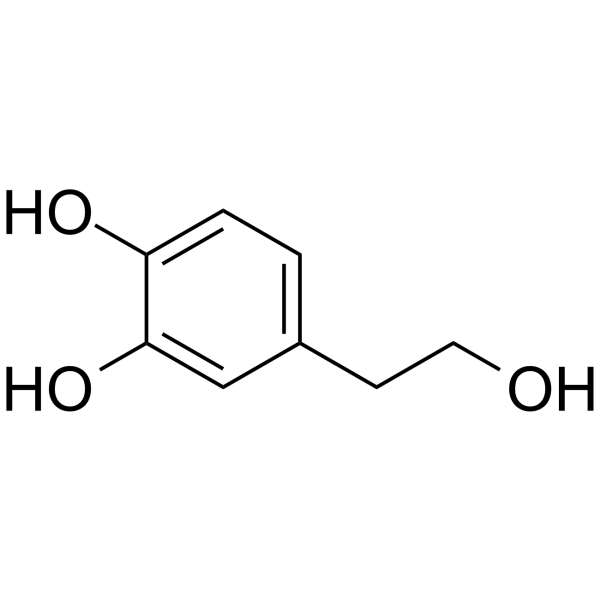
DOPET; 3,4-Dihydroxyphenethyl alcohol; 3-Hydroxytyrosol
|
Apoptosis
Bacterial
Reactive Oxygen Species (ROS)
SARS-CoV
Estrogen Receptor/ERR
|
Infection
Cardiovascular Disease
Neurological Disease
Metabolic Disease
Inflammation/Immunology
Cancer
|
|
Hydroxytyrosol (DOPET; 3,4-Dihydroxyphenethyl alcohol) is an orally active, blood-brain barrier-permeable multi-active compound with multiple effects including antibacterial, antioxidant, anti-platelet aggregation, and neuroprotective activities. Hydroxytyrosol not only inhibits the growth of Vibrio by increasing bacterial membrane permeability, but also interacts with DNA and mediates supercoiled DNA relaxation. Meanwhile, Hydroxytyrosol effectively reduces thrombosis and inhibits lipid oxidation by inhibiting COX activity and promoting vascular nitric oxide production. In terms of neuroprotection, Hydroxytyrosol significantly alleviates neuronal apoptosis and inflammatory responses by up-regulating the expression level of ERβ, thereby improving cognitive function in Alzheimer's disease models. Hydroxytyrosol has been widely used in scientific research related to Vibrio infection, arterial thrombosis, Alzheimer's disease and other related fields .
|
-
-
- HY-B0723
-
|
FC-1271a
|
Estrogen Receptor/ERR
Caspase
|
Neurological Disease
Endocrinology
Cancer
|
|
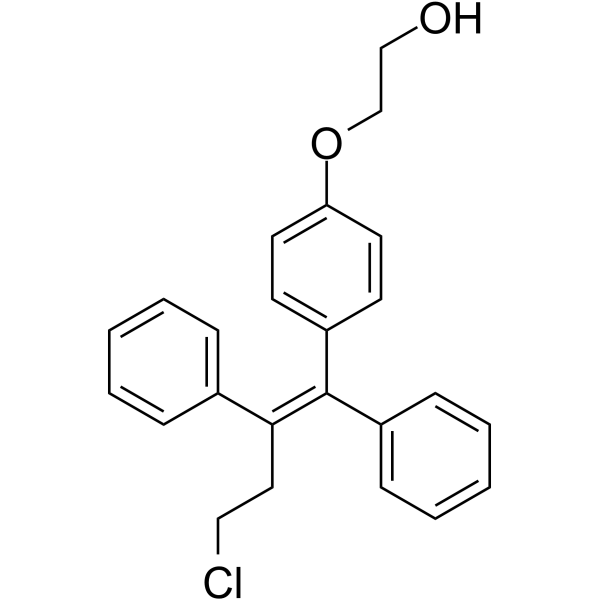
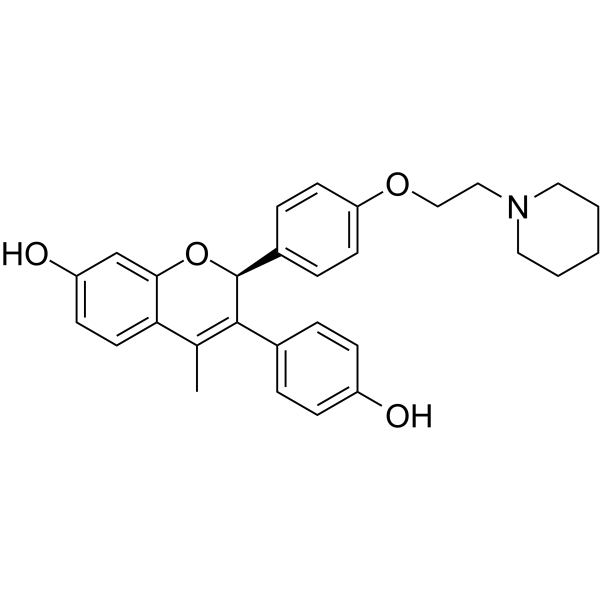
Ospemifene (FC-1271a) is an orally active and non-estrogenic selective estrogen receptor modulator (SERM) with Ki values of 380 and 410 nM for estrogen receptor α (ERα) and ERβ, respectively. Ospemifene inhibits caspase-3 activity. Ospemifene inhibits neuronal degeneration, prevents bone loss, and increases vaginal weight and vaginal epithelial height. Ospemifene has anticancer activity against breast cancer .
|
-
-
- HY-18295
-
|
LY500307
|
Estrogen Receptor/ERR
|
Neurological Disease
Cancer
|
|
Erteberel (LY500307) is a potent and selective estrogen receptor beta (ERβ) agonist with Ki and EC50 of 1.54 nM and 3.61 nM, respectively. Erteberel has anti-tumor activities .
|
-
-
- HY-15731
-
|
|
Estrogen Receptor/ERR
Endogenous Metabolite
NO Synthase
|
Cardiovascular Disease
Cancer
|
|
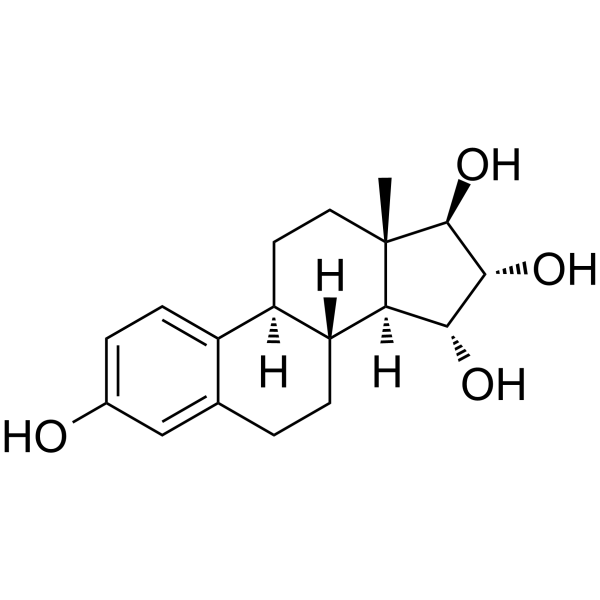
Estetrol, an orally active estrogen synthesized exclusively during pregnancy by the human fetal liver, is a selective nuclear estrogen receptor modulator. Estetrol binds ERα as well as ERβ (with a fourfold lower affinity). Estetrol increases eNOS expression/activity and NO synthesis in endothelial cells. Estetrol exerts estrogenic actions on the endometrium or the central nervous system but presents antagonistic effects on the breast. Estetrol can be used in contraception and menopausal hormone research .
|
-
-
- HY-108052
-
|
Delphinidin 3-O-glucoside chloride; Delphinidin 3-O-β-glucoside chloride
|
EGFR
Apoptosis
Akt
|
Cardiovascular Disease
Cancer
|
|
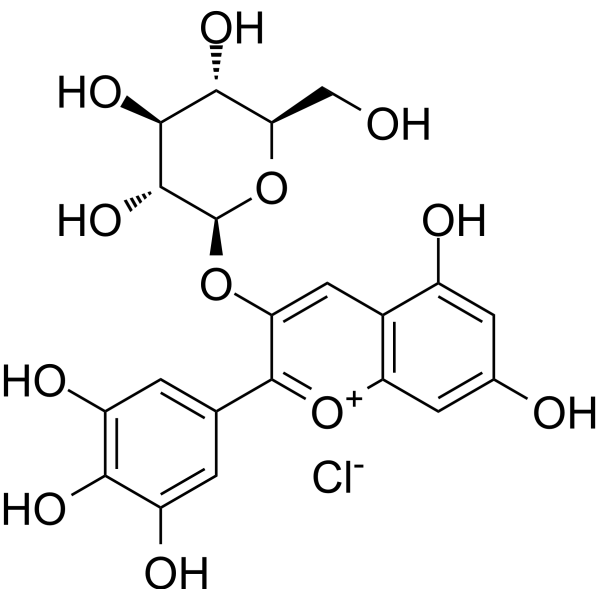
Delphinidin 3-glucoside chloride (Delphinidin 3-O-glucoside chloride) is an active anthocyanin found in Hibiscus sabdariffa extract. Delphinidin 3-glucoside chloride induces a pro-apoptotic effect in B cell chronic lymphocytic leukaemia (B CLL) . Delphinidin 3-glucoside chloride exerts phytoestrogen activity by binding to ERβ, with an IC50 of 9.7 μM . Delphinidin-3-O-glucoside chloride inhibits EGFR with an IC50 of 2.37 µM . Delphinidin 3-glucoside chloride exhibits antitumor effects through pAKT/IRF1/HOTAIR pathway. Delphinidin 3-glucoside chloride exhibits efficacy against oxidative stress, inhibits platelet activation and endothelial dysfunction .
|
-
-
- HY-114263
-
NXT629
4 Publications Verification
|
PPAR
|
Cancer
|
|
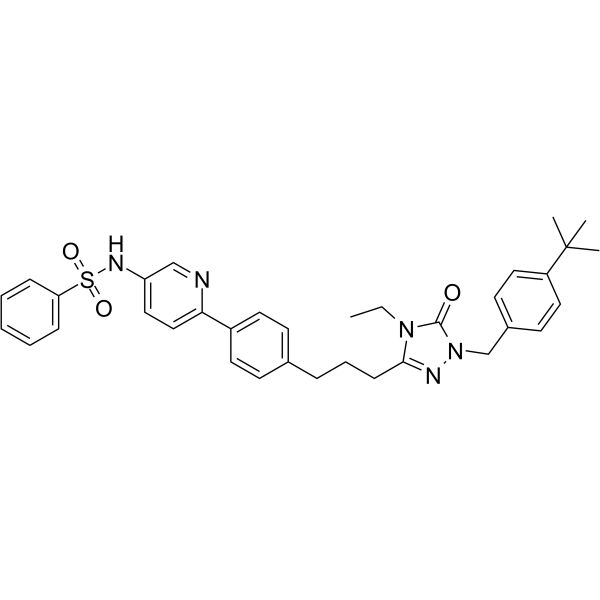
NXT629 is a potent, selective, and competitive PPAR-α antagonist, with an IC50 of 77 nM for human PPARα, shows high selectivity over other nuclear hormone receptor, such as PPARδ, PPARγ, ERβ, GR and TRβ, IC50s are 6.0, 15, 15.2, 32.5 and >100 μM, respectively . NXT629 has potent anti-tumor activity and inhibits experimental metastasis of cancer cell in animal models .
|
-
-
- HY-N6043
-
|
|
Apoptosis
Reactive Oxygen Species (ROS)
Bacterial
SARS-CoV
Estrogen Receptor/ERR
|
Infection
Neurological Disease
Inflammation/Immunology
|
|
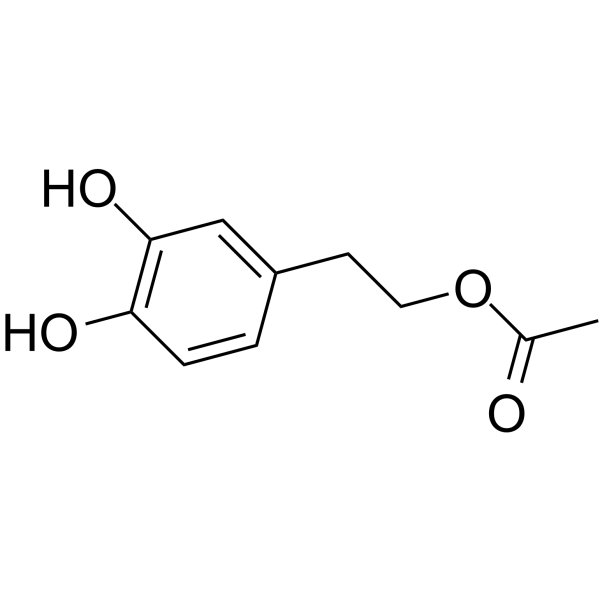
Hydroxytyrosol acetate is an orally active, blood-brain barrier-permeable multi-active compound with multiple effects including antibacterial, antioxidant, anti-platelet aggregation, and neuroprotective activities. Hydroxytyrosol acetate not only inhibits the growth of Vibrio by increasing bacterial membrane permeability, but also interacts with DNA and mediates supercoiled DNA relaxation. Meanwhile, Hydroxytyrosol acetate effectively reduces thrombosis and inhibits lipid oxidation by inhibiting COX activity and promoting vascular nitric oxide production. In terms of neuroprotection, Hydroxytyrosol acetate significantly alleviates neuronal apoptosis and inflammatory responses by up-regulating the expression level of ERβ, thereby improving cognitive function in Alzheimer's disease models. Hydroxytyrosol acetate has been widely used in scientific research related to Vibrio infection, arterial thrombosis, Alzheimer's disease and other related fields .
|
-
-
- HY-U00425
-
|
|
Ligands for Target Protein for PROTAC
Estrogen Receptor/ERR
|
Metabolic Disease
Cancer
|
|
PROTAC ERRα ligand 1 is a PROTAC target protein ligand. PROTAC ERRα ligand 1 is an orally active ERRα inverse agonist with IC50 values of 0.6 μM for ERRα. PROTAC ERRα ligand 1 shows no significant activity against a panel of other nuclear receptors, including ERα c, ERRγ, ERβ, PPARα, PPARγ, PPARδ, and RXRα. PROTAC ERRα ligand 1 can provide enhanced insulin sensitivity in vivo. PROTAC ERRα ligand 1 can be used for metabolic diseases research, such as type 2 diabetes and obesity .
|
-
-
- HY-16023A
-
|
EM-652; SCH 57068
|
Estrogen Receptor/ERR
|
Cancer
|
|
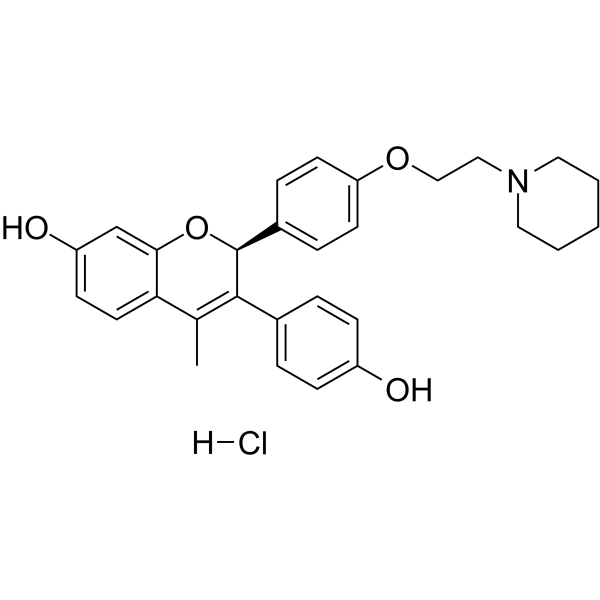
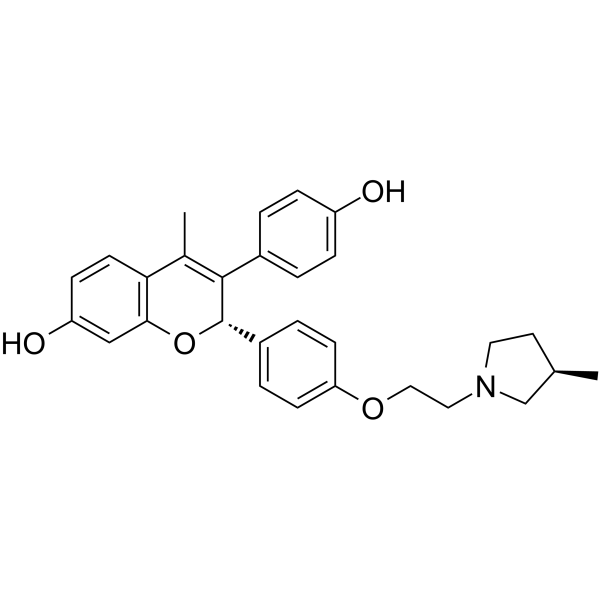
Acolbifene (EM-652), the active metabolite of EM800, is an orally active pure antiestrogen and selective estrogen receptor antagonist. Acolbifene (EM-652) inhibits estradiol (E2)-induced transcriptional activity of ERα (IC50 = 2 nM) and ERβ (IC50 = 0.4 nM). Acolbifene (EM-652) possesses potent and pure anticarcinogenic properties .
|
-
-
- HY-126066
-
-
-
- HY-103457
-
|
|
Estrogen Receptor/ERR
|
Cancer
|
|
Y134 is a selective and orally active oestrogen receptor (ER) modulator (SERM), exhibits potent antagonist activity at ERα and ERβ. Y134 shows 121.1-fold selectivity for ERα (Ki=0.09 nM) over ERβ (Ki=11.31 nM). Y134 inhibits oestrogen-stimulated proliferation of ER-positive human breast cancer cells .
|
-
-
- HY-N0570R
-
|
DOPET (Standard); 3,4-Dihydroxyphenethyl alcohol (Standard); 3-Hydroxytyrosol (Standard)
|
Reference Standards
Apoptosis
Bacterial
Reactive Oxygen Species (ROS)
SARS-CoV
Estrogen Receptor/ERR
|
Infection
Cardiovascular Disease
Neurological Disease
Metabolic Disease
Inflammation/Immunology
Cancer
|
|
Hydroxytyrosol (Standard) (DOPET (Standard)) is the analytical standard of Hydroxytyrosol (HY-N0570). This product is intended for research and analytical applications. Hydroxytyrosol is an orally active, blood-brain barrier-permeable multi-active compound with multiple effects including antibacterial, antioxidant, anti-platelet aggregation, and neuroprotective activities. Hydroxytyrosol not only inhibits the growth of Vibrio by increasing bacterial membrane permeability, but also interacts with DNA and mediates supercoiled DNA relaxation. Meanwhile, Hydroxytyrosol effectively reduces thrombosis and inhibits lipid oxidation by inhibiting COX activity and promoting vascular nitric oxide production. In terms of neuroprotection, Hydroxytyrosol significantly alleviates neuronal apoptosis and inflammatory responses by up-regulating the expression level of ERβ, thereby improving cognitive function in Alzheimer's disease models. Hydroxytyrosol has been widely used in scientific research related to Vibrio infection, arterial thrombosis, Alzheimer's disease and other related fields .
|
-
-
- HY-19822D
-
|
RAD1901 S enantiomer
|
Estrogen Receptor/ERR
|
Cancer
|
|
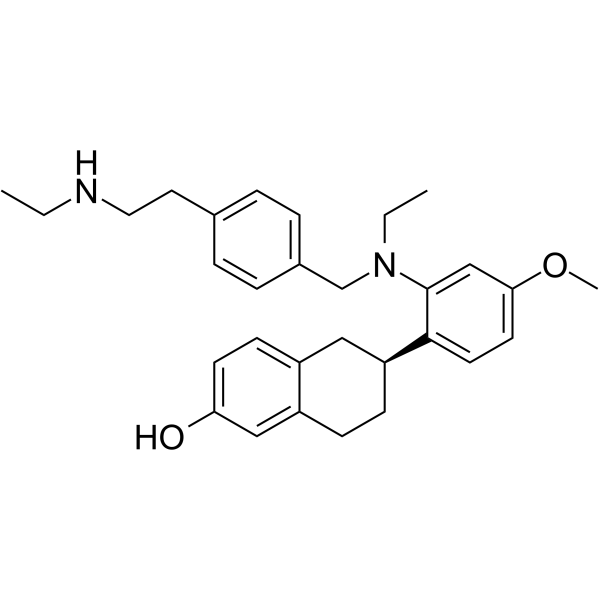
Elacestrant S enantiomer (RAD1901 S enantiomer) is an low activity enantiomer of elacestrant. Elacestrant (RAD1901) is a selective and orally available estrogen receptor (ERR) degrader with IC50 values of 48 and 870 nM for ERα and ERβ, respectively .
|
-
-
- HY-19822B
-
|
RAD1901 S enantiomer dihydrochloride
|
Estrogen Receptor/ERR
|
Cancer
|
|
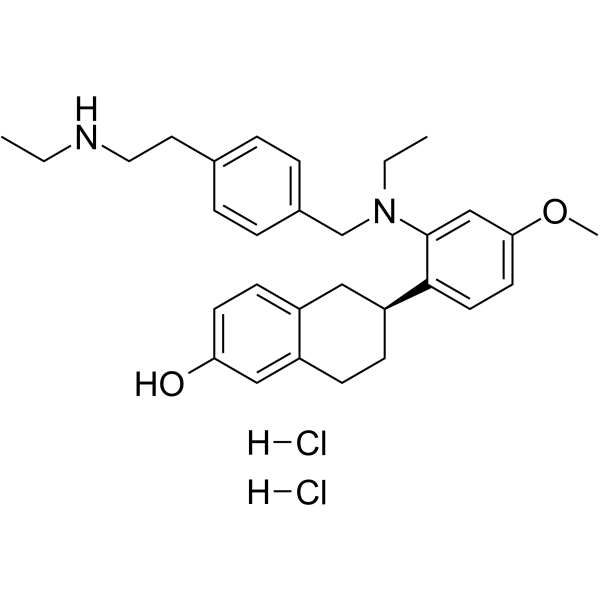
Elacestrant S enantiomer dihydrochloride (RAD1901 S enantiomer dihydrochloride) is an low activity enantiomer of elacestrant dihydrochloride. Elacestrant (RAD1901) dihydrochloride is a selective and orally available estrogen receptor (ERR) degrader with IC50 values of 48 and 870 nM for ERα and ERβ, respectively.
|
-
-
- HY-179002
-
|
|
Estrogen Receptor/ERR
|
Inflammation/Immunology
|
|
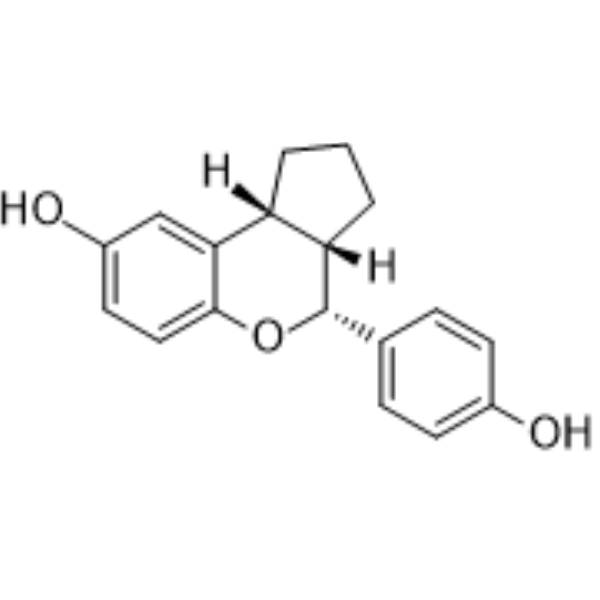
(S)-STO021 is a highly selective, orally effective ERβ agonist. (S)-STO021 has a dual activity of inhibiting osteoclast activity and promoting osteoblast activity. (S)-STO021 can be used for research on osteoporosis .
|
-
-
- HY-125263
-
|
|
Estrogen Receptor/ERR
|
Cancer
|
|
OP-1074, a pure anti-estrogen drug, is a selective ER degrader (PA-SERD) with specific anti-estrogenic activity against ERα and ERβ, inhibiting 17β-estradiol (E2)-stimulated transcription with IC50 values of 1.6 and 3.2 nM, respectively.
|
-
-
- HY-19822S
-
|
RAD1901-d4
|
Isotope-Labeled Compounds
Estrogen Receptor/ERR
|
Cancer
|
|
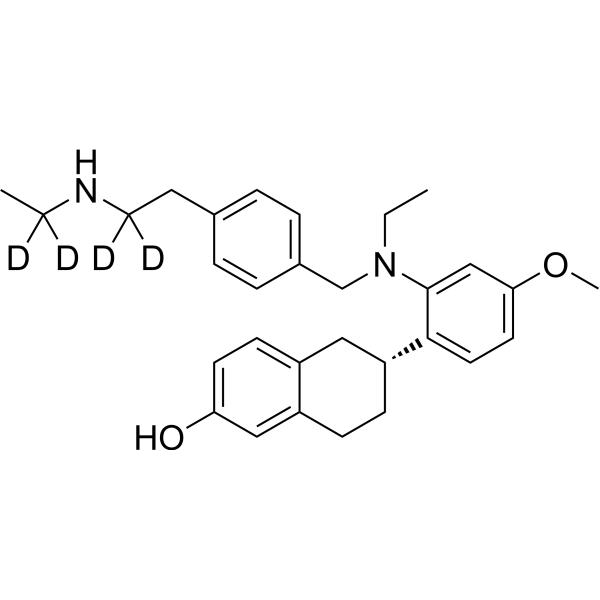
Elacestrant-d4 (RAD1901-d4) is a deuterated labeled Elacestrant (HY-19822). Elacestrant (RAD1901) is a selective estrogen receptor (estrogen receptor, ER) degrader (SERD) with oral activity, with IC50 values of 48 and 870 nM for ERα and ERβ, respectively. Elacestrant can also effectively inhibit the growth of ER + breast cancer cell lines both in vitro and in vivo.
|
-
-
- HY-16023
-
|
EM-652 hydrochloride; SCH 57068 hydrochloride
|
Estrogen Receptor/ERR
|
Cancer
|
|
Acolbifene (EM-652) hydrochloride, an active metabolite of EM800, is an orally active, cancer-preventing selective estrogen receptor modulator (SERM). Acolbifene (EM-652) hydrochloride inhibits estradiol (E2)-induced transcriptional activity of ERα (IC50=2 nM) and ERβ (IC50=0.4 nM). Acolbifene (EM-652) hydrochloride exerts a potent and pure antiestrogenic action in the mammary gland and uterus. Anticarcinogenic properties .
|
-
-
- HY-N0570S
-
|
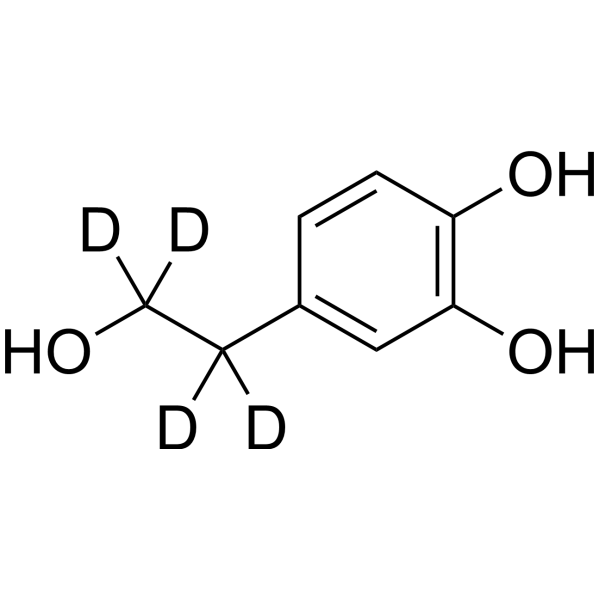
DOPET-d4; 3,4-Dihydroxyphenethyl alcohol-d4; 3-Hydroxytyrosol-d4
|
Isotope-Labeled Compounds
Apoptosis
Bacterial
Reactive Oxygen Species (ROS)
SARS-CoV
Estrogen Receptor/ERR
|
Cardiovascular Disease
Infection
Neurological Disease
Metabolic Disease
Inflammation/Immunology
Cancer
|
|
Hydroxytyrosol-d4 (DOPET-d4) is the deuterium labeled Hydroxytyrosol (HY-N0570). Hydroxytyrosol is an orally active, blood-brain barrier-permeable multi-active compound with multiple effects including antibacterial, antioxidant, anti-platelet aggregation, and neuroprotective activities. Hydroxytyrosol not only inhibits the growth of Vibrio by increasing bacterial membrane permeability, but also interacts with DNA and mediates supercoiled DNA relaxation. Meanwhile, Hydroxytyrosol effectively reduces thrombosis and inhibits lipid oxidation by inhibiting COX activity and promoting vascular nitric oxide production. In terms of neuroprotection, Hydroxytyrosol significantly alleviates neuronal apoptosis and inflammatory responses by up-regulating the expression level of ERβ, thereby improving cognitive function in Alzheimer's disease models. Hydroxytyrosol has been widely used in scientific research related to Vibrio infection, arterial thrombosis, Alzheimer's disease and other related fields .
|
-
-
- HY-N0570S1
-
|
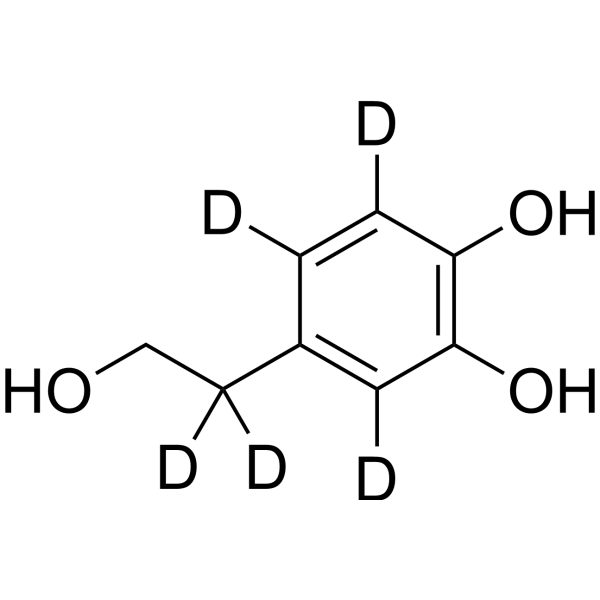
DOPET-d5; 3,4-Dihydroxyphenethyl alcohol-d5; 3-Hydroxytyrosol-d5
|
Isotope-Labeled Compounds
Apoptosis
Bacterial
Reactive Oxygen Species (ROS)
SARS-CoV
Estrogen Receptor/ERR
|
Cardiovascular Disease
Infection
Neurological Disease
Metabolic Disease
Inflammation/Immunology
Cancer
|
|
Hydroxytyrosol-d5 (DOPET-d5) is the deuterium labeled Hydroxytyrosol (HY-N0570). Hydroxytyrosol is an orally active, blood-brain barrier-permeable multi-active compound with multiple effects including antibacterial, antioxidant, anti-platelet aggregation, and neuroprotective activities. Hydroxytyrosol not only inhibits the growth of Vibrio by increasing bacterial membrane permeability, but also interacts with DNA and mediates supercoiled DNA relaxation. Meanwhile, Hydroxytyrosol effectively reduces thrombosis and inhibits lipid oxidation by inhibiting COX activity and promoting vascular nitric oxide production. In terms of neuroprotection, Hydroxytyrosol significantly alleviates neuronal apoptosis and inflammatory responses by up-regulating the expression level of ERβ, thereby improving cognitive function in Alzheimer's disease models. Hydroxytyrosol has been widely used in scientific research related to Vibrio infection, arterial thrombosis, Alzheimer's disease and other related fields .
|
-
-
- HY-108052R
-
|
Delphinidin 3-O-glucoside chloride (Standard); Delphinidin 3-O-β-glucoside chloride (Standard)
|
Reference Standards
EGFR
Apoptosis
Akt
|
Cardiovascular Disease
Cancer
|
|
Delphinidin 3-glucoside (chloride) (Standard) is the analytical standard of Delphinidin 3-glucoside (chloride). This product is intended for research and analytical applications. Delphinidin 3-glucoside chloride (Delphinidin 3-O-glucoside chloride) is an active anthocyanin found in Hibiscus sabdariffa extract. Delphinidin 3-glucoside chloride induces a pro-apoptotic effect in B cell chronic lymphocytic leukaemia (B CLL) . Delphinidin 3-glucoside chloride exerts phytoestrogen activity by binding to ERβ, with an IC50 of 9.7 μM . Delphinidin-3-O-glucoside chloride inhibits EGFR with an IC50 of 2.37 µM . Delphinidin 3-glucoside chloride exhibits antitumor effects through pAKT/IRF1/HOTAIR pathway. Delphinidin 3-glucoside chloride exhibits efficacy against oxidative stress, inhibits platelet activation and endothelial dysfunction .
|
-
-
- HY-173474
-
|
|
Estrogen Receptor/ERR
Androgen Receptor
|
Cancer
|
|
ERβ agonist-1 (Compound 8) is a dual-active selective ERβ agonist (EC50: 46.8 nM) and AR antagonist (IC50: 1555 nM). ERβ agonist-1 activates ERβ signaling by binding to ERβ and inhibits AR activity. ERβ agonist-1 retains selective ERβ agonist activity in mouse models and can be used to study prostate cancer .
|
-
-
- HY-169941
-
|
|
Estrogen Receptor/ERR
|
Metabolic Disease
Cancer
|
|
ERα/ERβ antagonist-1 (Compound 10) is partial antagonists of ERα and ERβ. ERα/ERβ antagonist-1 reduces ERα and ERβ activity in a dose-dependent manner in HepG2 liver cells .
|
-
-
- HY-18295A
-
|
rel-LY500307
|
Estrogen Receptor/ERR
|
Neurological Disease
|
|
rel-Erteberel is rel isomer of Erteberel (HY-18295). Erteberel is a potent and selective estrogen receptor beta (ERβ) agonist with Ki and EC50 of 1.54 nM and 3.61 nM, respectively. Erteberel has anti-tumor activities .
|
-
-
- HY-146742
-
|
|
PPAR
|
Metabolic Disease
|
|
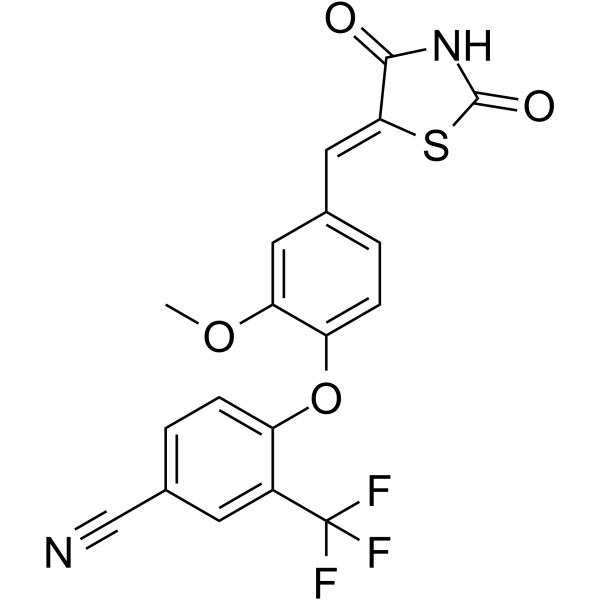
PPARγ agonist 2 is a potent PPARγ partial agonist and can be used for metabolic disease research .
|
-
-
- HY-N15473
-
|
(±)-Isopaucifloral F
|
Estrogen Receptor/ERR
Drug Derivative
|
Inflammation/Immunology
|
|
Isopaucifloral F ((±)-Isopaucifloral F) is a Resveratrol (HY-16561)-derived sesquiterpenes. Isopaucifloral F is an orally active ERβ agonist (EC50: 46.96 μM). Isopaucifloral F has antiosteoporosis activity. LD50 in rats: > 5 mg/kg .
|
-
-
- HY-N11973
-
|
|
Others
|
Cancer
|
|
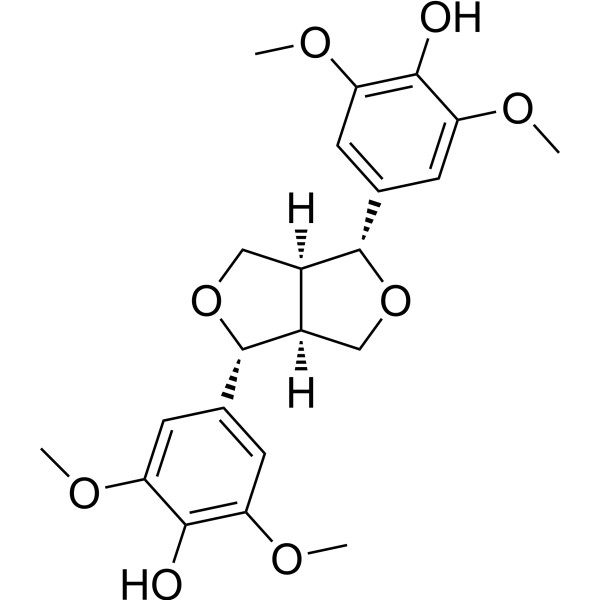
5,7-Dimethoxy-2,3-phenanthrenediol is a compound with estrogenic activity. 5,7-Dimethoxy-2,3-phenanthrenediol increases the proliferation of MCF-7 cell and the expression of ERβ in the MCF-7 cell line .
|
-
-
- HY-19822S3
-
|
RAD1901-d6
|
Isotope-Labeled Compounds
Estrogen Receptor/ERR
|
Cancer
|
|
Elacestrant-d6 (RAD1901-d6) is a deuterated labeled Elacestrant (HY-19822). Elacestrant is a selective estrogen receptor (estrogen receptor, ER) degrader (SERD) with oral activity, with IC50 values of 48 and 870 nM for ERα and ERβ, respectively. Elacestrant can also effectively inhibit the growth of ER + breast cancer cell lines both in vitro and in vivo.
|
-
-
- HY-125263B
-
|
|
Estrogen Receptor/ERR
|
Cancer
|
|
(R)-OP-1074 is an isomer of OP-1074 (HY-125263) and can serve as a control compound in experiments. OP-1074, a pure anti-estrogen drug, is a selective ER degrader (PA-SERD) with specific anti-estrogenic activity against ERα and ERβ, inhibiting 17β-estradiol (E2)-stimulated transcription with IC50 values of 1.6 and 3.2 nM, respectively.
|
-
-
- HY-125091
-
|
|
Estrogen Receptor/ERR
|
Cancer
|
|
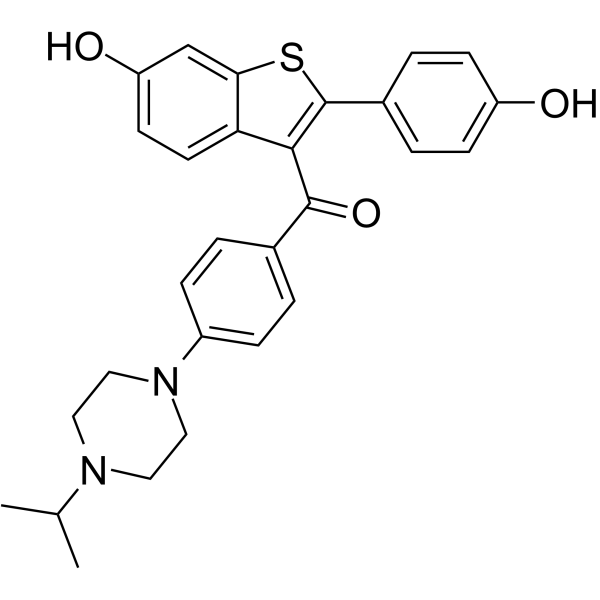
LY2066948 is a selective and orally active estrogen receptor modulator (SERM). LY2066948 has high affinity for estrogen receptors ERα and ERβ (Ki: 0.51 and 1.36 nM respectively) and shows potent antiestrogenic activity. LY2066948 blocks uterine weight gain induced by Ethynyl estradiol (HY-B0216) in immature rats. LY2066948 can be used for research of uterine fibroids and myomas .
|
-
-
- HY-114631
-
|
|
Estrogen Receptor/ERR
|
Cancer
|
|
EM-800, an orally active anti-estrogen, serves as an antagonist to the transcriptional functions of estrogen receptors α (ERα) and β (ERβ). EM-800 possesses anticancer activity, capable of inhibiting the growth of breast cancer induced by 7,12-Dimethylbenz[a]anthracene (DMBA) (HY-W011845). Furthermore, in ovariectomized animals, EM-800 effectively slows down bone loss. Additionally, EM-800 shows potential in the research of breast and endometrial cancers, while exerting beneficial effects on bone and lipid metabolism .
|
-
-
- HY-15731S1
-
|
|
Isotope-Labeled Compounds
NO Synthase
Endogenous Metabolite
Estrogen Receptor/ERR
|
Cardiovascular Disease
|
|
Estetrol-d4 (Major) is the deuterium labeled Estetrol (HY-15731). Estetrol, an orally active estrogen synthesized exclusively during pregnancy by the human fetal liver, is a selective nuclear estrogen receptor modulator. Estetrol binds ERα as well as ERβ (with a fourfold lower affinity). Estetrol increases eNOS expression/activity and NO synthesis in endothelial cells. Estetrol exerts estrogenic actions on the endometrium or the central nervous system but presents antagonistic effects on the breast. Estetrol can be used in contraception and menopausal hormone research .
|
-
-
- HY-N6043R
-
|
|
Reference Standards
Apoptosis
Bacterial
Reactive Oxygen Species (ROS)
SARS-CoV
Estrogen Receptor/ERR
|
Infection
Cardiovascular Disease
Neurological Disease
Metabolic Disease
Inflammation/Immunology
Cancer
|
|
Hydroxytyrosol acetate (Standard) is the analytical standard of Hydroxytyrosol (HY-N0570). This product is intended for research and analytical applications. Hydroxytyrosol acetate is an orally active, blood-brain barrier-permeable multi-active compound with multiple effects including antibacterial, antioxidant, anti-platelet aggregation, and neuroprotective activities. Hydroxytyrosol acetate not only inhibits the growth of Vibrio by increasing bacterial membrane permeability, but also interacts with DNA and mediates supercoiled DNA relaxation. Meanwhile, Hydroxytyrosol acetate effectively reduces thrombosis and inhibits lipid oxidation by inhibiting COX activity and promoting vascular nitric oxide production. In terms of neuroprotection, Hydroxytyrosol acetate significantly alleviates neuronal apoptosis and inflammatory responses by up-regulating the expression level of ERβ, thereby improving cognitive function in Alzheimer's disease models. Hydroxytyrosol acetate has been widely used in scientific research related to Vibrio infection, arterial thrombosis, Alzheimer's disease and other related fields .
|
-
-
- HY-113382R
-
|
1-Methylhydantoin (Standard)
|
Reference Standards
Endogenous Metabolite
|
Others
|
|
Delphinidin 3-glucoside (chloride) (Standard) is the analytical standard of Delphinidin 3-glucoside (chloride). This product is intended for research and analytical applications. Delphinidin 3-glucoside chloride (Delphinidin 3-O-glucoside chloride) is an active anthocyanin found in Hibiscus sabdariffa extract. Delphinidin 3-glucoside chloride induces a pro-apoptotic effect in B cell chronic lymphocytic leukaemia (B CLL) . Delphinidin 3-glucoside chloride exerts phytoestrogen activity by binding to ERβ, with an IC50 of 9.7 μM . Delphinidin-3-O-glucoside chloride inhibits EGFR with an IC50 of 2.37 µM . Delphinidin 3-glucoside chloride exhibits antitumor effects through pAKT/IRF1/HOTAIR pathway. Delphinidin 3-glucoside chloride exhibits efficacy against oxidative stress, inhibits platelet activation and endothelial dysfunction .
|
-
-
- HY-49537
-
-
-
- HY-164726
-
|
|
Estrogen Receptor/ERR
|
Others
|
|
Estrogen receptor modulator 11 (Compound 27) is a tetrahydroisoquinoline derivative. Estrogen receptor modulator 11 has a certain affinity for estrogen receptors (ER), with IC50 values of 285 nM and 421 nM for ERα and ERβ, respectively. Estrogen receptor modulator 11 lacks antagonist activity in the MCF-7 cellular assay .
|
-
-
- HY-180851
-
|
|
Estrogen Receptor/ERR
|
Cancer
|
|
ER ligand-14 is an estrogen receptor (ER) ligand. ER ligand-14 can serve as a ligand for target protein for PROTAC, and can be used to develop and design degradative agents for PROTAC ERβ, such as ERB-2 (HY-180850). ERB-2 displays favorable antiproliferative activity against Osimertinib (HY-15772) resistance NSCLC cells .
|
-
-
- HY-B0141E
-
|
ent-β-Estradiol; ent-17β-Estradiol; ent-17β-Oestradiol
|
Estrogen Receptor/ERR
|
Endocrinology
|
|
Ent-Estradiol is the enantiomer of Estradiol (HY-B0141). Ent-Estradiol is a highly selective estrogen receptor ligand, but does not possess estrogenic activity. Ent-Estradiol displays IC50 values of 24.9 nM, 9.59 nM and 8.17 nM for human, rat and mouse ERβ, and 151 nM, 246 nM and 268 nM for human, rat and mouse ERα, respectively. Ent-Estradiol can be used for the study of menopausal physiological changes .
|
-
-
- HY-181172
-
|
|
Estrogen Receptor/ERR
|
Cancer
|
|
FRAGHIT-4 is an estrogen receptor alpha (ERα) inhibitor. FRAGHIT-4 exhibits antineoplastic activity against breast cancer via targeting ER signaling. FRAGHIT-4 can be used for the research of breast cancer .
|
-
| Cat. No. |
Product Name |
Category |
Target |
Chemical Structure |
-
- HY-N0570
-
|
DOPET; 3,4-Dihydroxyphenethyl alcohol; 3-Hydroxytyrosol
|
Infection
Structural Classification
Canarium album (Lour.) Rauesch.
Classification of Application Fields
Phenols
Polyphenols
Plants
Endogenous metabolite
Burseraceae
Inflammation/Immunology
Disease Research Fields
Source Classification
|
Apoptosis
Bacterial
Reactive Oxygen Species (ROS)
SARS-CoV
Estrogen Receptor/ERR
|
|
Hydroxytyrosol (DOPET; 3,4-Dihydroxyphenethyl alcohol) is an orally active, blood-brain barrier-permeable multi-active compound with multiple effects including antibacterial, antioxidant, anti-platelet aggregation, and neuroprotective activities. Hydroxytyrosol not only inhibits the growth of Vibrio by increasing bacterial membrane permeability, but also interacts with DNA and mediates supercoiled DNA relaxation. Meanwhile, Hydroxytyrosol effectively reduces thrombosis and inhibits lipid oxidation by inhibiting COX activity and promoting vascular nitric oxide production. In terms of neuroprotection, Hydroxytyrosol significantly alleviates neuronal apoptosis and inflammatory responses by up-regulating the expression level of ERβ, thereby improving cognitive function in Alzheimer's disease models. Hydroxytyrosol has been widely used in scientific research related to Vibrio infection, arterial thrombosis, Alzheimer's disease and other related fields .
|
-
-
- HY-15731
-
-
-
- HY-108052
-
|
Delphinidin 3-O-glucoside chloride; Delphinidin 3-O-β-glucoside chloride
|
Malvaceae
Anthocyans
Flavonoids
Microorganisms
Classification of Application Fields
Hibiscus sabdariffa Linn.
Plants
Disease Research Fields
Source Classification
Cancer
|
EGFR
Apoptosis
Akt
|
|
Delphinidin 3-glucoside chloride (Delphinidin 3-O-glucoside chloride) is an active anthocyanin found in Hibiscus sabdariffa extract. Delphinidin 3-glucoside chloride induces a pro-apoptotic effect in B cell chronic lymphocytic leukaemia (B CLL) . Delphinidin 3-glucoside chloride exerts phytoestrogen activity by binding to ERβ, with an IC50 of 9.7 μM . Delphinidin-3-O-glucoside chloride inhibits EGFR with an IC50 of 2.37 µM . Delphinidin 3-glucoside chloride exhibits antitumor effects through pAKT/IRF1/HOTAIR pathway. Delphinidin 3-glucoside chloride exhibits efficacy against oxidative stress, inhibits platelet activation and endothelial dysfunction .
|
-
-
- HY-N6043
-
|
|
Structural Classification
Canarium album (Lour.) Rauesch.
Classification of Application Fields
Phenols
Polyphenols
Plants
Burseraceae
Inflammation/Immunology
Disease Research Fields
Source Classification
|
Apoptosis
Reactive Oxygen Species (ROS)
Bacterial
SARS-CoV
Estrogen Receptor/ERR
|
|
Hydroxytyrosol acetate is an orally active, blood-brain barrier-permeable multi-active compound with multiple effects including antibacterial, antioxidant, anti-platelet aggregation, and neuroprotective activities. Hydroxytyrosol acetate not only inhibits the growth of Vibrio by increasing bacterial membrane permeability, but also interacts with DNA and mediates supercoiled DNA relaxation. Meanwhile, Hydroxytyrosol acetate effectively reduces thrombosis and inhibits lipid oxidation by inhibiting COX activity and promoting vascular nitric oxide production. In terms of neuroprotection, Hydroxytyrosol acetate significantly alleviates neuronal apoptosis and inflammatory responses by up-regulating the expression level of ERβ, thereby improving cognitive function in Alzheimer's disease models. Hydroxytyrosol acetate has been widely used in scientific research related to Vibrio infection, arterial thrombosis, Alzheimer's disease and other related fields .
|
-
-
- HY-126066
-
-
-
- HY-N0570R
-
|
DOPET (Standard); 3,4-Dihydroxyphenethyl alcohol (Standard); 3-Hydroxytyrosol (Standard)
|
Structural Classification
Canarium album (Lour.) Rauesch.
Phenols
Polyphenols
Plants
Endogenous metabolite
Burseraceae
Source Classification
|
Reference Standards
Apoptosis
Bacterial
Reactive Oxygen Species (ROS)
SARS-CoV
Estrogen Receptor/ERR
|
|
Hydroxytyrosol (Standard) (DOPET (Standard)) is the analytical standard of Hydroxytyrosol (HY-N0570). This product is intended for research and analytical applications. Hydroxytyrosol is an orally active, blood-brain barrier-permeable multi-active compound with multiple effects including antibacterial, antioxidant, anti-platelet aggregation, and neuroprotective activities. Hydroxytyrosol not only inhibits the growth of Vibrio by increasing bacterial membrane permeability, but also interacts with DNA and mediates supercoiled DNA relaxation. Meanwhile, Hydroxytyrosol effectively reduces thrombosis and inhibits lipid oxidation by inhibiting COX activity and promoting vascular nitric oxide production. In terms of neuroprotection, Hydroxytyrosol significantly alleviates neuronal apoptosis and inflammatory responses by up-regulating the expression level of ERβ, thereby improving cognitive function in Alzheimer's disease models. Hydroxytyrosol has been widely used in scientific research related to Vibrio infection, arterial thrombosis, Alzheimer's disease and other related fields .
|
-
-
- HY-108052R
-
|
Delphinidin 3-O-glucoside chloride (Standard); Delphinidin 3-O-β-glucoside chloride (Standard)
|
Malvaceae
Structural Classification
Anthocyans
Flavonoids
Microorganisms
Hibiscus sabdariffa Linn.
Plants
Source Classification
|
Reference Standards
EGFR
Apoptosis
Akt
|
|
Delphinidin 3-glucoside (chloride) (Standard) is the analytical standard of Delphinidin 3-glucoside (chloride). This product is intended for research and analytical applications. Delphinidin 3-glucoside chloride (Delphinidin 3-O-glucoside chloride) is an active anthocyanin found in Hibiscus sabdariffa extract. Delphinidin 3-glucoside chloride induces a pro-apoptotic effect in B cell chronic lymphocytic leukaemia (B CLL) . Delphinidin 3-glucoside chloride exerts phytoestrogen activity by binding to ERβ, with an IC50 of 9.7 μM . Delphinidin-3-O-glucoside chloride inhibits EGFR with an IC50 of 2.37 µM . Delphinidin 3-glucoside chloride exhibits antitumor effects through pAKT/IRF1/HOTAIR pathway. Delphinidin 3-glucoside chloride exhibits efficacy against oxidative stress, inhibits platelet activation and endothelial dysfunction .
|
-
-
- HY-N15473
-
-
-
- HY-N11973
-
-
-
- HY-N6043R
-
|
|
Structural Classification
Canarium album (Lour.) Rauesch.
Phenols
Polyphenols
Plants
Burseraceae
Source Classification
|
Reference Standards
Apoptosis
Bacterial
Reactive Oxygen Species (ROS)
SARS-CoV
Estrogen Receptor/ERR
|
|
Hydroxytyrosol acetate (Standard) is the analytical standard of Hydroxytyrosol (HY-N0570). This product is intended for research and analytical applications. Hydroxytyrosol acetate is an orally active, blood-brain barrier-permeable multi-active compound with multiple effects including antibacterial, antioxidant, anti-platelet aggregation, and neuroprotective activities. Hydroxytyrosol acetate not only inhibits the growth of Vibrio by increasing bacterial membrane permeability, but also interacts with DNA and mediates supercoiled DNA relaxation. Meanwhile, Hydroxytyrosol acetate effectively reduces thrombosis and inhibits lipid oxidation by inhibiting COX activity and promoting vascular nitric oxide production. In terms of neuroprotection, Hydroxytyrosol acetate significantly alleviates neuronal apoptosis and inflammatory responses by up-regulating the expression level of ERβ, thereby improving cognitive function in Alzheimer's disease models. Hydroxytyrosol acetate has been widely used in scientific research related to Vibrio infection, arterial thrombosis, Alzheimer's disease and other related fields .
|
-
-
- HY-113382R
-
|
1-Methylhydantoin (Standard)
|
Alkaloids
Structural Classification
Other Alkaloids
Endogenous metabolite
Source Classification
|
Reference Standards
Endogenous Metabolite
|
|
Delphinidin 3-glucoside (chloride) (Standard) is the analytical standard of Delphinidin 3-glucoside (chloride). This product is intended for research and analytical applications. Delphinidin 3-glucoside chloride (Delphinidin 3-O-glucoside chloride) is an active anthocyanin found in Hibiscus sabdariffa extract. Delphinidin 3-glucoside chloride induces a pro-apoptotic effect in B cell chronic lymphocytic leukaemia (B CLL) . Delphinidin 3-glucoside chloride exerts phytoestrogen activity by binding to ERβ, with an IC50 of 9.7 μM . Delphinidin-3-O-glucoside chloride inhibits EGFR with an IC50 of 2.37 µM . Delphinidin 3-glucoside chloride exhibits antitumor effects through pAKT/IRF1/HOTAIR pathway. Delphinidin 3-glucoside chloride exhibits efficacy against oxidative stress, inhibits platelet activation and endothelial dysfunction .
|
-
| Cat. No. |
Product Name |
Chemical Structure |
-
- HY-19822S
-
|
|
|
Elacestrant-d4 (RAD1901-d4) is a deuterated labeled Elacestrant (HY-19822). Elacestrant (RAD1901) is a selective estrogen receptor (estrogen receptor, ER) degrader (SERD) with oral activity, with IC50 values of 48 and 870 nM for ERα and ERβ, respectively. Elacestrant can also effectively inhibit the growth of ER + breast cancer cell lines both in vitro and in vivo.
|
-
-
- HY-N0570S
-
|
|
|
Hydroxytyrosol-d4 (DOPET-d4) is the deuterium labeled Hydroxytyrosol (HY-N0570). Hydroxytyrosol is an orally active, blood-brain barrier-permeable multi-active compound with multiple effects including antibacterial, antioxidant, anti-platelet aggregation, and neuroprotective activities. Hydroxytyrosol not only inhibits the growth of Vibrio by increasing bacterial membrane permeability, but also interacts with DNA and mediates supercoiled DNA relaxation. Meanwhile, Hydroxytyrosol effectively reduces thrombosis and inhibits lipid oxidation by inhibiting COX activity and promoting vascular nitric oxide production. In terms of neuroprotection, Hydroxytyrosol significantly alleviates neuronal apoptosis and inflammatory responses by up-regulating the expression level of ERβ, thereby improving cognitive function in Alzheimer's disease models. Hydroxytyrosol has been widely used in scientific research related to Vibrio infection, arterial thrombosis, Alzheimer's disease and other related fields .
|
-
-
- HY-N0570S1
-
|
|
|
Hydroxytyrosol-d5 (DOPET-d5) is the deuterium labeled Hydroxytyrosol (HY-N0570). Hydroxytyrosol is an orally active, blood-brain barrier-permeable multi-active compound with multiple effects including antibacterial, antioxidant, anti-platelet aggregation, and neuroprotective activities. Hydroxytyrosol not only inhibits the growth of Vibrio by increasing bacterial membrane permeability, but also interacts with DNA and mediates supercoiled DNA relaxation. Meanwhile, Hydroxytyrosol effectively reduces thrombosis and inhibits lipid oxidation by inhibiting COX activity and promoting vascular nitric oxide production. In terms of neuroprotection, Hydroxytyrosol significantly alleviates neuronal apoptosis and inflammatory responses by up-regulating the expression level of ERβ, thereby improving cognitive function in Alzheimer's disease models. Hydroxytyrosol has been widely used in scientific research related to Vibrio infection, arterial thrombosis, Alzheimer's disease and other related fields .
|
-
-
- HY-19822S3
-
|
|
|
Elacestrant-d6 (RAD1901-d6) is a deuterated labeled Elacestrant (HY-19822). Elacestrant is a selective estrogen receptor (estrogen receptor, ER) degrader (SERD) with oral activity, with IC50 values of 48 and 870 nM for ERα and ERβ, respectively. Elacestrant can also effectively inhibit the growth of ER + breast cancer cell lines both in vitro and in vivo.
|
-
-
- HY-15731S1
-
|
|
|
Estetrol-d4 (Major) is the deuterium labeled Estetrol (HY-15731). Estetrol, an orally active estrogen synthesized exclusively during pregnancy by the human fetal liver, is a selective nuclear estrogen receptor modulator. Estetrol binds ERα as well as ERβ (with a fourfold lower affinity). Estetrol increases eNOS expression/activity and NO synthesis in endothelial cells. Estetrol exerts estrogenic actions on the endometrium or the central nervous system but presents antagonistic effects on the breast. Estetrol can be used in contraception and menopausal hormone research .
|
-
Your information is safe with us. * Required Fields.
Inquiry Information
- Product Name:
- Cat. No.:
- Quantity:
- MCE Japan Authorized Agent:

