
1. Search Result
Search Result
Results for "

Free Fatty Acid

" in MedChemExpress (MCE) Product Catalog:

124

Inhibitors & Agonists

1

Screening Libraries

3

Fluorescent Dyes

12

Biochemical Assay Reagents

1

Peptides

22

Natural
Products

2

Recombinant Proteins

13

Isotope-Labeled Compounds

1

Antibodies

2

Oligonucleotides

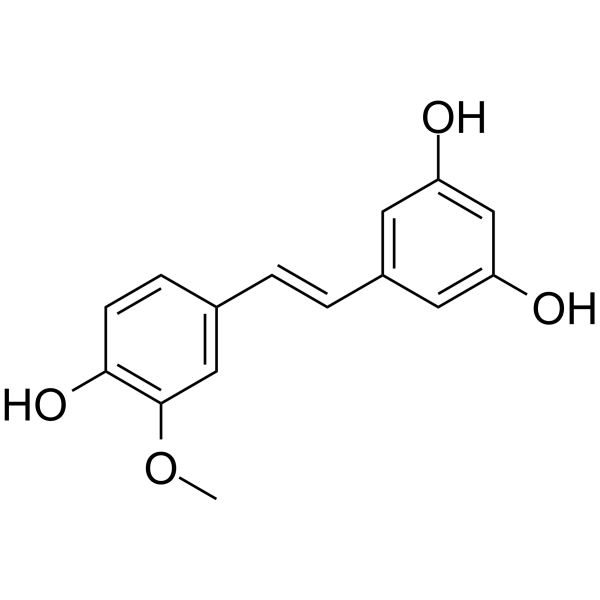
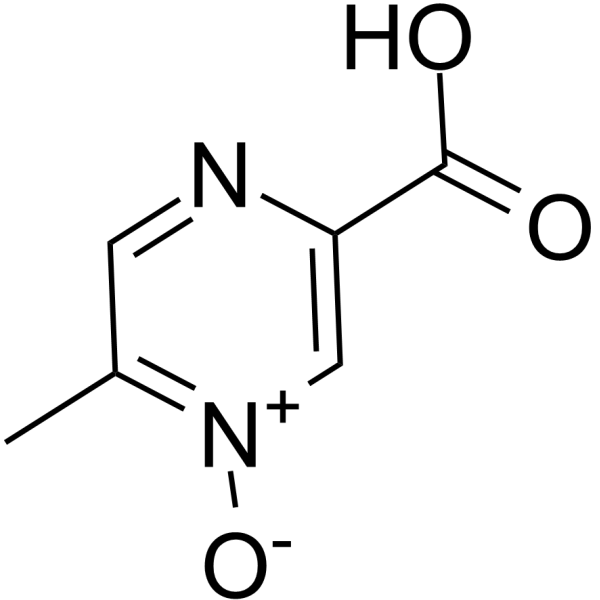
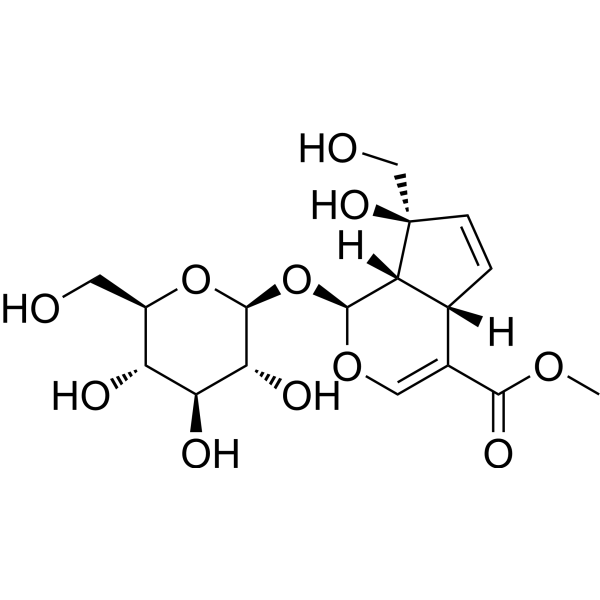
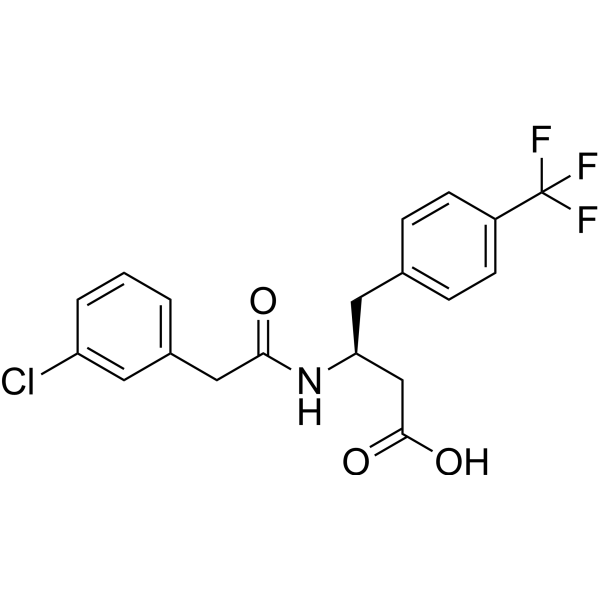
Cat. No. Product Name Target Research Areas Chemical Structure
  • HY-D0842A

    Albumin bovine serum (Low Endotoxin,Fatty Acid Free); BSA (Low Endotoxin,Fatty Acid Free)

    Biochemical Assay Reagents Nucleoside Antimetabolite/Analog Inflammation/Immunology
    Bovine Serum Albumin (Low Endotoxin,Fatty acid free) (BSA) is a 583 amino acid globular protein and oligonucleotide binding protein composed of three homologous full α domains. Bovine Serum Albumin (Low Endotoxin,Fatty acid free) (BSA) blocks the overall binding of oligonucleotides to cells. Bovine Serum Albumin (Low Endotoxin,Fatty acid free) (BSA) regulates the development of hamster embryos and induces arthritis .
    Bovine Serum Albumin (Low Endotoxin,Fatty acid free)
  • HY-N0728
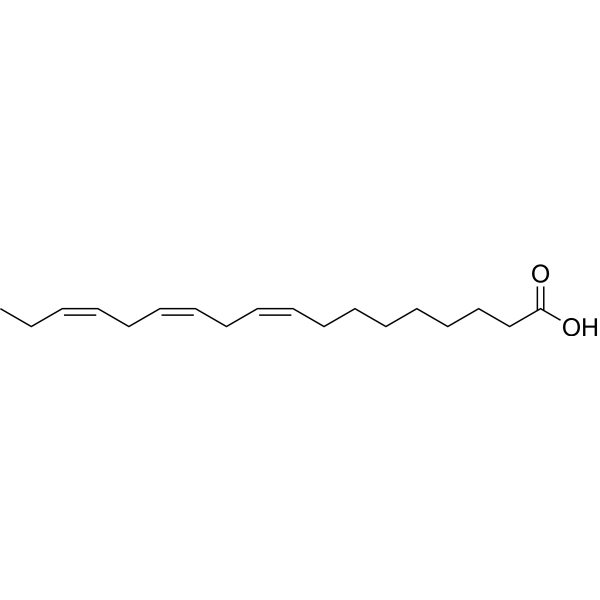
    α-Linolenic acid
    Maximum Cited Publications
    11 Publications Verification

    ALA Free base; C18:3 (9Z,12Z,15Z) Free base; C18:3 n-3 Free base

    Environmental Pollutants Akt PI3K Cardiovascular Disease Cancer
    α-Linolenic acid (ALA (free base); C18:3 (9Z,12Z,15Z) (free base); C18:3 n-3 (free base)) is an essential fatty acid that cannot be synthesized by humans. α-Linolenic acid can affect the process of thrombotic through the modulation of PI3K/Akt signaling. α-Linolenic acid possess the anti-arrhythmic properties and is related to cardiovascular disease and cancer .
    α-Linolenic acid
  • HY-12940
    GLPG0974
    Maximum Cited Publications
    17 Publications Verification

    Free Fatty Acid Receptor Metabolic Disease
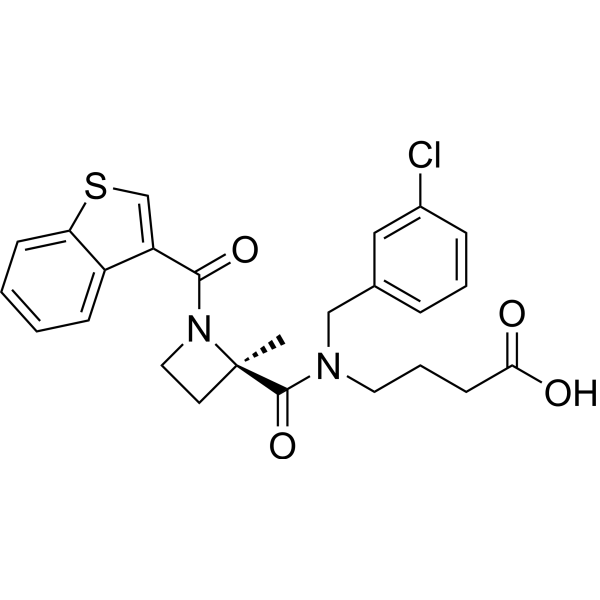
    GLPG0974 is a free fatty acid receptor-2 (FFA2/GPR43) antagonist with an IC50 of 9 nM.
    GLPG0974
  • HY-N7075
    Inulin
    4 Publications Verification

    Endogenous Metabolite Infection Neurological Disease Metabolic Disease Cancer
    Inulin is an orally active prebiotic targeting the intestinal microbiota, selectively promoting the proliferation and activity of beneficial bacteria such as bifidobacteria and lactic acid bacteria, and playing a role in regulating the intestinal microecology. The functions of Inulin include: Fermentation by probiotics in the colon to produce short-chain fatty acids (such as butyrate and propionate), lowering the intestinal pH and inhibiting the overgrowth of harmful bacteria; Enhancing the intestinal barrier function and reducing endotoxin translocation; Directly scavenging free radicals (such as superoxide free radicals, hydroxyl free radicals) and activating antioxidant enzymes (SOD, CAT) to reduce oxidative stress. Inulin can also be used in the study of intestinal diseases (constipation, IBD), metabolic syndrome (diabetes, obesity) and liver damage by regulating glucose and lipid metabolism (such as reducing triglycerides, improving insulin sensitivity) and immune response (enhancing NK cell activity, inhibiting inflammatory factors)[1][2][3][4].
    Inulin
  • HY-128692
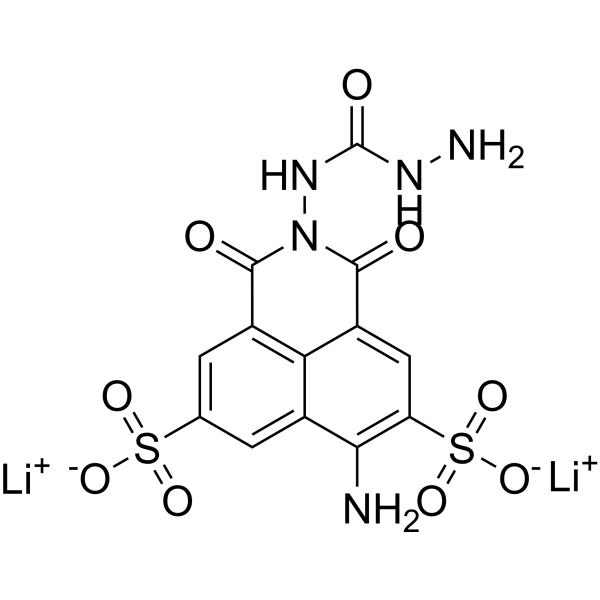
    Luc Yellow CH dilithium
    5 Publications Verification

    Fluorescent Dye Neurological Disease
    Luc Yellow CH dilithium is a high-intensity fluorescent probe containing free hydrazyl groups. Luc Yellow CH can react with fatty aldehydes at room temperature. Luc Yellow CH serves as a biological tracer to monitor neuronal branching, regeneration, gap junction detection and characterization, and selective ablation of cells after aldehyde fixation. Luc Yellow CH displays the maximum excitation/emission of 430 nm/540 nm, respectively .
    Luc Yellow CH dilithium
  • HY-100881
    TUG-891
    10+ Cited Publications

    Free Fatty Acid Receptor Metabolic Disease
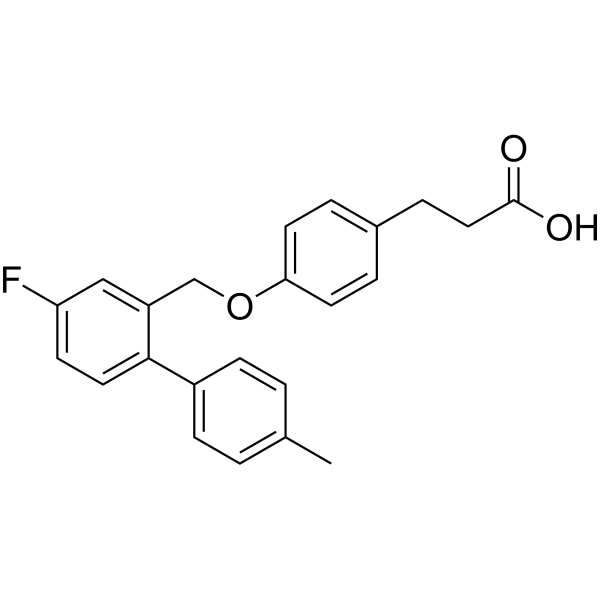
    TUG-891 is a potent and selective agonist for the long chain free fatty acid (LCFA) receptor 4 (FFA4/GPR120) .
    TUG-891
  • HY-Y0366
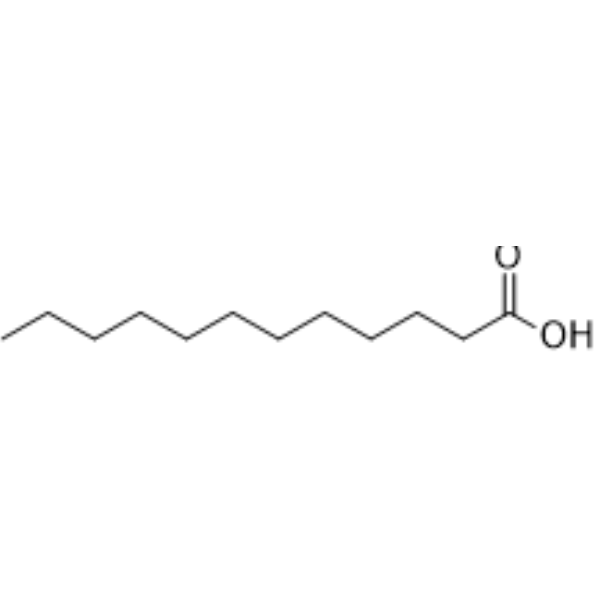
    Lauric acid
    5+ Cited Publications

    Environmental Pollutants Endogenous Metabolite Bacterial Infection
    Lauric acid is a middle chain-free fatty acid with strong bactericidal properties. The EC50s for P. acnes, S.aureus, S. epidermidis, are 2, 6, 4 μg/mL, respectively .
    Lauric acid
  • HY-W127715
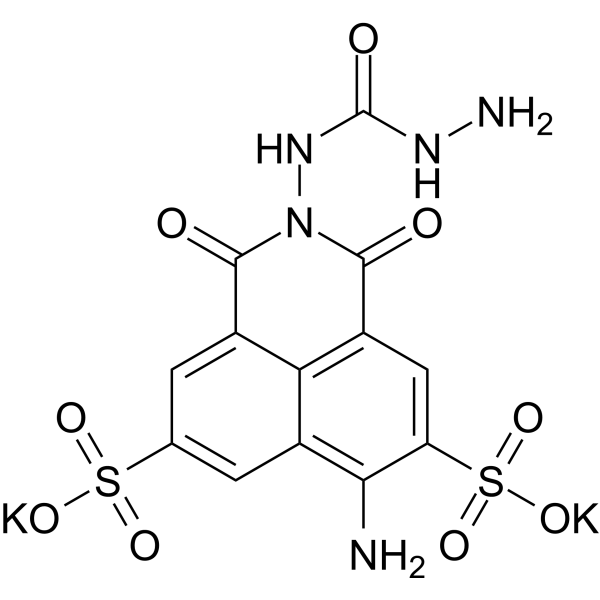
    Lucifer Yellow CH dipotassium salt
    5 Publications Verification

    Fluorescent Dye Others
    Lucifer Yellow CH dipotassium is a high-intensity fluorescent probe containing free hydrazyl groups. Lucifer Yellow CH can react with fatty aldehydes at room temperature. Lucifer Yellow CH serves as a biological tracer to monitor neuronal branching, regeneration, gap junction detection and characterization, and selective ablation of cells after aldehyde fixation. Lucifer yellow CH displays the maximum excitation/emission of 430 nm/540 nm, respectively .
    Lucifer Yellow CH dipotassium salt
  • HY-B0968A
    Trimetazidine
    Maximum Cited Publications
    17 Publications Verification

    Autophagy Cardiovascular Disease
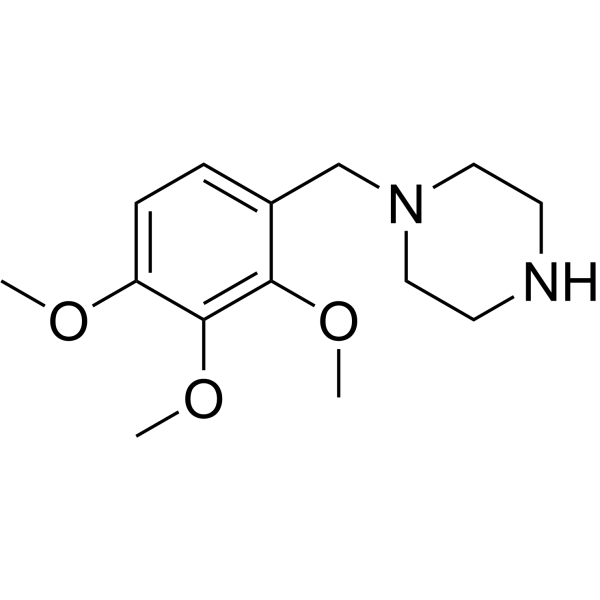
    Trimetazidine is a selective long chain 3-ketoyl coenzyme A thiolase inhibitor with an IC50 of 75 nM, which can inhibit β-oxidation of free fatty acid (FFA). Trimetazidine is an effective antianginal agent and a cytoprotective agent, has anti-oxidant, anti-inflammatory, antinociceptive and gastroprotective properties. Trimetazidine triggers autophagy. Trimetazidine is also a 3-hydroxyacyl-CoA dehydrogenase (HADHA) inhibitor .
    Trimetazidine
  • HY-P1125
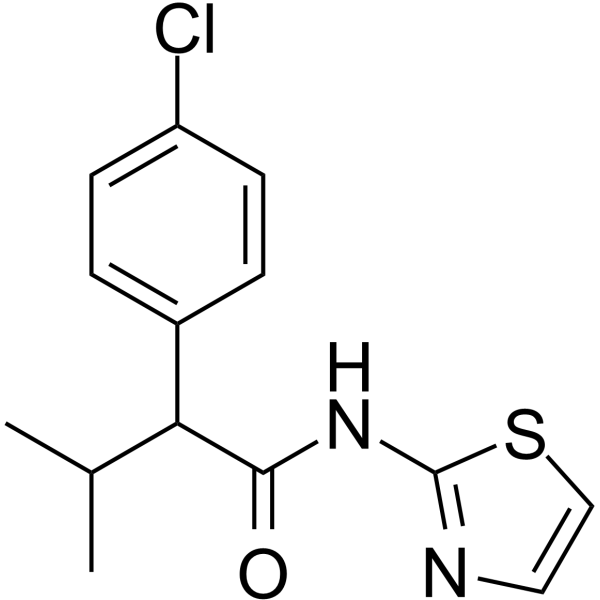
    4-CMTB
    5+ Cited Publications

    Free Fatty Acid Receptor Others
    4-CMTB is a selective free fatty acid receptor 2 (FFA2/GPR43) agonist and a positive allosteric modulator (pEC50=6.38) .
    4-CMTB
  • HY-W016868
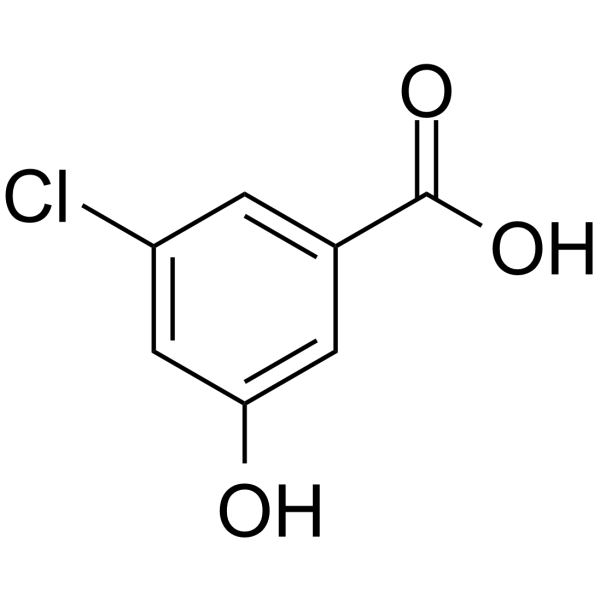
    3-Chloro-5-hydroxybenzoic acid
    2 Publications Verification

    Hydroxycarboxylic Acid Receptor (HCAR) Metabolic Disease
    3-Chloro-5-hydroxybenzoic acid is a potent, orally active and selective lactate receptor GPR81 agonist, with an EC50 of 16 μM for human GPR81. 3-Chloro-5-hydroxybenzoic acid exhibits favorable in vivo effects on lipolysis in a mouse model of obesity .
    3-Chloro-5-hydroxybenzoic acid
  • HY-151500

    Amine N-methyltransferase Metabolic Disease
    JBSNF-00002 free base is an orally active small molecule inhibitor of the tricyclic nicotinamide N-methyltransferase (NNMT) with IC50 values for human, mouse and monkey sources of NNMT of 33, 210 and 190 nM respectively. JBSNF-00002 free base can reduce endogenous MNA levels in U2OS osteosarcoma cells, with its EC50 being 2.5 μM. JBSNF-00002 free base exhibits significant anti-obesity and anti-diabetic activities in the diet-induced obesity (DIO) model. JBSNF-00002 free base can be used for the study of metabolic diseases such as obesity, type 2 diabetes and non-alcoholic fatty liver disease .
    JBSNF-000028 free base
  • HY-B0968
    Trimetazidine dihydrochloride
    Maximum Cited Publications
    17 Publications Verification

    Autophagy Cardiovascular Disease
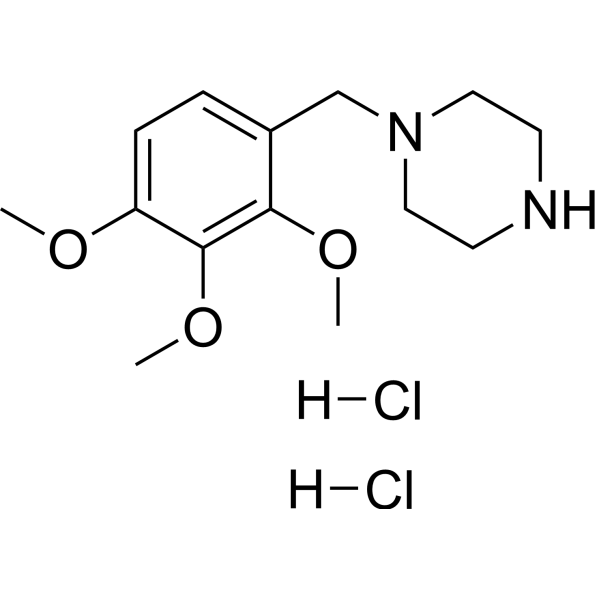
    Trimetazidine dihydrochloride is a selective long chain 3-ketoyl coenzyme A thiolase inhibitor with an IC50 of 75 nM, which can inhibit β-oxidation of free fatty acid (FFA). Trimetazidine dihydrochloride is an effective antianginal agent and a cytoprotective agent, has anti-oxidant, anti-inflammatory, antinociceptive and gastroprotective properties. Trimetazidine dihydrochloride triggers autophagy. Trimetazidine dihydrochloride is also a 3-hydroxyacyl-CoA dehydrogenase (HADHA) inhibitor .
    Trimetazidine dihydrochloride
  • HY-B0283
    Acipimox
    2 Publications Verification

    K-9321

    Carbonic Anhydrase Metabolic Disease
    Acipimox (K-9321), a nicotinic acid analogue, is an antilipolytic compound. Acipimox stimulates leptin releas, inhibits lipolysis and suppresses systemic levels of free fatty acids (FFAs) and improves insulin sensitivity .
    Acipimox
  • HY-P2879

    Endogenous Metabolite Metabolic Disease
    Cholesterol esterase, Pseudomonas is an enzyme that hydrolyzes cholesterol ester to cholesterol and free fatty acid in the intestinal lumen. Cholesterol synthesized in the acinar cells and is stored in zymogen granules. Cholesterol esterase is also known as bile salt-stimulated lipase and carboxy ester lipasea, acts function for acceleration of cholesterol absorption .
    Cholesterol esterase, Pseudomonas
  • HY-112813
    TUG-1375
    4 Publications Verification

    Free Fatty Acid Receptor Metabolic Disease
    TUG-1375 is an agonist of free fatty acid receptor 2 (FFA2/GPR43), with a pKi of 6.69. TUG-1375 is inactive on FFA3, FFA4, PPARα, PPARγ, PPARδ, LXRα or LXRβ .
    TUG-1375
  • HY-N0723
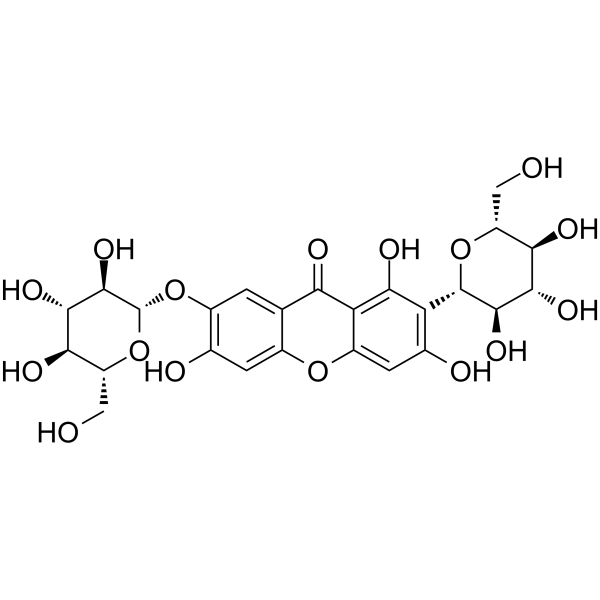
    Neomangiferin
    1 Publications Verification

    Autophagy p38 MAPK TNF Receptor Interleukin Related PPAR Metabolic Disease Inflammation/Immunology
    Neomangiferin is an orally active natural flavonoid. Neomangiferin partially ameliorates non-alcoholic fatty liver disease (NAFLD) by regulating the expression of genes related to free fatty acid uptake and lipid oxidation. Neomangiferin exerts anti-colitis effects by inhibiting Th17/Treg cell differentiation. Neomangiferin exerts anti-aging and lifespan-extending effects by targeting upregulation of bas-1, which in turn activates the autophagy, IIS and MAPK pathways. Neomangiferin has the potential to prevent aseptic loosening of prostheses after total joint arthroplasty due to its significant anti-inflammatory and osteoclastogenesis-inhibiting effects .
    Neomangiferin
  • HY-W145665

    Biochemical Assay Reagents Endogenous Metabolite Others
    Amylose is not a typical small-molecule ligand with a specific traditional receptor-binding target. It is a polysaccharide. In food science and biological systems, amylose can interact with proteins and free fatty acids through non-covalent forces like hydrophobic interactions and electrostatic interactions. For example, it can form a ternary complex with them, which is related to the structure and digestion of starch. It is widely studied in the fields of food science, carbohydrate metabolism, and is also relevant in research on controlling glycemic responses, as it affects starch digestion rate .
    Amylose
  • HY-124571

    GPR84 Inflammation/Immunology
    ZQ-16 is a potent and selective GPR84 agonist with an EC50 value of 0.213 μM. ZQ-16 has no activity on the other free fatty acid receptors (FFARs), including GPR40, GPR41, GPR119 and GPR120 .
    ZQ-16
  • HY-W009081

    Free Fatty Acid Receptor Neurological Disease
    Tricosanoic acid is an endogenous agonist of long-chain saturated fatty acids and free fatty acid receptor FFAR1, which can activate hair growth. Tricosanoic acid (C23:0) has the activity of improving cognitive function by regulating neuronal membrane fluidity, inhibiting neuroinflammatory response, participating in myelination and neuronal energy metabolism. Tricosanoic acid expression levels are low in the prefrontal cortex of Alzheimer's disease (AD) models; while better cognitive performance corresponds to higher serum concentration levels. Tricosanoic acid can be used as a biomarker for diseases related to cognitive decline .
    Tricosanoic acid
  • HY-123297

    Free Fatty Acid Receptor Metabolic Disease
    TUG-469 is a selective free fatty acid receptor 1 (FFA1/GPR40) agonist with an EC50 value of 19 nM. TUG-469 is >200-fold selective for FFA1 over FFA4. TUG-469 significantly improves glucose tolerance in pre-diabetic mice. TUG-469 can be used for the research of diabetes .
    TUG-469
  • HY-N1478
    Gardenoside
    2 Publications Verification

    P2X Receptor Reactive Oxygen Species (ROS) Neurological Disease Inflammation/Immunology
    Gardenoside is an orally active natural compound found in Gardenia fruits. Gardenoside reliefs chronic constriction injury (CCI)-induced neuropathic pain by regulating the P2X3 and P2X7 receptors. Gardenoside has an inhibitory effect on free fatty acids (FFA)-induced cellular steatosis. Gardenoside reduces reactive oxygen species (ROS). Gardenoside can be used for anti-inflammatory, antinociceptive and hepatoprotective study .
    Gardenoside
  • HY-19995
    GSK137647A
    1 Publications Verification

    GSK 137647

    Free Fatty Acid Receptor Metabolic Disease
    GSK137647A (GSK 137647) is a potent, selective free fatty acid receptor 4 (FFA4) agonist with pEC50 values of 6.3, 6.2, and 6.1 for human, mouse and rat FFA4, and pEC50 values < 4.5 for all three species for FFA1, FFA2, and FFA3, respectively. GSK137647A has anti-inflammatory activity. GSK137647A induces insulin secretion and inhibits epithelial ion transport, GSK137647A is related to regulation of glucose homeostasis and anti-inflammatory response .
    GSK137647A
  • HY-P2879A

    Biochemical Assay Reagents Metabolic Disease
    Cholesterol esterase, Porcine pancreas is an enzyme that hydrolyzes cholesteryl esters into cholesterol and free fatty acids in the intestine. Cholesterol esterase, also known as bile salt-stimulated lipase or carboxyl ester lipase, functions to promote cholesterol absorption .
    Cholesterol esterase, Porcine pancreas
  • HY-116263
    CATPB
    2 Publications Verification

    Free Fatty Acid Receptor Metabolic Disease
    CATPB is a potent, selective free fatty acid receptor 2 (FFA2R/GPR43) antagonist .
    CATPB
  • HY-Y0366S

    Endogenous Metabolite Bacterial Infection
    Lauric acid- 13C is the 13C labeled Lauric acid. Lauric acid is a middle chain-free fatty acid with strong bactericidal properties. The EC50s for P. acnes, S.aureus, S. epidermidis, are 2, 6, 4 μg/mL, respectively.
    Lauric acid-13C
  • HY-148418

    Free Fatty Acid Receptor Metabolic Disease
    TUG-499 is a selective free fatty acid receptor 1 (FFAR1 or GPR40) (Free Fatty Acid Receptor) agonist with a pEC50 of 7.39. TUG-499 exhibits >100-fold selectivity over the related receptors FFA2, FFA3, and the nuclear receptor PPARγ and other diverse receptors, ion channels, and transporters. TUG-499 can be used for the research of type 2 diabetes . TUG-499 is a click chemistry reagent, it contains an Alkyne group and can undergo copper-catalyzed azide-alkyne cycloaddition (CuAAc) with molecules containing Azide groups.
    TUG-499
  • HY-139577

    IMB-1018972; IMB-101

    Mitochondrial Metabolism Cardiovascular Disease Metabolic Disease
    Ninerafaxstat (IMB-1018972) is a novel orally active cardiac mitochondrial drug that restores myocardial energy homeostasis. Ninerafaxstat competitively inhibits 3-ketoacyl-CoA thiolase (3-KAT) to partially suppress fatty acid oxidation, and shifts cardiac energy metabolism from free fatty acid oxidation to glucose oxidation, regulating myocardial substrate utilization and thereby improving cardiac efficiency. Ninerafaxstat can be used for research on cardiovascular diseases .
    Ninerafaxstat
  • HY-103083

    Free Fatty Acid Receptor Metabolic Disease
    GPR40 agonist 4 is a potent free fatty acid receptor 1 (FFA1/ GPR40) agonist with a pEC50 of 7.54.
    GPR40 agonist 4
  • HY-Y0366R
    Lauric acid (Standard)
    5+ Cited Publications

    Reference Standards Endogenous Metabolite Bacterial Infection
    Lauric acid (Standard) is the analytical standard of Lauric acid. This product is intended for research and analytical applications. Lauric acid is a middle chain-free fatty acid with strong bactericidal properties. The EC50s for P. acnes, S.aureus, S. epidermidis, are 2, 6, 4 μg/mL, respectively.
    Lauric acid (Standard)
  • HY-125139

    ω-3 Arachidonic Acid ethyl ester, in ethanol, 98%; (all-Z)-8,11,14,17-Eicosatetraenoic Acid ethyl ester, in ethanol, 98%

    Biochemical Assay Reagents Cardiovascular Disease Others
    omega-3 Arachidonic acid ethyl ester, in ethanol, 98% is a rare polyunsaturated fatty acid found in very small amounts in dietary sources. Omega-3 fatty acids are known to be essential for the growth and development of infants, and they protect against heart disease, blood clots, high blood pressure, and inflammatory and autoimmune diseases. In human platelet membranes, omega-3 arachidonic acid inhibits arachidonyl-CoA synthetase with a Ki of 14 μM. It also inhibits arachidonoyl-CoA synthetase in calf brain extract with an IC50 of approximately 5 μM. Omega-3 ethyl arachidonate is the more lipophilic form of the free acid.
    omega-3 Arachidonic acid ethyl ester, in ethanol, 98%
  • HY-14363

    Free Fatty Acid Receptor Metabolic Disease
    TUG-424 is a potent and selective free fatty acid receptor 1 (FFA1/GPR40) agonist with an EC50 of 32 nM. TUG-424 significantly increases glucose-stimulated insulin secretion at 100 nM. TUG-424 may serve to explore the role of FFA1 in metabolic diseases such as diabetes or obesity . TUG-424 is a click chemistry reagent, it contains an Alkyne group and can undergo copper-catalyzed azide-alkyne cycloaddition (CuAAc) with molecules containing Azide groups.
    TUG-424
  • HY-19842

    CVT 3619

    Adenosine Receptor Cardiovascular Disease Metabolic Disease
    GS-9667 (CVT 3619), a novel N 6-5'-substituted adenosine analog, is a selective, partial agonist of the A1 adenosine receptor (A1AdoR). GS-9667 binds to adipocyte membranes with high (KH=14 nM) and low (KL=5.4 μM) affinities. GS-9667 reduces cyclic AMP content and release of nonesterified fatty acids from epididymal adipocytes with IC50 values of 6 nM and 44 nM, respectively. GS-9667 inhibits lipolysis and has the potential for Type 2 diabetes (T2DM) and dyslipidemia via lowering of free fatty acids (FFA) .
    GS-9667
  • HY-147351

    Free Fatty Acid Receptor Metabolic Disease
    GPR40 agonist 6 (Compound 7a) is a potent and selective free fatty acid receptor 1 (FFAR1 or GPR40) agonist with an EC50 of 0.058 μM .
    GPR40 agonist 6
  • HY-111763

    Free Fatty Acid Receptor Metabolic Disease
    GPR40/FFAR1 modulator 1 is an agonist and an allosteric modulator for Gq-coupled free fatty acid receptor 1 (GPR40/FFAR1) .
    GPR40/FFAR1 modulator 1
  • HY-12940A

    Free Fatty Acid Receptor Metabolic Disease
    (S)-GLPG0974 is the isomer of GLPG0974 (HY-12940), and can be used as an experimental control. GLPG0974 is a free fatty acid receptor-2 (FFA2/GPR43) antagonist with an IC50 of 9 nM.
    (S)-GLPG0974
  • HY-139577A

    MB-1018972 trihydrochloride; IMB-101 trihydrochloride

    Mitochondrial Metabolism Cardiovascular Disease Metabolic Disease
    Ninerafaxstat trihydrochloride (IMB-1018972 trihydrochloride) is the trihydrochloride salt form of Ninerafaxstat (HY-139577). Ninerafaxstat trihydrochloride is a novel orally active cardiac mitochondrial drug that restores myocardial energy homeostasis. Ninerafaxstat trihydrochloride competitively inhibits 3-ketoacyl-CoA thiolase (3-KAT) to partially suppress fatty acid oxidation, and shifts cardiac energy metabolism from free fatty acid oxidation to glucose oxidation, regulating myocardial substrate utilization and thereby improving cardiac efficiency. Ninerafaxstat trihydrochloride can be used for research on cardiovascular diseases .
    Ninerafaxstat trihydrochloride
  • HY-126042

    (±)-Lisophylline

    Interleukin Related Metabolic Disease Inflammation/Immunology
    (±)-Lisofylline ((±)-Lisophylline) is the racemate of Lisofylline. Lisofylline inhibits the generation of phosphatidic acid and free fatty acids. Lisofylline also blocks the release of pro-inflammatory cytokines in oxidative tissue injury, in response to cancer chemotherapy and in experimental sepsis. Lisofylline can be used for Type 1 diabetes research .
    (±)-Lisofylline
  • HY-115369

    Biochemical Assay Reagents Others
    cis-13,16,19-Docosatrienoic acid methyl ester is an ester form of docosatrienoic acid, a rare omega-3 fatty acid not found in the normal phospholipid polyunsaturated fatty acid pool Easily detectable, it inhibits the binding of [3H]-LTB4 to porcine neutrophils at a concentration of 5 μM. Methyl docosatrienoate is more fat-soluble than the free acid and may be more desirable than the free acid in some formulations.
    Methyl (13Z,16Z,19Z)-docosatrienoate
  • HY-162689

    Free Fatty Acid Receptor Inflammation/Immunology
    GprA is a new synthetic agonist of G-protein-coupled receptor 120/free fatty acid receptor 4 (GPR120/FFAR4), with an AC50 of 203 nM on human GPR120 full isoform. GprA can be used in the research for NAFLD .
    GprA
  • HY-N3977

    Free Fatty Acid Receptor Inflammation/Immunology
    Grifolic acid is a phenolic compound that is first extracted from the mushroom Albatrellus confluens. Grifolic acid acts as an agonist of the free fatty acid receptor (FFAR4/GPR120) .
    Grifolic acid
  • HY-59384

    Free Fatty Acid Receptor Metabolic Disease Inflammation/Immunology
    MOMBA is a selective FFA2 (Free Fatty Acid Receptor 2) orthosteric agonist that activates receptor signaling pathways by binding to the orthosteric site of FFA2 with high specificity. MOMBA holds potential for research on metabolic and inflammatory diseases .
    MOMBA
  • HY-Y0366S3

    Isotope-Labeled Compounds Endogenous Metabolite Bacterial Infection
    Lauric acid-d33 is the deuterium labeled Lauric acid. Lauric acid is a middle chain-free fatty acid with strong bactericidal properties. The EC50s for P. acnes, S.aureus, S. epidermidis, are 2, 6, 4 μg/mL, respectively.
    Lauric acid-d3
  • HY-Y0366S1

    Endogenous Metabolite Bacterial Infection
    Lauric acid-d233 is the deuterium labeled Lauric acid. Lauric acid is a middle chain-free fatty acid with strong bactericidal properties. The EC50s for P. acnes, S.aureus, S. epidermidis, are 2, 6, 4 μg/mL, respectively.
    Lauric acid-d23
  • HY-N10898

    Lipoxygenase Inflammation/Immunology Cancer
    (-)-Dihydroguaiaretic acid is a Lipoxygenase inhibitor that has antioxidant activity. (-)-Dihydroguaiaretic acid inhibits the oxidation of unsaturated fatty acids and removes free radicals. (-)-Dihydroguaiaretic acid also has anticancer activity with an IC50 value of 7.49 μM (A549 cells) .
    (-)-Dihydroguaiaretic acid
  • HY-130120

    Free Fatty Acid Receptor PPAR Metabolic Disease
    HWL-088 is a highly potent and orally active free fatty acid receptor 1 (FFA1/GPR40) agonist (EC50 of 18.9 nM) with moderate PPARδ activity (EC50 of 570.9 nM) . HWL-088 improves glucose and lipid metabolism, and has anti-diabetic effects .
    HWL-088
  • HY-152006S

    Isotope-Labeled Compounds Endogenous Metabolite Inflammation/Immunology
    Propionyl-L-carnitine-d3 (hydrochloride) is deuterium labeled Propionyl-L-carnitine. Propionyl-L-carnitine is a carnitine derivative and has a high affinity for muscular carnitine transferase. Propionyl-L-carnitine increases cellular carnitine content, thereby allowing free fatty acid transport into the mitochondria. Propionyl-L-carnitine alleviates the symptoms of PAD through a metabolic pathway, thereby improving exercise performance .
    Propionyl-L-carnitine-d3 hydrochloride
  • HY-173556

    GPR84 Inflammation/Immunology
    GPR84 agonist-2 is a selective GPR84 agonist with no activity at free fatty acid receptors. GPR84 agonist-2 enhances GPR84-mediated signaling above basal levels and potentiates agonist-induced GPR84 activation. GPR84 agonist‑2 can be used for research on GPR84-related physiological mechanisms .
    GPR84 agonist-2
  • HY-P10053

    Phospholipase Metabolic Disease
    sPLA2-IIA Inhibitor is a cyclic pentapeptide analog of FLSYK (cyclic 2-Nal-Leu-Ser-2-Nal-Arg (c2)), that binds to hGIIA (human IIA phospholipase A2) and inhibits its hydrolytic ability. sPLA2 is a member of the esterase superfamily that catalyzes the hydrolysis of the ester bond at the sn-2 position of glycerophospholipids, releasing free fatty acids such as arachidonic acid and lysophospholipids .
    sPLA2-IIA Inhibitor
  • HY-W127380

    Biochemical Assay Reagents Others
    Arachidonoyl Thio-PC is a substrate of many phospholipase A2 (PLA2), including sPLA2, cPLA2 and iPLA2. Cleavage of sn-2 fatty acids by PLA2 results in the production of free thiols, which react with chromogenic reagents such as DTNB (Ellman's reagent) and DTP, allowing quantification of PLA2 activity. Isozyme-specific cPLA2 activity can be measured by depleting or inhibiting sPLA2 and iPLA2 activity in the assay.
    Arachidonoyl thio-PC

Inquiry Online

Your information is safe with us. * Required Fields.

Salutation


Country or Region *

Applicant Name *


Organization Name *

Department *


Email Address *


Product Name *

Cat. No.


Requested quantity *

Phone Number *


Remarks

Inquiry Online

Inquiry Information

Product Name:
Cat. No.:
Quantity:
MCE Japan Authorized Agent:

