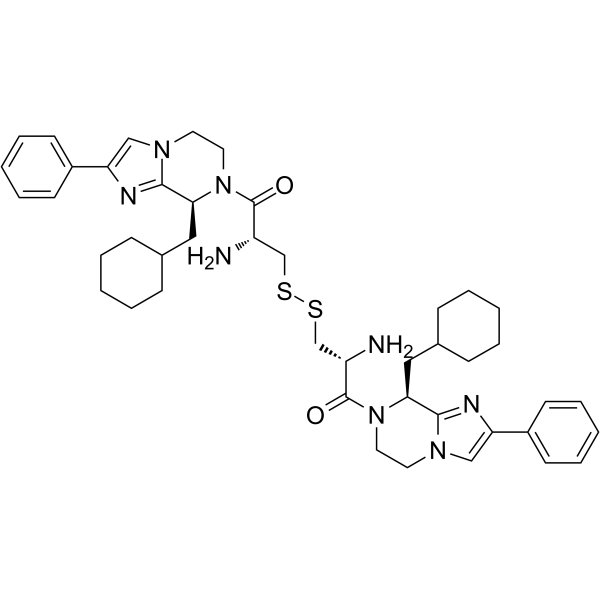
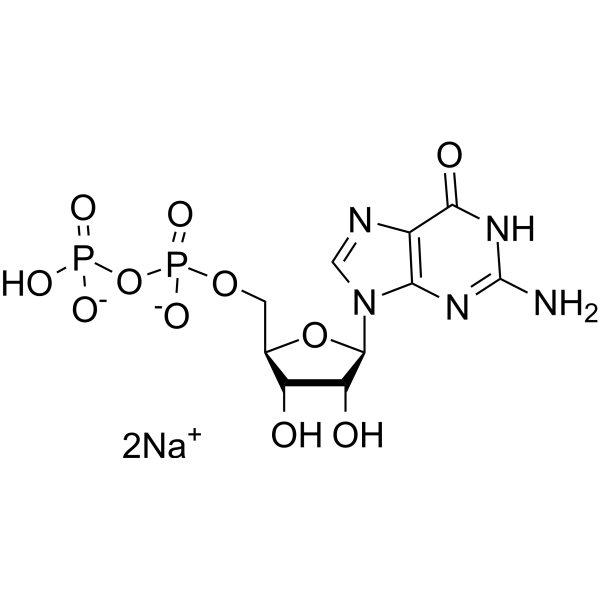
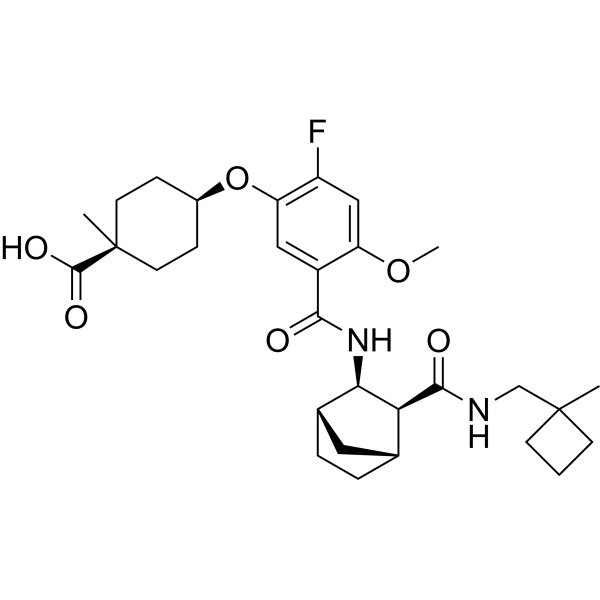
1. Search Result
Search Result
Pathways Recommended: GPCR/G Protein
Results for "

GPCRs

" in MedChemExpress (MCE) Product Catalog:

154

Inhibitors & Agonists

12

Screening Libraries

2

Fluorescent Dye

1

Biochemical Assay Reagents

28

Peptides

3

Inhibitory Antibodies

17

Natural
Products

10

Isotope-Labeled Compounds

2

Oligonucleotides

Cat. No. Product Name Target Research Areas Chemical Structure
  • HY-B0228
    Adenosine
    15+ Cited Publications

    Adenine riboside; D-Adenosine

    Environmental Pollutants Autophagy Nucleoside Antimetabolite/Analog Endogenous Metabolite Apoptosis Metabolic Disease Cancer
    Adenosine (Adenine riboside), a ubiquitous and BBB-permeable endogenous autacoid, acts through the enrollment of four G protein-coupled receptors: A1, A2A, A2B, and A3. Adenosine affects almost all aspects of cellular physiology, including neuronal activity, vascular function, platelet aggregation, and blood cell regulation .
    Adenosine
  • HY-111534
    SBI-115
    30+ Cited Publications

    G protein-coupled Bile Acid Receptor 1 Others
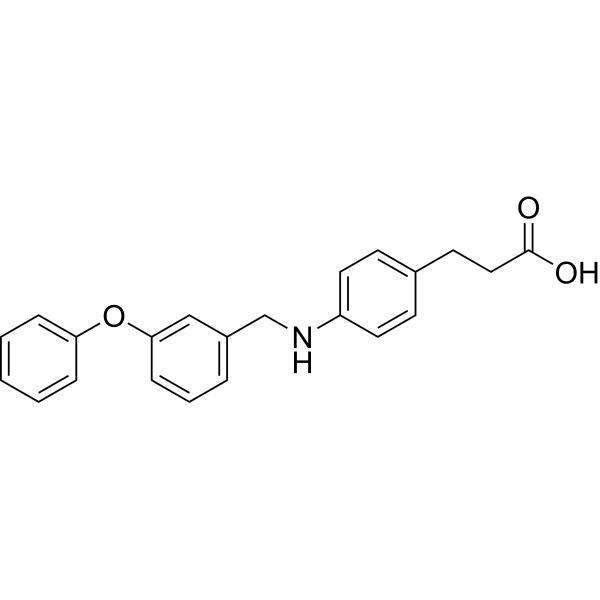
    SBI-115 is a TGR5 (GPCR19) antagonist. SBI-115 decreases hepatic cystogenesis with polycystic liver diseases via inhibiting TGR5 .
    SBI-115
  • HY-N0169
    Hyodeoxycholic acid
    5+ Cited Publications

    HDCA

    G protein-coupled Bile Acid Receptor 1 Endogenous Metabolite Metabolic Disease
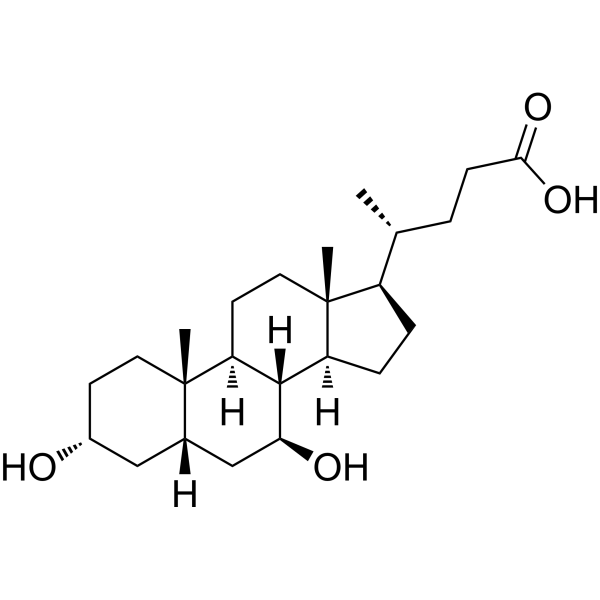
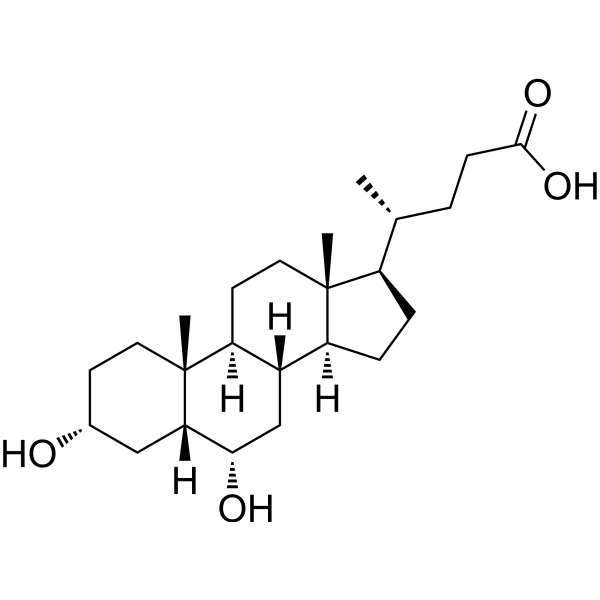
    Hyodeoxycholic acid is a secondary bile acid formed in the small intestine by the gut flora, and acts as a TGR5 (GPCR19) agonist, with an EC50 of 31.6 µM in CHO cells.
    Hyodeoxycholic acid
  • HY-113962
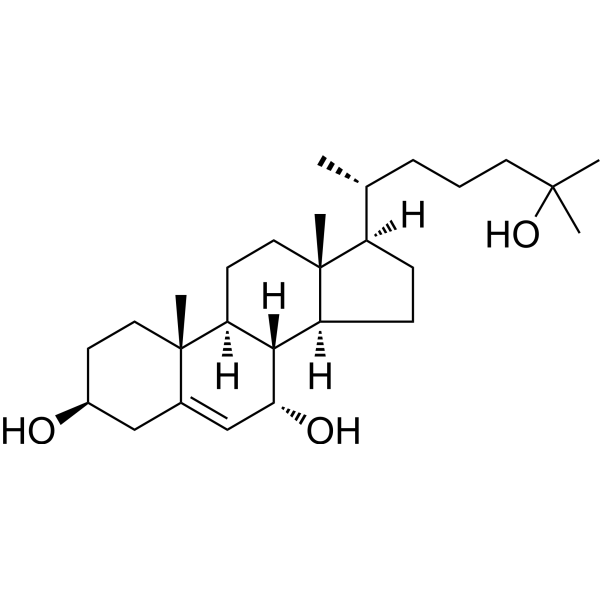
    7α,25-Dihydroxycholesterol
    3 Publications Verification

    7α,25-OHC

    EBI2/GPR183 Endogenous Metabolite Inflammation/Immunology
    7α, 25-dihydroxycholesterol (7α,25-OHC) is a potent and selective agonist and endogenous ligand of the orphan GPCR receptor EBI2 (GPR183). 7α, 25-dihydroxycholesterol is highly potent at activating EBI2 (EC50=140 pM; Kd=450 pM). 7α, 25-dihydroxycholesterol can serve as a chemokine directing migration of B cells, T cells and dendritic cells .
    7α,25-Dihydroxycholesterol
  • HY-148531

    CCR Inflammation/Immunology
    PF-07054894 is an orally active and potent C-C Chemoattractant Cytokine (Chemokine) Receptor 6 (CCR6) antagonist that blocks CCR6-mediated chemotaxis with an IC50 value of 5.7 nM in vitro. PF-07054894 targets G protein-coupled receptor (GPCR). PF-07054894 can be used in research of inflammatory bowel disease .
    PF-07054894
  • HY-P1125
    4-CMTB
    5+ Cited Publications

    Free Fatty Acid Receptor Others
    4-CMTB is a selective free fatty acid receptor 2 (FFA2/GPR43) agonist and a positive allosteric modulator (pEC50=6.38) .
    4-CMTB
  • HY-148087
    AZD5462
    1 Publications Verification

    RXFP Receptor Cardiovascular Disease
    AZD5462 is a RXFP1 modulator, can be used for heart failure research. RXFP1 is the cognate receptor for human relaxin, belongs to GPCR family 1c number with anti-fibrotic and anti-inflammatory properties .
    AZD5462
  • HY-107537

    GPR35 Cardiovascular Disease Inflammation/Immunology
    CID 2745687 acts as a specific, reversible and competitive GPR35 antagonist with a Ki of 12.8 nM .
    CID 2745687
  • HY-13771A
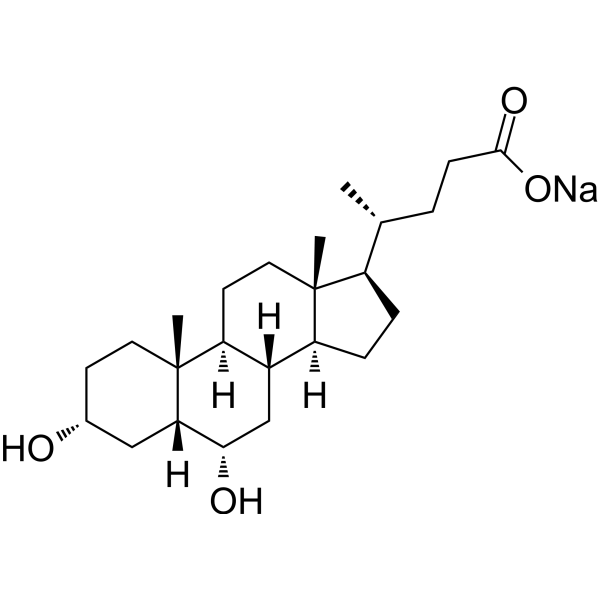
    Ursodeoxycholic acid sodium
    25+ Cited Publications

    Ursodeoxycholate sodium; Ursodiol sodium; UCDA sodium

    G protein-coupled Bile Acid Receptor 1 FXR Endogenous Metabolite Metabolic Disease Inflammation/Immunology Cancer
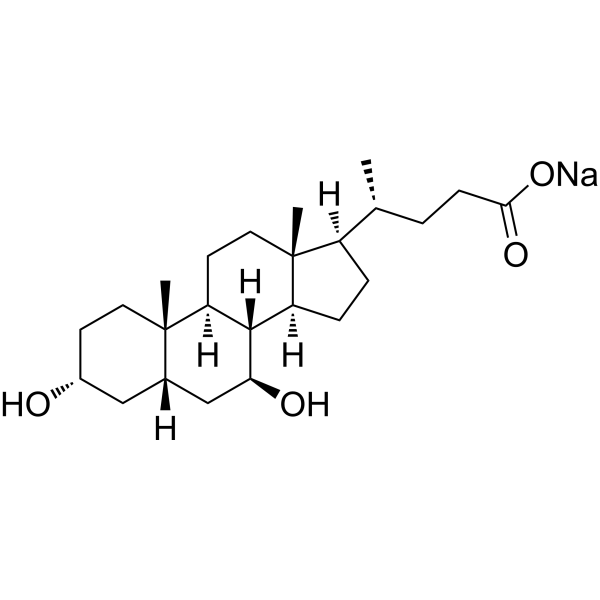
    Ursodeoxycholic acid (Ursodeoxycholate) sodium is a secondary bile acid issued from the transformation of (cheno)deoxycholic acid by intestinal bacteria, acting as a key regulator of the intestinal barrier integrity and essential for lipid metabolism. Ursodeoxycholic acid sodium acts as signaling molecule, exerting its effects by interacting with bile acid activated receptors, including G-protein coupled bile acid receptor 5 (TGR5, GPCR19) and the farnesoid X receptor (FXR). Ursodeoxycholic acid sodium can be used for the research of a variety of hepatic and gastrointestinal diseases. Orally active .
    Ursodeoxycholic acid sodium
  • HY-110098
    Ro 5212773
    1 Publications Verification

    EPPTB

    Trace Amine-associated Receptor (TAAR) Neurological Disease
    Ro 5212773 (EPPTB) is a potent and selective trace amine-associated receptor 1 (TAAR1) antagonist (Ki=0.9 nM for mouse TAAR1), with no significant effects on other TAARs. TAAR1 is a G protein-coupled receptor (GPCR) that is nonselectively activated by endogenous metabolites of amino acids .
    Ro 5212773
  • HY-N15721

    Trp-CA

    Orphan GPCR GLP Receptor Metabolic Disease
    Tryptophan-cholic acid (Trp-CA) is a microbial amino acid-conjugated bile acid that acts as an endogenous ligand and agonist (EC50=9.6 μM) for the orphan G protein-coupled receptor (GPCR) MRGPRE (Mas-related G protein-coupled receptor family member E). Tryptophan-cholic acid is orally effective but has poor oral absorption and does not cross the blood-brain barrier. Tryptophan-cholic acid promotes the secretion of glucagon-like peptide GLP-1, thereby improving glucose tolerance in diabetic mice. Tryptophan-cholic acid improves glucose tolerance, promotes insulin secretion, and alleviates high-fat diet-induced hepatic steatosis without causing pruritus side effects. Tryptophan-cholic acid is primarily used in research on type 2 diabetes (T2D) .
    Tryptophan-cholic acid
  • HY-141796

    PROTACs WDR5 Cancer
    MS67 is a potent and selective WD40 repeat domain protein 5 (WDR5) degrader with a Kd of 63 nM. MS67 is inactive against other protein methyltransferases, kinases, GPCRs, ion channels, and transporters. MS67 shows potent acticancer effects .
    MS67
  • HY-101483
    Dihydromunduletone
    2 Publications Verification

    Drug Derivative Neurological Disease Cancer
    Dihydromunduletone (DHM) is a rotenoid derivative and a selective, potent adhesion G protein-coupled receptor (aGPCR) (GPR56 and GPR114/ADGRG5) antagonist with an IC 50 of 20.9 μM for GPR56, but not inhibit GPR110 or class A GPCRs .
    Dihydromunduletone
  • HY-116835
    BI-6901
    1 Publications Verification

    CCR Inflammation/Immunology
    BI 6901 is a potent, selective CCR10 antagonist (pIC50=9.0). BI 6901 shows high selectivity over other GPCRs, including a number of other chemokine receptors. BI 6901 is efficacious in the murine DNFB model of contact hypersensitivity and can be used for inflammation research .
    BI-6901
  • HY-12752A

    Trimeprazine hemitartrate

    Histamine Receptor Influenza Virus Neurological Disease Inflammation/Immunology Cancer
    Alimemazine hemitartrate (Trimeprazine hemitartrate) is an antagonist of the histamine (HA) receptor that can be taken orally and also acts as a partial agonist at other GPCR receptors. Alimemazine hemitartrate has effects that include anti-serotonin, antispasmodic, antihistamine, sedation, hypnotic, antiviral, and anti-nausea properties. Alimemazine hemitartrate promotes the growth of pancreatic β-cells in mice and improves diabetes in mice .
    Alimemazine hemitartrate
  • HY-134494
    MS48107
    2 Publications Verification

    GPR68 Neurological Disease
    MS48107 is a potent and selective positive allosteric modulator of G protein-coupled receptor 68 (GPR68). MS48107 is selective for GPR68 over the closely related proton GPCRs, neurotransmitter transporters, and hERG ion channels. MS48107 can readily cross the blood-brain barrier (BBB) in mice .
    MS48107
  • HY-125880
    SBI-553
    1 Publications Verification

    Neurotensin Receptor Neurological Disease Endocrinology
    SBI-553 is a potent and brain penetrant NTR1 allosteric modulator, with an EC50 of 0.34 μM .
    SBI-553
  • HY-15564
    AR 231453
    2 Publications Verification

    GPR119 Metabolic Disease
    AR 231453 is a potent, specific and orally available GPR119 agonist. AR 231453 can stimulate β-cell replication and improve islet graft function s .
    AR 231453
  • HY-19838

    GPR139 Neurological Disease
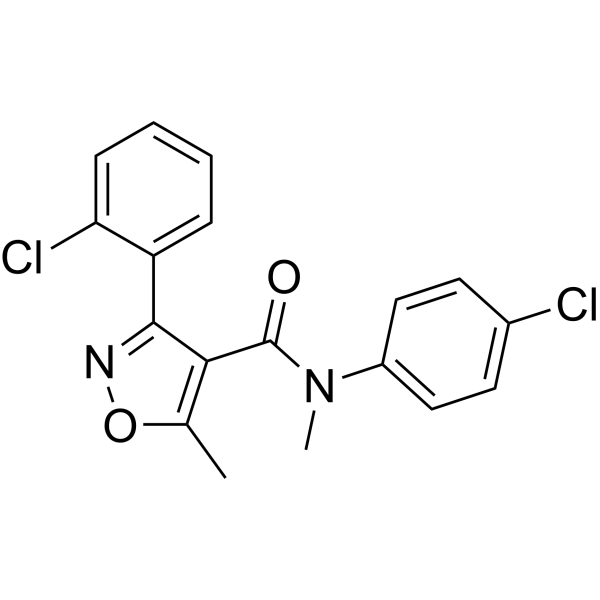
    JNJ-63533054 is a potent, selective and orally active GPR139 agonist with an EC50 of 16 nM for human GPR139 (hGPR139). JNJ-63533054 shows selective for GPR139 over other GPCRs, ion channels, and transporters. JNJ-63533054 can cross the blood-brain barrier (BBB) .
    JNJ-63533054
  • HY-107625A
    SNAP 94847 hydrochloride
    2 Publications Verification

    MCHR1 (GPR24) Neurological Disease
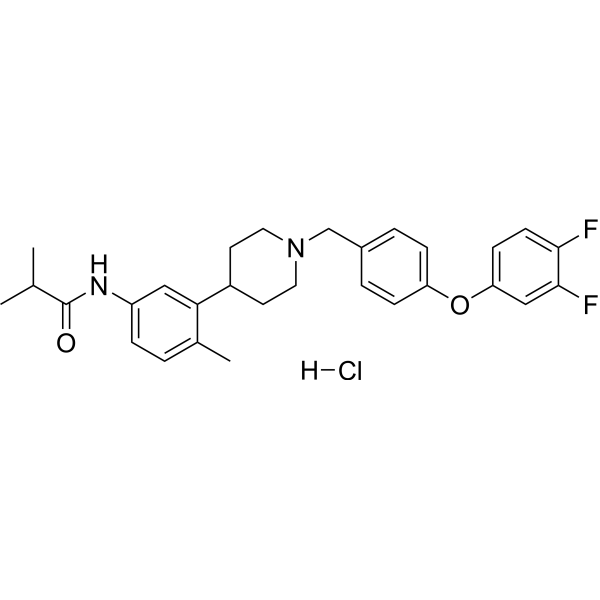
    SNAP 94847 hydrochloride is a novel, high affinity selective melanin-concentrating hormonereceptor1 (MCHR1) antagonist with (Ki= 2.2 nM, Kd=530 pM), it displays >80-fold and >500-fold selectivity over MCHα1A and MCHD2 receptors respectively. SNAP 94847 hydrochloride binds with high affinity to the mouse and rat MCHR1 with minimal cross-reactivity to other GPCR, ion channels, enzymes, and transporters .
    SNAP 94847 hydrochloride
  • HY-B0228S11

    Adenine riboside-15N5; D-Adenosine-15N5

    Isotope-Labeled Compounds Cancer
    Adenosine- 15N5 (Adenine riboside- 15N5; D-Adenosine- 15N5) is the 15N labled Adenosine (HY-B0228). Adenosine (Adenine riboside), a ubiquitous endogenous autacoid, acts through the enrollment of four G protein-coupled receptors: A1, A2A, A2B, and A3. Adenosine affects almost all aspects of cellular physiology, including neuronal activity, vascular function, platelet aggregation, and blood cell regulation .
    Adenosine-15N5
  • HY-103080

    Apelin Receptor (APJ) Cardiovascular Disease
    CMF019 is an orally active, potent and small molecule agonist at Apelin receptor (APJ) with G protein bias. CMF019 binds to APJ with pKi values of 8.58, 8.49 and 8.71 for human, rat, and mouse, respectively. CMF019 mimics the beneficial cardiovascular actions of apelin in rodents . Apelin receptor (APJ) is a G protein-coupled receptor (GPCR) activated by the endogenous peptide apelin. CMF019 is promising for research of chronic diseases, such as, pulmonary arterial hypertension .
    CMF019
  • HY-P3137

    Angiotensin Receptor Cardiovascular Disease
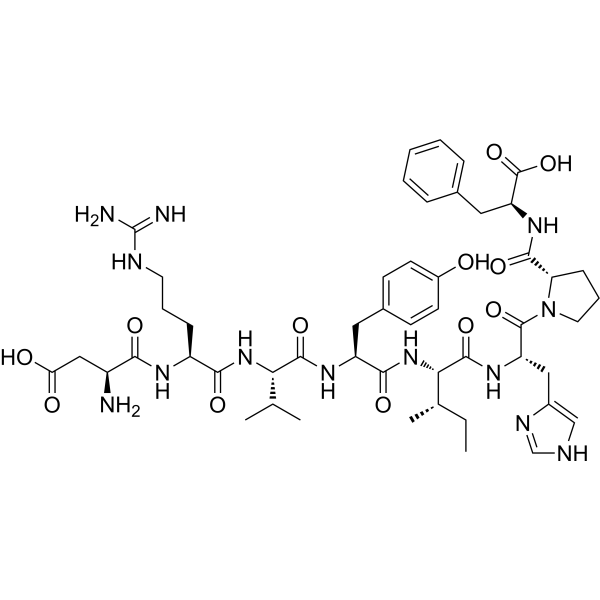
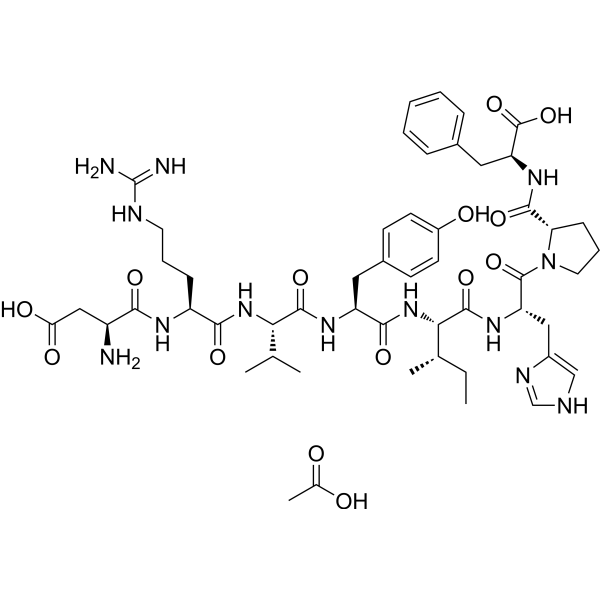
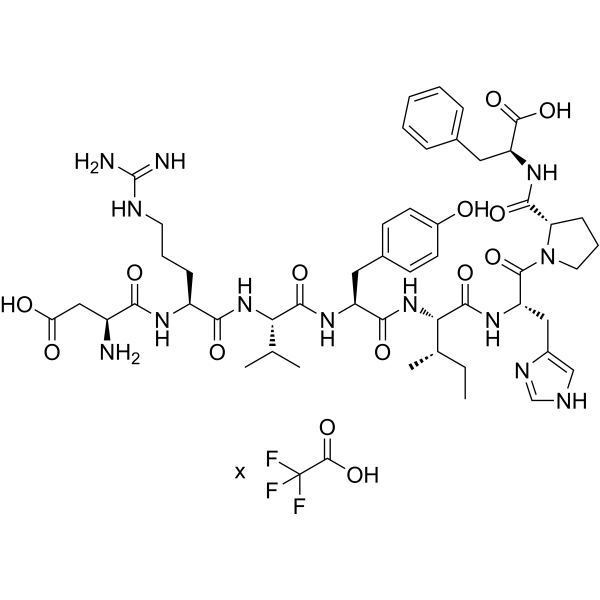
    TRV056 is a Gq-biased ligand of the angiotensin II receptor type 1 (AT1R). TRV056 is efficacious in stimulating cellular Gq-mediated signaling. TRV056 can be used to develop the Gq-biased AT1R agonists .
    TRV056
  • HY-P0242

    Neurokinin Receptor Neurological Disease Endocrinology
    Neurokinin B belongs to the tachykinin family of peptides. Neurokinin B binds a family of GPCRs-including neurokinin receptor 1 (NK1R), NK2R, and NK3R-to mediate their biological effect .
    Neurokinin B
  • HY-P0242A

    Neurokinin Receptor Neurological Disease Endocrinology
    Neurokinin B TFA belongs to the tachykinin family of peptides. Neurokinin B binds a family of GPCRs-including neurokinin receptor 1 (NK1R), NK2R, and NK3R-to mediate their biological effect .
    Neurokinin B TFA
  • HY-136390
    ML417
    1 Publications Verification

    Dopamine Receptor Neurological Disease
    ML417 is a selective and brain penetrant D3 dopamine receptor (D3R) agonist, with an EC50 of 38 nM. ML417 potently promotes D3R-mediated β-arrestin translocation, G protein mediated signaling, and pERK phosphorylation with minimal effects on other GPCR-mediated signaling. ML417 exhibits neuroprotection against toxin-induced neurodegeneration of dopaminergic neurons .
    ML417
  • HY-125976

    Apelin Receptor (APJ) Cardiovascular Disease
    ML233 is a non-peptide based potent apelin receptor (APJ) agonist (EC50=3.7 μM). ML233 displays >21-fold selective over the closely related angiotensin 1 (AT1) receptor (>79 μM) .
    ML233
  • HY-B0228S13

    Adenine riboside-13C10; D-Adenosine-13C10

    Isotope-Labeled Compounds Nucleoside Antimetabolite/Analog Endogenous Metabolite Autophagy Apoptosis Metabolic Disease Cancer
    Adenosine- 13C10 (Adenine riboside- 13C10; D-Adenosine- 13C10) is 13C-labeled Adenosine (HY-B0228). Adenosine (Adenine riboside), a ubiquitous endogenous autacoid, acts through the enrollment of four G protein-coupled receptors: A1, A2A, A2B, and A3. Adenosine affects almost all aspects of cellular physiology, including neuronal activity, vascular function, platelet aggregation, and blood cell regulation.
    Adenosine-13C10
  • HY-B0228R

    Adenine riboside (Standard); D-Adenosine (Standard)

    Reference Standards Nucleoside Antimetabolite/Analog Autophagy Apoptosis Endogenous Metabolite Metabolic Disease Cancer
    Adenosine (Standard) is the analytical standard of Adenosine. This product is intended for research and analytical applications. Adenosine (Adenine riboside), a ubiquitous endogenous autacoid, acts through the enrollment of four G protein-coupled receptors: A1, A2A, A2B, and A3. Adenosine affects almost all aspects of cellular physiology, including neuronal activity, vascular function, platelet aggregation, and blood cell regulation .
    Adenosine (Standard)
  • HY-124803

    GCGR Metabolic Disease
    GPCR modulator-1 is a negative allosteric modulator of the GLP-1 receptor (GLP-1R). GPCR modulator-1 can be used for the study of type 2 diabetes .
    GPCR modulator-1
  • HY-P2278
    PEN (human)
    1 Publications Verification

    G protein-coupled Bile Acid Receptor 1 Neurological Disease
    PEN (human), one of the most abundant hypothalamic neuropeptide and derived from the proprotein ProSAAS, is an endogenous ligand of GPR83 .
    PEN (human)
  • HY-139950
    Rasarfin
    1 Publications Verification

    Ras Cancer
    Rasarfin is a dual Ras and ARF6 inhibitor .
    Rasarfin
  • HY-B1607
    Chlorphenoxamine
    1 Publications Verification

    Histamine Receptor SARS-CoV Filovirus Parasite Infection Neurological Disease Inflammation/Immunology
    Chlorphenoxamine, an antihistamine and anticholinergic agent is a GPCR antagonist. Chlorphenoxamine inhibits multiple lethal viral diseases, such as SARS-CoV, MERS-CoV, EBOV and malaria. Chlorphenoxamine shows anti-filovirus activity against both EBOV and Marburg virus (MARV) with IC50s of 1.1 μM and 6.2 μM, respectively. Chlorphenoxamine is used for allergic conditions, urticaria, viral diseases and Parkinson’s disease .
    Chlorphenoxamine
  • HY-125751
    UCSF924
    1 Publications Verification

    Dopamine Receptor Neurological Disease
    UCSF924, a chemical probe, is a potent and specific dopamine D4 receptor (DRD4) partial agonist with a EC50 of 4.2 nM. UCSF924 has no off-target effects on more than 320 non-olfactory GPCRs. UCSF924 can be used for research in the field of neuropsychiatric diseases .
    UCSF924
  • HY-47573
    CCG273441
    3 Publications Verification

    G Protein-coupled Receptor Kinase (GRK) Cardiovascular Disease Cancer
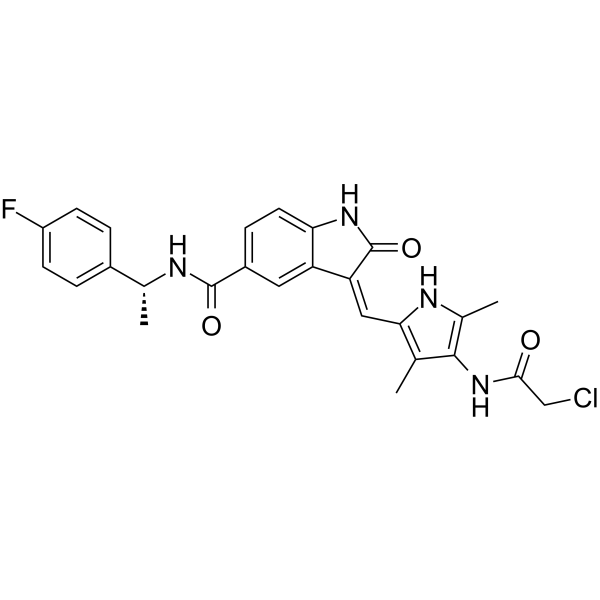
    CCG273441 is a covalent inhibitor of G protein-coupled receptor (GPCR) kinase 5 (GRK5) with an IC50 value of 3.8 nM. CCG273441 is highly selective to GRK5 over GRK2 (IC50=4.8 μM) by binding Cys474, a GRK5 subfamily-specific residue, as a covalent handle .
    CCG273441
  • HY-P1769

    Angiotensin Receptor Metabolic Disease Endocrinology
    Angiotensin II (5-8), human is an endogenous C-terminal fragment of the peptide vasoconstrictor angiotensin II . Angiotensin II binds the AT II type 1 (AT1) receptor, stimulating GPCRs in vascular smooth muscle cells and increasing intracellular Ca 2+ levels. Angiotensin II also acts at the Na +/H + exchanger in the proximal tubules of the kidney .
    Angiotensin II (5-8), human
  • HY-139690
    CCG258747
    1 Publications Verification

    Opioid Receptor G Protein-coupled Receptor Kinase (GRK) Mas-related G-protein-coupled Receptor (MRGPR) Cardiovascular Disease Inflammation/Immunology
    CCG258747 is a selective GRK2 inhibitor (IC50 = 18 nM) with high selectivity over GRK1, GRK5, PKA, and ROCK1 (518, 83, > 5500, and > 550-fold, respectively). CCG258747 also blocks the internalization of the µ-opioid receptor (MOR). CCG258747 attenuates IgE mediated anaphylaxis by inhibiting GRK2 and FcεRI signaling pathway but activates mast cells via MRGPRX2 and MRGPRB2. CCG258747 can be used to study diseases related to overexpression of GRK2 (such as heart failure, opioid tolerance) .
    CCG258747
  • HY-177116

    HIV Infection Inflammation/Immunology
    GPR15 antagonist-1 (Compound 5) is a GPR15 antagonist. G protein-coupled receptor 15 (GPR15) is an extensively studied GPCRs involving HIV infection, colonic inflammation, and smoking-related diseases .
    GPR15 antagonist-1
  • HY-P3136A

    TRV120055 hydrochloride

    Angiotensin Receptor Cardiovascular Disease
    TRV055 (TRV120055) hydrochloride is a G protein-biased agonist of angiotensin II type 1 receptors (AT1Rs). TRV055 hydrochloride induces fibroblast proliferation, overexpression of collagen I and α-SMA, and stress fibre formation in human cardiac fibroblasts. RV055 hydrochloride activates AT1 receptor/Gαq-mediated signaling pathways, upregulates TGF-β1 and p-ERK1/2. RV055 hydrochloride induces collagen secretion in adult rat myofibroblasts at a level comparable to Ang II. RV055 hydrochloride can be used to study the role of G protein-biased signaling of AT1Rs in regulating fibrotic responses [1]
    TRV055 hydrochloride
  • HY-N0169R

    HDCA (Standard)

    Reference Standards Endogenous Metabolite G protein-coupled Bile Acid Receptor 1 Metabolic Disease
    Hyodeoxycholic acid (Standard) is the analytical standard of Hyodeoxycholic acid. This product is intended for research and analytical applications. Hyodeoxycholic acid is a secondary bile acid formed in the small intestine by the gut flora, and acts as a TGR5 (GPCR19) agonist, with an EC50 of 31.6 µM in CHO cells.
    Hyodeoxycholic acid (Standard)
  • HY-133862

    Influenza Virus G protein-coupled Bile Acid Receptor 1 Adenosine Receptor Infection
    SCH-202676 is an allosteric modulator of G protein-coupled receptors (GPCRs) and adenosine receptor (AR). SCH-202676 has antiviral activity and inhibits 3CL pro in a time-dependent manner with an IC50 value of 0.655 µM .
    SCH-202676
  • HY-170589

    Transmembrane Glycoprotein Neurological Disease
    GPR17 antagonist 1 (compound 978) is a GPR17 antagonist. GPR17 antagonist 1 can be used in the study of diabetes and obesity .
    GPR17 antagonist 1
  • HY-134801

    GPR35 Metabolic Disease Inflammation/Immunology
    CID1231538, a benzothiazole analog, is a potent GPR35 antagonist with no significant activity against rodent orthologs of GPR35, which is also a G protein-coupled receptor (GPCR) .
    CID1231538
  • HY-110012

    Adenosine Receptor Infection
    SCH-202676 hydrobromide is an allosteric modulator of G protein-coupled receptors (GPCRs) and adenosine receptor (AR). SCH-202676 hydrobromide has antiviral activity and inhibits 3CL pro in a time-dependent manner with an IC50 value of 0.655 μM .
    SCH-202676 hydrobromide
  • HY-119226

    mAChR Neurological Disease
    VU0152099 is a potent, selective and brain-penetrant mAChR M4 positive allosteric modulator with an EC50 of 0.4 µM for rat M4 receptor. VU0152099 is inactive for other mAChR subtypes or other GPCRs. VU0152099 has no agonist activity but potentiated responses of M4 to acetylcholine .
    VU0152099
  • HY-B0228S12

    Adenine riboside-d13; D-Adenosine-d13

    Isotope-Labeled Compounds Nucleoside Antimetabolite/Analog Endogenous Metabolite Autophagy Apoptosis Metabolic Disease Cancer
    Adenosine-d13 (Adenine riboside-d13; D-Adenosine-d13) is deuterium labeled Adenosine (HY-B0228). Adenosine (Adenine riboside), a ubiquitous endogenous autacoid, acts through the enrollment of four G protein-coupled receptors: A1, A2A, A2B, and A3. Adenosine affects almost all aspects of cellular physiology, including neuronal activity, vascular function, platelet aggregation, and blood cell regulation.
    Adenosine-d13
  • HY-170973

    Opioid Receptor
    KOR agonist 4 (compound 39) is an agonist of Kappa Opioid Receptor. KOR agonist 4 is an activator of G-protein signaling. KOR agonist 4 binds with GTPγS with an EC50 of 14 nM and with an Emax of 83 %. KOR agonist 4 demonstrates moderate to high intrinsic clearance in human hepatocytes. KOR agonist 4 exhibits 60- and 810-fold selectivities versus the related mu (MOR) and delta (DOR) opioid receptors. KOR agonist 4 is potential for central nervous system (CNS) disorders research .
    KOR agonist 4
  • HY-123737

    Orexin Receptor (OX Receptor) Neurological Disease
    MK-8133 is an orexin-2 receptor antagonist. MK-8133 can be used in the study of insomnia .
    MK-8133
  • HY-12752

    Trimeprazine

    Histamine Receptor Neurological Disease Inflammation/Immunology Cancer
    Alimemazine is a phenothiazine derivative that is generally used as an antipruritic agent and also a hemagglutinin (HA)-receptor antagonist.Alimemazine (Trimeprazine) is also acts as a partial agonist against the histamine H1 receptor (H1R) and other GPCRs. Alimemazine displays antiserotonin, antispasmodic, and antiemetic properties .
    Alimemazine
  • HY-P1792

    Angiotensin Receptor Metabolic Disease Endocrinology
    Angiotensin II (1-4), human is an endogenous peptide produced from AT I by angiotensin-converting-enzyme (ACE). Angiotensin II binds the AT II type 1 (AT1) receptor, stimulating GPCRs in vascular smooth muscle cells and increasing intracellular Ca 2+ levels. Angiotensin II also acts at the Na +/H + exchanger in the proximal tubules of the kidney .
    Angiotensin II (1-4), human

Inquiry Online

Your information is safe with us. * Required Fields.

Salutation


Country or Region *

Applicant Name *


Organization Name *

Department *


Email Address *


Product Name *

Cat. No.


Requested quantity *

Phone Number *


Remarks

Inquiry Online

Inquiry Information

Product Name:
Cat. No.:
Quantity:
MCE Japan Authorized Agent:

