1. Search Result
Search Result
Results for "

GTP activation

" in MedChemExpress (MCE) Product Catalog:

52

Inhibitors & Agonists

1

Biochemical Assay Reagents

4

Peptides

1

Inhibitory Antibodies

5

Natural
Products

4

Oligonucleotides

Targets Recommended:
Cat. No. Nombre del producto Target Áreas de investigación Chemical Structure
  • HY-W010737
    Guanosine-5'-triphosphate disodium salt
    Maximum Cited Publications
    8 Publications Verification

    5'-GTP disodium salt

    Exosomes Endogenous Metabolite MicroRNA Metabolic Disease
    Guanosine 5'-triphosphate (5'-GTP) trisodium salt is a G protein (G proteins) signaling activator and a high-energy precursor in the biosynthesis of nucleotide units in DNA and RNA. Guanosine 5'-triphosphate trisodium salt can promote myogenic cell differentiation by upregulating miRNA (miR133a, miR133b) and myogenic regulatory factor expression, and by inducing human myogenic precursor cells to release exosomes containing guanosine molecules. Guanosine-5'-triphosphate disodium salt holds promise for research in biosynthesis and skeletal muscle regeneration .
    Guanosine-5'-triphosphate disodium salt
  • HY-12695
    Guanosine 5'-triphosphate trisodium
    5 Publications Verification

    5'-GTP trisodium

    Exosomes Endogenous Metabolite DNA/RNA Synthesis Metabolic Disease
    Guanosine 5'-triphosphate (5'-GTP) trisodium salt is a G protein (G proteins) signaling activator and a high-energy precursor in the biosynthesis of nucleotide units in DNA and RNA. Guanosine 5'-triphosphate trisodium salt can promote myogenic cell differentiation by upregulating miRNA (miR133a, miR133b) and myogenic regulatory factor expression, and by inducing human myogenic precursor cells to release exosomes containing guanosine molecules. Guanosine-5'-triphosphate trisodium salt holds promise for research in biosynthesis and skeletal muscle regeneration .
    Guanosine 5'-triphosphate trisodium
  • HY-112473
    Grassofermata
    Maximum Cited Publications
    11 Publications Verification

    NAV-2729

    Ras Cancer
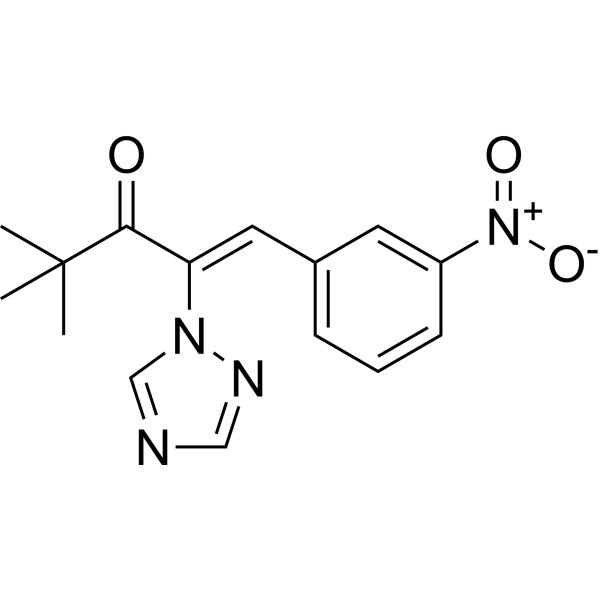
    Grassofermata is a dual Arf1/Arf6 activation inhibitor. ADP ribosylation factors (Arfs) are members of the Arf family of GTP-binding proteins of the Ras superfamily.
    Grassofermata
  • HY-159852

    PI3K Ras Akt Cancer
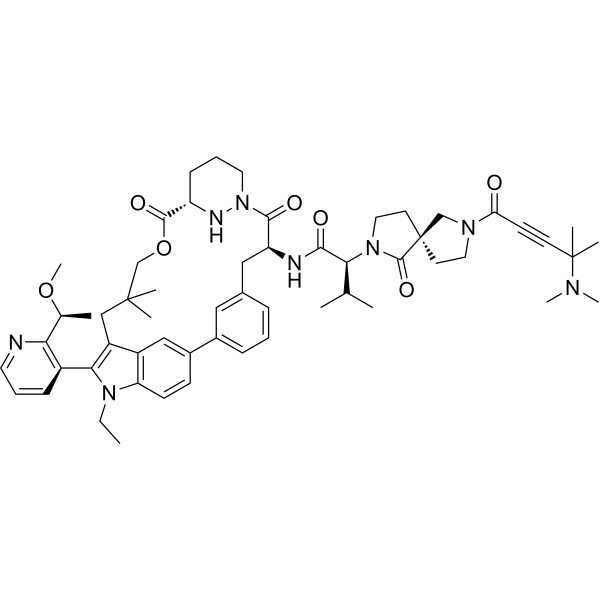
    BBO-10203 is a potent inhibitor of PI3Kα and KRAS G12C, selectively and covalently binding to Cys242 in the RAS-Binding Domain of PI3Kα, and inhibiting both the GTP-bound and GDP-bound states of KRAS G12C with an IC50 of 0.031 nM and an EC50 of 0.02 nM. BBO-10203 disrupts the interaction between RAS isoforms and PI3Kα, leading to the inhibition of RAS-mediated PI3Kα activation, and reduces pERK expression, cell growth, and induces G1 arrest and apoptosis. BBO-10203 can be used for the research of breast cancer, colorectal cancer, and non-small cell lung cancer .
    BBO-10203
  • HY-137677B

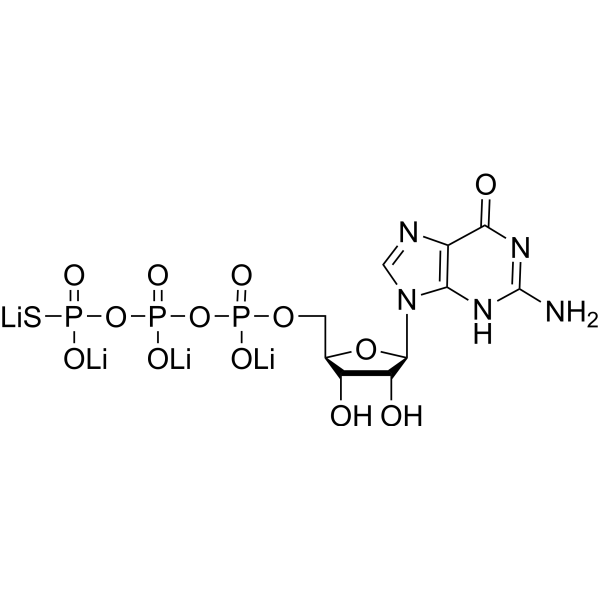
    Guanosine 5'-[γ-thio]triphosphate tetralithium

    GLUT Metabolic Disease
    GTPγS (Guanosine 5'-[γ-thio]triphosphate) tetralithium is a G-protein activator that protects proteins from proteolytic degradation, stimulates GLUT4 translocation in a tyrosine kinase-dependent manner, stimulate phospholipases and induce actin polymerization. GTPγS tetralithium to couple with G- protein α, to study its effect on kinase activity. GTPγS tetralithium acts as a component of lysis buffer .
    GTPγS tetralithium
  • HY-19800
    ML-098
    Maximum Cited Publications
    11 Publications Verification

    CID-7345532

    Ras Cancer
    ML-098 (CID-7345532) is an activator of the GTP-binding protein Rab7 with an EC50 of 77.6 nM.
    ML-098
  • HY-125792
    Nexinhib20
    1 Publications Verification

    Reactive Oxygen Species (ROS) Ras Integrin Cardiovascular Disease Inflammation/Immunology
    Nexinhib20 is an inhibitor that targets the interactions of Rab27a-JFC1 (IC50: 2.6 μM) and Rac-1-GTP. Nexinhib20 can inhibit neutrophil exocytosis, adhesion, and β2 integrin activation, and has anti-inflammatory activity. Nexinhib20 can be used in the research of diseases such as systemic inflammation and myocardial ischemia-reperfusion injury .
    Nexinhib20
  • HY-137167

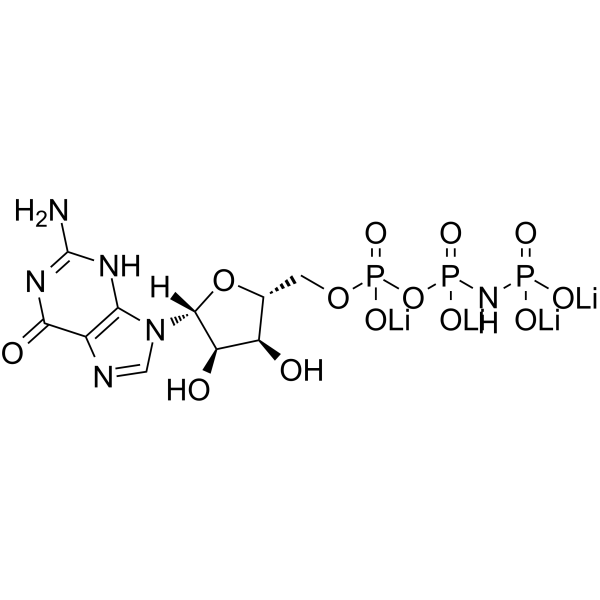
    Gpp(NH)p lithium

    Adenylate Cyclase Metabolic Disease
    Guanylyl imidodiphosphate lithium (Gpp (NH) p lithium) is a non-hydrolyzable GTP analog. Guanylyl imidodiphosphate lithium increases adenylate cyclase activity. Guanylyl imidodiphosphate lithium binds to and irreversibly activates G proteins .
    Guanylyl imidodiphosphate lithium
  • HY-W140439

    18:1 Lyso PC

    Endogenous Metabolite Inflammation/Immunology
    1-Oleoyl-sn-glycero-3-phosphocholine (18:1 Lyso PC), a lysophospholipid, is a GPR82 inhibitor. 1-Oleoyl-sn-glycero-3-phosphocholine abrogates constitutive Gi-coupled GPR82 activity, shifts active/inactive equilibrium to inactive, suppresses Gi protein activation, increases cAMP production, and decreases GTPγS binding to Gαi proteins. 1-Oleoyl-sn-glycero-3-phosphocholine contributes to adipocyte lipolysis regulation.1-Oleoyl-sn-glycero-3-phosphocholine exhibits reduced serum levels in mouse models of steatohepatitis, linked to hepatic Lpcat 1-4 up-regulation .
    1-Oleoyl-sn-glycero-3-phosphocholine
  • HY-157887
    ADT-007
    1 Publications Verification

    Ras Cancer
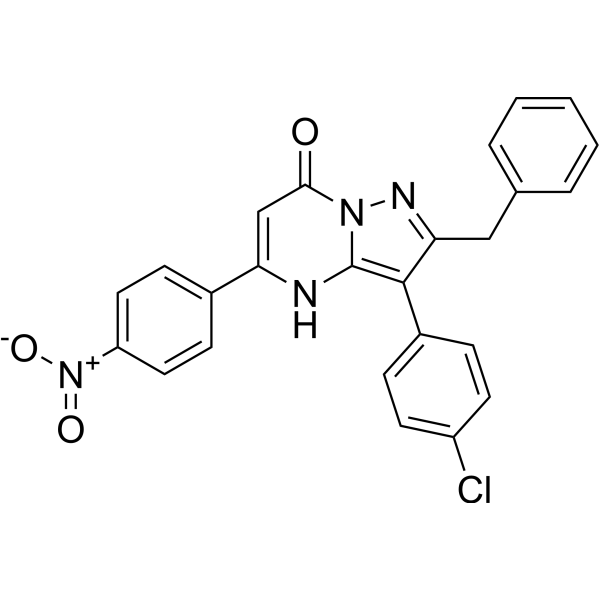
    ADT-007 is a potent and orally active pan-RAS inhibitor with strong anticancer effects. ADT-007 binds RAS in a nucleotide-free conformation to block GTP activation. ADT-007 potently and selectively inhibits the growth of cancer cells with mutated or hyper-activated wild-type RAS isozymes .
    ADT-007
  • HY-14530
    Pelitrexol
    2 Publications Verification

    AG 2037

    Antifolate Cancer
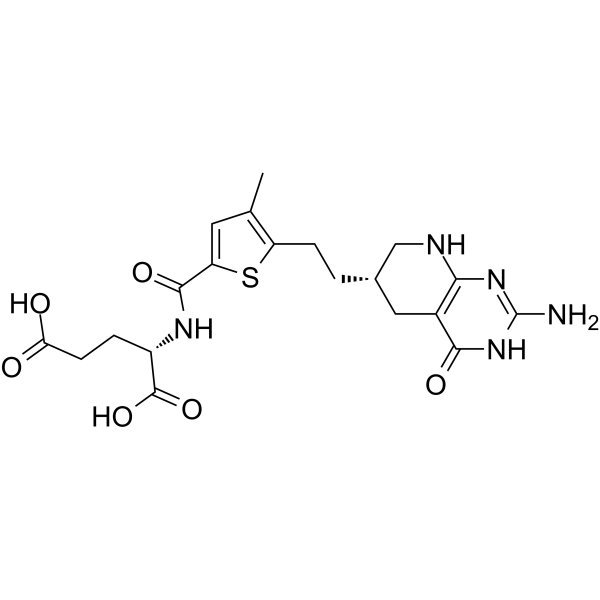
    Pelitrexol (AG 2037) is an inhibitor of glycinamide ribonucleotide formyltransferase (GARFT), a purine biosynthetic enzyme. Pelitrexol also inhibits mTORC1 by reducing GTP-bound Rheb level, a mTORC1 obligate activator. Pelitrexol shows robust tumor growth suppression in mice .
    Pelitrexol
  • HY-100767

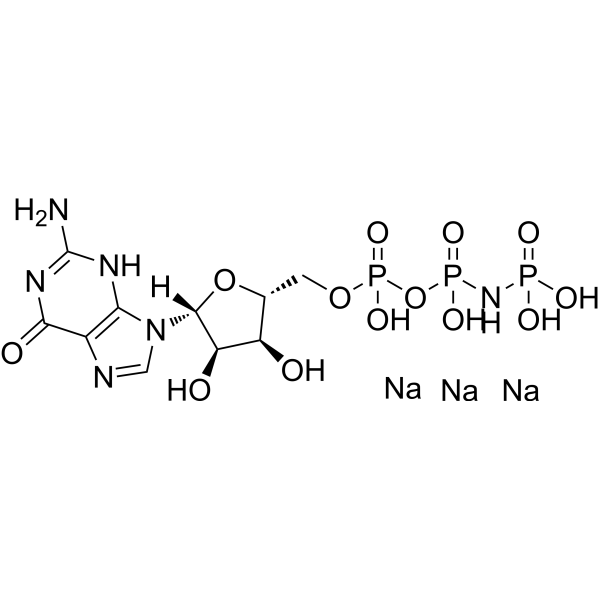
    Guanosine 5'-[β,γ-imido]triphosphate trisodium

    Adenylate Cyclase Endocrinology
    Guanylyl Imidodiphosphate (Guanosine 5'-[β,γ-imido]triphosphate) trisodium is a non-hydrolysable GTP analogue, an activator of ADP-ribosylation factor (ARF) and a potent stimulator of adenylate cyclase. Imidodiphosphate trisodium can be used in protein synthesis studies .
    Guanylyl Imidodiphosphate trisodium
  • HY-12695B
    Guanosine 5'-triphosphate trisodium salt hydrate
    Maximum Cited Publications
    8 Publications Verification

    5'-GTP trisodium salt hydrate

    Exosomes Endogenous Metabolite DNA/RNA Synthesis Metabolic Disease
    Guanosine 5'-triphosphate (5'-GTP) trisodium salt hydrate is a G protein (G proteins) signaling activator and a high-energy precursor in the biosynthesis of nucleotide units in DNA and RNA. Guanosine 5'-triphosphate trisodium salt hydrate can promote myogenic cell differentiation by upregulating miRNA (miR133a, miR133b) and myogenic regulatory factor expression, and by inducing human myogenic precursor cells to release exosomes containing guanosine molecules. Guanosine-5'-triphosphate disodium salt hydrate holds promise for research in biosynthesis and skeletal muscle regeneration .
    Guanosine 5'-triphosphate trisodium salt hydrate
  • HY-120645
    BMS-986122
    1 Publications Verification

    Opioid Receptor Neurological Disease
    BMS-986122 is a selective, potent positive allosteric modulator of the mu-opioid receptor (µ-OR). BMS-986122 shows potentiation of orthosteric agonist-mediated β-arrestin recruitment, adenylyl cyclase inhibition, and G protein activation. BMS-986122 potentiates DAMGO-mediated [ 35S]GTPγS binding in mouse brain membranes .
    BMS-986122
  • HY-137497

    Ras Apoptosis Cancer
    KRAS inhibitor-9, a potent KRAS inhibitor (Kd=92 μM), blocks the formation of GTP-KRAS and downstream activation of KRAS. KRAS inhibitor-9 binds to KRAS G12D, KRAS G12C and KRAS Q61H protein with a moderate binding affinity. KRAS inhibitor-9 causes G2/M cell cycle arrest and induces apoptosis. KRAS inhibitor-9 selectively inhibits the proliferation of NSCLC cells with KRAS mutation but not normal lung cells .
    KRAS inhibitor-9
  • HY-W040055
    Neopterin
    1 Publications Verification

    D-(+)-Neopterin; D-erythro-Neopterin

    NF-κB PPAR ERK Raf Src Cardiovascular Disease Inflammation/Immunology
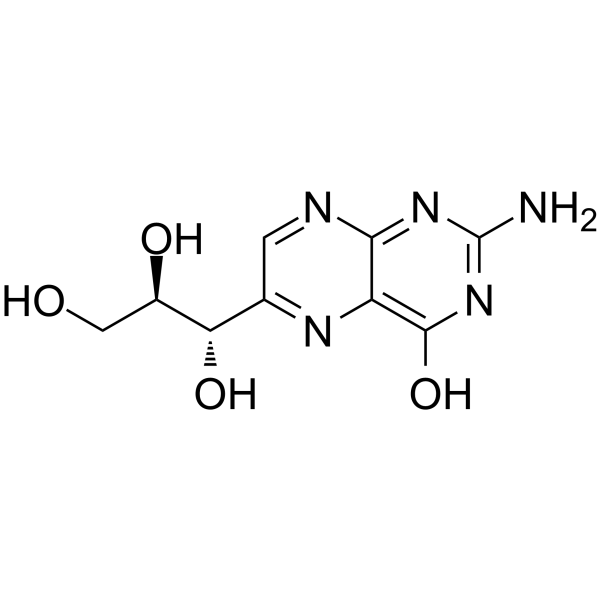
    Neopterin is an immune system activator metabolized by GTP and can be produced by activated macrophages. Neopterin has the potential to resist vascular inflammation and atherosclerosis. Neopterin inhibits the phosphorylation of NF-κB and promotes the expression of PPAR-γ, thereby suppressing the inflammatory response of vascular endothelial cells, reducing the formation of macrophage foam cells, and regulating the migration and proliferation of vascular smooth muscle cells. Neopterin can be used in research fields such as cardiovascular diseases (such as atherosclerosis), inflammation-related diseases and tumor immunomonitoring .
    Neopterin
  • HY-156671

    Ras PI3K ERK mTOR Apoptosis Cancer
    RMC-4998 is an orally active inhibitor targeting the active or GTP-bound state of the KRAS G12C mutant. RMC-4998 can form a ternary complex with intracellular CYPA and the activated KRAS G12C mutant, with an IC50 value of 28 nM. RMC-4998 can inhibit ERK signaling in KRAS G12C mutant cancer cells and induce apoptosis. RMC-4998 can be used for tumor research .
    RMC-4998
  • HY-167856

    GPR88 Neurological Disease
    RTI-122 is a selective, blood-brain barrier-permeable GPR88 agonist (cAMP EC50=11 nM), with EC50 values of 11.5 nM and 155 nM for human and mouse GPR88, respectively ([ 35S]GTPγS assay). By activating the GPR88 receptor to regulate the cAMP signaling pathway and G protein activity, RTI-122 significantly attenuates Binge-like drinking, reduces alcohol intake, and decreases alcohol-seeking motivation. RTI-122 blocks the reinstatement of alcohol-seeking behavior without affecting water or sucrose intake. RTI-122 exhibits metabolic stability in mice (T1/2=5.8 h) and can be used to investigate alcohol use disorder .
    RTI-122
  • HY-14604
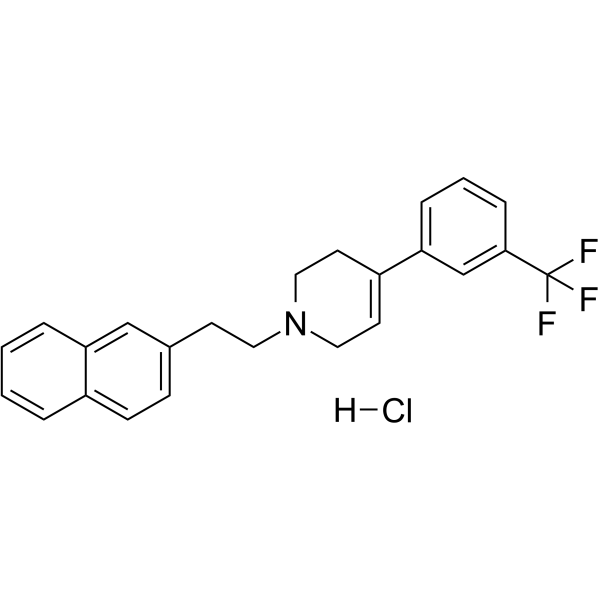
    Xaliproden hydrochloride
    1 Publications Verification

    SR57746A; SR57746 hydrochloride

    5-HT Receptor Dopamine Receptor Trk Receptor PKC ERK Akt JNK Neurological Disease Metabolic Disease
    Xaliproden (SR57746) hydrochloride (SR57746A) is an orally active, highly selective 5-HT1A receptor agonist. Xaliproden hydrochloride activates pertussis toxin-sensitive G protein-coupled signaling cascades, as well as the PKC, ERK1/ERK2, Akt and p21 Ras/MEK-1 pathways. Xaliproden hydrochloride also downregulates the JNK/p66/c-Jun signaling pathway, induces phosphorylation of the shc adaptor protein, regulates extracellular dopamine and 5-HT levels, and induces [ 35S]GTPγS labeling in rat brain structures rich in 5-HT1A receptors. Xaliproden hydrochloride exerts neurotrophic, neuroprotective, renoprotective, anti-inflammatory, anti-apoptotic, anti-fibrotic and analgesic effects. Xaliproden hydrochloride also enhances NGF-induced neurite outgrowth, promotes motor neuron survival, attenuates renal tubular injury and inhibits chemotherapy-induced mechanical allodynia, without activating or altering NGF-induced TrkA receptor activation. Xaliproden hydrochloride can be used in the research of motor neuron disease, diabetic nephropathy, chemotherapy-induced peripheral neuropathy, amyotrophic lateral sclerosis, Alzheimer's disease, acute tonic nociceptive pain, inflammatory pain, depression and anxiety .
    Xaliproden hydrochloride
  • HY-N2438
    Methylophiopogonanone B
    2 Publications Verification

    Ras Microtubule/Tubulin Cancer
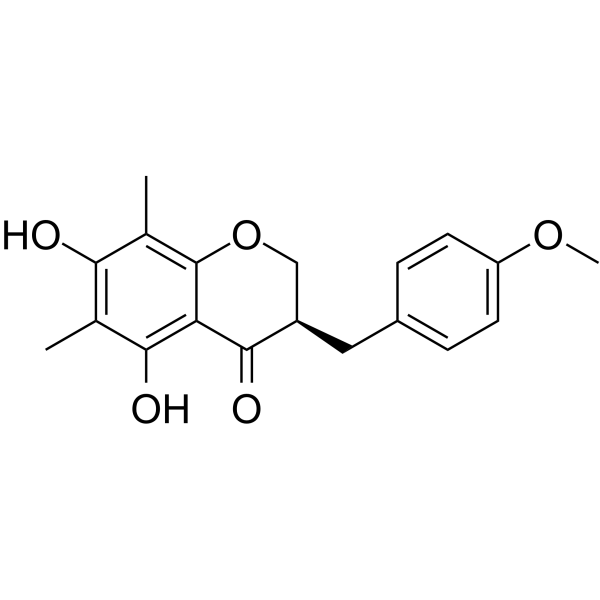
    Methylophiopogonanone B is a homoisoflavonoid compound. Methylophiopogonanone B can be isolated from O. japonicus root. Methylophiopogonanone B promotes Rho activation and Tubulin depolymerization. Methylophiopogonanone B significantly increases GTP-Rho, but not GTP-Rac or GTP-CDC42. Methylophiopogonanone B induces cell morphological change via melanocyte dendrite retraction and stress fiber formation. Methylophiopogonanone B exhibits strong antioxidant activity. Methylophiopogonanone B can be used in the research of cervical cancer .
    Methylophiopogonanone B
  • HY-111671

    SOS1 activator 1

    SOS1 Ras PERK Ligands for Target Protein for PROTAC Cancer
    VUBI1 (SOS1 activator 1) is a benzimidazole derivative and SOS1 activator with a Kd of 44 nM. VUBI1 can significantly activate RAS-GTP and regulate the phosphorylation of ERK. VUBI1 also can serve as a target ligand for synthesizing PROTACs, such as PROTAC SOS1 degrader-1 (HY-145737), to induce SOS1 degradation. VUBI1 can be used in the study of cancer .
    VUBI1
  • HY-103565
    AMN082
    1 Publications Verification

    mGluR Neurological Disease
    AMN082, a selective, orally active, and brain penetrant mGluR7 agonist, directly activates receptor signaling via an allosteric site in the transmembrane domain. AMN082 potently inhibits cAMP accumulation and stimulates GTPγS binding (EC50 values, 64-290 nM) at transfected mammalian cells expressing mGluR7. AMN082 shows selectivity over other mGluR subtypes and selected ionotropic glutamate receptors. Antidepressant effects .
    AMN082
  • HY-177106

    Drug Intermediate Ras Cancer
    ADT-1004 is an orally active prodrug of ADT-007 (HY-157887). ADT-007 is a reversible, highly potent and selective pan-RAS inhibitor that binds to the nucleotide-free conformation of RAS proteins and blocks their GTP activation, thereby inhibiting the downstream MAPK and AKT signaling pathways. ADT-1004 can be used for the research of pancreatic ductal adenocarcinoma .
    ADT-1004
  • HY-P2705

    Endogenous Metabolite Others
    Mastoparan X is a GTP-binding regulatory protein (G protein)-activating peptide, and a tetradecapeptide from wasp venom. Mastoparan X acts function by the direct activation of G protein that couple to phospholipase C to cause secretion from various kinds of cells .
    Mastoparan X
  • HY-113667

    Transmembrane Glycoprotein Cardiovascular Disease Neurological Disease
    ASN04885796 (compound IV) is an GPR17 activator with an EC50 of 2.27 nM for GPR17 induced GTPγS binding. ASN04885796 has neuroprotective property and can be used for research of neurological diseases .
    ASN04885796
  • HY-156671A

    Ras PI3K ERK mTOR Apoptosis Cancer
    RMC-4998 formic is an orally active inhibitor targeting the active or GTP-bound state of the KRAS G12C mutant. RMC-4998 formic can form a ternary complex with intracellular CYPA and the activated KRAS G12C mutant, with an IC50 value of 28 nM. RMC-4998 formic can inhibit ERK signaling in KRAS G12C mutant cancer cells and induce apoptosis. RMC-4998 formic can be used for non-small cell lung cancer (NSCLC) research .
    RMC-4998 formic
  • HY-176170

    SOS1 Cancer
    SOS1-IN-19 (Compound 10i) is a potent inhibitor of SOS1 (Son of Sevenless 1) with an IC50 value of 165.2 nM. SOS1-IN-19 blocks KRAS activation by preventing GDP/GTP exchange in KRAS signaling pathway. SOS1-IN-19 is promising for research of KRAS-driven cancers (e.g., NSCLC and colorectal cancer) .
    SOS1-IN-19
  • HY-170973

    Opioid Receptor
    KOR agonist 4 (compound 39) is an agonist of Kappa Opioid Receptor. KOR agonist 4 is an activator of G-protein signaling. KOR agonist 4 binds with GTPγS with an EC50 of 14 nM and with an Emax of 83 %. KOR agonist 4 demonstrates moderate to high intrinsic clearance in human hepatocytes. KOR agonist 4 exhibits 60- and 810-fold selectivities versus the related mu (MOR) and delta (DOR) opioid receptors. KOR agonist 4 is potential for central nervous system (CNS) disorders research .
    KOR agonist 4
  • HY-P10495

    Transmembrane Glycoprotein Others Cancer
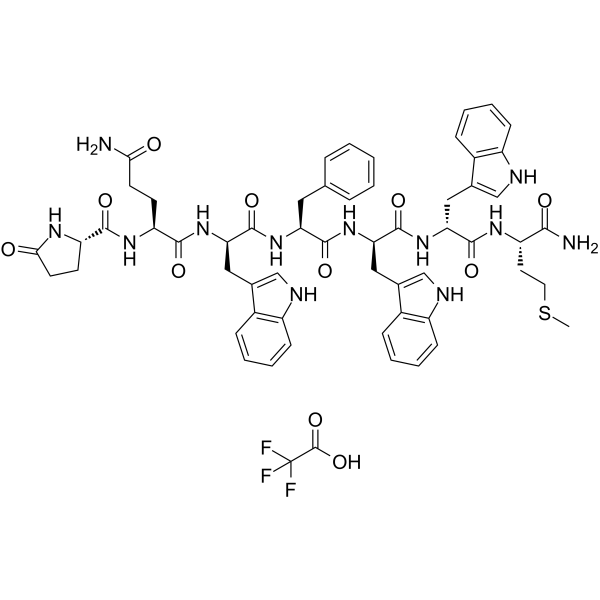
    GPR110 peptide agonist P12 is a peptide that acts as a GPR110 agonist. GPR110 peptide agonist P12 can significantly enhance the initial rate of GPR110 stimulated G protein GTPγS binding. GPR110 peptide agonist P12 mimics the action of natural ligands, causing the extracellular domain (ECD) of the GPR110 to dissociate from the seven transmembrane domains (7TM), exposing the β-strand-13/stalk region at the N-terminus of the 7TM domain, which acts as an agonist to activate G protein signaling. GPR110 peptide agonist P12 can be used in the study of developmental disorders and cancers related to GPR110 .
    GPR110 peptide agonist P12
  • HY-113225B

    GTP tritris

    Endogenous Metabolite Exosomes Cancer
    Guanosine triphosphate tritris (GTP tritris) serves as a vital enhancer of myogenic cell differentiation and plays a critical role in modulating miRNA-myogenic regulator factors. It also facilitates the release of exosomes enriched with guanosine and guanosine-derived molecules, and is regarded as an activated precursor for RNA synthesis. In mitochondrial function, GTP participates in the import of proteins into the matrix, which is essential for various regulated pathways, and is involved in initiating peptide synthesis through the binding of formylmethionyl-tRNA to the ribosome, as well as polypeptide chain elongation. Additionally, GTP acts as a phosphate and pyrophosphate carrier that channels chemical energy into specific biosynthetic pathways. It activates signal transducing G proteins that regulate cellular processes such as proliferation and differentiation, and its hydrolysis by small GTPases, including Ras and Rho, is integral to both proliferation and apoptosis. Furthermore, the small GTPase Rab is instrumental in vesicle docking, fusion, and formation. Beyond signal transduction, GTP is an energy-rich precursor in the enzymatic biosynthesis of DNA and RNA.
    Guanosine triphosphate tritris
  • HY-103565A
    AMN082 free base
    1 Publications Verification

    mGluR Neurological Disease
    AMN082 free base, a selective, orally active, and brain penetrant mGluR7 agonist, directly activates receptor signaling via an allosteric site in the transmembrane domain. AMN082 free base potently inhibits cAMP accumulation and stimulates GTPγS binding (EC50 values, 64-290 nM) at transfected mammalian cells expressing mGluR7. AMN082 free base shows selectivity over other mGluR subtypes and selected ionotropic glutamate receptors. Antidepressant effects .
    AMN082 free base
  • HY-156671B

    Ras PI3K ERK mTOR Apoptosis Cancer
    RMC-4998 TFA is an orally active inhibitor targeting the active or GTP-bound state of the KRAS G12C mutant. RMC-4998 TFA can form a ternary complex with intracellular CYPA and the activated KRAS G12C mutant, with an IC50 value of 28 nM. RMC-4998 TFA can inhibit ERK signaling in KRAS G12C mutant cancer cells and induce apoptosis. RMC-4998 TFA can be used for for non-small cell lung cancer (NSCLC) research .
    RMC-4998 TFA
  • HY-P991656

    CXCR Apoptosis p38 MAPK Akt Cancer
    LY-2624587 is a humanized IgG4 monoclonal antibody antagonist targeting CXCR4. LY-2624587 blocks SDF-1/CXCR4 interaction and SDF-1-induced GTP binding. LY-2624587 significantly inhibits cell migration and induces apoptosis in human lymphoma and leukemia cells. LY-2624587 also inhibits CXCR4 and SDF-1 mediated cell signaling including activation of MAPK and AKT. LY-2624587 can be used for human hematological malignancies like acute myeloid leukemia (AML) research .
    LY-2624587
  • HY-137614C

    Nucleoside Antimetabolite/Analog Others
    Rp-GTPαS tetrasodium is a phosphorothioate analogue of Guanosine triphosphate (GTP) (HY-113225) that can activate calcium release and secretion in single rat peritoneal mast cells .
    Rp-GTPαS tetrasodium
  • HY-116088

    LPL Receptor Inflammation/Immunology
    W123, a FTY720 analog, is a competitive sphingosine 1-phosphate type 1 (S1P1) receptor antagonist. W123 is measured by GTPγS activation, MAPK recruitment, cell migration, and ligand-induced receptor internalization .
    W123
  • HY-13868

    Ras Cancer
    SCH-53870 is a Ras activation inhibitor that binds to the Ras-GDP complex, keeping the Ras protein in an inactive GDP-bound state and preventing it from switching to an active GTP-bound state. SCH-53870 affects cell signaling and cell proliferation by preventing the activation of Ras protein. SCH-53870 can be used in cancer research .
    SCH-53870
  • HY-P1376A
    G-Protein antagonist peptide TFA
    1 Publications Verification

    mAChR Adrenergic Receptor Endocrinology
    G-Protein antagonist peptide TFA is a truncated substance P-related peptide, competes with receptor for G protein binding. G-Protein antagonist peptide TFA inhibits the activation of Gi or Go by M2 muscarinic cholinergic receptor (M2 mAChR) or of Gs by beta-adrenergic receptor in the reconstituted phospholipid vesicles, assayed by receptor-promoted GTP hydrolysis .
    G-Protein antagonist peptide TFA
  • HY-103565R

    Reference Standards mGluR Neurological Disease
    AMN082 (Standard) is the analytical standard of AMN082. This product is intended for research and analytical applications. AMN082, a selective, orally active, and brain penetrant mGluR7 agonist, directly activates receptor signaling via an allosteric site in the transmembrane domain. AMN082 potently inhibits cAMP accumulation and stimulates GTPγS binding (EC50 values, 64-290 nM) at transfected mammalian cells expressing mGluR7. AMN082 shows selectivity over other mGluR subtypes and selected ionotropic glutamate receptors. Antidepressant effects .
    AMN082 (Standard)
  • HY-103565AR

    Reference Standards mGluR Neurological Disease
    AMN082 (free base) (Standard) is the analytical standard of AMN082 (free base). This product is intended for research and analytical applications. AMN082 free base, a selective, orally active, and brain penetrant mGluR7 agonist, directly activates receptor signaling via an allosteric site in the transmembrane domain. AMN082 free base potently inhibits cAMP accumulation and stimulates GTPγS binding (EC50 values, 64-290 nM) at transfected mammalian cells expressing mGluR7. AMN082 free base shows selectivity over other mGluR subtypes and selected ionotropic glutamate receptors. Antidepressant effects .
    AMN082 free base (Standard)
  • HY-175326

    SOS1 Cancer
    SOS1-IN-21 is an orally active inhibitor of son of Sevenless 1 (SOS1) with an IC50 of 15 nM. SOS1 is a guanine nucleotide exchange factor (GEF) that activates KRAS by facilitating the exchange of GDP for GTP. SOS1-IN-21 exhibits potent antiproliferative activity, with IC50 values of 16 nM in NCI-H358 and 17 nM in Mia Paca-2 cell proliferation assays. SOS1-IN-21 exhibits significant antitumor activity in the Mia Paca-2 xenograft model. SOS1-IN-21 can be used for the study of KRAS mutant tumors, such as pancreatic cancer .
    SOS1-IN-21
  • HY-116295

    P2Y Receptor p38 MAPK Calcium Channel Cardiovascular Disease
    MRS2690 is a selective P2Y14 receptor agonist. MRS2690 inhibits adenylyl cyclase activity, thereby reducing intracellular cAMP levels and mediating concentration-dependent vasoconstriction of porcine coronary arteries. MRS2690 induces intracellular calcium mobilization, activates P38 and stimulates [ 35S]GTPγS binding to RBL-2H3 cell membranes. MRS2690 enhances antigen (NP-BSA)-, C3a-induced β-hexosaminidase (β-Hex) release. MRS2690can be used for ischemic heart disease .
    MRS2690
  • HY-116295A

    P2Y Receptor p38 MAPK Calcium Channel Cardiovascular Disease
    MRS2690 disodium is a selective P2Y14 receptor agonist. MRS2690 disodium inhibits adenylyl cyclase activity, thereby reducing intracellular cAMP levels and mediating concentration-dependent vasoconstriction of porcine coronary arteries. MRS2690 disodium induces intracellular calcium mobilization, activates P38 and stimulates [ 35S]GTPγS binding to RBL-2H3 cell membranes. MRS2690 enhances antigen (NP-BSA)-, C3a-induced β-hexosaminidase (β-Hex) release. MRS2690 disodium can be used for ischemic heart disease .
    MRS2690 disodium
  • HY-119820

    SR57746A free base

    Akt Dopamine Receptor Trk Receptor 5-HT Receptor PKC JNK ERK Neurological Disease
    Xaliproden (SR57746) free base is an orally active, highly selective 5-HT1A receptor agonist. Xaliproden free base activates pertussis toxin-sensitive G protein-coupled signaling cascades, as well as the PKC, ERK1/ERK2, Akt and p21 Ras/MEK-1 pathways. Xaliproden free base also downregulates the JNK/p66/c-Jun signaling pathway, induces phosphorylation of the shc adaptor protein, regulates extracellular dopamine and 5-HT levels, and induces [ 35S]GTPγS labeling in rat brain structures rich in 5-HT1A receptors. Xaliproden free base exerts neurotrophic, neuroprotective, renoprotective, anti-inflammatory, anti-apoptotic, anti-fibrotic and analgesic effects. Xaliproden free base also enhances NGF-induced neurite outgrowth, promotes motor neuron survival, attenuates renal tubular injury and inhibits chemotherapy-induced mechanical allodynia, without activating or altering NGF-induced TrkA receptor activation. Xaliproden free base can be used in the research of motor neuron disease, diabetic nephropathy, chemotherapy-induced peripheral neuropathy, amyotrophic lateral sclerosis, Alzheimer's disease, acute tonic nociceptive pain, inflammatory pain, depression and anxiety .
    Xaliproden free base
  • HY-137677

    Guanosine 5'-[γ-thio]triphosphate

    GLUT Metabolic Disease
    GTPγS (Guanosine 5'-[γ-thio]triphosphate) is a G-protein activator that protects proteins from proteolytic degradation, stimulates GLUT4 translocation in a tyrosine kinase-dependent manner, stimulate phospholipases and induce actin polymerization. GTPγS to couple with G- protein α, to study its effect on kinase activity. GTPγS acts as a component of lysis buffer .
    GTP-γ-S
  • HY-124755

    Ras SOS1 Cancer
    RAS activator compound 1 (Compound 7c) is a RAS activator targeting the guanine nucleotide exchange factor (GEF) son of sevenless homologue 1 (SOS1). RAS activator compound 1 can activate the nucleotide exchange process and increase levels of active RAS-GTP in HeLa cells. RAS activator compound 1 can be used for research of RAS-driven tumor .
    RAS activator compound 1
  • HY-182274

    Acyltransferase STAT Others
    DM245 is an EPAC1 activator and STAT3 phosphorylation inhibitor with a target pIC50 of 4.801. DM245 activates EPAC1 to increase Rap1-GTP levels, with no activation of EPAC2 or PKA. DM245 reduces IL-6/IL-6Rα-evoked STAT3 phosphorylation in endothelial cells. DM245 suppresses TGF-β1-induced fibroblast-to-myofibroblast transition, reducing αSMA and Collagen I levels. DM245 exhibits minimal cytotoxicity in normal human lung fibroblasts, with negligible loss of intact nuclei after 72 h exposure .
    DM245
  • HY-186198

    Salirasib methoxymethyl ester

    Ras Others
    FTS-MOM (Salirasib methoxymethyl ester), a Salirasib (FTS) (HY-14754) derivative, is a selective Rap1 inhibitor with selectivity over Ras. FTS-MOM inhibits GTP loading of Rap1 in quiescent and activated T cells. FTS-MOM inhibits Rap1-dependent T cell adhesion to ICAM-1 .
    FTS-MOM
  • HY-W046841

    Eukaryotic Initiation Factor (eIF) Cancer
    1,3-Bis[3,5-bis(trifluoromethyl)phenyl]urea is a potent activator of eIF2α kinase heme regulated inhibitor. 1,3-Bis[3,5-bis(trifluoromethyl)phenyl]urea reduces the abundance of eIF2·GTP·tRNAi Met ternary complex. 1,3-Bis[3,5-bis(trifluoromethyl)phenyl]urea inhibits cancer cell proliferation .
    1,3-Bis[3,5-bis(trifluoromethyl)phenyl]urea
  • HY-182273

    STAT Acyltransferase Others
    DM243 is an EPAC1 activator and STAT3 modulator with an pIC50 of 4.769 for EPAC1. DM243 increases GTP-bound Rap1 levels in EPAC1-expressing cells. DM243 reduces IL-6/IL-6Rα-evoked STAT3 phosphorylation in endothelial cells. DM243 suppresses TGF-β1-induced fibroblast-to-myofibroblast transition, reducing α-smooth muscle actin and Collagen I levels in lung fibroblasts. DM243 exhibits minimal cytotoxicity in normal human lung fibroblasts .
    DM243
  • HY-167856A

    GPR88 Neurological Disease
    RTI-122 dihydrochloride is a selective, blood-brain barrier-permeable GPR88 agonist (cAMP EC50=11 nM), with EC50 values of 11.5 nM and 155 nM for human and mouse GPR88, respectively ([ 35S]GTPγS assay). By activating the GPR88 receptor to regulate the cAMP signaling pathway and G protein activity, RTI-122 dihydrochloride significantly attenuates Binge-like drinking, reduces alcohol intake, and decreases alcohol-seeking motivation. RTI-122 dihydrochloride blocks the reinstatement of alcohol-seeking behavior without affecting water or sucrose intake. RTI-122 dihydrochloride exhibits metabolic stability in mice (T1/2=5.8 h) and can be used to investigate alcohol use disorder .
    RTI-122 dihydrochloride

Consulta en línea

Your information is safe with us. * Required Fields.

Saludo


Country or Region *

Nombre del solicitante *


Nombre de la Organizaciòn *

Department *


Direcciòn del E-mail *


Nombre del producto *

Cat. No.


Requested quantity *

Número de teléfono *


Observaciones

Consulta en línea

Inquiry Information

Nombre del producto:
Cat. No.:
Cantidad:
MCE Japan Authorized Agent:

