1. Search Result
Search Result
Results for "

Hep-G2

" in MedChemExpress (MCE) Product Catalog:

456

Inhibitors & Agonists

6

Fluorescent Dye

3

Biochemical Assay Reagents

8

Peptides

1

MCE Kits

1

Inhibitory Antibodies

134

Natural
Products

17

Isotope-Labeled Compounds

1

Click Chemistry

1

Oligonucleotides

Cat. No. Product Name Target Research Areas Chemical Structure
  • HY-13623
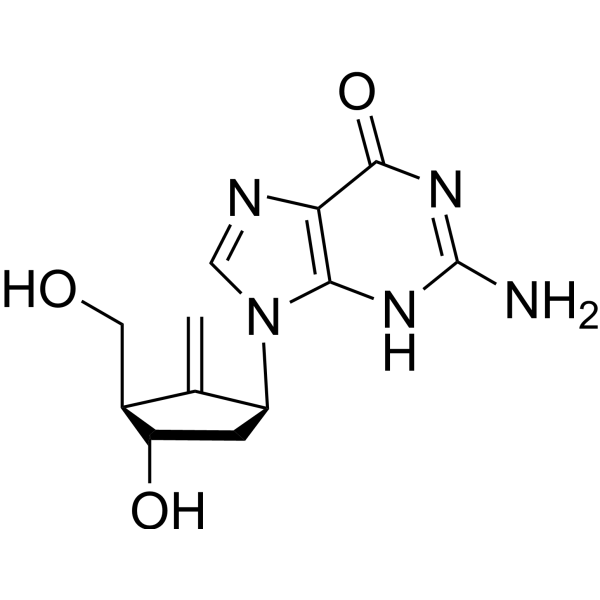
    Entecavir
    15+ Cited Publications

    BMS200475; SQ34676

    HBV Infection Cancer
    Entecavir (SQ 34676; BMS 200475) is a potent and selective inhibitor of HBV, with an EC50 of 3.75 nM in HepG2 cell.
    Entecavir
  • HY-N0125
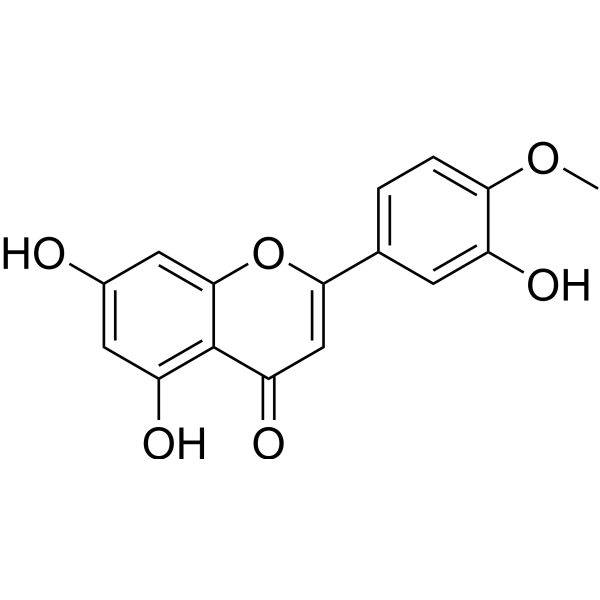
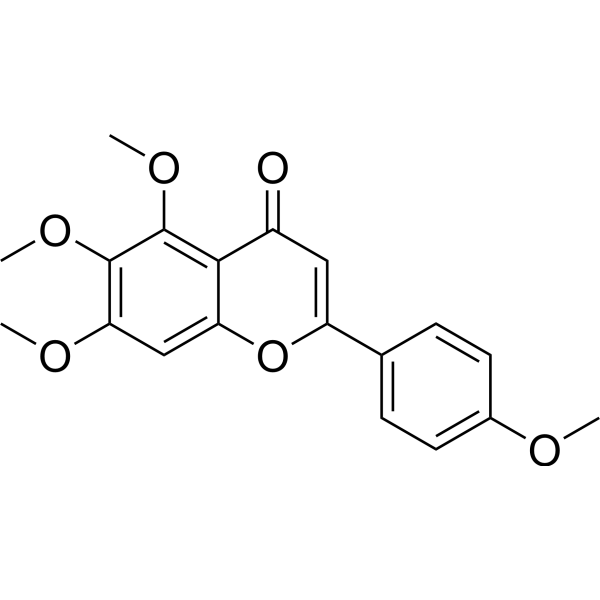
    Diosmetin
    Maximum Cited Publications
    20 Publications Verification

    Cytochrome P450 Cancer
    Diosmetin is a natural flavonoid which inhibits human CYP1A enzyme activity with an IC50 of 40 μM in HepG2 cell.
    Diosmetin
  • HY-19937
    Saroglitazar
    5+ Cited Publications

    PPAR Metabolic Disease
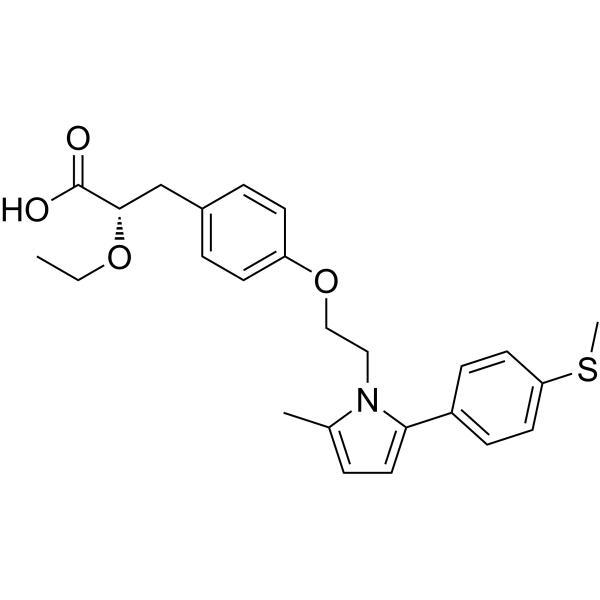
    Saroglitazar is a novel peroxisome proliferator-activated receptor (PPAR) agonist with predominant PPARα and moderate PPARγ activity with EC50 values of 0.65 pM and 3 nM in HepG2 cells, respectively.
    Saroglitazar
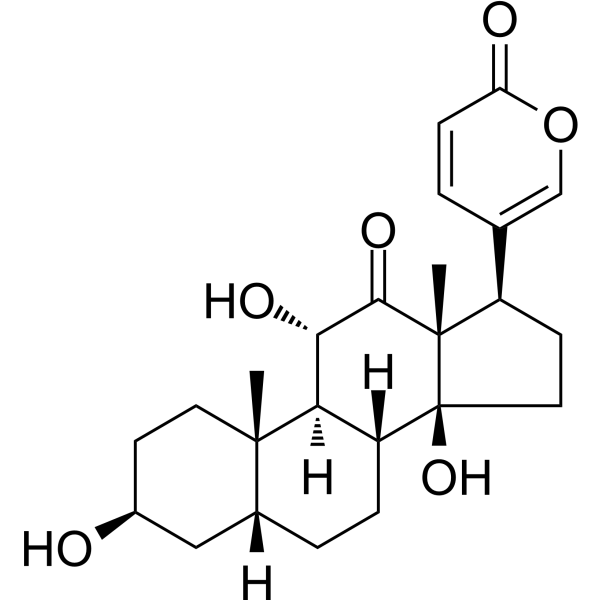
  • HY-N0876
    Arenobufagin
    4 Publications Verification

    Apoptosis Autophagy PI3K Akt mTOR PARP Caspase Atg8/LC3 Cancer
    Arenobufagin is a natural bufadienolide that can be extracted from toad venom. Arenobufagin can induce apoptosis and autophagy in human hepatocellular carcinoma cells through inhibition of PI3K/Akt/mTOR pathway. Arenobufagin has potent antineoplastic activity against HCC HepG2 cells as well as corresponding multidrug-resistant HepG2/ADM cells. Arenobufagin can inhibit VEGF-mediated angiogenesis through suppression of VEGFR-2 signaling pathway [2].
    Arenobufagin
  • HY-19937A
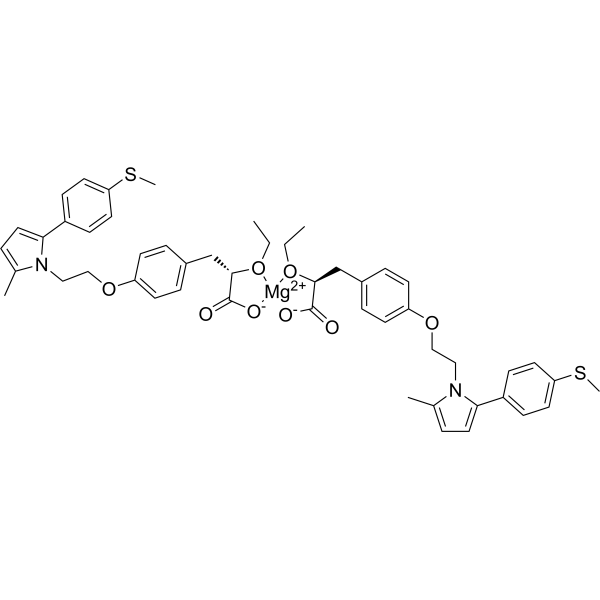
    Saroglitazar magnesium
    5+ Cited Publications

    PPAR Metabolic Disease
    Saroglitazar magnesium is a novel peroxisome proliferator-activated receptor (PPAR) agonist with predominant PPARα and moderate PPARγ activity with EC50 values of 0.65 pM and 3 nM in HepG2 cells, respectively.
    Saroglitazar magnesium
  • HY-13623A
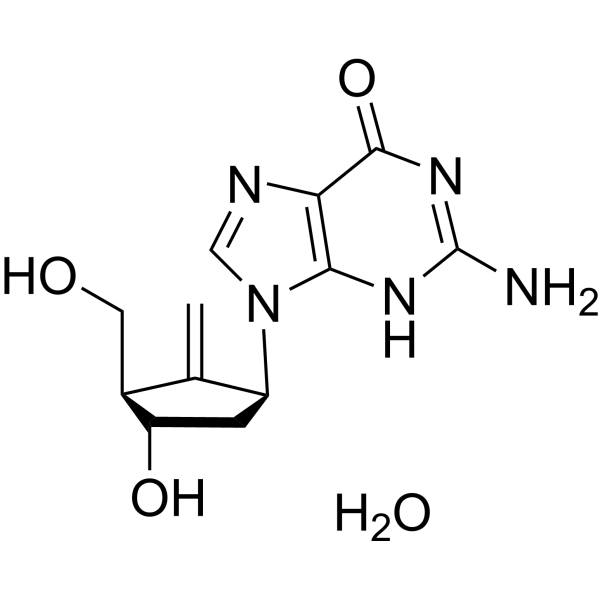
    Entecavir monohydrate
    15+ Cited Publications

    BMS200475 monohydrate; SQ34676 monohydrate

    HBV Infection Cancer
    Entecavir monohydrate (BMS200475 monohydrate; SQ34676 monohydrate) is a potent and selective inhibitor of HBV, with an EC50 of 3.75 nM in HepG2 cell.
    Entecavir monohydrate
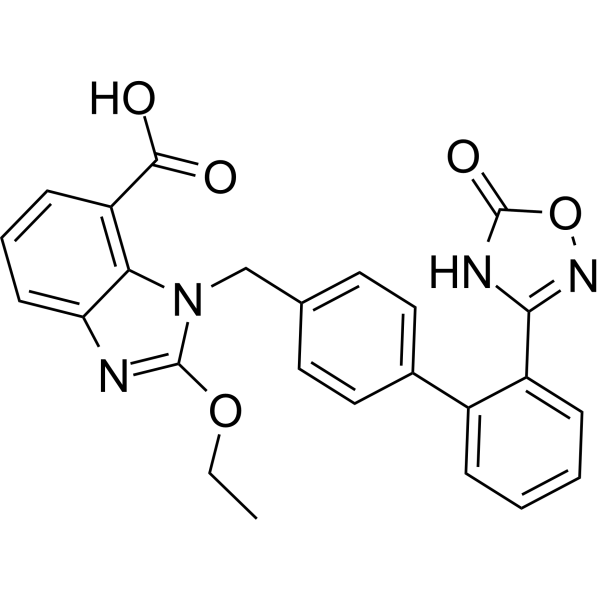
  • HY-178018

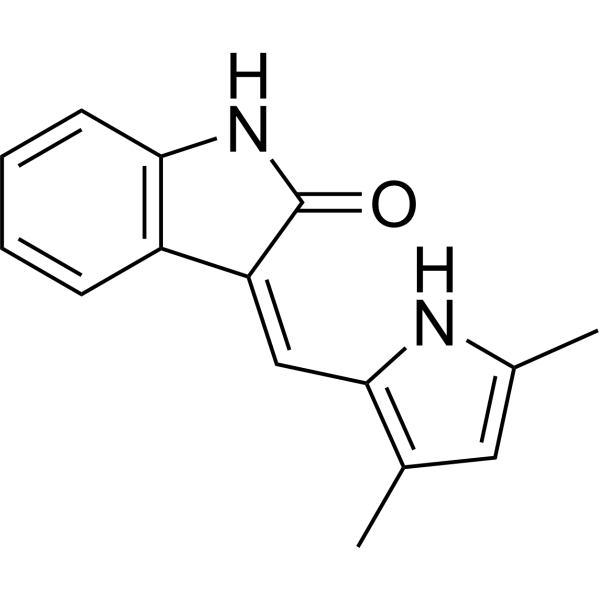
    iOXCT1

    Mitochondrial Metabolism Cancer
    D574-0246 is a dual-activity inhibitor of OXCT1, inhibiting both the ketolytic and succinyltransferase activities of OXCT1. D574-0246 reduces substrate-specific (LACTB K284) and global protein succinylation and decreases OXCT1 ketolytic activity in HepG2 cells. D574-0246 inhibits the viability of HCC cells (IC50: 16.49 μM in PLC cells, 6.656 μM in HepG2 cells). D574-0246 exerts anti-tumor efficacy in nude mice bearing OXCT1-overexpressing HepG2 xenograft tumors. D574-0246 can be used for the study of hepatocellular carcinoma (HCC) .
    D574-0246
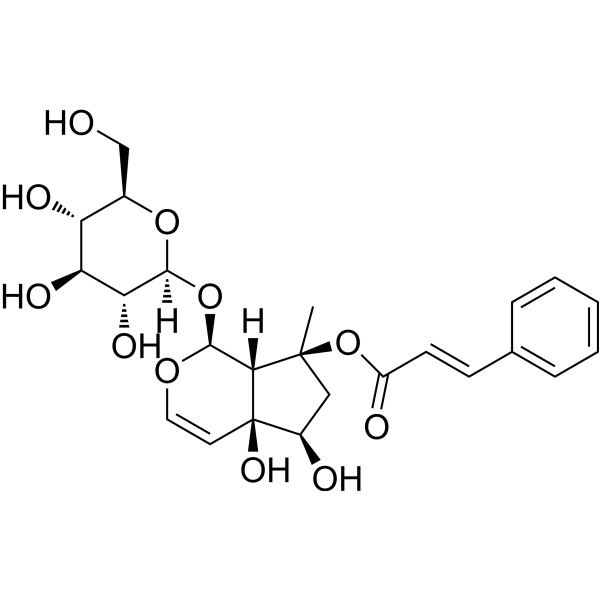
  • HY-N6073

    Apoptosis HSV Infection Metabolic Disease Inflammation/Immunology Cancer
    Soyasapogenol A is a triterpenoid aglycone of soyasaponins. Soyasapogenol A has activities such as anti-inflammation, anti-cancer, hepatoprotection and anti-HSV-1. Soyasapogenol A can be used in the research of tumors and immune inflammatory diseases [2] .
    Soyasapogenol A
  • HY-N0907

    NF-κB Apoptosis Inflammation/Immunology Cancer
    Ginsenoside Rg6 inhibits TNF-α-induced NF-κB transcriptional activity with an IC50 of 29.34 μM in HepG2 cells. Ginsenoside Rg6 also exhibits apoptosis-inducing effect.
    Ginsenoside Rg6
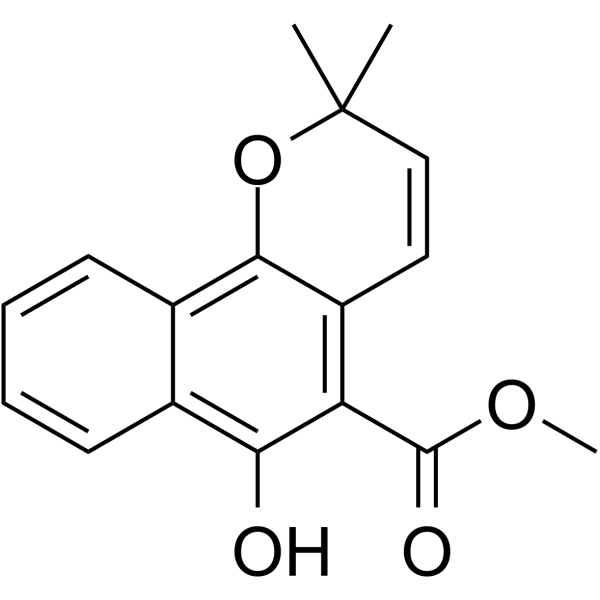
  • HY-N7152

    Apoptosis Cancer
    6-Dehydrogingerdione sensitizes human hepatoblastoma Hep G2 cells to TRAIL-induced apoptosis via reactive oxygen species-mediated increase of DR5 .
    6-Dehydrogingerdione
  • HY-N2045
    Musk ketone
    1 Publications Verification

    Environmental Pollutants Apoptosis Akt Cytochrome P450 PI3K Neurological Disease
    Musk ketone is a widely used artificial fragrance. Musk ketone is also a cytochrome P450 enzyme inducer. Musk ketone shows mutagenic and comutagenic effects in Hep G2 cells and induces neural stem cell proliferation and differentiation in cerebral ischemia via activation of the PI3K/Akt signaling pathway. In the brain, musk ketone is neuroprotective against stroke injury through inhibition of cell apoptosis [2] .
    Musk ketone
  • HY-N6683

    Drug Metabolite Cancer
    15-Acetyl-deoxynivalenol is a highly toxic trichothecene found in cereals, and a metabolite of deoxynivalenol, exhibits toxicity to HepG2 cells .
    15-Acetyl-deoxynivalenol
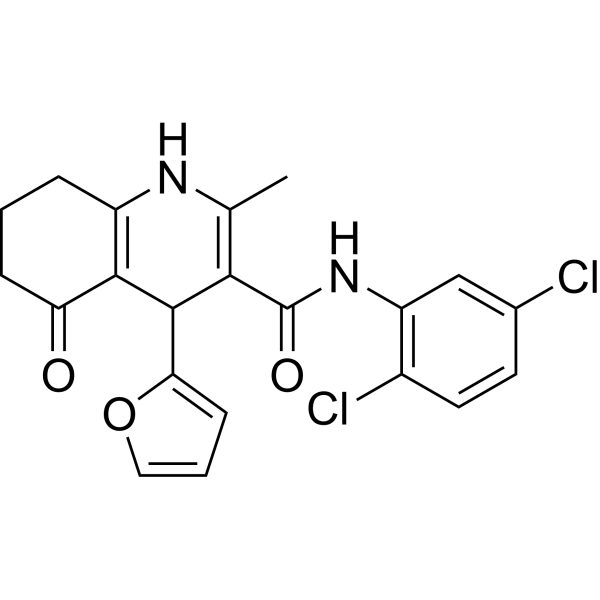
  • HY-144666

    Glutaminase Cancer
    GLS-1-IN-1 (compound 1d) is a GLS-1 inhibitor. GLS-1-IN-1 shows inhibitory effect against Hep G2, MCF 7, and MCF 10A cells .
    GLS-1-IN-1
  • HY-W654334

    Isotope-Labeled Compounds Endogenous Metabolite Inflammation/Immunology
    9-cis-Retinol-d5 is deuterium labeled 9-cis Retinol (HY-W587806). 9-cis Retinol is a precursor of 9-cis-Retinal (HY-W009310). 9-cis Retinol can inhibit 9-cis-Retinoic acid (HY-15128) synthesis in Hep G2 cells [2].
    9-cis-Retinol-d5
  • HY-137605

    Transmembrane Glycoprotein Cancer
    WSF1-IN-1 (compound 136), an orally active WSF1 inhibitor, can be used in the study for WSF1 (Wolfram syndrome) related tumors, with IC50 values of 0.33 μM and >27 μM in HepG2 parental and HepG2 WFS1 KO cell lines, respectively .
    WSF1-IN-1
  • HY-100303A
    FR194738
    2 Publications Verification

    Squalene Monooxygenase Metabolic Disease
    FR194738 is a squalene epoxidase inhibitor. FR194738 inhibits squalene epoxidase activity in HepG2 cell homogenates with an IC50 of 9.8 nM.
    FR194738
  • HY-100303
    FR194738 free base
    2 Publications Verification

    Squalene Monooxygenase Metabolic Disease
    FR194738 free base is a squalene epoxidase inhibitor. FR194738 inhibits squalene epoxidase activity in HepG2 cell homogenates with an IC50 of 9.8 nM.
    FR194738 free base
  • HY-D1255

    Fluorescent Dye Cancer
    Sel-green, a selective selenol fluorescent probe, is applied to quantify the Sec content in the selenoenzyme thioredoxin reductase and image endogenous Sec in live HepG2 cells .
    Sel-green
  • HY-134008

    Apoptosis Bcl-2 Family Caspase Cancer
    Protoapigenone is an antineoplastic agent isolated from ferns. Protoapigenone has significant inhibitory activity against Hep G2, Hep 3B, MCF-7, A549 and MDAMB-231, with IC50s values of 1.60, 0.23, 0.78, 3.88 and 0.27 μg/mL respectively .
    Protoapigenone
  • HY-175208

    Hippo (MST) Caspase Bcl-2 Family Apoptosis Cancer
    MST3-IN-1 is a selective and orally active MST3 inhibitor, with an IC50 of 122.4 nM. MST3-IN-1 shows antiproliferative activity against HepG2 cell. MST3-IN-1 effectively induces apoptosis in HepG2 cells, and halts the cell cycle at the G2/M transition. MST3-IN-1 significantly suppressed tumor growth in HepG2 xenograft mice. MST3-IN-1 can be used for the study of liver cancer .
    MST3-IN-1
  • HY-P1935

    Biochemical Assay Reagents Cancer
    Cyclo(Ala-Pro) is an anticancer agent that is toxic to cancer cells such as A549, HCT-116 and HepG2 .
    Cyclo(Ala-​Pro)
  • HY-100249

    Stearoyl-CoA Desaturase (SCD) Metabolic Disease
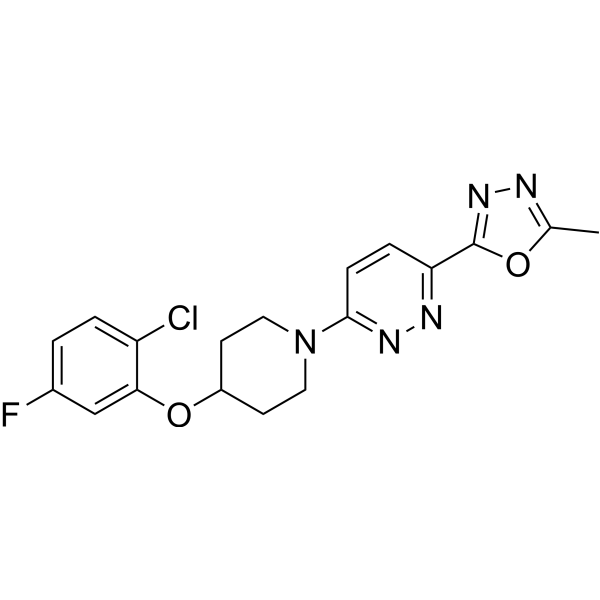
    XEN723 is a novel and potent thiazolylimidazolidinone inhibitor of Stearoyl-CoA Desaturase (SCD1) with IC50s of 45 and 524 nM in mouse and HepG2 cell, respectively.
    XEN723
  • HY-204056

    Telomerase Cancer
    Telomerase-IN-8 is an orally active telomerase inhibitor, with an IC50 value of 0.98 μM. Telomerase-IN-8 exhibits potent antiproliferative activity against multiple tumor cell lines, including PC3, Bcap-37, MGC-803 and HepG2. Telomerase-IN-8 demonstrates potent antitumor efficacy in S180 sarcoma or HepG2 hepatoma xenograft mice. Telomerase-IN-8 can be used for the study of telomerase-targeted anticancer .
    Telomerase-IN-8
  • HY-170027

    HIF/HIF Prolyl-Hydroxylase AMPK Cancer
    LW1564 is an inhibitor for HIF-1α with an IC50 of 1.2 µM in HepG2. LW1564 inhibits mitochondrial respiration, reduces ATP production, stimulates HIF-1α degradation, and inhibits proliferation of various cancer cells with GI50 of 0.4-4.6 μM. LW1564 activates AMPK signaling pathway and inhibits lipid synthesis. LW1564 exhibits antitumor in HepG2 xenograft mouse model .
    LW1564
  • HY-N8954

    Others Cancer
    Kaempferol 7-O-neohesperidoside is a ?avonoid glycoside that can be isolated from Litchi chinensis. Kaempferol 7-O-neohesperidoside exhibits significant cytotoxic activity against A549, LAC, Hep-G2, and HeLa cell lines with IC50s of 0.53, 7.93, 0.020, and 0.051 μM, respectively .
    Kaempferol 7-O-neohesperidoside
  • HY-W587806

    Endogenous Metabolite Inflammation/Immunology
    9-cis Retinol is a precursor of 9-cis-Retinal (HY-W009310). 9-cis Retinol can inhibit 9-cis-Retinoic acid (HY-15128) synthesis in Hep G2 cells .
    9-cis Retinol
  • HY-116920

    Reactive Oxygen Species (ROS) Microtubule/Tubulin Cancer
    Alyssin, found in Cruciferous Vegetables, exerts anticancer activity in HepG2 by increasing intracellular reactive oxygen species and tubulin depolymerization .
    Alyssin
  • HY-118224

    Parasite Infection
    BPH-715 is a bisphosphonate, inhibits Plasmodium liver-stage growth, with an IC50 of 10 μM for Plasmodium exoerythrocytic forms in HepG2 cells .
    BPH-715
  • HY-N8679

    Endogenous Metabolite Cancer
    Physalin C is a natural product that can be found in physalis angulata. Physalin C shows cytotoxic activities against MCF-7 and HepG2 cells .
    Physalin C
  • HY-11034

    Stearoyl-CoA Desaturase (SCD) Metabolic Disease
    CVT-12012 is a potent and orally bioavailable stearoyl-coA desaturase (SCD) inhibitor, with IC50s of 38 nM, 6.1 nM for rat microsomal and human HEPG2, respectively.
    CVT-12012
  • HY-168187

    Src Cancer
    Src Inhibitor 3 (Compound 7d) is a Src inhibitor with an IC50 of 285 nM. Src Inhibitor 3 inhibits HepG2 cells proliferative with an IC50 of 1.55 μM .
    Src Inhibitor 3
  • HY-N7273

    Apoptosis Cancer
    Soyasaponin III, a monodesmodic oleanane triterpenoid, is one of the main potentially bioactive saponins found in soy (Glycine max) and related products. Soyasaponin III can induce apoptosis in Hep-G2 cells .
    Soyasaponin III
  • HY-N0125R
    Diosmetin (Standard)
    Maximum Cited Publications
    20 Publications Verification

    Reference Standards Cytochrome P450 Cancer
    Diosmetin (Standard) is the analytical standard of Diosmetin. This product is intended for research and analytical applications. Diosmetin is a natural flavonoid which inhibits human CYP1A enzyme activity with an IC50 of 40 μM in HepG2 cell.
    Diosmetin (Standard)
  • HY-N7605

    Others Metabolic Disease
    11-epi-mogroside V is a mogroside in the fruit of Siraitia grosvenori. 11-epi-mogroside V exhibits considerable bioactivity in promoting glucose uptake in human HepG2 cells in vitro .
    11-epi-mogroside V
  • HY-N8882

    Others Cancer
    Oleoside 11-methyl ester is a secoiridoid glucoside and possesses a strong cytotoxic activity against Hep-G2 cells .
    Oleoside 11-methyl ester
  • HY-N15577

    Drug Derivative Cancer
    Antiproliferative agent-69 (Compound 1) is a prenylated kaempferol derivative found in the fresh bud’s fur of Platanus acerifolia. Antiproliferative agent-69 shows significant antiproliferative effects against human breast cancer cells (MCF-7) and human hepatocellular carcinoma cells (Hep-G2) with IC50 values of 38.2 μM and 39.5 μM, respectively. Antiproliferative agent-69 is promising for research of breast cancer and liver cancer .
    Antiproliferative agent-69
  • HY-20808

    COX Cancer
    Antioxidant agent-15 (Compound 4) is a potent antioxidant inhibition activity, with the IC50 of 15.44 nM. Antioxidant agent-15 inhibits tumor cell growth in Hela, Hep G2 and Caco-2 cells, with the IC50 of 395.26, 400.4 and 24.6 nM, respectively .
    Antioxidant agent-15
  • HY-N10023

    NO Synthase Inflammation/Immunology
    Physalin O is a physalin that can be isolated from Physalis angulata. Physalin O shows cytotoxicity to Hep G2 and MCF-7 cancer cells with IC50 values of 31.1 and 11.4 µM, respectively. Physalin O inhibits the production of nitric oxide (NO) and shows anti-inflammatory activities [2].
    Physalin O
  • HY-N2298

    Apoptosis Cancer
    Camellianin A, the main flavonoid in A. nitida leaves, displays anticancer activity and angiotensin converting enzyme (ACE)-inhibitory activity. Camellianin A inhibits the proliferation of the human Hep G2 and MCF-7 cell lines and induces the significant increase of the G0/G1 cell population [2].
    Camellianin A
  • HY-117219

    Cytochrome P450 HMG-CoA Reductase (HMGCR) Endogenous Metabolite Metabolic Disease
    SKF 104976 is a 3,2-carboxylic acid derivative with potent 14-alpha-demethylase (14 alpha DM) inhibitory activity. SKF 104976 inhibited 14 alpha DM activity by 50% at 2 nM in Hep G2 cell extracts. SKF 104976 inhibited the incorporation of [14C]acetate into cholesterol in intact cells at similar concentrations, accompanied by accumulation of lanosterol, and resulted in a 40-70% decrease in 3-hydroxy-3-methylglutaryl-CoA reductase (HMGR) activity. SKF 104976 did not affect the uptake and degradation of low-density lipoprotein in Hep G2 cells, indicating that HMGR and low-density lipoprotein receptor activities are not coordinately regulated under these conditions. The inhibitory effect of SKF 104976 on HMGR activity remained unchanged even when the flux of carbon units in the sterol synthesis pathway was reduced by 80%. SKF 104976 did not inhibit HMGR activity under conditions where sterol synthesis was almost completely blocked by lovastatin .
    SKF 104976
  • HY-151066

    PD-1/PD-L1 Cancer
    BMS-1233 is an orally active inhibitor for programmed cell death-ligand 1 (PD-L1), with IC50 of 14.5 nM. BMS-1233 promotes cell death of HepG2 in a Jurkat T cell and HepG2 cell co-culture model, exhibits antitumor activity against melanoma in mouse model .
    BMS-1233
  • HY-175208A

    Hippo (MST) Caspase Bcl-2 Family Apoptosis Cancer
    MST3-IN-1 TFA (Compound LD-1) is a selective and orally active MST3 inhibitor, with an IC50 of 122.4 nM. MST3-IN-1 TFA shows antiproliferative activity against HepG2 cell. MST3-IN-1 TFA effectively induces Apoptosis in HepG2 cells, and halts the cell cycle at the G2/M transition. MST3-IN-1 TFA significantly suppressed tumor growth in HepG2 xenograft mice. MST3-IN-1 TFA can be used for the study of liver cancer .
    MST3-IN-1 TFA
  • HY-N1323

    HBV Infection
    Sanggenol P, a flavonoid, shows anti-HBV activity on HepG2.2.15 cell line in vitro .
    Sanggenol P
  • HY-N0882

    Deacetylcinobufotalin

    Apoptosis Cancer
    Desacetylcinobufotalin is a natural compound; apoptosis inducer and shows the marked inhibition effect to HepG2 cells and the IC50 value is 0.0279μmol/ml.
    Desacetylcinobufotalin
  • HY-147839

    Topoisomerase Apoptosis Cancer
    Topoisomerase II inhibitor 10 (compound 32a) is a potent topoisomerase II inhibitor with an IC50 value of 7.45 μM. Topoisomerase II inhibitor 10 causes cell cycle arrest at G2-M phase and induces apoptosis of HepG-2 cells. Topoisomerase II inhibitor 10 has excellent anti-proliferative activities against HepG-2, MCF-7, and HCT-116 cells .
    Topoisomerase II inhibitor 10
  • HY-N12158

    Apoptosis Cancer
    Pipermethystine is an alkaloid that can be isolated from the Kava plant. Pipermethystine decreases HepG2 cell cellular ATP levels, mitochondrial membrane potential, and induces apoptosis .
    Pipermethystine
  • HY-16679
    Helioxanthin derivative 5-4-2
    1 Publications Verification

    Helioxanthin 5-4-2

    HBV Infection
    Helioxanthin derivative 5-4-2 is an analogue of helioxanthin, exhibites significant in vitro anti-HBV activity with EC50 of 0.08 uM in HepG2.2.15 cells.
    Helioxanthin derivative 5-4-2
  • HY-N8361

    HIV Apoptosis Infection Cancer
    Glycoborinine, a natural carbazole alkaloid, can be isolated from Glycosmis pentaphylla. Glycoborinine induces HepG2 cell apoptosis through mitochondrial pathway. Glycoborinine also inhibits HIV replication in cells [2].
    Glycoborinine
  • HY-W080443

    Endogenous Metabolite Others Cancer
    O-allylvanillin is O-allylchalcone derivative with anti-cancer effects . O-allylvanillin inhibits THP-1, HL60, Hep-G2, MCF-7 cells growth with IC50 values of 74.76 μM, 63.52 μM, 90.99 μM, and 90.11 μM, respectively .
    O-allylvanillin
  • HY-147901

    Histone Demethylase CDK Apoptosis Caspase Cancer
    KDM1/CDK1-IN-1 (compound 4) is a potent KDM1 and CDK1 inhibitor, with IC50 values of 0.096 and 0.078 μM, respectively.KDM1/CDK1-IN-1 induces cell cycle arrest at G2/M phase and apoptosis in HOP-92 cells. KDM1/CDK1-IN-1 exhibits potent cytotoxic activity against the CCRF-CEM, HOP-92 and Hep-G2 cells, with IC50 values of 16.34, 3.45 and 7.79 μM, respectively .
    KDM1/CDK1-IN-1

Inquiry Online

Your information is safe with us. * Required Fields.

Salutation


Country or Region *

Applicant Name *


Organization Name *

Department *


Email Address *


Product Name *

Cat. No.


Requested quantity *

Phone Number *


Remarks

Inquiry Online

Inquiry Information

Product Name:
Cat. No.:
Quantity:
MCE Japan Authorized Agent:

