
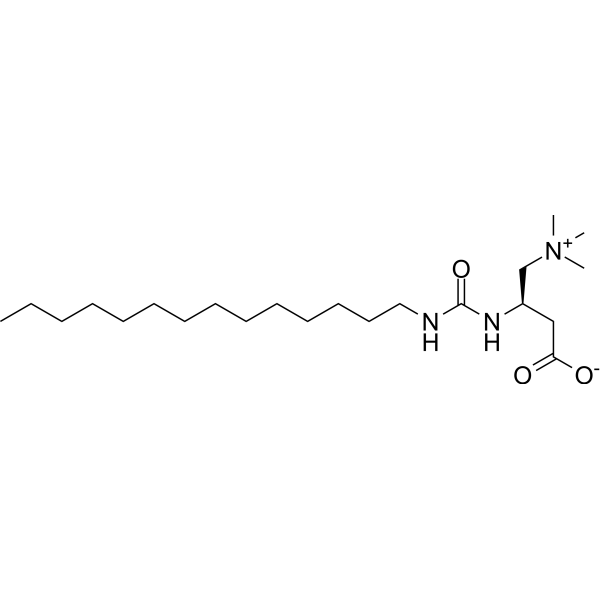
Search Result
Results for "
Huntington
" in MedChemExpress (MCE) Product Catalog:
1
Biochemical Assay Reagents
12
Isotope-Labeled Compounds
| Cat. No. |
Product Name |
Target |
Research Areas |
Chemical Structure |
-
- HY-15452
-
Selisistat
Maximum Cited Publications
292 Publications Verification
EX-527
|
Sirtuin
|
Inflammation/Immunology
Cancer
|
|
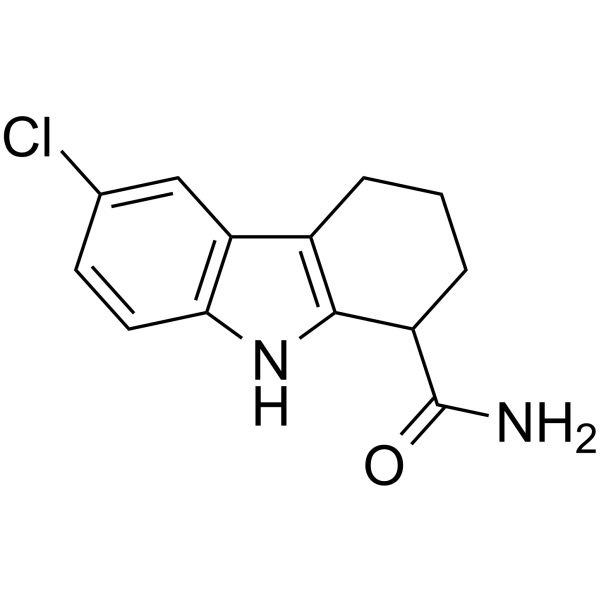
Selisistat (EX-527) is a potent and selective SirT1 (Sir2 in Drosophila melanogaster) inhibitor with an IC50 of 123 nM for SirT1. Selisistat alleviates pathology in multiple animal and cell models of Huntington's disease .
|
-
-
- HY-N0303
-
|
|
Mitochondrial Metabolism
Apoptosis
|
Neurological Disease
|
|
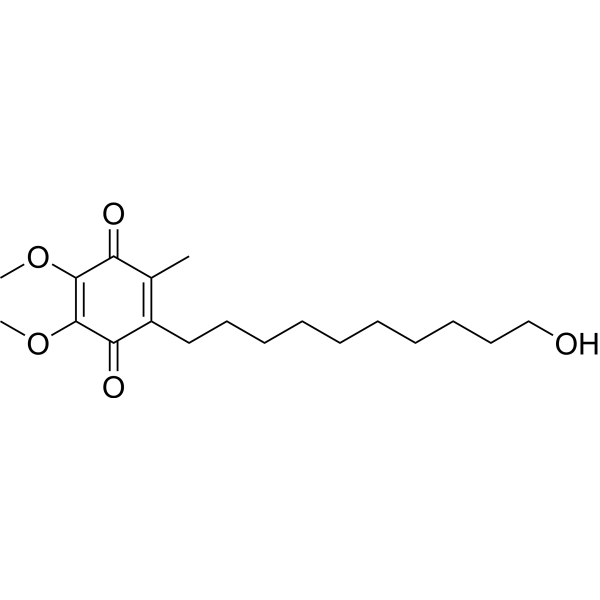
Idebenone, a well-appreciated mitochondrial protectant, exhibits protective efficacy against neurotoxicity and can be used for the research of Alzheimer's disease, Huntington's disease. Idebenone (oxidised form) has a dose-dependent inhibitory effect on the enzymatic metabolism of arachidonic acid in astroglial homogenates (IC50=16.65 μM) . Idebenone, a coenzyme Q10 analog and an antioxidant, induces apoptotic cell death in the human dopaminergic neuroblastoma SHSY-5Y cells . Idebenone quickly crosses the blood-brain barrier.
|
-
-
- HY-15262
-
-
-
- HY-143218
-
|
Tetraphenylethene maleimide
|
Huntingtin
Parasite
|
Infection
Neurological Disease
|
|
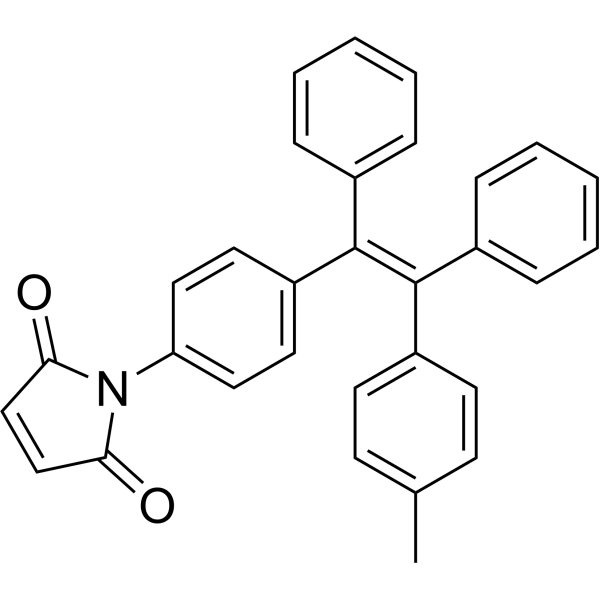
TPE-MI (Tetraphenylethene maleimide) is a thiol probe for measuring unfolded protein load and proteostasis in cells (the excitation wavelength is 350 nm and the emission wavelength is 470 nm). TPE-MI can report imbalances in proteostasis in induced pluripotent stem cell models of Huntington disease, as well as cells transfected with mutant Huntington exon 1 before the formation of visible aggregates. TPE-MI also detects protein damage following dihydroartemisinin research of the malaria parasites Plasmodium falciparum .
|
-
-
- HY-16771
-
-
-
- HY-B0349
-
|
Meclozine dihydrochloride
|
Histamine Receptor
Apoptosis
|
Neurological Disease
Endocrinology
Cancer
|
|
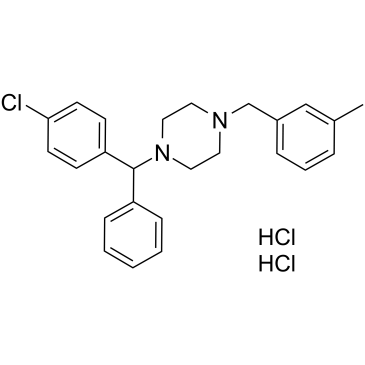
Meclizine (Meclozine) dihydrochloride, an antihistamine, reversibly inhibits the interaction of histamine at the H1 receptors. Meclizine dihydrochloride is a member of the piperazine class of H1 antagonists. Meclizine dihydrochloride is an effective anti-motion sickness agent. Meclizine dihydrochloride crosses the blood-brain barrier. Meclizine dihydrochloride can be used for the research of polyQ toxicity disorders, such as Huntington's disease. Meclizine dihydrochloride is an agonist ligand for mouse constitutive androstane receptor (CAR) and an inverse agonist for Human CAR .
|
-
-
- HY-B0590
-
|
Ro 1-9569
|
Monoamine Transporter
Dopamine Receptor
|
Neurological Disease
|
|
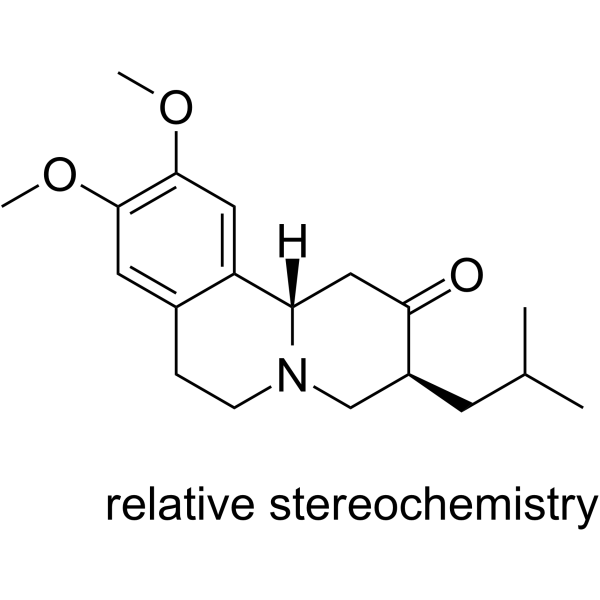
Tetrabenazine (Ro 1-9569) is a brain-penetrant and orally active VMAT2-selective ligand with human VMAT2 Ki 100 nM. Tetrabenazine binds VMAT2 to block monoamine uptake into synaptic vesicles, potentiates cytoplasmic monoamine degradation. Tetrabenazine weakly blocks dopamine D2 receptors, and increases dopamine turnover via elevated cerebrospinal fluid homovanillic acid. Tetrabenazine can be used for the research of Huntington’s disease, tardive dyskinesia, and Tourette’s syndrome .
|
-
-
- HY-124476
-
|
|
Caspase
Glutaminase
Apoptosis
|
Cancer
|
|
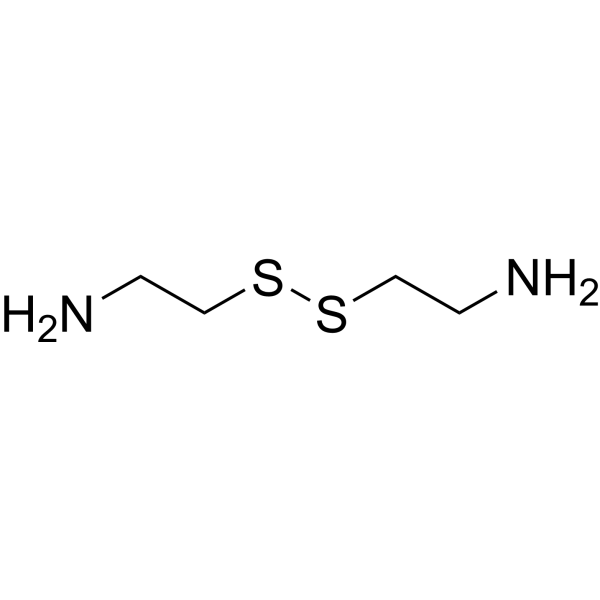
Cystamine is the disulfide form of the free thiol, cysteamine. Cystamine is an orally active transglutaminase (Tgase) inhibitor. Cystamine also has inhibition activity for caspase-3 with an IC50 value of 23.6 μM. Cystamine can be used for the research of severals diseases including Huntington's disease (HD) .
|
-
-
- HY-N10546
-
|
|
iGluR
Trk Receptor
ERK
Apoptosis
Autophagy
|
Neurological Disease
|
|
Ganglioside GM1 is a type of glycosphingolipid, mainly found on the cell membranes of the central nervous system of vertebrates. Ganglioside GM1 exerts neuroprotective effects by reducing excessive activation of NMDAR, activating TrkA and ERK1/2, and inhibiting oxidative stress and cell apoptosis and autophagy. Ganglioside GM1 can be used in the research of diseases such as traumatic brain injury, Parkinson's disease, Alzheimer's disease, and Huntington's disease .
|
-
-
- HY-B0590S
-
|
Ro 1-9569-d6
|
Monoamine Transporter
|
Neurological Disease
|
|
Tetrabenazine-d6 (Deutetrabenazine) is a deuterium-labled Tetrabenazine (HY-B0590). Tetrabenazine (Ro 1-9569) is a brain-penetrant and orally active VMAT2-selective ligand with human VMAT2 Ki 100 nM. Tetrabenazine binds VMAT2 to block monoamine uptake into synaptic vesicles, potentiates cytoplasmic monoamine degradation. Tetrabenazine weakly blocks dopamine D2 receptors, and increases dopamine turnover via elevated cerebrospinal fluid homovanillic acid. Tetrabenazine can be used for the research of Huntington’s disease, tardive dyskinesia, and Tourette’s syndrome .
|
-
-
- HY-16482
-
-
-
- HY-14569
-
-
-
- HY-N2099
-
|
Senegin III
|
Autophagy
Amyloid-β
Caspase
NF-κB
Apoptosis
|
Neurological Disease
Metabolic Disease
Inflammation/Immunology
|
|
Onjisaponin B is an orally active natural product derived from Polygala tenuifolia. Onjisaponin B inhibits NF-κB p65. Onjisaponin B enhances autophagy and accelerates the degradation of mutant α-synuclein and huntingtin. Onjisaponin B reduces β-amyloid (Aβ) production. Onjisaponin B reduces radiation-induced cell apoptosis. Onjisaponin B has anti-oxidant and anti-inflammatory activities. Onjisaponin B can be used for neurological disease and radiation injury study, and its metabolite tenuifolin (TF) can enter the brain through the BBB .
|
-
-
- HY-B0248
-
|
|
Glucocorticoid Receptor
Huntingtin
Apoptosis
|
Neurological Disease
Inflammation/Immunology
|
|
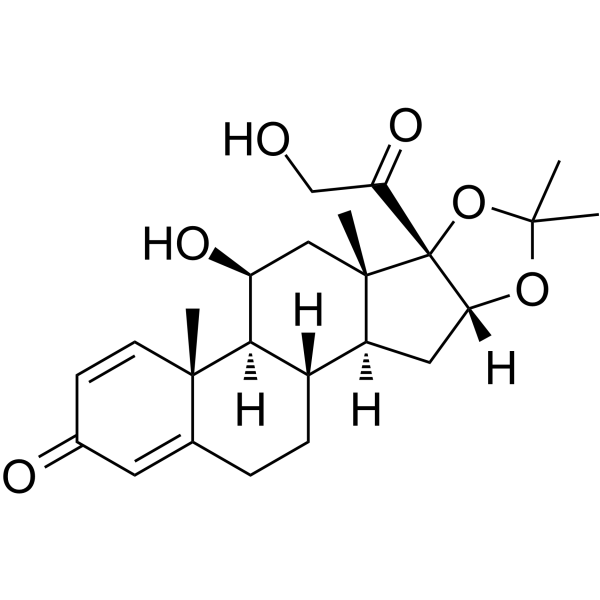
Desonide is a non-fluorinated corticosteroid anti-inflammatory agent that acts on the glucocorticoid receptor. Desonide can also specifically bind to the mutant huntingtin protein (mHTT), reducing the level and toxicity of mHTT. Desonide can be used in the research of Huntington's disease and inflammatory diseases such as atopic dermatitis .
|
-
-
- HY-W020050
-
|
|
Caspase
Glutaminase
Apoptosis
|
Neurological Disease
Cancer
|
|
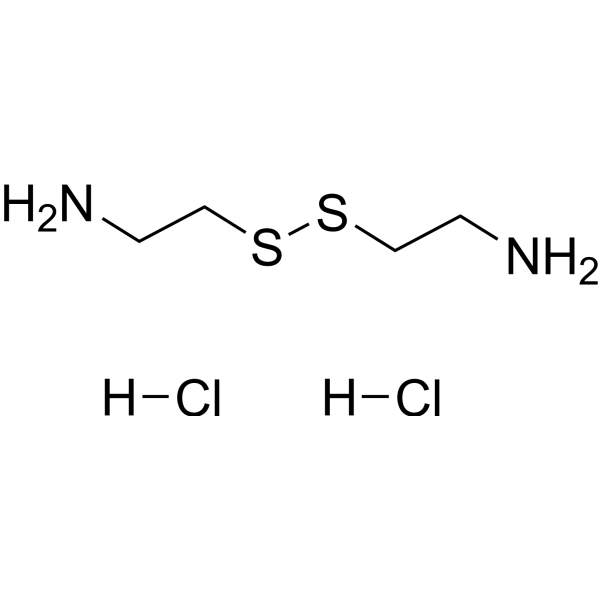
Cystamine (dihydrochloride) is the disulfide form of the free thiol, cysteamine. Cystamine is an orally active transglutaminase (Tgase) inhibitor. Cystamine also has inhibition activity for caspase-3 with an IC50 value of 23.6 μM. Cystamine can be used for the research of severals diseases including Huntington's disease (HD) .
|
-
-
- HY-130259
-
|
|
Atg8/LC3
Autophagy
|
Neurological Disease
|
|
LC3-mHTT-IN-AN2 (Compound AN2) is a mHTT-LC3 linker compound, which interacts with both mutant huntingtin protein (mHTT) and LC3B but not with wtHTT or irrelevant control proteins. LC3-mHTT-IN-AN2 reduces the levels of mHTT in an allele-selective manner in cultured Huntington disease (HD) mouse neurons .
|
-
-
- HY-137207
-
|
|
PERK
|
Neurological Disease
|
|
MK-28 is a potent and selective PERK activator. MK-28 exhibits remarkable pharmacokinetic properties and high BBB penetration in mice .
|
-
-
- HY-136311
-
|
|
PI5P4K
|
Neurological Disease
|
|
NCT-504 is a selective allosteric inhibitor of PIP4Kγ, with an IC50 of 15.8 μM. NCT-504 is potential for the research of Huntington's disease .
|
-
-
- HY-130258
-
|
|
Atg8/LC3
Autophagy
|
Neurological Disease
|
|
LC3-mHTT-IN-AN1 (Compound AN1) is a mHTT-LC3 linker compound, which interacts with both mutant huntingtin protein (mHTT) and LC3B but not with wtHTT or irrelevant control proteins. LC3-mHTT-IN-AN1 reduces the levels of mHTT in an allele-selective manner in cultured Huntington disease (HD) mouse neurons .
|
-
-
- HY-156650
-
|
PTC518
|
Huntingtin
|
Neurological Disease
|
|
Votoplam (PTC518) (Example 37) is an HTT gene regulator with an IC50 ≤ 0.1 μM. Votoplam can be used in the research of Huntington's disease .
|
-
-
- HY-142035
-
|
|
Mitochondrial Metabolism
|
Neurological Disease
Metabolic Disease
Inflammation/Immunology
Cancer
|
|
N-Propargylglycine is a brain-penetrant and orally active PRODH inhibitor. N-Propargylglycine covalently modifies enzyme-bound FAD and active site lysine, causing enzyme structural distortion, protein decay, and irreversible inhibition of proline and 4-hydroxyproline catabolism. N-Propargylglycine induces UPRmt, upregulates mitochondrial chaperones and YME1L1, enhances mitochondrial proteostasis, blocks astrocytic L-proline consumption, and abolishes L-proline’s ATP-maintaining and viability-protective effects. N-Propargylglycine stimulates neural processes, increases brain proline, hydroxyproline, and sarcosine levels, partially normalizes Huntington’s disease whole brain transcriptomes. N-Propargylglycine reduces hyperoxaluria, prevents calcium oxalate stone formation, reduces kidney tubular damage, and restores weight and survival in Grhpr knockout mice. N-Propargylglycine can be used for the research of breast cancer, neurodegenerative disorders, Huntington’s disease, and primary hyperoxaluria type 2 .
|
-
-
- HY-100384
-
NKL 22
1 Publications Verification
|
HDAC
|
Neurological Disease
Cancer
|
|
NKL 22 is a potent and selective inhibitor of histone deacetylases (HDAC), with IC50 values of 199 and 69 nM for HDAC1 and HDAC3, respectively. NKL 22 can reverse abnormal expression of HD‑related genes and restore the levels of key genes including Ppp1r1b in Huntington's disease transgenic mice. NKL 22 can be used for the researches of Huntington's disease and cancer .
|
-
-
- HY-136833
-
-
-
- HY-136780
-
|
|
Amyloid-β
Apoptosis
CD47
Huntingtin
|
Neurological Disease
Cancer
|
|
SEN177 is an orally effect glutamine cyclase (QC) inhibitor. The Ki of SEN177 for human glutamine cyclase (hQC) is 20 nM, and the IC50 is 13 nM. SEN177 interferes with the interaction between CD47 and SIRRPα, and has anti-tumor activity. SEN177 reduces aggregation and apoptosis caused by HTT mutation in Huntington model, and can be used in the study of neurodegenerative diseases .
|
-
-
- HY-W019710
-
|
|
HDAC
|
Neurological Disease
|
|
(E,E)-RGFP966 is a selective and CNS permeable HDAC3 inhibitor that can be used for the research of Huntington’s disease .
|
-
-
- HY-132579
-
|
RG6042; IONIS-HTTRx
|
Huntingtin
|
Neurological Disease
|
|
Tominersen (RG6042) is a second-generation 2′-O-(2-methoxyethyl) antisense oligonucleotide that targets huntingtin protein (HTT) mRNA and potently suppresses HTT production. Tominersen improves survival and reduces brain atrophy in mice. Tominersen can be used for the research of Huntington’s disease (HD) .
|
-
-
- HY-B0590A
-
|
Ro 1-9569 Racemate
|
Monoamine Transporter
Dopamine Receptor
|
Neurological Disease
|
|
Tetrabenazine (Ro 1-9569) Racemate is a brain-penetrant and orally active VMAT2-selective ligand with human VMAT2 Ki 100 nM. Tetrabenazine Racemate binds VMAT2 to block monoamine uptake into synaptic vesicles, potentiates cytoplasmic monoamine degradation. Tetrabenazine Racemate weakly blocks dopamine D2 receptors, and increases dopamine turnover via elevated cerebrospinal fluid homovanillic acid. Tetrabenazine Racemate can be used for the research of Huntington’s disease, tardive dyskinesia, and Tourette’s syndrome .
|
-
-
- HY-107660
-
|
|
Sirtuin
|
Neurological Disease
|
|
SIRT2-IN-8 is a potent SIRT2 inhibitor. SIRT2-IN-8 can be used for Huntington’s and Parkinson’s diseases research .
|
-
-
- HY-150640
-
-
-
- HY-132579A
-
|
RG6042 sodium; IONIS-HTTRx sodium
|
Huntingtin
|
Neurological Disease
|
|
Tominersen sodium is a second-generation 2′-O-(2-methoxyethyl) antisense oligonucleotide that targets huntingtin protein (HTT) mRNA and potently suppresses HTT production. Tominersen improves survival and reduces brain atrophy in mice. Tominersen sodium can be used for the research of Huntington’s disease (HD) .
|
-
-
- HY-P6374
-
|
|
Dynamin
|
Neurological Disease
|
|
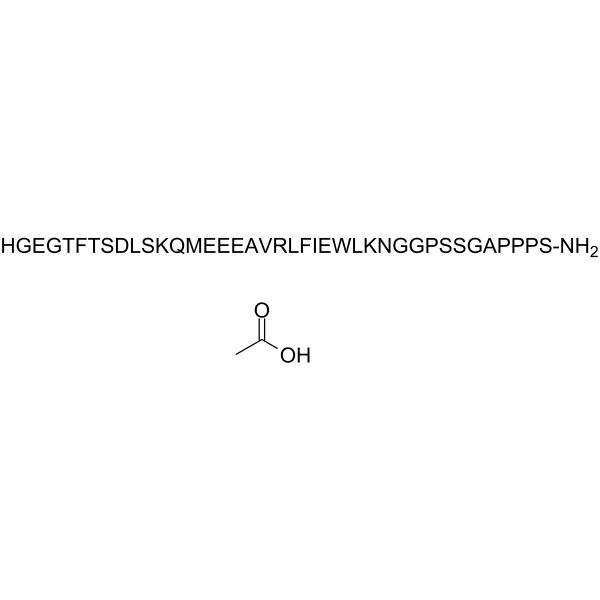
IIQLPEIVVV TFA is a specific inhibitor of Drp1-Mff interaction. IIQLPEIVVV TFA can distinguish physiological from pathological fission and block physiological fission, thus leading to mitochondrial dysfunction. IIQLPEIVVV TFA can be used in the study of Huntington's disease .
|
-
-
- HY-177360
-
|
|
DNA/RNA Synthesis
|
Neurological Disease
Cancer
|
RNA splicing modulator-4 is an RNA splicing modulator. RNA splicing modulator-4 controls the inclusion or exclusion of specific exons in precursor mRNA (pre-mRNA) by regulating alternative splicing events, thereby altering the coding sequence and function of mature mRNA. RNA splicing modulator-4 shows promise for research into neurodegenerative diseases (such as Huntington's disease) and cancers .
|
-
-
- HY-D0193A
-
|
Acid Red 18 (85%); New Coccine (85%)
|
Environmental Pollutants
Drug Derivative
|
Neurological Disease
Inflammation/Immunology
|
|
Ponceau 4R (85%) (Acid Red 18 (85%); New Coccine (85%)) is an orally active synthetic food colorant and a HSA-binding aggregator. Ponceau 4R (85%) binds to HSA, inducing its partial unfolding, conformational changes and aggregation. Ponceau 4R (85%) serves as a food colorant and can be used in research on diseases including type Ⅱ diabetes, Parkinson's disease, Huntington's disease and spongiform encephalopathy .
|
-
-
- HY-103333
-
|
N-Vanillylarachidonamide
|
TRP Channel
Cannabinoid Receptor
CD74
Akt
Orexin Receptor (OX Receptor)
|
Neurological Disease
Inflammation/Immunology
|
|
Arvanil (N-Vanillylarachidonamide) is a mixed agonist of CB1 and TRPV1 receptors. Arvanil downregulates CD25, HLA-DR, CD134/OX40, blocks G1/S phase transition, and induces phosphorylation of Akt. Arvanil does not induce apoptosis in cells. Arvanil inhibits lymphocyte activation and ameliorates autoimmune encephalomyelitis. Arvanil can be used in research related to Huntington's disease, vomiting, and multiple sclerosis .
|
-
-
- HY-108312A
-
|
|
Caspase
|
Neurological Disease
|
|
Ac-VEID-CHO (TFA) is a peptide-derived caspase inhibitor and has potency of inhibition for Caspase-6, Caspase-3 and Caspase-7 with IC50 values of 16.2 nM, 13.6 nM and 162.1 nM, respectively. Ac-VEID-CHO (TFA) can be used for the research of neurodegenerative conditions including Alzheimer’s and Huntington’s disease .
|
-
-
- HY-147060
-
|
|
DYRK
|
Neurological Disease
|
|
Dyrk1A-IN-3 (Compound 8b), a highly selective dual-specificity tyrosine-regulated kinase 1A (DYRK1A) inhibitor, maintains high levels of DYRK1A binding affinity (IC50=76 nM). Dyrk1A-IN-3 can be used for the research of neurodegenerative disorders such as Alzheimer’s Disease, Huntington’s Disease, and Parkinson’s Disease .
|
-
-
- HY-16771A
-
-
-
- HY-P11005
-
|
|
Dynamin
ATP Synthase
|
Neurological Disease
|
|
P259 is a Drp1-Mff inhibitor. P259 distinguishes physiological from pathological fission by specifically inhibiting Drp1-Mff interaction. P259 elongates cell mitochondria and disrupts mitochondrial function and motility. P259 reduces ATP levels and alters mitochondrial structure in the brain, resulting in behavioral deficits in wild-type mice and a short lifespan in Huntington's disease (HD) mice model .
|
-
-
- HY-B1899S
-
|
Taurodeoxycholate-d5
|
Isotope-Labeled Compounds
Endogenous Metabolite
Apoptosis
|
Others
|
|
Taurodeoxycholic acid-d5 is the deuterium labeled Taurodeoxycholic acid (HY-B1899) . Taurodeoxycholic acid, a bile acid, stabilizes the mitochondrial membrane, decreases free radical formation. Taurodeoxycholic acid inhibits apoptosis by blocking a calcium-mediated apoptotic pathway as well as caspase-12 activation. Taurodeoxycholic acid exhibits neuroprotective effect in 3-nitropropionic acid induced mouse model or genetic mouse model of Huntington's disease (HD) .
|
-
-
- HY-W004425
-
|
3,7-Dimethyl-1-propargylxanthine
|
Adenosine Receptor
|
Neurological Disease
|
|
DMPX (3,7-Dimethyl-1-propargylxanthine) is a selective A2A adenosine receptor (A2A AR) antagonist that crosses the blood-brain barrier, with a Ki of 11 μM for rat A2 adenosine receptor and a Ki of 45 μM for rat A1 adenosine receptor. By blocking A2A receptors in specific brain regions, DMPX protects dopaminergic and GABAergic neurons from mitochondrial dysfunction. DMPX is applicable to research related to depression, Parkinson's disease and Huntington's disease .
|
-
-
- HY-111560
-
|
|
Potassium Channel
|
Neurological Disease
|
|
IQM-266 is a Downstream Regulatory Element Antagonist Modulator (DREAM) ligand with a KD of 4.63 μM. IQM-266 inhibits the KV4.3/DREAM current in a concentration-, voltage-, and time-dependent-manner. IQM-266 also modulates A-type outward potassium currents (IA) from rat dorsal root ganglia (DRG) neurons. IQM-266 can be used for neurological disease research, such as Alzheimer’s disease and Huntington's disease (HD) .
|
-
-
- HY-132593
-
|
WVE-120101
|
Huntingtin
|
Neurological Disease
|
|
Rovanersen (WVE-120101) is an antisense oligonucleotide that specifically targets mutated mRNA copies of the huntington (HTT) gene without affecting healthy mRNA of HTT gene, thereby preventing the production of faulty Huntingtin protein. Rovanersen can be used for huntington’s disease research .
|
-
-
- HY-G0025
-
|
(-)-β-Dihydrotetrabenazine; (-)-β-HTBZ
|
Monoamine Transporter
Drug Metabolite
|
Neurological Disease
|
|
Tetrabenazine Metabolite is an active metabolite of Tetrabenazine. Tetrabenazine Metabolite is a vesicular monoamine transporter 2 (VMAT2) inhibitor with a high affinity (Ki=13.4 nM) . Tetrabenazine Metabolite is be developed for the treatment of chorea associated with Huntington’s disease and other hyperkinetic disorders .
|
-
-
- HY-148624
-
|
|
HDAC
|
Neurological Disease
|
|
CHDI-00484077 (Compound 12) is a CNS-penetrant class IIa HDAC inhibitor, with IC50s of 0.01 μM (HDAC4), 0.02 μM(HDAC5), 0.02 μM (HDAC7), 0.03 μM (HDAC9) respectively. CHDI-00484077 can be used for research of huntington’s disease .
|
-
-
- HY-DY1024
-
|
|
Huntingtin
Parasite
|
Infection
Neurological Disease
|
TPE-MI (Tetraphenylethene maleimide) (solution) is a thiol probe for measuring unfolded protein load and proteostasis in cells (the excitation wavelength is 350 nm and the emission wavelength is 470 nm). TPE-MI can report imbalances in proteostasis in induced pluripotent stem cell models of Huntington disease, as well as cells transfected with mutant Huntington exon 1 before the formation of visible aggregates. TPE-MI also detects protein damage following dihydroartemisinin research of the malaria parasitesPlasmodium falciparum . Solvent and concentration: DMSO: 10 mM
|
-
-
- HY-40269
-
|
|
Biochemical Assay Reagents
Drug Intermediate
|
Neurological Disease
|
|
L-Pyroglutamic acid ethyl ester (Compound 2c) is an intermediate. L-Pyroglutamic acid ethyl ester is involved in the synthesis of γ-aminobutyrate transaminase inactivators. L-Pyroglutamic acid ethyl ester can be used in epilepsy and Huntington's disease research .
|
-
-
- HY-125172
-
|
Polyglutamine Aggregation inhibitor III
|
Huntingtin
|
Others
|
|
C2-8 is an inhibitor of polyglutamine (polyQ) aggregation (IC50s=25 and 0.05 μM for recombinant HDQ51 and in PC12 cells, respectively). It also inhibits polyQ aggregation in organotypic hippocampal slice cultures isolated from R6/2 transgenic mice and reduces neurodegeneration in a dose-dependent manner in a Drosophila model of Huntington's disease. C2-8 (100 and 200 mg/kg) reduces huntingtin aggregate size, reduces neuronal atrophy, and improves motor performance in a rotarod test in the R6/2 transgenic mouse model of Huntington's disease.
|
-
-
- HY-160604
-
|
FPL 12924; PR 934-423; FPL 13592
|
iGluR
|
Neurological Disease
|
|
Remacemide (FPL 12924) is an orally active, non-competitive, low-affinity NMDA receptor antagonist. Remacemide shows neuroprotection activity in animal models of hypoxia and ischemic stroke. Remacemide is also an anticonvulsant, and can be used in Parkinson's disease and Huntington's disease research .
|
-
-
- HY-153427
-
|
|
Tau Protein
|
Neurological Disease
|
|
Tau protein aggregation-IN-1 (Compound 0c) is a Tau protein aggregation inhibitor. Tau protein aggregation-IN-1 can be used in the study of protein folding disorders such as Alzheimer's disease, dementia, Parkinson's disease, Huntington's disease and prion-based spongiform encephalopathies .
|
-
-
- HY-15452R
-
|
EX-527 (Standard)
|
Sirtuin
Reference Standards
|
Inflammation/Immunology
Cancer
|
|
Selisistat (Standard) is the analytical standard of Selisistat. This product is intended for research and analytical applications. Selisistat (EX-527) is a potent and selective SirT1 (Sir2 in Drosophila melanogaster) inhibitor with an IC50 of 123 nM for SirT1. Selisistat alleviates pathology in multiple animal and cell models of Huntington's disease .
|
-
- HY-N10546A
-
|
|
iGluR
Trk Receptor
ERK
Apoptosis
Autophagy
|
Neurological Disease
|
|
Ganglioside GM1 (bovine) ammonium is a type of glycosphingolipid, mainly found on the cell membranes of the central nervous system of vertebrates. Ganglioside GM1 (bovine) ammonium exerts neuroprotective effects by reducing excessive activation of NMDAR, activating TrkA and ERK1/2, and inhibiting oxidative stress and cell apoptosis and autophagy. Ganglioside GM1 (bovine) ammonium can be used in the research of diseases such as traumatic brain injury, Parkinson's disease, Alzheimer's disease, and Huntington's disease .
|
-
- HY-B0349A
-
|
Meclozine
|
Histamine Receptor
Apoptosis
|
Neurological Disease
Inflammation/Immunology
|
|
Meclizine (Meclozine), an antihistamine, reversibly inhibits the interaction of histamine at the H1 receptors. Meclizine is a member of the piperazine class of H1 antagonists. Meclizine is an effective anti-motion sickness agent. Meclizine crosses the blood–brain barrier. Meclizine is an agonist ligand for mouse constitutive androstane receptor (CAR) and an inverse agonist for Human CAR. Meclizine can be used for the research of polyQ toxicity disorders, such as Huntington's disease .
|
-
- HY-47822
-
|
|
Sirtuin
|
Neurological Disease
|
|
WAY-354574 is an active molecule targeting deacetylase (Sirtuin) for the study of Huntington's disease (HD) .
|
-
- HY-W235067
-
|
|
Environmental Pollutants
Dynamin
|
Neurological Disease
|
|
N,N-Dimethyldodecylamine is a dynamin I inhibitor. N,N-Dimethyldodecylamine has an IC50 value of 14.79 μM for GTPase activity of dynamin I. N,N-Dimethyldodecylamine can be used in the research of diseases associated with endocytic defects, such as Alzheimer's disease and Huntington's disease .
|
-
- HY-132593A
-
|
WVE-120101 sodium
|
Huntingtin
|
Neurological Disease
|
|
Rovanersen sodium is an antisense oligonucleotide that specifically targets mutated mRNA copies of the huntington (HTT) gene without affecting healthy mRNA of HTT gene, thereby preventing the production of faulty Huntingtin protein. Rovanersen sodium can be used for huntington’s disease research .
|
-
- HY-156650A
-
|
PTC518 hydrochloride
|
Huntingtin
|
Neurological Disease
|
|
Votoplam (PTC518) hydrochloride is an HTT gene regulator with an IC50 ≤ 0.1 μM. Votoplam hydrochloride can be used in the research of Huntington's disease .
|
-
- HY-A0198
-
|
U 41123
|
GABA Receptor
|
Neurological Disease
|
|
Adinazolam (U 41123) is a triazolobenzodiazepine. Adinazolam binds to peripheral-type benzodiazepine receptors which interact allosterically with GABA receptors. Adinazolam has dual anxiolytic and antidepressant activities .
|
-
- HY-108312
-
|
|
Caspase
|
Neurological Disease
|
|
Ac-VEID-CHO is a peptide-derived caspase inhibitor and has potency of inhibition for Caspase-6, Caspase-3 and Caspase-7 with IC50 values of 16.2 nM, 13.6 nM and 162.1 nM, respectively. Ac-VEID-CHO also inhibits VEIDase activity an IC50 value of 0.49 µM. Ac-VEID-CHO can be used for the research of neurodegenerative conditions including Alzheimer’s and Huntington’s disease .
|
-
- HY-147233
-
|
|
Sirtuin
|
Neurological Disease
|
|
MIND4-19 is a potent SIRT2 inhibitor with an IC50 value of 7.0 μM. MIND4-19 can be used for researching Huntington's disease .
|
-
- HY-N2099A
-
|
(Z)-Senegin III
|
Drug Derivative
|
Neurological Disease
Metabolic Disease
Inflammation/Immunology
|
|
(Z)-Onjisaponin B ((Z)-Senegin III) is a derivative of Onjisaponin B (HY-N2099). Onjisaponin B is an orally active natural product derived from Polygala tenuifolia. Onjisaponin B inhibits NF-κB p65. Onjisaponin B enhances autophagy and accelerates the degradation of mutant α-synuclein and huntingtin. Onjisaponin B reduces β-amyloid (Aβ) production. Onjisaponin B reduces radiation-induced cell apoptosis. Onjisaponin B has anti-oxidant and anti-inflammatory activities. Onjisaponin B can be used for neurological disease and radiation injury study, and its metabolite tenuifolin (TF) can enter the brain through the BBB .
|
-
- HY-125194
-
|
|
Caspase
|
Neurological Disease
|
|
NWL-117 is a brain-penetrant and highly selective Caspase-6 (Casp6) inhibitor with an IC50 value of 192 nM. NWL-117 is promising for research of neurodegenerative diseases, particularly Alzheimer's disease and Huntington's disease .
|
-
- HY-150245
-
|
|
Huntingtin
|
Neurological Disease
|
|
mHTT-IN-1 (Example 1) is a potent mutant huntingtin (mHTT) inhibitor. mHTT is toxic and a major cause of the inherited autosomal dominant neurodegenerative disorder, Huntington's disease (HD). mHTT-IN-1 conducts the reduction of mHTT with an EC50 value of 46 nM .
|
-
- HY-B0349B
-
|
Meclozine dihydrochloride monohydrate
|
Histamine Receptor
Apoptosis
|
Neurological Disease
Inflammation/Immunology
|
|
Meclizine (Meclozine) dihydrochloride monohydrate, an antihistamine, reversibly inhibits the interaction of histamine at the H1 receptors. Meclizine dihydrochloride is a member of the piperazine class of H1 antagonists. Meclizine dihydrochloride monohydrate is an effective anti-motion sickness agent. Meclizine dihydrochloride monohydrate crosses the blood-brain barrier. Meclizine dihydrochloride monohydrate is an agonist ligand for mouse constitutive androstane receptor (CAR) and an inverse agonist for Human CAR. Meclizine dihydrochloride monohydrate can be used for the research of polyQ toxicity disorders, such as Huntington's disease .
|
-
- HY-B0349R
-
|
Meclozine dihydrochloride (Standard)
|
Reference Standards
Histamine Receptor
Apoptosis
|
Neurological Disease
Endocrinology
Cancer
|
|
Meclizine (dihydrochloride) (Standard) is the analytical standard of Meclizine (dihydrochloride). This product is intended for research and analytical applications. Meclizine (Meclozine) dihydrochloride, an antihistamine, reversibly inhibits the interaction of histamine at the H1 receptors. Meclizine dihydrochloride is a member of the piperazine class of H1 antagonists. Meclizine dihydrochloride is an effective anti-motion sickness agent. Meclizine dihydrochloride crosses the blood-brain barrier. Meclizine dihydrochloride can be used for the research of polyQ toxicity disorders, such as Huntington's disease. Meclizine dihydrochloride is an agonist ligand for mouse constitutive androstane receptor (CAR) and an inverse agonist for Human CAR .
|
-
- HY-119274
-
|
|
COX
Sodium Channel
|
Neurological Disease
|
|
BN-82451 dihydrochloride, an orally active and CNS-penetrated antioxidant and a multitargeting neuroprotective agent, exert a significant protection in experimental animal models mimicking aspects of cerebral ischemia, Parkinson disease, Huntington disease, and more particularly amyotrophic lateral sclerosis .
|
-
- HY-P10977
-
|
|
Sodium Channel
RIP kinase
|
Neurological Disease
|
|
Tat-ASIC1a (1-20) (mouse, rat) is a competitive ASIC1a membrane-penetrating peptide. Tat-ASIC1a (1-20) (mouse, rat) has significantly neuroprotection effects, and reduces neuronal damage against acidotoxicity by targeting the ASIC1a-RIPK1 pathway and auto-inhibitory mechanism. Tat-ASIC1a (1-20) (mouse, rat) effectively protects brains from ischemic injury in ischemic stroke mice model. Tat-ASIC1a (1-20) (mouse, rat) can be used for neurodegenerative diseases research, such as Huntington disease and Parkinson’s disease .
|
-
- HY-163806
-
|
|
HDAC
|
Neurological Disease
Cancer
|
|
NT376 is a high potency and selectivity inhibitor of class-IIa Histone deacetylases (HDAC) with an IC50 value of 32 nM, similar to NT160 (HY-149285) (IC50= 46 nM) in HT-29 cells. NT376 is proming for research of various cancers and in the diseases of the central nervous system (CNS) such as Alzheimer’s and Huntington’s diseases .
|
-
- HY-134145
-
-
- HY-150236
-
|
|
Huntingtin
|
Neurological Disease
|
|
FITC-labeled Tominersen (sodium) is the Tominersen labeled with FITC. Tominersen (RG6042) is a second-generation 2′-O-(2-methoxyethyl) antisense oligonucleotide that targets huntingtin protein (HTT) mRNA and potently suppresses HTT production. Tominersen improves survival and reduces brain atrophy in mice. Tominersen can be used for the research of Huntington’s disease (HD).
|
-
- HY-175136
-
|
GAh acetate
|
Adrenergic Receptor
|
Infection
Neurological Disease
|
|
Chloroguanabenz (acetate) is an antiprion agent and a derivative of the α2-adrenergic receptor agonist guanabenz. Chloroguanabenz (acetate) can inhibit the formation of prion in yeast and mammalian in vitro assays. Chloroguanabenz (acetate) can reduce the levels of truncated Huntingtin derivative Htt48 in HEK293T cells. Chloroguanabenz (acetate) can be studied in research on Huntington’s disease .
|
-
- HY-A0198A
-
|
U 41123F mesylate
|
GABA Receptor
|
Neurological Disease
|
|
Adinazolam (U 41123F) mesylate is a triazolobenzodiazepine. Adinazolam mesylate binds to peripheral-type benzodiazepine receptors which interact allosterically with GABA receptors. Adinazolam mesylate has dual anxiolytic and antidepressant activities .
|
-
- HY-B0590E
-
|
Ro 1-9569 mesylate
|
Monoamine Transporter
Dopamine Receptor
|
Neurological Disease
|
|
Tetrabenazine (Ro 1-9569) mesylate is a brain-penetrant and orally active VMAT2-selective ligand with human VMAT2 Ki 100 nM. Tetrabenazine mesylate binds VMAT2 to block monoamine uptake into synaptic vesicles, potentiates cytoplasmic monoamine degradation. Tetrabenazine mesylate weakly blocks dopamine D2 receptors, and increases dopamine turnover via elevated cerebrospinal fluid homovanillic acid. Tetrabenazine mesylate can be used for the research of Huntington’s disease, tardive dyskinesia, and Tourette’s syndrome .
|
-
- HY-107677
-
|
|
nAChR
|
Neurological Disease
|
|
A 844606 is a highly potent and selective α4β2 nAChR agonist. A 844606 can be used in the study of schizophrenia, Huntington's disease, Alzheimer's disease, and Parkinson's disease .
|
-
- HY-16771R
-
|
NBI-98854 (Standard)
|
Monoamine Transporter
Reference Standards
|
Neurological Disease
|
|
Valbenazine (Standard) is the analytical standard of Valbenazine. This product is intended for research and analytical applications. Valbenazine (NBI-98854) is a vesicular monoamine transporter 2 (VMAT2) inhibitor with the Ki of 110-190 nM .
|
-
- HY-161163
-
|
|
AMPK
|
Neurological Disease
|
|
IND 1316 is an orally active, blood-brain barrier permeable AMPK activator with neuroprotective effects in animal models of Huntington's disease. IND 1316 can be used for research on neurodegenerative diseases, such as Alzheimer's disease and Parkinson's disease .
|
-
- HY-B0590R
-
|
Ro 1-9569 (Standard)
|
Reference Standards
Monoamine Transporter
Dopamine Receptor
|
Neurological Disease
|
|
Tetrabenazine (Standard) is the analytical standard of Tetrabenazine (HY-B0590). This product is intended for research and analytical applications. Tetrabenazine (Ro 1-9569) is a brain-penetrant and orally active VMAT2-selective ligand with human VMAT2 Ki 100 nM. Tetrabenazine binds VMAT2 to block monoamine uptake into synaptic vesicles, potentiates cytoplasmic monoamine degradation. Tetrabenazine weakly blocks dopamine D2 receptors, and increases dopamine turnover via elevated cerebrospinal fluid homovanillic acid. Tetrabenazine can be used for the research of Huntington’s disease, tardive dyskinesia, and Tourette’s syndrome .
|
-
- HY-B0590S3
-
|
TBZ-d7-d7; Ro 1-9569-d7
|
Isotope-Labeled Compounds
Monoamine Transporter
Dopamine Receptor
|
Neurological Disease
|
|
Tetrabenazine-d7 (TBZ-d7-d7) is deuterium labeled Tetrabenazine (HY-B0590). Tetrabenazine (Ro 1-9569) is a brain-penetrant and orally active VMAT2-selective ligand with human VMAT2 Ki 100 nM. Tetrabenazine binds VMAT2 to block monoamine uptake into synaptic vesicles, potentiates cytoplasmic monoamine degradation. Tetrabenazine weakly blocks dopamine D2 receptors, and increases dopamine turnover via elevated cerebrospinal fluid homovanillic acid. Tetrabenazine can be used for the research of Huntington’s disease, tardive dyskinesia, and Tourette’s syndrome .
|
-
- HY-P10822
-
|
|
Caspase
|
Neurological Disease
|
|
ED11 is a potent and selective caspase-6 inhibitor with an IC50 of 12.12 nM. ED11 competes with Htt for the caspase-6 active site, and thus reduce Htt cleavage. ED11 can cross the blood-brain barrier (BBB). ED11 has the potential for the study of Huntington's disease (HD) .
|
-
- HY-B0248R
-
|
|
Reference Standards
Glucocorticoid Receptor
Huntingtin
Apoptosis
|
Neurological Disease
Inflammation/Immunology
|
|
Desonide (Standard) is the analytical standard of Desonide. This product is intended for research and analytical applications. Desonide is a non-fluorinated corticosteroid anti-inflammatory agent that acts on the glucocorticoid receptor. Desonide can also specifically bind to the mutant huntingtin protein (mHTT), reducing the level and toxicity of mHTT. Desonide can be used in the research of Huntington's disease and inflammatory diseases such as atopic dermatitis.
|
-
- HY-131885
-
|
|
GABA Receptor
|
Neurological Disease
|
|
RuBi-Glutamate hexafluorophosphate sodium is a neuronal activator. RuBi-Glutamate hexafluorophosphate sodium photocleaves to release glutamate upon one- or two-photon excitation, activating glutamate receptors in cortical pyramidal neurons. RuBi-Glutamate hexafluorophosphate sodium reduces peak amplitude of evoked GABAergic inhibitory postsynaptic currents in its caged form. RuBi-Glutamate hexafluorophosphate sodium can be used for the research of Huntington's disease .
|
-
- HY-W020050S
-
|
|
Apoptosis
Caspase
Glutaminase
|
Cancer
|
|
Cystamine-d8 (dihydrochloride) is the deuterium labeled Cystamine (dihydrochloride) . Cystamine (dihydrochloride) is the disulfide form of the free thiol, cysteamine. Cystamine is an orally active transglutaminase (Tgase) inhibitor. Cystamine also has inhibition activity for caspase-3 with an IC50 value of 23.6 μM. Cystamine can be used for the research of severals diseases including Huntington's disease (HD) .
|
-
- HY-12542S
-
|
F 368-13C3
|
Isotope-Labeled Compounds
Glutathione Reductase (GR)
|
Neurological Disease
Inflammation/Immunology
|
|
Dantrolene- 13C3 is the 13C3 labeled Dantrolene. Dantrolene (F368), a muscle relaxant, non-competitively inhibits human erythrocyte glutathione reductase. Ki and IC50 values are 111.6 μM and 52.3 μM, respectively. Dantrolene is a ryanodine receptor antagonist and Ca2+ signaling stabilizer. Dantrolene can be used for the research of muscle spasticity, malignant hyperthermia, Huntington's disease and other neuroleptic malignant syndrome.
|
-
- HY-W653989
-
|
|
Isotope-Labeled Compounds
|
Others
|
|
Desonide- 13C3 is the 13C labeled isotope of Desonide (HY-B0248). Desonide is a non-fluorinated corticosteroid anti-inflammatory agent that acts on the glucocorticoid receptor. Desonide can also specifically bind to the mutant huntingtin protein (mHTT), reducing the level and toxicity of mHTT. Desonide can be used in the research of Huntington's disease and inflammatory diseases such as atopic dermatitis .
|
-
- HY-128128
-
|
|
Transmembrane Glycoprotein
|
Cardiovascular Disease
Neurological Disease
Inflammation/Immunology
|
|
ASN04421891 is a GPR17 agonist with nanomolar EC50 and high specificity. ASN04421891 promotes oligodendrocyte precursor cell maturation to mature myelinating oligodendrocytes. ASN04421891 can be used for the research of cerebral ischaemia, cardiac ischaemia, renal ischaemia, cerebral trauma, multiple sclerosis, schizophrenia, depression, alzheimer's disease, alzheimer-like dementia, parkinson's disease, huntington's chorea, amyotrophic lateral sclerosis (ALS), neuroinflammatory disorders .
|
-
- HY-12542R
-
|
F 368 (Standard)
|
Reference Standards
Calcium Channel
Autophagy
|
Neurological Disease
Inflammation/Immunology
|
|
Dantrolene (Standard) is the analytical standard of Dantrolene. This product is intended for research and analytical applications. Dantrolene is an orally active, non-competitive glutathione reductase inhibitor with a Ki of 111.6 μM and an IC50 of 52.3 μM. Dantrolene is a ryanodine receptor (RyR) antagonist and Ca2+ signaling stabilizer. Dantrolene is a direct-acting skeletal muscle relaxant. Dantrolene can be used for the research of muscle spasticity, malignant hyperthermia, Huntington's disease and other neuroleptic malignant syndrome .
|
-
- HY-12542AR
-
|
Dantrolene sodium hydrate (Standard)
|
Reference Standards
Calcium Channel
Autophagy
|
Others
|
|
Dantrolene (sodium hemiheptahydrate) (Standard) is the analytical standard of Dantrolene (sodium hemiheptahydrate). This product is intended for research and analytical applications. Dantrolene sodium hemiheptahydrate is an orally active, non-competitive glutathione reductase inhibitor with a Ki of 111.6 μM and an IC50 of 52.3 μM. Dantrolene sodium hemiheptahydrate is a ryanodine receptor (RyR) antagonist and Ca2+ signaling stabilizer. Dantrolene sodium hemiheptahydrate is a direct-acting skeletal muscle relaxant. Dantrolene sodium hemiheptahydrate can be used for the research of muscle spasticity, malignant hyperthermia, Huntington's disease and other neuroleptic malignant syndrome .
|
-
- HY-180346
-
|
|
Huntingtin
|
Neurological Disease
|
|
Hepta-histidine is an inhibitor of Ku70-Huntingtin protein interaction. Hepta-histidine can reverse the morphological abnormalities of primary neurons differentiatied from hiPSCs. Hepta-histidine prolongs the lifespan in severe Huntington’s disease R6/2 mouse model. Hepta-histidine ameliorates DNA damage in vitro. Hepta-histidine can be used to study anti-aggregation agent against Tau-associated neurodegenerative diseases such as Alzheimer’s disease and Huntington’s disease .
|
-
- HY-180421
-
|
|
mAChR
|
Neurological Disease
|
|
VU6009048 is a CNS-penetrant human M4 muscarinic acetylcholine receptor (mAChR4) positive allosteric modulator. VU6009048 can be used for the research of parkinson’s disease, huntington’s disease, schizophrenia .
|
-
- HY-183945
-
-
- HY-182456
-
|
|
KMO
|
Neurological Disease
|
|
CHDI-340246 is an orally active kynurenine monooxygenase (KMO) inhibitor. CHDI-340246 blocks KMO activity, alters the metabolic flux of the kynurenine pathway, inhibits the production of 3-hydroxykynurenine and quinolinic acid, elevates the levels of kynurenine and kynurenic acid, and restores electrophysiological abnormalities in transgenic mouse models of Huntington's disease. CHDI-340246 can be used in studies related to Huntington's disease .
|
-
- HY-181988
-
|
|
Caspase
KMO
GSK-3
|
Neurological Disease
|
|
DTB-acid is a multi-target inhibitor that binds stably to Caspase-6, KMO and GSK-3β. DTB-acid is applicable to the research of Huntington's disease .
|
-
- HY-181349
-
|
|
GPR6
|
Neurological Disease
|
|
GPR6 inverse agonist 1 (Compound 101) is a selective GPR6 inverse agonist with an IC50 < 100 nM. GPR6 inverse agonist 1 is applicable to research related to Parkinson's disease and Huntington's disease .
|
-
- HY-181879
-
|
|
PROTACs
Huntingtin
|
Neurological Disease
|
|
PROTAC mHTT Degrader-1 is a blood-brain barrier-penetrant mutant huntingtin (mHTT) PROTAC degrader. PROTAC mHTT Degrader-1 specifically recognizes pathogenic mHTT aggregates and recruits Cereblon (CRBN), thereby inducing ubiquitination and proteasomal degradation of mHTT. PROTAC mHTT Degrader-1 alleviates mHTT-induced cytotoxicity and neuroinflammation. In the R6/2 Huntington's disease mouse model, PROTAC mHTT Degrader-1 reduces cerebral protein aggregation levels and improves body weight, motor coordination and survival rate of animals. PROTAC mHTT Degrader-1 can be used for research on PROTAC therapies for Huntington's disease and other neurodegenerative diseases .
|
-
- HY-181897
-
|
|
Huntingtin
Ligands for Target Protein for PROTAC
|
Neurological Disease
|
|
mHTT ligand-1 is an mHTT ligand. As a Ligand for Target Protein for PROTAC, mHTT ligand-1 can be used to develop and design PROTAC-based mHTT degraders, such as PROTAC mHTT Degrader-1 (HY-181879). mHTT ligand-1 is applicable to research related to Huntington's disease .
|
-
- HY-186130
-
|
|
Calpain
|
Neurological Disease
|
|
CAST-calpain-2 stabilizer-1 is a blood-brain barrier permeable stabilizer of CAST-calpain-2 interaction. CAST-calpain-2 stabilizer-1 shows no activity against GSK3. CAST-calpain-2 stabilizer-1 can be used in the research of Huntington's disease and tauopathies .
|
-
- HY-W635511
-
|
|
Caspase
|
Neurological Disease
|
|
Caspase-6-IN-1 is a Caspase-6 inhibitor with an IC50 of 5.6 μM. Caspase-6-IN-1 can inhibit Caspase-6 activity and reduce lamin A hydrolysis. Caspase-6-IN-1 can be used for the research of neurodegenerative diseases such as Huntington's disease and Alzheimer's disease .
|
-
- HY-181406
-
|
|
Eukaryotic Initiation Factor (eIF)
Potassium Channel
|
Neurological Disease
|
|
eIF2B activator-1 (Compound 7a) is a eIF2B activator with a pEC50 value of 7.3. eIF2B activator-1 exhibits significant hERG inhibitory activity, with a pIC50 value of 5.7. eIF2B activator-1 can be used in research related to Huntington's disease, Parkinson's disease, and amyotrophic lateral sclerosis (ALS).
|
-
- HY-136878
-
|
|
Histone Demethylase
Monoamine Oxidase
|
Neurological Disease
Cancer
|
|
LSD1-IN-10 is a LSD1/MAO inhibitor with LSD1 IC50 of 5 nM, MAO-A IC50 of 16 μM, and MAO-B IC50 of 7.4 μM. LSD1-IN-10 suppresses enzymatic activity of LSD1, MAO-A, and MAO-B. LSD1-IN-10 can be used for the research of cancer, alzheimer's disease, parkinson's disease, huntington's disease .
|
-
- HY-156600A
-
|
SBT-272 trihydrochloride
|
Mitochondrial Metabolism
|
Neurological Disease
|
|
Bevemipretide trihydrochloride (SBT-272 trihydrochloride) is a blood-brain barrier-permeable mitochondrial function repair agent. Bevemipretide trihydrochloride stabilizes cardiolipin in the inner mitochondrial membrane, restores mitochondrial structure, respiratory function, motor capacity and upper motor neuron health. Bevemipretide trihydrochloride reduces astrogliosis and microgliosis in mice with amyotrophic lateral sclerosis. Bevemipretide trihydrochloride prevents stroke-induced mitochondrial dysfunction . Bevemipretide trihydrochloride is applicable to research related to amyotrophic lateral sclerosis, Parkinson's disease, dementia with Lewy bodies and Huntington's disease .
|
-
- HY-186116A
-
|
|
Histone Demethylase
|
Neurological Disease
|
|
LSD1-IN-49 hydrochloride (Compound (±) 1) is an irreversible LSD1/KDM1A inhibitor with an IC50 of 29 nM against hLSD1. LSD1-IN-49 hydrochloride irreversibly inhibits the enzymatic activity of LSD1 by forming an adduct with flavin adenine dinucleotide (FAD) in the binding pocket of LSD1. LSD1-IN-49 hydrochloride is applicable to research related to schizophrenia, autism spectrum disorder and Huntington's disease .
|
-
- HY-143792
-
|
|
Huntingtin
P-glycoprotein
|
Neurological Disease
|
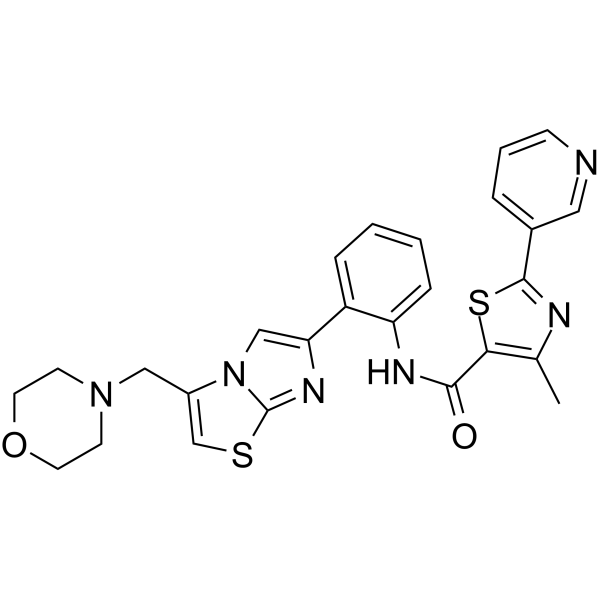
|
HTT-D3 is an orally active, blood-brain barrier penetrant splicing modulator of huntingtin (HTT). HTT-D3 promotes the inclusion of a pseudo-exon containing a premature termination codon into HTT pre-mRNA, triggers nonsense-mediated mRNA degradation and reduces HTT protein levels. HTT-D3 induces dose-dependent, comparable reductions in mutant HTT protein in both the brain and peripheral tissues of transgenic mouse models. HTT-D3 can be used for the research of Huntington's disease .
|
-
- HY-N0576
-
-
- HY-18939
-
|
CHA
|
Adenosine Receptor
PI3K
Akt
Epigenetic Reader Domain
|
Neurological Disease
Cancer
|
|
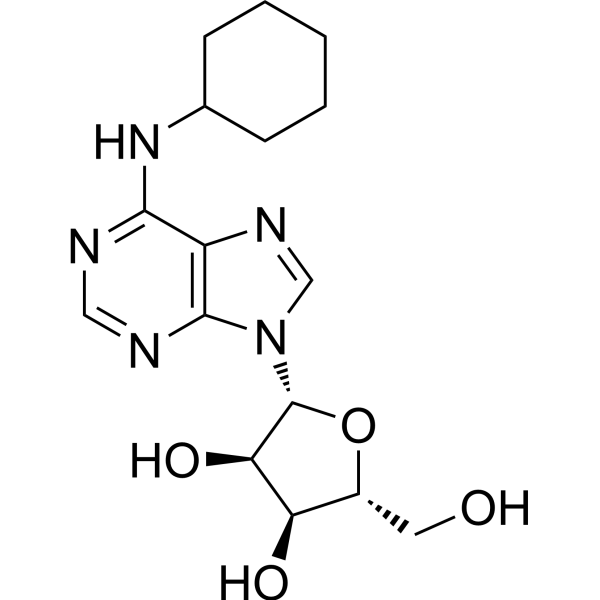
N6-Cyclohexyladenosine is a selective adenosine A1 receptor agonist (EC50 = 8.2 nM). N6-Cyclohexyladenosine enhances the activation of the PI3K/Akt/CREB/BDNF axis. N6-Cyclohexyladenosine promotes remyelination, induces sleep, and improves 3-NP-induced Huntington's disease. N6-Cyclohexyladenosine can be used in liver cancer research .
|
-
- HY-130495
-
|
CDDO-Trifluoethyl amide; RTA 404; TP-500
|
Keap1-Nrf2
Apoptosis
|
Cancer
|
|
CDDO-TFEA (RTA 404; TP-500) is a trifluoroacetamide derivative of CDDO with enhanced ability to cross the blood-brain barrier. CDDO is an Nrf2 activator that inhibits proliferation and induces differentiation and apoptosis in various cancer cells. CDDO-TFEA can enhance Nrf2 expression and signaling in various neurodegenerative disease models, including those mimicking multiple sclerosis, amyotrophic lateral sclerosis, and Huntington's disease. CDDO-TFEA induces apoptosis and blocks colony formation in Ewing's sarcoma and neuroblastoma cell lines with IC50 values ranging from 85-170 nM.
|
-
- HY-128700
-
|
|
Endogenous Metabolite
Sirtuin
|
Neurological Disease
Inflammation/Immunology
Cancer
|
|
Nicotinic acid mononucleotide acts as a SARM1 inhibitor and a NAD + biosynthesis intermediate, with an IC50 value of 93.3 μM against SARM1. Nicotinic acid mononucleotide exerts axon-protective effects, delays axonal degeneration, elevates NAD + levels, enhances Sirt1 activity, improves myocardial capillary density and alleviates myocardial fibrosis. Nicotinic acid mononucleotide reverses diabetic cardiomyopathy in diabetic mice by increasing myocardial NAD + levels. Nicotinic acid mononucleotide is applicable to research related to cancer, multiple sclerosis, diabetic cardiomyopathy, neurodegenerative diseases and Huntington's disease .
|
-
- HY-186183
-
|
|
iGluR
|
Cardiovascular Disease
Neurological Disease
Inflammation/Immunology
|
|
Normethyl-ZCAN262 (Normethyl-262) is a blood-brain barrier-permeable selective GluR2/AMPAR receptor modulator. Normethyl-ZCAN262 inhibits AMPA-mediated neurotoxicity, the formation of the GAPDH-GluR2 complex, and GluR2/AMPAR neurotoxicity. Normethyl-ZCAN262 enables in vivo imaging of brain AMPA receptors and is used in research related to multiple sclerosis, amyotrophic lateral sclerosis, neuroinflammation, stroke, epilepsy, Parkinson's disease, Alzheimer's disease, dementia, and Huntington's disease .
|
-
- HY-P6437
-
|
|
Dynamin
|
Cardiovascular Disease
Neurological Disease
|
|
Drp1 peptide inhibitor P110 (Compound P110) is a selective Drp1 peptide inhibitor with neuroprotective properties. Drp1 peptide inhibitor P110 can inhibit the activation of Drp1, prevent MPTP-induced Drp1 mitochondrial translocation, and alleviate MPTP-induced dopaminergic neuron loss, dopaminergic nerve terminal damage, and behavioral deficits, and can be used in the study of Alzheimer's disease. Additionally, Drp1 peptide inhibitor P110 can reduce mitochondrial damage and organ injury in animal models of Huntington's disease, cerebral ischemic injury, and myocardial infarction .
|
-
- HY-N0303R
-
|
|
Reference Standards
Mitochondrial Metabolism
Apoptosis
|
Neurological Disease
|
|
Idebenone (Standard) is the analytical standard of Idebenone. This product is intended for research and analytical applications. Idebenone, a well-appreciated mitochondrial protectant, exhibits protective efficacy against neurotoxicity and can be used for the research of Alzheimer's disease, Huntington's disease. Idebenone (oxidised form) has a dose-dependent inhibitory effect on the enzymatic metabolism of arachidonic acid in astroglial homogenates (IC50=16.65 μM) . Idebenone, a coenzyme Q10 analog and an antioxidant, induces apoptotic cell death in the human dopaminergic neuroblastoma SHSY-5Y cells . Idebenone quickly crosses the blood-brain barrier.
|
-
- HY-165539
-
|
|
Autophagy
Atg8/LC3
Huntingtin
α-synuclein
|
Neurological Disease
|
|
SMER10 is a small-molecule enhancer that can induce autophagy. SMER10 can increase the number of EGFP-LC3 positive autophagosoms in COS-7 and HeLa cells, promoting the conversion of LC3-I to autophagosome-associated LC3-II. SMER10 can efficiently promote the degradation of autophagy substrates, including the mutant huntingtin protein (EGFP-HDQ74) associated with Huntington's disease and the A53T α-synuclein protein associated with Parkinson's disease. SMER10 exerts neuroprotective effect .
|
-
- HY-W010041R
-
|
|
Reference Standards
α-synuclein
Amyloid-β
|
Neurological Disease
|
|
Scyllo-Inositol is an inhibitor that targets the aggregation of misfolded proteins (such as α-synuclein and Amyloid-β), is orally effective, and can cross the blood-brain barrier. Scyllo-Inositol can selectively bind to and stabilize non-toxic oligomers, preventing them from converting into toxic fibers, exerting protein homeostasis regulation and neuroprotective activity. Scyllo-Inositol binds to the hydrophobic region of pathogenic proteins, inhibits protein aggregation, and promotes lysosome- and proteasome-mediated degradation pathways, thereby reducing neurotoxicity. Scyllo-Inositol can be used in the study of neurodegenerative diseases such as Parkinson's disease, Alzheimer's disease, and Huntington's disease .
|
-
- HY-128700A
-
|
|
Endogenous Metabolite
Sirtuin
|
Metabolic Disease
|
|
Nicotinic acid mononucleotide triethylamine acts as a SARM1 inhibitor and a NAD + biosynthesis intermediate, with an IC50 value of 93.3 μM against SARM1. Nicotinic acid mononucleotide triethylamine exerts axon-protective effects, delays axonal degeneration, elevates NAD + levels, enhances Sirt1 activity, improves myocardial capillary density and alleviates myocardial fibrosis. Nicotinic acid mononucleotide triethylamine reverses diabetic cardiomyopathy in diabetic mice by increasing myocardial NAD + levels. Nicotinic acid mononucleotide triethylamine is applicable to research related to cancer, multiple sclerosis, diabetic cardiomyopathy, neurodegenerative diseases and Huntington's disease .
|
-
- HY-W010041
-
|
|
α-synuclein
Amyloid-β
|
Neurological Disease
|
|
Scyllo-Inositol is an inhibitor that targets the aggregation of misfolded proteins (such as α-synuclein and Amyloid-β), is orally effective, and can cross the blood-brain barrier. Scyllo-Inositol can selectively bind to and stabilize non-toxic oligomers, preventing them from converting into toxic fibers, exerting protein homeostasis regulation and neuroprotective activity. Scyllo-Inositol binds to the hydrophobic region of pathogenic proteins, inhibits protein aggregation, and promotes lysosome- and proteasome-mediated degradation pathways, thereby reducing neurotoxicity. Scyllo-Inositol can be used in the study of neurodegenerative diseases such as Parkinson's disease, Alzheimer's disease, and Huntington's disease .
|
-
- HY-141554A
-
|
(2S,3S,11bR)-DHTBZ
|
Monoamine Transporter
|
Neurological Disease
|
|
(2S,3S,11bR)-Dihydrotetrabenazine ((2S,3S,11bR)-DHTBZ) is a highly selective inhibitor of vesicular monoamine transporter 2 (VMAT2) with a Ki value of 593 nM. (2S,3S,11bR)-Dihydrotetrabenazine inhibits vesicular transport of monoamine neurotransmitters like dopamine and serotonin, reducing their synaptic release. (2S,3S,11bR)-Dihydrotetrabenazine is promising for research of Huntington's chorea and other hyperkinetic disorders .
|
-
- HY-P6437A
-
|
|
Dynamin
|
Cardiovascular Disease
Neurological Disease
|
|
Drp1 peptide inhibitor P110 (Compound P110) TFA is a selective Drp1 peptide inhibitor with neuroprotective properties. Drp1 peptide inhibitor P110 TFA can inhibit the activation of Drp1, prevent MPTP (HY-15608)-induced Drp1 mitochondrial translocation, and alleviate MPTP-induced dopaminergic neuron loss, dopaminergic nerve terminal damage, and behavioral deficits, and can be used in the study of Alzheimer's disease. Additionally, Drp1 peptide inhibitor P110 TFA can reduce mitochondrial damage and organ injury in animal models of Huntington's disease, cerebral ischemic injury, and myocardial infarction .
|
-
- HY-N0576R
-
|
|
Reference Standards
Endogenous Metabolite
Heme Oxygenase (HO)
HSP
p38 MAPK
Akt
Apoptosis
Caspase
PARP
|
Neurological Disease
Metabolic Disease
Inflammation/Immunology
|
|
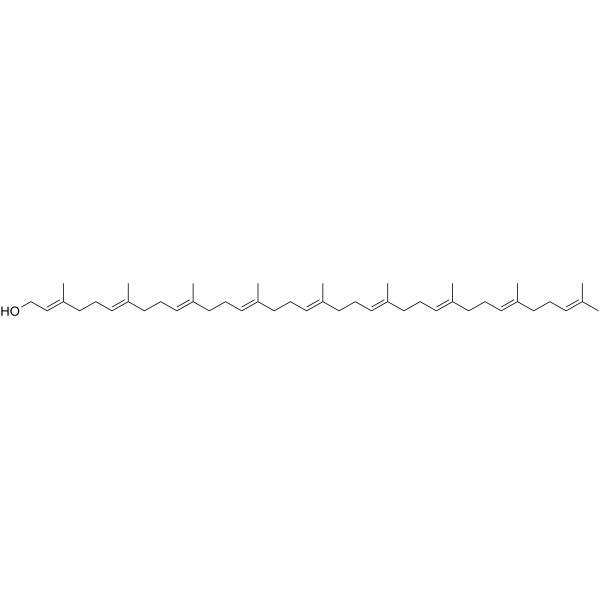
Solanesol (Standard) is the analytical standard of Solanesol (HY-N0576). This product is intended for research and analytical applications. Solanesol is an orally active aliphatic terpene alcohol. Solanesol is mainly found in tobacco and other Solanaceae plants. Solanesol induces HO-1 and Hsp70 expression, activates p38 and Akt signaling pathways, and inhibits Apoptosis (reduces caspase-3 and PARP cleavage). Solanesol has antioxidant, anti-inflammatory, and neuroprotective activities. Solanesol can be used in the research of Huntington's disease, alcoholic liver disease, chronic inflammatory pain, anxiety, Alzheimer's disease, and bipolar disorder .
|
-
- HY-W777283
-
|
|
Isotope-Labeled Compounds
Apoptosis
Mitochondrial Metabolism
|
Neurological Disease
|
|
Idebenone- 13C,d3 is the deuterium labeled and 13C-labeled Idebenone (HY-N0303). Idebenone, a well-appreciated mitochondrial protectant, exhibits protective efficacy against neurotoxicity and can be used for the research of Alzheimer's disease, Huntington's disease. Idebenone (oxidised form) has a dose-dependent inhibitory effect on the enzymatic metabolism of arachidonic acid in astroglial homogenates (IC50=16.65 μM) . Idebenone, a coenzyme Q10 analog and an antioxidant, induces apoptotic cell death in the human dopaminergic neuroblastoma SHSY-5Y cells . Idebenone quickly crosses the blood-brain barrier.
|
-
- HY-B0696A
-
|
NO050328 hydrochloride; NO328 hydrochloride; TGB hydrochloride
|
GABA Receptor
|
Neurological Disease
|
|
Tiagabine hydrochloride (NO050328; NO328; TGB) is an orally active, highly selective, and reversible GAT-1 inhibitor and anticonvulsant that crosses the blood-brain barrier. By blocking the reuptake of GABA in neurons and glial cells, tiagabine increases extracellular GABA levels to enhance inhibitory signal transduction, thereby exerting multiple activities such as anticonvulsant, neuroprotective, and antioxidant effects. Tiagabine hydrochloride exhibits linear pharmacokinetic properties. Although it is metabolized by CYP3A and has a high protein binding rate, it carries a low risk of cognitive impairment. Tiagabine hydrochloride is widely used in research on related diseases including epilepsy (including refractory partial seizures), alcohol withdrawal symptoms, and Huntington's disease .
|
-
- HY-B0696B
-
|
NO050328 hydrochloride hydrate; NO328 hydrochloride hydrate; TGB hydrochloride hydrate
|
GABA Receptor
|
Neurological Disease
|
|
Tiagabine (NO050328; NO328; TGB) hydrochloride hydrate is an orally active, highly selective, and reversible GAT-1 inhibitor and anticonvulsant that crosses the blood-brain barrier. By blocking the reuptake of GABA in neurons and glial cells, tiagabine increases extracellular GABA levels to enhance inhibitory signal transduction, thereby exerting multiple activities such as anticonvulsant, neuroprotective, and antioxidant effects. Tiagabine hydrochloride hydrate exhibits linear pharmacokinetic properties. Although it is metabolized by CYP3A and has a high protein binding rate, it carries a low risk of cognitive impairment. Tiagabine hydrochloride hydrate is widely used in research on related diseases including epilepsy (including refractory partial seizures), alcohol withdrawal symptoms, and Huntington's disease .
|
-
- HY-B0696
-
|
NO050328; NO328; TGB
|
GABA Receptor
|
Neurological Disease
|
|
Tiagabine (NO050328; NO328; TGB) is an orally active, highly selective, and reversible GAT-1 inhibitor and anticonvulsant that crosses the blood-brain barrier. By blocking the reuptake of GABA in neurons and glial cells, tiagabine increases extracellular GABA levels to enhance inhibitory signal transduction, thereby exerting multiple activities such as anticonvulsant, neuroprotective, and antioxidant effects. Tiagabine exhibits linear pharmacokinetic properties. Although it is metabolized by CYP3A and has a high protein binding rate, it carries a low risk of cognitive impairment. Tiagabine is widely used in research on related diseases including epilepsy (including refractory partial seizures), alcohol withdrawal symptoms, and Huntington's disease .
|
-
- HY-158252S
-
|
NO050328-d5 hydrochloride; NO328-d5 hydrochloride; TGB-d5 hydrochloride
|
Isotope-Labeled Compounds
GABA Receptor
|
Neurological Disease
|
|
Tiagabine-d5 (hydrochloride) is deuterium labeled Tiagabine (hydrochloride). Tiagabine hydrochloride (NO050328; NO328; TGB) is an orally active, highly selective, and reversible GAT-1 inhibitor and anticonvulsant that crosses the blood-brain barrier. By blocking the reuptake of GABA in neurons and glial cells, tiagabine increases extracellular GABA levels to enhance inhibitory signal transduction, thereby exerting multiple activities such as anticonvulsant, neuroprotective, and antioxidant effects. Tiagabine hydrochloride exhibits linear pharmacokinetic properties. Although it is metabolized by CYP3A and has a high protein binding rate, it carries a low risk of cognitive impairment. Tiagabine hydrochloride is widely used in research on related diseases including epilepsy (including refractory partial seizures), alcohol withdrawal symptoms, and Huntington's disease .
|
-
- HY-N7773
-
|
|
TNF Receptor
Interleukin Related
Caspase
SOD
|
Neurological Disease
Metabolic Disease
|
|
Hibiscetin is an orally active anti-inflammatory, antioxidant, antihyperglycemic, hypolipidemic, hepatoprotective and neuroprotective agent. Hibiscetin reduces the levels of TNF-α, IL-1β and IL-6. Hibiscetin inhibits lipid peroxidation, reduces MDA levels, and induces the activities of antioxidant enzymes CAT, GSH and SOD. Hibiscetin lowers blood glucose, reverses reduced insulin levels, regulates adipokine levels, and reduces elevated AST and ALT levels. Hibiscetin alleviates Rotenone (HY-B1756)-induced akinesia and catalepsy, normalizes neurotransmitter levels, and modulates the activities of activated caspase 3 and BDNF. Hibiscetin can be used in the research of type 2 diabetes, Parkinson's disease and Huntington's disease .
|
-
- HY-W707693
-
|
|
Isotope-Labeled Compounds
Amyloid-β
α-synuclein
|
Neurological Disease
|
|
Scyllo-Inositol-d6 is the deuterium labeled Scyllo-Inositol (HY-W010041). Scyllo-Inositol is an inhibitor that targets the aggregation of misfolded proteins (such as α-synuclein and Amyloid-β), is orally effective, and can cross the blood-brain barrier. Scyllo-Inositol can selectively bind to and stabilize non-toxic oligomers, preventing them from converting into toxic fibers, exerting protein homeostasis regulation and neuroprotective activity. Scyllo-Inositol binds to the hydrophobic region of pathogenic proteins, inhibits protein aggregation, and promotes lysosome- and proteasome-mediated degradation pathways, thereby reducing neurotoxicity. Scyllo-Inositol can be used in the study of neurodegenerative diseases such as Parkinson's disease, Alzheimer's disease, and Huntington's disease .
|
-
- HY-B0696S1
-
|
NO050328-d4; NO328-d4; TGB-d4
|
Isotope-Labeled Compounds
GABA Receptor
|
Neurological Disease
|
|
Tiagabine-d4 (NO050328-d4) is deuterium labeled Tiagabine. Tiagabine (NO050328; NO328; TGB) is an orally active, highly selective, and reversible GAT-1 inhibitor and anticonvulsant that crosses the blood-brain barrier. By blocking the reuptake of GABA in neurons and glial cells, tiagabine increases extracellular GABA levels to enhance inhibitory signal transduction, thereby exerting multiple activities such as anticonvulsant, neuroprotective, and antioxidant effects. Tiagabine exhibits linear pharmacokinetic properties. Although it is metabolized by CYP3A and has a high protein binding rate, it carries a low risk of cognitive impairment. Tiagabine is widely used in research on related diseases including epilepsy (including refractory partial seizures), alcohol withdrawal symptoms, and Huntington's disease .
|
-
- HY-B0696S
-
|
NO050328-d6; NO328-d6; TGB-d6
|
Isotope-Labeled Compounds
GABA Receptor
|
Neurological Disease
|
|
Tiagabine-d6 (NO050328-d6) is deuterium labeled Tiagabine. Tiagabine (NO050328; NO328; TGB) is an orally active, highly selective, and reversible GAT-1 inhibitor and anticonvulsant that crosses the blood-brain barrier. By blocking the reuptake of GABA in neurons and glial cells, tiagabine increases extracellular GABA levels to enhance inhibitory signal transduction, thereby exerting multiple activities such as anticonvulsant, neuroprotective, and antioxidant effects. Tiagabine exhibits linear pharmacokinetic properties. Although it is metabolized by CYP3A and has a high protein binding rate, it carries a low risk of cognitive impairment. Tiagabine is widely used in research on related diseases including epilepsy (including refractory partial seizures), alcohol withdrawal symptoms, and Huntington's disease .
|
-
- HY-B0696AS
-
|
NO050328-d4 hydrochloride; NO328-d4 hydrochloride; TGB-d4 hydrochloride
|
Isotope-Labeled Compounds
GABA Receptor
|
Neurological Disease
|
|
Tiagabine-d4 hydrochloride is deuterated labeled Tiagabine hydrochloride (HY-B0696A). Tiagabine hydrochloride (NO050328; NO328; TGB) is an orally active, highly selective, and reversible GAT-1 inhibitor and anticonvulsant that crosses the blood-brain barrier. By blocking the reuptake of GABA in neurons and glial cells, tiagabine increases extracellular GABA levels to enhance inhibitory signal transduction, thereby exerting multiple activities such as anticonvulsant, neuroprotective, and antioxidant effects. Tiagabine hydrochloride exhibits linear pharmacokinetic properties. Although it is metabolized by CYP3A and has a high protein binding rate, it carries a low risk of cognitive impairment. Tiagabine hydrochloride is widely used in research on related diseases including epilepsy (including refractory partial seizures), alcohol withdrawal symptoms, and Huntington's disease .
|
-
- HY-B0696AR
-
|
NO050328 hydrochloride (Standard); NO328 hydrochloride (Standard); TGB hydrochloride (Standard)
|
Reference Standards
GABA Receptor
|
Neurological Disease
|
|
Tiagabine (hydrochloride) (Standard) is the analytical standard of Tiagabine (hydrochloride). This product is intended for research and analytical applications. Tiagabine hydrochloride (NO050328; NO328; TGB) is an orally active, highly selective, and reversible GAT-1 inhibitor and anticonvulsant that crosses the blood-brain barrier. By blocking the reuptake of GABA in neurons and glial cells, tiagabine increases extracellular GABA levels to enhance inhibitory signal transduction, thereby exerting multiple activities such as anticonvulsant, neuroprotective, and antioxidant effects. Tiagabine hydrochloride exhibits linear pharmacokinetic properties. Although it is metabolized by CYP3A and has a high protein binding rate, it carries a low risk of cognitive impairment. Tiagabine hydrochloride is widely used in research on related diseases including epilepsy (including refractory partial seizures), alcohol withdrawal symptoms, and Huntington's disease .
|
-
-
-
HY-L086
-
|
|
3,545 compounds
|
|
Neurodegenerative diseases are incurable and life-threatening conditions that result in progressive degeneration and/or death of nerve cells. Some common neurodegenerative diseases include Alzheimer’s Disease (AD), Parkinson’s Disease (PD), Motor Neuron Disease (MND), Huntington’s Disease (HD), Spino-Cerebellar Ataxia (SCA), Spinal Muscular Atrophy (SMA), and Amyotrophic Lateral Sclerosis (ALS). Because the pathophysiology of neurodegenerative disorders is generally poorly understood, it is difficult to identify promising molecular targets and validate them. At the same time, about 85% of the drugs fail in clinical trials. Therefore, validating new targets and discovering new drugs to mitigate neurodegenerative disorders is need of the hour.
MCE offers a unique collection of 3,545 compounds with anti-Neurodegenerative Diseases activities or targeting the unique targets of neurodegenerative diseases. MCE Neurodegenerative Disease-related Compound Library is a useful tool for exploring the mechanism of neurodegenerative diseases and discovering new drugs for neurodegenerative diseases.
|
-
-
HY-L003
-
|
|
3,407 compounds
|
|
Apoptosis is an ordered and orchestrated cellular process that occurs in physiological and pathological conditions, which is also called programmed cell death (PCD). Apoptosis plays a crucial role in developing and maintaining the health of the body by eliminating old cells, unhealthy cells and unnecessary cells. Too little or too much apoptosis contribute to many diseases. When apoptosis does not work correctly, cells that should be eliminated may persist and become immortal, for example, in cancer and leukemia. When apoptosis works overly well, it kills too many cells and inflicts grave tissue damage. This is the case in strokes and neurodegenerative disorders such as Alzheimer's, Huntington's, and Parkinson's disease.
MCE designs a unique collection of 3,407 apoptosis-related compounds mainly focusing on the key targets in the apoptosis signaling pathway and can be used in the research of apoptosis signal pathway and related diseases.
|
| Cat. No. |
Product Name |
Type |
-
- HY-143218
-
|
Tetraphenylethene maleimide
|
Fluorescent Dye
|
|
TPE-MI (Tetraphenylethene maleimide) is a thiol probe for measuring unfolded protein load and proteostasis in cells (the excitation wavelength is 350 nm and the emission wavelength is 470 nm). TPE-MI can report imbalances in proteostasis in induced pluripotent stem cell models of Huntington disease, as well as cells transfected with mutant Huntington exon 1 before the formation of visible aggregates. TPE-MI also detects protein damage following dihydroartemisinin research of the malaria parasites Plasmodium falciparum .
|
-
- HY-D0193A
-
|
Acid Red 18 (85%); New Coccine (85%)
|
Fluorescent Dye
|
|
Ponceau 4R (85%) (Acid Red 18 (85%); New Coccine (85%)) is an orally active synthetic food colorant and a HSA-binding aggregator. Ponceau 4R (85%) binds to HSA, inducing its partial unfolding, conformational changes and aggregation. Ponceau 4R (85%) serves as a food colorant and can be used in research on diseases including type Ⅱ diabetes, Parkinson's disease, Huntington's disease and spongiform encephalopathy .
|
-
- HY-DY1024
-
|
|
Fluorescent Dye
|
TPE-MI (Tetraphenylethene maleimide) (solution) is a thiol probe for measuring unfolded protein load and proteostasis in cells (the excitation wavelength is 350 nm and the emission wavelength is 470 nm). TPE-MI can report imbalances in proteostasis in induced pluripotent stem cell models of Huntington disease, as well as cells transfected with mutant Huntington exon 1 before the formation of visible aggregates. TPE-MI also detects protein damage following dihydroartemisinin research of the malaria parasitesPlasmodium falciparum . Solvent and concentration: DMSO: 10 mM
|
-
- HY-150236
-
|
|
Fluorescent Dye
|
|
FITC-labeled Tominersen (sodium) is the Tominersen labeled with FITC. Tominersen (RG6042) is a second-generation 2′-O-(2-methoxyethyl) antisense oligonucleotide that targets huntingtin protein (HTT) mRNA and potently suppresses HTT production. Tominersen improves survival and reduces brain atrophy in mice. Tominersen can be used for the research of Huntington’s disease (HD).
|
| Cat. No. |
Product Name |
Type |
-
- HY-40269
-
|
|
Biochemical Assay Reagents
|
|
L-Pyroglutamic acid ethyl ester (Compound 2c) is an intermediate. L-Pyroglutamic acid ethyl ester is involved in the synthesis of γ-aminobutyrate transaminase inactivators. L-Pyroglutamic acid ethyl ester can be used in epilepsy and Huntington's disease research .
|
| Cat. No. |
Product Name |
Target |
Research Area |
-
- HY-P6437A
-
|
|
Dynamin
|
Cardiovascular Disease
Neurological Disease
|
|
Drp1 peptide inhibitor P110 (Compound P110) TFA is a selective Drp1 peptide inhibitor with neuroprotective properties. Drp1 peptide inhibitor P110 TFA can inhibit the activation of Drp1, prevent MPTP (HY-15608)-induced Drp1 mitochondrial translocation, and alleviate MPTP-induced dopaminergic neuron loss, dopaminergic nerve terminal damage, and behavioral deficits, and can be used in the study of Alzheimer's disease. Additionally, Drp1 peptide inhibitor P110 TFA can reduce mitochondrial damage and organ injury in animal models of Huntington's disease, cerebral ischemic injury, and myocardial infarction .
|
-
- HY-P6374
-
|
|
Dynamin
|
Neurological Disease
|
|
IIQLPEIVVV TFA is a specific inhibitor of Drp1-Mff interaction. IIQLPEIVVV TFA can distinguish physiological from pathological fission and block physiological fission, thus leading to mitochondrial dysfunction. IIQLPEIVVV TFA can be used in the study of Huntington's disease .
|
-
- HY-P6437
-
|
|
Dynamin
|
Cardiovascular Disease
Neurological Disease
|
|
Drp1 peptide inhibitor P110 (Compound P110) is a selective Drp1 peptide inhibitor with neuroprotective properties. Drp1 peptide inhibitor P110 can inhibit the activation of Drp1, prevent MPTP-induced Drp1 mitochondrial translocation, and alleviate MPTP-induced dopaminergic neuron loss, dopaminergic nerve terminal damage, and behavioral deficits, and can be used in the study of Alzheimer's disease. Additionally, Drp1 peptide inhibitor P110 can reduce mitochondrial damage and organ injury in animal models of Huntington's disease, cerebral ischemic injury, and myocardial infarction .
|
-
- HY-108312A
-
|
|
Caspase
|
Neurological Disease
|
|
Ac-VEID-CHO (TFA) is a peptide-derived caspase inhibitor and has potency of inhibition for Caspase-6, Caspase-3 and Caspase-7 with IC50 values of 16.2 nM, 13.6 nM and 162.1 nM, respectively. Ac-VEID-CHO (TFA) can be used for the research of neurodegenerative conditions including Alzheimer’s and Huntington’s disease .
|
-
- HY-P11005
-
|
|
Dynamin
ATP Synthase
|
Neurological Disease
|
|
P259 is a Drp1-Mff inhibitor. P259 distinguishes physiological from pathological fission by specifically inhibiting Drp1-Mff interaction. P259 elongates cell mitochondria and disrupts mitochondrial function and motility. P259 reduces ATP levels and alters mitochondrial structure in the brain, resulting in behavioral deficits in wild-type mice and a short lifespan in Huntington's disease (HD) mice model .
|
-
- HY-P10977
-
|
|
Sodium Channel
RIP kinase
|
Neurological Disease
|
|
Tat-ASIC1a (1-20) (mouse, rat) is a competitive ASIC1a membrane-penetrating peptide. Tat-ASIC1a (1-20) (mouse, rat) has significantly neuroprotection effects, and reduces neuronal damage against acidotoxicity by targeting the ASIC1a-RIPK1 pathway and auto-inhibitory mechanism. Tat-ASIC1a (1-20) (mouse, rat) effectively protects brains from ischemic injury in ischemic stroke mice model. Tat-ASIC1a (1-20) (mouse, rat) can be used for neurodegenerative diseases research, such as Huntington disease and Parkinson’s disease .
|
-
- HY-P10822
-
|
|
Caspase
|
Neurological Disease
|
|
ED11 is a potent and selective caspase-6 inhibitor with an IC50 of 12.12 nM. ED11 competes with Htt for the caspase-6 active site, and thus reduce Htt cleavage. ED11 can cross the blood-brain barrier (BBB). ED11 has the potential for the study of Huntington's disease (HD) .
|
-
- HY-180346
-
|
|
Huntingtin
|
Neurological Disease
|
|
Hepta-histidine is an inhibitor of Ku70-Huntingtin protein interaction. Hepta-histidine can reverse the morphological abnormalities of primary neurons differentiatied from hiPSCs. Hepta-histidine prolongs the lifespan in severe Huntington’s disease R6/2 mouse model. Hepta-histidine ameliorates DNA damage in vitro. Hepta-histidine can be used to study anti-aggregation agent against Tau-associated neurodegenerative diseases such as Alzheimer’s disease and Huntington’s disease .
|
| Cat. No. |
Product Name |
Category |
Target |
Chemical Structure |
-
- HY-N10546
-
|
|
Structural Classification
Natural Products
Animals
|
iGluR
Trk Receptor
ERK
Apoptosis
Autophagy
|
|
Ganglioside GM1 is a type of glycosphingolipid, mainly found on the cell membranes of the central nervous system of vertebrates. Ganglioside GM1 exerts neuroprotective effects by reducing excessive activation of NMDAR, activating TrkA and ERK1/2, and inhibiting oxidative stress and cell apoptosis and autophagy. Ganglioside GM1 can be used in the research of diseases such as traumatic brain injury, Parkinson's disease, Alzheimer's disease, and Huntington's disease .
|
-
-
- HY-N0576
-
-
-
- HY-16482
-
-
-
- HY-128700
-
|
|
Structural Classification
Human Gut Microbiota Metabolites
Classification of Application Fields
Ketones, Aldehydes, Acids
Metabolic Disease
Endogenous metabolite
Disease Research Fields
Source Classification
|
Endogenous Metabolite
Sirtuin
|
|
Nicotinic acid mononucleotide acts as a SARM1 inhibitor and a NAD + biosynthesis intermediate, with an IC50 value of 93.3 μM against SARM1. Nicotinic acid mononucleotide exerts axon-protective effects, delays axonal degeneration, elevates NAD + levels, enhances Sirt1 activity, improves myocardial capillary density and alleviates myocardial fibrosis. Nicotinic acid mononucleotide reverses diabetic cardiomyopathy in diabetic mice by increasing myocardial NAD + levels. Nicotinic acid mononucleotide is applicable to research related to cancer, multiple sclerosis, diabetic cardiomyopathy, neurodegenerative diseases and Huntington's disease .
|
-
-
- HY-N2099
-
-
-
- HY-130259
-
-
-
- HY-W010041
-
|
|
Natural Products
Endogenous metabolite
Source Classification
|
α-synuclein
Amyloid-β
|
|
Scyllo-Inositol is an inhibitor that targets the aggregation of misfolded proteins (such as α-synuclein and Amyloid-β), is orally effective, and can cross the blood-brain barrier. Scyllo-Inositol can selectively bind to and stabilize non-toxic oligomers, preventing them from converting into toxic fibers, exerting protein homeostasis regulation and neuroprotective activity. Scyllo-Inositol binds to the hydrophobic region of pathogenic proteins, inhibits protein aggregation, and promotes lysosome- and proteasome-mediated degradation pathways, thereby reducing neurotoxicity. Scyllo-Inositol can be used in the study of neurodegenerative diseases such as Parkinson's disease, Alzheimer's disease, and Huntington's disease .
|
-
-
- HY-N2099A
-
|
(Z)-Senegin III
|
Triterpenes
Structural Classification
Polygala senega L.
Terpenoids
Polygalaceae
Plants
Pentacyclic Triterpenoids
Source Classification
|
Drug Derivative
|
|
(Z)-Onjisaponin B ((Z)-Senegin III) is a derivative of Onjisaponin B (HY-N2099). Onjisaponin B is an orally active natural product derived from Polygala tenuifolia. Onjisaponin B inhibits NF-κB p65. Onjisaponin B enhances autophagy and accelerates the degradation of mutant α-synuclein and huntingtin. Onjisaponin B reduces β-amyloid (Aβ) production. Onjisaponin B reduces radiation-induced cell apoptosis. Onjisaponin B has anti-oxidant and anti-inflammatory activities. Onjisaponin B can be used for neurological disease and radiation injury study, and its metabolite tenuifolin (TF) can enter the brain through the BBB .
|
-
-
- HY-N0576R
-
-
-
- HY-W010041R
-
|
|
Structural Classification
Natural Products
Endogenous metabolite
Source Classification
|
Reference Standards
α-synuclein
Amyloid-β
|
|
Scyllo-Inositol is an inhibitor that targets the aggregation of misfolded proteins (such as α-synuclein and Amyloid-β), is orally effective, and can cross the blood-brain barrier. Scyllo-Inositol can selectively bind to and stabilize non-toxic oligomers, preventing them from converting into toxic fibers, exerting protein homeostasis regulation and neuroprotective activity. Scyllo-Inositol binds to the hydrophobic region of pathogenic proteins, inhibits protein aggregation, and promotes lysosome- and proteasome-mediated degradation pathways, thereby reducing neurotoxicity. Scyllo-Inositol can be used in the study of neurodegenerative diseases such as Parkinson's disease, Alzheimer's disease, and Huntington's disease .
|
-
-
- HY-N7773
-
|
|
Malvaceae
Structural Classification
Flavonols
Flavonoids
Hibiscus sabdariffa Linn.
Plants
Source Classification
|
TNF Receptor
Interleukin Related
Caspase
SOD
|
|
Hibiscetin is an orally active anti-inflammatory, antioxidant, antihyperglycemic, hypolipidemic, hepatoprotective and neuroprotective agent. Hibiscetin reduces the levels of TNF-α, IL-1β and IL-6. Hibiscetin inhibits lipid peroxidation, reduces MDA levels, and induces the activities of antioxidant enzymes CAT, GSH and SOD. Hibiscetin lowers blood glucose, reverses reduced insulin levels, regulates adipokine levels, and reduces elevated AST and ALT levels. Hibiscetin alleviates Rotenone (HY-B1756)-induced akinesia and catalepsy, normalizes neurotransmitter levels, and modulates the activities of activated caspase 3 and BDNF. Hibiscetin can be used in the research of type 2 diabetes, Parkinson's disease and Huntington's disease .
|
-
| Cat. No. |
Product Name |
Chemical Structure |
-
- HY-B0590S
-
|
|
|
Tetrabenazine-d6 (Deutetrabenazine) is a deuterium-labled Tetrabenazine (HY-B0590). Tetrabenazine (Ro 1-9569) is a brain-penetrant and orally active VMAT2-selective ligand with human VMAT2 Ki 100 nM. Tetrabenazine binds VMAT2 to block monoamine uptake into synaptic vesicles, potentiates cytoplasmic monoamine degradation. Tetrabenazine weakly blocks dopamine D2 receptors, and increases dopamine turnover via elevated cerebrospinal fluid homovanillic acid. Tetrabenazine can be used for the research of Huntington’s disease, tardive dyskinesia, and Tourette’s syndrome .
|
-
-
- HY-B1899S
-
|
|
|
Taurodeoxycholic acid-d5 is the deuterium labeled Taurodeoxycholic acid (HY-B1899) . Taurodeoxycholic acid, a bile acid, stabilizes the mitochondrial membrane, decreases free radical formation. Taurodeoxycholic acid inhibits apoptosis by blocking a calcium-mediated apoptotic pathway as well as caspase-12 activation. Taurodeoxycholic acid exhibits neuroprotective effect in 3-nitropropionic acid induced mouse model or genetic mouse model of Huntington's disease (HD) .
|
-
-
- HY-W777283
-
|
|
|
Idebenone- 13C,d3 is the deuterium labeled and 13C-labeled Idebenone (HY-N0303). Idebenone, a well-appreciated mitochondrial protectant, exhibits protective efficacy against neurotoxicity and can be used for the research of Alzheimer's disease, Huntington's disease. Idebenone (oxidised form) has a dose-dependent inhibitory effect on the enzymatic metabolism of arachidonic acid in astroglial homogenates (IC50=16.65 μM) . Idebenone, a coenzyme Q10 analog and an antioxidant, induces apoptotic cell death in the human dopaminergic neuroblastoma SHSY-5Y cells . Idebenone quickly crosses the blood-brain barrier.
|
-
-
- HY-B0590S3
-
|
|
|
Tetrabenazine-d7 (TBZ-d7-d7) is deuterium labeled Tetrabenazine (HY-B0590). Tetrabenazine (Ro 1-9569) is a brain-penetrant and orally active VMAT2-selective ligand with human VMAT2 Ki 100 nM. Tetrabenazine binds VMAT2 to block monoamine uptake into synaptic vesicles, potentiates cytoplasmic monoamine degradation. Tetrabenazine weakly blocks dopamine D2 receptors, and increases dopamine turnover via elevated cerebrospinal fluid homovanillic acid. Tetrabenazine can be used for the research of Huntington’s disease, tardive dyskinesia, and Tourette’s syndrome .
|
-
-
- HY-W020050S
-
|
|
|
Cystamine-d8 (dihydrochloride) is the deuterium labeled Cystamine (dihydrochloride) . Cystamine (dihydrochloride) is the disulfide form of the free thiol, cysteamine. Cystamine is an orally active transglutaminase (Tgase) inhibitor. Cystamine also has inhibition activity for caspase-3 with an IC50 value of 23.6 μM. Cystamine can be used for the research of severals diseases including Huntington's disease (HD) .
|
-
-
- HY-12542S
-
|
|
|
Dantrolene- 13C3 is the 13C3 labeled Dantrolene. Dantrolene (F368), a muscle relaxant, non-competitively inhibits human erythrocyte glutathione reductase. Ki and IC50 values are 111.6 μM and 52.3 μM, respectively. Dantrolene is a ryanodine receptor antagonist and Ca2+ signaling stabilizer. Dantrolene can be used for the research of muscle spasticity, malignant hyperthermia, Huntington's disease and other neuroleptic malignant syndrome.
|
-
-
- HY-W653989
-
|
|
|
Desonide- 13C3 is the 13C labeled isotope of Desonide (HY-B0248). Desonide is a non-fluorinated corticosteroid anti-inflammatory agent that acts on the glucocorticoid receptor. Desonide can also specifically bind to the mutant huntingtin protein (mHTT), reducing the level and toxicity of mHTT. Desonide can be used in the research of Huntington's disease and inflammatory diseases such as atopic dermatitis .
|
-
-
- HY-W707693
-
|
|
|
Scyllo-Inositol-d6 is the deuterium labeled Scyllo-Inositol (HY-W010041). Scyllo-Inositol is an inhibitor that targets the aggregation of misfolded proteins (such as α-synuclein and Amyloid-β), is orally effective, and can cross the blood-brain barrier. Scyllo-Inositol can selectively bind to and stabilize non-toxic oligomers, preventing them from converting into toxic fibers, exerting protein homeostasis regulation and neuroprotective activity. Scyllo-Inositol binds to the hydrophobic region of pathogenic proteins, inhibits protein aggregation, and promotes lysosome- and proteasome-mediated degradation pathways, thereby reducing neurotoxicity. Scyllo-Inositol can be used in the study of neurodegenerative diseases such as Parkinson's disease, Alzheimer's disease, and Huntington's disease .
|
-
-
- HY-B0696S
-
|
|
|
Tiagabine-d6 (NO050328-d6) is deuterium labeled Tiagabine. Tiagabine (NO050328; NO328; TGB) is an orally active, highly selective, and reversible GAT-1 inhibitor and anticonvulsant that crosses the blood-brain barrier. By blocking the reuptake of GABA in neurons and glial cells, tiagabine increases extracellular GABA levels to enhance inhibitory signal transduction, thereby exerting multiple activities such as anticonvulsant, neuroprotective, and antioxidant effects. Tiagabine exhibits linear pharmacokinetic properties. Although it is metabolized by CYP3A and has a high protein binding rate, it carries a low risk of cognitive impairment. Tiagabine is widely used in research on related diseases including epilepsy (including refractory partial seizures), alcohol withdrawal symptoms, and Huntington's disease .
|
-
-
- HY-B0696AS
-
|
|
|
Tiagabine-d4 hydrochloride is deuterated labeled Tiagabine hydrochloride (HY-B0696A). Tiagabine hydrochloride (NO050328; NO328; TGB) is an orally active, highly selective, and reversible GAT-1 inhibitor and anticonvulsant that crosses the blood-brain barrier. By blocking the reuptake of GABA in neurons and glial cells, tiagabine increases extracellular GABA levels to enhance inhibitory signal transduction, thereby exerting multiple activities such as anticonvulsant, neuroprotective, and antioxidant effects. Tiagabine hydrochloride exhibits linear pharmacokinetic properties. Although it is metabolized by CYP3A and has a high protein binding rate, it carries a low risk of cognitive impairment. Tiagabine hydrochloride is widely used in research on related diseases including epilepsy (including refractory partial seizures), alcohol withdrawal symptoms, and Huntington's disease .
|
-
-
- HY-158252S
-
|
|
|
Tiagabine-d5 (hydrochloride) is deuterium labeled Tiagabine (hydrochloride). Tiagabine hydrochloride (NO050328; NO328; TGB) is an orally active, highly selective, and reversible GAT-1 inhibitor and anticonvulsant that crosses the blood-brain barrier. By blocking the reuptake of GABA in neurons and glial cells, tiagabine increases extracellular GABA levels to enhance inhibitory signal transduction, thereby exerting multiple activities such as anticonvulsant, neuroprotective, and antioxidant effects. Tiagabine hydrochloride exhibits linear pharmacokinetic properties. Although it is metabolized by CYP3A and has a high protein binding rate, it carries a low risk of cognitive impairment. Tiagabine hydrochloride is widely used in research on related diseases including epilepsy (including refractory partial seizures), alcohol withdrawal symptoms, and Huntington's disease .
|
-
-
- HY-B0696S1
-
|
|
|
Tiagabine-d4 (NO050328-d4) is deuterium labeled Tiagabine. Tiagabine (NO050328; NO328; TGB) is an orally active, highly selective, and reversible GAT-1 inhibitor and anticonvulsant that crosses the blood-brain barrier. By blocking the reuptake of GABA in neurons and glial cells, tiagabine increases extracellular GABA levels to enhance inhibitory signal transduction, thereby exerting multiple activities such as anticonvulsant, neuroprotective, and antioxidant effects. Tiagabine exhibits linear pharmacokinetic properties. Although it is metabolized by CYP3A and has a high protein binding rate, it carries a low risk of cognitive impairment. Tiagabine is widely used in research on related diseases including epilepsy (including refractory partial seizures), alcohol withdrawal symptoms, and Huntington's disease .
|
-
| Cat. No. |
Product Name |
|
Classification |
-
- HY-142035
-
|
|
|
Alkynes
|
|
N-Propargylglycine is a brain-penetrant and orally active PRODH inhibitor. N-Propargylglycine covalently modifies enzyme-bound FAD and active site lysine, causing enzyme structural distortion, protein decay, and irreversible inhibition of proline and 4-hydroxyproline catabolism. N-Propargylglycine induces UPRmt, upregulates mitochondrial chaperones and YME1L1, enhances mitochondrial proteostasis, blocks astrocytic L-proline consumption, and abolishes L-proline’s ATP-maintaining and viability-protective effects. N-Propargylglycine stimulates neural processes, increases brain proline, hydroxyproline, and sarcosine levels, partially normalizes Huntington’s disease whole brain transcriptomes. N-Propargylglycine reduces hyperoxaluria, prevents calcium oxalate stone formation, reduces kidney tubular damage, and restores weight and survival in Grhpr knockout mice. N-Propargylglycine can be used for the research of breast cancer, neurodegenerative disorders, Huntington’s disease, and primary hyperoxaluria type 2 .
|
| Cat. No. |
Product Name |
|
Classification |
-
- HY-16482
-
|
|
|
Cationic Lipids
|
|
Teglicar is a selective and reversible orally active liver isoform of carnitine palmitoyl-transferase 1 (L-CPT1) inhibitor with an IC50 value of 0.68 μM and a Ki value of 0.36 μM. Teglicar has a potential antihyperglycemic propert. Teglicar can be used for the research of diabetes and neurodegenerative disease including Huntington's disease (HD) .
|
-
- HY-132579
-
|
RG6042; IONIS-HTTRx
|
|
Antisense Oligonucleotides
|
|
Tominersen (RG6042) is a second-generation 2′-O-(2-methoxyethyl) antisense oligonucleotide that targets huntingtin protein (HTT) mRNA and potently suppresses HTT production. Tominersen improves survival and reduces brain atrophy in mice. Tominersen can be used for the research of Huntington’s disease (HD) .
|
-
- HY-132579A
-
|
RG6042 sodium; IONIS-HTTRx sodium
|
|
Antisense Oligonucleotides
|
|
Tominersen sodium is a second-generation 2′-O-(2-methoxyethyl) antisense oligonucleotide that targets huntingtin protein (HTT) mRNA and potently suppresses HTT production. Tominersen improves survival and reduces brain atrophy in mice. Tominersen sodium can be used for the research of Huntington’s disease (HD) .
|
-
- HY-132593
-
|
WVE-120101
|
|
Antisense Oligonucleotides
|
|
Rovanersen (WVE-120101) is an antisense oligonucleotide that specifically targets mutated mRNA copies of the huntington (HTT) gene without affecting healthy mRNA of HTT gene, thereby preventing the production of faulty Huntingtin protein. Rovanersen can be used for huntington’s disease research .
|
-
- HY-132593A
-
|
WVE-120101 sodium
|
|
Antisense Oligonucleotides
|
|
Rovanersen sodium is an antisense oligonucleotide that specifically targets mutated mRNA copies of the huntington (HTT) gene without affecting healthy mRNA of HTT gene, thereby preventing the production of faulty Huntingtin protein. Rovanersen sodium can be used for huntington’s disease research .
|
-
- HY-150236
-
|
|
|
Antisense Oligonucleotides
|
|
FITC-labeled Tominersen (sodium) is the Tominersen labeled with FITC. Tominersen (RG6042) is a second-generation 2′-O-(2-methoxyethyl) antisense oligonucleotide that targets huntingtin protein (HTT) mRNA and potently suppresses HTT production. Tominersen improves survival and reduces brain atrophy in mice. Tominersen can be used for the research of Huntington’s disease (HD).
|
Your information is safe with us. * Required Fields.
Inquiry Information
- Product Name:
- Cat. No.:
- Quantity:
- MCE Japan Authorized Agent:

