
75 Results for "

Hypertension model

" in MedChemExpress (MCE) Product Catalog:
Products (75)

75 Results for "Hypertension model" in MCE Product Catalog:

388
388 Publications Verification
Cat. No.: HY-14648
CAS No.: 50-02-2
Purity:  99.86%
Synonyms: Hexadecadrol; Prednisolone F
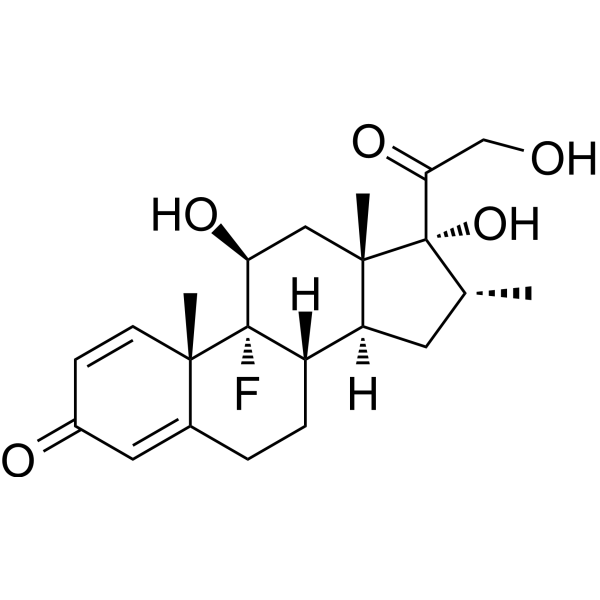
Dexamethasone (Hexadecadrol) is a glucocorticoid receptor agonist, apoptosis inducer, and common disease inducer in experimental animals, constructing models of muscle atrophy, hypertension, and depression. Dexamethasone can inhibit the production of inflammatory miRNA-155 exosomes in macrophages and significantly reduce the expression of inflammatory factors in neutrophils and monocytes. Dexamethasone also has potential for use in COVID-19 research .
loading...
    loading...
388
388 Publications Verification
Cat. No.: HY-14648C
CAS No.: 50-02-2
Purity:  ≥98.0%
Synonyms: Dexamethasone cyclodextrin complex
Dexamethasone (Hexadecadrol) Water Soluble is a water-soluble form of Dexamethasone (HY-14648). Dexamethasone is a glucocorticoid receptor agonist, apoptosis inducer, and a common disease inducer in experimental animals. It can be used to construct models of muscle atrophy, hypertension, and depression. Dexamethasone can inhibit the production of inflammatory miRNA-155 exosomes in macrophages and significantly reduce the expression of inflammatory factors in neutrophils and monocytes. Dexamethasone also has the potential to be used in COVID-19 research .(Sale size is the weight of dexamethasone)
loading...
    loading...
85
85 Cited Publications
Cat. No.: HY-18729A
CAS No.: 51298-62-5
Synonyms: NG-Nitroarginine methyl ester hydrochloride
Target:  

NO Synthase

Research Areas:  

Infection Neurological Disease Cancer

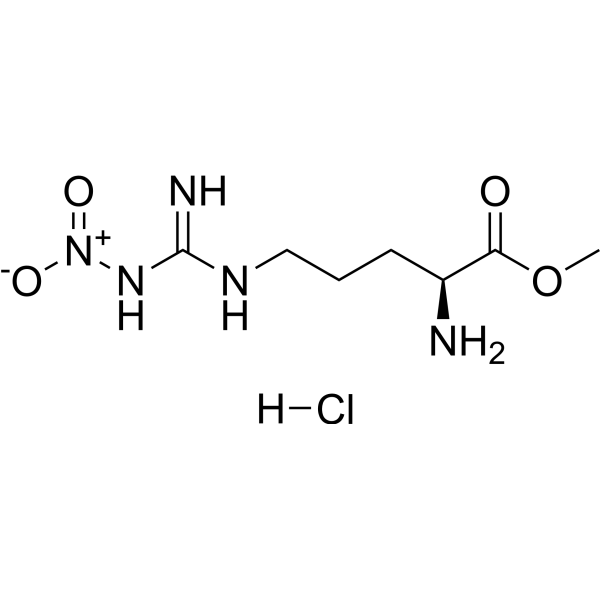
L-NAME hydrochloride inhibits NOS with an IC50 of 70 μM. L-NAME is a precursor to NOS inhibitor L-NOARG which has an IC50 value of 1.4 μM. L-NAME hydrochloride requires hydrolysis of the methyl ester by cellular esterases to become a fully functional inhibitor. L-NAME hydrochloride can be used to induce hypertension and preeclampsia models.
loading...
    loading...
48
48 Cited Publications
Cat. No.: HY-N0750
CAS No.: 315-22-0
Synonyms: Crotaline
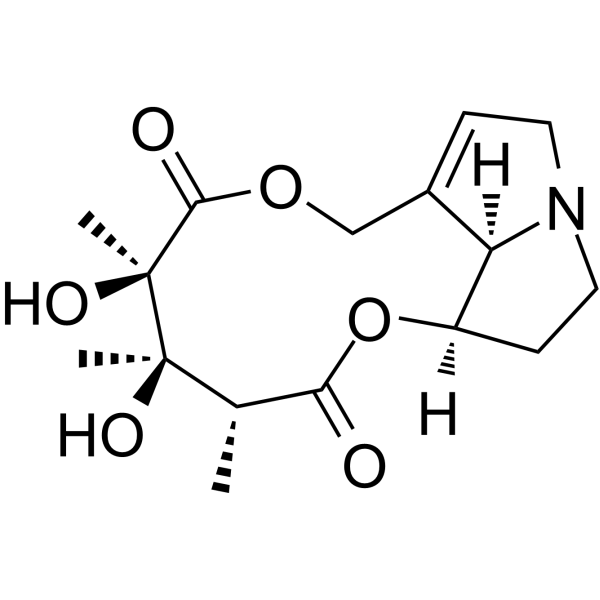
Monocrotaline is an 11-membered macrocyclic pyrrolizidine alkaloid. Monocrotaline inhibits OCT-1 and OCT-2 with IC50s of 36.8 µM and 1.8 mM, respectively. Monocrotaline has antitumor activity and is cytotoxic to hepatocellular carcinoma cells. Monocrotaline is used to induce a model of pulmonary hypertension in rodents. [2][6][8].
loading...
    loading...
19
19 Cited Publications
Cat. No.: HY-A0119
CAS No.: 13755-38-9
Synonyms: Sodium nitroprusside dihydrate; Sodium Nitroferricyanide(III) Dihydrate
Target:  

Autophagy

Research Areas:  

Cardiovascular Disease Cancer

Nitroprusside disodium dehydrate (Sodium nitroprusside dihydrate) is a vasodilator that available for the research of acute hypertension, heart failure. Nitroprusside disodium dehydrate induces autophagy in glutathione-depleted osteoblasts. Nitroprusside disodium dehydrate acts as a nitric oxide (NO) donor in a rat intestinal ischemia reperfusion model .
loading...
    loading...
4
4 Cited Publications
Cat. No.: HY-12378
CAS No.: 136553-81-6
Purity:  99.82%
Target:  

Endothelin Receptor

Research Areas:  

Cardiovascular Disease

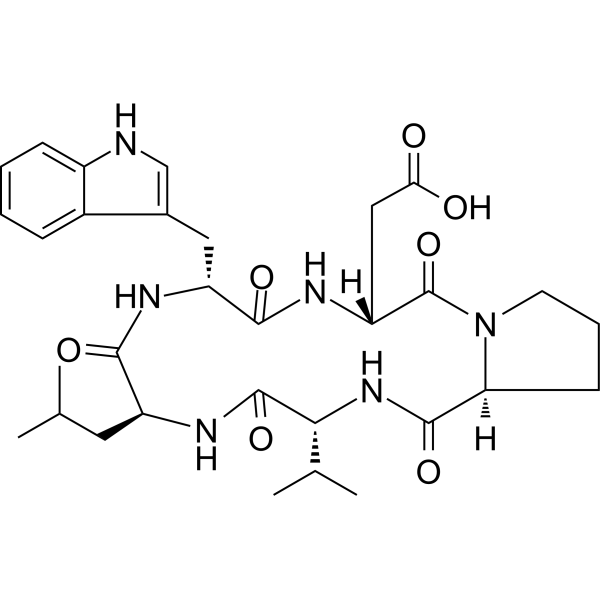
BQ-123 is a potent and selective endothelin A (ETA) receptor antagonist with an IC50 of 7.3 nM and a Ki of 25 nM. BQ-123 inhibits endothelin-1-mediated proliferation of human pulmonary artery smooth muscle cells and lowers blood pressure in different rat models of hypertension .
loading...
    loading...
4
4 Cited Publications
Cat. No.: HY-B0735A
CAS No.: 67227-57-0
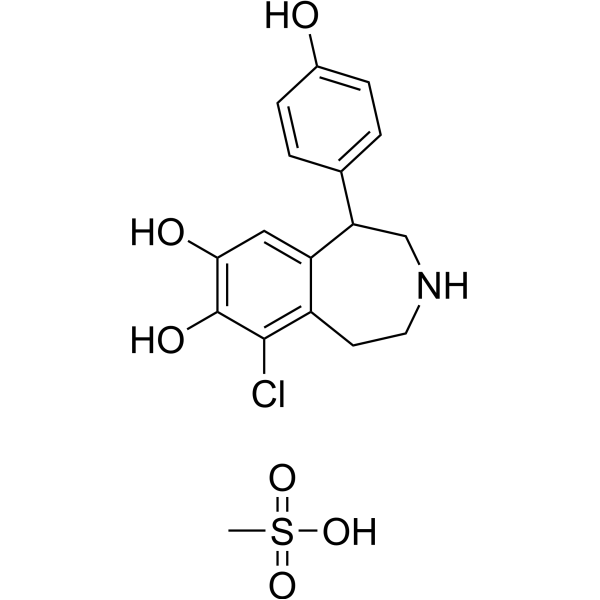
Synonyms: Fenoldopam methanesulfonate; SKF-82526 mesylate
Fenoldopam (SKF-82526) mesylate is a selective dopamine D1 receptor agonist. Fenoldopam mesylate binds to rat D1B dopamine receptors (Kd = 11 nM) and human D1A receptors (Kd = 17 nM) in COS-7 cell membranes expressing the cloned receptors. Fenoldopam mesylate modulates dopamine receptor expression, induces vasorelaxation in vascular tissues, reverses glomerular hyperfiltration in rat models, increases intracellular cAMP levels, promotes DARPP-32 phosphorylation in small cell lung cancer (SCLC) cells, inhibits cytokine secretion, and downregulates T cell activation markers in activated human T cells. Fenoldopam mesylate can be used for research on hypertension, acute kidney injury, psoriasis, and small cell lung cancer .
loading...
    loading...
4
4 Cited Publications
Cat. No.: HY-B0780
CAS No.: 247257-48-3
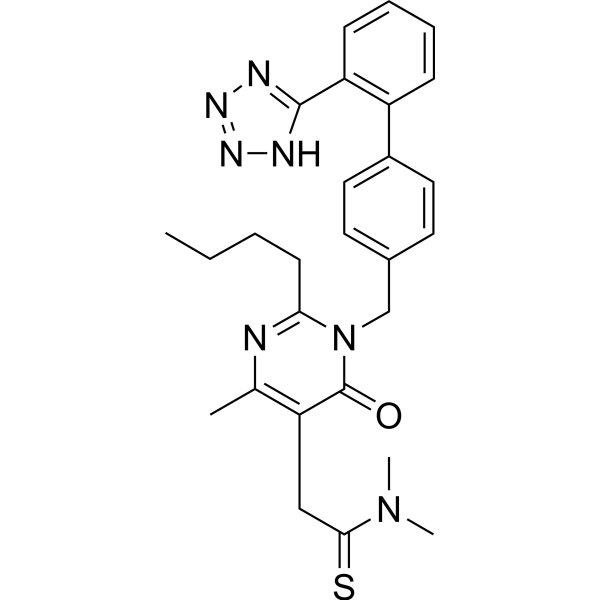
Synonyms: BR-A-657
Fimasartan (BRA-657) is an orally effective angiotensin receptor AT1 non-peptide antagonist. Fimasartan has antihypertensive effects. Fimasartan improves neuroinflammation and brain injury mediated by NLRP3 inflammatome after intracerebral hemorrhage, and has neuroprotective effect. Fimasartan inhibits the expression of inducible nitric oxide synthase through the inactivation of NF-κB and activator protein-1 .
loading...
    loading...
1
1 Cited Publications
Cat. No.: HY-12502A
CAS No.: 111011-76-8
Purity:  99.28%
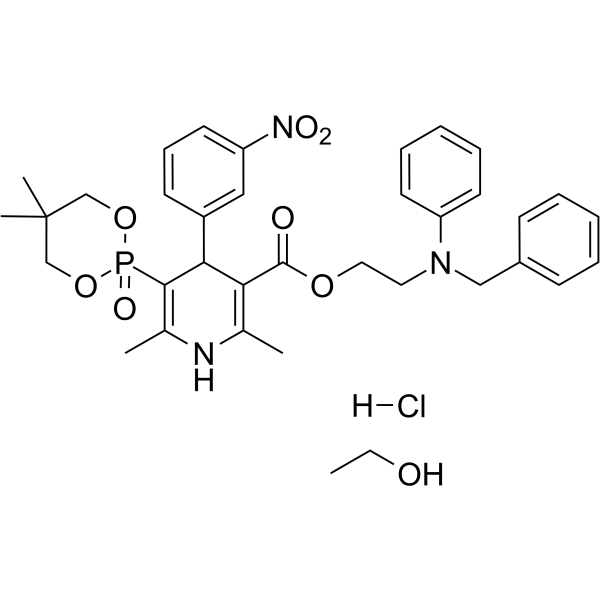
Synonyms: NZ-105 hydrochloride monoethanolate; (±)-Efonidipine hydrochloride monoethanolate
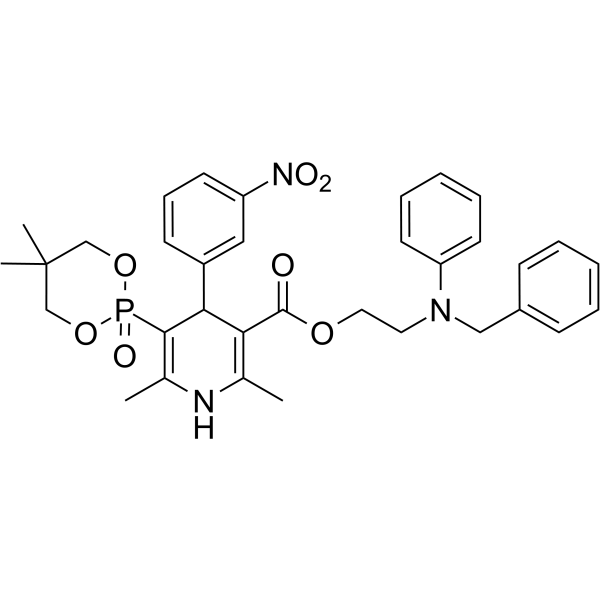
Efonidipine (NZ-105) hydrochloride monoethanolate is an orally active dual L-type and T-type calcium channel blocker (CCB) with IC50 values of 1.8 and 350 nM, respectively. Efonidipine hydrochloride monoethanolate inhibits SARS-CoV-2 main protease. Efonidipine hydrochloride monoethanolate modulates adrenal steroidogenesis by increasing the expression of steroidogenic acute regulatory protein (StAR), dbcAMP-or angiotensin II-induced StAR mRNA expression and DHEA-S production, while suppressing the biosynthesis of aldosterone and cortisol. Efonidipine hydrochloride monoethanolate reduces plasma aldosterone levels in vivo. Efonidipine hydrochloride monoethanolate improves cardiac function in heart failure models by inhibiting T-type calcium channels (via both tonic and use-dependent blockade), independently of blood pressure reduction. Efonidipine hydrochloride monoethanolate can be used for research in hypertension, heart failure, and disorders involving dysregulated steroid hormone synthesis .
loading...
    loading...
1
1 Cited Publications
Cat. No.: HY-130257
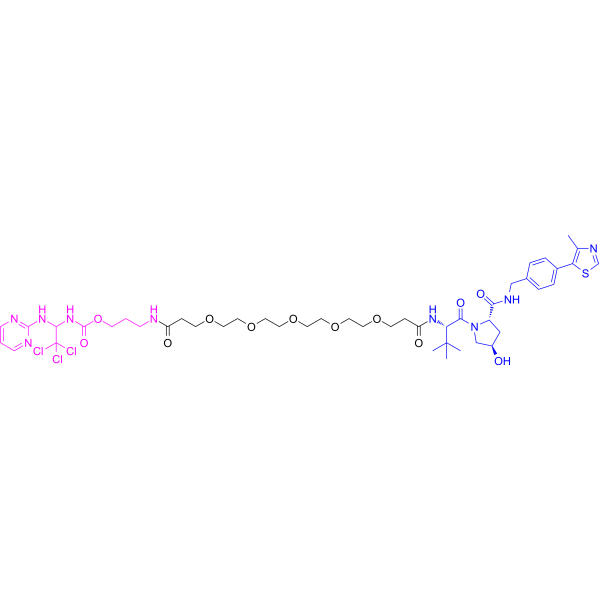
CAS No.: 2509359-75-3
Purity:  99.31%
Target:  

PROTACs APC Apoptosis

Research Areas:  

Cardiovascular Disease Cancer

CP5V is a Cdc20 PROTAC degrader with a DC50 of 1.6 μM and a Kd value of 12.4 μM. CP5V couples Cdc20 with the VHL/VBC complex, triggering its ubiquitination and proteasomal degradation, thereby reducing the protein levels of Cdc20 and securin. CP5V induces mitotic arrest, inhibits cell proliferation, resensitizes Paclitaxel-resistant breast cancer cells, and suppresses breast tumor progression in xenograft models. CP5V inhibits excessive proliferation and induces apoptosis in pulmonary arterial hypertension smooth muscle cells and fibroblasts. CP5V can be used in studies related to breast cancer and pulmonary arterial hypertension .
loading...
    loading...
1
1 Cited Publications
Cat. No.: HY-128932
CAS No.: 75498-96-3
Purity:  99.83%
Synonyms: MT-141
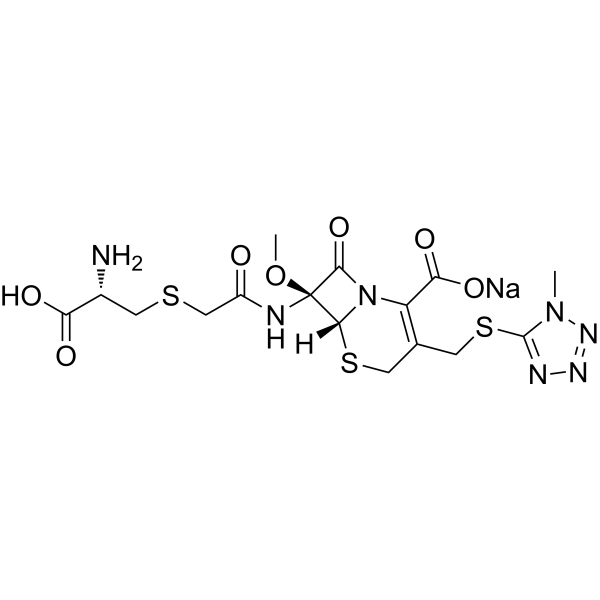
Cefminox sodium (MT-141) is a semisynthetic cephamycin, which exhibits antibacterial activity. Cefminox sodium is a broad-spectrum, bactericidal cephalosporin antibiotic. Cefminox sodium also acts as a dual agonist of prostacyclin receptor (IP) and PPARγ. Cefminox sodium upregulates cAMP production and PTEN expression and inhibits Akt/mTOR signaling. Cefminox sodium also prevents pulmonary arterial hypertension in rat model .
loading...
    loading...
1
1 Cited Publications
Cat. No.: HY-12502
CAS No.: 111011-63-3
Purity:  99.88%
Synonyms: NZ-105; (±)-Efonidipine
Efonidipine (NZ-105) is an orally active dual L-type and T-type calcium channel blocker (CCB) with IC50 values of 1.8 and 350 nM, respectively. Efonidipine inhibits SARS-CoV-2 main protease. Efonidipine modulates adrenal steroidogenesis by increasing the expression of steroidogenic acute regulatory protein (StAR), dbcAMP-or angiotensin II-induced StAR mRNA expression and DHEA-S production, while suppressing the biosynthesis of aldosterone and cortisol. Efonidipine reduces plasma aldosterone levels in vivo. Efonidipine improves cardiac function in heart failure models by inhibiting T-type calcium channels (via both tonic and use-dependent blockade), independently of blood pressure reduction. Efonidipine can be used for research in hypertension, heart failure, and disorders involving dysregulated steroid hormone synthesis .
loading...
    loading...
1
1 Cited Publications
Cat. No.: HY-B1035
CAS No.: 27912-14-7
Synonyms: l-Bunolol hydrochloride
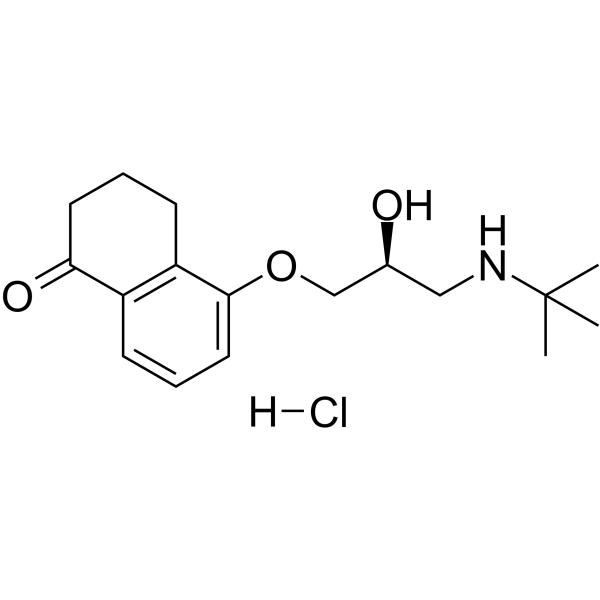
Levobunolol (l-Bunolol) hydrochloride is a non-selective β-adrenergic antagonist and vasodilator. By blocking calcium ion influx and reducing the sensitivity of vascular smooth muscle to calcium, Levobunolol hydrochloride effectively dilates the ciliary arteries and increases ocular blood flow, so it is widely used in research on glaucoma and ocular hypertension. Levobunolol hydrochloride inhibits the β-receptor signaling pathway and the expression of related proliferation markers (such as CK3, CK14, CK19, Ki67) in corneal cells. In rabbit models, Levobunolol hydrochloride not only does not inhibit corneal epithelial regeneration, but also accelerates the healing of mechanical injury without adverse effects. Levobunolol hydrochloride also inhibits histamine-induced vasoconstriction and intracellular calcium elevation, exhibiting unique vascular regulatory activity. Levobunolol hydrochloride protects ocular blood flow and promotes corneal repair .
loading...
    loading...
Cat. No.: HY-128850
CAS No.: 3615-17-6
Purity:  99.58%
Synonyms: N-Acetylmannosamine; ManNAc
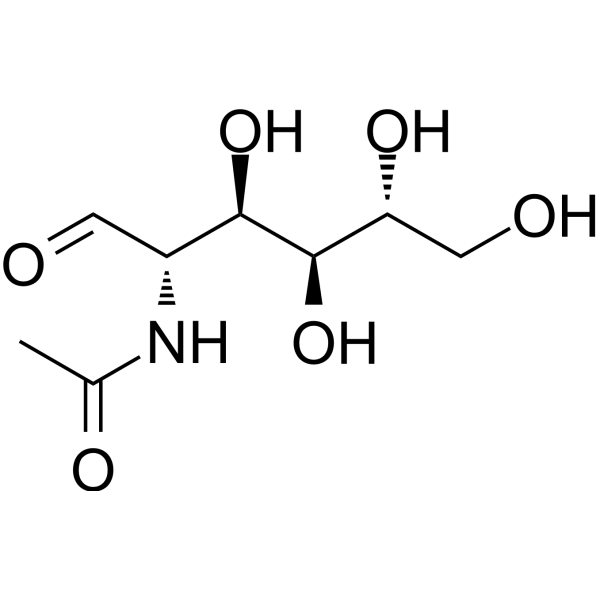
N-Acetyl-D-mannosamine (ManNAc) is an oral active sialic acid precursor that can prevent hypertension by increasing sialylation of IgG, making it a promising candidate for cardiovascular disease research. Additionally, N-Acetyl-D-mannosamine can activate hypocretin (HCRT) gene expression in orexin neurons and improve neurodegeneration caused by aging, offering potential avenues for research in neurological disorders .
loading...
    loading...
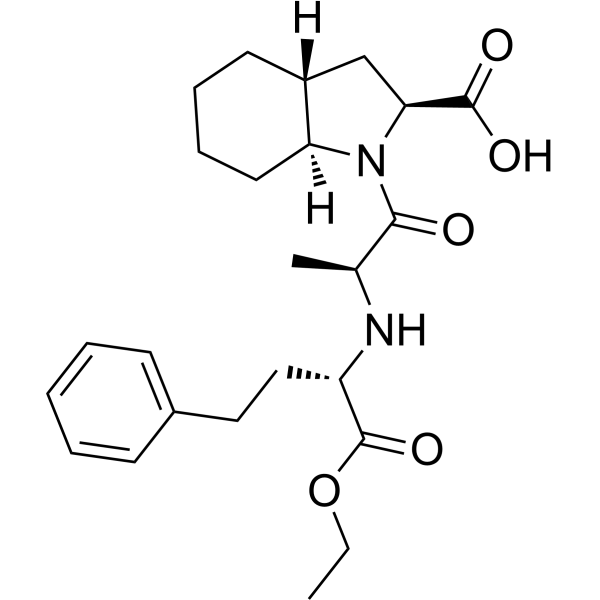
Cat. No.: HY-B0592
CAS No.: 87679-37-6
Synonyms: RU44570
Trandolapril (RU44570) is a nonsulfhydryl proagent that is hydrolysed to the active diacid Trandolaprilat. Trandolapril is an orally administered angiotensin converting enzyme (ACE) inhibitor that has been used in the treatment of hypertension and congestive heart failure (CHF), and after myocardial infarction (MI) .
loading...
    loading...
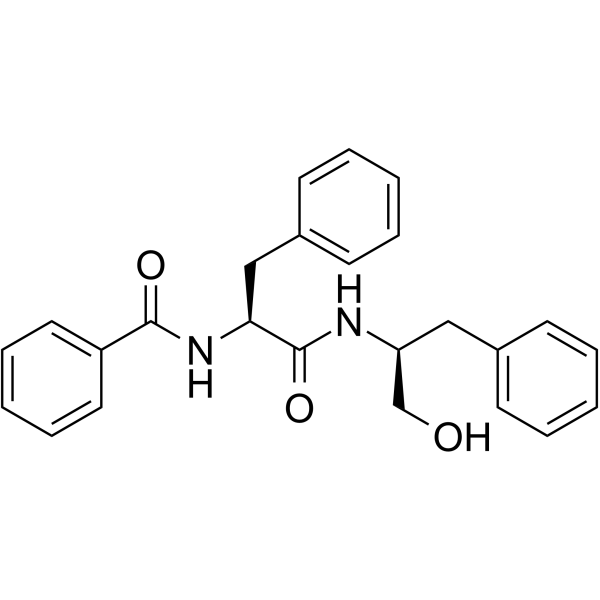
Cat. No.: HY-N2909
CAS No.: 58115-31-4
Aurantiamide is a non-covalent, orally active, blood-brain-permeable GRPR selective antagonist with anti-inflammatory and neuroprotective effects. Aurantiamide reduces inflammation and oxidative stress in renal tissue by inhibiting GRPR-mediated renal necrosis pathways (such as RIPK3/MLKL signaling) and NF-κB inflammatory pathways, exerting anti-acute kidney injury and endothelial function activities. Aurantiamide also inhibits the M1 polarization of microglia and inhibits NLRP3 activation, thereby improving AD mouse models. Aurantiamide has in vivo inhibitory efficacy in acute kidney injury models such as ischemia/reperfusion, sepsis, and hypertension models .
loading...
    loading...
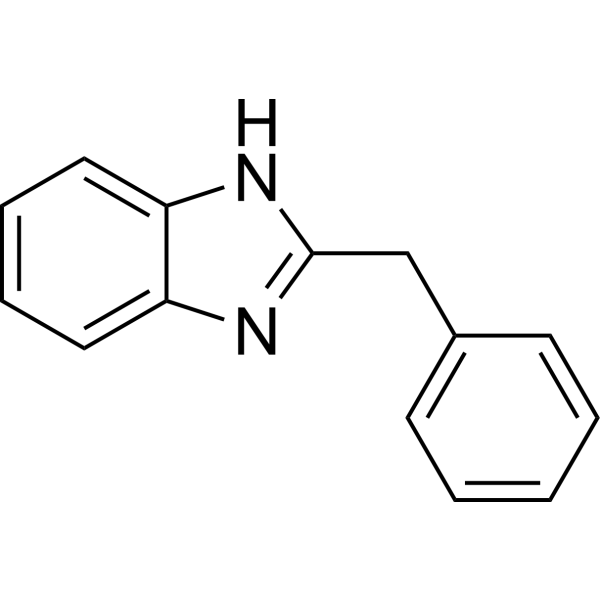
Cat. No.: HY-B2141
CAS No.: 621-72-7
Bendazol is an orally effective antihypertensive agent. Bendazol acts directly on vascular smooth muscle to dilate blood vessels and reduce peripheral resistance, thereby improving blood circulation. Bendazol significantly inhibits the development of myopia in rabbit models. Bendazol can regulate kidney function by increasing the activity of NO synthase in the rat model of nephrogenic hypertension. In addition, Bendazol has an effect on sexual behavior and spermatogenesis in male rats .
loading...
    loading...
Cat. No.: HY-18729
CAS No.: 50903-99-6
Synonyms: NG-Nitroarginine methyl ester
Target:  

NO Synthase

Research Areas:  

Cancer

L-NAME inhibits NOS with an IC50 of 70 μM. L-NAME is a precursor to NOS inhibitor L-NOARG which has an IC50 value of 1.4 μM. L-NAME requires hydrolysis of the methyl ester by cellular esterases to become a fully functional inhibitor. L-NAME can be used to induce hypertension and preeclampsia models.
loading...
    loading...
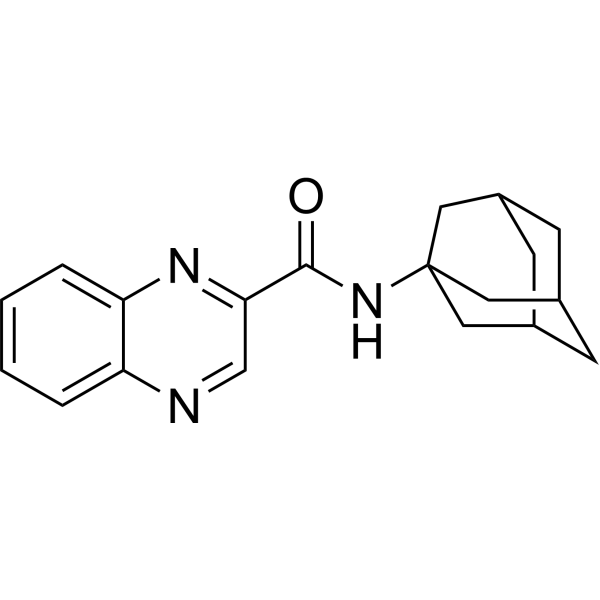
Cat. No.: HY-11095
CAS No.: 226878-01-9
Purity:  98.83%
NPS 2390 is an allosteric antagonist of calcium-sensing receptor (CaSR) and mGluR1/5. NPS 2390 inhibits the PI3K/Akt/mTOR signaling pathway, reduces hypoxia-induced intracellular calcium elevation, decreases the expression of autophagy (autophagy) proteins, regulates the expression of phenotypic marker proteins, and inhibits the proliferation of pulmonary artery smooth muscle cells. NPS 2390 attenuates the endogenous apoptosis (apoptosis) pathway, increases the expression level of Bcl-2, downregulates the expression levels of Bax, cytochrome c and caspase-3, alleviates cerebral edema and improves neurological function in rat models. NPS 2390 can be used in studies related to hypoxic pulmonary hypertension, traumatic brain injury, stroke and pain .
loading...
    loading...
Cat. No.: HY-106592A
CAS No.: 153190-29-5
Purity:  98.64%
Synonyms: PNU74389G (meleate)
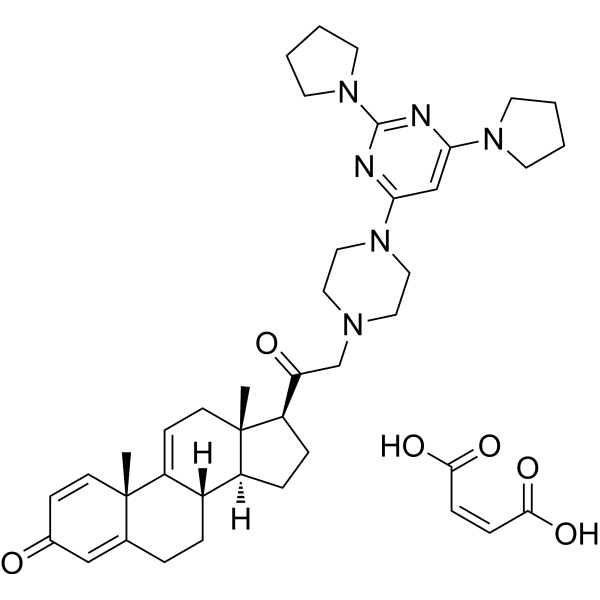
U-74389G (PNU74389G meleate) is an antioxidant, can inhibit lipid peroxidation reactions. U-74389G can protect against ischemia-reperfusion injury and be widely used in animal models of ischemic injury and hypertension. U-74389G shows anti-inflammatory activity .
loading...
    loading...

