

From 11:00 pm to 12:00 pm EST ( 8:00 pm to 9:00 pm PST ) on January 6th, the website will be under maintenance. We are sorry for the inconvenience. Please arrange your schedule properly.
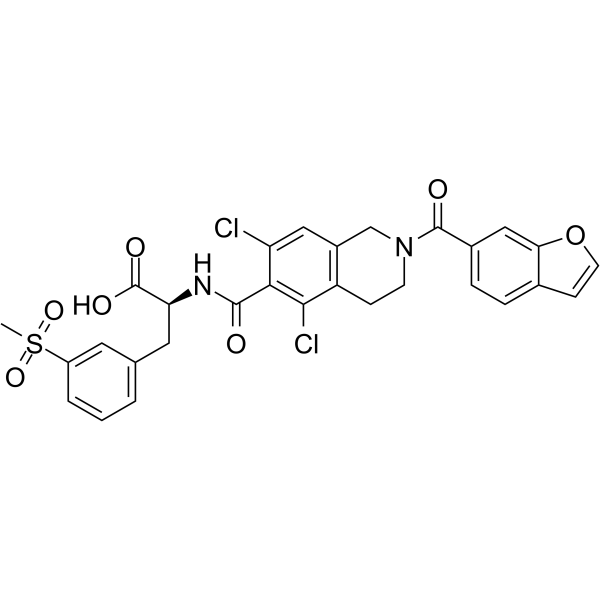
Lifitegrast (SAR 1118) is a potent integrin antagonist. Lifitegrast blocks the binding of intercellular adhesion molecule 1 (ICAM-1) to lymphocyte function-associated antigen 1 (LFA-1), interrupting the T cell-mediated inflammatory cycle. Lifitegrast inhibits Jurkat T cell attachment to ICAM-1 with an IC50 of 2.98 nM. Lifitegrast can be used for researching dry eye disease [1].
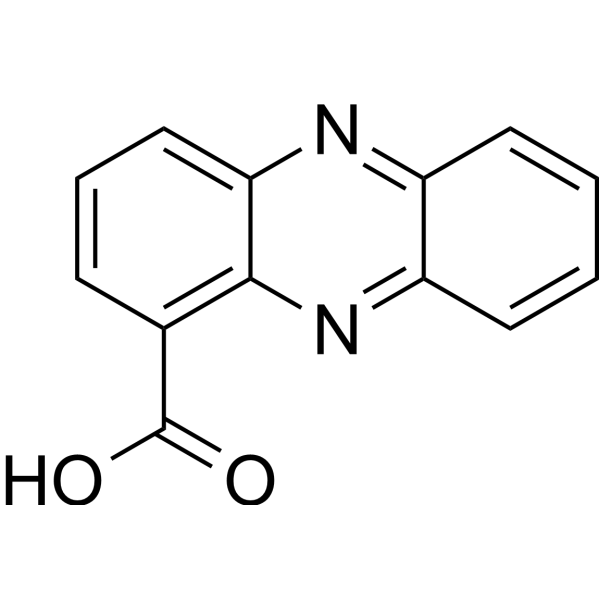
Phenazine-1-carboxylic acid is an antifungal agent. Additionally, Phenazine-1-carboxylic acid exhibits anticancer activity by inducing apoptosis in cancer cells through the regulation of ROS generation. Phenazine-1-carboxylic acid can upregulate the expression of IL-8 and ICAM-1 while inhibiting the release of RANTES and MCP-1, demonstrating its potential immunomodulatory effects. Phenazine-1-carboxylic acid holds significant research value in the areas of anti-infection, anticancer, and immune response modulation [1] .
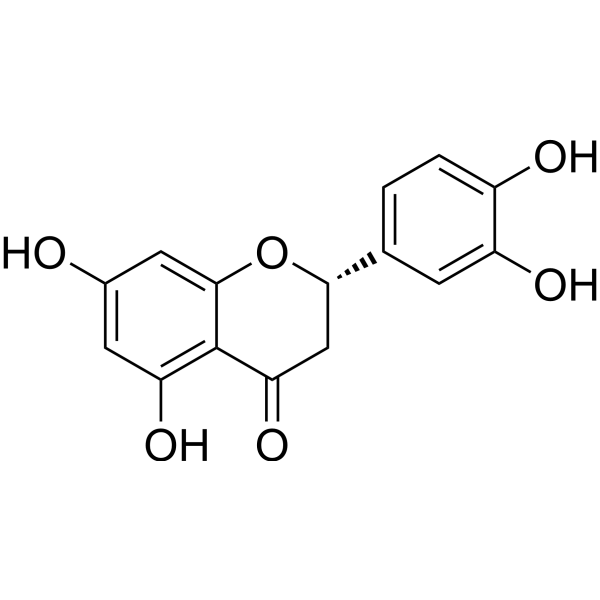
Eriodictyol ((±)-Huazhongilexone; Dihydroluteolin) is an orally active TRPV1 receptor antagonist (IC50=44-47 nM, rTRPV1) with antioxidant and anti-inflammatory activities. Eriodictyol effectively inhibits lipid peroxidation and the release of proinflammatory cytokines by specifically antagonizing the TRPV1 receptor and activating the Nrf2 signaling pathway. Eriodictyol reduces the levels of ICAM-1, VEGF, eNOS and TNF-α in the retina and maintains the integrity of the blood-retinal barrier. Eriodictyol alleviates oxidative stress-induced apoptosis and hyperalgesia, enhances the activity and cytotoxicity of immune cells (such as B lymphocytes, NK cells and macrophages), and increases the levels of antioxidant enzymes simultaneously. Eriodictyol can be used in the research of diabetic retinopathy, acute lung injury and various pain-related diseases [1] .
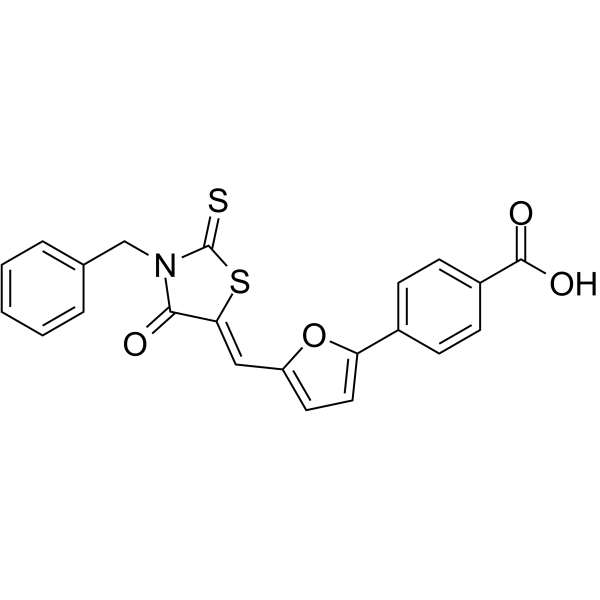
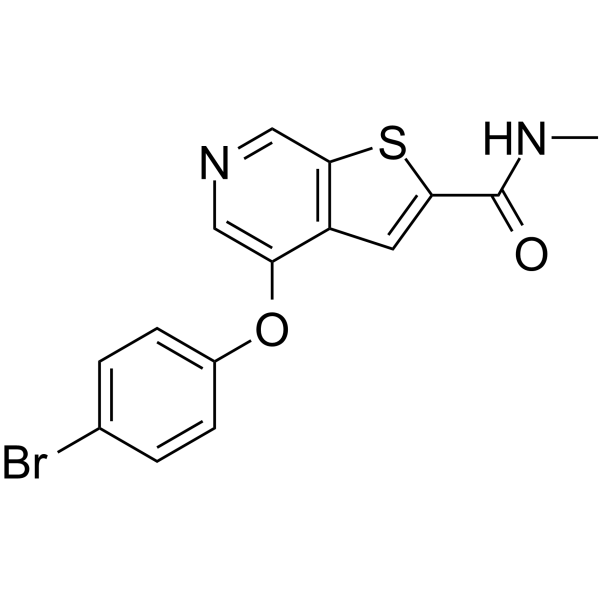
A-205804 is an orally bioavailable, potent and selective lead inhibitor of E-selectin and ICAM-1 expression, with an IC50 of 20 nM and 25 nM for E-selectin and ICAM-1, respectively. A-205804 can be used in the research of chronic inflammatory diseases [1].
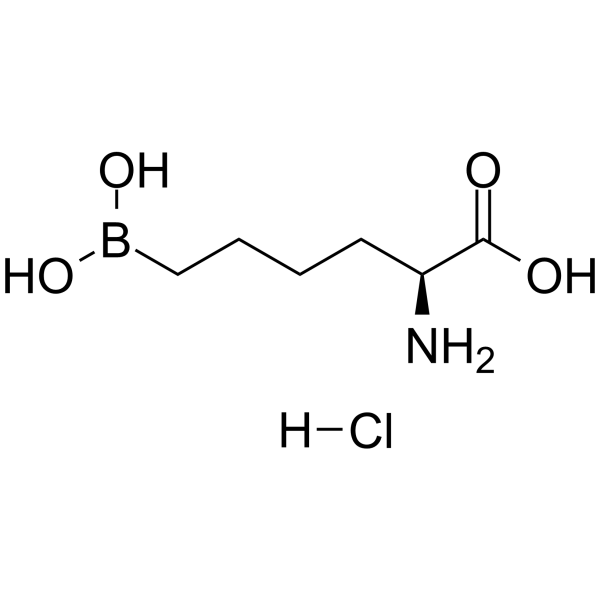
ABH (hydrochloride) is an orally active arginase inhibitor (Ki = 8.5 nM). ABH hydrochloride promotes NO production and reduces the expression of inflammatory response-related molecules (ICAM-1,VCAM-1, MCP-1). ABH hydrochloride improves erectile function, reduces lung damage, promotes wound healing, reduces arterial blood pressure, and improves vascular fibrosis [1] .
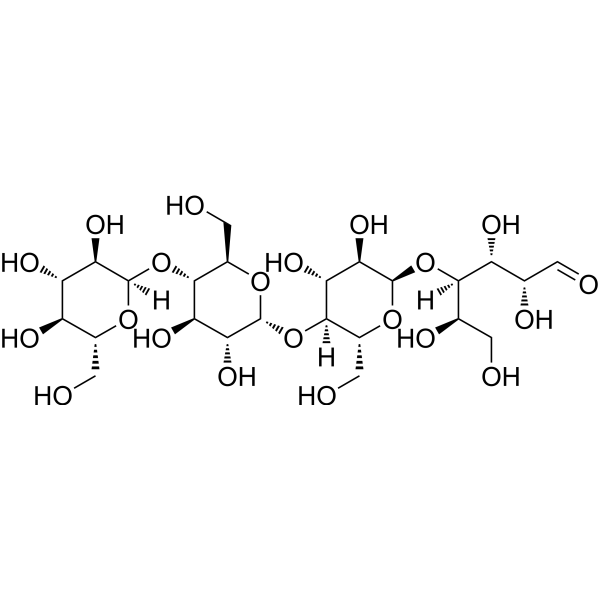
Maltotetraose can serve as a substrate for enzyme-linked assays to measure amylase activity in biological fluids. Maltotetraose has oral active, and reduces TNF-α-induced inflammatory responses by inhibiting NF-κB activity and decreasing ICAM-1 expression. Maltotetraose also inhibits PDGF-induced vascular smooth muscle cell migration and neovascularization. Additionally, Maltotetraose derivatives can function as probes for detecting bacterial infections by targeting the maltodextrin transporter. With good long-term safety, Maltotetraose holds promise for research in atherosclerosis-related diseases [1] .
Natalizumab (Anti-CD49d) (AN100226; BG00002) Solution is a humanized monoclonal IgG4 antibody inhibitor that selectively targets α4 integrin (CD49d), blocking the interaction of integrins such as α4β1 (VLA-4) with vascular cell adhesion molecule VCAM-1, intercellular adhesion molecule ICAM-1, and fibronectin by competitively binding to the α4 subunit. Natalizumab solution inhibits the adhesion, retention, and transendothelial migration of immune cells (such as CD4 + T cells), reducing the infiltration of inflammatory cells into the central nervous system or lesion sites, thereby exerting anti-inflammatory and immunomodulatory activity. Natalizumab (Anti-CD49d) solution is used in the study of relapsing-remitting multiple sclerosis (RRMS) and is also applied in the research of autoimmune or inflammation-related diseases such as Crohn's disease, B-cell lymphoma, and non-infectious uveitis. Natalizumab (Anti-CD49d) can also prevent lymphocytes from entering the central nervous system, thus preventing acute demyelinating relapses [1] .
ASP-8731 is an orally active BACH1 inhibitor. ASP-8731 activates antioxidant, anti-inflammatory and globin gene pathways by relieving the inhibitory effect of BACH1 on NRF2-mediated gene transcription. ASP-8731 significantly upregulates the expression of HMOX1, FTH1 and various globins (such as HGB, HBG, HBA), increases fetal hemoglobin (HbF) levels, and effectively induces F-cell production in hydroxyurea-unresponsive cells. Meanwhile, ASP-8731 reduces inflammatory responses and white blood cell counts by downregulating VCAM1, ICAM-1 and the phosphorylation level of NF-κB(p65), and blocks heme-induced glutathione depletion and microcirculatory stasis. ASP-8731 holds potential for inhibiting sickle cell disease and related hematological disorders [1].
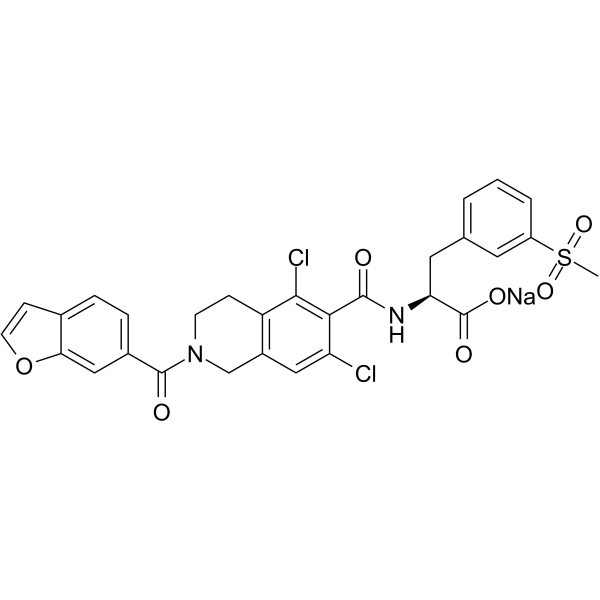
Lifitegrast (SAR 1118) sodium is a potent integrin antagonist. Lifitegrast sodium blocks the binding of intercellular adhesion molecule 1 (ICAM-1) to lymphocyte function-associated antigen 1 (LFA-1), interrupting the T cell-mediated inflammatory cycle. Lifitegrast sodium inhibits Jurkat T cell attachment to ICAM-1 with an IC50 of 2.98 nM. Lifitegrast sodium can be used for researching dry eye disease [1].
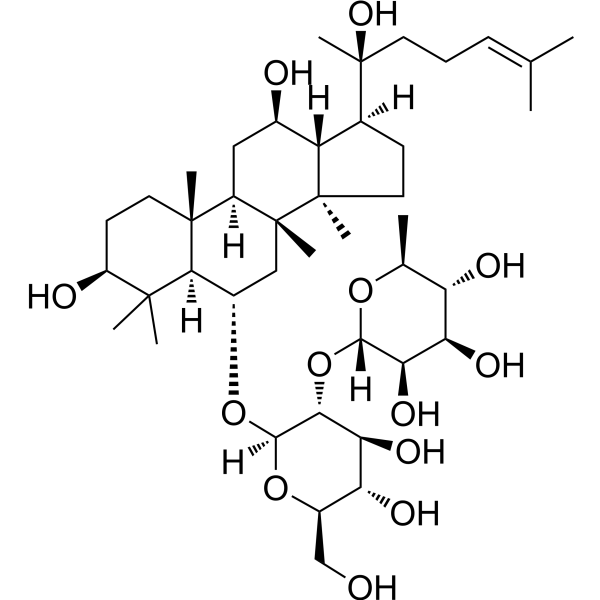
Ginsenoside Rg2 is one of the major active components of ginseng. Ginsenoside Rg2 inhibits VCAM-1 and ICAM-1 expressions stimulated with lipopolysaccharide (LPS). Ginsenoside Rg2 also reduces Aβ1-42 accumulation.
(±)-Eriodictyol ((±)-Huazhongilexone; Dihydroluteolin) is an orally active TRPV1 receptor antagonist (IC50=44-47 nM, rTRPV1) with antioxidant and anti-inflammatory activities. (±)-Eriodictyol effectively inhibits lipid peroxidation and the release of proinflammatory cytokines by specifically antagonizing the TRPV1 receptor and activating the Nrf2 signaling pathway. (±)-Eriodictyol reduces the levels of ICAM-1, VEGF, eNOS and TNF-α in the retina and maintains the integrity of the blood-retinal barrier. (±)-Eriodictyol alleviates oxidative stress-induced apoptosis and hyperalgesia, enhances the activity and cytotoxicity of immune cells (such as B lymphocytes, NK cells and macrophages), and increases the levels of antioxidant enzymes simultaneously. (±)-Eriodictyol can be used in the research of diabetic retinopathy, acute lung injury and various pain-related diseases [1] .
Surfactin C1 is an amphiphilic biosurfactants. Surfactin C1 inhibits leukemic cell (HL-60) adhesion to human umbilical vein endothelial cells (HUVEC). Surfactin C1 inhibits adhesion melecules expression, such as ICAM-1 and VCAM-1[1].
Leukadherin-1, a specific agonist of the leukocyte surface integrin CD11b/CD18, increases CD11b/CD18-dependent cell adhesion to fibrinogen with an EC50 of 4 μM. Leukadherin-1 enhances leukocyte adhesion to ligands (such as ICAM-1) and vascular endothelium and thus reduces leukocyte transendothelial migration and influx to the injury sites. Leukadherin-1 suppresses innate inflammatory signaling [1] .
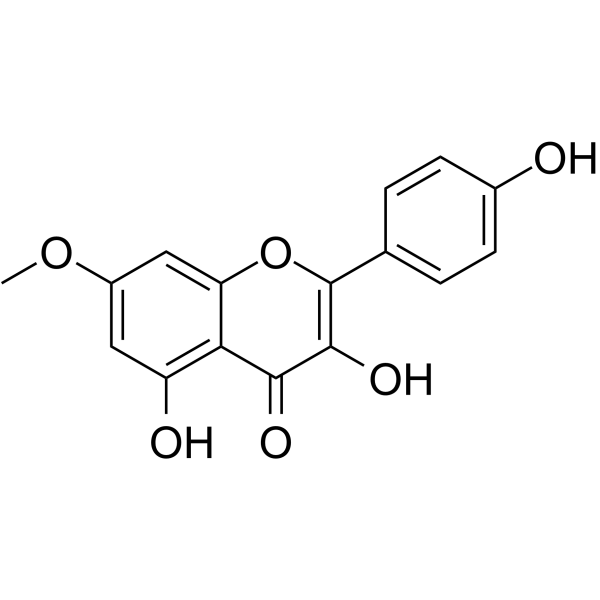
Rhamnocitrin is an anti-inflammatory and antioxidant agent that targets STIM-1, NFATc3 and MAPK pathways and can scavenge DPPH (IC50=28.38 mM). Rhamnocitrin selectively inhibits oxidative stress and inflammatory responses in vascular endothelial cells and neurons. Rhamnocitrin up-regulates miR-185 to inhibit STIM-1-mediated store-operated calcium entry (SOCE), thereby blocking NFATc3 nuclear translocation and downstream inflammatory factor expression, while inducing heme oxygenase HO-1 expression and regulating the ERK/p38 MAPK pathway, inhibiting antioxidant and pro-inflammatory cytokines (such as IL-6, IL-8) and adhesion molecules (such as ICAM-1, VCAM-1). Rhamnocitrin can be used in the study of endothelial-related inflammatory diseases (such as sepsis, acute lung injury, atherosclerosis) and neuroprotection (such as oxidative damage of PC12 cells) [1] .
Bersanlimab (BI-505) is a fully human monoclonal antibody that targets intercellular adhesion molecule-1 (ICAM-1 or CD54). Bersanlimab has anticancer effects [1].
Enlimomab (BI-RR 0001), a murine IgG2a monoclonal antibody to the human ICAM-1, inhibits leukocyte adhesion to the vascular endothelium, thereby decreasing leukocyte extravasation and inflammatory tissue injury. Enlimomab has anti-inflammatory effects, and can be used for stroke research [1] .
Malvidin-3-glucoside (Malvidin-3-O-glucoside; Oenin) chloride is an orally active inhibitor of the NF-κB pathway, which blocks inflammatory responses induced by TNF-α, reduces IκB-α degradation and p65 nuclear translocation, and upregulates endothelial nitric oxide synthase eNOS to increase NO production. Malvidin-3-glucoside chloride exerts anti-inflammatory and antioxidant effects by inhibiting pro-inflammatory molecules such as MCP-1, ICAM-1, and IL-6, and regulating intestinal microorganisms and metabolites, while protecting endothelial cells and improving intestinal microecological dysbiosis under inflammatory conditions. Malvidin-3-glucoside chloride can be used to study chronic inflammatory-related diseases such as atherosclerosis and inflammatory bowel disease, and has the potential to prevent vascular inflammation and improve intestinal health [1] .
Natalizumab (AN100226; BG00002) is a humanized monoclonal IgG4 antibody inhibitor that selectively targets α4 integrin (CD49d). It blocks the interaction of integrins such as α4β1 (VLA-4) with vascular cell adhesion molecule VCAM-1, intercellular adhesion molecule ICAM-1, and fibronectin by competitively binding to the α4 subunit. Natalizumab inhibits the adhesion, retention, and transendothelial migration of immune cells (such as CD4 + T cells), reducing the infiltration of inflammatory cells into the central nervous system or lesion sites, thus exerting anti-inflammatory and immunomodulatory activity. Natalizumab is used in the study of relapsing-remitting multiple sclerosis (RRMS) and also has applications in the study of autoimmune or inflammation-related diseases such as Crohn's disease, B-cell lymphoma, and non-infectious uveitis. Natalizumab can also prevent lymphocytes from entering the central nervous system, thereby preventing acute demyelinating relapses [1] .
Phellopterin, an orally active furocoumarin with multiple biological activities. Phellopterin is a partial agonist of the central benzodiazepine receptors. Phellopterin exerts anti-inflammatory effects by upregulating SIRT1, downregulating ICAM-1 (reducing chronic inflammation, aiding diabetic ulcer healing), inhibiting STAT3 phosphorylation (easing atopic dermatitis inflammation), regulating Akt/PKC pathways (lowering TNF-α-induced VCAM-1 to block monocyte adhesion), and inhibiting TLR4/NF-κB pathway and macrophage M2 polarization (alleviating colitis-related cancers). Phellopterin suppresses ovarian cancer progression via inhibiting the PU.1/CLEC5A/PI3K-AKT loop (inducing cell cycle arrest, apoptosis, DNA damage). Phellopterin alleviates murine diabetes by promoting adipocyte differentiation and increasing PPARγ. Phellopterin also has anti-HSV-1 activity. Phellopterin can be used for studying anti-inflammation, anti-cancer (e.g., ovarian cancer, colitis cancer), blood glucose lowering, anti-diabetes, and anti-virus [1] .
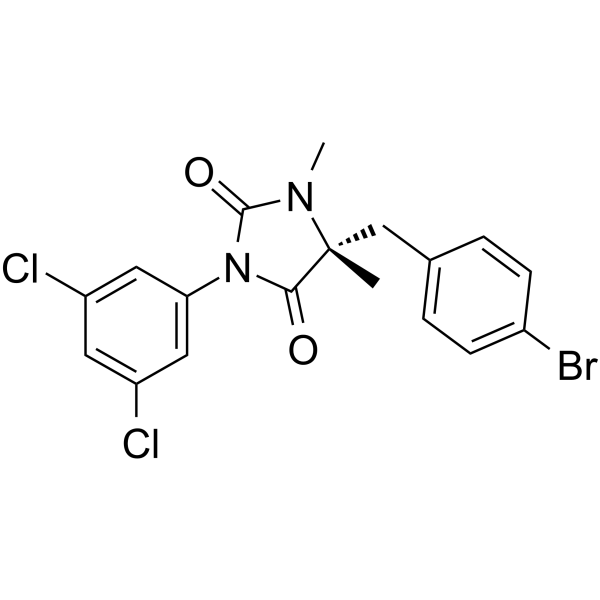
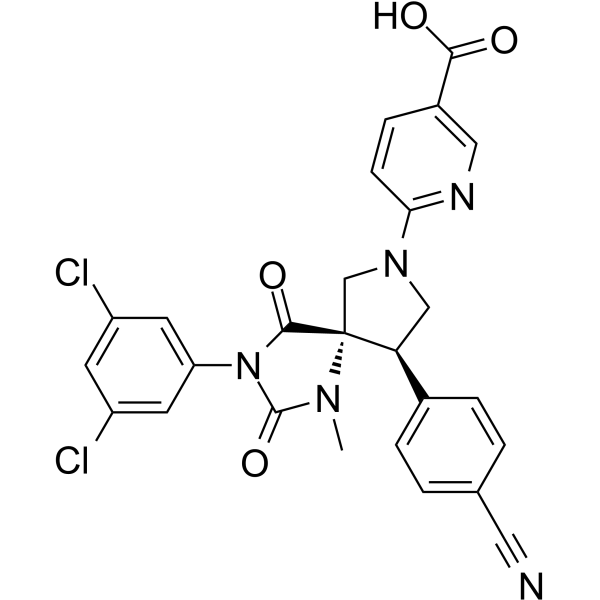
BIRT 377 is a potent amd orally bioavailable inhibitor of the interaction between intercellular adhesion molecule-1(ICAM-1) and lymphocyte function-associated antigen-1(LFA-1). BIRT 377 also inhibits the production of IL-2 in vivo. BIRT 377 can be used for researching inflammatory and immune disorders [1].
Fibrin is an insoluble protein found in blood that is produced in response to bleeding. As the main component of blood clots, fibrin functions in blood coagulation. Fibrin binds to the integrins ICAM-1, VE-cadherin, αIIbβ3, αMβ2, αvβ3 and α5β1. Fibrin is used in research related to chronic wounds [1].
Chondroitin sulfate (from chicken) (Chondroitin polysulfate (from chicken)) is an orally active, sulfated linear polysaccharide extracted from chickens, which belongs to glycosaminoglycans. Chondroitin sulfate (from chicken) reduces the phosphorylation levels of ERK1/2 and p38MAPK, inhibits the expression of inflammatory cytokines and MMP, and downregulates the levels of IL-1β, IL-6, TNF-α and PGE2. Chondroitin sulfate (from chicken) improves motor function, protects cartilage tissue, reverses chondrocyte aggregation, and regulates the structure of intestinal flora. Chondroitin sulfate (from chicken) can be used in research related to osteoarthritis [1].
(R/S)-Alicaforsen is the racemate of Alicaforsen composed of R and S configurations. Alicaforsen is a 20-base antisense oligonucleotide inhibiting ICAM-1 production, which is an important adhesion molecule involved in leukocyte migration and trafficking to the site of inflammation.
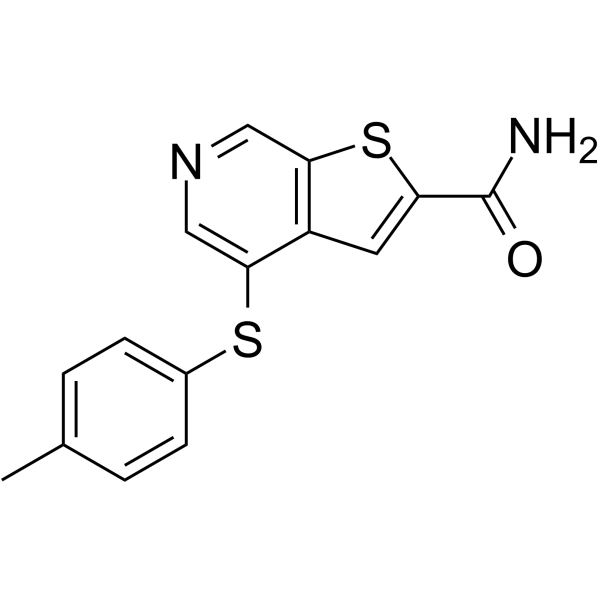
A-286982 is a potent and allosteric LFA-1/ICAM-1 interaction inhibitor with IC50s of 44 nM and 35 nM in an LFA-1/ICAM-1 binding and LFA-1-mediated cellular adhesion assay, respectively [1] .
MUC1, mucin core is the region of the MUC1 mucin core. MUC1 is a type I transmembrane glycoprotein, and is overexpressed and aberrantly glycosylated in carcinoma cells. MUC1, mucin core protein binds to domain 1 of ICAM-1[1].
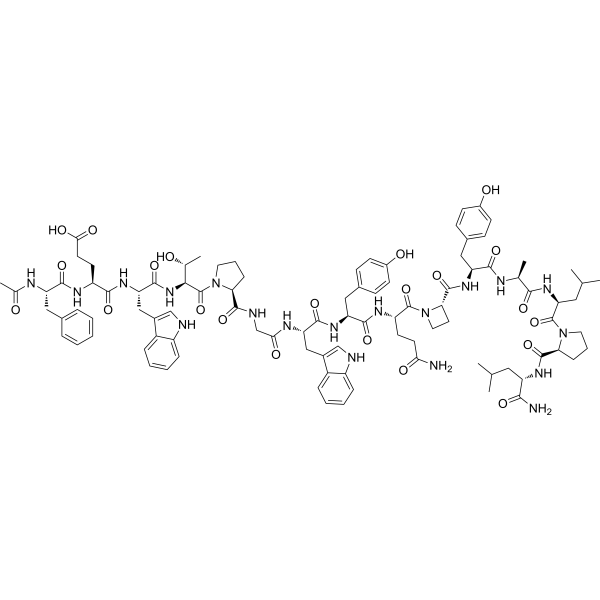
AF12198 is a potent, selective and specific peptide antagonist for human type I interleukin-1 receptor (IL1-R1) (IC50=8 nM) but not the human type II receptor (IC50=6.7 µM) or the murine type I receptor (IC50>200 µM). AF12198 inhibits IL-1-induced IL-8 production (IC50=25 nM) and IL-1-induced intercellular adhesion molecule-1 (ICAM-1) expression (IC50=9 nM) in vitro. AF12198 has anti-inflammatory activities and blocks responses to IL-1 in vivo [1].
Casuarinin is an orally active antiproliferative, anti-inflammatory, antifungal, virucidal and gastroprotective agent. Casuarinin upregulates the expression of p21/WAF1, Fas/APO‑1, mFasL, sFasL and HSP‑70, arrests cell cycle, induces apoptosis and inhibits cancer cell proliferation. Casuarinin inhibits TNF‑α-induced phosphorylation of MAPK and activation of NF‑κB, downregulates the expression of iNOS, NF‑κB, COX‑2 and ICAM‑1, and reduces the production of proinflammatory mediators. Casuarinin attenuates ethanol-induced activation of caspase‑3 and elevation of TNF‑α, inhibits the growth of Candida albicans, and inhibits HSV‑2. Casuarinin can be used in research related to mammary adenocarcinoma, inflammatory skin diseases, gastric ulcers, candidiasis and herpes simplex virus infections [1] .
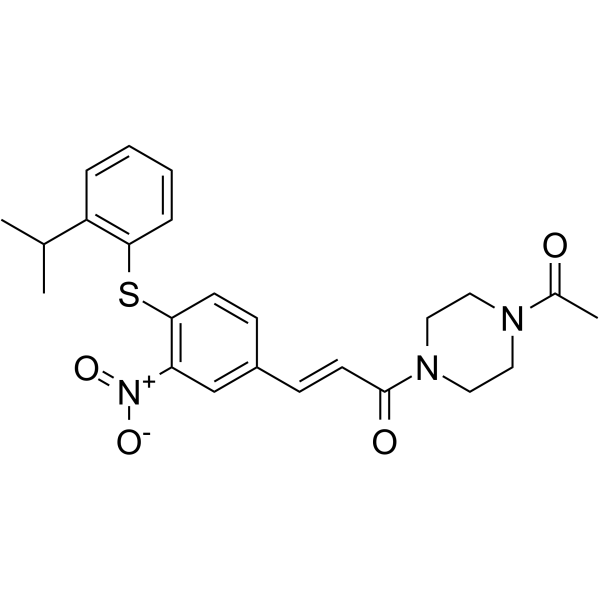
RWJ 50271 is an selective and orally active inhibitor of lymphocyte function-associated antigen-1/intercellular adhesion molecule-1(LFA-1/ICAM-1) interaction with an IC50 of 5.0 μM (HL60 cells). RWJ 50271 inhibits LFA-1/ICAM-1-mediated cell adhesion [1].
BMS-688521 is a highly potent, orally active inhibitor of the LFA-1/ICAM interaction, with an IC50 of 2.5 nM in the adhesion assay and an IC50 of 60 nM in the MLR assay. BMS-688521 is efficacious in a mouse allergic eosinophilic lung inflammation model [1].
Anti-Mouse CD54 Antibody (YN1/1.7.4) is an anti-mouse CD54 IgG2b antibody inhibitor derived from host Rat. Anti-Mouse CD54 Antibody (YN1/1.7.4) can neutralize CD54 also known as Intercellular Adhesion Molecule-1 (ICAM-1). Anti-Mouse CD54 Antibody (YN1/1.7.4) can be used for the research of inflammation [1].
Alicaforsen is an oligonucleotide and immunostimulant targeting human ICAM-1 mRNA. Alicaforsen hybridizes to specific sites to reduce the expression level of ICAM-1. Alicaforsen is applicable to relevant research on psoriasis, rheumatoid arthritis and inflammatory bowel disease [1].
3-Hydroxyxanthone (3-Hydroxy-xanthen-9-one) is a xanthone compound, with . 3-Hydroxyxanthone inhibits NADPH-catalysed lipid peroxidation in human umbilical vein endothelial cells (HUVECs). 3-Hydroxyxanthone also inhibits TNF-alpha induced ICAM-1 expression [1].
Icam1 Mouse Pre-designed siRNA Set A contains three designed siRNAs for Icam1 gene (Mouse), as well as a negative control, a positive control, and a FAM-labeled negative control.
Icam1 Rat Pre-designed siRNA Set A contains three designed siRNAs for Icam1 gene (Rat), as well as a negative control, a positive control, and a FAM-labeled negative control.
ICAM1 Human Pre-designed siRNA Set A contains three designed siRNAs for ICAM1 gene (Human), as well as a negative control, a positive control, and a FAM-labeled negative control.
Malvidin-3-glucoside (Malvidin-3-O-glucoside; Oenin) chloride (Standard) is the analytical standard of Malvidin-3-glucoside chloride (HY-125740). This product is intended for research and analytical applications. Malvidin-3-glucoside chloride is an orally active inhibitor of the NF-κB pathway, which blocks inflammatory responses induced by TNF-α, reduces IκB-α degradation and p65 nuclear translocation, and upregulates endothelial nitric oxide synthase eNOS to increase NO production. Malvidin-3-glucoside chloride exerts anti-inflammatory and antioxidant effects by inhibiting pro-inflammatory molecules such as MCP-1, ICAM-1, and IL-6, and regulating intestinal microorganisms and metabolites, while protecting endothelial cells and improving intestinal microecological dysbiosis under inflammatory conditions. Malvidin-3-glucoside chloride can be used to study chronic inflammatory-related diseases such as atherosclerosis and inflammatory bowel disease, and has the potential to prevent vascular inflammation and improve intestinal health [1] .
Lifitegrast (Standard) is the analytical standard of Lifitegrast. This product is intended for research and analytical applications. Lifitegrast (SAR 1118) is a potent integrin antagonist. Lifitegrast blocks the binding of intercellular adhesion molecule 1 (ICAM-1) to lymphocyte function-associated antigen 1 (LFA-1), interrupting the T cell-mediated inflammatory cycle. Lifitegrast inhibits Jurkat T cell attachment to ICAM-1 with an IC50 of 2.98 nM. Lifitegrast can be used for researching dry eye disease [1].
Alicaforsen (ISIS-2302) sodium is an oligonucleotide and immunostimulant targeting human ICAM-1 mRNA. Alicaforsen sodium hybridizes to specific sites to reduce the expression level of ICAM-1. Alicaforsen sodium is applicable to relevant research on psoriasis, rheumatoid arthritis and inflammatory bowel disease [1].
Phellopterin (Standard) is the analytical standard of Phellopterin. Phellopterin, an orally active furocoumarin with multiple biological activities. Phellopterin is a partial agonist of the central benzodiazepine receptors. Phellopterin exerts anti-inflammatory effects by upregulating SIRT1, downregulating ICAM-1 (reducing chronic inflammation, aiding diabetic ulcer healing), inhibiting STAT3 phosphorylation (easing atopic dermatitis inflammation), regulating Akt/PKC pathways (lowering TNF-α-induced VCAM-1 to block monocyte adhesion), and inhibiting TLR4/NF-κB pathway and macrophage M2 polarization (alleviating colitis-related cancers). Phellopterin suppresses ovarian cancer progression via inhibiting the PU.1/CLEC5A/PI3K-AKT loop (inducing cell cycle arrest, apoptosis, DNA damage). Phellopterin alleviates murine diabetes by promoting adipocyte differentiation and increasing PPARγ. Phellopterin also has anti-HSV-1 activity. Phellopterin can be used for studying anti-inflammation, anti-cancer (e.g., ovarian cancer, colitis cancer), blood glucose lowering, anti-diabetes, and anti-virus.
Lifitegrast-d4-1 is deuterium labeled Lifitegrast. Lifitegrast (SAR 1118) is a potent integrin antagonist. Lifitegrast blocks the binding of intercellular adhesion molecule 1 (ICAM-1) to lymphocyte function-associated antigen 1 (LFA-1), interrupting the T cell-mediated inflammatory cycle. Lifitegrast inhibits Jurkat T cell attachment to ICAM-1 with an IC50 of 2.98 nM. Lifitegrast can be used for researching dry eye disease [1] .
Oleaside A is a polar cardenolide monoglycoside isolated from Nerium oleander, inhibits the induction of ICAM-1 induced by IL-1α and TNF-α, and has anti-tumor activity [1].
Crocatin B is found in P. crocatum Ruiz & Pav. Crocatin B exerts anti-inflammatory activity by inhibiting the expression of TNF-α and ICAM-1. Crocatin B has anti-tumor activity [1] .
Cariporide is a Na+/H+ Exchanger1 (NHE-1) inhibitor. Cariporide inhibits the expression of monocyte endothelial cell adhesion and intercellular adhesion molecule-1 (ICAM-1) mediated by high glucose (HG) by inhibiting the activation of NHE-1[1].
Ginsenoside Rg2 (Standard) is the analytical standard of Ginsenoside Rg2. This product is intended for research and analytical applications. Ginsenoside Rg2 is one of the major active components of ginseng. Ginsenoside Rg2 inhibits VCAM-1 and ICAM-1 expressions stimulated with lipopolysaccharide (LPS). Ginsenoside Rg2 also reduces Aβ1-42 accumulation.
Fibrinogen γ-chain (117-133) is a selective intercellular adhesion molecule-1(ICAM-1) inhibitor (IC50≈20-40 μg/mL). Fibrinogen γ-chain (117-133) blocks fibrinogen-mediated monocyte-endothelial adhesion. Fibrinogen γ-chain (117-133) is promising for research of thrombo-inflammatory diseases (e.g., atherosclerosis, organ transplant rejection) [1].
MSH-TP15e is a humanized monoclonal antibody inhibitor targeting intercellular adhesion molecule-1(ICAM-1). MSH-TP15e recruits natural killer cells and significantly triggers antibody-dependent cell-mediated cytotoxicity (ADCC) to inhibit tumor cell growth. MSH-TP15e is promising for research of multiple myeloma (MM) [1].
Aloenin aglycone (compound 13) is an NF-κB inhibitor that can be isolated from aloe exudate. Aloenin aglycone inhibits TNFα-induced NF-κB transcriptional activity (IC50: 18.7 μM). Aloenin aglycone (10 μM) also reduced inducible nitric oxide synthase (iNOS) and intercellular adhesion molecule 1 (ICAM-1) gene expression after treatment of HepG2 cells with 10 ng/mL TNFα [1].
Antioxidant agent-5 (compound D-6) is a potent antioxidant agent. Antioxidant agent-5 can inhibit oxLDL (oxidized low-density lipoprotein)-induced apoptosis and the expression of ICAM-1 and VCAM-1 in VECs. Antioxidant agent-5 suppresses oxLDL-induced increase of ROS level and nuclear translocation of NF-κB. Antioxidant agent-5 protects against oxLDL-induced endothelial injury by activating Nrf2/HO-1 anti-oxidation pathway [1].
Leukadherin-1 (Standard) is the analytical standard of Leukadherin-1. This product is intended for research and analytical applications. Leukadherin-1, a specific agonist of the leukocyte surface integrin CD11b/CD18, increases CD11b/CD18-dependent cell adhesion to fibrinogen with an EC50 of 4 μM. Leukadherin-1 enhances leukocyte adhesion to ligands (such as ICAM-1) and vascular endothelium and thus reduces leukocyte transendothelial migration and influx to the injury sites. Leukadherin-1 suppresses innate inflammatory signaling [1] .
Phenazine-1-carboxylic acid (Standard) is the analytical standard of Phenazine-1-carboxylic acid. This product is intended for research and analytical applications. Phenazine-1-carboxylic acid is an antifungal agent. Additionally, Phenazine-1-carboxylic acid exhibits anticancer activity by inducing apoptosis in cancer cells through the regulation of ROS generation. Phenazine-1-carboxylic acid can upregulate the expression of IL-8 and ICAM-1 while inhibiting the release of RANTES and MCP-1, demonstrating its potential immunomodulatory effects. Phenazine-1-carboxylic acid holds significant research value in the areas of anti-infection, anticancer, and immune response modulation[1][2][3][4].
Anti-CD54/ICAM-1 Antibody (R6-5-D6) is a kind of mouse IgG2a chimeric antibody inhibitor, targeting to human CD54/ICAM-1. Anti-CD54/ICAM-1 Antibody (R6-5-D6) can block CD54 binding to its ligand Lymphocyte Function-Associated Antigen 1 (LFA-1). Anti-CD54/ICAM-1 Antibody (R6-5-D6) can be used for the researches of inflammation and immunology [1] .
3-Chlorobenzoic acid (Standard) is the analytical standard of 3-Chlorobenzoic acid. This product is intended for research and analytical applications. (±)-Eriodictyol ((±)-Huazhongilexone; Dihydroluteolin) is an orally active TRPV1 receptor antagonist (IC50=44-47 nM, rTRPV1) with antioxidant and anti-inflammatory activities. (±)-Eriodictyol effectively inhibits lipid peroxidation and the release of proinflammatory cytokines by specifically antagonizing the TRPV1 receptor and activating the Nrf2 signaling pathway. (±)-Eriodictyol reduces the levels of ICAM-1, VEGF, eNOS and TNF-α in the retina and maintains the integrity of the blood-retinal barrier. (±)-Eriodictyol alleviates oxidative stress-induced apoptosis and hyperalgesia, enhances the activity and cytotoxicity of immune cells (such as B lymphocytes, NK cells and macrophages), and increases the levels of antioxidant enzymes simultaneously. (±)-Eriodictyol can be used in the research of diabetic retinopathy, acute lung injury and various pain-related diseases [1] .
Rhamnocitrin (Standard) is the analytical standard of Rhamnocitrin. This product is intended for research and analytical applications. Rhamnocitrin is an anti-inflammatory and antioxidant agent that targets STIM-1, NFATc3 and MAPK pathways and can scavenge DPPH (IC50=28.38 mM). Rhamnocitrin selectively inhibits oxidative stress and inflammatory responses in vascular endothelial cells and neurons. Rhamnocitrin up-regulates miR-185 to inhibit STIM-1-mediated store-operated calcium entry (SOCE), thereby blocking NFATc3 nuclear translocation and downstream inflammatory factor expression, while inducing heme oxygenase HO-1 expression and regulating the ERK/p38 MAPK pathway, inhibiting antioxidant and pro-inflammatory cytokines (such as IL-6, IL-8) and adhesion molecules (such as ICAM-1, VCAM-1). Rhamnocitrin can be used in the study of endothelial-related inflammatory diseases (such as sepsis, acute lung injury, atherosclerosis) and neuroprotection (such as oxidative damage of PC12 cells) [1] .
cLABL is a cyclic peptide that specifically binds to ICAM‑1. cLABL mediates targeted enrichment and rapid endocytosis of nanoparticles. cLABL is applicable to researches such as precise drug delivery at inflammatory sites [1].
Lifitegrast-d4 (SAR 1118-d4) is deuterium labeled Lifitegrast. Lifitegrast (SAR 1118) is a potent integrin antagonist. Lifitegrast blocks the binding of intercellular adhesion molecule 1 (ICAM-1) to lymphocyte function-associated antigen 1 (LFA-1), interrupting the T cell-mediated inflammatory cycle. Lifitegrast inhibits Jurkat T cell attachment to ICAM-1 with an IC50 of 2.98 nM. Lifitegrast can be used for researching dry eye disease [1] .
Lifitegrast-d6 (SAR 1118-d6) is deuterium labeled Lifitegrast. Lifitegrast (SAR 1118) is a potent integrin antagonist. Lifitegrast blocks the binding of intercellular adhesion molecule 1 (ICAM-1) to lymphocyte function-associated antigen 1 (LFA-1), interrupting the T cell-mediated inflammatory cycle. Lifitegrast inhibits Jurkat T cell attachment to ICAM-1 with an IC50 of 2.98 nM. Lifitegrast can be used for researching dry eye disease [1] .
MOR102 is a fully human IgG4 monoclonal antibody and an ICAM-1 inhibitor, lacking cross-reactivity with ICAM-2 and ICAM-3. MOR102 binds to the LFA-1 binding site within ICAM-1 domain 1, blocks ICAM-1/LFA-1 interaction, binds human keratinocytes with increased binding to interferon-γ-stimulated keratinocytes. MOR102 inhibits lymphocyte adhesion, reduces lymphocyte proliferation, prevents local T-cell activation, reduces inflammatory infiltrate, restores orthokeratotic differentiation, and reduces epidermal thickness. MOR102 can be used for the research of psoriasis [1] .
MOR101 is a humanized monoclonal antibody inhibitor targeting ICAM-1/CD54. MOR101 can be used to study acute and chronic inflammation, such as burns [1].
ICAM-1988 is a small molecule lymphocyte function-associated antigen-1(LFA-1) antagonist that disrupts the LFA-1/ICAM-1 interaction and has anti-inflammatory activity [1].
FTS-MOM (Salirasib methoxymethyl ester), a Salirasib (FTS) (HY-14754) derivative, is a selective Rap1 inhibitor with selectivity over Ras. FTS-MOM inhibits GTP loading of Rap1 in quiescent and activated T cells. FTS-MOM inhibits Rap1-dependent T cell adhesion to ICAM-1[1].
ABH is an orally active arginase inhibitor (Ki = 8.5 nM). ABH promotes NO production and reduces the expression of inflammatory response-related molecules (ICAM-1,VCAM-1, MCP-1). ABH improves erectile function, reduces lung damage, promotes wound healing, reduces arterial blood pressure, and improves vascular fibrosis [1] .
Anti-CD11a Antibody (MHM24) is a monoclonal antibody targeting murine CD11a. Anti-CD11a Antibody (MHM24) binds to high-affinity (open) and low-affinity (closed) conformations of the αL subunit of LFA-1, and functionally blocks LFA-1-mediated interactions. Anti-CD11a Antibody (MHM24) blocks ICAM-1 binding to LFA-1-expressing cells. Anti-CD11a Antibody (MHM24) inhibits adhesion of high-affinity LFA-1-expressing cells to keratinocytes. Anti-CD11a Antibody (MHM24) inhibits PHA-induced lymphocyte proliferation. Anti-CD11a Antibody (MHM24) can be used for the research of inflammatory and autoimmune diseases. Recommend Isotype Controls: mouse IgG1 kappa, Isotype Control (HY-P99977) [1].
Anti-CD146 Antibody (AA98) is an antibody targeting CD146 and an angiogenesis inhibitor. Anti-CD146 Antibody (AA98) blocks the dimerization of CD146 as well as its downstream PI3K/AKT, p38 MAPK and NF-κB signaling pathways; it inhibits the expression of MMP9 and ICAM1, epithelial-mesenchymal transition (EMT), and the proliferation, migration and tube formation of endothelial cells. Anti-CD146 Antibody (AA98) enhances radiation-induced cancer cell apoptosis and survival inhibition, reduces tumor microvessel density, and suppresses tumor growth, invasion and vasculogenic mimicry. Anti-CD146 Antibody (AA98) can be used in research related to cervical cancer, liver cancer, malignant phyllodes tumor of the breast, uveal melanoma, leiomyosarcoma, pancreatic cancer, other tumors and angiogenesis [1] .
BMS-688521 (Standard) is the analytical standard of BMS-688521 (HY-10596). This product is intended for research and analytical applications. BMS-688521 is a highly potent, orally active inhibitor of the LFA-1/ICAM interaction, with an IC50 of 2.5 nM in the adhesion assay and an IC50 of 60 nM in the MLR assay. BMS-688521 is efficacious in a mouse allergic eosinophilic lung inflammation model [1].
Chondroitin sulfate (from chicken) (Chondroitin polysulfate (from chicken)) is an orally active, sulfated linear polysaccharide extracted from chickens, which belongs to glycosaminoglycans. Chondroitin sulfate (from chicken) reduces the phosphorylation levels of ERK1/2 and p38MAPK, inhibits the expression of inflammatory cytokines and MMP, and downregulates the levels of IL-1β, IL-6, TNF-α and PGE2. Chondroitin sulfate (from chicken) improves motor function, protects cartilage tissue, reverses chondrocyte aggregation, and regulates the structure of intestinal flora. Chondroitin sulfate (from chicken) can be used in research related to osteoarthritis [1].
Surfactin C1 is an amphiphilic biosurfactants. Surfactin C1 inhibits leukemic cell (HL-60) adhesion to human umbilical vein endothelial cells (HUVEC). Surfactin C1 inhibits adhesion melecules expression, such as ICAM-1 and VCAM-1[1].
MUC1, mucin core is the region of the MUC1 mucin core. MUC1 is a type I transmembrane glycoprotein, and is overexpressed and aberrantly glycosylated in carcinoma cells. MUC1, mucin core protein binds to domain 1 of ICAM-1[1].
AF12198 is a potent, selective and specific peptide antagonist for human type I interleukin-1 receptor (IL1-R1) (IC50=8 nM) but not the human type II receptor (IC50=6.7 µM) or the murine type I receptor (IC50>200 µM). AF12198 inhibits IL-1-induced IL-8 production (IC50=25 nM) and IL-1-induced intercellular adhesion molecule-1 (ICAM-1) expression (IC50=9 nM) in vitro. AF12198 has anti-inflammatory activities and blocks responses to IL-1 in vivo [1].
Fibrinogen γ-chain (117-133) is a selective intercellular adhesion molecule-1(ICAM-1) inhibitor (IC50≈20-40 μg/mL). Fibrinogen γ-chain (117-133) blocks fibrinogen-mediated monocyte-endothelial adhesion. Fibrinogen γ-chain (117-133) is promising for research of thrombo-inflammatory diseases (e.g., atherosclerosis, organ transplant rejection) [1].
cLABL is a cyclic peptide that specifically binds to ICAM‑1. cLABL mediates targeted enrichment and rapid endocytosis of nanoparticles. cLABL is applicable to researches such as precise drug delivery at inflammatory sites [1].
Natalizumab (Anti-CD49d) (AN100226; BG00002) Solution is a humanized monoclonal IgG4 antibody inhibitor that selectively targets α4 integrin (CD49d), blocking the interaction of integrins such as α4β1 (VLA-4) with vascular cell adhesion molecule VCAM-1, intercellular adhesion molecule ICAM-1, and fibronectin by competitively binding to the α4 subunit. Natalizumab solution inhibits the adhesion, retention, and transendothelial migration of immune cells (such as CD4 + T cells), reducing the infiltration of inflammatory cells into the central nervous system or lesion sites, thereby exerting anti-inflammatory and immunomodulatory activity. Natalizumab (Anti-CD49d) solution is used in the study of relapsing-remitting multiple sclerosis (RRMS) and is also applied in the research of autoimmune or inflammation-related diseases such as Crohn's disease, B-cell lymphoma, and non-infectious uveitis. Natalizumab (Anti-CD49d) can also prevent lymphocytes from entering the central nervous system, thus preventing acute demyelinating relapses [1] .
Bersanlimab (BI-505) is a fully human monoclonal antibody that targets intercellular adhesion molecule-1 (ICAM-1 or CD54). Bersanlimab has anticancer effects [1].
Enlimomab (BI-RR 0001), a murine IgG2a monoclonal antibody to the human ICAM-1, inhibits leukocyte adhesion to the vascular endothelium, thereby decreasing leukocyte extravasation and inflammatory tissue injury. Enlimomab has anti-inflammatory effects, and can be used for stroke research [1] .
Natalizumab (AN100226; BG00002) is a humanized monoclonal IgG4 antibody inhibitor that selectively targets α4 integrin (CD49d). It blocks the interaction of integrins such as α4β1 (VLA-4) with vascular cell adhesion molecule VCAM-1, intercellular adhesion molecule ICAM-1, and fibronectin by competitively binding to the α4 subunit. Natalizumab inhibits the adhesion, retention, and transendothelial migration of immune cells (such as CD4 + T cells), reducing the infiltration of inflammatory cells into the central nervous system or lesion sites, thus exerting anti-inflammatory and immunomodulatory activity. Natalizumab is used in the study of relapsing-remitting multiple sclerosis (RRMS) and also has applications in the study of autoimmune or inflammation-related diseases such as Crohn's disease, B-cell lymphoma, and non-infectious uveitis. Natalizumab can also prevent lymphocytes from entering the central nervous system, thereby preventing acute demyelinating relapses [1] .
Anti-Mouse CD54 Antibody (YN1/1.7.4) is an anti-mouse CD54 IgG2b antibody inhibitor derived from host Rat. Anti-Mouse CD54 Antibody (YN1/1.7.4) can neutralize CD54 also known as Intercellular Adhesion Molecule-1 (ICAM-1). Anti-Mouse CD54 Antibody (YN1/1.7.4) can be used for the research of inflammation [1].
MSH-TP15e is a humanized monoclonal antibody inhibitor targeting intercellular adhesion molecule-1(ICAM-1). MSH-TP15e recruits natural killer cells and significantly triggers antibody-dependent cell-mediated cytotoxicity (ADCC) to inhibit tumor cell growth. MSH-TP15e is promising for research of multiple myeloma (MM) [1].
Anti-CD54/ICAM-1 Antibody (R6-5-D6) is a kind of mouse IgG2a chimeric antibody inhibitor, targeting to human CD54/ICAM-1. Anti-CD54/ICAM-1 Antibody (R6-5-D6) can block CD54 binding to its ligand Lymphocyte Function-Associated Antigen 1 (LFA-1). Anti-CD54/ICAM-1 Antibody (R6-5-D6) can be used for the researches of inflammation and immunology [1] .
MOR102 is a fully human IgG4 monoclonal antibody and an ICAM-1 inhibitor, lacking cross-reactivity with ICAM-2 and ICAM-3. MOR102 binds to the LFA-1 binding site within ICAM-1 domain 1, blocks ICAM-1/LFA-1 interaction, binds human keratinocytes with increased binding to interferon-γ-stimulated keratinocytes. MOR102 inhibits lymphocyte adhesion, reduces lymphocyte proliferation, prevents local T-cell activation, reduces inflammatory infiltrate, restores orthokeratotic differentiation, and reduces epidermal thickness. MOR102 can be used for the research of psoriasis [1] .
MOR101 is a humanized monoclonal antibody inhibitor targeting ICAM-1/CD54. MOR101 can be used to study acute and chronic inflammation, such as burns [1].
Anti-CD11a Antibody (MHM24) is a monoclonal antibody targeting murine CD11a. Anti-CD11a Antibody (MHM24) binds to high-affinity (open) and low-affinity (closed) conformations of the αL subunit of LFA-1, and functionally blocks LFA-1-mediated interactions. Anti-CD11a Antibody (MHM24) blocks ICAM-1 binding to LFA-1-expressing cells. Anti-CD11a Antibody (MHM24) inhibits adhesion of high-affinity LFA-1-expressing cells to keratinocytes. Anti-CD11a Antibody (MHM24) inhibits PHA-induced lymphocyte proliferation. Anti-CD11a Antibody (MHM24) can be used for the research of inflammatory and autoimmune diseases. Recommend Isotype Controls: mouse IgG1 kappa, Isotype Control (HY-P99977) [1].
Anti-CD146 Antibody (AA98) is an antibody targeting CD146 and an angiogenesis inhibitor. Anti-CD146 Antibody (AA98) blocks the dimerization of CD146 as well as its downstream PI3K/AKT, p38 MAPK and NF-κB signaling pathways; it inhibits the expression of MMP9 and ICAM1, epithelial-mesenchymal transition (EMT), and the proliferation, migration and tube formation of endothelial cells. Anti-CD146 Antibody (AA98) enhances radiation-induced cancer cell apoptosis and survival inhibition, reduces tumor microvessel density, and suppresses tumor growth, invasion and vasculogenic mimicry. Anti-CD146 Antibody (AA98) can be used in research related to cervical cancer, liver cancer, malignant phyllodes tumor of the breast, uveal melanoma, leiomyosarcoma, pancreatic cancer, other tumors and angiogenesis [1] .
Phenazine-1-carboxylic acid is an antifungal agent. Additionally, Phenazine-1-carboxylic acid exhibits anticancer activity by inducing apoptosis in cancer cells through the regulation of ROS generation. Phenazine-1-carboxylic acid can upregulate the expression of IL-8 and ICAM-1 while inhibiting the release of RANTES and MCP-1, demonstrating its potential immunomodulatory effects. Phenazine-1-carboxylic acid holds significant research value in the areas of anti-infection, anticancer, and immune response modulation [1] .
Eriodictyol ((±)-Huazhongilexone; Dihydroluteolin) is an orally active TRPV1 receptor antagonist (IC50=44-47 nM, rTRPV1) with antioxidant and anti-inflammatory activities. Eriodictyol effectively inhibits lipid peroxidation and the release of proinflammatory cytokines by specifically antagonizing the TRPV1 receptor and activating the Nrf2 signaling pathway. Eriodictyol reduces the levels of ICAM-1, VEGF, eNOS and TNF-α in the retina and maintains the integrity of the blood-retinal barrier. Eriodictyol alleviates oxidative stress-induced apoptosis and hyperalgesia, enhances the activity and cytotoxicity of immune cells (such as B lymphocytes, NK cells and macrophages), and increases the levels of antioxidant enzymes simultaneously. Eriodictyol can be used in the research of diabetic retinopathy, acute lung injury and various pain-related diseases [1] .
Maltotetraose can serve as a substrate for enzyme-linked assays to measure amylase activity in biological fluids. Maltotetraose has oral active, and reduces TNF-α-induced inflammatory responses by inhibiting NF-κB activity and decreasing ICAM-1 expression. Maltotetraose also inhibits PDGF-induced vascular smooth muscle cell migration and neovascularization. Additionally, Maltotetraose derivatives can function as probes for detecting bacterial infections by targeting the maltodextrin transporter. With good long-term safety, Maltotetraose holds promise for research in atherosclerosis-related diseases [1] .
Ginsenoside Rg2 is one of the major active components of ginseng. Ginsenoside Rg2 inhibits VCAM-1 and ICAM-1 expressions stimulated with lipopolysaccharide (LPS). Ginsenoside Rg2 also reduces Aβ1-42 accumulation.
(±)-Eriodictyol ((±)-Huazhongilexone; Dihydroluteolin) is an orally active TRPV1 receptor antagonist (IC50=44-47 nM, rTRPV1) with antioxidant and anti-inflammatory activities. (±)-Eriodictyol effectively inhibits lipid peroxidation and the release of proinflammatory cytokines by specifically antagonizing the TRPV1 receptor and activating the Nrf2 signaling pathway. (±)-Eriodictyol reduces the levels of ICAM-1, VEGF, eNOS and TNF-α in the retina and maintains the integrity of the blood-retinal barrier. (±)-Eriodictyol alleviates oxidative stress-induced apoptosis and hyperalgesia, enhances the activity and cytotoxicity of immune cells (such as B lymphocytes, NK cells and macrophages), and increases the levels of antioxidant enzymes simultaneously. (±)-Eriodictyol can be used in the research of diabetic retinopathy, acute lung injury and various pain-related diseases [1] .
Rhamnocitrin is an anti-inflammatory and antioxidant agent that targets STIM-1, NFATc3 and MAPK pathways and can scavenge DPPH (IC50=28.38 mM). Rhamnocitrin selectively inhibits oxidative stress and inflammatory responses in vascular endothelial cells and neurons. Rhamnocitrin up-regulates miR-185 to inhibit STIM-1-mediated store-operated calcium entry (SOCE), thereby blocking NFATc3 nuclear translocation and downstream inflammatory factor expression, while inducing heme oxygenase HO-1 expression and regulating the ERK/p38 MAPK pathway, inhibiting antioxidant and pro-inflammatory cytokines (such as IL-6, IL-8) and adhesion molecules (such as ICAM-1, VCAM-1). Rhamnocitrin can be used in the study of endothelial-related inflammatory diseases (such as sepsis, acute lung injury, atherosclerosis) and neuroprotection (such as oxidative damage of PC12 cells) [1] .
Malvidin-3-glucoside (Malvidin-3-O-glucoside; Oenin) chloride is an orally active inhibitor of the NF-κB pathway, which blocks inflammatory responses induced by TNF-α, reduces IκB-α degradation and p65 nuclear translocation, and upregulates endothelial nitric oxide synthase eNOS to increase NO production. Malvidin-3-glucoside chloride exerts anti-inflammatory and antioxidant effects by inhibiting pro-inflammatory molecules such as MCP-1, ICAM-1, and IL-6, and regulating intestinal microorganisms and metabolites, while protecting endothelial cells and improving intestinal microecological dysbiosis under inflammatory conditions. Malvidin-3-glucoside chloride can be used to study chronic inflammatory-related diseases such as atherosclerosis and inflammatory bowel disease, and has the potential to prevent vascular inflammation and improve intestinal health [1] .
Phellopterin, an orally active furocoumarin with multiple biological activities. Phellopterin is a partial agonist of the central benzodiazepine receptors. Phellopterin exerts anti-inflammatory effects by upregulating SIRT1, downregulating ICAM-1 (reducing chronic inflammation, aiding diabetic ulcer healing), inhibiting STAT3 phosphorylation (easing atopic dermatitis inflammation), regulating Akt/PKC pathways (lowering TNF-α-induced VCAM-1 to block monocyte adhesion), and inhibiting TLR4/NF-κB pathway and macrophage M2 polarization (alleviating colitis-related cancers). Phellopterin suppresses ovarian cancer progression via inhibiting the PU.1/CLEC5A/PI3K-AKT loop (inducing cell cycle arrest, apoptosis, DNA damage). Phellopterin alleviates murine diabetes by promoting adipocyte differentiation and increasing PPARγ. Phellopterin also has anti-HSV-1 activity. Phellopterin can be used for studying anti-inflammation, anti-cancer (e.g., ovarian cancer, colitis cancer), blood glucose lowering, anti-diabetes, and anti-virus [1] .
Fibrin is an insoluble protein found in blood that is produced in response to bleeding. As the main component of blood clots, fibrin functions in blood coagulation. Fibrin binds to the integrins ICAM-1, VE-cadherin, αIIbβ3, αMβ2, αvβ3 and α5β1. Fibrin is used in research related to chronic wounds [1].
Casuarinin is an orally active antiproliferative, anti-inflammatory, antifungal, virucidal and gastroprotective agent. Casuarinin upregulates the expression of p21/WAF1, Fas/APO‑1, mFasL, sFasL and HSP‑70, arrests cell cycle, induces apoptosis and inhibits cancer cell proliferation. Casuarinin inhibits TNF‑α-induced phosphorylation of MAPK and activation of NF‑κB, downregulates the expression of iNOS, NF‑κB, COX‑2 and ICAM‑1, and reduces the production of proinflammatory mediators. Casuarinin attenuates ethanol-induced activation of caspase‑3 and elevation of TNF‑α, inhibits the growth of Candida albicans, and inhibits HSV‑2. Casuarinin can be used in research related to mammary adenocarcinoma, inflammatory skin diseases, gastric ulcers, candidiasis and herpes simplex virus infections [1] .
Malvidin-3-glucoside (Malvidin-3-O-glucoside; Oenin) chloride (Standard) is the analytical standard of Malvidin-3-glucoside chloride (HY-125740). This product is intended for research and analytical applications. Malvidin-3-glucoside chloride is an orally active inhibitor of the NF-κB pathway, which blocks inflammatory responses induced by TNF-α, reduces IκB-α degradation and p65 nuclear translocation, and upregulates endothelial nitric oxide synthase eNOS to increase NO production. Malvidin-3-glucoside chloride exerts anti-inflammatory and antioxidant effects by inhibiting pro-inflammatory molecules such as MCP-1, ICAM-1, and IL-6, and regulating intestinal microorganisms and metabolites, while protecting endothelial cells and improving intestinal microecological dysbiosis under inflammatory conditions. Malvidin-3-glucoside chloride can be used to study chronic inflammatory-related diseases such as atherosclerosis and inflammatory bowel disease, and has the potential to prevent vascular inflammation and improve intestinal health [1] .
Phellopterin (Standard) is the analytical standard of Phellopterin. Phellopterin, an orally active furocoumarin with multiple biological activities. Phellopterin is a partial agonist of the central benzodiazepine receptors. Phellopterin exerts anti-inflammatory effects by upregulating SIRT1, downregulating ICAM-1 (reducing chronic inflammation, aiding diabetic ulcer healing), inhibiting STAT3 phosphorylation (easing atopic dermatitis inflammation), regulating Akt/PKC pathways (lowering TNF-α-induced VCAM-1 to block monocyte adhesion), and inhibiting TLR4/NF-κB pathway and macrophage M2 polarization (alleviating colitis-related cancers). Phellopterin suppresses ovarian cancer progression via inhibiting the PU.1/CLEC5A/PI3K-AKT loop (inducing cell cycle arrest, apoptosis, DNA damage). Phellopterin alleviates murine diabetes by promoting adipocyte differentiation and increasing PPARγ. Phellopterin also has anti-HSV-1 activity. Phellopterin can be used for studying anti-inflammation, anti-cancer (e.g., ovarian cancer, colitis cancer), blood glucose lowering, anti-diabetes, and anti-virus.
Oleaside A is a polar cardenolide monoglycoside isolated from Nerium oleander, inhibits the induction of ICAM-1 induced by IL-1α and TNF-α, and has anti-tumor activity [1].
Crocatin B is found in P. crocatum Ruiz & Pav. Crocatin B exerts anti-inflammatory activity by inhibiting the expression of TNF-α and ICAM-1. Crocatin B has anti-tumor activity [1] .
Ginsenoside Rg2 (Standard) is the analytical standard of Ginsenoside Rg2. This product is intended for research and analytical applications. Ginsenoside Rg2 is one of the major active components of ginseng. Ginsenoside Rg2 inhibits VCAM-1 and ICAM-1 expressions stimulated with lipopolysaccharide (LPS). Ginsenoside Rg2 also reduces Aβ1-42 accumulation.
Aloenin aglycone (compound 13) is an NF-κB inhibitor that can be isolated from aloe exudate. Aloenin aglycone inhibits TNFα-induced NF-κB transcriptional activity (IC50: 18.7 μM). Aloenin aglycone (10 μM) also reduced inducible nitric oxide synthase (iNOS) and intercellular adhesion molecule 1 (ICAM-1) gene expression after treatment of HepG2 cells with 10 ng/mL TNFα [1].
Phenazine-1-carboxylic acid (Standard) is the analytical standard of Phenazine-1-carboxylic acid. This product is intended for research and analytical applications. Phenazine-1-carboxylic acid is an antifungal agent. Additionally, Phenazine-1-carboxylic acid exhibits anticancer activity by inducing apoptosis in cancer cells through the regulation of ROS generation. Phenazine-1-carboxylic acid can upregulate the expression of IL-8 and ICAM-1 while inhibiting the release of RANTES and MCP-1, demonstrating its potential immunomodulatory effects. Phenazine-1-carboxylic acid holds significant research value in the areas of anti-infection, anticancer, and immune response modulation[1][2][3][4].
3-Chlorobenzoic acid (Standard) is the analytical standard of 3-Chlorobenzoic acid. This product is intended for research and analytical applications. (±)-Eriodictyol ((±)-Huazhongilexone; Dihydroluteolin) is an orally active TRPV1 receptor antagonist (IC50=44-47 nM, rTRPV1) with antioxidant and anti-inflammatory activities. (±)-Eriodictyol effectively inhibits lipid peroxidation and the release of proinflammatory cytokines by specifically antagonizing the TRPV1 receptor and activating the Nrf2 signaling pathway. (±)-Eriodictyol reduces the levels of ICAM-1, VEGF, eNOS and TNF-α in the retina and maintains the integrity of the blood-retinal barrier. (±)-Eriodictyol alleviates oxidative stress-induced apoptosis and hyperalgesia, enhances the activity and cytotoxicity of immune cells (such as B lymphocytes, NK cells and macrophages), and increases the levels of antioxidant enzymes simultaneously. (±)-Eriodictyol can be used in the research of diabetic retinopathy, acute lung injury and various pain-related diseases [1] .
Rhamnocitrin (Standard) is the analytical standard of Rhamnocitrin. This product is intended for research and analytical applications. Rhamnocitrin is an anti-inflammatory and antioxidant agent that targets STIM-1, NFATc3 and MAPK pathways and can scavenge DPPH (IC50=28.38 mM). Rhamnocitrin selectively inhibits oxidative stress and inflammatory responses in vascular endothelial cells and neurons. Rhamnocitrin up-regulates miR-185 to inhibit STIM-1-mediated store-operated calcium entry (SOCE), thereby blocking NFATc3 nuclear translocation and downstream inflammatory factor expression, while inducing heme oxygenase HO-1 expression and regulating the ERK/p38 MAPK pathway, inhibiting antioxidant and pro-inflammatory cytokines (such as IL-6, IL-8) and adhesion molecules (such as ICAM-1, VCAM-1). Rhamnocitrin can be used in the study of endothelial-related inflammatory diseases (such as sepsis, acute lung injury, atherosclerosis) and neuroprotection (such as oxidative damage of PC12 cells) [1] .
The ICAM-1/CD54 protein plays a crucial role in cell interactions, acting as a ligand for the leukocyte adhesion protein LFA-1. It promotes leukocyte transendothelial migration by promoting the assembly of endothelial apical cups through ARHGEF26/SGEF and RHOG activation. ICAM-1/CD54 Protein, Human (HEK293, His) is the recombinant human-derived ICAM-1/CD54 protein, expressed by HEK293 , with C-6*His labeled tag.
The ICAM-1/CD54 protein is a ligand of the leukocyte adhesion protein LFA-1 and is critical for leukocyte transendothelial migration. Its involvement activates ARHGEF26/SGEF and RHOG, coordinating endothelial apical cup assembly. ICAM-1/CD54 Protein, Rhesus Macaque (HEK293, Fc) is the recombinant Rhesus Macaque-derived ICAM-1/CD54 protein, expressed by HEK293 , with C-hFc labeled tag.
The ICAM-1/CD54 protein plays a crucial role in cell interactions, acting as a ligand for the leukocyte adhesion protein LFA-1. It promotes leukocyte transendothelial migration by promoting the assembly of endothelial apical cups through ARHGEF26/SGEF and RHOG activation. ICAM-1/CD54 Protein, Human (HEK293) is the recombinant human-derived ICAM-1/CD54 protein, expressed by HEK293 , with tag free.
ICAM-1/CD54 protein is a key player in cellular interactions, acting as a ligand for LFA-1. It facilitates endothelial cup assembly during leukocyte migration and regulates immune responses. ICAM-1 also interacts with MUC1, promoting cell aggregation, and participates in immunological synapse formation between antigen-presenting cells and T cells. These interactions showcase ICAM-1's diverse role in cellular adhesion and immune modulation. ICAM-1/CD54 Protein, Mouse (HEK293, His) is the recombinant mouse-derived ICAM-1/CD54 protein, expressed by HEK293 , with C-His labeled tag.
ICAM-1/CD54 protein is a crucial ligand for leukocyte adhesion, promoting endothelial apical cup assembly during migration.It regulates immune responses and inflammation.ICAM-1 also interacts with MUC1, promoting cell aggregation, and contributes to immunological synapse formation between antigen-presenting cells and T cells.These interactions showcase ICAM-1's diverse functions in cellular adhesion and immune modulation.ICAM-1/CD54 Protein, Rat (HEK293, His) is the recombinant rat-derived ICAM-1/CD54 protein, expressed by HEK293 , with C-His labeled tag.
The ICAM-1/CD54 protein plays a crucial role in cell interactions, acting as a ligand for the leukocyte adhesion protein LFA-1. It promotes leukocyte transendothelial migration by promoting the assembly of endothelial apical cups through ARHGEF26/SGEF and RHOG activation. ICAM-1/CD54 Protein, Human (HEK293, Fc) is the recombinant human-derived ICAM-1/CD54 protein, expressed by HEK293 , with C-hFc labeled tag.
ICAM-1/CD54 protein is a crucial ligand for leukocyte adhesion, promoting endothelial apical cup assembly during migration.It regulates immune responses and inflammation.ICAM-1 also interacts with MUC1, promoting cell aggregation, and contributes to immunological synapse formation between antigen-presenting cells and T cells.These interactions showcase ICAM-1's diverse functions in cellular adhesion and immune modulation.ICAM-1/CD54 Protein, Rat (HEK293, Fc) is the recombinant rat-derived ICAM-1/CD54 protein, expressed by HEK293 , with C-hFc labeled tag.
ICAM-1/CD54 protein is a key player in cellular interactions, acting as a ligand for LFA-1. It facilitates endothelial cup assembly during leukocyte migration and regulates immune responses. ICAM-1 also interacts with MUC1, promoting cell aggregation, and participates in immunological synapse formation between antigen-presenting cells and T cells. These interactions showcase ICAM-1's diverse role in cellular adhesion and immune modulation. ICAM-1/CD54 Protein, Mouse (HEK293, His-Fc) is the recombinant mouse-derived ICAM-1/CD54 protein, expressed by HEK293 , with C-hFc, C-His labeled tag.
The ICAM-1/CD54 protein is a ligand of the leukocyte adhesion protein LFA-1 and is critical for leukocyte transendothelial migration. Its involvement activates ARHGEF26/SGEF and RHOG, coordinating endothelial apical cup assembly. ICAM-1/CD54 Protein, Rhesus Macaque (HEK293, His) is the recombinant Rhesus Macaque-derived ICAM-1/CD54 protein, expressed by HEK293 , with C-6*His labeled tag.
Lifitegrast-d4-1 is deuterium labeled Lifitegrast. Lifitegrast (SAR 1118) is a potent integrin antagonist. Lifitegrast blocks the binding of intercellular adhesion molecule 1 (ICAM-1) to lymphocyte function-associated antigen 1 (LFA-1), interrupting the T cell-mediated inflammatory cycle. Lifitegrast inhibits Jurkat T cell attachment to ICAM-1 with an IC50 of 2.98 nM. Lifitegrast can be used for researching dry eye disease [1] .
Lifitegrast-d4 (SAR 1118-d4) is deuterium labeled Lifitegrast. Lifitegrast (SAR 1118) is a potent integrin antagonist. Lifitegrast blocks the binding of intercellular adhesion molecule 1 (ICAM-1) to lymphocyte function-associated antigen 1 (LFA-1), interrupting the T cell-mediated inflammatory cycle. Lifitegrast inhibits Jurkat T cell attachment to ICAM-1 with an IC50 of 2.98 nM. Lifitegrast can be used for researching dry eye disease [1] .
Lifitegrast-d6 (SAR 1118-d6) is deuterium labeled Lifitegrast. Lifitegrast (SAR 1118) is a potent integrin antagonist. Lifitegrast blocks the binding of intercellular adhesion molecule 1 (ICAM-1) to lymphocyte function-associated antigen 1 (LFA-1), interrupting the T cell-mediated inflammatory cycle. Lifitegrast inhibits Jurkat T cell attachment to ICAM-1 with an IC50 of 2.98 nM. Lifitegrast can be used for researching dry eye disease [1] .
(R/S)-Alicaforsen is the racemate of Alicaforsen composed of R and S configurations. Alicaforsen is a 20-base antisense oligonucleotide inhibiting ICAM-1 production, which is an important adhesion molecule involved in leukocyte migration and trafficking to the site of inflammation.
Alicaforsen is an oligonucleotide and immunostimulant targeting human ICAM-1 mRNA. Alicaforsen hybridizes to specific sites to reduce the expression level of ICAM-1. Alicaforsen is applicable to relevant research on psoriasis, rheumatoid arthritis and inflammatory bowel disease [1].
Icam1 Mouse Pre-designed siRNA Set A contains three designed siRNAs for Icam1 gene (Mouse), as well as a negative control, a positive control, and a FAM-labeled negative control.
Icam1 Rat Pre-designed siRNA Set A contains three designed siRNAs for Icam1 gene (Rat), as well as a negative control, a positive control, and a FAM-labeled negative control.
ICAM1 Human Pre-designed siRNA Set A contains three designed siRNAs for ICAM1 gene (Human), as well as a negative control, a positive control, and a FAM-labeled negative control.
Alicaforsen (ISIS-2302) sodium is an oligonucleotide and immunostimulant targeting human ICAM-1 mRNA. Alicaforsen sodium hybridizes to specific sites to reduce the expression level of ICAM-1. Alicaforsen sodium is applicable to relevant research on psoriasis, rheumatoid arthritis and inflammatory bowel disease [1].
Inquiry Online
Your information is safe with us. * Required Fields.
Western blot analysis of extracts from THP-1(lane 2(20μg), Jurkat (lane 3(20μg) and NIH3T3(lane 4(20μg) using FOXO1A (HY-P80132) Rabbit mAb. Proteins were transferred
to a PVDF membrane and blocked with 5% non-fat milk in TBST for 2 hour at room temperature. The primary antibody (1/1000) and Loading control antibody (Beta Actin, HY-P80438, 1/10000) was
used in 5% non-fat milk in TBST at 4°C overnight. Goat Anti-Mouse/Rabbit IgG-HRP Secondary Antibody (1/10000) was used for 1 hour at room temperature.
Western blot analysis of extracts from THP-1(lane 2(20μg), Jurkat (lane 3(20μg) and NIH3T3(lane 4(20μg) using FOXO1A (HY-P80132) Rabbit mAb. Proteins were transferred
to a PVDF membrane and blocked with 5% non-fat milk in TBST for 2 hour at room temperature. The primary antibody (1/1000) and Loading control antibody (Beta Actin, HY-P80438, 1/10000) was
used in 5% non-fat milk in TBST at 4°C overnight. Goat Anti-Mouse/Rabbit IgG-HRP Secondary Antibody (1/10000) was used for 1 hour at room temperature.
Western blot analysis of extracts from THP-1(lane 2(20μg), Jurkat (lane 3(20μg) and NIH3T3(lane 4(20μg) using FOXO1A (HY-P80132) Rabbit mAb. Proteins were transferred
to a PVDF membrane and blocked with 5% non-fat milk in TBST for 2 hour at room temperature. The primary antibody (1/1000) and Loading control antibody (Beta Actin, HY-P80438, 1/10000) was
used in 5% non-fat milk in TBST at 4°C overnight. Goat Anti-Mouse/Rabbit IgG-HRP Secondary Antibody (1/10000) was used for 1 hour at room temperature.
Western blot analysis of extracts from THP-1(lane 2(20μg), Jurkat (lane 3(20μg) and NIH3T3(lane 4(20μg) using FOXO1A (HY-P80132) Rabbit mAb. Proteins were transferred
to a PVDF membrane and blocked with 5% non-fat milk in TBST for 2 hour at room temperature. The primary antibody (1/1000) and Loading control antibody (Beta Actin, HY-P80438, 1/10000) was
MedchemExpress Validation 03
Western blot analysis of extracts from THP-1(lane 2(20μg), Jurkat (lane 3(20μg) and NIH3T3(lane 4(20μg) using FOXO1A (HY-P80132) Rabbit mAb. Proteins were transferred
MedchemExpress Validation 04
Western blot analysis of extracts from THP-1(lane 2(20μg), Jurkat (lane 3(20μg) and NIH3T3(lane 4(20μg) using FOXO1A (HY-P80132) Rabbit mAb. Proteins were transferred
to a PVDF membrane and blocked with 5% non-fat milk in TBST for 2 hour at room temperature. The primary antibody (1/1000) and Loading control antibody (Beta Actin, HY-P80438, 1/10000) was
used in 5% non-fat milk in TBST at 4°C overnight. Goat Anti-Mouse/Rabbit IgG-HRP Secondary Antibody (1/10000) was used for 1 hour at room temperature.
MedchemExpress Validation
Western blot analysis of extracts from THP-1(lane 2(20μg), Jurkat (lane 3(20μg) and NIH3T3(lane 4(20μg) using FOXO1A (HY-P80132) Rabbit mAb. Proteins were transferred
to a PVDF membrane and blocked with 5% non-fat milk in TBST for 2 hour at room temperature. The primary antibody (1/1000) and Loading control antibody (Beta Actin, HY-P80438, 1/10000) was
used in 5% non-fat milk in TBST at 4°C overnight. Goat Anti-Mouse/Rabbit IgG-HRP Secondary Antibody (1/10000) was used for 1 hour at room temperature.
Western blot analysis of extracts from THP-1(lane 2(20μg), Jurkat (lane 3(20μg) and NIH3T3(lane 4(20μg) using FOXO1A (HY-P80132) Rabbit mAb. Proteins were transferred
to a PVDF membrane and blocked with 5% non-fat milk in TBST for 2 hour at room temperature. The primary antibody (1/1000) and Loading control antibody (Beta Actin, HY-P80438, 1/10000) was
used in 5% non-fat milk in TBST at 4°C overnight. Goat Anti-Mouse/Rabbit IgG-HRP Secondary Antibody (1/10000) was used for 1 hour at room temperature.
MedchemExpress Validation
Western blot analysis of extracts from THP-1(lane 2(20μg), Jurkat (lane 3(20μg) and NIH3T3(lane 4(20μg) using FOXO1A (HY-P80132) Rabbit mAb. Proteins were transferred
to a PVDF membrane and blocked with 5% non-fat milk in TBST for 2 hour at room temperature. The primary antibody (1/1000) and Loading control antibody (Beta Actin, HY-P80438, 1/10000) was
used in 5% non-fat milk in TBST at 4°C overnight. Goat Anti-Mouse/Rabbit IgG-HRP Secondary Antibody (1/10000) was used for 1 hour at room temperature.
MedchemExpress Validation
Western blot analysis of extracts from THP-1(lane 2(20μg), Jurkat (lane 3(20μg) and NIH3T3(lane 4(20μg) using FOXO1A (HY-P80132) Rabbit mAb. Proteins were transferred
to a PVDF membrane and blocked with 5% non-fat milk in TBST for 2 hour at room temperature. The primary antibody (1/1000) and Loading control antibody (Beta Actin, HY-P80438, 1/10000) was
used in 5% non-fat milk in TBST at 4°C overnight. Goat Anti-Mouse/Rabbit IgG-HRP Secondary Antibody (1/10000) was used for 1 hour at room temperature.
MedchemExpress Validation
Western blot analysis of extracts from THP-1(lane 2(20μg), Jurkat (lane 3(20μg) and NIH3T3(lane 4(20μg) using FOXO1A (HY-P80132) Rabbit mAb. Proteins were transferred
to a PVDF membrane and blocked with 5% non-fat milk in TBST for 2 hour at room temperature. The primary antibody (1/1000) and Loading control antibody (Beta Actin, HY-P80438, 1/10000) was
used in 5% non-fat milk in TBST at 4°C overnight. Goat Anti-Mouse/Rabbit IgG-HRP Secondary Antibody (1/10000) was used for 1 hour at room temperature.
MedchemExpress Validation
Western blot analysis of extracts from THP-1(lane 2(20μg), Jurkat (lane 3(20μg) and NIH3T3(lane 4(20μg) using FOXO1A (HY-P80132) Rabbit mAb. Proteins were transferred
to a PVDF membrane and blocked with 5% non-fat milk in TBST for 2 hour at room temperature. The primary antibody (1/1000) and Loading control antibody (Beta Actin, HY-P80438, 1/10000) was
used in 5% non-fat milk in TBST at 4°C overnight. Goat Anti-Mouse/Rabbit IgG-HRP Secondary Antibody (1/10000) was used for 1 hour at room temperature.
MedchemExpress Validation
Western blot analysis of extracts from THP-1(lane 2(20μg), Jurkat (lane 3(20μg) and NIH3T3(lane 4(20μg) using FOXO1A (HY-P80132) Rabbit mAb. Proteins were transferred
to a PVDF membrane and blocked with 5% non-fat milk in TBST for 2 hour at room temperature. The primary antibody (1/1000) and Loading control antibody (Beta Actin, HY-P80438, 1/10000) was
used in 5% non-fat milk in TBST at 4°C overnight. Goat Anti-Mouse/Rabbit IgG-HRP Secondary Antibody (1/10000) was used for 1 hour at room temperature.
MedchemExpress Validation
Western blot analysis of extracts from THP-1(lane 2(20μg), Jurkat (lane 3(20μg) and NIH3T3(lane 4(20μg) using FOXO1A (HY-P80132) Rabbit mAb. Proteins were transferred
to a PVDF membrane and blocked with 5% non-fat milk in TBST for 2 hour at room temperature. The primary antibody (1/1000) and Loading control antibody (Beta Actin, HY-P80438, 1/10000) was
used in 5% non-fat milk in TBST at 4°C overnight. Goat Anti-Mouse/Rabbit IgG-HRP Secondary Antibody (1/10000) was used for 1 hour at room temperature.
MedChemExpress values your privacy and your trust is important to us. We use cookies to enhance your website experience. Some cookies are necessary to run the website.
Privacy and Cookie Policy

