
1. Search Result
Search Result
Results for "

IFN γ

" in MedChemExpress (MCE) Product Catalog:

243

Inhibitors & Agonists

6

Biochemical Assay Reagents

30

Peptides

2

MCE Kits

53

Inhibitory Antibodies

23

Natural
Products

47

Recombinant Proteins

2

Isotope-Labeled Compounds

5

Antibodies

5

Oligonucleotides

Cat. No. Product Name Target Research Areas Chemical Structure
  • HY-14644
    Apilimod
    Maximum Cited Publications
    40 Publications Verification

    STA 5326; LAM-002A free base; AIT-101

    Interleukin Related PIKfyve Inflammation/Immunology Cancer
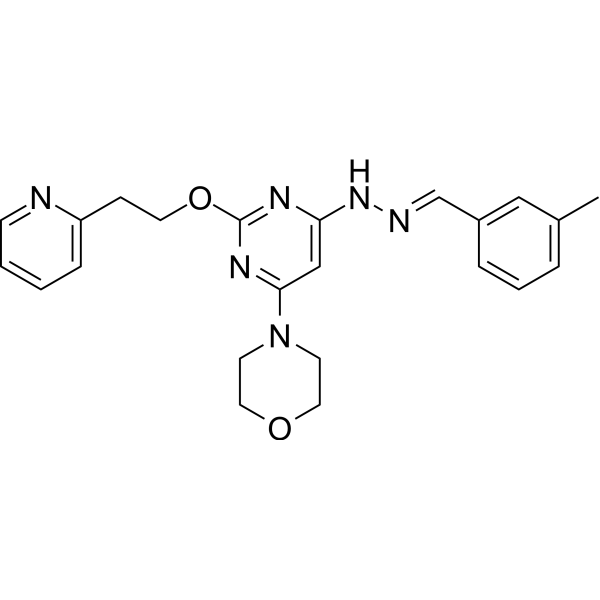
    Apilimod (STA 5326) is a potent IL-12/IL-23 inhibitor, and strongly inhibits IL-12 with IC50s of 1 nM and 2 nM, in IFN-γ/SAC-stimulated human PBMCs and SAC-treated monkey PBMCs, respectively . Apilimod is a potent and highly selective PIKfyve inhibitor.
    Apilimod
  • HY-P99191

    NI-0501

    IFNAR Inflammation/Immunology
    Emapalumab (NI-0501) is a human monoclonal IgG1 antibody that noncompetitively inhibits IFN-γ. Emapalumab binds with high affinity (Kd= 1.4 pM) to both free IFN-γ as well as IFN-γ bound to its receptor. Emapalumab can be used in research of hemophagocytic lymphohistiocytosis (HLH) .
    Emapalumab
  • HY-P990876

    PF-06480605; RVT-3101

    TNF Receptor NF-κB IFNAR Inflammation/Immunology
    Afimkibart (PF-06480605; RVT-3101) is a fully human monoclonal antibody that selectively inhibits trimeric tumor necrosis factor-like ligand 1A (TL1A). Afimkibart neutralizes active trimeric TL1A, blocks TL1A-induced signaling pathways. Afimkibart inhibits NF-κB activation and IFN-γ production. Afimkibart can be used for the research of inflammatory bowel disease .
    Afimkibart
  • HY-N9965
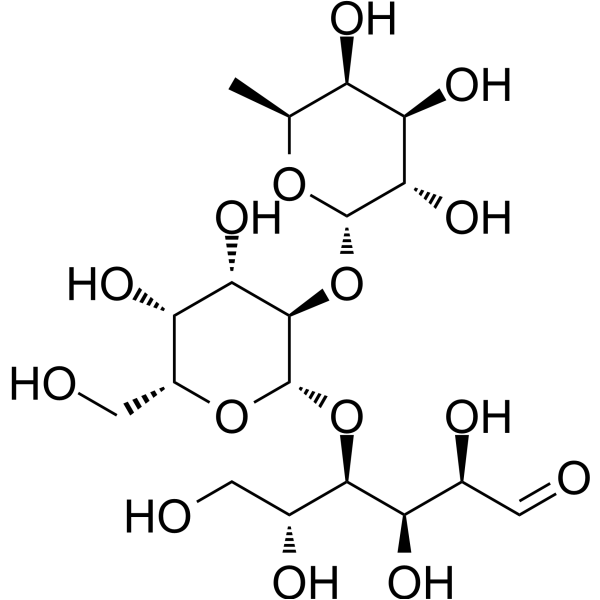
    2'-Fucosyllactose
    4 Publications Verification

    2'-FL

    TNF Receptor Interleukin Related Infection Inflammation/Immunology
    2'-Fucosyllactose (2'-FL) is an oligosaccharide that could be derived from human milk. 2'-Fucosyllactose regulates the expression of CD14, alleviates colitis and regulates the gut microbiome. 2'-Fucosyllactose stimulates T cells to increase IFN-γ production and decreases IL-6, IL-17, and TNF-α production of cytokines .
    2'-Fucosyllactose
  • HY-P4717

    IFNAR Inflammation/Immunology
    IFN-γ Antagonist 1 (AYCRDGKIGPPKLDIRKEEKQI) is an interferon-γ (IFN-γ) antagonist. IFN-γ Antagonist 1 inhibits IFN-γ-induced HLR/DR antigen expression in cells. IFN-γ Antagonist 1 can be used in researches of diseases with abnormal immune regulation .
    IFN-γ Antagonist 1
  • HY-14644A
    Apilimod mesylate
    Maximum Cited Publications
    40 Publications Verification

    STA 5326 mesylate; LAM-002A; AIT-101 mesylate

    Interleukin Related PIKfyve Inflammation/Immunology Cancer
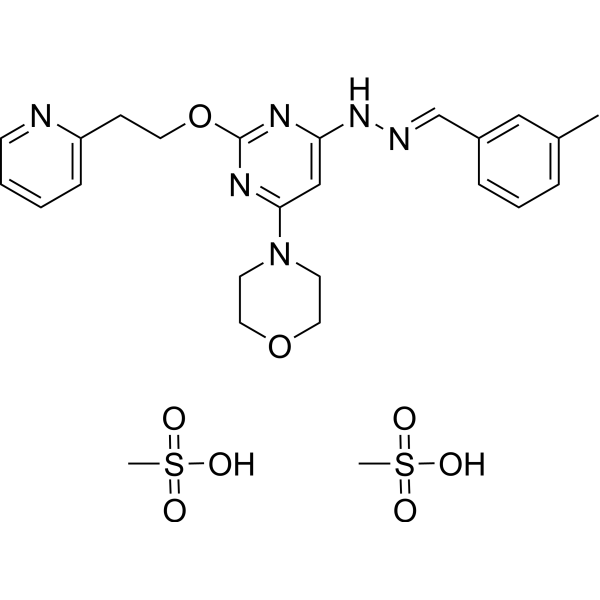
    Apilimod (STA 5326) mesylate is a potent IL-12/IL-23 inhibitor, and strongly inhibits IL-12 with IC50s of 1 nM and 2 nM, in IFN-γ/SAC-stimulated human PBMCs and SAC-treated monkey PBMCs, respectively . Apilimod is a potent and highly selective PIKfyve inhibitor.
    Apilimod mesylate
  • HY-W013523
    2-NP
    10+ Cited Publications

    STAT JAK HSV Infection Cancer
    2-NP is a selective enhancer of STAT1 transcription. 2-NP can enhance the ability of IFN-γ to inhibit the proliferation of human breast cancer and fibrosarcoma cells .
    2-NP
  • HY-P990798

    IFNAR Inflammation/Immunology Cancer
    Anti-Mouse IFN gamma Antibody (XMG1.2) is a kind of rat-derived IgG1 antibody inhibitor, targeting to IFN-γ. Anti-Mouse IFN gamma Antibody (XMG1.2) can neutralize IFN-γ. Anti-Mouse IFN gamma Antibody (XMG1.2) can be used for the researches of cancer, inflammation and immunology, such as multiple myeloma and chronic inflammation .
    Anti-Mouse IFN gamma Antibody (XMG1.2)
  • HY-150725

    IFNAR TNF Receptor Infection Inflammation/Immunology Cancer
    ODN 1585 is a potent inducer of IFN and TNFα production. ODN 1585 is a potent stimulator of NK (natural killer) function. ODN 1585 increases CD8+ T-cell function, including the CD8+ T cell-mediated production of IFN-γ. ODN 1585 induces regression of established melanomas in mice. ODN 1585 can confer complete protection against malaria in mice. ODN 1585 can be used for acute myelogenous leukemia (AML) and malaria research. ODN 1585 can be used as a vaccine adjuvant .
    ODN 1585
  • HY-136339
    Cbl-b-IN-1
    1 Publications Verification

    E1/E2/E3 Enzyme Interleukin Related Inflammation/Immunology Cancer
    Cbl-b-IN-1 (Example 519) is an inhibitor of Cbl-b, with an IC50 of less than 100 nM. Cbl-b-IN-1 can promote the secretion of cytokines such as IL-2, IFN-γ, and TNF-α, facilitate T cell activation, and enhance the TCR signaling pathway. Cbl-b-IN-1 can be used in research on immunomodulation .
    Cbl-b-IN-1
  • HY-133897
    (Rac)-Indoximod
    1 Publications Verification

    1-Methyl-DL-tryptophan; (Rac)-NLG-8189

    Indoleamine 2,3-Dioxygenase (IDO) Apoptosis Inflammation/Immunology Cancer
    (Rac)-Indoximod (1-Methyl-DL-tryptophan) is an indoleamine 2,3-dioxygenase (IDO) inhibitor. Co-treatment with IFN-γ and (Rac)-Indoximod markedly reduces the activity of human cardiac myofibroblasts (hCMs) expressing α-SMA and induces apoptosis through up-regulating the IRF-1, Fas, and FasL genes .
    (Rac)-Indoximod
  • HY-P99032
    Monalizumab
    5 Publications Verification

    IPH2201

    Checkpoint Kinase (Chk) IFNAR Inflammation/Immunology Cancer
    Monalizumab (IPH2201) is an immune checkpoint inhibitor targeting Natural Killer Group 2A (NKG2A). Monalizumab, a humanized anti-NKG2A blocking mAb, increases IFN-γ production, thereby promoting NK cell effector functions. Monalizumab can be used for the research of head and neck squamous cell carcinoma (HNSCC) .
    Monalizumab
  • HY-19676
    Pralnacasan
    1 Publications Verification

    VX-740; HMR 3480

    Caspase Inflammation/Immunology
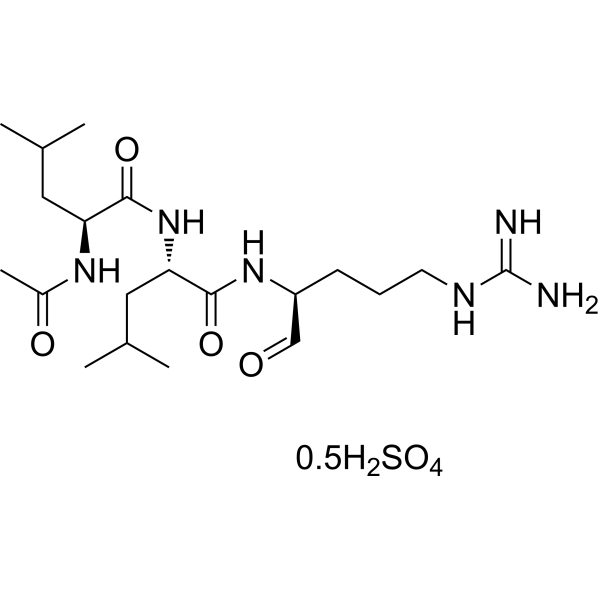
    Pralnacasan (VX-740) is a potent, selective, non-peptide and orally active interleukin-1β converting enzyme (ICE, caspase 1) inhibitor with a Ki of 1.4 nM. Pralnacasan inhibits proinflammatory cytokines IL-18, IL-1β , and IFN-γ. Pralnacasan has the potential for osteoarthritis and rheumatoid arthritis treatment .
    Pralnacasan
  • HY-P4717A

    IFNAR Inflammation/Immunology
    IFN-γ Antagonist 1 (AYCRDGKIGPPKLDIRKEEKQI) acetate is an interferon-γ (IFN-γ) antagonist. IFN-γ Antagonist 1 acetate inhibits IFN-γ-induced HLR/DR antigen expression in cells. IFN-γ Antagonist 1 acetate can be used in researches of diseases with abnormal immune regulation .
    IFN-γ Antagonist 1 acetate
  • HY-P99136
    Anti-Mouse IFN gamma Antibody (H22)
    1 Publications Verification

    IFNAR Infection Inflammation/Immunology
    Anti-Mouse IFN gamma Antibody (H22) is an anti-mouse IFN gamma IgG antibody inhibitor derived from host Armenian Hamster. Anti-Mouse IFN gamma Antibody (H22) abrogates specific binding of I25II-rIFN-γ to macrophages. Anti-Mouse IFN gamma Antibody (H22) inhibits macrophage-activating factor (MAF) (ID50 = 56 ng). Anti-Mouse IFN gamma Antibody (H22) inhibits IFN-gamma dependent antiviral activity (ID50 = 2 ng). Anti-Mouse IFN gamma Antibody (H22) neutralizes IFNγ in mice. Anti-Mouse IFN gamma Antibody (H22) can be used for the researches of inflammation and infection, such as arthritis .
    Anti-Mouse IFN gamma Antibody (H22)
  • HY-119347
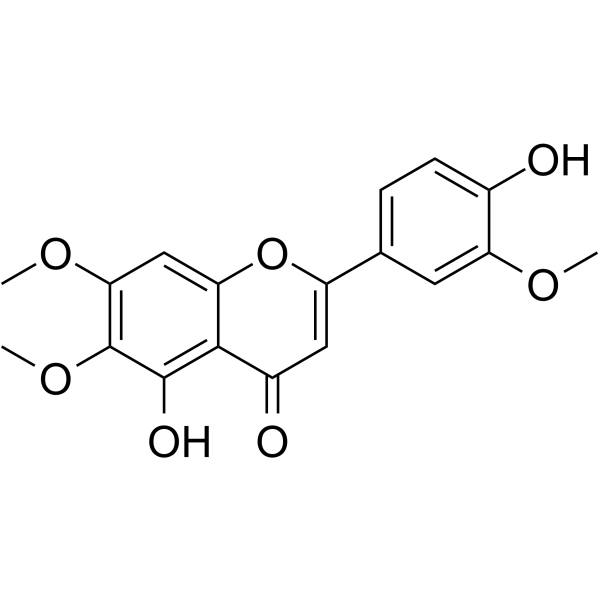
    Cirsilineol
    3 Publications Verification

    IFNAR STAT Inflammation/Immunology Cancer
    Cirsilineol, a natural flavone compound, selectively inhibits IFN-γ/STAT1/T-bet signaling in intestinal CD4 + T cells. Cirsilineol has potent immunosuppressive and anti-tumor properties. Cirsilineol significantly ameliorates trinitro-benzene sulfonic acid (TNBS)-induced T-cell-mediated experimental colitis in mice .
    Cirsilineol
  • HY-P99124
    Anti-Mouse CD3 Antibody (17A2)
    1 Publications Verification

    CD3 Inflammation/Immunology
    Anti-Mouse CD3 Antibody (17A2) is an anti-mouse CD3 IgG2b antibody inhibitor derived from the host Rat. Anti-Mouse CD3 Antibody (17A2) enhances T-cell proliferation and activation and stimulate IFN-γ or IL-17 production in splenic T cells. Anti-Mouse CD3 Antibody (17A2) significantly suppresses mortality in Graft-versus-host disease (GVHD) mice models .
    Anti-Mouse CD3 Antibody (17A2)
  • HY-P99292

    HuZAF; Anti-Human IFNG Recombinant Antibody

    IFNAR Inflammation/Immunology
    Fontolizumab (HuZAF) is a humanized monoclonal anti-IFN-gamma antibody. Fontolizumab is an immunosuppressive agent. Fontolizumab can be used in research of Crohn’s disease .
    Fontolizumab
  • HY-P99390

    MCLA 117

    CD3 Interleukin Related IFNAR TNF Receptor Inflammation/Immunology Cancer
    Tepoditamab (MCLA-117) is a full-length human IgG1 bispecific monoclonal antibody that binds to CLEC12A of myeloid cells and CD3 of cytotoxic T cells. Among others, CLEC12A is a myeloid differentiation antigen. Tepoditamab kills AML leukaemia mother cells and AML leukaemia stem cells, induces T cell-mediated proliferative lysis of AML cells. Tepoditamab induces upto 30-fold T-cell expansion. Tepoditamab results in moderate to strong cytokine (IFNγ, IL-6, IL-8, IL-10, and TNFα) and IFNγ release in human whole blood and PBMC, respectively. Tepoditamab can be used in acute myeloid leukaemia (AML) research .
    Tepoditamab
  • HY-B0446
    Naphazoline hydrochloride
    1 Publications Verification

    Naphthazoline hydrochloride

    Adrenergic Receptor TNF Receptor Interleukin Related VEGFR Cardiovascular Disease Inflammation/Immunology Cancer
    Naphazoline (Naphthazoline) hydrochloride is a potent α-adrenergic receptor agonist. Naphazoline hydrochloride reduces vascular hyperpermeability and promotes vasoconstriction. Naphazoline hydrochloride reduces the levels of inflammatory factors (TNF-α, IL-1β and IL-6), cytokines (IFN-γ and IL-4), IgE, GMCSF, and NGF. Naphazoline hydrochloride can be used for non-bacterial conjunctivitis research .
    Naphazoline hydrochloride
  • HY-111326
    Naphazoline
    1 Publications Verification

    Naphthazoline

    Adrenergic Receptor TNF Receptor Interleukin Related VEGFR Cardiovascular Disease Inflammation/Immunology Cancer
    Naphazoline (Naphthazoline) is a potent α-adrenergic receptor agonist. Naphazoline reduces vascular hyperpermeability and promotes vasoconstriction. Naphazoline reduces the levels of inflammatory factors (TNF-α, IL-1β and IL-6), cytokines (IFN-γ and IL-4), IgE, GMCSF, and NGF. Naphazoline can be used for non-bacterial conjunctivitis research .
    Naphazoline
  • HY-111745

    JAK Inflammation/Immunology
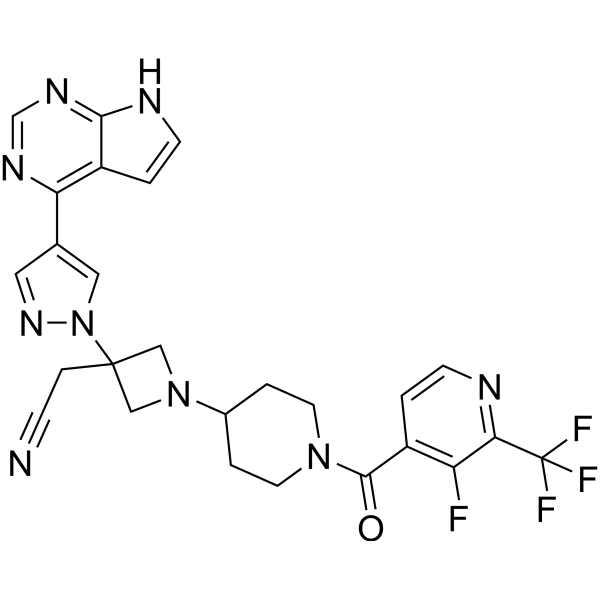
    Tyk2-IN-5 (compound 6) is a potent, selective and orally active tyrosine kinase 2 (Tyk2) inhibitor that acts on the JH2 structural domain. Tyk2-IN-5 shows a Ki value of 0.086 nM for Tyk2 JH2 and an IC50 value of 25 nM for IFNα. Tyk2-IN-5 efficiently inhibits the production of IFNγ in a pharmacodynamic rat model and is fully efficacious in a rat model of arthritis .
    Tyk2-IN-5
  • HY-108622

    Daxalipram

    Phosphodiesterase (PDE) Interleukin Related IFNAR Inflammation/Immunology
    Mesopram (Daxalipram) is an orally active phosphodiesterase (PDE) 4 inhibitor. Mesopram inhibits the synthesis of proinflammatory cytokines TNF-α and IFN-γ. Mesopram demonstrates efficacy in ameliorating Dextran sulfate sodium (DSS) (HY-116282C)-induced murine colitis. Mesopram can be used for the study of chronic inflammatory diseases .
    Mesopram
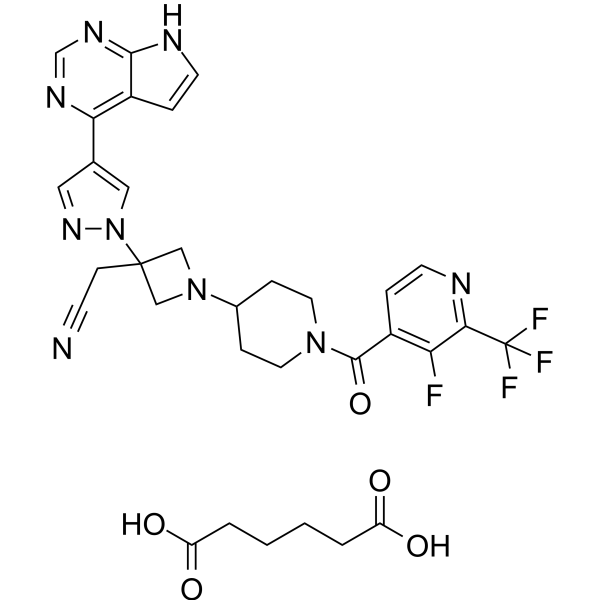
  • HY-150725C

    TNF Receptor IFNAR Infection Inflammation/Immunology Cancer
    ODN 1585 sodium is a potent inducer of IFN and TNFα production. ODN 1585 sodium is a potent stimulator of NK (natural killer) function. ODN 1585 sodium increases CD8+ T-cell function, including the CD8+ T cell-mediated production of IFN-γ. ODN 1585 sodium induces regression of established melanomas in mice. ODN 1585 sodium can confer complete protection against malaria in mice. ODN 1585 sodium can be used for acute myelogenous leukemia (AML) and malaria research. ODN 1585 sodium can be used as a vaccine adjuvant .
    ODN 1585 sodium
  • HY-125938
    Cycloartenyl ferulate
    1 Publications Verification

    Cycloartenol ferulate; Cycloartenol ferulic acid ester

    Drug Derivative Apoptosis Reactive Oxygen Species (ROS) JAK STAT Inflammation/Immunology Cancer
    Cycloartenyl ferulate (Cycloartenol ferulate; Cycloartenol ferulic acid ester) is a derivative of γ-oryzanol (HY-B2194) with multiple biological activities including antioxidant, anti-inflammatory, and anti-tumor properties. Cycloartenyl ferulate selectively binds to IFNγR1 (binding affinity Kd = 0.5 μM) to activate the canonical JAK1/2-STAT1 signaling pathway. Cycloartenyl ferulate inhibits paraquat (PQ)-triggered apoptosis and ROS in HK2 cells. Cycloartenyl ferulate enhances the activation and cytolytic activity of natural killer (NK) cells by upregulating the expression of NK cell activation receptors (NKG2D, NKp30, NKp44) and the release of cytotoxic molecules and cytokine IFNγ. Cycloartenyl ferulate exerts anti-cancer effects in tumor mice models. Cycloartenyl ferulate can be used for the study of cancer and allergic inflammation intervention .
    Cycloartenyl ferulate
  • HY-P5470

    EBV IFNAR Inflammation/Immunology
    LMP2A (426-434) is a HLA-A2-restricted cytotoxic T lymphocyte (CTL) epitope of Epstein-Barr virus (EBV) latent membrane protein 2A (LMP2A). LMP2A (426-434) can trigger an immune response in individuals expressing different HLA-A*02 subtypes (A*02:01, A*02:03, A*02:06 and A*02:07). LMP2A (426-434) can induce a strong IFN-γ secretion response, stimulating the production of a high proportion of CD8 + IFN-γ + T cells. LMP2A (426-434) induces specific CTLs to effectively kill target cells expressing LMP2A. LMP2A (426-434) can be used to study EBV-related malignant tumors (such as Hodgkin's disease and nasopharyngeal carcinoma) .
    LMP2A (426-434)
  • HY-144683A

    Phosphodiesterase (PDE) Inflammation/Immunology
    PF-07038124 hydrochloride is a PDE4 inhibitor with an IC50 of 0.5 nM for PDE4B2. PF-07038124 hydrochloride shows inhibitory activities against IL-13, IL4, and IFNγ (IC50=125, 4.1, 1.06 nM, respectively). PF-07038124 hydrochloride can be used for research of atopic dermatitis and plaque psoriasis .
    PF-07038124 hydrochloride
  • HY-111326A
    Naphazoline nitrate
    1 Publications Verification

    Naphthazoline nitrate

    Adrenergic Receptor TNF Receptor Interleukin Related VEGFR Cardiovascular Disease Inflammation/Immunology Cancer
    Naphazoline (Naphthazoline) nitrate is an α-adrenergic receptor agonist. Naphazoline nitrate reduces vascular hyperpermeability and promotes vasoconstriction. Naphazoline nitrate reduces the levels of inflammatory factors (TNF-α, IL-1β and IL-6), cytokines (IFN-γ and IL-4), IgE, GMCSF, and NGF. Naphazoline nitrate can be used for non-bacterial conjunctivitis research .
    Naphazoline nitrate
  • HY-155193

    Interleukin Related Inflammation/Immunology
    XY-52 (Compound 32) is a Stimulation-2 (ST2) inhibitor, with an IC50 value of 5.68 μM in AlphaLISA assay, and 4.59 μM in HEK-Blue assay. XY-52 increases proinflammatory T-cell proliferation. XY-52 reduces the plasma sST2 and IFNγ biomarkers in the graft versus host disease (GVHD) mice model .
    XY-52
  • HY-150720

    JAK IFNAR Inflammation/Immunology
    TYK2-IN-12 (compound 30) is an orally active, potent and selective TYK2 (tyrosine kinase 2) inhibitor, with a Ki of 0.51 nM. TYK2-IN-12 inhibits IL-12 induced IFNγ, with IC50 values of 2.7 and 7.0 μM in human and mouse whole blood, respectively. TYK2-IN-12 can be used for psoriasis research .
    TYK2-IN-12
  • HY-P990839

    IFNAR Inflammation/Immunology
    Anti-IFNγ Antibody (B133.5) is a kind of mouse IgG1 chimeric antibody inhibitor, targeting to human IFNγ. Anti-IFNγ Antibody (B133.5) can neutralize human IFNγ (interferon gamma). Anti-IFNγ Antibody (B133.5) can be used for the research of immunology .
    Anti-IFNγ Antibody (B133.5)
  • HY-160793

    Interleukin Related Inflammation/Immunology
    NSC80734 is a IL- 18 inhibitor. NSC80734 disrupts hIL-18 binding to the ectromelia virus IL-18BP. NSC80734 inhibits IL-18-induced production of IFN-γ .
    NSC80734
  • HY-106359A

    RDP-58 acetate

    TNF Receptor IFNAR Reactive Oxygen Species (ROS) Cancer
    Delmitide (RDP58) acetate is an orally active d-isomer decapeptide with potent anti-inflammatory activity. Delmitide acetate inhibits production of TNF-α, IFN-γ, and interleukin (IL)-12, and up-regulates heme oxygenase 1 activity. Delmitide acetate can be used for the research of ulcerative colitis .
    Delmitide acetate
  • HY-161060

    RIP kinase STAT Inflammation/Immunology Cancer
    Zharp1-211 is a RIPK1 kinase inhibitor with an EC50 of 53 nM and a Kd of 8.7 nM. Zharp1-211 reduces IFN-γ-induced STAT1 activation. Zharp1-211 can be used in the research of graft-versus-host disease and colon cancer .
    Zharp1-211
  • HY-159884

    Tim3 TNF Receptor IFNAR Cancer
    MG-T-19 is an effective TIM-3 inhibitor that can suppress the interaction of TIM-3 with PtdSer, CEACAM1, and Gal-9. MG-T-19 can increase the production of tumor necrosis factor-α (TNF-α) and interferon-γ (IFN-γ) in peripheral blood mononuclear cells (PBMCs) from healthy donors, and enhance the ability of PBMCs to inhibit the proliferation of Kasumi-1 cells (an acute myelogenous leukemia cell line) .
    MG-T-19
  • HY-145886

    Toll-like Receptor (TLR) Interleukin Related Infection Inflammation/Immunology Cancer
    TLR7/8 antagonist 1 (Compound 16c) is a competitive TLR7/8 antagonist with IC50 values of 3.91 μM and 2.19 μM, respectively. TLR7/8 antagonist 1 reduces agonist-induced production of proinflammatory cytokines, including TNFα, IFNγ and IL-1β .
    TLR7/8 antagonist 1
  • HY-P990797

    IFNAR Infection Inflammation/Immunology
    Anti-Mouse IFN gamma Antibody (R4-6A2) is an anti-mouse IFN gamma IgG1 monoclonal antibody. Anti-Mouse IFN gamma Antibody (R4-6A2) can increase the total serum IgG level. Anti-Mouse IFN gamma Antibody (R4-6A2) can be used for researches on immunology and infection conditions such as nymphs infection. The recommend isotype control of Anti-Mouse IFN gamma Antibody (R4-6A2): Rat IgG1 kappa, Isotype Control (HY-P99979) .
    Anti-Mouse IFN gamma Antibody (R4-6A2)
  • HY-P990233

    IFNAR Infection Inflammation/Immunology Cancer
    Anti-Mouse IFNγR/CD119 Antibody (GR-20) is a rat-derived IgG2a κ type antibody inhibitor, targeting to mouse IFNγR/CD119.Anti-Mouse IFNγR/CD119 Antibody (GR-20) reacts with the mouse IFNγR (interferon gamma receptor) α chain also known as CD119 and IFNγ receptor 1. Anti-Mouse IFNγR/CD119 Antibody (GR-20) blocks the binding of IFNγ to CD119 therefore inhibiting IFNγ signaling. Anti-Mouse IFNγR/CD119 Antibody (GR-20) can be used for the researches of cancer, infection, inflammation and immunology, such as melanoma and C. trachomatis infected genital tract inflammation .
    Anti-Mouse IFNγR/CD119 Antibody (GR-20)
  • HY-P3723

    IFNAR Inflammation/Immunology
    MBP (83-99) is a MBP-specific T cell lines recognizing the immunodominant epitope. MBP (83-99) induces proliferation and IFN-γ secreting of T cells .
    MBP (83-99)
  • HY-P5453

    CD3 Others
    CFP10 (71–85) is a biological active peptide. (CFP1071–85, that elicited IFN-γ production and CTL activity by both CD4+ and CD8+ T cells from persons expressing multiple MHC class II and class I molecules)
    CFP10 (71–85)
  • HY-106359

    RDP-58

    TNF Receptor IFNAR Reactive Oxygen Species (ROS) Infection Inflammation/Immunology Cancer
    Delmitide (RDP58) is an orally active d-isomer decapeptide with potent anti-inflammatory activity. Delmitide inhibits production of TNF-α, IFN-γ, and interleukin (IL)-12, and up-regulates heme oxygenase 1 activity. Delmitide can be used for the research of ulcerative colitis .
    Delmitide
  • HY-157937

    IFNAR Cancer
    VISTA-IN-3 (Compound A4) is a potent VISTA small molecule inhibitor with a KD value of 0.49 μM. VISTA-IN-3 can induce the release of IFN-γ cytokines. VISTA-IN-3 synergistically enhances anti-cancer activity with PD-L1 antibody .
    VISTA-IN-3
  • HY-144683

    Phosphodiesterase (PDE) Inflammation/Immunology
    PF-07038124 is a PDE4 inhibitor with an IC50 of 0.5 nM for PDE4B2. PF-07038124 shows inhibitory activities against IL-13, IL4, and IFNγ (IC50=125, 4.1, 1.06 nM, respectively). PF-07038124 can be used for research of atopic dermatitis and plaque psoriasis .
    PF-07038124
  • HY-N13160

    NO Synthase Metabolic Disease Inflammation/Immunology
    Sanggenon F is a flavonoid compound derived from Morus alba var. multicaulis. It inhibits the differentiation of 3T3-L1 adipocytes and the production of nitric oxide (NO) in RAW264.7 cells induced by lipopolysaccharides (HY-D1056) and IFN-γ (IC50 of 19 nM). Sanggenon F has potential application value in the fields of anti-inflammatory and metabolic diseases .
    Sanggenon F
  • HY-N13614

    Bacterial IFNAR Nuclear Factor of activated T Cells (NFAT) NF-κB Infection Inflammation/Immunology
    Centaurein, a flavonoid, is an IFN-γ promoter enhancer. Centaurein up-regulates the activity of NFAT and NF-κB enhancers. Centaurein increases the IFN-γ expression in T and NK cells and the serum IFN-γ level in mice. Centaureidin completely relaxes the contractions in intact rat aortic rings. Centaurein effectively protects mice against Listeria infection [1][2][3][4].
    Centaurein
  • HY-161016

    TNF Receptor IFNAR Neurological Disease
    TNF/IFN-γ-IN-1 (compound TGA) is a dual inhibitor of TNF and IFN-γ. TNF/IFN-γ-IN-1 can used in study Alzheimer’s disease .
    TNF/IFN-γ-IN-1
  • HY-106755

    BWA589C

    HIV Infection Cancer
    Tucaresol is an orally bioavailable immunopotentiatory drug that show to enhance T-helper-cell activity, with the induction of increased IL-2 and IFN-γ levels in mice and humans. Tucaresol has anti-HIV effect .
    Tucaresol
  • HY-115734

    S14-95

    Acyltransferase Inflammation/Immunology
    Phenylpyropene C (S14-95), a JAK/STAT pathway inhibitor, can inhibit IFN-γ mediated expression of the reporter gene (IC50=5.4~10.8 μM). Phenylpyropene C also is an inhibitor of acyl-CoA, with an IC50 of 16.0 μM .
    Phenylpyropene C
  • HY-P11356

    IFNAR Cancer
    KRAS G12V Peptide is a specific peptide derived from the Kirsten rat sarcoma virus (KRAS) gene carrying the G12V oncogenic mutation. KRAS G12V Peptide induces responses like IFN-γ secretion and cytotoxicity. KRAS G12V Peptide can be used for the study of immune responses against KRAS G12V-mutant tumors .
    KRAS G12V Peptide
  • HY-P991436

    BMS-986415

    Interleukin Related IFNAR Cancer
    DF6002 (BMS-986415) is a human monoclonal antibody (mAb) targeting IL-12. DF6002 increases IFN-γ levels. DF6002 can be used in solid tumors research .
    DF6002

Inquiry Online

Your information is safe with us. * Required Fields.

Salutation


Country or Region *

Applicant Name *


Organization Name *

Department *


Email Address *


Product Name *

Cat. No.


Requested quantity *

Phone Number *


Remarks

Inquiry Online

Inquiry Information

Product Name:
Cat. No.:
Quantity:
MCE Japan Authorized Agent:

