


1. Search Result
Search Result
Results for "

Immunotherapy

" in MedChemExpress (MCE) Product Catalog:

170

Inhibitors & Agonists

7

Screening Libraries

1

Fluorescent Dye

1

Biochemical Assay Reagents

35

Peptides

19

Inhibitory Antibodies

7

Natural
Products

2

Isotope-Labeled Compounds

3

Click Chemistry

1

Oligonucleotides

1

GMP Molecules

Cat. No. Product Name Target Research Areas Chemical Structure
  • HY-P9902
    Pembrolizumab
    Maximum Cited Publications
    30 Publications Verification

    MK-3475; Lambrolizumab

    PD-1/PD-L1 Cancer
    Pembrolizumab (MK-3475) is a humanized IgG4 antibody inhibiting the programmed cell death 1 (PD-1) receptor, used in cancer immunotherapy.
    Pembrolizumab
  • HY-P9981
    Tafasitamab
    1 Publications Verification

    XmAb5574; MOR00208; Tafasitamab-cxix; MOR-208

    Apoptosis Inflammation/Immunology Cancer
    Tafasitamab (XmAb5574) is an Fc-modified, humanized monoclonal antibody that binds to the human B-cell surface antigenCD19 .
    Tafasitamab
  • HY-119109
    Laminaran
    1 Publications Verification

    Environmental Pollutants Endogenous Metabolite Cancer
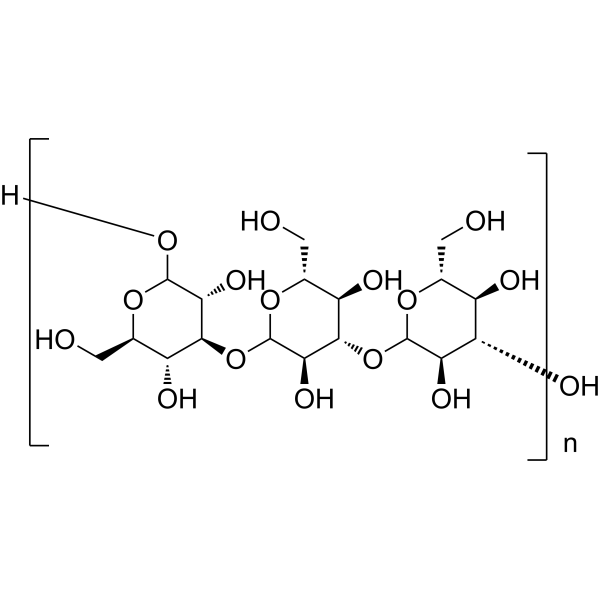
    Laminaran is an β-1-3-glucan and a typical ligand for Dectin-1 from Eisenia Bicyclis, has potent immunomodulating, radioprotective, and anticancer activities . Laminaran is made up of β (1→3)-glucan with β (1→6)-branches and can be catalyzed by enzymes such as laminarinase (EC 3.2.1.6) that breaks the β (1→3) bonds . Laminaran is a promising immune stimulatory molecule for use in cancer immunotherapy .
    Laminaran
  • HY-20457

    Toll-like Receptor (TLR) Bacterial Interleukin Related Inflammation/Immunology Cancer
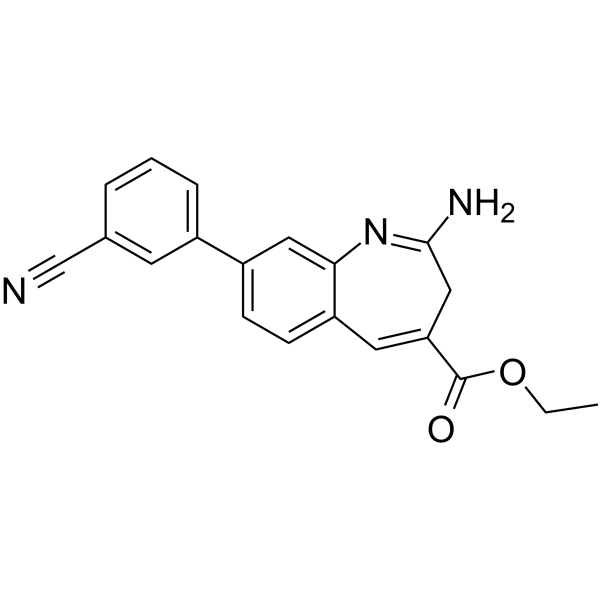
    TL8-506 is a specific TLR8 agonist with an EC50 of 30?nM. TL8-506 has immunomodulatory effects and can be used in the study of tuberculosis and cancer immunotherapy .
    TL8-506
  • HY-108681
    680C91
    2 Publications Verification

    Collagen Neurological Disease Inflammation/Immunology Cancer
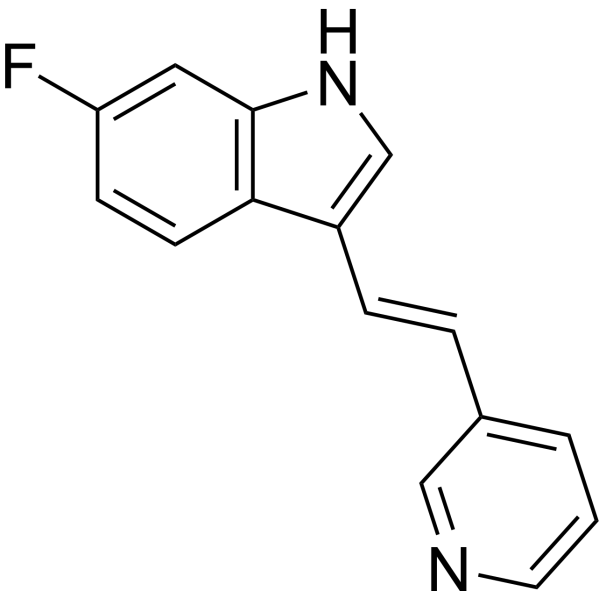
    680C91 is an orally active, selective tryptophan 2,3-dioxygenase (TDO) inhibitor with a Ki of 51 nM. TDO is the key enzyme of tryptophan catabolism. 680C91 can be used for the research of cancer immunotherapy and Alzheimer’s Disease .
    680C91
  • HY-163028

    Tim3 Cancer
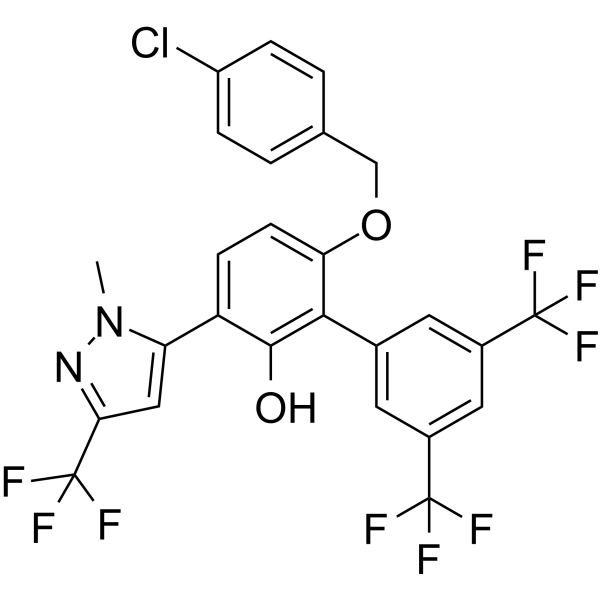
    ML-T7 is a potent Tim-3 inhibitor. ML-T7 blocks Tim-3 interactions with PtdSer and CEACAM1. ML-T7 not only enhances the antitumor activity of adoptive transfer therapy with cytotoxic T lymphocytes (CTLs) and CAR T cells but also increases the effector function of T cell. ML-T7 promotes NK cells’ killing activity against tumor cells and DC antigen-presenting capacity. ML-T7 directly exerts antitumor efficacy in preclinical tumor models either alone or in combination with Nivolumab (HY-P9903A). ML-T7 can be used for tumor immunotherapy research .
    ML-T7
  • HY-156773
    STM3006
    2 Publications Verification

    Apoptosis METTL3 Cancer
    STM3006 is a highly potent, selective, and orally active inhibitor of METTL3 (IC50: 5 nM). STM3006 can reduce the m6A level, promote the formation of dsRNA, trigger a cell-intrinsic interferon response, and enhance the killing effect of T cells on tumors. STM3006 has anti-tumor activity, and its combination with anti-PD-1 immunotherapy yields better results .
    STM3006
  • HY-P99175

    CD47 Cancer
    KWAR23 is an anti-human SIRPα antibody. KWAR23 binds human SIRPα with high affinity and disrupts its binding to CD47. KWAR23 shows antitumor activity in combination with tumor-opsonizing antibodies and can be used in cancer immunotherapy research .
    KWAR 23
  • HY-33299
    Serpin B9-IN-1
    1 Publications Verification

    BTCA

    Biochemical Assay Reagents Cancer
    Serpin B9-IN-1 (BTCA) is an inhibitor that specifically targets Serpin B9 (SB9); SB9 is a natural inhibitor of granzyme B (GrB) , but may promote the metastasis of lung cancer cells into the bone marrow. SB9-overexpressing cancer cells promote proliferation and metastasis in an immune cell-dependent manner by binding to GrB. Inhibition of SB9 by Serpin B9-IN-1 significantly inhibits immunotherapy of lung cancer bone metastases in the caudal artery (CA) mouse model (LCBM) .
    Serpin B9-IN-1
  • HY-129600
    MYCi361
    2 Publications Verification

    NUCC-0196361

    c-Myc Cancer
    MYCi361 (NUCC-0196361) is a MYC inhibitor with the Kd of 3.2 μM for binding to MYC. MYCi361 (NUCC-0196361) suppresses tumor growth and enhances anti-PD1 immunotherapy .
    MYCi361
  • HY-P99834

    IAB22M2C; ImaginAb

    Transmembrane Glycoprotein Cancer
    Crefmirlimab (IAB22M2C; ImaginAb) is a humanized CD8-specific single-domain antibody. Conjugation of Crefmirlimab with radioisotopes (e.g., 89Zr) enables tumor immune infiltration assessment, autoimmune disease detection, and immunotherapy response monitoring. Crefmirlimab is applicable for cancer research .
    Crefmirlimab
  • HY-132200

    TAM Receptor Anaplastic lymphoma kinase (ALK) FLT3 Cancer
    UNC5293 is a MERTK-selective and potent inhibitor (Ki=190 pM). UNC5293 inhibits MERTK (IC50=0.9 nM) and is more selective over Axl, Tyro3 and Flt3. UNC5293 exhibits excellent mouse PK properties and is used for bone marrow leukemia research .
    UNC5293
  • HY-P99181

    CPI-006

    CD73 Infection Inflammation/Immunology Cancer
    Mupadolimab (CPI-006) is an IgG1κ humanized FcγR binding-deficient anti-CD73 monoclonal antibody (mAb) that activates CD73 POS B cells .
    Mupadolimab
  • HY-133123
    EP4 receptor antagonist 1
    2 Publications Verification

    Prostaglandin Receptor Inflammation/Immunology Cancer
    EP4 receptor antagonist 1 is a highly potent and selective competitive prostanoid EP4 receptor antagonist for cancer immunotherapy. EP4 receptor antagonist 1 inhibits human and mouse EP4 receptor with IC50s of 6.1 nM and 16.2 nM, respectively. IC50s >10 μM for human EP1, EP2,and EP3 receptors .
    EP4 receptor antagonist 1
  • HY-P11058

    OVAp

    MHC Cancer
    OVA(250-264) (OVAvac) (OVAp) is an antigen peptide that can be from ovalbumin (OVA) presented by the class I MHC molecule, H-2Kb. OVA(250-264) combined withαMSLN (anti-MSLN antibody) significantly induces antigen-specific CD8 + T cell generation and infiltration for enhancing antitumor efficacy in orthotopic pancreatic cancer mice model. OVA(250-264) can be used for neoantigen vaccine development in pancreatic cancer immunotherapy research .
    OVA(250-264)
  • HY-171414

    Antibiotic Bacterial Infection
    MC-VC-PAB-O-Gemcitabine is a linker-antibiotic intermediate, which is part of the antibody-antibiotic conjugate (AAC) molecule. MC-VC-PAB-O-Gemcitabine is conjugated with the linker and the antibiotic Gemcitabine (HY-17026). MC-VC-PAB-O-Gemcitabine can be used to study the immunotherapy of bacterial infections and the development of new antibacterial drugs .
    MC-VC-PAB-O-Gemcitabine
  • HY-110207

    Toll-like Receptor (TLR) Inflammation/Immunology
    SM-324405 is a TLR7 agonistic antedrug (EC50 = 50 nM), with pEC50 values of 7.3 and 6.6 for human TLR7 and Rat TLR7, respectively. SM-324405 is used for immunoresearch of allergic diseases. An antedrug is defined as a locally active compound that is designed to be rapidly metabolized to an inactive form upon entry into the circulation and prevents systemic toxicity by losing its agonistic activity in a plasmatic environment .
    SM-324405
  • HY-P10493

    Amino Acid Derivatives Cancer
    NY-ESO-1 (157-165) peptide is a peptide fragment from NY-ESO-1 protein. NY-ESO-1 (157-165) peptide can activate the immune system, especially for HLA-A2 positive individuals, it can be recognized by CD8+ T cells, thus triggering an immune response. NY-ESO-1 (157-165) peptide is expressed in a variety of tumors and can be used as a target for tumor immunotherapy .
    NY-ESO-1 (157-165) peptide
  • HY-P10862A

    Exosomes Virus Protease Infection Cancer
    AH-D peptide TFA is an antiviral peptide that selectively disrupts membrane structures within the size range of exosomes, inducing T-EXO depletion and enhancing cancer immunotherapy .
    AH-D peptide TFA
  • HY-P99551

    KBSA301; AR-301

    Antibiotic Bacterial Infection
    Tosatoxumab (AR-301; KBSA301) is a human immunoglobulin G1 monoclonal antibody that specifically neutralizes alpha-toxin (alpha-hemolysin; Hla) of S. aureus. Tosatoxumab binds to an N-terminal epitope of alpha-toxin, thereby preventing functional toxin pore oligomerisation. Tosatoxumab has the potential for passive immunotherapy in the S. aureus pneumonia as an adjunctive therapy to standard antibiotic agent. Recommend Isotope Control: Human IgG1 lambda1, Isotype Control (HY-P99992) .
    Tosatoxumab
  • HY-P10862

    Exosomes Virus Protease Infection Cancer
    AH-D peptide is a brain-penetrant antiviral agent disrupting highly curved lipid membranes. AH-D peptide exhibits broad-spectrum antiviral activity against ZIKV, Dengue virus, Chikungunya virus, yellow fever virus and Japanese encephalitis virus, with
    IC50
    values of 11.9, 12.5, 35.7, 206 and 136 nM, respectively. AH-D peptide reduces the viral load in the brain, suppresses inflammation, protects neurons, and does not damage the blood brain barrier. AH-D peptide restores antitumor immunity by decreasing circulating PD-L1 + exosomes, reducing intratumoral immunosuppressive cells (regulatory T cells, myeloid-derived suppressor cells), and enhancing T cell function. AH-D peptide inhibits membrane-enveloped viruses and cancer cell metastasis in vivo. AH-D peptide exhibits no immunogenicity and has negligible effects on normal tissues. AH-D peptide can be used for research in Zika virus and other mosquito-borne viruses, cancer immunotherapy and metastasis .
    AH-D peptide
  • HY-N1420AR

    L-Rhamnose monohydrate (Standard)

    Reference Standards Endogenous Metabolite MMP Interleukin Related PKA Infection Metabolic Disease Cancer
    Rhamnose monohydrate (Standard) is the analytical standard of Rhamnose monohydrate (HY-N1420A). Rhamnose monohydrate (L-Rhamnose monohydrate) is an orally active deoxysugar. Rhamnose monohydrate can inhibit levels of pro-inflammatory interleukin and matrix metalloproteinases (MMPs) in skin aging models. Rhamnose can promote the phosphorylation levels of PKA substrates and HSL in SVF-derived adipocytes, stimulating PKA signaling. Rhamnose monohydrate can act against obesity in mice by stimulating fat dopamine receptors and inducing thermogenesis. Rhamnose monohydrate shows anti-aging effects. Rhamnose monohydrate can be used in the study of Ehrlich’s solid tumors and sarcomas .
    Rhamnose monohydrate (Standard)
  • HY-P11107

    Apoptosis TNF Receptor Inflammation/Immunology Cancer
    RP-832c is a synthetic analogue of host defense peptides (HDP), targeting the mannose receptor CD206 on the surface of M2 polarized macrophages (Kd = 3.5 μM). RP-832c binding to CD206 induces a significant conformational change in the receptor, activating signaling pathways that lead to rapid apoptosis and repolarization of CD206-positive M2 macrophages to an M1 phenotype. RP-832c treatment significantly reduces CD206 gene expression in M2 macrophages while transiently increasing expression of TNF-α, a marker for M1 macrophages. RP-832c is used for the studies of T-cell lymphoma (CTCL) and idiopathic pulmonary fibrosis (IPF) .
    RP-832c
  • HY-P991176

    RO7443904

    CD19 CD28 Cancer
    RG-6333 is a bispecific agonist targeting CD19 and CD28. RG-6333 specifically recognizes and binds to the CD19 antigen on the surface of B-cell malignancies to locate tumor cells. RG-6333 activates T cells by binding to CD28, overcoming activation barriers to enhance anti-tumor immunity. RG-6333 can be used in the study of relapsed/refractory non-Hodgkin's lymphoma. The recommended isotype control is human IgG1 kappa, isotype control (HY-P99001) .
    RG-6333
  • HY-163719

    PARP Cancer
    PARP7-IN-22 (XLY-1) is a PARP7 inhibitor with an IC50 of 0.6 nM. PARP7-IN-22 (XLY-1) is orally active, enhances type I interferon signaling in vitro, restores type I interferon signaling, promotes T cell infiltration into tumor tissues, and significantly inhibits tumor growth. PARP7-IN-22 shows promise for research in the field of cancer immunotherapy .
    PARP7-IN-22
  • HY-144329

    STING Inflammation/Immunology Cancer
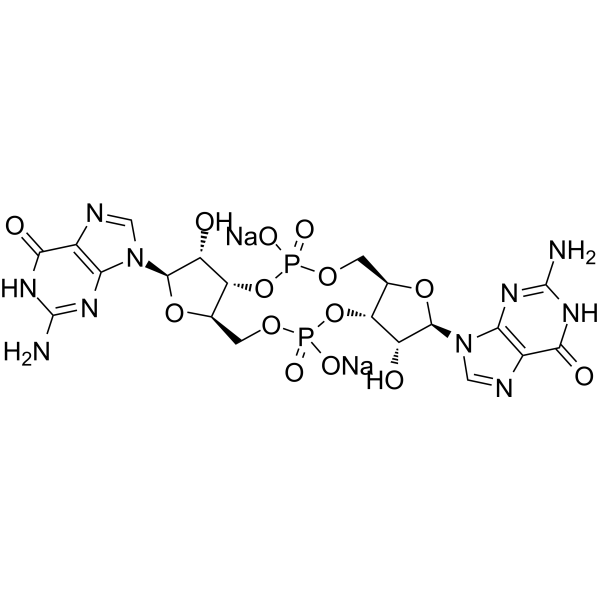
    STING agonist-11 (Compound 92) is a potent small molecule cyclic urea activator of STING with EC50 of 18 nM. Activation of STING is a highly promising approach in immunotherapy .
    STING agonist-11
  • HY-159161

    Orphan GPCR Inflammation/Immunology Cancer
    PSB-CB-27 is a potent and selective GPR18 inhibitor with an IC50 of 0.65 μM. PSB-CB-27 shows selectivity over Human GPR55, Human CB1 receptor, and Human CB2 receptor. PSB-CB-27 leads to a complete blockade of Δ9-Tetrahydrocannabinol (THC)-induced GPR18 activation. PSB-CB-27 can be used for inflammatory diseases and cancer immunotherapy research .
    PSB-CB-27
  • HY-146231A

    MAP4K PROTACs Inflammation/Immunology Cancer
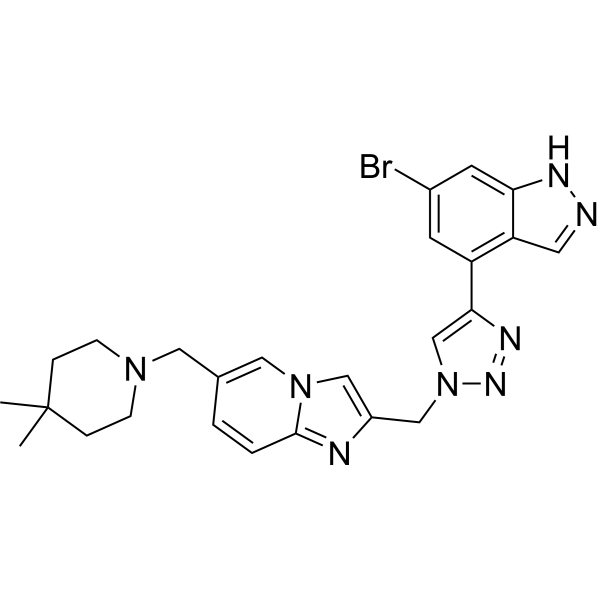
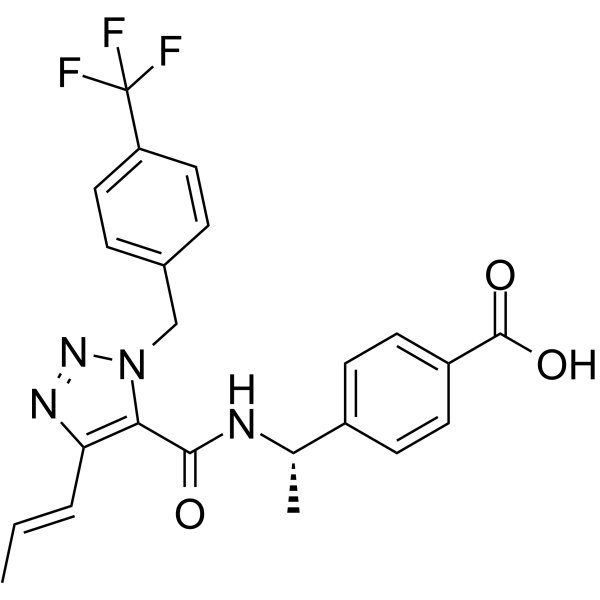
    SS47 TFA, a PROTAC-based HPK1 degrader, exerts proteasome-mediated HPK1 degradation. The degradation of HPK1 via SS47 also significantly enhances the in vivo antitumor efficacy of BCMA CAR-T cell research. HPK1, an immunosuppressive regulatory kinase, is a promising target for cancer immunotherapies . SS47 (TFA) is a click chemistry reagent, it contains an Alkyne group and can undergo copper-catalyzed azide-alkyne cycloaddition (CuAAc) with molecules containing Azide groups.
    SS47 TFA
  • HY-P1828A

    EGFR Cancer
    EGFRvIII peptide (PEPvIII) TFA is a tumor-specific mutation that is widely expressed in glioblastoma multiforme (GBM) and other neoplasms and its expression enhances tumorigenicity. EGFRvIII peptide TFA represents a truly tumor-specific target for antitumor immunotherapy .
    EGFRvIII peptide (PEPvIII) TFA
  • HY-163041

    PD-1/PD-L1 Inflammation/Immunology Cancer
    PD-1/PD-L1-IN-36 (Compound 2k) is a PD-1/PD-L1 complex inhibitor (IC50: 15 nM). PD-1/PD-L1-IN-36 can be used for research of cancer immunotherapy .
    PD-1/PD-L1-IN-36
  • HY-P10217

    PD-1/PD-L1 Cancer
    PD-1/PD-L1-IN-42 (Compound B8.4) is an inhibitor of the interaction between PD-1 and PD-L1, with an EC50 of 0.1 μM. PD-1/PD-L1-IN-42 can be used for the research of cancer immunotherapy .
    PD-1/PD-L1-IN-42
  • HY-P1813

    PSA-Peptide

    Prostaglandin Receptor Cancer
    PSA1 (141-150), a prostate specific antigen 1 peptide, is used in the immunotherapy of cancer experiments .
    PSA1 (141-150)
  • HY-N1420AS

    L-Rhamnose-13C monohydrate

    Isotope-Labeled Compounds Endogenous Metabolite Cancer
    Rhamnose- 13C (monohydrate) is the 13C labeled Rhamnose monohydrate. Rhamnose monohydrate (L-Rhamnose monohydrate) is a monosaccharide found in plants and bacteria. Rhamnose monohydrate-conjugated immunogens is used in immunotherapies. Rhamnose monohydrate c
    Rhamnose-13C monohydrate
  • HY-N1420AS2

    L-Rhamnose-13C-2 monohydrate

    Isotope-Labeled Compounds Endogenous Metabolite Cancer
    Rhamnose- 13C-2 (monohydrate) is the 13C labeled Rhamnose monohydrate. Rhamnose monohydrate (L-Rhamnose monohydrate) is a monosaccharide found in plants and bacteria. Rhamnose monohydrate-conjugated immunogens is used in immunotherapies. Rhamnose monohydrate
    Rhamnose-13C-2 monohydrate
  • HY-P1828

    EGFR Cancer
    EGFRvIII peptide (PEPvIII) is a tumor-specific mutation that is widely expressed in glioblastoma multiforme (GBM) and other neoplasms and its expression enhances tumorigenicity. EGFRvIII peptide represents a truly tumor-specific target for antitumor immunotherapy .
    EGFRvIII peptide (PEPvIII)
  • HY-P11355A

    Amino Acid Derivatives Cancer
    KRAS WT Peptide TFA is the trifluoroacetate salt of KRAS WT Peptide (HY-P11355). KRAS WT Peptide is the normal sequence peptide of the Kirsten rat sarcoma virus (KRAS) gene without oncogenic mutations. KRAS WT Peptide can be used for the study of evaluating the specificity and safety of KRAS-targeted immunotherapies .
    KRAS WT Peptide TFA
  • HY-111786

    Toll-like Receptor (TLR) Cancer
    LHC-165 is a TLR7 agonist. LHC-165 has potential to used in study of solid tumors .
    LHC-165
  • HY-P2299A

    HPV Cancer
    Protein E7(43-62) TFA is an E7-derived peptide with anti-tumor effects (short peptide spanning the 43th to 62th amino acid residues in the E7 protein) .
    Protein E7(43-62) TFA
  • HY-175551

    Target Protein Ligand-Linker Conjugates MAP4K Cancer
    HPK1 ligand-Linker Conjugate 1 is a synthesized target protein ligand-linker conjugate that can be used for synthesis of PROTACs, such as PROTAC HPK1 Degrader-5 (HY-175547). PROTAC HPK1 Degrader-5 is a potent and orally active HPK1 PROTAC degrader with anti-tumor activity .
    HPK1 ligand-Linker Conjugate 1
  • HY-153085

    CD19 Inflammation/Immunology Cancer
    CD19 CAR circRNA will express CD19 car protein, and can be used in chimeric antigen receptor T cell immunotherapy (CAR-CD19). The CD19 car is a chimeric antigen receptor. Among them, CD19 is a CD molecule expressed by B cells (i.e. leukocyte differentiation antigen), an important membrane antigen involved in B cell proliferation, differentiation, activation and antibody production, and can also promote BCR signal transduction.
    CD19 CAR circRNA
  • HY-P11379

    Survivin MHC Inflammation/Immunology Cancer
    ELTLGEFLKL is a survivin peptide. ELTLGEFLKL shows significant stabilization of HLA-A*0201. ELTLGEFLKL can be used in the research of tumor immunotherapy .
    ELTLGEFLKL
  • HY-164072

    Biochemical Assay Reagents Others Cancer
    DBCO-Dextran is a dibenzocyclooctyne-modified dextran with excellent click chemistry activity and biocompatibility, which can be used in cancer immunotherapy and bioimaging research .
    DBCO-Dextran
  • HY-P10417

    Integrin IFNAR Cancer
    RTDLDSLRTYTL is an Alpha (v) beta (6) integrin (avb6) inhibitor with high affinity and specificity. RTDLDSLRTYTL binds to avb6 integrin, a peptide sequence that activates cytotoxicity and cytokine production in T cells, such as interferon-gamma. RTDLDSLRTYTL is designed through a chimeric T cell antigen receptor (CAR) so that T cells can be redirected to specifically recognize and attack tumor cells. RTDLDSLRTYTL can be used in the research of cancer immunotherapy and targeted drug development .
    RTDLDSLRTYTL
  • HY-177483

    Oxaliplatin-artesunate

    Ferroptosis Mitochondrial Metabolism Glutathione Peroxidase Transferrin Receptor MMP Dihydroorotate Dehydrogenase Cancer
    OART (Oxaliplatin-artesunate) is a ferroptosis inducer. OART significantly inhibits tumor cell proliferation. OART induces cytoplasmic and mitochondrial LPO to promote tumor ferroptosis, via destroying glutathione-mediated ferroptosis defense system and enhancing iron-dependent Fenton reaction. OART enhances tumor immunogenicity, transforming tumor environment from immunosuppressive to immunosensitive. OART has strong tumor regression in tumor-bearing mouse models. OART can be used for cancer immunotherapy research .
    OART
  • HY-P991634

    CD73 TNF Receptor Interleukin Related IFNAR Inflammation/Immunology Cancer
    IBI-325 is a humanized monoclonal antibody inhibitor targeting CD73. IBI-325 completely inhibits CD73 enzymatic activity without hook effect. IBI-325 reverses Adenosine monophosphate (HY-A0181)-mediated immune suppression and significantly inhibits T cell proliferation and cytokines (IL-2, IFN-γ and TNF-α) release. IBI-325 has potent antitumor activities in hPBMC-reconstituted mice model and hCD73 knock-in mice model. IBI-325 can be used for cancer immunotherapy research .
    IBI-325
  • HY-P10837

    LAG-3 Inflammation/Immunology Cancer
    LAG-3 cyclic peptide inhibitor 12 (Cyclic peptide 12) is an inhibitor of LAG-3 with an IC50 value of 4.45 μM and a Ki value of 2.66 µM .
    LAG-3 cyclic peptide inhibitor 12
  • HY-144443

    PD-1/PD-L1 Cancer
    PD-1/PD-L1-IN-16 (Compound M23) is a potent inhibitor of PD-1/PD-L1 with an IC50 value of 53.2 nM. PD-1/PD-L1-IN-16 has the potential for the research of tumor immunoresearch .
    PD-1/PD-L1-IN-16
  • HY-W1128213

    Molecular Glues IKZF Family Inflammation/Immunology Cancer
    IKZF2-degrader 2 is a selective and orally active IKZF2 molecular glue degrader with DC50 values of 0.5 nM and 1.8 nM in HiBit and FACS. The IKZF2-degrader 2 mediates the ubiquitination and degradation of target proteins by recruiting the CRL4-CRBN E3 ubiquitin ligase. IKZF2-degrader 2 displays moderate degradation against SALL4 with a DC50 of 9 nM but does not induce any significant degradation towards IKZF1, IKZF3, CK1α and GSPT1. IKZF2-degrader 2 can be used for the study of cancer immunology .
    IKZF2-degrader 2
  • HY-143325

    HDAC Adenosine Receptor Cancer
    A2AAR/HDAC-IN-2 is a potent A2AAR/HDAC dual inhibitor, with good binding affinity for A2AAR (Ki=10.3 nM) and good inhibitory activity against HDAC1 (IC50=18.5 nM). A2AAR/HDAC-IN-2 can be used in study of antitumor .
    A2AAR/HDAC-IN-2
  • HY-20457G

    Toll-like Receptor (TLR) Bacterial Interleukin Related Inflammation/Immunology Cancer
    TL8-506 (GMP) is TL8-506 (HY-20457) produced by using GMP guidelines. GMP small molecules work appropriately as an auxiliary reagent for cell therapy manufacture. TL8-506 is a specific TLR8 agonist with an EC50 of 30?nM. TL8-506 has immunomodulatory effects and can be used in the study of tuberculosis and cancer immunotherapy .
    TL8-506

Inquiry Online

Your information is safe with us. * Required Fields.

Salutation


Country or Region *

Applicant Name *


Organization Name *

Department *


Email Address *


Product Name *

Cat. No.


Requested quantity *

Phone Number *


Remarks

Inquiry Online

Inquiry Information

Product Name:
Cat. No.:
Quantity:
MCE Japan Authorized Agent: