1. Search Result
Search Result
Pathways Recommended: MAPK/ERK Pathway
Results for "

JNK/Nrf2 pathway

" in MedChemExpress (MCE) Product Catalog:

14

Inhibitors & Agonists

11

Natural
Products

Cat. No. Product Name Target Research Areas Chemical Structure
  • HY-113402
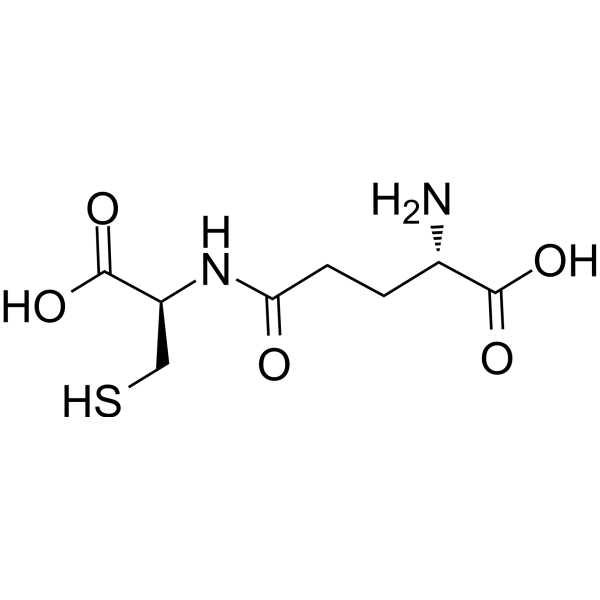
    Gamma-glutamylcysteine
    4 Publications Verification

    γ-Glu-Cys

    Endogenous Metabolite Interleukin Related TNF Receptor AMPK Sirtuin STAT PI3K NF-κB JAK p38 MAPK JNK Akt Apoptosis Ferroptosis Cardiovascular Disease Neurological Disease Inflammation/Immunology
    Gamma-glutamylcysteine (γ-Glu-Cys) is an orally active, blood-brain barrier permeable dipeptide . Gamma-glutamylcysteine activates AMPK, SIRT1, IL-4/STAT6, AC/cAMP/PI3K, IGF-1R/IRS1/PI3K, and Nrf2 signaling pathways; it inhibits NF-κB, JAK1/STAT1/3, MAPKs, cadmium-induced p38 MAPK, JNK, and PI3K/Akt signaling pathways. Gamma-glutamylcysteine regulates macrophage polarization, modulates the trafficking of CD36 and GLUT4, induces glutathione synthesis, improves metabolic dysfunction, reduces lipid deposition, ameliorates glucose homeostasis, inhibits apoptosis (Apoptosis), stabilizes mitochondria, suppresses lipid peroxidation, iron accumulation and ferroptosis (Ferroptosis), reduces ds-HMGB1 levels, reverses mechanical hyperalgesia, and alleviates hepatic lipid droplet formation. Gamma-glutamylcysteine is applicable to research related to inflammatory bowel disease, type 2 diabetes, cadmium-induced neurotoxicity, Alzheimer's disease, cerebral ischemia/reperfusion injury, neuropathy, and alcoholic liver disease .
    Gamma-glutamylcysteine
  • HY-N0638
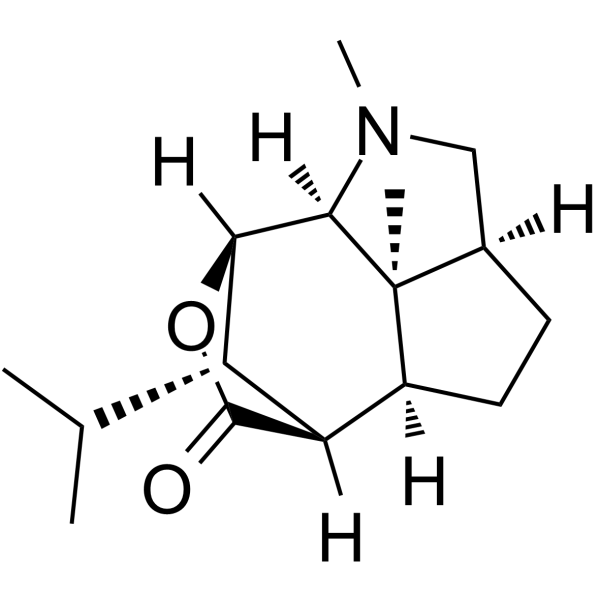
    Dendrobine
    5+ Cited Publications

    Influenza Virus JNK p38 MAPK Apoptosis CDK Keap1-Nrf2 SOD Reactive Oxygen Species (ROS) Infection Neurological Disease Inflammation/Immunology Cancer
    Dendrobine is an alkaloid isolated from Dendrobium nobile. Dendrobine possesses antiviral activity against influenza A viruses, with IC50s of 3.39 μM, 2.16 μM and 5.32 μM for A/FM-1/1/47 (H1N1), A/Puerto Rico/8/34 H274Y (H1N1) and A/Aichi/2/68 (H3N2), respectively. Dendrobine activates the JNK/p38/Nrf2 signaling pathway. Dendrobine exhibits antiviral, antitumor, anti-inflammatory, and neuroprotective properties .
    Dendrobine
  • HY-N0103
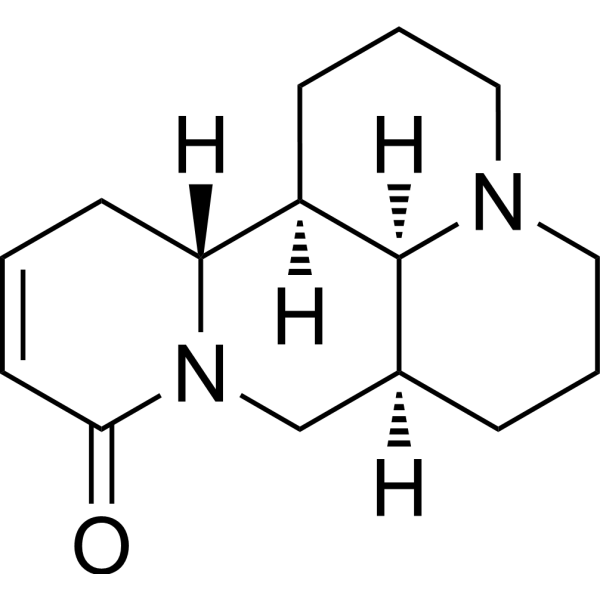
    Sophocarpine
    Maximum Cited Publications
    11 Publications Verification

    Autophagy Apoptosis NF-κB PI3K Akt MEK ERK PTEN Cardiovascular Disease Inflammation/Immunology Cancer
    Sophocarpine is a PTEN activator and an inhibitor of PI3K/Akt, MEK/ERK, and NF-κB signaling pathways. Sophocarpine upregulates PTEN expression and inhibits PI3K/Akt phosphorylation, arrests tumor cell cycle and induces apoptosis. Sophocarpine inhibits MEK/ERK phosphorylation and VEGF secretion, reducing tumor cell migration. Sophocarpine can also inhibit NF-κB activation and p38 and JNK phosphorylation, reduce the expression of inflammatory factors such as iNOS and COX-2, and activate the Nrf2/HO-1 pathway to reduce oxidative stress. Sophocarpine has anti-tumor, anti-inflammatory, antioxidant and anti-apoptotic effects, and can be used in the research of cancers such as glioblastoma and colorectal cancer, inflammation-related diseases, and Doxorubicin (HY-15142A)-induced cardiac damage .
    Sophocarpine
  • HY-113402A
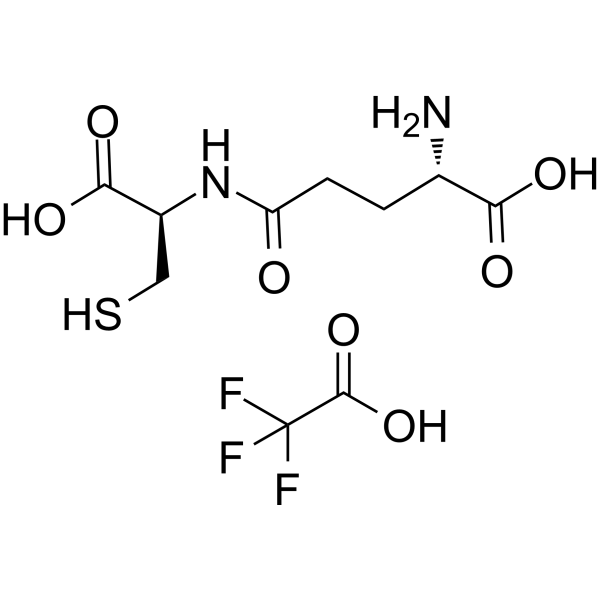
    Gamma-glutamylcysteine TFA
    4 Publications Verification

    γ-Glu-Cys TFA

    Interleukin Related TNF Receptor Endogenous Metabolite AMPK Sirtuin STAT PI3K NF-κB JAK p38 MAPK JNK Akt Apoptosis Ferroptosis Cardiovascular Disease Neurological Disease Inflammation/Immunology
    Gamma-glutamylcysteine TFA (γ-Glu-Cys TFA) is an orally active, blood-brain barrier permeable dipeptide . Gamma-glutamylcysteine TFA activates AMPK, SIRT1, IL-4/STAT6, AC/cAMP/PI3K, IGF-1R/IRS1/PI3K, and Nrf2 signaling pathways; it inhibits NF-κB, JAK1/STAT1/3, MAPKs, cadmium-induced p38 MAPK, JNK, and PI3K/Akt signaling pathways. Gamma-glutamylcysteine TFA regulates macrophage polarization, modulates the trafficking of CD36 and GLUT4, induces glutathione synthesis, improves metabolic dysfunction, reduces lipid deposition, ameliorates glucose homeostasis, inhibits apoptosis (Apoptosis), stabilizes mitochondria, suppresses lipid peroxidation, iron accumulation and ferroptosis (Ferroptosis), reduces ds-HMGB1 levels, reverses mechanical hyperalgesia, and alleviates hepatic lipid droplet formation. Gamma-glutamylcysteine TFA is applicable to research related to inflammatory bowel disease, type 2 diabetes, cadmium-induced neurotoxicity, Alzheimer's disease, cerebral ischemia/reperfusion injury, neuropathy, and alcoholic liver disease .
    Gamma-glutamylcysteine TFA
  • HY-N5048

    6'-O-Galloyl paeoniflorin

    NF-κB ERK JNK Nuclear Factor of activated T Cells (NFAT) Keap1-Nrf2 PI3K Akt Reactive Oxygen Species (ROS) Apoptosis DNA/RNA Synthesis Infection Neurological Disease Metabolic Disease Inflammation/Immunology
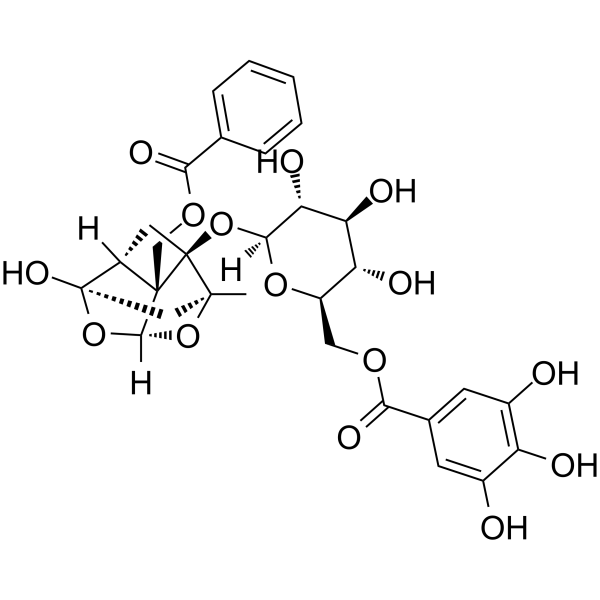
    Galloylpaeoniflorin (6'-O-Galloyl paeoniflorin) is an orally active galloylated derivative of Paeoniflorin (HY-N0293) found in peony roots with various anti-inflammatory and antioxidant activities. Galloylpaeoniflorin suppresses RANKL-induced activation of ERK, JNK, c-Fos, c-Jun, and NFATc1, and reduces osteoclast-specific gene expression. Galloylpaeoniflorin activates Nrf2 and PI3K/Akt pathways, inhibits NF-κB activation, and scavenges ROS to reduce oxidative DNA, lipid, and protein damage. Galloylpaeoniflorin attenuates neuroinflammation, inhibits apoptosis, reduces Helicobacter pylori-induced gastric mucosa injury and UVB-induced cell damage. Galloylpaeoniflorin can be used for the research of osteoporosis, gastritis, ischemic stroke and skin diseases .
    Galloylpaeoniflorin
  • HY-171705

    Keap1-Nrf2 AMPK JNK IKK p38 MAPK NO Synthase α-synuclein Interleukin Related Neurological Disease
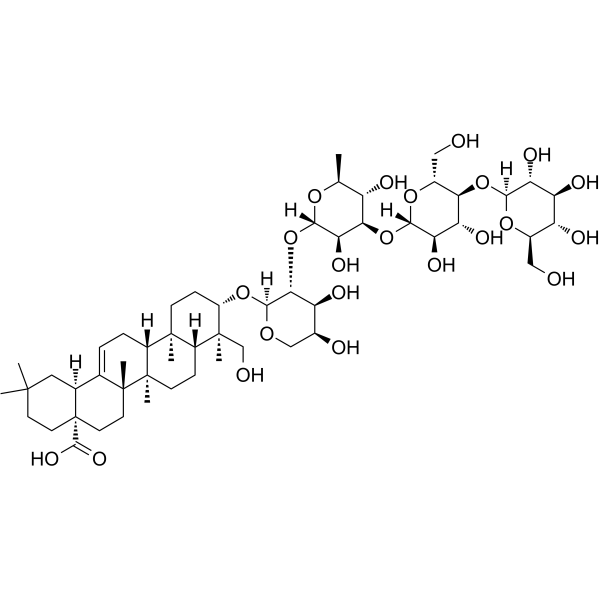
    KMS99220 is an orally active, blood-brain barrier-permeable activator of the Nrf2 inhibitory protein Keap-1. KMS99220 enhances the activity of AMPK, activates the Nrf2 signaling pathway, and reduces the phosphorylation of IκB, nuclear translocation of NFκB, as well as the phosphorylation levels of JNK, IKK and p38 MAPK via HO-1. KMS99220 binds to Keap1 to trigger the nuclear translocation of Nrf2, induces the expression of HO-1, NQO1, GCLC, GCLM and proteasome subunits; enhances proteasomal enzymatic activity; inhibits iNOS expression, nitric oxide production and IL-1β generation; attenuates microglial activation; reduces α-synuclein aggregation; and prevents dopaminergic neuron degeneration and motor dysfunction. KMS99220 prevents the degeneration of dopaminergic neurons in the substantia nigra, induces the expression of Nrf2 downstream target genes, and effectively ameliorates associated motor dysfunction in a mouse model of Parkinson's disease. KMS99220 is applicable to research related to Parkinson's disease .
    KMS99220
  • HY-N3312

    p38 MAPK JNK NF-κB Metabolic Disease Inflammation/Immunology Cancer
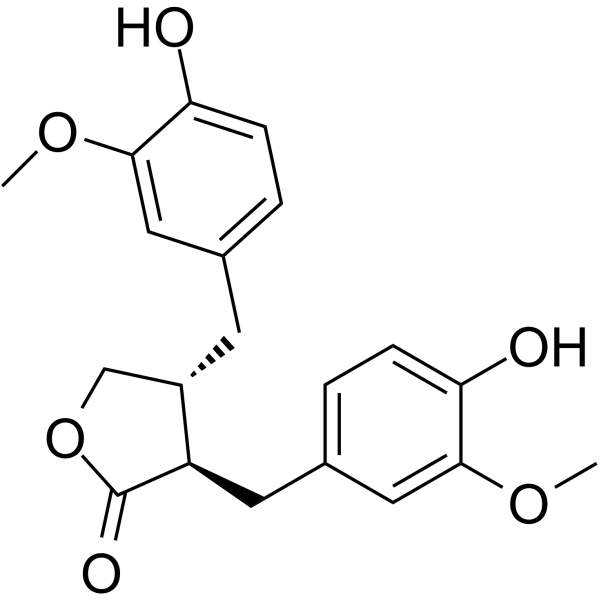
    Matairesinol is an orally active bioactive compound with anti-inflammatory, antioxidant and anticancer activities. Matairesinol inhibits the phosphorylation of MAPK, JNK and NF-κB, downregulates RANKL-induced NFATc1 expression and activity, and suppresses the activation of the PI3K/AKT/FOXO1 pathway. Matairesinol can be used in research related to sepsis-mediated brain injury, osteoporosis, heart failure, atopic dermatitis and cancer .
    Matairesinol
  • HY-N0103A
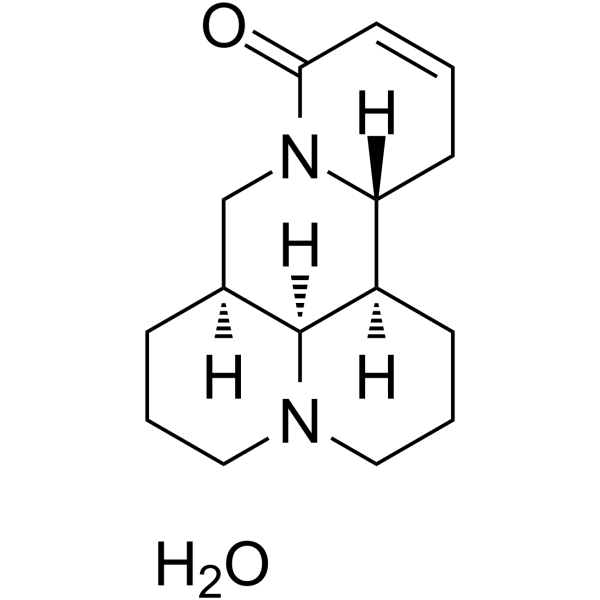
    Sophocarpine monohydrate
    Maximum Cited Publications
    11 Publications Verification

    Autophagy Apoptosis NF-κB PI3K Akt MEK ERK Cardiovascular Disease Inflammation/Immunology Cancer
    Sophocarpine monohydrate is a PTEN activator and an inhibitor of PI3K/Akt, MEK/ERK, and NF-κB signaling pathways. Sophocarpine monohydrate upregulates PTEN expression and inhibits PI3K/Akt phosphorylation, arrests tumor cell cycle and induces apoptosis. Sophocarpine monohydrate inhibits MEK/ERK phosphorylation and VEGF secretion, reducing tumor cell migration. Sophocarpine monohydrate can also inhibit NF-κB activation and p38 and JNK phosphorylation, reduce the expression of inflammatory factors such as iNOS and COX-2, and activate the Nrf2/HO-1 pathway to reduce oxidative stress. Sophocarpine monohydrate has anti-tumor, anti-inflammatory, antioxidant and anti-apoptotic effects, and can be used in the research of cancers such as glioblastoma and colorectal cancer, inflammation-related diseases, and Doxorubicin (HY-15142A)-induced cardiac damage .
    Sophocarpine monohydrate
  • HY-113402R

    γ-Glu-Cys (Standard)

    Reference Standards Endogenous Metabolite Interleukin Related TNF Receptor AMPK Sirtuin STAT PI3K NF-κB JAK p38 MAPK JNK Akt Apoptosis Ferroptosis Inflammation/Immunology
    Gamma-glutamylcysteine (Standard) is the analytical standard of Gamma-glutamylcysteine. This product is intended for research and analytical applications. Gamma-glutamylcysteine (γ-Glu-Cys) is an orally active, blood-brain barrier permeable dipeptide . Gamma-glutamylcysteine activates AMPK, SIRT1, IL-4/STAT6, AC/cAMP/PI3K, IGF-1R/IRS1/PI3K, and Nrf2 signaling pathways; it inhibits NF-κB, JAK1/STAT1/3, MAPKs, cadmium-induced p38 MAPK, JNK, and PI3K/Akt signaling pathways. Gamma-glutamylcysteine regulates macrophage polarization, modulates the trafficking of CD36 and GLUT4, induces glutathione synthesis, improves metabolic dysfunction, reduces lipid deposition, ameliorates glucose homeostasis, inhibits apoptosis (Apoptosis), stabilizes mitochondria, suppresses lipid peroxidation, iron accumulation and ferroptosis (Ferroptosis), reduces ds-HMGB1 levels, reverses mechanical hyperalgesia, and alleviates hepatic lipid droplet formation. Gamma-glutamylcysteine is applicable to research related to inflammatory bowel disease, type 2 diabetes, cadmium-induced neurotoxicity, Alzheimer's disease, cerebral ischemia/reperfusion injury, neuropathy, and alcoholic liver disease.
    Gamma-glutamylcysteine (Standard)
  • HY-151431

    Keap1-Nrf2 Reactive Oxygen Species (ROS) ERK Akt JNK Neurological Disease
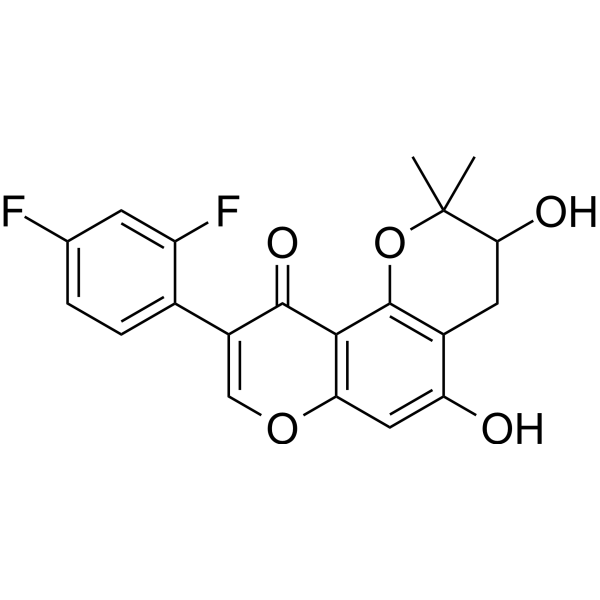
    Nrf2/HO-1 activator 2 (compound 13m), difluoro-substituted derivative, is a potent Nrf2/HO-1 activator. Nrf2/HO-1 activator 2 has neuroprotective and antioxidant effects through the Nrf2/HO-1 pathway mediated by phosphorylation of ERK1/2, JNK, or Akt in PC12 cells. Nrf2/HO-1 activator 2 can be used in the research of Parkinson's disease (PD) .
    Nrf2/HO-1 activator 2
  • HY-113402AR

    γ-Glu-Cys TFA (Standard)

    Interleukin Related TNF Receptor Endogenous Metabolite Reference Standards AMPK Sirtuin STAT PI3K NF-κB JAK p38 MAPK JNK Akt Apoptosis Ferroptosis Cardiovascular Disease Neurological Disease Inflammation/Immunology
    Gamma-glutamylcysteine (TFA) (Standard) is the analytical standard of Gamma-glutamylcysteine (TFA). This product is intended for research and analytical applications. Gamma-glutamylcysteine TFA (γ-Glu-Cys TFA) is an orally active, blood-brain barrier permeable dipeptide . Gamma-glutamylcysteine TFA activates AMPK, SIRT1, IL-4/STAT6, AC/cAMP/PI3K, IGF-1R/IRS1/PI3K, and Nrf2 signaling pathways; it inhibits NF-κB, JAK1/STAT1/3, MAPKs, cadmium-induced p38 MAPK, JNK, and PI3K/Akt signaling pathways. Gamma-glutamylcysteine TFA regulates macrophage polarization, modulates the trafficking of CD36 and GLUT4, induces glutathione synthesis, improves metabolic dysfunction, reduces lipid deposition, ameliorates glucose homeostasis, inhibits apoptosis (Apoptosis), stabilizes mitochondria, suppresses lipid peroxidation, iron accumulation and ferroptosis (Ferroptosis), reduces ds-HMGB1 levels, reverses mechanical hyperalgesia, and alleviates hepatic lipid droplet formation. Gamma-glutamylcysteine TFA is applicable to research related to inflammatory bowel disease, type 2 diabetes, cadmium-induced neurotoxicity, Alzheimer's disease, cerebral ischemia/reperfusion injury, neuropathy, and alcoholic liver disease.
    Gamma-glutamylcysteine TFA (Standard)
  • HY-N0638R

    Reference Standards Influenza Virus JNK p38 MAPK Apoptosis CDK Keap1-Nrf2 SOD Reactive Oxygen Species (ROS) Infection Neurological Disease Inflammation/Immunology Cancer
    Dendrobine (Standard) is the analytical standard of Dendrobine. This product is intended for research and analytical applications. Dendrobine is an alkaloid isolated from Dendrobium nobile. Dendrobine possesses antiviral activity against influenza A viruses, with IC50s of 3.39 μM, 2.16 μM and 5.32 μM for A/FM-1/1/47 (H1N1), A/Puerto Rico/8/34 H274Y (H1N1) and A/Aichi/2/68 (H3N2), respectively. Dendrobine activates the JNK/p38/Nrf2 signaling pathway. Dendrobine exhibits antiviral, antitumor, anti-inflammatory, and neuroprotective properties .
    Dendrobine (Standard)
  • HY-N0103R

    Reference Standards Autophagy Apoptosis NF-κB PI3K Akt MEK ERK Cardiovascular Disease Inflammation/Immunology Cancer
    Sophocarpine (Standard) is the analytical standard of Sophocarpine (HY-N0103). This product is intended for research and analytical applications. Sophocarpine is a PTEN activator and an inhibitor of PI3K/Akt, MEK/ERK, and NF-κB signaling pathways. Sophocarpine upregulates PTEN expression and inhibits PI3K/Akt phosphorylation, arrests tumor cell cycle and induces apoptosis. Sophocarpine inhibits MEK/ERK phosphorylation and VEGF secretion, reducing tumor cell migration. Sophocarpine can also inhibit NF-κB activation and p38 and JNK phosphorylation, reduce the expression of inflammatory factors such as iNOS and COX-2, and activate the Nrf2/HO-1 pathway to reduce oxidative stress. Sophocarpine has anti-tumor, anti-inflammatory, antioxidant and anti-apoptotic effects, and can be used in the research of cancers such as glioblastoma and colorectal cancer, inflammation-related diseases, and Doxorubicin (HY-15142A)-induced cardiac damage .
    Sophocarpine (Standard)
  • HY-113402B

    γ-Glu-Cys ammonium

    Interleukin Related TNF Receptor Endogenous Metabolite AMPK Sirtuin STAT PI3K NF-κB JAK p38 MAPK JNK Akt Apoptosis Ferroptosis Cardiovascular Disease Neurological Disease Inflammation/Immunology
    Gamma-glutamylcysteine ammonium (γ-Glu-Cys ammonium) is an orally active, blood-brain barrier permeable dipeptide . Gamma-glutamylcysteine ammonium activates AMPK, SIRT1, IL-4/STAT6, AC/cAMP/PI3K, IGF-1R/IRS1/PI3K, and Nrf2 signaling pathways; it inhibits NF-κB, JAK1/STAT1/3, MAPKs, cadmium-induced p38 MAPK, JNK, and PI3K/Akt signaling pathways. Gamma-glutamylcysteine ammonium regulates macrophage polarization, modulates the trafficking of CD36 and GLUT4, induces glutathione synthesis, improves metabolic dysfunction, reduces lipid deposition, ameliorates glucose homeostasis, inhibits apoptosis (Apoptosis), stabilizes mitochondria, suppresses lipid peroxidation, iron accumulation and ferroptosis (Ferroptosis), reduces ds-HMGB1 levels, reverses mechanical hyperalgesia, and alleviates hepatic lipid droplet formation. Gamma-glutamylcysteine ammonium is applicable to research related to inflammatory bowel disease, type 2 diabetes, cadmium-induced neurotoxicity, Alzheimer's disease, cerebral ischemia/reperfusion injury, neuropathy, and alcoholic liver disease .
    Gamma-glutamylcysteine ammonium

Inquiry Online

Your information is safe with us. * Required Fields.

Salutation


Country or Region *

Applicant Name *


Organization Name *

Department *


Email Address *


Product Name *

Cat. No.


Requested quantity *

Phone Number *


Remarks

Inquiry Online

Inquiry Information

Product Name:
Cat. No.:
Quantity:
MCE Japan Authorized Agent:

