
1. Search Result
Search Result
Results for "

Lipid-lowering

" in MedChemExpress (MCE) Product Catalog:

84

Inhibitors & Agonists

1

Screening Libraries

1

Biochemical Assay Reagents

2

Inhibitory Antibodies

24

Natural
Products

5

Isotope-Labeled Compounds

Cat. No. Product Name Target Research Areas Chemical Structure
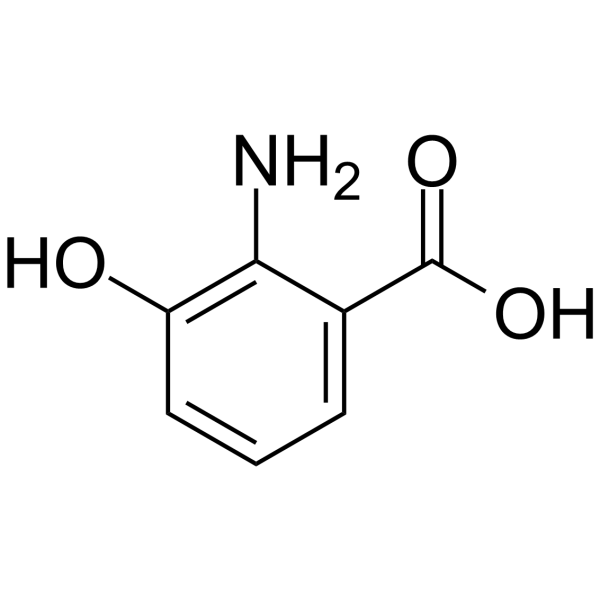
  • HY-W001171
    3-Hydroxyanthranilic acid
    1 Publications Verification

    Endogenous Metabolite Cardiovascular Disease Neurological Disease Metabolic Disease Inflammation/Immunology Endocrinology Cancer
    3-Hydroxyanthranilic acid is a tryptophan metabolite in the kynurenine pathway.3-hydroxyanthranilic acid has anti-inflammatory, neuroprotective, and lipid-lowering effects. 3-hydroxyanthranilic acid can be used for researches of cardiovascular diseases, tumors, and metabolic diseases .
    3-Hydroxyanthranilic acid
  • HY-N6653
    Lentinan
    Maximum Cited Publications
    8 Publications Verification

    JAK Keap1-Nrf2 Apoptosis Infection Metabolic Disease Inflammation/Immunology Cancer
    Lentinan is an orally active biocompatible multifunctional polysaccharide with biological activities such as anti-inflammatory, antioxidant, immune regulation, anti-tumor, hypoglycemic, and lipid-lowering [1][4].
    Lentinan
  • HY-B0258
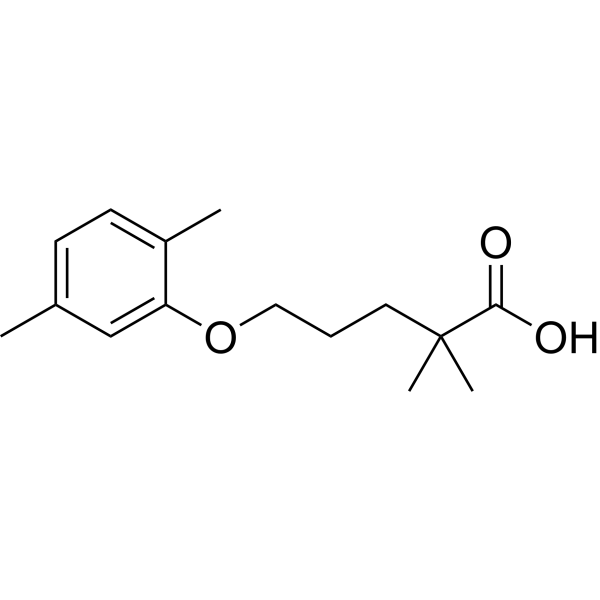
    Gemfibrozil
    5+ Cited Publications

    CI-719

    PPAR Cytochrome P450 Cardiovascular Disease Metabolic Disease Cancer
    Gemfibrozil is an activator of PPAR-α, used as a lipid-lowering agent; Gemfibrozil is also a nonselective inhibitor of several P450 isoforms, with Ki values for CYP2C9, 2C19, 2C8, and 1A2 of 5.8, 24, 69, and 82 μM, respectively.
    Gemfibrozil
  • HY-17408
    Mevastatin
    5+ Cited Publications

    Compactin; ML236B

    HMG-CoA Reductase (HMGCR) Bacterial Autophagy Apoptosis Antibiotic Infection Cardiovascular Disease Neurological Disease Metabolic Disease Cancer
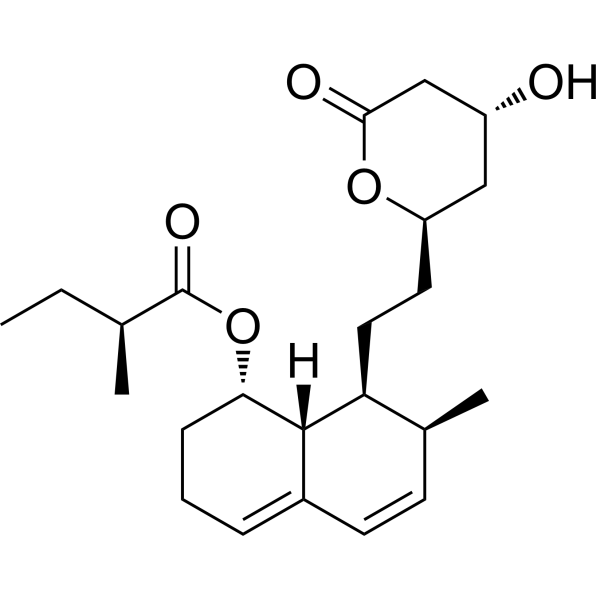
    Mevastatin (Compactin) is a first HMG-CoA reductase inhibitor that belongs to the statins class. Mevastatin is a lipid-lowering agent, and induces apoptosis, arrests cancer cells in G0/G1 phase. Mevastatin also increases endothelial nitric oxide synthase (eNOS) mRNA and protein levels. Mevastatin has antitumor activity and has the potential for cardiovascular diseases treatment .
    Mevastatin
  • HY-B1028
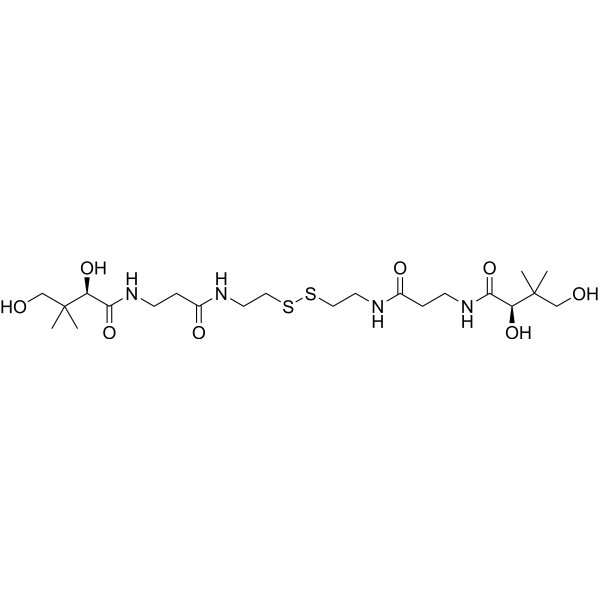
    Pantethine
    5 Publications Verification

    D-Pantethine; LBF disulfide

    Endogenous Metabolite SARS-CoV Cardiovascular Disease Neurological Disease Inflammation/Immunology Endocrinology Cancer
    Pantethine is an orally active lipid-lowering agent. Pantethine has anti-tumor, anti-inflammatory and anti-SARS-COV virus activities. Pantethine is also a neuroprotective agent. Pantethine can be used in the study of Alzheimer's disease, Parkinson's disease, major depression, systemic sclerosis and pantothenate kinase-related neurodegeneration .
    Pantethine
  • HY-N0458
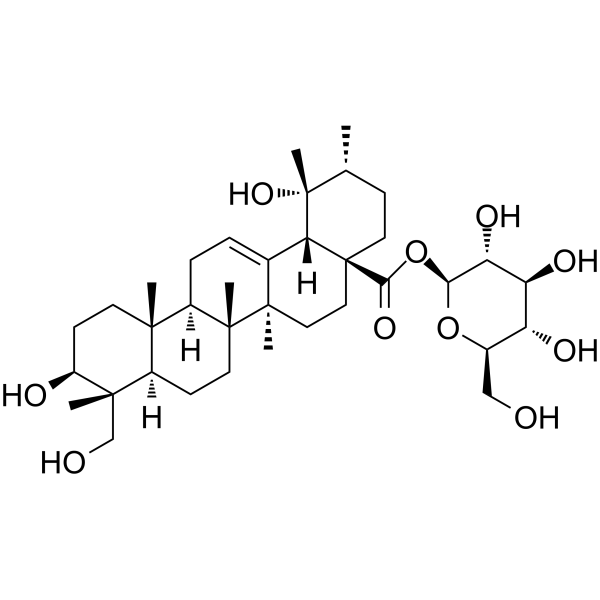
    Pedunculoside
    3 Publications Verification

    Fatty Acid Synthase (FASN) Metabolic Disease
    Pedunculoside exerts lipid-lowering effects partly through the regulation of?lipogenesis?and?fatty acid β-oxidation .
    Pedunculoside
  • HY-W015924

    Endogenous Metabolite Metabolic Disease
    2-Hydroxyisobutyric acid (2-HIBA) is a selective modulator of the Insulin/IGF-1 pathway and the p38 MAPK pathway, which reduces reactive oxygen species (ROS) and fat accumulation in Caenorhabditis elegans. 2-Hydroxyisobutyric acid promotes β-oxidation and inhibits fatty acid synthesis by upregulating SKN-1/NRF2 and downregulating SREBP-1c transcription factors. 2-Hydroxyisobutyric acid has anti-aging and lipid-lowering effects, and can be used to study metabolic diseases such as obesity and diabetes. 2-Hydroxyisobutyric acid is also a renewable precursor of methacrylate through 2-HIB-CoA mutase-mediated biosynthesis[1][2].
    2-Hydroxyisobutyric acid
  • HY-14668
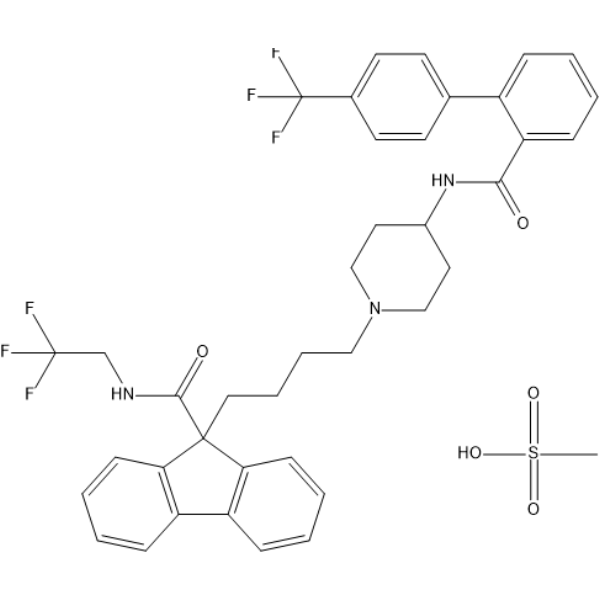
    Lomitapide mesylate
    5+ Cited Publications

    AEGR-733 mesylate; BMS-201038 mesylate

    Microsomal Triglyceride Transfer Protein (MTP) mTOR LDLR Autophagy Apoptosis Cardiovascular Disease Neurological Disease Metabolic Disease Cancer
    Lomitapide (AEGR-733; BMS-201038) mesylate is an orally active microsomal triglyceride transfer protein (MTP) inhibitor and a selective mTORC1 inhibitor with lipid-lowering activity and BBB permeability. Lomitapide mesylate significantly reduces plasma LDL levels by blocking the assembly and secretion of very-low-density lipoprotein (VLDL). Lomitapide mesylate inhibits mTORC1 in an ATP-dependent manner, thereby inducing AMPK-independent autophagic cell death and suppressing cancer cell growth and apoptosis. Lomitapide mesylate also enhances tumor infiltration of CD8 + T cells. In addition, Lomitapide mesylate inhibits HDAC, improves endothelial function, effectively alleviates vascular inflammation and oxidative stress, and exerts neuroprotective effects in a cerebral ischemia/reperfusion injury model. Lomitapide mesylate can be used in research on related diseases such as colorectal cancer, breast cancer, melanoma, ischemic stroke, and familial hypercholesterolemia .
    Lomitapide mesylate
  • HY-16643
    Linerixibat
    Maximum Cited Publications
    13 Publications Verification

    GSK2330672

    Apical Sodium-Dependent Bile Acid Transporter Infection Metabolic Disease Inflammation/Immunology
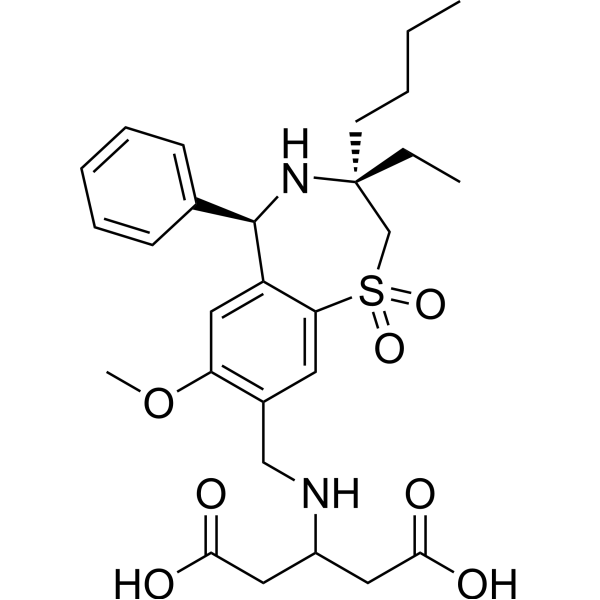
    Linerixibat (GSK2330672) is a highly potent, nonabsorbable and orally active apical sodium-dependent bile acid transporter (ASBT) inhibitor with an IC50 of 42 nM human ASBT. Linerixibat can be used as lipid-lowering agent. Linerixibat has the potential for type 2 diabetes and Primary Biliary Cholangitis treatment .
    Linerixibat
  • HY-W006405

    Estrogen Receptor/ERR Cardiovascular Disease Cancer
    Isoflavone is an orally available bioactive component of soy phytoestrogen with lipid-lowering and antioxidant activities. Isoflavone prevents a variety of chronic diseases by regulating fatty acid oxidation in the liver and gene expression in adipose tissue. In addition, isoflavone has important value in the research of cancer and cardiovascular diseases .
    Isoflavone
  • HY-109523
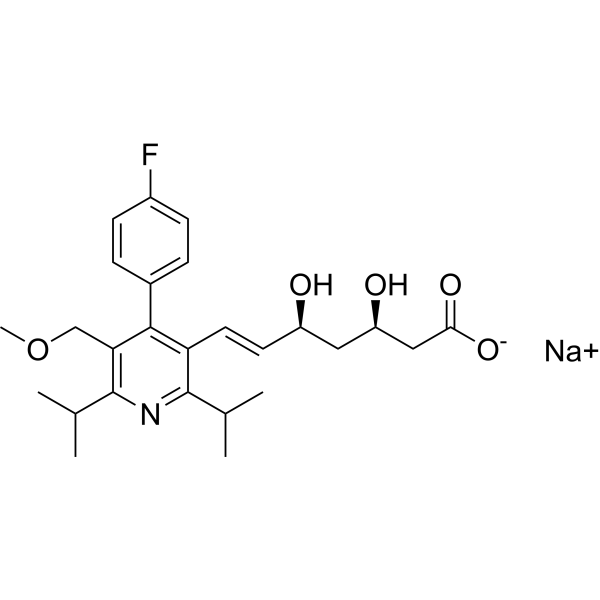
    Cerivastatin sodium
    2 Publications Verification

    HMG-CoA Reductase (HMGCR) Ferroptosis Cardiovascular Disease Cancer
    Cerivastatin sodium is a synthetic lipid-lowering agent and a highly potent, well-tolerated and orally active HMG-CoA reductase inhibitor, with a Ki of 1.3 nM/L. Cerivastatin sodium reduces low-density lipoprotein cholesterol levels. Cerivastatin sodium also inhibits proliferation and invasiveness of MDA-MB-231 cells, mainly by RhoA inhibition, and has anti-cancer effect .
    Cerivastatin sodium
  • HY-14877
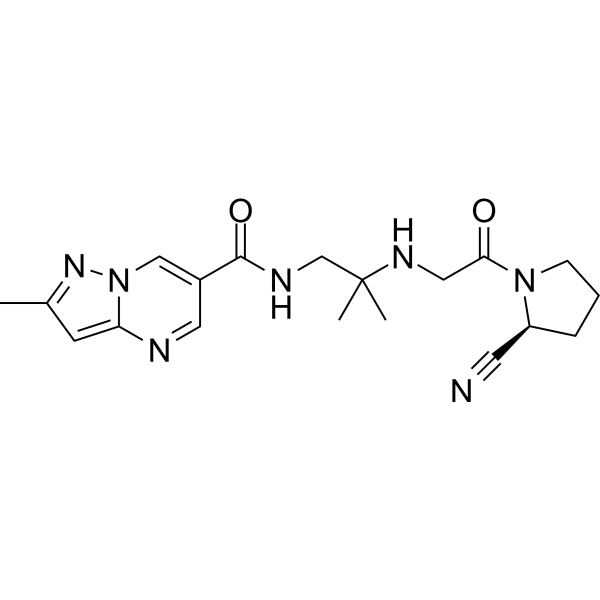
    Anagliptin
    3 Publications Verification

    SK-0403

    Dipeptidyl Peptidase Cardiovascular Disease Metabolic Disease
    Anagliptin (SK-0403) is a highly selective, potent, orally active inhibitor of dipeptidyl peptidase 4 (DPP-4), with an IC50 of 3.8 nM, and less selective at DPP-8 and DDP-9 with IC50s of 68 nM and 60 nM, respectively .
    Anagliptin
  • HY-14925
    Lapaquistat
    2 Publications Verification

    T-91485

    Endogenous Metabolite Drug Metabolite Metabolic Disease
    Lapaquistat (T-91485), a cholesterol biosynthesis inhibitor, is the active metabolite of Lapaquistat acetate (HY-16274). Lapaquistat can decrease statin-induced myotoxicity in lipid-lowering therapy .
    Lapaquistat
  • HY-100313A
    YM-53601
    5 Publications Verification

    Farnesyl Transferase HCV Infection Metabolic Disease
    YM-53601, a squalene synthase inhibitor, reduces plasma cholesterol and triglyceride levels in vivo . YM-53601 inhibits squalene synthase derived from human hepatoma cells with an IC50 of 79 nM. Lipid-lowering agent . YM-53601 is also an inhibitor of farnesyl-diphosphate farnesyltransferase 1 (FDFT1) enzyme activity and abrogates HCV propagation .
    YM-53601
  • HY-N0807
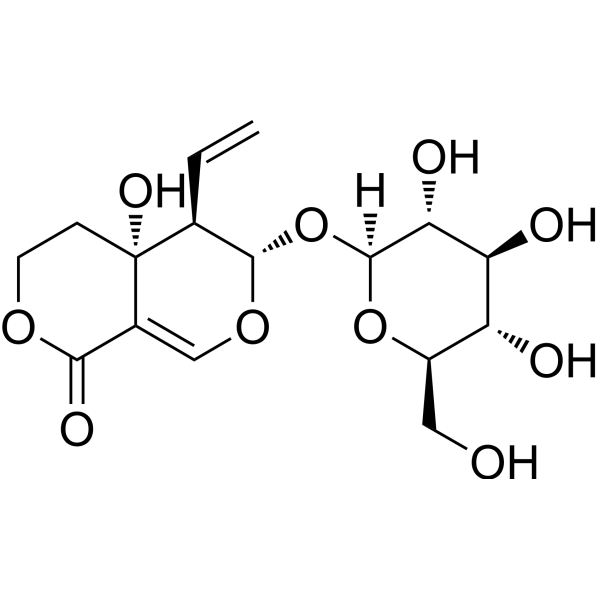
    Swertiamarin
    1 Publications Verification

    MMP NF-κB JAK Keap1-Nrf2 Metabolic Disease Inflammation/Immunology Cancer
    Swertiamarin is an orally active natural product with hypoglycemic, lipid-lowering, anti-rheumatic, and antioxidant activities. Swertiamarin can regulate the levels of pro-inflammatory cytokines, MMP, and NF-κB, and promote osteoblast proliferation. Swertiamarin has antioxidant and hepatoprotective effects against carbon tetrachloride induced rat liver toxicity through the Nrf2/HO-1 pathway. Swertiamarin can attenuate inflammatory mediators by regulating JAK2/STAT3 transcription factors in adjuvant induced arthritis rats. Swertiamarin can be used in the research of diabetes and arthritis .
    Swertiamarin
  • HY-101701

    Megrin

    Drug Derivative Cardiovascular Disease
    Hepronicate, a nicotinic acid derivative, is a peripheral vasodilator with blood lipid lowering action. Hepronicate works by improving peripheral circulatory disturbances .
    Hepronicate
  • HY-N0464
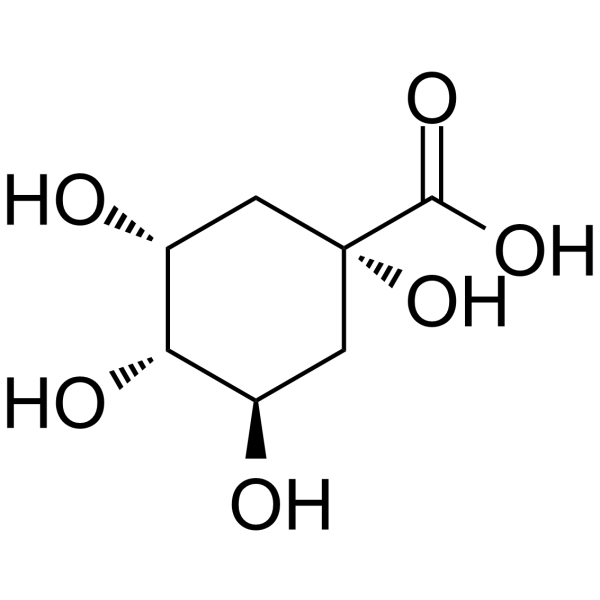
    D-(-)-Quinic acid
    3 Publications Verification

    Endogenous Metabolite Glycosidase Monoamine Oxidase Neurological Disease Metabolic Disease
    D-(-)-Quinic acid scavenges hydrogen peroxide (IC50=87.11 μg/mL) and exhibits antioxidant activity. D-(-)-Quinic acid is the inhibitor for MAO and α-Glucosidase (IC50 =93.75 μg/mL). D-(-)-Quinic acid is orally active .
    D-(-)-Quinic acid
  • HY-N0224
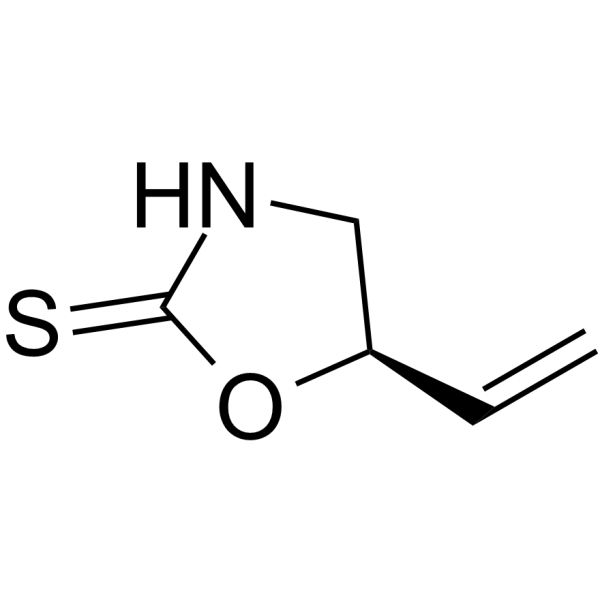
    Epigoitrin
    1 Publications Verification

    Influenza Virus Infection Metabolic Disease Cancer
    Epigoitrin is a natural alkaloid that provides protection against influenza infection by reducing the host’s susceptibility to influenza virus under stress. Epigoitrin exerts antiviral activity against influenza A1 virus FM1 via inhibiting virus attachment and multiplication in vitro. Epigoitrin also has lipid-lowering effects .
    Epigoitrin
  • HY-B1189

    Dicrotalic acid; 3-Hydroxy-3-methylglutaric acid

    HMG-CoA Reductase (HMGCR) Autophagy Endogenous Metabolite Cardiovascular Disease Metabolic Disease
    Meglutol is a lipid-lowering agent. Meglutol can reduces cholesterol, triglycerides, serum β-lipoprotein, and phospholipids, and inhibits the activity of HMG-CoA reductase (a rate-limiting enzyme in cholesterol biosynthesis). Meglutol can induce significant lipid oxidative damage in brain tissue. It is promising for research in the field of cardiovascular diseases and metabolic diseases .
    Meglutol
  • HY-106539

    FXR G protein-coupled Bile Acid Receptor 1 GLP Receptor Metabolic Disease Cancer
    Colesevelam hydrochloride is an orally active bile acid sequestrant, lipid-lowering agent, and glycemic control agent. Colesevelam hydrochloride binds bile acids in the gastrointestinal tract to form nonabsorbable complexes, interrupts enterohepatic recirculation and increases fecal bile acid elimination. Colesevelam hydrochloride modulates FXR, TGR5, and Cyp7a1 activity and triggers cAMP signaling and GLP-1 release. Colesevelam hydrochloride alters hepatic lipid and glucose metabolism, suppresses hepatic glycogenolysis, reduces hepatic triglyceride and cholesterol levels, and increases LDL-C (low-density lipoprotein cholesterol) clearance. Colesevelam hydrochloride can be used for the research of type 2 diabetes mellitus, hypercholesterolemia, and alcohol-related liver disease .
    Colesevelam hydrochloride
  • HY-116175

    LDLR Metabolic Disease
    BIBB 515 is a potent, selective and orally active 2,3-oxidosqualene cyclase (OSC) inhibitor with ED50 values of 0.2-0.5 mg/kg and 0.36-33.3 mg/kg in rats and mice (1-5 hours), respectively. BIBB 515 exerts lipid-lowering effect mainly by inhibiting the production of low-density lipoprotein (LDL) .
    BIBB 515
  • HY-119546

    PNLA

    Free Fatty Acid Receptor Inflammation/Immunology
    Pinolenic acid (PNLA) is a polyunsaturated fatty acid that can be isolated from Pinus orientalis and Pinus pinaster seed oil. Pinolenic acid has anti-inflammatory and lipid-lowering activities .
    Pinolenic acid
  • HY-N9811

    Drug Derivative Infection Metabolic Disease
    Hydroxytyrosol 4-O-glucoside is a phenolic compound found in olive pulp, vegetation water, and pomace of olive oil processing. Hydroxytyrosol 4-O-glucoside can be used in research on antibacterial, hypoglycemic, lipid-lowering, and cholesterol-lowering effects .
    Hydroxytyrosol 4-O-glucoside
  • HY-109567

    PD-72953

    LDLR Metabolic Disease Inflammation/Immunology
    Gemcabene (PD-72953), a first-in-class lipid-lowering agent, lowers low-density lipoprotein cholesterol (LDL-C), decreases triglycerides, and raises high-density lipoprotein cholesterol (HDL-C) and lowers pro-inflammatory acute-phase protein, C-reactive protein (CRP), exerting anti-inflammatory activity .
    Gemcabene
  • HY-162562

    PCSK9 Metabolic Disease Inflammation/Immunology
    E28362 is an orally active lipid-lowering agent and a selective PCSK9 antagonist. E28362 blocks the interaction between PCSK9 and LDLR, and induces PCSK9 degradation via the ubiquitin-proteasome pathway. E28362 significantly increases the levels of cell surface and total LDLR proteins, enhances low-density lipoprotein uptake, thereby effectively reducing plasma lipids, hepatic cholesterol and triglyceride levels. E28362 shows no obvious cytotoxicity at high concentrations, and significantly attenuates atherosclerotic lesions in animal models. E28362 is an important molecule in research of hyperlipidemia and atherosclerosis .
    E28362
  • HY-121538
    CUDA
    1 Publications Verification

    Epoxide Hydrolase PPAR Cardiovascular Disease
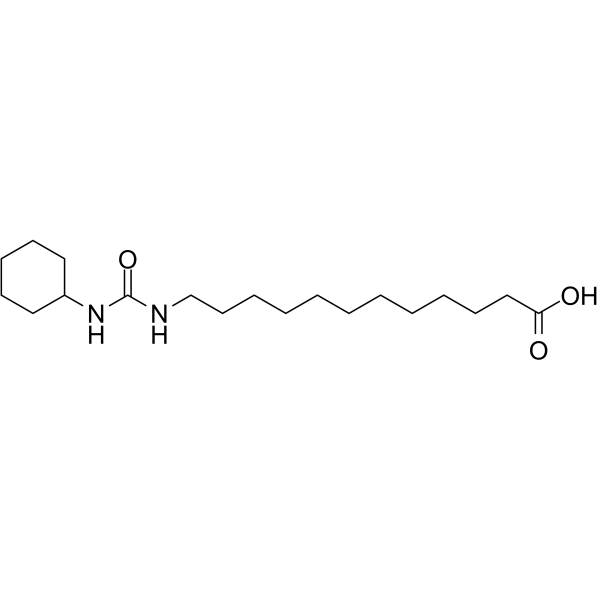
    CUDA is a potent inhibitor of soluble epoxide hydrolase (sEH), with IC50s of 11.1 nM and 112 nM for mouse sEH and human sEH, respectively . CUDA selectively increases peroxisome proliferator-activated receptor (PPAR) alpha activity. CUDA may be valuable for the research of cardiovascular disease .
    CUDA
  • HY-16421

    (-)-DRF 2725; NNC 61-0029

    PPAR Metabolic Disease
    Ragaglitazar is a PPARα and PPARγ agonist with potent lipid-lowering and insulin-sensitizing efficacy in animal models. Ragaglitazar improves glycemic control and lipid profile in type 2 diabetic.
    Ragaglitazar
  • HY-134769

    Mitochondrial Metabolism Reactive Oxygen Species (ROS) Cardiovascular Disease Metabolic Disease
    OPC-163493 is an orally active and liver-targeted mitochondrial uncoupling agent. OPC-163493 reduces the production of mitochondrial Δψ and ROS. OPC-163493 has anti-diabetic and lipid-lowering effects. In addition, OPC-163493 has a protective effect on cardiovascular disease .
    OPC-163493
  • HY-115938

    Carnitine Palmitoyltransferase (CPT) Others Metabolic Disease Cancer
    BEC2 is an ester derivative of Baicalin, with good lipid-lowering activity. BEC2 can direct activate the carnitine palmitoyltransferase 1A (CPT1A) .
    BEC2
  • HY-164853

    Pyroptosis NOD-like Receptor (NLR) ERK FGFR AMPK Cardiovascular Disease Neurological Disease Inflammation/Immunology
    Kanglexin is an orally active and novel anthraquinone compound. Kanglexin inhibits NLRP3 inflammatory body activation and cell pyroptosis, and has a cardioprotective effect. Kanglexin promotes angiogenesis through FGFR1/ERK signaling pathway and accelerates diabetic wound healing. In addition, Kanglexin has the effect of lipid-lowering and inhibiting the dedifferentiation of vascular smooth muscle cells, and can be used in the study of hyperlipidemia, fatty liver and atherosclerosis .
    Kanglexin
  • HY-100976

    Hydroxycarboxylic Acid Receptor (HCAR) Metabolic Disease
    LUF6283 is a potent and orally active HCA(2) partial agonist, with a Ki of 0.55 µM. LUF6283 can achieve the beneficial lipid lowering effect of niacin without producing the unwanted cutaneous flushing side effect .
    LUF6283
  • HY-163436

    FXR Cytochrome P450 RAR/RXR PPAR ROR Metabolic Disease
    F44-A13 is an orally active and highly selective farnesoid X receptor (FXR) antagonist with an IC50 value of 1.1 μM. F44-A13 can optimize cholesterol metabolism and reduce its activity by inducing CYP7A1 expression. F44-A13 reduces levels of cholesterol, triglycerides, and low-density lipoprotein cholesterol (LDL-C) in mouse models. F44-A13 can be used in the study of metabolic diseases associated with lipid disorders .
    F44-A13
  • HY-P99696

    LIB003

    PCSK9 Cardiovascular Disease Metabolic Disease
    Lerodalcibep (LIB003) is a recombinant fusion protein of a PCSK9-binding domain (adnectin) and human serum albumin. Lerodalcibep is a Lipid-lowering agent. Lerodalcibep can be used for the research of hypercholesterolemia and cardiovascular diseases .
    Lerodalcibep
  • HY-113820

    PPAR Metabolic Disease
    AZD4619 is an orally active, selective peroxisome proliferator-activated receptor α (PPARα) agonist. AZD4619 increases alanine aminotransferase 1 (ALT1) protein expression in a dose-dependent manner in human, but not in rat primary hepatocytes. AZD4619 is a lipid-lowering drug .
    AZD4619
  • HY-115914

    LDLR Others
    Lipid-lowering agent-1 is a potent lipid-lowering agent. Lipid-lowering agent-1 has significant pharmacological effects on the inhibition of low-density lipoprotein cholesterol (LDLC) and promotion of high-density lipoprotein cholesterol (HDLC) production. Lipid-lowering agent-1 shows potent hypolipidemic effect in high-fat diet rats .
    Lipid-lowering agent-1
  • HY-162703

    AMPK Metabolic Disease
    Lipid-lowering agent-2 (Compound 14d) is an orally active lipid-lowering agent with an EC50 of 0.06 μM. Lipid-lowering agent-2 inhibits the lipid synthesis, activates the AMPK signaling pathway, and exhibits anti-obesity effect. Lipid-lowering agent-2 inhibits food intake, improves the glucose metabolism, and reduces the body weight and adipose tissue in high-fat diet (HFD)-induced obese mice .
    Lipid-lowering agent-2
  • HY-B0258S

    CI-719-d6

    PPAR Cytochrome P450 Cardiovascular Disease Metabolic Disease
    Gemfibrozil-d6 is the deuterium labeled Gemfibrozil. Gemfibrozil is an activator of PPAR-α, used as a lipid-lowering agent; Gemfibrozil is also a nonselective inhibitor of several P450 isoforms, with Ki values for CYP2C9, 2C19, 2C8, and 1A2 of 5.8, 24, 69, and 82 μM, respectively.
    Gemfibrozil-d6
  • HY-129458

    HMG-CoA Reductase (HMGCR) Ferroptosis Cardiovascular Disease Cancer
    Cerivastatin is a synthetic lipid-lowering agent and a highly potent, well-tolerated and orally active HMG-CoA reductase inhibitor, with a Ki of 1.3 nM/L. Cerivastatin reduces low-density lipoprotein cholesterol levels. Cerivastatin also inhibits proliferation and invasiveness of MDA-MB-231 cells, mainly by RhoA inhibition, and has anti-cancer effect .
    Cerivastatin
  • HY-B0258R
    Gemfibrozil (Standard)
    5+ Cited Publications

    CI-719 (Standard)

    Reference Standards PPAR Cytochrome P450 Cardiovascular Disease Metabolic Disease Cancer
    Gemfibrozil (Standard) is the analytical standard of Gemfibrozil. This product is intended for research and analytical applications. Gemfibrozil is an activator of PPAR-α, used as a lipid-lowering agent; Gemfibrozil is also a nonselective inhibitor of several P450 isoforms, with Ki values for CYP2C9, 2C19, 2C8, and 1A2 of 5.8, 24, 69, and 82 μM, respectively.
    Gemfibrozil (Standard)
  • HY-175725

    Nuclear Hormone Receptor 4A/NR4A Metabolic Disease
    NR4A1 agonist 1 is a NR4A1 agonist with a Ki value of 2.96 μM. NR4A1 agonist 1 exhibits lipid-lowering activity in 3T3-L1 adipocytes, with an EC50 of 0.13 μM, significantly decreasing triglyceride (TG) accumulation and lipid droplet accumulation. NR4A1 agonist 1 can be used for the study of obesity .
    NR4A1 agonist 1
  • HY-W015924R

    Reference Standards Endogenous Metabolite Metabolic Disease
    2-Hydroxyisobutyric acid (Standard) is the analytical standard of 2-Hydroxyisobutyric acid. This product is intended for research and analytical applications. 2-Hydroxyisobutyric acid (2-HIBA) is a selective modulator of the Insulin/IGF-1 pathway and the p38 MAPK pathway, which reduces reactive oxygen species (ROS) and fat accumulation in Caenorhabditis elegans. 2-Hydroxyisobutyric acid promotes β-oxidation and inhibits fatty acid synthesis by upregulating SKN-1/NRF2 and downregulating SREBP-1c transcription factors. 2-Hydroxyisobutyric acid has anti-aging and lipid-lowering effects, and can be used to study metabolic diseases such as obesity and diabetes. 2-Hydroxyisobutyric acid is also a renewable precursor of methacrylate through 2-HIB-CoA mutase-mediated biosynthesis[1][2].
    2-Hydroxyisobutyric acid (Standard)
  • HY-148626

    PCSK9 Metabolic Disease
    CVI-LM001 is an inhibitor PCSK 9. CVI-LM001 inhibits the interaction of PCSK9 with low-density lipoprotein receptor (LDLR), regulates the level of low-density lipoprotein cholesterol (LDL-C) in the blood, and exhibits lipid-lowering efficacy .
    CVI-LM001
  • HY-117167

    Thyroid Hormone Receptor Cancer
    KB-141 is a potent and selective TRβ agonist. The IC50 values are 23.9 nM and 3.3 nM for binding affinities from displacement of T3 from hTRα1 and hTRβ1, respectively. KB-141 has anti-obesity, anti-diabetic, and lipid-lowering effects?and can be used as an anti-cholesteremic agent in vivo .
    KB-141
  • HY-100313

    Farnesyl Transferase HCV Metabolic Disease
    YM-53601 free base, a squalene synthase inhibitor, reduces plasma cholesterol and triglyceride levels in vivo . YM-53601 free base inhibits squalene synthase derived from human hepatoma cells with an IC50 of 79 nM. Lipid-lowering agent . YM-53601 free base is also an inhibitor of farnesyl-diphosphate farnesyltransferase 1 (FDFT1) enzyme activity and abrogates HCV propagation .
    YM-53601 free base
  • HY-159595

    LDLR PCSK9 Metabolic Disease Inflammation/Immunology
    PCSK9-IN-29 is a lipid-lowering agent. PCSK9-IN-29 can increase low-density lipoprotein receptor (LDLR) protein expression and decrease PCSK9 protein expression in hepG2 cells. PCSK9-IN-29 can reduce the levels of serum LDL-C, TC, and liver enzyme ALT in crab eating macaques fed a high-fat diet, lower body weight and fat, and increase bone mineral content. PCSK9-IN-29 can be used for research on non-alcoholic fatty liver disease and obesity .
    PCSK9-IN-29
  • HY-W144096

    Drug Metabolite Metabolic Disease Cancer
    Methyl 2,4,6-trihydroxybenzoate is a metabolite of 2,4,6-trihydroxybenzoate and exhibits properties as an antioxidant, lipid lowering and anticancer activities .
    Methyl 2,4,6-trihydroxybenzoate
  • HY-124187

    Ethyl pinolenate

    Biochemical Assay Reagents Others
    Pinolenic acid is a polyunsaturated fatty acid found in the seed oils of red pine (Pinus orientalis) and maritime pine (Pinus pinaster). Both oils were found to have lipid-lowering properties. A diet containing marine pine nut oil (MPSO) reduces HDL and ApoA1 levels in transgenic mice expressing human ApoA1. MPSO was found to reduce cholesterol efflux in vitro. Korean pine nut oil supplements may help obesity by reducing appetite. People who take this oil experience an increase in the satiety hormones CCK and GLP-1 and a decrease in appetite. The activity of the oil is attributed to pinolenic acid. Pinolenic acid is not metabolized to arachidonic acid and can reduce the level of arachidonic acid in the phosphatidylinositol fraction of HepG2 cells from 15.9% to 7.0%. Pinolenic acid ethyl ester is a neutral, more lipophilic form of the free acid.
    Pinolenic acid ethyl ester
  • HY-117196
    GW 9578
    1 Publications Verification

    PPAR Metabolic Disease Inflammation/Immunology
    GW9578 is a subtype-selective PPARα agonist (EC50s of 5 and 50 nM for murine and human PPAR-α) with potent lipid-lowering activity .
    GW 9578
  • HY-P99773

    JS002

    PCSK9 Cardiovascular Disease Metabolic Disease
    Ongericimab (JS002) is a humanized anti-PCSK9 monoclonal antibody. Ongericimab has lipid-lowering efficacy. Ongericimab can be used in research of hypercholesteremia and hyperlipidemia .
    Ongericimab
  • HY-121538A
    CUDA disodium
    1 Publications Verification

    Epoxide Hydrolase PPAR Cardiovascular Disease
    CUDA disodium is a potent inhibitor of soluble epoxide hydrolase (sEH), with IC50s of 11.1 nM and 112 nM for mouse sEH and human sEH, respectively . CUDA disodium selectively increases peroxisome proliferator-activated receptor (PPAR) alpha activity. CUDA disodium may be valuable for the research of cardiovascular disease .
    CUDA disodium

Inquiry Online

Your information is safe with us. * Required Fields.

Salutation


Country or Region *

Applicant Name *


Organization Name *

Department *


Email Address *


Product Name *

Cat. No.


Requested quantity *

Phone Number *


Remarks

Inquiry Online

Inquiry Information

Product Name:
Cat. No.:
Quantity:
MCE Japan Authorized Agent:

