

1. Search Result
Search Result
Results for "

MCAO

" in MedChemExpress (MCE) Product Catalog:

48

Inhibitors & Agonists

1

Peptides

2

Inhibitory Antibodies

9

Natural
Products

Cat. No. Product Name Target Research Areas Chemical Structure
  • HY-17468
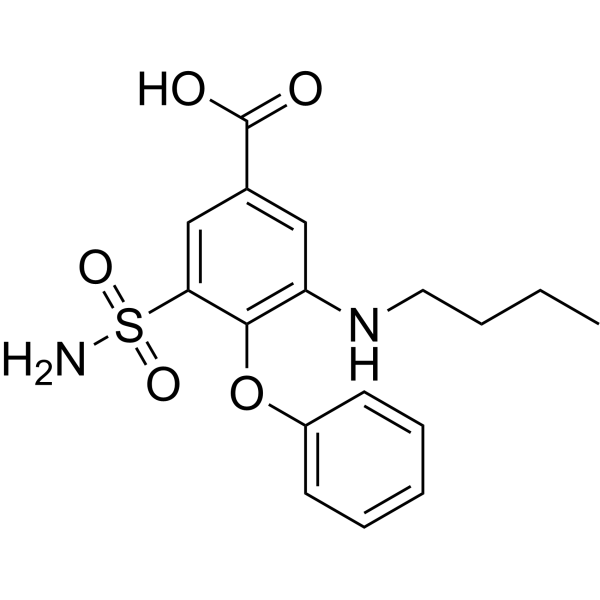
    Bumetanide
    15+ Cited Publications

    Ro 10-6338; PF 1593

    NKCC Cardiovascular Disease Metabolic Disease
    Bumetanide (Ro 10-6338; PF 1593), a highly potent loop diuretic, is a Na +-K +-Cl + cotransporter (NKCC) blocker. Bumetanide is a selective NKCC1 inhibitor, but also inhibits NKCC2, with IC50s of 0.68 μM and 4.0 μM for hNKCC1A and hNKCC2A, respectively .
    Bumetanide
  • HY-108801A
    Aflibercept (VEGF Trap)
    1 Publications Verification

    VEGFR Cardiovascular Disease Metabolic Disease Cancer
    Aflibercept (VEGF Trap) is a soluble decoy VEGFR constructed by fusing the Ig domains of VEGFR1 and VEGFR2 with the Fc region of human IgG1. Aflibercept inhibits VEGF signaling by reducing VEGF-regulated processes. Aflibercept can be used for thr research of age-related macular degeneration (AMD) and cardiovascular disease .
    Aflibercept (VEGF Trap)
  • HY-13817
    IU1
    Maximum Cited Publications
    25 Publications Verification

    Deubiquitinase Autophagy Apoptosis Cardiovascular Disease Neurological Disease Endocrinology Cancer
    IU1 is a selective, reversible USP14 inhibitor with an IC50 of 4-5 μM. IU1 binds USP14’s catalytic cleft to block deubiquitinase activity. IU1 induces calpain-dependent Tau cleavage, causes ATP deficits, reduces E1~Ub thioester levels and 26S proteasome assembly. IU1 enhances 26S proteasome chymotrypsin-like activity, modulates LC3B-dependent autophagy flux, reduces cancer cell proliferation and migration, and blocks G0/G1 to S phase cell cycle transition in follicular thyroid cancer cells. IU1 activates autophagy-lysosomal and ubiquitin-proteasome pathways, triggers apoptosis, and reduces cervical cancer cell growth. IU1 enhances degradation of proteasome substrates linked to neurodegenerative disease, accelerates oxidized protein degradation, and increases oxidative stress resistance. IU1 can be used for the research of Alzheimer’s disease, follicular thyroid cancer, ischemic stroke, cervical cancer, and neurodegenerative disease .
    IU1
  • HY-108801
    Aflibercept
    1 Publications Verification

    VEGF Trap; VEGF-TRAPR1R2; VEGF-trapR1

    VEGFR Cardiovascular Disease Metabolic Disease Cancer
    Aflibercept (VEGF Trap) is a soluble decoy VEGFR constructed by fusing the Ig domains of VEGFR1 and VEGFR2 with the Fc region of human IgG1. Aflibercept inhibits VEGF signaling by reducing VEGF-regulated processes. Aflibercept can be used for thr research of age-related macular degeneration (AMD) and cardiovascular disease .
    Aflibercept
  • HY-149164
    BTB09089
    1 Publications Verification

    GPR65 Neurological Disease Inflammation/Immunology
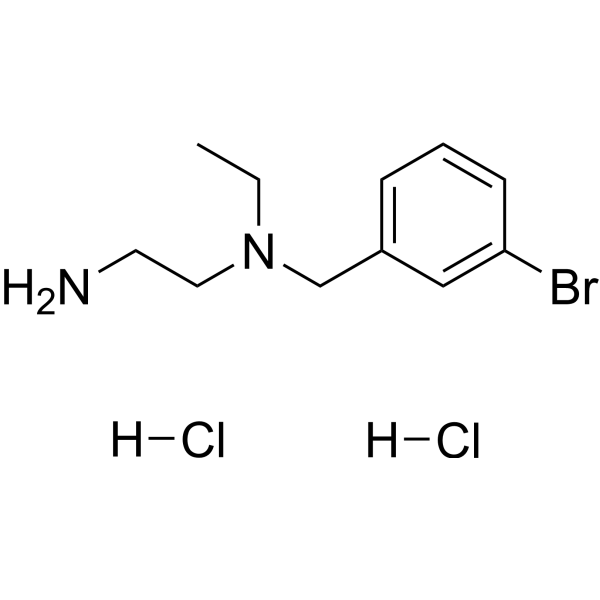
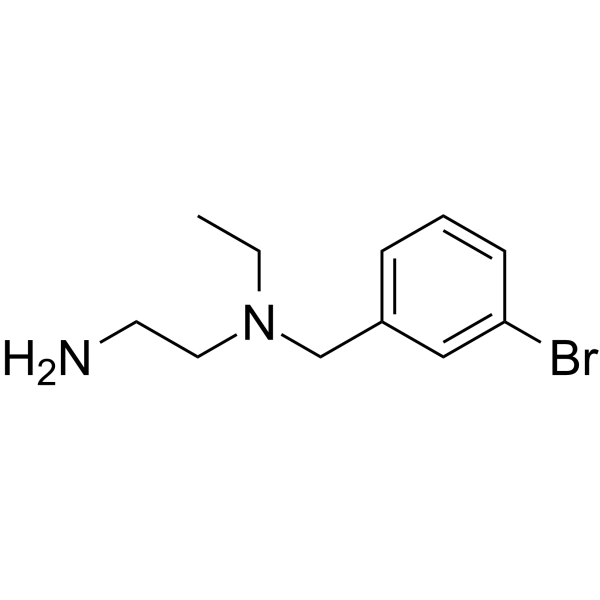
    BTB09089 is a T cell death-associated gene 8 (TDAG8/GPR65) specific agonist. BTB09089 increases TDAG8 expression and regulates the cytokine production of T cells and macrophages .
    BTB09089
  • HY-18939
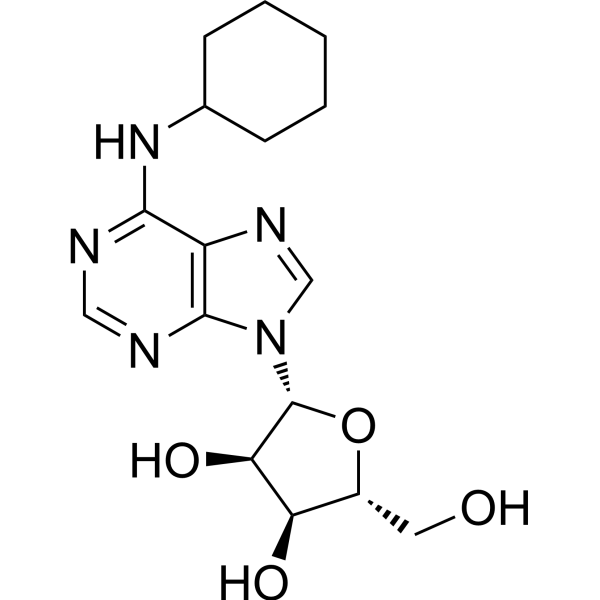
    N6-Cyclohexyladenosine
    3 Publications Verification

    CHA

    Adenosine Receptor PI3K Akt Epigenetic Reader Domain Neurological Disease Cancer
    N6-Cyclohexyladenosine is a selective adenosine A1 receptor agonist (EC50 = 8.2 nM). N6-Cyclohexyladenosine enhances the activation of the PI3K/Akt/CREB/BDNF axis. N6-Cyclohexyladenosine promotes remyelination, induces sleep, and improves 3-NP-induced Huntington's disease. N6-Cyclohexyladenosine can be used in liver cancer research .
    N6-Cyclohexyladenosine
  • HY-B0612A
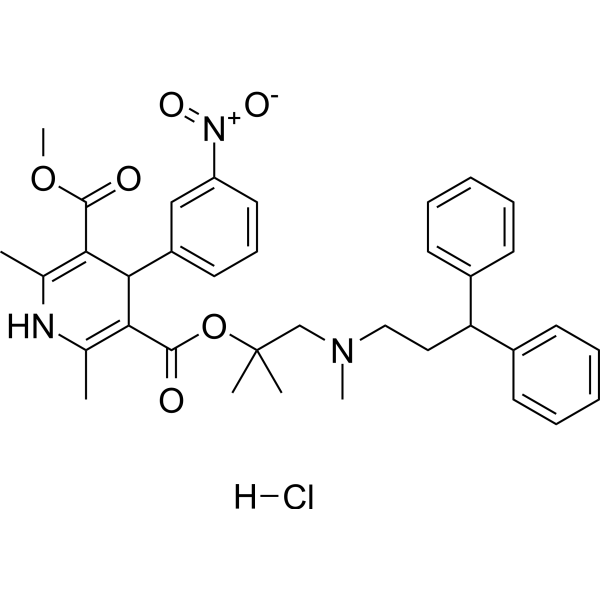
    Lercanidipine hydrochloride
    1 Publications Verification

    Calcium Channel Apoptosis Reactive Oxygen Species (ROS) p38 MAPK NF-κB Cardiovascular Disease Neurological Disease
    Lercanidipine is a third-generation, lipophilic, brain-penetrant, vascular-selective and orally active dihydropyridine-calcium channel blocker with a pIC50 of 7.74 (converts from μM). Lercanidipine has long lasting antihypertensive action as well as reno- and neuro-protective effect. Lercanidipine also shows anti-oxidant, anti-inflammatory and anti-apoptotic properties. Lercanidipine can be used in cardiovascular and neurological research .
    Lercanidipine hydrochloride
  • HY-N0361
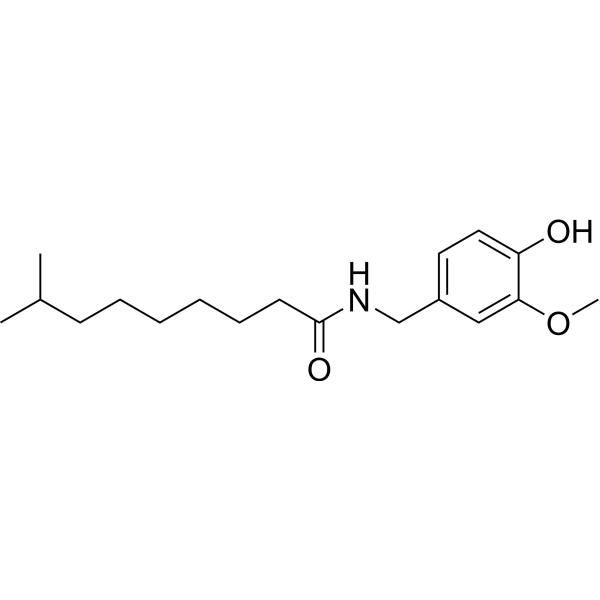
    Dihydrocapsaicin
    4 Publications Verification

    Environmental Pollutants Caspase Akt Apoptosis Reactive Oxygen Species (ROS) TRP Channel Bcl-2 Family PI3K Cardiovascular Disease Neurological Disease
    Dihydrocapsaicin, a capsaicin, is a potent and selective TRPV1 (transient receptor potential vanilloid channel 1) agonist. Dihydrocapsaicin reduces AIF, Bax, and Caspase-3 expressions, and increased Bcl-2, Bcl-xL and p-Akt levels. Dihydrocapsaicin enhances the hypothermia-induced neuroprotection following ischemic stroke via PI3K/Akt regulation in rat .
    Dihydrocapsaicin
  • HY-B0612
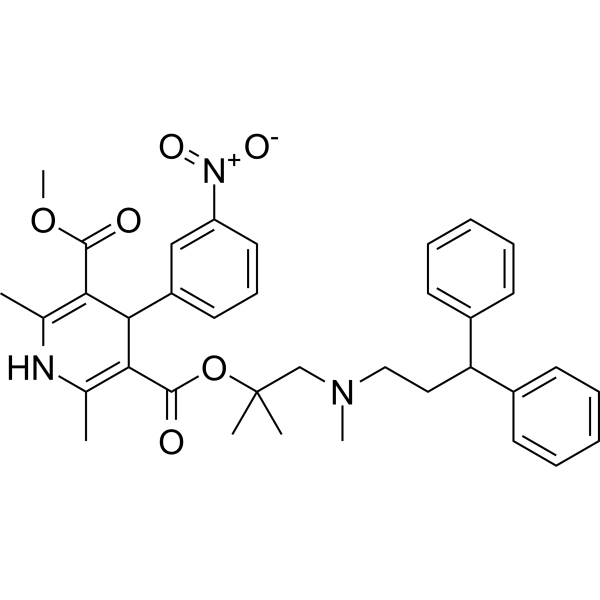
    Lercanidipine
    1 Publications Verification

    Calcium Channel Apoptosis Reactive Oxygen Species (ROS) p38 MAPK NF-κB Cardiovascular Disease Neurological Disease
    Lercanidipine is a third-generation, lipophilic, brain-penetrant, vascular-selective and orally active dihydropyridine-calcium channel blocker with a pIC50 of 7.74 (converts from μM). Lercanidipine has long lasting antihypertensive action as well as reno- and neuro-protective effect. Lercanidipine also shows anti-oxidant, anti-inflammatory and anti-apoptotic properties. Lercanidipine can be used in cardiovascular and neurological research .
    Lercanidipine
  • HY-175032

    Ferroptosis Epigenetic Reader Domain Reactive Oxygen Species (ROS) Glutathione Peroxidase Cardiovascular Disease Neurological Disease
    ATF3-IN-1 is a ferroptosis and ATF3 inhibitor. ATF3-IN-1 inhibits oxidative stress and ferroptosis through the ATF3/SLC7A11/GPX4 pathway, exerting anti-ischemic stroke effects. ATF3-IN-1 can attenuate ischemia/reperfusion (I/R) injury and improve neuronal survival. ATF3-IN-1 has neuroprotective effects and can be used to study ischemic stroke .
    ATF3-IN-1
  • HY-N0353
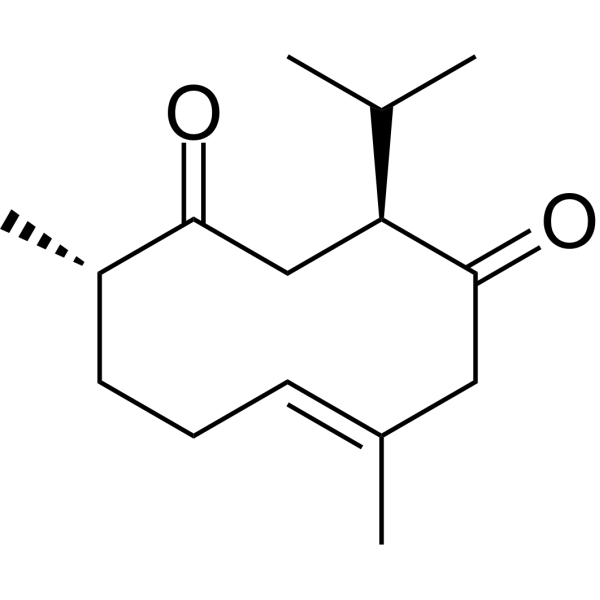
    Curdione
    2 Publications Verification

    (+)-Curdione

    Ferroptosis Apoptosis Reactive Oxygen Species (ROS) Autophagy Glutathione Peroxidase Keap1-Nrf2 Heme Oxygenase (HO) TGF-β Receptor Indoleamine 2,3-Dioxygenase (IDO) Cardiovascular Disease Neurological Disease Cancer
    Curdione ((+)-Curdione) is an orally active sesquiterpenoid. Curdione inhibits platelet aggregation. Curdione induces ferroptosis in colorectal cancer via m6A methylation mediated by METTL14 and YTHDF2. Curdione inhibits ferroptosis in Isoproterenol (HY-B0468)-induced myocardial infarction by regulating the Keap1/Trx1/GPX4 signaling pathway, suppressing oxidative stress (ROS) and apoptosis. Curdione ameliorates Doxorubicin (HY-15142)-induced cardiotoxicity by inhibiting oxidative stress (ROS) and activating the Nrf2/HO-1 pathway. Curdione ameliorates sepsis-induced lung injury by inhibiting platelet-mediated neutrophil extracellular trap formation. Curdione ameliorates Bleomycin (HY-17565A)-induced pulmonary fibrosis by inhibiting TGF-β-induced fibroblast-to-myofibroblast differentiation. Curdione exhibits neuroprotective effects against focal cerebral ischemia-reperfusion injury in rats. Curdione exerts antiproliferative effects against human uterine leiomyosarcoma by targeting IDO1. Curdione protects vascular endothelial cells and atherosclerosis by regulating DNMT1-mediated ERBB4 promoter methylation. Curdione inhibits inducible prostaglandin E2 production (IC50 = 1.1 μM) and cyclooxygenase 2 expression .
    Curdione
  • HY-B1216

    Sigma Receptor Cardiovascular Disease Others Neurological Disease
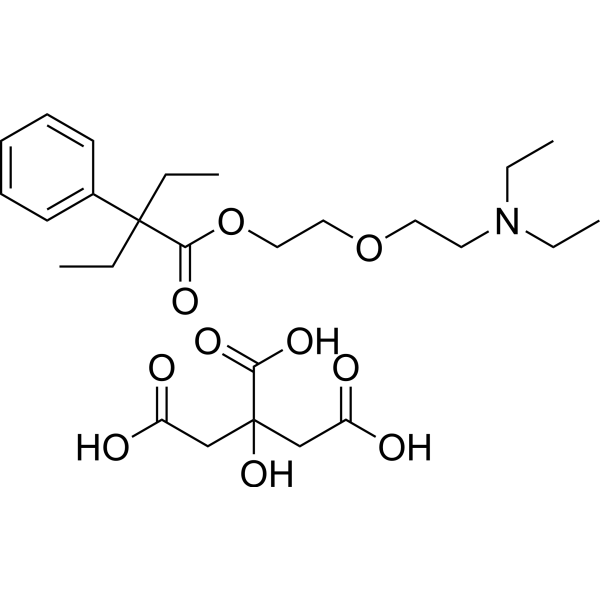
    Oxeladin citrate is an orally active and brain-penetrant cough suppressant as well as a selective sigma 1 receptor agonist (Ki = 25 nM). Oxeladin can be used for pulmonary diseases and stroke research .
    Oxeladin citrate
  • HY-N3847

    Eriodictyol 7-O-β-D-glucoside

    Keap1-Nrf2 Neurological Disease
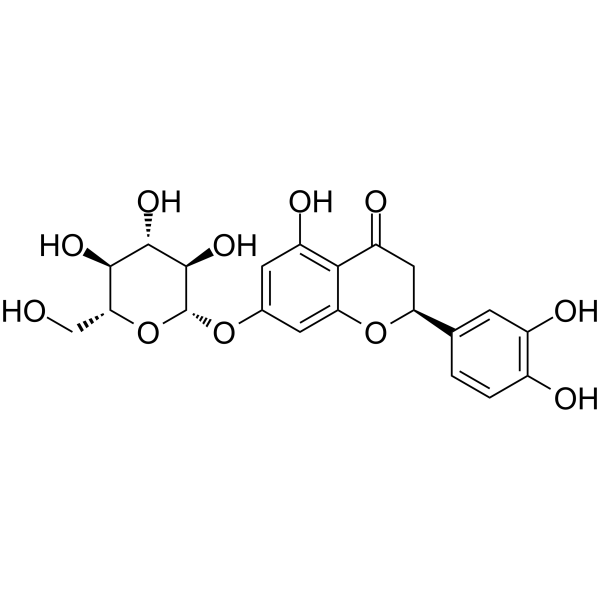
    Eriodictyol-7-O-glucoside (Eriodictyol 7-O-β-D-glucoside), a flavonoid, is an Nrf2 activator. Eriodictyol-7-O-glucoside exhibits significant scavenging effects on both hydroxyl radicals and superoxide anions, with IC50 values of 0.28 mM and 0.30 mM, respectively. Eriodictyol-7-O-glucoside increases the nuclear localization of Nrf2 and induces the expression of the Nrf2/ARE-dependent genes. Eriodictyol-7-O-glucoside provides protection against oxygen and glucose deprivation (OGD)-induced oxidative insult. Eriodictyol-7-O-glucoside demonstrates neuroprotective efficacy in a rat model of focal cerebral ischemia (MCAO). Eriodictyol-7-O-glucoside can be used for the study of stroke .
    Eriodictyol-7-O-glucoside
  • HY-N2255
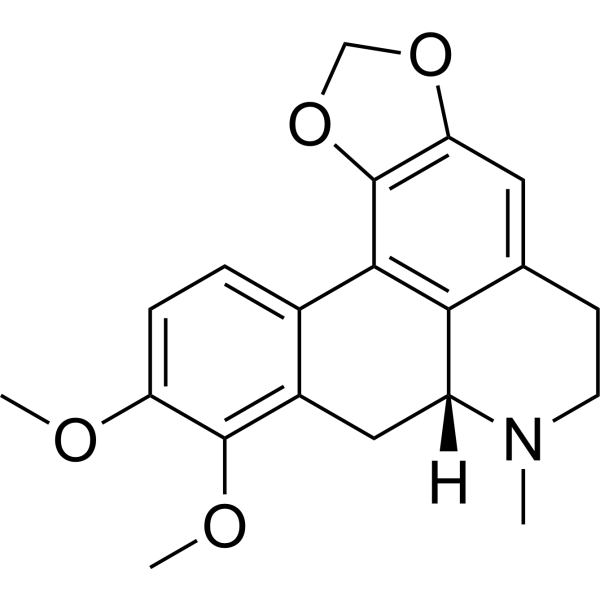
    Crebanine
    4 Publications Verification

    Akt Apoptosis NF-κB Reactive Oxygen Species (ROS) p38 MAPK ERK Interleukin Related TNF Receptor NO Synthase nAChR Bacterial Cancer
    Crebanine is an isoquinoline-like alkaloid that can be derived from Stephania. Crebanine is an antagonist of the α7-nAChR with an IC50 of 19.1 μM. Crebanine suppresses the proliferation, migration, and invasion of cancer cells, triggers reactive oxygen species (ROS) burst, and promotes apoptosis. Crebanine inhibits the AKT/FoxO3a, NF-κB and MAPK signaling pathways. Crebanine attenuates NOX2 hyperactivation, exhibits antioxidant properties by reducing reactive oxygen species and peroxidation in microglia cells. Crebanine inhibits voltage-dependent Na + current in guinea-pig ventricular myocytes. Crebanine has high inhibitory activity against gram-positive animal pathogenic bacteria. Crebanine ameliorates ischemia-reperfusion brain damage in middle cerebral artery occlusion and reperfusion (MCAO/R) rats. Crebanine significantly improves Scopolamine (HY-N0296)-induced cognitive deficits in ICR mice. Crebanine can be used for the study of hepatocellular carcinoma (HCC), cerebral ischemia and Alzheimer's disease .
    Crebanine
  • HY-P2159

    Opioid Receptor Endogenous Metabolite Neurological Disease
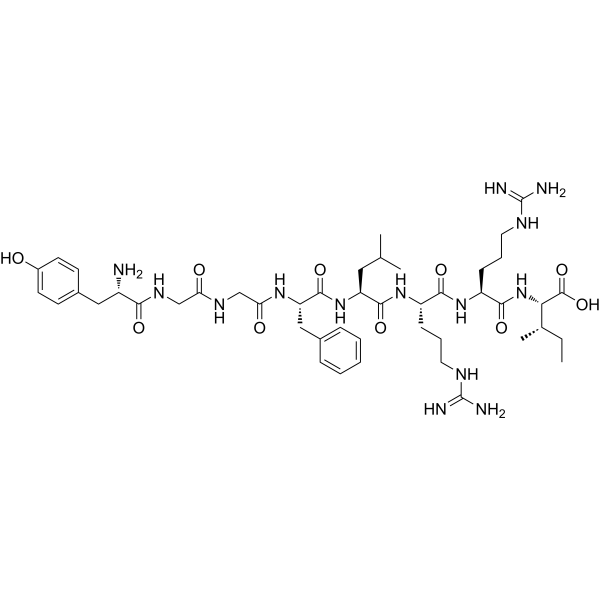
    Dynorphin A (1-8) is a ligand with preference for the κ-opioid receptor, and its IC50 value against human placental κ-opioid receptor is 330 nM. Dynorphin A (1-8) mediates neuroprotective effects by inhibiting oxidative stress, suppressing apoptosis, and competitively displacing the binding of κ partial agonists. Dynorphin A (1-8) is the dominant opioid peptide in human placental villi and tissue extracts; it undergoes rapid hydrolysis and can enter the central nervous system via intranasal administration. Dynorphin A (1-8) can be used in studies related to ischemic stroke .
    Dynorphin A (1-8)
  • HY-139192
    Brophenexin
    3 Publications Verification

    NMDAR/TRPM4-IN-2

    iGluR TRP Channel ERK Neurological Disease
    Brophenexin (compound 8) is a potent NMDAR/TRPM4 interaction interface inhibitor. Brophenexin shows neuroprotective activity. Brophenexin prevents NMDA-induced cell death and mitochondrial dysfunction in hippocampal neurons, with an IC50 of 2.1 μM. Brophenexin protects mice from MCAO-induced brain damage and NMDA-induced retinal ganglion cell loss .
    Brophenexin
  • HY-148825

    iGluR Histamine Receptor Potassium Channel Cytochrome P450 Adrenergic Receptor Metabolic Disease Inflammation/Immunology Cancer
    NP10679 is a selective, pH dependent GluN2B subunit-specific N-methyl-D-aspartate (NMDA) receptor inhibitor with high oral bioavailability and good brain penetration. NP10679 inhibits GluN2B with IC50s of 23 and 142 nM at pH 6.9 and 7.6, respectively. NP10679 is a histamine H1 antagonist and a hERG channel inhibitor with IC50s of 73 and 620 nM, respectively. NP10679 is a reversible inhibitor of human liver CYP enzymes .
    NP10679
  • HY-125039
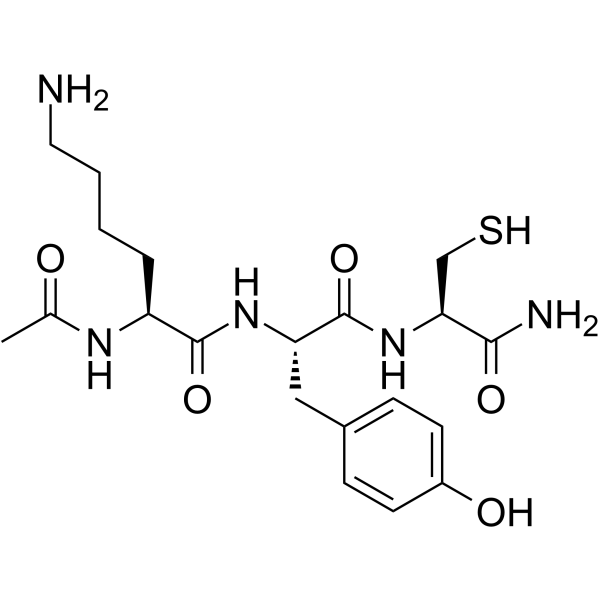
    N-Acetyl lysyltyrosylcysteine amide
    2 Publications Verification

    Glutathione Peroxidase Cardiovascular Disease Neurological Disease
    N-Acetyl lysyltyrosylcysteine amide is a potent, reversible, specific, and non-toxic tripeptide inhibitor of myeloperoxidase (MPO). N-Acetyl lysyltyrosylcysteine amide effectively inhibits MPO generation of toxic oxidants in vivo. N-Acetyl lysyltyrosylcysteine amide reduces neuronal damage and preserves brain tissue and neurological function in the stroked brain. N-Acetyl lysyltyrosylcysteine amide inhibits MPO-dependent hypochlorous acid (HOCl) generation, protein nitration, and LDL oxidation .
    N-Acetyl lysyltyrosylcysteine amide
  • HY-139192A
    Brophenexin free base
    3 Publications Verification

    NMDAR/TRPM4-IN-2 free base

    iGluR TRP Channel ERK Neurological Disease
    Brophenexin free base (compound 8) is a potent NMDAR/TRPM4 interaction interface inhibitor. Brophenexin free base shows neuroprotective activity. Brophenexin free base prevents NMDA-induced cell death and mitochondrial dysfunction in hippocampal neurons, with an IC50 of 2.1 μM. Brophenexin free base protects mice from MCAO-induced brain damage and NMDA-induced retinal ganglion cell loss .
    Brophenexin free base
  • HY-162359

    IRAK Neurological Disease Inflammation/Immunology
    BIO-7488 is an orally active, selective and blood-brain barrier permeable IRAK4 inhibitor, with an IC50 value of 0.5 nM. BIO-7488 inhibits the production of pro-inflammatory cytokines (IL-1β, TNFα, IL-6) and demonstrates anti-inflammatory effects in both LPS (HY-D1056) and distal hypoxic-middle cerebral artery occlusion (DH-MCAO) ischemic stroke model. BIO-7488 can be used for the study of neuroinflammatory-related diseases, particularly ischemic stroke .
    BIO-7488
  • HY-14256
    BMS-191095
    1 Publications Verification

    Potassium Channel Cardiovascular Disease Neurological Disease
    BMS-191095 is a selective activator of mitochondrial ATP-sensitive potassium (mitoKATP) channels. BMS-191095 inhibits human platelet aggregation by opening mitochondrial K(ATP) channels .
    BMS-191095
  • HY-161104
    Kv2.1-IN-1
    1 Publications Verification

    Potassium Channel Apoptosis Cardiovascular Disease Neurological Disease
    Kv2.1-IN-1 is an orally active and blood-brain barrier penetrant Kv2.1 inhibitor with an IC50 of 0.07 μM. Kv2.1-IN-1 exhibits a selectivity >130 fold over other K +, Na +, and Ca 2+ ion channels. Kv2.1-IN-1 decreases the apoptosis of HEK293 cells induced by H2O2. Kv2.1-IN-1 produces significant neuroprotection efficacy in middle cerebral artery occlusion (MCAO) rat. Kv2.1-IN-1 can be used for the study of ischemic stroke .
    Kv2.1-IN-1
  • HY-126049

    (S)-(-)-Oxiracetam; (S)-ISF2522

    Apoptosis Neurological Disease
    (S)-oxiracetam (S-ORC) is an inhibitor targeting apoptosis. S-ORC reduces brain infarct size and lessens neurological dysfunction in middle cerebral artery occlusion/reperfusion (MCAO/R) models. S-ORC prevents neuronal apoptosis via activating PI3K/Akt/GSK3β signaling pathway via α7 nAChR after ischemic stroke. S-ORC can prevent neuronal death after ischemic stroke .
    (S)-Oxiracetam
  • HY-127022A

    Daturamine hydrobromide; α-Hydroxyscopolamine hydrobromide

    mAChR Calcium Channel Reactive Oxygen Species (ROS) Neurological Disease
    Anisodine (Daturamine) hydrobromide is a neuroprotective compound that reduces exacerbated M1, M2, M4, and M5 receptor expression in brain tissues under hypoxia/reoxygenation conditions. Anisodine hydrobromide inhibits calcium ion influx and reactive oxygen species (ROS)levels. Anisodine hydrobromide leads to decreased aspartate levels during hypoxia .
    Anisodine hydrobromide
  • HY-127022

    Daturamine; α-Hydroxyscopolamine

    mAChR Calcium Channel Reactive Oxygen Species (ROS) Neurological Disease
    Anisodine (Daturamine) is a neuroprotective compound that reduces exacerbated M1, M2, M4, and M5 receptor expression in brain tissues under hypoxia/reoxygenation conditions. Anisodine inhibits calcium ion influx and reactive oxygen species (ROS)levels. Anisodine leads to decreased aspartate levels during hypoxia .
    Anisodine
  • HY-119495

    Thyroid Hormone Receptor Neurological Disease
    JTP 2942 is a thyrotropin-releasing hormone analogue. JTP 2942 can promote the release of Acetylcholine in the hippocampus and frontal cortex of rats. JTP 2942 possesses neuroprotective and cognitive-improving activities. JTP 2942 dose-dependently improves motor and neurological deficits in rat models of chronic focal cerebral ischemia. JTP 2942 can be used for the research of cerebral ischemia, motor neuron diseases, and other related conditions .
    JTP 2942
  • HY-165616

    Trk Receptor Neurological Disease
    NS 1231 is a neurotrophic-like compound with neuroprotective effect. NS 1231 can rescue nerve growth factor (NGF)-differentiated PC12 cells from death induced by withdrawal of trophic factors. NS 1231 can stimulate NGF-induced neurite outgrowth of undifferentiated PC12 cells. NS 1231 can be used for the research of neurological disease, such as stroke .
    NS 1231
  • HY-N8931

    Lithospermic acid monomethyl ester

    Akt Neurological Disease
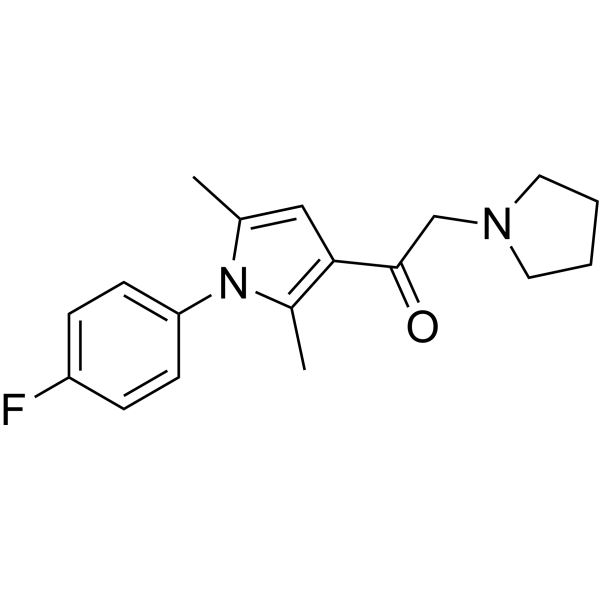
    Monomethyl lithospermate activates the PI3K/AKT pathway, which plays a protective role in nerve injury. Monomethyl lithospermate can improve the survival ability of SHSY-5Y cells, inhibit the breakdown of mitochondrial membrane potential (MMOP) and inhibit cell apoptosis. Monomethyl lithospermate also reduced the level of oxidative stress in the brain tissue of rats with middle artery occlusion (MCAO) and improved nerve damage in rats with ischemic stroke (IS) .
    Monomethyl lithospermate
  • HY-178464

    RIP kinase Mixed Lineage Kinase Necroptosis Neurological Disease Inflammation/Immunology
    RIPK1-IN-34 is a selective, brain-penetrant RIPK1 inhibitor (IC50 = 126.70 nM) with almost no inhibitory effect on RIPK3 (IC50 > 10, 000 nM). RIPK1-IN-34 offers substantial neuroprotection by inhibiting the phosphorylation of RIPK1, RIPK3, and mixed lineage kinase domain-like pseudokinase (MLKL) within the necroptosis pathway. RIPK1-IN-34 shows the neuroprotective effect in a rat middle cerebral artery occlusion (MCAO) model. RIPK1-IN-34 can be used for the study of anti-acute ischemic stroke (AIS) .
    RIPK1-IN-34
  • HY-N0361R

    Reference Standards TRP Channel Reactive Oxygen Species (ROS) Apoptosis Caspase Bcl-2 Family Akt PI3K Cardiovascular Disease Neurological Disease
    Dihydrocapsaicin (Standard) is the analytical standard of Dihydrocapsaicin. This product is intended for research and analytical applications. Dihydrocapsaicin, a capsaicin, is a potent and selective TRPV1 (transient receptor potential vanilloid channel 1) agonist. Dihydrocapsaicin reduces AIF, Bax, and Caspase-3 expressions, and increased Bcl-2, Bcl-xL and p-Akt levels. Dihydrocapsaicin enhances the hypothermia-induced neuroprotection following ischemic stroke via PI3K/Akt regulation in rat .
    Dihydrocapsaicin (Standard)
  • HY-B0612AR

    Reference Standards Calcium Channel Apoptosis Reactive Oxygen Species (ROS) p38 MAPK NF-κB Cardiovascular Disease Neurological Disease
    Lercanidipine (hydrochloride) (Standard) is the analytical standard of Lercanidipine (hydrochloride). This product is intended for research and analytical applications. Lercanidipine is a third-generation, lipophilic, brain-penetrant, vascular-selective and orally active dihydropyridine-calcium channel blocker with a pIC50 of 7.74 (converts from μM). Lercanidipine has long lasting antihypertensive action as well as reno- and neuro-protective effect. Lercanidipine also shows anti-oxidant, anti-inflammatory and anti-apoptotic properties. Lercanidipine can be used in cardiovascular and neurological research .
    Lercanidipine hydrochloride (Standard)
  • HY-174127

    P2Y Receptor Neurological Disease
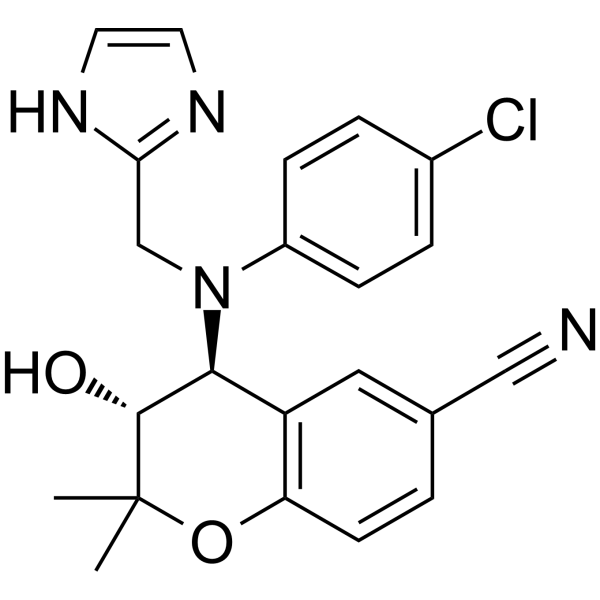
    P2Y1 antagonist 3 (compound 36b) is a blood-brain barrier (BBB)-penetrant P2Y1 antagonist with an IC50 of 0.50 μM. P2Y1 antagonist 3 exhibits protective effects in a rat middle cerebral artery occlusion (MCAO) model and demonstrates neuroprotective activity against oxidative stress by upregulating nuclear Nrf2 protein levels .
    P2Y1 antagonist 3
  • HY-159928

    Reactive Oxygen Species (ROS) PGC-1α NOD-like Receptor (NLR) Neurological Disease
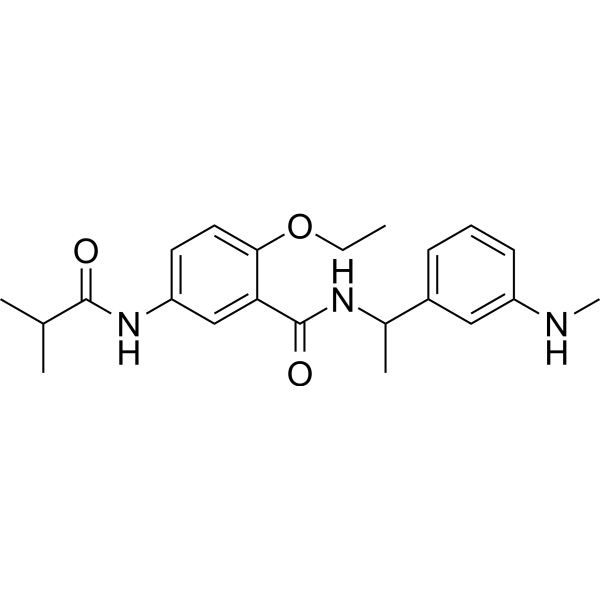
    Neuroprotective agent 8 (compound AA-9) is an oral active neuroprotective agent by anti-oxidative stress and anti-inflammation. Neuroprotective agent 8 activates PGC-1α and inhibits NLRP3 in the rat MCAO ischemic stroke model .
    Neuroprotective agent 8
  • HY-123654

    PPAR Neurological Disease
    L-796449 is a potent PPARγ agonist. L-796449 shows neuroprotective. L-796449 has the potential for the research of stroke .
    L-796449
  • HY-155997

    COX Inflammation/Immunology
    Anti-inflammatory agent 56 (Compound 9) is a selective COX-2 inhibitor (IC50: 0.54 μM). Anti-inflammatory agent 56 has anti-oxidant and anti-inflammatory effects. Anti-inflammatory agent 56 inhibits oxidative stress induced cell death. Anti-inflammatory agent 56 inhibits oxidative stress and neuroinflammation by inhibiting Keap1, COX-2 and iNOS. Anti-inflammatory agent 56 has low acute toxicity in mice (LD50: 1000 mg/kg) .
    Anti-inflammatory agent 56
  • HY-172455

    Potassium Channel Neurological Disease
    TREK inhibitor-3 (Cpd8l) is a selective and BBB-permeable TREK-1 inhibitor with an IC50 of 0.81 μM. TREK inhibitor-3 has neuroprotective effects, which can significantly reduce the death of cortical neurons induced by oxygen-glucose deprivation/reoxygenation (OGD/R) and improve brain injury in mice models of middle cerebral artery occlusion/reperfusion (MCAO/R). TREK inhibitor-3 can be used in the research of ischemic stroke .
    TREK inhibitor-3
  • HY-168770

    RIP kinase TNF Receptor Apoptosis Cardiovascular Disease
    Cl-Necrostatin-1 is a RIPK1 inhibitor. Cl-Necrostatin-1 can also inhibit TNF-α-induced necroptosis in Jurkat cells deficient in Fas-associated death domain protein (FADD; EC50 = 180 nM), a modification that prevents caspase activation in response to death-domain receptor signaling. Cl-Necrostatin-1 can also reduce infarct size in a mouse model of middle cerebral artery occlusion (MCAO). Cl-Necrostatin-1 is used for research in cardiovascular and cerebrovascular diseases .
    Cl-Necrostatin-1
  • HY-B1216R

    Reference Standards Sigma Receptor Cardiovascular Disease Others Neurological Disease
    Oxeladin (citrate) (Standard) is the analytical standard of Oxeladin (citrate). This product is intended for research and analytical applications. Oxeladin citrate is an orally active and brain-penetrant cough suppressant as well as a selective sigma 1 receptor agonist (Ki = 25 nM). Oxeladin can be used for pulmonary diseases and stroke research .
    Oxeladin citrate (Standard)
  • HY-100458

    NO Synthase Neurological Disease
    SCR-4026 is a neuroprotective agent with blood-brain barrier penetration ability. SCR-4026 exerts neuroprotective effects by disrupting the interaction between neuronal nNOS and PSD9, with an IC50 of 6.3 μM. SCR-4026 alleviates N-methyl-D-aspartate (NMDA)-induced excitotoxic damage in primary cortical neurons, and also protects neurons in the oxygen-glucose deprivation (OGD) model. SCR-4026 can reduce the cerebral infarct volume in the rat middle cerebral artery occlusion (MCAO) reperfusion model. SCR-4026 can be used for the study of stroke .
    SCR-4026
  • HY-157936

    iGluR Neurological Disease
    GluN2B-NMDAR antagonist-2 (compound S-58) is a potent, selective and cross the blood-brain barrier NMDAR-GluN2B antagonist with an IC50 value of 74.01, nM. GluN2B-NMDAR antagonist-2 shows mild cytotoxicity. GluN2B-NMDAR antagonist-2 decreases the cerebral infarction rates and neurologic deficit scores. GluN2B-NMDAR antagonist-2 has the potential for the research of stroke .
    GluN2B-NMDAR antagonist-2
  • HY-17468A

    Ro 10-6338 sodium; PF 1593 sodium

    NKCC Cardiovascular Disease Metabolic Disease
    Bumetanide sodium, a highly potent loop diuretic, is a Na +-K +-Cl + cotransporter (NKCC) blocker. Bumetanide sodium is a selective NKCC1 inhibitor, and also inhibits NKCC2, with IC50s of 0.68 and 4.0 μM for hNKCC1A and hNKCC2A, respectively .
    Bumetanide sodium
  • HY-114659

    Sodium Channel Apoptosis Reactive Oxygen Species (ROS) Neurological Disease Inflammation/Immunology
    AM-36 is a neuroprotective agent with combined antioxidant and sodium channel blocking actions. AM-36 can inhibit cell apoptosis and ROS prodiction. AM-36 can reduce neuronal damage and DA release after middle cerebral artery occlusion in rats. AM-36 can be used for the researches of inflammation and neurological disease, such as stroke .
    AM-36
  • HY-N0353R

    (+)-Curdione (Standard)

    Reference Standards Ferroptosis Apoptosis Reactive Oxygen Species (ROS) Autophagy Glutathione Peroxidase Keap1-Nrf2 Heme Oxygenase (HO) TGF-β Receptor Indoleamine 2,3-Dioxygenase (IDO) Others
    Curdione (Standard) is the analytical standard of Curdione. This product is intended for research and analytical applications. Curdione ((+)-Curdione) is an orally active sesquiterpenoid. Curdione inhibits platelet aggregation. Curdione induces ferroptosis in colorectal cancer via m6A methylation mediated by METTL14 and YTHDF2. Curdione inhibits ferroptosis in Isoproterenol (HY-B0468)-induced myocardial infarction by regulating the Keap1/Trx1/GPX4 signaling pathway, suppressing oxidative stress (ROS) and apoptosis. Curdione ameliorates Doxorubicin (HY-15142)-induced cardiotoxicity by inhibiting oxidative stress (ROS) and activating the Nrf2/HO-1 pathway. Curdione ameliorates sepsis-induced lung injury by inhibiting platelet-mediated neutrophil extracellular trap formation. Curdione ameliorates Bleomycin (HY-17565A)-induced pulmonary fibrosis by inhibiting TGF-β-induced fibroblast-to-myofibroblast differentiation. Curdione exhibits neuroprotective effects against focal cerebral ischemia-reperfusion injury in rats. Curdione exerts antiproliferative effects against human uterine leiomyosarcoma by targeting IDO1. Curdione protects vascular endothelial cells and atherosclerosis by regulating DNMT1-mediated ERBB4 promoter methylation. Curdione inhibits inducible prostaglandin E2 production (IC50 = 1.1 μM) and cyclooxygenase 2 expression .
    Curdione (Standard)
  • HY-173142

    Drug Derivative Neurological Disease
    Neuroprotective agent 7 (Compound 13) is a BBB-penetrable neuroprotective agent. Neuroprotective agent 7 has a powerful neuroprotective effect and can reduce the cerebral infarct area in the MCAO rat model. Neuroprotective agent 7 can be used in the research of diseases such as cerebral ischemia .
    Neuroprotective agent 7
  • HY-181549

    Phosphodiesterase (PDE) Cardiovascular Disease Neurological Disease
    PDE4-IN-32 (Compound B05) is a selective, blood-brain barrier permeable PDE4B and PDE4D inhibitor with IC50 values of 13.7 nM and 23.8 nM, respectively. PDE4-IN-32 promotes the recovery of motor and cognitive function in MCAO/R mouse models. PDE4-IN-32 reduces cerebral edema. PDE4-IN-32 can be used for the research of ischemic stroke .
    PDE4-IN-32
  • HY-B1216A

    Sigma Receptor Cardiovascular Disease Neurological Disease Inflammation/Immunology
    Oxeladin is an orally active and brain-penetrant cough suppressant as well as a selective sigma 1 receptor agonist (Ki = 25 nM). Oxeladin can be used for pulmonary diseases and stroke research .
    Oxeladin
  • HY-180806

    RIP kinase Apoptosis Cardiovascular Disease Neurological Disease
    RIPK1-IN-39 (compound 2) is a potent and selective RIPK1 inhibitor (IC50 = 69.40 nM) exhibiting >100-fold selectivity over RIPK3 (IC50 = 6946 nM). RIPK1-IN-39 protects HT-22 and HT-29 cells from necroptosis by inhibiting the phosphorylation and activation of the RIPK1-RIPK3-MLKL pathway. RIPK1-IN-39 demonstrates neuroprotective effects in a rat model of middle cerebral artery occlusion (MCAO). RIPK1-IN-39 can be used for acute ischemic stroke (AIS) research .
    RIPK1-IN-39
  • HY-182068

    iGluR Cardiovascular Disease Neurological Disease
    NFI23 is a GluN2B-NMDAR inhibitor with an IC50 of 1.31 μM and a Ki of 5.98 nM against GluN2B-NMDAR. NFI23 can cross the blood-brain barrier. NFI23 binds to the ifenprodil binding site of GluN2B-NMDAR, reduces NMDA-induced Ca 2+ influx and reactive oxygen species (ROS) production, maintains mitochondrial membrane potential, inhibits neuronal apoptosis, and restores the expression of p-ERK1/2. NFI23 exerts neuroprotective effects against NMDA-induced cytotoxicity and in the rat middle cerebral artery occlusion (MCAO) model. NFI23 can be used for the research of ischemic stroke .
    NFI23

Inquiry Online

Your information is safe with us. * Required Fields.

Salutation


Country or Region *

Applicant Name *


Organization Name *

Department *


Email Address *


Product Name *

Cat. No.


Requested quantity *

Phone Number *


Remarks

Inquiry Online

Inquiry Information

Product Name:
Cat. No.:
Quantity:
MCE Japan Authorized Agent:

