
Search Result
Results for "
Memory enhancement
" in MedChemExpress (MCE) Product Catalog:
4
Isotope-Labeled Compounds
| Cat. No. |
Product Name |
Target |
Research Areas |
Chemical Structure |
-
- HY-16900
-
|
(R,S)-Rolipram; (±)-Rolipram; ZK 62711
|
Bacterial
HIV
Phosphodiesterase (PDE)
Epigenetic Reader Domain
Amyloid-β
|
Infection
Neurological Disease
Cancer
|
|
Rolipram is a PDE4 inhibitor, with blood-brain barrier permeability, that reverses β-amyloid-induced learning and memory impairment in rats. Rolipram elevates intracellular cAMP and clevels and regulates the cAMP/CREB signaling pathway, thereby alleviating neuroinflammation and apoptotic responses. Rolipram promotes neuronal differentiation of human bone marrow mesenchymal stem cells and inhibits Methamphetamine- and morphine-induced hyperlocomotion in mice. Rolipram also reduces the viability of glioblastoma stem-like cells and enhances Bevacizumab (HY-P9906)-induced cell death. Rolipram inhibits the expression of proinflammatory cytokines and enhances central noradrenergic transmission. Rolipram is mainly used in studies related to various central nervous system diseases including Alzheimer's disease, major depressive disorder, glioblastoma multiforme, and multiple sclerosis .
|
-
-
- HY-N0824
-
-
-
- HY-W010042
-
|
L-(-)-Glucose
|
Fluorescent Dye
|
Metabolic Disease
Cancer
|
|
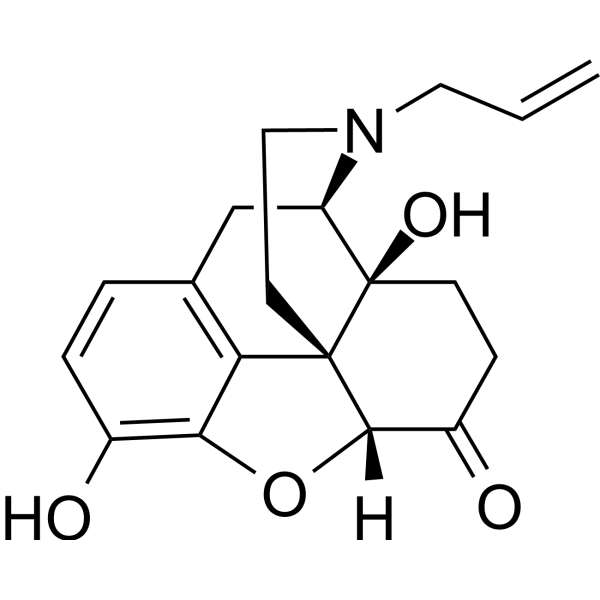
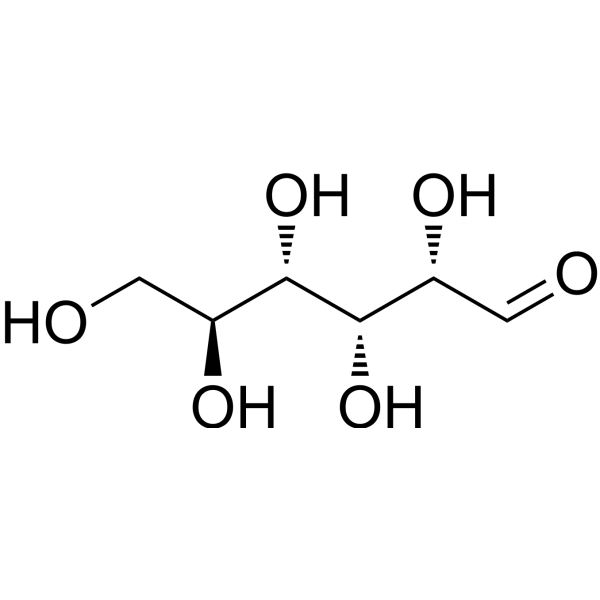
L-Glucose (L-(-)-Glucose) is a stereoisomer of D-Glucose (HY-B0389), which does not readily enter the brain. L-Glucose can promote food intake. L-glucose is combined with a fluorescence detector to produce a fluorescent probe that can be used to visualize and characterize cancer cells. L-Glucose also can be used in the research to enhance memory in mice .
|
-
-
- HY-126675A
-
|
|
CDK
STAT
|
Inflammation/Immunology
|
|
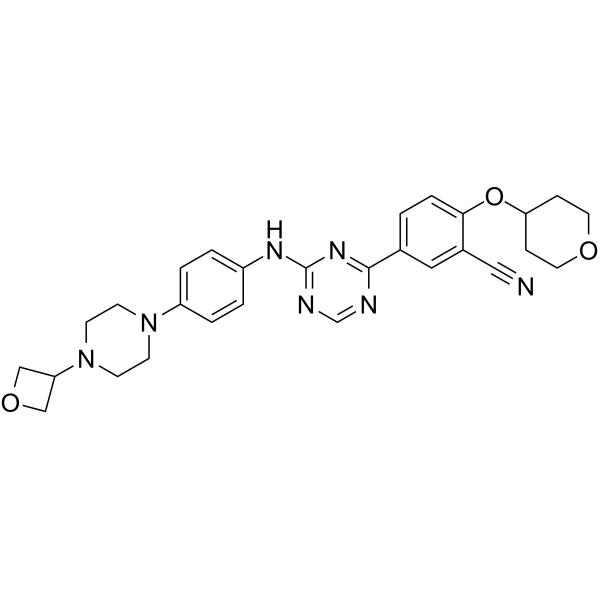
AS2863619 enables conversion of antigen-specific effector/memory T cells into Foxp3 + regulatory T (Treg) cells for the treatment of various immunological diseases. AS2863619 is a potent, orally active cyclin-dependent kinase 8 (CDK8) and CDK19 inhibitor with IC50s of 0.61 nM and 4.28 nM, respectively. STAT5 activation enhanced by AS2863619 inhibition of CDK8/19, which consequently activates the Foxp3 gene .
|
-
-
- HY-N10889
-
|
|
Drug Metabolite
RET
|
Neurological Disease
|
|
Sominone is the active metabolite of Withanoside IV (HY-N8693). Sominone enhances neuronal morphological plasticity by activating the RET pathway. Sominone can also induce axon/dendrite regeneration and synaptic reconstruction, thereby improving spatial memory. Sominone can be used in the research of neurodegenerative diseases such as Alzheimer's disease .
|
-
-
- HY-120782
-
|
|
Notch
|
Neurological Disease
|
|
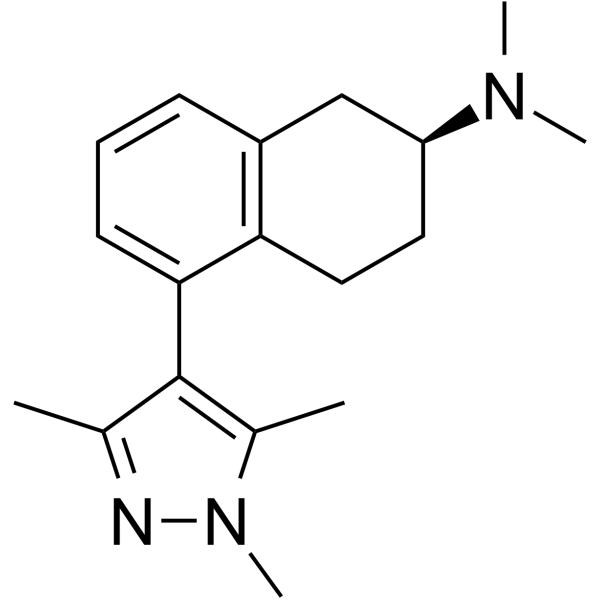
Yhhu-3792 is a Notch activator. Yhhu-3792 enhances the self-renewal capability of neural stem cells (NSCs). Yhhu-3792 promotes the expression of Hes3 and Hes5. Yhhu-3792 increases the spatial and episodic memory abilities of mice. Yhhu-3792 can be used for the study of neurodegenerative diseases (such as Alzheimer's disease) or for neural regeneration after brain injury .
|
-
-
- HY-11068
-
SB 239063
Maximum Cited Publications
31 Publications Verification
|
p38 MAPK
Autophagy
|
Neurological Disease
Metabolic Disease
Inflammation/Immunology
Cancer
|
|
SB 239063 is a potent, selective and orally active p38 MAPK inhibitor, exhibits an IC50 of 44 nM for recombinant purified human p38α, with equipotent inhibitory activity against p38α and p38β. SB 239063 has no effect on p38γ or p38δ. With anti-asthma activity and also be used to enhance memory which is impaired due to aging or medical conditions, such as, AD. SB 239063 can penetrate the blood brain barrier (BBB) .
|
-
-
- HY-N0310
-
|
|
Aldose Reductase
Heme Oxygenase (HO)
Reactive Oxygen Species (ROS)
Apoptosis
|
Neurological Disease
Metabolic Disease
|
|
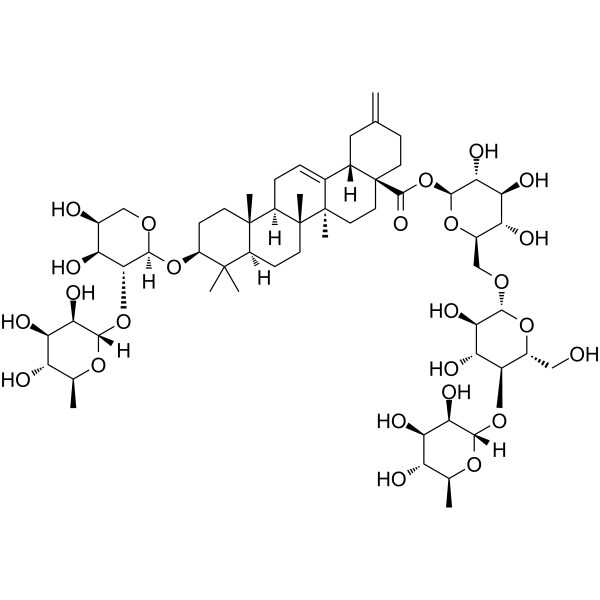
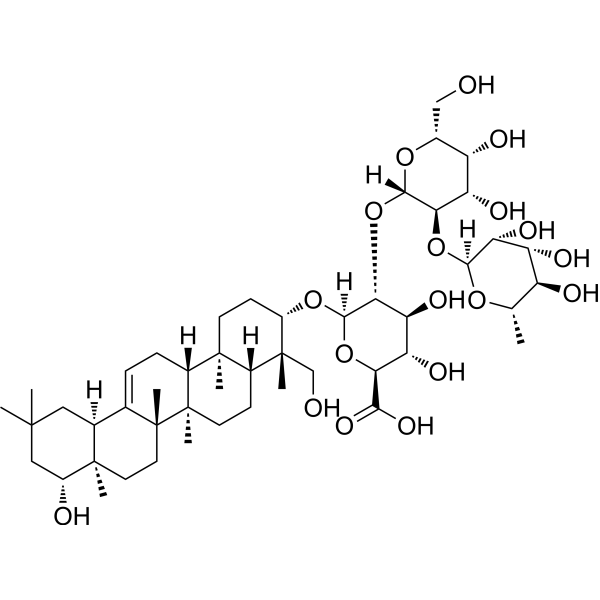
Soyasaponin Bb is an orally active, covalent inducer of heme oxygenase HO-1 and an inhibitor of aldose reductase AKR1B1. Soyasaponin Bb can regulate oxidative stress pathways, enhance antioxidant capacity, reduce reactive oxygen species (ROS) generation, and inhibit lipid peroxidation and hepatocyte apoptosis. Soyasaponin Bb improves alcohol-induced hepatocyte membrane damage and liver function abnormalities, and improves Scopolamine (HY-N0296)-induced memory impairment. Soyasaponin Bb has antioxidant, hepatoprotective, and neuroprotective activities .
|
-
-
- HY-128679
-
|
|
IKK
|
Cancer
|
|
TBK1/IKKε-IN-5 (compound 1) is an orally active TBK1 and IKKε dual inhibitor, with IC50 values of 1 and 5.6 nM, respectively. TBK1/IKKε-IN-5 enhances the blockade response to PD-1 and induces immune memory in rats when combines with anti-PD-L1. TBK1/IKKε-IN-5 can be used in cancer research, especially in tumour immunity .
|
-
-
- HY-B0106A
-
|
UCB 6474
|
Drug Derivative
|
Neurological Disease
|
|
Etiracetam is a racetam-class nootropic agent. Etiracetam enhances learning and memory in both normal and amnesic rats. Etiracetam can be used in studies related to memory retrieval disorders and amnesic diseases such as Alzheimer's disease .
|
-
-
- HY-17555
-
|
Centrophenoxine hydrochloride
|
nAChR
iGluR
|
Neurological Disease
|
|
Meclofenoxate (Centrophenoxine) hydrochloride is an ester synthesized from DMAE and pCPA, capable of crossing the blood-brain barrier, and can stimulate memory and enhance cognition .
|
-
-
- HY-17553
-
|
MKC-231
|
iGluR
|
Neurological Disease
|
|
Coluracetam (MKC-231) is an orally taken choline uptake enhancer. Coluracetam can improve the reduced acetylcholine levels in the hippocampus of rats and mice, enhancing learning difficulties, memory deficits, and cognitive impairments. Coluracetam induces a lower degree of hepatic venous hyperglycemia .
|
-
-
- HY-Y0493
-
|
HOOBt
|
STAT
HIV
|
Infection
Cancer
|
|
HODHBt (HOOBt) inhibits STAT5-SUMO interaction by blocking SUMOylation of phosphorylated STAT5. HODHBt enhances the magnitude of IL-15 signaling and significantly increases the natural killer (NK) cell cytotoxicity phenotype and function and the generation of cytokine-induced memory-like (CIML) natural killer (NK) cells. HODHBt can be used for research of HIV-infection and cancer .
|
-
-
- HY-12363
-
U-69593
1 Publications Verification
|
Opioid Receptor
|
Neurological Disease
|
|
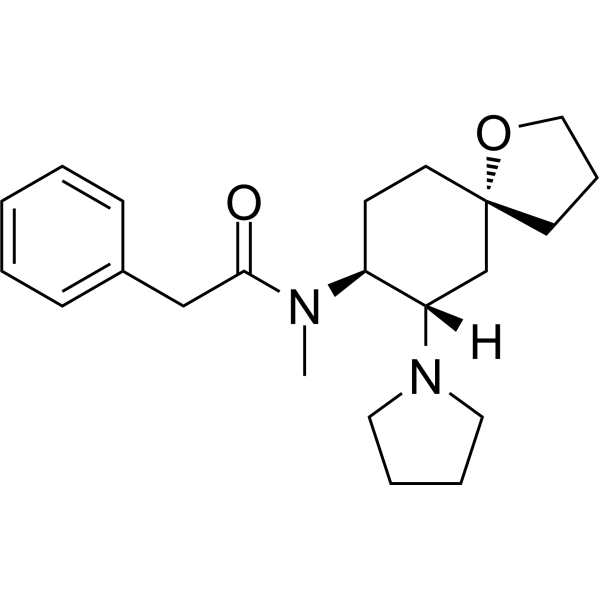
U-69593 is a potent and selective κ1-opioid receptor agonist . U-69593 attenuates addictive agent-induced behavioral sensitization in the rat . U-69593 reduces anxiety and enhances spontaneous alternation memory in mice . U-69593 reduces calcium-dependent dialysate levels of dopamine and glutamate in the ventral striatum .
|
-
-
- HY-N0307
-
|
|
Bcl-2 Family
NF-κB
DNA/RNA Synthesis
Apoptosis
|
Cardiovascular Disease
Neurological Disease
|
|
Ciwujianoside B is an orally active, blood-brain barrier penetrable radioprotective agent and memory enhancer. Ciwujianoside B reduces radiation-induced DNA damage, cell cycle arrest and apoptosis, downregulates NF-κB and the Bax/Bcl-2 ratio, and enhances the proliferative capacity of bone marrow cells. Ciwujianoside B enhances object recognition memory in normal mice and induces dendritic extension in primary cultured cortical neurons. Ciwujianoside B can be used in studies related to hematopoietic system radiation injury and memory enhancement .
|
-
-
- HY-112831
-
|
BI-409306
|
Phosphodiesterase (PDE)
|
Neurological Disease
|
|
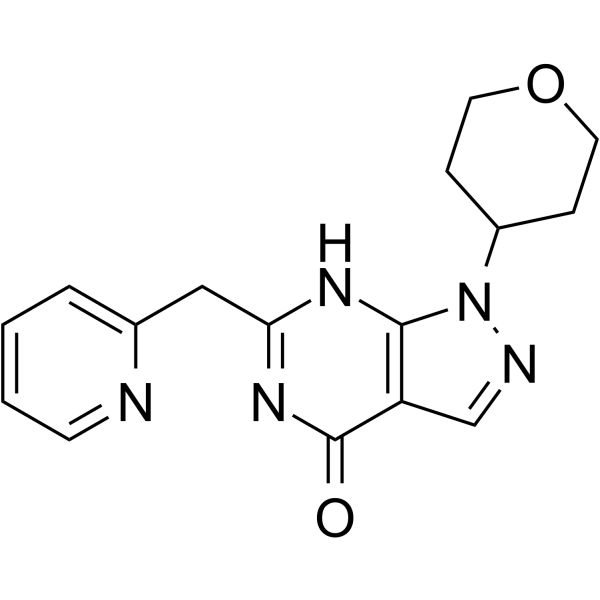
Osoresnontrine (BI-409306) is a potent and selective PDE9A inhibitor, with an IC50 of 52 nM, and shows weak activity against other PDEs, such as PDE1A (IC50, 1.4 µM), PDE1C (IC50, 1.0 µM), PDE2A, PDE3A, PDE4B, PDE5A, PDE6AB, PDE7A, and PDE10A (IC50 all > 10 μM); Osoresnontrine can be used in the research of memory enhancement in CNS disorders.
|
-
-
- HY-P3585
-
|
|
TNF Receptor
|
Neurological Disease
Inflammation/Immunology
|
|
Epobis, a dendrimeric peptide, is a recombinant form of erythropoietin. Epobis is a potent erythropoietin receptor agonist. Epobis promotes neuritogenesis in primary motoneurons. Epobis decrease TNF release and crosses the blood-brain barrier. Epobis has anti-inflammatory and memory enhancing properties .
|
-
-
- HY-N1414
-
|
|
Trk Receptor
NF-κB
Amyloid-β
|
Neurological Disease
|
|
(E)-3',6-Disinapoylsucrose is an orally active, blood-brain barrier permeable neuroprotective agent that inhibits Aβ protein aggregation. (E)-3',6-Disinapoylsucrose exerts anxiolytic, anti-inflammatory and cognitive-enhancing effects. (E)-3',6-Disinapoylsucrose regulates the TrkB/BDNF signaling pathway, inhibits the expression of NF-κB p65, reduces pro-inflammatory cytokine levels, and alleviates neuronal damage. (E)-3',6-Disinapoylsucrose also enhances the functions of central 5-HT and noradrenergic systems, thereby improving spatial learning and memory abilities and reducing anxiety-like behaviors. (E)-3',6-Disinapoylsucrose can be used for the research of related diseases such as Alzheimer's disease, depression, memory impairment and anxiety disorder .
|
-
-
- HY-120597
-
|
|
Calcium Channel
|
Neurological Disease
|
|
SAK3 is a potent T-type voltage-gated Ca 2+ channels (T-VGCCs) enhancer. SAK3 enhances Cav3.1 and Cav3.3 T-type Ca 2+ channel currents. Acute SAK3 administration improves memory deficits in olfactory-bulbectomized mice . SAK3 inhibits amyloid β plaque formation in APP-KI mice by activating the proteasome activity .
|
-
-
- HY-17549
-
|
CRL 40028
|
Adrenergic Receptor
|
Neurological Disease
|
|
Adrafinil (CRL 40028) is an orally active vigilance promoting agent. Adrafinil enhances central noradrenergic transmission, improves spontaneous activity, exploratory behavior, discriminative learning ability and response motivation, but impairs visuospatial working memory. Adrafinil antagonizes Prazosin (HY-B0193)-induced hypoactivity and hypothermia, exerts anticonvulsant effects, and induces sustained enhancement of high-frequency electrocortical activity. Adrafinil can be used for research on decreased alertness and specific cognitive deficits .
|
-
-
- HY-125931
-
|
DM232
|
iGluR
|
Neurological Disease
Inflammation/Immunology
|
|
Unifiram (DM232) is a AMPA receptor activator and cognitive enhancer. Unifiram activates the AMPA-mediated neurotransmission system. Unifiram reverses NBQX-induced amnesia in the passive avoidance test in mice. Unifiram reverses the antagonistic effect of kynurenic acid on NMDA-mediated [ 3H]NA release in rat hippocampal slices. Unifiram enhances excitatory synaptic transmission in the rat hippocampus in vitro. Unifiram can be used in studies related to amnesia and cognitive dysfunction, including age-related memory decline, neurodegenerative diseases such as Alzheimer's disease or Parkinson's disease, multiple sclerosis, schizophrenia, and attention deficit hyperactivity disorder .
|
-
-
- HY-N8210
-
|
|
Drug Metabolite
Autophagy
Apoptosis
Reactive Oxygen Species (ROS)
Keap1-Nrf2
MMP
Caspase
PARP
MDM-2/p53
|
Neurological Disease
Inflammation/Immunology
Cancer
|
|
Homoeriodictyol is an orally active, bitter-tasting flavanone that can penetrate the blood-brain barrier. Homoeriodictyol enhances synaptic-related protein expression through NCOA4-mediated ferritin autophagy. Homoeriodictyol improves memory impairment in mice by inhibiting the NLRP3 inflammasome. Homoeriodictyol protects human endothelial cells from oxidative damage by activating Nrf2 and inhibiting mitochondrial dysfunction. Homoeriodictyol enhances ROS activity and induces apoptosis, exhibiting anticancer effects. Homoeriodictyol inhibits the survival and migration of androgen-resistant prostate cancer cells in vitro. Homoeriodictyol exerts antinociceptive activity in mice in vivo .
|
-
-
- HY-126675
-
|
|
CDK
STAT
|
Inflammation/Immunology
|
|
AS2863619 free base enables conversion of antigen-specific effector/memory T cells into Foxp3 + regulatory T (Treg) cells for the treatment of various immunological diseases. AS2863619 free base is a potent, orally active cyclin-dependent kinase 8 (CDK8) and CDK19 inhibitor with IC50s of 0.61 nM and 4.28 nM, respectively. STAT5 activation enhanced by AS2863619 free base inhibition of CDK8/19, which consequently activates the Foxp3 gene .
|
-
-
- HY-15114
-
S 17092
1 Publications Verification
S 17092-1
|
Prolyl Endopeptidase (PREP)
Apoptosis
|
Neurological Disease
|
|
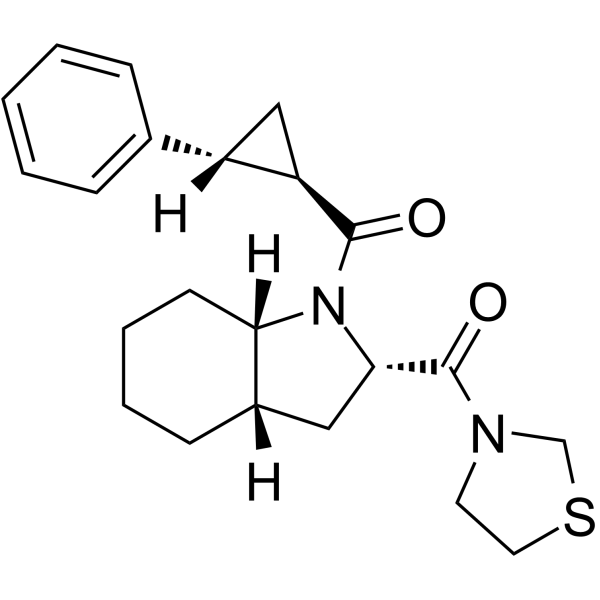
S 17092 (S 17092-1) is an orally active cerebral prolyl-endopeptidase (PEP) inhibitor with an IC50 of 1.2 nM. S 17092 inhibits cell apoptosis. S 17092 mechanism of action is to inhibit the activity of PEP, slowing down the degradation of neuroactive peptides and thus enhancing memory function. S 17092 can be used for the research of memory impairment and cognitive disorders associated with cerebral aging .
|
-
-
- HY-176438
-
|
|
Tau Protein
|
Neurological Disease
|
|
DDL-357 is a potent secreted clusterin enhancer. DDL-357 reduces phospho-tau in brain and improves memory in the murine 3xTg-AD model .
|
-
-
- HY-10936
-
|
|
iGluR
|
Neurological Disease
|
|
S 18986 is a selective, orally active, brain penetrant positive allosteric modulator of AMPA-type receptors. S 18986 shows cognitive enhancing properties in rodents. S 18986 activates the release of noradrenaline and acetylcholine in rat hippocampus and enhances rat memory in object-recognition tests .
|
-
-
- HY-177873
-
|
|
iGluR
|
Neurological Disease
|
|
AMPA receptor modulator-10 (Compound 9a) is an orally active AMPA receptor (AMPAR) positive allosteric modulator. AMPA receptor modulator-10 exhibits potent activity (pEC50 = 5.0) on the GluA2 subtype of AMPAR, significantly enhancing glutamate-induced calcium influx and current responses. AMPA receptor modulator-10 can reverse the memory impairment induced by Scopolamine (HY-N0296) and enhance cognitive function. AMPA receptor modulator-10 can be used for the research of neurological disease, such as schizophrenia .
|
-
-
- HY-116818
-
|
|
HDAC
|
Neurological Disease
|
|
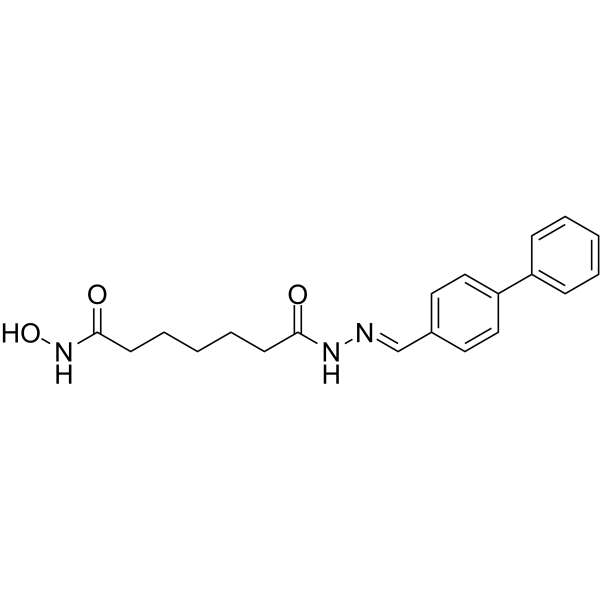
Crebinostat is a potent histone deacetylase (HDAC) inhibitor with IC50 values of 0.7 nM, 1.0 nM, 2.0 nM and 9.3 nM for HDAC1, HDAC2, HDAC3 and HDAC6, respectively. Crebinostat potently induces acetylation of both histone H3 and histone H4 as well as enhances the expression of the cAMP response element-binding protein (CREB) target gene Egr1. Crebinostat increases the density of synapsin-1 punctae along dendrites in cultured neurons. Crebinostat can modulate chromatin-mediated neuroplasticity and exhibits enhanced memory in mice .
|
-
-
- HY-155457
-
|
|
Phosphodiesterase (PDE)
STING
|
Cancer
|
|
Enpp-1-IN-19 (compound 29f) is an orally active ENPP1 inhibitor that inhibits cGAMP hydrolysis by ENPP1 (IC50=68 nM). Enpp-1-IN-19 increases anti-PD-L1 responses and inhibits tumor growth in CT26 syngeneic models. Enpp-1-IN-19 also enhances STING-mediated type I interferon responses, induces immune memory, and prevents tumor recurrence .
|
-
-
- HY-103142
-
AS19
1 Publications Verification
|
5-HT Receptor
|
Neurological Disease
|
|
AS19 is a potent, selective 5-HT7 receptor agonist with an IC50 value of 0.83 nM and a Ki of 0.6 nM. AS19 is selective for 5-HT7 over 5-HT1A, 5-HT1B, 5-HT1D, and 5-HT5A receptors (Kis = 89.7 nM, 490 nM, 6.6 nM and 98.5 nM, respectively). AS19 enhances memory consolidation and reverses Scopolamine- or Dizocilpine-induced amnesia .
|
-
-
- HY-124609
-
|
|
AMPK
Acetyl-CoA Carboxylase
|
Neurological Disease
|
|
CAD031 is an orally active AMPK/ACC1 signaling pathway activator and a derivative of the Alzheimer's disease (AD) targeted agent J147 (HY-13779) (more active than J147 in human neural stem cell assays). CAD031 can cross the blood-brain barrier, activate AMPK and inhibit ACC1, thereby increasing ac-CoA levels, improving mitochondrial function and reducing free fatty acid synthesis. CAD031 has neuroprotective, neurogenesis-promoting and memory-improving activities and can be used in the study of Alzheimer's disease and aging-related neurodegenerative diseases. CAD031 effectively enhances the memory of mice, improves dendritic structure, and stimulates cell division in the germinal zone of the brain of elderly mice .
|
-
-
- HY-142066
-
|
|
PKA
ERK
iGluR
|
Neurological Disease
|
|
4′-Demethylnobiletin is a bioactive metabolite that activates the PKA/ERK/CREB signaling pathway, enhances CRE-mediated transcription in hippocampal neurons, and reverses memory impairment associated with NMDA receptor antagonism by stimulating ERK signaling .
|
-
-
- HY-161982
-
|
|
TNF Receptor
|
Cancer
|
|
JNU-0921 is a potent and orally active CD137 agonist. JNU-0921 increases the mRNA expression of IFN-γ and GZMB. JNU-0921 induces luciferase activity with an EC50 value of 64.07 nM.JNU-0921 enhances effector and memory function of cytotoxic CD8 + T cells (CTLs) and alleviates their exhaustion. JNU-0921 also skews polarization of helper T cells toward T helper 1 type and enhances their activity to boost CTL function. JNU-0921 shows anticancer activity .
|
-
-
- HY-10063
-
|
TC-1734; ACD3480
|
nAChR
|
Neurological Disease
|
|
Ispronicline (TC-1734), an orally active, brain-selective α4β2 nicotine acetylcholine receptor (nAChR) partial agonist, has shown memory-enhancing properties in rodents and a good tolerability profile. Ispronicline binds to the α4β2 nAChR with high affinity (Ki=11 nM) and is highly selective to other nAChRs such as α7 nAChR and α3β4 nAChR .
|
-
-
- HY-161723
-
|
|
Dopamine Transporter
CDK
|
Neurological Disease
|
|
LH2-051, a lysosome-enhancing compound (LYEC), is a brain-penetrant dopamine transporter (DAT) inhibitor (Ki: 0.95 μM). LH2-051 inhibits DAT-mediated dopamine uptake with an IC50 of 3.0 μM. LH2-051 promotes nuclear translocation of TFEB and lysosome biogenesis. LH2-051 improves the memory of amyloid precursor protein (APP)/Presenilin 1 (PS1) mice. LH2-051 can be used for the study of Alzheimer’s disease .
|
-
-
- HY-159643
-
|
|
MAP4K
IFNAR
Interleukin Related
|
Inflammation/Immunology
Cancer
|
|
NDI-101150 is an orally active, potent and selective hematopoietic progenitor cell kinase 1 (HPK1) inhibitor with an IC50 of 0.7 nM. NDI-101150 blocks HPK1-mediated negative regulation of immune receptor signaling, inhibits immunosuppression of T cell activation, enhances antigen-specific antibody production and augments B-cell activation. NDI-101150 inhibits tumor growth in syngeneic tumor models, establishes durable antitumor immune memory, and synergizes with anti-PD1 to enhance exhausted T cell activity and drive tumor regressions. NDI-101150 can be used for the research of cancer, such as breast cancer and colon cancer .
|
-
-
- HY-W014941
-
|
|
Histamine Receptor
|
Neurological Disease
|
|
(R)-(-)-α-Methylhistamine dihydrochloride is a potent, selective and brain-penetrant agonist of H3 histamine receptor, with a Kd of 50.3 nM . (R)-(-)-α-Methylhistamine dihydrochloride can enhance memory retention, attenuates memory impairment in rats .
|
-
-
- HY-135525
-
|
|
Dopamine Receptor
Adrenergic Receptor
|
Neurological Disease
Inflammation/Immunology
|
|
Agroclavine acts as an agonist of the D1-dopamine receptor and α1-adrenergic receptor. Agroclavine enhances the sensitivity of the brain to magnetic fields; it impairs spatial memory without affecting hippocampal long-term potentiation (LTP). Agroclavine exerts bidirectional regulatory effects on immune activity: it enhances NK cell activity with low toxicity under normal conditions, while it inhibits NK cell activity and exhibits significant cardiac and hepatic toxicity under stress conditions. Agroclavine can be used for research on neuroelectrophysiology, learning and memory, and immunoregulation .
|
-
-
- HY-105022
-
|
R 58735
|
Tau Protein
|
Neurological Disease
|
|
Sabeluzole (R 58735), a benzothiazol derivative, has antiischemic, antiepileptic, and cognitive-enhancing properties. Sabeluzole protects rat hippocampal neurons against NMDA- and glutamate-induced neurotoxicity via preventing tau expression. Sabeluzole enhances memory in rats, and prevents the amnesic effect of Chlordiazepoxide. Sabeluzole can be used fro research of Alzheimer's disease .
|
-
-
- HY-128174
-
|
Beta-CCM; Ro 22-7497
|
GABA Receptor
|
Neurological Disease
|
|
β-CCM is a benzodiazepine receptor inverse agonist with anxiogenic and proconvulsant effects. β-CCM enhances emotional reactivity and reduces vulnerability to interference in spatial working memory tasks. β-CCM can be used for research on anxiety-related disorders .
|
-
-
- HY-N0824R
-
|
Eleutheroside B (Standard)
|
Reference Standards
Autophagy
|
Cardiovascular Disease
Neurological Disease
Inflammation/Immunology
Cancer
|
|
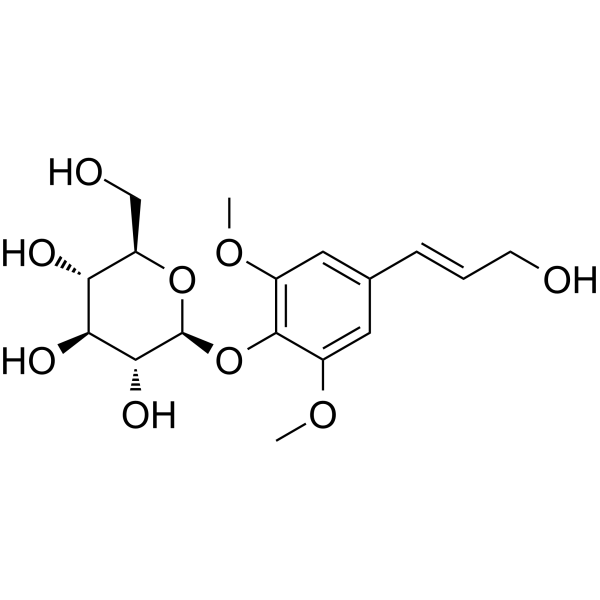
Syringin (Standard) is the analytical standard of Syringin. This product is intended for research and analytical applications. Syringin (Eleutheroside B) is an active natural phenolic glycoside possessing various pharmacological activities, including anti-inflammatory, anti-irradiation, anti-osteoporosis and anticancer activities. Syringin also can be used to enhance memory, relieve fatigue, improve human cognition and protect ischemia heart against cerebrovascular damage, etc .
|
-
-
- HY-108621
-
|
|
Phosphodiesterase (PDE)
|
Neurological Disease
Metabolic Disease
Inflammation/Immunology
Cancer
|
|
RS-25344 hydrochloride is a selective cAMP-phosphodiesterase 4 (PDE 4; PDE IV) inhibitor with an IC50 of 0.28 nM in human lymphocytes. RS-25344 hydrochloride has only weak inhibitory effects on PDE I, II, III (IC50 of >100 μM, 160 μM, 330 μM, respectively). RS-25344 hydrochloride has anti-inflammatory, memory- and cognition enhancing, and antineoplastic effects .
|
-
-
- HY-W987949
-
|
|
Others
|
Neurological Disease
|
|
Z-4105 is an orally active nootropic agent. Z-4105 reverses the amnesic effects of electroconvulsive shock (ECS) and methylazoxymethanol acetate (MAM), and improves learning and memory functions. Z-4105 enhances the activity of the brain cholinergic system without affecting other neurotransmitter systems. Z-4105 significantly alleviates neuropathic pain in rats. Z-4105 can be used in the research of neuropathic pain and brain dysfunction .
|
-
-
- HY-100999
-
|
|
Histamine Receptor
|
Neurological Disease
|
|
(R)-(-)-α-Methylhistamine dihydrobromide is a potent, selective and brain-penetrant agonist of H3 histamine receptor, with a Kd of 50.3 nM . (R)-(-)-α-Methylhistamine dihydrobromide can enhance memory retention, attenuates memory impairment in rats .
|
-
-
- HY-101363
-
|
Piperonylic acid piperidide
|
iGluR
|
Neurological Disease
|
|
1-BCP (Piperonylic acid piperidide) is a centrally active agent that modulates AMPA receptor gated currents. 1-BCP is a memory-enhancing agent .
|
-
-
- HY-106809
-
|
BMS-181168
|
Drug Derivative
|
Neurological Disease
|
|
BMY-21502 (BMS-181168) is a pyrrolidinone derivative with memory- and cognition-enhancing activities. BMS-181168 attenuates hypoxia-induced deterioration in brain function, as delta/theta decreases, alpha activity increases and the centroid of the combined delta/theta waves is accelerated .
|
-
-
- HY-103146
-
|
|
5-HT Receptor
|
Neurological Disease
|
|
GR125487 sulfamate is an orally active and selective antagonist of 5-HT4R. GR125487 sulfamate effectively blocks the cognition enhancing effect. GR125487 sulfamate can be used to study memory disorders, gastrointestinal disorders, mood disorders and urinary tract dysfunction .
|
-
-
- HY-P3641
-
|
|
GnRH Receptor
|
Neurological Disease
Metabolic Disease
|
|
Kisspeptin 13 inhibits glucose-induced insulin secretion with an IC50 of 1.2 nM. Kisspeptin 13 activates the hypothalamic-pituitary-adrenal (HPA) axis, causes hyperthermia, motor behavior and anxiety in rats. Kisspeptin 13 interacts with α2-adrenergic and 5-HT2 serotonin receptors, exhibits antidepressant efficacy. Kisspeptin 13 is an activator for GPR54 and GnRH receptor, which enhances memory and can be used in Alzheimer's disease research .
|
-
-
- HY-153369
-
|
BAY 1165747
|
Guanylate Cyclase
|
Cardiovascular Disease
Neurological Disease
|
|
BAY-747 (BAY 1165747) is an orally active and brain-penetrant stimulator of soluble guanylate cyclase (sGC). BAY-747 reverses L-NAME induced memory impairments and enhances cognition of rats in the object location task (OLT). BAY-747 also decreases blood pressure in both conscious normotensive and spontaneously hypertensive rats (SHR). BAY-747 improves function of the skeletal muscle associated with Duchenne muscular dystrophy (DMD) in mdx/mTRG2 mice model .
|
-
-
- HY-P10851
-
|
|
Apoptosis
|
Inflammation/Immunology
Cancer
|
|
HVEM(14-39) is a B- and T-lymphocyte attenuator (BTLA) peptide inhibitor. HVEM (14-39) can be combined with BTLA with a KD of 0.102 μM. HVEM(14-39) enhances the activation and proliferation of T cells by regulating the expression of BTLA and HVEM in T cells, and promotes the transformation of cells into effector memory T cells. HVEM(14-39) inhibits tumor cell proliferation and promotes late apoptosis. HVEM(14-39) has immunomodulatory effects and can be used in the study of cancer .
|
-
- HY-123272
-
|
|
5-HT Receptor
|
Neurological Disease
|
|
E6801 is a 5-HT6 receptor agonist that improves recognition memory by jointly modulating cholinergic and glutamatergic neurotransmission. E6801 can be used in studies of dementia, depression, obesity, epilepsy, etc .
|
-
- HY-118642
-
|
|
Cholinesterase (ChE)
Reactive Oxygen Species (ROS)
|
Cardiovascular Disease
Neurological Disease
|
|
D-Ribose-L-cysteine is an orally active cysteine analog. D-Ribose-L-cysteine improves cellular antioxidant capacity by enhancing intracellular glutathione (GSH) biosynthesis. In addition, D-Ribose-L-cysteine has a memory-enhancing effect and can reverse Scopolamine (HY-N0296)-induced memory impairment by inhibiting oxidative stress and acetylcholinesterase (AChE) activity. D-Ribose-L-cysteine can be used in the study of neurodegenerative and cardiovascular diseases .
|
-
- HY-14559
-
|
|
5-HT Receptor
|
Neurological Disease
|
|
PRX-07034 hydrochloride is a highly selective and potent 5-HT6 receptor antagonist with a Ki= 4-8 nM and an IC50 of 19 nM. PRX-07034 can be used for the research of enhancing working memory and cognitive flexibility .
|
-
- HY-P2712
-
|
Chemerin148–156, mouse
|
Chemerin Receptor
|
Cardiovascular Disease
Neurological Disease
Inflammation/Immunology
|
|
Chemerin-9, mouse (Chemerin148-156, mouse) is a C-terminal nonapeptide of chemerin. Chemerin-9, mouse is a ligand for ChemR23 (EC50 = 42 nM). Chemerin-9, mouse reduces basal lipolysis in primary mouse white adipocytes(IC50 = 3.3 nM). Chemerin-9, mouse enhances memory and relieves Aβ1-42-induced memory impairment in AD mice. Chemerin-9, mouse also inhibits atherogenesis .
|
-
- HY-120782A
-
|
|
Notch
|
Neurological Disease
|
|
Yhhu-3792 hydrochloride is a Notch activator. Yhhu-3792 hydrochloride enhances the self-renewal capability of neural stem cells (NSCs). Yhhu-3792 hydrochloride promotes the expression of Hes3 and Hes5. Yhhu-3792 hydrochloride increases the spatial and episodic memory abilities of mice. Yhhu-3792 hydrochloride can be used for the study of neurodegenerative diseases (such as Alzheimer's disease) or for neural regeneration after brain injury .
|
-
- HY-10554
-
|
|
nAChR
|
Neurological Disease
|
|
WYE-103914 is an orally active α7 nAChR (EC50 = 0.49 µM for rat α7 nAChR, EC50 = 0.57 µM for human α7 nAChR) agonist. WYE-103914 exhibits the ability to enhance memory in multiple cognitive models. WYE-103914 is used in combination with antipsychotic drugs. WYE-103914 can be used for research on schizophrenia .
|
-
- HY-179363
-
|
|
Cholinesterase (ChE)
COX
|
Neurological Disease
|
|
BChE-IN-46 is a selective and brain-penetrant BChE inhibitor (eqBChE IC50 = 7.44 × 10 −5 μM, SI > 270,000; hBChE, IC50 = 1.48 × 10 −3 μM). BChE-IN-46 has COX-2 inhibitory activity (IC50 = 0.11 μM). BChE-IN-46 exhibits neuroprotective effects, enhances acetylcholine levels, and alleviates cognitive deficits, anxiety, and learning/memory impairments. BChE-IN-46 can be used for the development of anti-Alzheimer's disease drugs .
|
-
- HY-14564
-
|
|
nAChR
5-HT Receptor
|
Inflammation/Immunology
|
|
GTS-21 dihydrochloride is a selective alpha7 nicotinic acetylcholine receptor (α7-nAChR) agonist with anti inflammatory and cognition enhancing activities. GTS-21 dihydrochloride is also a α4β2 (Ki=20 nM for humanα4β2) and 5-HT3A receptor (IC50=3.1 μM) antagonist. GTS-21 can be used in age-associated memory impairment (AAMI) and Alzheimer's disease research .
|
-
- HY-180888
-
|
|
Src
CD3
|
Inflammation/Immunology
|
|
Lck-IN-5 (example C10) is a potent and selective lymphocyte-specific protein tyrosine kinase (LCK) inhibitor. Lck-IN-5 selectively disrupts the interaction between the SH3 domain of LCK and the RK motif of CD3ε, thereby impairing LCK recruitment to the TCR. Lck-IN-5 modulates the activity of CD3ε-containing CAR and TRuC T cells, attenuating cytokine production and promoting a central-memory-like phenotype associated with enhanced persistence. Lck-IN-5 can be used for autoimmune diseases and graft-versus-host disease research .
|
-
- HY-P1426
-
|
|
Potassium Channel
|
Neurological Disease
|
|
AmmTX3 is a peptide toxin identified from the venom of the scorpion Androctonus mauretanicus. AmmTX3 is a highly specific blocker of Kv4 channels, which selectively and almost completely blocks transient A-type K + currents with a Ki of 131 nM. AmmTX3 induces epileptiform behaviors and causes death in mice receiving intracerebroventricular injection. AmmTX3 increases the excitability of dentate gyrus granule cells, reduces GABAergic inhibition, enhances and stabilizes the EPSP-spike component of long-term potentiation, and impairs reference memory. AmmTX3 can be used in research related to pain, epilepsy, and autism spectrum disorder .
|
-
- HY-121249
-
|
SL65.0155
|
5-HT Receptor
|
Neurological Disease
|
|
Capeserod hydrochloride (SL65.0155) is a 5-HT4(e) receptor partial agonist (Ki=0.6 nM) with potent cognitive enhancing properties. Capeserod hydrochloride acts as a partial agonist in cells expressing 5-HT4(b) and 5-HT4(e) splice variants, stimulating cAMP production with IC50 values of 244 and 29 nM, respectively. Capeserod hydrochloride is used in the study of memory impairment and dementia .
|
-
- HY-139122
-
|
N-Hydroxybutanamide
|
HDAC
|
Cardiovascular Disease
Neurological Disease
|
|
Butyrylhydroxamic acid (N-Hydroxybutanamide) is a potent inhibitor of histone deacetylase (HDAC). Butyrylhydroxamic acid enhances memory in behavioral models of rodents and can be used as memory enhancers, mood stabilizers, and β-chain hemoglobin disease studies .
|
-
- HY-19846
-
|
PRX-03140 potassium salt
|
5-HT Receptor
|
Others
|
|
VRX-03011 (PRX-03140 (potassium salt)) is a compound with the potential to enhance memory and regulate acetylcholine release. It is a 5-HT? agonist that can enhance memory, regulate hippocampal acetylcholine efflux, and regulate APP metabolism without gastrointestinal side effects.
|
-
- HY-19146
-
-
- HY-117984
-
-
- HY-N0307R
-
|
|
Reference Standards
Bcl-2 Family
NF-κB
DNA/RNA Synthesis
Apoptosis
|
Cardiovascular Disease
Neurological Disease
|
|
Ciwujianoside B (Standard) is the analytical standard of Ciwujianoside B. This product is intended for research and analytical applications. Ciwujianoside B is an orally active, blood-brain barrier penetrable radioprotective agent and memory enhancer. Ciwujianoside B reduces radiation-induced DNA damage, cell cycle arrest and apoptosis, downregulates NF-κB and the Bax/Bcl-2 ratio, and enhances the proliferative capacity of bone marrow cells. Ciwujianoside B enhances object recognition memory in normal mice and induces dendritic extension in primary cultured cortical neurons. Ciwujianoside B can be used in studies related to hematopoietic system radiation injury and memory enhancement.
|
-
- HY-N9737
-
|
|
Others
|
Neurological Disease
|
|
(−)-Acutumine is a tetracyclic chloroalkaloid that exhibits selective cytotoxicity to cultured human T cells and memory-enhancing properties in the Wistar rat model .
|
-
- HY-105435
-
-
- HY-19648B
-
|
HOE-427 TFA
|
nAChR
|
Neurological Disease
|
|
Ebiratide (HOE-427) TFA is an ACTH 4-9 derivative, which acts directly on the central nervous system and exhibits memory-enhancing efficacy. Ebiratide TFA enhances acetycholine (ACh) metabolism in rat brain .
|
-
- HY-19648
-
|
HOE-427 free base
|
Melanocortin Receptor
nAChR
|
Neurological Disease
|
|
Ebiratide (HOE-427 free base) is an ACTH 4-9 derivative, which acts directly on the central nervous system and exhibits memory-enhancing efficacy. Ebiratide enhances acetycholine (ACh) metabolism in rat brain .
|
-
- HY-120710
-
-
- HY-119061
-
|
|
5-HT Receptor
|
Neurological Disease
|
|
SB-357134 is a potent, selective, brain penetrant, and orally active 5-HT6 receptor antagonist. SB-357134 enhances memory and learning and increases seizure threshold in rats .
|
-
- HY-W822786
-
|
|
5-HT Receptor
|
Neurological Disease
|
GR125487 is a highly selective and potent 5-HT4 receptor (5-HT4 receptor) antagonist with a Kd value of 0.1 nM. GR125487 has an extremely low affinity for 5-HT3 receptors (Kd > 1 μM). GR125487 completely antagonizes the memory-promoting effect of BIMU1, and its administration alone has no significant effect on basic social memory. GR125487 can be used for the study of social olfactory memory .
|
-
- HY-135493
-
|
|
5-HT Receptor
|
Neurological Disease
|
|
RS-56812 is a partial agonist of the 5-HT3 receptor. RS-56812 significantly enhances the propulsive peristalsis of the colon. RS-56812 indirectly enhances cholinergic neurotransmission and improves the working memory performance of non-human primates. RS-56812 is used in research on diarrhea/colon peristalsis and cognitive disorders (such as Alzheimer's disease) .
|
-
- HY-101363R
-
|
Piperonylic acid piperidide (Standard)
|
Reference Standards
iGluR
|
Neurological Disease
|
|
1-BCP (Standard) is the analytical standard of 1-BCP. This product is intended for research and analytical applications. 1-BCP (Piperonylic acid piperidide) is a centrally active agent that modulates AMPA receptor gated currents. 1-BCP is a memory-enhancing agent .
|
-
- HY-176411
-
|
VU6018042
|
Potassium Channel
|
Neurological Disease
|
|
ONO-TR-772 (VU6018042) is a selective TREK inhibitor (IC50: 15 nM). ONO-TR-772 enhances recognition memory in the MK-801-stimulated NOR mouse model. ONO-TR-772 can be used in the study of diseases related to cognitive impairment .
|
-
- HY-105022R
-
|
R 58735 (Standard)
|
Reference Standards
Tau Protein
|
Neurological Disease
|
|
Sabeluzole (Standard) is the analytical standard of Sabeluzole. This product is intended for research and analytical applications. Sabeluzole (R 58735), a benzothiazol derivative, has antiischemic, antiepileptic, and cognitive-enhancing properties. Sabeluzole protects rat hippocampal neurons against NMDA- and glutamate-induced neurotoxicity via preventing tau expression. Sabeluzole enhances memory in rats, and prevents the amnesic effect of Chlordiazepoxide. Sabeluzole can be used fro research of Alzheimer's disease .
|
-
- HY-N11872
-
|
|
Others
|
Neurological Disease
|
|
Suffruticosol A is a neuroprotective agent that restores scopolamine-induced cellular neurodegenerative damage. Suffruticosol A ameliorates hippocampal cholinergic deficits and partially enhances BDNF signaling. Suffruticosol A has neuromodulatory effects in a Scopolamine (HY-N0296)-induced model, restoring memory and cognitive performance in mice. Suffruticosol A can be isolated from seeds of P. lactiflora .
|
-
- HY-P3355
-
|
|
iGluR
|
Neurological Disease
|
|
p-fin4 is a peptide inhibitor of STEP Phosphatase-GluA2 AMPA receptor interaction with a Ki of 0.4 μM. p-fin4 restores the memory deficits and displays anxiolytic and antidepressant effects in a scopolamine-treated rat model. p-fin4 is a promising lead compound for novel cognitive enhancers and/or behavioral modulators .
|
-
- HY-21995
-
|
|
5-HT Receptor
Dopamine Receptor
|
Neurological Disease
|
|
BGC20-761 is a selecvtive 5-HT6 and dopamine receptor antagonist (human receptor Ki values: 5-HT6 (20 nM), 5-HT2A (69 nM), D2 (140 nM). BGC20-761, can enhance long-term memory. BGC20-761 has potential utility as an antipsychotic agent .
|
-
- HY-108157
-
|
|
mAChR
|
Neurological Disease
|
|
A-72055 is a partial agonist of muscarinic receptors. A-72055 has binding activity to both M1 and M2 receptors, with Ki values of 32 nM and 30 nM, respectively. A-72055 can enhance cognitive function and improve learning and memory deficits. A-72055 has better security. A-72055 can be used for research on neurological disorders such as cognitive impairment .
|
-
- HY-19225A
-
|
KA-672; Anseculin
|
iGluR
5-HT Receptor
Adrenergic Receptor
Dopamine Receptor
|
Neurological Disease
|
|
Ensaculin free base (KA-672) is a NMDA antagonist and have high affinities to serotonergic 5-HT1A and 5-HT7 receptors, adrenergic α1, and dopaminergic D2 and D3 receptors. Ensaculin free base is a memory-enhancing agent. Ensaculin free base has the potential as an antidementia agent acting on various transmitter systems .
|
-
- HY-P3354
-
|
|
iGluR
|
Neurological Disease
|
|
p3Ysh-3 is a peptide inhibitor of STEP Phosphatase-GluA2 AMPA receptor interaction with a Ki of 1.09 μM. p3Ysh-3 restores the memory deficits and displays anxiolytic and antidepressant effects in a scopolamine-treated rat model. p3Ysh-3 is a promising lead compound for novel cognitive enhancers and/or behavioral modulators .
|
-
- HY-N11997
-
|
|
Cholinesterase (ChE)
|
Neurological Disease
|
|
Feralolide is a dihydroisocoumarin isolated from the methanolic extract of aloe vera resin. Feralolide is also a dual inhibitor of AChE and BuChE, with IC50s of 55 μg/mL and 52 μg/mL respectively. Feralolide has antioxidant activity and inhibits 2,2-diphenyl-1-picrylhydrazyl (DPPH) and 2, 2′-azinobis-3-ethylbenzothiazoline-6-sulfonic acid (ABTS). Feralolide could be used in research into cognitive disorders such as Alzheimer's disease, potentially restoring and enhancing memory .
|
-
- HY-146383
-
|
|
Histamine Receptor
Cholinesterase (ChE)
Monoamine Oxidase
|
Neurological Disease
|
|
H3R antagonist 2 (Compound 23) is a multitarget histamine H3 receptor (H3R) antagonist with a Ki of 170 nM for hH3R . H3R antagonist 2 shows inhibitory effects with IC50 values of 180, 880 and 775 nM for acetylcholinesterase, butyrylcholinesterase and human monoamine oxidase B (hMAO B), respectively. H3R antagonist 2 shows favorable anti-neuropathic pain and memory-enhancing effects. H3R can across BBB .
|
-
- HY-168966
-
|
|
Phosphodiesterase (PDE)
iGluR
|
Neurological Disease
|
|
JNJ-54082730 (Compound 1) is the orally active inhibitor for phosphodiesterase (PDE) that inhibits PDE2A, PDE3B, and PDE10A2 with IC50s of 0.95 nM, 6.17 μM (pIC50=5.21) and 87.1 nM (pIC50=7.06), respectively. JNJ-54082730 modulates the activity of AMPA receptor, enhance the synaptic plasticity and promotes the learning and memory function in rats models. JNJ-54082730 can cross blood-brain barrier .
|
-
- HY-N8210R
-
|
|
Reference Standards
Drug Metabolite
Autophagy
Apoptosis
Reactive Oxygen Species (ROS)
Keap1-Nrf2
MMP
Caspase
PARP
MDM-2/p53
|
Neurological Disease
Inflammation/Immunology
Cancer
|
|
Homoeriodictyol (Standard) is the analytical standard of Homoeriodictyol (HY-N8210). This product is intended for research and analytical applications. Homoeriodictyol is an orally active, bitter-tasting flavanone that can penetrate the blood-brain barrier. Homoeriodictyol enhances synaptic-related protein expression through NCOA4-mediated ferritin autophagy. Homoeriodictyol improves memory impairment in mice by inhibiting the NLRP3 inflammasome. Homoeriodictyol protects human endothelial cells from oxidative damage by activating Nrf2 and inhibiting mitochondrial dysfunction. Homoeriodictyol enhances ROS activity and induces apoptosis, exhibiting anticancer effects. Homoeriodictyol inhibits the survival and migration of androgen-resistant prostate cancer cells in vitro. Homoeriodictyol exerts antinociceptive activity in mice in vivo .
|
-
- HY-135167
-
|
|
CaMK
|
Neurological Disease
|
|
HOCPCA is a compound with neuroprotective activity that improves sensorimotor function in mice after experimental stroke. HOCPCA selectively binds to the CaMKIIα hub domain, modulates signaling of different CaMKII pools, and alleviates abnormal CaMKII signaling after cerebral ischemia. HOCPCA promotes hippocampal neuronal activity and enhances working memory. HOCPCA also normalizes Thr286 autophosphorylation in the cytoplasm after ischemia and downregulates ischemia-specific expression of active CaMKII enzymatic cleavage fragments. HOCPCA binds to the GHB binding site with 27-fold higher affinity than GHB and has good blood-brain barrier penetration ability .
|
-
- HY-18176
-
|
|
nAChR
Potassium Channel
|
Neurological Disease
|
|
SEN 78702 is an orally active, selective, full α7 nAChR agonist, with a pEC50 of 6.13. SEN 78702 has an acceptable hERG inhibition (IC50: 15.8 μM). SEN 78702 induces memory enhancement .
|
-
- HY-P11643
-
|
|
Angiotensin Receptor
Aminopeptidase
DNA/RNA Synthesis
|
Neurological Disease
|
|
LVV-hemorphin-7 is an Angiotensin IV receptor ligand and IRAP inhibitor (IC50s: 17.6 nM for sheep adrenal IRAP; 5.0 nM for sheep cerebellum IRAP). LVV-hemorphin-7 inhibits the catalytic activity of IRAP. LVV-hemorphin-7 stimulates DNA synthesis. LVV-hemorphin-7 elicits a number of physiological effects, including cellular proliferation and memory enhancement .
|
-
- HY-116488
-
|
|
nAChR
|
Neurological Disease
|
|
IND8 is a α7 nAChR activator and cognitive enhancer. IND8 mediates cognitive enhancement by activating α7 nAChR . IND8 improves spatial working memory, episodic short-term memory and spatial long-term memory in amnesic mice induced by Scopolamine (HY-N0296). IND8 improves memory function in mice with delayed natural memory decline. IND8 can be used in research related to Alzheimer's disease .
|
-
- HY-101196
-
|
|
Endogenous Metabolite
|
Neurological Disease
|
|
PG 9 maleate is a compound with analgesic and anti-memory loss activity. PG 9 maleate exerts analgesic effects by enhancing central cholinergic transmission. PG 9 maleate protects against memory loss caused by scopolamine or dicyclomine within a specific dose range. The affinity profile of PG 9 maleate indicates significant selectivity among the M4/M1 receptor subtypes, which may be the mechanism for its analgesic and anti-memory loss effects. PG 9 maleate can increase the release of acetylcholine, thereby improving its biological activity .
|
-
- HY-103477
-
|
|
Monoamine Oxidase
|
Neurological Disease
|
|
MAO-B-IN-51 (Compound 8f) is a selective, blood-brain-barrier permeable, orally active MAO-B inhibitor with an
IC50 of 48.9 nM (MDS). MAO-B-IN-51 enhances long-term memory .
|
-
- HY-107042
-
|
NRM-331
|
Tau Protein
Amyloid-β
|
Neurological Disease
|
|
trans-Sobrerol (NRM-331) is a potent mucofluidifying agent. trans-Sobrerol demonstrates an anti-amnesic effect by enhancing hippocampal cholinergic signaling, alongside exhibiting anti-tau and anti-Aβ synthesis properties. trans-Sobrerol mitigates memory impairment induced by Scopolamine (HY-N0296). trans-Sobrerol can be used in the research of Alzheimer's disease .
|
-
- HY-P992408
-
|
|
TNF Receptor
NF-κB
MHC
IFNAR
|
Cancer
|
|
MEDI-5083 is an Fc fusion protein that targets CD40 and is a CD40 agonist. MEDI-5083 stimulates CD40 signaling via NF-κB activation. MEDI-5083 upregulates MHCII, CD80, and CD86 expression, induces pro-inflammatory cytokine secretion, and enhances IFN-γ secretion by memory CD8+ T cells. MEDI-5083 can be used for the research of melanoma, colon carcinoma, and advanced solid tumors[1][2].
|
-
- HY-108621R
-
|
|
Reference Standards
Phosphodiesterase (PDE)
|
Neurological Disease
Metabolic Disease
Inflammation/Immunology
Cancer
|
|
RS-25344 hydrochloride (Standard) is the analytical standard of RS-25344 (hydrochloride) (HY-108621). This product is intended for research and analytical applications. RS-25344 hydrochloride is a selective cAMP-phosphodiesterase 4 (PDE 4; PDE IV) inhibitor with an IC50 of 0.28 nM in human lymphocytes. RS-25344 hydrochloride has only weak inhibitory effects on PDE I, II, III (IC50 of >100 μM, 160 μM, 330 μM, respectively). RS-25344 hydrochloride has anti-inflammatory, memory- and cognition enhancing, and antineoplastic effects .
|
-
- HY-182786
-
|
|
Cholinesterase (ChE)
Monoamine Oxidase
Beta-secretase
COX
Amyloid-β
|
Neurological Disease
|
|
MAO-B-IN-56 is a multi-target-directed ligand with AChE, BChE, MAO-B, and BACE1 inhibitory activity, with IC50 values of 0.35 μM, 3.22 μM, 0.14 μM, and 3.85 μM respectively, and shows selectivity for AChE over BChE and MAO-B over MAO-A.MAO-B-IN-56 reduces amyloid-beta production, reduces paw edema, improves spatial memory, and enhances Alzheimer's disease hallmarks and associated histopathological alterations.MAO-B-IN-56 can be used for the research of alzheimer's disease .
|
-
- HY-179617
-
|
|
E1/E2/E3 Enzyme
Interleukin Related
|
Cancer
|
|
Cbl-b-IN-30 is an orally active Casitas B-lineage lymphoma-b (CBLB) inhibitor. Cbl-b-IN-30 specifically binds to CBLB and inhibits its E3 ubiquitin ligase activity with an IC50 of 9.1 nM. Cbl-b-IN-30 can promote IL-2 secretion (EC50 = 187.5 nM) and enhance T cell activation. Cbl-b-IN-30 exerts antitumor activity and can induce immune memory. Cbl-b-IN-30 can be used for the research of colon cancer .
|
-
- HY-N18656
-
|
|
Bacterial
|
Infection
|
|
Terminalia chebula extract, derived from the fruit of the Terminalia chebula tree. Rich in bioactive compounds such as tannins, flavonoids, phenols, and organic acids like gallic acid and ellagic acid, this extract demonstrates a wide range of pharmacological activities. It acts as a natural laxative, supports digestive health, and exhibits potent antioxidant, anti-inflammatory, and antibacterial properties, effectively targeting various pathogenic bacteria, including Helicobacter pylori, Staphylococcus aureus, and Escherichia coli. Terminalia Chebula Extract also shows significant hepatoprotective effects, shielding the liver from damage through antioxidant and anti-inflammatory mechanisms. It has nephroprotective properties, alleviating renal dysfunction and enhancing kidney health by modulating inflammatory pathways. Additionally, the extract demonstrates neuroprotective activity, reducing neuronal damage and improving memory function. It has potential anti-diabetic effects, enhancing glucose uptake and reducing oxidative stress.
|
-
- HY-P992360
-
|
|
GABA Receptor
|
Neurological Disease
Cancer
|
|
GT-002 is a partial positive allosteric modulator targeting the α3 subtype of GABAA receptors, as well as a specific binder of tumor-associated TF-glycosylated LYPD3. GT-002 mildly enhances GABA-induced chloride currents by binding to the benzodiazepine site of GABAA receptors, thereby alleviating prefrontal hypofunction and improving cognitive, memory and social interaction abilities. GT-002 can be used in research related to schizophrenia spectrum disorders, various squamous cell carcinomas, colorectal cancer, non-small cell lung cancer, and aromatic L-amino acid decarboxylase deficiency .
|
-
- HY-N5139
-
|
Lecithins, egg yolk; Belovo PL 85
|
Cholinesterase (ChE)
Angiotensin-converting Enzyme (ACE)
Bacterial
|
Infection
Neurological Disease
Metabolic Disease
Inflammation/Immunology
|
|
Lecithins, egg (Lecithins, egg yolk; Belovo PL 85) is an orally active natural phospholipid mixture extracted from egg yolks . Lecithins, egg inhibits the activities of acetylcholinesterase (AChE) and angiotensin-converting enzyme (ACE). Lecithins, egg exhibits antibacterial, antioxidant and anti-inflammatory activities, and helps delay cellular senescence. Lecithins, egg enhances nerve conduction, improves memory and cognitive function, and exerts positive effects on delaying neurodegenerative diseases. Lecithins, egg promotes lipid absorption and alleviates diarrhea. Lecithins, egg acts as a high-efficiency drug carrier for the preparation of targeted drug delivery systems such as liposomes .
|
-
- HY-P3641A
-
|
|
GnRH Receptor
|
Neurological Disease
Metabolic Disease
|
|
Kisspeptin 13 TFA is the TFA salt form of Kisspeptin 13 (HY-P3641). Kisspeptin-13 TFA inhibits glucose-induced insulin secretion with an IC50 of 1.2 nM. Kisspeptin 13 TFA activates the hypothalamic-pituitary-adrenal (HPA) axis, causes hyperthermia, motor behavior and anxiety in rats. Kisspeptin 13 TFA interacts with α2-adrenergic and 5-HT2 serotonin receptors, exhibits antidepressant efficacy. Kisspeptin 13 TFA is an activator for GPR54 and GnRH receptor, which enhances memory and can be used in Alzheimer's disease research .
|
-
- HY-181167
-
|
|
Cholinesterase (ChE)
SOD
|
Neurological Disease
|
|
AChE/BChE-IN-34 is an acetylcholinesterase (AChE) and butyrylcholinesterase (BChE) inhibitor with IC50s of 5.97 μM and 4.57 μM, respectively. AChE/BChE-IN-34 functions as an antioxidant, oxidative stress inhibitor, reduces MDA levels, and elevates SOD and catalase in hippocampal tissue. AChE/BChE-IN-34 acts as a cognitive function enhancer, improves learning and memory in a Scopolamine (HY-N0296)-induced animal model. AChE/BChE-IN-34 is non-toxic in neuroblastoma cells across a specified concentration range. AChE/BChE-IN-34 can be used for the research of Alzheimer's disease .
|
-
- HY-107111
-
|
|
mAChR
|
Neurological Disease
|
|
GSK1034702 is an orally active and allosteric agonist of M1 mAChR (pEC50=8.1) that can cross the blood-brain barrier. GSK1034702 activates the Gq/11 protein-mediated signaling pathway, enhancing neuronal firing and long-term potentiation (LTP) in the CA1 region of the hippocampus. GSK1034702 can modulate hippocampal function, improve memory encoding in the nicotine withdrawal cognitive dysfunction model, and show pro-cognitive effects in rodents. GSK1034702 can be used for the study of the mechanisms of cognitive impairment diseases such as Alzheimer's disease, and has certain peripheral M receptor activation-related side effects (such as gastrointestinal reactions) .
|
-
- HY-107111A
-
|
|
Cholinesterase (ChE)
mAChR
|
Neurological Disease
|
|
GSK1034702 hydrochloride is an orally active and allosteric agonist of M1 mAChR (pEC50=8.1) that can cross the blood-brain barrier. GSK1034702 hydrochloride activates the Gq/11 protein-mediated signaling pathway, enhancing neuronal firing and long-term potentiation (LTP) in the CA1 region of the hippocampus. GSK1034702 hydrochloride can modulate hippocampal function, improve memory encoding in the nicotine withdrawal cognitive dysfunction model, and show pro-cognitive effects in rodents. GSK1034702 hydrochloride can be used for the study of the mechanisms of cognitive impairment diseases such as Alzheimer's disease, and has certain peripheral M receptor activation-related side effects (such as gastrointestinal reactions) .
|
-
- HY-P1426A
-
|
|
Potassium Channel
|
Neurological Disease
|
|
AmmTX3 TFA is a peptide toxin identified from the venom of the scorpion Androctonus mauretanicus. AmmTX3 TFA is a highly specific blocker of Kv4 channels, which selectively and almost completely blocks transient A-type K + currents with a Ki of 131 nM. AmmTX3 TFA induces epileptiform behaviors and causes death in mice receiving intracerebroventricular injection. AmmTX3 TFA increases the excitability of dentate gyrus granule cells, reduces GABAergic inhibition, enhances and stabilizes the EPSP-spike component of long-term potentiation, and impairs reference memory. AmmTX3 TFA can be used in research related to pain, epilepsy, and autism spectrum disorder .
|
-
- HY-B1752
-
|
LY 171555; (-)-LY 141865
|
Dopamine Receptor
Calcium Channel
Bcl-2 Family
iGluR
Apoptosis
|
Neurological Disease
|
|
Quinpirole (LY 171555; (-)-LY 141865) is a D2/D3 dopamine receptor agonist and a CaV1.3 calcium channel modulator. Quinpirole normalizes dendritic spine density in dopamine-depleted striatum, upregulates the protein expression of BCL2 and GluR2, downregulates the protein expression of BAX, and delays the onset of seizures. Quinpirole enhances learning and memory, inhibits neuronal apoptosis (apoptosis), and induces anxiety-like, stereotyped, and compulsive behaviors. Quinpirole disrupts prepulse inhibition in rhesus monkeys, enhances the activity of paraventricular thalamic neurons to promote recovery from Isoflurane anesthesia, and alters the composition of the gut microbiota in rats. Quinpirole can be used in research related to dyskinesia, pain, epilepsy, and neurological disorders including anxiety disorder, obsessive-compulsive disorder, and schizophrenia .
|
-
- HY-N0310R
-
|
|
Reference Standards
Aldose Reductase
Heme Oxygenase (HO)
Reactive Oxygen Species (ROS)
Apoptosis
|
Neurological Disease
Metabolic Disease
|
|
Soyasaponin Bb (Standard) is the analytical standard of Soyasaponin Bb (HY-N0310). This product is intended for research and analytical applications. Soyasaponin Bb is an orally active, covalent inducer of heme oxygenase HO-1 and an inhibitor of aldose reductase AKR1B1. Soyasaponin Bb can regulate oxidative stress pathways, enhance antioxidant capacity, reduce reactive oxygen species (ROS) generation, and inhibit lipid peroxidation and hepatocyte apoptosis. Soyasaponin Bb improves alcohol-induced hepatocyte membrane damage and liver function abnormalities, and improves Scopolamine (HY-N0296)-induced memory impairment. Soyasaponin Bb has antioxidant, hepatoprotective, and neuroprotective activities .
|
-
- HY-116673
-
|
|
Histone Acetyltransferase
|
Neurological Disease
|
|
TTK21 is an activator of the histone acetyltransferases CBP/p300. TTK21 passes the blood–brain barrier, induces no toxicity, and reaches different parts of the brain when conjugated to glucose-based carbon nanosphere (CSP). TTK21 has beneficial implications for the brain functions of neurogenesis and long-term memory .CSP-TTK21 can ameliorate Aβ-impaired long-term potentiation (LTP). CSP-TTK21 may enhance the transcription of genes that promote synaptic health and cognitive function . CSP-TTK21 is orally effective and leads to improvements in motor functions, histone acetylation dynamics in a spinal injury rat model .
|
-
- HY-16900R
-
|
(R,S)-Rolipram (Standard); (±)-Rolipram (Standard); ZK 62711 (Standard)
|
Reference Standards
Bacterial
HIV
Phosphodiesterase (PDE)
Epigenetic Reader Domain
Amyloid-β
|
Neurological Disease
Cancer
|
|
Rolipram (Standard) is the analytical standard of Rolipram (HY-16900). This product is intended for research and analytical applications. Rolipram is a PDE4 inhibitor, with blood-brain barrier permeability, that reverses β-amyloid-induced learning and memory impairment in rats. Rolipram elevates intracellular cAMP and clevels and regulates the cAMP/CREB signaling pathway, thereby alleviating neuroinflammation and apoptotic responses. Rolipram promotes neuronal differentiation of human bone marrow mesenchymal stem cells and inhibits Methamphetamine- and morphine-induced hyperlocomotion in mice. Rolipram also reduces the viability of glioblastoma stem-like cells and enhances Bevacizumab (HY-P9906)-induced cell death. Rolipram inhibits the expression of proinflammatory cytokines and enhances central noradrenergic transmission. Rolipram is mainly used in studies related to various central nervous system diseases including Alzheimer's disease, major depressive disorder, glioblastoma multiforme, and multiple sclerosis .
|
-
- HY-181926
-
|
|
COX
HDAC
Microtubule/Tubulin
Interleukin Related
Amyloid-β
Tau Protein
|
Neurological Disease
|
|
COX-2/HDAC6-IN-1 (Compound 11e) is a dual COX-2 and HDAC6 inhibitor, with an IC50 of 0.12 μM against HDAC6 and an IC50 of 0.66 μM against COX-2. COX-2/HDAC6-IN-1 enhances the acetylation level of α-tubulin, regulates epigenetic gene expression, and inhibits the expression of pro-inflammatory mediators (COX-2, IL-1β, IL-6 and TNF-α). COX-2/HDAC6-IN-1 promotes Amyloid-β clearance and reduces excessive phosphorylation of Tau protein. COX-2/HDAC6-IN-1 maintains neuronal morphology by stabilizing MAP2, protects synaptic integrity by regulating synapsin, and restores the expression of memory-related genes. COX-2/HDAC6-IN-1 possesses neuroprotective activity and improves learning and memory abilities in Scopolamine (HY-N0296)-induced Alzheimer's disease mouse models. COX-2/HDAC6-IN-1 is applicable to research related to Alzheimer's disease .
|
-
- HY-P10638
-
|
|
CaMK
|
Cardiovascular Disease
Neurological Disease
|
|
TAT-CN21 is a potent CaMKII inhibitor with an IC50 of 77.2 nM. TAT-CN21 inhibits both calcium/calmodulin-dependent and autonomously activated CaMKII, blocks glutamate-induced translocation of CaMK IIα, and reverses the enhanced phosphorylation of CaMKII at Thr286 following excitotoxic injury. TAT-CN21 shows application potential in studies related to ischemic stroke by reducing neuronal excitotoxicity and exacerbating pre-existing long-term neuronal death prior to injury. TAT-CN21 improves definitive behaviors in rats with residual nerve injury without altering indicators such as mechanical/thermal hyperalgesia or spatial memory. TAT-CN21 can also be used in studies related to neuropathic pain .
|
-
- HY-103142R
-
|
|
Reference Standards
5-HT Receptor
|
Neurological Disease
|
|
AS19 (Standard) is the analytical standard of AS19 (HY-103142). This product is intended for research and analytical applications. AS19 is a potent, selective 5-HT7 receptor agonist with an IC50 value of 0.83 nM and a Ki of 0.6 nM. AS19 is selective for 5-HT7 over 5-HT1A, 5-HT1B, 5-HT1D, and 5-HT5A receptors (Kis = 89.7 nM, 490 nM, 6.6 nM and 98.5 nM, respectively). AS19 enhances memory consolidation and reverses Scopolamine- or Dizocilpine-induced amnesia .
|
-
- HY-107111R
-
|
|
Reference Standards
mAChR
|
Neurological Disease
|
|
GSK1034702 (Standard) is the analytical standard of GSK1034702 (HY-107111). This product is intended for research and analytical applications. GSK1034702 is an orally active and allosteric agonist of M1 mAChR (pEC50=8.1) that can cross the blood-brain barrier. GSK1034702 activates the Gq/11 protein-mediated signaling pathway, enhancing neuronal firing and long-term potentiation (LTP) in the CA1 region of the hippocampus. GSK1034702 can modulate hippocampal function, improve memory encoding in the nicotine withdrawal cognitive dysfunction model, and show pro-cognitive effects in rodents. GSK1034702 can be used for the study of the mechanisms of cognitive impairment diseases such as Alzheimer's disease, and has certain peripheral M receptor activation-related side effects (such as gastrointestinal reactions) .
|
-
- HY-175548
-
|
|
Keap1-Nrf2
Apoptosis
Caspase
|
Neurological Disease
|
|
Nrf2 activator-21 is a Nrf2 activator with dual antioxidant and neuroprotective properties. Nrf2 activator-21 binds to Keap1 Kelch
domain and disrupts Keap1-Nrf2 interactions and activate
antioxidant defense mechanisms. Nrf2 activator-21 reduces apoptosis and decreases caspase-3 activity in the hippocampal neurons. Nrf2 activator-21 targets cerebral ischemia/reperfusion injury (CIRI) via Nrf2 pathway activation. Nrf2 activator-21 improves neurological function, alleviates anxiety-like behavior, enhances memory in rats with 2-vessel occlusion (2VO)-induced CIRI. Nrf2 activator-21 can be used for the study of cerebral ischemia/reperfusion injury .
|
-
- HY-120657
-
|
|
CGRP Receptor
NF-κB
|
Neurological Disease
Metabolic Disease
Inflammation/Immunology
|
|
9-PAHSA is an orally active endogenous GPR120 agonist (EC50=18 μM). 9-PAHSA significantly inhibits LPS-induced inflammatory responses by blocking the NF-κB pathway. 9-PAHSA induces adipocyte browning, enhances glucose uptake and reduces lipid accumulation, while improving mitochondrial function and the survival rate of steatotic hepatocytes. In terms of neuroprotection, 9-PAHSA regulates the expression of REST and BDNF in the prefrontal cortex of diabetic mice, and effectively prevents spatial working memory deficits and abnormal social behaviors. 9-PAHSA does not directly regulate insulin secretion or improve systemic insulin sensitivity, and possesses specific anti-inflammatory, metabolic regulatory and neuroprotective properties. 9-PAHSA can be used in the research of diabetes-related cognitive impairment, obesity and non-alcoholic fatty liver disease .
|
-
- HY-W770410
-
|
|
Isotope-Labeled Compounds
CGRP Receptor
NF-κB
|
Others
|
|
9-PAHSA- 13C4 is 13C-labeled 9-PAHSA. 9-PAHSAis an orally active endogenous GPR120 agonist (EC50=18 μM). 9-PAHSAsignificantly inhibits LPS-induced inflammatory responses by blocking the NF-κB pathway. 9-PAHSAinduces adipocyte browning, enhances glucose uptake and reduces lipid accumulation, while improving mitochondrial function and the survival rate of steatotic hepatocytes. In terms of neuroprotection, 9-PAHSAregulates the expression of REST and BDNF in the prefrontal cortex of diabetic mice, and effectively prevents spatial working memory deficits and abnormal social behaviors. 9-PAHSAdoes not directly regulate insulin secretion or improve systemic insulin sensitivity, and possesses specific anti-inflammatory, metabolic regulatory and neuroprotective properties. 9-PAHSAcan be used in the research of diabetes-related cognitive impairment, obesity and non-alcoholic fatty liver disease .
|
-
- HY-120657R
-
|
|
Reference Standards
CGRP Receptor
NF-κB
|
Cardiovascular Disease
Inflammation/Immunology
|
|
Flumethrin (Standard) is the analytical standard of Flumethrin. This product is intended for research and analytical applications. 9-PAHSA is an orally active endogenous GPR120 agonist (EC50=18 μM). 9-PAHSA significantly inhibits LPS-induced inflammatory responses by blocking the NF-κB pathway. 9-PAHSA induces adipocyte browning, enhances glucose uptake and reduces lipid accumulation, while improving mitochondrial function and the survival rate of steatotic hepatocytes. In terms of neuroprotection, 9-PAHSA regulates the expression of REST and BDNF in the prefrontal cortex of diabetic mice, and effectively prevents spatial working memory deficits and abnormal social behaviors. 9-PAHSA does not directly regulate insulin secretion or improve systemic insulin sensitivity, and possesses specific anti-inflammatory, metabolic regulatory and neuroprotective properties. 9-PAHSA can be used in the research of diabetes-related cognitive impairment, obesity and non-alcoholic fatty liver disease .
|
-
- HY-144026S
-
|
|
CGRP Receptor
NF-κB
|
Inflammation/Immunology
|
|
9-PAHSA-d9 is the deuterium labeled 9-PAHSA (HY-120657). 9-PAHSA is an orally active endogenous GPR120 agonist (EC50=18 μM). 9-PAHSA significantly inhibits LPS-induced inflammatory responses by blocking the NF-κB pathway. 9-PAHSA induces adipocyte browning, enhances glucose uptake and reduces lipid accumulation, while improving mitochondrial function and the survival rate of steatotic hepatocytes. In terms of neuroprotection, 9-PAHSA regulates the expression of REST and BDNF in the prefrontal cortex of diabetic mice, and effectively prevents spatial working memory deficits and abnormal social behaviors. 9-PAHSA does not directly regulate insulin secretion or improve systemic insulin sensitivity, and possesses specific anti-inflammatory, metabolic regulatory and neuroprotective properties. 9-PAHSA can be used in the research of diabetes-related cognitive impairment, obesity and non-alcoholic fatty liver disease .
|
-
- HY-120657S1
-
|
|
Isotope-Labeled Compounds
CGRP Receptor
NF-κB
|
Others
|
|
9-PAHSA-d31 is the deuterium labeled 9-PAHSA. 9-PAHSA is an orally active endogenous GPR120 agonist (EC50=18 μM). 9-PAHSA significantly inhibits LPS-induced inflammatory responses by blocking the NF-κB pathway. 9-PAHSA induces adipocyte browning, enhances glucose uptake and reduces lipid accumulation, while improving mitochondrial function and the survival rate of steatotic hepatocytes. In terms of neuroprotection, 9-PAHSA regulates the expression of REST and BDNF in the prefrontal cortex of diabetic mice, and effectively prevents spatial working memory deficits and abnormal social behaviors. 9-PAHSA does not directly regulate insulin secretion or improve systemic insulin sensitivity, and possesses specific anti-inflammatory, metabolic regulatory and neuroprotective properties. 9-PAHSA can be used in the research of diabetes-related cognitive impairment, obesity and non-alcoholic fatty liver disease .
|
-
- HY-180155
-
|
|
Keap1-Nrf2
Cholinesterase (ChE)
Interleukin Related
TNF Receptor
Reactive Oxygen Species (ROS)
Heme Oxygenase (HO)
Quinone Reductase
|
Neurological Disease
|
|
Keap1/Nrf2/ARE activator 2 is an activator of Keap1/Nrf2/ARE pathway and non-competitively inhibits AChE with an IC50 of 14.79 μM and a Ki of 1.35 μM. Keap1/Nrf2/ARE activator 2 promotes Nrf2 nuclear translocation, leading to antioxidant gene upregulation and enhanced cellular defense against oxidative stress. Keap1/Nrf2/ARE activator exhibits robust neuroprotection against both H2O2- and Scopolamine (SCA) (HY-N0296)-induced injury in PC12 cells. Keap1/Nrf2/ARE activator 2 ameliorates memory impairment and the neuro-inflammation associated with SCA-initiated cognitive dysfunction in a zebrafish model. Keap1/Nrf2/ARE activator 2 can be used for the research of Alzheimer's disease .
|
-
- HY-120657S
-
|
|
Isotope-Labeled Compounds
CGRP Receptor
NF-κB
|
Others
|
|
9-PAHSA-d4 is the deuterium labeled 9-PAHSA. 9-PAHSA is an orally active endogenous GPR120 agonist (EC50=18 μM). 9-PAHSA significantly inhibits LPS-induced inflammatory responses by blocking the NF-κB pathway. 9-PAHSA induces adipocyte browning, enhances glucose uptake and reduces lipid accumulation, while improving mitochondrial function and the survival rate of steatotic hepatocytes. In terms of neuroprotection, 9-PAHSA regulates the expression of REST and BDNF in the prefrontal cortex of diabetic mice, and effectively prevents spatial working memory deficits and abnormal social behaviors. 9-PAHSA does not directly regulate insulin secretion or improve systemic insulin sensitivity, and possesses specific anti-inflammatory, metabolic regulatory and neuroprotective properties. 9-PAHSA can be used in the research of diabetes-related cognitive impairment, obesity and non-alcoholic fatty liver disease .
|
-
- HY-164288
-
|
TDI-006570
|
Cyclic GMP-AMP Synthase
STING
|
Neurological Disease
Inflammation/Immunology
|
|
TDI-6570 (TDI-006570) is a blood-brain barrier-permeable, orally active cGAS inhibitor with an IC50 of 1.64 μM. TDI-6570 exhibits high gastrointestinal absorption and a long brain half-life in mice, and shows no toxicity to primary neurons. By inhibiting the cGAS-STING-IFN signaling pathway, TDI-6570 reduces STING levels and the activation of TBK1, blocks double-stranded DNA-induced cGAS activation and downstream interferon-stimulated gene expression, thereby reducing tau protein spread and improving synaptic loss. TDI-6570 reverses memory deficits, increases the amplitude of long-term potentiation, enhances the MEF2C transcriptional network, restores PSD-95 and vGAT punctate structures, and significantly improves cognitive resilience. TDI-6570 can be applied to the research of Alzheimer's disease, Parkinson's disease, systemic lupus erythematosus, as well as various central nervous system and autoimmune diseases .
|
-
- HY-30004
-
|
|
Environmental Pollutants
Endogenous Metabolite
|
Cardiovascular Disease
Metabolic Disease
|
|
1-Aminocyclopropane-1-carboxylic acid is an endogenous metabolite. In the presence of low concentrations (1 μM) of glutamate, 1-Aminocyclopropane-1-carboxylic acid acts as a small molecule agonist of NMDA receptors with an EC50 of 0.7-0.9 μM. At high concentrations (10 μM) of glutamate, 1-Aminocyclopropane-1-carboxylic acid acts as a competitive antagonist of NMDA receptors with an EC50 of 81.6 nM. 1-Aminocyclopropane-1-carboxylic acid exerts neuroprotective activity by moderately activating NMDA receptors to prevent neuronal cell death in ischemic animal models. Additionally, 1-Aminocyclopropane-1-carboxylic acid is an antagonist of NMDA receptors, inducing blood pressure reduction and antioxidant effects in stroke-prone hypertensive rats. 1-Aminocyclopropane-1-carboxylic acid enhances object recognition memory and cognitive flexibility dependent on the prefrontal cortex, but does not affect impulsivity nor exhibit an antipsychotic-like profile. 1-Aminocyclopropane-1-carboxylic acid shows promise for research in the field of neurotoxicity. .
|
-
- HY-N8693
-
|
|
COX
Amyloid-β
Sirtuin
Reactive Oxygen Species (ROS)
Apoptosis
SARS-CoV
|
Infection
Neurological Disease
|
|
Withanoside IV is an orally active, blood-brain barrier-permeable withanolide derivative. Withanoside IV specifically binds to the Sudlow I site of HSA, induces secondary structural changes in HSA, and forms stable HSA complexes. Withanoside IV inhibits the enzymatic activity of COX-2. Withanoside IV induces axonal regeneration, peripheral nervous system myelination and increased axonal density in spinal cord tissue, reduces reactive gliosis-related changes, and improves hindlimb motor function. Withanoside IV binds to amyloid-β 1-42 to inhibit its aggregation, induces neurite outgrowth and synapse reconstruction, repairs damaged axons and dendrites, enhances mitochondrial biogenesis, exerts neuroprotective effects via the BDNF and SIRT1 signaling pathways, reduces ROS production and neuronal apoptosis, and ameliorates memory deficits. Withanoside IV inhibits the activity of the SARS-CoV-2 main protease. Withanoside IV can be used in research related to spinal cord injury, Alzheimer's disease, and coronavirus disease 2019 (COVID-19) .
|
-
- HY-P991149
-
|
YH32367; ABL105
|
TNF Receptor
|
Cancer
|
|
Nesfrotamig (YH32367; ABL105) is a bispecific activator targeting HER2 and 4-1BB. The Kd values of Nesfrotamig for human HER2 and human 4-1BB are 0.48 nM and 3.36 nM, respectively. By blocking tumor cell growth signals, activating HER2-dependent local 4-1BB in tumors to maintain T cell survival, and inducing NK cell-mediated antibody-dependent cellular cytotoxicity, Nesfrotamig enhances the cytotoxicity and tumor infiltration ability of immune cells. Nesfrotamig promotes the generation of tumor-specific memory T cells, drives T cell-mediated tumor lysis, exhibits significant anti-tumor efficacy against both HER2-positive and HER2-low-expressing tumors, and shows synergistic activity when combined with anti-PD-1 antibodies. In cynomolgus monkey studies, Nesfrotamig demonstrates good safety and is suitable for research related to HER2-positive and HER2-low-expressing tumors .
|
-
- HY-30004R
-
|
|
Reference Standards
Endogenous Metabolite
|
Cardiovascular Disease
Metabolic Disease
|
|
1-Aminocyclopropane-1-carboxylic acid (Standard) is the analytical standard of 1-Aminocyclopropane-1-carboxylic acid. This product is intended for research and analytical applications. 1-Aminocyclopropane-1-carboxylic acid is an endogenous metabolite. In the presence of low concentrations (1 μM) of glutamate, 1-Aminocyclopropane-1-carboxylic acid acts as a small molecule agonist of NMDA receptors with an EC50 of 0.7-0.9 μM. At high concentrations (10 μM) of glutamate, 1-Aminocyclopropane-1-carboxylic acid acts as a competitive antagonist of NMDA receptors with an EC50 of 81.6 nM. 1-Aminocyclopropane-1-carboxylic acid exerts neuroprotective activity by moderately activating NMDA receptors to prevent neuronal cell death in ischemic animal models. Additionally, 1-Aminocyclopropane-1-carboxylic acid is an antagonist of NMDA receptors, inducing blood pressure reduction and antioxidant effects in stroke-prone hypertensive rats. 1-Aminocyclopropane-1-carboxylic acid enhances object recognition memory and cognitive flexibility dependent on the prefrontal cortex, but does not affect impulsivity nor exhibit an antipsychotic-like profile. 1-Aminocyclopropane-1-carboxylic acid shows promise for research in the field of neurotoxicity. .
|
-
| Cat. No. |
Product Name |
Target |
Research Area |
-
- HY-P10638
-
|
|
CaMK
|
Cardiovascular Disease
Neurological Disease
|
|
TAT-CN21 is a potent CaMKII inhibitor with an IC50 of 77.2 nM. TAT-CN21 inhibits both calcium/calmodulin-dependent and autonomously activated CaMKII, blocks glutamate-induced translocation of CaMK IIα, and reverses the enhanced phosphorylation of CaMKII at Thr286 following excitotoxic injury. TAT-CN21 shows application potential in studies related to ischemic stroke by reducing neuronal excitotoxicity and exacerbating pre-existing long-term neuronal death prior to injury. TAT-CN21 improves definitive behaviors in rats with residual nerve injury without altering indicators such as mechanical/thermal hyperalgesia or spatial memory. TAT-CN21 can also be used in studies related to neuropathic pain .
|
-
- HY-P3585
-
|
|
TNF Receptor
|
Neurological Disease
Inflammation/Immunology
|
|
Epobis, a dendrimeric peptide, is a recombinant form of erythropoietin. Epobis is a potent erythropoietin receptor agonist. Epobis promotes neuritogenesis in primary motoneurons. Epobis decrease TNF release and crosses the blood-brain barrier. Epobis has anti-inflammatory and memory enhancing properties .
|
-
- HY-P3641A
-
|
|
GnRH Receptor
|
Neurological Disease
Metabolic Disease
|
|
Kisspeptin 13 TFA is the TFA salt form of Kisspeptin 13 (HY-P3641). Kisspeptin-13 TFA inhibits glucose-induced insulin secretion with an IC50 of 1.2 nM. Kisspeptin 13 TFA activates the hypothalamic-pituitary-adrenal (HPA) axis, causes hyperthermia, motor behavior and anxiety in rats. Kisspeptin 13 TFA interacts with α2-adrenergic and 5-HT2 serotonin receptors, exhibits antidepressant efficacy. Kisspeptin 13 TFA is an activator for GPR54 and GnRH receptor, which enhances memory and can be used in Alzheimer's disease research .
|
-
- HY-P3641
-
|
|
GnRH Receptor
|
Neurological Disease
Metabolic Disease
|
|
Kisspeptin 13 inhibits glucose-induced insulin secretion with an IC50 of 1.2 nM. Kisspeptin 13 activates the hypothalamic-pituitary-adrenal (HPA) axis, causes hyperthermia, motor behavior and anxiety in rats. Kisspeptin 13 interacts with α2-adrenergic and 5-HT2 serotonin receptors, exhibits antidepressant efficacy. Kisspeptin 13 is an activator for GPR54 and GnRH receptor, which enhances memory and can be used in Alzheimer's disease research .
|
-
- HY-P10851
-
|
|
Apoptosis
|
Inflammation/Immunology
Cancer
|
|
HVEM(14-39) is a B- and T-lymphocyte attenuator (BTLA) peptide inhibitor. HVEM (14-39) can be combined with BTLA with a KD of 0.102 μM. HVEM(14-39) enhances the activation and proliferation of T cells by regulating the expression of BTLA and HVEM in T cells, and promotes the transformation of cells into effector memory T cells. HVEM(14-39) inhibits tumor cell proliferation and promotes late apoptosis. HVEM(14-39) has immunomodulatory effects and can be used in the study of cancer .
|
-
- HY-P2712
-
|
Chemerin148–156, mouse
|
Chemerin Receptor
|
Cardiovascular Disease
Neurological Disease
Inflammation/Immunology
|
|
Chemerin-9, mouse (Chemerin148-156, mouse) is a C-terminal nonapeptide of chemerin. Chemerin-9, mouse is a ligand for ChemR23 (EC50 = 42 nM). Chemerin-9, mouse reduces basal lipolysis in primary mouse white adipocytes(IC50 = 3.3 nM). Chemerin-9, mouse enhances memory and relieves Aβ1-42-induced memory impairment in AD mice. Chemerin-9, mouse also inhibits atherogenesis .
|
-
- HY-P1426
-
|
|
Potassium Channel
|
Neurological Disease
|
|
AmmTX3 is a peptide toxin identified from the venom of the scorpion Androctonus mauretanicus. AmmTX3 is a highly specific blocker of Kv4 channels, which selectively and almost completely blocks transient A-type K + currents with a Ki of 131 nM. AmmTX3 induces epileptiform behaviors and causes death in mice receiving intracerebroventricular injection. AmmTX3 increases the excitability of dentate gyrus granule cells, reduces GABAergic inhibition, enhances and stabilizes the EPSP-spike component of long-term potentiation, and impairs reference memory. AmmTX3 can be used in research related to pain, epilepsy, and autism spectrum disorder .
|
-
- HY-19648B
-
|
HOE-427 TFA
|
nAChR
|
Neurological Disease
|
|
Ebiratide (HOE-427) TFA is an ACTH 4-9 derivative, which acts directly on the central nervous system and exhibits memory-enhancing efficacy. Ebiratide TFA enhances acetycholine (ACh) metabolism in rat brain .
|
-
- HY-19648
-
|
HOE-427 free base
|
Melanocortin Receptor
nAChR
|
Neurological Disease
|
|
Ebiratide (HOE-427 free base) is an ACTH 4-9 derivative, which acts directly on the central nervous system and exhibits memory-enhancing efficacy. Ebiratide enhances acetycholine (ACh) metabolism in rat brain .
|
-
- HY-P3355
-
|
|
iGluR
|
Neurological Disease
|
|
p-fin4 is a peptide inhibitor of STEP Phosphatase-GluA2 AMPA receptor interaction with a Ki of 0.4 μM. p-fin4 restores the memory deficits and displays anxiolytic and antidepressant effects in a scopolamine-treated rat model. p-fin4 is a promising lead compound for novel cognitive enhancers and/or behavioral modulators .
|
-
- HY-P3354
-
|
|
iGluR
|
Neurological Disease
|
|
p3Ysh-3 is a peptide inhibitor of STEP Phosphatase-GluA2 AMPA receptor interaction with a Ki of 1.09 μM. p3Ysh-3 restores the memory deficits and displays anxiolytic and antidepressant effects in a scopolamine-treated rat model. p3Ysh-3 is a promising lead compound for novel cognitive enhancers and/or behavioral modulators .
|
-
- HY-P1426A
-
|
|
Potassium Channel
|
Neurological Disease
|
|
AmmTX3 TFA is a peptide toxin identified from the venom of the scorpion Androctonus mauretanicus. AmmTX3 TFA is a highly specific blocker of Kv4 channels, which selectively and almost completely blocks transient A-type K + currents with a Ki of 131 nM. AmmTX3 TFA induces epileptiform behaviors and causes death in mice receiving intracerebroventricular injection. AmmTX3 TFA increases the excitability of dentate gyrus granule cells, reduces GABAergic inhibition, enhances and stabilizes the EPSP-spike component of long-term potentiation, and impairs reference memory. AmmTX3 TFA can be used in research related to pain, epilepsy, and autism spectrum disorder .
|
-
- HY-P11643
-
|
|
Angiotensin Receptor
Aminopeptidase
DNA/RNA Synthesis
|
Neurological Disease
|
|
LVV-hemorphin-7 is an Angiotensin IV receptor ligand and IRAP inhibitor (IC50s: 17.6 nM for sheep adrenal IRAP; 5.0 nM for sheep cerebellum IRAP). LVV-hemorphin-7 inhibits the catalytic activity of IRAP. LVV-hemorphin-7 stimulates DNA synthesis. LVV-hemorphin-7 elicits a number of physiological effects, including cellular proliferation and memory enhancement .
|
| Cat. No. |
Product Name |
Target |
Research Area |
Image |
-
- HY-P991149
-
|
YH32367; ABL105
|
TNF Receptor
|
Cancer
|
|
Nesfrotamig (YH32367; ABL105) is a bispecific activator targeting HER2 and 4-1BB. The Kd values of Nesfrotamig for human HER2 and human 4-1BB are 0.48 nM and 3.36 nM, respectively. By blocking tumor cell growth signals, activating HER2-dependent local 4-1BB in tumors to maintain T cell survival, and inducing NK cell-mediated antibody-dependent cellular cytotoxicity, Nesfrotamig enhances the cytotoxicity and tumor infiltration ability of immune cells. Nesfrotamig promotes the generation of tumor-specific memory T cells, drives T cell-mediated tumor lysis, exhibits significant anti-tumor efficacy against both HER2-positive and HER2-low-expressing tumors, and shows synergistic activity when combined with anti-PD-1 antibodies. In cynomolgus monkey studies, Nesfrotamig demonstrates good safety and is suitable for research related to HER2-positive and HER2-low-expressing tumors .
|
-
(5)
-
- HY-P992408
-
|
|
TNF Receptor
NF-κB
MHC
IFNAR
|
Cancer
|
|
MEDI-5083 is an Fc fusion protein that targets CD40 and is a CD40 agonist. MEDI-5083 stimulates CD40 signaling via NF-κB activation. MEDI-5083 upregulates MHCII, CD80, and CD86 expression, induces pro-inflammatory cytokine secretion, and enhances IFN-γ secretion by memory CD8+ T cells. MEDI-5083 can be used for the research of melanoma, colon carcinoma, and advanced solid tumors[1][2].
|
-
(5)
-
- HY-P992360
-
|
|
GABA Receptor
|
Neurological Disease
Cancer
|
|
GT-002 is a partial positive allosteric modulator targeting the α3 subtype of GABAA receptors, as well as a specific binder of tumor-associated TF-glycosylated LYPD3. GT-002 mildly enhances GABA-induced chloride currents by binding to the benzodiazepine site of GABAA receptors, thereby alleviating prefrontal hypofunction and improving cognitive, memory and social interaction abilities. GT-002 can be used in research related to schizophrenia spectrum disorders, various squamous cell carcinomas, colorectal cancer, non-small cell lung cancer, and aromatic L-amino acid decarboxylase deficiency .
|
-
(5)
| Cat. No. |
Product Name |
Category |
Target |
Chemical Structure |
-
- HY-N0824
-
-
-
- HY-30004
-
|
|
Structural Classification
Classification of Application Fields
Ketones, Aldehydes, Acids
Metabolic Disease
Endogenous metabolite
Disease Research Fields
Source Classification
|
Environmental Pollutants
Endogenous Metabolite
|
|
1-Aminocyclopropane-1-carboxylic acid is an endogenous metabolite. In the presence of low concentrations (1 μM) of glutamate, 1-Aminocyclopropane-1-carboxylic acid acts as a small molecule agonist of NMDA receptors with an EC50 of 0.7-0.9 μM. At high concentrations (10 μM) of glutamate, 1-Aminocyclopropane-1-carboxylic acid acts as a competitive antagonist of NMDA receptors with an EC50 of 81.6 nM. 1-Aminocyclopropane-1-carboxylic acid exerts neuroprotective activity by moderately activating NMDA receptors to prevent neuronal cell death in ischemic animal models. Additionally, 1-Aminocyclopropane-1-carboxylic acid is an antagonist of NMDA receptors, inducing blood pressure reduction and antioxidant effects in stroke-prone hypertensive rats. 1-Aminocyclopropane-1-carboxylic acid enhances object recognition memory and cognitive flexibility dependent on the prefrontal cortex, but does not affect impulsivity nor exhibit an antipsychotic-like profile. 1-Aminocyclopropane-1-carboxylic acid shows promise for research in the field of neurotoxicity. .
|
-
-
- HY-N10889
-
|
|
Withania somnifera
Solanaceae
Plants
Steroids
Source Classification
|
Drug Metabolite
RET
|
|
Sominone is the active metabolite of Withanoside IV (HY-N8693). Sominone enhances neuronal morphological plasticity by activating the RET pathway. Sominone can also induce axon/dendrite regeneration and synaptic reconstruction, thereby improving spatial memory. Sominone can be used in the research of neurodegenerative diseases such as Alzheimer's disease .
|
-
-
- HY-N0310
-
-
-
- HY-N0307
-
-
-
- HY-N1414
-
|
|
Structural Classification
Simple Phenylpropanols
Polygalaceae
Phenols
Polyphenols
Phenylpropanoids
Plants
Polygala tenuifolia Willd.
Source Classification
|
Trk Receptor
NF-κB
Amyloid-β
|
|
(E)-3',6-Disinapoylsucrose is an orally active, blood-brain barrier permeable neuroprotective agent that inhibits Aβ protein aggregation. (E)-3',6-Disinapoylsucrose exerts anxiolytic, anti-inflammatory and cognitive-enhancing effects. (E)-3',6-Disinapoylsucrose regulates the TrkB/BDNF signaling pathway, inhibits the expression of NF-κB p65, reduces pro-inflammatory cytokine levels, and alleviates neuronal damage. (E)-3',6-Disinapoylsucrose also enhances the functions of central 5-HT and noradrenergic systems, thereby improving spatial learning and memory abilities and reducing anxiety-like behaviors. (E)-3',6-Disinapoylsucrose can be used for the research of related diseases such as Alzheimer's disease, depression, memory impairment and anxiety disorder .
|
-
-
- HY-N8210
-
-
-
- HY-120657
-
|
|
Structural Classification
Classification of Application Fields
Ketones, Aldehydes, Acids
Other Diseases
Endogenous metabolite
Disease Research Fields
Source Classification
|
CGRP Receptor
NF-κB
|
|
9-PAHSA is an orally active endogenous GPR120 agonist (EC50=18 μM). 9-PAHSA significantly inhibits LPS-induced inflammatory responses by blocking the NF-κB pathway. 9-PAHSA induces adipocyte browning, enhances glucose uptake and reduces lipid accumulation, while improving mitochondrial function and the survival rate of steatotic hepatocytes. In terms of neuroprotection, 9-PAHSA regulates the expression of REST and BDNF in the prefrontal cortex of diabetic mice, and effectively prevents spatial working memory deficits and abnormal social behaviors. 9-PAHSA does not directly regulate insulin secretion or improve systemic insulin sensitivity, and possesses specific anti-inflammatory, metabolic regulatory and neuroprotective properties. 9-PAHSA can be used in the research of diabetes-related cognitive impairment, obesity and non-alcoholic fatty liver disease .
|
-
-
- HY-30004R
-
|
|
Structural Classification
Microorganisms
Ketones, Aldehydes, Acids
Endogenous metabolite
Source Classification
|
Reference Standards
Endogenous Metabolite
|
|
1-Aminocyclopropane-1-carboxylic acid (Standard) is the analytical standard of 1-Aminocyclopropane-1-carboxylic acid. This product is intended for research and analytical applications. 1-Aminocyclopropane-1-carboxylic acid is an endogenous metabolite. In the presence of low concentrations (1 μM) of glutamate, 1-Aminocyclopropane-1-carboxylic acid acts as a small molecule agonist of NMDA receptors with an EC50 of 0.7-0.9 μM. At high concentrations (10 μM) of glutamate, 1-Aminocyclopropane-1-carboxylic acid acts as a competitive antagonist of NMDA receptors with an EC50 of 81.6 nM. 1-Aminocyclopropane-1-carboxylic acid exerts neuroprotective activity by moderately activating NMDA receptors to prevent neuronal cell death in ischemic animal models. Additionally, 1-Aminocyclopropane-1-carboxylic acid is an antagonist of NMDA receptors, inducing blood pressure reduction and antioxidant effects in stroke-prone hypertensive rats. 1-Aminocyclopropane-1-carboxylic acid enhances object recognition memory and cognitive flexibility dependent on the prefrontal cortex, but does not affect impulsivity nor exhibit an antipsychotic-like profile. 1-Aminocyclopropane-1-carboxylic acid shows promise for research in the field of neurotoxicity. .
|
-
-
- HY-135525
-
-
-
- HY-N0824R
-
-
-
- HY-N0310R
-
-
-
- HY-N8693
-
|
|
Structural Classification
Withania somnifera
Solanaceae
Plants
Steroids
Source Classification
|
COX
Amyloid-β
Sirtuin
Reactive Oxygen Species (ROS)
Apoptosis
SARS-CoV
|
|
Withanoside IV is an orally active, blood-brain barrier-permeable withanolide derivative. Withanoside IV specifically binds to the Sudlow I site of HSA, induces secondary structural changes in HSA, and forms stable HSA complexes. Withanoside IV inhibits the enzymatic activity of COX-2. Withanoside IV induces axonal regeneration, peripheral nervous system myelination and increased axonal density in spinal cord tissue, reduces reactive gliosis-related changes, and improves hindlimb motor function. Withanoside IV binds to amyloid-β 1-42 to inhibit its aggregation, induces neurite outgrowth and synapse reconstruction, repairs damaged axons and dendrites, enhances mitochondrial biogenesis, exerts neuroprotective effects via the BDNF and SIRT1 signaling pathways, reduces ROS production and neuronal apoptosis, and ameliorates memory deficits. Withanoside IV inhibits the activity of the SARS-CoV-2 main protease. Withanoside IV can be used in research related to spinal cord injury, Alzheimer's disease, and coronavirus disease 2019 (COVID-19) .
|
-
-
- HY-N0307R
-
-
-
- HY-N9737
-
-
-
- HY-N11872
-
|
|
Paeonia lactiflora Pall.
Phenols
Polyphenols
Plants
Paeoniaceae
Source Classification
|
Others
|
|
Suffruticosol A is a neuroprotective agent that restores scopolamine-induced cellular neurodegenerative damage. Suffruticosol A ameliorates hippocampal cholinergic deficits and partially enhances BDNF signaling. Suffruticosol A has neuromodulatory effects in a Scopolamine (HY-N0296)-induced model, restoring memory and cognitive performance in mice. Suffruticosol A can be isolated from seeds of P. lactiflora .
|
-
-
- HY-N11997
-
|
|
Liliaceae
Coumarins
Phenols
Polyphenols
Aloe vera (L.) Burm. f.
Phenylpropanoids
Plants
Source Classification
|
Cholinesterase (ChE)
|
|
Feralolide is a dihydroisocoumarin isolated from the methanolic extract of aloe vera resin. Feralolide is also a dual inhibitor of AChE and BuChE, with IC50s of 55 μg/mL and 52 μg/mL respectively. Feralolide has antioxidant activity and inhibits 2,2-diphenyl-1-picrylhydrazyl (DPPH) and 2, 2′-azinobis-3-ethylbenzothiazoline-6-sulfonic acid (ABTS). Feralolide could be used in research into cognitive disorders such as Alzheimer's disease, potentially restoring and enhancing memory .
|
-
-
- HY-N8210R
-
-
-
- HY-120657R
-
|
|
Structural Classification
Ketones, Aldehydes, Acids
Endogenous metabolite
Source Classification
|
Reference Standards
CGRP Receptor
NF-κB
|
|
Flumethrin (Standard) is the analytical standard of Flumethrin. This product is intended for research and analytical applications. 9-PAHSA is an orally active endogenous GPR120 agonist (EC50=18 μM). 9-PAHSA significantly inhibits LPS-induced inflammatory responses by blocking the NF-κB pathway. 9-PAHSA induces adipocyte browning, enhances glucose uptake and reduces lipid accumulation, while improving mitochondrial function and the survival rate of steatotic hepatocytes. In terms of neuroprotection, 9-PAHSA regulates the expression of REST and BDNF in the prefrontal cortex of diabetic mice, and effectively prevents spatial working memory deficits and abnormal social behaviors. 9-PAHSA does not directly regulate insulin secretion or improve systemic insulin sensitivity, and possesses specific anti-inflammatory, metabolic regulatory and neuroprotective properties. 9-PAHSA can be used in the research of diabetes-related cognitive impairment, obesity and non-alcoholic fatty liver disease .
|
-
-
- HY-107042
-
-
-
- HY-N18656
-
|
|
Structural Classification
Extract
|
Bacterial
|
|
Terminalia chebula extract, derived from the fruit of the Terminalia chebula tree. Rich in bioactive compounds such as tannins, flavonoids, phenols, and organic acids like gallic acid and ellagic acid, this extract demonstrates a wide range of pharmacological activities. It acts as a natural laxative, supports digestive health, and exhibits potent antioxidant, anti-inflammatory, and antibacterial properties, effectively targeting various pathogenic bacteria, including Helicobacter pylori, Staphylococcus aureus, and Escherichia coli. Terminalia Chebula Extract also shows significant hepatoprotective effects, shielding the liver from damage through antioxidant and anti-inflammatory mechanisms. It has nephroprotective properties, alleviating renal dysfunction and enhancing kidney health by modulating inflammatory pathways. Additionally, the extract demonstrates neuroprotective activity, reducing neuronal damage and improving memory function. It has potential anti-diabetic effects, enhancing glucose uptake and reducing oxidative stress.
|
-
| Cat. No. |
Product Name |
Chemical Structure |
-
- HY-W770410
-
|
|
|
9-PAHSA- 13C4 is 13C-labeled 9-PAHSA. 9-PAHSAis an orally active endogenous GPR120 agonist (EC50=18 μM). 9-PAHSAsignificantly inhibits LPS-induced inflammatory responses by blocking the NF-κB pathway. 9-PAHSAinduces adipocyte browning, enhances glucose uptake and reduces lipid accumulation, while improving mitochondrial function and the survival rate of steatotic hepatocytes. In terms of neuroprotection, 9-PAHSAregulates the expression of REST and BDNF in the prefrontal cortex of diabetic mice, and effectively prevents spatial working memory deficits and abnormal social behaviors. 9-PAHSAdoes not directly regulate insulin secretion or improve systemic insulin sensitivity, and possesses specific anti-inflammatory, metabolic regulatory and neuroprotective properties. 9-PAHSAcan be used in the research of diabetes-related cognitive impairment, obesity and non-alcoholic fatty liver disease .
|
-
-
- HY-120657S
-
|
|
|
9-PAHSA-d4 is the deuterium labeled 9-PAHSA. 9-PAHSA is an orally active endogenous GPR120 agonist (EC50=18 μM). 9-PAHSA significantly inhibits LPS-induced inflammatory responses by blocking the NF-κB pathway. 9-PAHSA induces adipocyte browning, enhances glucose uptake and reduces lipid accumulation, while improving mitochondrial function and the survival rate of steatotic hepatocytes. In terms of neuroprotection, 9-PAHSA regulates the expression of REST and BDNF in the prefrontal cortex of diabetic mice, and effectively prevents spatial working memory deficits and abnormal social behaviors. 9-PAHSA does not directly regulate insulin secretion or improve systemic insulin sensitivity, and possesses specific anti-inflammatory, metabolic regulatory and neuroprotective properties. 9-PAHSA can be used in the research of diabetes-related cognitive impairment, obesity and non-alcoholic fatty liver disease .
|
-
-
- HY-144026S
-
|
|
|
9-PAHSA-d9 is the deuterium labeled 9-PAHSA (HY-120657). 9-PAHSA is an orally active endogenous GPR120 agonist (EC50=18 μM). 9-PAHSA significantly inhibits LPS-induced inflammatory responses by blocking the NF-κB pathway. 9-PAHSA induces adipocyte browning, enhances glucose uptake and reduces lipid accumulation, while improving mitochondrial function and the survival rate of steatotic hepatocytes. In terms of neuroprotection, 9-PAHSA regulates the expression of REST and BDNF in the prefrontal cortex of diabetic mice, and effectively prevents spatial working memory deficits and abnormal social behaviors. 9-PAHSA does not directly regulate insulin secretion or improve systemic insulin sensitivity, and possesses specific anti-inflammatory, metabolic regulatory and neuroprotective properties. 9-PAHSA can be used in the research of diabetes-related cognitive impairment, obesity and non-alcoholic fatty liver disease .
|
-
-
- HY-120657S1
-
|
|
|
9-PAHSA-d31 is the deuterium labeled 9-PAHSA. 9-PAHSA is an orally active endogenous GPR120 agonist (EC50=18 μM). 9-PAHSA significantly inhibits LPS-induced inflammatory responses by blocking the NF-κB pathway. 9-PAHSA induces adipocyte browning, enhances glucose uptake and reduces lipid accumulation, while improving mitochondrial function and the survival rate of steatotic hepatocytes. In terms of neuroprotection, 9-PAHSA regulates the expression of REST and BDNF in the prefrontal cortex of diabetic mice, and effectively prevents spatial working memory deficits and abnormal social behaviors. 9-PAHSA does not directly regulate insulin secretion or improve systemic insulin sensitivity, and possesses specific anti-inflammatory, metabolic regulatory and neuroprotective properties. 9-PAHSA can be used in the research of diabetes-related cognitive impairment, obesity and non-alcoholic fatty liver disease .
|
-
| Cat. No. |
Product Name |
|
Classification |
-
- HY-N5139
-
|
Lecithins, egg yolk; Belovo PL 85
|
|
Emulsifiers
Liposomal Film-forming Agents
Solubilizing Agents
|
|
Lecithins, egg (Lecithins, egg yolk; Belovo PL 85) is an orally active natural phospholipid mixture extracted from egg yolks . Lecithins, egg inhibits the activities of acetylcholinesterase (AChE) and angiotensin-converting enzyme (ACE). Lecithins, egg exhibits antibacterial, antioxidant and anti-inflammatory activities, and helps delay cellular senescence. Lecithins, egg enhances nerve conduction, improves memory and cognitive function, and exerts positive effects on delaying neurodegenerative diseases. Lecithins, egg promotes lipid absorption and alleviates diarrhea. Lecithins, egg acts as a high-efficiency drug carrier for the preparation of targeted drug delivery systems such as liposomes .
|
Your information is safe with us. * Required Fields.
Inquiry Information
- Product Name:
- Cat. No.:
- Quantity:
- MCE Japan Authorized Agent:

