1. Search Result
Search Result
Results for "

Metabolic pathways

" in MedChemExpress (MCE) Product Catalog:

349

Inhibitors & Agonists

29

Screening Libraries

12

Fluorescent Dye

15

Biochemical Assay Reagents

17

Peptides

2

Inhibitory Antibodies

116

Natural
Products

51

Isotope-Labeled Compounds

2

Click Chemistry

6

Oligonucleotides

2

GMP Molecules

Cat. No. Product Name Target Research Areas Chemical Structure
  • HY-F0003
    NADPH tetrasodium salt
    15+ Cited Publications

    Ferroptosis Endogenous Metabolite Metabolic Disease Cancer
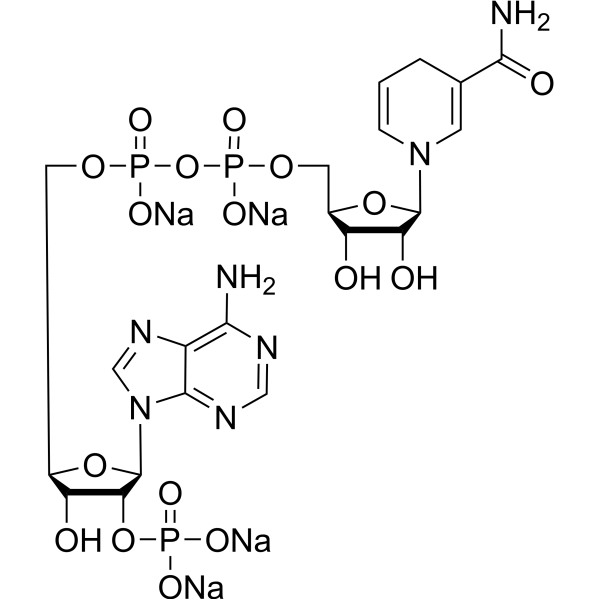
    NADPH tetrasodium salt functions as an important cofactor in a variety of metabolic and biosynthetic pathways. NADPH tetrasodium salt is an endogenous inhibitor of ferroptosis. NADPH tetrasodium salt plays a vital role in the biosynthesis of agents, chiral alcohols, fatty acids and biopolymers, while also being required for lipid biosynthesis, biomass formation, and cell replication .
    NADPH tetrasodium salt
  • HY-19528
    SAH
    Maximum Cited Publications
    20 Publications Verification

    SAH (S-Adenosylhomocysteine)

    Endogenous Metabolite Metabolic Disease
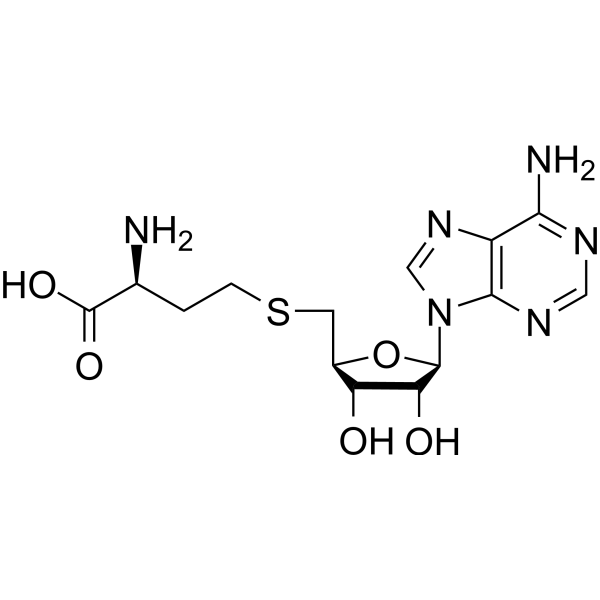
    SAH (S-Adenosylhomocysteine) is an amino acid derivative and a modulartor in several metabolic pathways. It is an intermediate in the synthesis of cysteine and adenosine . SAH is an inhibitor for METTL3-METTL14 heterodimer complex (METTL3-14) with an IC50 of 0.9 µM .
    SAH
  • HY-W001171
    3-Hydroxyanthranilic acid
    1 Publications Verification

    Endogenous Metabolite Cardiovascular Disease Neurological Disease Metabolic Disease Inflammation/Immunology Endocrinology Cancer
    3-Hydroxyanthranilic acid is a tryptophan metabolite in the kynurenine pathway.3-hydroxyanthranilic acid has anti-inflammatory, neuroprotective, and lipid-lowering effects. 3-hydroxyanthranilic acid can be used for researches of cardiovascular diseases, tumors, and metabolic diseases .
    3-Hydroxyanthranilic acid
  • HY-N0130
    Shikimic acid
    3 Publications Verification

    Endogenous Metabolite Others
    Shikimic acid is a key metabolic intermediate of the aromatic amino acid biosynthesis pathway, found in microbes and plants.
    Shikimic acid
  • HY-126370A

    Endogenous Metabolite YAP Apoptosis Interleukin Related STAT ERK Ras Cancer
    Geranylgeranyl pyrophosphate triammonium is a type of isoprenoid metabolic intermediate, mainly synthesized through the mevalonate pathway. Geranylgeranyl pyrophosphate triammonium is a key precursor in various biological synthesis processes, especially as a necessary substrate for post-translational modification of proteins - geranylgeranyl phosphorylation. Geranylgeranyl pyrophosphate triammonium regulates various cellular processes and disease progression through protein geranylgeranyl phosphorylation, such as activating the YAP signaling pathway, promoting cell proliferation and inhibiting apoptosis; promoting IL-2 production and STAT5 phosphorylation; and influencing metabolic homeostasis and cancer, etc .
    Geranylgeranyl pyrophosphate triammonium
  • HY-134433

    Endogenous Metabolite Metabolic Disease
    GDP-L-fucose is a nucleotide sugar that is a key substrate for the biosynthesis of fucose oligosaccharides, providing the fucose moiety for the oligosaccharides.The formation of GDP-L-fucose occurs through two pathways, the major ab initio metabolic pathway and the minor remedial metabolic pathway. GDP-L-fucose is associated with diabetes in rats .
    GDP-L-fucose
  • HY-136386
    N-Acetyl-D-cysteine
    3 Publications Verification

    Reactive Oxygen Species (ROS) Others
    N-Acetyl-D-cysteine has antioxidant activities and scavenges ROS through the reaction with its thiol group, but cannot enter the glutathione metabolic pathway .
    N-Acetyl-D-cysteine
  • HY-113131

    DHAP

    Endogenous Metabolite Biochemical Assay Reagents Metabolic Disease
    Dihydroxyacetone phosphate (DHPA), a derivative of Dihydroxyacetone (DHA), is an important intermediate that participates in key pathways including glycolysis, lipid biosynthesis, and the plant Calvin cycle. Dihydroxyacetone phosphate can be used as a substrate and metabolic marker in biochemical research .
    Dihydroxyacetone phosphate
  • HY-113054

    Acyltransferase Bacterial Endogenous Metabolite Infection Metabolic Disease
    DL-Glyceraldehyde 3-phosphate is an intermediate in several metabolic pathways, including glycolysis and gluconeogenesis. DL-Glyceraldehyde 3-phosphate is a potent inhibitor of the growth of E. coli. DL-Glyceraldehyde 3-phosphate is a competitive inhibitor of the acyltransferase .
    DL-Glyceraldehyde 3-phosphate
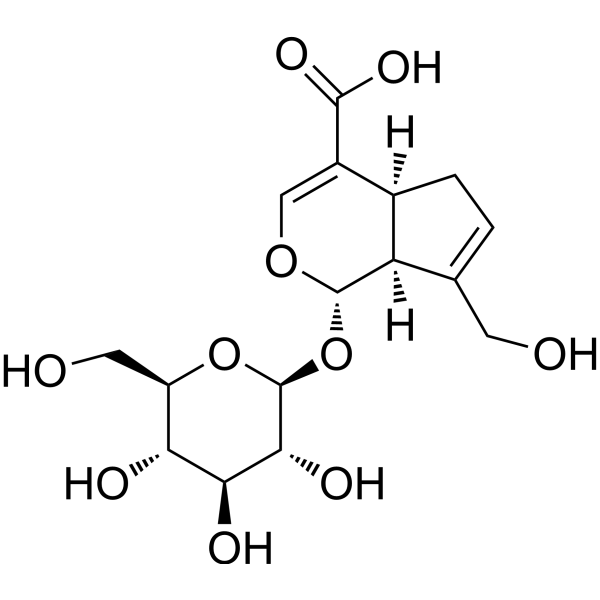
  • HY-N0010
    Geniposidic acid
    5+ Cited Publications

    FXR Sirtuin TNF Receptor Interleukin Related Metabolic Disease
    Geniposidic acid is an orally active FXR modulator and SIRT6 activator. Geniposidic acid binds to the Ser332 and His447 sites on the FXR ligand-binding domain, thereby driving nuclear translocation, coactivator recruitment, and transcription of downstream bile acid and cholesterol metabolism-related genes. Geniposidic acid improves metabolic dysfunction-related fatty liver disease by activating the SIRT6 signaling pathway. Geniposidic acid inhibits inflammation and modulates gut microbiota to alleviate colitis. Geniposidic acid can be used in research on drug-induced liver injury, inflammatory bowel disease, metabolic dysfunction-related fatty liver disease, and metabolic dysfunction-related steatohepatitis .
    Geniposidic acid
  • HY-116956

    Biochemical Assay Reagents Others
    D-Erythrose is a four-carbon sugar classified as an aldose. D-Erythrose has unique chemical properties that make it an important intermediate in various metabolic pathways, especially in the biosynthesis of amino acids and nucleotides. It also plays a role in the pentose phosphate pathway, which generates reducing equivalents for biosynthetic reactions and cellular defense against oxidative damage.
    D-Erythrose (50% in water)
  • HY-143712
    Allolithocholic acid
    1 Publications Verification

    Drug Metabolite G protein-coupled Bile Acid Receptor 1 ROR Metabolic Disease Inflammation/Immunology Cancer
    Allolithocholic acid is an orally active metabolite of Lithocholic acid (HY-B0172). Allolithocholic acid is a dual GPBAR1 agonist (EC50 = 2.7 μM) and RORγt inverse agonist (IC50 = 3.4 μM). Allolithocholic acid modulates immune and metabolic pathways, regulates immune cell polarization, prevents M1 macrophage and Th17 CD4 cell polarization. Allolithocholic acid improves insulin sensitivity, reduces liver lipid accumulation, reverses liver immunological, inflammatory and metabolic signaling dysregulation, restores bile acid homeostasis, adipose tissue histopathology/function, and intestinal microbiota composition, modulates intestinal immunity. Allolithocholic acid can be used for the researches of cancer, inflammayion, immunology and metabolic disease .
    Allolithocholic acid
  • HY-113013

    β-Hydroxypyruvic acid; 3-Hydroxypyruvic acid

    Endogenous Metabolite Metabolic Disease
    Hydroxypyruvic acid (β-Hydroxypyruvic acid) is an intermediate in the metabolism of glycine, serine and threonine. Hydroxypyruvic acid is a substrate for serine-pyruvate aminotransferase and glyoxylate reductase/hydroxypyruvate reductase. Hydroxypyruvic acid is involved in the metabolic disorder which is the dimethylglycine dehydrogenase deficiency pathway.
    Hydroxypyruvic acid
  • HY-14414
    GSK4112
    10+ Cited Publications

    SR6452

    REV-ERB Apoptosis Metabolic Disease
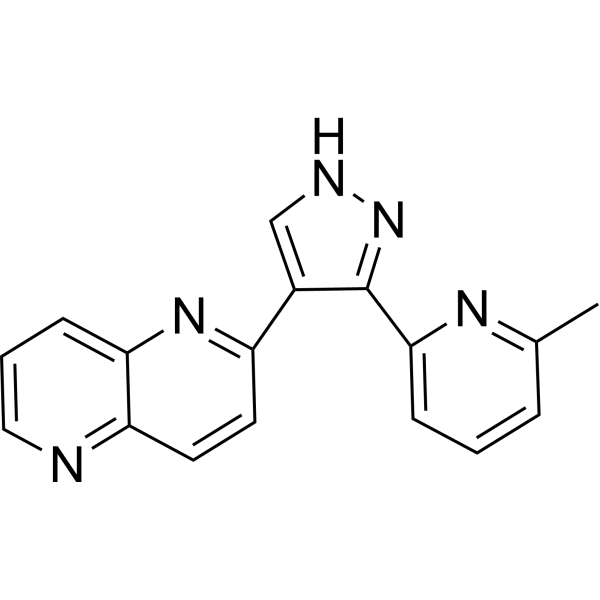
    GSK4112 (SR6452) is a Rev-erbα agonist with an EC50 value of 0.4 μM. GSK4112 can be used as a chemical tool to probe the function of Rev-erbα in transcriptional repression, regulation of circadian biology, and metabolic pathways .
    GSK4112
  • HY-W749209

    Anhydrous sodium acetate-13C2

    Endogenous Metabolite
    Acetic acid-13C2 is a stable isotope labeled compound with biomarker and metabolic tracking activity. Acetic acid-13C2 is often used in biochemical research for the analysis of metabolic pathways. Acetic acid-13C2 is also used in medical imaging and compound development to improve the understanding of biological processes.
    Acetic acid-13C2 sodium
  • HY-113131A

    DHAP hemimagnesium hydrate

    Endogenous Metabolite Biochemical Assay Reagents Metabolic Disease
    Dihydroxyacetone phosphate (DHPA) hemimagnesium hydrate, a derivative of Dihydroxyacetone (DHA), is an important intermediate that participates in key pathways including glycolysis, lipid biosynthesis, and the plant Calvin cycle. Dihydroxyacetone phosphate hemimagnesium hydrate can be used as a substrate and metabolic marker in biochemical research .
    Dihydroxyacetone phosphate hemimagnesium hydrate
  • HY-N8469

    COX Inflammation/Immunology
    cis-5-Dodecenoic acid is an inhibitor of COX-I and COX-II with anti-inflammatory activity. cis-5-Dodecenoic acid reduces prostaglandin synthesis by inhibiting COX enzyme activity and is involved in the fatty acid -β oxidative metabolic pathway. The metabolic rate of cis-5-Dodecenoic acid is significantly lower than that of saturated fatty acids. cis-5-Dodecenoic acid can be used in the research of anti-inflammation, fatty acid metabolism mechanisms and related physiological and pathological processes .
    cis-5-Dodecenoic acid
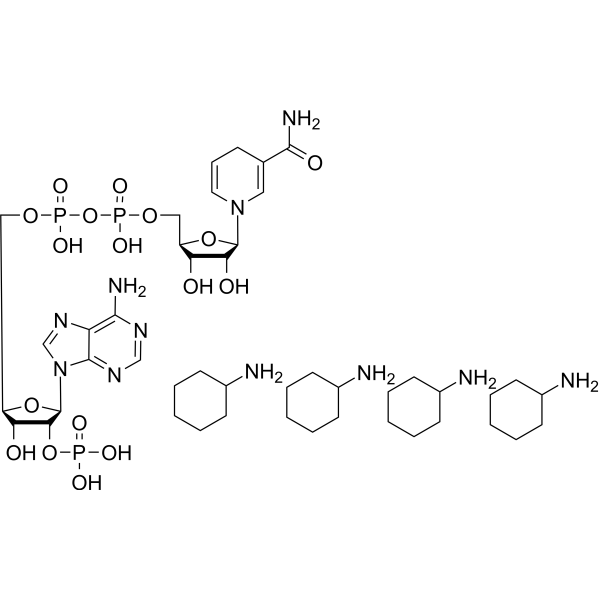
  • HY-F0003A
    NADPH tetracyclohexanamine
    15+ Cited Publications

    Ferroptosis Endogenous Metabolite Metabolic Disease Cancer
    NADPH tetracyclohexanamine functions as an important cofactor in a variety of metabolic and biosynthetic pathways. NADPH tetracyclohexanamine is an endogenous inhibitor of ferroptosis. NADPH tetracyclohexanamine plays a vital role in the biosynthesis of agents, chiral alcohols, fatty acids and biopolymers, while also being required for lipid biosynthesis, biomass formation, and cell replication .
    NADPH tetracyclohexanamine
  • HY-N7814
    2-Hydroxypalmitic acid
    1 Publications Verification

    Endogenous Metabolite Drug Intermediate Infection
    2-Hydroxypalmitic acid is an intermediate in the phytosphingosine metabolic pathway. 2-Hydroxypalmitic acid is exclusively incorporated into sphingolipids and not used for other lipids. 2-Hydroxypalmitic acid promotes the production of odd-carbon phosphatidylcholine species. 2-Hydroxypalmitic acid is applicable to studies of Saccharomyces cerevisiae infection .
    2-Hydroxypalmitic acid
  • HY-W006230

    Cytochrome P450 Cancer
    Anthraflavic acid specifically inhibits the activity of cytochrome P-448 without affecting phenobarbital-induced cytochrome P-450 or NADPH-dependent cytochrome c reduction. Anthraflavic acid inhibits cytosolic metabolic pathways, blocks the microsomal and cytosolic activation of IQ, and reduces the metabolic activation level of Glu-P-I. Anthraflavic acid may exert anticancer activity by inhibiting the metabolic activation of chemical carcinogens. Anthraflavic acid is applicable to cancer-related research .
    Anthraflavic acid
  • HY-112253

    Endogenous Metabolite Metabolic Disease
    D-Fructose 1-phosphate is a key intermediate metabolite in the fructose metabolic pathway. As a key signaling molecule linking fructose metabolism and glucose metabolic regulation, D-Fructose 1-phosphate acts as an allosteric modulator to counteract the inhibitory effect of the glucokinase-regulatory protein complex, thereby finely regulating the direction of hepatic glucose metabolism at the substrate level .
    D-Fructose 1-phosphate
  • HY-126370

    Endogenous Metabolite YAP Apoptosis Interleukin Related STAT ERK Ras Cancer
    Geranylgeranyl pyrophosphate is a type of isoprenoid metabolic intermediate, mainly synthesized through the mevalonate pathway. Geranylgeranyl pyrophosphate is a key precursor in various biological synthesis processes, especially as a necessary substrate for post-translational modification of proteins - geranylgeranyl phosphorylation. Geranylgeranyl pyrophosphate regulates various cellular processes and disease progression through protein geranylgeranyl phosphorylation, such as activating the YAP signaling pathway, promoting cell proliferation and inhibiting apoptosis; promoting IL-2 production and STAT5 phosphorylation; and influencing metabolic homeostasis and cancer, etc .
    Geranylgeranyl pyrophosphate
  • HY-126359

    SLPC; 18:0-18:2 PC

    Endogenous Metabolite Cardiovascular Disease Metabolic Disease
    1-Stearoyl-2-linoleoyl-sn-glycero-3-phosphocholine (SLPC; 18:0-18:2 PC) is an endogenous phospholipid marker molecule in the glycerophospholipid metabolic pathway. 1-Stearoyl-2-linoleoyl-sn-glycero-3-phosphocholine is a core component of the phospholipid bilayer of biological membranes and a key responsive lipid for radiation injury and cardiometabolic diseases. 1-Stearoyl-2-linoleoyl-sn-glycero-3-phosphocholine constitutes the phospholipid bilayers of cell membranes and high-density lipoprotein (HDL), and regulates the core activity of lipoprotein functional homeostasis. The content of 1-Stearoyl-2-linoleoyl-sn-glycero-3-phosphocholine in mouse serum shows a significant dose-dependent decrease with increasing ionizing radiation dose, and its level in human HDL also decreases significantly in metabolic syndrome. 1-Stearoyl-2-linoleoyl-sn-glycero-3-phosphocholine can serve as a biological dosimeter marker for ionizing radiation injury, and is used for rapid and accurate assessment of radiation absorbed dose in exposed individuals. 1-Stearoyl-2-linoleoyl-sn-glycero-3-phosphocholine can also act as a lipidomics research target for cardiometabolic diseases such as lipid metabolic syndrome and early-onset coronary heart disease .
    1-Stearoyl-2-linoleoyl-sn-glycero-3-phosphocholine
  • HY-B0863R

    Reference Standards Apoptosis Autophagy Necroptosis Cancer
    Glyphosate (Standard) is the analytical standard of Glyphosate. This product is intended for research and analytical applications. Glyphosate is an herbicidal derivative of the amino acid glycine. Glyphosate targets and blocks a plant metabolic pathway not found in animals, the shikimate pathway, required for the synthesis of aromatic amino acids in plants .
    Glyphosate (Standard)
  • HY-W019151

    Endogenous Metabolite Metabolic Disease
    Meconine is an endogenous metabolite of Noscapine (HY-13716). Meconine is the major metabolite in all three species, accounting for about 3, 8 and 2% of the dose in the first 24 h urines of rats, rabbits and humans, respectively. Meconine can be used as a marker to detect illicit opiate use .
    Meconine
  • HY-112253A
    D-Fructose 1-phosphate disodium
    1 Publications Verification

    Endogenous Metabolite Metabolic Disease
    D-Fructose 1-phosphate disodium is a key intermediate metabolite in the fructose metabolic pathway. As a key signaling molecule linking fructose metabolism and glucose metabolic regulation, D-Fructose 1-phosphate disodium acts as an allosteric modulator to counteract the inhibitory effect of the glucokinase-regulatory protein complex, thereby finely regulating the direction of hepatic glucose metabolism at the substrate level .
    D-Fructose 1-phosphate disodium
  • HY-N0899

    JAK STAT Wnt β-catenin Inflammation/Immunology Cancer
    Wilforine is an orally active JAK-STAT pathway inhibitor with immunomodulatory effects and the ability to inhibit osteoclast fusion. Wilforine disrupts lipid raft integrity, reprograms cholesterol and glycosphingolipid metabolic pathways, regulates NF-κB and the complement system, and modulates the expression of various interleukins. Wilforine also inhibits the Wnt11/β-catenin signaling pathway and suppresses the proliferation of fibroblast-like synoviocytes. Wilforine can serve as a quality and pharmacokinetic marker for Tripterygium glycoside tablets, and can be applied to research on related diseases such as rheumatoid arthritis, inflammatory osteolysis, and SAPHO syndrome .
    Wilforine
  • HY-Y1004

    Decyl alcohol

    Environmental Pollutants Biochemical Assay Reagents Parasite Apoptosis Infection
    1-Decanol (Decyl alcohol) is a nematicidal agent derived from Houttuynia cordata, with an LC50 of 31.5 μg/mL against potato cyst nematodes (PCN). 1-decanol directly damages nematode surface structures, induces cellular apoptosis, and disrupts the oxidative stress regulation system, while also downregulating defense-related metabolic pathways in potato, thereby promoting the reallocation of metabolic resources from defense to growth. 1-Decanol can be used for the research of potato cyst nematode infestation .
    1-Decanol
  • HY-B0863S3

    Isotope-Labeled Compounds Apoptosis Autophagy Necroptosis Neurological Disease
    Glyphosate- 13C2, 15N is the 13C and 15N labled Glyphosate (HY-B0863). Glyphosate is an herbicidal derivative of the amino acid glycine. Glyphosate targets and blocks a plant metabolic pathway not found in animals, the shikimate pathway, required for the synthesis of aromatic amino acids in plants .
    Glyphosate-13C2,15N
  • HY-113131B

    DHAP dilithium

    Biochemical Assay Reagents Endogenous Metabolite Metabolic Disease
    Dihydroxyacetone phosphate (DHPA) dilithium, a derivative of Dihydroxyacetone (DHA), is an important intermediate that participates in key pathways including glycolysis, lipid biosynthesis, and the plant Calvin cycle. Dihydroxyacetone phosphate dilithium can be used as a substrate and metabolic marker in biochemical research .
    Dihydroxyacetone phosphate dilithium
  • HY-124156A

    Wnt Metabolic Disease
    KY-02327 acetate, a metabolically stabilized KY-02061 analog, is a potent Dishevelled (Dvl)-CXXC5 interaction inhibitor. KY-02327 acetate shows an activating effect on the Wnt/β-catenin pathway, resulting in promotion of osteoblast differentiation .
    KY-02327 acetate
  • HY-112948

    Endogenous Metabolite Metabolic Disease
    2-Methylbutyrylcarnitine is a fatty acid metabolite. 2-Methylbutyrylcarnitine is found mainly in the blood and urine of humans and animals and is produced through the pyruvate carboxylation pathway. 2-Methylbutyrylcarnitine exhibits high level in the plasma of subjects with steatohepatitis (NASH) and can be used as an indicator for the diagnosis of metabolic diseases .
    2-Methylbutyrylcarnitine
  • HY-W587841

    Drug Intermediate Metabolic Disease
    D-Xylulose 5-phosphate is a sugar phosphate ester intermediate and also a core metabolite of the pentose phosphate pathway. D-Xylulose 5-phosphate can be used in the research of metabolic diseases .
    D-Xylulose 5-phosphate
  • HY-N2018

    α-D-Xylopyranose

    Endogenous Metabolite Metabolic Disease
    α-D-Xylose (α-D-Xylopyranose) is a basic component of the five-carbon fraction of biomass and a precursor of hemicellulose. α-D-Xylose participates in a variety of enzyme-catalyzed reactions, which in turn participate in a variety of metabolic pathways. In addition, α-D-Xylose is also used in tanning, dyeing and as a diabetic food .
    α-D-Xylose
  • HY-134433A

    Endogenous Metabolite Metabolic Disease
    GDP-L-fucose disodium is a nucleotide sugar that is a key substrate for the biosynthesis of fucose oligosaccharides. GDP-L-fucose disodium provides the fucose moiety for the oligosaccharides. The formation of GDP-L-fucose disodium occurs through two pathways, the major de novo metabolic pathway and the minor remedial metabolic pathway .
    GDP-L-fucose disodium
  • HY-N0130R

    Reference Standards Endogenous Metabolite Others
    Shikimic acid (Standard) is the analytical standard of Shikimic acid. This product is intended for research and analytical applications. Shikimic acid is a key metabolic intermediate of the aromatic amino acid biosynthesis pathway, found in microbes and plants.
    Shikimic acid (Standard)
  • HY-P2960

    Acylase I

    Biochemical Assay Reagents Others
    Aminoacylase (Acylase I) is a specific N-acetylglutamine metabolic-degrading enzyme. Aminoacylase is a key enzyme in the intracellular amino acid recycling pathway. Aminoacylase has detoxifying properties .
    Aminoacylase
  • HY-W019151R

    Reference Standards Endogenous Metabolite Metabolic Disease
    Meconine (Standard) is the analytical standard of Meconine (HY-W019151). This product is intended for research and analytical applications. Meconine is an endogenous metabolite of Noscapine (HY-13716). Meconine is the major metabolite in all three species, accounting for about 3, 8 and 2% of the dose in the first 24 h urines of rats, rabbits and humans, respectively. Meconine can be used as a marker to detect illicit opiate use.
    Meconine (Standard)
  • HY-P2948

    Ser/Thr protein kinase

    Biochemical Assay Reagents Infection
    Protein serine/threonine kinase is a type of serine/threonine protein kinase. Protein serine/threonine kinases are pleiotropic signaling proteins that can phosphorylate various substrates, thereby initiating branched signaling pathways. Mycobacteria protein serine/threonine kinase plays a crucial role in signal transduction pathways, ultimately determining the growth and metabolic adaptability of mycobacteria .
    Protein serine/threonine kinase
  • HY-W250163
    NAD+ lithium
    Maximum Cited Publications
    44 Publications Verification

    β-DPN lithium; β-NAD lithium; β-Nicotinamide Adenine Dinucleotide lithium

    Biochemical Assay Reagents Metabolic Disease
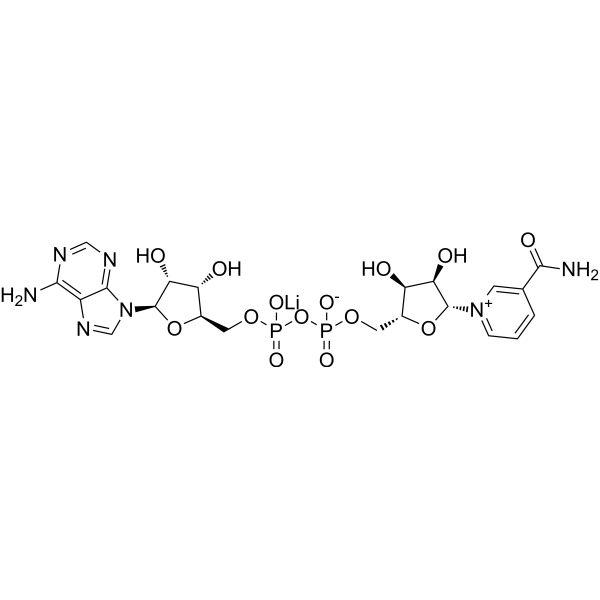
    NAD+ lithium (β-DPN lithium) is a lithium salt of nicotinamide adenine dinucleotide. NAD+ is a coenzyme in the REDOX reaction. NAD+ can directly or indirectly affect several key cellular functions, including metabolic pathways, DNA repair, chromatin remodeling, cell aging, and immune cell function .
    NAD+ lithium
  • HY-W018004S

    Isotope-Labeled Compounds Endogenous Metabolite Metabolic Disease
    L-Homocitrulline-d3 is the deuterium labeled L-Homocitrulline. L-Homocitrulline is metabolized to homoarginine through homoargininosuccinate via the urea cycle pathway and its metabolic abnormality could lead to Lysinuric Protein Intolerance (LPI).
    L-Homocitrulline-d3
  • HY-59384

    Free Fatty Acid Receptor Metabolic Disease Inflammation/Immunology
    MOMBA is a selective FFA2 (Free Fatty Acid Receptor 2) orthosteric agonist that activates receptor signaling pathways by binding to the orthosteric site of FFA2 with high specificity. MOMBA holds potential for research on metabolic and inflammatory diseases .
    MOMBA
  • HY-125863B

    G6PD (yeast, recombinant)

    Endogenous Metabolite Cardiovascular Disease Metabolic Disease Cancer
    Glucose 6-phosphate dehydrogenase (yeast, recombinant) is the rate-limiting enzyme of the pentose phosphate pathway and a major source of NADPH in antioxidant pathways, nitric oxide synthase, NADPH oxidase, and cytochrome P450 systems. Glucose 6-phosphate dehydrogenase helps cells resist oxidative stress and regulates metabolic rates. It holds potential for research in fields such as diabetes, endothelial dysfunction, cancer, and cardiomyopathy .
    Glucose 6-phosphate dehydrogenase (yeast, recombinant)
  • HY-B0863S

    Isotope-Labeled Compounds Apoptosis Autophagy Necroptosis Neurological Disease
    Glyphosate-d2 is the deuterium labeled Glyphosate. Glyphosate is an herbicidal derivative of the amino acid glycine. Glyphosate targets and blocks a plant metabolic pathway not found in animals, the shikimate pathway, required for the synthesis of aromatic amino acids in plants .
    Glyphosate-d2
  • HY-P3001

    Endogenous Metabolite Metabolic Disease
    Malate dehydrogenase (oxaloacetate-decarboxylating, NADP+) is a redox agent targeting metabolic pathways. Malate dehydrogenase (oxaloacetate-decarboxylating, NADP+) catalyzes the reduction of oxaloacetate to malate in leaves of higher plants. Malate dehydrogenase (oxaloacetate-decarboxylating, NADP+) is promising for research of metabolic diseases, such as diabetes, obesity .
    Malate dehydrogenase oxaloacetate-decarboxylating, NADP+
  • HY-W018004R

    Reference Standards Endogenous Metabolite Metabolic Disease
    L-Homocitrulline is metabolized to homoarginine through homoargininosuccinate via the urea cycle pathway and its metabolic abnormality could lead to Lysinuric Protein Intolerance (LPI).
    L-Homocitrulline (Standard)
  • HY-142080

    Pimeloyl-coenzyme A

    Endogenous Metabolite Metabolic Disease
    Pimeloyl-CoA is a key precursor compound in the biotin synthesis pathway, which can promote the de novo synthesis of biotin. Pimeloyl-CoA is mainly used in the study of microbial metabolic mechanisms, especially the analysis of biotin synthesis pathways and basic research on the biosynthesis of related antibiotics or vitamins .
    Pimeloyl-CoA
  • HY-W019151S

    Isotope-Labeled Compounds Endogenous Metabolite Metabolic Disease
    Meconin-d3 is the deuterium labeled Meconine (HY-W019151). Meconine is an endogenous metabolite of Noscapine (HY-13716). Meconine is the major metabolite in all three species, accounting for about 3, 8 and 2% of the dose in the first 24 h urines of rats, rabbits and humans, respectively. Meconine can be used as a marker to detect illicit opiate use.
    Meconin-d3
  • HY-P2819

    PFK1

    Phosphatase Metabolic Disease
    Phosphofructokinase 1 (PFK1) is a major regulatory enzyme targeting glycolytic pathway. Phosphofructokinase 1 catalyzes the phosphorylation of fructose-6-phosphate (F6P) to fructose-1,6-bisphosphate (F1,6BP) to regulate glycolytic flux. Phosphofructokinase 1 is promising for research of cancer metabolic reprogramming (e.g., hypoxia adaptation, oxidative stress resistance) and metabolic syndromes .
    Phosphofructokinase 1
  • HY-139286

    Pacsph; Pacsphingosine (d18:1)

    Biochemical Assay Reagents Others
    Photoclick sphingosine (Pacsph) is a photosensitizing and clickable sphingosine analog. Photoclick sphingosine is metabolized in cells into endogenous lipid metabolic pathways and can be visualized by its clickable alkyne group. Photoclick sphingosine can be used to study intracellular sphingolipid metabolism and subcellular localization .
    Photoclick sphingosine

Inquiry Online

Your information is safe with us. * Required Fields.

Salutation


Country or Region *

Applicant Name *


Organization Name *

Department *


Email Address *


Product Name *

Cat. No.


Requested quantity *

Phone Number *


Remarks

Inquiry Online

Inquiry Information

Product Name:
Cat. No.:
Quantity:
MCE Japan Authorized Agent:

