1. Search Result
Search Result
Results for "

Mitotic

" in MedChemExpress (MCE) Product Catalog:

263

Inhibitors & Agonists

7

Fluorescent Dyes

2

Biochemical Assay Reagents

6

Peptides

1

MCE Kits

1

Inhibitory Antibodies

34

Natural
Products

3

Recombinant Proteins

13

Isotope-Labeled Compounds

25

Antibodies

4

Click Chemistry

2

Oligonucleotides

1

GMP Molecules

Cat. No. Product Name Target Research Areas Chemical Structure
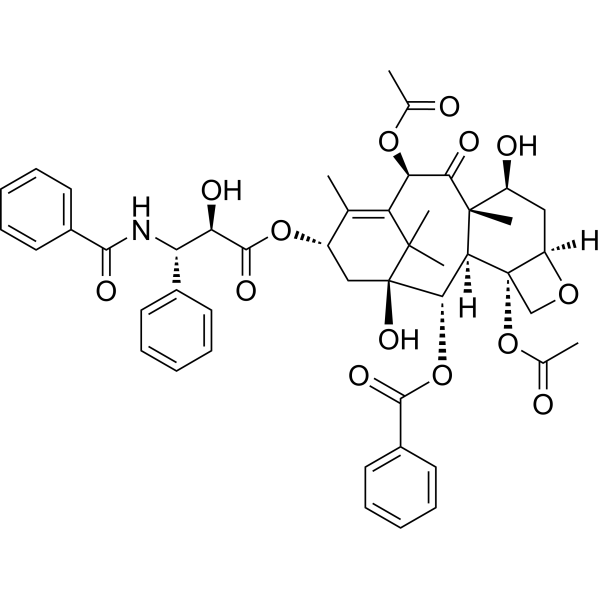
  • HY-B0015
    Paclitaxel
    Maximum Cited Publications
    354 Publications Verification

    Microtubule/Tubulin ADC Payload Apoptosis Autophagy Cardiovascular Disease Cancer
    Paclitaxel is a naturally occurring antineoplastic agent and stabilizes tubulin polymerization. Paclitaxel can cause both mitotic arrest and apoptotic cell death. Paclitaxel also induces autophagy .
    Paclitaxel
  • HY-10971
    Alisertib
    70+ Cited Publications

    MLN 8237

    Aurora Kinase Autophagy Apoptosis Cancer
    Alisertib (MLN 8237) is an orally active and selective Aurora A kinase inhibitor (IC50=1.2 nM), which binds to Aurora A kinase resulting in mitotic spindle abnormalities, mitotic accumulation. Alisertib (MLN 8237) induces apoptosis and autophagy through targeting the AKT/mTOR/AMPK/p38 pathway in leukemic cells. Antitumor activity .
    Alisertib
  • HY-12137
    Volasertib
    30+ Cited Publications

    BI 6727

    Polo-like Kinase (PLK) Apoptosis Cancer
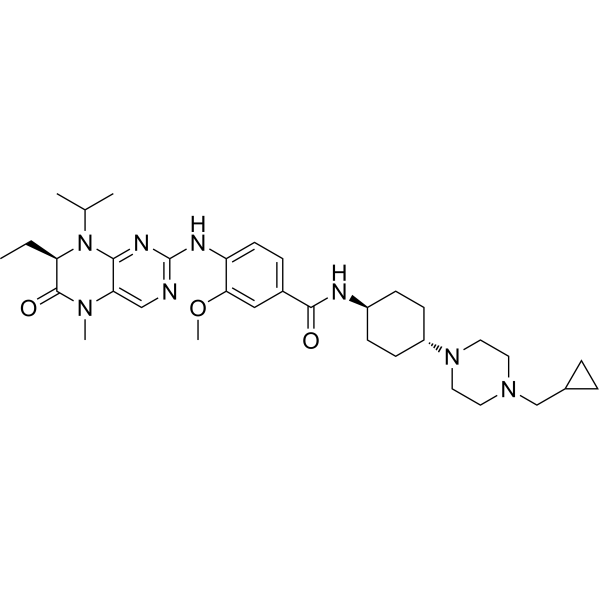
    Volasertib (BI 6727) is an orally active, highly potent and ATP-competitive Polo-like kinase 1 (PLK1) inhibitor with an IC50 of 0.87 nM. Volasertib inhibits PLK2 and PLK3 with IC50s of 5 and 56 nM, respectively. Volasertib induces mitotic arrest and apoptosis. Volasertib, a dihydropteridinone derivative, shows marked antitumor activity in multiple cancer models .
    Volasertib
  • HY-N6733
    Aphidicolin
    10+ Cited Publications

    DNA/RNA Synthesis HSV Apoptosis Antibiotic Orthopoxvirus Infection Inflammation/Immunology
    Aphidicolin is an inhibitor of DNA polymerase α and δ, prevents mitotic cell division by interfering DNA polymerase activity. Aphidicolin is an antibiotic produced by mold Cephalosporium aphidicola, inhibits cellular deoxyribonucleic acid synthesis and the growth of herpes simplex virus. Aphidicolin exhibits anti-orthopoxvirus activity and potentiates apoptosis induced by arabinosyl nucleosides in a human promyelocytic leukemia cell line .
    Aphidicolin
  • HY-12053A
    Vinorelbine ditartrate
    20+ Cited Publications

    KW-2307; Nor-5'-anhydrovinblastine ditartrate

    Microtubule/Tubulin Autophagy Neurological Disease Cancer
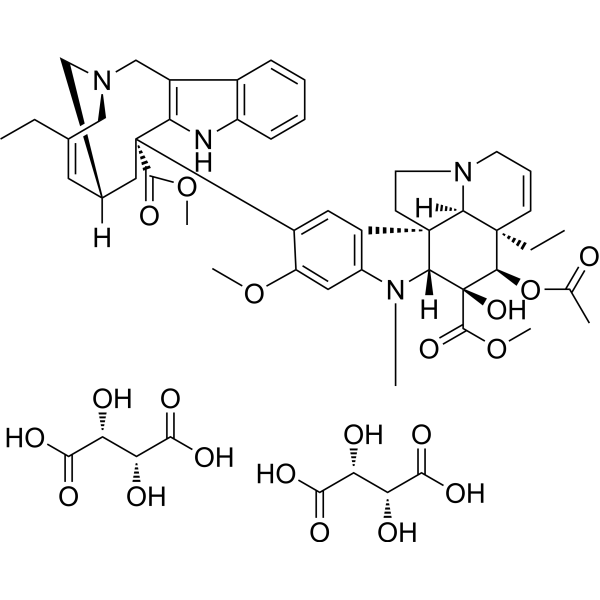
    Vinorelbine (ditartrate) is an anti-mitotic agent which inhibits the proliferation of Hela cells with IC50 of 1.25 nM.
    Vinorelbine ditartrate
  • HY-N0282
    Demecolcine
    5+ Cited Publications

    Microtubule/Tubulin Apoptosis Inflammation/Immunology Cancer
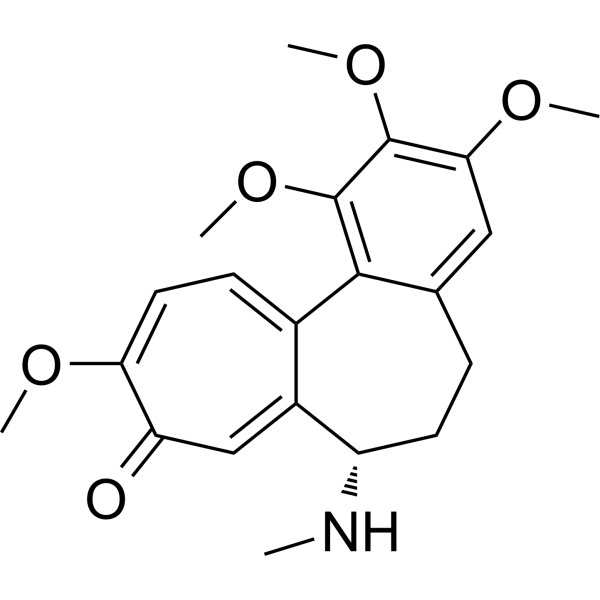
    Demecolcine is a potent mitotic inhibitor with an IC50 value of 2.4 μM for inhibition of tubulin polymerization. Colcemid (Demecolcine) can interact with tubulin dimers to induce anti-mitotic action and inhibit microtubule growth. Colcemid (Demecolcine) can be used for inflammatory disorders and cancer research .
    Demecolcine
  • HY-15162A
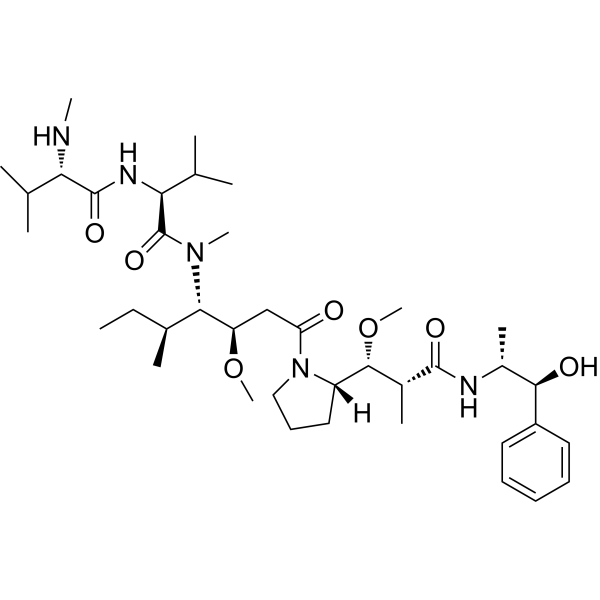
    MMAE-d8
    Maximum Cited Publications
    10 Publications Verification

    Monomethyl auristatin E-d8; Deuterated labeled MMAE

    Microtubule/Tubulin ADC Payload Cancer
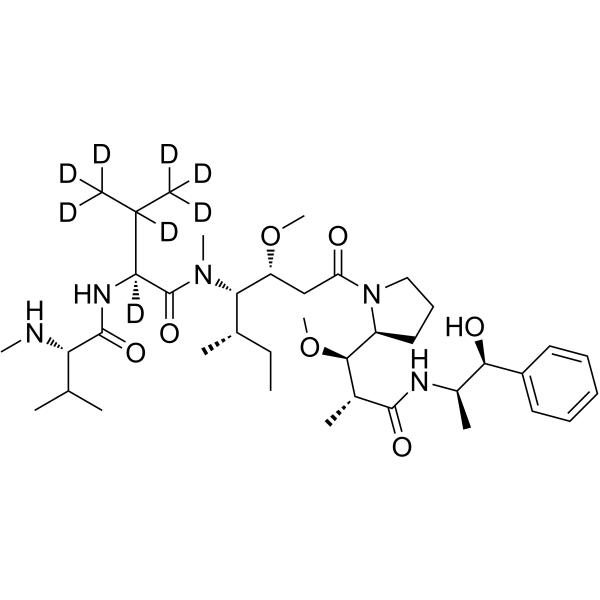
    MMAE-d8 is a deuterated labeled MMAE, a potent mitotic inhibitor and a tubulin inhibitor.
    MMAE-d8
  • HY-13716
    Noscapine
    2 Publications Verification

    (S,R)-Noscapine

    Opioid Receptor Apoptosis Neurological Disease Inflammation/Immunology Cancer
    Noscapine ((S,R)-Noscapine) is an orally active phthalideisoquinoline alkaloid with potent antitussive. Noscapine exerts its antitussive effects by activating sigma opioid receptors and is a non-competitive Bradykinin inhibitor. Noscapine disrupts microtubule dynamics, induces mitotic arrest and apoptosis. Noscapine possesses anticancer, neuroprotective, anti-inflammatory activities, and can cross the blood-brain barrier .
    Noscapine
  • HY-10395
    PD173955
    1 Publications Verification

    Bcr-Abl Src Cancer
    PD173955 is an orally active inhibitor of Src (IC50= 22 nM), Yes, Abl, ATP and MAP kinases. PD173955 can effectively prevent the mitotic process and has anticancer activity .
    PD173955
  • HY-13674

    NSC 153858

    Microtubule/Tubulin Cancer
    Maytansine is a highly potent microtubule-targeted compound that induces mitotic arrest and kills tumor cells at subnanomolar concentrations .
    Maytansine
  • HY-Y0481

    Stannous chloride, 98%; Tin(II) chloride, anhydrous, 98%; Anhydrous stannous chloride, 98%

    Biochemical Assay Reagents Others
    Anhydrous stannous chloride, 98% is a biochemical reagent with genotoxicity, mutagenicity, mitotic recombinogenicity, and reactive oxygen species-inducing activity.
    Tin(II) chloride, 98%
  • HY-135960
    BO-264
    1 Publications Verification

    FGFR Apoptosis Cancer
    BO-264 is a highly potent and orally active transforming acidic coiled-coil 3 (TACC3) inhibitor with an IC50 of 188 nM and a Kd of 1.5 nM. BO-264 specifically blocks the function of FGFR3-TACC3 fusion protein. BO-264 induces spindle assembly checkpoint (SAC)-dependent mitotic arrest, DNA damage and apoptosis. BO-264 has broad-spectrum antitumor activity .
    BO-264
  • HY-B0413
    Fenbendazole
    5+ Cited Publications

    Parasite HIF/HIF Prolyl-Hydroxylase Microtubule/Tubulin Antibiotic Infection Cancer
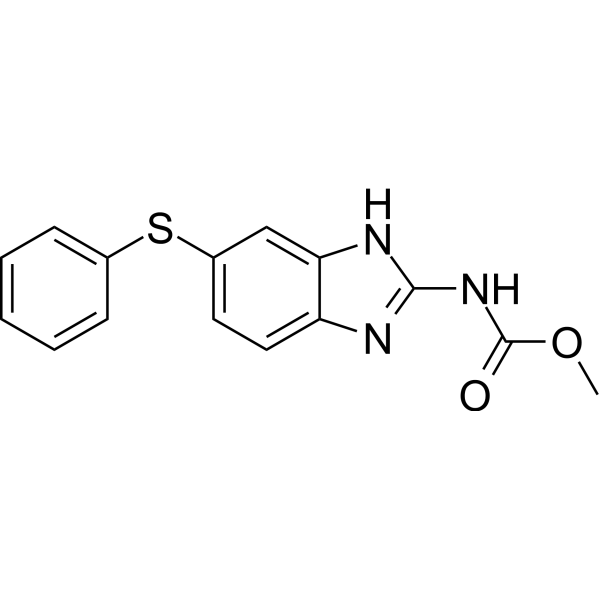
    Fenbendazole is an orally active benzimidazole anthelmintic agent, with a broad antiparasitic range. Fenbendazole is a microtubule destabilizing agent and acts on helminthes primarily by binding to tubulin and disrupting the tubulin microtubule equilibrium. Fenbendazole stabilizes the transcriptional activator HIF-1α. Fenbendazole possesses an efficient anti-proliferative activity and induces apoptosis. Fenbendazole causes cell-cycle arrest and mitotic cell death, and has antitumor activity in mice xenografted with wild-type p53 .
    Fenbendazole
  • HY-12069
    SB-743921 hydrochloride
    5 Publications Verification

    Kinesin Cancer
    SB-743921 hydrochloride is a potent inhibitor of the mitotic kinesin KSP (Eg5), with a Ki of 0.1 nM.
    SB-743921 hydrochloride
  • HY-101071A
    Monastrol
    5+ Cited Publications

    (±)-Monastrol

    Kinesin Apoptosis Cancer
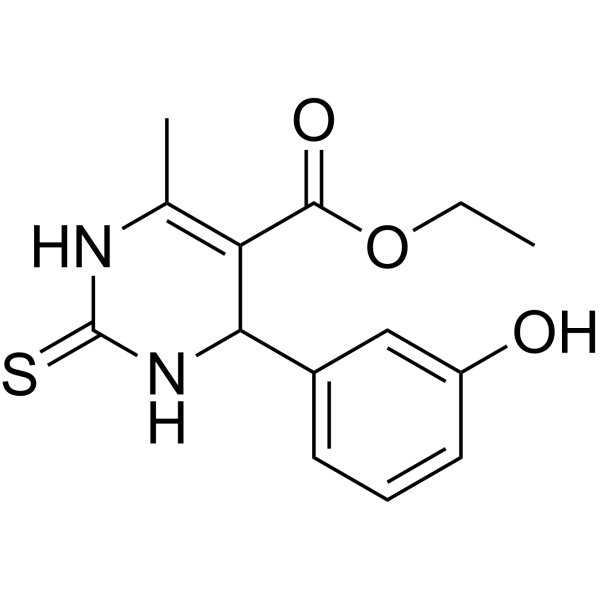
    Monastrol is a potent and cell-permeable inhibitor of the mitotic kinesin Eg5 with an IC50 value of 14 μM.
    Monastrol
  • HY-135660

    Drug-Linker Conjugates for ADC Cancer
    MMAE-SMCC is a agent-linker conjugate for ADC. MMAE-SMCC is composed of a potent mitotic and a tubulin inhibitor MMAE and a linker SMCC to make antibody agent conjugate.
    MMAE-SMCC
  • HY-50672

    Kinesin Apoptosis Lipoxygenase Cancer
    MK-0731 is a selective, non-competitive and allosteric kinesin spindle protein (KSP) inhibitor with an IC50 of 2.2 nM and a pKa of 7.6. MK-0731 is >20,000 fold selectivity against other kinesins. MK-0731 induces mitotic arrest and induces apoptosis in tumors. MK-0731 provides significant antitumor efficacy .
    MK-0731
  • HY-113057

    Endogenous Metabolite Cancer
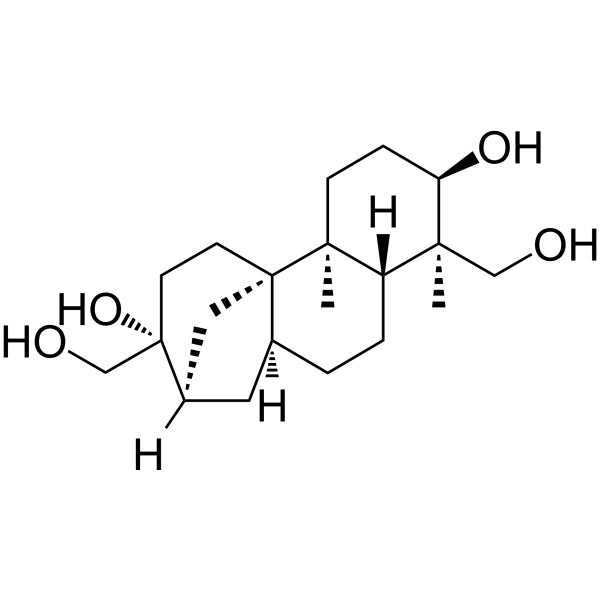
    3-Hydroxycapric acid is an inhibitor for mitotic progression.
    3-Hydroxycapric acid
  • HY-13649
    Indibulin
    1 Publications Verification

    ZIO 301; D 24851

    Apoptosis Microtubule/Tubulin Checkpoint Kinase (Chk) Neurological Disease Cancer
    Indibulin (ZIO 301), an orally applicable inhibitor of tubulin assembly, shows potent anticancer activity with a minimal neurotoxicity. Indibulin reduces inter-kinetochoric tension, produces aberrant spindles, activates mitotic checkpoint proteins Mad2 and BubR1, and induces mitotic arrest and apoptosis .
    Indibulin
  • HY-14804
    Tasisulam
    1 Publications Verification

    LY 573636

    Molecular Glues Apoptosis Cancer
    Tasisulam is a anticancer agent and induces apoptosis via the intrinsic pathway, resulting in cytochrome c release and caspase-dependent cell death. Tasisulam inhibits mitotic progression and induces vascular normalization .
    Tasisulam
  • HY-145034
    KIF18A-IN-1
    1 Publications Verification

    Kinesin Cancer
    KIF18A-IN-1 is an inhibitor of the mitotic kinesin KIF18A with anti-tumor activity. KIF18A targeted inhibitors may activate mitotic checkpoints and selectively kill chromosomally unstable cancer cells .
    KIF18A-IN-1
  • HY-P1103
    CTCE-9908
    1 Publications Verification

    CXCR Cancer
    CTCE-9908 is a potent and selective CXCR4 antagonist. CTCE-9908 induces mitotic catastrophe, cytotoxicity and inhibits migration in CXCR4-expressing ovarian cancer cells .
    CTCE-9908
  • HY-13716A
    Noscapine hydrochloride
    2 Publications Verification

    (S,R)-Noscapine hydrochloride

    Opioid Receptor Apoptosis Neurological Disease Inflammation/Immunology Cancer
    Noscapine ((S,R)-Noscapine) hydrochloride is an orally active phthalideisoquinoline alkaloid with potent antitussive. Noscapine hydrochloride exerts its antitussive effects by activating sigma opioid receptors and is a non-competitive Bradykinin inhibitor. Noscapine hydrochloride disrupts microtubule dynamics, induces mitotic arrest and apoptosis. Noscapine hydrochloride possesses anticancer, neuroprotective, anti-inflammatory activities, and can crosse the blood-brain barrier .
    Noscapine hydrochloride
  • HY-B0413S
    Fenbendazole-d3
    5 Publications Verification

    HIF/HIF Prolyl-Hydroxylase Parasite Microtubule/Tubulin Antibiotic Infection
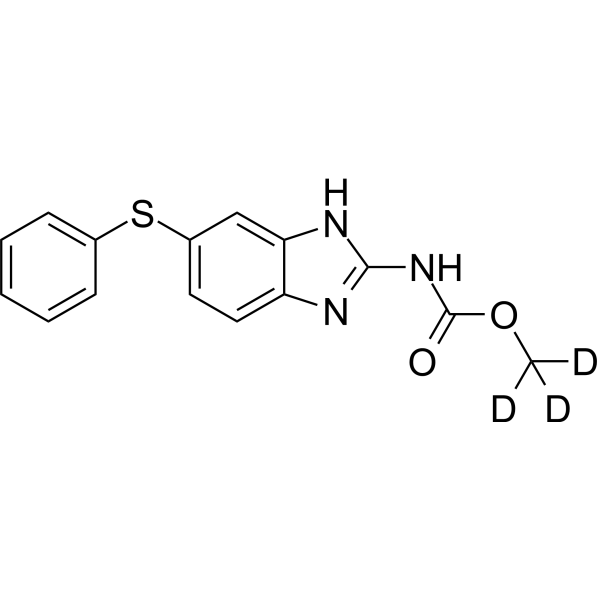
    Fenbendazole-d3 is a deuterium labeled Fenbendazole. Fenbendazole-d3 is a HIF-1α agonist and activates the HIF-1α-related GLUT1 pathway. Fenbendazole is an orally active benzimidazole anthelmintic agent, with a broad antiparasitic range. Fenbendazole is a microtubule destabilizing agent. Fenbendazole causes cell-cycle arrest and mitotic cell death, and has antitumor activity in mice xenografted with wild-type p53 .
    Fenbendazole-d3
  • HY-15000

    Kinesin Cancer
    EMD534085 is a potent and selective inhibitor of the mitotic kinesin-5 with an IC50 of 8 nM.
    EMD534085
  • HY-101770
    BTB-1
    1 Publications Verification

    Kinesin Microtubule/Tubulin Cancer
    BTB-1 is a potent, selective and reversible mitotic motor protein Kif18A inhibitor with an IC50 of 1.69 μM.
    BTB-1
  • HY-15948
    Kif15-IN-1
    4 Publications Verification

    Kinesin Cardiovascular Disease Inflammation/Immunology Cancer
    Kif15-IN-1 is an inhibitor of the mitotic Kinesin family member 15 (Kif15), and is used for the research of cellular proliferative diseases.
    Kif15-IN-1
  • HY-U00177
    GDP366
    2 Publications Verification

    Survivin Cancer
    GDP366, a dual inhibitor of survivin and Op18, induces cell growth inhibition, cellular senescence and mitotic catastrophe in human cancer cells.
    GDP366
  • HY-129478
    TC11
    2 Publications Verification

    Caspase Bcl-2 Family CDK Cancer
    TC11 is a MCL1 degrader and Caspase-9 and CDK1 activator. TC11 functions as a phenylacetylamide derivative and is structurally related to immunomodulatory active molecules. TC11 induces degradation of MCL1 leading to apoptotic death during prolonged mitotic arrest.
    TC11
  • HY-151971
    Aurora kinase-IN-3
    1 Publications Verification

    Aurora Kinase Polo-like Kinase (PLK) Cancer
    Aurora kinase-IN-3 (Compound 15a) is an orally active AURKB inhibitor that elicits an AURKB-suppressive activity by disrupting the mitotic localization of AURKB, rather than inhibiting its phosphorylation of H3 at Ser10 .
    Aurora kinase-IN-3
  • HY-12137A
    Volasertib trihydrochloride
    30+ Cited Publications

    BI 6727 trihydrochloride

    Polo-like Kinase (PLK) Apoptosis Cancer
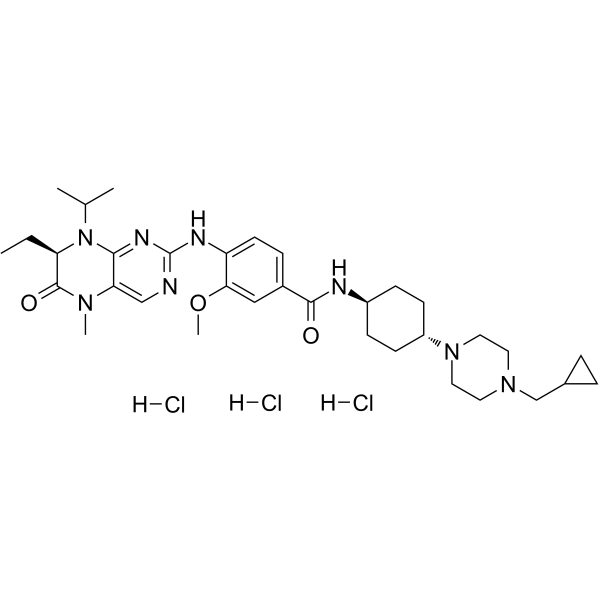
    Volasertib (BI 6727) trihydrochloride is an orally active, highly potent and ATP-competitive Polo-like kinase 1 (PLK1) inhibitor with an IC50 of 0.87 nM. Volasertib trihydrochloride inhibits PLK2 and PLK3 with IC50s of 5 and 56 nM, respectively. Volasertib trihydrochloride induces mitotic arrest and apoptosis. Volasertib trihydrochloride, a dihydropteridinone derivative, shows marked antitumor activity in multiple cancer models .
    Volasertib trihydrochloride
  • HY-12053

    KW-2307 base

    Microtubule/Tubulin Autophagy Cancer
    Vinorelbine is an anti-mitotic agent which inhibits the proliferation of Hela cells with IC50 of 1.25 nM.
    Vinorelbine
  • HY-112822
    ON-013100
    2 Publications Verification

    CDK Cancer
    ON-013100, an antineoplastic agent, acts a mitotic inhibitor that could inhibit Cyclin D1 expression.
    ON-013100
  • HY-100566
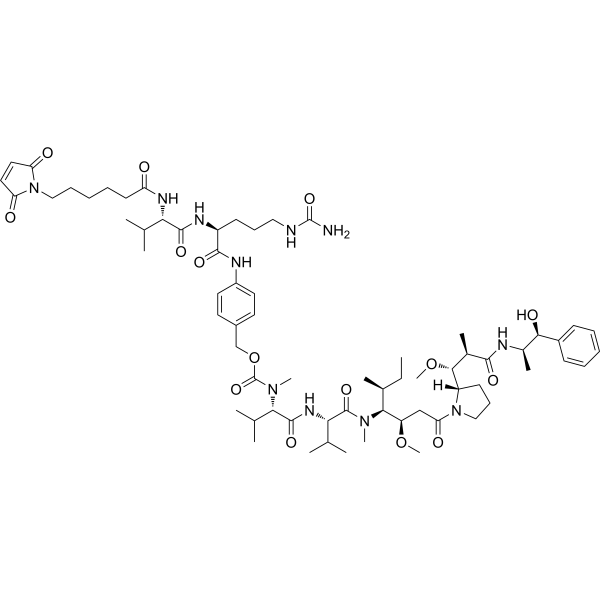
    SuO-Val-Cit-PAB-MMAE
    3 Publications Verification

    Drug-Linker Conjugates for ADC Cancer
    SuO-Val-Cit-PAB-MMAE is a agent-linker conjugate for ADC by using the anti-mitotic agent, monomethyl auristatin E (MMAE, a tubulin inhibitor), linked via the peptide SuO-Val-Cit-PAB .
    SuO-Val-Cit-PAB-MMAE
  • HY-136310
    PIP4K-IN-a131
    2 Publications Verification

    PI5P4K Cancer
    PIP4K-IN-a131 is PIP4K lipid kinases inhibitor, with IC50s of 1.9 μM and 0.6 μM for purified PIP4K2A and PIP4Ks, respectively. PIP4K-IN-a131 exhibits cancer-selective lethality via dual blockade of the lipid kinase PIP4Ks and mitotic pathways .
    PIP4K-IN-a131
  • HY-W058849

    AMPK mTOR Apoptosis Cancer
    MT 63-78 is a specific and potent direct AMPK activator with an EC50 of 25 μM. MT 63–78 also induces cell mitotic arrest and apoptosis. MT 63-78 blocks prostate cancer growth by inhibiting the lipogenesis and mTORC1 pathways. MT 63-78 has antitumor effects .
    MT 63-78
  • HY-110242

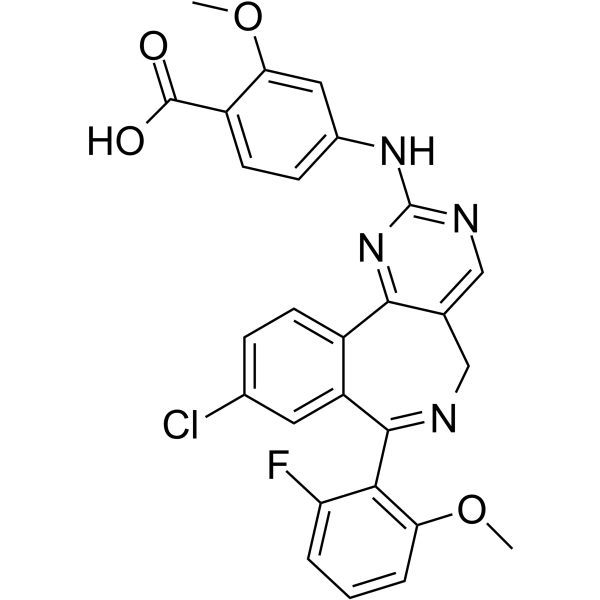
    Mps1 Apoptosis Cancer
    Mps-BAY2a is a monopolar spindle 1 (MPS1) inhibitor with an IC50 of 1 nM against human MPS1. Mps-BAY2a induces mitotic aberrations and apoptosis in cancer cells .
    Mps-BAY2a
  • HY-124761

    Polo-like Kinase (PLK) Autophagy Mitosis Cancer
    Poloppin is a potent, cell penetrant inhibitor of the mitotic Polo-like kinase (PLK) (IC50=26.9 μM) and prevents the protein-protein interaction via the Polo-box domain (PBD) (Kd= 29.5 μM). Poloppin selectively kills cells expressing mutant KRAS, enhancing death in mitosis. Poloppin is used for the study of KRAS-mutant cancers as single agents, or in combination with c-MET inhibitors .
    Poloppin
  • HY-B0413R

    Reference Standards Parasite HIF/HIF Prolyl-Hydroxylase Microtubule/Tubulin Antibiotic Infection
    Fenbendazole (Standard) is the analytical standard of Fenbendazole. This product is intended for research and analytical applications. Fenbendazole is an orally active benzimidazole anthelmintic agent, with a broad antiparasitic range. Fenbendazole is a microtubule destabilizing agent and acts on helminthes primarily by binding to tubulin and disrupting the tubulin microtubule equilibrium. Fenbendazole stabilizes the transcriptional activator HIF-1α. Fenbendazole possesses an efficient anti-proliferative activity and induces apoptosis. Fenbendazole causes cell-cycle arrest and mitotic cell death, and has antitumor activity in mice xenografted with wild-type p53 .
    Fenbendazole (Standard)
  • HY-N0282R

    Reference Standards Microtubule/Tubulin Apoptosis Inflammation/Immunology Cancer
    Colcemid (Standard) is the analytical standard of Colcemid. This product is intended for research and analytical applications. Colcemid (Demecolcine) is a potent mitotic inhibitor with an IC50 value of 2.4 μM for inhibition of tubulin polymerization. Colcemid (Demecolcine) can interact with tubulin dimers to induce anti-mitotic action and inhibit microtubule growth. Colcemid (Demecolcine) can be used for inflammatory disorders and cancer research .
    Colcemid (Standard)
  • HY-177246A

    Kinesin Infection Cardiovascular Disease Inflammation/Immunology Cancer
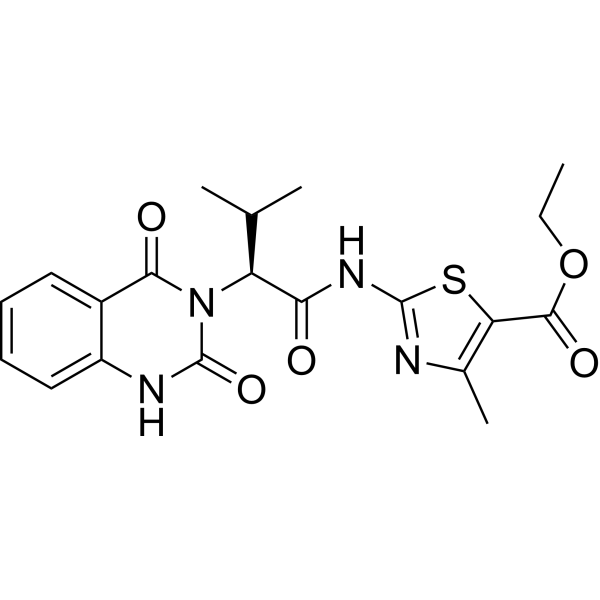
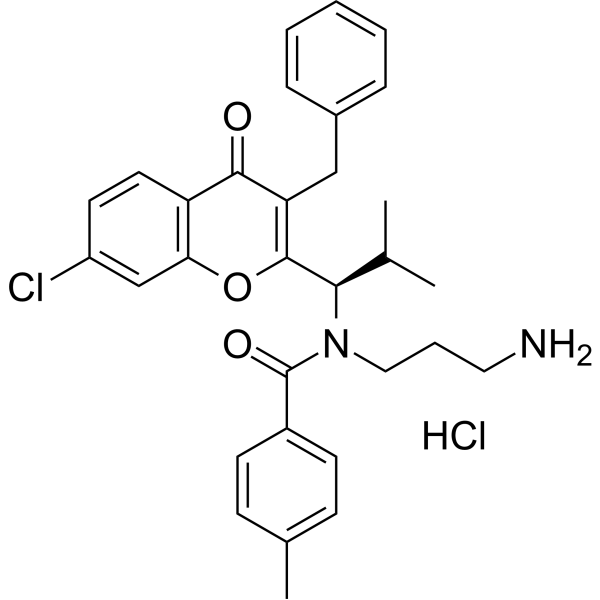
    Mitotic kinesin-IN-1 (Example 80) hydrochloride is a Mitotic kinesin inhibitor. Mitotic kinesin-IN-1 hydrochloride inhibits cell proliferation by suppressing mitosis. Mitotic kinesin-IN-1 hydrochloride can be used for cancer, cardiac hypertrophy, immune and inflammatory disorders, fungal infections research .
    Mitotic kinesin-IN-1 hydrochloride
  • HY-145802

    Kinesin Microtubule/Tubulin Cancer
    KIF18A-IN-2 is a potent KIF18A inhibitor (IC50=28 nM). KIF18A-IN-2 causes significant mitotic arrest and increases the number of mitotic cells in tumor tissues. KIF18A-IN-2 can be used for researching cancer .
    KIF18A-IN-2
  • HY-N7654

    Apoptosis Cancer
    (-)-Epipodophyllotoxin (2) is an antiproliferative agent against cancer cells isolated from American mayapple Podophyllum peltatum, with GI50s of 0.36 and 0.24 μM in HeLa cells and MCF-7 cells, respectively. (-)-Epipodophyllotoxin can inhibit mitotic spindle assembly in vitro .
    (-)-Epipodophyllotoxin
  • HY-148122

    p97 Cancer
    NW 1028 is a potent VCP/p97 inhibitor. NW 1028 targets the ND1L domain of p97 and inhibits the degradation of a p97-dependent reporter. NW 1028 has good binding affinity with Kd values of 100 and 285 nM for ND1L and full length p97, respectively. NW 1028 has the function of regulating the mitotic spindle of cells .
    NW 1028
  • HY-149086

    RAR/RXR Apoptosis PARP Bcl-2 Family Cancer
    BPA-B9 is a RXRα ligand and antagonist targeting the pRXRα-PLK1 interaction. BPA-B9 has excellent RXRα-binding affinity (KD=39.29 ± 1.12 nM). BPA-B9 inhibits the proliferation of cancer cells by inducing mitotic arrest and cell apoptosis .
    BPA-B9
  • HY-147006

    MT-VC-ZD02044

    Mitosis Cancer
    MT-VC-ZD02044 is a cytotoxic and anti-mitotic agent .
    Zovodotin
  • HY-177247A

    Kinesin Infection Cardiovascular Disease Inflammation/Immunology Cancer
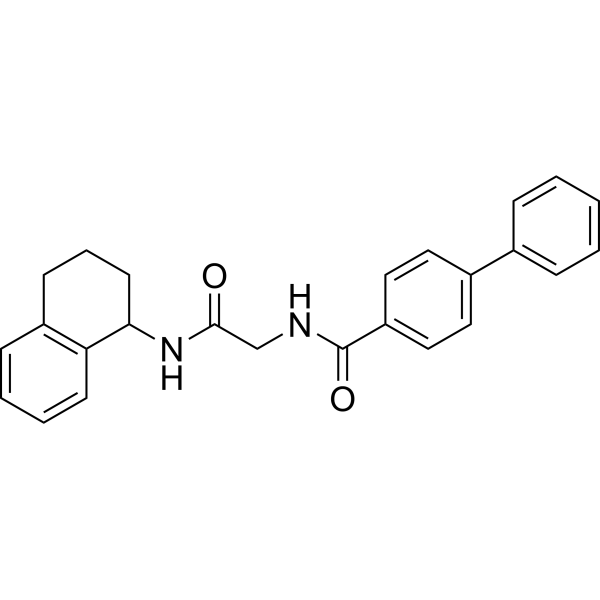
    Mitotic kinesin-IN-2 (Page 135, fifteenth) hydrochloride is a Mitotic kinesin inhibitor. Mitotic kinesin-IN-2 hydrochloride inhibits cell proliferation by suppressing mitosis. Mitotic kinesin-IN-2 hydrochloride can be used for cancer, cardiac hypertrophy, immune and inflammatory disorders, fungal infections research .
    Mitotic kinesin-IN-2 hydrochloride
  • HY-177248A

    Kinesin Infection Cardiovascular Disease Inflammation/Immunology Cancer
    Mitotic kinesin-IN-3 (Page 135, fourteenth) hydrochloride is a Mitotic kinesin inhibitor. Mitotic kinesin-IN-3 hydrochloride inhibits cell proliferation by suppressing mitosis. Mitotic kinesin-IN-3 hydrochloride can be used for cancer, cardiac hypertrophy, immune and inflammatory disorders, fungal infections research .
    Mitotic kinesin-IN-3 hydrochloride
  • HY-14661

    Kinesin Cancer
    SB-743921 free base is a potent selective inhibitor of the mitotic kinesin KSP (Eg5), with a Ki of 0.1 nM. SB-743921 free base can induce mitotic arrest, block cell cycle progression, induce apoptosis, and can be used in the research of myeloma, leukemia and other diseases .
    SB-743921 free base
  • HY-145803

    Kinesin Microtubule/Tubulin Cancer
    KIF18A-IN-3 is a potent KIF18A inhibitor (IC50=61 nM). KIF18A-IN-3 causes significant mitotic arrest and increases the number of mitotic cells in tumor tissues. KIF18A-IN-3 can be used for researching cancer .
    KIF18A-IN-3

Inquiry Online

Your information is safe with us. * Required Fields.

Salutation


Country or Region *

Applicant Name *


Organization Name *

Department *


Email Address *


Product Name *

Cat. No.


Requested quantity *

Phone Number *


Remarks

Inquiry Online

Inquiry Information

Product Name:
Cat. No.:
Quantity:
MCE Japan Authorized Agent:

