1. Search Result
Search Result
Results for "

Muscle pain

" in MedChemExpress (MCE) Product Catalog:

75

Inhibitors & Agonists

3

Screening Libraries

7

Peptides

10

Natural
Products

16

Isotope-Labeled Compounds

Cat. No. Product Name Target Research Areas Chemical Structure
  • HY-P0206
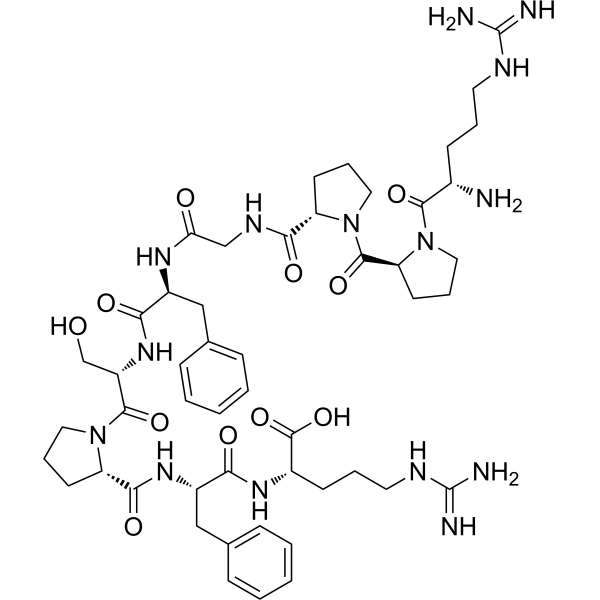
    Bradykinin
    15+ Cited Publications

    Bradykinin Receptor Endogenous Metabolite Ser/Thr Protease Cardiovascular Disease Endocrinology
    Bradykinin is an effective endothelium-dependent vasodilator that can lower blood pressure. Bradykinin can induce contraction of bronchial and intestinal non-vascular smooth muscle, increase vascular permeability, and participate in the mechanism of pain .
    Bradykinin
  • HY-B0464
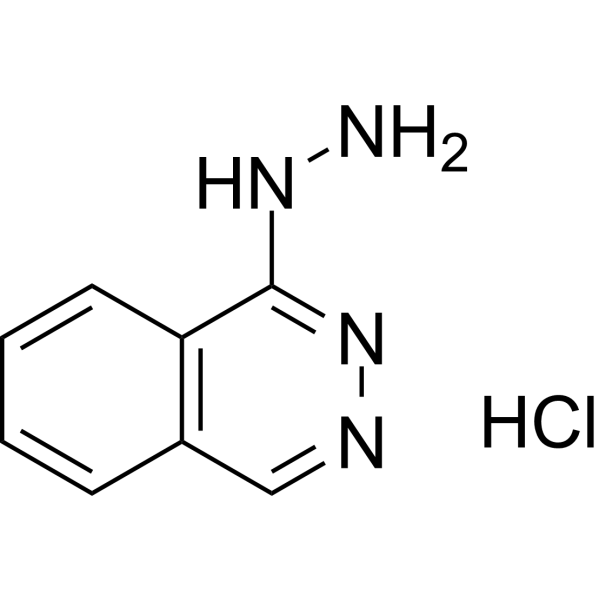
    Hydralazine hydrochloride
    3 Publications Verification

    PGE synthase NO Synthase Reactive Oxygen Species (ROS) DNA Methyltransferase COX Cardiovascular Disease Inflammation/Immunology Cancer
    Hydralazine hydrochloride is an orally active, blood-brain barrier-permeable DNA methyltransferase inhibitor with vasodilatory, arterial smooth muscle relaxant and hypotensive activities. Hydralazine hydrochloride reactivates silenced tumor suppressor genes via mediating DNA demethylation, while exerting neuroprotective and anti-inflammatory properties. Hydralazine hydrochloride inhibits NOS-2 (iNOS) and COX-2, and reduces the production of NO and PGEE2; meanwhile, Hydralazine hydrochloride scavenges reactive oxygen species and inhibits macrophage activation. Hydralazine hydrochloride alleviates motor dysfunction, neuropathic inflammatory pain, and formalin-induced somatic and emotional pain responses. In addition, Hydralazine hydrochloride directly induces DNA strand breaks and sister chromatid exchange, exhibiting certain mutagenic characteristics. Hydralazine hydrochloride has been widely used in studies on hypertension, various cancers (such as cervical cancer, leukemia), spinal cord injury and the mechanisms of inflammatory pain .
    Hydralazine hydrochloride
  • HY-17001A
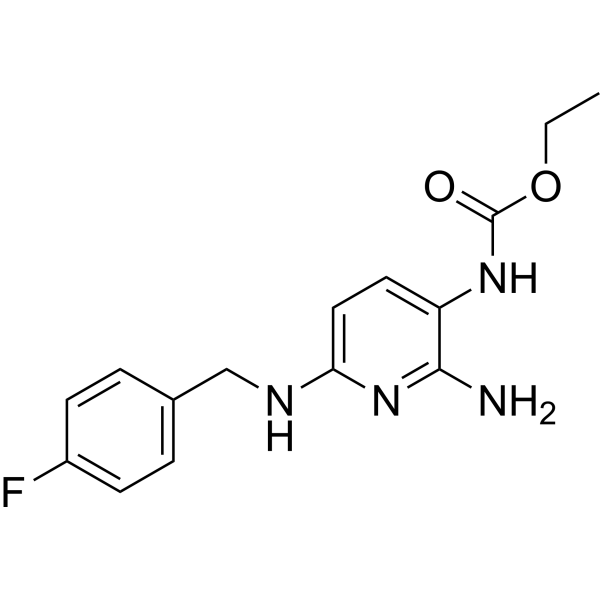
    Flupirtine
    1 Publications Verification

    D 9998

    Potassium Channel iGluR GABA Receptor Neurological Disease Inflammation/Immunology
    Flupirtine (D 9998) is an orally active, blood-brain barrier-crossing non-opioid analgesic and neuroprotective agent. Flupirtine is a neuronal potassium channel opener (Kv7 activator), a NMDA receptor antagonist and a GABA receptor activator. Flupirtine stabilizes blood-brain-barrier integrity, reduces oxidative stress and brain leukocyte infiltration, enhances angioneurogenesis, suppresses calcium influx, stabilizes neuronal resting membrane potential, and counteracts focal cerebral ischemia. Flupirtine exhibits analgesic, muscle relaxant properties, protects neurons from excitotoxic, ischemic, or cytokine-mediated death. Flupirtine functions as a non-opioid analgesic without antipyretic or antiphlogistic properties, shows no relevant affinity to opiate receptor. Flupirtine can be used for the research of focal cerebral ischemia, pain, Alzheimer’s disease, or multiple sclerosis .
    Flupirtine
  • HY-108652
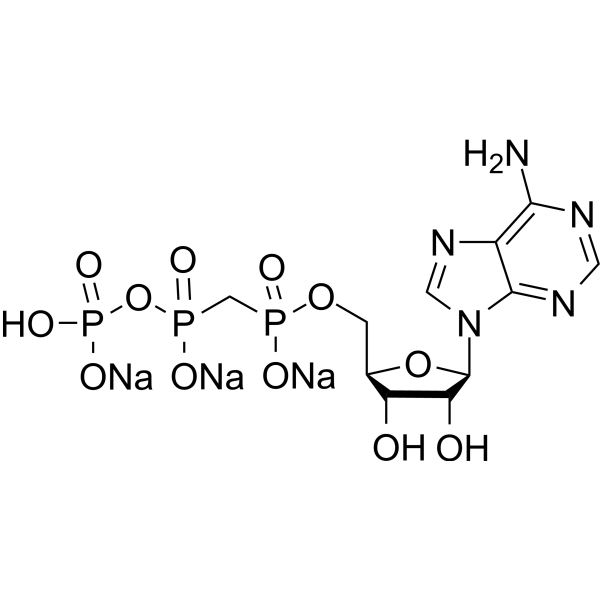
    α,β-Methylene-ATP trisodium
    1 Publications Verification

    P2X Receptor Inflammation/Immunology
    α,β-Methylene-ATP trisodium is an agonist of P2X1 and P2X3 receptors and can cross the blood-brain barrier. α,β-Methylene-ATP trisodium can trigger a reflex pressor response by activating P2X receptors in peripheral muscles and the central locus coeruleus (LC); this effect can be blocked by the P2X antagonist PPADS (HY-108960). α,β-Methylene-ATP trisodium also activates noradrenergic neurons in the central locus coeruleus, mediating antinociceptive effects; this effect can be attenuated by the locus coeruleus damaging agent DSP-4 (HY-103210/HY-121602). α,β-Methylene-ATP trisodium can be used to study the pathological mechanisms of neuropathic pain, cardiovascular reflex regulation, and antinociceptive effects of the central nervous system .
    α,β-Methylene-ATP trisodium
  • HY-B0740

    MK130 hydrochloride

    5-HT Receptor Parasite Infection Neurological Disease
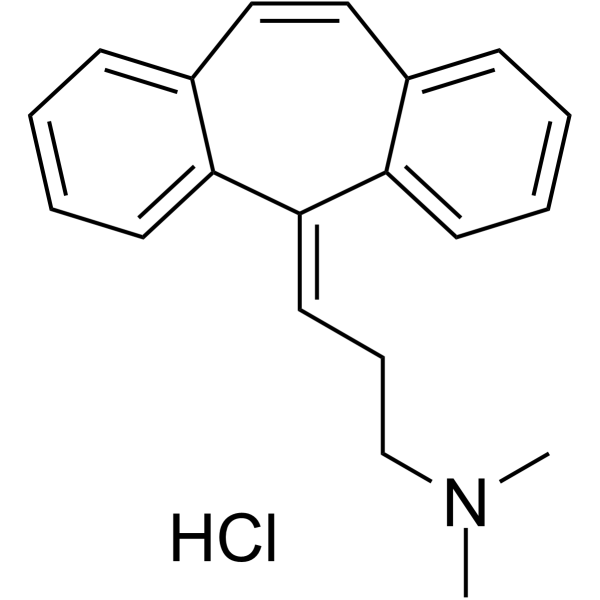
    Cyclobenzaprine (MK130) hydrochloride is an orally active 5-HT2 receptor antagonist. Cyclobenzaprine hydrochloride acts centrally, providing skeletal muscle relaxation, alleviating muscle spasms, and reducing pain. Cyclobenzaprine hydrochloride also possesses antiparasitic activity. Cyclobenzaprine hydrochloride holds promise for research in the fields of acute, painful skeletal muscle disorders and infectious diseases .
    Cyclobenzaprine hydrochloride
  • HY-N0340
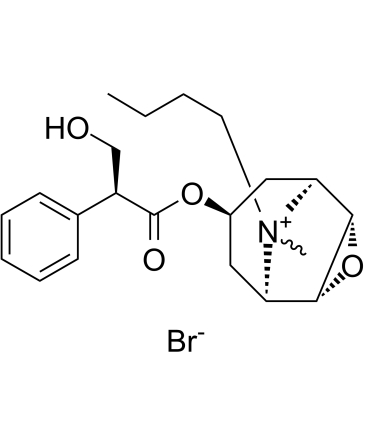
    Scopolamine butylbromide
    1 Publications Verification

    Hyoscine butylbromide; (-)-Scopolamine butylbromide; Butylscopolamine bromide

    mAChR Neurological Disease Inflammation/Immunology
    Scopolamine butylbromide (Hyoscine butylbromide) is an orally active anticholinergic agent and spasmolytic. Scopolamine butylbromide binds with high affinity to rat cardiac M2 (Ki 83 nmol/L), hM2 (Ki 233 nmol/L), rat intestinal M3 (Ki 290 nmol/L) and hM3 (Ki 643 nmol/L) muscarinic receptors. Scopolamine butylbromide exerts a dose-dependent antagonistic effect on Carbachol-induced gastrointestinal smooth muscle spasm. Scopolamine butylbromide can be used for the research of abdominal colic and pain associated with gastrointestinal spasm, functional abdominal pain, chronic gastropathy and gastric ulcer .
    Scopolamine butylbromide
  • HY-17001
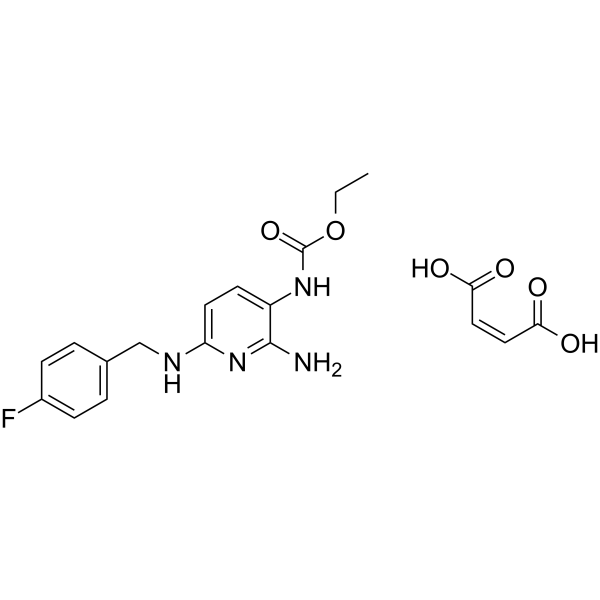
    Flupirtine Maleate
    1 Publications Verification

    D 9998 Maleate

    Potassium Channel iGluR GABA Receptor Neurological Disease Inflammation/Immunology
    Flupirtine (D 9998) Maleate is an orally active, blood-brain barrier-crossing non-opioid analgesic and neuroprotective agent. Flupirtine Maleate is a neuronal potassium channel opener (Kv7 activator), a NMDA receptor antagonist and a GABA receptor activator. Flupirtine Maleate stabilizes blood-brain-barrier integrity, reduces oxidative stress and brain leukocyte infiltration, enhances angioneurogenesis, suppresses calcium influx, stabilizes neuronal resting membrane potential, and counteracts focal cerebral ischemia. Flupirtine Maleate exhibits analgesic, muscle relaxant properties, protects neurons from excitotoxic, ischemic, or cytokine-mediated death. Flupirtine Maleate functions as a non-opioid analgesic without antipyretic or antiphlogistic properties, shows no relevant affinity to opiate receptor. Flupirtine Maleate can be used for the research of focal cerebral ischemia, pain, Alzheimer’s disease, or multiple sclerosis .
    Flupirtine Maleate
  • HY-W016221
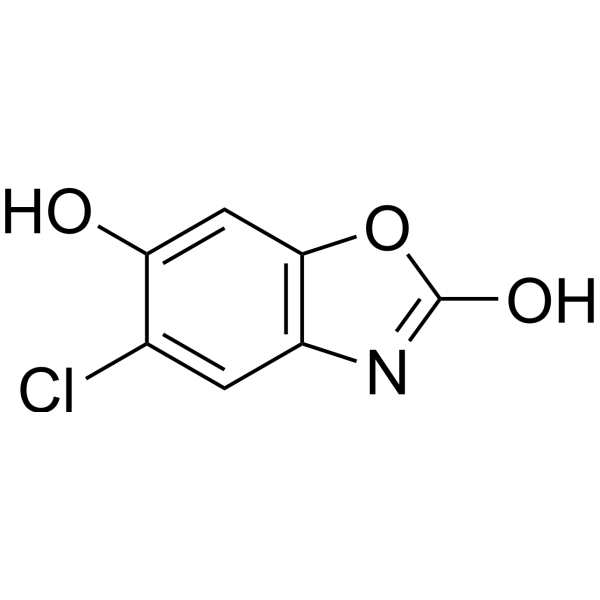
    6-Hydroxy Chlorzoxazone
    1 Publications Verification

    Drug Metabolite Inflammation/Immunology
    6-Hydroxy Chlorzoxazone is a metabolite of Chlorzoxazone (HY-B1462). Chlorzoxazone is a centrally acting muscle relaxant used to treat muscle spasm and the resulting pain or discomfort .
    6-Hydroxy Chlorzoxazone
  • HY-B0262
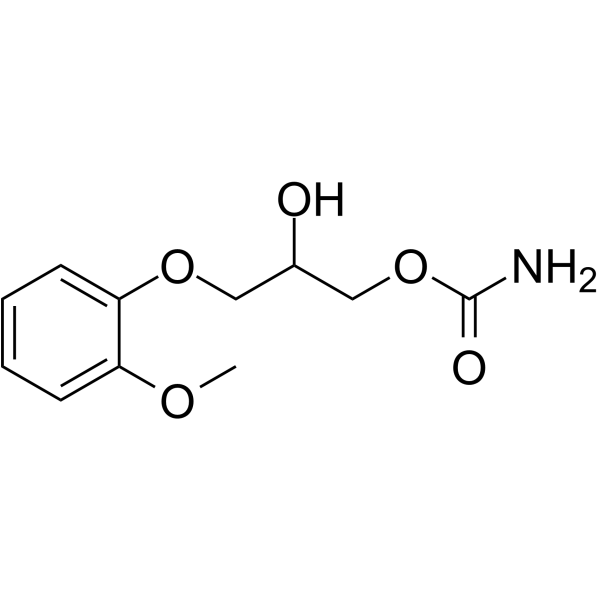
    Methocarbamol
    1 Publications Verification

    Sodium Channel Neurological Disease
    Methocarbamol is an orally active central muscle relaxant and blocks muscular Nav1.4 channel. Methocarbamol reversibly affects voltage dependence of inactivation of Nav1.4 channel. Methocarbamol has the potential for muscle spasms and pain syndromes research .
    Methocarbamol
  • HY-B1833

    HQ-495

    GABA Receptor Neurological Disease
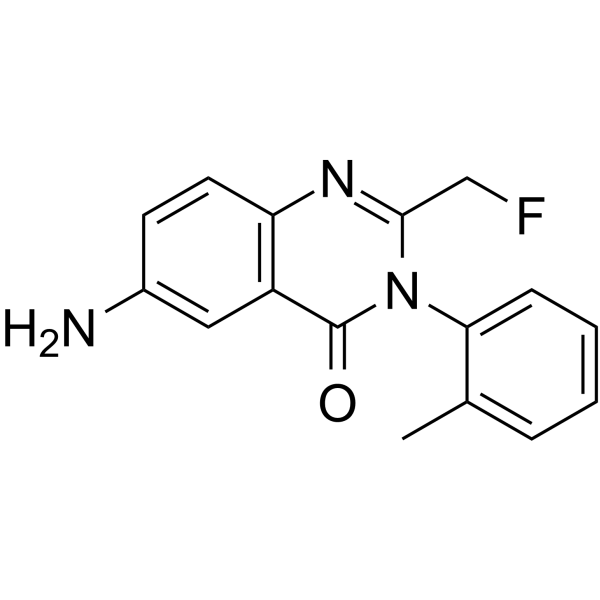
    Afloqualone (HQ-495) is an orally active central muscle relaxant and antivertiginous agent that can increase the sensitivity of GABA receptors in neurons of the lateral vestibular nucleus. Afloqualone (HQ-495) can be used in the research of low back pain and neck-arm-shoulder syndrome .
    Afloqualone
  • HY-B0369A

    iGluR Neurological Disease Cancer
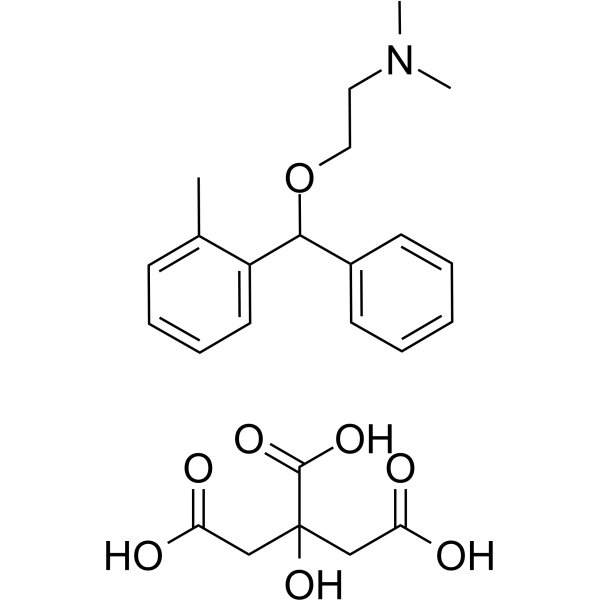
    Orphenadrine citrate is an orally active and non-competitive NMDA receptor antagonist (crosses the blood-brain barrier) with a Ki of 6.0 μM. Orphenadrine citrate relieves stiffness, pain and discomfort due to muscle strains, sprains or other injuries. Orphenadrine citrate is also used to relieve tremors associated with parkinson's disease. Orphenadrine citrate has good neuroprotective properties, can be used in studies of neurodegenerative diseases .
    Orphenadrine citrate
  • HY-B1901

    (±)-Eperisone hydrochloride

    P2X Receptor Neurological Disease
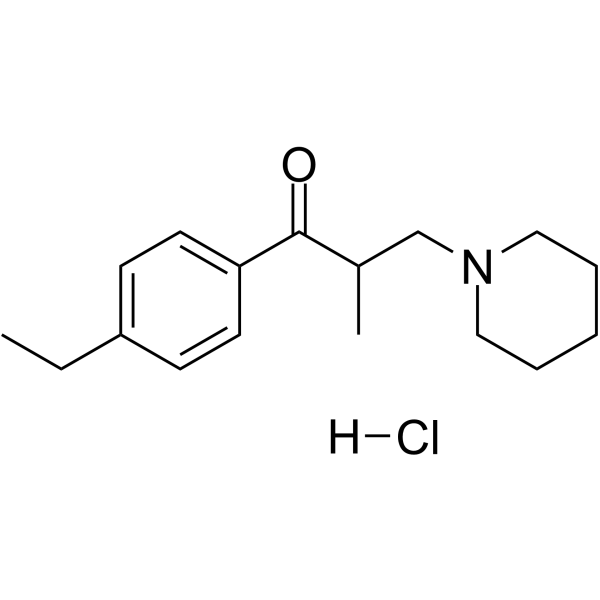
    Eperisone Hydrochloride ((±)-Eperisone hydrochloride) is an orally active antispastic agent with a vasodilator effect, used for the research of muscle stiffness and pain. Eperisone Hydrochloride is a potent and selectively P2X7 receptor antagonist, also shows antagonism for human P2X3. Eperisone Hydrochloride works by relaxing both skeletal muscles and vascularsmooth muscles, demonstrating a variety of effects such as reduction ofmyotonia, improvement of circulationand and suppression of the pain reflex .
    Eperisone hydrochloride
  • HY-107944

    Maolate; U 19646

    Drug Derivative Neurological Disease
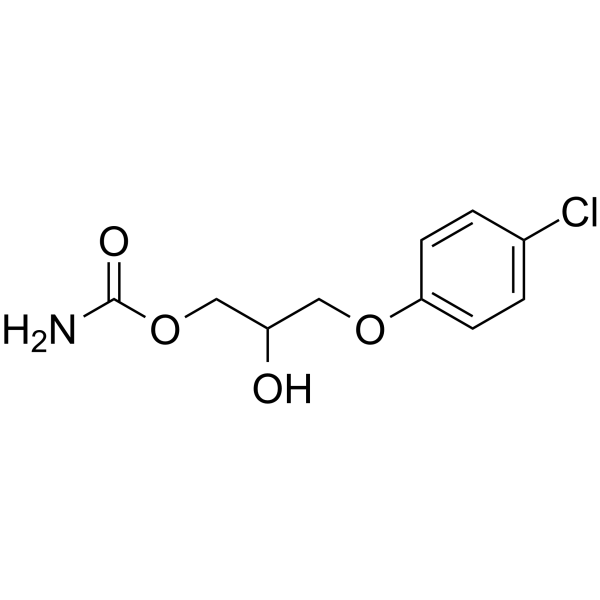
    Chlorphenesin carbamate is a centrally acting skeletal muscle relaxant, as well as a derivate of Chlorphenesin (HY-A0133). Chlorphenesin carbamate can be used for the research of pain and discomfort related to skeletal muscle trauma and inflammation . Chlorphenesin carbamate is a selective blocker of polysynaptic pathways at the spinal and supra-spinal levels . Antinociceptive effect .
    Chlorphenesin carbamate
  • HY-B1695

    Nicotinic acid methyl ester

    Others Cardiovascular Disease Inflammation/Immunology
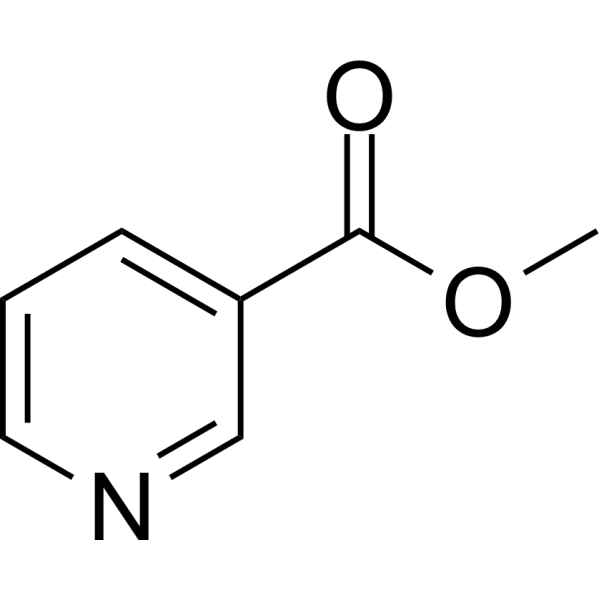
    Methyl nicotinate (Nicotinic acid methyl ester) is an orally active vasodilator. Methyl nicotinate has analgesic activity. Methyl nicotinate causes local skin erythema when applied topically to the skin. Methyl nicotinate is used as an active ingredient in over-the-counter topical preparations for the study of muscle and joint pain .
    Methyl nicotinate
  • HY-B0464A
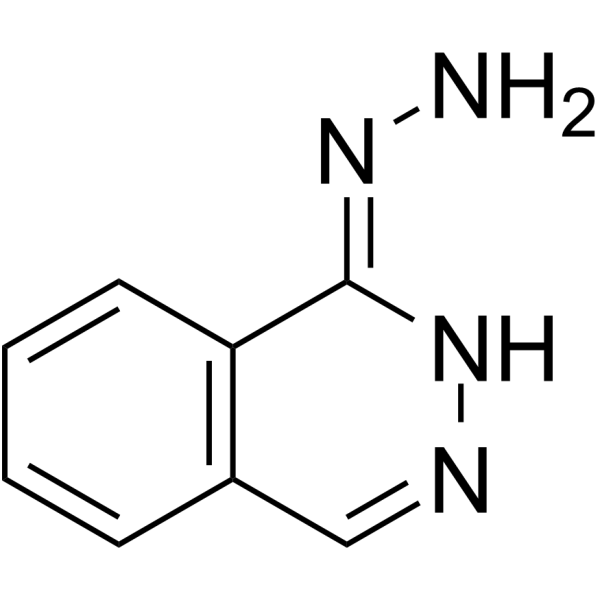
    Hydralazine
    3 Publications Verification

    DNA Methyltransferase Reactive Oxygen Species (ROS) COX NO Synthase PGE synthase Cardiovascular Disease Neurological Disease Inflammation/Immunology Cancer
    Hydralazine is an orally active, blood-brain barrier-permeable DNA methyltransferase inhibitor with vasodilatory, arterial smooth muscle relaxant and hypotensive activities. Hydralazine reactivates silenced tumor suppressor genes via mediating DNA demethylation, while exerting neuroprotective and anti-inflammatory properties. Hydralazine inhibits NOS-2 (iNOS) and COX-2, and reduces the production of NO and PGEE2; meanwhile, Hydralazine scavenges reactive oxygen species and inhibits macrophage activation. Hydralazine alleviates motor dysfunction, neuropathic inflammatory pain, and formalin-induced somatic and emotional pain responses. In addition, Hydralazine directly induces DNA strand breaks and sister chromatid exchange, exhibiting certain mutagenic characteristics. Hydralazine has been widely used in studies on hypertension, various cancers (such as cervical cancer, leukemia), spinal cord injury and the mechanisms of inflammatory pain .
    Hydralazine
  • HY-P0206A
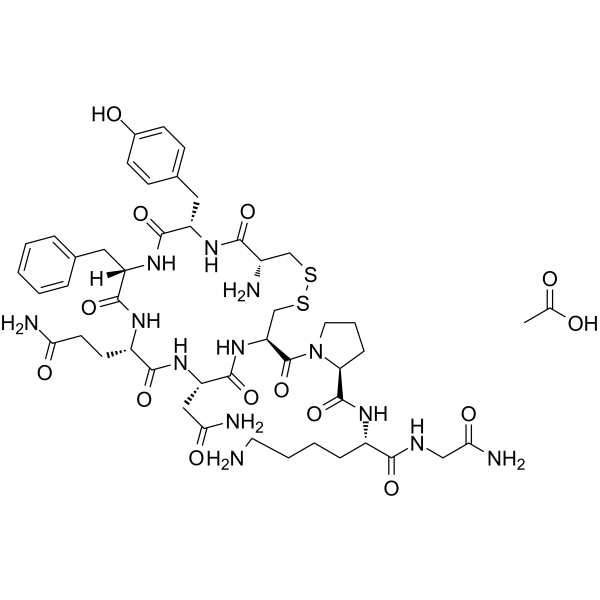
    Bradykinin acetate
    15+ Cited Publications

    Bradykinin Receptor Endogenous Metabolite Ser/Thr Protease Cardiovascular Disease Endocrinology
    Bradykinin acetate is an effective endothelium-dependent vasodilator that can lower blood pressure. Bradykinin acetate can induce contraction of bronchial and intestinal non-vascular smooth muscle, increase vascular permeability, and participate in the mechanism of pain .
    Bradykinin acetate
  • HY-11095

    mGluR CaSR PI3K Akt mTOR Autophagy Apoptosis Bcl-2 Family Caspase Cardiovascular Disease Neurological Disease
    NPS 2390 is an allosteric antagonist of calcium-sensing receptor (CaSR) and mGluR1/5. NPS 2390 inhibits the PI3K/Akt/mTOR signaling pathway, reduces hypoxia-induced intracellular calcium elevation, decreases the expression of autophagy (autophagy) proteins, regulates the expression of phenotypic marker proteins, and inhibits the proliferation of pulmonary artery smooth muscle cells. NPS 2390 attenuates the endogenous apoptosis (apoptosis) pathway, increases the expression level of Bcl-2, downregulates the expression levels of Bax, cytochrome c and caspase-3, alleviates cerebral edema and improves neurological function in rat models. NPS 2390 can be used in studies related to hypoxic pulmonary hypertension, traumatic brain injury, stroke and pain .
    NPS 2390
  • HY-B1173
    (+)-Camphor
    1 Publications Verification

    D-(+)-Camphor; (1R)-(+)-Camphor

    Environmental Pollutants Bacterial Neurological Disease Inflammation/Immunology Cancer
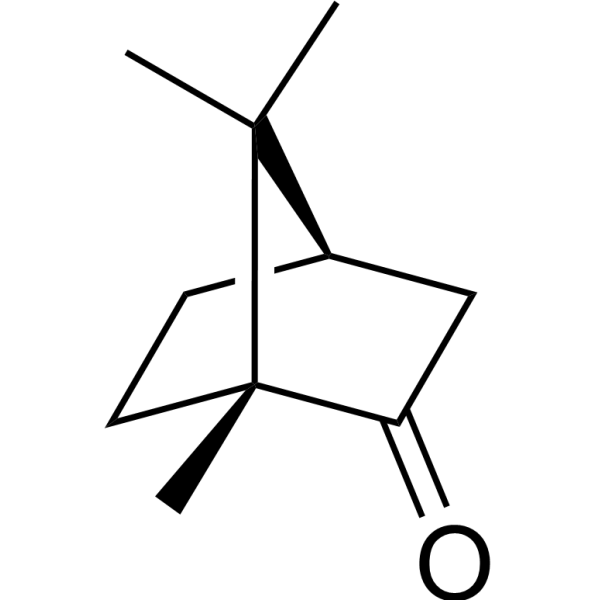
    (+)-Camphor (D-(+)-Camphor; (1R)-(+)-Camphor) is an isomer of Camphor. Camphor is an agonist of monoterpenoid transient receptor potential (TRP) channels (such as TRPV1, TRPV3, TRPM8) and an inhibitor of TRPA1 channels. Camphor's derivatives have multiple biological activities, including antibacterial, antiviral, antioxidant, analgesic and anticancer. Camphor can selectively activate cold-sensitive TRP channels and inhibit TRPA1-mediated nociceptive signals. Camphor stimulates the cold-sensing nerve endings in the skin and regulates the activity of ion channels to exert analgesic, anti-inflammatory and anti-itching effects. It also has anti-proliferative and anti-mutagenic activities on tumor cells, which may be related to inhibiting ribosome function or inducing cell apoptosis. Camphor can be absorbed through the skin and (+)-Camphor can be used in the study of muscle and joint pain and inflammation .
    (+)-Camphor
  • HY-178281

    Potassium Channel Sodium Channel Neurological Disease
    E0199 is a novel potent dual-target KV7/NaV modulator that activates the KV7 channel (KV7.2/7.3 (EC50 = 12.78 nM), KV7.2 (EC50 = 0.50 μM), and KV7.5 (EC50 = 27.14 nM) channels) while simultaneously blocks the NaV1.7 (IC50 = 0.52 μM), NaV1.8 (IC50 = 0.24 μM), and NaV1.9 (IC50 = 0.16 μM) channels. E0199 shows a potent analgesic effect without affecting heart and skeletal muscle ion channels critically in a chronic constriction injury (CCI) mouse model. E0199 can be used for Neuropathic pain (NP) research .
    E0199
  • HY-134440A

    P2X Receptor Inflammation/Immunology
    α,β-Methylene-ATP is an agonist of P2X1 and P2X3 receptors and can cross the blood-brain barrier. α,β-Methylene-ATP can trigger a reflex pressor response by activating P2X receptors in peripheral muscles and the central locus coeruleus (LC); this effect can be blocked by the P2X antagonist PPADS (HY-108960). α,β-Methylene-ATP also activates noradrenergic neurons in the central locus coeruleus, mediating antinociceptive effects; this effect can be attenuated by the locus coeruleus damaging agent DSP-4 (HY-103210/HY-121602). α,β-Methylene-ATP can be used to study the pathological mechanisms of neuropathic pain, cardiovascular reflex regulation, and antinociceptive effects of the central nervous system .
    α,β-Methylene-ATP
  • HY-155386

    Biochemical Assay Reagents Enterovirus DNA/RNA Synthesis Mitochondrial Metabolism Infection Neurological Disease
    Peroxynitrite sodium is a product of the diffusion-controlled reaction between nitric oxide and superoxide radicals, as well as an oxidant and an antiviral agent. Peroxynitrite sodium inhibits Mitochondrial respiration. Peroxynitrite sodium suppresses the replication of Coxsackievirus, partly by inhibiting viral RNA entry into host cells. Peroxynitrite sodium induces a significant nociceptive response .
    Peroxynitrite sodium
  • HY-B1901R

    (±)-Eperisone hydrochloride (Standard)

    P2X Receptor Reference Standards Neurological Disease
    Eperisone (hydrochloride) (Standard) is the analytical standard of Eperisone (hydrochloride). This product is intended for research and analytical applications. Eperisone Hydrochloride ((±)-Eperisone hydrochloride) is an orally active antispastic agent with a vasodilator effect, used for the research of muscle stiffness and pain. Eperisone Hydrochloride is a potent and selectively P2X7 receptor antagonist, also shows antagonism for human P2X3. Eperisone Hydrochloride works by relaxing both skeletal muscles and vascularsmooth muscles, demonstrating a variety of effects such as reduction ofmyotonia, improvement of circulationand and suppression of the pain reflex .
    Eperisone hydrochloride (Standard)
  • HY-108960

    P2X Receptor Interleukin Related Neurological Disease
    PPADS is a P2X receptor (P2X Receptor) antagonist and a reversible competitive antagonist of NAADP receptors, with IC50 values of 68 nM (P2X1) and 214 nM (P2X3), respectively. PPADS alleviates pain-related behaviors in the central and peripheral nervous systems of mice after peripheral neuropathy, inhibits the overproduction of IL-1β, IL-6, iNOS and nNOS, and suppresses the hydrolytic activity of extracellular ATPase. PPADS blocks ATP-mediated inward currents on recombinant rat P2X1 and P2X3 receptors, and inhibits purinergic nerve stimulation-induced contraction of rabbit bladder detrusor muscle. PPADS is applicable to research related to neuropathic pain .
    PPADS
  • HY-B1695R

    Nicotinic acid methyl ester (Standard)

    Reference Standards Others Cardiovascular Disease Inflammation/Immunology
    Methyl nicotinate (Standard) is the analytical standard of Methyl nicotinate. This product is intended for research and analytical applications. Methyl nicotinate (Nicotinic acid methyl ester) is an orally active vasodilator. Methyl nicotinate has analgesic activity. Methyl nicotinate causes local skin erythema when applied topically to the skin. Methyl nicotinate is used as an active ingredient in over-the-counter topical preparations for the study of muscle and joint pain .
    Methyl nicotinate (Standard)
  • HY-B1462S1

    Cytochrome P450 Inflammation/Immunology
    Chlorzoxazone- 13C is the 13C labeled Chlorzoxazone . Chlorzoxazone is a centrally acting muscle relaxant used to treat muscle spasm and the resulting pain or discomfort .
    Chlorzoxazone-13C
  • HY-B1079

    Drug Intermediate Inflammation/Immunology
    Suxibuzone is a compound used for the study of joint and muscle pain, and it is a prodrug of the non-steroidal anti-inflammatory drug Phenylbutazone.
    Suxibuzone
  • HY-B1462S

    Cytochrome P450 Inflammation/Immunology
    Chlorzoxazone-d3 is the deuterium labeled Chlorzoxazone. Chlorzoxazone is a centrally acting muscle relaxant used to treat muscle spasm and the resulting pain or discomfort. It acts on the spinal cord by depressing reflexes.Chlorzoxazone is currently being used as a marker substrate in vitro/vivo studies to quantify cytochrome P450 2E1 (CYP2E1) activity in humans.
    Chlorzoxazone-d3
  • HY-B1695S

    Isotope-Labeled Compounds Inflammation/Immunology
    Methyl nicotinate-d4 is the deuterium labeled Methyl nicotinate . Methyl nicotinate, the methyl ester of Niacin found in alcoholic beverages, that is used as an active ingredient as a rubefacient in over-the-counter topical preparations indicated for muscle and joint pain .
    Methyl nicotinate-d4
  • HY-B1126

    iGluR Neurological Disease Cancer
    Orphenadrine hydrochloride is an orally active and non-competitive NMDA receptor antagonist (crosses the blood-brain barrier) with a Ki of 6.0 μM. Orphenadrine hydrochloride relieves stiffness, pain and discomfort due to muscle strains, sprains or other injuries. Orphenadrine hydrochloride is also used to relieve tremors associated with parkinson's disease. Orphenadrine citrate has good neuroprotective properties, can be used in studies of neurodegenerative diseases .
    Orphenadrine hydrochloride
  • HY-B0464S1

    Isotope-Labeled Compounds PGE synthase NO Synthase Reactive Oxygen Species (ROS) DNA Methyltransferase COX Cancer
    Hydralazine-d5 (hydrochloride) is deuterium-labeled Hydralazine (hydrochloride) (HY-B0464). Hydralazine hydrochloride is an orally active, blood-brain barrier-permeable DNA methyltransferase inhibitor with vasodilatory, arterial smooth muscle relaxant and hypotensive activities. Hydralazine hydrochloride reactivates silenced tumor suppressor genes via mediating DNA demethylation, while exerting neuroprotective and anti-inflammatory properties. Hydralazine hydrochloride inhibits NOS-2 (iNOS) and COX-2, and reduces the production of NO and PGEE2; meanwhile, Hydralazine hydrochloride scavenges reactive oxygen species and inhibits macrophage activation. Hydralazine hydrochloride alleviates motor dysfunction, neuropathic inflammatory pain, and formalin-induced somatic and emotional pain responses. In addition, Hydralazine hydrochloride directly induces DNA strand breaks and sister chromatid exchange, exhibiting certain mutagenic characteristics. Hydralazine hydrochloride has been widely used in studies on hypertension, various cancers (such as cervical cancer, leukemia), spinal cord injury and the mechanisms of inflammatory pain .
    Hydralazine-d5 hydrochloride
  • HY-128891

    P2X Receptor Neurological Disease
    Eperisone ((±)-Eperisone) is an antispasmodic agent and centrally acting muscle relaxant useful in the study of diseases characterized by muscle stiffness and pain. Eperisone acts by relaxing skeletal and vascular smooth muscle, resulting in vasodilation, decreased muscle tone, improved circulation, and inhibition of pain reflexes. Eperisone is also a potent P2X7 receptor antagonist .
    Eperisone
  • HY-120496

    ASP3662

    11β-HSD Neurological Disease Metabolic Disease
    Clofutriben (ASP3662) is a selective, orally active and brain-penetrant 11β-hydroxysteroid dehydrogenase type 1 (11β-HSD1) inhibitor with Ki values of 5.3 nM (human), 2.6 nM (mouse), and 23 nM (rat). Clofutriben inhibits conversion of inactive glucocorticoids to active glucocorticoids, reducing intracellular glucocorticoid exposure. Clofutriben ameliorates neuropathic pain, and restores muscle pressure thresholds in rodent models, while lacking effects in inflammatory pain .
    Clofutriben
  • HY-150270

    Prostaglandin Receptor P2X Receptor NOD-like Receptor (NLR) Caspase Interleukin Related Neurological Disease Inflammation/Immunology
    NP-1815-PX is an orally active dual inhibitor of P2X4 and prostaglandin TP receptors, with an IC50 of 0.26 μM against human P2X4 receptors. NP-1815-PX specifically inhibits ATP-mediated prostaglandin production, TP receptor-induced calcium elevation, and the canonical/non-canonical NLRP3 inflammasome signaling pathway. NP-1815-PX selectively blocks smooth muscle contractions induced by ATP, U46619 (HY-108566) and prostaglandin F2α. NP-1815-PX not only produces anti-allodynic effects in vivo, but also significantly alleviates symptoms of DNBS (HY-W324435)-induced colitis (such as weight loss and tissue damage). NP-1815-PX exerts anti-inflammatory effects by downregulating IL-1β levels and Caspase-1 activity. NP-1815-PX is used in studies related to asthma and inflammatory bowel disease (colitis) .
    NP-1815-PX
  • HY-115877

    TRP Channel Others
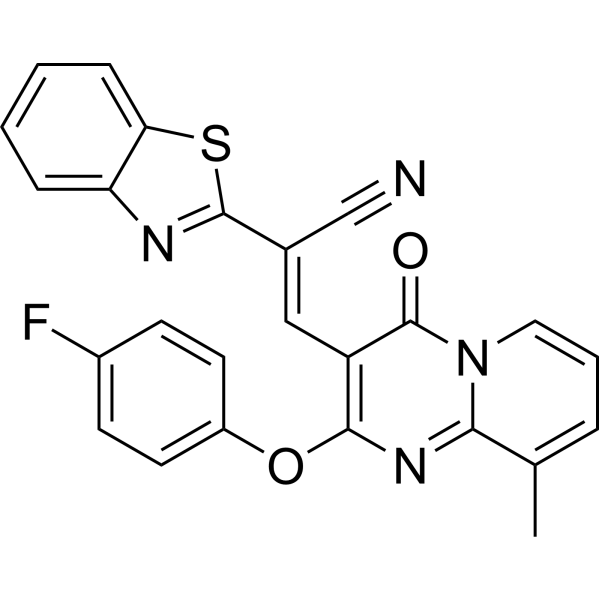
    GDC-0334 is a selective TRPA1 antagonist. GDC-0334 inhibits TRPA1 function on airway smooth muscle and sensory neurons by decreasing cough and allergic airway inflammation in rats and guinea pigs. GDC-0334 can be used for TRPA1-mediated diseases research, such as pain or asthma .
    GDC-0334
  • HY-B0464S

    Isotope-Labeled Compounds PGE synthase NO Synthase Reactive Oxygen Species (ROS) DNA Methyltransferase COX Cardiovascular Disease
    Hydralazine-d4 hydrochloride is the deuterium labeled Hydralazine hydrochloride. Hydralazine hydrochloride is an orally active, blood-brain barrier-permeable DNA methyltransferase inhibitor with vasodilatory, arterial smooth muscle relaxant and hypotensive activities. Hydralazine hydrochloride reactivates silenced tumor suppressor genes via mediating DNA demethylation, while exerting neuroprotective and anti-inflammatory properties. Hydralazine hydrochloride inhibits NOS-2 (iNOS) and COX-2, and reduces the production of NO and PGEE2; meanwhile, Hydralazine hydrochloride scavenges reactive oxygen species and inhibits macrophage activation. Hydralazine hydrochloride alleviates motor dysfunction, neuropathic inflammatory pain, and formalin-induced somatic and emotional pain responses. In addition, Hydralazine hydrochloride directly induces DNA strand breaks and sister chromatid exchange, exhibiting certain mutagenic characteristics. Hydralazine hydrochloride has been widely used in studies on hypertension, various cancers (such as cervical cancer, leukemia), spinal cord injury and the mechanisms of inflammatory pain .
    Hydralazine-d4 hydrochloride
  • HY-N12777

    Endogenous Metabolite Metabolic Disease Inflammation/Immunology Cancer
    Coixenolide can be isolated from coix seeds, and exhibits anti-inflammatory, anti-tumor and pain-reducing activities. Coixenolide stimulates the lung, heart, striated and smooth muscles at low doses, while inhibits at high doses. Coixenolide dilates pulmonary veins and improves pulmonary blood circulation. Coixenolide can also be used as nutraceuticals and functional foods. Coixenolide enhances the prodcutionof mycelia biomass and polysaccharides when added to the media of submerged culture of G. lucidum. Coixenolide affects the synthesis level of phosphoglucose isomerase and α-phosphoglucomutase .
    Coixenolide
  • HY-110230

    D 9998-d4 hydrochloride

    Isotope-Labeled Compounds Potassium Channel iGluR GABA Receptor Neurological Disease Inflammation/Immunology
    Flupirtine-d4 (D 9998-d4) hydrochloride is the deuterium labeled Flupirtine hydrochloride (HY-W709349). Flupirtine hydrochloride is an orally active, blood-brain barrier-crossing non-opioid analgesic and neuroprotective agent. Flupirtine hydrochloride is a neuronal potassium channel opener (Kv7 activator), a NMDA receptor antagonist and a GABA receptor activator. Flupirtine hydrochloride stabilizes blood-brain-barrier integrity, reduces oxidative stress and brain leukocyte infiltration, enhances angioneurogenesis, suppresses calcium influx, stabilizes neuronal resting membrane potential, and counteracts focal cerebral ischemia. Flupirtine hydrochloride exhibits analgesic, muscle relaxant properties, protects neurons from excitotoxic, ischemic, or cytokine-mediated death. Flupirtine hydrochloride functions as a non-opioid analgesic without antipyretic or antiphlogistic properties, shows no relevant affinity to opiate receptor. Flupirtine hydrochloride can be used for the research of focal cerebral ischemia, pain, Alzheimer’s disease, or multiple sclerosis .
    Flupirtine-d4 hydrochloride
  • HY-B1901S

    Isotope-Labeled Compounds Neurological Disease
    Eperisone-d10 (hydrochloride) is the deuterium labeled Eperisone hydrochloride. Eperisone Hydrochloride ((±)-Eperisone hydrochloride) is an antispastic agent used for treatment of diseases characterized by muscle stiffness and pain. It works by relaxing both skeletal muscles and vascularsmooth muscles, thus demonstrating avariety of effects such as reduction ofmyotonia, improvement of circulationand suppression of the pain reflex. Eperisone Hydrochloride ((±)-Eperisone hydrochloride) is a centrally acting muscle relaxant inhibiting the pain reflex pathway, having a vasodilator effect [2 .
    Eperisone-d10 hydrochloride
  • HY-165440

    MK130

    5-HT Receptor Parasite Infection Neurological Disease
    Cyclobenzaprine (MK130) is an orally active 5-HT2 receptor antagonist. Cyclobenzaprine acts centrally, providing skeletal muscle relaxation, alleviating muscle spasms, and reducing pain. Cyclobenzaprine also possesses antiparasitic activity. Cyclobenzaprine holds promise for research in the fields of acute, painful skeletal muscle disorders and infectious diseases .
    Cyclobenzaprine
  • HY-B0262R

    Reference Standards Sodium Channel Neurological Disease
    Methocarbamol (Standard) is the analytical standard of Methocarbamol. This product is intended for research and analytical applications. Methocarbamol is an orally active central muscle relaxant and blocks muscular Nav1.4 channel. Methocarbamol reversibly affects voltage dependence of inactivation of Nav1.4 channel. Methocarbamol has the potential for muscle spasms and pain syndromes research .
    Methocarbamol (Standard)
  • HY-B1833R

    HQ-495 (Standard)

    Reference Standards GABA Receptor Neurological Disease
    Afloqualone (Standard) is the analytical standard of Afloqualone. This product is intended for research and analytical applications. Afloqualone (HQ-495) is an orally active central muscle relaxant and antivertiginous agent that can increase the sensitivity of GABA receptors in neurons of the lateral vestibular nucleus. Afloqualone (HQ-495) can be used in the research of low back pain and neck-arm-shoulder syndrome .
    Afloqualone (Standard)
  • HY-134440

    P2X Receptor Inflammation/Immunology
    α,β-Methylene-ATP dilithium is an agonist of P2X1 and P2X3 receptors and can cross the blood-brain barrier. α,β-Methylene-ATP dilithium can trigger a reflex pressor response by activating P2X receptors in peripheral muscles and the central locus coeruleus (LC); this effect can be blocked by the P2X antagonist PPADS (HY-108960). α,β-Methylene-ATP dilithium also activates noradrenergic neurons in the central locus coeruleus, mediating antinociceptive effects; this effect can be attenuated by the locus coeruleus damaging agent DSP-4 (HY-103210/HY-121602). α,β-Methylene-ATP dilithium can be used to study the pathological mechanisms of neuropathic pain, cardiovascular reflex regulation, and antinociceptive effects of the central nervous system .
    α,β-Methylene-ATP dilithium
  • HY-P11642A

    Enteropeptidase Aminopeptidase Opioid Receptor ERK mTOR Androgen Receptor Inflammation/Immunology
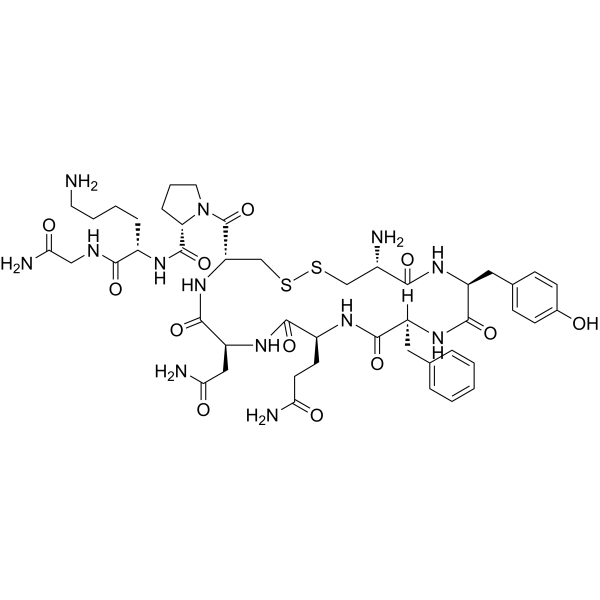
    Sialorphin TFA is a neutral endopeptidase (NEP) and aminopeptidase N (APN) inhibitor that responds to androgen signals. Sialorphin TFA blocks the degradation of endogenous opioid peptides and interacts with μ-, δ-, κ-opioid receptors. Sialorphin TFA regulates the ERK/mTOR signaling pathway by inducing cell cycle arrest, enhancing ERK1/2 activity, and reducing the phosphorylation levels of mTOR, 4E-BP1, p70S6K; accordingly, Sialorphin TFA exhibits antiproliferative activity against colorectal cancer, glioma and prostate cancer cells without cytotoxicity. In addition, Sialorphin TFA also produces antinociceptive responses, regulates sexual behavior, relaxes corpus cavernosum smooth muscle, and alleviates experimental colitis. Sialorphin TFA is also a copper (II) ion-binding ligand. Sialorphin TFA has been used in mechanistic studies related to cancer, pain management and inflammatory bowel disease .
    Sialorphin TFA
  • HY-B1173R

    D-(+)-Camphor (Standard); (1R)-(+)-Camphor (Standard)

    Reference Standards Bacterial Neurological Disease Inflammation/Immunology Cancer
    (+)-Camphor (Standard) is the analytical standard of (+)-Camphor. This product is intended for research and analytical applications. (+)-Camphor (D-(+)-Camphor; (1R)-(+)-Camphor) is an isomer of Camphor. Camphor is an agonist of monoterpenoid transient receptor potential (TRP) channels (such as TRPV1, TRPV3, TRPM8) and an inhibitor of TRPA1 channels. Camphor's derivatives have multiple biological activities, including antibacterial, antiviral, antioxidant, analgesic and anticancer. Camphor can selectively activate cold-sensitive TRP channels and inhibit TRPA1-mediated nociceptive signals. Camphor stimulates the cold-sensing nerve endings in the skin and regulates the activity of ion channels to exert analgesic, anti-inflammatory and anti-itching effects. It also has anti-proliferative and anti-mutagenic activities on tumor cells, which may be related to inhibiting ribosome function or inducing cell apoptosis. Camphor can be absorbed through the skin and (+)-Camphor can be used in the study of muscle and joint pain and inflammation .
    (+)-Camphor (Standard)
  • HY-152206

    Myosin Neurological Disease
    JB062 is a nonmuscle myosin inhibitor with IC50 values of 1.6, 5.4, and >100 μM for Skeletal muscle myosin, Cardiac muscle myosin, and Smooth muscle myosin II, respectively. JB062 has cytotoxic to human cancer cells but not normal cells. JB062 can be used in research of muscle spasticity, chronic musculoskeletal pain, and hypertrophic cardiomyopathy .
    JB062
  • HY-152190

    Myosin Cardiovascular Disease
    JB002 is a myosin II inhibitor, with an IC50 of ≤10 μM. JB002 can be used for the research of muscle spasticity, chronic musculoskeletal pain, and hypertrophic cardiomyopathy .
    JB002
  • HY-107944R

    Maolate (Standard); U 19646 (Standard)

    iGluR Reference Standards Neurological Disease
    Chlorphenesin carbamate (Standard) is the analytical standard of Chlorphenesin carbamate. This product is intended for research and analytical applications. Chlorphenesin carbamate is a centrally acting skeletal muscle relaxant. Chlorphenesin carbamate can be used for the research of pain and discomfort related to skeletal muscle trauma and inflammation . Chlorphenesin carbamate is a selective blocker of polysynaptic pathways at the spinal and supra-spinal levels . Antinociceptive effect .
    Chlorphenesin carbamate (Standard)
  • HY-122991

    Histone Methyltransferase Neurological Disease
    Prospasmine hydrochloride is an anticholinergic drug that has the activity of inhibiting glandular secretions and relaxing smooth muscles. Prospasmine hydrochloride is mainly used to inhibit certain types of gastrointestinal disorders. Prospasmine hydrochloride helps relieve pain caused by smooth muscle spasms. Prospasmine hydrochloride is also used as an anesthetic adjuvant in some cases .
    Prospasmine hydrochloride
  • HY-W016221R

    Drug Metabolite Reference Standards Inflammation/Immunology
    6-Hydroxy Chlorzoxazone (Standard) is the analytical standard of 6-Hydroxy Chlorzoxazone. This product is intended for research and analytical applications. 6-Hydroxy Chlorzoxazone is a metabolite of Chlorzoxazone (HY-B1462). Chlorzoxazone is a centrally acting muscle relaxant used to treat muscle spasm and the resulting pain or discomfort .
    6-Hydroxy Chlorzoxazone (Standard)
  • HY-B0262S1

    Isotope-Labeled Compounds Sodium Channel Neurological Disease
    Methocarbamol-d3 is the deuterium labeled Methocarbamol. Methocarbamol is an orally active central muscle relaxant and blocks muscular Nav1.4 channel. Methocarbamol reversibly affects voltage dependence of inactivation of Nav1.4 channel. Methocarbamol has the potential for muscle spasms and pain syndromes research .
    Methocarbamol-d3

Inquiry Online

Your information is safe with us. * Required Fields.

Salutation


Country or Region *

Applicant Name *


Organization Name *

Department *


Email Address *


Product Name *

Cat. No.


Requested quantity *

Phone Number *


Remarks

Inquiry Online

Inquiry Information

Product Name:
Cat. No.:
Quantity:
MCE Japan Authorized Agent:

