1. Search Result
Search Result
Results for "

NOS

" in MedChemExpress (MCE) Product Catalog:

107

Inhibitors & Agonists

17

Fluorescent Dyes

10

Natural
Products

3

Isotope-Labeled Compounds

10

Antibodies

5

Click Chemistry

12

Oligonucleotides

Targets Recommended:
Cat. No. Product Name Target Research Areas Chemical Structure
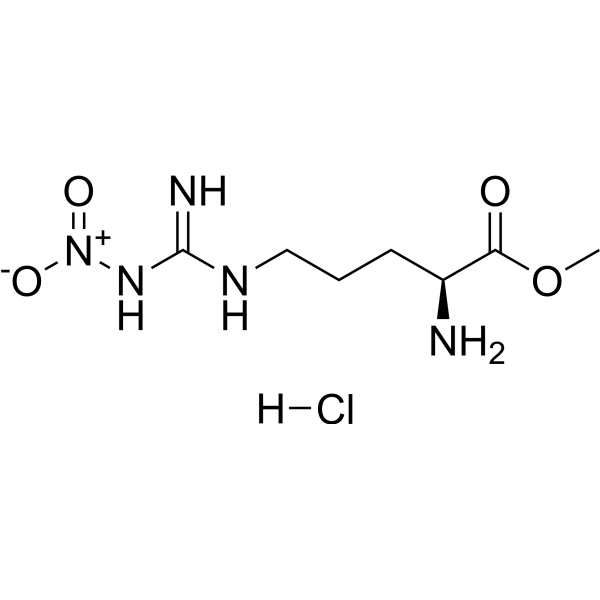
  • HY-18729A
    L-NAME hydrochloride
    Maximum Cited Publications
    78 Publications Verification

    NG-Nitroarginine methyl ester hydrochloride

    NO Synthase Infection Neurological Disease Cancer
    L-NAME hydrochloride inhibits NOS with an IC50 of 70 μM. L-NAME is a precursor to NOS inhibitor L-NOARG which has an IC50 value of 1.4 μM. L-NAME hydrochloride requires hydrolysis of the methyl ester by cellular esterases to become a fully functional inhibitor. L-NAME hydrochloride can be used to induce hypertension and preeclampsia models.
    L-NAME hydrochloride
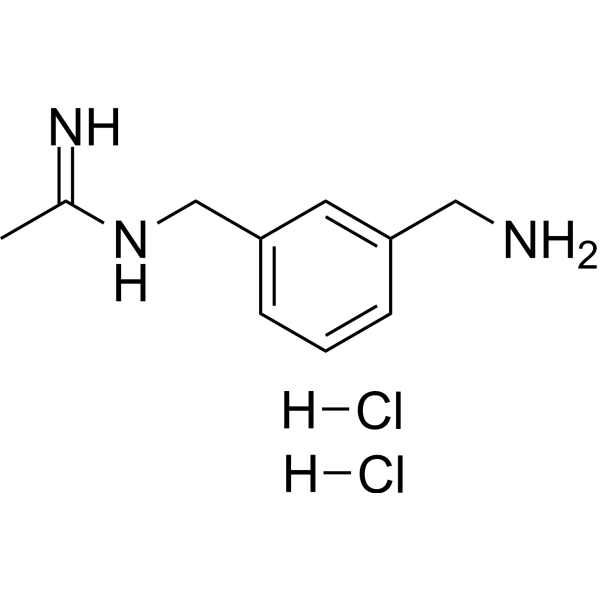
  • HY-18731
    1400W Dihydrochloride
    25+ Cited Publications

    NO Synthase Apoptosis Cardiovascular Disease Inflammation/Immunology Cancer
    1400W dihydrochloride is the dihydrochloride form of 1400W (HY-18730). 1400W is a slow, tight binding, and highly selective inducible nitric-oxide synthase (iNOS) inhibitor, with a Kd value ≤ 7 nM. 1400W inhibits iNOS induction in microglial cells, and reduces generation of NO, thereby mitigating oxidative stress and neuronal cell apoptosis in the rat cerebral cortex, and improving the spatial memory dysfunction caused by acute hypobaric hypoxia-reoxygenation .
    1400W Dihydrochloride
  • HY-14536
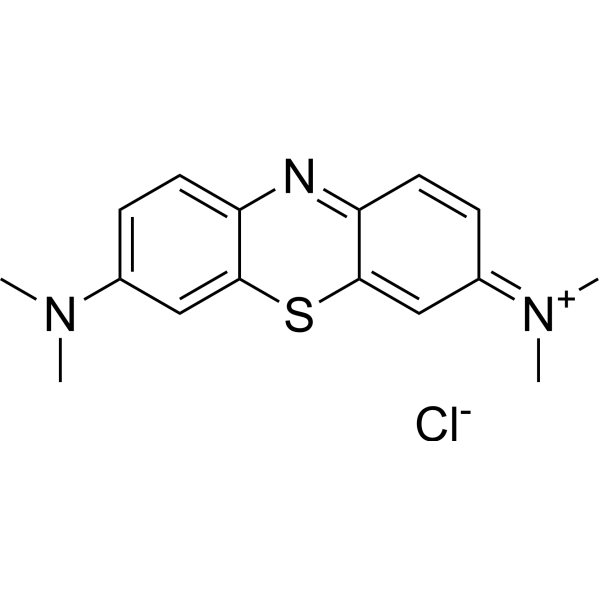
    Methylene Blue
    Maximum Cited Publications
    28 Publications Verification

    Basic Blue 9; CI-52015; Methylthioninium chloride

    Environmental Pollutants Monoamine Oxidase Guanylate Cyclase Microtubule/Tubulin NO Synthase Infection Neurological Disease Cancer
    Methylene blue (Basic Blue 9) is a guanylyl cyclase (sGC), monoamine oxidase A (MAO-A) and NO synthase (NOS) inhibitor. Methylene blue is a vasopressor and is often used as a dye in several medical procedures. Methylene blue through the nitric oxide syntase/guanylate cyclase signalling pathway to reduce prepulse inhibition. Methylene blue is a REDOX cycling compound and able to cross the blood-brain barrier. Methylene blue is a Tau aggregation inhibitor. Methylene Blue is a photosensitizer and redox agent. Methylene blue reduces cerebral edema, attenuated microglial activation and reduced neuroinflammation .
    Methylene Blue
  • HY-B0464
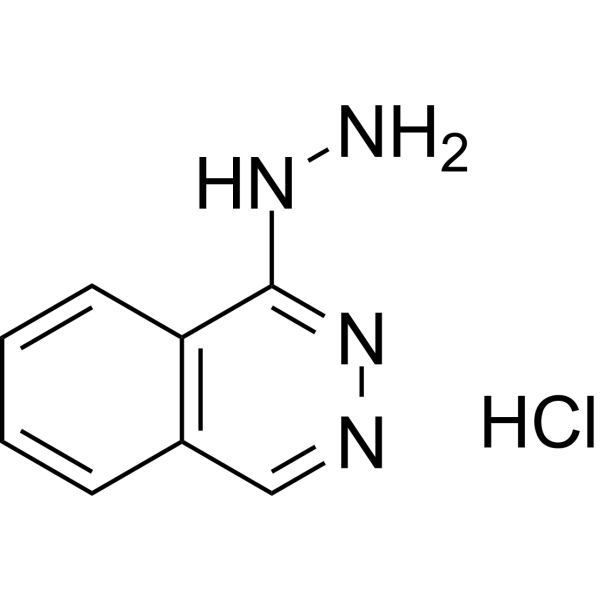
    Hydralazine hydrochloride
    3 Publications Verification

    PGE synthase NO Synthase Reactive Oxygen Species (ROS) DNA Methyltransferase COX Cardiovascular Disease Inflammation/Immunology Cancer
    Hydralazine hydrochloride is an orally active, blood-brain barrier-permeable DNA methyltransferase inhibitor with vasodilatory, arterial smooth muscle relaxant and hypotensive activities. Hydralazine hydrochloride reactivates silenced tumor suppressor genes via mediating DNA demethylation, while exerting neuroprotective and anti-inflammatory properties. Hydralazine hydrochloride inhibits NOS-2 (iNOS) and COX-2, and reduces the production of NO and PGEE2; meanwhile, Hydralazine hydrochloride scavenges reactive oxygen species and inhibits macrophage activation. Hydralazine hydrochloride alleviates motor dysfunction, neuropathic inflammatory pain, and formalin-induced somatic and emotional pain responses. In addition, Hydralazine hydrochloride directly induces DNA strand breaks and sister chromatid exchange, exhibiting certain mutagenic characteristics. Hydralazine hydrochloride has been widely used in studies on hypertension, various cancers (such as cervical cancer, leukemia), spinal cord injury and the mechanisms of inflammatory pain .
    Hydralazine hydrochloride
  • HY-B1041
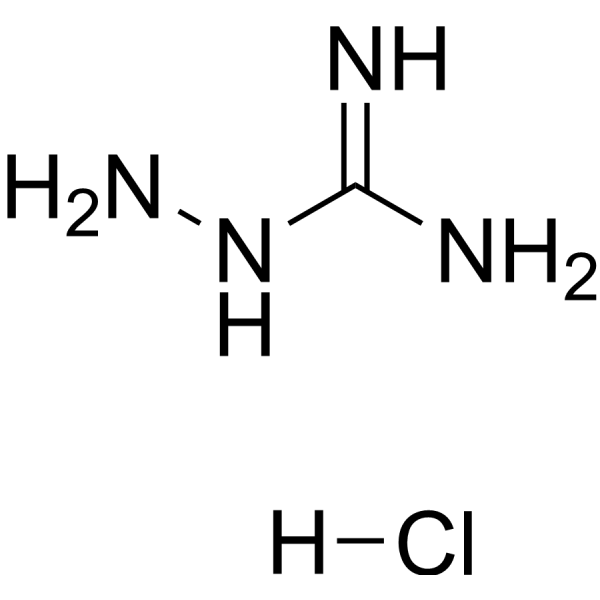
    Aminoguanidine hydrochloride
    5+ Cited Publications

    Pimagedine hydrochloride; GER-11; Aminoguanidinium chloride

    NO Synthase Apoptosis ERK Neurological Disease Metabolic Disease Inflammation/Immunology
    Aminoguanidine (Pimagedine) hydrochloride is an inhibitor of diamine oxidase (DAO) and nitric oxide synthase (NOS). Aminoguanidine hydrochloride can reduce the formation of advanced glycation end products (AGEs). Aminoguanidine hydrochloride has a dose-dependent inhibitory effect on Doxorubicin (HY-15142)-induced cell apoptosis. Aminoguanidine hydrochloride has antioxidant properties. Aminoguanidine hydrochloride can be used in the research of diabetic nephropathy .
    Aminoguanidine hydrochloride
  • HY-113216
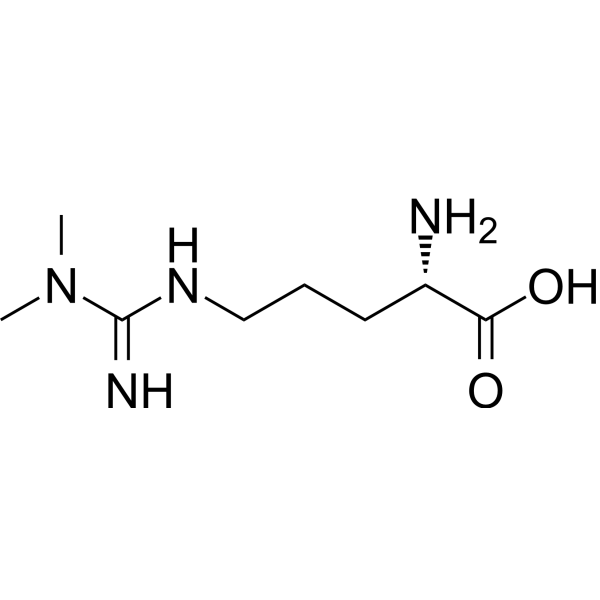
    Asymmetric dimethylarginine
    5 Publications Verification

    NG,NG-Dimethylarginine

    Endogenous Metabolite NO Synthase Cardiovascular Disease Cancer
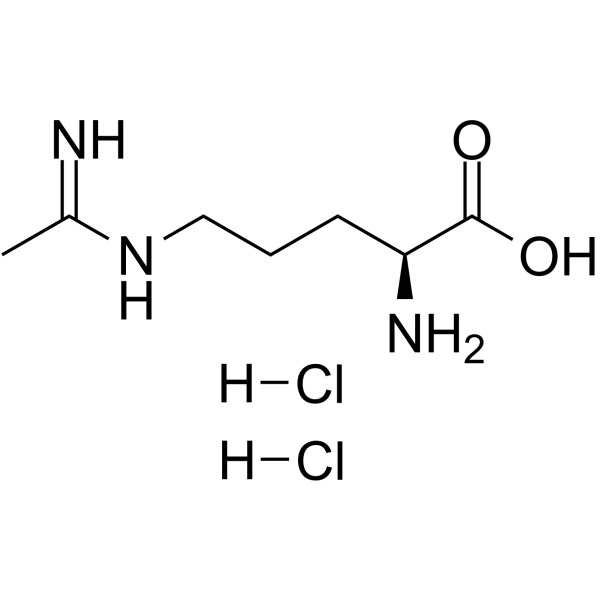
    Asymmetric dimethylarginine is an endogenous inhibitor of nitric oxide synthase (NOS), and functions as a marker of endothelial dysfunction in a number of pathological states.
    Asymmetric dimethylarginine
  • HY-107383
    Tetrahydrobiopterin
    3 Publications Verification

    (Rac)-Sapropterin

    NO Synthase Endogenous Metabolite Inflammation/Immunology
    Tetrahydrobiopterin ((Rac)-Sapropterin) is a cofactor of the aromatic amino acid hydroxylases enzymes and also acts as an essential cofactor for all nitric oxide synthase (NOS) isoforms.
    Tetrahydrobiopterin
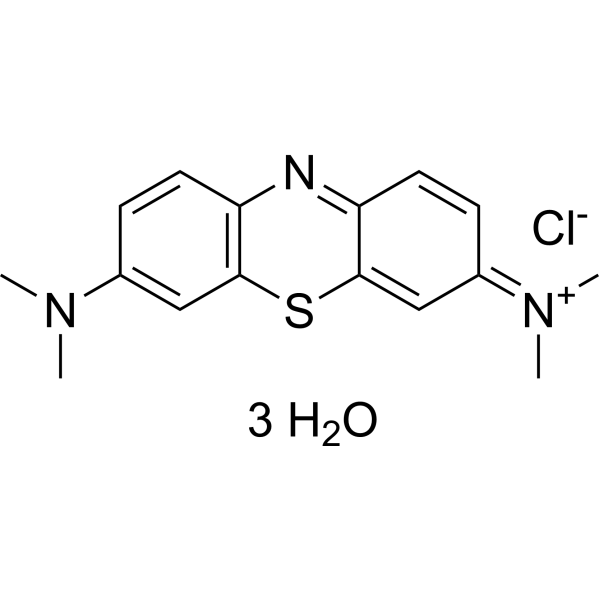
  • HY-B1359
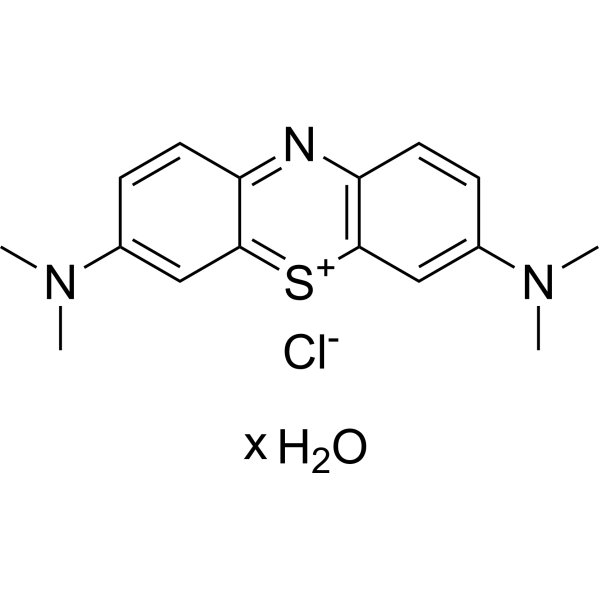
    Methylene blue trihydrate
    25+ Cited Publications

    C.I. Basic Blue 9 trihydrate

    Guanylate Cyclase Monoamine Oxidase NO Synthase Parasite Infection Neurological Disease Cancer
    Methylene blue trihydrate (C.I. Basic Blue 9 trihydrate) is a guanylyl cyclase (sGC), monoamine oxidase A (MAO-A) and NO synthase (NOS) inhibitor. Methylene blue trihydrate is a vasopressor and is often used as a dye in several medical procedures. Methylene blue trihydrate has antinociception, antimalarial, antidepressant and anxiolytic activity effects. Methylene Blue trihydrate has the potential for methemoglobinemias, neurodegenerative disorders and ifosfamide-induced encephalopathytreatment .
    Methylene blue trihydrate
  • HY-100986
    L-NIO dihydrochloride
    1 Publications Verification

    NO Synthase Cardiovascular Disease
    L-NIO dihydrochloride is a potent, non-selective and NADPH-dependent nitric oxide synthase (NOS) inhibitor, with Kis of 1.7, 3.9, 3.9 μM for neuronal (nNOS), endothelial (eNOS), and inducible (iNOS), respectively . L-NIO dihydrochloride induces a consistentfocal ischemic infarctin rats .
    L-NIO dihydrochloride
  • HY-130735

    JF646, SE; JF646, NHS

    Fluorescent Dye Others
    Janelia Fluor 646, SE (JF646, SE) is a red fluorescent dye can be used in cellular imaging . Janelia Fluor products are licensed under U.S. Pat. Nos. 9,933,417, 10,018,624 and 10,161,932 and other patents from Howard Hughes Medical Institute.
    Janelia Fluor® 646, SE
  • HY-N6607
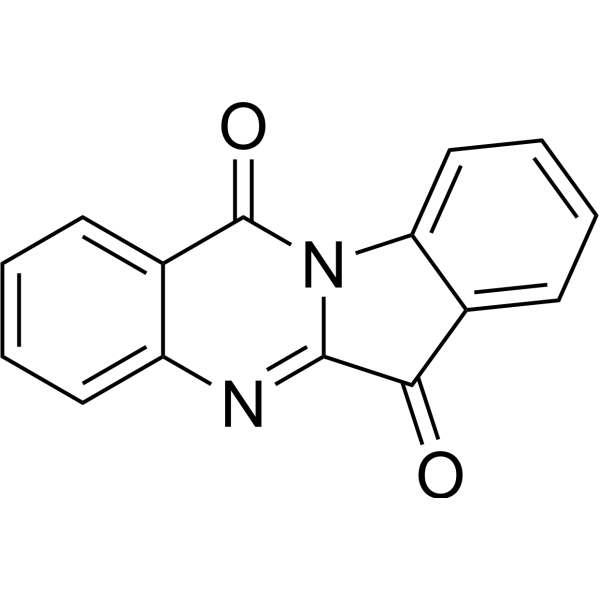
    Tryptanthrin
    Maximum Cited Publications
    8 Publications Verification

    Leukotriene Receptor NO Synthase NF-κB COX TNF Receptor Interleukin Related Inflammation/Immunology Cancer
    Tryptanthrin is an indole quinazoline that could be an alkaloid from indigo-bearing plants. Tryptanthrin is a potent and orally active cellular Leukotriene (LT) biosynthesis inhibitor. Tryptanthrin has anticancer activity. Tryptanthrin suppresses the expression levels of NOS1, COX-2, and NF-κB and regulates the expression levels of IL-2, IL-10, and TNF-α .
    Tryptanthrin
  • HY-69019
    7-Nitroindazole
    1 Publications Verification

    NO Synthase Cardiovascular Disease Neurological Disease
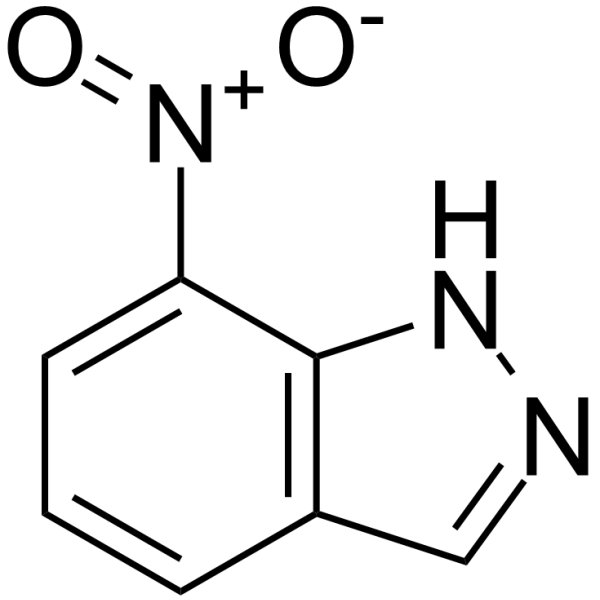
    7-Nitroindazole is a selective and BBB-penetrable inhibitor of nitric oxide synthase (NOS) (IC50 = 0.47 μM in mouse cerebellum). 7-Nitroindazole does not affect blood pressure or endothelium-dependent relaxation while inhibiting nNOS in experimental animals. 7-Nitroindazole has anti-injurious and neuroprotective properties, and can be studied in research for neurological diseases such as Parkinson’s disease .
    7-Nitroindazole
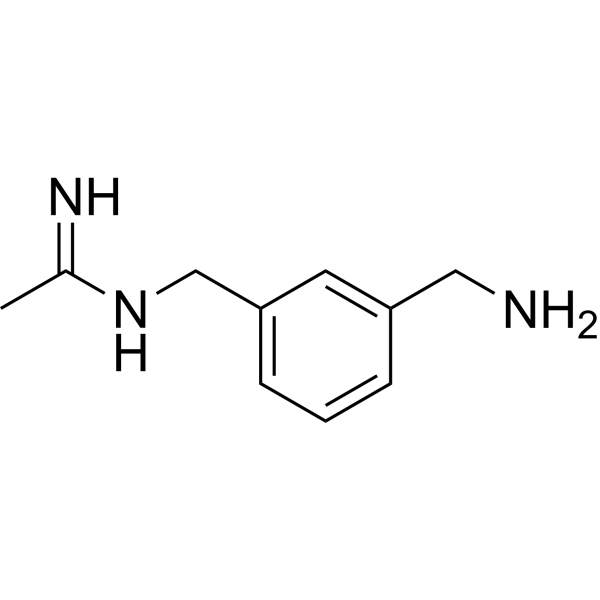
  • HY-18730
    1400W
    25+ Cited Publications

    W1400

    NO Synthase Apoptosis Cardiovascular Disease Inflammation/Immunology Cancer
    1400W is a slow, tight binding, and highly selective inducible nitric-oxide synthase (iNOS) inhibitor, with a Kd value ≤ 7 nM. 1400W inhibits iNOS induction in microglial cells, and reduces generation of NO, thereby mitigating oxidative stress and neuronal cell apoptosis in the rat cerebral cortex, and improving the spatial memory dysfunction caused by acute hypobaric hypoxia-reoxygenation .
    1400W
  • HY-D0145
    7-Ethoxyresorufin
    1 Publications Verification

    Resorufin ethyl ether

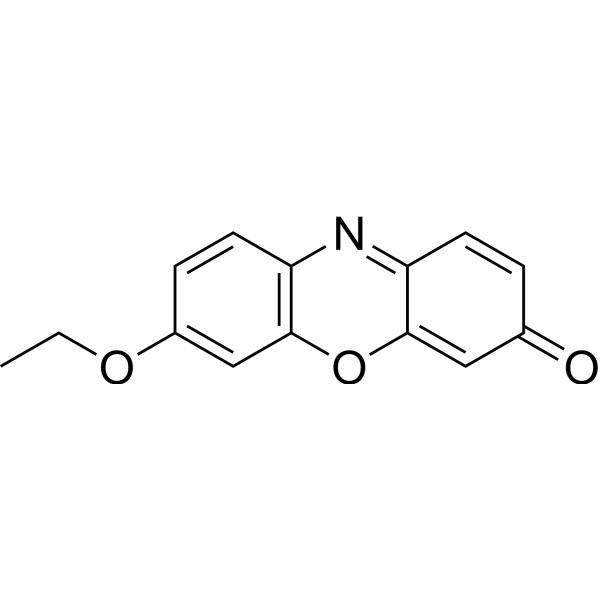
    Cytochrome P450 NO Synthase Others
    7-Ethoxyresorufin (Resorufin ethyl ether) is a fluorometric substrate and competitive inhibitor of cytochrome P450, especially CYP1A1. 7-Ethoxyresorufin also inhibits NO synthase .
    7-Ethoxyresorufin
  • HY-12119
    GW274150
    2 Publications Verification

    NO Synthase Neurological Disease Inflammation/Immunology
    GW274150 is a potent, selective, orally active and NADPH-dependent inhibitor of human inducible nitric oxide synthase (iNOS) (IC50=2.19 μM; Kd=40 nM) and rat iNOS (ED50=1.15 μM). GW274150 also displays less potency for both humans or rats endothelial NOS (eNOS) and neuronal NOS (nNOS). GW274150 exerts a protective role in an acute model of lung injury inflammation .
    GW274150
  • HY-D0958
    Methylene blue hydrate
    20+ Cited Publications

    Basic Blue 9 hydrate; CI-52015 hydrate; Methylthioninium chloride hydrate

    Guanylate Cyclase Monoamine Oxidase NO Synthase Microtubule/Tubulin Infection Inflammation/Immunology Cancer
    Methylene blue (Basic Blue 9) hydrate is a guanylyl cyclase (sGC), monoamine oxidase A (MAO-A) and NO synthase (NOS) inhibitor. Methylene blue is a vasopressor and is often used as a dye in several medical procedures. Methylene blue hydrate through the nitric oxide syntase/guanylate cyclase signalling pathway to reduce prepulse inhibition. Methylene blue hydrate is a REDOX cycling compound and able to cross the blood-brain barrier. Methylene blue hydrate is a Tau aggregation inhibitor. Methylene blue hydrate reduces cerebral edema, attenuated microglial activation and reduced neuroinflammation .
    Methylene blue hydrate
  • HY-W003969

    Ascensil; 2-Amino-4-methylpyridine

    NO Synthase Inflammation/Immunology
    Aminopicoline (Ascensil) is a potent and non-selective inhibitor of nitric oxide synthase (NOS) isoenzymes (iNOS, nNOS, eNOS). Aminopicoline competes with arginine at the substrate-binding site of nitric oxide synthase, reduces cellular nitric oxide production, inhibits the elevation of plasma nitrate, increases mean arterial pressure at high doses, and also serves as a basis for radiolabeled ligands to localize nitric oxide synthase binding sites. Aminopicoline can be used in the research of diseases associated with septic shock, joint inflammation, intestinal inflammation, and CNS inflammation .
    Aminopicoline
  • HY-14536A

    Basic Blue 9 (purity≥70%); CI-52015 (purity≥70%); Methylthioninium chloride (purity≥70%)

    Environmental Pollutants Monoamine Oxidase Guanylate Cyclase Microtubule/Tubulin NO Synthase Infection Neurological Disease Cancer
    Methylene blue (purity≥70%) is a guanylyl cyclase (sGC), monoamine oxidase A (MAO-A) and NO synthase (NOS) inhibitor. Methylene blue (purity≥70%) is a vasopressor and is often used as a dye in several medical procedures. Methylene blue (purity≥70%) through the nitric oxide syntase/guanylate cyclase signalling pathway to reduce prepulse inhibition. Methylene blue (purity≥70%) is a REDOX cycling compound and able to cross the blood-brain barrier. Methylene blue (purity≥70%) is a Tau aggregation inhibitor. Methylene blue reduces cerebral edema, attenuated microglial activation and reduced neuroinflammation .
    Methylene blue (purity≥70%)
  • HY-18729

    NG-Nitroarginine methyl ester

    NO Synthase Cancer
    L-NAME inhibits NOS with an IC50 of 70 μM. L-NAME is a precursor to NOS inhibitor L-NOARG which has an IC50 value of 1.4 μM. L-NAME requires hydrolysis of the methyl ester by cellular esterases to become a fully functional inhibitor. L-NAME can be used to induce hypertension and preeclampsia models.
    L-NAME
  • HY-B0464A
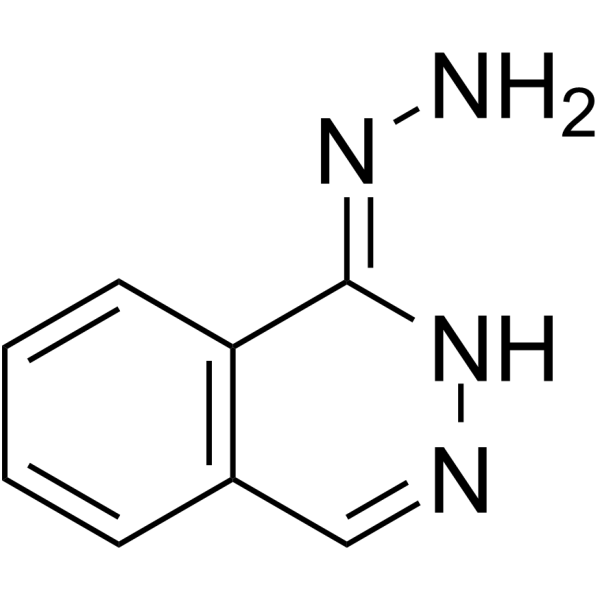
    Hydralazine
    3 Publications Verification

    DNA Methyltransferase Reactive Oxygen Species (ROS) COX NO Synthase PGE synthase Cardiovascular Disease Neurological Disease Inflammation/Immunology Cancer
    Hydralazine is an orally active, blood-brain barrier-permeable DNA methyltransferase inhibitor with vasodilatory, arterial smooth muscle relaxant and hypotensive activities. Hydralazine reactivates silenced tumor suppressor genes via mediating DNA demethylation, while exerting neuroprotective and anti-inflammatory properties. Hydralazine inhibits NOS-2 (iNOS) and COX-2, and reduces the production of NO and PGEE2; meanwhile, Hydralazine scavenges reactive oxygen species and inhibits macrophage activation. Hydralazine alleviates motor dysfunction, neuropathic inflammatory pain, and formalin-induced somatic and emotional pain responses. In addition, Hydralazine directly induces DNA strand breaks and sister chromatid exchange, exhibiting certain mutagenic characteristics. Hydralazine has been widely used in studies on hypertension, various cancers (such as cervical cancer, leukemia), spinal cord injury and the mechanisms of inflammatory pain .
    Hydralazine
  • HY-107720
    ARL 17477
    1 Publications Verification

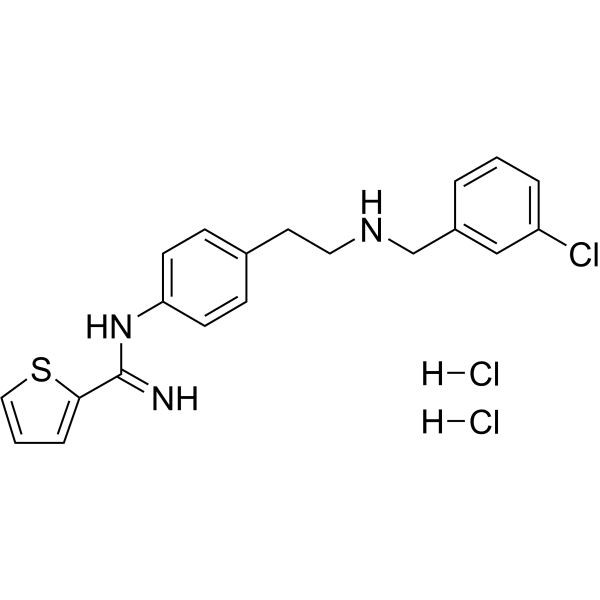
    NO Synthase Cancer
    ARL-17477 is a dual inhibitor of NOS1and the autophagy-lysosomal system with anticancer activity and can inhibit tumor growth in KRAS-mutated cancers .
    ARL 17477
  • HY-12119A
    GW274150 phosphate
    2 Publications Verification

    NO Synthase Neurological Disease Inflammation/Immunology
    GW274150 phosphate is a potent, selective, orally active and NADPH-dependent inhibitor of human inducible nitric oxide synthase (iNOS) (IC50=2.19 μM; Kd=40 nM) and rat iNOS (ED50=1.15 μM). GW274150 phosphate displays less potency for both humans or rats endothelial NOS (eNOS) and neuronal NOS (nNOS). GW274150 phosphate exerts a protective role in an acute model of lung injury inflammation .
    GW274150 phosphate
  • HY-79457
    S-Methylisothiourea sulfate
    1 Publications Verification

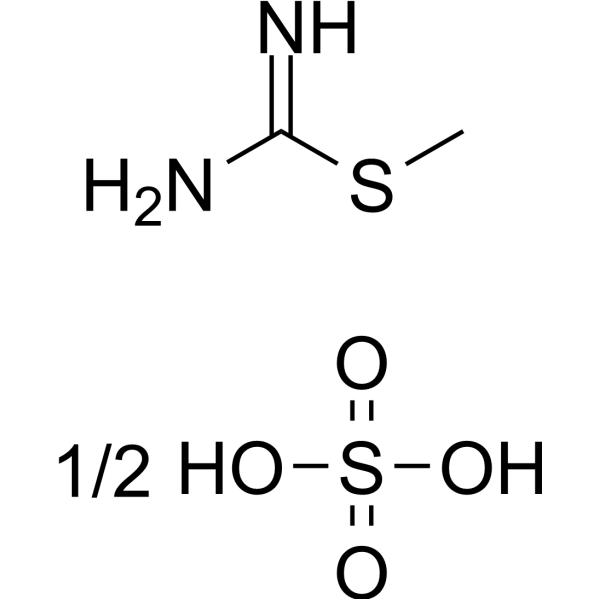
    NO Synthase HSV Infection Inflammation/Immunology
    S-Methylisothiourea sulfate is a potent, selective and competitive inhibitor of inducible nitric oxide synthase (iNOS). S-Methylisothiourea sulfate exerts beneficial effects in rodent models of septic shock .
    S-Methylisothiourea sulfate
  • HY-131029

    JF646, Maleimide

    Fluorescent Dye Others
    Janelia Fluor® 646, Maleimide (JF646, Maleimide) is a red fluorescent dye that contains a maleimide group. JF646, Maleimide can be used in cellular imaging . Janelia Fluor® products are licensed under U.S. Pat. Nos. 9,933,417, 10,018,624 and 10,161,932 and other patents from Howard Hughes Medical Institute.
    Janelia Fluor® 646, Maleimide
  • HY-131028

    JF646 TFA

    Fluorescent Dye Others
    Janelia Fluor 646 TFA (JF646 TFA), a red fluorogenic fluorescent dye, can be used in the synthesis of Janelia Fluor 646 HaloTag and SNAP-Tag ligands. JF646 TFA is used in live cell imaging experiments . Janelia Fluor products are licensed under U.S. Pat. Nos. 9,933,417, 10,018,624 and 10,161,932 and other patents from Howard Hughes Medical Institute.
    Janelia Fluor® 646 TFA
  • HY-130452

    NO Synthase Neurological Disease
    NOS1-IN-1 is a selective and cell-permeable nNOS inhibitor with a Ki of 120 nM. NOS1-IN-1 exhibits 2617-fold and 325-fold selectivity over eNOS (Ki=39 μM) and iNOS (Ki=325 μM) , respectively . NOS1-IN-1 can be used for the research of neurological disease, including cerebral palsy (CP) .
    NOS1-IN-1
  • HY-W020772
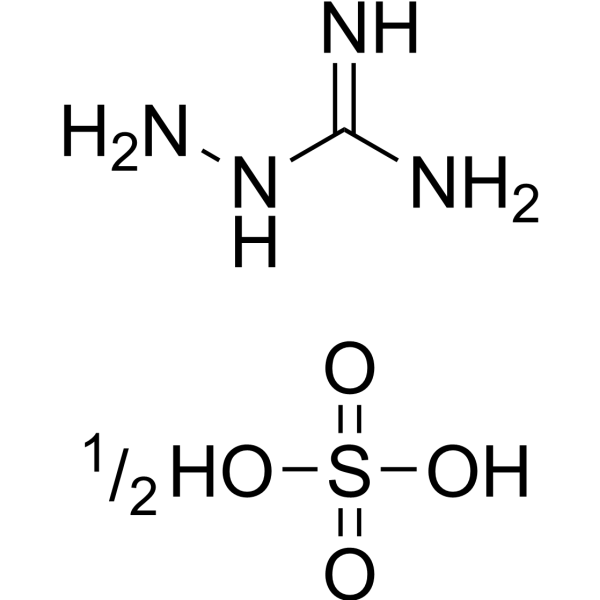
    Aminoguanidine hemisulfate
    5+ Cited Publications

    Reactive Oxygen Species (ROS) Cancer
    Aminoguanidine hemisulfate is an inhibitor of NOS and ROS. Aminoguanidine hemisulfate abolishes ANE-induced ROS production in vitro. Aminoguanidine hemisulfate is used for cancer research .
    Aminoguanidine hemisulfate
  • HY-102062A
    Nω-Propyl-L-arginine hydrochloride
    1 Publications Verification

    N-omega-Propyl-L-arginine hydrochloride

    NO Synthase Neurological Disease
    Nω-Propyl-L-arginine (N-omega-Propyl-L-arginine) hydrochloride is a potent, competitive, and highly selective inhibitor of neuronal nitric oxide synthase (nNOS), with a Ki of 57 nM. Nω-Propyl-L-arginine hydrochloride displays a 149-fold selectivity for nNOS over endothelial NOS (eNOS) .
    Nω-Propyl-L-arginine hydrochloride
  • HY-102062
    Nω-Propyl-L-arginine
    1 Publications Verification

    N-omega-Propyl-L-arginine

    NO Synthase Neurological Disease
    Nω-Propyl-L-arginine (N-omega-Propyl-L-arginine) is a potent, competitive, and highly selective inhibitor of neuronal nitric oxide synthase (nNOS), with a Ki of 57 nM. Nω-Propyl-L-arginine displays a 149-fold selectivity for nNOS over endothelial NOS (eNOS) .
    Nω-Propyl-L-arginine
  • HY-131026

    JF635, SE; JF635, NHS

    Fluorescent Dye Others
    Janelia Fluor 635, SE (JF635, SE) is a red fluorogenic fluorescent dye containing an NHS ester that can be conjugated with primary amine groups. JF635, SE can be used for live cell imaging . Janelia Fluor products are licensed under U.S. Pat. Nos. 9,933,417, 10,018,624 and 10,161,932 and other patents from Howard Hughes Medical Institute.
    Janelia Fluor® 635, SE
  • HY-138659

    JF646, Tetrazine

    Fluorescent Dye Others
    Janelia Fluor 646, Tetrazine (JF646, Tetrazine) a red fluorescent dye that contains a tetrazine group. JF646, Tetrazine can be used in cellular imaging . Janelia Fluor products are licensed under U.S. Pat. Nos. 9,933,417, 10,018,624 and 10,161,932 and other patents from Howard Hughes Medical Institute. Janelia Fluor? 646, Tetrazine is a click chemistry reagent, it contains a Tetrazine group that can undergo an inverse electron demand Diels-Alder reaction (iEDDA) with molecules containing TCO groups.
    Janelia Fluor® 646, Tetrazine
  • HY-131021
    Janelia Fluor® 549, Azide
    1 Publications Verification

    JF549, Azide

    Fluorescent Dye Others
    Janelia Fluor? 549, Azide (JF549, Azide) is a fluorescent dye with the absorption maximum (λab (max)) of 549 nm and emission maximum (λem (max)) of 571 nm . Janelia Fluor? products are licensed under U.S. Pat. Nos. 9,933,417, 10,018,624 and 10,161,932 and other patents from Howard Hughes Medical Institute. It contains an azide group and can undergo copper-catalyzed azide-alkyne cycloaddition (CuAAc) with molecules containing alkyne groups. It can also undergo ring strain-promoted alkyne-azide cycloaddition (SPAAC) with molecules containing DBCO or BCN groups.
    Janelia Fluor® 549, Azide
  • HY-135224

    1,4-PB-ITU dihydrobromide

    NO Synthase Cancer
    1,4-PBIT (1,4-PB-ITU) dihydrobromide (compound 46) is a potent nitric oxide synthases (NOS) inhibitor, with Ki values of 7.6 nM, 360 nM, and 16 nM for the inducible (iNOS), endothelial (eNOS), and neuronal (nNOS) isozymes, respectively .
    1,4-PBIT dihydrobromide
  • HY-W022047
    nNOS-IN-1
    1 Publications Verification

    NO Synthase Cardiovascular Disease Neurological Disease
    nNOS-IN-1(Compound 14) is an inhibitor for nitric oxide synthases (NOS), that exhibits inhibitory activities against neuroal, inducible and endothelial NOS, with IC50s of 2.5, 5.7 and 13 μM, respectively .
    nNOS-IN-1
  • HY-RS09433

    Small Interfering RNA (siRNA) Others

    NOS1 Human Pre-designed siRNA Set A contains three designed siRNAs for NOS1 gene (Human), as well as a negative control, a positive control, and a FAM-labeled negative control.

    NOS1 Human Pre-designed siRNA Set A
    NOS1 Human Pre-designed siRNA Set A
  • HY-U00432A

    S-Methyl-L-thiocitrulline dihydrochloride

    NO Synthase Neurological Disease
    S-MTC (S-Methyl-L-thiocitrulline) dihydrochloride is a selective type I nitric oxide synthase (NOS) inhibitor.
    S-MTC dihydrochloride
  • HY-141411A

    (S)-MRI-1867

    Cannabinoid Receptor NO Synthase Metabolic Disease
    Zevaquenabant ((S)-MRI-1867) is a peripherally restricted, orally bioavailable dual cannabinoid CB1 receptor and inducible NOS antagonist. Zevaquenabant ameliorates obesity-induced chronic kidney disease (CKD) .
    Zevaquenabant
  • HY-131030

    JF669, SE; JF669, NHS

    Fluorescent Dye Others
    Janelia Fluor 669, SE (JF669, SE), a red fluorescent dye, can be directly reacted with the available thiol-containing HaloTag ligand under mild conditions (DIEA, DMF) to afford a JF669HaloTag ligand in a single step (Ex = 669 nm; Em = 682 nm) . Janelia Fluor products are licensed under U.S. Pat. Nos. 9,933,417, 10,018,624 and 10,161,932 and other patents from Howard Hughes Medical Institute.
    Janelia Fluor® 669, SE
  • HY-140339

    Biochemical Assay Reagents Others Cancer
    ANB-NOS is a heterobifunctional crosslinker with lipophilic, uncharged properties suitable for intracellular conjugation. ANB-NOS contains an amine-reactive Nhydroxysuccinimide (NHS) ester and a photoactivatable nitrophenyl azide. ANB-NOS can be used for the research of fibrosarcoma and mammary adenocarcinoma .
    ANB-NOS
  • HY-138564

    NO Synthase Inflammation/Immunology
    NOS-IN-1 is a potent and orally active NO synthase (NOS) isoforms inhibitor with IC50s of 0.1 μM, 1.1 μM, and 0.2 μM for human iNOS (hiNOS), heNOS and hnNOS, respectively .
    NOS-IN-1
  • HY-N8761

    NO Synthase Metabolic Disease
    Kihadanin A (compound 3) is a limonoid NOS3 inhibitor that can be isolated from the methanol extract of Dictamnus dasycarpus root bark. Kihadanin A is useful in the study of hyperuricemia (HUA) [3].
    Kihadanin A
  • HY-12124

    NO Synthase Cardiovascular Disease
    BBS-4 is a potent and selective inducible nitric oxide synthase (NOS2) dimerization inhibitor, with an IC50 of 0.49 nM. BBS-4 can protect mice from the cardiovascular dysfunction of sepsis .
    BBS-4
  • HY-100986B

    NO Synthase Cardiovascular Disease
    L-NIO is a potent, non-selective and NADPH-dependent nitric oxide synthase (NOS) inhibitor, with Kis of 1.7, 3.9, 3.9 μM for neuronal (nNOS), endothelial (eNOS), and inducible (iNOS), respectively . L-NIO induces a consistentfocal ischemic infarctin rats .
    L-NIO
  • HY-131022

    JF549 TFA

    Fluorescent Dye Others
    Janelia Fluor® 549 TFA (JF549 TFA) is a fluorescent dye with the absorption maximum (λab (max)) of 549 nm and emission maximum (λem (max)) of 571 nm . Janelia Fluor® products are licensed under U.S. Pat. Nos. 9,933,417, 10,018,624 and 10,161,932 and other patents from Howard Hughes Medical Institute.
    Janelia Fluor® 549 TFA
  • HY-B0464S1

    Isotope-Labeled Compounds PGE synthase NO Synthase Reactive Oxygen Species (ROS) DNA Methyltransferase COX Cancer
    Hydralazine-d5 (hydrochloride) is deuterium-labeled Hydralazine (hydrochloride) (HY-B0464). Hydralazine hydrochloride is an orally active, blood-brain barrier-permeable DNA methyltransferase inhibitor with vasodilatory, arterial smooth muscle relaxant and hypotensive activities. Hydralazine hydrochloride reactivates silenced tumor suppressor genes via mediating DNA demethylation, while exerting neuroprotective and anti-inflammatory properties. Hydralazine hydrochloride inhibits NOS-2 (iNOS) and COX-2, and reduces the production of NO and PGEE2; meanwhile, Hydralazine hydrochloride scavenges reactive oxygen species and inhibits macrophage activation. Hydralazine hydrochloride alleviates motor dysfunction, neuropathic inflammatory pain, and formalin-induced somatic and emotional pain responses. In addition, Hydralazine hydrochloride directly induces DNA strand breaks and sister chromatid exchange, exhibiting certain mutagenic characteristics. Hydralazine hydrochloride has been widely used in studies on hypertension, various cancers (such as cervical cancer, leukemia), spinal cord injury and the mechanisms of inflammatory pain .
    Hydralazine-d5 hydrochloride
  • HY-N6607R

    Reference Standards Leukotriene Receptor NO Synthase NF-κB COX TNF Receptor Interleukin Related Inflammation/Immunology Cancer
    Tryptanthrin (Standard) is the analytical standard of Tryptanthrin. This product is intended for research and analytical applications. Tryptanthrin is an indole quinazoline that could be an alkaloid from indigo-bearing plants. Tryptanthrin is a potent and orally active cellular Leukotriene (LT) biosynthesis inhibitor. Tryptanthrin has anticancer activity. Tryptanthrin suppresses the expression levels of NOS1, COX-2, and NF-κB and regulates the expression levels of IL-2, IL-10, and TNF-α .
    Tryptanthrin (Standard)
  • HY-14536R

    Basic Blue 9 (Standard); CI-52015 (Standard); Methylthioninium chloride (Standard)

    Reference Standards Guanylate Cyclase Monoamine Oxidase NO Synthase Microtubule/Tubulin Infection Neurological Disease Cancer
    Methylene Blue (Standard) is the analytical standard of Methylene Blue. This product is intended for research and analytical applications. Methylene blue (Basic Blue 9) is a guanylyl cyclase (sGC), monoamine oxidase A (MAO-A) and NO synthase (NOS) inhibitor. Methylene blue is a vasopressor and is often used as a dye in several medical procedures. Methylene blue through the nitric oxide syntase/guanylate cyclase signalling pathway to reduce prepulse inhibition. Methylene blue is a REDOX cycling compound and able to cross the blood-brain barrier. Methylene blue is a Tau aggregation inhibitor. Methylene blue reduces cerebral edema, attenuated microglial activation and reduced neuroinflammation .
    Methylene Blue (Standard)
  • HY-129876

    D-NG-nitroarginine methyl ester hydrochloride; H-D-Arg(NO2)-OMe hydrochloride

    NO Synthase Neurological Disease
    D-NAME (D-NG-nitroarginine methyl ester) hydrochloride is a potent nitric oxide synthase (NOS) inhibitor. D-NAME hydrochloride inhibits the activity of NOS, reducing the production of nitric oxide .
    D-NAME hydrochloride
  • HY-101251

    NO Synthase Inflammation/Immunology Cancer
    AMT hydrochloride is a selective inhibitor of inducible NOS (iNOS) with Ki of 4.2 nM .
    AMT hydrochloride
  • HY-130579

    L-VNIO hydrochloride

    NO Synthase NADPH Oxidase Cardiovascular Disease Neurological Disease
    Vinyl-L-NIO (L-VNIO) hydrochloride is a neuronal nitric oxide synthase (NOS) inhibitor with a rat Ki of 0.10 μM. Vinyl-L-NIO hydrochloride inhibits NADPH oxidase activity, attenuates renal fibrosis, inflammation, oxidative stress indices, and albuminuria. Vinyl-L-NIO hydrochloride can be used for the research of parkinson's disease, migraine headache, and hypertension .
    Vinyl-L-NIO hydrochloride

Inquiry Online

Your information is safe with us. * Required Fields.

Salutation


Country or Region *

Applicant Name *


Organization Name *

Department *


Email Address *


Product Name *

Cat. No.


Requested quantity *

Phone Number *


Remarks

Inquiry Online

Inquiry Information

Product Name:
Cat. No.:
Quantity:
MCE Japan Authorized Agent:

