Search Result
Results for "
Neuroinflammations
" in MedChemExpress (MCE) Product Catalog:
5
Biochemical Assay Reagents
13
Isotope-Labeled Compounds
| Cat. No. |
Product Name |
Target |
Research Areas |
Chemical Structure |
-
- HY-11062
-
Icilin
1 Publications Verification
AG-3-5
|
TRP Channel
|
Neurological Disease
Inflammation/Immunology
|
|
Icilin (AG-3-5) is a super-agonist of the transient receptor potential M8 (TRPM8) ion channel. Icilin activates TRPM8 in EGTA in a dose-dependent manner (EC50=1.4 μM). Icilin is a "super-cooling agent" . Icilin attenuates autoimmune neuroinflammation through modulation of the T-cell response .
|
-
-
- HY-B0130
-
-
-
- HY-148013
-
|
|
Glycosidase
Amyloid-β
NF-κB
COX
ERK
NO Synthase
Interleukin Related
|
Neurological Disease
Inflammation/Immunology
|
|
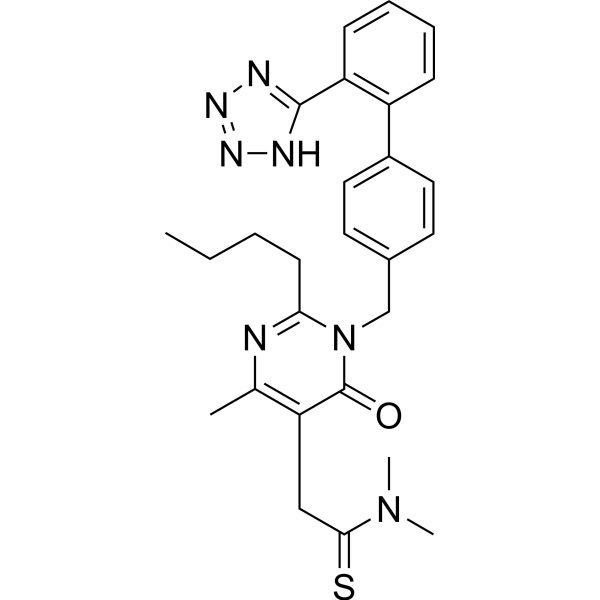
K284-6111 is a high-affinity and orally active CHI3L1 inhibitor, and inhibits CHI3L1 expression. K284-6111 inhibits ERK and NF-κB pathway. K284-6111 suppresses nuclear translocation of p50 and p65, and phosphorylation of IκB. K284-6111 improves memory dysfunction by alleviating amyloidogenesis and neuroinflammation, with the reduction of inflammatory proteins (eg: iNOS, COX-2, GFAP, and Iba-1). K284-6111 reduces atopic-like skin inflammation and inhibits LPS (HY-D1056) -induced liver injury. K284-6111 can be used for the study of Alzheimer's diseases and sepsis like hepatic injury .
|
-
-
- HY-P10136
-
IA9
2 Publications Verification
human TREM-2 182-190
|
TREM receptor
|
Inflammation/Immunology
|
|
IA9 (human TREM-2 182-190) is a potent, CNS-penetrant TREM-2 inhibitor. IA9 can diminish the release of proinflammatory cytokines and suppress joint inflammation and damage in a Collagen (HY-P5003)-induced arthritis (CIA) mouse model. IA9 can be used for neuroinflammation PET imaging. IA9 can be used for Rheumatoid arthritis (RA) and neuroinflammation research .
|
-
-
- HY-126358
-
|
|
Endogenous Metabolite
Mitochondrial Metabolism
|
Neurological Disease
Metabolic Disease
Cancer
|
|
Acetylcarnitine is a CNS-penetrant endogenous metabolite. Acetylcarnitine shuttling links mitochondrial metabolism to histone acetylation and lipogenesis. Acetylcarnitine attenuates oxidative stress and neuroinflammation. Acetylcarnitine can be used for fatigue-associated diseases research. Acetylcarnitine can be used as a candidate diagnostic and prognostic biomarker of hepatocellular carcinoma .
|
-
-
- HY-B0863
-
|
|
Environmental Pollutants
Necroptosis
Apoptosis
Autophagy
|
Neurological Disease
|
|
Glyphosate, a non-selective systemic biocide with broad-spectrum activity, is an herbicidal derivative of the amino acid glycine. Glyphosate inhibits the enzymatic activity of the 5-endopyruvylshikimate 3-phosphate synthase (EPSPS) in the shikimic acid pathway, preventing the synthesis of the aromatic amino acids tyrosine, phenylalanine, and tryptophan. Glyphosate induces oxidative stress, neuroinflammation, and mitochondrial dysfunction, processes that lead to neuronal death by autophagia, necrosis, or apoptosis, as well as the appearance of behavioral and motor disorders .
|
-
-
- HY-59291
-
|
N-Acetyl-L-leucine
|
Amino Acid Derivatives
|
Neurological Disease
Metabolic Disease
Inflammation/Immunology
|
|
Levacetylleucine (N-acetyl-L-leucine), an orally bioavailable and brain-penetrant compound, is an acetylated derivative of amino acid Leucine. Levacetylleucine is the active form of N-acetyl-leucine (NAL). Levacetylleucine attenuates neuronal death and neuroinflammation in the cortical tissue of mice. Levacetylleucine also potentially improves ameliorates lysosomal and metabolic dysfunction. Levacetylleucine improves compensation of postural symptoms after unilateral chemical labyrinthectomy (UL) in rats. Levacetylleucine is promising for research of neurological manifestations of Niemann-Pick disease type C, traumatic brain injury and neurodegeneration prevention .
|
-
-
- HY-125859A
-
|
MPO
|
Bacterial
|
Inflammation/Immunology
|
|
Myeloperoxidase, human white blood cells (MPO) is a peroxidase. In Myeloperoxidase, human white blood cells mediate oxidative stress by promoting the production of reactive oxygen species (ROS) and active nitrogen (RNS), regulating the polarization and inflammation-related signaling pathways of microglia and neutrophils. Myeloperoxidase, human white blood cells has antibacterial activity .
|
-
-
- HY-B0130A
-
|
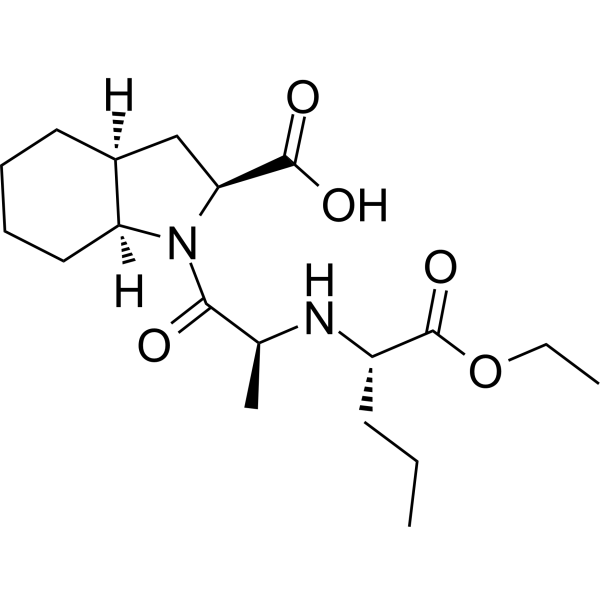
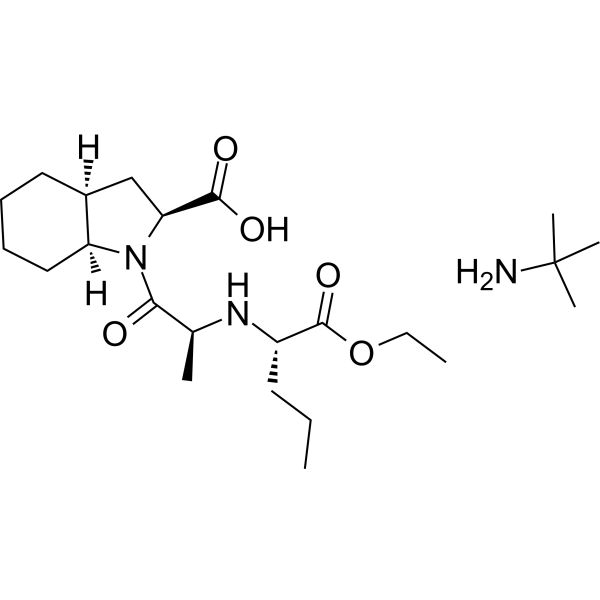
Perindopril (tert-butylamine salt); S-9490 erbumine
|
Sirtuin
NF-κB
STAT
Angiotensin-converting Enzyme (ACE)
|
Cardiovascular Disease
Cancer
|
|
Perindopril erbumine is an angiotensin-converting enzyme inhibitor. Perindopril erbumine modulates NF-κB and STAT3 signaling and inhibits glial activation and neuroinflammation. Perindopril erbumine can be used for the research of Chronic Kidney Disease and high blood pressure .
|
-
-
- HY-B0020
-
|
SDZ-ICS-930
|
5-HT Receptor
nAChR
|
Neurological Disease
Inflammation/Immunology
Cancer
|
|
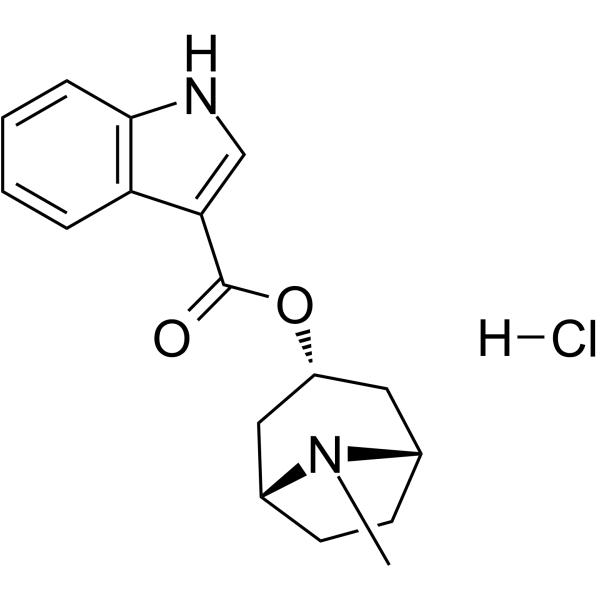
Tropisetron Hydrochloride (SDZ-ICS-930) is an effective neuroprotective agent that acts as a 5-HT3 receptor antagonist, a calmodulin inhibitor, and an α7-nAChRreceptor agonist, with an IC50 of 70.1 nM for the 5-HT3 receptor. Tropisetron Hydrochloride has anti-inflammatory properties and immune-regulating functions, effectively alleviating symptoms associated with chemotherapy and post-surgery. Tropisetron Hydrochloride reduces Ab (HY-P4867)-induced hippocampal neuroinflammation .
|
-
-
- HY-P991734
-
|
|
TREM receptor
Syk
Calcium Channel
|
Neurological Disease
Inflammation/Immunology
|
|
VHB937 is a potent and selective TREM2 agonist, a human monoclonal antibody, with sub-nanomolar affinity. VHB937 enhances TREM2 surface expression and downstream signaling, such as Syk phosphorylation and calcium mobilization. VHB937 exhibits robust neuroprotective effects in vivo, significantly reducing pathology and pro-inflammatory markers across a broad range of animal models of neuroinflammation and neurodegeneration. VHB937 can be used for neurodegenerative diseases research .
|
-
-
- HY-18976
-
-
-
- HY-123966
-
|
|
Phosphatase
|
Neurological Disease
|
|
MY33-3 is a potent and selective inhibitor of receptor protein tyrosine phosphatase (RPTP)β/ζ, with an IC50 of ~0.1 μM. MY33-3 also inhibits PTP-1B (IC50 ~0.7 μM). MY33-3 can reduce ethanol consumption and alleviate Sevoflurane-induced neuroinflammation and cognitive dysfunction .
|
-
-
- HY-153248
-
|
|
Biochemical Assay Reagents
|
Neurological Disease
Inflammation/Immunology
|
|
PBR28 is a translocator protein (TSPO) binding positron emission tomography (PET) radiotracer with blood-brain barrier permeability . PBR28 binds to TSPO, a marker of microglial activation and neuroinflammation, and is used for neuroinflammation imaging in brain diseases and HIV-infected individuals .
|
-
-
- HY-B1804
-
|
Trioctanoin; Glyceryl trioctanoate
|
Endogenous Metabolite
|
Neurological Disease
Inflammation/Immunology
|
|
Tricaprilin (Trioctanoin) is an orally active and well tolerated ketogenic agent that safely induces ketosis. Tricaprilin restores brain electrical activity and metabolism to help counteract neuroinflammation in migraine. Tricaprilin is promising for research of migraine prevention and Alzheimer’s disease (AD). Tricaprilin is a pure C8 medium chain triglyceride (MCT) .
|
-
-
- HY-135046
-
|
|
DNA/RNA Synthesis
|
Neurological Disease
Inflammation/Immunology
Cancer
|
|
MTOB sodium is a potent C-terminal binding protein (CtBP) inhibitor. MTOB sodium attenuates repetitive head injury-elicited neurologic dysfunction and neuroinflammation via inhibition of the transactivation activity of CtBP1 and CtBP2. MTOB sodium antagonizes the transcriptional regulatory activity of CtBP1 and CtBP2 by eviction from their target promoters in breast cancer cell lines .
|
-
-
- HY-111573
-
|
C286
|
RAR/RXR
|
Others
Neurological Disease
Inflammation/Immunology
|
|
KCL-286 (C286) is an orally active and brain-penetrant retinoic acid receptor (RAR) β2 agonist (EC50 = 1.9 nM). KCL-286 targets RARβ2 with good selectivity over RAR α (EC50 = 26 nM) and RAR γ (EC50 = 11 nM). KCL-286 activates RARβ2 in the injured neurons. KCL-286 induces axonal regeneration of both spinal and sensory nerves through the inhibitory environment of the CNS, modulates neuroinflammation and extracellular matrix molecules. KCL-286 can modulate the expression of CSPGs by neuronal secretion of decorin which promotes myelination and aids axonal growth. KCL-286 can be studied in research for area such as spinal cord injury and traumatic nerve injury .
|
-
-
- HY-121035
-
|
7-Bromoindirubin-3-Oxime
|
CDK
GSK-3
|
Neurological Disease
|
|
7BIO (7-Bromoindirubin-3-Oxime) is the derivate of indirubin. 7BIO (7-Bromoindirubin-3-Oxime) has inhibitory effects against cyclin-dependent kinase-5 (CDK5) and glycogen synthase kinase-3β (GSK3β). 7BIO (7-Bromoindirubin-3-Oxime) inhibits Aβ oligomer-induced neuroinflammation, synaptic impairments, tau hyper-phosphorylation, activation of astrocytes and microglia, and attenuates Aβ oligomer-induced cognitive impairments in mice [1].
|
-
-
- HY-W082785A
-
-
-
- HY-P10136A
-
IA9 TFA
2 Publications Verification
human TREM-2 182-190 TFA
|
TREM receptor
|
Inflammation/Immunology
|
|
IA9 TFA (human TREM-2 182-190 TFA) is a potent, CNS-penetrant TREM-2 inhibitor. IA9 TFA can diminish the release of proinflammatory cytokines and suppress joint inflammation and damage in a Collagen (HY-P5003)-induced arthritis (CIA) mouse model. IA9 TFA can be used for neuroinflammation PET imaging. IA9 TFA can be used for Rheumatoid arthritis (RA) and neuroinflammation research .
|
-
-
- HY-W041892
-
-
-
- HY-132814
-
|
ATH-1017
|
c-Met/HGFR
|
Neurological Disease
|
|
Fosgonimeton (ATH-1017) is a hepatocyte growth factor receptor (c-Met/HGFR) agonist. Fosgonimeton has neuroprotective effects in both LPS (HY-D1056) -induced neuroinflammation and Aβ-induced AD models .
|
-
-
- HY-P10227
-
-
-
- HY-171656
-
|
|
Glycosidase
NF-κB
COX
STAT
ERK
p38 MAPK
Apoptosis
CDK
Survivin
Bcl-2 Family
|
Neurological Disease
Inflammation/Immunology
Cancer
|
|
G721-0282 is an orally active CHI3L1 inhibitor. G721-0282 can reduce the expression of inflammatory proteins and cytokines. G721-0282 inhibits the activation of the NF-κB signaling pathway. G721-0282 inhibits neuroinflammation and reduces anxious behavior. G721-0282 significantly inhibits the proliferation of osteosarcoma (OS) cells by suppressing the STAT3 signaling pathway. G721-0282 induces OS cell apoptosis by upregulating pro-apoptotic protein levels and downregulating anti-apoptotic protein levels. G721-0282 can be used for researches on neuroinflammatory conditions and cancer .
|
-
-
- HY-120007
-
-
-
- HY-156955
-
-
-
- HY-150059
-
-
-
- HY-168710
-
|
|
Toll-like Receptor (TLR)
NF-κB
IKK
|
Inflammation/Immunology
|
|
TLR4/NF-κB-IN-1 (Compound 7x) is an orally available inhibitor that specifically targets the TLR4/NF-κB signaling pathway, offering anti-inflammatory effects and the ability to cross the blood-brain barrier. TLR4/NF-κB-IN-1 can reduce acute neuroinflammation in mice caused by LPS (HY-D1056) and downregulate the expression of TLR4, P-NF-κB and P-IκB-α proteins .
|
-
-
- HY-174066
-
|
|
mTOR
Autophagy
Interleukin Related
|
Neurological Disease
Inflammation/Immunology
|
|
SI-W052 is an orally active, brain-penetrant and selective small-molecule inhibitor targeting mTOR and TEX264. SI-W052 activates autophagy by inhibiting mTOR phosphorylation and enhances TEX264 expression to promote ER turnover, suppressing LPS-induced release of inflammatory factors (TNF-α, IL-6). SI-W052 is promising for research of Alzheimer’s disease (AD)-associated neuroinflammation .
|
-
-
- HY-144765
-
|
|
NF-κB
Apoptosis
|
Neurological Disease
Metabolic Disease
Inflammation/Immunology
Cancer
|
|
NF-κB-IN-4 (compound 17) is a potent NF-κB pathway inhibitor with blood brain barrier (BBB) permeability. NF-κB-IN-4 exhibits potential anti-neuroinflammatory activity with low toxicity. NF-κB-IN-4 can block the activation and phosphorylation of IκBα, reduce expression of NLRP3, and thus inhibit NF-κB activation. NF-κB-IN-4 can be used for neuroinflammation related diseases research .
|
-
-
- HY-146005
-
|
|
Microtubule/Tubulin
|
Neurological Disease
Inflammation/Immunology
|
|
Tau-aggregation and neuroinflammation-IN-1 is a potent tau-aggregation and neuroinflammation inhibitor. Tau-aggregation and neuroinflammation-IN-1 exhibits remarkable inhibitory activities against AcPHF6 and full-length tau aggregation. Tau-aggregation and neuroinflammation-IN-1 has a low cytotoxicity and reduced NO release in LPS-stimulated BV2 cells. Tau-aggregation and neuroinflammation-IN-1 can reverse okadaic acid-induced memory impairment in rats .
|
-
-
- HY-117771A
-
|
|
DAGL
|
Neurological Disease
Metabolic Disease
|
|
DO34 analog is a structural analog of DO34 (HY-117771). DO34 is a selective DAGL inhibitor, with an IC50 of 6 nM for DAGLα conversion of SAG to 2-AG. DO34 can be used for the research of energy balance disorder and neuroinflammation .
|
-
-
- HY-101860
-
-
-
- HY-P10557
-
|
|
Biochemical Assay Reagents
|
Neurological Disease
|
|
DAG peptide is a cyclic peptide. DAG peptide selectively recognizes a subset of astrocytes that are activated in Alzheimer's disease (AD) starting at an early stage of the disease. DAG peptide can be used as a tool to enhance the delivery of therapeutics and imaging agents to sites of vascular changes and astrogliosis in diseases associated with neuroinflammation .
|
-
-
- HY-129674
-
|
|
nAChR
|
Neurological Disease
|
|
PHA 568487 free base is a selective alpha 7 nicotinic acetylcholine receptor (α-7 nAchR) agonist. PHA 568487 free base reduces neuroinflammation .
|
-
-
- HY-112828
-
|
|
DAGL
|
Neurological Disease
Metabolic Disease
Inflammation/Immunology
|
|
LEI105 is a potent, highly selective and reversible dual diacylglycerol lipase (DAGL)-α/DAGL-β inhibitor. LEI105 reduces 2-arachidonoylglycerol levels in Neuro2A cells. LEI105 also reduces cannabinoid CB1-receptor-mediated short-term synaptic plasticity in a mouse hippocampal slice model. LEI105 is promising for research of diseases, such as obesity, related metabolic disorders and neuroinflammation .
|
-
-
- HY-169004
-
|
|
TGF-beta/Smad
Interleukin Related
|
Neurological Disease
Inflammation/Immunology
|
|
CBT-295 is an orally active autotaxin (ATX) inhibitor. CBT-295 exhibits a significant reduction in inflammatory cytokines like TGF-β, TNF-α and IL-6 levels, also reduced bile duct proliferation marker CK-19 and lowered liver fibrosis. The reversal of liver fibrosis with CBT-295 led to a reduction in blood and brain ammonia levels. CBT-295 also reduced neuroinflammation induced by ammonia. CBT-295 is promising for research of liver cirrhosis and associated encephalopathy .
|
-
-
- HY-149966
-
|
|
HDAC
|
Inflammation/Immunology
|
|
PB131 is a selective and brain-permeable HDAC6 inhibitor with high binding affinity (IC50: 1.8 nM). PB131 has potent anti-inflammatory activity. PB131 can be used for research of inflammation, especially neuroinflammation .
|
-
-
- HY-141804
-
-
-
- HY-145466
-
|
|
P2X Receptor
|
Neurological Disease
|
|
EVT-401 (P2X7 receptor antagonist-1) is a purinergic P2X7 receptor antagonist. EVT-401 has efficacy of combating neuroinflammation .
|
-
-
- HY-176266
-
|
|
Mitochondrial Metabolism
|
Neurological Disease
|
|
KIT-13 is an orally active plasmalogen derivative to inhibit neuroinflammation and mitochondrial DNA leakage associated with Mecp2 deficiency. KIT-13 significantly reduce neurological symptoms and improves the life span of the Rett Syndrome (RTT) model mice. KIT-13 can be used for the study of RTT and other neuroinflammation-related diseases.
|
-
-
- HY-P991711
-
|
|
Trk Receptor
|
Neurological Disease
Inflammation/Immunology
|
|
Povovetug is a humanized IgG1κ chimeric monoclonal antibody inhibitor targeting NGF/bNGF. Povovetug has a significant analgesic activity. Povovetug can be used for central neuroinflammation like chronic radicular pain research .
|
-
-
- HY-163696A
-
|
|
Proton Pump
|
Others
Neurological Disease
Cancer
|
|
HV1-IN-1 hydrochloride is an inhibitor of the human voltage-gated proton channel (hHV1). HV1-IN-1 hydrochloride works by binding to the VSD of the HV1 channel. The VSD is a component of the HV1 channel that is responsible for detecting changes in membrane potential and triggering the opening of the channel. HV1-IN-1 hydrochloride can be used in the study of cancer, neuroinflammation and immune response .
|
-
-
- HY-174817
-
-
-
- HY-175655
-
|
|
p38 MAPK
Cholinesterase (ChE)
Interleukin Related
|
Neurological Disease
Inflammation/Immunology
|
|
BChE/p38-α MAPK-IN-1 is a selective dual inhibitor of hBChE (IC50 = 772 nM) and p38α MAPK (IC50 = 191 nM). BChE/p38-α MAPK-IN-1 reduces the production of pro-inflammatory cytokines (IL-1β, IL-6, IL-8, TNF-α) in cells. BChE/p38-α MAPK-IN-1 improves Scopolamine (HY-N0296)-induced cognitive impairment, as well as alleviates LPS (HY-D1056)-induced spatial learning impairment and exerts anti-neuroinflammatory effects in mice. BChE/p38-α MAPK-IN-1 can be used for the study of Alzheimer’s disease (AD) by targeting both cholinergic deficit and neuroinflammation .
|
-
-
- HY-174798
-
-
-
- HY-101074
-
-
-
- HY-110202
-
-
-
- HY-174285
-
|
|
Thrombin
|
Cardiovascular Disease
|
|
NAPAP is a selective direct thrombin inhibitor. NAPAP rapidly binds to thrombin and inhibits its activity, and reduces LPS (HY-D1056)-induced brain inflammation and coagulation factor expression in vivo. NAPAP can be used in studies related to coagulation and neuroinflammation .
|
-
-
- HY-176733
-
|
|
HDAC
Free Fatty Acid Receptor
Microtubule/Tubulin
ERK
|
Neurological Disease
|
|
HDAC6-IN-61 (Compound 4e) is a HDAC6 inhibitor (IC50: 73 nM) with selectivity over other HDAC isoforms. HDAC6-IN-61 is also a GPR40 activator. HDAC6-IN-61 increases acetylated tubulin and ERK phosphorylation levels. HDAC6-IN-61 can be used for research of neuroinflammation such as Alzheimer's disease .
|
-
- HY-120276
-
|
GR3027
|
GABA Receptor
|
Neurological Disease
|
|
Golexanolone is a GABAA receptor modulating steroid antagonist. Golexanolone reduces peripheral inflammation and neuroinflammation and improves cognitive and motor function in hyperammonemic rats .
|
-
- HY-174419
-
-
- HY-172568
-
|
|
Cannabinoid Receptor
Cytochrome P450
|
Neurological Disease
Inflammation/Immunology
|
|
(±)5(6)-EET Ethanolamide is a metabolite of Anandamide (HY-10863) generated via oxidation by cytochrome P450 enzymes. (±)5(6)-EET Ethanolamide is also a selective cannabinoid receptor 2 (CB2) agonist. (±)5(6)-EET Ethanolamide has Ki values of 11.4 μM and 8.9 nM for human CB1 and CB2, respectively . (±)5(6)-EET Ethanolamide can be used in research on immunomodulation and neuroinflammation .
|
-
- HY-174818
-
-
- HY-B0863B
-
|
|
Apoptosis
Autophagy
Necroptosis
|
Neurological Disease
|
|
Glyphosate isopropylammonium, a non-selective systemic biocide with broad-spectrum activity, is an herbicidal derivative of the amino acid glycine. Glyphosate isopropylammonium inhibits the enzymatic activity of the 5-endopyruvylshikimate 3-phosphate synthase (EPSPS) in the shikimic acid pathway, preventing the synthesis of the aromatic amino acids tyrosine, phenylalanine, and tryptophan. Glyphosate isopropylammonium induces oxidative stress, neuroinflammation, and mitochondrial dysfunction, processes that lead to neuronal death by autophagia, necrosis, or apoptosis, as well as the appearance of behavioral and motor disorders .
|
-
- HY-151919
-
|
|
FAAH
|
Inflammation/Immunology
|
|
FAAH-IN-7 is a reversible and potent FAAH inhibitor with an IC50 value of 8.29 nM. FAAH-IN-7 suppresses oxidative stress in 1321N1 astrocytes and exhibits notable neuroprotective effect in ex vivo neuroinflammation model .
|
-
- HY-138971
-
|
17,18-EEQ-EA; (±)17,18-EEQ-ethanolamide; (±)17(18)-EpETE-EA
|
Interleukin Related
|
Others
|
|
(±)17(18)-EpETE-ethanolamide (17,18-EEQ-EA) (compound 17) is an ω-3 endocannabinoid epoxide with cytokine modulation in neuroinflammation studies, antiangiogenic effects in vascular endothelial cells, and vasodilatory effects on coronary arteries.
|
-
- HY-W751734
-
-
- HY-145911
-
-
- HY-174153
-
-
- HY-N8372
-
|
|
Potassium Channel
|
Inflammation/Immunology
|
|
Nalanthalide is a voltage-gated potassium channel Kv1.3 blocker (IC50=3.9 µM) and a potential immunosuppressant. Nalanthalide can be used for research on inflammatory immune diseases, such as neuroinflammation .
|
-
- HY-158179
-
|
|
Adenosine Receptor
|
Neurological Disease
|
|
A3AR agonist 3 (Compound 15A) is a A3 adenosine receptor (A3AR) agonist, with Ki and EC50 values of 2.27 and 0.20 nM for hA3 and cAMP, respectivelly. A3AR agonist 3 can be used for the research of neuroinflammation .
|
-
- HY-171031
-
|
|
GSK-3
Apoptosis
Caspase
Bcl-2 Family
Reactive Oxygen Species (ROS)
|
Neurological Disease
|
|
TFGF-18 is a GSK-3β inhibitor (IC50: 0.59 μM). TFGF-18 inhibits LPS-induced microglia activation and proinflammatory mediators release via inhibiting GSK-3β and downstream p65/NF-κB signaling. TFGF-18 inhibits neuronal apoptosis and oxidative stress, inhibits expressions of Bax, caspase3 and cleaved-caspase3 and increases the expression of Bcl-2. TFGF-18 has neuroprotection effect, inhibit neuroinflammation and attenuates cognitive impairment .
|
-
- HY-162020
-
-
- HY-170804
-
-
- HY-145831
-
|
|
Cholinesterase (ChE)
|
Neurological Disease
Inflammation/Immunology
|
|
sEH/AChE-IN-1 (Compound 12a) is a dual inhibitor of the enzymes soluble epoxide hydrolase (sEH) and acetylcholinesterase (AChE). sEH/AChE-IN-1 provides cumulative effects against neuroinflammation and memory impairment. sEH/AChE-IN-1 has the potential for the research of Alzheimer's disease (AD) .
|
-
- HY-123966A
-
|
|
Phosphatase
|
Neurological Disease
|
|
MY33-3 hydrochloride is a potent and selective inhibitor of receptor protein tyrosine phosphatase (RPTP)β/ζ, with an IC50 of ~0.1 μM. MY33-3 hydrochloride also inhibits PTP-1B (IC50 ~0.7 μM). MY33-3 hydrochloride can reduce ethanol consumption and alleviate Sevoflurane-induced neuroinflammation and cognitive dysfunction .
|
-
- HY-145832
-
|
|
Cholinesterase (ChE)
|
Neurological Disease
Inflammation/Immunology
|
|
sEH/AChE-IN-2 (Compound 12b) is a dual inhibitor of the enzymes soluble epoxide hydrolase (sEH) and acetylcholinesterase (AChE). sEH/AChE-IN-2 provides cumulative effects against neuroinflammation and memory impairment. sEH/AChE-IN-2 has the potential for the research of Alzheimer's disease (AD) .
|
-
- HY-B0020R
-
|
SDZ-ICS-930 (Standard)
|
5-HT Receptor
Reference Standards
nAChR
|
Neurological Disease
Cancer
|
|
Tropisetron (Hydrochloride) (Standard) is the analytical standard of Tropisetron (Hydrochloride). Tropisetron Hydrochloride (SDZ-ICS-930) is an effective neuroprotective agent that acts as a 5-HT3 receptor antagonist, a calmodulin inhibitor, and an α7-nAChRreceptor agonist, with an IC50 of 70.1 nM for the 5-HT3 receptor. Tropisetron Hydrochloride has anti-inflammatory properties and immune-regulating functions, effectively alleviating symptoms associated with chemotherapy and post-surgery. Tropisetron Hydrochloride reduces Ab (HY-P4867)-induced hippocampal neuroinflammation .
|
-
- HY-B0130AS
-
|
Perindopril-d3 (tert-butylamine salt); S-9490-d3 erbumine
|
NF-κB
STAT
Sirtuin
Angiotensin-converting Enzyme (ACE)
Isotope-Labeled Compounds
|
Cardiovascular Disease
Cancer
|
|
Perindopril-d3 (erbumine) is deuterated labeled Perindopril (erbumine) (HY-B0130A). Perindopril erbumine is an angiotensin-converting enzyme inhibitor. Perindopril erbumine modulates NF-κB and STAT3 signaling and inhibits glial activation and neuroinflammation. Perindopril erbumine can be used for the research of Chronic Kidney Disease and high blood pressure .
|
-
- HY-107666
-
-
- HY-163151
-
|
|
PI3K
Akt
p38 MAPK
|
Neurological Disease
Inflammation/Immunology
|
|
JE-133 is an optically active isochromane-2H-chromene conjugate. JE-133 exhibits antioxidant and anti-inflammatory activities. JE-133 is a neuroprotective agent that effectively inhibits neuronal oxidative damage associated with PI3K/Akt and MAPK signaling pathways. JE-133 can also inhibit lipopolysaccharide (LPS) (HY-D1056)-induced neuroinflammation by regulating JAK/STAT and Nrf2 signaling pathways .
|
-
- HY-155762
-
-
- HY-135164
-
-
- HY-N11885
-
|
|
Ferroptosis
|
Cancer
|
|
Ferroptosis-IN-1 is a A. campylantha diterpenes. Ferroptosis-IN-1 inhibits ferroptosis with an EC50 value of 10 μM. Ferroptosis-IN-1 can be used for neuroinflammation diseases research .
|
-
- HY-N13251
-
|
|
Others
|
Neurological Disease
|
|
Verbena Extract is a verbena extract. Verbena Extract is a potential anti-ischemic stroke agent, and its mechanism may be related to IL17A-mediated neuroinflammation regulation. .
|
-
- HY-171276
-
|
|
Ser/Thr Kinase
|
Inflammation/Immunology
|
|
Anti-neuroinflammation agent 3 (Compound A.10.3) exhibits inhibitory activity against a variety of Ser/Thr kinase or receptor or non-receptor tyrosine kinase .
|
-
- HY-168508
-
|
|
HDAC
|
Neurological Disease
|
|
PB200 is an HDAC6 inhibitor with an IC50 value of 1.97 nM. PB200 demonstrates significant antidepressant effects by restoring abnormal HDAC6 expression levels and alleviating neuroinflammation .
|
-
- HY-123506
-
|
|
Src
|
Neurological Disease
Inflammation/Immunology
|
|
Fenlean, a natural squamosamide derivative, is a Src tyrosine kinase inhibitor. Fenlean can inhibit over-activated microglia and protect dopaminergic neurons. Fenlean can attenuate neuroinflammation in Parkinson's disease models .
|
-
- HY-N2715
-
-
- HY-110262
-
|
|
MAP3K
p38 MAPK
|
Inflammation/Immunology
|
|
MSC 2032964A is an orally active, selective inhibitor for apoptosis signal-regulating kinase 1(ASK1) with IC50 of 96 nM. MSC 2032964A preserves the visual responses in EAE mice model and exhibits potency in ameliorating the neuroinflammation .
|
-
- HY-138970
-
|
19,20-DHEA epoxide; 19,20-Epoxy docosapentaenoic acid ethanolamide; 19,20-EDP-EA
|
Interleukin Related
|
Others
|
|
(±)19(20)-EDP ethanolamide (19,20-DHEA epoxide) (compound 19) is an ω-3 endocannabinoid epoxide with cytokine modulation in neuroinflammation studies, antiangiogenic effects in vascular endothelial cells, and vasodilatory effects on coronary arteries.
|
-
- HY-N15566
-
|
|
Drug Derivative
|
Neurological Disease
Inflammation/Immunology
|
|
Theleganbanin D is a p-terphenyl derivative found in the Thelephora ganbajun. Theleganbanin D inhibits TNF-α, IL-6, and IL-1β production in LPS-induced BV-2 microglial cells. Theleganbanin D is promising for research of neurodegenerative diseases .
|
-
- HY-145910
-
-
- HY-N15565
-
-
- HY-168466
-
|
|
Bacterial
|
Infection
Neurological Disease
Inflammation/Immunology
|
|
Anti-neuroinflammation agent 2 (compound 4) demonstrates anti-neuroinflammatory and antibacterial activities, with IC50 values of 3.06 µM for TNF-α and 4.31 µM for IL-6, alongside EC50 values ranging from 0.87 to 3.16 µM against Gram-positive bacteria .
|
-
- HY-176029
-
|
NAPE(16:0/16:0/18:1); N-Oleoyl-1,2-dipalmitoyl-3-PE
|
Drug Intermediate
|
Neurological Disease
Inflammation/Immunology
|
|
N-Oleoyl-DPPE ammonium is an N-acylphosphatidylethanolamine (NAPE). N-Oleoyl-DPPE ammonium is a biosynthetic precursor of oleoylethanolamide (OEA), an endocannabinoid derivative and peroxisome proliferator-activated receptor α (PPARα) agonist. N-Oleoyl-DPPE ammonium can be used in the study of neuroinflammation and alcohol abuse .
|
-
- HY-167983
-
|
|
Gap Junction Protein
|
Neurological Disease
|
|
Cx43 HC-IN-1 (Compound D4) is a selective and orally active inhibitor of connexin hemichannels (Cx43 HC). Cx43 HC-IN-1 effectively inhibits the hemichannel activity mediated by Cx43/Cx45 in denervated skeletal muscle fibers, significantly increasing the reinnervation rate of muscle fibers by neurons. Cx43 HC-IN-1 reduces neuroinflammation and neuronal overexcitation by inhibiting hemichannels in glial cells in the brain, and alleviates epilepsy in mice. Cx43 HC-IN-1 can be used for research on epilepsy and muscle diseases .
|
-
- HY-180899
-
|
|
Glycosidase
Amyloid-β
NF-κB
|
Neurological Disease
|
|
CHI3L1-IN-5 (Compound Z17) is a highly selective CHI3L1 inhibitor with a KD value of 6 μM. CHI3L1-IN-5 restores the clearance ability of astrocytes by rejuvenating lysosomal function and Aβ uptake. CHI3L1-IN-5 alleviates neuroinflammation by inhibiting the NF-κB pathway. CHI3L1-IN-5 can be used for research on Alzheimer's disease .
|
-
- HY-182469
-
|
|
Lactate Dehydrogenase
AMPK
FOXO
Interleukin Related
Reactive Oxygen Species (ROS)
TNF Receptor
Bcl-2 Family
Caspase
Apoptosis
|
Neurological Disease
|
|
FuBIG is an iminoguanidine derivative with neuroprotective effects. FuBIGL inhibits L-LDH activation and reduces lactate production. FuBIGL exerts protective effects on inflammatory nerve cells, upregulates the expressions of AMPK, pAMPK and FOXO3, and activates the AMPK pathway in cells. FuBIG exerts anti-inflammatory effects by reducing pro-inflammatory cytokines (IL-6, IL-1β, TNF-α) and increasing the anti-inflammatory cytokine IL-10. FuBIG maintains mitochondrial membrane potential, alleviates mitochondrial dysfunction, reduces ROS production, and relieves oxidative stress. FuBIG upregulates Bcl-2, downregulates Bax and Caspase-3, and inhibits cell apoptosis (apoptosis). FuBIG improves metabolic disorders in diabetic mice, decreases the levels of LDL-C, ALT and AST, and increases HDL-C level simultaneously. FuBIG can be used in the research of diabetic neuroinflammation .
|
-
- HY-186183
-
|
|
iGluR
|
Cardiovascular Disease
Neurological Disease
Inflammation/Immunology
|
|
Normethyl-ZCAN262 (Normethyl-262) is a blood-brain barrier-permeable selective GluR2/AMPAR receptor modulator. Normethyl-ZCAN262 inhibits AMPA-mediated neurotoxicity, the formation of the GAPDH-GluR2 complex, and GluR2/AMPAR neurotoxicity. Normethyl-ZCAN262 enables in vivo imaging of brain AMPA receptors and is used in research related to multiple sclerosis, amyotrophic lateral sclerosis, neuroinflammation, stroke, epilepsy, Parkinson's disease, Alzheimer's disease, dementia, and Huntington's disease .
|
-
- HY-N19420
-
|
|
Renin
Bacterial
Interleukin Related
TNF Receptor
|
Cardiovascular Disease
Inflammation/Immunology
|
|
Theasinensin C is an orally effective renin inhibitor and gut microbiota modulator, with an IC50 of 40.21 μM against renin activity. Theasinensin C selectively enriches Akkermansia muciniphila in the gut microbiota, enhances the Akkermansia muciniphila-mediated hydrolysis of the PTS domain of mucin, drives the accumulation of luminal glutamine and serine, and regulates the gut-kidney-liver glutamine/serine metabolic signaling pathway to promote creatine biosynthesis. Theasinensin C improves cognitive function, reduces pro-inflammatory cytokines, alleviates neuropathological changes and restores intestinal barrier integrity. Theasinensin C can be used in research related to hypertension and neuroinflammation induced by high-fructose diet .
|
-
- HY-180109
-
|
Benzo-17R-Resolvin D2
|
TNF Receptor
Interleukin Related
|
Cardiovascular Disease
Neurological Disease
Inflammation/Immunology
Cancer
|
|
Benzo-17R-RvD2 (Benzo-17R-Resolvin D2) is a benzo-containing analog of RvD2 (HY-121636). Benzo-17R-RvD2 enhances human macrophage efferocytosis, limits neutrophil infiltration, reduces TNF-α, and increases IL-1 receptor antagonist in peritonitis. Benzo-17R-RvD2 promotes E. coli killing by human leukocytes and reduces neutrophil swarm area without compromising anti-Candida activity. Benzo-17R-RvD2 activates the human-RvD2 receptor with an EC50 ∼1.5 nM. Benzo-17R-RvD2 can be used in research on inflammation-associated diseases such as cardiovascular disease, cancer, neuroinflammation, pain, and muscle regeneration .
|
-
- HY-181879
-
|
|
PROTACs
Huntingtin
|
Neurological Disease
|
|
PROTAC mHTT Degrader-1 is a blood-brain barrier-penetrant mutant huntingtin (mHTT) PROTAC degrader. PROTAC mHTT Degrader-1 specifically recognizes pathogenic mHTT aggregates and recruits Cereblon (CRBN), thereby inducing ubiquitination and proteasomal degradation of mHTT. PROTAC mHTT Degrader-1 alleviates mHTT-induced cytotoxicity and neuroinflammation. In the R6/2 Huntington's disease mouse model, PROTAC mHTT Degrader-1 reduces cerebral protein aggregation levels and improves body weight, motor coordination and survival rate of animals. PROTAC mHTT Degrader-1 can be used for research on PROTAC therapies for Huntington's disease and other neurodegenerative diseases .
|
-
- HY-N13729
-
|
|
NO Synthase
|
Cardiovascular Disease
Neurological Disease
|
|
Stephalonine P is a hasubanan-type alkaloid anti-inflammatory agent with neuroprotective effects against neuroinflammation. Stephalonine P regulates post-ischemic inflammatory responses by inhibiting NO production in LPS-activated BV2 microglia (IC50=34.01 μM), thereby reducing microglial activation and neuronal damage. Stephalonine P can be isolated from the whole plant of Stephania japonica. Stephalonine P can be used in research on stroke and other neuroinflammation-related diseases .
|
-
- HY-181672
-
|
|
PI3K
Akt
ERK
Epigenetic Reader Domain
|
Neurological Disease
|
|
PI3K/AKT/ERK/CREB activator 1 is an orally active PI3K/AKT/ERK/CREB pathway activator. PI3K/AKT/ERK/CREB activator 1 maintains neuronal survival and function, promotes neuronal proliferation, restores the viability of damaged neurons, and facilitates synapse formation. PI3K/AKT/ERK/CREB activator 1 alleviates neuroinflammation by reducing the levels of pro-inflammatory cytokines, preserves synaptic ultrastructure and restores spatial memory in Alzheimer's disease models. PI3K/AKT/ERK/CREB activator 1 can be used in research related to Alzheimer's disease .
|
-
- HY-N19714
-
|
|
Drug Derivative
|
Inflammation/Immunology
|
|
Aspacochinoside N is a pregnane glycoside (steroidal saponin) found in the roots of Asparagus cochinchinensis with an IC50 > 100 μM for NO production inhibition. Aspacochinoside N can be used in research on neuroinflammation .
|
-
- HY-183352
-
|
|
Cholinesterase (ChE)
Toll-like Receptor (TLR)
p38 MAPK
Interleukin Related
Complement System
|
Neurological Disease
|
BuChE-IN-23 is an orally active, blood-brain barrier permeable butyrylcholinesterase (eqBuChE) inhibitor with an IC50 of 15.59 μM and a Ki of 29.33 μM. BuChE-IN-23 exhibits an IC50 of 38.65 μM against hBuChE and shows selectivity for butyrylcholinesterase over acetylcholinesterase. BuChE-IN-23 inhibits LPS (HY-D1056)-induced nitric oxide production, attenuates hippocampal glial cell activation and neuroinflammation, suppresses the TLR4/p38 MAPK signaling pathway, and regulates the IL-1β/C3-mediated microglia-astrocyte inflammatory axis. BuChE-IN-23 can be used for the research of Alzheimer's disease .
|
-
- HY-101074R
-
-
- HY-N15564
-
|
|
Drug Derivative
|
Neurological Disease
Inflammation/Immunology
|
|
Theleganbanin B is a p-terphenyl derivative found in the Thelephora ganbajun. Theleganbanin B inhibits TNF-α, IL-6, and IL-1β production in LPS-induced BV-2 microglial cells. Theleganbanin B inhibits the phosphorylation of JAK2/STAT3. Theleganbanin B is promising for research of neurodegenerative diseases .
|
-
- HY-N10782
-
-
- HY-123857
-
|
|
P2X Receptor
|
Neurological Disease
Inflammation/Immunology
|
|
JNJ-55308942 is a high-affinity, selective, brain-penetrant P2X7 functional antagonist (hP2X7: IC50=10 nM, Ki=7.1 nM; rP2X7: IC50=15 nM, Ki=2.9 nM). JNJ-55308942 is orally bioavailable, binds to brain P2X7 and blocks IL-1β release from adult rodent brain .
|
-
- HY-101860R
-
|
|
Reference Standards
Interleukin Related
|
Neurological Disease
|
|
GIBH-130 (Standard) is the analytical standard of GIBH-130 (HY-101860). This product is intended for research and analytical applications. GIBH-130 is an effective inhibitor of neuroinflammation. GIBH-130 significantly suppresses the IL-1β secretion by activated microglia (IC50=3.4 nM).
|
-
- HY-149087
-
-
- HY-162258
-
|
|
Cholinesterase (ChE)
|
Neurological Disease
|
|
AChE-IN-57 (compound 5b(SP-2)) is a potent AChE inhibitor. AChE-IN-57 improves cognitive defects. AChE-IN-57 restores the biochemical mediators and inhibits reactive oxygen and nitrogen species implicated in the neuroinflammation mechanism. AChE-IN-57 has the potential for the research of Alzheimer .
|
-
- HY-185311
-
|
|
Molecular Glues
NEKs
NOD-like Receptor (NLR)
Caspase
Interleukin Related
Pyroptosis
|
Neurological Disease
Inflammation/Immunology
|
|
NEK7 degrader-3 is an orally active and brain-penetrant NEK7 molecular glue degrader with a DC50 of 33.1 nM. NEK7 degrader-3 mediates interaction between NEK7 and E3 ligase cereblon, promoting proteasomal degradation of NEK7 and attenuating NLRP3 inflammasome-mediated inflammatory responses. NEK7 degrader-3 inhibits caspase-1 activity, cytokine release of IL-1β, IL-1α, and IL-18, and pyroptosis-related plasma membrane permeabilization. NEK7 degrader-3 shows antiinflammatory activity in an LPS (HY-D1056)-induced neuroinflammation mouse model. NEK7 degrader-3 can be used for the research of neuroinflammation .
|
-
- HY-N7526
-
|
DHNQ; 5,8-Dihydroxy-1,4-naphthoquinone
|
Apoptosis
Autophagy
PI3K
Akt
|
Neurological Disease
Inflammation/Immunology
Cancer
|
|
Naphthazarin (DHNQ) is a microtubule depolymerizing agent. Naphthazarin can improve motor function and reduce neuroinflammation in mouse models of Parkinson's disease. Naphthazarin can induce tumor cell apoptosis, autophagy, and cell cycle arrest. Naphthazarin can also induce erythrocyte apoptosis. Naphthazarin can be used in the research of tumors and neurodegenerative diseases .
|
-
- HY-W042416
-
|
DMAc
|
NF-κB
|
Neurological Disease
Metabolic Disease
Inflammation/Immunology
|
|
N,N-Dimethylacetamide (DMAc) is an organic solvent with blood-brain transmissibility and an FDA-approved drug excipient. N, N-dimethylacetamide exerts anti-inflammatory activity by inhibiting the NF-κB signaling pathway. N, N-dimethylacetamide can be used in studies of weight gain caused by a high-fat diet and neuroinflammation in Alzheimer's disease .
|
-
- HY-B0130AR
-
|
Perindopril (tert-butylamine salt) (Standard); S-9490 erbumine (Standard)
|
Reference Standards
Sirtuin
NF-κB
STAT
Angiotensin-converting Enzyme (ACE)
|
Cardiovascular Disease
Cancer
|
|
Perindopril (erbumine) (Standard) is the analytical standard of Perindopril (erbumine). This product is intended for research and analytical applications. Perindopril erbumine is an angiotensin-converting enzyme inhibitor. Perindopril erbumine modulates NF-κB and STAT3 signaling and inhibits glial activation and neuroinflammation. Perindopril erbumine can be used for the research of Chronic Kidney Disease and high blood pressure .
|
-
- HY-Y0278
-
-
- HY-155741
-
|
|
Cannabinoid Receptor
|
Neurological Disease
|
|
CB2 PET Radioligand 1 (compound [18F]9) is a PET Radioligand targeting to hCB2 (Ki=7.7 nM). CB2 PET Radioligand 1 is prepared with Cu-mediated 18F-fluorination. CB2 PET Radioligand 1 shows high brain uptake in a murine model of neuroinflammation .
|
-
- HY-118828
-
|
12-OPDA
|
NF-κB
p38 MAPK
|
Neurological Disease
Inflammation/Immunology
|
|
12-Oxo phytodienoic acid (12-OPDA) is a plant lipid-derived anti-inflammatory compound. 12-Oxo phytodienoic acid suppresses neuroinflammation by inhibiting Nf-κB and p38 MAPK signaling in Lipopolysaccharides (LPS) (HY-D1056)-activated cells. 12-Oxo phytodienoic acid can be used for neurodegenerative diseases research .
|
-
- HY-W835959
-
|
|
Tau Protein
|
Neurological Disease
|
|
ACI-3024 is an an orally active and highly selective Tau protein aggregation inhibitor. ACI-3024 decrease the β-sheet content and seeding properties of pathological Tau from different Tauopathies, leading to a significant rescue of the Tau-induced neurodegeneration and neuroinflammation in a cellular model. ACI-3024 is promising for research of neurodegenerative diseases .
|
-
- HY-P3202
-
|
MMP-3; Stromelysin-1
|
MMP
|
Neurological Disease
|
|
Matrix metalloproteinase 3 (MMP-3) is a member of the class of zinc-dependent proteases that can degrade the extracellular matrix (ECM). Matrix metalloproteinase 3 palys an important role in the neuronal apoptotic process as well as in neuroinflammation. Matrix metalloproteinase 3 can be used in the study of neurodegenerative diseases including Alzheimer’s disease (AD) and Parkinson’s disease (PD) .
|
-
- HY-W841438
-
|
|
Amyloid-β
Tau Protein
|
Neurological Disease
|
|
Lithium orotate is an orally active lithium supplement with reduced binding that can bypass amyloid sequestration in AD mice models. Lithium orotate can prevent Aβ plaque deposition and phospho-tau accumulation and reverse AD pathology, neuroinflammatory changes and memory loss in AD mice models and ageing wild-type mice. Lithium orotate can be used for the research of alcoholism and Alzheimer’s disease .
|
-
- HY-N1485
-
|
Astramembrangenin; Cyclosieversigenin
|
Telomerase
|
Cardiovascular Disease
Neurological Disease
Inflammation/Immunology
|
|
Cycloastragenol (Astramembrangenin), the active form of astragaloside IV, has anti-oxidant, anti-inflammatory, anti-aging, anti-apoptotic, and cardiovascular protective effects. Cycloastragenol is a potent telomerase activator and can lengthen telomeres. Cycloastragenol alleviates age-related bone loss and improves bone microstructure and biomechanical properties .
|
-
- HY-N1485R
-
|
Astramembrangenin (Standard); Cyclosieversigenin (Standard)
|
Reference Standards
Telomerase
|
Neurological Disease
Inflammation/Immunology
|
|
Cycloastragenol (Standard) is the analytical standard of Cycloastragenol. This product is intended for research and analytical applications. Cycloastragenol (Astramembrangenin), the active form of astragaloside IV, has anti-oxidant, anti-inflammatory, anti-aging, anti-apoptotic, and cardiovascular protective effects. Cycloastragenol is a potent telomerase activator and can lengthen telomeres. Cycloastragenol alleviates age-related bone loss and improves bone microstructure and biomechanical properties .
|
-
- HY-NP0204
-
|
|
ELOVL
Apoptosis
NOD-like Receptor (NLR)
Caspase
Tau Protein
|
Neurological Disease
Inflammation/Immunology
|
|
Mouse Serum Albumin is most abundant protein in plasma, which leaks into the brain parenchyma when the blood-brain barrier (BBB) is impaired. Mouse Serum Albumin induces astrocytes to A1 phenotype to remarkably increase levels of Elovl1. Mouse Serum Albumin promotes VLSFAs secretion and causes neuronal lippoapoptosis through endoplasmic reticulum stress response pathway. MSA-activated microglia triggeres remarkable tau phosphorylation at multiple sites (Ser202/Thr205) through NLRP3 inflammasome pathway. Mouse Serum Albumin decreases the spatial learning and memory abilities in mice. Mouse Serum Albumin can be used for the study of neurodegenerative diseases like Alzheimer’s disease (AD) and frontotemporal dementia (FTD) .
|
-
- HY-170938
-
|
|
Cholinesterase (ChE)
Monoamine Oxidase
Beta-secretase
COX
LOX-1
|
Neurological Disease
|
|
AChE-IN-82 (compound 49) is an acetylcholinesterase (AChE) inhibitor. AChE-IN-82 inhibits eeAChE, eqBChE, hMAO-A, hMAO-B, and BACE-1 with IC50s of 0.072, 9.81, 14.52, 0.024, 2.42 μM, respectively. AChE-IN-82 inhibits COX-1, COX-2 and 5-LOX with IC50s of 60.41, 0.187, 0.18 μM, respectively. AChE-IN-82 shows an excellent neuroprotective effect by significantly reducing oxidative stress induced by H2 O2 .
|
-
- HY-155850
-
|
|
Pyruvate Kinase
|
Neurological Disease
|
|
CIAC001 is a Pyruvate Kinase PKM2 inhibitor with anti-neuroinflammatory activity. CIAC001 inhibits LPS-induced proinflammatory nitric oxide (NO) production and protects immunologically active BV-2 cells (IC50=2.5 μM). CIAC001 also has anti-neuroinflammation in mouse models and inhibits chronic morphine-induced addiction .
|
-
- HY-139142B
-
|
PTI-125 hydrochloride
|
mTOR
iGluR
Amyloid-β
Tau Protein
|
Neurological Disease
Metabolic Disease
Inflammation/Immunology
Cancer
|
|
Simufilam hydrochloride (PTI-125 hydrochloride) is an orally active FLNA modulator. Simufilam hydrochloride restores NMDAR signaling and Arc expression. Simufilam hydrochloride inhibits overactive mTOR signaling by restoring the normal conformation of FLNA, improves insulin sensitivity, reduces Aβ42-induced neuroinflammation and tau protein hyperphosphorylation. Simufilam hydrochloride can be used for research of Alzheimer's disease .
|
-
- HY-114379
-
|
|
LPL Receptor
|
Neurological Disease
Inflammation/Immunology
|
|
AS2717638 is a highly selective, brain-penetrant and orally active lysophosphatidic acid receptor 5 (LPA5) antagonist with an IC50 value of 38 nM. AS2717638 is highly selective and shows no significant antagonistic activity against other LPA receptors (LPA1, LPA2, and LPA3). AS2717638 can be used in the research of pain and neuroinflammation-related diseases .
|
-
- HY-122607
-
|
|
Mitochondrial Metabolism
TSPO
|
Inflammation/Immunology
Cancer
|
|
DPA-714 is a high affinity translocator protein (TSPO) ligand (Ki=7 nM), which is designed with a fluorine atom in its structure, allowing labelling with fluorine -18 and in vivo imaging using positron emission tomography. 18FDPA-714 successfully evaluates for the specific imaging of inflammation in various models of neuroinflammation and in a brain tumor model .
|
-
- HY-139142
-
|
PTI-125
|
mTOR
iGluR
Amyloid-β
Tau Protein
|
Neurological Disease
Metabolic Disease
Inflammation/Immunology
Cancer
|
|
Simufilam (PTI-125) is an orally active FLNA modulator. Simufilam restores NMDAR signaling and Arc expression. Simufilam inhibits overactive mTOR signaling by restoring the normal conformation of FLNA, improves insulin sensitivity, reduces Aβ42-induced neuroinflammation and tau protein hyperphosphorylation.
Simufilam can be used for research of Alzheimer's disease .
|
-
- HY-139142A
-
|
PTI-125 dihydrochloride
|
Tau Protein
Amyloid-β
mTOR
iGluR
|
Neurological Disease
|
|
Simufilam dihydrochloride (PTI-125 dihydrochloride) is an orally active FLNA modulator. Simufilam dihydrochloride restores NMDAR signaling and Arc expression. Simufilam dihydrochloride inhibits overactive mTOR signaling by restoring the normal conformation of FLNA, improves insulin sensitivity, reduces Aβ42-induced neuroinflammation and tau protein hyperphosphorylation. Simufilam dihydrochloride can be used for research of Alzheimer's disease .
|
-
- HY-Y0278R
-
-
- HY-151873
-
|
|
RIP kinase
|
Inflammation/Immunology
Cancer
|
|
SZM679 is a potent, orally active and selective RIPK1 inhibitor with Kd values of 8.6 nM and >5000 nM for RIPK1 and RIPK3, respectively. SZM679 reverses the tumor necrosis factor-induced systemic inflammatory response. SZM679 decreases the Tau hyperphosphorylation, neuroinflammation, and the RIPK1 phosphorylation level in the hippocampus and cortex. SZM679 can be used in research of Alzheimer's disease (AD) .
|
-
- HY-W032938
-
|
|
COX
NO Synthase
|
Neurological Disease
Inflammation/Immunology
|
|
COX-1-IN-4 (Compound P10) is a selective COX-1 inhibitor (IC50s: COX-1 = 0.09 μM; COX-2 = 2.49 μM). COX-1-IN-4 reduces the production of NO as well as the expression of the iNOS protein. COX-1-IN-4 can be used in the research of neuroinflammation .
|
-
- HY-12688
-
|
|
Mitochondrial Metabolism
Reactive Oxygen Species (ROS)
Amyloid-β
|
Neurological Disease
Inflammation/Immunology
|
|
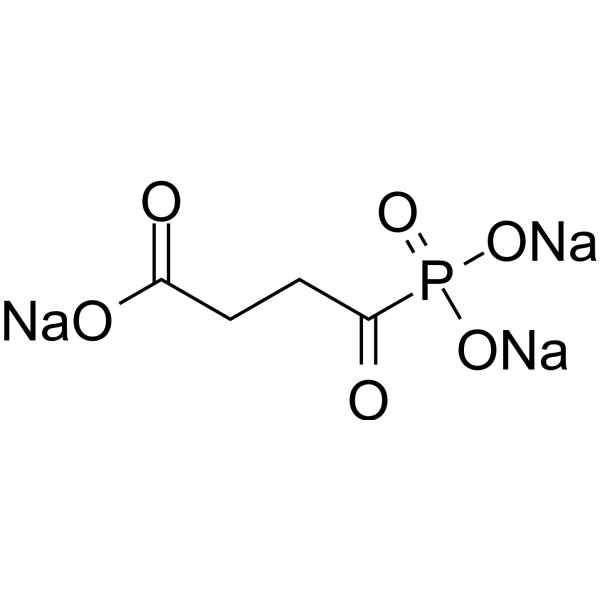
Succinyl phosphonate is a α-Ketoglutarate Dehydrogenase Complex (KGDHC) modulator with neuroprotective activity. Succinyl phosphonate protects this complex, reduces cellular succinyl-CoA concentration, downregulates protein succinylation levels, and inhibits the activity of the α-ketoglutarate dehydrogenase complex. Succinyl phosphonate corrects hypoxic or ethanol-induced behavioral impairments, modulates exploratory behavior and emotional stress responses, and improves hypoxia tolerance. Succinyl phosphonate reduces glutamate excitotoxicity, restores the activity of the α-ketoglutarate dehydrogenase complex, reverses the changes in glutamate dehydrogenase and glutamine synthetase activities induced by β-amyloid (Amyloid-β), modulates cognitive function, and prevents β-amyloid-induced neuronal damage. Succinyl phosphonate improves microglial senescence, alleviates neuroinflammation, reactive oxygen species (ROS) production, lipid peroxidation, and the expression of proinflammatory cytokines. Succinyl phosphonate can be used in the research of Alzheimer's disease, aging-related neuroinflammation, and Parkinson's disease .
|
-
- HY-155572
-
|
|
Keap1-Nrf2
|
Inflammation/Immunology
|
|
Nrf2 activator-8 (compound 10e) is a Nrf2 activator (EC50=37.9 nM). Nrf2 activator-8 exhibits remarkable antioxidant and anti-inflammatory effects in BV-2 microglial cells. Nrf2 activator-8 can significantly restore spatial memory deficits in a mouse model of lipopolysaccharide (LPS)-induced neuroinflammation .
|
-
- HY-B0780
-
-
- HY-P991174
-
|
|
TREM receptor
|
Inflammation/Immunology
|
|
Anti-TREM2 Antibody (AL2p-58) is a humanized IgG1 monoclonal antibody targeting TREM2. Anti-TREM2 Antibody (AL2p-58) can be used for the research of neuroinflammation. Recommend Isotype Controls: Human IgG1 kappa, Isotype Control (HY-P99001) .
|
-
- HY-151108
-
|
|
Indoleamine 2,3-Dioxygenase (IDO)
|
Neurological Disease
Inflammation/Immunology
|
|
IDO1/TDO-IN-4 is a potent IDO1/TDO dual inhibitor, with IC50 values of 3.53 μM (IDO1) and 1.15 μM (TDO). IDO1/TDO-IN-4 forms hydrogen bond with IDO1, and π−π stacking interaction with TDO. IDO1/TDO-IN-4 can be used in the research of depression, and depression-induced infectious, metabolic, and autoimmune disorders .
|
-
- HY-159831
-
|
ACP-204
|
5-HT Receptor
|
Neurological Disease
|
|
Remlifanserin (ACP-204) is a highly selective 5-HT2A inverse agonist. Remlifanserin is applicable to research related to Alzheimer's disease psychosis .
|
-
- HY-125999
-
|
|
Reactive Oxygen Species (ROS)
|
Neurological Disease
|
|
EPI-589, a quinone derivative, is a safe and well tolerated oxidoreductase enzyme inhibitor and a free radical scavenger, with blood-brain barrier permeable and orally available. EPI-589 is a redox-active neuroprotectant that effectively delays the symptoms of motor neuron disease in wobbler mice. EPI-589 can be used in amyotrophic lateral sclerosis (ALS) research .
|
-
- HY-149984
-
|
|
Monoamine Oxidase
|
Neurological Disease
Inflammation/Immunology
|
|
MAO-B-IN-21 is an excellent MAO-B inhibitor with antioxidant activity and anti-Aβ aggregation activity. MAO-B-IN-21 also exhibits metal-ion chelating ability, anti-neuroinflammation (NO, TNF-α), neuroprotective activity and BBB permeability. MAO-B-IN-21 significantly improves the memory and cognitive impairment in Aβ1-42 induced Alzheimer's disease mice model .
|
-
- HY-180997
-
|
|
Amyloid-β
|
Neurological Disease
|
|
Aβ aggregation-IN-5 is a brain-penetrant amyloid-β aggregation inhibitor. Aβ aggregation-IN-5 inhibits Aβ aggregation/oligomerization, rescues cells from AB/ROS toxicity and reduces microglial activation/NO production. Aβ aggregation-IN-5 reduces amyloid burden, neuroinflammation, microglial activation in APP/PSEN1 mice. Aβ aggregation-IN-5 can be used for the research of Alzheimer's disease .
|
-
- HY-12688A
-
|
|
Mitochondrial Metabolism
Reactive Oxygen Species (ROS)
Amyloid-β
|
Neurological Disease
Inflammation/Immunology
|
|
Succinyl phosphonate trisodium salt is a α-Ketoglutarate Dehydrogenase Complex (KGDHC) modulator with neuroprotective activity. Succinyl phosphonate trisodium salt protects this complex, reduces cellular succinyl-CoA concentration, downregulates protein succinylation levels, and inhibits the activity of the α-ketoglutarate dehydrogenase complex. Succinyl phosphonate trisodium salt corrects hypoxic or ethanol-induced behavioral impairments, modulates exploratory behavior and emotional stress responses, and improves hypoxia tolerance. Succinyl phosphonate trisodium salt reduces glutamate excitotoxicity, restores the activity of the α-ketoglutarate dehydrogenase complex, reverses the changes in glutamate dehydrogenase and glutamine synthetase activities induced by β-amyloid (Amyloid-β), modulates cognitive function, and prevents β-amyloid-induced neuronal damage. Succinyl phosphonate trisodium salt improves microglial senescence, alleviates neuroinflammation, reactive oxygen species (ROS) production, lipid peroxidation, and the expression of proinflammatory cytokines. Succinyl phosphonate trisodium salt can be used in the research of Alzheimer's disease, aging-related neuroinflammation, and Parkinson's disease .
|
-
- HY-P990781
-
-
- HY-B1804S1
-
|
Trioctanoin-d50; Glyceryl trioctanoate-d50
|
Isotope-Labeled Compounds
Endogenous Metabolite
|
Neurological Disease
Inflammation/Immunology
|
|
Tricaprilin-d50 (Trioctanoin-d50) is the deuterium labeled Tricaprilin (HY-B1804). Tricaprilin is an orally active and well tolerated ketogenic agent that safely induces ketosis. Tricaprilin restores brain electrical activity and metabolism to help counteract neuroinflammation in migraine. Tricaprilin is promising for research of migraine prevention and Alzheimer’s disease (AD). Tricaprilin is a pure C8 medium chain triglyceride (MCT) .
|
-
- HY-P991049
-
|
ATM-001
|
TNF Receptor
|
Metabolic Disease
Inflammation/Immunology
|
|
Atrosimab is an Fv-Fc1K fusion protein with an EC50 value of 0.37 nM against humans. Atrosimab inhibits TNF-induced TNFR1 activation, release of IL-6 and IL-8, and cell death, and alleviates neuroinflammation. Atrosimab is applicable to research related to inflammatory diseases, neurodegenerative diseases, acute and chronic inflammation, experimental arthritis, non-alcoholic steatohepatitis, and experimental autoimmune encephalomyelitis .
|
-
- HY-B1804S2
-
|
Trioctanoin-d15; Glyceryl trioctanoate-d15
|
Isotope-Labeled Compounds
Endogenous Metabolite
|
Neurological Disease
Inflammation/Immunology
|
|
Tricaprilin-d15 (Trioctanoin-d15) is the deuterium labeled Tricaprilin (HY-B1804). Tricaprilin is an orally active and well tolerated ketogenic agent that safely induces ketosis. Tricaprilin restores brain electrical activity and metabolism to help counteract neuroinflammation in migraine. Tricaprilin is promising for research of migraine prevention and Alzheimer’s disease (AD). Tricaprilin is a pure C8 medium chain triglyceride (MCT) .
|
-
- HY-N0167
-
|
Ginsenoside C-Mx1; Gypenoside IX
|
p38 MAPK
Akt
NF-κB
COX
Interleukin Related
NO Synthase
|
Metabolic Disease
Inflammation/Immunology
|
|
Gynostemma Extract (Gypenoside IX) is a triterpenoid saponin. Gynostemma Extract can be isolated from Panax notoginseng. Gynostemma Extract reduces NFκB nuclear translocation and transcriptional activity by inhibiting the p38 MAPK/Akt/NFκB signaling pathway. Gynostemma Extract reduces the expression of cytokines (COX-2, IL-6) and the production of NO. Gynostemma Extract has anti-inflammatory activity. Gynostemma Extract can be used in the study of liver injury and neuroinflammation .
|
-
- HY-149555
-
|
|
Eukaryotic Initiation Factor (eIF)
|
Neurological Disease
|
|
DNL343 is a potent, selective, orally active and brain-penetrant activator of eukaryotic initiation factor eIF2B. DNL343 inhibits the activity of the integrated stress response (ISR) in the central nervous system (CNS) and reverses neurodegeneration and neuroinflammation. DNL343 also prevents motor dysfunction and premature death in eIF2B loss-of-function (LOF) mutant mice. DNL343 can be used in the study of neurodegenerative diseases .
|
-
- HY-122607S
-
|
|
Isotope-Labeled Compounds
Mitochondrial Metabolism
TSPO
|
Inflammation/Immunology
Cancer
|
|
DPA-714-d10 is the deuterium labeled DPA-714 (HY-122607). DPA-714 is a high affinity translocator protein (TSPO) ligand (Ki=7 nM), which is designed with a fluorine atom in its structure, allowing labelling with fluorine -18 and in vivo imaging using positron emission tomography. 18FDPA-714 successfully evaluates for the specific imaging of inflammation in various models of neuroinflammation and in a brain tumor model.
|
-
- HY-W042416R
-
|
DMAc (Standard)
|
Reference Standards
NF-κB
|
Neurological Disease
Metabolic Disease
Inflammation/Immunology
|
|
N,N-Dimethylacetamide (Standard) is the analytical standard of N,N-Dimethylacetamide. This product is intended for research and analytical applications. N,N-Dimethylacetamide (DMAc) is an organic solvent with blood-brain transmissibility and an FDA-approved drug excipient. N, N-dimethylacetamide exerts anti-inflammatory activity by inhibiting the NF-κB signaling pathway. N, N-dimethylacetamide can be used in studies of weight gain caused by a high-fat diet and neuroinflammation in Alzheimer's disease .
|
-
- HY-N0512
-
Loganin
5 Publications Verification
Loganoside
|
Reactive Oxygen Species (ROS)
TNF Receptor
Interleukin Related
|
Neurological Disease
Inflammation/Immunology
Cancer
|
|
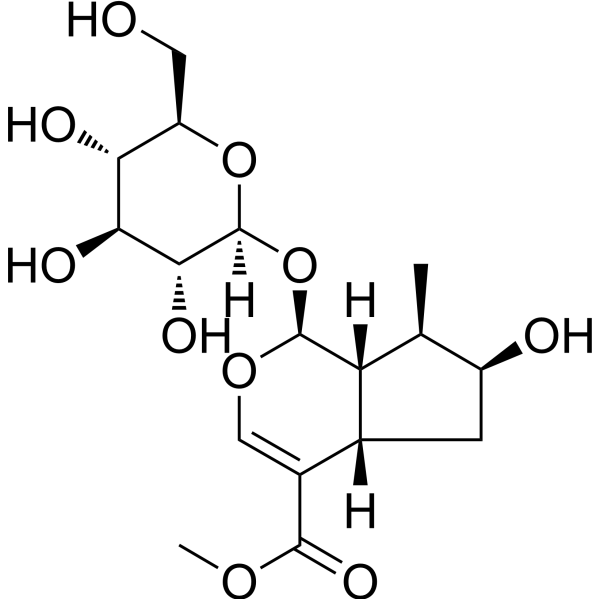
Loganin is a type of iridoid glycoside compound that possesses anti-inflammatory, antioxidant, and antitumor properties, and offers protective effects against acute lung injury and pulmonary fibrosis. Loganin exerts its protective effects against LPS (HY-D1056)-mediated inflammation and oxidative stress by upregulating the Nrf2/HO-1 signaling pathway, and it reduces neuroinflammation caused by spinal cord injury (SCI) .
|
-
- HY-116586
-
|
|
Sigma Receptor
mAChR
ERK
Amyloid-β
Tau Protein
|
Neurological Disease
|
|
AF710B is an orally effective allosteric agonist for the M1 muscarinic receptor and σ1 receptor. AF710B activates the downstream phosphorylated ERK1/2 and phosphorylated CREB signaling pathways. AF710B simultaneously improves cognitive function and alleviates the core pathological features of Alzheimer's disease, including Aβ deposition, excessive Tau phosphorylation and neuroinflammation. AF710B is applicable to the research of Alzheimer's disease .
|
-
- HY-B1804S
-
|
Trioctanoin-13C3; Glyceryl trioctanoate-13C3
|
Isotope-Labeled Compounds
Endogenous Metabolite
|
Neurological Disease
Inflammation/Immunology
|
|
Tricaprilin- 13C3 (Trioctanoin- 13C3) is a 13C-labeled Tricaprilin (HY-B1804) . Tricaprilin is an orally active and well tolerated ketogenic agent that safely induces ketosis. Tricaprilin restores brain electrical activity and metabolism to help counteract neuroinflammation in migraine. Tricaprilin is promising for research of migraine prevention and Alzheimer’s disease (AD). Tricaprilin is a pure C8 medium chain triglyceride (MCT) .
|
-
- HY-122607R
-
|
|
Mitochondrial Metabolism
|
Inflammation/Immunology
Cancer
|
|
DPA-714 (Standard) is the analytical standard of DPA-714. This product is intended for research and analytical applications. DPA-714 is a high affinity translocator protein (TSPO) ligand (Ki=7 nM), which is designed with a fluorine atom in its structure, allowing labelling with fluorine -18 and in vivo imaging using positron emission tomography. 18FDPA-714 successfully evaluates for the specific imaging of inflammation in various models of neuroinflammation and in a brain tumor model .
|
-
- HY-146958
-
|
|
Monoamine Oxidase
|
Neurological Disease
|
|
MAO-B-IN-8 is a potent reversible MAO-B inhibitor and an inhibitor of microglial production of neuroinflammatory mediator. MAO-B-IN-8 can be used for neurodegenerative disease research .
|
-
- HY-162607
-
|
|
STAT
|
Inflammation/Immunology
|
|
STAT3-IN-28 (compound 18) is a STAT3 inhibitor. STAT3-IN-28 can inhibit the activation of microglia and has anti-neuroinflammatory effects. STAT3-IN-28 can cross the blood-brain barrier .
|
-
- HY-131616
-
|
|
Reactive Oxygen Species (ROS)
|
Inflammation/Immunology
|
|
Ethyl α-eleostearate is isolated from the ethanolic extract of Pseudo-nitzschia australis (PAEE). The PAEE of Pseudomonas australis has anti-neuroinflammatory effects, inhibiting intracellular ROS as well as pro-inflammatory mediators and cytokines .
|
-
- HY-176254
-
|
|
Histone Demethylase
Amyloid-β
|
Neurological Disease
|
|
LSD1-IN-43 is a highly selective, reversible, orally active and brain-penetrant LSD1 inhibitor with an IC50 value of 0.8 μM. LSD1-IN-43 has low inhibitory activity against MAO-A and MAO-B, two homologs of LSD1. LSD1-IN-43 significantly inhibits Aβ aggregation and enhances Aβ-induced neuronal cell viability. LSD1-IN-43 can be used for the study of Alzheimer’s disease (AD).
|
-
- HY-172604
-
|
|
TNF Receptor
Reactive Oxygen Species (ROS)
|
Neurological Disease
Inflammation/Immunology
|
|
Neuroprotective agent 10 (Compound 11c) is a brain-penetrant neuroprotective agent. Neuroprotective agent 10 scavenges ABTS radicals (scavenging IC50: 9.20 μM), DPPH radicals (scavenging IC50: 7.09 μM) and superoxide anion radicals (inhibition percentage: 48.4%). Neuroprotective agent 10 also alleviates H2O2-induced oxidative damage and LPS-induced neuroinflammation with antiepileptic activity. Neuroprotective agent 10 is promising for research of epilepsy and neuroprotection .
|
-
- HY-155997
-
|
|
COX
|
Inflammation/Immunology
|
|
Anti-inflammatory agent 56 (Compound 9) is a selective COX-2 inhibitor (IC50: 0.54 μM). Anti-inflammatory agent 56 has anti-oxidant and anti-inflammatory effects. Anti-inflammatory agent 56 inhibits oxidative stress induced cell death. Anti-inflammatory agent 56 inhibits oxidative stress and neuroinflammation by inhibiting Keap1, COX-2 and iNOS. Anti-inflammatory agent 56 has low acute toxicity in mice (LD50: 1000 mg/kg) .
|
-
- HY-W747676
-
|
|
Isotope-Labeled Compounds
Apoptosis
Autophagy
Necroptosis
|
Neurological Disease
|
|
Glyphosate- 13C is the 13C-labeled Glyphosate (HY-B0863). Glyphosate, a non-selective systemic biocide with broad-spectrum activity, is an herbicidal derivative of the amino acid glycine. Glyphosate inhibits the enzymatic activity of the 5-endopyruvylshikimate 3-phosphate synthase (EPSPS) in the shikimic acid pathway, preventing the synthesis of the aromatic amino acids tyrosine, phenylalanine, and tryptophan. Glyphosate induces oxidative stress, neuroinflammation, and mitochondrial dysfunction, processes that lead to neuronal death by autophagia, necrosis, or apoptosis, as well as the appearance of behavioral and motor disorders .
|
-
- HY-D0958
-
|
Basic Blue 9 hydrate; CI-52015 hydrate; Methylthioninium chloride hydrate
|
Guanylate Cyclase
Monoamine Oxidase
NO Synthase
Microtubule/Tubulin
|
Infection
Inflammation/Immunology
Cancer
|
|
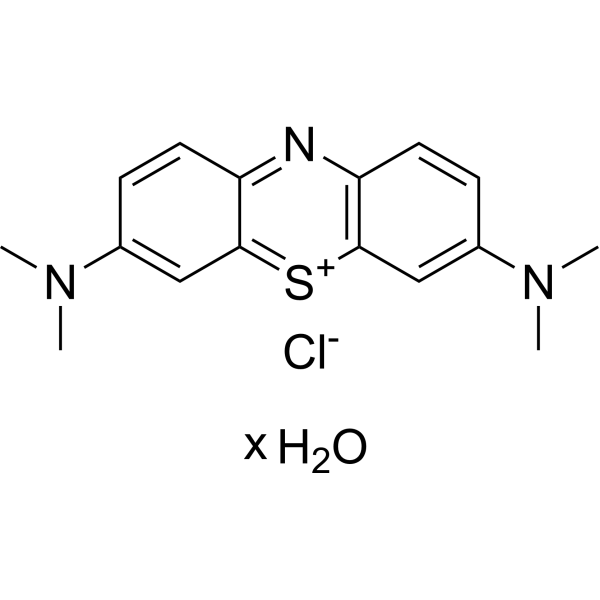
Methylene blue (Basic Blue 9) hydrate is a guanylyl cyclase (sGC), monoamine oxidase A (MAO-A) and NO synthase (NOS) inhibitor. Methylene blue is a vasopressor and is often used as a dye in several medical procedures. Methylene blue hydrate through the nitric oxide syntase/guanylate cyclase signalling pathway to reduce prepulse inhibition. Methylene blue hydrate is a REDOX cycling compound and able to cross the blood-brain barrier. Methylene blue hydrate is a Tau aggregation inhibitor. Methylene blue hydrate reduces cerebral edema, attenuated microglial activation and reduced neuroinflammation .
|
-
- HY-174443
-
|
|
PROTACs
Epoxide Hydrolase
|
Neurological Disease
Inflammation/Immunology
|
|
PROTAC sEH degrader-2 is a PROTAC targeting degradation agent for soluble epoxide hydrolase (sEH) with pIC50 values of the catalytic domain of 8.37 (human sEH-H) and 7.12 (mouce sEH-H). PROTAC sEH degrader-2 can be used for the research related to inflammation and neuroinflammation, such as Alzheimer's disease . (Structure Note: Pink: sEH-H ligand (HY-174225); Blue: CRBN Ligand (HY-103597); Black: linker; E3 + linker (HY-141011))
|
-
- HY-120269
-
|
|
NF-κB
TNF Receptor
Interleukin Related
|
Neurological Disease
Inflammation/Immunology
|
|
CAY10512 is a NF-κB inhibitor. CAY10512 can suppress the upregulation of NF-κB-sensitive proinflammatory miRNAs (miRNA-9, miRNA-125b, miRNA-146a, miRNA-155) in cerebrospinal fluid and extracellular fluid. CAY10512 significantly reduces the release of pro-inflammatory cytokines (such as TNF-α, MCP-1, IL-8, IL-6). CAY10512 can be used for researchs on neuroinflammation, islet transplantation and microRNA regulation .
|
-
- HY-43521
-
|
|
Target Protein Ligand-Linker Conjugates
Btk
STAT
|
Inflammation/Immunology
Cancer
|
|
Ibrutinib-MPEA is an orally active, blood-brain barrier permeable inhibitor of BTK and STAT5. As a derivative of Ibrutinib (HY-10997) conjugated with a PROTAC linker, Ibrutinib-MPEA allows the synthesis of a series of PROTAC molecules. Ibrutinib-MPEA significantly reduces the proliferation of neoplastic mast cells and primary mastocytoma cells by inducing apoptosis and inhibiting IgE-dependent histamine release. Ibrutinib-MPEA is applicable to the research of canine mast cell tumors, cerebral ischemia/reperfusion injury in diabetic mice, and neuroinflammation-related diseases .
|
-
- HY-172941
-
|
|
NOD-like Receptor (NLR)
|
Neurological Disease
|
|
VEN-02XX is an orally active and brain-permeable NLRP3 inhibitor. VEN-02XX inhibits the release of IL-1β and IL-18 (IC50 0.3 and 0.28 μM, respectively). VEN-02XX restores memory and cognition, inhibits microgliosis, and reduces neuroinflammation and tau pathology in the 5XFAD/Rubicon KO mouse model. VEN-02XX may be used in the study of Alzheimer's disease (AD) .
|
-
- HY-P1624
-
|
ALX-0600
|
Nuclear Hormone Receptor 4A/NR4A
FXR
|
Inflammation/Immunology
|
|
Teduglutide (ALX-0600) is an analog of human glucagon like peptide-2 (GLP-2). Teduglutide can activate the expression of nuclear receptor subfamily 4 group a member 1 (NR4a1)/nur77 and intestinal FXR signaling in human hepatic stellate cells, thereby improving liver inflammation and fibrosis in mice with sclerosing cholangitis. Teduglutide can alleviate intestinal dysfunction in mice, improve lung injury, alleviate obesity related neuroinflammation and cell apoptosis .
|
-
- HY-14536
-
|
Basic Blue 9; CI-52015; Methylthioninium chloride
|
Environmental Pollutants
Monoamine Oxidase
Guanylate Cyclase
Microtubule/Tubulin
NO Synthase
|
Infection
Neurological Disease
Cancer
|
|
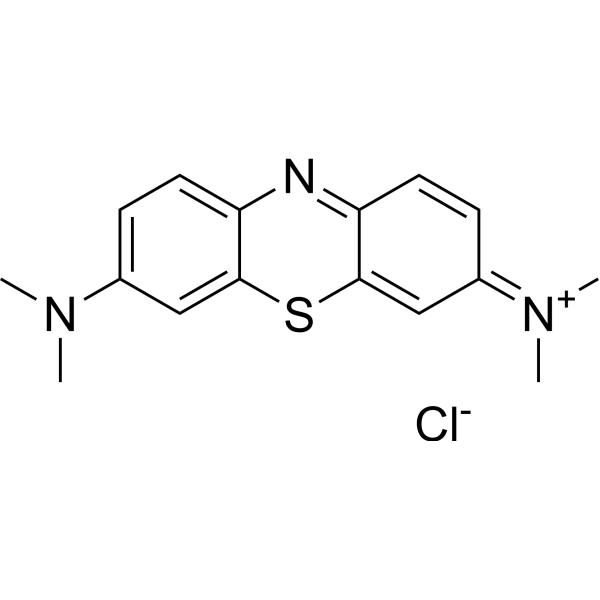
Methylene blue (Basic Blue 9) is a guanylyl cyclase (sGC), monoamine oxidase A (MAO-A) and NO synthase (NOS) inhibitor. Methylene blue is a vasopressor and is often used as a dye in several medical procedures. Methylene blue through the nitric oxide syntase/guanylate cyclase signalling pathway to reduce prepulse inhibition. Methylene blue is a REDOX cycling compound and able to cross the blood-brain barrier. Methylene blue is a Tau aggregation inhibitor. Methylene Blue is a photosensitizer and redox agent. Methylene blue reduces cerebral edema, attenuated microglial activation and reduced neuroinflammation .
|
-
- HY-P1624A
-
|
ALX-0600 TFA
|
Nuclear Hormone Receptor 4A/NR4A
FXR
|
Inflammation/Immunology
|
|
Teduglutide TFA is a dipeptidyl peptidase IV resistant glucagon-like peptide 2 (GLP-2) analogue. Teduglutide TFA can activate the expression of nuclear receptor subfamily 4 group a member 1 (NR4a1)/nur77 and intestinal FXR signaling in human hepatic stellate cells, thereby improving liver inflammation and fibrosis in mice with sclerosing cholangitis. Teduglutide TFA can alleviate intestinal dysfunction in mice, improve lung injury, alleviate obesity related neuroinflammation and cell apoptosis .
|
-
- HY-173371
-
|
|
Phospholipase
|
Neurological Disease
|
|
BRI-50460 is an inhibitor of cytosolic calcium-dependent phospholipase A2 (cPLA2) that has the ability to penetrate the blood-brain barrier, with an IC50 of 0.88 nM. BRI-50460 exerts the activities of regulating neuroinflammation and restoring lipid homeostasis by inhibiting cPLA2, regulating the downstream inflammatory lipid signaling pathway, and alleviating the effects of amyloid β42 oligomers on the activation of cPLA2, the hyperphosphorylation of tau protein, and the reduction of synapses and dendrites. BRI-50460 can be applied to the research in the fields of Alzheimer's disease and other neurodegenerative diseases .
|
-
- HY-N0028R
-
|
|
Reference Standards
Others
|
Inflammation/Immunology
|
|
Forsythiaside A (Standard) is the analytical standard of Forsythiaside A. This product is intended for research and analytical applications. Forsythiaside A is an orally active phenylethanoid glycoside isolated from the dried fruits of Forsythia suspensa. Forsythiaside A is also an inhibitor of COX-2 and has anti-inflammatory, antioxidant and neuroprotective effects. Forsythiaside A prevents neuroinflammation and apoptosis caused by Aβ25-35 damage and may be used in Alzheimer's disease (AD) research. Forsythiaside A also activates the Nrf2/HO-1 signaling pathway and inhibits OVA-induced asthma in mice .
|
-
- HY-N0028
-
|
|
Others
|
Inflammation/Immunology
|
|
Forsythiaside A is an orally active phenylethanoid glycoside isolated from the dried fruits of Forsythia suspensa. Forsythiaside A is also an inhibitor of COX-2 and has anti-inflammatory, antioxidant and neuroprotective effects. Forsythiaside A prevents neuroinflammation and apoptosis caused by Aβ25-35 damage and may be used in Alzheimer's disease (AD) research. Forsythiaside A also activates the Nrf2/HO-1 signaling pathway and inhibits OVA-induced asthma in mice. Forsythiaside A inhibits the interaction between KLRB1 and CLEC2D .
|
-
- HY-N0512R
-
|
Loganoside (Standard)
|
Reference Standards
Apoptosis
Keap1-Nrf2
TNF Receptor
Interleukin Related
|
Neurological Disease
Inflammation/Immunology
Cancer
|
|
Loganin (Standard) is the analytical standard of Loganin. This product is intended for research and analytical applications. Loganin is a type of iridoid glycoside compound that possesses anti-inflammatory, antioxidant, and antitumor properties, and offers protective effects against acute lung injury and pulmonary fibrosis. Loganin exerts its protective effects against LPS (HY-D1056)-mediated inflammation and oxidative stress by upregulating the Nrf2/HO-1 signaling pathway, and it reduces neuroinflammation caused by spinal cord injury (SCI) .
|
-
- HY-W011474R
-
|
|
Reference Standards
NF-κB
|
Inflammation/Immunology
|
|
Geranylgeraniol (Standard) is the analytical standard of Geranylgeraniol. This product is intended for research and analytical applications. Geranylgeraniol is an orally acitve vitamin K2 sub-type, an intermediate of the mevalonate pathway. Geranylgeraniol targets NF-kB signaling pathway and could alleviate LPS-induced microglial inflammation in animal model [4].
|
-
- HY-157996
-
|
|
c-Fms
|
Neurological Disease
|
|
CSF1R-IN-21 (compound 7e) is a CSF-1R Inhibitor with an IC50 value of 31 nM. CSF1R-IN-21 inhibits CSF-1R auto-phosphorylation and can be used for the research of neurodegenerative diseases .
|
-
- HY-W011474
-
|
|
NF-κB
|
Inflammation/Immunology
|
|
Geranylgeraniol is an orally acitve vitamin K2 sub-type, an intermediate of the mevalonate pathway. Geranylgeraniol targets NF-kB signaling pathway and could alleviate LPS-induced microglial inflammation in animal model .
|
-
- HY-N0131
-
|
|
MMP
Endogenous Metabolite
|
Neurological Disease
Inflammation/Immunology
|
|
Stigmasterol is an orally acitve, immunomodulatory agent with anti-inflammatory and neuroprotective effect, as well as able to cross the blood-brain barrier. Stigmasterol activates AMPK, which in turn inhibits NF-κB and NLRP3 signaling pathways, reduces microglia-mediated neuroinflammation, and alleviates cognitive impairment and Alzheimer's disease. Stigmasterol regulates M1/M2 polarization of microglia through the TLR4/ NF-κB pathway, thereby reducing neuropathic pain. Stigmasterol can be used for neurodegenerative diseases, inflammatory diseases, and pain management, among others .
|
-
- HY-150038
-
|
NBS-1120
|
NF-κB
Apoptosis
|
Neurological Disease
Cancer
|
|
NOSH-aspirin (NBS-1120) is an orally active hybrid molecule that releases nitric oxide and hydrogen sulfide. NOSH-aspirin inhibits pancreatic cancer cell proliferation and induces apoptosis. NOSH-aspirin inhibits cancer cell growth and suppresses NF-κB and FoxM1 in a mouse model of pancreatic cancer. NOSH-aspirin also alleviates motor deficits and dopaminergic neuron degeneration in a rat model of Parkinson's disease. NOSH-aspirin reduces neuroinflammation caused by microglial and astrocytic activation. NOSH-aspirin can be used in research on cancers such as pancreatic cancer and neurological diseases such as Parkinson's disease .
|
-
- HY-117710B
-
|
|
Cholinesterase (ChE)
Amyloid-β
ERK
TNF Receptor
Interleukin Related
|
Neurological Disease
|
|
AD-35 is an orally active anti-Alzheimer's disease (AD) agent with moderate AChE inhibitory activity and metal ion chelating ability. AD-35 exhibits IC50 values for AChE and BuChE of 793 nM and 31428 nM, respectively. AD-35 can form chelates with Cu²⁺ and Fe³⁺, but its chelating ability for Zn²⁺ is relatively weak. AD-35 can inhibit Aβ aggregation and disassemble the formed Aβ aggregates, and inhibit Aβ-induced ERK phosphorylation. AD-35 inhibits neuroinflammation in AD rat models and demonstrates a strong effect in improving cognitive function .
|
-
- HY-183325
-
|
|
Fat Mass and Obesity-associated Protein (FTO)
CXCR
TNF Receptor
|
Neurological Disease
|
|
FTO-IN-17 is an orally active and brain-penetrant FTO (m6A RNA demethylase) inhibitor with an IC50 of 1.1 μM. FTO-IN-17 stably binds the FTO catalytic pocket. FTO-IN-17 protects against Aβ1-42-induced toxicity while increasing global m6A levels and dampening pro-inflammatory gene (CXCL10, TNF-α) expression. FTO-IN-17 ameliorates anxiety-like behavior and rescues hippocampal-dependent spatial, recognition memory and neuroinflammation in Alzheimer's disease mice models .
|
-
- HY-B0863S5
-
|
|
Isotope-Labeled Compounds
Apoptosis
Autophagy
Necroptosis
|
Neurological Disease
|
|
Glyphosate- 13C, 15N-1 is the 13C- and 15N-labeled Glyphosate (HY-B0863). Glyphosate, a non-selective systemic biocide with broad-spectrum activity, is an herbicidal derivative of the amino acid glycine. Glyphosate inhibits the enzymatic activity of the 5-endopyruvylshikimate 3-phosphate synthase (EPSPS) in the shikimic acid pathway, preventing the synthesis of the aromatic amino acids tyrosine, phenylalanine, and tryptophan. Glyphosate induces oxidative stress, neuroinflammation, and mitochondrial dysfunction, processes that lead to neuronal death by autophagia, necrosis, or apoptosis, as well as the appearance of behavioral and motor disorders .
|
-
- HY-160713
-
|
NSSL-BMS
|
TNF Receptor
Interleukin Related
|
Infection
Inflammation/Immunology
|
|
Betamethasone succinate (NSSL-BMS) is a nano-formulation that can cross the blood-brain barrier. Betamethasone succinate is prepared by encapsulating the Betamethasone (HY-13570) semi-succinate in PEG-liposomes. Betamethasone succinate utilizes the enhanced permeation and retention effects of liposomes to target and deliver the potent glucocorticoid to the inflammatory sites. Betamethasone succinate inhibits the secretion of pro-inflammatory cytokines (such as TNF-α and IL-6) while maintaining the level of anti-inflammatory cytokine TGF-β. Betamethasone succinate can be used in the research of arthritis and cerebral malaria .
|
-
- HY-14728
-
|
R1439; RO0728804
|
PPAR
|
Metabolic Disease
|
|
Aleglitazar (R1439) is a potent dual PPARα/γ agonist, with IC50s of 38 nM and 19 nM for human PPARa and PPARγ, respectively. Aleglitazar can be used for the research of type II diabetes .
|
-
- HY-171807
-
|
|
nAChR
STAT
|
Neurological Disease
Inflammation/Immunology
|
|
TC-2559 free base is a α4β2 nicotinic acetylcholine receptor (nAChR) agonists with an EC50 of 0.18 μM. TC-2559 free base shows much weaker potencies on the group of b4-containing nAChR subtypes, α2β4, α4β4 and α3β4 receptors, with EC50s in the range of 10-30 µM. TC-2559 free base can increase the discharge of dopamine cells in the ventral tegmental area (VTA) of rats in vitro, enhancing the excitability and aggressive behavior of VTA dopamine neurons. TC-2559 free base inhibits STAT3 to exert anti-inflammatory properties and relieves mice mechanical allodynia and improve rats cognitive deficits. TC-2559 free base can be used for the study of nerve pain .
|
-
- HY-145604
-
|
RG7774
|
Cannabinoid Receptor
|
Cardiovascular Disease
Neurological Disease
Metabolic Disease
Inflammation/Immunology
|
|
Vicasinabin (RG7774) is an orally active, selective, and full CB2R agonist, with EC50 values of 2.81 nM and 2.60 nM for human CB2R and mouse CB2R, respectively. Vicasinabin inhibits inflammation, reduces leukocyte adhesion and decreases vascular permeability by selectively activating CB2R. Vicasinabin can be used in the researches for diabetic retinopathy, uveitis and laser-induced choroidal neovascularization .
|
-
- HY-17447A
-
-
- HY-D0958R
-
|
Basic Blue 9 hydrate (Standard); CI-52015 hydrate (Standard); Methylthioninium chloride hydrate (Standard)
|
Reference Standards
Guanylate Cyclase
Monoamine Oxidase
NO Synthase
Microtubule/Tubulin
|
Infection
Inflammation/Immunology
Cancer
|
|
Methylene blue (hydrate) (Standard) is the analytical standard of Methylene blue (hydrate). This product is intended for research and analytical applications. Methylene blue (Basic Blue 9) hydrate is a guanylyl cyclase (sGC), monoamine oxidase A (MAO-A) and NO synthase (NOS) inhibitor. Methylene blue is a vasopressor and is often used as a dye in several medical procedures. Methylene blue hydrate through the nitric oxide syntase/guanylate cyclase signalling pathway to reduce prepulse inhibition. Methylene blue hydrate is a REDOX cycling compound and able to cross the blood-brain barrier. Methylene blue hydrate is a Tau aggregation inhibitor. Methylene blue hydrate reduces cerebral edema, attenuated microglial activation and reduced neuroinflammation .
|
-
- HY-N1151
-
|
|
Bacterial
Cholinesterase (ChE)
MMP
TNF Receptor
|
Infection
Neurological Disease
Inflammation/Immunology
|
|
Thunberginol C is an orally active, selective, and non-competitive inhibitor of AChE and BChE, with IC50 values of 41.96 and 42.36 μM, respectively. Thunberginol C exerts cytoprotective, pro-collagen type I restorative, MMP-1 inhibitory, hyaluronic acid restorative, anti-photoaging effects in skin cells. Thunberginol C exerts neuroprotective, anxiolytic, TNF-α inhibitory, neuroinflammation inhibitory, and oxidative stress inhibitory effects. Thunberginol C can be used for the research of Alzheimer’s disease, UVB-induced skin photoaging, allergic reactions, oral bacterial infections, and stress-induced anxiety .
|
-
- HY-14536A
-
|
Basic Blue 9 (purity≥70%); CI-52015 (purity≥70%); Methylthioninium chloride (purity≥70%)
|
Environmental Pollutants
Monoamine Oxidase
Guanylate Cyclase
Microtubule/Tubulin
NO Synthase
|
Infection
Neurological Disease
Cancer
|
|
Methylene blue (purity≥70%) is a guanylyl cyclase (sGC), monoamine oxidase A (MAO-A) and NO synthase (NOS) inhibitor. Methylene blue (purity≥70%) is a vasopressor and is often used as a dye in several medical procedures. Methylene blue (purity≥70%) through the nitric oxide syntase/guanylate cyclase signalling pathway to reduce prepulse inhibition. Methylene blue (purity≥70%) is a REDOX cycling compound and able to cross the blood-brain barrier. Methylene blue (purity≥70%) is a Tau aggregation inhibitor. Methylene blue reduces cerebral edema, attenuated microglial activation and reduced neuroinflammation .
|
-
- HY-178374
-
|
|
Beta-secretase
SARS-CoV
|
Infection
Neurological Disease
|
|
BACE-1/Mpro-IN-1 is a high brain-penetrant BACE-1 (IC50 = 0.26 μM) and SARS-CoV-2 Mpro (IC50 = 0.91 μM) dual inhibitor. BACE-1/Mpro-IN-1 binds to the aspartyl protease and cysteine protease as a mixed-type inhibitor. BACE-1/Mpro-IN-1 exhibits the most favorable docking score and a strong interaction profile. BACE-1/Mpro-IN-1 can be used for the study of COVID-19 exacerbated Neuroinflammation and Alzheimer’s disease .
|
-
- HY-14536R
-
|
Basic Blue 9 (Standard); CI-52015 (Standard); Methylthioninium chloride (Standard)
|
Reference Standards
Guanylate Cyclase
Monoamine Oxidase
NO Synthase
Microtubule/Tubulin
|
Infection
Neurological Disease
Cancer
|
|
Methylene Blue (Standard) is the analytical standard of Methylene Blue. This product is intended for research and analytical applications. Methylene blue (Basic Blue 9) is a guanylyl cyclase (sGC), monoamine oxidase A (MAO-A) and NO synthase (NOS) inhibitor. Methylene blue is a vasopressor and is often used as a dye in several medical procedures. Methylene blue through the nitric oxide syntase/guanylate cyclase signalling pathway to reduce prepulse inhibition. Methylene blue is a REDOX cycling compound and able to cross the blood-brain barrier. Methylene blue is a Tau aggregation inhibitor. Methylene blue reduces cerebral edema, attenuated microglial activation and reduced neuroinflammation .
|
-
- HY-N17821
-
|
|
Sirtuin
Aurora Kinase
Akt
GSK-3
β-catenin
TGF-β Receptor
Apoptosis
Reactive Oxygen Species (ROS)
Wnt
NF-κB
TNF Receptor
Interleukin Related
IKK
|
Neurological Disease
Inflammation/Immunology
Cancer
|
|
Butrin is a compound found in Butea monosperma flowers. Butrin reduces expression of SIRT1, AURKB, cyclin D1, pAKT, GSK-3β, β-catenin, and TGF-3β expression, enhances apoptosis and ROS production in cancer cells. Butrin downregulates Wnt and NF-κB signaling, mitigates oxidative stress, reduces proinflammatory cytokine (TNF-α, IL-6 and IL-8) production and suppresses neuroinflammation. Butrin inhibits IKK enzyme activity. Butrin can be used for the researches of colorectal cancer, Alzheimer’s disease, and rheumatoid arthritis .
|
-
- HY-107581
-
MK-1903
1 Publications Verification
|
GPR109A
MMP
|
Metabolic Disease
Inflammation/Immunology
|
|
MK-1903 is an orally active full agonist of GPR109a/HCAR2, with an EC50 of 12.9 nM. MK-1903 activates antilipolytic and vasodilatory pathways, reduces plasma free fatty acid levels, and induces skin flushing. MK-1903 stimulates the expression of HCAR2 protein and regulates the inflammatory response of microglia. MK-1903 prevents the enhanced firing activity of spinal nociceptive neurons. MK-1903 triggers the release of MMP-9 and the formation of NET. MK-1903 can be used in the research of dyslipidemia and neuroinflammation-based central nervous system diseases .
|
-
- HY-117771
-
DO34
5 Publications Verification
|
DAGL
|
Neurological Disease
Metabolic Disease
|
|
DO34 is a selective DAGL inhibitor, with an IC50 of 6 nM for DAGLα conversion of SAG to 2-AG. DO34 blocks de novo 2-AG synthesis, and suppresses tonic CB1 receptor activation. DO34 blocks depolarization-induced suppression of excitation and inhibition in the cerebellum and hippocampus. DO34 regulates feeding behavior and locomotor activity in mice. DO34 abolishes AM251-mediated enhancement of parallel fiber-evoked excitatory postsynaptic currents in cerebellar slices from MAGL global knockout mice. DO34 can be used for the research of energy balance disorder and neuroinflammation .
|
-
- HY-170621
-
-
- HY-172350
-
|
|
SARS-CoV
Virus Protease
Interleukin Related
|
Infection
|
|
WEHI-P8 is an orally active SARS-CoV-2 papain-like protease (PLpro) inhibitor with an IC50 of 12 nM and a Kd of 9.0 nM. WEHI-P8 reduces viral load, body weight loss, pulmonary inflammation, immune cell infiltration and pro-inflammatory mediator levels in SARS-CoV-2-infected mice. WEHI-P8 prevents pulmonary hemorrhage, immune cell infiltration, fibrotic remodeling and neuroinflammation, and improves cognitive function in a mouse model of post-acute sequelae of SARS-CoV-2 infection (PASC). WEHI-P8 is applicable for the research of COVID-19 and PASC .
|
-
- HY-N4150
-
|
Quercetagetin-7-O-glucoside
|
Phosphatase
Tau Protein
NF-κB
|
Neurological Disease
Metabolic Disease
Inflammation/Immunology
|
|
Quercetagitrin (Quercetagetin-7-O-glucoside) is a natural product that can be isolated from the African marigold (Tagetes erecta). Quercetagitrin has anti-inflammatory activity. Quercetagitrin inhibits Tau accumulation. Quercetagitrin can reverse neuroinflammation and cognitive deficits in P301S-Tau transgenic mouse model through inhibiting NF-κB activation. Quercetagitrin is a dual-target inhibitor of PTPN6 (IC50 = 1 μM) and PTPN9 (IC50 = 1.7 μM). Quercetagitrin enhances glucose uptake by mature C2C12 myoblasts. Quercetagitrin can be studied in research for Alzheimer’s disease and type 2 diabetes .
|
-
- HY-N17383
-
|
|
Toll-like Receptor (TLR)
NF-κB
Collagen
Interleukin Related
Cadherin
NOD-like Receptor (NLR)
TGF-β Receptor
FXR
Apoptosis
|
Metabolic Disease
Inflammation/Immunology
|
|
Ligusticum cycloprolactam is a potent, orally active, and CNS-penetrant TLR4/NF-κB inhibitor, exhibiting anti-inflammatory and neuroprotective activity. Ligusticum cycloprolactam reduces FPR1 expression, inhibits NLRP3 inflammasome, TLR4/NF-κB, hepatic MAPK and TGF-β signaling, and selectively activates hepatic FXR. Ligusticum cycloprolactam attenuates pro-inflammatory mediator production, enhances anti-inflammatory cytokine secretion, regulates renal uric acid transporters, and preserves intestinal microbiota composition. Ligusticum cycloprolactam can be used for the research of ischemic stroke, hyperuricemic nephropathy, neuroinflammation, and metabolic dysfunction-associated fatty liver disease .
|
-
- HY-17355A
-
|
(R)-Pramipexole dihydrochloride; R-(+)-Pramipexole dihydrochloride; KNS-760704 dihydrochloride
|
ATP Synthase
Sodium Channel
Glutathione Peroxidase
NOD-like Receptor (NLR)
Mitophagy
Ferroptosis
PINK1/Parkin
Autophagy
Apoptosis
Reactive Oxygen Species (ROS)
|
Cardiovascular Disease
Neurological Disease
Inflammation/Immunology
|
|
Dexpramipexole ((R)-Pramipexole) dihydrochloride is an orally active, blood-brain barrier permeable mitochondrial protective agent. Dexpramipexole dihydrochloride upregulates the expression of Parkin, PINK1, GPX4 and FSP1; binds to mitochondrial F1/Fo-ATP synthase; blocks the Nav1.8 sodium channel; and inhibits the activation of the NLRP3 inflammasome. Dexpramipexole dihydrochloride induces mitophagy, inhibits ferroptosis, pyroptosis, apoptosis, neuroinflammation and eosinophilopoiesis; maintains mitochondrial function and redox homeostasis; reduces reactive oxygen species production; and decreases myocardial infarct size. Dexpramipexole dihydrochloride is applicable to studies on eosinophilic asthma, myocardial ischemia/reperfusion injury, sepsis-associated encephalopathy, analgesia, and more .
|
-
- HY-17355B
-
|
(R)-Pramipexole; R-(+)-Pramipexole; KNS-760704
|
PINK1/Parkin
Glutathione Peroxidase
Sodium Channel
ATP Synthase
NOD-like Receptor (NLR)
Mitophagy
Ferroptosis
Autophagy
Apoptosis
Reactive Oxygen Species (ROS)
|
Cardiovascular Disease
Neurological Disease
Inflammation/Immunology
|
|
Dexpramipexole ((R)-Pramipexole) is an orally active, blood-brain barrier permeable mitochondrial protective agent. Dexpramipexole upregulates the expression of Parkin, PINK1, GPX4 and FSP1; binds to mitochondrial F1/Fo-ATP synthase; blocks the Nav1.8 sodium channel; and inhibits the activation of the NLRP3 inflammasome. Dexpramipexole induces mitophagy, inhibits ferroptosis, pyroptosis, apoptosis, neuroinflammation and eosinophilopoiesis; maintains mitochondrial function and redox homeostasis; reduces reactive oxygen species production; and decreases myocardial infarct size. Dexpramipexole is applicable to studies on eosinophilic asthma, myocardial ischemia/reperfusion injury, sepsis-associated encephalopathy, analgesia, and more .
|
-
- HY-160938
-
|
β-FNA
|
Opioid Receptor
STAT
NF-κB
Toll-like Receptor (TLR)
NO Synthase
p38 MAPK
|
Cardiovascular Disease
Neurological Disease
|
|
β-Funaltrexamine (β-FNA) is a blood-brain barrier-permeable, selective and irreversible μ-opioid receptor antagonist with immunomodulatory, anti-inflammatory and neuroprotective activities. β-Funaltrexamine inhibits p38 MAPK and TLR4 signaling by blocking μ-opioid receptors, and reduces the transcriptional activities of NF-κB, AP-1, CREB and Stat. Furthermore, β-Funaltrexamine inhibits iNOS activation and pro-inflammatory microglial polarization, converting microglia to an anti-inflammatory phenotype, thereby downregulating neuroinflammation and ameliorating neuronal degeneration. β-Funaltrexamine is widely applicable to research related to stroke, cerebral ischemia/reperfusion injury and neurodegenerative diseases .
|
-
- HY-101318
-
|
β-FNA hydrochloride
|
Opioid Receptor
p38 MAPK
STAT
NF-κB
NO Synthase
Toll-like Receptor (TLR)
|
Cardiovascular Disease
Neurological Disease
|
|
β-Funaltrexamine (β-FNA) hydrochloride is a blood-brain barrier-permeable, selective and irreversible μ-opioid receptor antagonist with immunomodulatory, anti-inflammatory and neuroprotective activities. β-Funaltrexamine hydrochloride inhibits p38 MAPK and TLR4 signaling by blocking μ-opioid receptors, and reduces the transcriptional activities of NF-κB, AP-1, CREB and Stat. Furthermore, β-Funaltrexamine hydrochloride inhibits iNOS activation and pro-inflammatory microglial polarization, converting microglia to an anti-inflammatory phenotype, thereby downregulating neuroinflammation and ameliorating neuronal degeneration. β-Funaltrexamine hydrochloride is widely applicable to research related to stroke, cerebral ischemia/reperfusion injury and neurodegenerative diseases .
|
-
- HY-179513
-
|
|
Estrogen Receptor/ERR
|
Metabolic Disease
Inflammation/Immunology
|
|
OSU-ERβ-12 is a selective, orally active and brain-penetrant ERβ agonist with an EC50 of 78.3 nM and a Ki of 2.02 nM. OSU-ERβ-12 shows more than 200-fold selectivity for ERβ over ERα. OSU-ERβ-12 potently binds to ERβ, reducing the expression of pro-fibrotic genes mediated by TGF-β, which contributes to the reduction of liver fibrosis. OSU-ERβ-12 can be used for the study of fibrotic liver disease, non-alcoholic fatty liver disease (NAFLD), neuroinflammation .
|
-
- HY-107661
-
|
ONO-2506; (R)-2-Propyloctanoic acid
|
ERK
Akt
NF-κB
EAAT
|
Cardiovascular Disease
Neurological Disease
|
|
Arundic Acid is an orally effective astrocyte function modulator and neuroprotective agent. Arundic Acid increases the expression and function of the astrocytic glutamate transporter EAAT1 by activating the ERK, Akt and NF-κB pathways. Arundic Acid attenuates retinal ganglion cell death in a normal-tension glaucoma model. Arundic Acid exerts neuroprotective effects in a mouse model of Parkinson's disease. Arundic Acid is a S100β protein synthesis inhibitor that prevents neurological deficits and brain tissue damage after intracerebral hemorrhage in rats. Arundic Acid downregulates neuroinflammation and astrocytic dysfunction after status epilepticus in immature rats. Arundic Acid is applicable to research related to Parkinson's disease, cerebral ischemia, glaucoma, intracerebral hemorrhage and epilepsy .
|
-
- HY-159838
-
|
EI‐1071
|
c-Fms
Amyloid-β
|
Neurological Disease
Cancer
|
|
Enrupatinib (EI‐1071) is a potent, orally active, CNS-penetrant and selective CSF1R inhibitor. Enrupatinib inhibits macrophage proliferation and osteoclast differentiation in vitro. Enrupatinib preserves microglia distal to Aβ plaques. Enrupatinib mitigates Alzheimer's disease (AD)-related pathologies by reducing neuroinflammation, preserving neuronal integrity, lowering disease-associated microglia gene expression, and enhancing cognitive function in 5xFAD and J20 mouse models. Enrupatinib reduces tumor-associated macrophage infiltration and enhances antitumor activity of anti-PD-1 antibody in murine colorectal cancer and breast cancer models. Enrupatinib can be used for the research of AD, colorectal cancer, and breast cancer .
|
-
- HY-180824
-
|
|
p38 MAPK
|
Neurological Disease
|
|
P38-α MAPK-IN-11 (Compound 4C) is a selective inhibitor of P38α MAPK that can cross the blood-brain barrier with an IC50 value of 43 nM. P38-α MAPK-IN-11 has extremely low inhibitory activity against other MAPK subtypes, namely p38β, p38γ, and p38δ, with IC50 values of > 100 nM, > 100 nM, and 48.6 mM respectively. P38-α MAPK-IN-11 exhibits outstanding neuroprotective effects and anti-neuroinflammatory effects in Alzheimer's disease-like rat models. P38-α MAPK-IN-11 can be used for the study of Alzheimer's disease .
|
-
- HY-145833
-
|
|
Epoxide Hydrolase
Cholinesterase (ChE)
|
Neurological Disease
Cancer
|
|
sEH/AChE-IN-3 (compound (−)-15) is a potent and BBB-penetrated dual inhibitor of sEH (soluble epoxide hydrolase) and AChE (acetylcholinesterase), with IC50 values of 0.4 nM (hsEH), 1.94 nM (hAChE), 615 (hBChE, human butyrylcholinesterase), 4.3 nM (msEH), and 2.61 nM (mAChE), respectively .
|
-
- HY-145833A
-
|
|
Epoxide Hydrolase
Cholinesterase (ChE)
|
Neurological Disease
Cancer
|
|
sEH/AChE-IN-4 (compound (+)-15) is a potent and BBB-penetrated dual inhibitor of sEH (soluble epoxide hydrolase) and AChE (acetylcholinesterase), with IC50 values of 3.1 nM (hsEH), 1660 nM (hAChE), 179 nM (hBChE, human butyrylcholinesterase), 14.5 nM (msEH), and 102 nM (mAChE), respectively .
|
-
- HY-182893
-
|
|
α-synuclein
Reactive Oxygen Species (ROS)
Tyrosine Hydroxylase
|
Neurological Disease
|
|
SK-129 is a blood-brain barrier-permeable inhibitor of α-synuclein (αS) oligomers with a Kd of 221 nM. SK-129 preferentially binds to neurotoxic αS oligomers over physiological αS monomers, inhibits αS aggregation, blocks the interaction and co-aggregation of αS with tau protein, and prevents the maturation of αS-tau condensates into amyloid aggregates. SK-129 reduces ROS production, rescues dopaminergic neuron degeneration, improves motor function, restores endogenous dopamine synthesis, increases the number of Tyrosine Hydroxylase-positive neurons, prevents brain histopathological changes, alleviates neuroinflammation, and improves survival rates in relevant models. SK-129 can be used in research related to Parkinson's disease (PD) and Lewy body dementia (LBD) .
|
-
- HY-17355AR
-
|
(R)-Pramipexole dihydrochloride (Standard); R-(+)-Pramipexole dihydrochloride (Standard); KNS-760704 dihydrochloride (Standard)
|
Reference Standards
ATP Synthase
Sodium Channel
Glutathione Peroxidase
NOD-like Receptor (NLR)
Mitophagy
Ferroptosis
PINK1/Parkin
Autophagy
Apoptosis
|
Cardiovascular Disease
Neurological Disease
Inflammation/Immunology
|
|
Dexpramipexole ((R)-Pramipexole) dihydrochloride (Standard) is the analytical standard of Dexpramipexole (dihydrochloride). This product is intended for research and analytical applications. Dexpramipexole dihydrochloride is an orally active, blood-brain barrier permeable mitochondrial protective agent. Dexpramipexole dihydrochloride upregulates the expression of Parkin, PINK1, GPX4 and FSP1; binds to mitochondrial F1/Fo-ATP synthase; blocks the Nav1.8 sodium channel; and inhibits the activation of the NLRP3 inflammasome. Dexpramipexole dihydrochloride induces mitophagy, inhibits ferroptosis, pyroptosis, apoptosis, neuroinflammation and eosinophilopoiesis; maintains mitochondrial function and redox homeostasis; reduces reactive oxygen species production; and decreases myocardial infarct size. Dexpramipexole dihydrochloride is applicable to studies on eosinophilic asthma, myocardial ischemia/reperfusion injury, sepsis-associated encephalopathy, analgesia, and more.
|
-
- HY-17355BS
-
|
(R)-Pramipexole-d3 dihydrochloride; R-(+)-Pramipexole-d3 dihydrochloride; KNS-760704-d3 dihydrochloride
|
Isotope-Labeled Compounds
ATP Synthase
Sodium Channel
Glutathione Peroxidase
NOD-like Receptor (NLR)
Mitophagy
Ferroptosis
PINK1/Parkin
Autophagy
Apoptosis
Reactive Oxygen Species (ROS)
|
Cardiovascular Disease
Neurological Disease
Inflammation/Immunology
|
|
Dexpramipexole-d3 ((R)-Pramipexole-d3) dihydrochloride is the deuterium labeled Dexpramipexole. Dexpramipexole ((R)-Pramipexole) dihydrochloride is an orally active, blood-brain barrier permeable mitochondrial protective agent. Dexpramipexole dihydrochloride upregulates the expression of Parkin, PINK1, GPX4 and FSP1; binds to mitochondrial F1/Fo-ATP synthase; blocks the Nav1.8 sodium channel; and inhibits the activation of the NLRP3 inflammasome. Dexpramipexole dihydrochloride induces mitophagy, inhibits ferroptosis, pyroptosis, apoptosis, neuroinflammation and eosinophilopoiesis; maintains mitochondrial function and redox homeostasis; reduces reactive oxygen species production; and decreases myocardial infarct size. Dexpramipexole dihydrochloride is applicable to studies on eosinophilic asthma, myocardial ischemia/reperfusion injury, sepsis-associated encephalopathy, analgesia, and more.
|
-
- HY-N2081
-
|
|
Cholinesterase (ChE)
PI3K
Akt
NF-κB
|
Neurological Disease
Inflammation/Immunology
Cancer
|
|
Skimmianine is an orally active furoquiniline alkaloid present mainly in the Rutaceae family. Skimmianine has analgesic, antispastic, sedative, and anti-inflammatory properties. Skimmianine inhibits acetylcholinesterase (AChE) (IC50 = 8.6 μg/mL). Skimmianine exhibits cytotoxicity against a variety of cancer cell lines and genotoxicity. Skimmianine has antioxidant and anti-inflammatory effects on ischemia-reperfusion (IR) injury. Skimmianine exerts anti-inflammatory effects through activation of the phosphatidylinositol-3-kinase (PI3K)-protein kinase B (AKT) pathway. Skimmianine is neuroprotective by targeting the NF-κB activation pathway to prevent neuroinflammation. Skimmianine inhibits the release of histamine, intracellular Ca 2+ signaling and protein kinase C signaling .
|
-
- HY-164049
-
|
|
Prostaglandin Receptor
|
Inflammation/Immunology
|
|
TG8-260 is a second-generation EP2 antagonist developed to alleviate the pathology of central nervous system and peripheral diseases driven by inflammation. TG8-260 can reduce neuroinflammation and gliosis in the hippocampus of rats after pilocarpine-induced persistent epileptic status. Pharmacokinetic data of TG8-260 showed that its plasma half-life was 2.14 hours and its oral bioavailability was 77.3%. TG8-260 is also a potent inhibitor of CYP450 and shows antagonistic activity in inhibiting EP2 receptor-mediated inflammatory gene expression in BV2-hEP2 microglia, which is suitable for studying anti-inflammatory pathways in animal models of peripheral inflammatory diseases .
|
-
- HY-126031
-
|
|
DAGL
|
Inflammation/Immunology
|
|
(R)-KT109 is a peripherally restricted serine hydrolase inhibitor that cannot cross the blood-brain barrier. (R)-KT109 irreversibly inhibits ABHD6, DAGLα and DAGLβ via carbamoylation of the active-site serine. (R)-KT109 exerts selective inhibitory effects on serine hydrolases in mouse brains, with pIC50 values of 8.6, 9.1 and 8.2 against human ABHD6, DAGLα and DAGLβ, respectively. (R)-KT109 effectively reduces the levels of 2-arachidonoylglycerol, arachidonic acid, eicosanoids and TNF-α. (R)-KT109 is widely used in studies of metabolic syndrome-related diseases and neuroinflammation .
|
-
- HY-400882
-
|
|
Drug Derivative
Drug Intermediate
TSPO
|
Neurological Disease
Inflammation/Immunology
|
|
Tosylate-DPA-714 is a GMP-grade precursor for the radiosynthesis of DPA-714 (HY-122607). It crosses the blood-brain barrier and exhibits steroidogenic activity. DPA-714 is a specific ligand for the 18 kDa translocator protein (TSPO) with a Ki of 7.0 nM. Tosylate-DPA-714 is safe and does not bind to central benzodiazepine receptors (benzodiazepine receptor). As a radiolabeling precursor, Tosylate-DPA-714 reacts with 18F via nucleophilic aliphatic substitution to form 18F-DPA-714, enabling specific targeted binding to TSPO. 18F-DPA-714 accurately reflects the level of neuroinflammation mediated by microglial activation, and is used for PET molecular imaging of neurological diseases such as Alzheimer's disease and multiple sclerosis .
|
-
- HY-N4150R
-
|
Quercetagetin-7-O-glucoside (Standard)
|
Reference Standards
Phosphatase
Tau Protein
NF-κB
|
Metabolic Disease
Inflammation/Immunology
Cancer
|
|
Quercetagitrin (Standard) is the analytical standard of Quercetagitrin. This product is intended for research and analytical applications. Quercetagitrin (Quercetagetin-7-O-glucoside) is a natural product that can be isolated from the African marigold (Tagetes erecta). Quercetagitrin has anti-inflammatory activity. Quercetagitrin inhibits Tau accumulation. Quercetagitrin can reverse neuroinflammation and cognitive deficits in P301S-Tau transgenic mouse model through inhibiting NF-κB activation. Quercetagitrin is a dual-target inhibitor of PTPN6 (IC50 = 1 μM) and PTPN9 (IC50 = 1.7 μM). Quercetagitrin enhances glucose uptake by mature C2C12 myoblasts. Quercetagitrin can be studied in research for Alzheimer’s disease and type 2 diabetes .
|
-
- HY-B2132
-
|
3-(2-Aminoethyl)indole~2-(3-Indolyl)ethylamine
|
Endogenous Metabolite
5-HT Receptor
Aryl Hydrocarbon Receptor
|
Neurological Disease
Metabolic Disease
|
|
Tryptamine is a selective, blood-brain-penetrating 5-HT4 receptor agonist (EC50=1-3 mM) and an endogenous ligand of the aryl hydrocarbon receptor (AHR) (Kd=10-50 nM). Tryptamine promotes intestinal anion secretion and fluid transport by activating G protein-coupled receptors (GPCRs) and accelerates gastrointestinal motility. Tryptamine regulates Th17/Treg balance to inhibit neuroinflammation, competitively binds to 5-HT receptors to regulate central nervous system activity, and participates in temperature regulation and spinal reflex regulation as a neuromodulator. Tryptamine can be used to study intestinal motility disorders such as functional constipation, and has shown significant efficacy in multiple sclerosis models .
|
-
- HY-107581R
-
|
|
Reference Standards
GPR109A
MMP
|
Metabolic Disease
Inflammation/Immunology
|
|
MK-1903 (Standard) is the analytical standard of MK-1903 (HY-107581). This product is intended for research and analytical applications. MK-1903 is an orally active full agonist of GPR109a/HCAR2, with an EC50 of 12.9 nM. MK-1903 activates antilipolytic and vasodilatory pathways, reduces plasma free fatty acid levels, and induces skin flushing. MK-1903 stimulates the expression of HCAR2 protein and regulates the inflammatory response of microglia. MK-1903 prevents the enhanced firing activity of spinal nociceptive neurons. MK-1903 triggers the release of MMP-9 and the formation of NET. MK-1903 can be used in the research of dyslipidemia and neuroinflammation-based central nervous system diseases.
|
-
- HY-118646
-
|
|
nAChR
TNF Receptor
|
Neurological Disease
Inflammation/Immunology
|
|
NS-6740 is a partial agonist of α7 nicotinic acetylcholine receptor (α7 nAChR) with an IC50 of 3 nM. NS-6740 also acts as a potent modulator of the cholinergic anti-inflammatory pathway. NS-6740 alters the signaling pattern of α7 in an ion channel-independent manner, thereby reducing synaptic function. NS-6740 induces the desensitized state of α7 nAChR. NS-6740 generates robust nAChR-mediated currents. NS-6740 reduces LPS (HY-D1056)-induced TNF-α release from microglia. NS-6740 can be used in the research of neuroinflammation and neuropathic pain .
|
-
- HY-108385
-
|
|
Isotope-Labeled Compounds
Endogenous Metabolite
DNA/RNA Synthesis
PPAR
Reactive Oxygen Species (ROS)
Apoptosis
Fungal
|
Inflammation/Immunology
Cancer
|
|
Ochratoxin A-D4 (Phe-OTA-D4) is the deuterium labeled Ochratoxin A. Ochratoxin A is an orally active food-borne mycotoxin that can cross the blood-brain barrier. Ochratoxin A is a secondary metabolite of fungi belonging to the genera Aspergillus and Penicillium, and is classified as a Group 2B carcinogen. Ochratoxin A exerts its effects through multiple pathways, including inducing oxidative stress, inhibiting mitochondrial respiration, causing oxidative DNA damage, disrupting the PPAR-γ-CD36 axis, inducing immunosuppression, generating ROS, mediating mitochondria-dependent apoptosis, inhibiting glutamate uptake, triggering demyelination and neuroinflammation, inducing DNA hypomethylation, and inhibiting cell proliferation. Ochratoxin A can induce nephrotoxicity, hepatotoxicity, immunotoxicity, and neurotoxicity, and also exhibits mutagenicity, teratogenicity, and carcinogenicity.
|
-
- HY-167832
-
|
|
JNK
SGK
ROCK
Tau Protein
MMP
DNA/RNA Synthesis
Pyruvate Kinase
NF-κB
COX
NO Synthase
Reactive Oxygen Species (ROS)
|
Neurological Disease
Cancer
|
|
PT109 is an orally active, blood-brain barrier permeable multi-kinase inhibitor. By inhibiting PTBP1, PT109 promotes the switch of pyruvate kinase isoform from PKM2 to PKM1, thereby effectively inhibiting the proliferation and migration of glioblastoma multiforme and inducing its reprogramming into oligodendrocytes. PT109 also targets and regulates key signaling molecules such as JNK, SGK1, GSK3β to exert neuroprotective effects including promoting neurogenesis, inducing synapse formation and alleviating neuroinflammation. In Alzheimer's disease models, PT109 exhibits significant efficacy in improving spatial learning ability, along with excellent in vivo pharmacokinetic properties. PT109 can be used to investigate metabolic reprogramming of glioblastoma multiforme and neuroprotective mechanisms of Alzheimer's disease .
|
-
- HY-W010201
-
|
(±)-Citronellol; (±)-β-Citronellol
|
Environmental Pollutants
Necroptosis
Autophagy
Fungal
Reactive Oxygen Species (ROS)
ERK
Atg8/LC3
TNF Receptor
Apoptosis
PI3K
p62
|
Cardiovascular Disease
Neurological Disease
Cancer
|
|
Citronellol ((±)-Citronellol) is an orally active inducer of apoptosis. Citronellol can prevent oxidative stress, mitochondrial dysfunction, and apoptosis in the SH-SY5Y cell Parkinson's disease model induced by 6-OHDA by regulating the ROS-NO, MAPK/ERK, and PI3K/Akt signaling pathways. Citronellol can induce necroptosis in human lung cancer cells through the TNF-α pathway and accumulation of ROS. Citronellol can reduce the levels of LC-3 and p62 to regulate the autophagy pathway, inhibit oxidative stress and neuroinflammation, and thus have neuroprotective effects on Parkinson's rats. Citronellol exhibits anti-fungal activity against Trichophyton rubrum by inhibiting ergosterol synthesis .
|
-
- HY-118646A
-
|
|
nAChR
TNF Receptor
|
Neurological Disease
Inflammation/Immunology
|
|
NS-6740 hydrochloride is a partial agonist of α7 nicotinic acetylcholine receptor (α7 nAChR) with an IC50 of 3 nM. NS-6740 hydrochloride also acts as a potent modulator of the cholinergic anti-inflammatory pathway. NS-6740 hydrochloride alters the signaling pattern of α7 in an ion channel-independent manner, thereby reducing synaptic function. NS-6740 hydrochloride induces the desensitized state of α7 nAChR. NS-6740 hydrochloride generates robust nAChR-mediated currents. NS-6740 hydrochloride reduces LPS (HY-D1056)-induced TNF-α release from microglia. NS-6740 hydrochloride can be used in the research of neuroinflammation and neuropathic pain .
|
-
- HY-116807R
-
|
DHLA (Standard)
|
Reference Standards
Reactive Oxygen Species (ROS)
|
Neurological Disease
Inflammation/Immunology
|
|
Dihydrolipoic Acid (Standard) is the analytical standard of Dihydrolipoic Acid. This product is intended for research and analytical applications. Dihydrolipoic Acid (DHLA) is an excellent antioxidant capable of scavenging almost any oxygen-centered radical . Dihydrolipoic acid exhibits anti-inflammatory properties in various diseases. Dihydrolipoic Acid exerts a preventive effect via ERK/Nrf2/HO-1/ROS/NLRP3 pathway in LPS-induced sickness behavior rats. Dihydrolipoic Acid can be used for the reaserch of depression .
|
-
- HY-116807
-
|
DHLA
|
Reactive Oxygen Species (ROS)
|
Neurological Disease
Inflammation/Immunology
|
|
Dihydrolipoic Acid (DHLA) is an excellent antioxidant capable of scavenging almost any oxygen-centered radical . Dihydrolipoic acid exhibits anti-inflammatory properties in various diseases. Dihydrolipoic Acid exerts a preventive effect via ERK/Nrf2/HO-1/ROS/NLRP3 pathway in LPS-induced sickness behavior rats. Dihydrolipoic Acid can be used for the reaserch of depression .
|
-
- HY-P11677
-
|
|
|
Neurological Disease
|
|
CPO_Aβ17-21P is a apoE/Aβ interaction inhibitor with an IC50 of 1.02 nM. CPO_Aβ17-21P significantly inhibits ApoE4-mediated aggregation of Aβ40 and Aβ42. CPO_Aβ17-21P significantly improves cognitive function and comprehensively alleviates Alzheimer's disease (AD)-related pathologies in mouse models. CPO_Aβ17-21P is applicable to the research of AD .
|
-
- HY-W010201R
-
|
(±)-Citronellol (Standard); (±)-β-Citronellol (Standard)
|
Reactive Oxygen Species (ROS)
Reference Standards
ERK
PI3K
TNF Receptor
Atg8/LC3
p62
Apoptosis
Necroptosis
Autophagy
Fungal
|
Cardiovascular Disease
Neurological Disease
Cancer
|
|
Citronellol (Standard) is the analytical standard of Citronellol. Citronellol (Standard) is an orally active inducer of apoptosis. Citronellol (Standard) can prevent oxidative stress, mitochondrial dysfunction, and apoptosis in the SH-SY5Y cell Parkinson's disease model induced by 6-OHDA by regulating the ROS-NO, MAPK/ERK, and PI3K/Akt signaling pathways. Citronellol (Standard) can induce necroptosis in human lung cancer cells through the TNF-α pathway and accumulation of ROS. Citronellol (Standard) can reduce the levels of LC-3 and p62 to regulate the autophagy pathway, inhibit oxidative stress and neuroinflammation, and thus have neuroprotective effects on Parkinson's rats. Citronellol (Standard) exhibits anti-fungal activity against Trichophyton rubrum by inhibiting ergosterol synthesis .
|
-
- HY-P1624S
-
|
ALX-0600-Ala(13C3,15N) sodium
|
Isotope-Labeled Compounds
Nuclear Hormone Receptor 4A/NR4A
FXR
|
Inflammation/Immunology
|
|
Teduglutide-Ala( 13C3, 15N) (ALX-0600-Ala( 13C3, 15N)) sodium is the 13C- and 15N-labeled Teduglutide (HY-P1624). Teduglutide (ALX-0600) is an analog of human glucagon like peptide-2 (GLP-2). Teduglutide can activate the expression of nuclear receptor subfamily 4 group a member 1 (NR4a1)/nur77 and intestinal FXR signaling in human hepatic stellate cells, thereby improving liver inflammation and fibrosis in mice with sclerosing cholangitis. Teduglutide can alleviate intestinal dysfunction in mice, improve lung injury, alleviate obesity related neuroinflammation and cell apoptosis .
|
-
- HY-128879A
-
|
|
Phosphodiesterase (PDE)
GSK-3
Tau Protein
|
Cardiovascular Disease
Neurological Disease
Inflammation/Immunology
|
|
VP3.15 dihydrobromide is a highly potent, orally bioavailable, and CNS-penetrant PDE7-GSK3 dual inhibitor, with IC50 values of 1.59 μM and 0.88 μM against PDE7 and GSK3, respectively . VP3.15 dihydrobromide elevates intracellular cAMP levels, suppresses immune responses, enhances remyelination, limits excessive tau phosphorylation, and alleviates neuroinflammation and neuronal loss. VP3.15 dihydrobromide promotes oligodendrocyte precursor cell differentiation, improves in vivo remyelination, inhibits autoimmune encephalomyelitis, and mitigates germinal matrix-intraventricular hemorrhage-related brain injury, cerebral atrophy, ventricular enlargement, and cognitive impairment. VP3.15 dihydrobromide can be used in research related to multiple sclerosis and germinal matrix-intraventricular hemorrhage .
|
-
- HY-N5048
-
|
6'-O-Galloyl paeoniflorin
|
NF-κB
ERK
JNK
Nuclear Factor of activated T Cells (NFAT)
Keap1-Nrf2
PI3K
Akt
Reactive Oxygen Species (ROS)
Apoptosis
DNA/RNA Synthesis
|
Infection
Neurological Disease
Metabolic Disease
Inflammation/Immunology
|
|
Galloylpaeoniflorin (6'-O-Galloyl paeoniflorin) is an orally active galloylated derivative of Paeoniflorin (HY-N0293) found in peony roots with various anti-inflammatory and antioxidant activities. Galloylpaeoniflorin suppresses RANKL-induced activation of ERK, JNK, c-Fos, c-Jun, and NFATc1, and reduces osteoclast-specific gene expression. Galloylpaeoniflorin activates Nrf2 and PI3K/Akt pathways, inhibits NF-κB activation, and scavenges ROS to reduce oxidative DNA, lipid, and protein damage. Galloylpaeoniflorin attenuates neuroinflammation, inhibits apoptosis, reduces Helicobacter pylori-induced gastric mucosa injury and UVB-induced cell damage. Galloylpaeoniflorin can be used for the research of osteoporosis, gastritis, ischemic stroke and skin diseases .
|
-
- HY-N2081R
-
|
|
Reference Standards
Cholinesterase (ChE)
PI3K
Akt
NF-κB
|
Neurological Disease
Inflammation/Immunology
Cancer
|
|
Skimmianine (Standard) is the analytical standard of Skimmianine. This product is intended for research and analytical applications. Skimmianine is an orally active furoquiniline alkaloid present mainly in the Rutaceae family. Skimmianine has analgesic, antispastic, sedative, and anti-inflammatory properties. Skimmianine inhibits acetylcholinesterase (AChE) (IC50 = 8.6 μg/mL). Skimmianine exhibits cytotoxicity against a variety of cancer cell lines and genotoxicity. Skimmianine has antioxidant and anti-inflammatory effects on ischemia-reperfusion (IR) injury. Skimmianine exerts anti-inflammatory effects through activation of the phosphatidylinositol-3-kinase (PI3K)-protein kinase B (AKT) pathway. Skimmianine is neuroprotective by targeting the NF-κB activation pathway to prevent neuroinflammation. Skimmianine inhibits the release of histamine, intracellular Ca 2+ signaling and protein kinase C signaling .
|
-
- HY-W100287
-
|
|
NF-κB
p38 MAPK
Interleukin Related
IKK
JNK
β-catenin
Wnt
|
Neurological Disease
Inflammation/Immunology
Cancer
|
|
Murrayafoline A is a carbazole alkaloid that can be extracted from Murraya tetramera. Murrayafoline A directly targets Specificity protein 1 (Sp1), thereby inhibiting NF-κB and MAPK signaling pathways. Murrayafoline a induces a G0/G1-phase arrest in platelet-derived growth factor (PDGF)-stimulated vascular smooth muscle cells. Murrayafoline A attenuates the Wnt/β-catenin pathway by promoting the degradation of intracellular β-catenin proteins. Murrayafoline A enhances the contraction of rat ventricular myocytes and L-type calcium current by activating protein kinase C. Murrayafoline A inhibits LPS (HY-D1056)-induced neuroinflammation in vivo. Murrayafoline A can be used for the study of inflammation, vascular complications and colon cancer .
|
-
- HY-P1624S1
-
|
ALX-0600-Leu(13C6,15N) sodium
|
Isotope-Labeled Compounds
Nuclear Hormone Receptor 4A/NR4A
FXR
|
Inflammation/Immunology
|
|
Teduglutide-Leu( 13C6, 15N) (ALX-0600-Leu( 13C6, 15N)) sodium is the 13C- and 15N-labeled Teduglutide (HY-P1624). Teduglutide (ALX-0600) is an analog of human glucagon like peptide-2 (GLP-2). Teduglutide can activate the expression of nuclear receptor subfamily 4 group a member 1 (NR4a1)/nur77 and intestinal FXR signaling in human hepatic stellate cells, thereby improving liver inflammation and fibrosis in mice with sclerosing cholangitis. Teduglutide can alleviate intestinal dysfunction in mice, improve lung injury, alleviate obesity related neuroinflammation and cell apoptosis .
|
-
- HY-163394
-
|
|
Cannabinoid Receptor
|
Neurological Disease
Inflammation/Immunology
|
|
CB2 receptor agonist 6 (compound 70) is an agonist of CB2R, with EC50 of 162 nM. The IC50 values of CB2 receptor agonist 6 are 4.83 μM for CB1R and 0.88 μM for CB2R.
CB2 receptor agonist 6 is a neuroprotective agent that can be used for the reseach of neurological disease .
|
-
- HY-158204
-
|
|
Lipoxygenase
Amyloid-β
Reactive Oxygen Species (ROS)
Apoptosis
|
Neurological Disease
Metabolic Disease
Inflammation/Immunology
|
|
CNB-001 is a potent and orally active 5-lipoxygenase (5-LOX) inhibitor. CNB-001 can decreases 5-LOX expression and increase proteasome activity. CNB-001 can inhibit accumulation of soluble Amyloid-β and ubiquitinated aggregated proteins. CNB-001 can inhibit apoptosis, ROS production and stabilize mitochondrial membrane potential. CNB-001 can reduce insulin resistance and increase glucose uptake. CNB-001 also exhibits anti-ischemic, anti-inflammatory effects. CNB-001 can be used for the researches of inflammation, neurological and metabolic disease, such as Alzheimer's disease, stroke and diabetes .
|
-
- HY-182707
-
|
|
nAChR
Interleukin Related
TNF Receptor
NF-κB
|
Neurological Disease
|
|
JWX-A0108 is a selective human α7 nAChR positive allosteric modulator with an EC50 of 4.35 μM. JWX-A0108 potentiates α7 nAChR currents only in the presence of acetylcholine, with no direct activating effect or alteration of desensitization. JWX-A0108 enhances hippocampal GABAergic synaptic transmission by increasing spontaneous inhibitory postsynaptic currents. JWX-A0108 reduces the brain expression levels of IL-1β, TNF-α, and IL-6 by blocking the NF-κB signaling pathway, and reduces microglial activation by downregulating Iba1. JWX-A0108 effectively improves cognitive deficits, neuroinflammation, and hippocampal neuronal damage in mouse models of schizophrenia and Alzheimer's disease. JWX-A0108 can be used for research related to schizophrenia and Alzheimer's disease .
|
-
- HY-121362
-
|
|
Bacterial
Endogenous Metabolite
TrxR
|
Infection
Neurological Disease
Inflammation/Immunology
Cancer
|
|
Evernic Acid is an orally active thioredoxin reductase 1 (TrxR1) inhibitor and antiproliferative agent. Evernic Acid inhibits the proliferation and migration of human breast cancer cells. Evernic Acid blocks the NF-κB pathway by inhibiting p65 nuclear translocation and IκBα phosphorylation, thereby suppressing downstream inflammatory mediators. Evernic Acid acts as an antioxidant, anti-inflammatory agent and neuroprotective agent, protects neurons from cell death, mitochondrial dysfunction and oxidative stress damage, reduces astrocyte activation, and ameliorates dopaminergic neuron loss and neuroinflammation. Evernic Acid inhibits enoyl reductases FabI and FabZ of Plasmodium falciparum. Evernic Acid downregulates the expression of lasB and rhlA genes in Pseudomonas aeruginosa, inhibits quorum sensing and biofilm formation, and exerts antibacterial activity against Gram-positive bacteria, Gram-negative bacteria and fungi. Evernic Acid is applicable to research related to breast cancer, Parkinson's disease, bacterial infections and fungal infections .
|
-
- HY-W010201S
-
|
(±)-Citronellol-d6; (±)-β-Citronellol-d6
|
Reactive Oxygen Species (ROS)
Isotope-Labeled Compounds
|
Cancer
|
|
Citronellol-d6 is deuterated labeled Citronellol (HY-W010201). Citronellol ((±)-Citronellol) is an orally active inducer of apoptosis. Citronellol can prevent oxidative stress, mitochondrial dysfunction, and apoptosis in the SH-SY5Y cell Parkinson's disease model induced by 6-OHDA by regulating the ROS-NO, MAPK/ERK, and PI3K/Akt signaling pathways. Citronellol can induce necroptosis in human lung cancer cells through the TNF-α pathway and accumulation of ROS. Citronellol can reduce the levels of LC-3 and p62 to regulate the autophagy pathway, inhibit oxidative stress and neuroinflammation, and thus have neuroprotective effects on Parkinson's rats. Citronellol exhibits anti-fungal activity against Trichophyton rubrum by inhibiting ergosterol synthesis .
|
-
- HY-W010201S1
-
|
(±)-Citronelloll-d3; (±)-β-Citronelloll-d3
|
Isotope-Labeled Compounds
Fungal
PI3K
Apoptosis
ERK
Autophagy
TNF Receptor
Reactive Oxygen Species (ROS)
Atg8/LC3
Necroptosis
p62
|
Cardiovascular Disease
Neurological Disease
Cancer
|
|
Citronellol-d3 ( (±)-Citronelloll-d3) is the deuterium labeled Citronellol (HY-W010201). Citronellol ((±)-Citronellol) is an orally active inducer of apoptosis. Citronellol can prevent oxidative stress, mitochondrial dysfunction, and apoptosis in the SH-SY5Y cell Parkinson's disease model induced by 6-OHDA by regulating the ROS-NO, MAPK/ERK, and PI3K/Akt signaling pathways. Citronellol can induce necroptosis in human lung cancer cells through the TNF-α pathway and accumulation of ROS. Citronellol can reduce the levels of LC-3 and p62 to regulate the autophagy pathway, inhibit oxidative stress and neuroinflammation, and thus have neuroprotective effects on Parkinson's rats. Citronellol exhibits anti-fungal activity against Trichophyton rubrum by inhibiting ergosterol synthesis .
|
-
- HY-W100287R
-
|
|
NF-κB
Reference Standards
p38 MAPK
Interleukin Related
IKK
JNK
β-catenin
Wnt
|
Neurological Disease
Inflammation/Immunology
Cancer
|
|
Murrayafoline A (Standard) is the analytical standard of Murrayafoline A (HY-W100287). This product is intended for research and analytical applications. Murrayafoline A is a carbazole alkaloid that can be extracted from Murraya tetramera. Murrayafoline A directly targets Specificity protein 1 (Sp1), thereby inhibiting NF-κB and MAPK signaling pathways. Murrayafoline a induces a G0/G1-phase arrest in platelet-derived growth factor (PDGF)-stimulated vascular smooth muscle cells. Murrayafoline A attenuates the Wnt/β-catenin pathway by promoting the degradation of intracellular β-catenin proteins. Murrayafoline A enhances the contraction of rat ventricular myocytes and L-type calcium current by activating protein kinase C. Murrayafoline A inhibits LPS (HY-D1056)-induced neuroinflammation in vivo. Murrayafoline A can be used for the study of inflammation, vascular complications and colon cancer .
|
-
- HY-B0130R
-
|
S-9490 (Standard)
|
Angiotensin-converting Enzyme (ACE)
NF-κB
STAT
Sirtuin
Reference Standards
|
Cardiovascular Disease
Neurological Disease
Cancer
|
|
Perindopril (Standard) is the analytical standard of Perindopril. This product is intended for research and analytical applications. Perindopril (S-9490) is an orally available, long-acting angiotensin-converting enzyme (ACE) inhibitor. Perindopril inhibits inflammatory cell influx and intimal thickening, preserving elastin on the inside of the aorta. Perindopril effectively inhibits experimental abdominal aortic aneurysm (AAA) formation in a rat model and reduces pulmonary vasoconstriction in rats with pulmonary hypertension .
|
-
- HY-183357
-
|
|
GABA Receptor
5-HT Receptor
Reactive Oxygen Species (ROS)
TNF Receptor
Interleukin Related
COX
NF-κB
IKK
NO Synthase
|
Neurological Disease
Inflammation/Immunology
|
|
GABAAR/5-HT2AR modulator-1 is an orally active and brain-penetrant GABAAR agonist and 5-HT2AR antagonist with Kd values of 0.89 and 0.78 μM. GABAAR/5-HT2AR modulator-1 blocks 5-HT-stimulated IP1 accumulation, inducing a chloride current, reduces LPS (HY-D1056)-induced increases of ROS, NO, TNF-α, IL-6, IL-1β, iNOS, and COX-2 levels. Antidepressant agent 11 dihydrochloride inhibits NF-κB pathway activation by reducing IκBα and p65 phosphorylation and blocking p65 nuclear translocation. GABAAR/5-HT2AR modulator-1 alleviates depression-like behaviors in LPS-challenged and chronic restraint stress-challenged mice, and protects hippocampal neurons against inflammation-mediated damage .
|
-
- HY-W097625
-
|
|
Toll-like Receptor (TLR)
MyD88
p38 MAPK
NF-κB
Heme Oxygenase (HO)
|
Neurological Disease
Inflammation/Immunology
Cancer
|
|
6-Methoxyflavone is an orally active methoxyflavone. 6-Methoxyflavone suppresses neuroinflammation in microglia through the inhibition of TLR4/MyD88/p38 MAPK/NF-κB dependent pathways and the activation of HO-1/NQO-1 signaling. 6-Methoxyflavone induces S-phase arrest through the CCNA2/CDK2/p21CIP1 signaling pathway in HeLa cells. 6-Methoxyflavone inhibits NFAT Translocation into the nucleus and suppresses T cell activation. 6-Methoxyflavone partially restores chronic ethanol-induced behavioral deficits in mice. 6-Methoxyflavone antagonizes chronic constriction injury and diabetes associated neuropathic nociception expression. 6-Methoxyflavone can be used for the study of cancer, inflammation and neurological diseases .
|
-
- HY-108667
-
|
|
P2X Receptor
Interleukin Related
Fluorescent Dye
|
Neurological Disease
|
|
TNP-ATP triethylammonium is a P2X receptor antagonist with an IC50 of 0.010 μM for P2X3 and an IC50 of 0.062 μM for P2X2/3. TNP-ATP triethylammonium acts as an inhibitor of CheA autophosphorylation, with a Ki of 0.7 µM. TNP-ATP triethylammonium blocks the functional activation of P2X1-7 receptors. TNP-ATP triethylammonium attenuates hypoxia-induced IL-1β expression and release. TNP-ATP triethylammonium alleviates visceral pain, and improves hypoxia-induced cognitive impairment, insufficient myelination and neuroinflammation. Binding of TNP-ATP triethylammonium to CheA enhances the fluorescence of the TNP group. TNP-ATP triethylammonium can be used in studies related to visceral pain. NP-ATP triethylammonium can be used in studies related to hypoxia-induced insufficient myelination and cognitive decline .
|
-
- HY-113509B
-
|
15-epi-LXA4
|
STAT
COX
Lipoxygenase
JNK
Endogenous Metabolite
|
Neurological Disease
Inflammation/Immunology
|
|
15 (R)-Lipoxin A4 (15-epi-LXA4) is a specialized pro-resolving mediator and an acetylated derivative of COX2. 15 (R)-Lipoxin A4 is present in neurons. 15 (R)-Lipoxin A4 induces the SPM synthases ALOX12 and ALOX15, as well as the pro-resolving receptor ALX. 15 (R)-Lipoxin A4 inhibits protein kinases, including JNK1/2/3, Lyn, STAT-3 and STAT-6. 15 (R)-Lipoxin A4 enhances the release of pro-resolving mediators. 15 (R)-Lipoxin A4 alleviates the pro-inflammatory phenotype of tendon-derived stromal cells. 15 (R)-Lipoxin A4 promotes the resolution of neuroinflammation. 15 (R)-Lipoxin A4 is applicable to research related to achilles tendinitis, achilles tendon rupture and Alzheimer’s disease .
|
-
- HY-181941
-
-
- HY-181765
-
-
- HY-180155
-
|
|
Keap1-Nrf2
Cholinesterase (ChE)
Interleukin Related
TNF Receptor
Reactive Oxygen Species (ROS)
Heme Oxygenase (HO)
Quinone Reductase
|
Neurological Disease
|
|
Keap1/Nrf2/ARE activator 2 is an activator of Keap1/Nrf2/ARE pathway and non-competitively inhibits AChE with an IC50 of 14.79 μM and a Ki of 1.35 μM. Keap1/Nrf2/ARE activator 2 promotes Nrf2 nuclear translocation, leading to antioxidant gene upregulation and enhanced cellular defense against oxidative stress. Keap1/Nrf2/ARE activator exhibits robust neuroprotection against both H2O2- and Scopolamine (SCA) (HY-N0296)-induced injury in PC12 cells. Keap1/Nrf2/ARE activator 2 ameliorates memory impairment and the neuro-inflammation associated with SCA-initiated cognitive dysfunction in a zebrafish model. Keap1/Nrf2/ARE activator 2 can be used for the research of Alzheimer's disease .
|
-
- HY-N0430
-
|
Coptisin
|
Indoleamine 2,3-Dioxygenase (IDO)
NF-κB
p38 MAPK
PI3K
Akt
Apoptosis
Reactive Oxygen Species (ROS)
Mitochondrial Metabolism
DNA/RNA Synthesis
ROCK
LDLR
|
Cardiovascular Disease
Neurological Disease
Metabolic Disease
Inflammation/Immunology
Cancer
|
|
Coptisine is an orally active and brain-penetrant alkaloid found in Coptis chinensis. Coptisine is a reversible, uncompetitive IDO inhibitor with a Ki of 5.8 μM and an IC50 of 6.3 μM. Coptisine suppresses neuroinflammation, reduces Aβ plaque burden and shows neuroprotective activity. Coptisine shows anti-inflammation activity by blocking NF-κB, MAPK, and PI3K/Akt activation. Coptisine inhibits cancer cells proliferation, induces DNA damage, G2/M phase cell cycle arrest, apoptosis, ROS production and mitochondrial dysfunction. Coptisine inhibits Rho/ROCK pathway activation, reduces arrhythmia, limits cardiac injury marker release, reduces infarct size, and preserves cardiac function in rat myocardial ischemia/reperfusion models. Coptisine downregulates HMGCR and upregulates LDLR and CYP7A1 to modulate cholesterol metabolism, reduces abnormal serum lipid levels, and promotes fecal bile acid excretion. Coptisine can be used for the research of cancer, hypercholesterolemia, Alzheimer’s disease, inflammatory disorders and cardiovascular disease .
|
-
- HY-181897
-
|
|
Huntingtin
Ligands for Target Protein for PROTAC
|
Neurological Disease
|
|
mHTT ligand-1 is an mHTT ligand. As a Ligand for Target Protein for PROTAC, mHTT ligand-1 can be used to develop and design PROTAC-based mHTT degraders, such as PROTAC mHTT Degrader-1 (HY-181879). mHTT ligand-1 is applicable to research related to Huntington's disease .
|
-
- HY-N2896
-
|
|
Reactive Oxygen Species (ROS)
Apoptosis
Fungal
Bacterial
NF-κB
SOD
AMPK
mTOR
Notch
Toll-like Receptor (TLR)
Wnt
MyD88
Sirtuin
|
Infection
Neurological Disease
Inflammation/Immunology
Cancer
|
|
Arjunolic acid is an orally active, multifunctional bioactive compound. Arjunolic acid exhibits free radical scavenging activity, as well as fungal and bacterial activities. Arjunolic acid induces apoptosis (Apoptosis) in various cancer cells. Arjunolic acid protects hepatocytes against induced oxidative stress and apoptosis by reducing reactive oxygen species and inhibiting NF-κB activation. Arjunolic acid regulates pancreatic dysfunction in type 2 diabetic rats by blocking the activation of the TLR-4/MyD88 and canonical Wnt pathways. Arjunolic acid inhibits neuroinflammation and ameliorates depressive behaviors via the SIRT1/AMPK/Notch1 signaling pathway in microglia. Arjunolic acid improves Crohn's disease-like colitis by restoring gut microbiota composition and inhibiting TLR4 signaling. Arjunolic acid suppresses osteosarcoma progression by inhibiting Wnt3a-mediated M2 polarization of macrophages. Arjunolic acid ameliorates diabetic retinopathy via the autophagy pathway regulated by AMPK/mTOR/HO-1. Arjunolic acid is applicable to research related to type 2 diabetes, organ toxicity, depression, Crohn's disease, osteosarcoma, diabetic retinopathy, and testicular dysfunction .
|
-
- HY-N0430A
-
|
|
Indoleamine 2,3-Dioxygenase (IDO)
NF-κB
p38 MAPK
PI3K
Akt
Apoptosis
Reactive Oxygen Species (ROS)
Mitochondrial Metabolism
DNA/RNA Synthesis
ROCK
LDLR
|
Cardiovascular Disease
Neurological Disease
Metabolic Disease
Inflammation/Immunology
Cancer
|
|
Coptisine Sulfate is an orally active and brain-penetrant alkaloid found in Coptis chinensis. Coptisine Sulfate is a reversible, uncompetitive IDO inhibitor with a Ki of 5.8 μM and an IC50 of 6.3 μM. Coptisine Sulfate suppresses neuroinflammation, reduces Aβ plaque burden and shows neuroprotective activity. Coptisine Sulfate shows anti-inflammation activity by blocking NF-κB, MAPK, and PI3K/Akt activation. Coptisine Sulfate inhibits cancer cells proliferation, induces DNA damage, G2/M phase cell cycle arrest, apoptosis, ROS production and mitochondrial dysfunction. Coptisine Sulfate inhibits Rho/ROCK pathway activation, reduces arrhythmia, limits cardiac injury marker release, reduces infarct size, and preserves cardiac function in rat myocardial ischemia/reperfusion models. Coptisine Sulfate downregulates HMGCR and upregulates LDLR and CYP7A1 to modulate cholesterol metabolism, reduces abnormal serum lipid levels, and promotes fecal bile acid excretion. Coptisine Sulfate be used for the research of cancer, hypercholesterolemia, Alzheimer’s disease, inflammatory disorders and cardiovascular disease .
|
-
- HY-121811
-
|
Lanceolatin C
|
Glycosidase
Phosphatase
Interleukin Related
TNF Receptor
COX
Beclin1
GLUT
FAK
Akt
mTOR
p38 MAPK
Keap1-Nrf2
Apoptosis
Amyloid-β
Tau Protein
Autophagy
|
Neurological Disease
Inflammation/Immunology
Cancer
|
|
Pongamol is an orally active flavonoid with an IC50 of 75 μM and a Ki of 58 μM against PTPase-1B, and an IC50 of 103.5 μM against intestinal α-Glycosidase. Pongamol reduces the release of IL‑1β, TNF‑α, COX‑2 and iNOS in cells, reverses the nuclear translocation of NF‑κB, and upregulates the levels of Beclin 1 and LC3 Ⅱ/LC3 Ⅰ. Pongamol promotes glucose uptake by increasing the level of GLUT4 on the surface of skeletal muscle cells. Pongamol inhibits epithelial-mesenchymal transition by suppressing the FAK/Akt-mTOR signaling pathway. Pongamol inhibits neuronal cytotoxicity, suppresses cell apoptosis and extends the lifespan of Caenorhabditis elegans by activating the MAPKs/Nrf2 signaling pathway. Pongamol exerts hypoglycemic effects in diabetic mouse models. Pongamol alleviates oxidative stress, neuroinflammation, Aβ deposition and excessive phosphorylation of Tau Protein, and restores autophagy function in Alzheimer's disease mouse models by inhibiting the Akt/mTOR signaling pathway. Pongamol is applicable to research related to Alzheimer's disease, type 2 diabetes, non-small cell lung cancer and postprandial hyperglycemia .
|
-
- HY-172705
-
|
|
Liposome
nAChR
|
Neurological Disease
|
|
DSPE-PEG2000-RVG29 is a PEG conjugate composed of DSPE and rabies virus glycoprotein 29 (RVG29). RVG29 specifically binds to nicotinic acetylcholine receptors (nAChR) at the blood-brain barrier (BBB), crosses the BBB, and mediates receptor-dependent transcytosis. DSPE-PEG2000-RVG29 can be used for brain-targeted drug delivery, surface modification of nanocarriers, as well as gene and nucleic acid delivery. DSPE-PEG2000-RVG29 is applicable to research related to hypoxic-ischemic brain injury, Parkinson's disease, and other conditions .
|
-
- HY-W097625R
-
|
|
Toll-like Receptor (TLR)
MyD88
p38 MAPK
NF-κB
Heme Oxygenase (HO)
Reference Standards
PERK
|
Neurological Disease
Metabolic Disease
Inflammation/Immunology
Cancer
|
|
6-Methoxyflavone (Standard) is the analytical standard of 6-Methoxyflavone (HY-W097625). This product is intended for research and analytical applications. 6-Methoxyflavone is an orally active methoxyflavone. 6-Methoxyflavone suppresses neuroinflammation in microglia through the inhibition of TLR4/MyD88/p38 MAPK/NF-κB dependent pathways and the activation of HO-1/NQO-1 signaling. 6-Methoxyflavone induces S-phase arrest through the CCNA2/CDK2/p21CIP1 signaling pathway and activates the PERK/EIF2a/ATF4/CHOP pathway in HeLa cells. 6-Methoxyflavone acts as a Flumazenil (HY-B0009)-insensitive positive allosteric modulator at human recombinant α1β2γ2L and α2β2γ2L GABAα receptors. 6-Methoxyflavone inhibits NFAT Translocation into the nucleus and suppresses T cell activation. 6-Methoxyflavone partially restores chronic ethanol-induced behavioral deficits in mice. 6-Methoxyflavone antagonizes chronic constriction injury and diabetes associated neuropathic nociception expression. 6-Methoxyflavone can be used for the study of cancer, inflammation and neurological diseases .
|
-
- HY-W653905
-
|
1-Adamantanamine hydrochloride-d15
|
Isotope-Labeled Compounds
|
Infection
Neurological Disease
Cancer
|
|
Amantadine-d15 hydrochloride is deuterated labeled Amantadine. Amantadine (1-Adamantanamine) is an orally avtive and potent antiviral agent with activity against influenza A viruses. Amantadine inhibits several ion channels such as NMDA and M2, and also inhibits Coronavirus ion channels. Amantadine also has anti-orthopoxvirus and anticancer activity. Amantadine can be used for Parkinson's disease, postoperative cognitive dysfunction (POCD) and COVID-19 research .
|
-
- HY-B0402R
-
|
1-Adamantanamine (Standard); 1-Aminoadamantane (Standard)
|
Reference Standards
Influenza Virus
Orthopoxvirus
SARS-CoV
Apoptosis
CDK
Bcl-2 Family
|
Infection
Neurological Disease
Cancer
|
|
Amantadine (Standard) is the analytical standard of Amantadine. This product is intended for research and analytical applications. Amantadine (1-Adamantanamine) is an orally avtive and potent antiviral agent with activity against influenza A viruses. Amantadine inhibits several ion channels such as NMDA and M2, and also inhibits Coronavirus ion channels. Amantadine also has anti-orthopoxvirus and anticancer activity. Amantadine can be used for Parkinson's disease, postoperative cognitive dysfunction (POCD) and COVID-19 research [4] .
|
-
- HY-B0402A
-
|
1-Adamantanamine hydrochloride; 1-Adamantylamine hydrochloride; 1-Aminoadamantane hydrochloride
|
Influenza Virus
Orthopoxvirus
SARS-CoV
Apoptosis
Bcl-2 Family
CDK
|
Infection
Neurological Disease
Cancer
|
|
Amantadine (1-Adamantanamine) hydrochloride is an orally avtive and potent antiviral agent with activity against influenza A viruses. Amantadine hydrochloride inhibits several ion channels such as NMDA and M2, and also inhibits Coronavirus ion channels. Amantadine hydrochloride also has anti-orthopoxvirus and anticancer activity. Amantadine hydrochloride can be used for Parkinson's disease, postoperative cognitive dysfunction (POCD) and COVID-19 research .
|
-
- HY-B0402AR
-
|
1-Adamantanamine hydrochloride (Standard); 1-Adamantylamine hydrochloride (Standard); 1-Aminoadamantane hydrochloride (Standard)
|
Reference Standards
Influenza Virus
Orthopoxvirus
SARS-CoV
Apoptosis
Bcl-2 Family
CDK
|
Infection
Neurological Disease
Cancer
|
|
Amantadine (hydrochloride) (Standard) is the analytical standard of Amantadine (hydrochloride). This product is intended for research and analytical applications. Amantadine (1-Adamantanamine) hydrochloride is an orally avtive and potent antiviral agent with activity against influenza A viruses. Amantadine hydrochloride inhibits several ion channels such as NMDA and M2, and also inhibits Coronavirus ion channels. Amantadine hydrochloride also has anti-orthopoxvirus and anticancer activity. Amantadine hydrochloride can be used for Parkinson's disease, postoperative cognitive dysfunction (POCD) and COVID-19 research .
|
-
- HY-B0402R1
-
|
1-Adamantanamine in Methanol (Standard); 1-Aminoadamantane in Methanol (Standard)
|
Reference Standards
Influenza Virus
Orthopoxvirus
SARS-CoV
Apoptosis
CDK
Bcl-2 Family
|
Infection
Neurological Disease
Cancer
|
|
Amantadine in Methanol (Standard) is the solution of Amantadine (Standard). This product is intended for research and analytical applications. Amantadine (1-Adamantanamine) is an orally avtive and potent antiviral agent with activity against influenza A viruses. Amantadine inhibits several ion channels such as NMDA and M2, and also inhibits Coronavirus ion channels. Amantadine also has anti-orthopoxvirus and anticancer activity. Amantadine can be used for Parkinson's disease, postoperative cognitive dysfunction (POCD) and COVID-19 research [4] .
|
-
- HY-B0402
-
|
1-Adamantanamine; 1-Aminoadamantane
|
Influenza Virus
Orthopoxvirus
SARS-CoV
Apoptosis
CDK
Bcl-2 Family
|
Infection
Neurological Disease
Cancer
|
|
Amantadine (1-Adamantanamine) is an orally avtive and potent antiviral agent with activity against influenza A viruses. Amantadine inhibits several ion channels such as NMDA and M2, and also inhibits Coronavirus ion channels. Amantadine also has anti-orthopoxvirus and anticancer activity. Amantadine can be used for Parkinson's disease, postoperative cognitive dysfunction (POCD) and COVID-19 research .
|
-
- HY-B0402B
-
|
1-Adamantanamine sulfate; 1-Aminoadamantane sulfate
|
Influenza Virus
Orthopoxvirus
SARS-CoV
Apoptosis
CDK
Bcl-2 Family
|
Infection
Neurological Disease
Cancer
|
|
Amantadine (1-Adamantanamine) sulfate is an orally avtive and potent antiviral agent with activity against influenza A viruses. Amantadine sulfate inhibits several ion channels such as NMDA and M2, and also inhibits Coronavirus ion channels. Amantadine sulfate also has anti-orthopoxvirus and anticancer activity. Amantadine sulfate can be used for Parkinson's disease, postoperative cognitive dysfunction (POCD) and COVID-19 research .
|
-
- HY-12761
-
|
|
Cannabinoid Receptor
|
Cardiovascular Disease
Others
Neurological Disease
Metabolic Disease
Inflammation/Immunology
Cancer
|
|
A-836339 is a selective CB2 receptor agonist, with Ki values of 0.4 nM and 0.8 nM in humans and rats, respectively. A-836339 exhibits multiple effects such as analgesia, gastric protection, anti-inflammation, and antioxidant activity. A-836339 produces antinociceptive and analgesic activities by activating CB2 receptors in the dorsal root ganglia and spinal cord. A-836339 can also exert gastric protective effects through anti-inflammatory mechanisms (reducing TNF-α and IL-1β) and antioxidant mechanisms (enhancing the activities of CAT and SOD, and reducing H2O2). Radioactively labeled A-836339 can serve as a CB2-specific radioligand for autoradiography and PET imaging. A-836339 can be used in research on inflammatory pain, neuropathic pain, gastric ulcers, cerebral ischemia, etc .
|
-
| Cat. No. |
Product Name |
Type |
-
- HY-14536
-
|
Basic Blue 9; CI-52015; Methylthioninium chloride
|
Fluorescent Dye
|
|
Methylene blue (Basic Blue 9) is a guanylyl cyclase (sGC), monoamine oxidase A (MAO-A) and NO synthase (NOS) inhibitor. Methylene blue is a vasopressor and is often used as a dye in several medical procedures. Methylene blue through the nitric oxide syntase/guanylate cyclase signalling pathway to reduce prepulse inhibition. Methylene blue is a REDOX cycling compound and able to cross the blood-brain barrier. Methylene blue is a Tau aggregation inhibitor. Methylene Blue is a photosensitizer and redox agent. Methylene blue reduces cerebral edema, attenuated microglial activation and reduced neuroinflammation .
|
-
- HY-14536A
-
|
Basic Blue 9 (purity≥70%); CI-52015 (purity≥70%); Methylthioninium chloride (purity≥70%)
|
Fluorescent Dye
|
|
Methylene blue (purity≥70%) is a guanylyl cyclase (sGC), monoamine oxidase A (MAO-A) and NO synthase (NOS) inhibitor. Methylene blue (purity≥70%) is a vasopressor and is often used as a dye in several medical procedures. Methylene blue (purity≥70%) through the nitric oxide syntase/guanylate cyclase signalling pathway to reduce prepulse inhibition. Methylene blue (purity≥70%) is a REDOX cycling compound and able to cross the blood-brain barrier. Methylene blue (purity≥70%) is a Tau aggregation inhibitor. Methylene blue reduces cerebral edema, attenuated microglial activation and reduced neuroinflammation .
|
-
- HY-14536R
-
|
Basic Blue 9 (Standard); CI-52015 (Standard); Methylthioninium chloride (Standard)
|
Fluorescent Dye
|
|
Methylene Blue (Standard) is the analytical standard of Methylene Blue. This product is intended for research and analytical applications. Methylene blue (Basic Blue 9) is a guanylyl cyclase (sGC), monoamine oxidase A (MAO-A) and NO synthase (NOS) inhibitor. Methylene blue is a vasopressor and is often used as a dye in several medical procedures. Methylene blue through the nitric oxide syntase/guanylate cyclase signalling pathway to reduce prepulse inhibition. Methylene blue is a REDOX cycling compound and able to cross the blood-brain barrier. Methylene blue is a Tau aggregation inhibitor. Methylene blue reduces cerebral edema, attenuated microglial activation and reduced neuroinflammation .
|
| Cat. No. |
Product Name |
Type |
-
- HY-W042416
-
|
DMAc
|
Biochemical Assay Reagents
|
|
N,N-Dimethylacetamide (DMAc) is an organic solvent with blood-brain transmissibility and an FDA-approved drug excipient. N, N-dimethylacetamide exerts anti-inflammatory activity by inhibiting the NF-κB signaling pathway. N, N-dimethylacetamide can be used in studies of weight gain caused by a high-fat diet and neuroinflammation in Alzheimer's disease .
|
-
- HY-NP0204
-
|
|
Biochemical Assay Reagents
|
|
Mouse Serum Albumin is most abundant protein in plasma, which leaks into the brain parenchyma when the blood-brain barrier (BBB) is impaired. Mouse Serum Albumin induces astrocytes to A1 phenotype to remarkably increase levels of Elovl1. Mouse Serum Albumin promotes VLSFAs secretion and causes neuronal lippoapoptosis through endoplasmic reticulum stress response pathway. MSA-activated microglia triggeres remarkable tau phosphorylation at multiple sites (Ser202/Thr205) through NLRP3 inflammasome pathway. Mouse Serum Albumin decreases the spatial learning and memory abilities in mice. Mouse Serum Albumin can be used for the study of neurodegenerative diseases like Alzheimer’s disease (AD) and frontotemporal dementia (FTD) .
|
-
- HY-W041892
-
|
|
Biochemical Assay Reagents
|
|
Dimethyl itaconate induces innate immune memory (trained immunity), and exhibits immunomodulatory property. Dimethyl itaconate inhibits the activation of microglia, reduces the neuroinflammation and synaptic structural damage. Dimethyl itaconate regulates the composition of intestinal flora .
|
-
- HY-172705
-
|
|
Biochemical Assay Reagents
|
|
DSPE-PEG2000-RVG29 is a PEG conjugate composed of DSPE and rabies virus glycoprotein 29 (RVG29). RVG29 specifically binds to nicotinic acetylcholine receptors (nAChR) at the blood-brain barrier (BBB), crosses the BBB, and mediates receptor-dependent transcytosis. DSPE-PEG2000-RVG29 can be used for brain-targeted drug delivery, surface modification of nanocarriers, as well as gene and nucleic acid delivery. DSPE-PEG2000-RVG29 is applicable to research related to hypoxic-ischemic brain injury, Parkinson's disease, and other conditions .
|
-
- HY-W042416R
-
|
DMAc (Standard)
|
Biochemical Assay Reagents
|
|
N,N-Dimethylacetamide (Standard) is the analytical standard of N,N-Dimethylacetamide. This product is intended for research and analytical applications. N,N-Dimethylacetamide (DMAc) is an organic solvent with blood-brain transmissibility and an FDA-approved drug excipient. N, N-dimethylacetamide exerts anti-inflammatory activity by inhibiting the NF-κB signaling pathway. N, N-dimethylacetamide can be used in studies of weight gain caused by a high-fat diet and neuroinflammation in Alzheimer's disease .
|
| Cat. No. |
Product Name |
Target |
Research Area |
-
- HY-P1624
-
|
ALX-0600
|
Nuclear Hormone Receptor 4A/NR4A
FXR
|
Inflammation/Immunology
|
|
Teduglutide (ALX-0600) is an analog of human glucagon like peptide-2 (GLP-2). Teduglutide can activate the expression of nuclear receptor subfamily 4 group a member 1 (NR4a1)/nur77 and intestinal FXR signaling in human hepatic stellate cells, thereby improving liver inflammation and fibrosis in mice with sclerosing cholangitis. Teduglutide can alleviate intestinal dysfunction in mice, improve lung injury, alleviate obesity related neuroinflammation and cell apoptosis .
|
-
- HY-P10136
-
IA9
2 Publications Verification
human TREM-2 182-190
|
TREM receptor
|
Inflammation/Immunology
|
|
IA9 (human TREM-2 182-190) is a potent, CNS-penetrant TREM-2 inhibitor. IA9 can diminish the release of proinflammatory cytokines and suppress joint inflammation and damage in a Collagen (HY-P5003)-induced arthritis (CIA) mouse model. IA9 can be used for neuroinflammation PET imaging. IA9 can be used for Rheumatoid arthritis (RA) and neuroinflammation research .
|
-
- HY-P10136A
-
IA9 TFA
2 Publications Verification
human TREM-2 182-190 TFA
|
TREM receptor
|
Inflammation/Immunology
|
|
IA9 TFA (human TREM-2 182-190 TFA) is a potent, CNS-penetrant TREM-2 inhibitor. IA9 TFA can diminish the release of proinflammatory cytokines and suppress joint inflammation and damage in a Collagen (HY-P5003)-induced arthritis (CIA) mouse model. IA9 TFA can be used for neuroinflammation PET imaging. IA9 TFA can be used for Rheumatoid arthritis (RA) and neuroinflammation research .
|
-
- HY-P10227
-
-
- HY-P10557
-
|
|
Biochemical Assay Reagents
|
Neurological Disease
|
|
DAG peptide is a cyclic peptide. DAG peptide selectively recognizes a subset of astrocytes that are activated in Alzheimer's disease (AD) starting at an early stage of the disease. DAG peptide can be used as a tool to enhance the delivery of therapeutics and imaging agents to sites of vascular changes and astrogliosis in diseases associated with neuroinflammation .
|
-
- HY-P1624S1
-
|
ALX-0600-Leu(13C6,15N) sodium
|
Isotope-Labeled Compounds
Nuclear Hormone Receptor 4A/NR4A
FXR
|
Inflammation/Immunology
|
|
Teduglutide-Leu( 13C6, 15N) (ALX-0600-Leu( 13C6, 15N)) sodium is the 13C- and 15N-labeled Teduglutide (HY-P1624). Teduglutide (ALX-0600) is an analog of human glucagon like peptide-2 (GLP-2). Teduglutide can activate the expression of nuclear receptor subfamily 4 group a member 1 (NR4a1)/nur77 and intestinal FXR signaling in human hepatic stellate cells, thereby improving liver inflammation and fibrosis in mice with sclerosing cholangitis. Teduglutide can alleviate intestinal dysfunction in mice, improve lung injury, alleviate obesity related neuroinflammation and cell apoptosis .
|
-
- HY-P1624A
-
|
ALX-0600 TFA
|
Nuclear Hormone Receptor 4A/NR4A
FXR
|
Inflammation/Immunology
|
|
Teduglutide TFA is a dipeptidyl peptidase IV resistant glucagon-like peptide 2 (GLP-2) analogue. Teduglutide TFA can activate the expression of nuclear receptor subfamily 4 group a member 1 (NR4a1)/nur77 and intestinal FXR signaling in human hepatic stellate cells, thereby improving liver inflammation and fibrosis in mice with sclerosing cholangitis. Teduglutide TFA can alleviate intestinal dysfunction in mice, improve lung injury, alleviate obesity related neuroinflammation and cell apoptosis .
|
-
- HY-P1624S
-
|
ALX-0600-Ala(13C3,15N) sodium
|
Isotope-Labeled Compounds
Nuclear Hormone Receptor 4A/NR4A
FXR
|
Inflammation/Immunology
|
|
Teduglutide-Ala( 13C3, 15N) (ALX-0600-Ala( 13C3, 15N)) sodium is the 13C- and 15N-labeled Teduglutide (HY-P1624). Teduglutide (ALX-0600) is an analog of human glucagon like peptide-2 (GLP-2). Teduglutide can activate the expression of nuclear receptor subfamily 4 group a member 1 (NR4a1)/nur77 and intestinal FXR signaling in human hepatic stellate cells, thereby improving liver inflammation and fibrosis in mice with sclerosing cholangitis. Teduglutide can alleviate intestinal dysfunction in mice, improve lung injury, alleviate obesity related neuroinflammation and cell apoptosis .
|
-
- HY-P11677
-
|
|
|
Neurological Disease
|
|
CPO_Aβ17-21P is a apoE/Aβ interaction inhibitor with an IC50 of 1.02 nM. CPO_Aβ17-21P significantly inhibits ApoE4-mediated aggregation of Aβ40 and Aβ42. CPO_Aβ17-21P significantly improves cognitive function and comprehensively alleviates Alzheimer's disease (AD)-related pathologies in mouse models. CPO_Aβ17-21P is applicable to the research of AD .
|
| Cat. No. |
Product Name |
Target |
Research Area |
Image |
-
- HY-P991049
-
|
ATM-001
|
TNF Receptor
|
Metabolic Disease
Inflammation/Immunology
|
|
Atrosimab is an Fv-Fc1K fusion protein with an EC50 value of 0.37 nM against humans. Atrosimab inhibits TNF-induced TNFR1 activation, release of IL-6 and IL-8, and cell death, and alleviates neuroinflammation. Atrosimab is applicable to research related to inflammatory diseases, neurodegenerative diseases, acute and chronic inflammation, experimental arthritis, non-alcoholic steatohepatitis, and experimental autoimmune encephalomyelitis .
|
-
(5)
-
- HY-P991734
-
|
|
TREM receptor
Syk
Calcium Channel
|
Neurological Disease
Inflammation/Immunology
|
|
VHB937 is a potent and selective TREM2 agonist, a human monoclonal antibody, with sub-nanomolar affinity. VHB937 enhances TREM2 surface expression and downstream signaling, such as Syk phosphorylation and calcium mobilization. VHB937 exhibits robust neuroprotective effects in vivo, significantly reducing pathology and pro-inflammatory markers across a broad range of animal models of neuroinflammation and neurodegeneration. VHB937 can be used for neurodegenerative diseases research .
|
-
(5)
-
- HY-P991174
-
|
|
TREM receptor
|
Inflammation/Immunology
|
|
Anti-TREM2 Antibody (AL2p-58) is a humanized IgG1 monoclonal antibody targeting TREM2. Anti-TREM2 Antibody (AL2p-58) can be used for the research of neuroinflammation. Recommend Isotype Controls: Human IgG1 kappa, Isotype Control (HY-P99001) .
|
-
(5)
-
- HY-P990781
-
-
(5)
-
- HY-P991711
-
|
|
Trk Receptor
|
Neurological Disease
Inflammation/Immunology
|
|
Povovetug is a humanized IgG1κ chimeric monoclonal antibody inhibitor targeting NGF/bNGF. Povovetug has a significant analgesic activity. Povovetug can be used for central neuroinflammation like chronic radicular pain research .
|
-
(5)
| Cat. No. |
Product Name |
Category |
Target |
Chemical Structure |
-
- HY-N1485
-
|
Astramembrangenin; Cyclosieversigenin
|
Triterpenes
other families
Terpenoids
Plants
Source Classification
|
Telomerase
|
|
Cycloastragenol (Astramembrangenin), the active form of astragaloside IV, has anti-oxidant, anti-inflammatory, anti-aging, anti-apoptotic, and cardiovascular protective effects. Cycloastragenol is a potent telomerase activator and can lengthen telomeres. Cycloastragenol alleviates age-related bone loss and improves bone microstructure and biomechanical properties .
|
-
-
- HY-W011474
-
|
|
Natural Products
Microorganisms
|
NF-κB
|
|
Geranylgeraniol is an orally acitve vitamin K2 sub-type, an intermediate of the mevalonate pathway. Geranylgeraniol targets NF-kB signaling pathway and could alleviate LPS-induced microglial inflammation in animal model .
|
-
-
- HY-N0131
-
-
-
- HY-B2132
-
|
3-(2-Aminoethyl)indole~2-(3-Indolyl)ethylamine
|
Alkaloids
Microorganisms
Classification of Application Fields
Other Diseases
Endogenous metabolite
Disease Research Fields
Indole Alkaloids
|
Endogenous Metabolite
5-HT Receptor
Aryl Hydrocarbon Receptor
|
|
Tryptamine is a selective, blood-brain-penetrating 5-HT4 receptor agonist (EC50=1-3 mM) and an endogenous ligand of the aryl hydrocarbon receptor (AHR) (Kd=10-50 nM). Tryptamine promotes intestinal anion secretion and fluid transport by activating G protein-coupled receptors (GPCRs) and accelerates gastrointestinal motility. Tryptamine regulates Th17/Treg balance to inhibit neuroinflammation, competitively binds to 5-HT receptors to regulate central nervous system activity, and participates in temperature regulation and spinal reflex regulation as a neuromodulator. Tryptamine can be used to study intestinal motility disorders such as functional constipation, and has shown significant efficacy in multiple sclerosis models .
|
-
-
- HY-B0130
-
-
-
- HY-N0512
-
-
-
- HY-126358
-
-
-
- HY-12688A
-
|
|
Structural Classification
Classification of Application Fields
Ketones, Aldehydes, Acids
Metabolic Disease
Endogenous metabolite
Disease Research Fields
Source Classification
Cancer
|
Mitochondrial Metabolism
Reactive Oxygen Species (ROS)
Amyloid-β
|
|
Succinyl phosphonate trisodium salt is a α-Ketoglutarate Dehydrogenase Complex (KGDHC) modulator with neuroprotective activity. Succinyl phosphonate trisodium salt protects this complex, reduces cellular succinyl-CoA concentration, downregulates protein succinylation levels, and inhibits the activity of the α-ketoglutarate dehydrogenase complex. Succinyl phosphonate trisodium salt corrects hypoxic or ethanol-induced behavioral impairments, modulates exploratory behavior and emotional stress responses, and improves hypoxia tolerance. Succinyl phosphonate trisodium salt reduces glutamate excitotoxicity, restores the activity of the α-ketoglutarate dehydrogenase complex, reverses the changes in glutamate dehydrogenase and glutamine synthetase activities induced by β-amyloid (Amyloid-β), modulates cognitive function, and prevents β-amyloid-induced neuronal damage. Succinyl phosphonate trisodium salt improves microglial senescence, alleviates neuroinflammation, reactive oxygen species (ROS) production, lipid peroxidation, and the expression of proinflammatory cytokines. Succinyl phosphonate trisodium salt can be used in the research of Alzheimer's disease, aging-related neuroinflammation, and Parkinson's disease .
|
-
-
- HY-N0028
-
-
-
- HY-116807
-
-
-
- HY-B0863
-
|
|
Source Classification
|
Environmental Pollutants
Necroptosis
Apoptosis
Autophagy
|
|
Glyphosate, a non-selective systemic biocide with broad-spectrum activity, is an herbicidal derivative of the amino acid glycine. Glyphosate inhibits the enzymatic activity of the 5-endopyruvylshikimate 3-phosphate synthase (EPSPS) in the shikimic acid pathway, preventing the synthesis of the aromatic amino acids tyrosine, phenylalanine, and tryptophan. Glyphosate induces oxidative stress, neuroinflammation, and mitochondrial dysfunction, processes that lead to neuronal death by autophagia, necrosis, or apoptosis, as well as the appearance of behavioral and motor disorders .
|
-
-
- HY-59291
-
|
N-Acetyl-L-leucine
|
Classification of Application Fields
Ketones, Aldehydes, Acids
Metabolic Disease
Endogenous metabolite
Disease Research Fields
Source Classification
|
Amino Acid Derivatives
|
|
Levacetylleucine (N-acetyl-L-leucine), an orally bioavailable and brain-penetrant compound, is an acetylated derivative of amino acid Leucine. Levacetylleucine is the active form of N-acetyl-leucine (NAL). Levacetylleucine attenuates neuronal death and neuroinflammation in the cortical tissue of mice. Levacetylleucine also potentially improves ameliorates lysosomal and metabolic dysfunction. Levacetylleucine improves compensation of postural symptoms after unilateral chemical labyrinthectomy (UL) in rats. Levacetylleucine is promising for research of neurological manifestations of Niemann-Pick disease type C, traumatic brain injury and neurodegeneration prevention .
|
-
-
- HY-N2081
-
-
-
- HY-W010201
-
-
-
- HY-N4150
-
-
-
- HY-N5048
-
|
6'-O-Galloyl paeoniflorin
|
Structural Classification
Paeonia lactiflora Pall.
Classification of Application Fields
Other Diseases
Phenols
Polyphenols
Plants
Paeoniaceae
Disease Research Fields
Source Classification
|
NF-κB
ERK
JNK
Nuclear Factor of activated T Cells (NFAT)
Keap1-Nrf2
PI3K
Akt
Reactive Oxygen Species (ROS)
Apoptosis
DNA/RNA Synthesis
|
|
Galloylpaeoniflorin (6'-O-Galloyl paeoniflorin) is an orally active galloylated derivative of Paeoniflorin (HY-N0293) found in peony roots with various anti-inflammatory and antioxidant activities. Galloylpaeoniflorin suppresses RANKL-induced activation of ERK, JNK, c-Fos, c-Jun, and NFATc1, and reduces osteoclast-specific gene expression. Galloylpaeoniflorin activates Nrf2 and PI3K/Akt pathways, inhibits NF-κB activation, and scavenges ROS to reduce oxidative DNA, lipid, and protein damage. Galloylpaeoniflorin attenuates neuroinflammation, inhibits apoptosis, reduces Helicobacter pylori-induced gastric mucosa injury and UVB-induced cell damage. Galloylpaeoniflorin can be used for the research of osteoporosis, gastritis, ischemic stroke and skin diseases .
|
-
-
- HY-121362
-
|
|
Structural Classification
other families
Classification of Application Fields
Ketones, Aldehydes, Acids
Plants
Inflammation/Immunology
Disease Research Fields
Source Classification
|
Bacterial
Endogenous Metabolite
TrxR
|
|
Evernic Acid is an orally active thioredoxin reductase 1 (TrxR1) inhibitor and antiproliferative agent. Evernic Acid inhibits the proliferation and migration of human breast cancer cells. Evernic Acid blocks the NF-κB pathway by inhibiting p65 nuclear translocation and IκBα phosphorylation, thereby suppressing downstream inflammatory mediators. Evernic Acid acts as an antioxidant, anti-inflammatory agent and neuroprotective agent, protects neurons from cell death, mitochondrial dysfunction and oxidative stress damage, reduces astrocyte activation, and ameliorates dopaminergic neuron loss and neuroinflammation. Evernic Acid inhibits enoyl reductases FabI and FabZ of Plasmodium falciparum. Evernic Acid downregulates the expression of lasB and rhlA genes in Pseudomonas aeruginosa, inhibits quorum sensing and biofilm formation, and exerts antibacterial activity against Gram-positive bacteria, Gram-negative bacteria and fungi. Evernic Acid is applicable to research related to breast cancer, Parkinson's disease, bacterial infections and fungal infections .
|
-
-
- HY-B1804
-
-
-
- HY-N7526
-
-
-
- HY-N0167
-
-
-
- HY-N0430
-
|
Coptisin
|
Alkaloids
Structural Classification
Classification of Application Fields
Coptis chinensis Franch.
Ranunculaceae
Metabolic Disease
Quinoline Alkaloids
Plants
Disease Research Fields
Source Classification
|
Indoleamine 2,3-Dioxygenase (IDO)
NF-κB
p38 MAPK
PI3K
Akt
Apoptosis
Reactive Oxygen Species (ROS)
Mitochondrial Metabolism
DNA/RNA Synthesis
ROCK
LDLR
|
|
Coptisine is an orally active and brain-penetrant alkaloid found in Coptis chinensis. Coptisine is a reversible, uncompetitive IDO inhibitor with a Ki of 5.8 μM and an IC50 of 6.3 μM. Coptisine suppresses neuroinflammation, reduces Aβ plaque burden and shows neuroprotective activity. Coptisine shows anti-inflammation activity by blocking NF-κB, MAPK, and PI3K/Akt activation. Coptisine inhibits cancer cells proliferation, induces DNA damage, G2/M phase cell cycle arrest, apoptosis, ROS production and mitochondrial dysfunction. Coptisine inhibits Rho/ROCK pathway activation, reduces arrhythmia, limits cardiac injury marker release, reduces infarct size, and preserves cardiac function in rat myocardial ischemia/reperfusion models. Coptisine downregulates HMGCR and upregulates LDLR and CYP7A1 to modulate cholesterol metabolism, reduces abnormal serum lipid levels, and promotes fecal bile acid excretion. Coptisine can be used for the research of cancer, hypercholesterolemia, Alzheimer’s disease, inflammatory disorders and cardiovascular disease .
|
-
-
- HY-N0430A
-
|
|
Alkaloids
Structural Classification
Chelidonium majus
Classification of Application Fields
Metabolic Disease
Quinoline Alkaloids
Plants
Disease Research Fields
Papaveraceae
Source Classification
|
Indoleamine 2,3-Dioxygenase (IDO)
NF-κB
p38 MAPK
PI3K
Akt
Apoptosis
Reactive Oxygen Species (ROS)
Mitochondrial Metabolism
DNA/RNA Synthesis
ROCK
LDLR
|
|
Coptisine Sulfate is an orally active and brain-penetrant alkaloid found in Coptis chinensis. Coptisine Sulfate is a reversible, uncompetitive IDO inhibitor with a Ki of 5.8 μM and an IC50 of 6.3 μM. Coptisine Sulfate suppresses neuroinflammation, reduces Aβ plaque burden and shows neuroprotective activity. Coptisine Sulfate shows anti-inflammation activity by blocking NF-κB, MAPK, and PI3K/Akt activation. Coptisine Sulfate inhibits cancer cells proliferation, induces DNA damage, G2/M phase cell cycle arrest, apoptosis, ROS production and mitochondrial dysfunction. Coptisine Sulfate inhibits Rho/ROCK pathway activation, reduces arrhythmia, limits cardiac injury marker release, reduces infarct size, and preserves cardiac function in rat myocardial ischemia/reperfusion models. Coptisine Sulfate downregulates HMGCR and upregulates LDLR and CYP7A1 to modulate cholesterol metabolism, reduces abnormal serum lipid levels, and promotes fecal bile acid excretion. Coptisine Sulfate be used for the research of cancer, hypercholesterolemia, Alzheimer’s disease, inflammatory disorders and cardiovascular disease .
|
-
-
- HY-N2896
-
-
-
- HY-W100287
-
|
|
Alkaloids
Murraya tetramera C. C. Huang
Rutaceae
Carbazole Alkaloids
Plants
Source Classification
|
NF-κB
p38 MAPK
Interleukin Related
IKK
JNK
β-catenin
Wnt
|
|
Murrayafoline A is a carbazole alkaloid that can be extracted from Murraya tetramera. Murrayafoline A directly targets Specificity protein 1 (Sp1), thereby inhibiting NF-κB and MAPK signaling pathways. Murrayafoline a induces a G0/G1-phase arrest in platelet-derived growth factor (PDGF)-stimulated vascular smooth muscle cells. Murrayafoline A attenuates the Wnt/β-catenin pathway by promoting the degradation of intracellular β-catenin proteins. Murrayafoline A enhances the contraction of rat ventricular myocytes and L-type calcium current by activating protein kinase C. Murrayafoline A inhibits LPS (HY-D1056)-induced neuroinflammation in vivo. Murrayafoline A can be used for the study of inflammation, vascular complications and colon cancer .
|
-
-
- HY-W097625
-
|
|
Flavonoids
Flavones
Thymelaeaceae
Plants
Pimelea simplex F.Muell.
Source Classification
|
Toll-like Receptor (TLR)
MyD88
p38 MAPK
NF-κB
Heme Oxygenase (HO)
|
|
6-Methoxyflavone is an orally active methoxyflavone. 6-Methoxyflavone suppresses neuroinflammation in microglia through the inhibition of TLR4/MyD88/p38 MAPK/NF-κB dependent pathways and the activation of HO-1/NQO-1 signaling. 6-Methoxyflavone induces S-phase arrest through the CCNA2/CDK2/p21CIP1 signaling pathway in HeLa cells. 6-Methoxyflavone inhibits NFAT Translocation into the nucleus and suppresses T cell activation. 6-Methoxyflavone partially restores chronic ethanol-induced behavioral deficits in mice. 6-Methoxyflavone antagonizes chronic constriction injury and diabetes associated neuropathic nociception expression. 6-Methoxyflavone can be used for the study of cancer, inflammation and neurological diseases .
|
-
-
- HY-121811
-
|
Lanceolatin C
|
Structural Classification
Pongamia pinnata (L.) Pierre
Leguminosae
Ketones, Aldehydes, Acids
Derris trifoliata Lour.
Plants
Source Classification
|
Glycosidase
Phosphatase
Interleukin Related
TNF Receptor
COX
Beclin1
GLUT
FAK
Akt
mTOR
p38 MAPK
Keap1-Nrf2
Apoptosis
Amyloid-β
Tau Protein
Autophagy
|
|
Pongamol is an orally active flavonoid with an IC50 of 75 μM and a Ki of 58 μM against PTPase-1B, and an IC50 of 103.5 μM against intestinal α-Glycosidase. Pongamol reduces the release of IL‑1β, TNF‑α, COX‑2 and iNOS in cells, reverses the nuclear translocation of NF‑κB, and upregulates the levels of Beclin 1 and LC3 Ⅱ/LC3 Ⅰ. Pongamol promotes glucose uptake by increasing the level of GLUT4 on the surface of skeletal muscle cells. Pongamol inhibits epithelial-mesenchymal transition by suppressing the FAK/Akt-mTOR signaling pathway. Pongamol inhibits neuronal cytotoxicity, suppresses cell apoptosis and extends the lifespan of Caenorhabditis elegans by activating the MAPKs/Nrf2 signaling pathway. Pongamol exerts hypoglycemic effects in diabetic mouse models. Pongamol alleviates oxidative stress, neuroinflammation, Aβ deposition and excessive phosphorylation of Tau Protein, and restores autophagy function in Alzheimer's disease mouse models by inhibiting the Akt/mTOR signaling pathway. Pongamol is applicable to research related to Alzheimer's disease, type 2 diabetes, non-small cell lung cancer and postprandial hyperglycemia .
|
-
-
- HY-12688
-
|
|
Structural Classification
Neurological Disease
Classification of Application Fields
Ketones, Aldehydes, Acids
Endogenous metabolite
Disease Research Fields
Source Classification
|
Mitochondrial Metabolism
Reactive Oxygen Species (ROS)
Amyloid-β
|
|
Succinyl phosphonate is a α-Ketoglutarate Dehydrogenase Complex (KGDHC) modulator with neuroprotective activity. Succinyl phosphonate protects this complex, reduces cellular succinyl-CoA concentration, downregulates protein succinylation levels, and inhibits the activity of the α-ketoglutarate dehydrogenase complex. Succinyl phosphonate corrects hypoxic or ethanol-induced behavioral impairments, modulates exploratory behavior and emotional stress responses, and improves hypoxia tolerance. Succinyl phosphonate reduces glutamate excitotoxicity, restores the activity of the α-ketoglutarate dehydrogenase complex, reverses the changes in glutamate dehydrogenase and glutamine synthetase activities induced by β-amyloid (Amyloid-β), modulates cognitive function, and prevents β-amyloid-induced neuronal damage. Succinyl phosphonate improves microglial senescence, alleviates neuroinflammation, reactive oxygen species (ROS) production, lipid peroxidation, and the expression of proinflammatory cytokines. Succinyl phosphonate can be used in the research of Alzheimer's disease, aging-related neuroinflammation, and Parkinson's disease .
|
-
-
- HY-W011474R
-
|
|
Structural Classification
Natural Products
Microorganisms
|
Reference Standards
NF-κB
|
|
Geranylgeraniol (Standard) is the analytical standard of Geranylgeraniol. This product is intended for research and analytical applications. Geranylgeraniol is an orally acitve vitamin K2 sub-type, an intermediate of the mevalonate pathway. Geranylgeraniol targets NF-kB signaling pathway and could alleviate LPS-induced microglial inflammation in animal model [4].
|
-
-
- HY-113509B
-
|
15-epi-LXA4
|
Structural Classification
Natural Products
Source Classification
|
STAT
COX
Lipoxygenase
JNK
Endogenous Metabolite
|
|
15 (R)-Lipoxin A4 (15-epi-LXA4) is a specialized pro-resolving mediator and an acetylated derivative of COX2. 15 (R)-Lipoxin A4 is present in neurons. 15 (R)-Lipoxin A4 induces the SPM synthases ALOX12 and ALOX15, as well as the pro-resolving receptor ALX. 15 (R)-Lipoxin A4 inhibits protein kinases, including JNK1/2/3, Lyn, STAT-3 and STAT-6. 15 (R)-Lipoxin A4 enhances the release of pro-resolving mediators. 15 (R)-Lipoxin A4 alleviates the pro-inflammatory phenotype of tendon-derived stromal cells. 15 (R)-Lipoxin A4 promotes the resolution of neuroinflammation. 15 (R)-Lipoxin A4 is applicable to research related to achilles tendinitis, achilles tendon rupture and Alzheimer’s disease .
|
-
-
- HY-N10782
-
-
-
- HY-W010201R
-
-
-
- HY-N1151
-
|
|
Structural Classification
Hydrangeaceae
Coumarins
Phenylpropanoids
Plants
Source Classification
|
Bacterial
Cholinesterase (ChE)
MMP
TNF Receptor
|
|
Thunberginol C is an orally active, selective, and non-competitive inhibitor of AChE and BChE, with IC50 values of 41.96 and 42.36 μM, respectively. Thunberginol C exerts cytoprotective, pro-collagen type I restorative, MMP-1 inhibitory, hyaluronic acid restorative, anti-photoaging effects in skin cells. Thunberginol C exerts neuroprotective, anxiolytic, TNF-α inhibitory, neuroinflammation inhibitory, and oxidative stress inhibitory effects. Thunberginol C can be used for the research of Alzheimer’s disease, UVB-induced skin photoaging, allergic reactions, oral bacterial infections, and stress-induced anxiety .
|
-
-
- HY-N1485R
-
|
Astramembrangenin (Standard); Cyclosieversigenin (Standard)
|
Triterpenes
Structural Classification
other families
Terpenoids
Plants
Source Classification
|
Reference Standards
Telomerase
|
|
Cycloastragenol (Standard) is the analytical standard of Cycloastragenol. This product is intended for research and analytical applications. Cycloastragenol (Astramembrangenin), the active form of astragaloside IV, has anti-oxidant, anti-inflammatory, anti-aging, anti-apoptotic, and cardiovascular protective effects. Cycloastragenol is a potent telomerase activator and can lengthen telomeres. Cycloastragenol alleviates age-related bone loss and improves bone microstructure and biomechanical properties .
|
-
-
- HY-N2081R
-
|
|
Alkaloids
Structural Classification
Rutaceae
Quinoline Alkaloids
Plants
Skimmia reevesiana Fort.
Source Classification
|
Reference Standards
Cholinesterase (ChE)
PI3K
Akt
NF-κB
|
|
Skimmianine (Standard) is the analytical standard of Skimmianine. This product is intended for research and analytical applications. Skimmianine is an orally active furoquiniline alkaloid present mainly in the Rutaceae family. Skimmianine has analgesic, antispastic, sedative, and anti-inflammatory properties. Skimmianine inhibits acetylcholinesterase (AChE) (IC50 = 8.6 μg/mL). Skimmianine exhibits cytotoxicity against a variety of cancer cell lines and genotoxicity. Skimmianine has antioxidant and anti-inflammatory effects on ischemia-reperfusion (IR) injury. Skimmianine exerts anti-inflammatory effects through activation of the phosphatidylinositol-3-kinase (PI3K)-protein kinase B (AKT) pathway. Skimmianine is neuroprotective by targeting the NF-κB activation pathway to prevent neuroinflammation. Skimmianine inhibits the release of histamine, intracellular Ca 2+ signaling and protein kinase C signaling .
|
-
-
- HY-N8372
-
-
-
- HY-135164
-
-
-
- HY-N11885
-
-
-
- HY-N13251
-
-
-
- HY-N2715
-
-
-
- HY-N15566
-
-
-
- HY-N15565
-
-
-
- HY-131616
-
-
-
- HY-N0028R
-
-
-
- HY-N0512R
-
-
-
- HY-N4150R
-
|
Quercetagetin-7-O-glucoside (Standard)
|
Flavonols
Structural Classification
Flavonoids
Erythrina melanacantha Taub. ex Harms
Phenols
Polyphenols
Plants
Compositae
Source Classification
|
Reference Standards
Phosphatase
Tau Protein
NF-κB
|
|
Quercetagitrin (Standard) is the analytical standard of Quercetagitrin. This product is intended for research and analytical applications. Quercetagitrin (Quercetagetin-7-O-glucoside) is a natural product that can be isolated from the African marigold (Tagetes erecta). Quercetagitrin has anti-inflammatory activity. Quercetagitrin inhibits Tau accumulation. Quercetagitrin can reverse neuroinflammation and cognitive deficits in P301S-Tau transgenic mouse model through inhibiting NF-κB activation. Quercetagitrin is a dual-target inhibitor of PTPN6 (IC50 = 1 μM) and PTPN9 (IC50 = 1.7 μM). Quercetagitrin enhances glucose uptake by mature C2C12 myoblasts. Quercetagitrin can be studied in research for Alzheimer’s disease and type 2 diabetes .
|
-
-
- HY-116807R
-
|
DHLA (Standard)
|
Human Gut Microbiota Metabolites
Microorganisms
Endogenous metabolite
Source Classification
|
Reference Standards
Reactive Oxygen Species (ROS)
|
|
Dihydrolipoic Acid (Standard) is the analytical standard of Dihydrolipoic Acid. This product is intended for research and analytical applications. Dihydrolipoic Acid (DHLA) is an excellent antioxidant capable of scavenging almost any oxygen-centered radical . Dihydrolipoic acid exhibits anti-inflammatory properties in various diseases. Dihydrolipoic Acid exerts a preventive effect via ERK/Nrf2/HO-1/ROS/NLRP3 pathway in LPS-induced sickness behavior rats. Dihydrolipoic Acid can be used for the reaserch of depression .
|
-
-
- HY-N19420
-
|
|
Structural Classification
Phenols
Polyphenols
Camellia sinensis (L.) O. Ktze.
Plants
Source Classification
Theaceae
|
Renin
Bacterial
Interleukin Related
TNF Receptor
|
|
Theasinensin C is an orally effective renin inhibitor and gut microbiota modulator, with an IC50 of 40.21 μM against renin activity. Theasinensin C selectively enriches Akkermansia muciniphila in the gut microbiota, enhances the Akkermansia muciniphila-mediated hydrolysis of the PTS domain of mucin, drives the accumulation of luminal glutamine and serine, and regulates the gut-kidney-liver glutamine/serine metabolic signaling pathway to promote creatine biosynthesis. Theasinensin C improves cognitive function, reduces pro-inflammatory cytokines, alleviates neuropathological changes and restores intestinal barrier integrity. Theasinensin C can be used in research related to hypertension and neuroinflammation induced by high-fructose diet .
|
-
-
- HY-N13729
-
-
-
- HY-N19714
-
-
-
- HY-N15564
-
|
|
Microorganisms
Phenols
Polyphenols
Source Classification
|
Drug Derivative
|
|
Theleganbanin B is a p-terphenyl derivative found in the Thelephora ganbajun. Theleganbanin B inhibits TNF-α, IL-6, and IL-1β production in LPS-induced BV-2 microglial cells. Theleganbanin B inhibits the phosphorylation of JAK2/STAT3. Theleganbanin B is promising for research of neurodegenerative diseases .
|
-
- HY-N17821
-
|
|
Structural Classification
Flavonoids
Flavones
Leguminosae
Plants
Butea monosperma Kuntze
Source Classification
|
Sirtuin
Aurora Kinase
Akt
GSK-3
β-catenin
TGF-β Receptor
Apoptosis
Reactive Oxygen Species (ROS)
Wnt
NF-κB
TNF Receptor
Interleukin Related
IKK
|
|
Butrin is a compound found in Butea monosperma flowers. Butrin reduces expression of SIRT1, AURKB, cyclin D1, pAKT, GSK-3β, β-catenin, and TGF-3β expression, enhances apoptosis and ROS production in cancer cells. Butrin downregulates Wnt and NF-κB signaling, mitigates oxidative stress, reduces proinflammatory cytokine (TNF-α, IL-6 and IL-8) production and suppresses neuroinflammation. Butrin inhibits IKK enzyme activity. Butrin can be used for the researches of colorectal cancer, Alzheimer’s disease, and rheumatoid arthritis .
|
-
- HY-N17383
-
|
|
Structural Classification
Natural Products
Umbelliferae
Plants
Echinacea angustifolia DC.
Source Classification
|
Toll-like Receptor (TLR)
NF-κB
Collagen
Interleukin Related
Cadherin
NOD-like Receptor (NLR)
TGF-β Receptor
FXR
Apoptosis
|
|
Ligusticum cycloprolactam is a potent, orally active, and CNS-penetrant TLR4/NF-κB inhibitor, exhibiting anti-inflammatory and neuroprotective activity. Ligusticum cycloprolactam reduces FPR1 expression, inhibits NLRP3 inflammasome, TLR4/NF-κB, hepatic MAPK and TGF-β signaling, and selectively activates hepatic FXR. Ligusticum cycloprolactam attenuates pro-inflammatory mediator production, enhances anti-inflammatory cytokine secretion, regulates renal uric acid transporters, and preserves intestinal microbiota composition. Ligusticum cycloprolactam can be used for the research of ischemic stroke, hyperuricemic nephropathy, neuroinflammation, and metabolic dysfunction-associated fatty liver disease .
|
-
- HY-W100287R
-
|
|
Structural Classification
Alkaloids
Murraya tetramera C. C. Huang
Rutaceae
Carbazole Alkaloids
Plants
Source Classification
|
NF-κB
Reference Standards
p38 MAPK
Interleukin Related
IKK
JNK
β-catenin
Wnt
|
|
Murrayafoline A (Standard) is the analytical standard of Murrayafoline A (HY-W100287). This product is intended for research and analytical applications. Murrayafoline A is a carbazole alkaloid that can be extracted from Murraya tetramera. Murrayafoline A directly targets Specificity protein 1 (Sp1), thereby inhibiting NF-κB and MAPK signaling pathways. Murrayafoline a induces a G0/G1-phase arrest in platelet-derived growth factor (PDGF)-stimulated vascular smooth muscle cells. Murrayafoline A attenuates the Wnt/β-catenin pathway by promoting the degradation of intracellular β-catenin proteins. Murrayafoline A enhances the contraction of rat ventricular myocytes and L-type calcium current by activating protein kinase C. Murrayafoline A inhibits LPS (HY-D1056)-induced neuroinflammation in vivo. Murrayafoline A can be used for the study of inflammation, vascular complications and colon cancer .
|
-
- HY-W097625R
-
|
|
Structural Classification
Flavonoids
Flavones
Thymelaeaceae
Plants
Pimelea simplex F.Muell.
Source Classification
|
Toll-like Receptor (TLR)
MyD88
p38 MAPK
NF-κB
Heme Oxygenase (HO)
Reference Standards
PERK
|
|
6-Methoxyflavone (Standard) is the analytical standard of 6-Methoxyflavone (HY-W097625). This product is intended for research and analytical applications. 6-Methoxyflavone is an orally active methoxyflavone. 6-Methoxyflavone suppresses neuroinflammation in microglia through the inhibition of TLR4/MyD88/p38 MAPK/NF-κB dependent pathways and the activation of HO-1/NQO-1 signaling. 6-Methoxyflavone induces S-phase arrest through the CCNA2/CDK2/p21CIP1 signaling pathway and activates the PERK/EIF2a/ATF4/CHOP pathway in HeLa cells. 6-Methoxyflavone acts as a Flumazenil (HY-B0009)-insensitive positive allosteric modulator at human recombinant α1β2γ2L and α2β2γ2L GABAα receptors. 6-Methoxyflavone inhibits NFAT Translocation into the nucleus and suppresses T cell activation. 6-Methoxyflavone partially restores chronic ethanol-induced behavioral deficits in mice. 6-Methoxyflavone antagonizes chronic constriction injury and diabetes associated neuropathic nociception expression. 6-Methoxyflavone can be used for the study of cancer, inflammation and neurological diseases .
|
-
| Cat. No. |
Product Name |
Chemical Structure |
-
- HY-W747676
-
|
|
|
Glyphosate- 13C is the 13C-labeled Glyphosate (HY-B0863). Glyphosate, a non-selective systemic biocide with broad-spectrum activity, is an herbicidal derivative of the amino acid glycine. Glyphosate inhibits the enzymatic activity of the 5-endopyruvylshikimate 3-phosphate synthase (EPSPS) in the shikimic acid pathway, preventing the synthesis of the aromatic amino acids tyrosine, phenylalanine, and tryptophan. Glyphosate induces oxidative stress, neuroinflammation, and mitochondrial dysfunction, processes that lead to neuronal death by autophagia, necrosis, or apoptosis, as well as the appearance of behavioral and motor disorders .
|
-
-
- HY-B1804S
-
|
|
|
Tricaprilin- 13C3 (Trioctanoin- 13C3) is a 13C-labeled Tricaprilin (HY-B1804) . Tricaprilin is an orally active and well tolerated ketogenic agent that safely induces ketosis. Tricaprilin restores brain electrical activity and metabolism to help counteract neuroinflammation in migraine. Tricaprilin is promising for research of migraine prevention and Alzheimer’s disease (AD). Tricaprilin is a pure C8 medium chain triglyceride (MCT) .
|
-
-
- HY-17355BS
-
|
|
|
Dexpramipexole-d3 ((R)-Pramipexole-d3) dihydrochloride is the deuterium labeled Dexpramipexole. Dexpramipexole ((R)-Pramipexole) dihydrochloride is an orally active, blood-brain barrier permeable mitochondrial protective agent. Dexpramipexole dihydrochloride upregulates the expression of Parkin, PINK1, GPX4 and FSP1; binds to mitochondrial F1/Fo-ATP synthase; blocks the Nav1.8 sodium channel; and inhibits the activation of the NLRP3 inflammasome. Dexpramipexole dihydrochloride induces mitophagy, inhibits ferroptosis, pyroptosis, apoptosis, neuroinflammation and eosinophilopoiesis; maintains mitochondrial function and redox homeostasis; reduces reactive oxygen species production; and decreases myocardial infarct size. Dexpramipexole dihydrochloride is applicable to studies on eosinophilic asthma, myocardial ischemia/reperfusion injury, sepsis-associated encephalopathy, analgesia, and more.
|
-
-
- HY-P1624S1
-
|
|
|
Teduglutide-Leu( 13C6, 15N) (ALX-0600-Leu( 13C6, 15N)) sodium is the 13C- and 15N-labeled Teduglutide (HY-P1624). Teduglutide (ALX-0600) is an analog of human glucagon like peptide-2 (GLP-2). Teduglutide can activate the expression of nuclear receptor subfamily 4 group a member 1 (NR4a1)/nur77 and intestinal FXR signaling in human hepatic stellate cells, thereby improving liver inflammation and fibrosis in mice with sclerosing cholangitis. Teduglutide can alleviate intestinal dysfunction in mice, improve lung injury, alleviate obesity related neuroinflammation and cell apoptosis .
|
-
-
- HY-B0130AS
-
|
|
|
Perindopril-d3 (erbumine) is deuterated labeled Perindopril (erbumine) (HY-B0130A). Perindopril erbumine is an angiotensin-converting enzyme inhibitor. Perindopril erbumine modulates NF-κB and STAT3 signaling and inhibits glial activation and neuroinflammation. Perindopril erbumine can be used for the research of Chronic Kidney Disease and high blood pressure .
|
-
-
- HY-B1804S1
-
|
|
|
Tricaprilin-d50 (Trioctanoin-d50) is the deuterium labeled Tricaprilin (HY-B1804). Tricaprilin is an orally active and well tolerated ketogenic agent that safely induces ketosis. Tricaprilin restores brain electrical activity and metabolism to help counteract neuroinflammation in migraine. Tricaprilin is promising for research of migraine prevention and Alzheimer’s disease (AD). Tricaprilin is a pure C8 medium chain triglyceride (MCT) .
|
-
-
- HY-B1804S2
-
|
|
|
Tricaprilin-d15 (Trioctanoin-d15) is the deuterium labeled Tricaprilin (HY-B1804). Tricaprilin is an orally active and well tolerated ketogenic agent that safely induces ketosis. Tricaprilin restores brain electrical activity and metabolism to help counteract neuroinflammation in migraine. Tricaprilin is promising for research of migraine prevention and Alzheimer’s disease (AD). Tricaprilin is a pure C8 medium chain triglyceride (MCT) .
|
-
-
- HY-B0863S5
-
|
|
|
Glyphosate- 13C, 15N-1 is the 13C- and 15N-labeled Glyphosate (HY-B0863). Glyphosate, a non-selective systemic biocide with broad-spectrum activity, is an herbicidal derivative of the amino acid glycine. Glyphosate inhibits the enzymatic activity of the 5-endopyruvylshikimate 3-phosphate synthase (EPSPS) in the shikimic acid pathway, preventing the synthesis of the aromatic amino acids tyrosine, phenylalanine, and tryptophan. Glyphosate induces oxidative stress, neuroinflammation, and mitochondrial dysfunction, processes that lead to neuronal death by autophagia, necrosis, or apoptosis, as well as the appearance of behavioral and motor disorders .
|
-
-
- HY-P1624S
-
|
|
|
Teduglutide-Ala( 13C3, 15N) (ALX-0600-Ala( 13C3, 15N)) sodium is the 13C- and 15N-labeled Teduglutide (HY-P1624). Teduglutide (ALX-0600) is an analog of human glucagon like peptide-2 (GLP-2). Teduglutide can activate the expression of nuclear receptor subfamily 4 group a member 1 (NR4a1)/nur77 and intestinal FXR signaling in human hepatic stellate cells, thereby improving liver inflammation and fibrosis in mice with sclerosing cholangitis. Teduglutide can alleviate intestinal dysfunction in mice, improve lung injury, alleviate obesity related neuroinflammation and cell apoptosis .
|
-
-
- HY-W010201S
-
|
|
|
Citronellol-d6 is deuterated labeled Citronellol (HY-W010201). Citronellol ((±)-Citronellol) is an orally active inducer of apoptosis. Citronellol can prevent oxidative stress, mitochondrial dysfunction, and apoptosis in the SH-SY5Y cell Parkinson's disease model induced by 6-OHDA by regulating the ROS-NO, MAPK/ERK, and PI3K/Akt signaling pathways. Citronellol can induce necroptosis in human lung cancer cells through the TNF-α pathway and accumulation of ROS. Citronellol can reduce the levels of LC-3 and p62 to regulate the autophagy pathway, inhibit oxidative stress and neuroinflammation, and thus have neuroprotective effects on Parkinson's rats. Citronellol exhibits anti-fungal activity against Trichophyton rubrum by inhibiting ergosterol synthesis .
|
-
-
- HY-W653905
-
|
|
|
Amantadine-d15 hydrochloride is deuterated labeled Amantadine. Amantadine (1-Adamantanamine) is an orally avtive and potent antiviral agent with activity against influenza A viruses. Amantadine inhibits several ion channels such as NMDA and M2, and also inhibits Coronavirus ion channels. Amantadine also has anti-orthopoxvirus and anticancer activity. Amantadine can be used for Parkinson's disease, postoperative cognitive dysfunction (POCD) and COVID-19 research .
|
-
-
- HY-122607S
-
|
|
|
DPA-714-d10 is the deuterium labeled DPA-714 (HY-122607). DPA-714 is a high affinity translocator protein (TSPO) ligand (Ki=7 nM), which is designed with a fluorine atom in its structure, allowing labelling with fluorine -18 and in vivo imaging using positron emission tomography. 18FDPA-714 successfully evaluates for the specific imaging of inflammation in various models of neuroinflammation and in a brain tumor model.
|
-
-
- HY-W010201S1
-
|
|
|
Citronellol-d3 ( (±)-Citronelloll-d3) is the deuterium labeled Citronellol (HY-W010201). Citronellol ((±)-Citronellol) is an orally active inducer of apoptosis. Citronellol can prevent oxidative stress, mitochondrial dysfunction, and apoptosis in the SH-SY5Y cell Parkinson's disease model induced by 6-OHDA by regulating the ROS-NO, MAPK/ERK, and PI3K/Akt signaling pathways. Citronellol can induce necroptosis in human lung cancer cells through the TNF-α pathway and accumulation of ROS. Citronellol can reduce the levels of LC-3 and p62 to regulate the autophagy pathway, inhibit oxidative stress and neuroinflammation, and thus have neuroprotective effects on Parkinson's rats. Citronellol exhibits anti-fungal activity against Trichophyton rubrum by inhibiting ergosterol synthesis .
|
-
| Cat. No. |
Product Name |
|
Classification |
-
- HY-120276
-
|
GR3027
|
|
Alkynes
|
|
Golexanolone is a GABAA receptor modulating steroid antagonist. Golexanolone reduces peripheral inflammation and neuroinflammation and improves cognitive and motor function in hyperammonemic rats .
|
| Cat. No. |
Product Name |
|
Classification |
-
- HY-N0131
-
|
|
|
Cholesterol
|
|
Stigmasterol is an orally acitve, immunomodulatory agent with anti-inflammatory and neuroprotective effect, as well as able to cross the blood-brain barrier. Stigmasterol activates AMPK, which in turn inhibits NF-κB and NLRP3 signaling pathways, reduces microglia-mediated neuroinflammation, and alleviates cognitive impairment and Alzheimer's disease. Stigmasterol regulates M1/M2 polarization of microglia through the TLR4/ NF-κB pathway, thereby reducing neuropathic pain. Stigmasterol can be used for neurodegenerative diseases, inflammatory diseases, and pain management, among others .
|
-
- HY-172705
-
|
|
|
Pegylated Lipids
|
|
DSPE-PEG2000-RVG29 is a PEG conjugate composed of DSPE and rabies virus glycoprotein 29 (RVG29). RVG29 specifically binds to nicotinic acetylcholine receptors (nAChR) at the blood-brain barrier (BBB), crosses the BBB, and mediates receptor-dependent transcytosis. DSPE-PEG2000-RVG29 can be used for brain-targeted drug delivery, surface modification of nanocarriers, as well as gene and nucleic acid delivery. DSPE-PEG2000-RVG29 is applicable to research related to hypoxic-ischemic brain injury, Parkinson's disease, and other conditions .
|
Your information is safe with us. * Required Fields.
Inquiry Information
- Product Name:
- Cat. No.:
- Quantity:
- MCE Japan Authorized Agent:

