1. Search Result
Search Result
Results for "

Neurotransmitters

" in MedChemExpress (MCE) Product Catalog:

330

Inhibitors & Agonists

10

Screening Libraries

10

Biochemical Assay Reagents

34

Peptides

66

Natural
Products

67

Isotope-Labeled Compounds

3

Oligonucleotides

Cat. No. Product Name Target Research Areas Chemical Structure
  • HY-B1473A
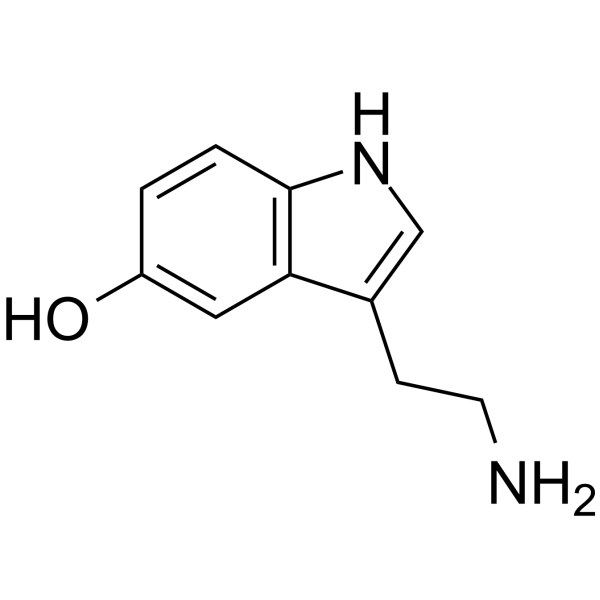
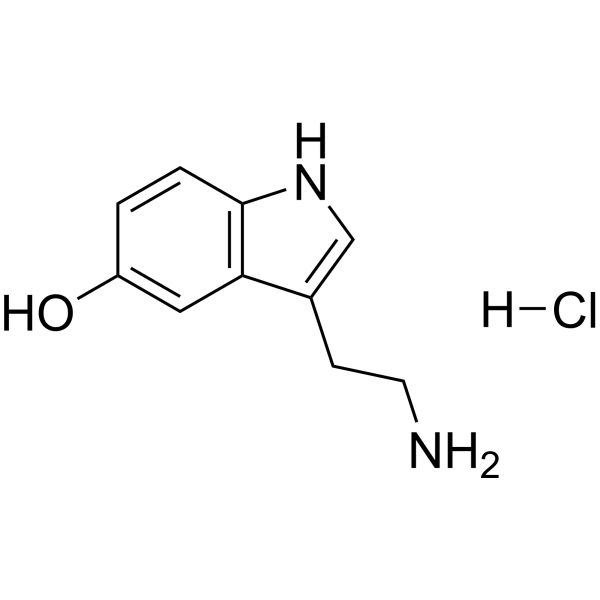
    Serotonin
    30+ Cited Publications

    5-Hydroxytryptamine; 5-HT

    5-HT Receptor COMT Endogenous Metabolite Neurological Disease
    Serotonin is a monoamine neurotransmitter in the CNS and an endogenous 5-HT receptor agonist. Serotonin is also a catechol O-methyltransferase (COMT) inhibitor with a Ki of 44 μM.
    Serotonin
  • HY-B0451A
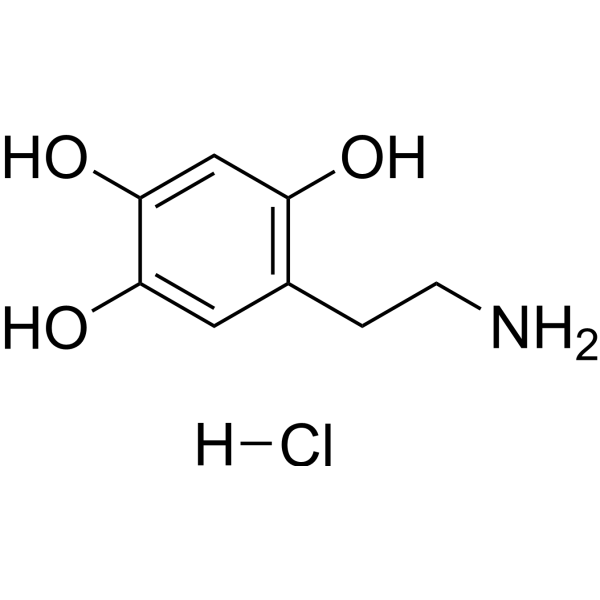
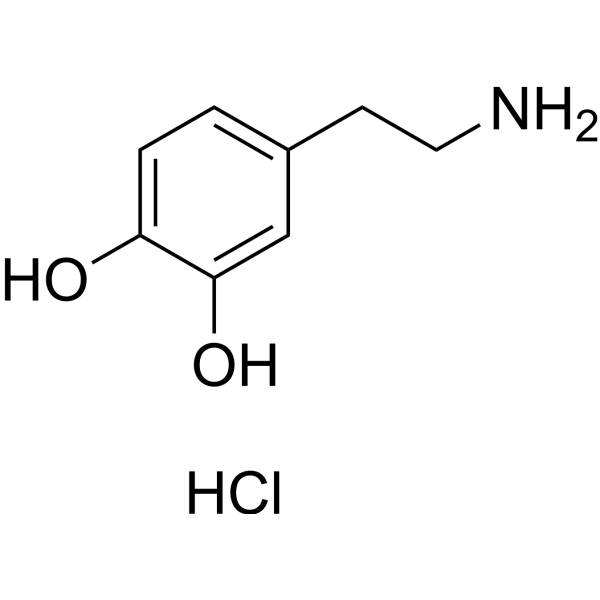
    Dopamine hydrochloride
    20+ Cited Publications

    ASL279

    Dopamine Receptor Endogenous Metabolite Ferroptosis Neurological Disease
    Dopamine hydrochloride (ASL279) is a catecholamine neurotransmitter that is produced in the substantia nigra, ventral tegmental area, and hypothalamus of the brain. Dopamine hydrochloride (ASL279) plays several important roles in the brain and body . Dopamine hydrochloride (ASL279) acts through D2 dopamine receptors to induce endocytosis of VEGFR2, which is critical for promoting angiogenesis .
    Dopamine hydrochloride
  • HY-N0304
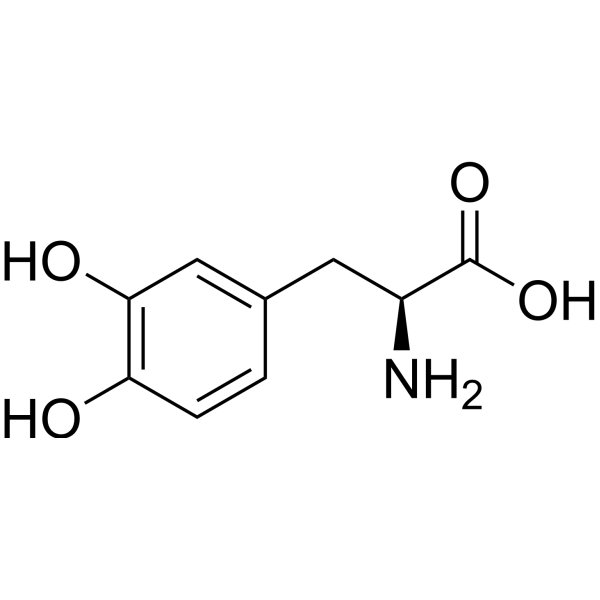
    L-DOPA
    30+ Cited Publications

    Levodopa; 3,4-Dihydroxyphenylalanine

    Dopamine Receptor Endogenous Metabolite Neurological Disease Cancer
    L-DOPA (Levodopa) is an orally active metabolic precursor of neurotransmitters dopamine. L-DOPA can cross the blood-brain barrier and is converted into dopamine in the brain. L-DOPA has anti-allodynic effects and the potential for Parkinson's disease .
    L-DOPA
  • HY-B1204
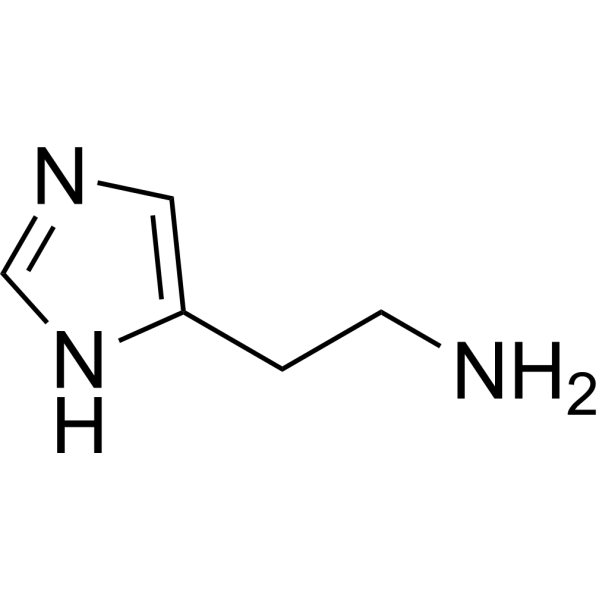
    Histamine
    15+ Cited Publications

    Ergamine

    Histamine Receptor p38 MAPK Akt Reactive Oxygen Species (ROS) Apoptosis Endogenous Metabolite Neurological Disease Inflammation/Immunology Endocrinology Cancer
    Histamine is the agonist for histamine receptor and a vasodilator. Histamine is an organic nitrogen compound that participates in local immune responses, regulates intestinal physiological functions, and acts as a neurotransmitter. Histamine affects p38 MAPK/Akt signaling pathway, exhibits antitumor, antioxidant and anti-inflammatory activities. Histamine can be used in the research of acute myeloid leukemia, malignant melanoma, and renal cell carcinoma .
    Histamine
  • HY-N0067
    γ-Aminobutyric acid
    5 Publications Verification

    4-Aminobutyric acid

    Environmental Pollutants Endogenous Metabolite GABA Receptor Neurological Disease Metabolic Disease
    γ-Aminobutyric acid (4-Aminobutyric acid) is a major inhibitory neurotransmitter in the adult mammalian brain, binding to the ionotropic GABA receptors (GABAA receptors) and metabotropic receptors (GABAB receptors. γ-Aminobutyric acid shows calming effect by blocking specific signals of central nervous system .
    γ-Aminobutyric acid
  • HY-B0451
    Dopamine
    20+ Cited Publications

    ASL279 free base

    Dopamine Receptor Endogenous Metabolite Ferroptosis Neurological Disease
    Dopamine is a catecholamine neurotransmitter that is produced in the substantia nigra, ventral tegmental area, and hypothalamus of the brain. Dopamine plays several important roles in the brain and body . Dopamine acts through D2 dopamine receptors to induce endocytosis of VEGFR2, which is critical for promoting angiogenesis .
    Dopamine
  • HY-A0057
    Gabapentin
    10+ Cited Publications

    Calcium Channel Neurological Disease Cancer
    Gabapentin is a potent, orally active P/Q type Ca 2+ channel blocker. Gabapentin inhibits neuronal Ca 2+ influx and reduction of neurotransmitter release. Gabapentin is a GABA analog that can be used to relieve neuropathic pain .
    Gabapentin
  • HY-N0219
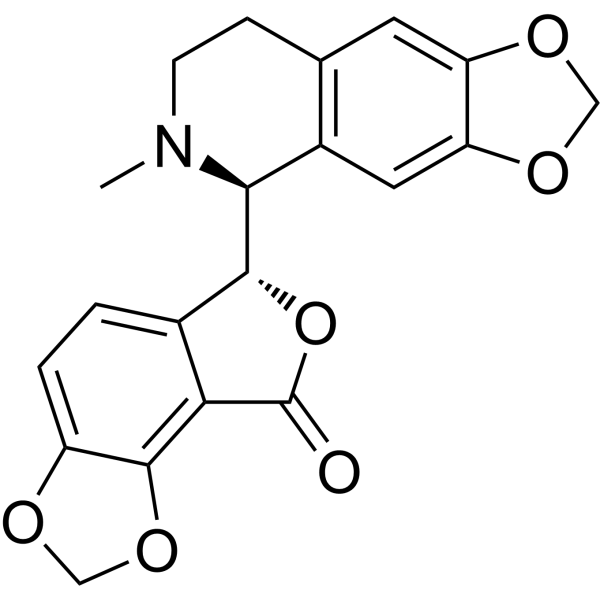
    Bicuculline
    Maximum Cited Publications
    37 Publications Verification

    (+)-Bicuculline

    GABA Receptor Neurological Disease
    Bicuculline ((+)-Bicuculline) is A competing neurotransmitter GABAA receptor antagonist (IC50=2 μM). Bicuculline also blocks Ca 2+ activating potassium (SK) channels and subsequently blocks slow post-hyperpolarization (slow AHP). Bicuculline has anticonvulsant activity. Bicuculline can be used to induce seizures in mice .
    Bicuculline
  • HY-17551
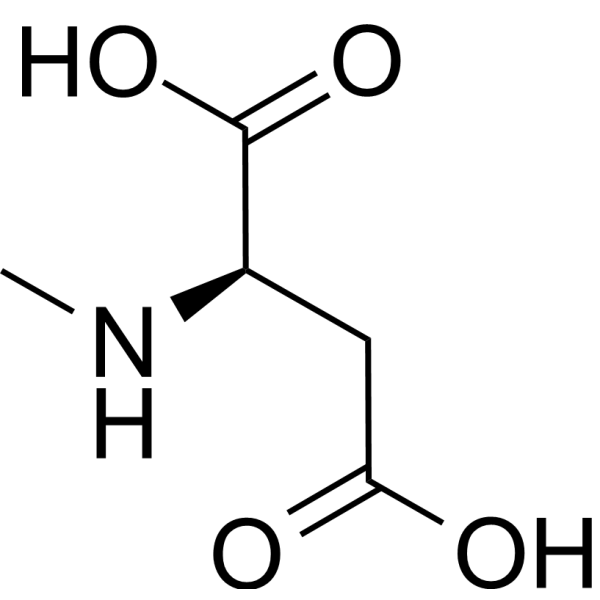
    NMDA
    25+ Cited Publications

    N-Methyl-D-aspartic acid

    iGluR Endogenous Metabolite Neurological Disease
    NMDA is a specific agonist for NMDA receptor mimicking the action of glutamate, the neurotransmitter which normally acts at that receptor.
    NMDA
  • HY-P0033
    Argireline
    2 Publications Verification

    Acetyl hexapeptide-3; Acetyl hexapeptide-8

    Calcium Channel Neurological Disease
    Argireline (Acetyl hexapeptide-3) is a non-toxic, skin-permeable, antiwrinkle peptide. Argireline significantly inhibits Ca 2+ dependent neurotransmitter release (acetylcholine) at the neuromuscular junction. Argireline has antiwrinkle and anti-aging activity .
    Argireline
  • HY-B0722
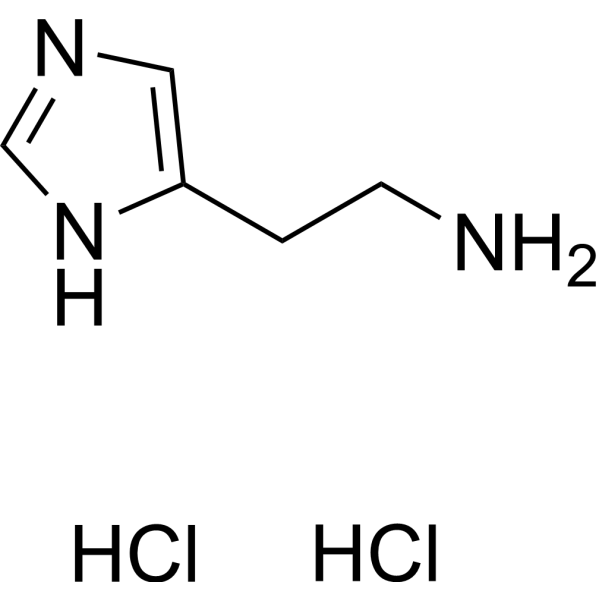
    Histamine dihydrochloride
    15+ Cited Publications

    Histamine Receptor p38 MAPK Akt Reactive Oxygen Species (ROS) Apoptosis Endogenous Metabolite Neurological Disease Inflammation/Immunology Endocrinology Cancer
    Histamine dihydrochloride is the agonist for histamine receptor and a vasodilator. Histamine dihydrochloride is an organic nitrogen compound that participates in local immune responses, regulates intestinal physiological functions, and acts as a neurotransmitter. Histamine dihydrochloride affects p38 MAPK/Akt signaling pathway, exhibits antitumor, antioxidant and anti-inflammatory activities. Histamine dihydrochloride can be used in the research of acute myeloid leukemia, malignant melanoma, and renal cell carcinoma .
    Histamine dihydrochloride
  • HY-A0129
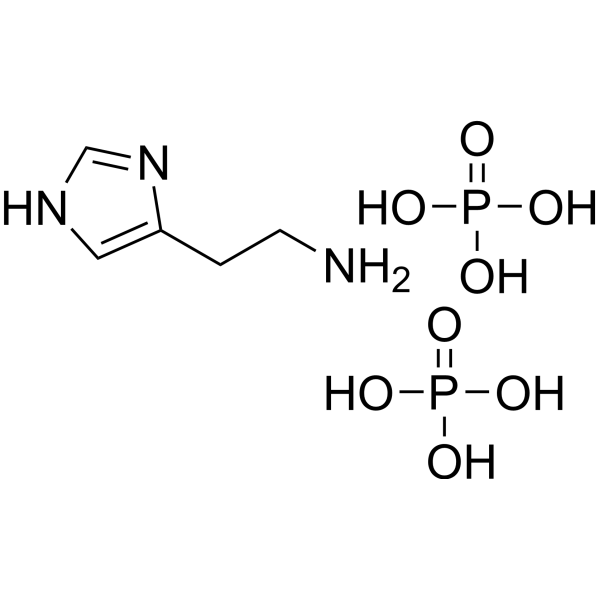
    Histamine phosphate
    15+ Cited Publications

    Histamine diphosphate

    Histamine Receptor p38 MAPK Akt Reactive Oxygen Species (ROS) Apoptosis Endogenous Metabolite Neurological Disease Inflammation/Immunology Endocrinology Cancer
    Histamine phosphate is the agonist for histamine receptor and a vasodilator. Histamine phosphate is an organic nitrogen compound that participates in local immune responses, regulates intestinal physiological functions, and acts as a neurotransmitter. Histamine phosphate affects p38 MAPK/Akt signaling pathway, exhibits antitumor, antioxidant and anti-inflammatory activities. Histamine phosphate can be used in the research of acute myeloid leukemia, malignant melanoma, and renal cell carcinoma .
    Histamine phosphate
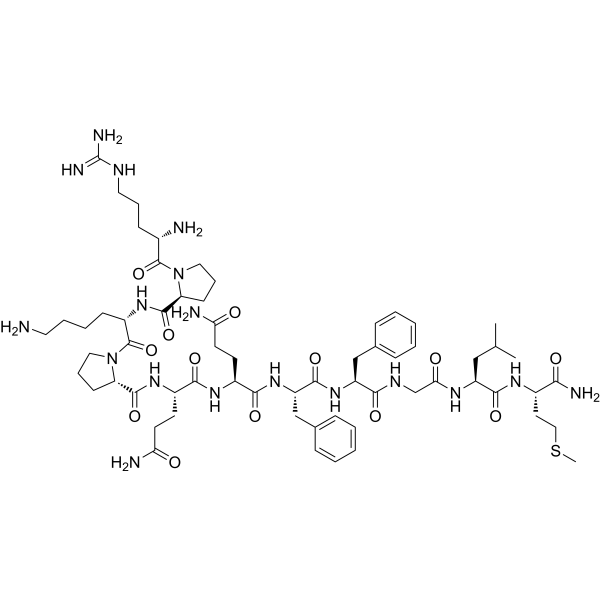
  • HY-P0197
    Neurokinin A
    3 Publications Verification

    Substance K; Neurokinin α; Neuromedin L; NKA

    Neurokinin Receptor Neurological Disease Endocrinology
    Neurokinin A (Substance K), a peptide neurotransmitter of the tachykinin family, acts via the NK-2 receptor. Neurokinin A acts as a major mediator in human airway and gastrointestinal tissues .
    Neurokinin A
  • HY-100815B

    (±)-AMPA

    iGluR Neurological Disease
    (RS)-AMPA ((±)-AMPA) is a glutamate analogue and a potent and selective excitatory neurotransmitter L-glutamic acid agonist. (RS)-AMPA does not interfere with binding sites for kainic acid or NMDA receptors .
    (RS)-AMPA
  • HY-B0528A
    Octopamine hydrochloride
    5 Publications Verification

    (±)-p-Octopamine hydrochloride

    Adrenergic Receptor Endogenous Metabolite Neurological Disease Endocrinology
    Octopamine ((±)-p-Octopamine) hydrochloride, a biogenic monoamine structurally related to noradrenaline, acts as a neurohormone, a neuromodulator and a neurotransmitter in invertebrates. Octopamine hydrochloride can stimulate alpha2-adrenoceptors (ARs) in Chinese hamster ovary cells transfected with human alpha2-ARs. Octopamine hydrochloride increased glycogenolysis, glycolysis, oxygen uptake, gluconeogenesis and the portal perfusion pressure .
    Octopamine hydrochloride
  • HY-14472

    NS-2330

    Dopamine Transporter Serotonin Transporter Metabolic Disease
    Tesofensine (NS-2330) is a triple monoamine reuptake inhibitor inducing a potent inhibition of the re-uptake process in the synaptic cleft of the neurotransmitters dopamine (DA; IC50=6.5 nM), norepinephrine (NE;IC50=1.7 nM), and serotonin (5-HT;IC50=11 nM), and with potentials as an anti-obesity agent . Tesofensine is a CNS acting anti-obesity agent .
    Tesofensine
  • HY-B0585
    Piracetam
    1 Publications Verification

    UCB-6215

    iGluR Neurological Disease
    Piracetam (UCB-6215) is a cyclic derivative of the neurotransmitter gamma-aminobutyric acid (GABA), used in treatment of a wide range of cognitive disorders.
    Piracetam
  • HY-101238
    Agmatine sulfate
    1 Publications Verification

    Imidazoline Receptor NO Synthase Endogenous Metabolite Neurological Disease Cancer
    Agmatine sulfate exerts modulatory action at multiple molecular targets, such as neurotransmitter systems, ion channels and nitric oxide synthesis. It is an endogenous agonist at imidazoline receptor and a NO synthase inhibitor.
    Agmatine sulfate
  • HY-113121
    Vanillylmandelic acid
    2 Publications Verification

    Drug Metabolite Endogenous Metabolite Cardiovascular Disease
    Vanillylmandelic acid is the endproduct of epinephrine and norepinephrine metabolism. Vanillylmandelic acid can be used as an indication of the disorder in neurotransmitter metabolism as well. Vanillylmandelic acid has antioxidant activity towards DPPH radical with an IC50 value of 33 μM .
    Vanillylmandelic acid
  • HY-A0057A
    Gabapentin hydrochloride
    10+ Cited Publications

    Calcium Channel Neurological Disease Cancer
    Gabapentin hydrochloride is a potent, orally active P/Q type Ca 2+ channel blocker. Gabapentin hydrochloride inhibits neuronal Ca 2+ influx and reduction of neurotransmitter release. Gabapentin hydrochloride is a GABA analog that can be used to relieve neuropathic pain .
    Gabapentin hydrochloride
  • HY-P2860A

    Cholinesterase (ChE) Neurological Disease
    Acetylcholinesterase, Electric eel is a cholinergic enzyme that is mainly found in neuromuscular junctions and cholinergic chemical synapses and is often used in biochemical research. Acetylcholinesterase, Electric eel can catalyze the decomposition or hydrolysis of acetylcholine and some other choline esters that act as neurotransmitters into acetic acid and choline. The main function of Acetylcholinesterase, Electric eel is to terminate neuronal transmission and signal conduction between synapses to prevent ACh diffusion and activation of nearby receptors .
    Acetylcholinesterase, Electric eel
  • HY-103112B

    5-HT Receptor Neurological Disease
    SB 243213 is an orally active, selective and high-affinity 5-HT2C receptor antagonist with a pKi of 9.37 and a pKb of 9.8 for human 5-HT2C receptor. SB 243213 shows greater than a 100-fold selectivity over a wide range of neurotransmitter receptors, enzymes and ion channels. SB 243213 has improved anxiolytic profile and has the potential for schizophrenia and motor disorders .
    SB 243213
  • HY-B1204S

    Ergamine-α,α,β,β-d4 dihydrochloride

    Histamine Receptor Endogenous Metabolite Neurological Disease Endocrinology Cancer
    Histamine-α,α,β,β-d4 (dihydrochloride) is the deuterium labeled Histamine. Histamine is an organic nitrogenous compound involved in local immune responses as well as regulating physiological function in the gut and acting as a neurotransmitter.
    Histamine-α,α,β,β-d4 dihydrochloride
  • HY-N0067R
    γ-Aminobutyric acid (Standard)
    5 Publications Verification

    4-Aminobutyric acid (Standard)

    Endogenous Metabolite GABA Receptor Reference Standards Neurological Disease
    γ-Aminobutyric acid (Standard) is the analytical standard of γ-Aminobutyric acid. This product is intended for research and analytical applications. γ-Aminobutyric acid (4-Aminobutyric acid) is a major inhibitory neurotransmitter in the adult mammalian brain, binding to the ionotropic GABA receptors (GABAA receptors) and metabotropic receptors (GABAB receptors. γ-Aminobutyric acid shows calming effect by blocking specific signals of central nervous system .
    γ-Aminobutyric acid (Standard)
  • HY-42068

    (R)-Aspartic acid; D-(-)-Aspartic acid

    Pyroptosis Neurological Disease
    (-)-Aspartic acid is a pyroptosis inhibitor. (-)-Aspartic acid acts as a neurotransmitter and neuromodulator, participates in hormone synthesis and regulation, and plays a role in nervous system development and endocrine system .
    (-)-Aspartic acid
  • HY-W020035

    GPR55 Neurological Disease
    L-α-lysophosphatidylinositol Soy sodium is an endogenous ligand of GPR55. L-α-lysophosphatidylinositol Soy sodium is an endogenous lysophospholipid and endocannabinoid neurotransmitter that belongs to the class of lysophospholipids .
    L-α-lysophosphatidylinositol (Soy) sodium
  • HY-B0451AR

    ASL279 (Standard)

    Reference Standards Dopamine Receptor Endogenous Metabolite Ferroptosis Neurological Disease
    Dopamine (hydrochloride) (Standard) is the analytical standard of Dopamine (hydrochloride). This product is intended for research and analytical applications. Dopamine hydrochloride (ASL279) is a catecholamine neurotransmitter that is produced in the substantia nigra, ventral tegmental area, and hypothalamus of the brain. Dopamine hydrochloride (ASL279) plays several important roles in the brain and body . Dopamine hydrochloride (ASL279) acts through D2 dopamine receptors to induce endocytosis of VEGFR2, which is critical for promoting angiogenesis .
    Dopamine hydrochloride (Standard)
  • HY-N7142
    DL-Norepinephrine hydrochloride
    2 Publications Verification

    Adrenergic Receptor Neurological Disease
    DL-Norepinephrine hydrochloride is an external racemic catecholamine neurotransmitter, which is an equal mixture of the left-handed (L-, with activity) and right-handed (D-, with very low or no activity) stereoisomers. DL-Norepinephrine hydrochloride after being labeled with tritium can be used as a tracer for the research on Parkinson's disease .
    DL-Norepinephrine hydrochloride
  • HY-135026
    DL-Norepinephrine tartrate
    2 Publications Verification

    Adrenergic Receptor Neurological Disease
    DL-Norepinephrine tartrate is an external racemic catecholamine neurotransmitter, which is an equal mixture of the left-handed (L-, with activity) and right-handed (D-, with very low or no activity) stereoisomers. DL-Norepinephrine tartrate after being labeled with tritium can be used as a tracer for the research on Parkinson's disease .
    DL-Norepinephrine tartrate
  • HY-P1723
    Spexin
    2 Publications Verification

    Neuropeptide Q

    Neuropeptide Y Receptor Apoptosis Ferroptosis Autophagy Cardiovascular Disease Neurological Disease
    Spexin (Neuropeptide Q) is a selective agonist of galanin receptors GAL2 and GAL3, and is a conserved peptide that functions as a neurotransmitter/neuromodulator and endocrine factor. Spexin can function through both central and peripheral actions. Spexin upregulates Beclin 1 to inhibit ferroptosis induced by excessive autophagy, reduces the uptake of long-chain fatty acids by adipocytes, and regulates energy metabolism by increasing lipid oxidation (e.g., reducing the respiratory exchange ratio in rodents). Spexin improves cardiac function in the Doxorubicin hydrochloride (HY-15142)-induced cardiotoxicity model, protects mitochondrial membrane potential, and reduces iron accumulation and lipid peroxidation. Spexin can be used to study obesity and its related metabolic disorders, cardiovascular diseases (e.g., cardioprotection), and side effects of tumor chemotherapy .
    Spexin
  • HY-B0282A
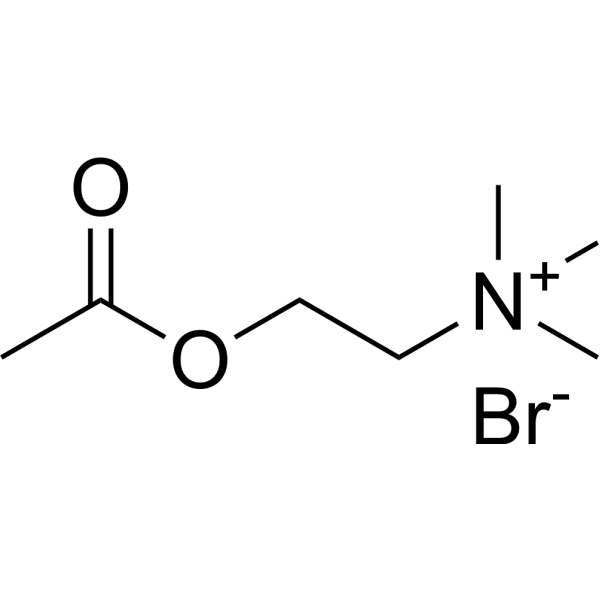
    Acetylcholine bromide
    20+ Cited Publications

    ACh bromide

    Biochemical Assay Reagents Others Cancer
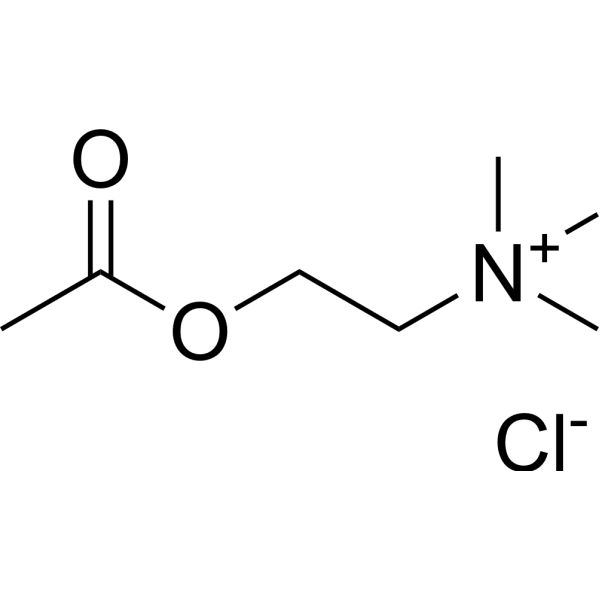
    Acetylcholine bromide is an organic choline salt compound commonly used in neurophysiology and pharmacology experiments. It plays an important role in the nervous system, acting as a neurotransmitter that transmits signals and regulates many important physiological functions. Due to its special biological activity, Acetylcholine bromide is widely used in the study of neurotransmitters, nerve damage and muscle movement.
    Acetylcholine bromide
  • HY-124767

    Neuropeptide Y Receptor Neurological Disease
    SR 142948A is a non-peptide neuropeptide neuropeptin (NT) receptor antagonist. SR 142948A is able to bind to neuropeptin receptors, especially with high affinity for NT1 and NT2 receptors. SR 142948A is mainly used to study the role of neuropeptide in the neurotransmitter system, especially the dopamine system .
    SR 142948A
  • HY-W011963

    Dopamine Receptor Neurological Disease
    Melevodopa hydrochloride is an effervescent Levodopa (HY-N0304) prodrug. Levodopa is an orally active metabolic precursor of neurotransmitters dopamine and has anti-allodynic effects and the potential for Parkinson's disease
    Melevodopa hydrochloride
  • HY-N0304A
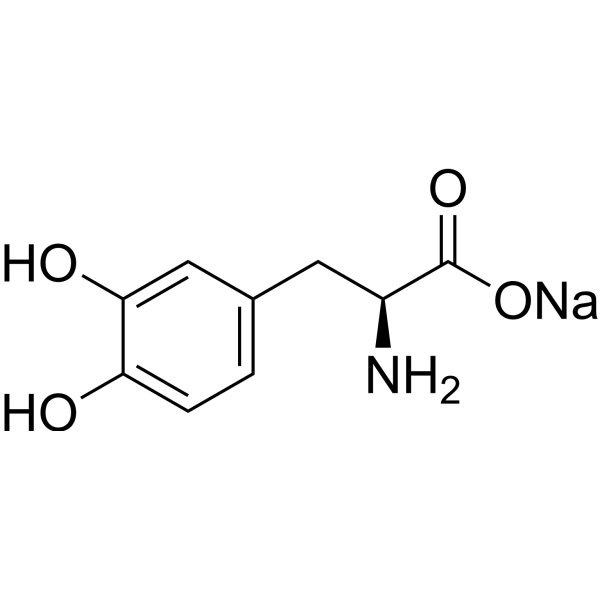
    L-DOPA sodium
    30+ Cited Publications

    Levodopa sodium; 3,4-Dihydroxyphenylalanine sodium

    Dopamine Receptor Endogenous Metabolite Neurological Disease
    L-DOPA (Levodopa) sodium is an orally active metabolic precursor of neurotransmitters dopamine. L-DOPA sodium can cross the blood-brain barrier and is converted into dopamine in the brain. L-DOPA sodium has anti-allodynic effects, and can be used for Parkinson's disease research .
    L-DOPA sodium
  • HY-21045

    L-5-Fluorotryptophan

    EAAT Neurological Disease
    5-Fluoro-L-tryptophan is a competitive vesicular glutamate transporter (VGLUT) inhibitor. 5-Fluoro-L-tryptophan is promising for research of diseases associated with the neurotransmitter systems .
    5-Fluoro-L-tryptophan
  • HY-14197
    Clorgyline
    5+ Cited Publications

    M&B 9302

    Monoamine Oxidase Neurological Disease
    Clorgyline (M&B 9302) is an orally active, blood-brain barrier permeable and selective monoamine oxidase A (MAO-A) inhibitor. Clorgyline's selective inhibition of MAO-A leads to reduced metabolism of neurotransmitters such as serotonin (5-hydroxytryptamine), which accumulates in the brain. Clorgyline can be used in the study of depression and neurodegenerative diseases .
    Clorgyline
  • HY-12961A
    Bretylium tosylate
    1 Publications Verification

    Adrenergic Receptor Neurological Disease
    Bretylium (tosylate) is an inhibitor of the presynaptic release of vasoconstrictor neurotransmitters.
    Bretylium tosylate
  • HY-Y0123

    Drug Derivative Infection Neurological Disease
    DL-Tyrosine is an aromatic nonessential amino acid synthesized from the essential amino acid phenylalanine. DL-Tyrosine is a precursor for several important neurotransmitters (epinephrine, norepinephrine, dopamine) .
    DL-Tyrosine
  • HY-P1437

    Neuropeptide Y Receptor Neurological Disease
    Neuropeptide S (mouse) is a bioactive peptide. Neuropeptide S (mouse), as a neurotransmitter/neuromodulator of 20 amino acids, can be used for the research of arousal, anxiety, locomotion, feeding behaviors, memory and agent addiction .
    Neuropeptide S (mouse)
  • HY-B0528AR

    (±)-p-Octopamine hydrochloride (Standard)

    Reference Standards Adrenergic Receptor Endogenous Metabolite Neurological Disease Endocrinology
    Octopamine (hydrochloride) (Standard) is the analytical standard of Octopamine (hydrochloride). This product is intended for research and analytical applications. Octopamine ((±)-p-Octopamine) hydrochloride, a biogenic monoamine structurally related to noradrenaline, acts as a neurohormone, a neuromodulator and a neurotransmitter in invertebrates. Octopamine hydrochloride can stimulate alpha2-adrenoceptors (ARs) in Chinese hamster ovary cells transfected with human alpha2-ARs. Octopamine hydrochloride increased glycogenolysis, glycolysis, oxygen uptake, gluconeogenesis and the portal perfusion pressure .
    Octopamine hydrochloride (Standard)
  • HY-110019

    Lu 19-005

    Serotonin Transporter Dopamine Transporter Neurological Disease
    Indatraline hydrochloride (Lu 19-005) is a non-selective monoamine transporter inhibitor that blocks the reuptake of neurotransmitters (dopamine, serotonin, and norepinephrine). Indatraline hydrochloride can be used for the research of antidepressive. Indatraline hydrochloride induces autophagy while simultaneously inhibiting cell proliferation. Indatraline hydrochloride may also serve to direct the development of new agents for autophagy-related diseases such as atherosclerosis or restenosis .
    Indatraline hydrochloride
  • HY-103465

    Monoamine Transporter Others
    FFN511 is a potent fluorescent false neurotransmitters (FFNs) that targets neuronal vesicular monoamine transporter 2 (VMA T2). FFN511 inhibits serotonin binding to VMA T2-containing membranes with an IC50 of 1 µM. FFN511 directly images the dynamics of release during exocytosis, can be used to label dopamine terminals in live cortical-striatalacute slices .
    FFN511
  • HY-B1204R

    Ergamine (Standard)

    Reference Standards Histamine Receptor p38 MAPK Akt Reactive Oxygen Species (ROS) Apoptosis Endogenous Metabolite Neurological Disease Inflammation/Immunology Endocrinology Cancer
    Histamine (Standard) is the analytical standard of Histamine (HY-B1204). This product is intended for research and analytical applications. Histamine is the agonist for histamine receptor and a vasodilator. Histamine is an organic nitrogen compound that participates in local immune responses, regulates intestinal physiological functions, and acts as a neurotransmitter. Histamine affects p38 MAPK/Akt signaling pathway, exhibits antitumor, antioxidant and anti-inflammatory activities. Histamine can be used in the research of acute myeloid leukemia, malignant melanoma, and renal cell carcinoma .
    Histamine (Standard)
  • HY-B0722R

    Reference Standards Histamine Receptor p38 MAPK Akt Reactive Oxygen Species (ROS) Apoptosis Endogenous Metabolite Neurological Disease Inflammation/Immunology Endocrinology Cancer
    Histamine dihydrochloride (Standard) is the analytical standard of Histamine dihydrochloride (HY-B0722). This product is intended for research and analytical applications. Histamine dihydrochloride is the agonist for histamine receptor and a vasodilator. Histamine dihydrochloride is an organic nitrogen compound that participates in local immune responses, regulates intestinal physiological functions, and acts as a neurotransmitter. Histamine dihydrochloride affects p38 MAPK/Akt signaling pathway, exhibits antitumor, antioxidant and anti-inflammatory activities. Histamine dihydrochloride can be used in the research of acute myeloid leukemia, malignant melanoma, and renal cell carcinoma .
    Histamine dihydrochloride (Standard)
  • HY-101540

    Dopamine Receptor Neurological Disease
    NMI 8739 is a dopamine D2 autoreceptor agonist, which is an amine conjugate of the DHA carrier and the neurotransmitter dopamine.
    NMI 8739
  • HY-P1754A

    Endogenous Metabolite Neurological Disease
    Tetanus toxin (830-843) TFA is a powerful neurotoxin that reaches by retroaxonal transport and transcytosis the cytoplasm ofspinal inhibitory intemeurons and blocks their ability to release neurotransmitters .
    Tetanus toxin (830-843) TFA
  • HY-B2132R
    Tryptamine (Standard)
    1 Publications Verification

    3-(2-Aminoethyl)indole~2-(3-Indolyl)ethylamine (Standard)

    Endogenous Metabolite Others
    Tryptamine (Standard) is the analytical standard of Tryptamine. This product is intended for research and analytical applications. Tryptamine is a monoamine alkaloid, similar to other trace amines, is believed to play a role as a neuromodulator or neurotransmitter.
    Tryptamine (Standard)
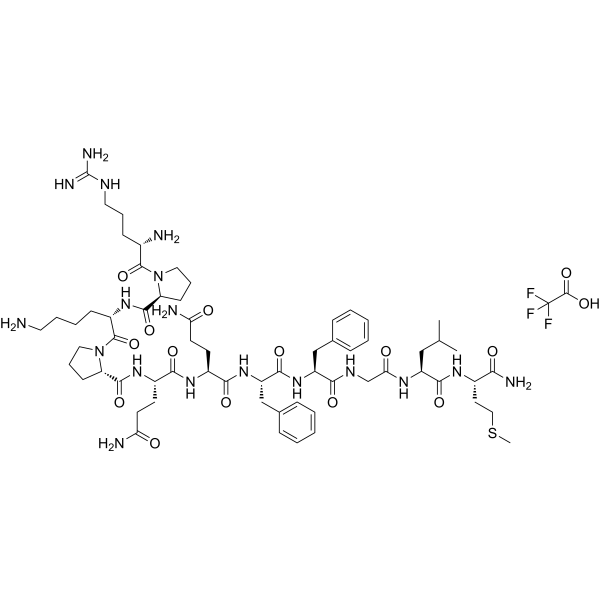
  • HY-P0197A
    Neurokinin A TFA
    3 Publications Verification

    Substance K TFA; Neurokinin α TFA; Neuromedin L TFA; NKA TFA

    Neurokinin Receptor Neurological Disease Endocrinology
    Neurokinin A TFA (Substance K TFA), a peptide neurotransmitter of the tachykinin family, acts via the NK-2 receptor. Neurokinin A acts as a major mediator in human airway and gastrointestinal tissues .
    Neurokinin A TFA
  • HY-B1204S1

    Ergamine-d4

    Isotope-Labeled Compounds Histamine Receptor p38 MAPK Akt Reactive Oxygen Species (ROS) Apoptosis Endogenous Metabolite Neurological Disease Inflammation/Immunology Endocrinology Cancer
    Histamine-d4 (Ergamine-d4) is deuterium labeled Histamine (HY-B1204). Histamine is the agonist for histamine receptor and a vasodilator. Histamine is an organic nitrogen compound that participates in local immune responses, regulates intestinal physiological functions, and acts as a neurotransmitter. Histamine affects p38 MAPK/Akt signaling pathway, exhibits antitumor, antioxidant and anti-inflammatory activities. Histamine can be used in the research of acute myeloid leukemia, malignant melanoma, and renal cell carcinoma .
    Histamine-d4
  • HY-P3925

    Neurokinin Receptor Neurological Disease
    [His11]Substance P is an analog of Substance P (HY-P0201). Substance P is a neuropeptide, acting as a neurotransmitter and as a neuromodulator in the CNS .
    [His11]Substance P

Inquiry Online

Your information is safe with us. * Required Fields.

Salutation


Country or Region *

Applicant Name *


Organization Name *

Department *


Email Address *


Product Name *

Cat. No.


Requested quantity *

Phone Number *


Remarks

Inquiry Online

Inquiry Information

Product Name:
Cat. No.:
Quantity:
MCE Japan Authorized Agent:

