10694 Results for "

RET/PTC1 gene

" in MedChemExpress (MCE) Product Catalog:
Products (10694)

10694 Results for "RET/PTC1 gene" in MCE Product Catalog:

316
316 Publications Verification
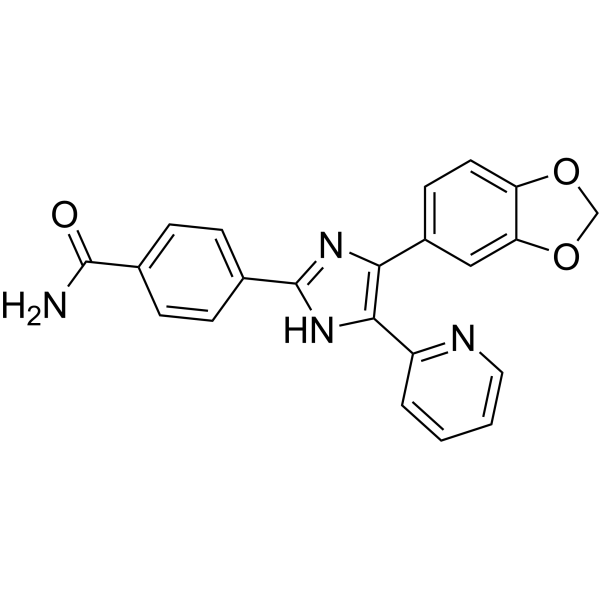
Cat. No.: HY-10431
CAS No.: 301836-41-9
Purity:  99.85%
Research Areas:  

Cancer

SB-431542 is a TGF-β receptor kinase inhibitor (TRKI). SB-431542 has inhibitory activity for ALK4, ALK5 and ALK7 with IC50 values of 1 μM, 0.75 μM and 2 μM, respectively. SB-431542 also inhibits TGF-β-induced transcription, gene expression, apoptosis, and growth suppression. SB-431542 can be used for the research of cancer and signal transduction pathways [1] .
loading...
    loading...
164
164 Cited Publications
Cat. No.: HY-B2176I
CAS No.: 987-65-5
Synonyms: Adenosine 5'-triphosphate disodium salt, 100 mM Solution, PCR Grade
ATP (Adenosine 5'-triphosphate) disodium salt, 100 mM Solution, PCR Grade is a central component of energy storage and metabolism in vivo. ATP disodium salt, 100 mM Solution, PCR Grade provides the metabolic energy to drive metabolic pumps and serves as a coenzyme in cells. ATP disodium salt, 100 mM Solution, PCR Grade is an important endogenous signaling molecule in immunity and inflammation. ATP disodium salt, 100 mM Solution, PCR Grade can activate the NLRP3 inflammasome and induce IL-1β and chemokines secretion. ATP disodium salt, 100 mM Solution, PCR Grade has anti-bacterial infection effects and can protect mice against bacterial infection in mice [1] .
loading...
    loading...
126
126 Cited Publications
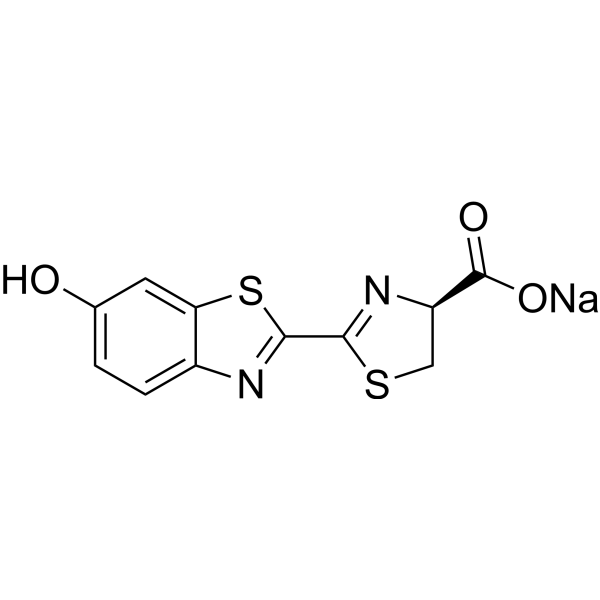
Cat. No.: HY-12591
CAS No.: 103404-75-7
Purity:  99.92%
Synonyms: D-(-)-Luciferin sodium; Firefly luciferin sodium; Beetle Luciferin sodium
D-luciferin sodium is the natural substrate of the enzyme luciferase (Luc) that catalyzes the production of the typical yellowgreen light of fireflies. The 560 nm chemiluminescence from this reaction peaks within seconds, with light output that is proportional to luciferase concentration when the substrate luciferin is present in excess. The luciferase (luc) gene is a popular reporter gene for research and agent screening. Chemiluminescent techniques are virtually background-free, making the luc reporter gene ideal for detecting low-level gene expression. As little as 0.02 pg of luciferase can be reliably measured in a standard scintillation counter. In addition to its role as a reporter of gene expression, luciferase is commonly used in an extremely sensitive assay for ATP [1]. We of er the firefly luciferase (HY-P1004A), luciferin free acid (HY-12591A), as well as its water-soluble sodium salts (HY-12591) and potassium salts (HY-12591B) .
loading...
    loading...
126
126 Cited Publications
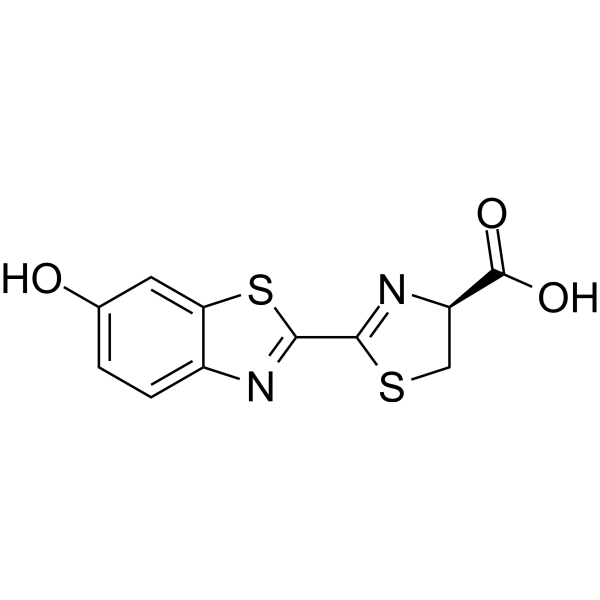
Cat. No.: HY-12591A
CAS No.: 2591-17-5
Purity:  99.54%
Synonyms: D-(-)-Luciferin; Firefly luciferin; Beetle Luciferin
D-luciferin is the natural substrate of the enzyme luciferase (Luc) that catalyzes the production of the typical yellowgreen light of fireflies. The 560 nm chemiluminescence from this reaction peaks within seconds, with light output that is proportional to luciferase concentration when the substrate luciferin is present in excess. The luciferase (luc) gene is a popular reporter gene for research and agent screening. Chemiluminescent techniques are virtually background-free, making the luc reporter gene ideal for detecting low-level gene expression. As little as 0.02 pg of luciferase can be reliably measured in a standard scintillation counter. In addition to its role as a reporter of gene expression, luciferase is commonly used in an extremely sensitive assay for ATP [1]. We of er the firefly luciferase (HY-P1004A), luciferin free acid (HY-12591A), as well as its water-soluble sodium salts (HY-12591) and potassium salts (HY-12591B) .
loading...
    loading...
126
126 Cited Publications
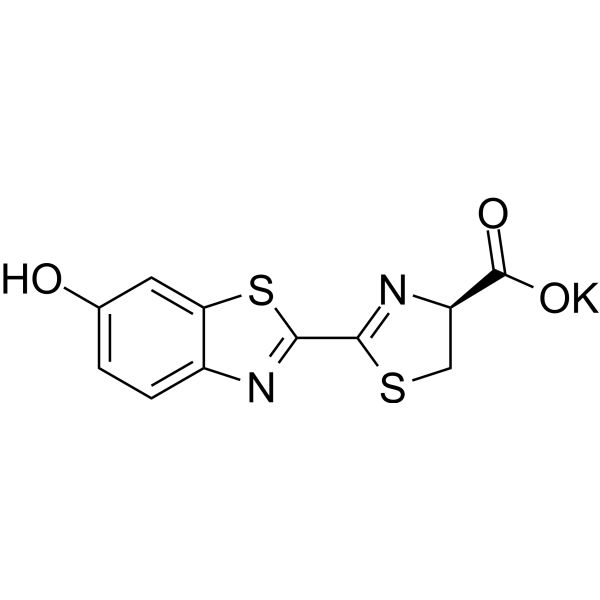
Cat. No.: HY-12591B
CAS No.: 115144-35-9
Purity:  99.97%
Synonyms: D-(-)-Luciferin potassium; Firefly luciferin potassium; Beetle Luciferin potassium
D-luciferin potassium is the natural substrate of the enzyme luciferase (Luc) that catalyzes the production of the typical yellowgreen light of fireflies. The 560 nm chemiluminescence from this reaction peaks within seconds, with light output that is proportional to luciferase concentration when the substrate luciferin is present in excess. The luciferase (luc) gene is a popular reporter gene for research and agent screening. Chemiluminescent techniques are virtually background-free, making the luc reporter gene ideal for detecting low-level gene expression. As little as 0.02 pg of luciferase can be reliably measured in a standard scintillation counter. In addition to its role as a reporter of gene expression, luciferase is commonly used in an extremely sensitive assay for ATP [1]. We offer the firefly luciferase (HY-P1004A), luciferin free acid (HY-12591A), as well as its water-soluble sodium salts (HY-12591) and potassium salts (HY-12591B) .
loading...
    loading...
115
115 Cited Publications
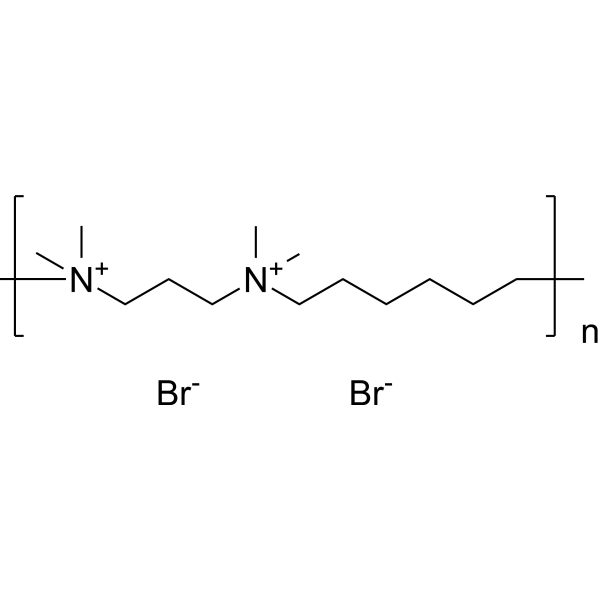
Cat. No.: HY-112735
CAS No.: 28728-55-4
Purity:  99.69%
Synonyms: Polybrene; 1,5-Dimethyl-1,5-diazaundecamethylene polymethobromide
Hexadimethrine bromide (Polybrene) is a cationic polymer used routinely to enhance the efficiency of retrovirus vector-mediated gene transfer [1] .
loading...
    loading...
101
101 Cited Publications
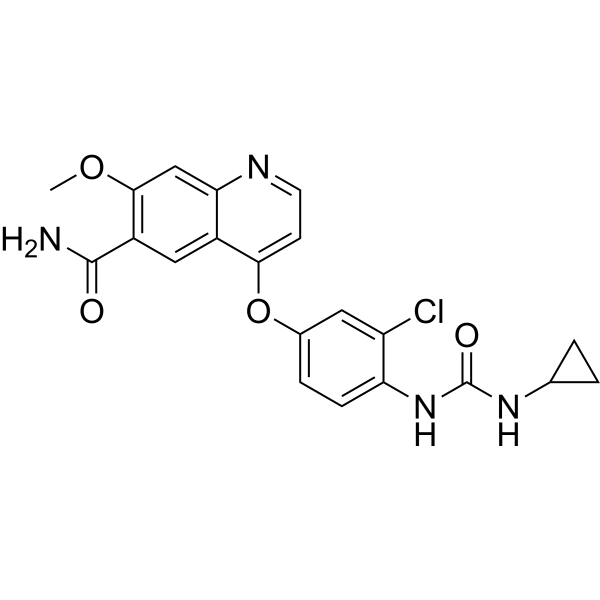
Cat. No.: HY-10981
CAS No.: 417716-92-8
Purity:  99.75%
Synonyms: E7080
Target:  

VEGFR FGFR PDGFR c-Kit RET

Research Areas:  

Cancer

Lenvatinib (E7080) is an oral, multi-targeted tyrosine kinase inhibitor that inhibits VEGFR1-3, FGFR1-4, PDGFR, KIT, and RET, shows potent antitumor activities [1] .
loading...
    loading...
101
101 Cited Publications
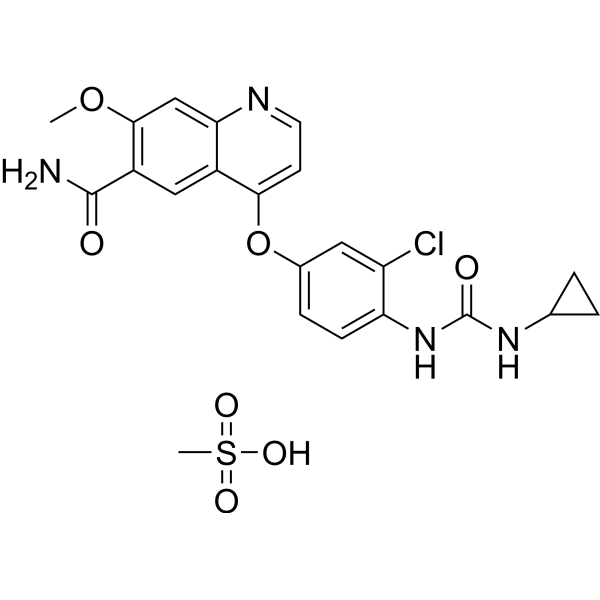
Cat. No.: HY-10981A
CAS No.: 857890-39-2
Purity:  99.86%
Synonyms: E7080 mesylate
Target:  

VEGFR FGFR PDGFR RET c-Kit

Research Areas:  

Cancer

Lenvatinib mesylate (E7080 mesylate), an oral, multi-targeted tyrosine kinase inhibitor that inhibits VEGFR1-3, FGFR1-4, PDGFR, KIT, and RET, shows potent antitumor activities [1] .
loading...
    loading...
96
96 Cited Publications
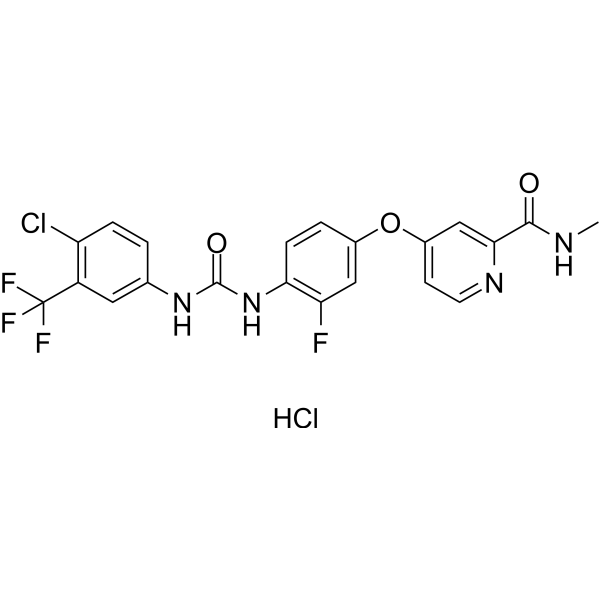
Cat. No.: HY-13308
CAS No.: 835621-07-3
Purity:  99.58%
Synonyms: BAY 73-4506 hydrochloride
Target:  

VEGFR Autophagy PDGFR Raf RET

Research Areas:  

Cancer

Regorafenib Hydrochloride (BAY 73-4506 hydrochloride) is a multi-target inhibitor for VEGFR1/2/3, PDGFRβ, Kit, RET and Raf-1 with IC50s of 13/4.2/46, 22, 7, 1.5 and 2.5 nM, respectively [1].
loading...
    loading...
96
96 Cited Publications
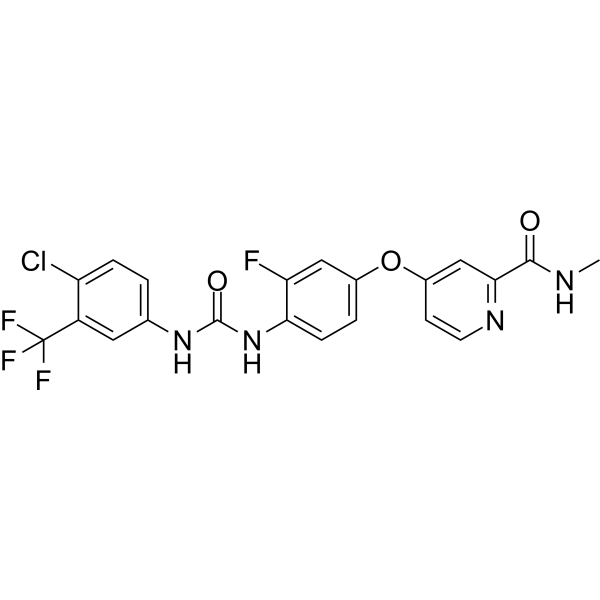
Cat. No.: HY-10331
CAS No.: 755037-03-7
Purity:  99.93%
Synonyms: BAY 73-4506
Research Areas:  

Cancer

Regorafenib (BAY 73-4506) is an orally active and potent multi-targeted receptor tyrosine kinase inhibitor, with IC50 values of 13/4.2/46, 22, 7, 1.5 and 2.5 nM for VEGFR1/2/3, PDGFRβ, Kit, RET and Raf-1, respectively. Regorafenib shows very robust antitumor and antiangiogenic activity [1].
loading...
    loading...
96
96 Cited Publications
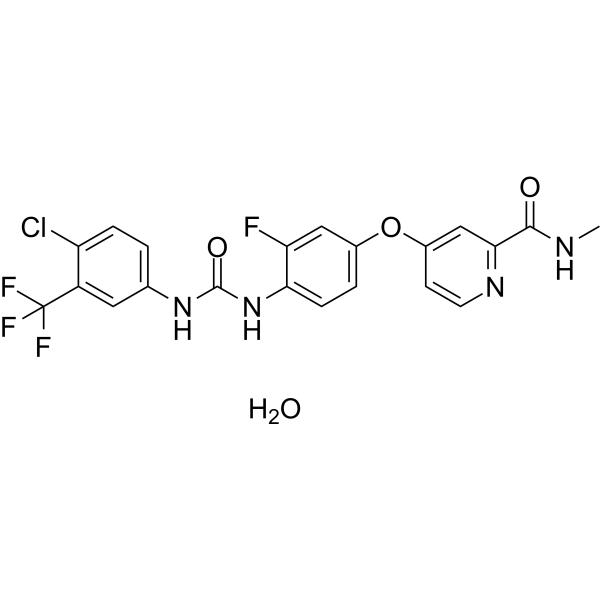
Cat. No.: HY-10331A
CAS No.: 1019206-88-2
Purity:  99.96%
Synonyms: BAY 73-4506 monohydrate
Research Areas:  

Cancer

Regorafenib (BAY 73-4506) monohydrate is an orally active and potent multi-targeted receptor tyrosine kinase inhibitor, with IC50 values of 13/4.2/46, 22, 7, 1.5 and 2.5 nM for VEGFR1/2/3, PDGFRβ, Kit, RET and Raf-1, respectively. Regorafenib monohydrate shows very robust antitumor and antiangiogenic activity [1].
loading...
    loading...
91
91 Cited Publications
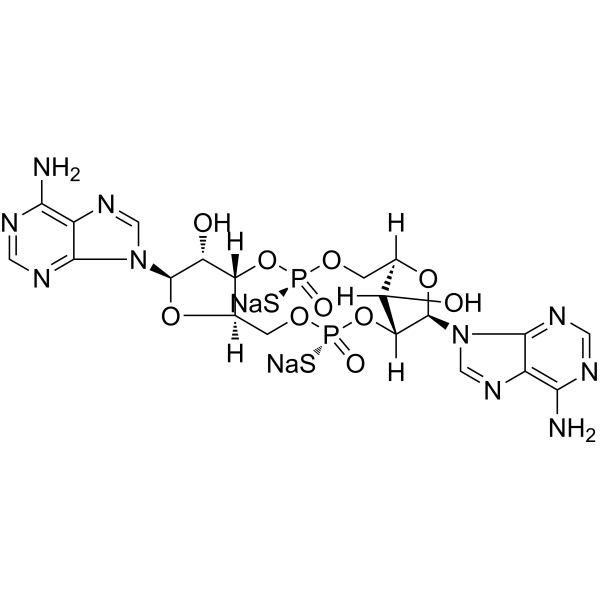
Cat. No.: HY-12885A
CAS No.: 1638750-95-4
Purity:  99.43%
Synonyms: ADU-S100 disodium salt; MIW815 disodium salt; ML RR-S2 CDA disodium salt
Target:  

STING

Research Areas:  

Inflammation/Immunology Cancer

2’3’-c-di-AM(PS)2 (Rp,Rp) disodium salt (ADU-S100 disodium salt) is an activator of stimulator of interferon genes (STING).
loading...
    loading...
66
66 Cited Publications
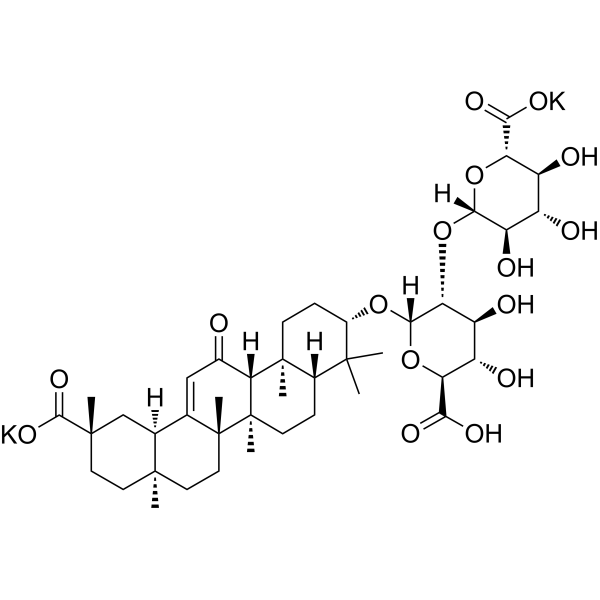
Cat. No.: HY-N0184A
CAS No.: 68797-35-3
Synonyms: Glycyrrhizic acid dipotassium; Dipotassium glycyrrhizate
Dipotassium glycyrrhizinate is a HMGB1 inhibitor, inhibits atopic dermatitis-related gene expression with anti-anti-inflammatory activity [1] .
loading...
    loading...
60
60 Cited Publications
Cat. No.: HY-12702
CAS No.: 403811-55-2
Purity:  99.49%
Target:  

c-Myc Autophagy

Research Areas:  

Cancer

10058-F4 is a c-Myc inhibitor that prevents c-Myc-Max dimerization and transactivation of c-Myc target gene expression.
loading...
    loading...
58
58 Cited Publications
Cat. No.: HY-13016
CAS No.: 849217-68-1
Purity:  99.96%
Synonyms: XL184; BMS-907351
Research Areas:  

Cancer

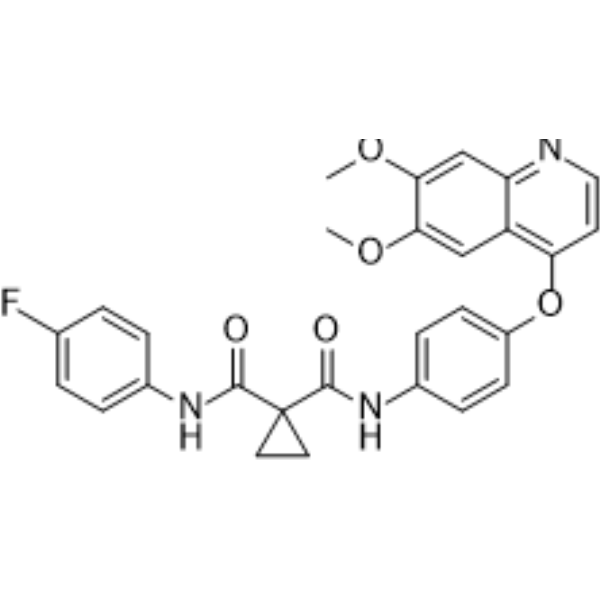
Cabozantinib is a potent and orally active inhibitor of VEGFR2 and MET, with IC50 values of 0.035, and 1.3 nM, respectively. Cabozantinib displays strong inhibition of KIT, RET, AXL, TIE2, and FLT3 (IC50=4.6, 5.2, 7, 14.3, and 11.3 nM, respectively). Cabozantinib shows antiangiogenic activity. Cabozantinib disrupts tumor vasculature and promotes tumor and endothelial cell apoptosis [1] .
loading...
    loading...
56
56 Cited Publications
Cat. No.: HY-14452
CAS No.: 125256-00-0
Purity:  99.85%
Synonyms: 125B11
Research Areas:  

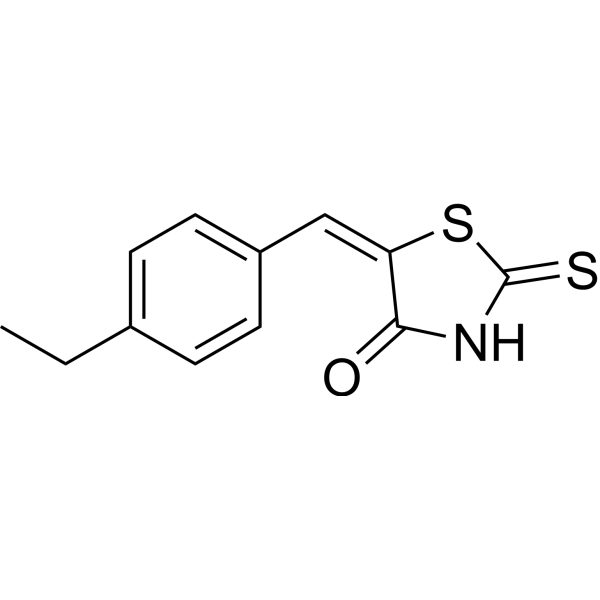
Cancer

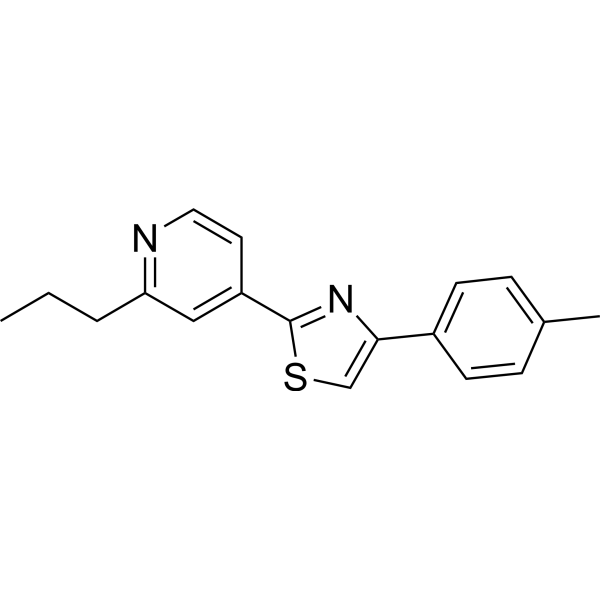
Fatostatin (125B11), a specific inhibitor of SREBP activation, impairs the activation of SREBP-1 and SREBP-2. Fatostatin binds to SCAP (SREBP cleavage-activating protein), and inhibits the ER-Golgi translocation of SREBPs. Fatostatin decreases the transcription of lipogenic genes in cells. Fatostatin possesses antitumor properties, and lowers hyperglycemia in ob/ob mice [1] .
loading...
    loading...
56
56 Cited Publications
Cat. No.: HY-14452A
CAS No.: 298197-04-3
Purity:  99.52%
Synonyms: 125B11 hydrobromide
Research Areas:  

Cancer

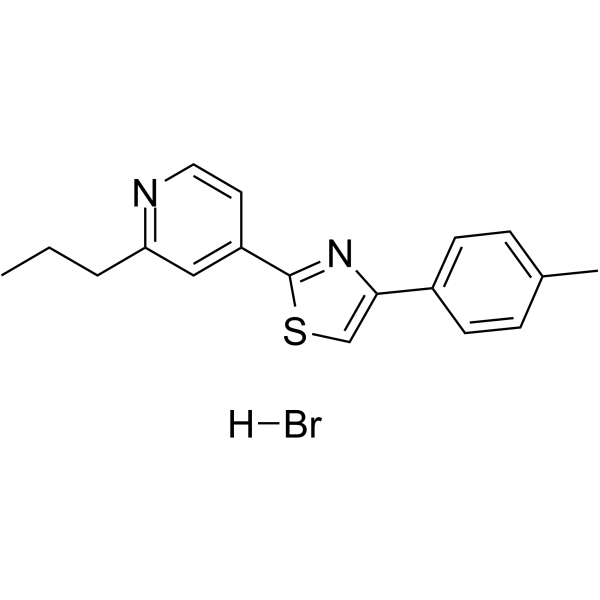
Fatostatin hydrobromide (125B11 hydrobromide), a specific inhibitor of SREBP activation, impairs the activation of SREBP-1 and SREBP-2. Fatostatin hydrobromide binds to SCAP (SREBP cleavage-activating protein), and inhibits the ER-Golgi translocation of SREBPs. Fatostatin hydrobromide decreases the transcription of lipogenic genes in cells. Fatostatin hydrobromide possesses antitumor properties, and lowers hyperglycemia in ob/ob mice [1] .
loading...
    loading...
54
54 Cited Publications
Cat. No.: HY-10409
CAS No.: 936091-26-8
Purity:  99.83%
Synonyms: TG-101348; SAR 302503
Target:  

JAK Apoptosis

Research Areas:  

Cancer

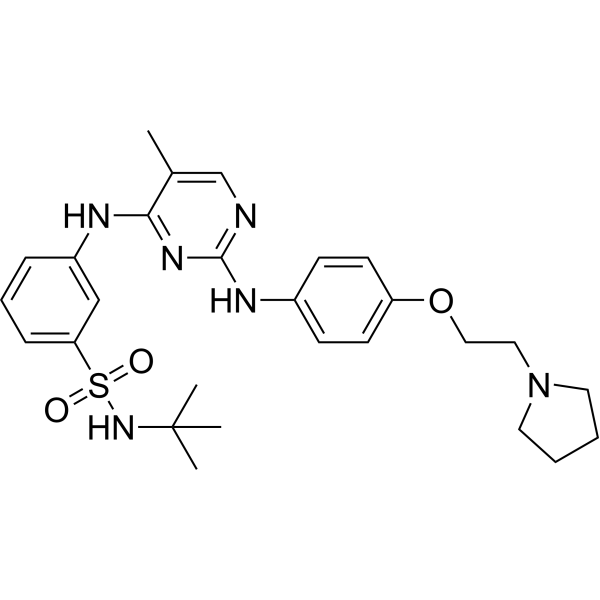
Fedratinib (TG-101348) is a potent, selective, ATP-competitive and orally active JAK2 inhibitor with IC50s of 3 nM for both JAK2 and JAK2V617F kinase. Fedratinib shows 35- and 334-fold selectivity over JAK1 and JAK3, respectively. Fedratinib induces cancer cell apoptosis and has the potential for myeloproliferative disorders research [1] .
loading...
    loading...
54
54 Cited Publications
Cat. No.: HY-10409A
CAS No.: 1374744-69-0
Purity:  99.92%
Synonyms: TG-101348 hydrochloride hydrate; SAR 302503 hydrochloride hydrate
Target:  

JAK Apoptosis

Research Areas:  

Cancer

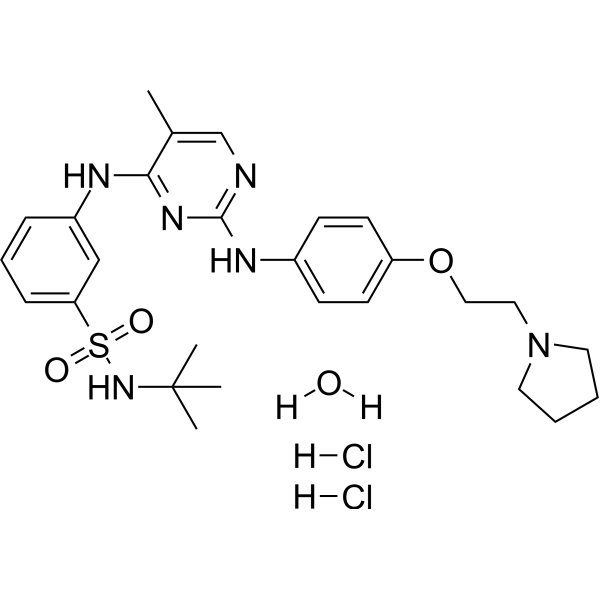
Fedratinib hydrochloride hydrate (TG-101348 hydrochloride hydrate) is a potent, selective, ATP-competitive and orally active JAK2 inhibitor with IC50s of 3 nM for both JAK2 and JAK2V617F kinase. Fedratinib hydrochloride hydrate shows 35- and 334-fold selectivity over JAK1 and JAK3, respectively. Fedratinib hydrochloride hydrate induces cancer cell apoptosis and has the potential for myeloproliferative disorders research [1] .
loading...
    loading...
51
51 Cited Publications
Cat. No.: HY-112921B
CAS No.: 2138299-34-8
Purity:  99.84%
Target:  

STING

Research Areas:  

Inflammation/Immunology Cancer

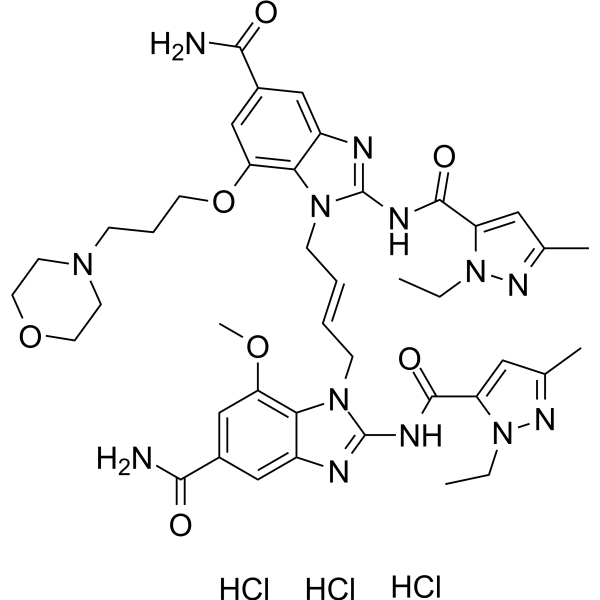
diABZI STING agonist-1 (trihydrochloride) is a selective stimulator of interferon genes (STING) receptor agonist, with EC50s of 130, 186 nM for human and mouse, respectively.
loading...
    loading...

