Search Result
Results for "
SKOV3
" in MedChemExpress (MCE) Product Catalog:
| Cat. No. |
Product Name |
Target |
Research Areas |
Chemical Structure |
-
- HY-W013032A
-
|
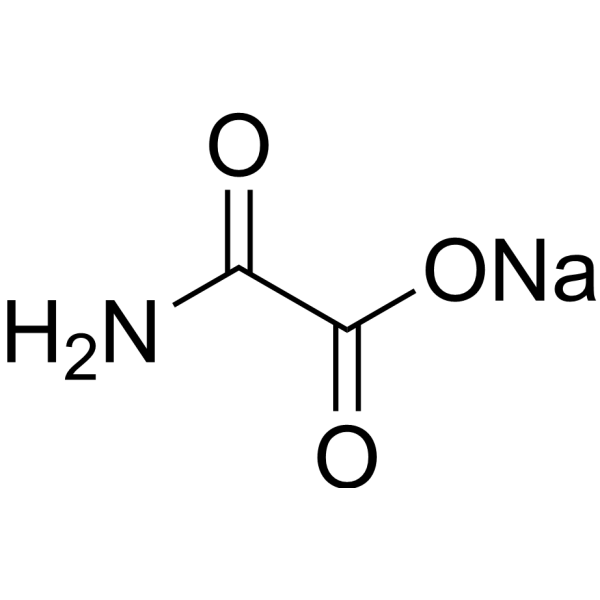
Sodium oxamate
|
Lactate Dehydrogenase
Apoptosis
|
Cancer
|
|
Oxamic acid (oxamate) sodium salt is a lactate dehydrogenase-A (LDH-A) inhibitor. Oxamic acid sodium salt shows anti-tumor activity, and anti-proliferative activity against cancer cells, and can induce apoptosis [3].
|
-
-
- HY-128890
-
|
|
ADC Linker
|
Cancer
|
|
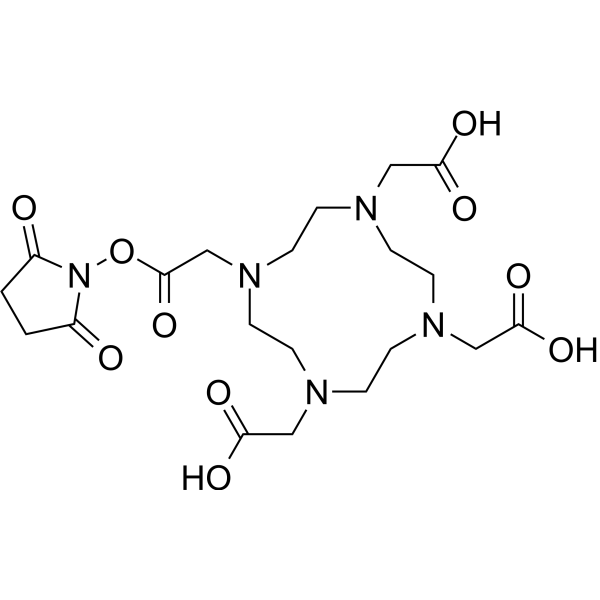
DOTA-NHS-ester is a linker for affibody molecules and is applied in small animals PET, SPECT, and CT. DOTA-NHS-ester can be used to label radiotherapeutic agents or imaging probes for the detection of tumors .
|
-
-
- HY-10626
-
|
|
LXR
FXR
ROR
Apoptosis
|
Cardiovascular Disease
Metabolic Disease
Cancer
|
|
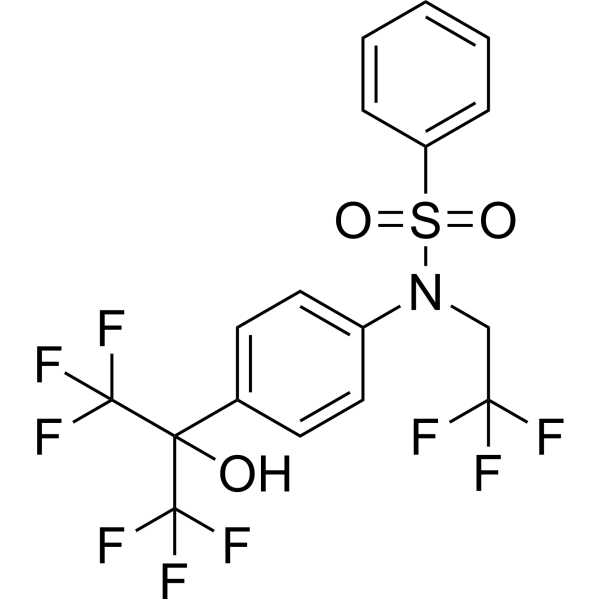
T0901317 is an orally active and highly selective LXR agonist with an EC50 of 20 nM for LXRα . T0901317 activates FXR with an EC50 of 5 μM . T0901317 is RORα and RORγ dual inverse agonist with Ki values of 132 nM and 51 nM, respectively [3]. T0901317 induces apoptosis and inhibits the development of atherosclerosis in low-density lipoprotein (LDL) receptor-deficient mice .
|
-
-
- HY-W013032
-
Oxamic acid
Maximum Cited Publications
58 Publications Verification
Oxamidic acid
|
Lactate Dehydrogenase
Apoptosis
|
Cancer
|
|
Oxamic acid is a lactate dehydrogenase-A (LDH-A) inhibitor. Oxamic acid shows anti-tumor activity, and anti-proliferative activity against cancer cells, and can induce apoptosis [3].
|
-
-
- HY-150231
-
SU056
2 Publications Verification
|
YB-1
|
Cancer
|
|
SU056 is a YB-1 inhibitor. SU056 induces cell-cycle arrest, apoptosis, and inhibits cell migration in ovarian cancer cells. SU056 interacts with YB-1 and inhibits and its associated downstream proteins and pathways. SU056 can enhance the cytotoxic effects of Paclitaxel (HY-B0015) .
|
-
-
- HY-147082
-
|
|
Large Tumor Suppressor (LATS)
YAP
|
Cancer
|
|
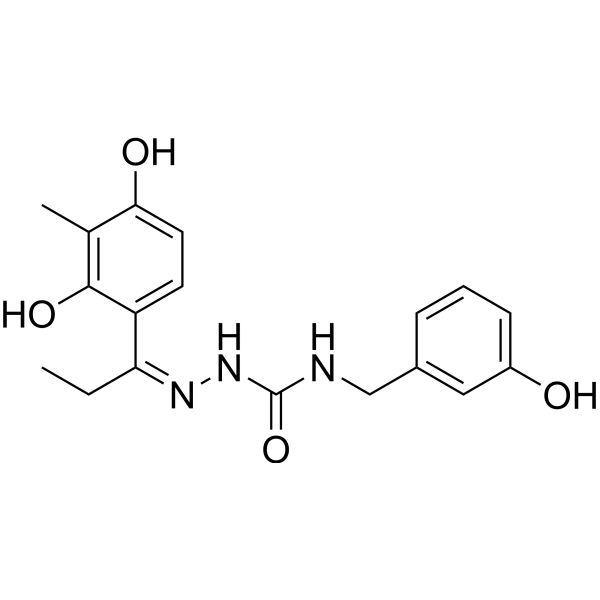
GA-017 is a potent and selective LATS1 and LATS2 (large tumor suppressor kinase 1/2) inhibitor, with IC50 values of 4.10 and 3.92 nM, respectively. GA-017 is an activator of cell proliferation. GA-017 promotes YAP/TAZ activation and nuclear translocation. GA-017 promotes cell growth under 3D culture conditions. GA-017 enhances the ex vivo formation of mouse intestinal organoids .
|
-
-
- HY-156773
-
STM3006
2 Publications Verification
|
Apoptosis
METTL3
|
Cancer
|
|
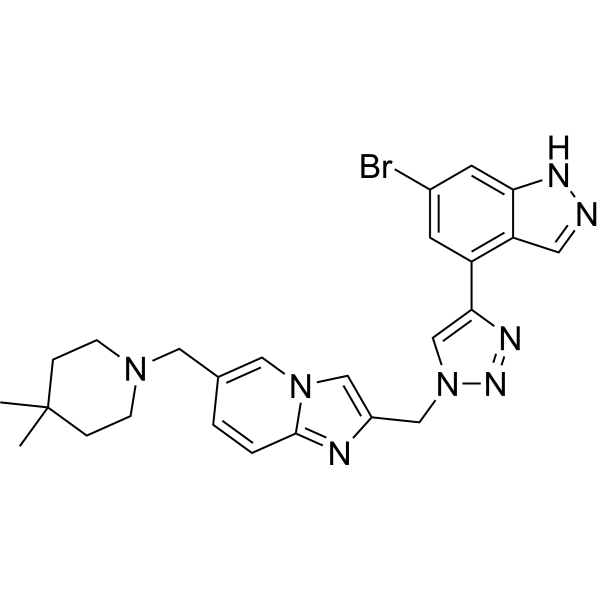
STM3006 is a highly potent, selective, and orally active inhibitor of METTL3 (IC50: 5 nM). STM3006 can reduce the m6A level, promote the formation of dsRNA, trigger a cell-intrinsic interferon response, and enhance the killing effect of T cells on tumors. STM3006 has anti-tumor activity, and its combination with anti-PD-1 immunotherapy yields better results .
|
-
-
- HY-116147
-
|
|
LPL Receptor
Apoptosis
|
Cancer
|
|
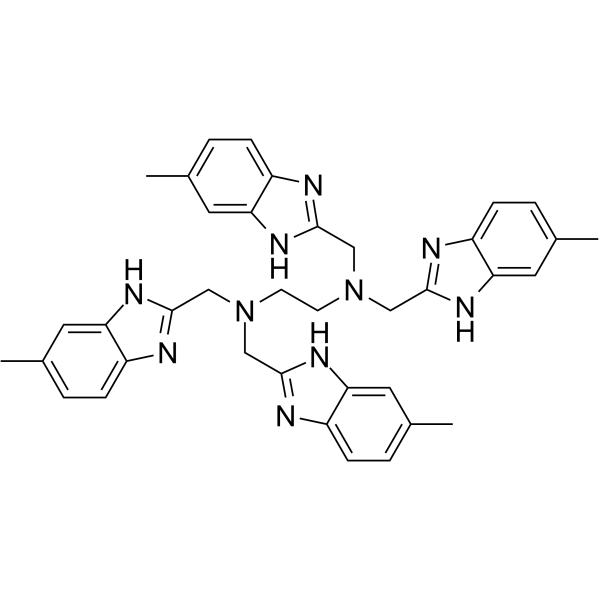
Ceranib-2 is a potent and nonlipid ceramidase inhibitor that inhibits cellular ceramidase activity with an IC50 of 28 μM in SKOV3 cells. Ceranib-2 induces the accumulation of multiple ceramide species, decreases levels of sphingosine and sphingosine-1-phosphate (S1P), and induces cell apoptosis. Anticancer activity .
|
-
-
- HY-N7028
-
-
-
- HY-13915
-
|
|
Apoptosis
|
Cancer
|
|
NSC348884 is a nucleophosmin (NPM) inhibitor, it disrupts oligomer formation and induces apoptosis, inhibits cell proliferation with IC50s of 1.7-4.0 μM in distinct cancer cell lines. NSC348884 can be used for the research of cancer .
|
-
-
- HY-N2460
-
-
-
- HY-N2416
-
|
|
Microtubule/Tubulin
Apoptosis
|
Cancer
|
|
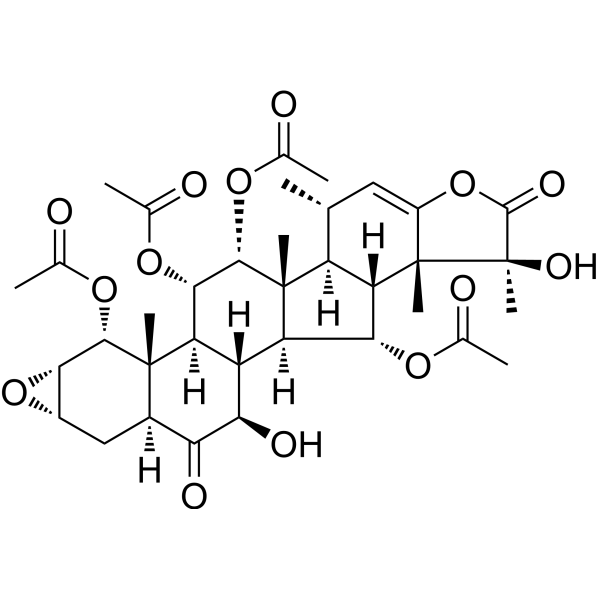
Taccalonolide A is a microtubule stabilizer, which is a steroid isolated from Tacca chantrieri, with cytotoxic and antimalarial activities . Taccalonolide A causes G2-M accumulation, Bcl-2 phosphorylation and initiation of apoptosis . Taccalonolide A is effective in vitro against cell lines that overexpress P-glycoprotein (Pgp) and multidrug resistance protein 7 (MRP7), with an IC50 of 622 nM for SK-OV-3 cells [3].
|
-
-
- HY-151986
-
|
|
DNA/RNA Synthesis
|
Cancer
|
|
FOXM1-IN-1 is a potent FOXM1 inhibitor with an IC50 value of 2.65 µM. FOXM1-IN-1 shows antiproliferative activity. FOXM1-IN-1 decreases the the expression of FOXM1, PLK1, CDC25B protein .
|
-
-
- HY-P1103
-
|
|
CXCR
|
Cancer
|
|
CTCE-9908 is a potent and selective CXCR4 antagonist. CTCE-9908 induces mitotic catastrophe, cytotoxicity and inhibits migration in CXCR4-expressing ovarian cancer cells .
|
-
-
- HY-132302
-
|
|
Akt
PKA
PKC
ROCK
Ribosomal S6 Kinase (RSK)
SGK
|
Cancer
|
|
Hu7691 is an orally active, selective Akt inhibitor with IC50s of 4.0 nM, 97.5 nM, 28 nM for Akt1, Akt2 and Akt3, respectively. Hu7691 inhibits tumor growth and enables decrease of cutaneous toxicity in mice .
|
-
-
- HY-N3028
-
|
|
Microtubule/Tubulin
|
Cancer
|
|
Taccalonolide B is microtubule stabilizer isolated from Tacca plantaginea, with antitumor activity. Taccalonolide B is effective in vitro against cell lines that overexpress P-glycoprotein (Pgp) and multidrug-resistance protein (MRP7). Taccalonolide B inhibits growth of SK-OV-3 cells with an IC50 of 208 nM .
|
-
-
- HY-N0585
-
|
(Rac)-NCTD
|
Apoptosis
|
Cancer
|
|
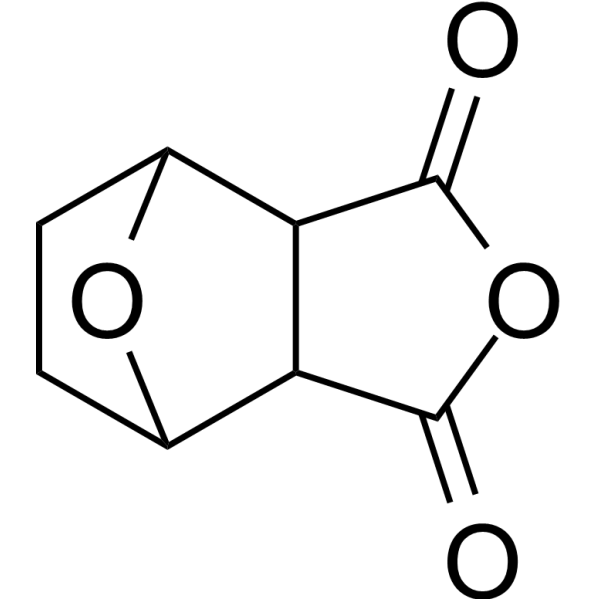
(Rac)-Norcantharidin ((Rac)-NCTD) is the racemic form of Norcantharidin. Norcantharidin is a demethylated derivative of Cantharidin (HY-N0209) and has antitumor activity [3].
|
-
-
- HY-13545
-
ABT-510
1 Publications Verification
|
Apoptosis
|
Inflammation/Immunology
Cancer
|
|
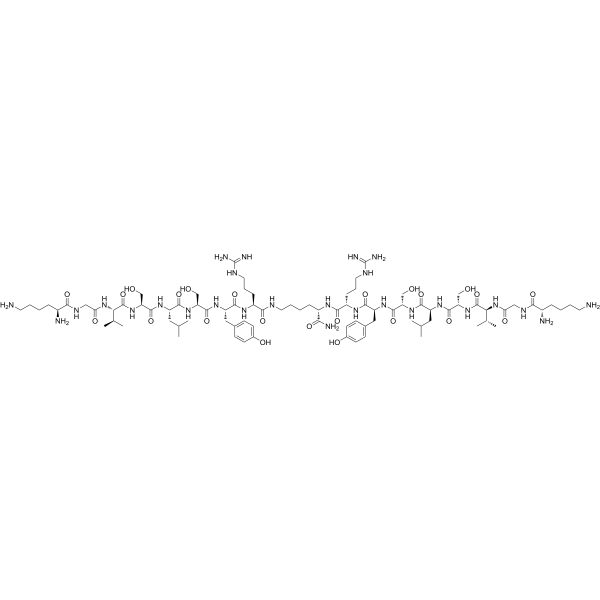
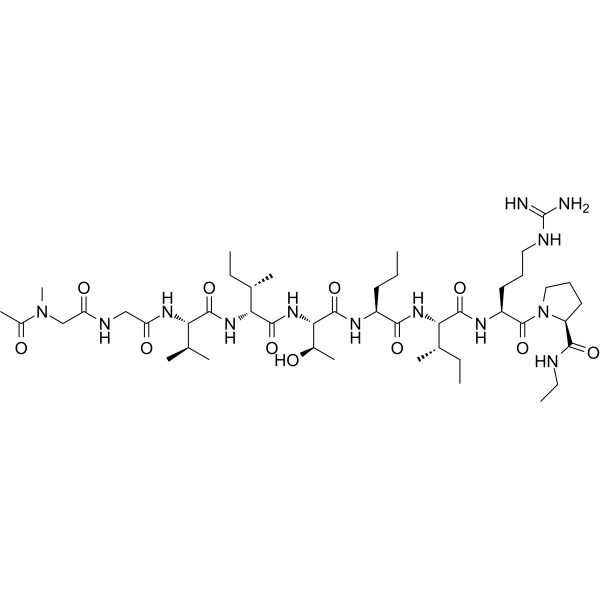
ABT-510 is an anti-angiogenic TSP peptide (Thrombospondin-1 analogue) that induces apoptosis and inhibits ovarian tumour growth in an orthotopic, syngeneic model of epithelial ovarian cancer. ABT-510 also reduces angiogenesis and inflammatory responses in a murine model of inflammatory bowel disease. ABT-510 can be used in studies of cancer (particularly epithelial ovarian cancer) and inflammatory bowel disease (IBD) .
|
-
-
- HY-N1050
-
|
|
mTOR
Ribosomal S6 Kinase (RSK)
Bacterial
|
Infection
Neurological Disease
Cancer
|
|
Zederone is a sesquiterpene. Zederone inhibits ovarian cancer cell proliferation through mTOR/p70s6K signalling pathway. Zederone inhibits CYP activities with IC50s of 2.9 μM (CYP2B6), 9.2 μM (CYP2C9), 11,2 μM (CYP2C19) and >30 μM (CYP1A2 and CYP2D6). Zederone is hepatotoxic with LD50 value at 24 hours in mice of approximately 223 mg/kg and cytotoxic against the KG1a cell line. Zederone shows antibacterial activity against a number of multi-drug resistant and Methicillin (HY-121544)-resistant Staphylococcus aureus strain. Zederone shows cognition improving capacity and assists in the modulation of gut bacterial dysbiosis [3] .
|
-
-
- HY-N7781
-
-
-
- HY-172970
-
|
|
CDK
DNA/RNA Synthesis
Apoptosis
|
Cancer
|
|
HQY1428 is an orally active CDK12 inhibitor. HQY1428 inhibits DNA replication, causes G2/M arrest in SKOV3 cells, induces DNA double-strand breaks and apoptosis. HQY1428 has anti-tumor activity in the SKOV3 xenograft mouse model. HQY1428 combined with the HER2 inhibitor Lapatinib (HY-50898) in the NCI-N87 xenograft mouse model produces a synergistic therapeutic effect .
|
-
-
- HY-102073
-
|
|
Glutaminase
Integrin
FAK
Src
|
Cancer
|
|
TG53 is a potent inhibitor of tissue transglutaminase (TG2) and fibronectin (FN) protein-protein interaction. TG53 inhibits formation of a complex with integrin β1 and activation of FAK and c-Src during SKOV3 cell attachment onto FN. TG53 can be used for ovarian cancer research .
|
-
-
- HY-170517
-
|
|
Wee1
Ephrin Receptor
|
Cancer
|
|
PKMYT1-IN-8 (Compound 137) is the inhibitor for PKMYT1 with an IC50 of 9 nM. PKMYT1-IN-8 inhibits EPHB3, EPHA1, KIT, EPHB1, EPHA2, EPHA3, and EPHB2with IC50s of 1.79, 3.17, 4.29, 6.32, 6.83, 8.10, and 10.9 μM, respectively. PKMYT1-IN-8 inhibits the proliferation of cancer cell OVCAR3 with GI50 of 2.02 μM .
|
-
-
- HY-163743
-
|
|
Salt-inducible Kinase (SIK)
|
Cancer
|
|
SIC-19 is a SIK2 inhibitor and promotes SIK2 protein degradation via the ubiquitination pathway. SIC-19 inhibits cancer cell growth and sensitizes cells to PARP inhibitors (Such as Olaparib (HY-10162)), as well as in ovarian cancer organoids and xenograft models .
|
-
-
- HY-N15314
-
|
|
MDM-2/p53
Akt
Apoptosis
|
Cancer
|
|
Syringolin A is a plant elicitor that can be produced by the plant pathogen Pseudomonas syringae pv. syringae. Syringolin A exhibits anti-proliferative activity against a variety of cancer cells (IC50 for SK-N-SH, LAN-1, SKOV3 is 20-25 µM), induces apoptosis in SK-N-SH through upregulation of p53 expression and downregulation of Akt/PKB proteins .
|
-
-
- HY-P1651B
-
|
|
TRP Channel
|
Cancer
|
|
SOR-C13 acetate is the acetate salt form of SOR-C13 (HY-P1651). SOR-C13 acetate is an antagonist for transient receptor potential vanilloid 6 (TRPV 6), with an IC50 of 14 nM. SOR-C13 acetate inhibits tumor growth in SKOV-3 xenograft mouse model .
|
-
-
- HY-157574
-
|
|
TRP Channel
|
Cancer
|
|
TRPV6-IN-1 is a potent and selective TRPV6 inhibitor. TRPV6-IN-1 has anti-proliferative effect and can be used for the research of cancer .
|
-
-
- HY-177285
-
|
|
Kinesin
ADC Payload
|
Cancer
|
|
NVP-BQS481 (Compound 1) is a selective Kinesin spindle protein-5 (Eg5) inhibitor with an IC50< 0.5 nM. NVP-BQS481 has significant antimitotic and antitumor activity (IC50: 0.0.9 nM for SK-OV-3ip cells). NVP-BQS481 can be used as a cytotoxic payload for synthesis of antibody-drug conjugates (ADCs) .
|
-
-
- HY-178446
-
|
|
METTL3
c-Myc
Bcl-2 Family
|
Cancer
|
|
METTL3-IN-11 is an excellent, selective METTL3 inhibitor (IC50 = 45.31 nM). METTL3-IN-11 exhibits high selectivity towards METTL3 compared to DNMT1, EZH1, MLL1, and PRMT1. METTL3-IN-11 reduces the m6A level of total RNA in MOLM-13 and SKOV3 cells, induces cell apoptosis, and inhibits cell migration. METTL3-IN-11 can reduce the expression of m6A downstream target genes (c-MYC and BCL2). METTL3-IN-11 can be used for the study of ovarian cancer and acute myeloid leukemia .
|
-
-
- HY-159123
-
|
|
MAP4K
|
Cancer
|
|
KHK-6 is an inhibitor for serine/threonine kinase hematopoietic progenitor kinase 1 (HPK 1) with an IC50 of 20 nM. KHK-6 enhances CD3/CD28-induced cytokine production, enhances CD69, CD25 and HLA-DR markers on CD4+ and CD8+ T cells, and enhances T cell-mediated killing activity of SKOV3 and A549 cells .
|
-
-
- HY-178956
-
|
|
HSP
|
Cancer
|
|
KUNB106 is a selective Hsp90β inhibitor with KDs of 91 nM and 38 μM against Hsp90β and Hsp90α. KUNB106 exhibits antiproliferative activity against MDA-MB-231 cells, A549 and SKOV-3 cells. KUNB106 can be used for the study of triple negative breast cancer .
|
-
-
- HY-N8934
-
|
|
Others
|
Cancer
|
|
6β-Hydroxytomentosin, a sesquiterpenoid, can be found in flowers of Inula japonica. 6β-Hydroxytomentosin exhibits weak cytotoxicities against A549, SK-OV-3, HepG-2 and HT-29 cell lines .
|
-
-
- HY-162537
-
|
|
PROTACs
NAMPT
|
Cancer
|
|
LYP-8 is a potent and effective NAMPT degrader with maximum degradation of 97% at 0.5 μM in SKOV-3 cells. LYP-8 shows anti-cancer activity in vivo and in vitro(Sturcture Note:(Blue: Cereblon ligand (HY-112078), Black: linker (HY-128801);Pink: Nampt inhibitor Nampt-IN-11 (HY-158689)) .
|
-
-
- HY-N6578
-
|
|
Others
|
Cancer
|
|
3-epi-Isocucurbitacin B (Compound 5) is a cucurbitane triterpene derived from Trichosanthes kirilowii. 3-epi-Isocucurbitacin B shows significant cytotoxicity to human tumor cells A-549, SK-OV-3, SK-MEL-2, XF-498 and HCT15 .
|
-
-
- HY-175257
-
|
|
PARP
Reactive Oxygen Species (ROS)
Apoptosis
NF-κB
ERK
Bcl-2 Family
TGF-β Receptor
EGFR
Cadherin
|
Cancer
|
|
Theophylline-platinum(IV) prodrug-1 is a PARP-1 inhibitor. Theophylline-platinum(IV) prodrug-1 enhances DNA
damage, ROS production, mitochondrial dysfunction, apoptosis and S-phase arrest, along with reducing invasion and metastasis in cells. Theophylline-platinum(IV) prodrug-1 exhibits superior antitumor activity in the xenograft SKOV3-BRCA1-KD tumor model. Theophylline-platinum(IV) prodrug-1 can be used for the study of ovarian cancer .
|
-
-
- HY-175466
-
|
|
PARP
DNA/RNA Synthesis
Apoptosis
|
Cancer
|
|
BER-IN-1 is a base excision repair (BER) inhibtor, targeting DNA abasic sites. BER-IN-1 cleaves abasic sites via β- and β,δ-elimination mechanisms, disrupts the base excision repair (BER) pathway and leads to DNA double-strand breaks (DSBs). BER-IN-1 can enhance the effectiveness of the PARP inhibitor Olaparib (HY-10162) in homologous recombination (HR)-proficient cancer cells (MDA-MB-231, HeLa, and SKOV3). BER-IN-1 induces an S-phase arrest and apoptosis companied with Olaparib (HY-10162). BER-IN-1 can be used for the research of cancer, such as breast, cervical and ovarian cancer .
|
-
-
- HY-155102
-
|
|
PROTACs
Glutaminase
|
Cancer
|
|
PROTAC TG2 degrader-2 (compound 7) is a selective, competitive degrader targeting Transglutaminase 2 (TG2), with Kd > 100 μM. PROTAC TG2 degrader-2 inhibits the cell migration and decreases the level of TG2 in ovarian cancer cells. PROTAC TG2 degrader-2 can be used for ovarian cancer study .
|
-
-
- HY-178948
-
|
|
HDAC
|
Cancer
|
HDAC10-IN-3 (Compound 2a) is a potent HDAC10 inhibitor with an IC50s of 0.41, 37, 350 and 4500 nM against HDAC10, HDAC6, HDAC8 and HDAC1. HDAC10-IN-3 exhibits moderate cytotoxicity in KB and SK-OV-3 cells, but does not show significant cytotoxicity against most cancer cell lines. HDAC10-IN-3 can be used for the study of cancers .
|
-
-
- HY-136121
-
|
|
Microtubule/Tubulin
|
Cancer
|
|
Tubulin inhibitor 6 (Compound 14b) is a tubulin inhibitor and a potent inhibitor of multiple cancer cell lines. Tubulin inhibitor 6 inhibits tubulin polymerization with an IC50 of 0.87 μM. Tubulin inhibitor 6 inhibits K562 cell growth with an IC50 of 840 nM .
|
-
-
- HY-170322
-
|
|
Indoleamine 2,3-Dioxygenase (IDO)
|
Metabolic Disease
Cancer
|
|
TDO2-IN-1 is a selective TDO2 inhibitor. TDO2-IN-1 binds to the active pocket, heme-binding pocket and substrate-binding pocket of apo-TDO2, interacts with key residues, competitively inhibits heme insertion, and suppresses intracellular TDO2 activity. TDO2-IN-1 can be used in research related to cancer, metabolism and other fields .
|
-
-
- HY-169062
-
|
|
MMP
|
Cancer
|
RJF02215 is an MMP-9 inhibitor. RJF02215 has growth-inhibitory activity on the ovarian cancer SKOV3 cell line. RJF02215 can be used for tumor research .
|
-
-
- HY-173515
-
|
|
FAK
|
Cancer
|
|
FAK-IN-26 is a BBB-penetrable Focal Adhesion Kinase (FAK) inhibitor (IC50: 0.87 nM). FAK-IN-26 significantly suppresses tumor cell viability, cancer stem cell activity, and cell migration in A549 and SKOV-3 cell lines. FAK-IN-26 has potent anti-cancer activity in A549 and SKOV-3 tumor mice models with tumor inhibition rates of 59.15 % and 57.9 % .
|
-
-
- HY-135725
-
|
|
EGFR
|
Cancer
|
|
D-69491 hydrochloride is a HER-2 tyrosine kinase inhibitor that reduces HER-2 phosphorylation, inhibits the proliferation of SKOV-3 cells, and has anticancer activity .
|
-
-
- HY-164320
-
|
|
Apoptosis
|
Cancer
|
|
Anticancer agent 245 (Compound 115) inhibits proliferation of cancer cell SKOV3, MDA-MB-231 and HCT-116 with IC50 of 0.021, 0.056 and 0.11 μM, respectively. Anticancer agent 245 exhibits antitumor efficacy in mice and good pharmacokinetic characteristics in rat models .
|
-
-
- HY-178325
-
|
|
Microtubule/Tubulin
Apoptosis
|
Cancer
|
|
Tubulin-IN-57 is a Tubulin inhibitor. Tubulin-IN-57 is a potent antiproliferative agent that inhibits clonogenic formation, migration, and invasion of ovarian cancer cells. Tubulin-IN-57 inhibits tubulin polymerization, which in turn induces G2/M arrest and apoptosis in SKOV3 cells. Tubulin-IN-57 demonstrates potent antitumor activity without observable toxicity in an SKOV3 xenograft model. Y60S can be used for the study of ovarian cancer .
|
-
-
- HY-N3113
-
|
|
Others
|
Cancer
|
|
Panaxyne is a polyacetylene, that can be isolated from the roots of cultivated-wild ginseng. Panaxyne shows significant and selective cytotoxicity against SK-OV-3, with an ED50 of 1.40 µM .
|
-
-
- HY-146080
-
|
|
Apoptosis
|
Cancer
|
|
Antitumor agent-61 (Compound 9b), Irinotecan (Ir) derivative, is a potential antitumor agent. Antitumor agent-61 displays potent activity with IC50s of 0.92, 1.39, 1.75, 2.20, 3.05 and 3.23 μM against five human cancer cells SK-OV-3, SK-OV-3/CDDP, U2OS, MCF-7, A549 and MG-63, respectively. Antitumor agent-61 induces SK-OV-3 cells apoptosis through mitochondrion pathways .
|
-
-
- HY-149717
-
|
|
Ferroptosis
Apoptosis
Autophagy
|
Cancer
|
|
Antitumor agent-122 (Compound 5j) is an antitumor agent with good efficacy, limited toxicity and low resistance. Antitumor agent-122 has antiproliferative activity for MGC-803 cell, HepG2 cell, SKOV3 cell and T24 cell with IC50 values of 5.23 μM, 3.60 μM, 1.43 μM, 3.03 μM, respectively .
|
-
-
- HY-161825
-
|
|
Microtubule/Tubulin
Apoptosis
|
Cancer
|
|
Tubulin polymerization-IN-66 (Compound 13) inhibits colony formation and tubulin polymerization. Tubulin polymerization-IN-66 induces apoptosis. Tubulin polymerization-IN-66 inhibits cell viability of A549, A2780, SKOV3, HCC827 cells, with IC50s of 0.84, 0.38, 0.31, 0.34 nM respectively. Tubulin polymerization-IN-66 is also active against the Paclitaxel (HY-B0015)-resistant cancer cell line A2780/T and its parental cell line A2780 .
|
-
-
- HY-139882
-
-
- HY-161845
-
|
|
Drug Derivative
|
Cancer
|
|
Anticancer agent 240 (compound 9b) is an 8-quinolinesulfonamide derivative with a cytotoxicity activity. Anticancer agent 240 shows inhibitory activity in Caco-2, SNB-19, A-549, and SKOV-3 cell line IC50 values of 0.26, 0.38, 0.40 and 4.16 μM .
|
-
- HY-144808
-
|
|
Microtubule/Tubulin
|
Cancer
|
|
Anticancer agent 40 (compound 3e) is a potent anticancer agent. Anticancer agent 40 shows anticancer activities with IC50s of 0.94, 0.98, 0.96, 0.95, 2.13 nM for SKBR-3, SKOV-3, PC-3, U-87, HDF cells, respectively .
|
-
- HY-172890
-
|
|
Apoptosis
|
Cancer
|
|
Apoptosis inducer 37 (Derivative 10) is an apoptosis inducer. Apoptosis inducer 37 exerts anticancer effects by inducing S-G2/M cell cycle arrest and promoting cell apoptosis. Apoptosis inducer 37 has significant inhibitory activity against HCT116, SKOV3 and HepG2 cancer cells (IC50 values are 24.98 μM, 26.15 μM and 23.09 μM, respectively). Apoptosis inducer 37 has antitumor effects and can be used in ovarian cancer research .
|
-
- HY-178479
-
|
|
Indoleamine 2,3-Dioxygenase (IDO)
Cytochrome P450
|
Inflammation/Immunology
Cancer
|
|
IDO1-IN-30 (Compound (R)-100) is a potent and highly selective IDO1 inhibitor. IDO1-IN-30 has an IC50 of 4.8 nM to IDO1 in SKOV3 cells. IDO1-IN-30 does not show significant cytotoxicity at 25 µM in HepG2 cells. IDO1-IN-30 can eliminate inhibition of CYP450 enzymes (such as 3A4, 2C9, 2D6). IDO1-IN-30 can be used for research on cancer and inflammatory conditions .
|
-
- HY-178957
-
|
|
HSP
|
Cancer
|
|
Hsp90β-IN-2 (Compound 16B) is a selective Hsp90β inhibitor with KDs of 225 nM and 73.32 μM against Hsp90β and Hsp90α. KUNB106 exhibits antiproliferative activity against MDA-MB-231 cells, A549 and SKOV-3 cells. KUNB106 can be used for the study of triple negative breast cancer .
|
-
- HY-123898
-
|
|
Tyrosinase
Endogenous Metabolite
|
Cancer
|
|
Cepharadione B (compound 22) is a natural compound isolated from the leaves of Piper sanctum. Cepharadione B is a tyrosinase inhibitor with an IC50 value of 170 μM, and inhibits cell growth in A-549, SK-OV-3, SK-MEL-2, XF-498 and HCT-15 cells [3].
|
-
- HY-161824
-
|
|
Drug Intermediate
|
Cancer
|
|
Antiproliferative agent-52 (Compound 4a) is an antiproliferative agent that exhibits significant antiproliferative activity against four human tumor cell lines (A549, A2780, SKOV3, HCC827), with IC50 values ranging from 5.83 to 8.63 nM. Antiproliferative agent-52 can be used in cancer research .
|
-
- HY-134583
-
|
|
Indoleamine 2,3-Dioxygenase (IDO)
|
Cancer
|
|
IDO1-IN-7 is a highly potent and selective indoleamine-2,3-dioxygenase-1 (IDO1) inhibitor, with an IC50 of 6.1 nM in in the cellular assay (SKOV3). IDO1-IN-7 has immunomodulatory effects. IDO1-IN-7 can be used for the research of cancer .
|
-
- HY-144273
-
|
|
Indoleamine 2,3-Dioxygenase (IDO)
|
Cancer
|
|
IDO1-IN-13 (compound 27a) is a potent IDO1 inhibitor with an IC50 of 61.6 nM. IDO1-IN-13 has cellular IDO1 inhibition (HeLa EC50= 30 nM). IDO1-IN-13 decreases 51% of the kyn/trp ratio in SK-OV-3 xenograft tumor tissues .
|
-
- HY-P991310
-
|
LT3015; LT-3000
|
LPL Receptor
|
Neurological Disease
Cancer
|
|
Lpathomab (LT3015; LT-3000) is a human IgG1 monoclonal antibody (mAb) targeting LPA. Lpathomab reduces the release of IL-8 and IL-6 cytokines in SKOV3 cells and blocks LPA-triggered tumor cell migration. Lpathomab reduces neovascularization in Matrigel plug and CNV models. Lpathomab inhibits brain injury in the CCI mouse model. Lpathomab can be used in the study of brain injury, ovarian cancer, diabetic neuropathy, and spinal cord injury. Recommended isotype control: Human IgG1 kappa, Isotype Control (HY-P99001) .
|
-
- HY-N3179
-
|
|
Others
|
Others
|
|
Norcepharadione B is an alkaloid that can be isolated from Houttuynia cordata. Norcepharadione B exhibits moderate cytotoxicity against A-549, SK-OV-3, SK-MEL-2, XF-498 and HCT-15 cell line with ED50s of 40, 26.4, 40, 14.2 and 38.2 μg/mL, respectively .
|
-
- HY-N12821
-
|
|
Others
|
Cancer
|
|
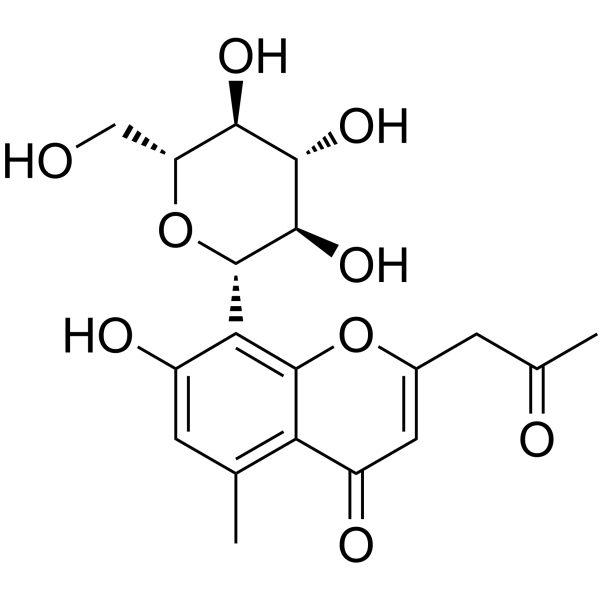
Visamminol-3'-O-glucoside (Compound 4) is a chromone glycoside, which is initially isolated from Saposhnikovia divaricata. Visamminol-3'-O-glucoside exhibits weak cytotoxicity against cancer cells PC-3, SK-OV-3 and H460, with IC50s of 93.91, >100 and >100 μM, respectively .
|
-
- HY-N7028R
-
|
|
Reference Standards
Notch
Apoptosis
|
Neurological Disease
Inflammation/Immunology
Cancer
|
|
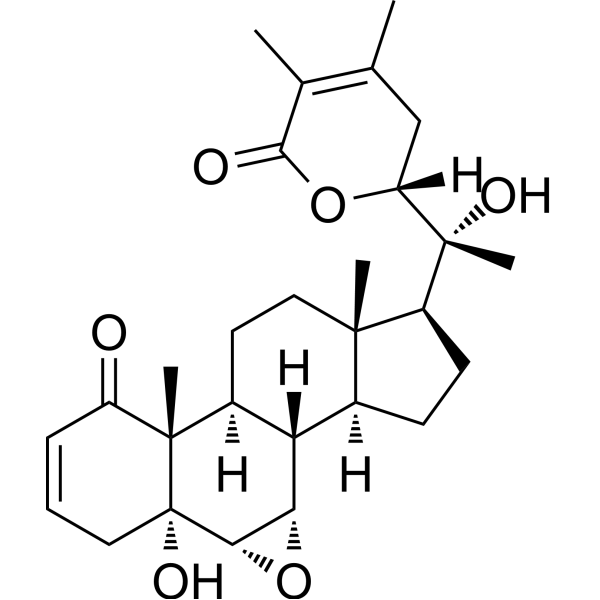
Withanolide A (Standard) is the analytical standard of Withanolide A. This product is intended for research and analytical applications. Withanolide A is an orally active extract from the Indian herb Ashwagandha. Withanolide A can induce apoptosis. Withanolide A has anti-inflammatory and antitumor activity. Withanolide A can be used in the study of neurodegenerative diseases [3] .
|
-
- HY-119110
-
|
|
MMP
|
Cancer
|
|
LY52 is an MMP-2 and MMP-9 inhibitor. LY52 can significantly block the proteolytic activity of gelatinases, reducing the expression of MMP-2 and MMP-9 in SKOV3 cells, thereby inhibiting cell invasion. LY52 can also suppress the pulmonary metastasis of Lewis lung carcinoma cells in mice. LY52 may be used in cancer research .
|
-
- HY-N1614
-
|
|
Others
|
Others
|
|
1 α-hydroxytorilin (compound 3) is a sesquiterpenoid. 1 α-hydroxytorilin can be isolated from Torilis japonica. 1α-hydroxytorilin has cytotoxicity against human A549, SK-OV-3, SK-MEL-2, and HCT15 tumor cells with ED50 values of 20.52, 18.24, 17.48, 42.54 μg/mL, respectively .
|
-
- HY-151207
-
|
|
Apoptosis
ADC Payload
|
Cancer
|
|
Anticancer agent 81 (Compound 37b3) is an anticancer agent and can induce tumor cell cycle arrest and apoptosis. Anticancer agent 81 can be used as a payload to conjugate with Trastuzumab (HY-P9907) to obtain the antibody–agent conjugate (ADC) T-PBA. T-PBA maintained its mode of target and internalization ability of Trastuzumab .
|
-
- HY-N12349
-
|
|
Others
|
Others
|
|
Glucozaluzanin C is a lignan isolated from the MeOH extract of the roots of Ainsliaea acerifolia (Compositae). Glucozaluzanin C has ED50 value of 2.45 μg/mL, 1.37μg/mL, 0.40 μg/mL, 1.41 μg/mL, 1.43 μg/mL for A549 cells, SK-OV-3 cells, SK-MEL-2 cells, XF498 cells, HCT15 cells, respectively .
|
-
- HY-N9101
-
|
|
Others
|
Cancer
|
|
4,4'-Dihydroxy-3,3',9-trimethoxy-9,9'-epoxylignan is a lignans that can be isolated from the Viburnum foetidum. 4,4'-Dihydroxy-3,3',9-trimethoxy-9,9'-epoxylignan has cytotoxicity against A549, SK-OV-3, SKMEL-2 and HCT15 cell line with IC50s of 67.14, 67.38, 64.11 and 76.31 μg/mL, respectively .
|
-
- HY-P1103A
-
|
|
CXCR
|
Cancer
|
|
CTCE-9908 TFA is a potent and selective CXCR4 antagonist. CTCE-9908 TFA induces mitotic catastrophe, cytotoxicity and inhibits migration in CXCR4-expressing ovarian cancer cells .
|
-
- HY-157319
-
|
|
PI3K
|
Cancer
|
|
PI3Kα-IN-15 is a potent PI3Kα inhibitor with an IC50 of 0.15?μM. PI3Kα-IN-15 also has acceptable anti-proliferative activity (inhibits SKOV-3, T47D, NCI-H1975, NCI-H460, and MCF-7 growth with IC50 values of 26.6?μM, 7.9?μM,? 32.1?μM,? 17.7??μM, and 9.4??μM, respectively. PI3Kα-IN-15 can be used for cancer research .
|
-
- HY-157085
-
|
|
HSP
|
Cancer
|
|
BX-2819 is a Hsp90 inhibitor with an IC50 value of 41 nM. BX-2819 inhibits the proliferation of cancer cells. BX-2819 can significantly inhibit the growth of NCI-N87 and HT-29 tumors in nude mice .
|
-
- HY-10626R
-
|
|
Reference Standards
LXR
FXR
ROR
Apoptosis
|
Cardiovascular Disease
Metabolic Disease
Cancer
|
|
T0901317 (Standard) is the analytical standard of T0901317. This product is intended for research and analytical applications. T0901317 is an orally active and highly selective LXR agonist with an EC50 of 20 nM for LXRα . T0901317 activates FXR with an EC50 of 5 μM . T0901317 is RORα and RORγ dual inverse agonist with Ki values of 132 nM and 51 nM, respectively [3]. T0901317 induces apoptosis and inhibits the development of atherosclerosis in low-density lipoprotein (LDL) receptor-deficient mice .
|
-
- HY-132302A
-
|
|
Akt
PKA
PKC
ROCK
Ribosomal S6 Kinase (RSK)
SGK
|
Cancer
|
|
Hu7691 free base is an orally active, selective Akt inhibitor with IC50s of 4.0 nM, 97.5 nM, 28 nM for Akt1, Akt2 and Akt3, respectively. Hu7691 free base inhibits tumor growth and enables decrease of cutaneous toxicity in mice .
|
-
- HY-N12589
-
|
|
Others
|
Cancer
|
|
8-epi-Helenalin is a semitterpene lactone with anti-tumor activity that can be isolated from Inula britannicaL. var. chinensis (Rupr.) Reg. and the ED50 values of 8-epi-Helenalin for HL-60, A549, MCF7, HCT-15, SK-OV-3 and Malme-3M are 12.2 μM, 53.8 μM, 9.1 μM, 8.7 μM, 18.7 μM and 8.3 μM, respectively. 8-epi-Helenalin can be used for anti-tumor studies .
|
-
- HY-126914
-
|
|
Parasite
|
Infection
|
|
Diacetylcercosporin is a perylenequinone produced by Cercospora and Septoria that has diverse biological activities. Diacetylcercosporin inhibits the growth of P. falciparum strains that are sensitive and resistant to chloroquine (IC50s=2.75 and 1.94 μM for D6 and W2 clones, respectively) and L. donovani parasites (IC50=3.1 μM) in vitro. Diacetylcercosporin exhibits cytotoxicity against SK-MEL, KB, BT549, and SKOV3 human cancer cell lines (IC50s=4.8-8.7 μM). Diacetylcercosporin is also a phytotoxin that inhibits the growth of lettuce and bentgrass at a concentration of 1.62 mM.
|
-
- HY-159811
-
|
|
Drug Derivative
|
Cancer
|
|
Antitumor agent-187 (compound I) is an isoflavone derivative with antitumor activity. Antitumor agent-187 shows IC50 values of 5.23 μM and 2.63 μM on A2780 and SKOV3, respectily .
|
-
- HY-177092
-
|
|
Antifolate
SHMT
Apoptosis
mTOR
Reactive Oxygen Species (ROS)
Mitochondrial Metabolism
|
Cancer
|
|
AGF347 is a potent and multi-targeted antifolate that targets serine hydroxymethyltransferase (SHMT)2 in the mitochondria and SHMT1 in the cytosol, and inhibits de novo purine biosynthesis. AGF347 induces apoptosis, inhibits mTOR signaling, decreases GSH pools, and increases ROS. AGF347 inhibits proliferation of Cisplatin (HY-17394) sensitive and resistant epithelial ovarian cancer (EOC) cells. AGF347 exhibits antitumor efficacy in SKOV3 EOC xenograft mouse models. AGF347 can be used for ovarian cancer research .
|
-
- HY-114056
-
|
|
Others
|
Cancer
|
|
AS115 is a potent and selective KIAA1363 inactivator with IC50 value of 150 nM. KIAA1363 is a 2-acetyl monoacylglycerol ether (MAGE) hydrolase that is upregulated in aggressive cancers of various tissues .
|
-
- HY-N12606
-
|
|
Fungal
|
Infection
|
|
Neodidymelliosides A (compound 1)It is a secondary metabolite of fungi and has a significant inhibitory effect on Staphylococcus aureus and Candida albicans biofilms. Neodidymelliosides AIt also has anti-cancer activity and can inhibit KB3.1 (cervix),PC-3 (prostate),MCF-7(breast),SKOV-3 (ovary),A431 (skin )and A549 (lung )Cell viability of cell lines .
|
-
- HY-N11010
-
|
|
Others
|
Cancer
|
|
Eclalbasaponin IV is a triterpenoid that can be isolate from the aerial parts of Eclipta prostrata. Eclalbasaponin IV shows antitumor activity in human ovarian cancer cells .
|
-
- HY-177967
-
|
|
Drug Derivative
|
Cancer
|
|
Antitumor agent-209 (Compound 10g), a quinolone derivative, is an antitumor agent. Antitumor agent-209 can inhibit proliferation of HCT-116, RKO, DLD1, HepG2, BGC-823, NCI-H1650 and SK-OV-3 cells with IC50 values of 0.37, 0.58, 0.81, 0.79, 0.89, 0.78 and 0.89 μM .
|
-
- HY-164553
-
|
|
Apoptosis
CDK
|
Cancer
|
|
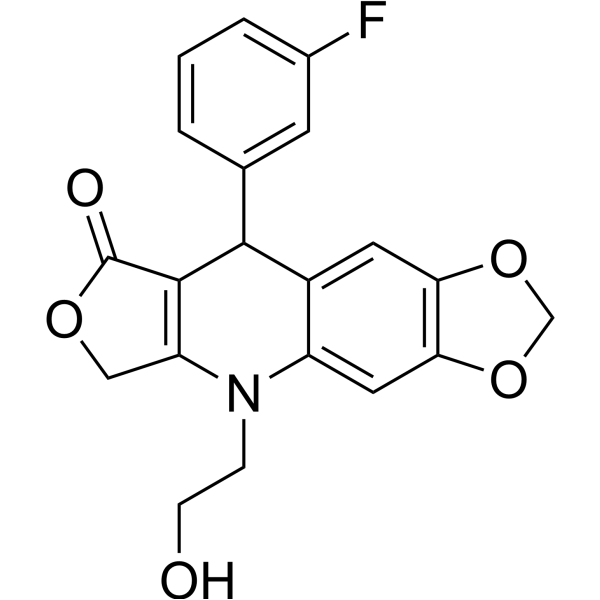
ZSQ836 is an orally active dual covalent inhibitor of CDK12/CDK13, with an EC50 value of 32 nM against CDK12. ZSQ836 can induce apoptosis and exhibit anticancer activity in vivo. ZSQ836 can be used in the study of ovarian cancer .
|
-
- HY-151375
-
|
|
CDK
|
Cancer
|
|
CDK9/10/GSK3β-IN-1 (compound 13c) is a kinase inhibitor (Flavopiridol (HY-10005) analogue) that effectively inhibits HsGSK3β (IC50=59 nM), HsCDK9/CyclinT (IC50=64 nM), HsCDK5/p25 (IC50=1.093 μM) and HsCDK2/CyclinA (IC50=1.725 μM). CDK9/10/GSK3β-IN-1 has anti-cancer cellular activity comparable to or higher than that of Flavopiridol. CDK9/10/GSK3β-IN-1 shows high anti-proliferative activity in vitro against up to seven cancer cell lines .
|
-
- HY-172617
-
|
|
BMI1
Microtubule/Tubulin
Apoptosis
|
Cancer
|
|
APD-94 is a dual inhibitor targeting tubulin and Bmi-1. APD-94 interfers tubulin normal polymerization. APD-94 suppresses the expression of Bmi-1. APD-94 causes cell cycle arrest at the G2/M phase in cancer cells and induces apoptosis, thus inhibiting cancer cell proliferation. APD-94 represses the growth of HT29 cell xenografts in NOD/SCID mice. APD-94 can be used for colorectal cancer study .
|
-
- HY-W098807
-
|
|
Drug Derivative
|
Cancer
|
|
4-Chloro-7-ethoxyquinoline (Compound 9a), a quinolone derivative, is an anticancer agent. 4-Chloro-7-ethoxyquinoline can inhibit proliferation of HCT-116, RKO, DLD1, HepG2, BGC-823, NCI-H1650 and SK-OV-3 cells with IC50 values of 3.16, 3.87, 2.75, 2.66, 3.91, 3.34 and 3.46μM .
|
-
- HY-W013032R
-
|
Oxamidic acid (Standard)
|
Reference Standards
Lactate Dehydrogenase
Apoptosis
|
Cancer
|
|
Oxamic acid (Standard) is the analytical standard of Oxamic acid. This product is intended for research and analytical applications. Oxamic acid is a lactate dehydrogenase-A (LDH-A) inhibitor. Oxamic acid shows anti-tumor activity, and anti-proliferative activity against cancer cells, and can induce apoptosis[1][2][3].
|
-
- HY-136123
-
|
|
Microtubule/Tubulin
|
Cancer
|
|
Tubulin inhibitor 8 (Compound 33b) is a tubulin inhibitor and a potent inhibitor of multiple cancer cell lines. Tubulin inhibitor 8 inhibits tubulin polymerization with an IC50 of 0.73 μM. Tubulin inhibitor 8 inhibits K562 cell growth with an IC50 of 14 nM .
|
-
- HY-136122
-
|
|
Microtubule/Tubulin
|
Cancer
|
|
Tubulin inhibitor 7 (Compound 33c) is a tubulin inhibitor and a potent inhibitor of multiple cancer cell lines. Tubulin inhibitor 7 inhibits tubulin polymerization with an IC50 of 0.52 μM. Tubulin inhibitor 7 inhibits K562 cell growth with an IC50 of 11 nM .
|
-
- HY-139150
-
|
|
Histone Methyltransferase
|
Cancer
|
|
EZH2-IN-4 is an orally active, potent EZH2 inhibitor with IC50s of 0.923 nM and 2.65 nM against wild type (WT) 5-membered (5-mer) EZH2 and mutant 5-mer EZH2, respectively. EZH2-IN-4 has anti-cancer activity .
|
-
- HY-179385
-
|
|
Microtubule/Tubulin
Phosphatase
Apoptosis
|
Cancer
|
|
Tubulin-IN-62 is a tubulin inhibitor targeting the colchicine-binding site. Tubulin-IN-62 exhibits IC50 values of 17.2 nM and 19.3 nM against SKOV3 and HCC827 cells, respectively. Tubulin-IN-62 inhibits microtubule polymerization, arrests the cell cycle at the G2/M phase, and induces apoptosis. Tubulin-IN-62 demonstrates significant antitumor efficacy in vivo with good tolerability. Tubulin-IN-62 can be used in ovarian cancer and non-small cell lung cancer (NSCLC) research .
|
-
- HY-N9848
-
|
|
Others
|
Cancer
|
|
2α,3α,24-Trihydroxyursa-12,20(30)-dien-28-oic acid is a triterpenoid with anticancer effects. 2α,3α,24-Trihydroxyursa-12,20(30)-dien-28-oic acid inhibits HepG2, A549, MCF-7, SK-OV-3, and HeLa cells with IC50 values of 19.62 μM, 18.86 μM, 45.94 μM, 62.41 μM, and 28.74 μM, respectively .
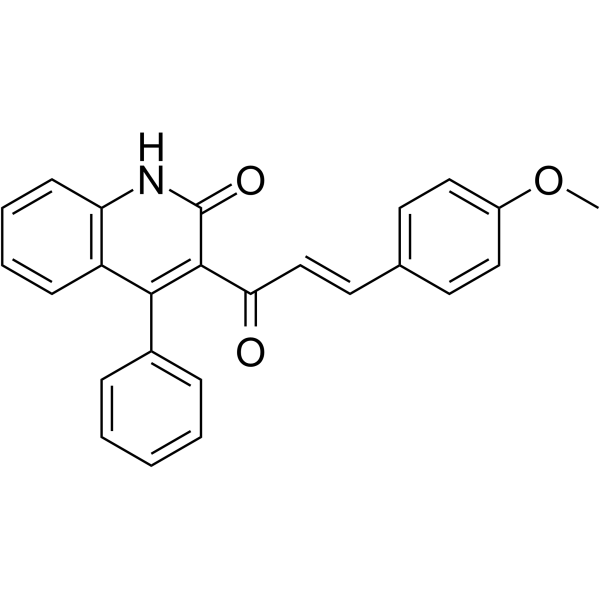
|
-
- HY-183253
-
|
|
Drug-Linker Conjugates for ADC
Eukaryotic Initiation Factor (eIF)
EGFR
|
Cancer
|
|
DL149 is a component of an antibody-drug conjugate (ADC) formed by conjugating the eIF4A inhibitor FD236 (HY-186186) with an ADC linker, and exhibits potential antitumor activity. DL149 can bind to an anti-HER2 antibody to form a complete ADC molecule, which precisely binds to the HER2 receptor on the surface of tumor cells. After internalization into cells, it releases the eIF4A inhibitor payload. DL149 irreversibly blocks the mRNA translation process in tumor cells, thereby inhibiting tumor cell proliferation and inducing their death. DL149 exhibits in vivo antitumor activity in the SK-OV-3 xenograft tumor model, and can be used for the research of HER2-positive solid tumors .
|
-
- HY-183953
-
|
|
Phosphatase
|
Cancer
|
|
JMS-038 is a PTP4A3 inhibitor with an IC50 of 0.018 μM against human PTP4A3. JMS-038 can be used in ovarian cancer-related research .
|
-
- HY-183312
-
|
|
ATP Synthase
Reactive Oxygen Species (ROS)
Bcl-2 Family
Apoptosis
Ferroptosis
|
Cancer
|
|
Antitumor agent-217 is a dual mitochondria-targeted anticancer agent. Antitumor agent-217 exhibits potent and selective antiproliferative activity against bladder cancer cell line J82 (IC50 = 6.3 μM), and inhibits colony formation and migration of J82 cells. Antitumor agent-217 accumulates in mitochondria, alters mitochondrial morphology, reduces ATP production, increases ROS generation and decreases mitochondrial membrane potential. Antitumor agent-217 induces apoptosis (Apoptosis) and ferroptosis (Ferroptosis) in bladder cancer cells. Antitumor agent-217 can be used for the research of bladder cancer .
|
-
- HY-D3186
-
|
|
Fluorescent Dye
Glycosidase
|
Cancer
|
|
HMRef-βGal is a fluorescent probe and a substrate responsive to β-galactosidase (β-galactosidase) (Ex/Em=498 nm/505-600 nm). After being cleaved by β-galactosidase, HMRef-βGal triggers significant fluorescence enhancement via intramolecular spirocyclic function regulation. HMRef-βGal generates bright fluorescence in cancer cells with elevated β-galactosidase activity, enabling visualization of tiny peritoneal metastases in mouse models. HMRef-βGal exhibits low in vitro cytotoxicity and low acute in vivo toxicity in mice. HMRef-βGal can be used for preclinical fluorescence-guided diagnosis and cytoreductive surgery of peritoneal metastases, including compatibility with real-time naked-eye detection and endoscopic imaging, as well as for studies related to peritoneal metastases of ovarian cancer .
|
-
- HY-181843
-
|
|
HDAC
Apoptosis
Histone Acetyltransferase
Microtubule/Tubulin
Caspase
|
Cancer
|
|
HDAC-IN-99 is a histone deacetylase (HDAC) inhibitor with an IC50 of 37.73 nM, and it exhibits potent inhibitory activity against HDAC1 (IC50 = 48.09 nM), HDAC2 (IC50 = 300.28 nM) and HDAC6 (IC50 = 9.16 nM). HDAC-IN-99 exerts broad-spectrum antiproliferative activity in various cancer cell lines. HDAC-IN-99 induces S-phase cell cycle arrest and apoptosis in colon cancer cells, increases the acetylation levels of histone H3, histone H4 and α-tubulin, and upregulates the expression of p21 as well as the cleavage of caspase-3. HDAC-IN-99 displays antitumor activity in colon cancer xenograft models. HDAC-IN-99 can be used for the research of colon cancer .
|
-
- HY-181732
-
|
|
PROTACs
Transglutaminase
FAK
Src
Akt
|
Cancer
|
|
PROTAC TG2 Degrader-3 is a TG2 (TGM2) PROTAC degrader. PROTAC TG2 Degrader-3 inhibits the adhesion and migration of ovarian cancer cells. PROTAC TG2 Degrader-3 can be used for the research of ovarian cancer .
|
-
- HY-P992004
-
|
RA15-7, HuRA15-7Acc
|
Folate Receptor (FR)
|
Cancer
|
|
KHK2805 (RA15-7) is a humanized antibody against folate receptor α (FOLR1), with a Kd of 0.647 nM for human FOLR1. KHK2805 binds to a unique epitope of FOLR1 and mediates antibody-dependent cellular cytotoxicity and complement-dependent cytotoxicity against FOLR1-expressing cells. KHK2805 exhibits cytotoxicity against both ovarian cancer cells and Platinum (HY-W096169D)-resistant ovarian cancer cells. KHK2805 can be used for the research of tumors such as ovarian cancer .
|
-
- HY-181173
-
|
|
VEGFR
|
Cancer
|
|
VEGFR-2-IN-80 is a VEGFR-2 inhibitor with an IC50 of 2.206 μM. VEGFR-2-IN-80 interacts with ATP-binding residues of VEGFR-2 to inhibit its kinase activity. VEGFR-2-IN-80 suppresses formation of capillary-like networks, exerts cytotoxic effects against various human cancer cells, and suppresses growth of HCT116 xenografts. VEGFR-2-IN-80 can be used for the research of colorectal cancer .
|
-
- HY-P11845
-
|
|
Radionuclide-Drug Conjugates (RDCs)
Neurotensin Receptor
|
Cancer
|
|
DOTA-NT-20.3-IPBA is a Neurotensin receptor 1 (NTR1)-targeting albumin binder with specific high-affinity binding to NTR1. DOTA-NT-20.3-IPBA is formed by the conjugation of DOTA-NT-20.3 and IPBA. DOTA-NT-20.3-IPBA can be used for positron emission tomography (PET) imaging following labeling with [ 68Ga]Ga .
|
-
- HY-W1130452
-
|
|
Liposome
|
Cancer
|
|
Lipid C16-C is an ionizable cationic lipid that can be used to prepare lipid nanoparticles (LNPs) for mRNA delivery. Lipid C16-C mediates ApoE-independent macropinocytosis-based mRNA delivery to macrophages, with endosomal acidification enabling endosomal escape and release of mRNA cargo into the cytosol .
|
-
- HY-182633
-
|
|
P-glycoprotein
|
Cancer
|
|
Hapalosin is a multidrug resistance reversal agent and chemosensitizer with mild cytotoxicity against cancer cells. Hapalosin inhibits the ATP-dependent drug efflux pump function of P-glycoprotein and antagonizes multidrug resistance-associated proteins. Hapalosin reverses multidrug resistance mediated by P-glycoprotein and multidrug resistance-associated proteins, increases the intracellular accumulation of drugs transported by P-glycoprotein, and enhances the cytotoxicity of these drugs against cancer cells overexpressing P-glycoprotein. Hapalosin can be used in the research of multidrug-resistant cancers .
|
-
- HY-P992151
-
|
LT1002
|
LPL Receptor
Interleukin Related
|
Cardiovascular Disease
Neurological Disease
Inflammation/Immunology
Cancer
|
|
Sphingomab (LT1002) is a mouse-derived IgG1 κ monoclonal antibody and also an inhibitor targeting S1P, with high affinity for S1P and a Kd value of 0.03 ± 0.002 nM. Sphingomab blocks S1P-mediated IL-8 release in ovarian cancer cells. Sphingomab exhibits anti-angiogenic activity in a mouse model of choroidal neovascularization. Sphingomab reduces peripheral blood lymphocyte counts. Sphingomab can be used in the research of ovarian cancer and age-related macular degeneration .
|
-
- HY-156484
-
|
|
PI3K
mTOR
|
Cancer
|
|
SPR519 is a selective, orally active dual PI3Kα/mTOR kinase inhibitor, with an IC50 of 0.03 μM against PI3Kα and an IC50 of 0.01 μM against mTOR. SPR519 exhibits anticancer effects in ovarian cancer and colon cancer xenograft models. SPR519 can be used for the research of solid tumors (ovarian cancer, colon cancer) .
|
-
- HY-16397
-
|
Phenethylbiguanide
|
Mitochondrial Metabolism
AMPK
Apoptosis
Autophagy
mTOR
|
Neurological Disease
Metabolic Disease
Cancer
|
|
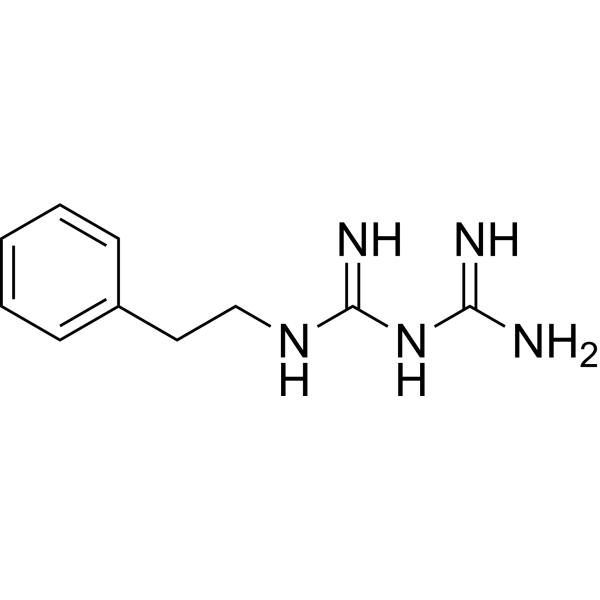
Phenformin (Phenethylbiguanide) is an orally active biguanide hypoglycemic agent. Phenformin inhibits mitochondrial respiratory chain complex I, leading to an increased AMP/ATP ratio, activation of AMPK, and subsequent inhibition of the mTOR pathway, thereby suppressing cell proliferation, inducing apoptosis and autophagy. Phenformin inhibits cancer stem cells (CSCs) and possesses potent antitumor potential [3] .
|
-
- HY-12929
-
|
SU093
|
Pim
Apoptosis
|
Cancer
|
|
NSC756093 (SU093) is a GBP1:PIM1 interaction inhibitor. NSC756093 binds to GBP1-PIM1 with a Kd of 38 nM. NSC756093 suppresses proliferation, reduces migration, induces G1 phase cell-cycle arrest, and increases apoptotic cell death in ovarian cancer cells. NSC756093 reduces cellular proteasomal activity, induces accumulation of ubiquitinated proteins, and restrains tumor progression and lung metastasis in murine ovarian cancer xenograft models. NSC756093 increases sensitivity of prostate cancer cells to Docetaxel (HY-B0011) and sensitizes GBP1-overexpressing ovarian cancer cells to Paclitaxel (HY-B0015). NSC756093 can be used for the research of prostate cancer and ovarian cancer [3] .
|
-
- HY-164184
-
|
|
Apoptosis
Caspase
HSP
Early 2 Factor (E2F)
DNA/RNA Synthesis
|
Cancer
|
|
Ly101-4B is an apoptosis inducer and multi-target inhibitor with antiproliferative, antitumor and cycytotoxic effects. Ly101-4B reduces HSF1 expression, inhibits microRNA-214 synthesis, downregulates HSP27, HSP70 and HSP90 expression, while suppressing E2F-dependent transcriptional activity and downregulating its target genes. Ly101-4B induces caspase 3/7-mediated apoptosis by reducing DNA synthesis, inhibiting the cell cycle and G1/S phase transition, without affecting RNA synthesis or inducing necrosis. Ly101-4B is selective for pancreatic ductal adenocarcinoma cells with different genotypes and varying degrees of E2F dependence. Ly101-4B can be used in research related to epithelial ovarian cancer and pancreatic ductal adenocarcinoma [3].
|
-
- HY-181986
-
|
|
Lipase
Apoptosis
|
Cancer
|
|
ERX-208 is an anticancer agent that induces endoplasmic reticulum stress by targeting lysosomal acid lipase A (LIPA), ultimately leading to cancer cell apoptosis. ERX-208 can be used in ovarian cancer research .
|
-
- HY-N3415
-
|
|
Apoptosis
Autophagy
Caspase
Ferroptosis
SARS-CoV
|
Neurological Disease
Inflammation/Immunology
Cancer
|
|
Kumatakenin is an orally active apoptosis inducer and autophagy inhibitor, with a Kd value of 2.94 μM for mouse ATG5. Kumatakenin increases the activities of caspase-3, caspase-8 and caspase-9, thereby inducing caspase-dependent apoptosis in ovarian cancer cells. Kumatakenin reduces the expression of chemokines and pro-oncogenic factors in ovarian cancer cells, and inhibits M2 macrophage polarization. Kumatakenin inactivates TRIM65 function, reduces the expression and stability of FASN, and thus inhibits the proliferation, migration, invasion and tumor progression of esophageal cancer cells. Kumatakenin interacts with ATG5 to reduce its protein level, decrease LC3 level, and reduce the number of autophagosomes in the hippocampus. Kumatakenin binds to Eno3 to upregulate its expression, reduce the stability and expression level of IRP1 mRNA, inhibit ferroptosis, alleviate intestinal inflammation, and restore epithelial barrier function. Kumatakenin enhances the efficacy of antibiotics against pathogenic bacteria, inhibits SARS-CoV-2 replication, and reduces cytokine production. Kumatakenin is applicable to research related to ovarian cancer, esophageal cancer, depression and colitis [3] .
|
-
- HY-N18126
-
|
|
Others
|
Cancer
|
|
13b,14-Dihydrorutaecarpine is a cytotoxin derived from dihydrorutaecarpine. 13b,14-Dihydrorutaecarpine exerts selective cytotoxicity against central nervous system (CNS) and prostate cancer cell lines (GI50=0.02 μM and 0.2 μM). 13b,14-Dihydrorutaecarpine can be used in the research of central nervous system (CNS) cancer, ovarian cancer, prostate cancer and renal cancer .
|
-
| Cat. No. |
Product Name |
Type |
-
- HY-D3186
-
|
|
Fluorescent Dyes
|
|
HMRef-βGal is a fluorescent probe and a substrate responsive to β-galactosidase (β-galactosidase) (Ex/Em=498 nm/505-600 nm). After being cleaved by β-galactosidase, HMRef-βGal triggers significant fluorescence enhancement via intramolecular spirocyclic function regulation. HMRef-βGal generates bright fluorescence in cancer cells with elevated β-galactosidase activity, enabling visualization of tiny peritoneal metastases in mouse models. HMRef-βGal exhibits low in vitro cytotoxicity and low acute in vivo toxicity in mice. HMRef-βGal can be used for preclinical fluorescence-guided diagnosis and cytoreductive surgery of peritoneal metastases, including compatibility with real-time naked-eye detection and endoscopic imaging, as well as for studies related to peritoneal metastases of ovarian cancer .
|
| Cat. No. |
Product Name |
Target |
Research Area |
-
- HY-P1103
-
|
|
CXCR
|
Cancer
|
|
CTCE-9908 is a potent and selective CXCR4 antagonist. CTCE-9908 induces mitotic catastrophe, cytotoxicity and inhibits migration in CXCR4-expressing ovarian cancer cells .
|
-
- HY-13545
-
ABT-510
1 Publications Verification
|
Apoptosis
|
Inflammation/Immunology
Cancer
|
|
ABT-510 is an anti-angiogenic TSP peptide (Thrombospondin-1 analogue) that induces apoptosis and inhibits ovarian tumour growth in an orthotopic, syngeneic model of epithelial ovarian cancer. ABT-510 also reduces angiogenesis and inflammatory responses in a murine model of inflammatory bowel disease. ABT-510 can be used in studies of cancer (particularly epithelial ovarian cancer) and inflammatory bowel disease (IBD) .
|
-
- HY-P1651B
-
|
|
TRP Channel
|
Cancer
|
|
SOR-C13 acetate is the acetate salt form of SOR-C13 (HY-P1651). SOR-C13 acetate is an antagonist for transient receptor potential vanilloid 6 (TRPV 6), with an IC50 of 14 nM. SOR-C13 acetate inhibits tumor growth in SKOV-3 xenograft mouse model .
|
-
- HY-P1103A
-
|
|
CXCR
|
Cancer
|
|
CTCE-9908 TFA is a potent and selective CXCR4 antagonist. CTCE-9908 TFA induces mitotic catastrophe, cytotoxicity and inhibits migration in CXCR4-expressing ovarian cancer cells .
|
-
- HY-P11845
-
|
|
Radionuclide-Drug Conjugates (RDCs)
Neurotensin Receptor
|
Cancer
|
|
DOTA-NT-20.3-IPBA is a Neurotensin receptor 1 (NTR1)-targeting albumin binder with specific high-affinity binding to NTR1. DOTA-NT-20.3-IPBA is formed by the conjugation of DOTA-NT-20.3 and IPBA. DOTA-NT-20.3-IPBA can be used for positron emission tomography (PET) imaging following labeling with [ 68Ga]Ga .
|
| Cat. No. |
Product Name |
Target |
Research Area |
Image |
-
- HY-P991310
-
|
LT3015; LT-3000
|
LPL Receptor
|
Neurological Disease
Cancer
|
|
Lpathomab (LT3015; LT-3000) is a human IgG1 monoclonal antibody (mAb) targeting LPA. Lpathomab reduces the release of IL-8 and IL-6 cytokines in SKOV3 cells and blocks LPA-triggered tumor cell migration. Lpathomab reduces neovascularization in Matrigel plug and CNV models. Lpathomab inhibits brain injury in the CCI mouse model. Lpathomab can be used in the study of brain injury, ovarian cancer, diabetic neuropathy, and spinal cord injury. Recommended isotype control: Human IgG1 kappa, Isotype Control (HY-P99001) .
|
-
(5)
-
- HY-P992004
-
|
RA15-7, HuRA15-7Acc
|
Folate Receptor (FR)
|
Cancer
|
|
KHK2805 (RA15-7) is a humanized antibody against folate receptor α (FOLR1), with a Kd of 0.647 nM for human FOLR1. KHK2805 binds to a unique epitope of FOLR1 and mediates antibody-dependent cellular cytotoxicity and complement-dependent cytotoxicity against FOLR1-expressing cells. KHK2805 exhibits cytotoxicity against both ovarian cancer cells and Platinum (HY-W096169D)-resistant ovarian cancer cells. KHK2805 can be used for the research of tumors such as ovarian cancer .
|
-
(5)
-
- HY-P992151
-
|
LT1002
|
LPL Receptor
Interleukin Related
|
Cardiovascular Disease
Neurological Disease
Inflammation/Immunology
Cancer
|
|
Sphingomab (LT1002) is a mouse-derived IgG1 κ monoclonal antibody and also an inhibitor targeting S1P, with high affinity for S1P and a Kd value of 0.03 ± 0.002 nM. Sphingomab blocks S1P-mediated IL-8 release in ovarian cancer cells. Sphingomab exhibits anti-angiogenic activity in a mouse model of choroidal neovascularization. Sphingomab reduces peripheral blood lymphocyte counts. Sphingomab can be used in the research of ovarian cancer and age-related macular degeneration .
|
-
(5)
| Cat. No. |
Product Name |
Category |
Target |
Chemical Structure |
-
- HY-W013032
-
-
-
- HY-N7028
-
-
-
- HY-N2460
-
-
-
- HY-N2416
-
-
-
- HY-N3415
-
|
|
Flavonols
Structural Classification
Flavonoids
Classification of Application Fields
Phenols
Polyphenols
Myrtaceae
Plants
Syzygium aromaticum
Disease Research Fields
Source Classification
Cancer
|
Apoptosis
Autophagy
Caspase
Ferroptosis
SARS-CoV
|
|
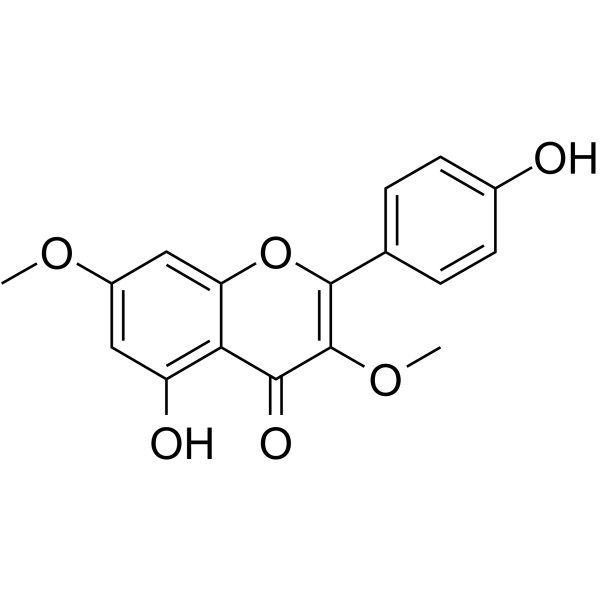
Kumatakenin is an orally active apoptosis inducer and autophagy inhibitor, with a Kd value of 2.94 μM for mouse ATG5. Kumatakenin increases the activities of caspase-3, caspase-8 and caspase-9, thereby inducing caspase-dependent apoptosis in ovarian cancer cells. Kumatakenin reduces the expression of chemokines and pro-oncogenic factors in ovarian cancer cells, and inhibits M2 macrophage polarization. Kumatakenin inactivates TRIM65 function, reduces the expression and stability of FASN, and thus inhibits the proliferation, migration, invasion and tumor progression of esophageal cancer cells. Kumatakenin interacts with ATG5 to reduce its protein level, decrease LC3 level, and reduce the number of autophagosomes in the hippocampus. Kumatakenin binds to Eno3 to upregulate its expression, reduce the stability and expression level of IRP1 mRNA, inhibit ferroptosis, alleviate intestinal inflammation, and restore epithelial barrier function. Kumatakenin enhances the efficacy of antibiotics against pathogenic bacteria, inhibits SARS-CoV-2 replication, and reduces cytokine production. Kumatakenin is applicable to research related to ovarian cancer, esophageal cancer, depression and colitis [3] .
|
-
-
- HY-N3028
-
-
-
- HY-N0585
-
-
-
- HY-N1050
-
|
|
Terpenoids
Sesquiterpenes
Plants
Curcuma elata Roxb.
Source Classification
Zingiberaceae
|
mTOR
Ribosomal S6 Kinase (RSK)
Bacterial
|
|
Zederone is a sesquiterpene. Zederone inhibits ovarian cancer cell proliferation through mTOR/p70s6K signalling pathway. Zederone inhibits CYP activities with IC50s of 2.9 μM (CYP2B6), 9.2 μM (CYP2C9), 11,2 μM (CYP2C19) and >30 μM (CYP1A2 and CYP2D6). Zederone is hepatotoxic with LD50 value at 24 hours in mice of approximately 223 mg/kg and cytotoxic against the KG1a cell line. Zederone shows antibacterial activity against a number of multi-drug resistant and Methicillin (HY-121544)-resistant Staphylococcus aureus strain. Zederone shows cognition improving capacity and assists in the modulation of gut bacterial dysbiosis [3] .
|
-
-
- HY-N7781
-
-
-
- HY-N15314
-
|
|
Microorganisms
Ketones, Aldehydes, Acids
Source Classification
|
MDM-2/p53
Akt
Apoptosis
|
|
Syringolin A is a plant elicitor that can be produced by the plant pathogen Pseudomonas syringae pv. syringae. Syringolin A exhibits anti-proliferative activity against a variety of cancer cells (IC50 for SK-N-SH, LAN-1, SKOV3 is 20-25 µM), induces apoptosis in SK-N-SH through upregulation of p53 expression and downregulation of Akt/PKB proteins .
|
-
-
- HY-N8934
-
-
-
- HY-N6578
-
-
-
- HY-N3113
-
-
-
- HY-123898
-
-
-
- HY-N3179
-
-
-
- HY-N12821
-
-
-
- HY-N7028R
-
-
-
- HY-N1614
-
-
-
- HY-N12349
-
-
-
- HY-N9101
-
|
|
Caprifoliaceae
Lignans
Phenylpropanoids
Viburnum cylindricum Buch.-Ham. ex D. Don
Plants
Source Classification
|
Others
|
|
4,4'-Dihydroxy-3,3',9-trimethoxy-9,9'-epoxylignan is a lignans that can be isolated from the Viburnum foetidum. 4,4'-Dihydroxy-3,3',9-trimethoxy-9,9'-epoxylignan has cytotoxicity against A549, SK-OV-3, SKMEL-2 and HCT15 cell line with IC50s of 67.14, 67.38, 64.11 and 76.31 μg/mL, respectively .
|
-
-
- HY-N12589
-
-
-
- HY-N12606
-
|
|
Microorganisms
Saccharides
Monosaccharides
Source Classification
|
Fungal
|
|
Neodidymelliosides A (compound 1)It is a secondary metabolite of fungi and has a significant inhibitory effect on Staphylococcus aureus and Candida albicans biofilms. Neodidymelliosides AIt also has anti-cancer activity and can inhibit KB3.1 (cervix),PC-3 (prostate),MCF-7(breast),SKOV-3 (ovary),A431 (skin )and A549 (lung )Cell viability of cell lines .
|
-
-
- HY-N11010
-
-
-
- HY-W013032R
-
|
Oxamidic acid (Standard)
|
Microorganisms
Source Classification
|
Reference Standards
Lactate Dehydrogenase
Apoptosis
|
|
Oxamic acid (Standard) is the analytical standard of Oxamic acid. This product is intended for research and analytical applications. Oxamic acid is a lactate dehydrogenase-A (LDH-A) inhibitor. Oxamic acid shows anti-tumor activity, and anti-proliferative activity against cancer cells, and can induce apoptosis[1][2][3].
|
-
-
- HY-N9848
-
|
|
Triterpenes
Senegalia pennata (L.) Maslin
Terpenoids
Labiatae
Plants
Source Classification
|
Others
|
|
2α,3α,24-Trihydroxyursa-12,20(30)-dien-28-oic acid is a triterpenoid with anticancer effects. 2α,3α,24-Trihydroxyursa-12,20(30)-dien-28-oic acid inhibits HepG2, A549, MCF-7, SK-OV-3, and HeLa cells with IC50 values of 19.62 μM, 18.86 μM, 45.94 μM, 62.41 μM, and 28.74 μM, respectively .
|
-
-
- HY-N18126
-
-
Your information is safe with us. * Required Fields.
Inquiry Information
- Product Name:
- Cat. No.:
- Quantity:
- MCE Japan Authorized Agent:

