
Search Result
Results for "
Surfactant Inhibitors
" in MedChemExpress (MCE) Product Catalog:
14
Biochemical Assay Reagents
| Cat. No. |
Product Name |
Target |
Research Areas |
Chemical Structure |
-
- HY-Y1891
-
-
-
- HY-D1005
-
|
PEG-PPG-PEG, 12600 (Average Mn)
|
Environmental Pollutants
LPL Receptor
|
Inflammation/Immunology
|
|
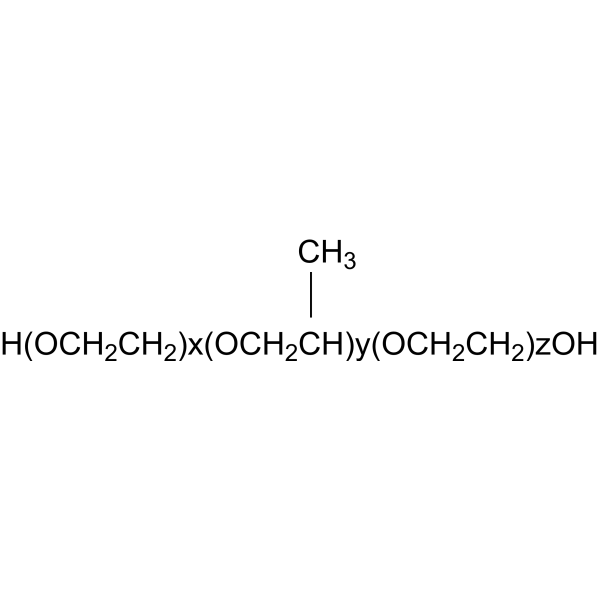
Poloxamer 407 (F127) is a nonionic surfactant that is 100% active and relatively non-toxic to cells at low concentrations, and frequently used with dye AM esters such as Indo-1 AM, Fura-2 AM, Calcein AM, Fluo-3 AM, Fluo-4 AM, Quest Fluo-8 AM and Quest Rhod-4 AM, etc. to improve their water solubility. Poloxamer 407 is also a lipoprotein lipase inhibitor .
|
-
-
- HY-B2106D
-
|
Decaethylene glycol monododecyl ether (C12E10); Polidocanol (10)
|
Biochemical Assay Reagents
|
Others
Cancer
|
|
Polyoxyethylene (10) lauryl ether is a nonionic surfactant.
Polyoxyethylene (10) lauryl ether exhibits unique properties in dissolving liposomes and exerts the minimal interference with endotoxin detection.
Polyoxyethylene (10) lauryl ether forms hybrid liposomes with Dimyristoylphosphatidylcholine (DMPC) (HY-109541), which can inhibit the proliferation of human promyelocytic leukemia cells without the administration of any drugs .
|
-
-
- HY-B1467
-
|
|
Potassium Channel
Bacterial
Parasite
Phosphatase
|
Infection
Inflammation/Immunology
|
|
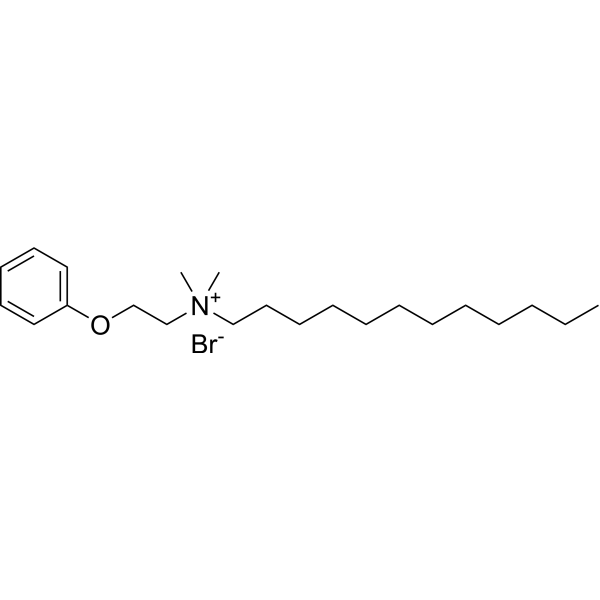
Domiphen bromide is a cationic active quaternary ammonium salt and also an inhibitor of HERG channels (IC50: 9 nM), aminopeptidase-like enzymes, Escherichia coli alkaline phosphatase, and α-chymotrypsin. Domiphen bromide has multiple activities such as antibacterial, antimalarial, and disinfectant properties, and it is also a synergist of Colistin (HY-113678). Domiphen bromide can be used as a chemical preservative and a cationic surfactant, and it can also be used in the research of bacterial infectious diseases such as pharyngitis, thrush, and oral ulcers .
|
-
-
- HY-W035903
-
|
2-Aminoethanol hydrochloride
|
Biochemical Assay Reagents
|
Others
|
|
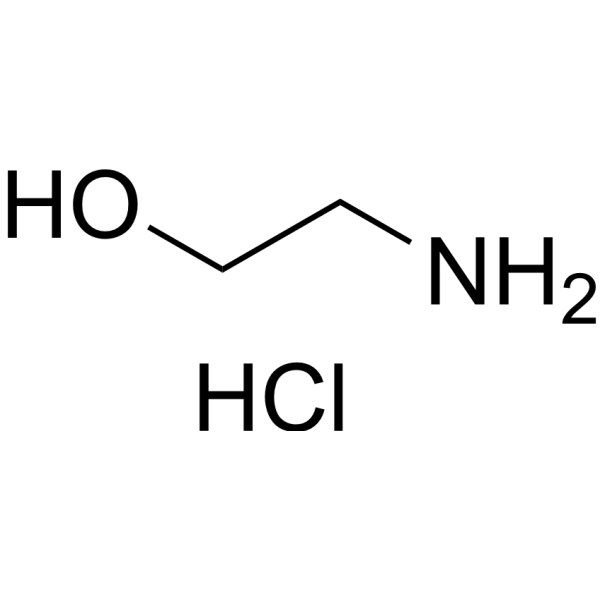
Ethanolamine hydrochloride, is an organic compound used in various industrial applications. It is a white or colorless solid that is soluble in water and has a faint odor. One of the major uses of Ethanolamine hydrochloride is in the production of detergents and surfactants. Used as a raw material in the manufacture of compounds such as ethylenediaminetetraacetic acid (EDTA) and diethanolamine, which are commonly used in household and industrial cleaning products. Ethanolamine hydrochloride is also used in the synthesis of pharmaceuticals, agrochemicals and rubber processing agents. It acts as a buffer in certain chemical reactions, helping to adjust pH and maintain stability. Ethanolamine hydrochloride can be used for gas purification and metal corrosion inhibitor. Its ability to react with acid gases such as carbon dioxide and sulfur dioxide makes it useful for removing impurities from natural gas and other industrial gases. Overall, Ethanolamine hydrochloride is a multifunctional compound with many potential industrial applications. Its ability to act as a buffer, chelating agent, and corrosion inhibitor makes it an important tool in a variety of industries.
|
-
-
- HY-W013027
-
-
-
- HY-W096983
-
|
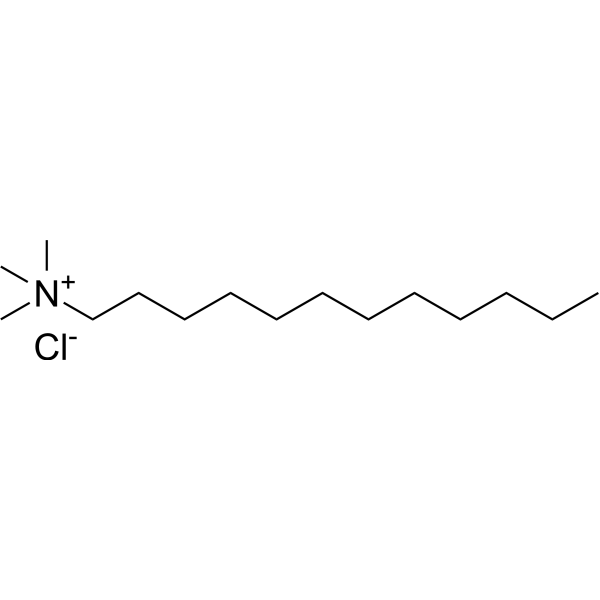
Dodecyltrimethylammonium chloride,for IPC,≥99%
|
Environmental Pollutants
Biochemical Assay Reagents
|
Others
|
|
DTAC (Dodecyltrimethylammonium chloride), for IPC, ≥99% is a quaternary ammonium cationic surfactant. DTAC, for IPC, ≥99% can form micelles in aqueous media, which interact with and encapsulate Diclofenac sodium (HY-15037) molecules; the micellization process is entropy-driven at lower temperatures and enthalpy-driven at higher temperatures .
|
-
-
- HY-137910
-
|
|
Environmental Pollutants
HPPD
Herbicide
|
Infection
|
|
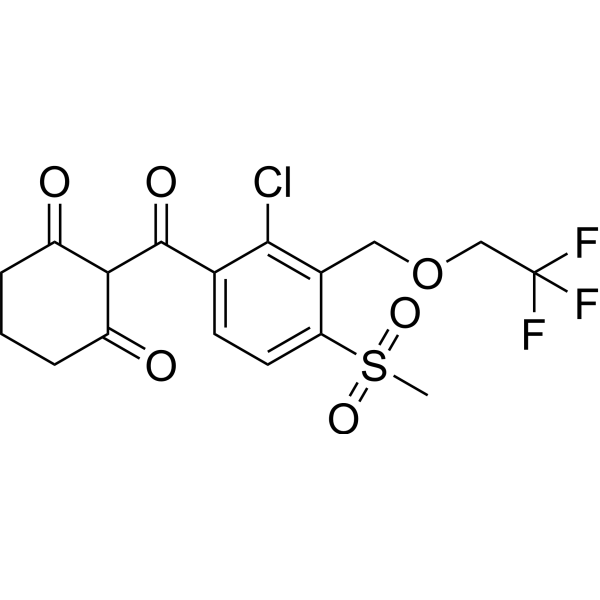
Tembotrione is a herbicide belonging to the HPPD (dioxygenase) inhibitor class with crop selectivity. Tembotrione effectively controls a variety of weeds including broadleaf and gramineous species by disrupting carotenoid synthesis, which leads to chlorophyll degradation and leaf whitening. Mixing Tembotrione with isoxaflutole or adding surfactants optimizes its efficacy and reduces phytotoxicity, with no residual impact on subsequent cruciferous crops, thus helping to increase maize grain yield. The activity of Tembotrione decreases under drought conditions, and under specific conditions (such as double-dose treatment), it may cause reversible yellowing and even yield reduction in crops such as poppy .
|
-
-
- HY-115062
-
|
|
Phospholipase
NADPH Oxidase
p38 MAPK
Akt
NF-κB
AP-1
Reactive Oxygen Species (ROS)
|
Cardiovascular Disease
Inflammation/Immunology
Cancer
|
|
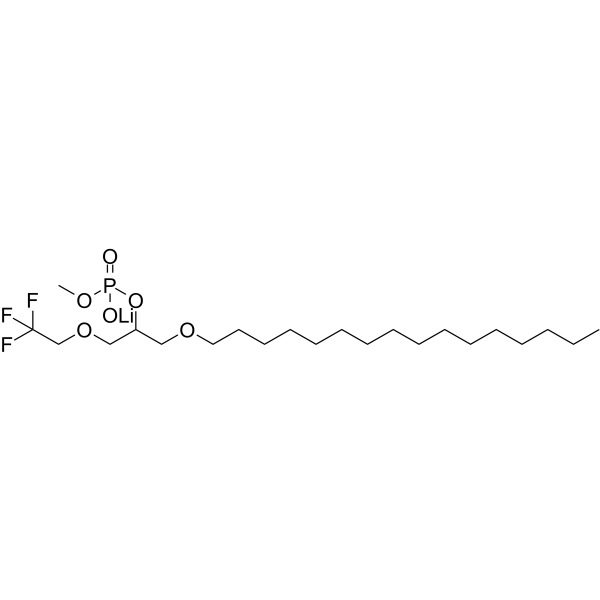
MJ-33 lithium salt is a competitive phospholipase A2 (PLA2) inhibitor with an IC50 of 0.3 μM. MJ-33 lithium salt inhibits NOX2 activation and reduces ROS production by blocking the PLA2 activity of Prdx6. MJ-33 lithium salt effectively inhibits the activity of acidic PLA2 (pH 4.0) and reduces the degradation of alveolar surfactant phosphatidylcholine (PC), but exerts no effect on alkaline PLA2 (pH 8.5). MJ-33 lithium salt significantly alleviates lung oxidative injury induced by ischemia-reperfusion (I/R). MJ-33 lithium salt significantly inhibits the invasion, migration and adhesion abilities of prostate cancer cells by suppressing the MAPK, AKT, NF-κB and AP-1 signaling pathways. MJ-33 lithium salt can be used for the research of ROS-related diseases and prostate cancer .
|
-
-
- HY-142128
-
|
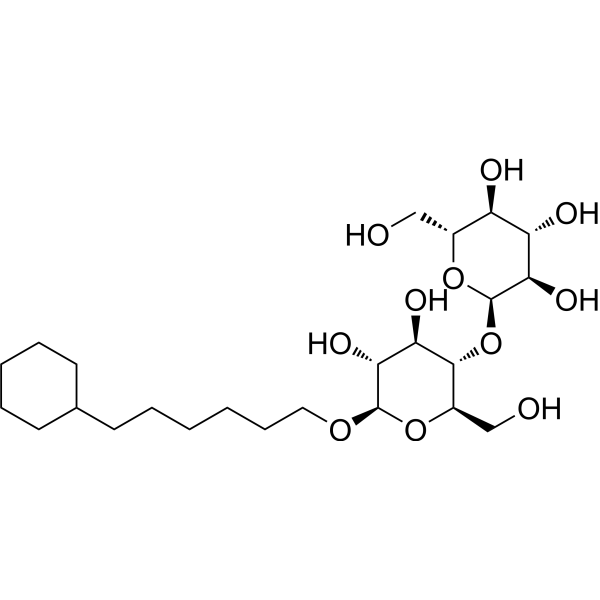
Cyclohexyl-hexyl-β-D-maltoside
|
Bacterial
|
Infection
|
|
Cymal-6 (Cyclohexyl-hexyl-β-D-maltoside) is a potent TEM-1 beta-lactamase inhibitor with an Ki value of 40.05 µM. Cymal-6 (Cyclohexyl-hexyl-β-D-maltoside) can be used as glycosidic surfactant .
|
-
-
- HY-W099682
-
|
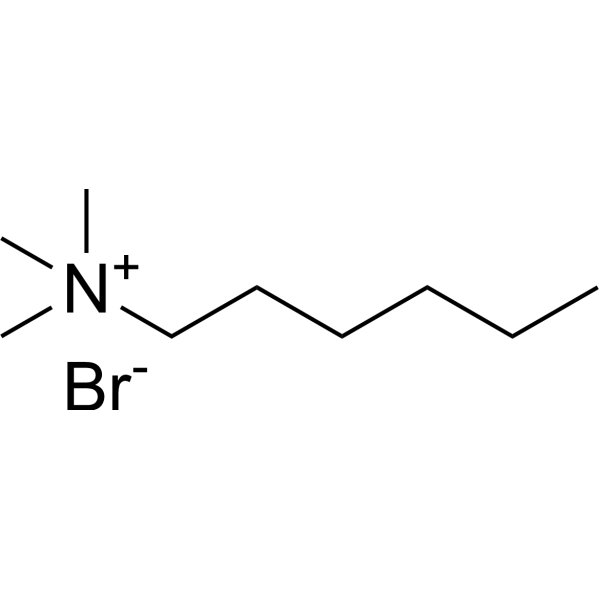
n-Hexyl trimethylammonium bromide
|
Biochemical Assay Reagents
|
Others
|
|
Hexyltrimethylammonium bromide is a cationic surfactant, quaternary ammonium compound, detergent, emulsifier, phase transfer catalyst, antibacterial agent, electrochemical device, corrosion inhibitor, micelle former, industrial chemical.
|
-
-
- HY-W012450
-
|
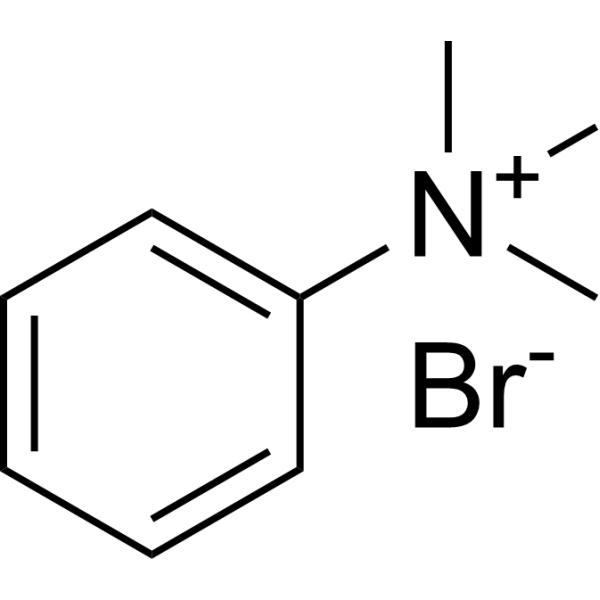
Phenyltrimethylammonium bromide
|
Biochemical Assay Reagents
|
Others
|
|
Trimethylphenylammonium bromide is a quaternary ammonium salt consisting of a positively charged N,N,N-trimethylanilinium cation and a negatively charged bromide anion. This compound is commonly used as a phase transfer catalyst in organic chemical reactions, facilitating the transfer of reactants between immiscible phases. It can also be used as a reagent in the synthesis of various organic compounds and in some applications as a surfactant or corrosion inhibitor.
|
-
-
- HY-W101255
-
|
MTEACl
|
Biochemical Assay Reagents
|
Others
|
|
Triethylmethylammonium chloride is a quaternary ammonium salt belonging to the class of alkylammonium salts. This compound is widely used as a phase transfer catalyst in organic synthesis to facilitate the transfer of reactants between immiscible phases. In addition, it can be used as an electrolyte in electrochemical devices, a surfactant in emulsion polymerization, and a corrosion inhibitor. Its unique chemical properties make it an important ingredient in a variety of industrial applications, including pharmaceuticals, agrochemicals, and materials science.
|
-
-
- HY-W099930
-
|
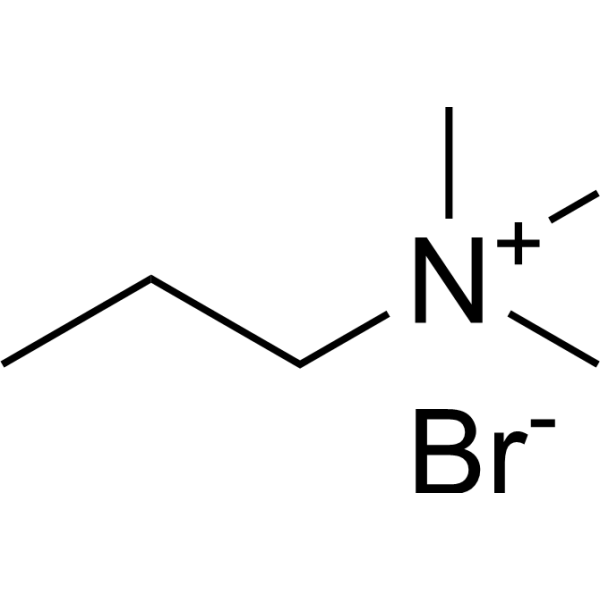
Trimethylpropylammonium bromide
|
Biochemical Assay Reagents
|
Others
|
|
N,N,N-Trimethylpropan-1-aminium bromide is a quaternary ammonium compound belonging to the class of alkylammonium salts. This compound is widely used as a phase transfer catalyst in organic synthesis, facilitating the transfer of reactants between immiscible phases. It can also be used as a surfactant, corrosion inhibitor or antimicrobial. Due to its unique chemical properties, N,N,N-Trimethylpropan-1-aminium bromide has applications in various industries such as pharmaceuticals, agrochemicals, and materials science.
|
-
-
- HY-Y1890B
-
|
|
Biochemical Assay Reagents
|
Others
|
|
Cremophor EL-10 is a nonionic polyoxyethylene castor oil surfactant with multiple functions including organic solubilizer, mixed zinc anode corrosion inhibitor and dendrite growth inhibitor. By forming a physical barrier to block electrolyte contact and constructing oriented hydration channels to reduce the desolvation energy barrier of Zn 2+ , Cremophor EL-10 achieves a corrosion inhibition efficiency of over 99%. Cremophor EL-10 exerts no significant effects on the mitochondrial activity and cell viability of epithelial cells, making it suitable for in vitro drug delivery and biopharmaceutical research at concentrations ≤10% v/v. However, Cremophor EL-10 may induce sustained non-endothelium-dependent contraction in rat aortic rings and exert concentration-dependent inhibitory effects on acetylcholine-induced endothelium-dependent relaxation responses .
|
-
-
- HY-W127842
-
|
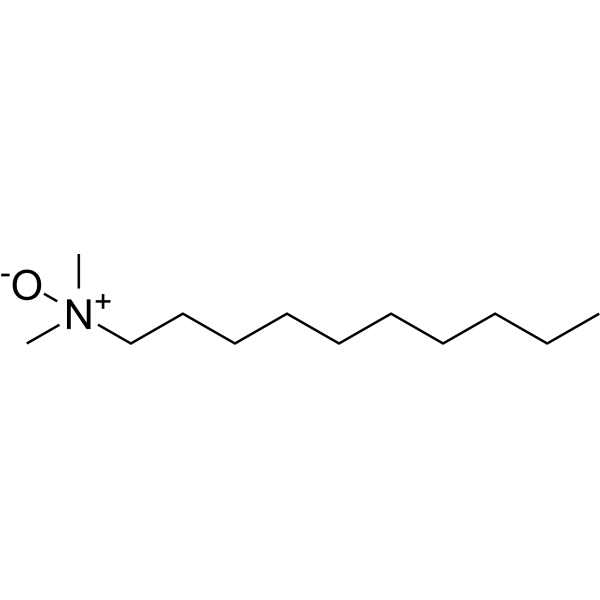
Decyldimethylamine oxide
|
Biochemical Assay Reagents
|
Others
|
|
N,N-Dimethyldecylamine N-oxide is an organic compound belonging to the family of amine oxides. It is commonly used as a surfactant and cleaning agent in a variety of industrial and household applications, including detergents, personal care products and paints. N,N-Dimethyldecylamine N-oxide has various properties suitable for these applications, including the ability to lower surface tension, increase solubility, and act as a blowing agent. In addition, it can be used as a corrosion inhibitor in metalworking fluids and a flotation agent in mineral processing.
|
-
-
- HY-W099790
-
|
1-Butyl-1-methylpiperidinium Bromide
|
Biochemical Assay Reagents
|
Others
|
|
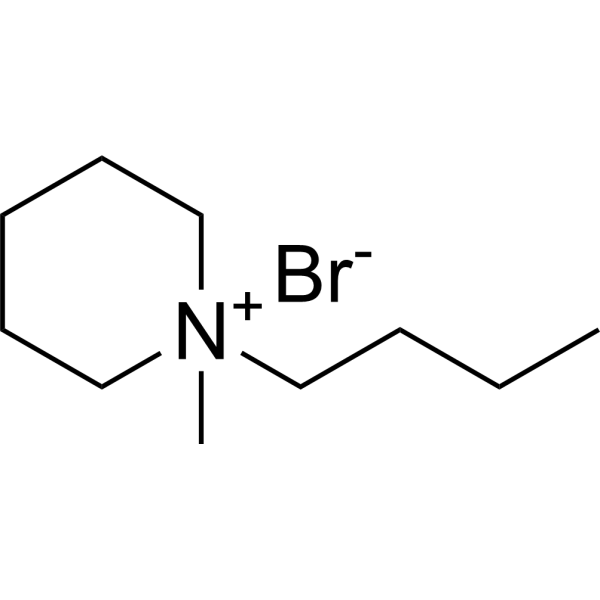
N-butyl-N-methyl-piperidinium bromide is a quaternary ammonium compound belonging to the class of piperidinium salts. N-butyl-N-methyl-piperidinium bromide is commonly used as a phase transfer catalyst in organic synthesis to transfer reactants between immiscible phases. It can also be used as a surfactant, corrosion inhibitor and antibacterial agent. Its unique chemical properties make it an important reagent in many different industries, including pharmaceuticals, agrochemicals, and materials science.
|
-
-
- HY-136271
-
|
|
Phospholipase
NADPH Oxidase
p38 MAPK
Akt
NF-κB
AP-1
Reactive Oxygen Species (ROS)
|
Cardiovascular Disease
Inflammation/Immunology
Cancer
|
|
MJ-33 is a competitive phospholipase A₂ (PLA₂) inhibitor with an IC50 of 0.3 μM. MJ-33 inhibits the activation of NOX2 by blocking the PLA₂ activity of Prdx6, thereby reducing the production of ROS. MJ-33 effectively inhibits the activity of acidic PLA₂ (pH 4.0), reduces the degradation of pulmonary surfactant phosphatidylcholine (PC), but has no effect on alkaline PLA₂ (pH 8.5). MJ-33 significantly alleviates lung oxidative damage induced by ischemia-reperfusion (I/R). MJ-33 significantly inhibits the invasive, migratory and adhesive abilities of prostate cancer cells by suppressing the MAPK, AKT, NF-κB and AP-1 signaling pathways. MJ-33 can be used to study ROS-related diseases and prostate cancer .
|
-
-
- HY-N11653
-
|
KM 01
|
Others
|
Others
|
|
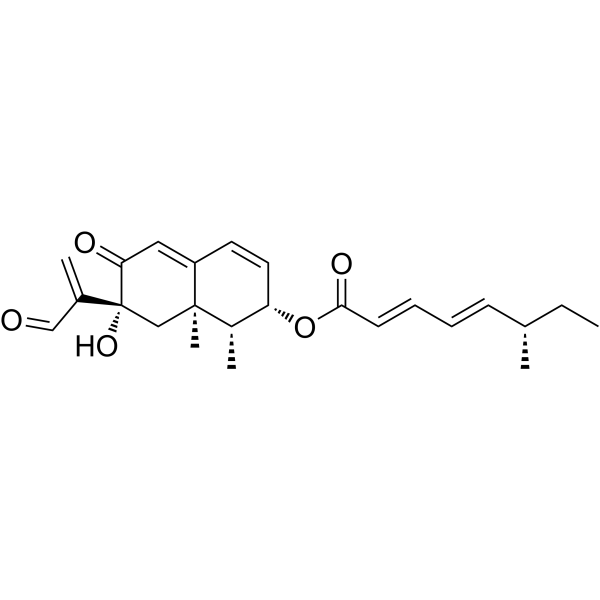
Bipolal (KM 01) is a natural product isolated from the culture fluid of bipolar algae (Bipolaris sp.). It has a bipolar structure and can form a surfactant between water and oil, so it has excellent Anti-pollution properties. Bipolal can effectively inhibit marine bioaccumulation and biocorrosion, and has broad application prospects .
|
-
-
- HY-W099929
-
|
|
Biochemical Assay Reagents
|
Others
|
|
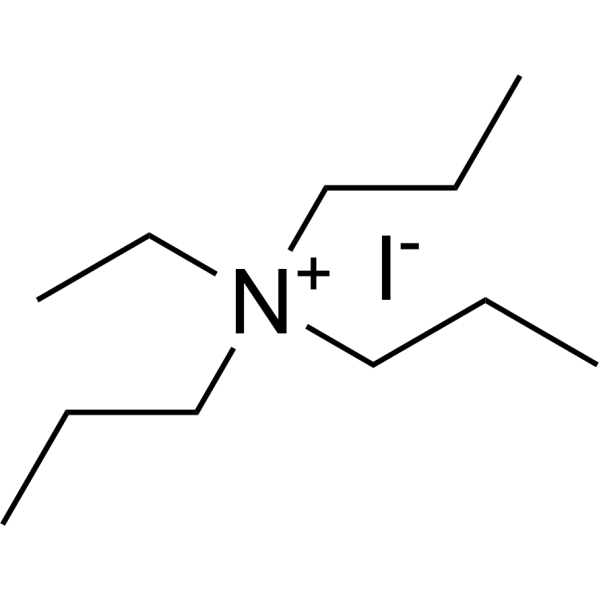
N-Ethyl-N,N-dipropylpropan-1-aminium iodide is a quaternary ammonium compound belonging to the class of alkylammonium salts. N-Ethyl-N,N-dipropylpropan-1-aminium (iodide) is commonly used as a phase transfer catalyst in organic synthesis to transfer reactants between immiscible phases. It can also be used as a surfactant, antimicrobial or corrosion inhibitor. Its unique chemical properties make it an essential reagent in many different industrial applications, including pharmaceuticals, agrochemicals, and materials science.
|
-
-
- HY-B2106DR
-
|
Decaethylene glycol monododecyl ether (C12E10) (Standard); Polidocanol (10) (Standard)
|
Reference Standards
Biochemical Assay Reagents
|
Others
|
|
Polyoxyethylene (10) lauryl ether (Standard) is the analytical standard of Polyoxyethylene (10) lauryl ether. This product is intended for research and analytical applications. Polyoxyethylene (10) lauryl ether is a non-ionic surfactant. Polyoxyethylene (10) lauryl ether exhibits unique properties in dissolving liposomes and exerts the minimal interference with endotoxin detection.
Polyoxyethylene (10) lauryl ether forms hybrid liposomes with Dimyristoylphosphatidylcholine (DMPC) (HY-109541), which can inhibit the proliferation of human promyelocytic leukemia cells without the administration of any drugs.
|
-
-
- HY-B1467R
-
|
|
Reference Standards
Potassium Channel
Bacterial
Parasite
Phosphorylase
|
Infection
Inflammation/Immunology
|
|
Domiphen bromide (Standard) is the analytical standard of Domiphen bromide (HY-B1467). This product is intended for research and analytical applications. Domiphen bromide is a cationic active quaternary ammonium salt and also an inhibitor of HERG channels (IC50: 9 nM), aminopeptidase-like enzymes, Escherichia coli alkaline phosphatase, and α-chymotrypsin. Domiphen bromide has multiple activities such as antibacterial, antimalarial, and disinfectant properties, and it is also a synergist of Colistin (HY-113678). Domiphen bromide can be used as a chemical preservative and a cationic surfactant, and it can also be used in the research of bacterial infectious diseases such as pharyngitis, thrush, and oral ulcers.
|
-
-
- HY-137910R
-
|
|
Reference Standards
Herbicide
HPPD
|
Others
|
|
Tembotrione (Standard) is the analytical standard of Tembotrione. This product is intended for research and analytical applications. Tembotrione is a drug that may reduce the
productivity of carrots. Tembotrione has the activity of reducing carrot stem
mass. Tembotrione can be used to study the total productivity of carrot
. Tembotrione is a herbicide belonging to the HPPD (dioxygenase) inhibitor class with crop selectivity. Tembotrione effectively controls a variety of weeds including broadleaf and gramineous species by disrupting carotenoid synthesis, which leads to chlorophyll degradation and leaf whitening. Mixing Tembotrione with isoxaflutole or adding surfactants optimizes its efficacy and reduces phytotoxicity, with no residual impact on subsequent cruciferous crops, thus helping to increase maize grain yield. The activity of Tembotrione decreases under drought conditions, and under specific conditions (such as double-dose treatment), it may cause reversible yellowing and even yield reduction in crops such as poppy .
|
-
| Cat. No. |
Product Name |
Type |
-
- HY-Y1891
-
|
Polysorbate 80
|
Biochemical Assay Reagents
|
|
Tween 80 (Polysorbate 80), a surfactant, has been widely used as a solvent for pharmacological experiments. Tween 80 can also reduce bacterial attachment and inhibit biofilm formation.
|
-
- HY-D1005
-
|
PEG-PPG-PEG, 12600 (Average Mn)
|
Biochemical Assay Reagents
|
|
Poloxamer 407 (F127) is a nonionic surfactant that is 100% active and relatively non-toxic to cells at low concentrations, and frequently used with dye AM esters such as Indo-1 AM, Fura-2 AM, Calcein AM, Fluo-3 AM, Fluo-4 AM, Quest Fluo-8 AM and Quest Rhod-4 AM, etc. to improve their water solubility. Poloxamer 407 is also a lipoprotein lipase inhibitor .
|
-
- HY-B2106D
-
|
Decaethylene glycol monododecyl ether (C12E10); Polidocanol (10)
|
Biochemical Assay Reagents
|
|
Polyoxyethylene (10) lauryl ether is a nonionic surfactant.
Polyoxyethylene (10) lauryl ether exhibits unique properties in dissolving liposomes and exerts the minimal interference with endotoxin detection.
Polyoxyethylene (10) lauryl ether forms hybrid liposomes with Dimyristoylphosphatidylcholine (DMPC) (HY-109541), which can inhibit the proliferation of human promyelocytic leukemia cells without the administration of any drugs .
|
-
- HY-W035903
-
|
2-Aminoethanol hydrochloride
|
Biochemical Assay Reagents
|
|
Ethanolamine hydrochloride, is an organic compound used in various industrial applications. It is a white or colorless solid that is soluble in water and has a faint odor. One of the major uses of Ethanolamine hydrochloride is in the production of detergents and surfactants. Used as a raw material in the manufacture of compounds such as ethylenediaminetetraacetic acid (EDTA) and diethanolamine, which are commonly used in household and industrial cleaning products. Ethanolamine hydrochloride is also used in the synthesis of pharmaceuticals, agrochemicals and rubber processing agents. It acts as a buffer in certain chemical reactions, helping to adjust pH and maintain stability. Ethanolamine hydrochloride can be used for gas purification and metal corrosion inhibitor. Its ability to react with acid gases such as carbon dioxide and sulfur dioxide makes it useful for removing impurities from natural gas and other industrial gases. Overall, Ethanolamine hydrochloride is a multifunctional compound with many potential industrial applications. Its ability to act as a buffer, chelating agent, and corrosion inhibitor makes it an important tool in a variety of industries.
|
-
- HY-W096983
-
|
Dodecyltrimethylammonium chloride,for IPC,≥99%
|
Biochemical Assay Reagents
|
|
DTAC (Dodecyltrimethylammonium chloride), for IPC, ≥99% is a quaternary ammonium cationic surfactant. DTAC, for IPC, ≥99% can form micelles in aqueous media, which interact with and encapsulate Diclofenac sodium (HY-15037) molecules; the micellization process is entropy-driven at lower temperatures and enthalpy-driven at higher temperatures .
|
-
- HY-W099682
-
|
n-Hexyl trimethylammonium bromide
|
Biochemical Assay Reagents
|
|
Hexyltrimethylammonium bromide is a cationic surfactant, quaternary ammonium compound, detergent, emulsifier, phase transfer catalyst, antibacterial agent, electrochemical device, corrosion inhibitor, micelle former, industrial chemical.
|
-
- HY-W012450
-
|
Phenyltrimethylammonium bromide
|
Biochemical Assay Reagents
|
|
Trimethylphenylammonium bromide is a quaternary ammonium salt consisting of a positively charged N,N,N-trimethylanilinium cation and a negatively charged bromide anion. This compound is commonly used as a phase transfer catalyst in organic chemical reactions, facilitating the transfer of reactants between immiscible phases. It can also be used as a reagent in the synthesis of various organic compounds and in some applications as a surfactant or corrosion inhibitor.
|
-
- HY-W101255
-
|
MTEACl
|
Biochemical Assay Reagents
|
|
Triethylmethylammonium chloride is a quaternary ammonium salt belonging to the class of alkylammonium salts. This compound is widely used as a phase transfer catalyst in organic synthesis to facilitate the transfer of reactants between immiscible phases. In addition, it can be used as an electrolyte in electrochemical devices, a surfactant in emulsion polymerization, and a corrosion inhibitor. Its unique chemical properties make it an important ingredient in a variety of industrial applications, including pharmaceuticals, agrochemicals, and materials science.
|
-
- HY-W099930
-
|
Trimethylpropylammonium bromide
|
Biochemical Assay Reagents
|
|
N,N,N-Trimethylpropan-1-aminium bromide is a quaternary ammonium compound belonging to the class of alkylammonium salts. This compound is widely used as a phase transfer catalyst in organic synthesis, facilitating the transfer of reactants between immiscible phases. It can also be used as a surfactant, corrosion inhibitor or antimicrobial. Due to its unique chemical properties, N,N,N-Trimethylpropan-1-aminium bromide has applications in various industries such as pharmaceuticals, agrochemicals, and materials science.
|
-
- HY-Y1890B
-
|
|
Biochemical Assay Reagents
|
|
Cremophor EL-10 is a nonionic polyoxyethylene castor oil surfactant with multiple functions including organic solubilizer, mixed zinc anode corrosion inhibitor and dendrite growth inhibitor. By forming a physical barrier to block electrolyte contact and constructing oriented hydration channels to reduce the desolvation energy barrier of Zn 2+ , Cremophor EL-10 achieves a corrosion inhibition efficiency of over 99%. Cremophor EL-10 exerts no significant effects on the mitochondrial activity and cell viability of epithelial cells, making it suitable for in vitro drug delivery and biopharmaceutical research at concentrations ≤10% v/v. However, Cremophor EL-10 may induce sustained non-endothelium-dependent contraction in rat aortic rings and exert concentration-dependent inhibitory effects on acetylcholine-induced endothelium-dependent relaxation responses .
|
-
- HY-W127842
-
|
Decyldimethylamine oxide
|
Biochemical Assay Reagents
|
|
N,N-Dimethyldecylamine N-oxide is an organic compound belonging to the family of amine oxides. It is commonly used as a surfactant and cleaning agent in a variety of industrial and household applications, including detergents, personal care products and paints. N,N-Dimethyldecylamine N-oxide has various properties suitable for these applications, including the ability to lower surface tension, increase solubility, and act as a blowing agent. In addition, it can be used as a corrosion inhibitor in metalworking fluids and a flotation agent in mineral processing.
|
-
- HY-W099790
-
|
1-Butyl-1-methylpiperidinium Bromide
|
Biochemical Assay Reagents
|
|
N-butyl-N-methyl-piperidinium bromide is a quaternary ammonium compound belonging to the class of piperidinium salts. N-butyl-N-methyl-piperidinium bromide is commonly used as a phase transfer catalyst in organic synthesis to transfer reactants between immiscible phases. It can also be used as a surfactant, corrosion inhibitor and antibacterial agent. Its unique chemical properties make it an important reagent in many different industries, including pharmaceuticals, agrochemicals, and materials science.
|
-
- HY-W099929
-
|
|
Biochemical Assay Reagents
|
|
N-Ethyl-N,N-dipropylpropan-1-aminium iodide is a quaternary ammonium compound belonging to the class of alkylammonium salts. N-Ethyl-N,N-dipropylpropan-1-aminium (iodide) is commonly used as a phase transfer catalyst in organic synthesis to transfer reactants between immiscible phases. It can also be used as a surfactant, antimicrobial or corrosion inhibitor. Its unique chemical properties make it an essential reagent in many different industrial applications, including pharmaceuticals, agrochemicals, and materials science.
|
-
- HY-B2106DR
-
|
Decaethylene glycol monododecyl ether (C12E10) (Standard); Polidocanol (10) (Standard)
|
Biochemical Assay Reagents
|
|
Polyoxyethylene (10) lauryl ether (Standard) is the analytical standard of Polyoxyethylene (10) lauryl ether. This product is intended for research and analytical applications. Polyoxyethylene (10) lauryl ether is a non-ionic surfactant. Polyoxyethylene (10) lauryl ether exhibits unique properties in dissolving liposomes and exerts the minimal interference with endotoxin detection.
Polyoxyethylene (10) lauryl ether forms hybrid liposomes with Dimyristoylphosphatidylcholine (DMPC) (HY-109541), which can inhibit the proliferation of human promyelocytic leukemia cells without the administration of any drugs.
|
| Cat. No. |
Product Name |
|
Classification |
-
- HY-Y1891
-
|
Polysorbate 80
|
|
Emulsifiers
Solubilizing Agents
Surfactants
|
|
Tween 80 (Polysorbate 80), a surfactant, has been widely used as a solvent for pharmacological experiments. Tween 80 can also reduce bacterial attachment and inhibit biofilm formation.
|
-
- HY-D1005
-
|
PEG-PPG-PEG, 12600 (Average Mn)
|
|
Emulsifiers
Solubilizing Agents
|
|
Poloxamer 407 (F127) is a nonionic surfactant that is 100% active and relatively non-toxic to cells at low concentrations, and frequently used with dye AM esters such as Indo-1 AM, Fura-2 AM, Calcein AM, Fluo-3 AM, Fluo-4 AM, Quest Fluo-8 AM and Quest Rhod-4 AM, etc. to improve their water solubility. Poloxamer 407 is also a lipoprotein lipase inhibitor .
|
Your information is safe with us. * Required Fields.
Inquiry Information
- Product Name:
- Cat. No.:
- Quantity:
- MCE Japan Authorized Agent:

