Search Result
Results for "
Triterpenoid compound
" in MedChemExpress (MCE) Product Catalog:
| Cat. No. |
Product Name |
Target |
Research Areas |
Chemical Structure |
-
- HY-N0140
-
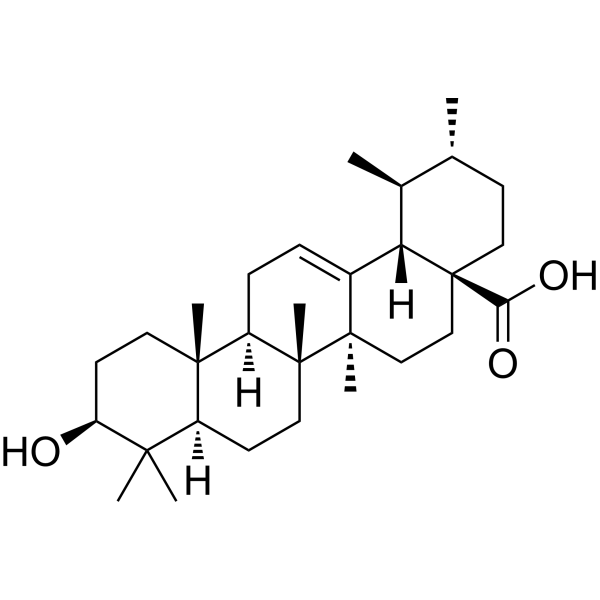
Ursolic acid
Maximum Cited Publications
20 Publications Verification
Prunol; Urson; Malol
|
Autophagy
Endogenous Metabolite
|
Cancer
|
|
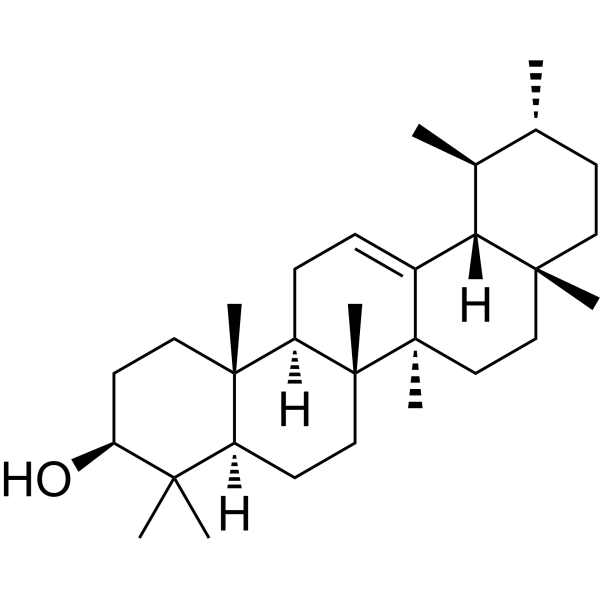
Ursolic acid (Prunol) is a natural pentacyclic triterpenoid carboxylic acid, exerts anti-tumor effects and is an effective compound for cancer prevention and therapy.
|
-
-
- HY-N0892
-
-
-
- HY-B2114
-
Escin
3 Publications Verification
|
Apoptosis
|
Metabolic Disease
Inflammation/Immunology
Cancer
|
|
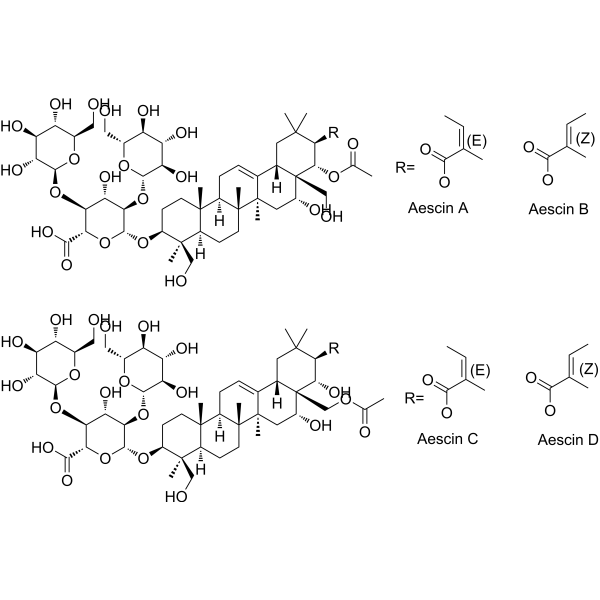
Escin, a natural compound of triterpenoid saponins that can be isolated from horse chestnut (Aesculus hippocastanum) seeds, can be used as a vasoprotective anti-inflammatory, anti-edematous and anti-nociceptive agent .
|
-
-
- HY-N1178
-
|
|
Interleukin Related
LXR
|
Inflammation/Immunology
|
|
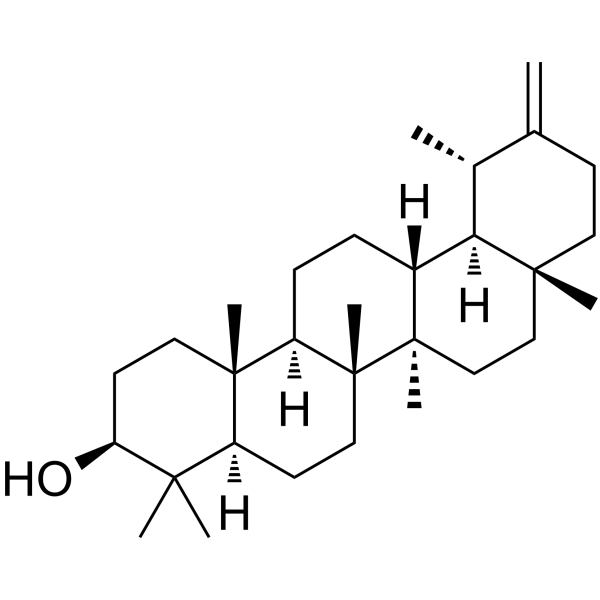
Taraxasterol is a pentacyclic triterpenoid compound isolated from Taraxacum mongolicum. Taraxasterol is an LXRα activator, with metabolic and anti-inflammatory effects. Taraxasterol may be used in research on immune-inflammatory diseases .
|
-
-
- HY-N0587
-
-
-
- HY-N0332
-
-
-
- HY-N0611
-
|
α-Boswellic acid
|
Others
|
Neurological Disease
Inflammation/Immunology
Cancer
|
|
alpha-Boswellic acid (α-Boswellic acid) is an orally active pentacyclic triterpenoid compound that can be extracted from frankincense. alpha-Boswellic acid has anti-inflammatory and antitumor activities. alpha-Boswellic acid can be used in Alzheimer's disease (AD) research .
|
-
-
- HY-N2458
-
|
|
Others
|
Others
|
|
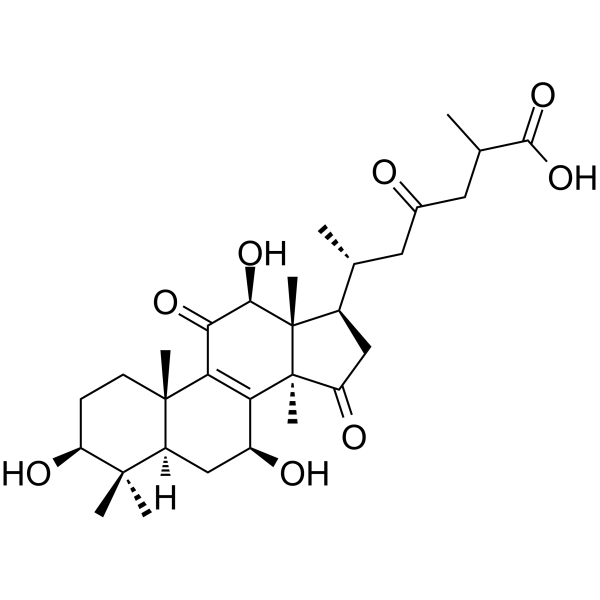
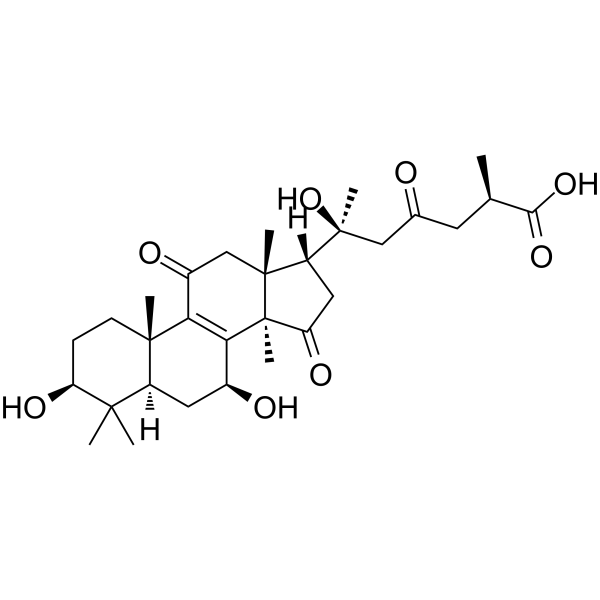
Ganoderic acid G is a highly oxidized lanostane-type triterpenoid compound. Ganoderic acid G can be isolated from the fungus Ganoderma lucidum .
|
-
-
- HY-N2815
-
|
Acetylursolic acid; 3-Acetylursolic acid
|
Parasite
HSP
|
Infection
Cancer
|
|
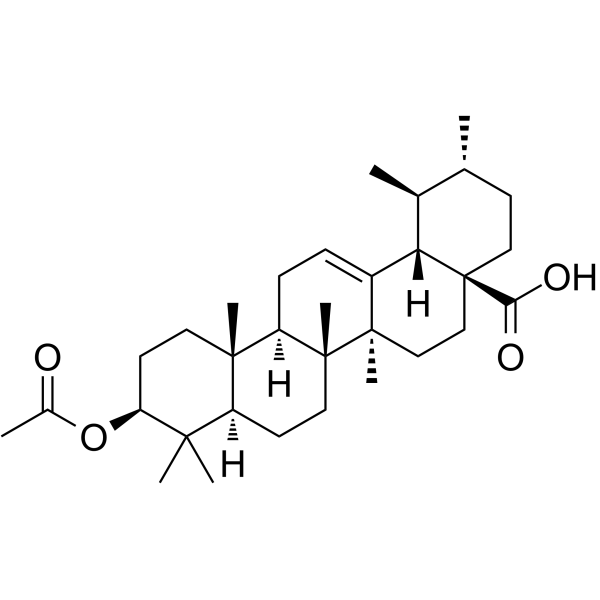
Ursolic acid acetate (Acetylursolic acid) is a triterpenoid compound and an inhibitor of Plasmodium falciparum heat shock protein 90 (PfHsp90) with a KD of 8.16 μM. Ursolic acid acetate is cytotoxic to KB cells, with an IC50 value of 8.4 μM. Ursolic acid acetate can be used in tumor and antimalarial research .
|
-
-
- HY-N0140R
-
|
Prunol (Standard); Urson (Standard); Malol (Standard)
|
Reference Standards
Autophagy
Endogenous Metabolite
|
Cancer
|
|
Ursolic acid (Standard) is the analytical standard of Ursolic acid. This product is intended for research and analytical applications. Ursolic acid (Prunol) is a natural pentacyclic triterpenoid carboxylic acid, exerts anti-tumor effects and is an effective compound for cancer prevention and therapy.
|
-
-
- HY-N3242
-
-
-
- HY-N4124
-
|
|
NO Synthase
TNF Receptor
Interleukin Related
|
Metabolic Disease
Inflammation/Immunology
|
|
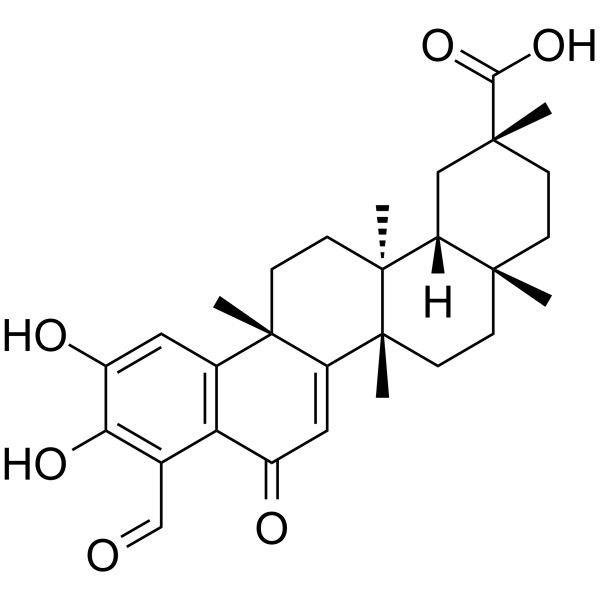
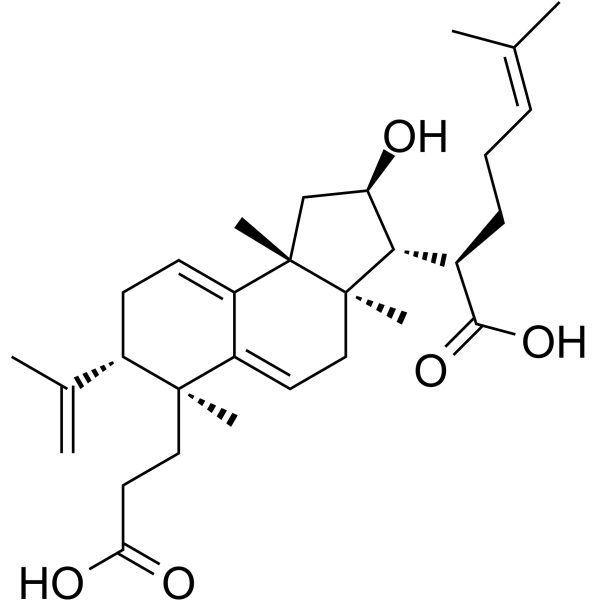
Poricoic acid B is a triterpenoid compound that can be isolated from Poria cocos. Poricoic acid B inhibits intracellular lipid accumulation and reduces the levels of hepatocyte injury markers. Poricoic acid B inhibits the production of NO, TNF-α, IL-1β and IL-6, thereby exerting anti-inflammatory activity. Poricoic acid B can be used in the research of metabolic dysfunction-associated fatty liver disease and inflammatory diseases [3].
|
-
-
- HY-N3228
-
|
|
Others
|
Cardiovascular Disease
|
|
Myrianthic acid is a pentacyclic triterpenoid compound. Myrianthic acid can exist in the root wood of Myrianthus arboreus and the leaves of Campsis grandiflora. Myrianthic acid inhibits adrenaline-induced platelet aggregation, with a IC50 of 46.2 μM for this activity. Myrianthic acid can be used in studies related to thrombosis .
|
-
-
- HY-N2999
-
-
-
- HY-N4125
-
|
3-O-Acetyldehydroeburicoic acid
|
Others
|
Inflammation/Immunology
|
|
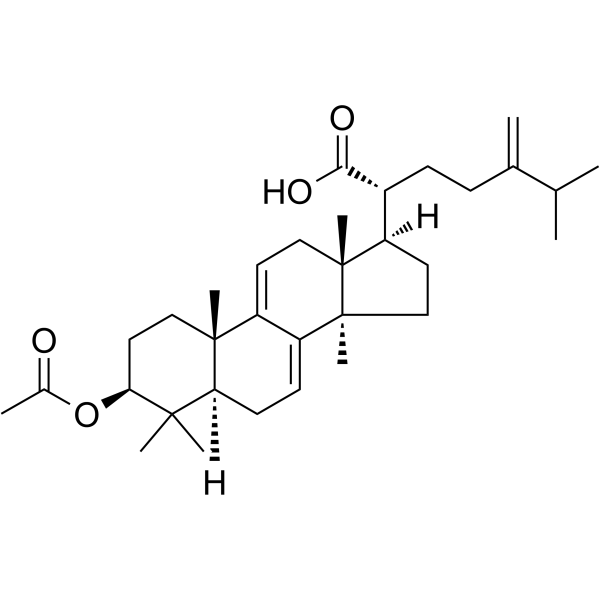
Dehydroeburicoic acid monoacetate (Compound 18) is a lanostane triterpenoid isolated from Wolfiporia cocos .
|
-
-
- HY-N3188
-
|
|
Akt
NF-κB
|
Infection
|
|
Niloticin, tetracyclic triterpenoid compound, is a osteoclastogenesis inhibitor. Niloticin shows anti-viral, antioxidative, and mosquitocidal activities. Niloticin inhibits osteoclastogenesis by blocking RANKL-RANK interaction and suppressing the AKT, MAPK, and NF-κB signaling pathways .
|
-
-
- HY-N2895
-
|
Arjuntriterpenic acid
|
Others
|
Others
|
|
Arjunic acid (Arjuntriterpenic acid) (compound 13) is a triterpenoid compound isolated from Sanguisorba officinalis L .
|
-
-
- HY-N3666
-
|
3β-Cycloeucalenol
|
Others
|
Others
|
|
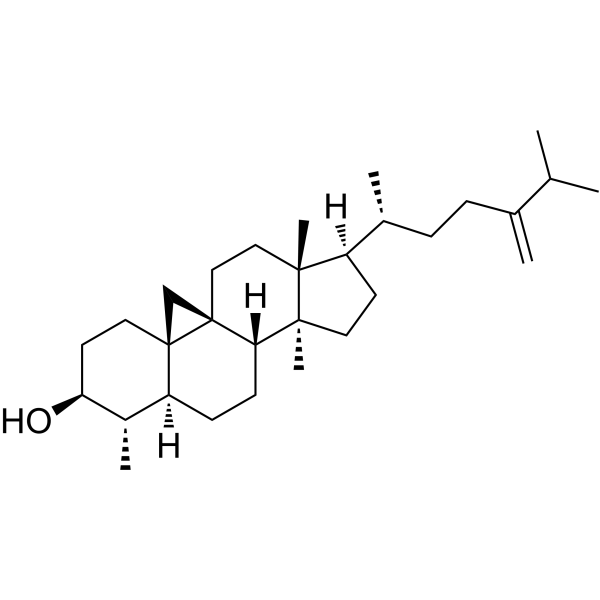
Cycloeucalenol is a triterpenoid compound derived from Eucalyptus microcorys .
|
-
-
- HY-N9319
-
|
Decaisoside E
|
Others
|
Others
|
|
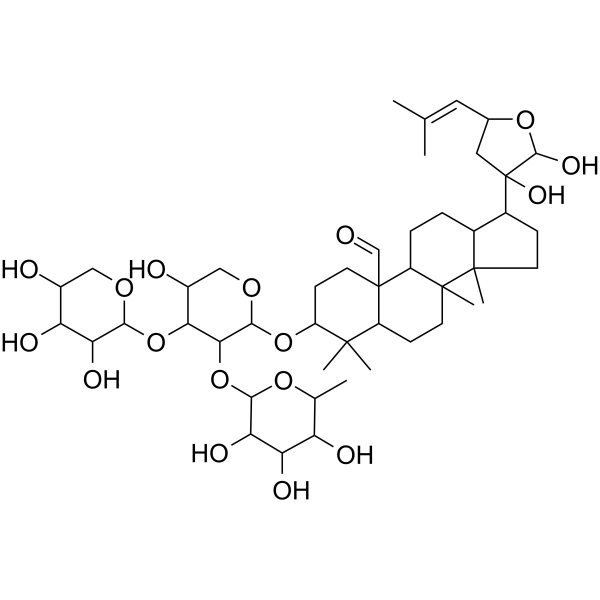
Fulvotomentoside A (Decaisoside E) is a triterpenoid saponin compound isolated from the flowers of Lonicera fulvotomentosa Hsu et S.C. Cheng .
|
-
-
- HY-N3500
-
-
-
- HY-N0892R
-
-
-
- HY-N16575
-
|
|
Glycosidase
|
Metabolic Disease
|
|
16-Oxoserratenediol (Compound 11) is a serratene-type triterpenoid found in Lycopodium cernuum L.. 16-Oxoserratenediol is a α-glucosidase inhibitor with inhibition rate of 43.93% at 100 μM. 16-Oxoserratenediol can be used for the research of diabetes .
|
-
-
- HY-N16603
-
|
|
Others
|
Others
|
|
16-Oxo-3-episerratenediol is a type of triterpenoid compound that can be found in the Lycopodium clavatum .
|
-
-
- HY-N2965
-
-
-
- HY-N3303
-
|
|
Others
|
Others
|
|
Meliasenin B (compound 2) is an apotirucallane-type triterpenoid. Meliasenin B is a nature product that could be isolated from the fruits of Melia azedarach .
|
-
-
- HY-N15220
-
|
|
Endogenous Metabolite
Phosphatase
|
Cancer
|
|
Dipsacus saponin X (compound 7) is a triterpenoid saponin that stimulates the proliferation of UMR106 cells and increases alkaline phosphatase activity in UMR106 cells (4 μM) .
|
-
-
- HY-N8152
-
-
-
- HY-N15199
-
|
|
Others
|
Cancer
|
|
Schisanlactone A is a natural triterpenoid compound. Schisanlactone A has moderate cytotoxicity, with its IC50 value being 63.3 μM against KB cells. Schisanlactone A does not possess antibacterial or tyrosinase inhibitory activities. Schisanlactone A can be used for the study of oral epidermoid carcinoma .
|
-
-
- HY-107235
-
|
Clematoside S; Prosapogenin CP6
|
Others
|
Others
|
|
Saponin CP6 is a triterpenoid compound from the roots of Clematis grata .
|
-
-
- HY-N12587
-
-
-
- HY-N11601
-
|
|
Drug Derivative
|
Inflammation/Immunology
|
|
Tripterygone is a chemical component that can be extracted from Tripterygium wilfordii. Tripterygone is a pentacyclic triterpenoid compound. Tripterygone is a potential anti-inflammatory agent .
|
-
-
- HY-N13264
-
|
|
Drug Derivative
|
Others
|
|
Glyuranolide is a chemical component that can be extracted from Glycyrrhiza uralensis Fisch. Glyuranolide is a triterpenoid compound. Glyuranolide is a potential anti-tumor agent .
|
-
-
- HY-N7640
-
|
|
Others
|
Inflammation/Immunology
Cancer
|
|
Desoxylimonin is an orally active triterpenoid compound found from grapefruit seed. Desoxylimonin shows anti-proliferative activities to breast cancer cells. Desoxylimonin derivatives shows better anticancer, analgesic and anti-inflammatory activity than the lead compound .
|
-
-
- HY-N13148
-
|
|
Others
|
Others
|
|
Ganodermatriol is a lanostane type triterpenoid compound derived from Ganoderma lucidum. These compounds have been reported to possess various biological activities, such as inhibiting histamine release from rat mast cells and exhibiting anti-hepatoma cell activity in vitro .
|
-
-
- HY-N11259
-
|
|
Bacterial
|
Infection
|
|
Sophoradiol is a triterpenoid compound that can be extracted from Abrus Precatorius. Sophoradiol is an orally effective anti-tuberculosis agent. Sophoradiol has inhibitory activity against various strains of Mycobacterium tuberculosis. Sophoradiol has good biocompatibility. Sophoradiol can be used in the research of tuberculosis .
|
-
-
- HY-N1178R
-
|
|
Others
Interleukin Related
LXR
Reference Standards
|
Inflammation/Immunology
|
|
Taraxasterol (Standard) is the analytical standard of Taraxasterol. This product is intended for research and analytical applications. Taraxasterol is a pentacyclic triterpenoid compound isolated from Taraxacum mongolicum. Taraxasterol is an LXRα activator, with metabolic and anti-inflammatory effects. Taraxasterol may be used in research on immune-inflammatory diseases .
|
-
-
- HY-N12160
-
|
|
Others
|
Others
|
|
Erythrodiol diacetate (Compound 4) is a triterpenoid compound derived from Erythrina eriotriocha stem bark .
|
-
-
- HY-N13106
-
|
|
Others
|
Others
|
|
Camelliagenin A 22-angelate (compound 5) is a triterpenoid isolated from the bark of birch .
|
-
-
- HY-N8915
-
|
|
Others
|
Others
|
|
Deoxyflindissone (Compound 13) is a triterpenoid
compound. Deoxyflindissone is isolated from natural Cornus walteri
.Deoxyflindissone has significant cytotoxic activity
.
|
-
-
- HY-N1822
-
|
|
Others
|
Others
|
|
3-epi-Cabraleahydroxylactone (compound 3) is a triterpenoid that can be found in Aglaia angustifolia Miq .
|
-
-
- HY-N10024
-
|
Ganolactone A
|
EBV
|
Infection
|
|
Ganolactone is a triterpenoid compound. Ganolactone has a weak inhibitory effect on EBV early antigen .
|
-
-
- HY-126607
-
|
|
Others
|
Others
|
|
Sericic acid (compound 7) is a triterpenoid obtained from the methanol extract of blackberry (Rubus allegheniensis Port.) fruit .
|
-
-
- HY-134960
-
-
-
- HY-N4064
-
|
|
Others
|
Others
|
|
Hederagenic acid (compound 2) is a kind of triterpenoid saponin. Hederagenic acid can be isolated from the roots of Kalopanax septemlobus (Thunb.) Koidz .
|
-
-
- HY-N15231
-
|
|
Endogenous Metabolite
Phosphatase
|
Cancer
|
|
Dipsacus saponin XII (compound 6) is a triterpenoid saponin that stimulates the proliferation of UMR106 cells and increases alkaline phosphatase activity in UMR106 cells (4 μM) .
|
-
-
- HY-N10071
-
|
|
Others
|
Cancer
|
|
Poricoic acid G is a triterpenoid that can be isolated from Poria cocos. Poricoic acid G has a significant cytotoxic effect on leukemia cells and is a potential potent anti-leukemic compound in humans .
|
-
-
- HY-N8676
-
|
|
Others
|
Cancer
|
|
Antiproliferative agent-29 (Compound 16) is a triterpenoid isolated from the seeds of Peganum harmala L. Antiproliferative agent-29 has antiproliferative activity and has potential for cancer research .
|
-
-
- HY-N8677
-
|
|
Others
|
Cancer
|
|
Antiproliferative agent-28 (Compound 14) is a triterpenoid isolated from the seeds of Peganum harmala L. Antiproliferative agent-28 has antiproliferative activity and has potential for cancer research .
|
-
-
- HY-N15216
-
|
|
Cytochrome P450
|
Metabolic Disease
|
|
Ganolucidic acid B is a triterpenoid compound found in Ganoderma sinense. Ganolucidic acid B can activate hPXR-mediated CYP3A4 expression. Ganolucidic acid B can be used in metabolism-related research .
|
-
-
- HY-N9345
-
|
|
Others
|
Others
|
|
(2α,3β)-Olean-12-ene-2,3-diol (Compound 3) is a triterpenoid with lupane, oleanane, and ursane skeleton .
|
-
- HY-N9304
-
|
19a-Hydroxyferna-7,9(11)-diene
|
Others
|
Others
|
|
Fern-7-en-19α-ol (9a-Hydroxyferna-7,9(11)-diene) is a triterpenoid compound isolated from Adiantum caudatum .
|
-
- HY-N13115A
-
|
(E)-21-Angeloyl-protoaescigenin
|
Others
|
Cancer
|
|
Protoescigenin 21-tiglate (compound 10) is a glycosidic oleanane-type triterpenoid (BAT) that can be isolated from the acid hydrolysis product (AHP) of the crude extract of Aesculus chinensis seeds. Aesculus-derived triterpenoids (BAT) generally exhibit good antitumor, anti-inflammatory, and anti-Alzheimer's activities. However, the antitumor activity of Protoescigenin 21-tiglate is relatively weak, with IC50 values of >80 μM and 80 μM against MCF-7 and HeLa cells, respectively .
|
-
- HY-N13115
-
|
(Z)-Protoescigenin 21-tiglate
|
Others
|
Cancer
|
|
21-Angeloyl-protoaescigenin (compound 11) is a glycosidic oleanane-type triterpenoid (BAT) that can be isolated from the acid hydrolysis product (AHP) of the crude extract of Aesculus chinensis seeds. Aesculus-derived triterpenoids (BAT) generally exhibit good antitumor, anti-inflammatory, and anti-Alzheimer's activities. Protoescigenin 21-tiglate has antitumor activity, with IC50 values of 38.2 μM and 33 μM against MCF-7 and HeLa cells, respectively .
|
-
- HY-N12159
-
|
|
Apoptosis
|
Others
|
|
Uvaol diacetate (Compound 5) is a triterpenoid derived from the leaves of Nerium oleunder L. and is an analog of Uvaol (HY-N1109). Uvaol has protective effects against DNA damage and can also induce apoptosis in cancer cells .
|
-
- HY-N12846
-
|
|
Others
|
Metabolic Disease
|
|
Neokadsuranic acid A is a cholesterol biosynthesis inhibitor that reduces the activity of cholesterol. Neokadsuranic acid A is a triterpenoid compound that can be isolated from Kadsura heteroclita, a plant of the Schisandraceae family. Neokadsuranic acid A can be used to study the cholesterol biosynthesis pathway and its role in traditional medicine .
|
-
- HY-126462
-
|
|
Bacterial
|
Infection
|
|
Lantic acid is a triterpenoid compound possessing antimicrobial activity. Lantic acid exhibits inhibitory effects on a broad range of both Gram-positive and Gram-negative bacteria, with particular potency against Escherichia coli and Bacillus subtilis. Lantic acid is utilized in the research and development of antimicrobial agents .
|
-
- HY-126662
-
|
|
Antibiotic
Bacterial
|
Infection
|
|
Netzahualcoyone is a triterpenoid compound isolated from the Celastraceae plant family. Netzahualcoyone exhibits broad-spectrum antibiotic activity against Gram-positive bacteria and yeasts, but is not active against Gram-negative bacteria. Netzahualcoyone can be utilized in the development of antibiotics and for studying antimicrobial mechanisms .
|
-
- HY-N15294
-
|
|
HIV
HIV Protease
|
Infection
|
|
3β-Hydroxy-27-p-Z-coumaroyloxyurs-12-en-28-oic acid (compound 8) is a triterpenoid ester HIV-1 protease inhibitor with the potential for use in the antiretroviral combination therapy of AIDS .
|
-
- HY-N8987
-
|
|
Others
|
Others
|
|
(3β,7β)-3,7,23,24-Tetrahydroxycucurbita-5,25-dien-19-al (compound 3) is a cucurbitane-type triterpenoid isolated from the vines and leaves of Momordica charantia .
|
-
- HY-N12137
-
|
|
Others
|
Cancer
|
|
Glycoside St-J (Compound 2) is a triterpenoid saponin. Glycoside St-J has antitumor activity and inhibits HeLa cell proliferation. Glycoside St-J Isolates from natural Anemone flaccida. Glycoside St-J can be used in the development of new anticancer agents .
|
-
- HY-N0332R
-
|
|
Reference Standards
Reactive Oxygen Species (ROS)
Apoptosis
|
Inflammation/Immunology
Cancer
|
|
Ziyuglycoside II (Standard) is the analytical standard of Ziyuglycoside II. This product is intended for research and analytical applications. Ziyuglycoside II is a triterpenoid saponin compound extracted from Sanguisorba officinalis L.. Ziyuglycoside II induces reactive oxygen species (ROS) production and apoptosis. Anti-inflammation and anti-cancer effect .
|
-
- HY-N17282
-
|
|
Drug Derivative
|
Others
|
|
Inonotusane A (Compound 1) is a lanostane-type triterpenoid compound found in the sclerotia of Inonotus obliquus .
|
-
- HY-N13161
-
|
|
Others
|
Others
|
28-Hydroxy-12-oleanen-3-one is a triterpenoid compound that can be isolated from the fruit of the Dipteronia sinensis .
|
-
- HY-N15225
-
|
|
Others
|
Others
|
|
12β-Hydroxyganoderenic acid B (Compound 15) is the triterpenoid compound that can be isolated from Ganoderma lucidum. Some triterpenoids isolated from Ganoderma species are reported to exhibits antitumor, antimicrobial, antiviral and anti-aging activities .
|
-
- HY-N19786
-
|
Vismiaefolic acid; Trachelosperogenin A
|
Others
|
Others
|
|
Corosin (Vismiaefolic acid) is a triterpenoid compound that can be isolated from Chisocheton paniculatus .
|
-
- HY-N8602
-
|
|
Others
|
Others
|
|
Ganoderenic acid F (compound 17) is a triterpenoid that can be found in ganoderma lucidum .
|
-
- HY-N15212
-
|
|
Others
|
Others
|
|
Methyl 20(21)-dehydrolucidenate A is a triterpenoid compound found in Ganoderma sinense .
|
-
- HY-N17358
-
|
|
Others
|
Metabolic Disease
|
|
11-Oxo-uvaol (compound 15) is a triterpenoid compound that can be found in the leaves of the oxalis chinensis with hypoglycemic effects .
|
-
- HY-N17538
-
|
|
Drug Derivative
|
Others
|
|
22α-Hydroxyoleanolic acid (compound 11) is a triterpenoid found in the aerial parts of Schefflera kwangsiensis .
|
-
- HY-N1295
-
|
|
Others
|
Others
|
|
Serratenediol diacetate is a serratane-type triterpenoid compound, mainly used as a derivative of natural triterpenoids in natural product chemistry research and potential bioactivity screening. Serratenediol diacetate can be prepared from serratenediol isolated from Lycopodium complanatum L. (a plant of the Lycopodiaceae family, genus Lycopodium) .
|
-
- HY-N17978
-
|
|
Drug Derivative
|
Others
|
|
Ecliptasaponin B (compound 7) is a triterpenoid saponin and growth inhibitor present in the leaves of Aralia elata Seem.
|
-
- HY-N13717
-
|
|
Others
|
Others
|
|
Ganoderic acid GS-3 is a lanostane-type triterpenoid compound that can be isolated from Ganoderma sinense .
|
-
- HY-N18217
-
|
|
Others
|
Others
|
|
Esculentoside R (Compound 7) is a triterpenoid saponin (bisdesmoside). Acid hydrolysis of Esculentoside R yields esculentic acid, glucose, xylose and rhamnose .
|
-
- HY-N19270
-
|
|
Drug Derivative
|
Others
|
|
Ganoderenic acid G (Compound 7) is a polyoxygenated lanostane-type triterpenoid that can be isolated from the fruiting bodies of Ganoderma applanatum .
|
-
- HY-N17883
-
|
|
Others
|
Others
|
|
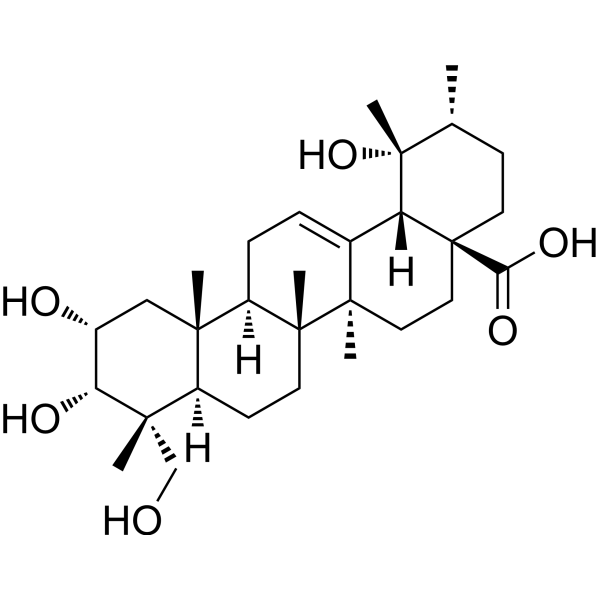
1α,2α,19α-Trihydroxyursonic acid (compound 1) is a triterpenoid compound that found in the aerial parts of Rubus xanthocarpus .
|
-
- HY-N19722
-
|
|
|
Others
|
|
Brevicuspisaponin 2 is a triterpenoid glycoside saponin that can be isolated from the leaves of Ilex brevicuspis, and it is applicable to biochemical experiments and compound synthesis research .
|
-
- HY-N17630
-
|
|
Others
|
Metabolic Disease
|
|
Schekwangsienin is a triterpenoid compound isolated from the aerial parts of Schefflera kwangsiensis. Schekwangsienin exhibits hepatoprotective activity and can be used in studies on liver injury .
|
-
- HY-N18755
-
-
- HY-179335
-
|
|
Others
|
Others
|
|
Aescigenin is a triterpenoid saponin compound that can be found in Aesculus hippocastanum. Aescigenin is the main component of sodium β-aescin, a compound that has the functions of reducing tissue edema, improving microcirculation, and anti-inflammation. It can be used in research on Bell's palsy .
|
-
- HY-N18210
-
|
|
Others
|
Others
|
|
12-O-Ethyl-1-deacetylnimbolinin B (Compound 1) is a limonoid-type triterpenoid that can be found in the fruit of Melia toosendan Sieb. et Zucc .
|
-
- HY-N17570
-
|
|
Drug Derivative
|
Others
|
|
23α-Hydroxy-olean-12-en-3-one (Compound 15) is a pentacyclic triterpenoid, which is a natural derivative of the oleanane skeleton .
|
-
- HY-N1229
-
|
Sorghumol acetate
|
Others
|
Others
|
|
Isoarborinol acetate (Sorghumol acetate) is an arborane-type triterpenoid compound that can be used in the screening of bioactive compound libraries. Isoarborinol acetate can be prepared by acetylation of isoarborinol isolated from the dried rhizomes of Imperata cylindrica var. koenigii (a plant of the Poaceae family, genus Imperata) .
|
-
- HY-N17642
-
|
|
Phosphatase
|
Metabolic Disease
|
|
Arhododendric acid A (Compound 1) is a triterpenoid found in Rhododendron brachycarpum. Arhododendric acid A can inhibit PTP1B with an IC50 of 6.3 μM. Arhododendric acid A can be used for the research of type 2 diabetes .
|
-
- HY-169479
-
|
|
Drug Derivative
|
Infection
Cancer
|
|
Betulinic glycine amide (compound 5a) is a pentacyclic triterpenoid and derivative of Betulinic acid (HY-10529). Betulinic glycine amide has been used as a precursor in the synthesis of betulinic acid derivatives with anticancer and antiviral activity .
|
-
- HY-N19122
-
|
|
NO Synthase
|
Inflammation/Immunology
|
|
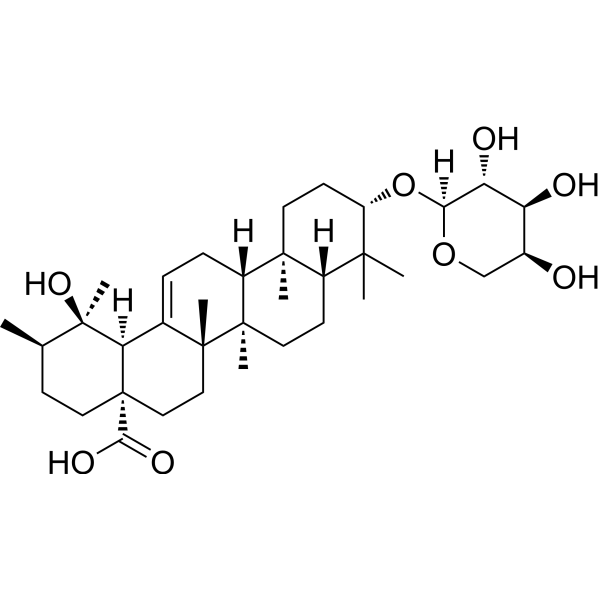
Pulchinenoside K (Compound 4) is a triterpenoid saponin. Pulchinenoside K can be isolated from the roots of *Pulsatilla koreana*. Pulchinenoside K inhibits NO production. Pulchinenoside K can be used for the research of inflammatory diseases .
|
-
- HY-N18680
-
|
|
Others
|
Neurological Disease
|
|
Melissa officinalis extract is rich in various bioactive compounds, such as citronellol, geraniol, glycosides, caffeic acid derivatives, flavonoids, and triterpenoids. Melissa officinalis extract can be used in research on conditions such as nervous tension, anxiety, insomnia, and menstrual disorders.
|
-
- HY-N18760
-
|
|
Bacterial
|
Infection
Inflammation/Immunology
|
|
Vitex negundo extract is rich in bioactive compounds such as alkaloids, flavonoids, glycosides, volatile oils, triterpenoids, tannins, polyphenols, flavonoids, and iridoid glycosides. Vitex negundo extract possesses anti-inflammatory, antioxidant, antibacterial, and detoxifying properties.
|
-
- HY-N17528
-
|
|
NO Synthase
|
Inflammation/Immunology
|
|
Triptohypol E is a triterpenoid compound and nitric oxide production inhibitor that can be isolated from the leaves of Rhododendron dauricum L. Triptohypol E inhibits nitric oxide production in LPS-stimulated macrophages in a dose-dependent manner .
|
-
- HY-N17377
-
|
|
Others
|
Others
|
|
(3β)-3-Hydroxyoleana-11,13(18)-dien-28-oic acid (Compound 4) is a triterpenoid found in the callus tissues of Paeonia japonica and Paeonia suffruticosa .
|
-
- HY-N18021
-
|
|
Others
|
Others
|
|
3-O-[α-L-Arabinopyranosyl]-30-norolean-12,20(29)-dien-28-oic acid (Compound 1) is a triterpenoid glucoside found in Stauntonia brachyanthera Hand-Mazz .
|
-
- HY-N19066
-
|
|
Others
|
Metabolic Disease
|
|
Cissus quadrangularis extract contains a variety of bioactive compounds, such as flavonoids, phenolic acids, carotenoids, triterpenoids, vitamins, 3-ketosteroids, minerals, and sterols. Cissus quadrangularis extract can promote fracture healing, reduce bone loss, and increase bone density.
|
-
- HY-N17941
-
|
|
Others
|
Cardiovascular Disease
|
|
19-Anhydro-4-epirotungenic acid is a triterpenoid compound that can be isolated from the bark of Ilex rotunda Thunb. 19-Anhydro-4-epirotungenic acid shows no activity against ADP-induced platelet aggregation .
|
-
- HY-N15221
-
|
|
NO Synthase
|
Inflammation/Immunology
|
|
12-Acetoxyganoderic acid D is a triterpenoid compound found in Ganoderma sinense. 12-Acetoxyganoderic acid D exhibits certain anti-inflammatory activity and inhibits NO production in LPS (HY-D1056) stimulated RAW 264.7 macrophages .
|
-
- HY-N16718
-
|
|
Others
|
Others
|
|
23-Hydroxyursolic acid is a triterpenoid compound that can be isolated from guava (Psidium guajava) leaves. Guava-related extracts possess antibacterial, anti-diabetic, and anti-inflammatory activities, but the specific functions of 23-Hydroxyursolic acid require targeted experimental verification .
|
-
- HY-N17777
-
|
|
Dipeptidyl Peptidase
Glycosidase
|
Others
|
|
Cyclocarin A is a triterpenoid compound that can be isolated from the leaves of Cyclocarya paliurus. Cyclocarin A shows only weak inhibitory activity against α-glucosidase, lipase, DPP-IV, aldose reductase, and human cancer cell lines (IC50>10 μM) .
|
-
- HY-N19886
-
|
|
Drug Derivative
|
Others
|
|
Pastuchoside E is a triterpenoid saponin found in the leaves of Hedera pastuchowii. Terpenes, also known as isoprene compounds, are the most numerous and structurally diverse natural products found in many plants. Terpenes can be used to treat cancer, malaria, inflammation, and various infectious diseases .
|
-
- HY-N17569
-
|
|
Others
|
Others
|
|
3β-O-trans-Feruloyl-2α,23α-dihydroxy-urs-12-en-28-oic acid (Compound 3) is a pentacyclic triterpenoid found in the fruit of Camptotheca acuminata .
|
-
- HY-N17309
-
|
|
Drug Derivative
|
Others
|
|
3'-O-Acetyl-akebia saponin D (compound 23) is a triterpenoid saponin found in the roots of Dipsacus asper (Radix Dipsaci).3'-O-Acetyl-akebia saponin D is an isomer of 4'-O-acetyl-akebia saponin D .
|
-
- HY-W782762
-
|
|
Endogenous Metabolite
|
Metabolic Disease
|
|
Dihydro FF-MAS is a steroid triterpenoid compound. Dihydro FF-MAS is an intermediate in the cholesterol synthesis pathway. Dihydro FF-MAS triggers the resumption of meiosis in cultured mouse oocytes in vitro, but not in vivo. Dihydro FF-MAS can be used in studies of reproduction and lipid metabolism .
|
-
- HY-N17509
-
|
|
Drug Metabolite
|
Others
|
|
3β-Hydroxy-oleana-11,13 (18)-dien-28-oic acid (compound 3) is a triterpenoid compound present in Paeonia japonica and peony calli. 3β-Hydroxy-oleana-11,13 (18)-dien-28-oic acid is also a biotransformation product of oleanolic acid .
|
-
- HY-N15719
-
|
|
Others
|
Others
|
|
Dipsacus saponin R (Compound 1) is an orally active triterpenoid saponin found in Radix Dipsaci. Dipsacus saponin R promotes bone formation and repair by regulating osteoblast activity or inhibiting osteoclast function. Dipsacus saponin R is promising for research of bone diseases such as osteoporosis and fracture healing .
|
-
- HY-N18824
-
|
|
Bacterial
|
Infection
Inflammation/Immunology
|
|
Licorice oils, derived from the roots and rhizomes of the licorice plant (Glycyrrhiza glabra), are rich in bioactive compounds like glycyrrhizin, flavonoids, and triterpenoid. Licorice oil has anti-inflammatory and antibacterial properties, which can effectively soothe irritated skin, reduce redness, control eczema, and fight acne.
|
-
- HY-149586
-
|
|
Reactive Oxygen Species (ROS)
|
Others
|
|
ROS-IN-2 (compound 85) is a seco-lupane triterpenoid derivative. ROS-IN-2 blocks ROS production and protects mitochondria from damage by inhibiting excessive production of oxidative stressors. ROS-IN-2 can be used for myocardial ischemia/reperfusion (MI/R) injury research .
|
-
- HY-N18732
-
|
|
Others
|
Cardiovascular Disease
|
|
Terminalia arjuna extract is a precious natural compound derived from the bark of the Terminalia arjuna tree, rich in bioactive components such as triterpenoids, flavonoids, tannins, and polyphenols. Terminalia arjuna extract has cardioprotective effects, helping to strengthen the heart muscle, lower cholesterol levels, stabilize blood pressure, and prevent thrombosis.
|
-
- HY-N0587R
-
-
- HY-N2440
-
-
- HY-N9295
-
|
|
Others
|
Metabolic Disease
|
|
3, 4-seco-4 (23),20(29) -Lupadiene-3,28-dioic acid
(Compound 5) is a triterpenoid compound. 3, 4-seco-4 (23),20(29)
-Lupadiene-3,28-dioic acid has a strong inhibitory effect on the production of
superoxide anions, and the inhibitory rate is 86.9±2.8% at 1 μM
.
|
-
- HY-N9826
-
|
|
Bcl-2 Family
|
Cancer
|
|
Icterogenin is a selective inhibitor targeting the Bcl-XL/Bak BH3 domain peptide interaction and exhibits anti-leukemic activity. Icterogenin regulates protein interactions and affects tumor cell survival. Icterogenin is an oleanane-type triterpenoid compound that can be isolated from Lantana camara and is useful in the field of anti-tumor drug development .
|
-
- HY-N2842
-
|
|
Apoptosis
Caspase
|
Metabolic Disease
Cancer
|
|
α-Amyrin acetate is a pentacyclic triterpenoid compound with oral activity. α-Amyrin acetate can inhibit cancer cells proliferation and induce apoptosis. α-Amyrin acetate can reduce blood glucose level. α-Amyrin acetate can be used for the researches of cancer and metabolic disease, such as breast cancer and diabetes .
|
-
- HY-N12161
-
|
|
Others
|
Metabolic Disease
|
|
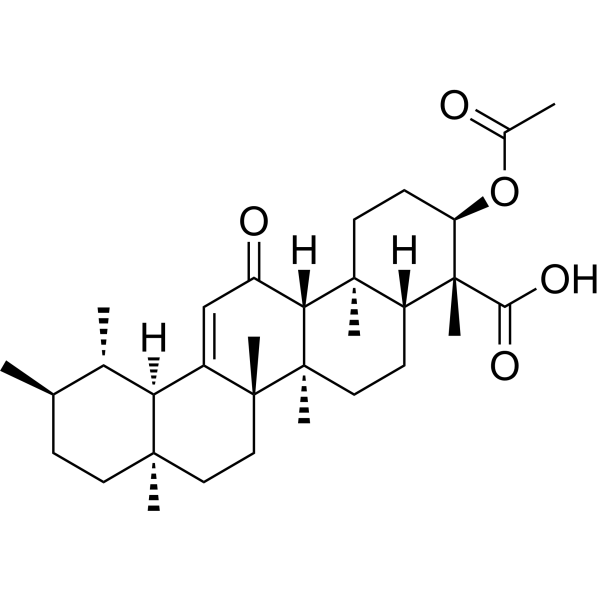
3-Acetyl-11-keto-ursolic acid (Compound 18) is a triterpenoid compound derived from Eriobotrya japonicaleaves. 3-Acetyl-11-keto-ursolic acid has 11B-hydroxysteroid dehydrogenase 1 (11b-HSD1) inhibitory activity. 3-Acetyl-11-keto-ursolic acid can be used for anti-diabetes research .
|
-
- HY-N15354
-
|
|
Others
|
Others
|
|
Jujubasaponin IV is a triterpenoid saponin compound found in Zizyphi Fructus. Animal studies have shown that Jujubasaponin IV possesses certain anti-ulcer activity, possibly through mechanisms such as enhancing the gastric mucosal barrier or inhibiting gastric acid secretion. Jujubasaponin IV can be used in research on digestive system diseases, particularly in the study of gastric ulcer mechanisms .
|
-
- HY-N13164
-
|
|
PI3K
Akt
Apoptosis
|
Cancer
|
Polygalacin D3 is a triterpenoid saponin compound that can be extracted from the roots of the balloon flower. Polygalacin D3 can inhibit the proliferation of non-small cell lung cancer (NSCLC) cell lines by blocking the PI3K/Akt pathway, and it induces cell cycle arrest and cell apoptosis .
|
-
- HY-N13162
-
|
|
Others
|
Cancer
|
|
Hemsleyadin D is a triterpenoid compound derived from Hemsleya penxianensis with antitumor activity. Its IC50 values against K562, MGC-803, U118, HepG2, A549, and MCF-7 cells are 93.9, 47.1, 25.9, 56.1, 66.3, and 67.6 μM, respectively .
|
-
- HY-N15711
-
|
|
Reactive Oxygen Species (ROS)
|
Neurological Disease
Inflammation/Immunology
|
|
Ganoleucoin R is a triterpenoid compound that can be isolated from Ganoderma leucocontextum. Ganoleucoin R exerts a protective effect against H2O2-induced oxidative damage and can promote neurite outgrowth in PC12 cells. Ganoleucoin R possesses neuroprotective and neurogenic activities, and can be used in the research of neurodegenerative diseases .
|
-
- HY-N17005
-
|
|
Others
|
Cancer
|
|
3-O-(p-Hydroxybenzoyl)serratriol is a serratene-type triterpenoid compound with low cytotoxicity against cancer cells (IC50 >100 μg/mL against three human cancer cell lines: K562, SMMC-7721, and SGC7901). 3-O-(p-Hydroxybenzoyl)serratriol can be naturally extracted from the whole plant of Palhinhaea cernua .
|
-
- HY-N4294
-
|
|
FXR
Insecticide
|
Infection
Metabolic Disease
Inflammation/Immunology
|
|
Arjungenin, a pentacyclic triterpenoid compound, is a FXR agonist. Arjungenin can improve insulin sensitivity by regulating the function of fat cells. Arjungenin exhibits moderate free radical scavenging activity. Arjungenin has growth inhibitory activity against the insect Spilarctia obliqua. Arjungenin has significant antiviral activity against a series of viruses such as chikungunya Virus (CHIKV) .
|
-
- HY-N11020
-
|
|
EBV
|
Infection
Inflammation/Immunology
|
|
Cabenoside D (compound 8) is a triterpenoid glycoside, which can be isolated from the methanol extract of lichen root. Cabenoside D shows anti-inflammatory activity and inhibits inflammation induced by 12-O-tetracylacyl hormone-13-acetate (TPA) in mice. Cabenoside D also inhibits TPA-induced Epstein-Barr virus (EBV) early antigen (EBV-EA) activation .
|
-
- HY-N17585
-
|
|
Others
|
Others
|
|
Lanost-8-ene-3b,22R,24S-triol (compound 7) is a lanostane-type triterpenoid. Lanost-8-ene-3b,22R,24S-triol can be found in the sclerotia of Inonotus obliquus (Alaskan chaga) .
|
-
- HY-N0611R
-
|
α-Boswellic acid (Standard)
|
Reference Standards
Others
|
Neurological Disease
Inflammation/Immunology
Cancer
|
|
alpha-Boswellic acid (Standard) is the analytical standard of alpha-Boswellic acid. This product is intended for research and analytical applications. alpha-Boswellic acid (α-Boswellic acid) is an orally active pentacyclic triterpenoid compound that can be extracted from frankincense. alpha-Boswellic acid has anti-inflammatory and antitumor activities. alpha-Boswellic acid can be used in Alzheimer's disease (AD) research .
|
-
- HY-N17352
-
|
|
Others
|
Inflammation/Immunology
|
|
(20α)-29-Hydroxy-3-oxo-olean-12-en-28-oic acid (Compound 4) is a triterpenoid. (20α)-29-Hydroxy-3-oxo-olean-12-en-28-oic acid can be isolated from T. wilfordii .
|
-
- HY-N2922
-
|
|
Amyloid-β
NF-κB
|
Neurological Disease
Inflammation/Immunology
|
|
β-Amyrin shows effectively counteract amyloid β (Aβ)-induced impairment of long-term potentiation (LTP). β-Amyrin is a promising candidate for Alzheimer's disease (AD) research. β-Amyrin exhibits anti-inflammatory effects, protective activity against pulmonary fibrosis, and notable antibacterial capabilities. β-Amyrin is an orally active natural triterpenoid compound .
|
-
- HY-N2922R
-
|
|
Reference Standards
Amyloid-β
|
Neurological Disease
|
|
β-Amyrin shows effectively counteract amyloid β (Aβ)-induced impairment of long-term potentiation (LTP). β-Amyrin is a promising candidate for Alzheimer's disease (AD) research. β-Amyrin exhibits anti-inflammatory effects, protective activity against pulmonary fibrosis, and notable antibacterial capabilities. β-Amyrin is an orally active natural triterpenoid compound .
|
-
- HY-N4294R
-
|
|
Reference Standards
FXR
Insecticide
|
Infection
Metabolic Disease
Inflammation/Immunology
|
|
Arjungenin (Standard) is the analytical standard of Arjungenin. This product is intended for research and analytical applications. Arjungenin, a pentacyclic triterpenoid compound, is a FXR agonist. Arjungenin can improve insulin sensitivity by regulating the function of fat cells. Arjungenin exhibits moderate free radical scavenging activity. Arjungenin has growth inhibitory activity against the insect Spilarctia obliqua. Arjungenin has significant antiviral activity against a series of viruses such as chikungunya Virus (CHIKV).
|
-
- HY-N19830
-
|
|
Reactive Oxygen Species (ROS)
Apoptosis
|
Cancer
|
|
Guavenoic acid is a triterpenoid compound that can be isolated from fresh leaves of Psidium guajava. Guavenoic acid protects cells in cellular oxidative damage models, inhibits intracellular ROS production, and suppresses cell apoptosis. Guavenoic acid significantly enhances cellular proliferation, promotes insulin synthesis and secretion, and upregulates the messenger RNA expression of insulin gene, PDX-1 and MafA. Guavenoic acid can be used in the research of diseases such as pancreatic islet β-cell tumors .
|
-
- HY-112671
-
|
RTA dh404
|
Keap1-Nrf2
NF-κB
Apoptosis
|
Cardiovascular Disease
Inflammation/Immunology
|
|
CDDO-dhTFEA (RTA dh404) is a synthetic oleanane triterpenoid compound which potently activates Nrf2 and inhibits the pro-inflammatory transcription factor NF-κB . CDDO-dhTFEA restores hypertension (MAP), increases Nrf2 and expression of its target genes, attenuates activation of NF-κB and transforming growth factor-β pathways, and reduces glomerulosclerosis, interstitial fibrosis and inflammation in the chronic kidney disease (CKD) rats .
|
-
- HY-N13710
-
|
|
EBV
|
Infection
Cancer
|
|
20-Hydroxylucidenic acid E2 is a triterpenoid compound found in Ganoderma lucidum. It exhibits significant inhibitory effects on inflammation induced by TPA (HY-18739). Additionally, 20-Hydroxylucidenic acid E2 can suppress the expression of EBV early antigen induced by TPA (HY-18739), with a IC50 of 290 mol ratio/32 pmol TPA (meaning that when the molar concentration of this compound is 290 times that of 32 pmol of TPA, it can inhibit 50% of EBV early antigen expression). Therefore, 20-Hydroxylucidenic acid E2 has potential applications in anti-inflammatory and anticancer research .
|
-
- HY-N8230
-
|
|
HIV
HIV Protease
|
Infection
Inflammation/Immunology
Cancer
|
|
Ganosinensic acid C is a triterpenoid compound that can be extracted from Ganoderma lucidum. Ganosinensic acid C has important biological activities such as anti-tumor, anti-prostate cancer, anti-inflammatory, and inhibition of HIV-I protease. Ganosinensic acid C has an IC50 value of 10.5 μM against human highly metastatic lung cancer cell line 95D. Ganosinensic acid C has an IC50 value of Ganosinensic acid C against cervical cancer cell line Hela is 13.2 μM .
|
-
- HY-172449
-
|
|
Hedgehog
|
Cancer
|
|
GLI1-IN-3 (Compound 11a), a triterpenoid analogue, can inhibit Hedgehog signaling in GLI1 overexpression cancer cells. GLI1-IN-3 inhibits the proliferation in NSCLC and prostate cancer cell lines exhibiting hyper-activated Hh signaling. GLI1-IN-3 can also decrease the expression of endogenous GLI1 protein and its target genes associated with tumor progression and proliferation in A549 and DU-145 cancer cells .
|
-
- HY-126741
-
|
|
Environmental Pollutants
Parasite
Caspase
NF-κB
Apoptosis
Bcl-2 Family
|
Infection
Inflammation/Immunology
Cancer
|
|
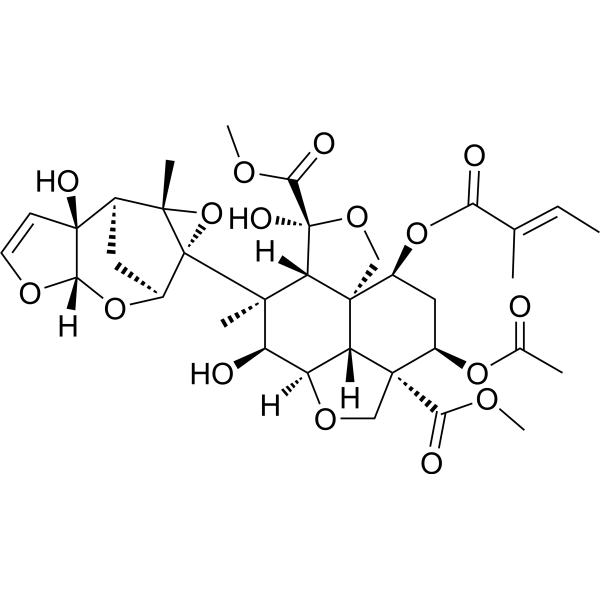
Azadirachtin is an oral active triterpenoid compound with anticancer, antimalarial, anti-inflammatory, and insecticidal activities. Azadirachtin induces cell apoptosis through the mitochondrial pathway (by inhibiting Bcl-2/Bax ratio or activating Apaf-1 and caspase-3) or through death receptors (by inhibiting TNFR activation). Additionally, Azadirachtin exerts its anti-inflammatory effects by inhibiting NF-кB signaling pathway activation, and it exhibits insecticidal activity by inducing apoptosis in insect cells .
|
-
- HY-N9284
-
|
|
Others
|
Cancer
|
|
5,19-Epoxy-19R,25-dimethoxycucurbita-6,23-dien-3-ol is a triterpenoid compound derived from Momordica charantia with antitumor activity, exhibiting an IC50 of 32.52 μM against U937 cells. 5,19-Epoxy-19R,25-dimethoxycucurbita-6,23-dien-3-ol shows promise for research in the field of cancer .
|
-
- HY-113898
-
|
|
Angiotensin-converting Enzyme (ACE)
Toll-like Receptor (TLR)
Interleukin Related
|
Cardiovascular Disease
Neurological Disease
|
|
Ganoderic acid K is a triterpenoid compound. Ganoderic acid K can be isolated from Ganoderma lucidum. Ganoderic acid K inhibits ACE activity with an IC50 of 2.6×10 -5 M. Ganoderic acid K exhibits direct, high-affinity binding to recombinant MD2 protein, with a Kd value of 0.47 μM. It potently inhibits LPS-induced release of TNF-α and IL-6. It reduces cerebral infarction volume and ameliorates neurological dysfunction in mice with ischemic stroke in the tMCAO model. Ganoderic acid K can be used in studies related to hypertension and ischemic stroke .
|
-
- HY-N12461
-
|
|
Bacterial
Caspase
Apoptosis
|
Infection
|
|
Cucurbitacin F is a tetracyclic protostane-type triterpenoid with low toxicity, antibacterial and anti-inflammatory activities, and is also a related compound of Cucurbitacin B (HY-N0416). Cucurbitacin F widely exists in plants such as Cucurbitaceae plants, Quisqualis indica and Sorbaria sorbifolia. Cucurbitacin F acts as an actin aggregator and reduces cell viability in a dose-dependent manner. Cucurbitacin F induces apoptosis by triggering G2/M phase cell cycle arrest and activating the caspase-3-dependent apoptosis .
|
-
- HY-N8423
-
|
|
ERK
GSK-3
Apoptosis
Caspase
COX
|
Infection
Neurological Disease
Metabolic Disease
Inflammation/Immunology
Cancer
|
|
α-Amyrin is a pentacyclic triterpenoid compound with oral activity. α-Amyrin activates the ERK and GSK-3β signaling pathways. α-Amyrin can inhibit cancer cells proliferation and induce apoptosis. α-Amyrin shows anti-bacterial and anti-inflammation activity. α-Amyrin can reduce blood glucose level. α-Amyrin can be used for the researches of cancer, infection, inflammation, metabolic disease and neurological disease, such as breast cancer, Streptococcus oralis infection, skin inflammation and diabetes .
|
-
- HY-N8229
-
|
|
Others
|
Inflammation/Immunology
|
|
7β,15α,20-Trihydroxy-3,11,23-trioxo-5α-lanosta-8-en-26-oic acid is a triterpenoid compound found in Ganoderma lucidum. 7β,15α,20-Trihydroxy-3,11,23-trioxo-5α-lanosta-8-en-26-oic acid may exhibit anti-inflammatory activity and holds potential for research in inflammatory diseases .
|
-
- HY-N17736
-
|
CME
|
NF-κB
COX
Interleukin Related
TNF Receptor
NO Synthase
Prostaglandin Receptor
CDK
β-catenin
Wnt
Apoptosis
|
Inflammation/Immunology
Cancer
|
|
Chikusetsusaponin IVa methyl ester (CME) is a natural triterpenoid saponin compound. Chikusetsusaponin IVa methyl ester induces G0/G1 cell cycle arrest and apoptosis in colon cancer cells by inhibiting the Wnt/β-catenin signaling pathway. By inhibiting the NF-κB and AP-1 signaling pathways, Chikusetsusaponin IVa methyl ester significantly reduces the production of NO, PGE₂ and pro-inflammatory cytokines (TNF-α, IL-6, IL-1β), and downregulates the levels of iNOS and COX-2. Chikusetsusaponin IVa methyl ester can be used in researches on colorectal cancer and inflammation .
|
-
- HY-N17131
-
|
|
NF-κB
ERK
|
Inflammation/Immunology
|
|
24-O-Acetyllycoclavanol (compound 1) is a triterpenoid anti-inflammatory agent that selectively targets the NF-κB and ERK1/2 signaling pathways. It exerts its anti-inflammatory activity by inhibiting lipopolysaccharide (LPS)-induced inducible nitric oxide synthase (iNOS) and COX-2 expression, reducing the production of inflammatory mediators such as nitric oxide (NO), IL-1β, and IL-8. 24-O-Acetyllycoclavanol can be used in research related to inflammatory bowel disease (IBD). 24-O-Acetyllycoclavanol can be biologically isolated from the ethyl acetate extract of Lycopodium clavatum .
|
-
- HY-N7635
-
|
β-D-Glucopyranosyl oleanolate
|
NO Synthase
COX
Interleukin Related
Claudin
p38 MAPK
Akt
PI3K
|
Inflammation/Immunology
|
|
Oleanolic acid 28-O-β-D-glucopyranoside (β-D-Glucopyranosyl oleanolate) is an orally active pentacyclic triterpenoid compound. Oleanolic acid 28-O-β-D-glucopyranoside has anti-inflammatory effects. In ulcerative colitis models, Oleanolic acid 28-O-β-D-glucopyranoside can inhibit the inflammatory response, enhance the intestinal epithelial barrier function, and modulate the gut microbiota. Its mechanism of action is related to the PI3K-AKT and MAPK signaling pathways. Oleanolic acid 28-O-β-D-glucopyranoside can be used in the research of diseases such as colitis .
|
-
- HY-N8423R
-
|
|
Reference Standards
ERK
GSK-3
Apoptosis
Caspase
COX
|
Infection
Neurological Disease
Metabolic Disease
Inflammation/Immunology
Cancer
|
|
α-Amyrin (Standard) is a pentacyclic triterpenoid compound with oral activity. α-Amyrin (Standard) activates the ERK and GSK-3β signaling pathways. α-Amyrin (Standard) can inhibit cancer cells proliferation and induce apoptosis. α-Amyrin (Standard) shows anti-bacterial and anti-inflammation activity. α-Amyrin (Standard) can reduce blood glucose level. α-Amyrin (Standard) can be used for the researches of cancer, infection, inflammation, metabolic disease and neurological disease, such as breast cancer, Streptococcus oralis infection, skin inflammation and diabetes .
|
-
- HY-N0853
-
|
|
AMPK
Acetyl-CoA Carboxylase
PPAR
MMP
Interleukin Related
|
Infection
Cardiovascular Disease
Neurological Disease
Metabolic Disease
Inflammation/Immunology
Cancer
|
|
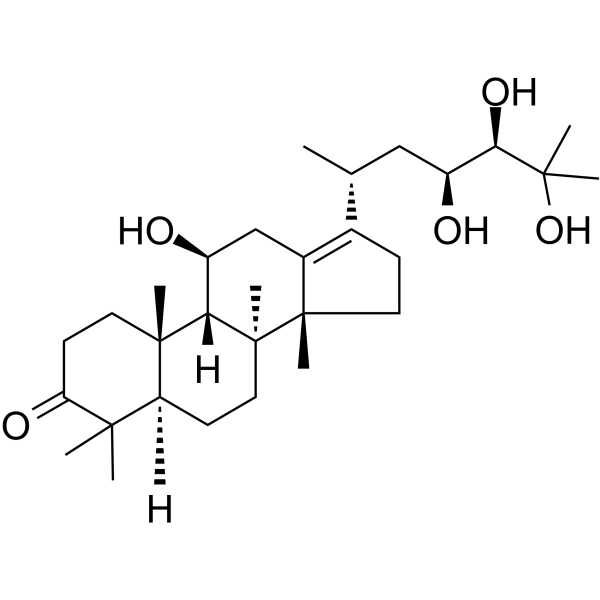
Alisol A is an orally active tetracyclic triterpenoid compound of the prototerpane type. Alisol A can be extracted from the rhizome of Alisma orientale. Alisol A activates AMPK/ACC/SREBP-1c, SIRT1, PPARα, inhibits MMP-2/-9, decreases inflammatory cytokine expression (IL-1β, IL-6, IL-8). Alisol A has anti-tumor activity against breast cancer and colorectal cancer. Alisol A has anti-obesity and anti-atherosclerotic activities. Alisol A can be used in the research of hepatitis B, breast cancer, colorectal cancer, atherosclerosis, and obesity .
|
-
- HY-N0853R
-
|
|
Reference Standards
AMPK
Acetyl-CoA Carboxylase
PPAR
MMP
Interleukin Related
|
Infection
Cardiovascular Disease
Metabolic Disease
Cancer
|
|
Alisol A (Standard) is the analytical standard of Alisol A (HY-N0853). This product is intended for research and analytical applications. Alisol A is an orally active tetracyclic triterpenoid compound of the prototerpane type. Alisol A can be extracted from the rhizome of Alisma orientale. Alisol A activates AMPK/ACC/SREBP-1c, SIRT1, PPARα, inhibits MMP-2/-9, decreases inflammatory cytokine expression (IL-1β, IL-6, IL-8). Alisol A has anti-tumor activity against breast cancer and colorectal cancer. Alisol A has anti-obesity and anti-atherosclerotic activities. Alisol A can be used in the research of hepatitis B, breast cancer, colorectal cancer, atherosclerosis, and obesity .
|
-
- HY-N19083
-
|
|
Bacterial
|
Inflammation/Immunology
|
|
Tecomella undulata Extract, also known as Rohida extract, is a valuable botanical extract derived from the bark and leaves of the Tecomella undulata plant native to the Indian Thar Desert and is rich in bioactive compounds such as flavonoids, quinones, triterpenoids, and other phytochemicals that contribute to its diverse therapeutic properties. This extract is widely recognized for its hepatoprotective effects demonstrated through its ability to protect against liver damage induced by toxins such as paracetamol and carbon tetrachloride by normalizing elevated liver enzyme levels reducing oxidative stress and improving liver function. Additionally, it exhibits significant anti-inflammatory activity comparable to standard drugs like indomethacin and has been used to treat conditions like ascites and hepatosplenomegaly while also showing immunomodulatory effects by enhancing both humoral and cell-mediated immune responses and possessing antimicrobial properties that make it effective against various pathogens. Recent research suggests that Tecomella undulata may have potential in managing nonalcoholic steatohepatitis (NASH) by reducing body weight insulin resistance and improving liver function markers making it a versatile natural remedy with significant applications in hepatoprotection anti-inflammation and immune support.
|
-
| Cat. No. |
Product Name |
Category |
Target |
Chemical Structure |
- HY-N13115A
-
|
(E)-21-Angeloyl-protoaescigenin
|
Aesculus chinensis Bunge
Triterpenes
Terpenoids
Hippocastanaceae
Plants
Source Classification
|
Others
|
|
Protoescigenin 21-tiglate (compound 10) is a glycosidic oleanane-type triterpenoid (BAT) that can be isolated from the acid hydrolysis product (AHP) of the crude extract of Aesculus chinensis seeds. Aesculus-derived triterpenoids (BAT) generally exhibit good antitumor, anti-inflammatory, and anti-Alzheimer's activities. However, the antitumor activity of Protoescigenin 21-tiglate is relatively weak, with IC50 values of >80 μM and 80 μM against MCF-7 and HeLa cells, respectively .
|
-
- HY-N13115
-
|
(Z)-Protoescigenin 21-tiglate
|
Aesculus chinensis Bunge
Triterpenes
Terpenoids
Hippocastanaceae
Plants
Source Classification
|
Others
|
|
21-Angeloyl-protoaescigenin (compound 11) is a glycosidic oleanane-type triterpenoid (BAT) that can be isolated from the acid hydrolysis product (AHP) of the crude extract of Aesculus chinensis seeds. Aesculus-derived triterpenoids (BAT) generally exhibit good antitumor, anti-inflammatory, and anti-Alzheimer's activities. Protoescigenin 21-tiglate has antitumor activity, with IC50 values of 38.2 μM and 33 μM against MCF-7 and HeLa cells, respectively .
|
-
- HY-N12159
-
-
- HY-N12846
-
-
- HY-126462
-
-
- HY-126662
-
-
- HY-N15294
-
-
- HY-N8987
-
-
- HY-N12137
-
-
- HY-N0332R
-
-
- HY-N15719
-
-
- HY-N17282
-
-
- HY-N13161
-
-
- HY-N15225
-
-
- HY-N19786
-
-
- HY-N8602
-
-
- HY-N15212
-
-
- HY-N17358
-
-
- HY-N17538
-
-
- HY-N1295
-
-
- HY-N17978
-
-
- HY-N13717
-
-
- HY-N18217
-
-
- HY-N19270
-
-
- HY-N17883
-
-
- HY-N19722
-
-
- HY-N17630
-
-
- HY-N18755
-
|
|
Structural Classification
Extract
|
Bacterial
|
|
Solanum xanthocarpum extract possesses anti-inflammatory, analgesic, antibacterial, and antiviral properties, and is rich in various bioactive compounds, such as alkaloids, triterpenoids, saponins, steroidal glycoalkaloids, and flavonoids.
|
-
- HY-179335
-
-
- HY-N18210
-
-
- HY-N17570
-
-
- HY-N1229
-
-
- HY-N17642
-
-
- HY-N19122
-
-
- HY-N18680
-
|
|
Structural Classification
Extract
|
Others
|
|
Melissa officinalis extract is rich in various bioactive compounds, such as citronellol, geraniol, glycosides, caffeic acid derivatives, flavonoids, and triterpenoids. Melissa officinalis extract can be used in research on conditions such as nervous tension, anxiety, insomnia, and menstrual disorders.
|
-
- HY-N18760
-
|
|
Structural Classification
Extract
|
Bacterial
|
|
Vitex negundo extract is rich in bioactive compounds such as alkaloids, flavonoids, glycosides, volatile oils, triterpenoids, tannins, polyphenols, flavonoids, and iridoid glycosides. Vitex negundo extract possesses anti-inflammatory, antioxidant, antibacterial, and detoxifying properties.
|
-
- HY-N17528
-
-
- HY-N17377
-
-
- HY-N18021
-
-
- HY-N19066
-
|
|
Structural Classification
Extract
|
Others
|
|
Cissus quadrangularis extract contains a variety of bioactive compounds, such as flavonoids, phenolic acids, carotenoids, triterpenoids, vitamins, 3-ketosteroids, minerals, and sterols. Cissus quadrangularis extract can promote fracture healing, reduce bone loss, and increase bone density.
|
-
- HY-N17941
-
-
- HY-N15221
-
-
- HY-N16718
-
-
- HY-N17777
-
-
- HY-N19886
-
-
- HY-N17569
-
-
- HY-N17309
-
-
- HY-N17509
-
-
- HY-N18824
-
|
|
Structural Classification
Extract
|
Bacterial
|
|
Licorice oils, derived from the roots and rhizomes of the licorice plant (Glycyrrhiza glabra), are rich in bioactive compounds like glycyrrhizin, flavonoids, and triterpenoid. Licorice oil has anti-inflammatory and antibacterial properties, which can effectively soothe irritated skin, reduce redness, control eczema, and fight acne.
|
-
- HY-N18732
-
|
|
Structural Classification
Extract
|
Others
|
|
Terminalia arjuna extract is a precious natural compound derived from the bark of the Terminalia arjuna tree, rich in bioactive components such as triterpenoids, flavonoids, tannins, and polyphenols. Terminalia arjuna extract has cardioprotective effects, helping to strengthen the heart muscle, lower cholesterol levels, stabilize blood pressure, and prevent thrombosis.
|
-
- HY-N2440
-
-
- HY-N9295
-
-
- HY-N9826
-
-
- HY-N2842
-
-
- HY-N12161
-
-
- HY-N15354
-
-
- HY-N13164
-
-
- HY-N13162
-
|
|
Triterpenes
Terpenoids
Cucurbitaceae
Plants
Hemsleya pengxianensis W. J. Chang
Source Classification
|
Others
|
|
Hemsleyadin D is a triterpenoid compound derived from Hemsleya penxianensis with antitumor activity. Its IC50 values against K562, MGC-803, U118, HepG2, A549, and MCF-7 cells are 93.9, 47.1, 25.9, 56.1, 66.3, and 67.6 μM, respectively .
|
-
- HY-N15711
-
|
|
Triterpenes
Microorganisms
Terpenoids
Source Classification
|
Reactive Oxygen Species (ROS)
|
|
Ganoleucoin R is a triterpenoid compound that can be isolated from Ganoderma leucocontextum. Ganoleucoin R exerts a protective effect against H2O2-induced oxidative damage and can promote neurite outgrowth in PC12 cells. Ganoleucoin R possesses neuroprotective and neurogenic activities, and can be used in the research of neurodegenerative diseases .
|
-
- HY-N17005
-
-
- HY-N4294
-
-
- HY-N11020
-
-
- HY-N17585
-
-
- HY-N0611R
-
-
- HY-N17352
-
-
- HY-N2922
-
|
|
Monophenols
Celastrus hindsii Benth.
Celastraceae
Phenols
Plants
|
Amyloid-β
NF-κB
|
|
β-Amyrin shows effectively counteract amyloid β (Aβ)-induced impairment of long-term potentiation (LTP). β-Amyrin is a promising candidate for Alzheimer's disease (AD) research. β-Amyrin exhibits anti-inflammatory effects, protective activity against pulmonary fibrosis, and notable antibacterial capabilities. β-Amyrin is an orally active natural triterpenoid compound .
|
-
- HY-N2922R
-
-
- HY-N4294R
-
|
|
Triterpenes
Terpenoids
Combretaceae
Terminalia chebula Retz.
Plants
Source Classification
|
Reference Standards
FXR
Insecticide
|
|
Arjungenin (Standard) is the analytical standard of Arjungenin. This product is intended for research and analytical applications. Arjungenin, a pentacyclic triterpenoid compound, is a FXR agonist. Arjungenin can improve insulin sensitivity by regulating the function of fat cells. Arjungenin exhibits moderate free radical scavenging activity. Arjungenin has growth inhibitory activity against the insect Spilarctia obliqua. Arjungenin has significant antiviral activity against a series of viruses such as chikungunya Virus (CHIKV).
|
-
- HY-N19830
-
-
- HY-N13710
-
|
|
Triterpenes
Microorganisms
Terpenoids
Source Classification
|
EBV
|
|
20-Hydroxylucidenic acid E2 is a triterpenoid compound found in Ganoderma lucidum. It exhibits significant inhibitory effects on inflammation induced by TPA (HY-18739). Additionally, 20-Hydroxylucidenic acid E2 can suppress the expression of EBV early antigen induced by TPA (HY-18739), with a IC50 of 290 mol ratio/32 pmol TPA (meaning that when the molar concentration of this compound is 290 times that of 32 pmol of TPA, it can inhibit 50% of EBV early antigen expression). Therefore, 20-Hydroxylucidenic acid E2 has potential applications in anti-inflammatory and anticancer research .
|
-
- HY-N8230
-
|
|
Microorganisms
Ketones, Aldehydes, Acids
Source Classification
|
HIV
HIV Protease
|
|
Ganosinensic acid C is a triterpenoid compound that can be extracted from Ganoderma lucidum. Ganosinensic acid C has important biological activities such as anti-tumor, anti-prostate cancer, anti-inflammatory, and inhibition of HIV-I protease. Ganosinensic acid C has an IC50 value of 10.5 μM against human highly metastatic lung cancer cell line 95D. Ganosinensic acid C has an IC50 value of Ganosinensic acid C against cervical cancer cell line Hela is 13.2 μM .
|
-
- HY-126741
-
-
- HY-N9284
-
-
- HY-N12461
-
-
- HY-N8423
-
|
|
Triterpenes
other families
Terpenoids
Plants
|
ERK
GSK-3
Apoptosis
Caspase
COX
|
|
α-Amyrin is a pentacyclic triterpenoid compound with oral activity. α-Amyrin activates the ERK and GSK-3β signaling pathways. α-Amyrin can inhibit cancer cells proliferation and induce apoptosis. α-Amyrin shows anti-bacterial and anti-inflammation activity. α-Amyrin can reduce blood glucose level. α-Amyrin can be used for the researches of cancer, infection, inflammation, metabolic disease and neurological disease, such as breast cancer, Streptococcus oralis infection, skin inflammation and diabetes .
|
-
- HY-N8229
-
|
|
Triterpenes
Microorganisms
Terpenoids
Source Classification
|
Others
|
|
7β,15α,20-Trihydroxy-3,11,23-trioxo-5α-lanosta-8-en-26-oic acid is a triterpenoid compound found in Ganoderma lucidum. 7β,15α,20-Trihydroxy-3,11,23-trioxo-5α-lanosta-8-en-26-oic acid may exhibit anti-inflammatory activity and holds potential for research in inflammatory diseases .
|
-
- HY-N17736
-
-
- HY-N17131
-
|
|
Lycopodiaceae
Triterpenes
Structural Classification
Ketones, Aldehydes, Acids
Terpenoids
Plants
Source Classification
|
NF-κB
ERK
|
|
24-O-Acetyllycoclavanol (compound 1) is a triterpenoid anti-inflammatory agent that selectively targets the NF-κB and ERK1/2 signaling pathways. It exerts its anti-inflammatory activity by inhibiting lipopolysaccharide (LPS)-induced inducible nitric oxide synthase (iNOS) and COX-2 expression, reducing the production of inflammatory mediators such as nitric oxide (NO), IL-1β, and IL-8. 24-O-Acetyllycoclavanol can be used in research related to inflammatory bowel disease (IBD). 24-O-Acetyllycoclavanol can be biologically isolated from the ethyl acetate extract of Lycopodium clavatum .
|
-
- HY-N7635
-
-
- HY-N8423R
-
|
|
Triterpenes
Structural Classification
other families
Terpenoids
Plants
|
Reference Standards
ERK
GSK-3
Apoptosis
Caspase
COX
|
|
α-Amyrin (Standard) is a pentacyclic triterpenoid compound with oral activity. α-Amyrin (Standard) activates the ERK and GSK-3β signaling pathways. α-Amyrin (Standard) can inhibit cancer cells proliferation and induce apoptosis. α-Amyrin (Standard) shows anti-bacterial and anti-inflammation activity. α-Amyrin (Standard) can reduce blood glucose level. α-Amyrin (Standard) can be used for the researches of cancer, infection, inflammation, metabolic disease and neurological disease, such as breast cancer, Streptococcus oralis infection, skin inflammation and diabetes .
|
-
- HY-N0853
-
|
|
Triterpenes
Structural Classification
Alisma plantago-aquatica Linn.
Classification of Application Fields
Terpenoids
Other Diseases
Alismataceae
Plants
Disease Research Fields
Source Classification
|
AMPK
Acetyl-CoA Carboxylase
PPAR
MMP
Interleukin Related
|
|
Alisol A is an orally active tetracyclic triterpenoid compound of the prototerpane type. Alisol A can be extracted from the rhizome of Alisma orientale. Alisol A activates AMPK/ACC/SREBP-1c, SIRT1, PPARα, inhibits MMP-2/-9, decreases inflammatory cytokine expression (IL-1β, IL-6, IL-8). Alisol A has anti-tumor activity against breast cancer and colorectal cancer. Alisol A has anti-obesity and anti-atherosclerotic activities. Alisol A can be used in the research of hepatitis B, breast cancer, colorectal cancer, atherosclerosis, and obesity .
|
-
- HY-N0853R
-
|
|
Triterpenes
Structural Classification
Alisma plantago-aquatica Linn.
Terpenoids
Alismataceae
Plants
Source Classification
|
Reference Standards
AMPK
Acetyl-CoA Carboxylase
PPAR
MMP
Interleukin Related
|
|
Alisol A (Standard) is the analytical standard of Alisol A (HY-N0853). This product is intended for research and analytical applications. Alisol A is an orally active tetracyclic triterpenoid compound of the prototerpane type. Alisol A can be extracted from the rhizome of Alisma orientale. Alisol A activates AMPK/ACC/SREBP-1c, SIRT1, PPARα, inhibits MMP-2/-9, decreases inflammatory cytokine expression (IL-1β, IL-6, IL-8). Alisol A has anti-tumor activity against breast cancer and colorectal cancer. Alisol A has anti-obesity and anti-atherosclerotic activities. Alisol A can be used in the research of hepatitis B, breast cancer, colorectal cancer, atherosclerosis, and obesity .
|
-
- HY-N19083
-
|
|
Structural Classification
Extract
|
Bacterial
|
|
Tecomella undulata Extract, also known as Rohida extract, is a valuable botanical extract derived from the bark and leaves of the Tecomella undulata plant native to the Indian Thar Desert and is rich in bioactive compounds such as flavonoids, quinones, triterpenoids, and other phytochemicals that contribute to its diverse therapeutic properties. This extract is widely recognized for its hepatoprotective effects demonstrated through its ability to protect against liver damage induced by toxins such as paracetamol and carbon tetrachloride by normalizing elevated liver enzyme levels reducing oxidative stress and improving liver function. Additionally, it exhibits significant anti-inflammatory activity comparable to standard drugs like indomethacin and has been used to treat conditions like ascites and hepatosplenomegaly while also showing immunomodulatory effects by enhancing both humoral and cell-mediated immune responses and possessing antimicrobial properties that make it effective against various pathogens. Recent research suggests that Tecomella undulata may have potential in managing nonalcoholic steatohepatitis (NASH) by reducing body weight insulin resistance and improving liver function markers making it a versatile natural remedy with significant applications in hepatoprotection anti-inflammation and immune support.
|
-
Your information is safe with us. * Required Fields.
Inquiry Information
- Product Name:
- Cat. No.:
- Quantity:
- MCE Japan Authorized Agent:

