


1. Search Result
Search Result
Results for "

Tumor detection

" in MedChemExpress (MCE) Product Catalog:

33

Inhibitors & Agonists

1

Screening Libraries

10

Fluorescent Dyes

3

Biochemical Assay Reagents

2

Peptides

6

MCE Kits

4

Inhibitory Antibodies

3

Natural
Products

1

Oligonucleotides

Cat. No. Product Name Target Research Areas Chemical Structure
  • HY-15142
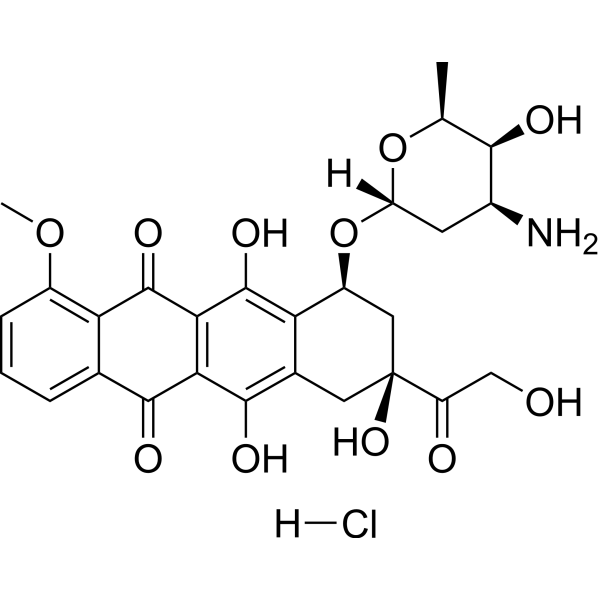
    Doxorubicin hydrochloride
    645+ Cited Publications

    Hydroxydaunorubicin hydrochloride; ADR

    Topoisomerase ADC Payload AMPK Autophagy Apoptosis HIV HBV Mitophagy Antibiotic Bacterial Fluorescent Dye Infection Cancer
    Doxorubicin hydrochloride (Hydroxydaunorubicin hydrochloride; ADR), a cytotoxic anthracycline antibiotic, is an anti-cancer chemotherapy agent. Doxorubicin hydrochloride is a potent human DNA topoisomerase I and topoisomerase II inhibitor with IC50s of 0.8 μM and 2.67 μM, respectively. Doxorubicin hydrochloride reduces basal phosphorylation of AMPK and its downstream target acetyl-CoA carboxylase. Doxorubicin hydrochloride induces apoptosis and autophagy .
    Doxorubicin hydrochloride
  • HY-128890
    DOTA-​NHS-ester
    1 Publications Verification

    ADC Linker Cancer
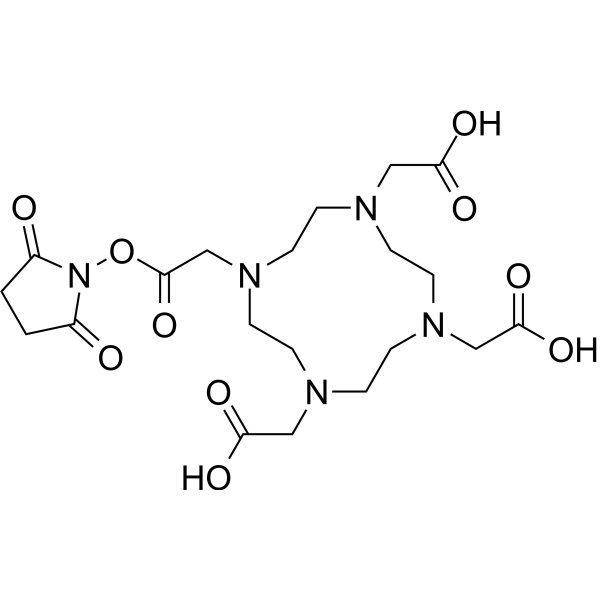
    DOTA-NHS-ester is a linker for affibody molecules and is applied in small animals PET, SPECT, and CT. DOTA-NHS-ester can be used to label radiotherapeutic agents or imaging probes for the detection of tumors .
    DOTA-​NHS-ester
  • HY-15142R
    Doxorubicin hydrochloride (Standard)
    5 Publications Verification

    Hydroxydaunorubicin hydrochloride (Standard); ADR (Standard)

    Reference Standards Topoisomerase ADC Payload AMPK Autophagy Apoptosis HIV HBV Mitophagy Antibiotic Bacterial Fluorescent Dye Infection Cancer
    Doxorubicin hydrochloride (Standard) is the analytical standard of Doxorubicin hydrochloride. This product is intended for research and analytical applications. Doxorubicin (Hydroxydaunorubicin) hydrochloride, a cytotoxic anthracycline antibiotic, is an anti-cancer chemotherapy agent. Doxorubicin hydrochloride is a potent human DNA topoisomerase I and topoisomerase II inhibitor with IC50s of 0.8 μM and 2.67 μM, respectively. Doxorubicin hydrochloride reduces basal phosphorylation of AMPK and its downstream target acetyl-CoA carboxylase. Doxorubicin hydrochloride induces apoptosis and autophagy .
    Doxorubicin hydrochloride (Standard)
  • HY-D1711

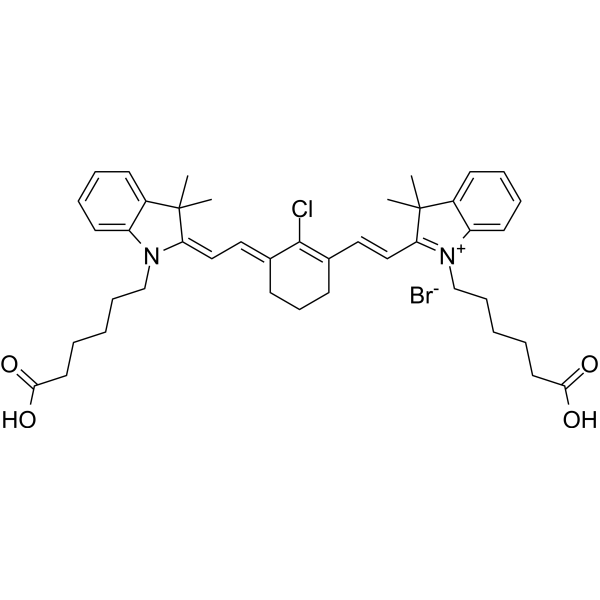
    IR-808

    Fluorescent Dye Cancer
    MHI-148 is a near-infrared heptamethine cyanine dye with tumor-targeting properties for cancer detection, diagnosis and research. MHI-148 is immediately taken up and accumulated by lysosomes and mitochondria of tumor cells, but not in lysosomes and mitochondria of normal cells .
    MHI-148
  • HY-W020780

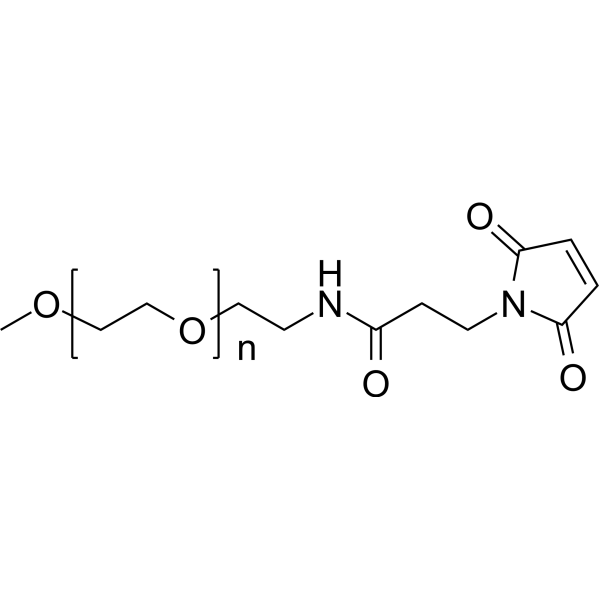
    mPEG5000-Maleimide

    Biochemical Assay Reagents Cancer
    mPEG5000-Mal (mPEG5000-Maleimide) is a PEG-derived selective covalent binding agent for sulfhydryl groups (RSGs), which can form irreversible thioether bonds with sulfhydryl groups under near-neutral conditions via the maleimide group. The mechanism of action of mPEG5000-Mal can be divided into two categories: firstly, as an enzyme modifier, it binds to target proteins through hydrophobic interactions, hydrogen bonds, and van der Waals forces, altering the protein's secondary structure; secondly, as a nanoparticle surface modifier, it covalently binds to sulfhydryl groups on the surface of red blood cells, changing the surface properties and morphology of the red blood cells, leading to their phagocytosis by macrophages of the reticuloendothelial system. mPEG5000-Mal can react with free cysteine in proteins, increasing the apparent molecular weight of the modified protein by 10-15 kDa for detection purposes. mPEG5000-Mal can enhance the thermal stability and catalytic activity of enzymes, and improve the macrophage targeting of nanoparticles, enabling targeted drug delivery. mPEG5000-Mal can be applied in enzyme engineering research in the food industry and in oncology, assisting radiotherapy by inhibiting tumor-associated macrophage infiltration and enhancing anti-tumor immune responses .
    mPEG5000-Mal
  • HY-W074143

    Fluorescent Dye Others
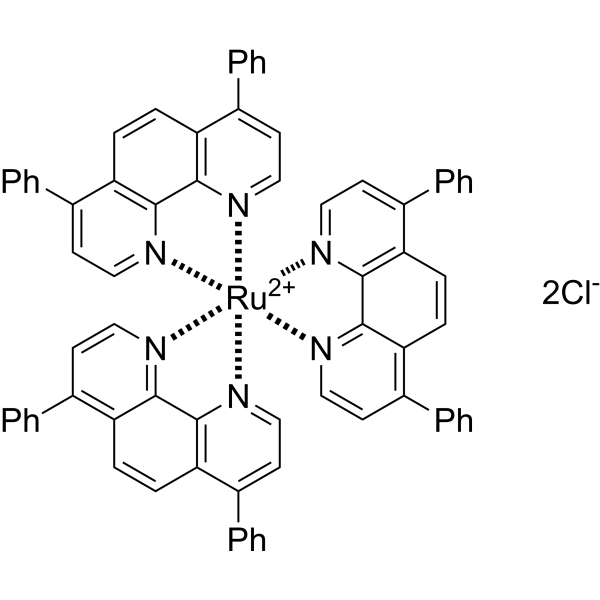
    Tris(4,7-diphenyl-1,10-phenanthroline)ruthenium(II) dichloride ([Ru(dpp)3] 2+) is an electrochemiluminescent (ECL) probe and oxygen-sensitive sensor. Tris(4,7-diphenyl-1,10-phenanthroline)ruthenium(II) dichloride can be used to modify electrode surfaces for the detection of sulfates (S2O8 2-) and oxalates, based on electrochemical reactions that generate excited-state species, releasing photons through irreversible redox reactions. Tris(4,7-diphenyl-1,10-phenanthroline)ruthenium(II) dichloride utilizes the oxygen quenching of fluorescence mechanism, where fluorescence intensity reflects the metabolic rate of living microorganisms or oxygen levels within cells/tumors, allowing for real-time detection. Tris(4,7-diphenyl-1,10-phenanthroline)ruthenium(II) dichloride's main applications include microbial detection, antibacterial activity studies, and tumor microenvironment research .
    Tris(4,7-diphenyl-1,10-phenanthroline)ruthenium(II) dichloride
  • HY-15142A

    Hydroxydaunorubicin

    ADC Payload Antibiotic Bacterial Topoisomerase AMPK HIV Autophagy Mitophagy Apoptosis HBV Fluorescent Dye Infection Cancer
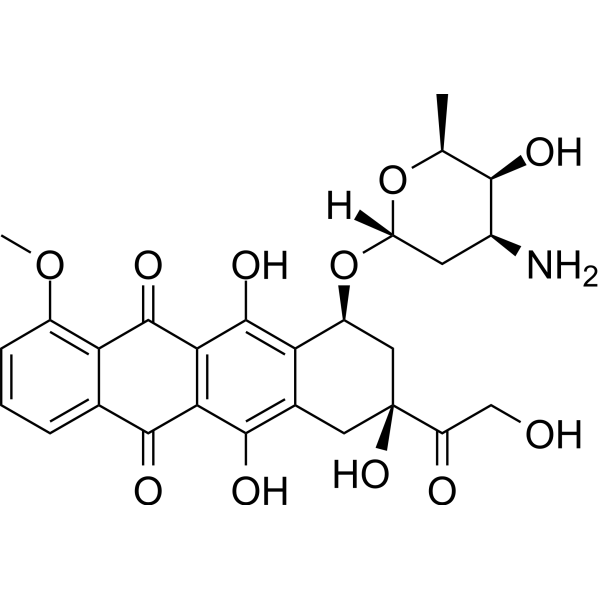
    Doxorubicin (Hydroxydaunorubicin), a cytotoxic anthracycline antibiotic, is an anti-cancer chemotherapy agent. Doxorubicin is a potent human DNA topoisomerase I and topoisomerase II inhibitor with IC50s of 0.8 μM and 2.67 μM, respectively. Doxorubicin reduces basal phosphorylation of AMPK and its downstream target acetyl-CoA carboxylase. Doxorubicin induces apoptosis and autophagy .
    Doxorubicin
  • HY-131498

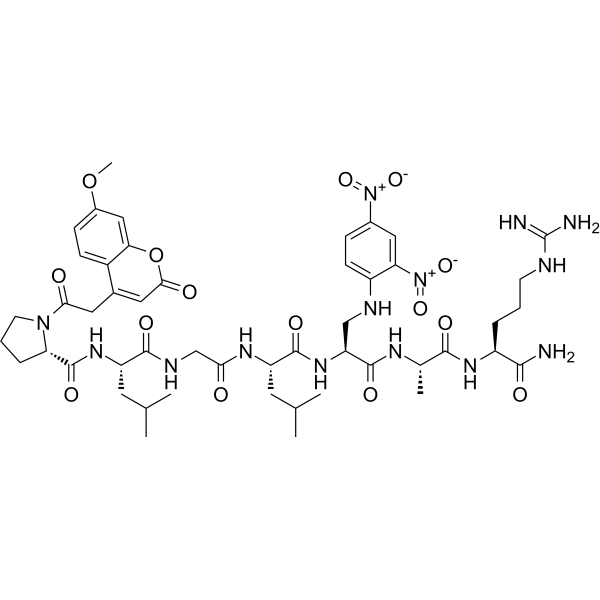
    Mca-Pro-Leu-Gly-Leu-Dpa-Ala-Arg-NH2

    Fluorescent Dye MMP Cancer
    MOCAc-PLGL (Dpa) AR (Mca-Pro-Leu-Gly-Leu-Dpa-Ala-Arg-NH2) is a synthetic fluorescent substrate mainly used for in vitro enzymatic activity assays of MMP-7 (detection at 393 nm after excitation at 328 nm). MOCAc-PLGL (Dpa) AR is specifically cleaved and hydrolyzed by MMP-7 at the Gly-Leu peptide bond, allowing enzymatic activity to be monitored via fluorometry or HPLC (DMSO is usually added to ensure sufficient dissolution when determining kinetic parameters). MOCAc-PLGL (Dpa) AR is used to accurately evaluate the catalytic activity and pH dependence of recombinant mature human MMP-7 in vitro. MOCAc-PLGL (Dpa) AR is suitable for research on the mechanisms of tumor metastasis and invasion, particularly in fields such as prostate cancer, colon cancer, lung cancer and breast cancer .\n
    MOCAc-PLGL(Dpa)AR
  • HY-D1872

    Fluorescent Dye Others
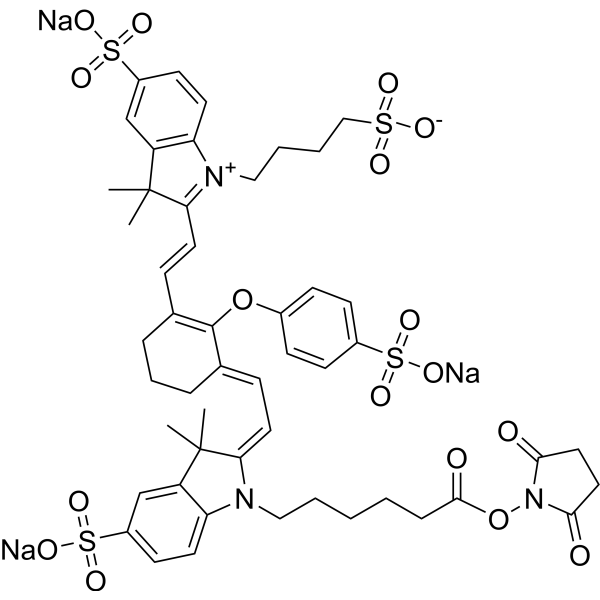
    800CW NHS ester is a near-infrared fluorescent dye active ester that can conjugate with amine-containing small molecules, antibodies, peptides, and other substances to form fluorescent conjugates. 800CW NHS ester exhibits high fluorescence quantum yield and low non-specific binding properties. 800CW NHS ester can be used in biomedical research such as microbial infection imaging, tumor imaging, and biochemical detection .
    800CW NHS ester
  • HY-P99834

    IAB22M2C; ImaginAb

    Transmembrane Glycoprotein Cancer
    Crefmirlimab (IAB22M2C; ImaginAb) is a humanized CD8-specific single-domain antibody. Conjugation of Crefmirlimab with radioisotopes (e.g., 89Zr) enables tumor immune infiltration assessment, autoimmune disease detection, and immunotherapy response monitoring. Crefmirlimab is applicable for cancer research .
    Crefmirlimab
  • HY-W250149

    Biochemical Assay Reagents Cancer
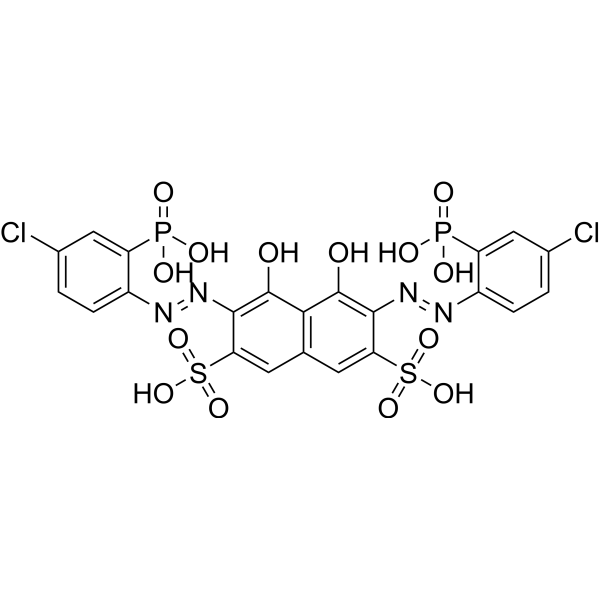
    Chlorophosphonazo III is a cell membrane-permeable contrast agent and spectrophotometric reagent. Chlorophosphonazo III forms stable 1:1 complexes with intracellular calcium, magnesium, uranium, titanium, zirconium, thorium, scandium, equivalent actinides and protactinium. Chlorophosphonazo III generates photoacoustic signals correlated with Ca 2+ concentrations, which is applicable for imaging 3D tumor cell cultures and tumor spheroids. Chlorophosphonazo III exhibits no cytotoxicity, can be used for spectrophotometric detection of target ions, and the absorbance of its complexes remains stable for up to one week within the pH range of 2.2 to 7.0 .
    Chlorophosphonazo III
  • HY-120115

    Olaparib-bodipy FL

    PARP Fluorescent Dye Cancer
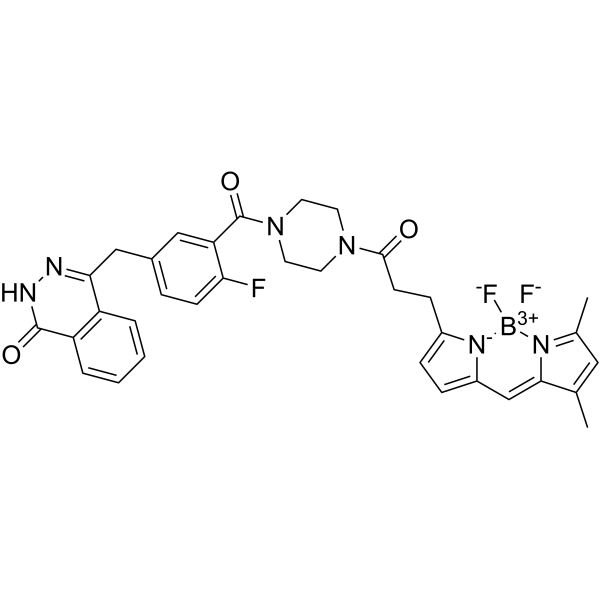
    PARPi-FL (Olaparib-bodipy FL) is a small-molecule fluorescent inhibitor of PARP1 that can specifically bind to PARP1. PARPi-FL can be used as a fluorescent imaging agent for tumor detection, diagnosis, and surgical guidance .
    PARPi-FL
  • HY-159500

    OTL-0078; OTL78

    PSMA Cancer
    Zopocianine (OTL-0078; OTL78) is a near-infrared optical probe targeting PSMA. Zopocianine binds to PSMA on the surface of PSMA-expressing cells, enters cells via receptor-mediated endocytosis, and accumulates in acidic endosomes. Zopocianine selectively accumulates in PSMA-positive cancer tissues and enables the detection of small tumors, primary prostate tumors, and locoregional metastases. Zopocianine helps achieve negative tumor surgical margins during fluorescence-guided surgery. Zopocianine is applicable to research related to prostate cancer .
    Zopocianine
  • HY-160066

    Transmembrane Glycoprotein Cancer
    SYL3C aptamer sodium is a DNA aptamer that targets epithelial cell adhesion molecule (EpCAM) on the surface of cancer cells. SYL3C aptamer sodium targets a variety of human cancer cell lines including MDA-MB-231, Kato III, HT-29, T47D and SW480. The Kd values of SYL3C aptamer sodium against breast cancer cell line MDA-MB-231 and gastric cancer cell line Kato III are 38 nM and 67 nM, respectively. SYL3C aptamer sodium possesses stability, high binding affinity and selectivity, and can be used for targeted cancer cell imaging and circulating tumor cell detection .
    SYL3C aptamer sodium
  • HY-D1719A
    Cypate hydrochloride
    1 Publications Verification

    Fluorescent Dye Cancer
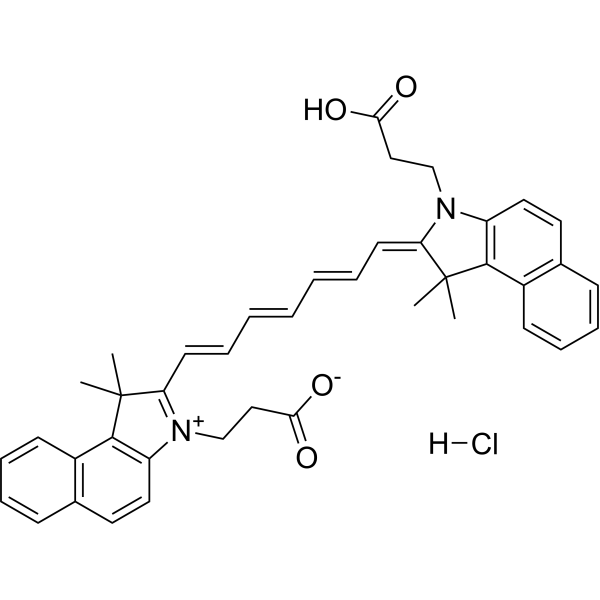
    Cypate is a near-infrared fluorescent dye that belongs to the family of photosensitizers. Cypate has high photostability and optical properties, and is often used in near-infrared optical imaging, as well as optical imaging, tumor marking, and drug delivery. In addition, Cypate is also used as a molecular probe and combined with targeting molecules (such as CBT or small interfering RNA) to achieve efficient detection and imaging of specific cells or tissues .
    Cypate hydrochloride
  • HY-128890B
    DOTA-​NHS-ester TFA
    1 Publications Verification

    ADC Linker Biochemical Assay Reagents Cancer
    DOTA-​NHS-ester (TFA) is used as a linker for affibody molecules, and it can be employed in small animal positron emission tomography (PET), single photon emission computed tomography (SPECT), and CT scanning. DOTA-​NHS-ester can be used to label radiotracers or imaging probes for tumor detection .
    DOTA-​NHS-ester TFA
  • HY-136201

    Biochemical Assay Reagents Cancer
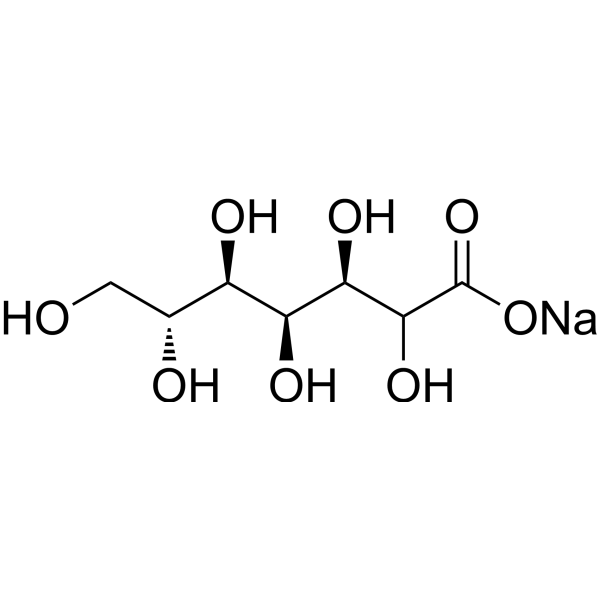
    Sodium Glucoheptonate is used as a kit for radio-labeling with Tc-99m. Tc-99m glucoheptonate is kidney- and brain-imaging agent, and can be used in brain-tumor detection .
    Sodium Glucoheptonate
  • HY-D2062

    Fluorescent Dye Integrin Cancer
    ATTO 740 NHS ester is a near-infrared fluorescent dye and a multimodal fluorescence/photoacoustic contrast agent with excellent near-infrared emission properties and extremely high photostability. The photoacoustic signal of ATTO 740 NHS ester shows no significant decrease after continuous irradiation with a 750 nm laser for 30 min, making it suitable for in vivo fluorescence imaging and photoacoustic contrast imaging. When conjugated with the cystine knot peptide R01, ATTO 740 NHS ester enables precise detection of integrin αvβ6-positive cells and tumors in nude mouse xenograft models .
    ATTO 740 NHS ester
  • HY-P11110

    PD-1/PD-L1 Cancer
    RK-10 is a PD-L1 binding peptide. RK-10 conjugated with Cy5 (HY-D0821) or Biotin (HY-B0511) can used to detect PD-L1 expressing tumors with flow cytometry or immunohistochemistry. RK-10 can be used for cancers like NSCLC, breast cancer, squamous cell carcinoma and melanoma detection research .
    RK-10
  • HY-D2379

    Fluorescent Dye Endocrinology Cancer
    HMRG is a type of hydroxymethyl rhodamine green fluorescent scaffold, featuring an open non-cyclic structure. HMRG can produce significant dynamic fluorescence changes through a one-step enzymatic reaction at physiological pH, which is useful for developing various probes. Fluorescent probes based on HMRG can be used for fluorescence detection of diseases such as tumors and diabetic nephropathy .
    HMRG
  • HY-145769

    PD-1/PD-L1 Cancer
    N2S2-CBMBC, an N2S2 bromo-benzyl ether derivative, acts as a ligand and use 99mTc-labelled complexes 99mTc-N2S2-CBMBC can be used as an imaging agent to be applied to the aspect of detecting PD-L1 expression, realize the real-time, comprehensive and convenient detection of the PD-L1 level of tumors, and overcome the defects of an immunohistochemical method .
    N2S2-CBMBC
  • HY-136201R

    Biochemical Assay Reagents Reference Standards Cancer
    Sodium Glucoheptonate (Standard) is the analytical standard of Sodium Glucoheptonate. This product is intended for research and analytical applications. Sodium Glucoheptonate is used as a kit for radio-labeling with Tc-99m. Tc-99m glucoheptonate is kidney- and brain-imaging agent, and can be used in brain-tumor detection[1][2].
    Sodium Glucoheptonate (Standard)
  • HY-D2474

    Fluorescent Dye Cancer
    PSP is a two-photon fluorescent probe for selective and sensitive detection of H2Sn in live cells and tumor spheroids (Ex/Em = 440/640 nm). PSP can be utilized in ferroptosis research .
    PSP
  • HY-159500A

    OTL-0078 sodium; OTL78 sodium

    Biochemical Assay Reagents Cancer
    Zopocianine sodium (OTL-0078 sodium; OTL78 sodium) is a near-infrared optical probe targeting PSMA. Zopocianine sodium binds to PSMA on the surface of PSMA-expressing cells, enters cells via receptor-mediated endocytosis, and accumulates in acidic endosomes. Zopocianine sodium selectively accumulates in PSMA-positive cancer tissues and enables the detection of small tumors, primary prostate tumors, and locoregional metastases. Zopocianine sodium helps achieve negative tumor surgical margins during fluorescence-guided surgery. Zopocianine sodium is applicable to research related to prostate cancer .
    Zopocianine sodium
  • HY-173384

    1,2-distearoyl-sn-glycero-3-phosphoethanolamine-N- tetraazacyclododecane-N-tetraacetic acid, sodium salt

    Biochemical Assay Reagents Neurological Disease Inflammation/Immunology Cancer
    DSPE-DOTA sodium (1,2-distearoyl-sn-glycero-3-phosphoethanolamine-N- tetraazacyclododecane-N-tetraacetic acid, sodium salt) is a chelating lipid used as a key contrast agent in magnetic resonance imaging (MRI). DSPE-DOTA sodium can be used for imaging detection of tumors, neurological and inflammatory diseases .
    DSPE-DOTA sodium
  • HY-P990830

    Mucin Cancer
    Anti-MUC16 Antibody (VK8) is a kind of mouse IgG1 κ chimeric antibody inhibitor, targeting to human MUC16. Anti-MUC16 Antibody (VK8) reacts with human MUC16 also known as carbohydrate antigen 125 (CA125). Anti-MUC16 Antibody (VK8) Anti-MUC16 Antibody (VK8) can be used for detection of tumor marker, such as ovarian cancer .
    Anti-MUC16 Antibody (VK8)
  • HY-P990873

    DNA/RNA Synthesis Cancer
    Anti-BRCA1 Antibody (BR64) is a kind of mouse IgG1 κ chimeric antibody, targeting to human BRCA1. Anti-BRCA1 Antibody (BR64) reacts with BRCA1 (Breast cancer susceptibility gene 1) involved in tumor suppression, transcription, genomic stability, DNA repair and recombination. Anti-BRCA1 Antibody (BR64) can be used for the detections of immunofluorescence, western blot, and immunoprecipitation in cancer, such as breast and ovarian cancer .
    Anti-BRCA1 Antibody (BR64)
  • HY-181112

    Carbonic Anhydrase Cancer
    CAIX-IN-17 is a carbonic anhydrase IX (CAIX) inhibitor with an IC50 of 61 nM and accumulates specifically in CAIX-expressing xenograft tumors. CAIX-IN-17 can be labeled with 68Ga and acts as a CAIX-targeted PET tracer for detection of clear-cell renal cell carcinoma .
    CAIX-IN-17
  • HY-116156

    Biochemical Assay Reagents Cancer
    SR-4554 is a probe for the measurement of tumor hypoxia. SR-4554 undergoes enzymatic single-electron reduction reactions within hypoxic cells. SR-4554 determines the 19F retention index for four commonly used mouse tumors (EMT6, SCCVII, KILT and RIF-I) through 19F MRS technique. SR-4554 can used to detect tumor Hypoxia noninvasively by 19F magnetic resonance spectroscopy ( 19F MRS) .
    SR-4554
  • HY-D3319

    Biochemical Assay Reagents MMP Inflammation/Immunology Cancer
    BHQ‑3 carboxylic acid is an azo‑containing dark fluorescence quencher. BHQ‑3 carboxylic acid is conjugated to an MMP‑cleavable peptide and paired with a fluorophore to form an activatable probe for MMP activity detection in vitro. BHQ‑3 carboxylic acid shows maximal absorption in the 620 to 730 nm range. BHQ‑3 carboxylic acid–based fluorescent probes can be used in the research of arthritis and tumor‑related pathological processes. .
    BHQ-3 carboxylic acid chloride
  • HY-D3143

    Fluorescent Dye Cancer
    QM-B-CF is a sequential dual-lock chemiluminescent/fluorescent dual-mode probe designed for the specific detection of H2O2, and it can produce enhanced chemiluminescence upon photoirradiation. QM-B-CF generates chemiluminescent signals only under the conditions of H2O2 and light exposure in vitro, in cancer cells, and in tumor-bearing nude mice (Ex/Em = 514 nm/600 nm) .
    QM-B-CF
  • HY-D3209

    Fluorescent Dye Quinone Reductase Cancer
    NIR-ASM is a near-infrared fluorescent probe that can cross cell membranes and be activated by NQO1. NIR-ASM can distinguish NQO1-expressing cancer cells from normal cells via fluorescence microscopy and flow cytometry. NIR-ASM generates near-infrared fluorescence with a high signal-to-noise ratio in tumor models with NQO1 activity, enabling the detection of endogenous NQO1 activity in vivo. NIR-ASM is applicable to the research of lung cancer and breast cancer .
    NIR-ASM
  • HY-P11590

    EGFR Cancer
    WGYRGFYC (WC8) is a selective HER2-targeting peptide that binds specifically to HER2 by mimicking the antigen-binding site of trastuzumab. The DOTA precursor of WGYRGFYC has a KD of 61.20 nM for HER2. WGYRGFYC enables specific and highly sensitive detection of HER2 expression in HER2-positive breast cancer cells and tumor tissues, and monitors the dynamic downregulation of HER2 expression. WGYRGFYC rapidly distributes to target tissues and is efficiently cleared from non-target tissues via the kidneys, generating an ideal tumor-to-background ratio in imaging; it is a component of the PET radiotracer Ga-DOTA-WC8. WGYRGFYC exhibits no significant cytotoxicity in breast cancer cells, and can be used for non-invasive imaging diagnosis and therapeutic efficacy evaluation of HER2-positive breast cancer .
    WGYRGFYC

Inquiry Online

Your information is safe with us. * Required Fields.

Salutation


Country or Region *

Applicant Name *


Organization Name *

Department *


Email Address *


Product Name *

Cat. No.


Requested quantity *

Phone Number *


Remarks

Inquiry Online

Inquiry Information

Product Name:
Cat. No.:
Quantity:
MCE Japan Authorized Agent:

