1. Search Result
Search Result
Results for "

Type 2 diabetic

" in MedChemExpress (MCE) Product Catalog:

72

Inhibitors & Agonists

1

Screening Libraries

7

Peptides

15

Natural
Products

2

Isotope-Labeled Compounds

Cat. No. Product Name Target Research Areas Chemical Structure
  • HY-N0058
    4,5-Dicaffeoylquinic acid
    10+ Cited Publications

    Isochlorogenic acid C

    HBV Endogenous Metabolite Apoptosis Glycosidase Infection
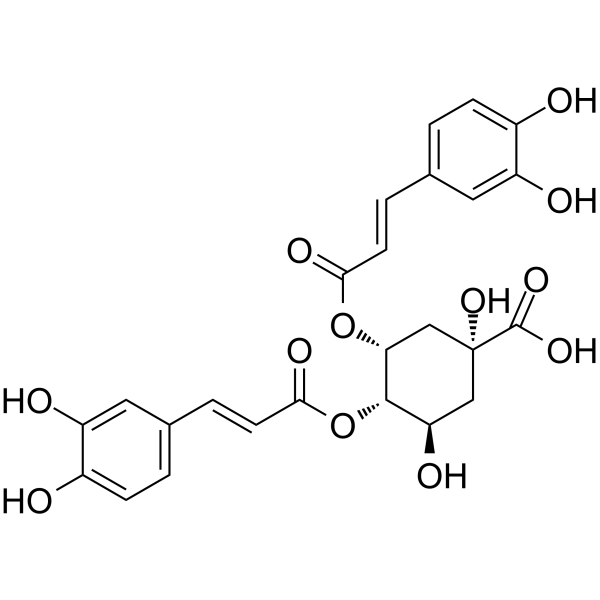
    4,5-Dicaffeoylquinic acid (Isochlorogenic acid C) is an antioxidant, can be isolated from Gynura divaricata and Laggera alata. 4,5-Dicaffeoylquinic acid reduces islet cell apoptosis and improves pancreatic function in type 2 diabetic mice, and has obvious inhibitory activities against yeast α-glucosidase. 4,5-Dicaffeoylquinic acid inhibits prostate cancer cells through cell cycle arrest. 4,5-Dicaffeoylquinic acid also has anti-apoptotic, anti-injury and anti-hepatitis B virus effects .
    4,5-Dicaffeoylquinic acid
  • HY-P3247

    Insulin Receptor Neurological Disease Metabolic Disease
    [D-Ala2]-GIP (human) is a GIP receptor agonist (EC50 = 630 pM). [D-Ala2]-GIP (human) improves glucose tolerance. [D-Ala2]-GIP (human) shows neuroprotective activity in MPTP (HY-W114750)-induced Parkinson's disease model. [D-Ala2]-GIP (human) also improves cognitive function and hippocampal synaptic plasticity in obese diabetic rats. [D-Ala2]-GIP (human) can be used for research of type 2 diabetes, Parkinson's disease, etc
    [D-Ala2]-GIP (human)
  • HY-150105

    BMF-219; Menin-MLL inhibitor 21

    Epigenetic Reader Domain Metabolic Disease Inflammation/Immunology Cancer
    Icovamenib (BMF-219) is a selective, orally active, irreversible Menin inhibitor. Icovamenib forms a stable and irreversible covalent bond with Menin. Icovamenib promotes selective and controlled proliferation of beta cells and improvement of beta cell function in ex vivo human islet cultures. Icovamenib enhances glycemic control in animal diabetic models. Icovamenib induces a dose-dependent enhancement in insulin secretion potentiated by the GLP-1 RA. Icovamenib can be used for the study of multiple hematologic malignancies, solid tumors, and diabetes mellitus, such as diffuse large B-cell lymphoma (DLBCL), multiple myeloma (MM) and chronic lymphocytic leukemia and type 2 diabetes .
    Icovamenib
  • HY-13981
    Ligandrol
    2 Publications Verification

    LGD-4033

    Androgen Receptor Apoptosis Insulin Receptor Caspase Metabolic Disease Endocrinology
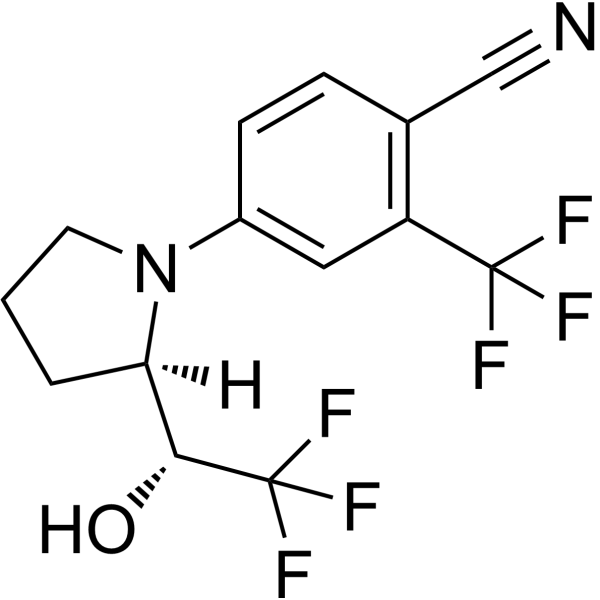
    Ligandrol is an orally active, selective androgen receptor (AR) agonist. Ligandrol enhances protein synthesis, inhibits muscle breakdown and oxidative stress, improves muscle cell viability and bone tissue microstructure, and reduces Cisplatin (HY-17394)-induced muscle toxicity and apoptosis. Ligandrol promotes muscle growth, protects bone structure, and has anti-diabetic, anti-apoptotic and antioxidant effects. Ligandrol can antagonize Streptozotocin (HY-13753) damage to pancreatic islets and improve the symptoms of type 2 diabetes .
    Ligandrol
  • HY-151500

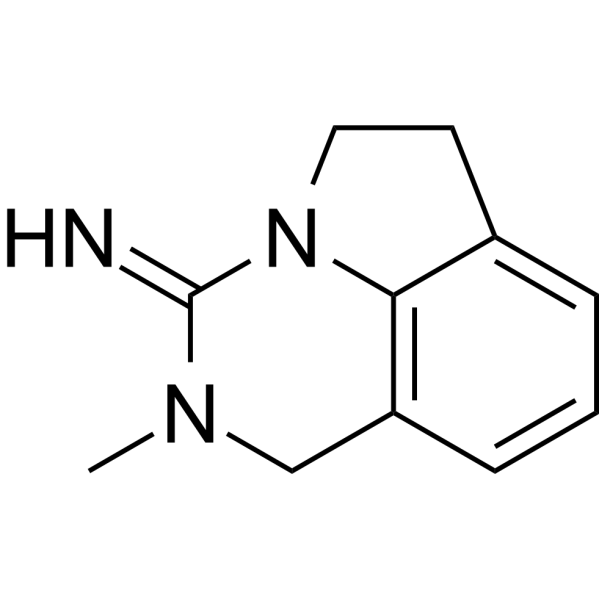
    Amine N-methyltransferase Metabolic Disease
    JBSNF-00002 free base is an orally active small molecule inhibitor of the tricyclic nicotinamide N-methyltransferase (NNMT) with IC50 values for human, mouse and monkey sources of NNMT of 33, 210 and 190 nM respectively. JBSNF-00002 free base can reduce endogenous MNA levels in U2OS osteosarcoma cells, with its EC50 being 2.5 μM. JBSNF-00002 free base exhibits significant anti-obesity and anti-diabetic activities in the diet-induced obesity (DIO) model. JBSNF-00002 free base can be used for the study of metabolic diseases such as obesity, type 2 diabetes and non-alcoholic fatty liver disease .
    JBSNF-000028 free base
  • HY-N15721

    Trp-CA

    Orphan GPCR GLP Receptor Metabolic Disease
    Tryptophan-cholic acid (Trp-CA) is a microbial amino acid-conjugated bile acid that acts as an endogenous ligand and agonist (EC50=9.6 μM) for the orphan G protein-coupled receptor (GPCR) MRGPRE (Mas-related G protein-coupled receptor family member E). Tryptophan-cholic acid is orally effective but has poor oral absorption and does not cross the blood-brain barrier. Tryptophan-cholic acid promotes the secretion of glucagon-like peptide GLP-1, thereby improving glucose tolerance in diabetic mice. Tryptophan-cholic acid improves glucose tolerance, promotes insulin secretion, and alleviates high-fat diet-induced hepatic steatosis without causing pruritus side effects. Tryptophan-cholic acid is primarily used in research on type 2 diabetes (T2D) .
    Tryptophan-cholic acid
  • HY-B0254
    Glipizide
    2 Publications Verification

    CP 28720; K 4024

    Potassium Channel Metabolic Disease Cancer
    Glipizide (CP 2872; K 4024)?a potent, orally active and sulfonylurea class anti-diabetic agent and can be used for type 2?diabetes mellitus research but not type 1. Glipizide acts by partially blocking ATP-sensitive potassium?(KATP) channels among β cells of pancreatic islets of Langerhans .
    Glipizide
  • HY-19696B
    Tauroursodeoxycholate dihydrate
    Maximum Cited Publications
    104 Publications Verification

    Tauroursodeoxycholic acid dihydrate; TUDCA dihydrate; UR 906 dihydrate

    Caspase Apoptosis Endogenous Metabolite IRE1 NF-κB JNK Reactive Oxygen Species (ROS) Akt Neurological Disease Metabolic Disease Inflammation/Immunology
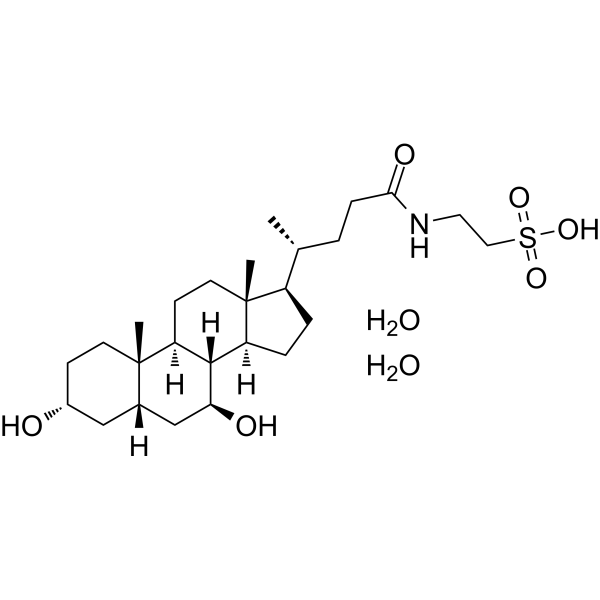
    Tauroursodeoxycholate dehydrate is an orally active taurine conjugate of Ursodeoxycholic acid (HY-13771). Tauroursodeoxycholate dehydrate inhibits caspase-3/7, Apoptosis, IRE1α/TRAF2/NF-κB, prevents JNK phosphorylation, inhibits ROS generation, and activates Akt signaling. Tauroursodeoxycholate dehydrate prevents cataract formation, reduces renal tubular damage in type 2 diabetic mice, reduces I/R injury in liver, and inhibits intestinal inflammation and barrier disruption in nonalcoholic fatty liver disease .
    Tauroursodeoxycholate dihydrate
  • HY-N2896

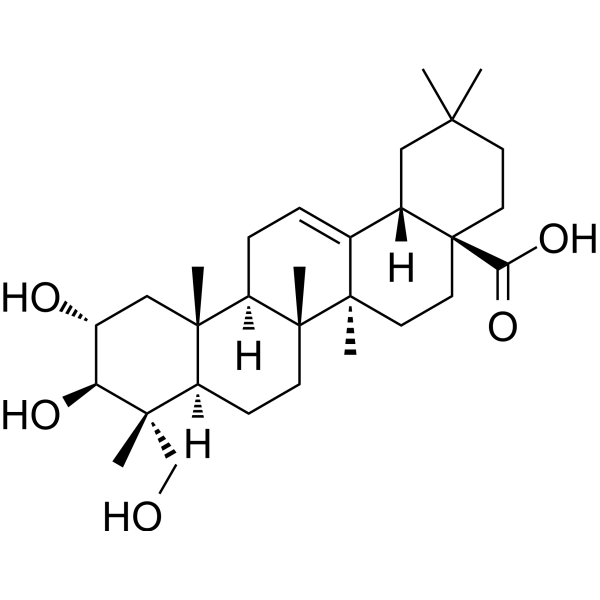
    Reactive Oxygen Species (ROS) Apoptosis Fungal Bacterial NF-κB SOD AMPK mTOR Notch Toll-like Receptor (TLR) Wnt MyD88 Sirtuin Infection Neurological Disease Inflammation/Immunology Cancer
    Arjunolic acid is an orally active, multifunctional bioactive compound. Arjunolic acid exhibits free radical scavenging activity, as well as fungal and bacterial activities. Arjunolic acid induces apoptosis (Apoptosis) in various cancer cells. Arjunolic acid protects hepatocytes against induced oxidative stress and apoptosis by reducing reactive oxygen species and inhibiting NF-κB activation. Arjunolic acid regulates pancreatic dysfunction in type 2 diabetic rats by blocking the activation of the TLR-4/MyD88 and canonical Wnt pathways. Arjunolic acid inhibits neuroinflammation and ameliorates depressive behaviors via the SIRT1/AMPK/Notch1 signaling pathway in microglia. Arjunolic acid improves Crohn's disease-like colitis by restoring gut microbiota composition and inhibiting TLR4 signaling. Arjunolic acid suppresses osteosarcoma progression by inhibiting Wnt3a-mediated M2 polarization of macrophages. Arjunolic acid ameliorates diabetic retinopathy via the autophagy pathway regulated by AMPK/mTOR/HO-1. Arjunolic acid is applicable to research related to type 2 diabetes, organ toxicity, depression, Crohn's disease, osteosarcoma, diabetic retinopathy, and testicular dysfunction .
    Arjunolic acid
  • HY-W010516

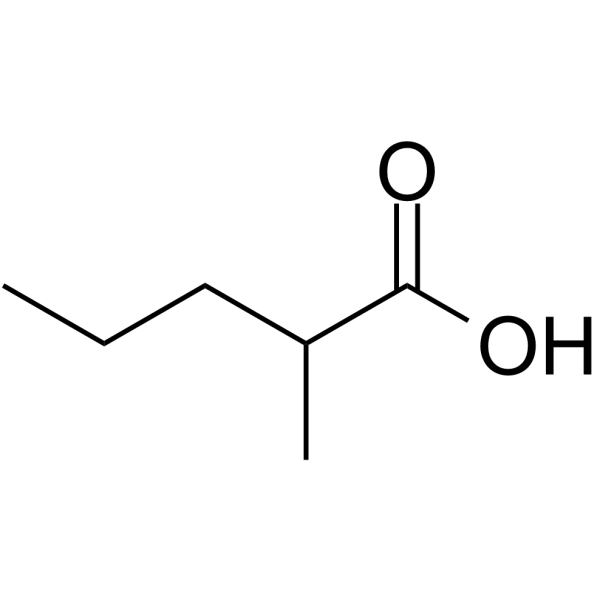
    2-Methylpentanoic acid

    Endogenous Metabolite Metabolic Disease
    2-Methylvaleric acid is a branched short-chain fatty acid (SCFA) produced by the metabolism of branched-chain amino acids by gut microbes. 2-Methylvaleric acid can be used as a potential biomarker for metabolic diseases such as type 2 diabetes, and its content is significantly reduced in the feces of diabetic mice. 2-Methylvaleric acid may regulate host energy metabolism and inflammatory response through G protein-coupled receptors (GPCRs) or histone deacetylase (HDAC) inhibition. 2-Methylvaleric acid can be used to study gut microbe-host interactions and metabolic diseases as a fecal biomarker[1][2].
    2-Methylvaleric acid
  • HY-W984782

    GLUT Bacterial Fungal AMPK PPAR Reactive Oxygen Species (ROS) Apoptosis SOD Infection Metabolic Disease Cancer
    Flindersine is an alkaloid with multiple activities including antibacterial, antifungal, antitumor, and antidiabetic properties. Flindersine increases the activity of antioxidant enzymes, restores the levels of renal biomarkers, and reduces blood glucose, blood lipid, and insulin levels in diabetic rats. Flindersine inhibits the growth of Gram-positive bacteria, Gram-negative bacteria, drug-resistant bacteria, as well as dermatophytes, filamentous fungi, and yeasts. Flindersine reduces the viability of cancer cells and induces apoptosis. Flindersine can be used in research related to breast cancer, type 2 diabetes, bacterial infections, and fungal infections .
    Flindersine
  • HY-N5027
    Oxyberberine
    2 Publications Verification

    Oxyberberin; Berlambine; 8-Oxoberberine

    Others Infection Neurological Disease Inflammation/Immunology
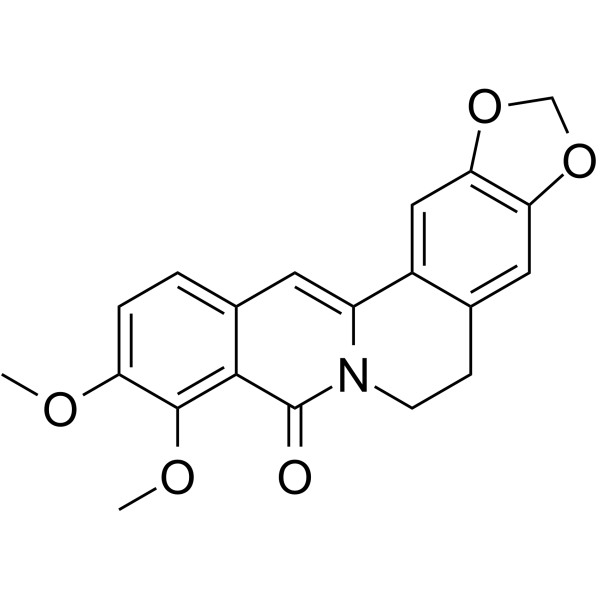
    Oxyberberine (Oxyberberin; Berlambine) is an orally effective heme oxygenase HO-1 agonist that can activate antioxidant mechanisms by regulating the PI3K/Akt/AMPK signaling pathway. Oxyberberine induces HO-1 expression, increases SOD and GSH-Px activity, inhibits NF-κB-mediated inflammatory responses, and improves insulin sensitivity and glucose metabolism. Oxyberberine has anti-diabetic, neuroprotective, anti-inflammatory and antioxidant effects, and can be used to study type 2 diabetes, traumatic brain injury (TBI) and inflammatory bowel disease .
    Oxyberberine
  • HY-151500B

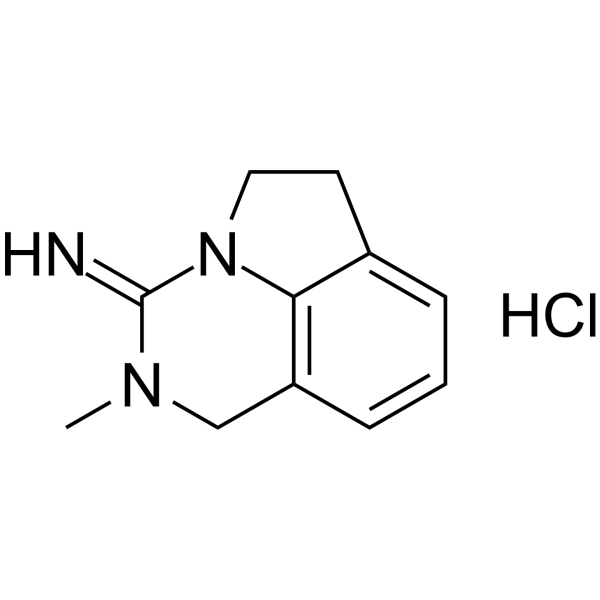
    Amine N-methyltransferase Metabolic Disease
    JBSNF-00002 hydrochloride is an orally active small molecule inhibitor of the tricyclic nicotinamide N-methyltransferase (NNMT) with IC50 values for human, mouse and monkey sources of NNMT of 33, 210 and 190 nM respectively. JBSNF-00002 hydrochloride can reduce endogenous MNA levels in U2OS osteosarcoma cells, with its EC50 being 2.5 μM. JBSNF-00002 hydrochloride exhibits significant anti-obesity and anti-diabetic activities in the diet-induced obesity (DIO) model. JBSNF-00002 hydrochloride can be used for the study of metabolic diseases such as obesity, type 2 diabetes and non-alcoholic fatty liver disease .
    JBSNF-000028 hydrochloride
  • HY-16421

    (-)-DRF 2725; NNC 61-0029

    PPAR Metabolic Disease
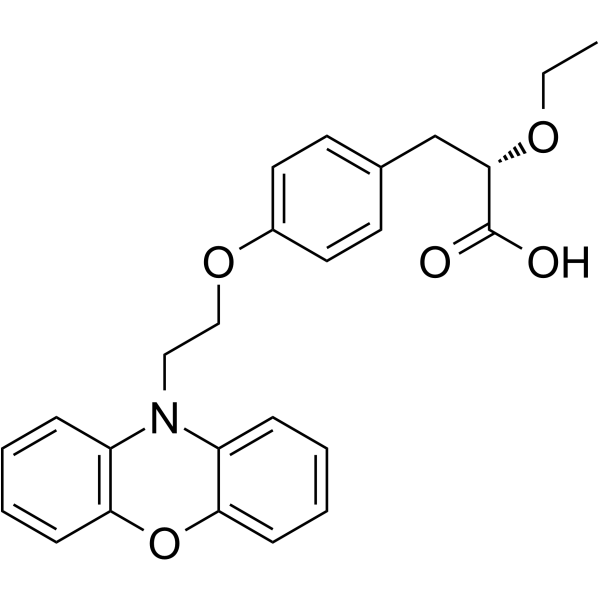
    Ragaglitazar is a PPARα and PPARγ agonist with potent lipid-lowering and insulin-sensitizing efficacy in animal models. Ragaglitazar improves glycemic control and lipid profile in type 2 diabetic.
    Ragaglitazar
  • HY-13633
    Exisulind
    2 Publications Verification

    Aldose Reductase Metabolic Disease Cancer
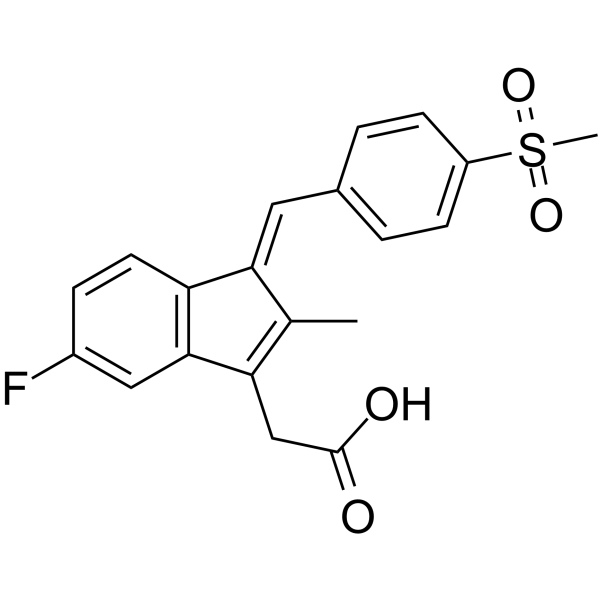
    Exisulind is an inactive metabolite of the nonsteroidal, anti-inflammatory agent sulindac . Exisulind inhibits aldose reductase with an IC50 of 367 nM in vitro and may contribute to the beneficial pharmacological effects of sulindac on type 2 diabetic complications .
    Exisulind
  • HY-122124

    Leukotriene Receptor Inflammation/Immunology
    CAY10583 is a potent and selective full Leukotriene B4 receptor type 2 (BLT2) agonist. CAY10583 directly promotes keratinocyte migration in vitro and accelerates wound closure in vivo. CAY10583 is a promising pharmaceutical agent for diabetic wounds .
    CAY10583
  • HY-13967B
    AMG 837 calcium hydrate
    3 Publications Verification

    Bacterial Free Fatty Acid Receptor Metabolic Disease
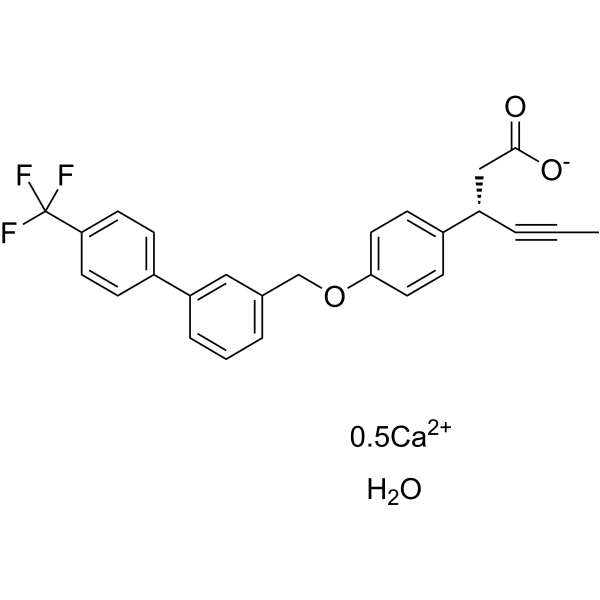
    AMG 837 calcium hydrate is an orally active, selective GPR40/FFA1 agonist with an EC50 of 1.5 nM against human GPR40. AMG 837 calcium hydrate stimulates insulin secretion in a glucose-dependent manner, and effectively improves glycemic control in both normal and diabetic rodent models . AMG 837 calcium hydrate binds to the BacA protein and impairs the survival and replication of Brucella. AMG 837 calcium hydrate can be used in research related to type 2 diabetes and brucellosis .
    AMG 837 calcium hydrate
  • HY-121811

    Lanceolatin C

    Glycosidase Phosphatase Interleukin Related TNF Receptor COX Beclin1 GLUT FAK Akt mTOR p38 MAPK Keap1-Nrf2 Apoptosis Amyloid-β Tau Protein Autophagy Neurological Disease Inflammation/Immunology Cancer
    Pongamol is an orally active flavonoid with an IC50 of 75 μM and a Ki of 58 μM against PTPase-1B, and an IC50 of 103.5 μM against intestinal α-Glycosidase. Pongamol reduces the release of IL‑1β, TNF‑α, COX‑2 and iNOS in cells, reverses the nuclear translocation of NF‑κB, and upregulates the levels of Beclin 1 and LC3 Ⅱ/LC3 Ⅰ. Pongamol promotes glucose uptake by increasing the level of GLUT4 on the surface of skeletal muscle cells. Pongamol inhibits epithelial-mesenchymal transition by suppressing the FAK/Akt-mTOR signaling pathway. Pongamol inhibits neuronal cytotoxicity, suppresses cell apoptosis and extends the lifespan of Caenorhabditis elegans by activating the MAPKs/Nrf2 signaling pathway. Pongamol exerts hypoglycemic effects in diabetic mouse models. Pongamol alleviates oxidative stress, neuroinflammation, deposition and excessive phosphorylation of Tau Protein, and restores autophagy function in Alzheimer's disease mouse models by inhibiting the Akt/mTOR signaling pathway. Pongamol is applicable to research related to Alzheimer's disease, type 2 diabetes, non-small cell lung cancer and postprandial hyperglycemia .
    Pongamol
  • HY-B0254S

    Isotope-Labeled Compounds Potassium Channel Metabolic Disease
    Glipizide-d11 is the deuterium labeled Glipizide. Glipizide (CP 2872; K 4024)?a potent, orally active and sulfonylurea class anti-diabetic agent and can be used for type 2?diabetes mellitus research but not type 1. Glipizide acts by partially blocking ATP-sensitive potassium?(KATP) channels among β cells of pancreatic islets of Langerhans .
    Glipizide-d11
  • HY-B0254R

    CP 28720 (Standard); K 4024 (Standard)

    Reference Standards Potassium Channel Metabolic Disease
    Glipizide (Standard) is the analytical standard of Glipizide. This product is intended for research and analytical applications. Glipizide (CP 2872; K 4024) a potent, orally active and sulfonylurea class anti-diabetic agent and can be used for type 2 diabetes mellitus research but not type 1. Glipizide acts by partially blocking ATP-sensitive potassium (KATP) channels among β cells of pancreatic islets of Langerhans .
    Glipizide (Standard)
  • HY-P1131

    Neuropeptide Y Receptor Cardiovascular Disease
    M617 is a selective galanin receptor 1 (GAL1) agonist, with Kis of 0.23 and 5.71 nM for GAL1 and GAL2, respectively. M617, acting through its central GAL1, can promote GLUT4 expression and enhance GLUT4 content in the cardiac muscle of type 2 diabetic rats .
    M617
  • HY-W197205

    Sirtuin Histone Acetyltransferase PEPCK Metabolic Disease
    SL010110 is an anti-hyperglycemic agent. SL010110 potently inhibits gluconeogenesis by inhibiting SIRT2, activating p300, and subsequently promoting PEPCK1 degradation. SL010110 downregulates the protein level of PEPCK1 without affecting the gene expressions of PEPCK, glucose-6-phosphatase, and fructose-1,6-bisphosphatase. SL010110 significantly improves glucose homeostasis in type 2 diabetic (T2D) mice model. SL010110 can be used for T2D research .
    SL010110
  • HY-151500A

    Amine N-methyltransferase Metabolic Disease
    JBSNF-00002 TFA is an orally active small molecule inhibitor of the tricyclic nicotinamide N-methyltransferase (NNMT) with IC50 values for human, mouse and monkey sources of NNMT of 33, 210 and 190 nM respectively. JBSNF-00002 TFA can reduce endogenous MNA levels in U2OS osteosarcoma cells, with its EC50 being 2.5 μM. JBSNF-00002 TFA exhibits significant anti-obesity and anti-diabetic activities in the diet-induced obesity (DIO) model. JBSNF-00002 TFA can be used for the study of metabolic diseases such as obesity, type 2 diabetes and non-alcoholic fatty liver disease .
    JBSNF-000028 TFA
  • HY-N0058R

    Isochlorogenic acid C (Standard)

    Reference Standards HBV Endogenous Metabolite Apoptosis Glycosidase Infection
    4,5-Dicaffeoylquinic acid (Standard) is the analytical standard of 4,5-Dicaffeoylquinic acid. This product is intended for research and analytical applications. 4,5-Dicaffeoylquinic acid (Isochlorogenic acid C) is an antioxidant, can be isolated from Gynura divaricata and Laggera alata. 4,5-Dicaffeoylquinic acid reduces islet cell apoptosis and improves pancreatic function in type 2 diabetic mice, and has obvious inhibitory activities against yeast α-glucosidase. 4,5-Dicaffeoylquinic acid inhibits prostate cancer cells through cell cycle arrest. 4,5-Dicaffeoylquinic acid also has anti-apoptotic, anti-injury and anti-hepatitis B virus effects .
    4,5-Dicaffeoylquinic acid (Standard)
  • HY-179041

    PGE synthase Prostaglandin Receptor MDM-2/p53 Amino acid Transporter Glutathione Peroxidase Ferroptosis Metabolic Disease Endocrinology
    SZ0232 is a selective mPGES-2 inhibitor. SZ0232 binds to the active site of mPGES-2 via hydrogen bonds and π-π stacking, reduces the production of prostaglandin E2 (PGE2) and blocks the PGE2-EP3 pathway. SZ0232 regulates Ferroptosis by activating the heme-dependent p53/SLC7A11/GPX4 axis, inhibits lipid peroxidation, and protects renal tubules. SZ0232 enhances glucose-stimulated insulin secretion, inhibits β-cell senescence, and improves glucose homeostasis. SZ0232 reduces renal lipid accumulation, alleviates fibrosis, and ameliorates renal dysfunction in diabetic mice. SZ0232 inhibits renal cyst growth in polycystic kidney disease models. SZ0232 exhibits an insulinotropic effect that strengthens with the increase of animal age. SZ0232 can be used in studies related to type 2 diabetes, acute kidney injury, diabetic kidney disease, and autosomal dominant polycystic kidney disease .
    SZ0232
  • HY-101292

    PPAR Metabolic Disease
    FK614 is an orally active, non-thiazolidinedione (TZD) type, and selective PPARγ modulator (SPPARM). FK614 functions as a PPARγ agonist with potent anti-diabetic activity in vivo. FK614 has different effects on the activation of PPARγ at each stage of adipocyte differentiation. FK614 can be used for the research of hyperglycemia, hypertriglyceridemia, glucose intolerance and type 2 diabetes .
    FK614
  • HY-13967
    AMG 837
    3 Publications Verification

    Free Fatty Acid Receptor Bacterial Infection Metabolic Disease
    AMG 837 is an orally active, selective GPR40/FFA1 agonist with an EC50 of 1.5 nM against human GPR40. AMG 837 stimulates insulin secretion in a glucose-dependent manner, and effectively improves glycemic control in both normal and diabetic rodent models . AMG 837 binds to the BacA protein and impairs the survival and replication of Brucella. AMG 837 can be used in research related to type 2 diabetes and brucellosis .
    AMG 837
  • HY-151500C

    Amine N-methyltransferase Metabolic Disease
    JBSNF-00002 is an orally active small molecule inhibitor of the tricyclic nicotinamide N-methyltransferase (NNMT) with IC50 values for human, mouse and monkey sources of NNMT of 33, 210 and 190 nM respectively. JBSNF-00002 can reduce endogenous MNA levels in U2OS osteosarcoma cells, with its EC50 being 2.5 μM. JBSNF-00002 exhibits significant anti-obesity and anti-diabetic activities in the diet-induced obesity (DIO) model. JBSNF-00002 can be used for the study of metabolic diseases such as obesity, type 2 diabetes and non-alcoholic fatty liver disease .
    JBSNF-000028
  • HY-14923

    AVE 7688

    Angiotensin-converting Enzyme (ACE) Metabolic Disease
    Ilepatril, a dual inhibitor of angiotensin-converting enzyme (ACE) and neutral endopeptidase, has inhibitory effects in the type 2 diabetic nephropathy model in obese Zucker diabetic fatty (ZDF) rats. Ilepatril significantly reduced albuminuria in a dose-dependent manner and may be a strategy distinct from metabolic control to inhibit type 2 diabetic nephropathy .
    Ilepatril
  • HY-105074

    GI262570; GI262570X

    PPAR Metabolic Disease
    Farglitazar is a PPARγ agonist that has significant therapeutic benefits such as glycemic control in type 2 diabetic patients.
    Farglitazar
  • HY-100819

    CCR Metabolic Disease
    RO5234444 is an orally active CCR2 antagonist, with IC50s of 22nM for human CCR2 and 161 nM for mouse CCR2. RO5234444 alleviates glomerulosclerosis, reduces albuminuria, and significantly improves the glomerular filtration rate (GFR) in the uninephrectomized (1K) type 2 diabetic db/db mouse model. RO5234444 can be used for the study of type 2 diabetic nephropathy .
    RO5234444
  • HY-120956

    Endogenous Metabolite Metabolic Disease
    Methyl stearidonate is a secondary metabolite that can be isolated from Padina tenuis. Methyl stearidonate can be used for the research of type 2 diabetic .
    Methyl stearidonate
  • HY-117172

    Phosphorylase Metabolic Disease
    CP320626 is a potent inhibitor of human liver glycogen phosphorylase (IC50=205 nM). CP320626 reduces blood glucose in diabetic mice without changing plasma insulin levels. CP320626 can be used in the study of type 2 diabetes .
    CP320626
  • HY-W010655

    TAK-875 hemihydrate

    Free Fatty Acid Receptor Metabolic Disease
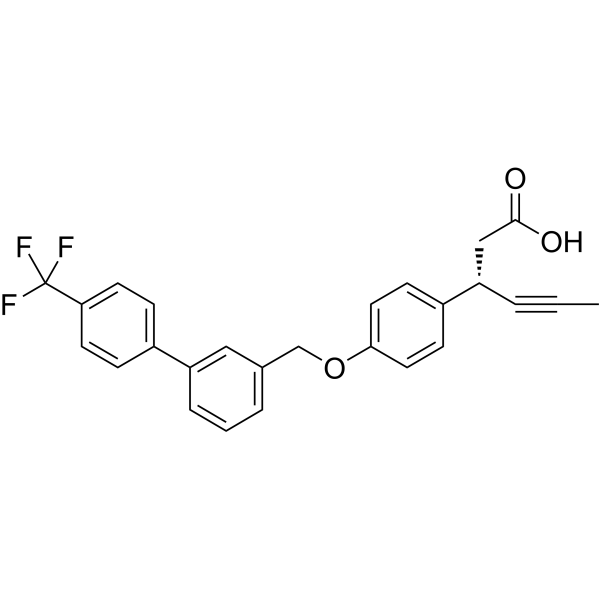
    Fasiglifam (TAK-875) hemihydrate is a potent, selective and orally active GPR40 agonist with EC50 of 72 nM. Fasiglifam enhances glucose-dependent insulin secretion and improves hyperglycemia in type 2 diabetic rats. Fasiglifam can induce liver injury .
    Fasiglifam hemihydrate
  • HY-P60234A

    Dipeptidyl Peptidase GLP Receptor Metabolic Disease
    AGFAGDDAPR is a bioactive peptide that is a competitive and orally effective inhibitor of dipeptidyl peptidase-IV (DPP-IV). AGFAGDDAPR can enhance the level of GLP-1 in the body by inhibiting DPP-IV, thereby stimulating insulin secretion, improving β-cell function, and inhibiting abnormal proliferation of α-cells, exerting anti-diabetic effects. AGFAGDDAPR can be used for research on type 2 diabetes .
    AGFAGDDAPR
  • HY-160602

    Free Fatty Acid Receptor Metabolic Disease
    CPL207280 is an orally active GPR40/FFA1 agonist with an antidiabetic effect. CPL207280 can effectively enhance glucose-stimulated insulin secretion and improve glucose tolerance in MIN6 pancreatic β-cells as well as in healthy Wistar Han rats and diabetic rat models. CPL207280 can be used for the research of type 2 diabetes .
    CPL207280
  • HY-N1995

    Others Metabolic Disease
    Methylswertianin is an active constituent in Swertia punicea Hemsl, with anti-diabetic effect. Methylswertianin can abates type-2 diabetes, likely via the improvement of insulin resistance (IR) .
    Methylswertianin
  • HY-15383

    Biochemical Assay Reagents Metabolic Disease
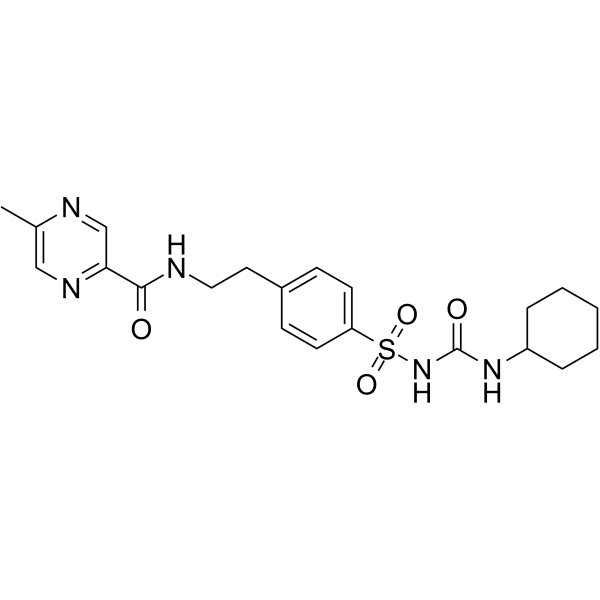
    Glyparamide is an orally active hypoglycemic compound that serves as an auxiliary active ingredient in anti-diabetic agents. Glyparamide can be used in combination with preparations of Rhodamnia cinerea extract and is applicable to the study of hyperglycemia-related disorders-specifically those involving carbohydrate metabolism disturbances-including Type 2 diabetes, metabolic syndrome, and postprandial hyperglycemia. Other notable hypoglycemic agents of significant interest include: Tolbutamide (HY-B0401), Chlorpropamide (HY-B1429), Metformin (HY-B0627), and Glimepiride (HY-B0104) .
    Glyparamide
  • HY-178447

    PPAR Glutathione Peroxidase SOD TNF Receptor Interleukin Related NF-κB Infection Metabolic Disease Endocrinology
    PPARγ agonist 20 is a potent, orally active PPAR-γ agonist. PPARγ agonist 20 effectively increases antioxidant defenses (SOD, GSH) and reduces lipid peroxidation. PPARγ agonist 20 can upregulate of Pparg, Glut4, and AdipoQ, suppresses of TNF-α, IL-6, and NF-κB p65. PPARγ agonist 20 significantly lowers fasting blood glucose, improving glucose tolerance, and restoring metabolic balance in Streptozotocin (HY-13753)-Nicotinamide (HY-B0150)-induced diabetic rats. PPARγ agonist 20 can be used for the study of type 2 diabetes .
    PPARγ agonist 20
  • HY-B1114S

    AR-DF 26-d6

    Isotope-Labeled Compounds Metabolic Disease
    Gliquidone-d6 is deuterium labeled Gliquidone. Gliquidone (AR-DF 26) is an anti-diabetic agent in the sulfonylurea class, used in the treatment of diabetes mellitus type 2.
    Gliquidone-d6
  • HY-125327

    SGLT Metabolic Disease
    YM-543 is a selective SGLT2 inhibitor that effectively reduces hyperglycemia in type 2 diabetic mice through increased urinary glucose excretion. YM-543 demonstrates potent inhibition of both mouse and human SGLT2 activities at nanomolar concentrations. YM-543, when administered orally, significantly improves glucose tolerance in diabetic models and sustains its effects for over 12 hours. YM-543, in combination with other antidiabetic agents like rosiglitazone or metformin, enhances the therapeutic effects on diabetic symptoms. YM-543 does not affect blood glucose levels in normal mice, indicating its specificity for diabetic conditions.
    YM-543
  • HY-121798

    PPAR Metabolic Disease
    TZD18 is a potent and orally active PPARα and PPARγ dual agonist with IC50 values of 0.028, 0.057, >10 µM for PPARα, PPARγ, PPARδ, respectively. TZD18 reduces plasma levels of both glucose and triglycerides in diabetic mice. TZD18 has the potential for the research of type 2 diabetes .
    TZD18
  • HY-P1131A

    Neuropeptide Y Receptor Cardiovascular Disease
    M617 TFA is a selective galanin receptor 1 (GAL1) agonist, with Kis of 0.23 and 5.71 nM for GAL1 and GAL2, respectively. M617 TFA, acting through its central GAL1, can promote GLUT4 expression and enhance GLUT4 content in the cardiac muscle of type 2 diabetic rats .
    M617 TFA
  • HY-P3542

    GCGR Metabolic Disease
    Des His1, Glu8 Exendin-4 is a potent glucagon-like peptide-1 receptor (GLP-1-R) antagonist. Des His1, Glu8 Exendin-4 improves glucose homeostasis by regulating both insulin secretion and glucose production. Des His1, Glu8 Exendin-4 can be used for the research of type 2 diabetic and gastrointestinal .
    Des His1, Glu8 Exendin-4
  • HY-13967A

    Bacterial Free Fatty Acid Receptor Infection Metabolic Disease
    AMG 837 sodium salt is an orally active, selective GPR40/FFA1 agonist with an EC50 of 1.5 nM against human GPR40. AMG 837 sodium salt stimulates insulin secretion in a glucose-dependent manner, and effectively improves glycemic control in both normal and diabetic rodent models . AMG 837 sodium salt binds to the BacA protein and impairs the survival and replication of Brucella. AMG 837 sodium salt can be used in research related to type 2 diabetes and brucellosis .
    AMG 837 sodium salt
  • HY-171793

    PPAR Metabolic Disease
    DN-108, a thiazolidinedione derivative, is an orally active peroxisome proliferator-activated receptor γ (PPARγ) agonist with antidiabetic effects. DN-108 improves hyperglycemia, hypertriglyceridemia and hyperinsulinemia in diabetic mouse models. DN-108 enhances tissue glucose uptake (e.g., increasing 2-deoxyglucose uptake in L6 muscle cells) and inhibits fatty acid synthase activity. DN-108 is promising for research of type 2 diabetes .
    DN-108
  • HY-162578

    PPAR Metabolic Disease
    PPARα/γ agonist 4 (Compound (S)-7) is an orally active dual potent agonist of PPARα and PPARγ, with EC50 values of 0.061 μM and 1.42 μM respectively. PPARα/γ agonist 4 acts through an insulin-independent mechanism and exhibits mitochondrial pyruvate carrier inhibition and anti-diabetic properties. PPARα/γ agonist 4 is expected to be used in research for dyslipidemic type 2 diabetes .
    PPARα/γ agonist 4
  • HY-126969

    PPAR Metabolic Disease
    C333H is a selective PPARγ modulator with insulin-sensitizing and hypoglycemic activities. C333H exhibits similar insulin-sensitizing effects to thiazolidinediones (TZDs) in diabetic mouse models without significantly increasing body weight or adipose tissue weight. C333H increases circulating high molecular weight adiponectin isoform levels in diabetic db/db mice, reduces serine phosphorylation of PPARγ 273 in brown adipose tissue, and selectively modulates the expression of specific PPARγ target genes in adipose tissue. Express. C333H exhibits weak recruitment of co-activators and weak dissociation of co-repressors in vitro. These properties suggest that C333H may be a potential inhibitor of type 2 diabetes .
    C333H
  • HY-162499

    Phosphatase Metabolic Disease
    MY17 is an inhibitor of protein tyrosine phosphatase 1B (PTP1B) (IC50=0.41±0.05 μM). MY17 alleviates palmitic acid (PA) -induced insulin resistance by up-regulating the expression of phosphorylated insulin receptor substrate (IRS1) and protein kinase B (AKT). By binding with PTP1B, MY17 can inhibit the activity of PTP1B, thereby improving insulin signaling and having anti-diabetic activity. MY17 can be used in the study of type 2 diabetes .
    MY17
  • HY-147678

    Free Fatty Acid Receptor Metabolic Disease
    GPR40 agonist 5 (compound I-14) is an orally active and potent GPR40 (G protein coupled receptor 40) agonist, with an EC50 of 47 nM. GPR40 agonist 5 decreases the levels of blood glucose and improves the glucose tolerance. GPR40 agonist 5 has sufficient effectiveness for the control of hyperglycemia state in type 2 diabetic mice . GPR40 agonist 5 is a click chemistry reagent, it contains an Alkyne group and can undergo copper-catalyzed azide-alkyne cycloaddition (CuAAc) with molecules containing Azide groups.
    GPR40 agonist 5

Inquiry Online

Your information is safe with us. * Required Fields.

Salutation


Country or Region *

Applicant Name *


Organization Name *

Department *


Email Address *


Product Name *

Cat. No.


Requested quantity *

Phone Number *


Remarks

Inquiry Online

Inquiry Information

Product Name:
Cat. No.:
Quantity:
MCE Japan Authorized Agent: