Search Result
Results for "
USP7 inhibitor
" in MedChemExpress (MCE) Product Catalog:
1
Biochemical Assay Reagents
| Cat. No. |
Product Name |
Target |
Research Areas |
Chemical Structure |
-
- HY-13453
-
BAY 11-7082
Maximum Cited Publications
450 Publications Verification
BAY 11-7821
|
IKK
Deubiquitinase
Autophagy
Apoptosis
NF-κB
|
Inflammation/Immunology
Cancer
|
|
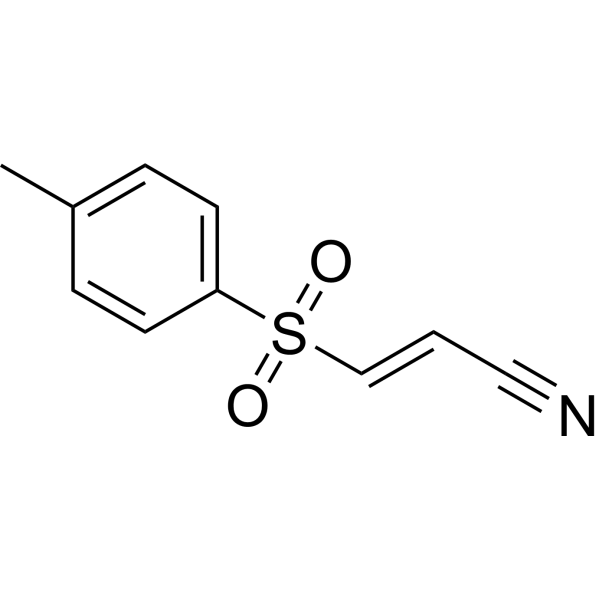
BAY 11-7082 is an IκBα phosphorylation and NF-κB inhibitor. BAY 11-7082 selectively and irreversibly inhibits the TNF-α-induced phosphorylation of IκB-α, and decreases NF-κB and expression of adhesion molecules. BAY 11-7082 inhibits ubiquitin-specific protease USP7 and USP21 (IC50=0.19, 0.96 μM, respectively). BAY 11-7082 inhibits gasdermin D (GSDMD) pore formation in liposomes and inflammasome-mediated pyroptosis and IL-1β secretion in human and mouse cells .
|
-
-
- HY-13814
-
|
|
Deubiquitinase
Autophagy
Apoptosis
|
Cancer
|
|
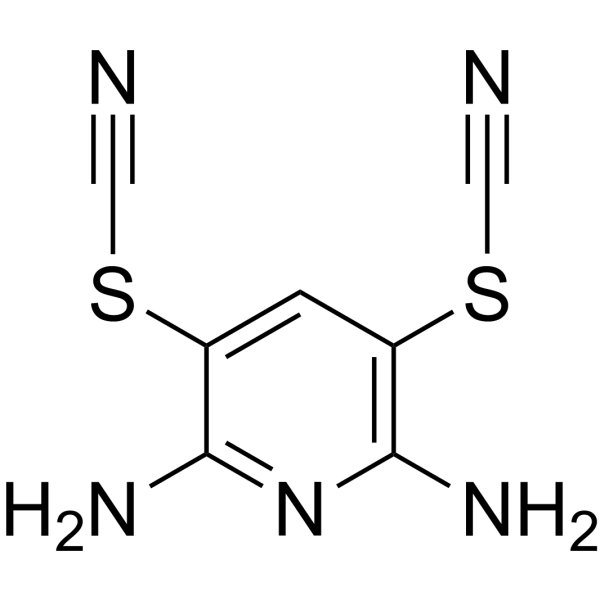
PR-619 is a broad-range and reversible DUB inhibitor with EC50s of 3.93, 4.9, 6.86, 7.2, and 8.61 μM for USP4, USP8, USP7, USP2, and USP5, respectively. PR-619 induces ER Stress and ER-Stress related apoptosis .
|
-
-
- HY-15667
-
|
P5091
|
Deubiquitinase
|
Cancer
|
|
P005091 is a selective and potent inhibitor of ubiquitin-specific protease 7 (USP7) with an EC50 of 4.2 μM.
|
-
-
- HY-13865
-
|
|
Deubiquitinase
|
Cancer
|
|
P 22077 is a cell-permeable ubiquitin-specific protease 7 (USP7) inhibitor with an EC50 of 8.01 μM. P 22077 also inhibits USP47 with an EC50 of 8.74 μM.
|
-
-
- HY-138794
-
XL177A
5 Publications Verification
|
Deubiquitinase
Histone Demethylase
SARS-CoV
|
Cancer
|
|
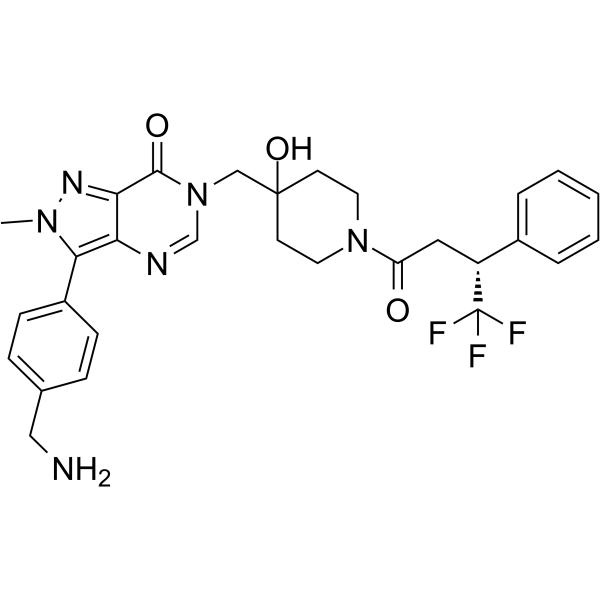
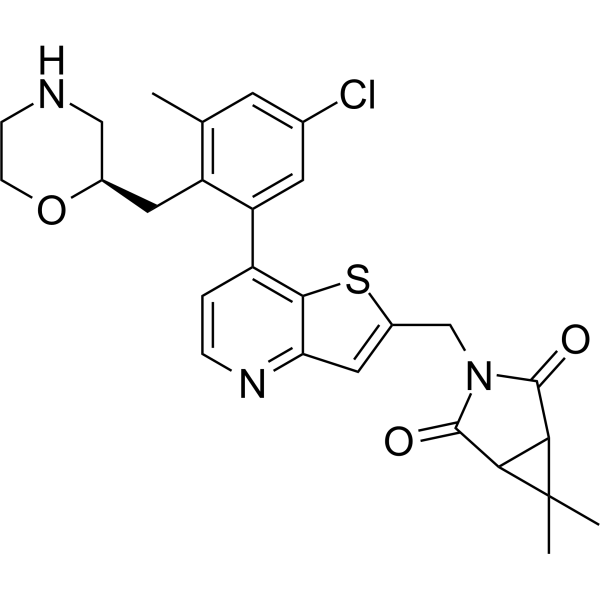
XL177A is a covalent USP7 inhibitor that blocks the deubiquitinase activity of USP7. XL177A destabilizes non-canonical PRC1 complexes or KDM6A and reduces chromatin deposition of H2AK119Ub, thereby relieving the repression of neuronal differentiation programs. Meanwhile, XL177A also regulates the ELOF1-UVSSA-USP7-nuclear β-catenin axis, decreasing the transcription levels of related proteins and the accumulation of nuclear β-catenin. XL177A exerts antiviral effects by reducing the expression levels of coronavirus receptors, and exhibits inhibitory activity against APC-mutated colorectal cancer cells, neuroblastoma, and coronaviruses including SARS-CoV-2 variants. XL177A is mainly used in studies related to colorectal cancer, neuroblastoma, and coronavirus infections .
|
-
-
- HY-112937
-
|
|
Deubiquitinase
|
Cancer
|
|
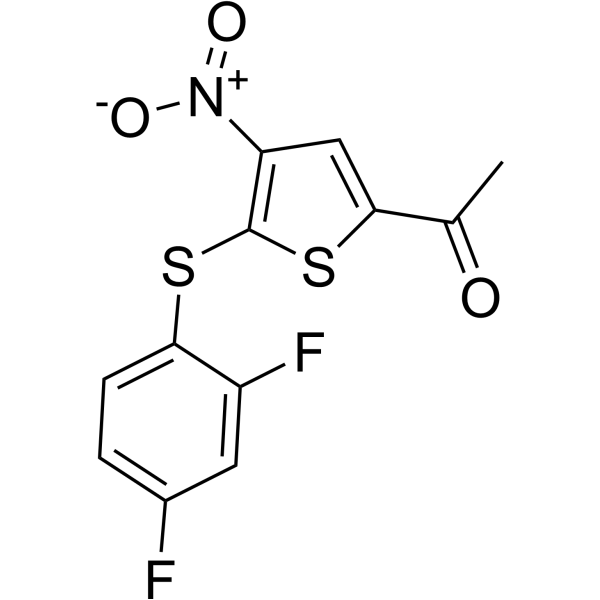
GNE-6640 is a selective and non-covalent inhibitor of ubiquitin epecific peptidase 7 (USP7), with IC50 values of 0.75 μM, 0.43 μM, 20.3 μM and 0.23 μM for full length USP7, USP7 catalytic domain, full length USP47 and Ub-MDM2, respectively .
|
-
-
- HY-107986
-
-
-
- HY-13487
-
|
|
Deubiquitinase
|
Cancer
|
|
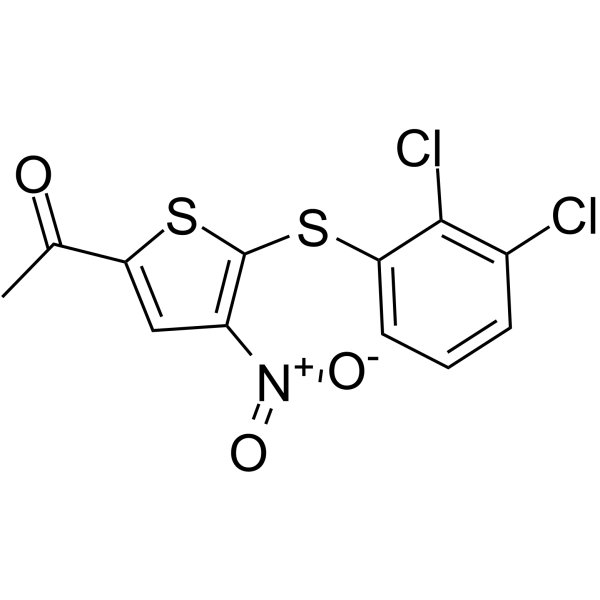
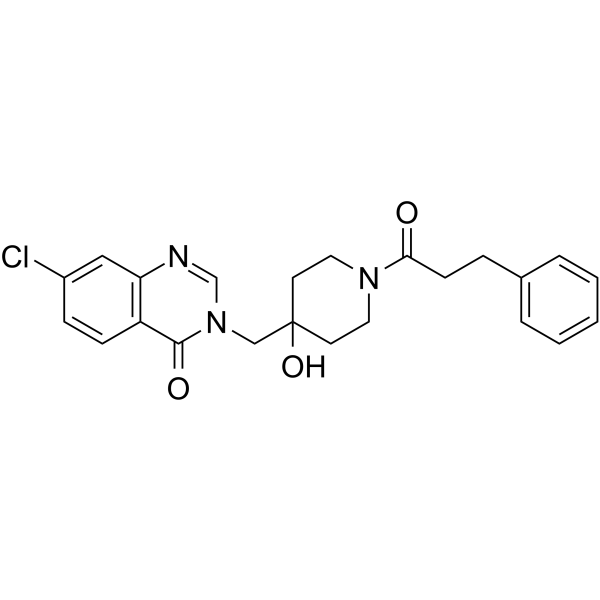
USP7/USP47 inhibitor is a selective ubiquitin-specific protease 7/47 (USP7/USP47) inhibitor, with EC50s of 0.42 μM and 1.0 μM, respectively.
|
-
-
- HY-122886
-
XL 188
1 Publications Verification
|
Deubiquitinase
|
Cancer
|
|
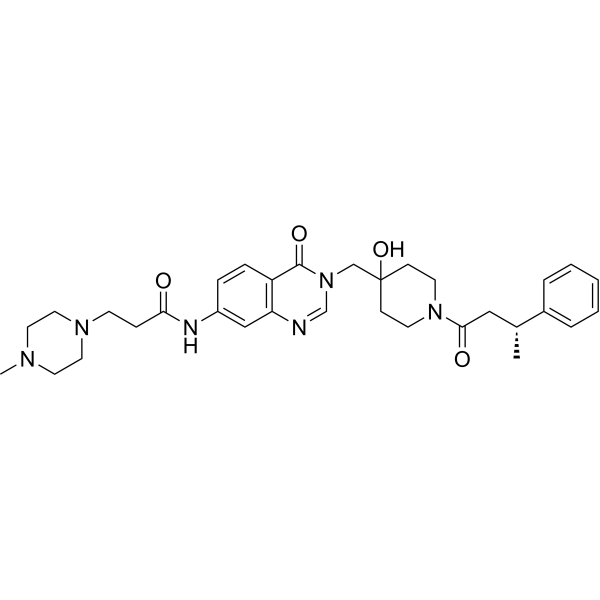
XL 188 is a potent and selective USP7 inhibitor with IC50 values of 90 nM and 193 nM for USP7 full-length and catalytic domain enzyme, respectively. XL 188 can be used in research of cancer .
|
-
-
- HY-101666
-
|
|
Deubiquitinase
Apoptosis
MDM-2/p53
|
Metabolic Disease
Cancer
|
|
HBX 41108 is an inhibitor of ubiquitin-specific protease 7 (USP7) with an IC50 of 424 nM. HBX 41108 inhibits USP7-mediated p53 deubiquitination to stabilize p53 and inhibits cancer cell growth. BX 41108 can be used in cancer and diabetes research .
|
-
-
- HY-17540
-
|
|
Deubiquitinase
|
Cancer
|
|
HBX 19818 is a specific inhibitor of ubiquitin-specific protease 7 (USP7), with an IC50 of 28.1 μM.
|
-
-
- HY-100708
-
|
|
Deubiquitinase
|
Cancer
|
|
NSC632839 is a nonselective isopeptidase inhibitor, which inhibits USP2, USP7, and SENP2 with EC50s of 45±4 μM, 37±1 μM, and 9.8±1.8 μM, respectively.
|
-
-
- HY-N6037
-
-
-
- HY-134817
-
|
|
Deubiquitinase
|
Cancer
|
|
USP7-IN-8 (example 81) is a selective ubiquitin-specific protease 7 (USP7) inhibitor with an IC50 of 1.4 μM in an Ub-Rho110 assay. USP7-IN-8 shows no activity against USP47 and USP5. USP7-IN-8 has anticancer effects .
|
-
-
- HY-16709
-
|
|
Deubiquitinase
|
Cancer
|
|
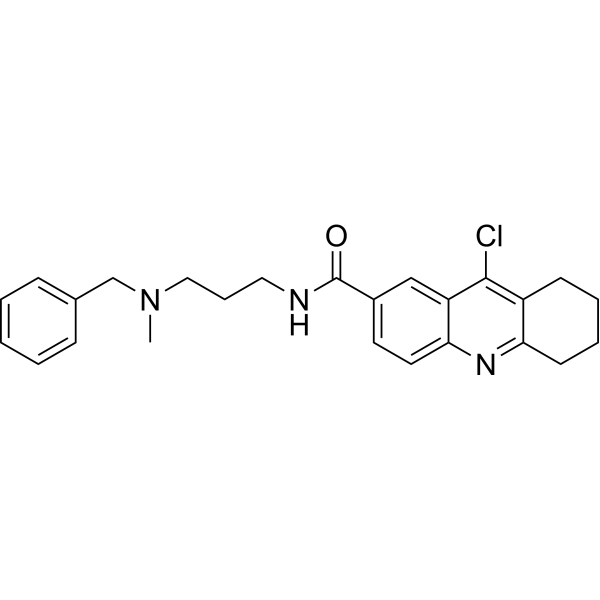
USP7-IN-1 is a selective and reversible inhibitor of ubiquitin-specific protease 7 (USP7), with an IC50 of 77 μM, and can be used for the research of cancer.
|
-
-
- HY-136910
-
|
USP7-IN-7
|
Deubiquitinase
MDM-2/p53
|
Cancer
|
|
USP7-797 (USP7-IN-7) is an orally available, selective USP7 inhibitor (IC50=0.5 nmol/L) with antitumor activity. USP7-797 reduces the level of MDM2, thereby increasing the stability and activity of p53, leading to cell cycle arrest and apoptosis. USP7-797 has low nanomolar cytotoxicity against p53 mutant cancer cell lines, p53 wild-type hematological tumors, and neuroblastoma cell lines .
|
-
-
- HY-158039
-
|
|
Deubiquitinase
Apoptosis
|
Cancer
|
|
YCH2823 is an inhibitor of USP7 (IC50 = 49.6 nM; Kd = 0.117 μM). YCH2823 shows significant efficacy in inhibiting TP53 wild-type and mutant tumors, with approximately 5-fold higher potency than FT671. YCH2823 induce apoptosis. YCH2823 synergistic effects with mTOR inhibitors .
|
-
-
- HY-148482
-
|
|
Deubiquitinase
|
Cancer
|
|
USP7-IN-11 is a potent ubiquitin-specific protease 7 (USP7) (Deubiquitinase) inhibitor with an IC50 of 0.37 nM. USP7-IN-11 has anticancer effects (WO2022048498A1; Example 187) .
|
-
-
- HY-149230
-
|
|
Deubiquitinase
|
Cancer
|
|
USP28-IN-4 is a USP28 inhibitor (IC50=0.04 μM) with high selectivity over USP2, USP7, USP8, USP9x, UCHL3 and UCHL5. USP28-IN-4 shows cytotoxicity against cancer cells, down-regulates the cellular level of c-Myc through ubiquitin-proteasome system. USP28-IN-4 also decreases the ankyrase-1/2 level in vitro. USP28-IN-4 enhance the sensitivity of colorectal cancer cells to Regorafenib (HY-10331) .
|
-
-
- HY-146887
-
|
|
Deubiquitinase
Apoptosis
|
Cancer
|
|
USP7-IN-9 is a highly potent ubiquitin-specific protease 7 (USP7) inhibitor with an IC50 value of 40.8 nM. USP7-IN-9 can induce apoptosis and arrest cell progression at G0/G1 and S phases in RS4; 11 cells. USP7-IN-9 reduces the protein levels of oncoproteins MDM2 and DNMT1 and increases the protein levels of tumor suppressors p53 and p21 .
|
-
-
- HY-112128
-
|
|
Deubiquitinase
MDM-2/p53
|
Cancer
|
|
USP7-IN-3 (Compound 5) is an effective and selective allosteric inhibitor of ubiquitin-specific protease 7 (USP7). USP7-IN-3 can be used for research on acute lymphoblastic leukemia .
|
-
-
- HY-148481
-
|
|
Deubiquitinase
|
Cancer
|
|
USP7-IN-10 (compound 1) is a potent ubiquitin-specific protease 7 (USP7) inhibitor, with an IC50 of 13.39 nM .
|
-
-
- HY-159175
-
|
|
PROTACs
Deubiquitinase
Apoptosis
MDM-2/p53
|
Cancer
|
|
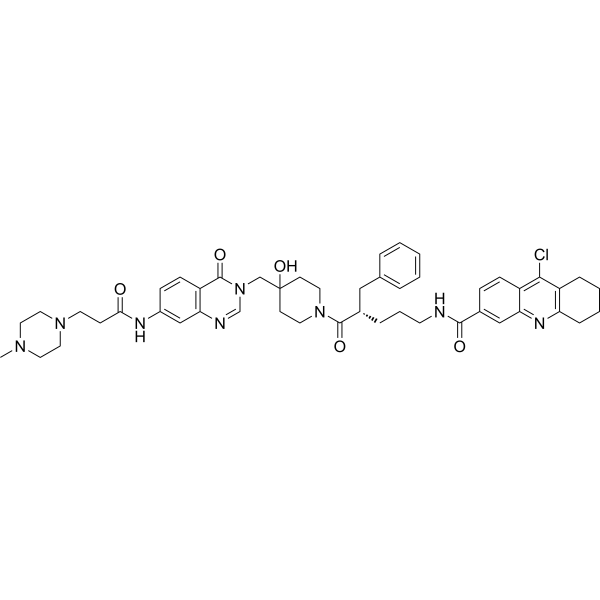
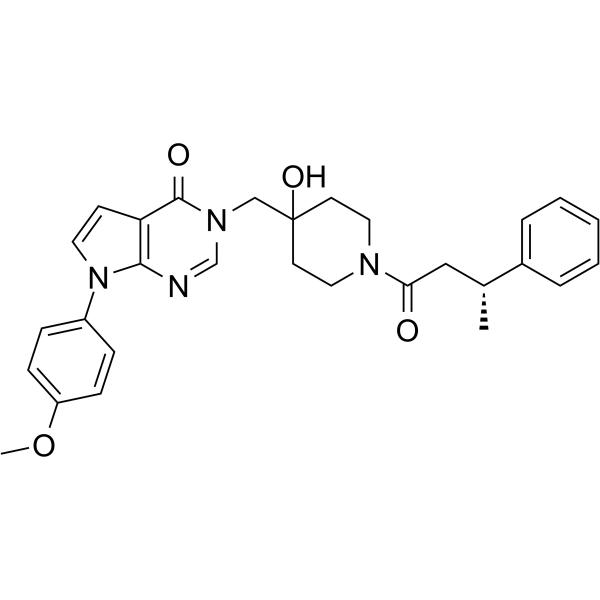
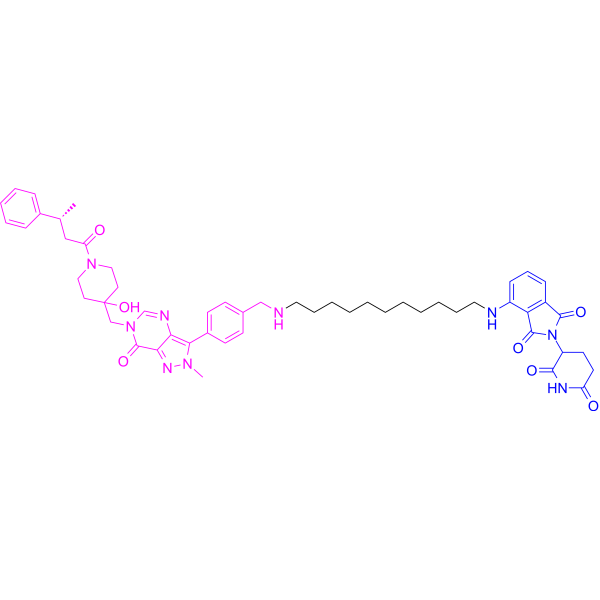
XM-U-14 is a selective PROTAC USP7 Degrader (DC50: 0.74 nM in inducing USP7 degradation in RS4;11 cell line). XM-U-14 upregulates the levels of p53 and p21. XM-U-14 also significantly inhibits acute lymphoblastic leukemia (ALL) cell growth (IC50: 0.5 nM and 8.3 nM for RS4;11 cells and Reh cells respectively). XM-U-14 induces apoptosis and cycle arrest. XM-U-14 inhibits tumor growth. (Blue: VHL ligand (HY-159465), Black: linker (HY-W539783); Pink: USP7 inhibitor (HY-159464)) .
|
-
-
- HY-148481A
-
|
|
Deubiquitinase
|
Cancer
|
|
USP7-IN-10 hydrochloride (compound 1) is a potent ubiquitin-specific protease 7 (USP7) inhibitor, with an IC50 of 13.39 nM .
|
-
-
- HY-111166
-
|
|
Deubiquitinase
|
Cancer
|
|
USP7/USP47 inhibitor 1 (compound 2) is an inhibitor of USP47, with an EC50 of 14 μM. USP7/USP47 inhibitor 1 has an EC50 of >31.6 μM for USP7. USP7/USP47 inhibitor 1 can be used for cancer research .
|
-
-
- HY-138794A
-
|
|
Deubiquitinase
|
Cancer
|
|
(Rac)-XL177A is the racemic isomer of XL177A (HY-138794). XL177A is a covalent USP7 inhibitor that blocks the deubiquitinase activity of USP7. XL177A destabilizes non-canonical PRC1 complexes or KDM6A and reduces chromatin deposition of H2AK119Ub, thereby relieving the repression of neuronal differentiation programs. Meanwhile, XL177A also regulates the ELOF1-UVSSA-USP7-nuclear β-catenin axis, decreasing the transcription levels of related proteins and the accumulation of nuclear β-catenin. XL177A exerts antiviral effects by reducing the expression levels of coronavirus receptors, and exhibits inhibitory activity against APC-mutated colorectal cancer cells, neuroblastoma, and coronaviruses including SARS-CoV-2 variants. XL177A is mainly used in studies related to colorectal cancer, neuroblastoma, and coronavirus infections .
|
-
-
- HY-175359
-
-
-
- HY-164544
-
-
-
- HY-176416
-
|
|
Deubiquitinase
|
Cancer
|
|
USP7-IN-17 (compound M15) is a potent USP7 inhibitor. USP7-IN-17 inhibits HepG2 cell activity with an IC50 of 4.38 μM .
|
-
-
- HY-153942
-
|
|
Deubiquitinase
|
Cancer
|
|
USP7-IN-12 (compound 1) is a potent and orally active Usp7 inhibitor with an IC50 value of 3.67 nM. USP7-IN-12 shows antiproliferative activity .
|
-
-
- HY-174301
-
|
|
Deubiquitinase
DNA Methyltransferase
MDM-2/p53
|
Cancer
|
|
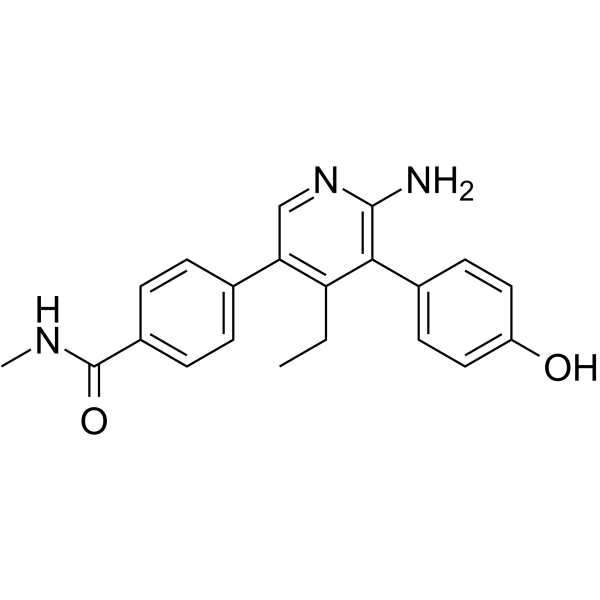
USP7-IN-18 is a naphthalene derivative. USP7-IN-18 is a selective USP7 inhibitor (IC50 : 130.9 nM), with no or very weak inhibition of the other 8 DUBs including USP47. USP7-IN-18 specifically binds to the catalytic domain of USP7, blocking its deubiquitinase activity. USP7-IN-18 causes degradation of the oncogenic proteins MDM2 and DNMT1, and also degrades the novel target PCLAF. USP7-IN-18 activates the p53-p21 pathway. USP7-IN-18 exerts anti-tumor effects in colon cancer animal models and reshapes the tumor immune microenvironment. USP7-IN-18 achieves both direct cytotoxic and immune-synergistic anti-tumor actions.
|
-
-
- HY-122646
-
|
|
Deubiquitinase
MDM-2/p53
|
Cancer
|
|
USP7-IN-2 (compound 4) is a non-competitive USP7 inhibitor with an IC50 of 6 nM. USP7-IN-2 causes degradation of MDM2, stabilization of p53 and induction of p21 in multiple cell lines, and can be utilized in cancer research .
|
-
-
- HY-159964
-
|
|
Deubiquitinase
|
Cancer
|
|
USP7-IN-16 (Compound 61) is a selective USP7 inhibitor with IC50 values of 5.5 nM in the FLINT assay and 2.1 nM in MM.1S cells. USP7-IN-16 exhibits antitumor activity in mice and is a promising candidate for research in the field of oncology .
|
-
-
- HY-124739
-
|
|
Deubiquitinase
|
Cancer
|
|
HBX 28258 is a selective USP7 inhibitor, with an IC50 of 22.6 μM. HBX 28258 can covalently binds to Cys223 located in the catalytic core of USP7, inhibits its deubiquitinating activity, promotes MDM2 protein degradation, and activates p53 .
|
-
-
- HY-168121
-
-
-
- HY-149229
-
|
|
Deubiquitinase
|
Cancer
|
|
USP28-IN-3 is a USP28 inhibitor (IC50=0.1 μM) with high selectivity over USP2, USP7, USP8, USP9x, UCHL3 and UCHL5. USP28-IN-3 shows cytotoxicity against cancer cells, down-regulates the cellular level of c-Myc through ubiquitin-proteasome system. USP28-IN-3 also decreases the ankyrase-1/2 level in vitro. USP28-IN-3 enhance the sensitivity of colorectal cancer cells to Regorafenib (HY-10331) .
|
-
-
- HY-149228
-
|
|
Deubiquitinase
|
Cancer
|
|
USP28-IN-2 is a USP28 inhibitor (IC50=0.3 μM) with high selectivity over USP2, USP7, USP8, USP9x, UCHL3 and UCHL5. USP28-IN-2 shows cytotoxicity against cancer cells, down-regulates the cellular level of c-Myc through ubiquitin-proteasome system. USP28-IN-2 also decreases the ankyrase-1/2 level in vitro. USP28-IN-2 enhance the sensitivity of colorectal cancer cells to Regorafenib (HY-10331) .
|
-
-
- HY-N6037R
-
|
|
Reference Standards
Apoptosis
Ornithine decarboxylase (ODC)
Reactive Oxygen Species (ROS)
Cathepsin
Deubiquitinase
Caspase
|
Inflammation/Immunology
Cancer
|
|
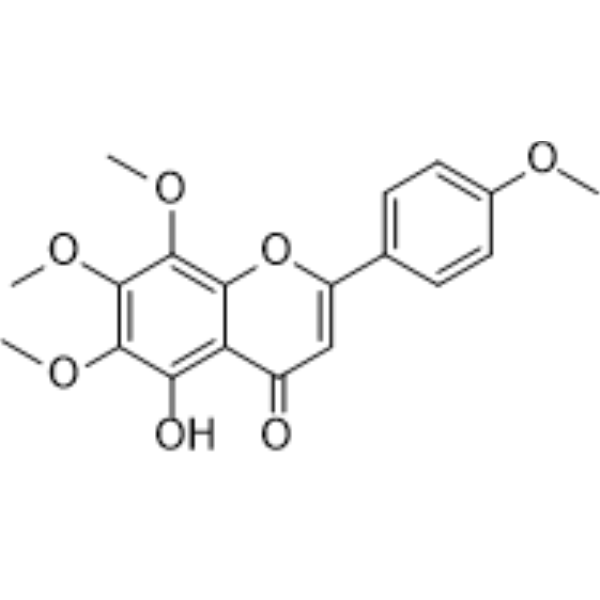
Gardenin B (Standard) is the analytical standard of Gardenin B (HY-N6037). This product is intended for research and analytical applications. Gardenin B is a flavonoid isolated from Gardenia jasminoides. Gardenin B is a methoxyflavone compound and an inhibitor of USP7, ODC (IC50: 6.24 μg/mL), and Cathepsin D (IC50: 5.61 μg/mL). Gardenin B exhibits antioxidant and antitumor activities. Gardenin B shows IC50 values of 8.87 and 10.59 μg/mL for DPPH and NO scavenging, respectively, and also possesses ferric ion reducing ability. Additionally, Gardenin B can inhibit tumor cell proliferation, induce cell cycle arrest and apoptosis. Gardenin B can be used in cancer research .
|
-
-
- HY-160515
-
|
|
Deubiquitinase
|
Cancer
|
|
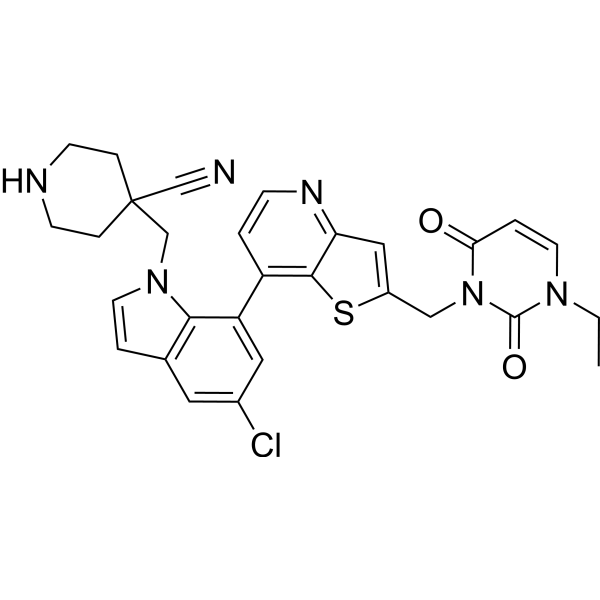
USP7-IN-13 (Compound 101) is a USP7 inhibitor with an IC50 value of 0.2-1 μM, which can be used for the study of multiple myeloma .
|
-
-
- HY-129169
-
|
|
Deubiquitinase
|
Cancer
|
|
USP7-IN-6 is a potent ubiquitin specific protease 7 (USP7) inhibitor, extracted from patent WO2017212010A1, example 25, has an IC50 of 6.8 nM .
|
-
-
- HY-162794
-
|
|
Apoptosis
Deubiquitinase
|
Cancer
|
|
YCH3124 (compound Z33) is a USP7 inhibitor (IC50=41.9 nM) with antitumor activity. YCH3124 has good in vitro antiproliferative activity against various tumor cells including LNCaP (IC50=3.6 nM) and CHP-212 (IC50=9.9 nM). In addition, YCH3124 disrupts cell cycle progression by restricting G1 phase and induces apoptosis in CHP-212 cells .
|
-
-
- HY-176419
-
|
|
Ras
|
Cancer
|
|
KRAS inhibitor-42 (compound 8) is a potent USP7 inhibitor. KRAS inhibitor-42 has high affinity against GDP-bound KRASG12D with a Ki of 2.7 μM .
|
-
-
- HY-183942
-
|
|
Deubiquitinase
Apoptosis
MDM-2/p53
PARP
Caspase
|
Cancer
|
|
USP7-IN-20 is a highly selective USP7 inhibitor that binds allosterically to the allosteric pocket of USP7 in a non-competitive and reversible manner. USP7-IN-20 downregulates MDM2 protein levels and stabilizes p53, thereby inducing p21 expression and enhancing the ubiquitin-dependent degradation of MDM2. USP7-IN-20 effectively binds endogenous USP7 to inhibit cancer cell proliferation, and also induces apoptosis by promoting the cleavage of PARP and caspase 3. USP7-IN-20 can be widely used in cancer-related basic and translational research.
|
-
-
- HY-180793
-
|
|
PROTACs
Deubiquitinase
|
Cancer
|
|
PROTAC USP7 Degrader-2 (Compound D16) is an efficient and selective USP7 PROTAC degrader with a DC50 of 1.91 μM (in TE-12 cells). PROTAC USP7 Degrader-2 inhibits the migration of upper gastrointestinal tract (UGI) cancer cells and shows relatively weak anti-proliferative activity. PROTAC USP7 Degrader-2 can be used in the research of metastatic upper gastrointestinal cancer.
|
-
-
- HY-183689
-
|
|
Deubiquitinase
|
Cancer
|
|
OAT-4828 is an orally active ubiquitin-specific protease 7 (USP7) inhibitor with an IC50 of 32 nM. OAT-4828 induces antileukemic activity in B-cell-derived non-Hodgkin's lymphoma models via inhibition of USP7. OAT-4828 is applicable to research related to chronic lymphocytic leukemia .
|
-
-
- HY-101666R
-
|
|
Deubiquitinase
Reference Standards
Apoptosis
MDM-2/p53
|
Metabolic Disease
Cancer
|
|
HBX 41108 (Standard) is the analytical standard of HBX 41108 (HY-101666). This product is intended for research and analytical applications. HBX 41108 is an inhibitor of ubiquitin-specific protease 7 (USP7) with an IC50 of 424 nM. HBX 41108 inhibits USP7-mediated p53 deubiquitination to stabilize p53 and inhibits cancer cell growth. BX 41108 can be used in cancer and diabetes research .
|
-
-
- HY-183078
-
|
|
Deubiquitinase
|
Cancer
|
|
P6620 is an orally active USP7 inhibitor. P6620 specifically binds to USP7 and disrupts its interaction with LRRC41. P6620 exhibits anticancer activity against hepatocellular carcinoma. P6620 enhances the antitumor effect of Lenvatinib (HY-10981) in xenograft mouse models. P6620 can be used for the research of hepatocellular carcinoma .
|
-
-
- HY-183282
-
|
|
Deubiquitinase
|
Cancer
|
|
LC-U7-44 is a potent USP7 inhibitor with an IC50 of 0.96 μM. LC-U7-44 binds to the hydrophobic catalytic pocket of USP7, forming hydrogen bonds with Gln297, Arg408, Asp295, Val296, and Gln351, and hydrophobic interactions with Leu406. LC-U7-44 exerts anti-proliferative effects on prostate cancer cells. LC-U7-44 can be used for the research of prostate cancer .
|
-
-
- HY-107986R
-
|
|
Reference Standards
Deubiquitinase
|
Cancer
|
|
GNE-6776 (Standard) is the analytical standard of GNE-6776 (HY-107986). This product is intended for research and analytical applications. GNE-6776 is a selective and orally bioavailable USP7 inhibitor .
|
-
-
- HY-138794G
-
|
|
Deubiquitinase
SARS-CoV
Histone Demethylase
|
Cancer
|
|
XL177A GMP is XL177A (HY-138794) produced by using GMP guidelines. GMP small molecules works appropriately as an auxiliary reagent for cell therapy manufacture. XL177A is a covalent USP7 inhibitor that blocks the deubiquitinase activity of USP7. XL177A destabilizes non-canonical PRC1 complexes or KDM6A and reduces chromatin deposition of H2AK119Ub, thereby relieving the repression of neuronal differentiation programs. Meanwhile, XL177A also regulates the ELOF1-UVSSA-USP7-nuclear β-catenin axis, decreasing the transcription levels of related proteins and the accumulation of nuclear β-catenin. XL177A exerts antiviral effects by reducing the expression levels of coronavirus receptors, and exhibits inhibitory activity against APC-mutated colorectal cancer cells, neuroblastoma, and coronaviruses including SARS-CoV-2 variants. XL177A is mainly used in studies related to colorectal cancer, neuroblastoma, and coronavirus infections .
|
-
- HY-100708R
-
|
|
Deubiquitinase
Reference Standards
|
Cancer
|
|
NSC632839 (Standard) is the analytical standard of NSC632839 (HY-100708). This product is intended for research and analytical applications. NSC632839 is a nonselective isopeptidase inhibitor, which inhibits USP2, USP7, and SENP2 with EC50s of 45±4 μM, 37±1 μM, and 9.8±1.8 μM, respectively.
|
-
- HY-179293
-
|
|
SARS-CoV
Virus Protease
|
Infection
|
|
SARS-CoV-2 PLpro-IN-3 (Compound 15) is a covalent inhibitor of the SARS-CoV-2 papain-like protease (PLpro), with an IC50 of 25 nM. SARS-CoV-2 PLpro-IN-3 has similar inhibitory activity against SARS-CoV PLpro (IC50 = 59 nM), but shows no inhibitory effect on human ubiquitin-specific protease 7 (USP7). The EC50 of SARS-CoV-2 PLpro-IN-3 in inhibiting SARS-CoV-2 replication in cells is 96 nM, significantly reducing the viral titer and viral RNA levels. SARS-CoV-2 PLpro-IN-3 can be used for studying SARS-CoV-2 drug resistance mutations .
|
-
| Cat. No. |
Product Name |
Type |
-
- HY-138794G
-
|
|
Fluorescent Dyes
|
|
XL177A GMP is XL177A (HY-138794) produced by using GMP guidelines. GMP small molecules works appropriately as an auxiliary reagent for cell therapy manufacture. XL177A is a covalent USP7 inhibitor that blocks the deubiquitinase activity of USP7. XL177A destabilizes non-canonical PRC1 complexes or KDM6A and reduces chromatin deposition of H2AK119Ub, thereby relieving the repression of neuronal differentiation programs. Meanwhile, XL177A also regulates the ELOF1-UVSSA-USP7-nuclear β-catenin axis, decreasing the transcription levels of related proteins and the accumulation of nuclear β-catenin. XL177A exerts antiviral effects by reducing the expression levels of coronavirus receptors, and exhibits inhibitory activity against APC-mutated colorectal cancer cells, neuroblastoma, and coronaviruses including SARS-CoV-2 variants. XL177A is mainly used in studies related to colorectal cancer, neuroblastoma, and coronavirus infections .
|
| Cat. No. |
Product Name |
Type |
-
- HY-138794G
-
|
|
Biochemical Assay Reagents
|
|
XL177A GMP is XL177A (HY-138794) produced by using GMP guidelines. GMP small molecules works appropriately as an auxiliary reagent for cell therapy manufacture. XL177A is a covalent USP7 inhibitor that blocks the deubiquitinase activity of USP7. XL177A destabilizes non-canonical PRC1 complexes or KDM6A and reduces chromatin deposition of H2AK119Ub, thereby relieving the repression of neuronal differentiation programs. Meanwhile, XL177A also regulates the ELOF1-UVSSA-USP7-nuclear β-catenin axis, decreasing the transcription levels of related proteins and the accumulation of nuclear β-catenin. XL177A exerts antiviral effects by reducing the expression levels of coronavirus receptors, and exhibits inhibitory activity against APC-mutated colorectal cancer cells, neuroblastoma, and coronaviruses including SARS-CoV-2 variants. XL177A is mainly used in studies related to colorectal cancer, neuroblastoma, and coronavirus infections .
|
| Cat. No. |
Product Name |
Category |
Target |
Chemical Structure |
| Cat. No. |
Product Name |
Target |
Research Areas |
Chemical Structure |
-
- HY-138794G
-
|
|
Deubiquitinase
SARS-CoV
Histone Demethylase
|
Cancer
|
|
XL177A GMP is XL177A (HY-138794) produced by using GMP guidelines. GMP small molecules works appropriately as an auxiliary reagent for cell therapy manufacture. XL177A is a covalent USP7 inhibitor that blocks the deubiquitinase activity of USP7. XL177A destabilizes non-canonical PRC1 complexes or KDM6A and reduces chromatin deposition of H2AK119Ub, thereby relieving the repression of neuronal differentiation programs. Meanwhile, XL177A also regulates the ELOF1-UVSSA-USP7-nuclear β-catenin axis, decreasing the transcription levels of related proteins and the accumulation of nuclear β-catenin. XL177A exerts antiviral effects by reducing the expression levels of coronavirus receptors, and exhibits inhibitory activity against APC-mutated colorectal cancer cells, neuroblastoma, and coronaviruses including SARS-CoV-2 variants. XL177A is mainly used in studies related to colorectal cancer, neuroblastoma, and coronavirus infections .
|
-
Your information is safe with us. * Required Fields.
Inquiry Information
- Product Name:
- Cat. No.:
- Quantity:
- MCE Japan Authorized Agent:

