Search Result
Results for "
active doxorubicin
" in MedChemExpress (MCE) Product Catalog:
1
Biochemical Assay Reagents
7
Isotope-Labeled Compounds
| Cat. No. |
Product Name |
Target |
Research Areas |
Chemical Structure |
-
- HY-N0394
-
|
|
Endogenous Metabolite
Ferroptosis
ROS Kinase
Keap1-Nrf2
Reactive Oxygen Species (ROS)
|
Metabolic Disease
Inflammation/Immunology
Cancer
|
|
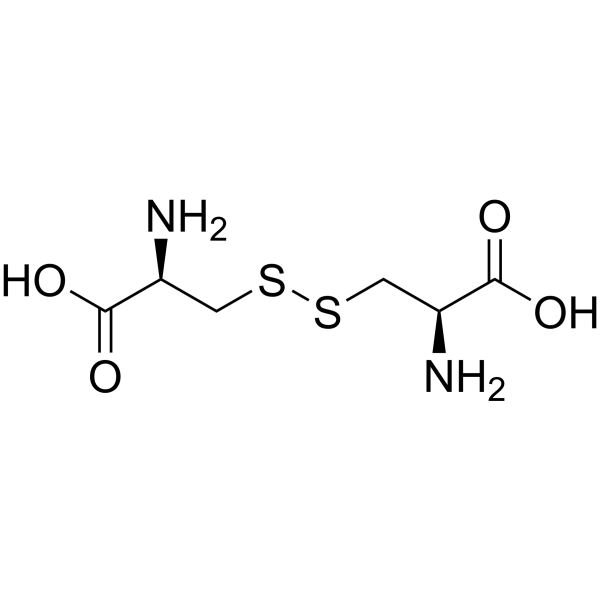
L-Cystine is an orally active extracellular form of L-Cysteine (HY-Y0337), occurring in proteins of plants and animals. L-Cystine elevates Nrf2 protein expression and activates Nrf2 transcription factor. L-cystine reduces ROS generation and protects against oxidant- or Doxorubicin (HY-15142A)-induced apoptosis. L-Cystine combined with L-theanine (HY-15121) enhances the production of antigen-specific IgG by increasing glutathione (GSH) levels and T helper 2 (Th2) mediated responses in mice. L-Cystine is promising for research of cystinuria and kidney stones
|
-
-
- HY-17507
-
|
BY1023; SKF96022
|
Proton Pump
Autophagy
Apoptosis
Bacterial
|
Inflammation/Immunology
Cancer
|
|
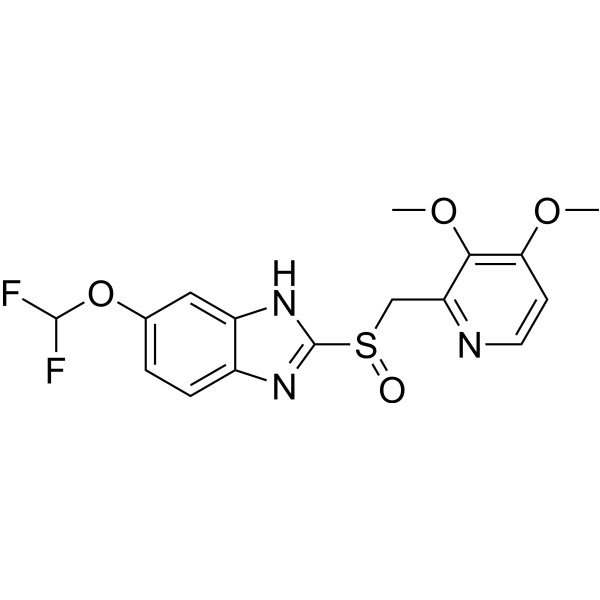
Pantoprazole (BY10232) is an orally active and potent proton pump inhibitor (PPI) . Pantoprazole, a substituted benzimidazole, is a potent H +/K +-ATPase inhibitor with an IC50 of 6.8 μM. Pantoprazole improves pH stability and has anti-secretory, anti-ulcer activities. Pantoprazole significantly increased tumor growth delay combined with Doxorubicin (HY-15142) .
|
-
-
- HY-40161
-
|
|
Endogenous Metabolite
Bacterial
|
Metabolic Disease
Cancer
|
|
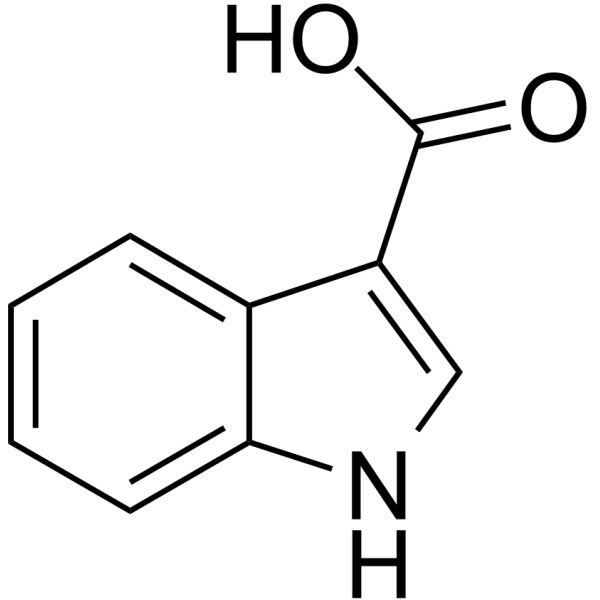
Indole-3-carboxylic acid is an orally active urinary indolic tryptophan metabolite. Indole-3-carboxylic acid is a mediator of priming against Plectosphaerella cucumerina. Indole-3-carboxylic acid enhances the anti-colorectal cancer potency of Doxorubicin (HY-15142A) by inducing cell senescence. Indole-3-carboxylic acid can be used in liver disease research .
|
-
-
- HY-N0353
-
|
(+)-Curdione
|
Ferroptosis
Apoptosis
Reactive Oxygen Species (ROS)
Autophagy
Glutathione Peroxidase
Keap1-Nrf2
Heme Oxygenase (HO)
TGF-β Receptor
Indoleamine 2,3-Dioxygenase (IDO)
|
Cardiovascular Disease
Neurological Disease
Cancer
|
|
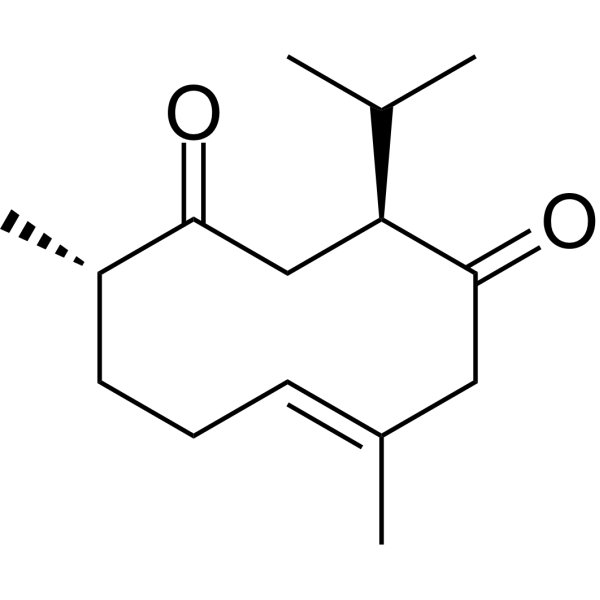
Curdione ((+)-Curdione) is an orally active sesquiterpenoid. Curdione inhibits platelet aggregation. Curdione induces ferroptosis in colorectal cancer via m6A methylation mediated by METTL14 and YTHDF2. Curdione inhibits ferroptosis in Isoproterenol (HY-B0468)-induced myocardial infarction by regulating the Keap1/Trx1/GPX4 signaling pathway, suppressing oxidative stress (ROS) and apoptosis. Curdione ameliorates Doxorubicin (HY-15142)-induced cardiotoxicity by inhibiting oxidative stress (ROS) and activating the Nrf2/HO-1 pathway. Curdione ameliorates sepsis-induced lung injury by inhibiting platelet-mediated neutrophil extracellular trap formation. Curdione ameliorates Bleomycin (HY-17565A)-induced pulmonary fibrosis by inhibiting TGF-β-induced fibroblast-to-myofibroblast differentiation. Curdione exhibits neuroprotective effects against focal cerebral ischemia-reperfusion injury in rats. Curdione exerts antiproliferative effects against human uterine leiomyosarcoma by targeting IDO1. Curdione protects vascular endothelial cells and atherosclerosis by regulating DNMT1-mediated ERBB4 promoter methylation. Curdione inhibits inducible prostaglandin E2 production (IC50 = 1.1 μM) and cyclooxygenase 2 expression .
|
-
-
- HY-17507B
-
|
BY1023 sodium hydrate; SKF96022 sodium hydrate
|
Proton Pump
Autophagy
Apoptosis
Bacterial
|
Inflammation/Immunology
Cancer
|
|
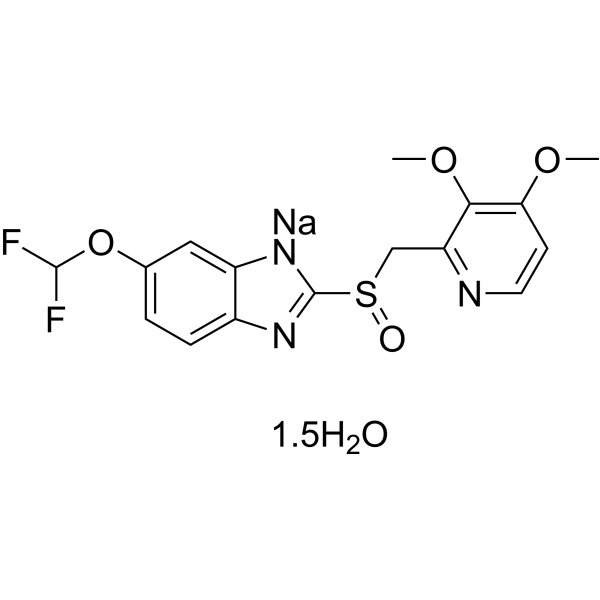
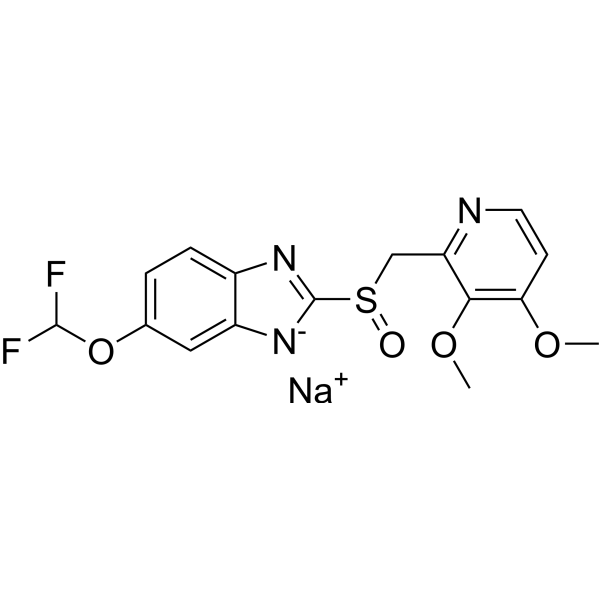
Pantoprazole sodium hydrate (BY10232 sodium hydrate) is an orally active and potent proton pump inhibitor (PPI) . Pantoprazole sodium hydrate, a substituted benzimidazole, is a potent H +/K +-ATPase inhibitor with an IC50 of 6.8 μM. Pantoprazole sodium hydrate improves pH stability and has anti-secretory, anti-ulcer activities. Pantoprazole sodium hydrate significantly increased tumor growth delay combined with Doxorubicin (HY-15142) .
|
-
-
- HY-17507A
-
|
BY1023 sodium; SKF96022 sodium
|
Proton Pump
Autophagy
Apoptosis
Bacterial
|
Inflammation/Immunology
Cancer
|
|
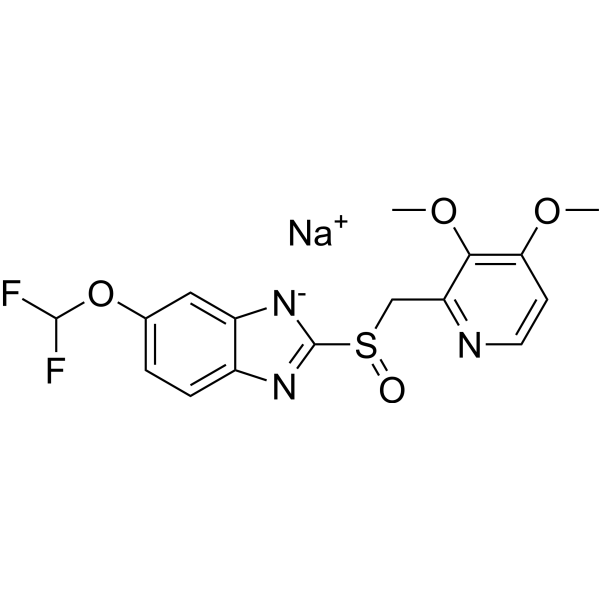
Pantoprazole sodium (BY10232 sodium) is an orally active and potent proton pump inhibitor (PPI) . Pantoprazole sodium, a substituted benzimidazole, is a potent H +/K +-ATPase inhibitor with an IC50 of 6.8 μM. Pantoprazole sodium improves pH stability and has anti-secretory, anti-ulcer activities. Pantoprazole sodium significantly increased tumor growth delay combined with Doxorubicin (HY-15142) .
|
-
-
- HY-173572
-
|
|
Sirtuin
Autophagy
|
Cardiovascular Disease
|
|
SKLB-11A is a selective, orally active and allosteric SIRT3 (sirtuin 3) agonist with a Kd value of 4.7 μM. SKLB-11A is highly selective for other members of the SIRT family. SKLB-11A activates autophagy-related signaling pathways, prevents mitochondrial dysfunction, improves cardiac function in Doxorubicin (HY-15142A)-induced cardiotoxicity and myocardial ischemia/reperfusion models .
|
-
-
- HY-117071
-
|
Ro 115-1240
|
Adrenergic Receptor
Apoptosis
|
Cardiovascular Disease
Endocrinology
|
|
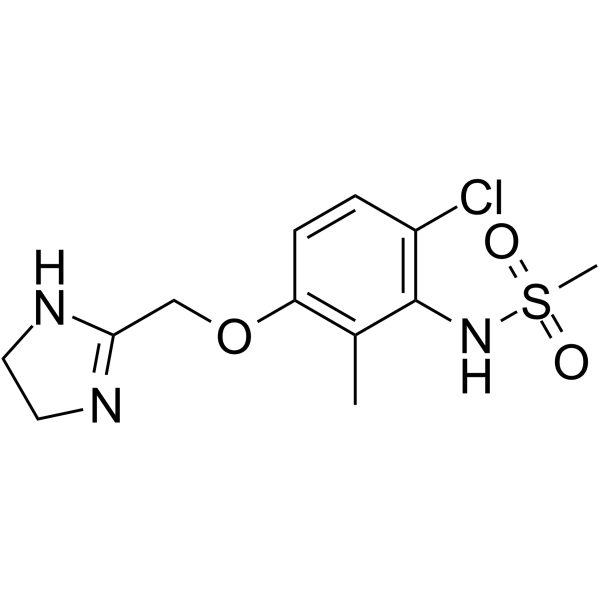
Dabuzalgron (Ro 115-1240) is an orally active and selective α-1A adrenergic receptor agonist for the treatment of urinary incontinence. Dabuzalgron protects against Doxorubicin-induced cardiotoxicity by preserving mitochondrial function .
|
-
-
- HY-B0655
-
|
SQ26991
|
Angiotensin-converting Enzyme (ACE)
Reactive Oxygen Species (ROS)
|
Cardiovascular Disease
|
|
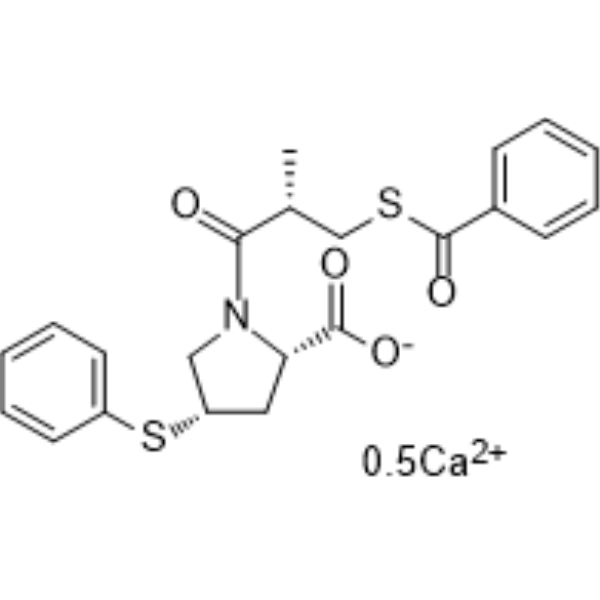
Zofenopril Calcium (SQ26991) is an orally active angiotensin-converting enzyme (ACE) inhibitor with antioxidant activity and cardioprotective effects. Zofenopril Calcium reduces ROS production and GSH consumption and helps inhibit foam cell formation, thus slowing the progression of atherosclerosis. Zofenopril Calcium prevents cardiac damage caused by chronic Doxorubicin (HY-15142A) .
|
-
-
- HY-N0566
-
|
Anemosapogenin
|
Apoptosis
Autophagy
Bcl-2 Family
Caspase
Survivin
p38 MAPK
MMP
|
Cancer
|
|
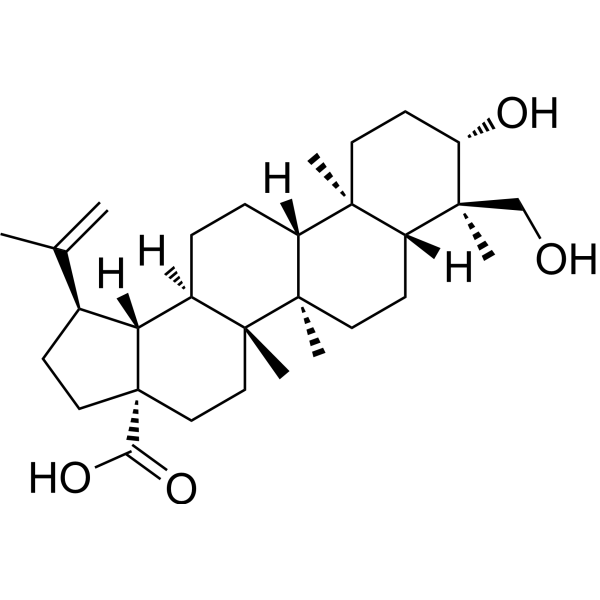
23-Hydroxybetulinic acid (Anemosapogenin) is an orally active triterpenoid with broad-spectrum anticancer activity. 23-Hydroxybetulinic acid reduces the levels of Bcl-2 and survivin, elevates the level of Bax, promotes the cleavage/activation of caspase-3 and caspase-9, and induces apoptosis via the endogenous mitochondrial pathway involving cytochrome C release and mitochondrial membrane potential disruption. 23-Hydroxybetulinic acid arrests the cell cycle at S and G1 phases, inhibits cancer cell proliferation, blocks the MAPK signaling pathway, regulates MMP2, and induces autophagic apoptosis by upregulating beclin-1. 23-Hydroxybetulinic acid inhibits the activity and efflux function of P-gp, increases the intracellular accumulation of chemotherapeutic drugs, and synergistically enhances cytotoxicity with Doxorubicin (HY-15142). 23-Hydroxybetulinic acid inhibits the phosphorylation and nuclear translocation of STAT6, blocks M2 macrophage polarization, and reduces M2 macrophage-mediated apoptosis resistance of colon cancer cells. 23-Hydroxybetulinic acid can be used in related studies on chronic myeloid leukemia, hepatocellular carcinoma, sarcoma 180, multidrug-resistant breast cancer, leukemia, Doxorubicin-induced cardiotoxicity, and colorectal cancer .
|
-
-
- HY-171955
-
|
|
Lipoxygenase
Apoptosis
Reactive Oxygen Species (ROS)
FAK
|
Cancer
|
|
LXG6403 is an orally active and irreversible LOX inhibitor (IC50 = 1.3 μM). LXG6403 is ~3.5-fold more specific for LOX than LOXL2 and does not inhibit LOXL1. LXG6403 inhibits FAK signaling and induces ROS generation and DNA damage, leading to G1 arrest and apoptosis in chemoresistant triple-negative breast cancer (TNBC) cell lines. LXG6403 alters the extracellular matrix (ECM) and collagen structure, reducing collagen cross-linking and deposition, thereby increasing drug penetration and reducing tumor stiffness. LXG6403 overcomes Doxorubicin (HY-15142) resistance in chemoresistant TNBC PDX in vivo and can be used to study high-stiffness resistant tumors .
|
-
-
- HY-W009356
-
|
|
Endogenous Metabolite
Ferroptosis
ROS Kinase
Keap1-Nrf2
Reactive Oxygen Species (ROS)
|
Others
|
|
L-Cystine hydrochloride is an orally active extracellular form of L-Cysteine (HY-Y0337), occurring in proteins of plants and animals. L-Cystine hydrochloride elevates Nrf2 protein expression and activates Nrf2 transcription factor. L-Cystine hydrochloride reduces ROS generation and protects against oxidant- or Doxorubicin (HY-15142A)-induced apoptosis. L-Cystine hydrochloride combined with L-theanine (HY-15121) enhances the production of antigen-specific IgG by increasing glutathione (GSH) levels and T helper 2 (Th2) mediated responses in mice. L-Cystine hydrochloride is promising for research of cystinuria and kidney stones
|
-
-
- HY-177083
-
|
AVA-6000
|
FAP
|
Cancer
|
|
Faridoxorubicin (AVA-6000) is a prodrug targeting fibroblast activation protein α (FAPα). Faridoxorubicin releases active doxorubicin through FAPα-mediated cleavage, enhancing intratumoral drug exposure and reducing cardiac toxicity. Faridoxorubicin is promising for research of solid tumors (e.g., colorectal cancer liver metastasis) .
|
-
-
- HY-17507AR
-
|
BY1023 sodium (Standard); SKF96022 sodium (Standard)
|
Reference Standards
Proton Pump
Autophagy
Apoptosis
Bacterial
|
Inflammation/Immunology
Cancer
|
|
Pantoprazole (sodium) (Standard) is the analytical standard of Pantoprazole (sodium). This product is intended for research and analytical applications. Pantoprazole sodium (BY10232 sodium) is an orally active and potent proton pump inhibitor (PPI) . Pantoprazole sodium, a substituted benzimidazole, is a potent H +/K +-ATPase inhibitor with an IC50 of 6.8 μM. Pantoprazole sodium improves pH stability and has anti-secretory, anti-ulcer activities. Pantoprazole sodium significantly increased tumor growth delay combined with Doxorubicin (HY-15142) .
|
-
-
- HY-P10759
-
|
|
Peptide-Drug Conjugates (PDCs)
Aminopeptidase
|
Cancer
|
|
DTS-201 sodium (CPI-0004Na) is a peptidic prodrug of Doxorubicin (HY-15142A). DTS-201, comprising the tetrapeptide portion, is cleaved by endopeptidases in the tumor environment to produce metabolites that subsequently enter the cell and are converted to active Doxorubicin. DTS-201 shows antitumoral efficacy in tumor xenograft models of prostate, breast, and lung cancer .
|
-
-
- HY-146565
-
|
|
DNA-PK
|
Cancer
|
|
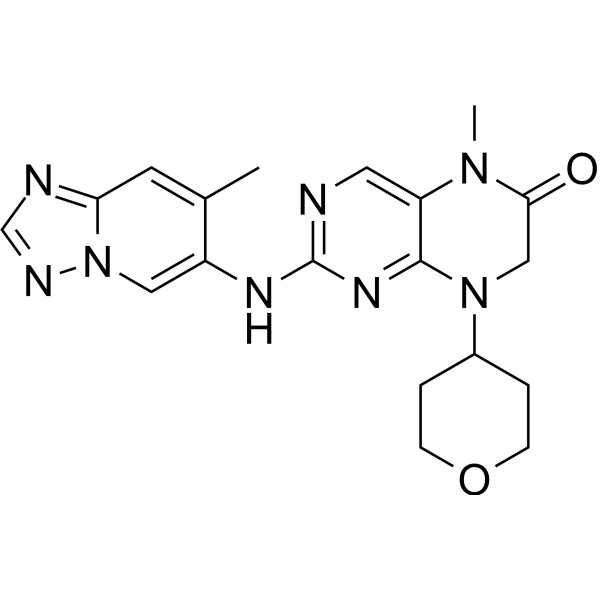
DNA-PK-IN-8 is a highly potent, selective and orally active DNA-dependent protein kinase (DNA-PK) inhibitor with an IC50 value of 0.8 nM. DNA-PK-IN-8 exhibits synergistic antiproliferative activity against a series of cancer cell lines and significantly suppresses HL-60 tumor growth, when using in combination with Doxorubicin .
|
-
-
- HY-145427
-
|
|
DNA-PK
|
Cancer
|
|
NU5455 is a potent, selective, and orally active inhibitor of DNA-PKcs. NU5455 administration increases both the efficacy and the toxicity of a parenterally administered topoisomerase inhibitor. NU5455 enhances the activity of Doxorubicin released locally in liver tumor xenografts without inducing any adverse effect .
|
-
-
- HY-129410
-
|
|
Endogenous Metabolite
|
Others
|
|
ADR-925 is an active chelated iron metabolite with the ability to protect neonatal rat cardiomyocytes from doxorubicin (HY-15142A)-induced damage .
|
-
-
- HY-17507S
-
|
BY1023-d6; SKF96022-d6
|
Isotope-Labeled Compounds
Proton Pump
Autophagy
Apoptosis
|
Inflammation/Immunology
Cancer
|
|
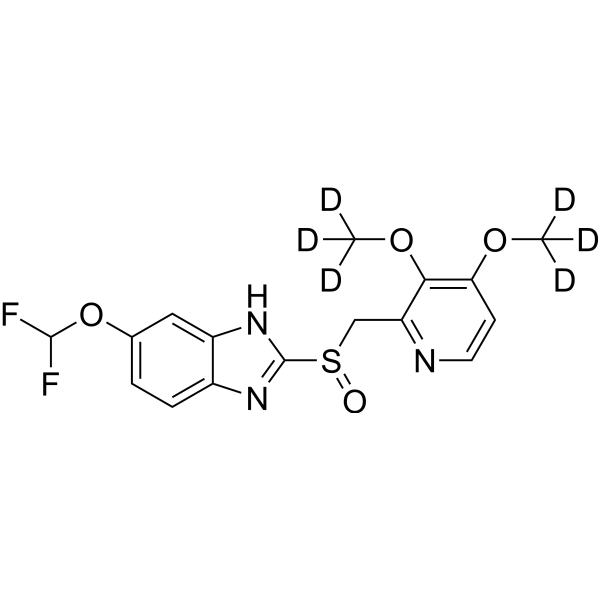
Pantoprazole-d6 is deuterium labeled Pantoprazole. Pantoprazole (BY10232) is an orally active and potent proton pump inhibitor (PPI) . Pantoprazole, a substituted benzimidazole, is a potent H+/K+-ATPase inhibitor with an IC50 of 6.8 μM. Pantoprazole improves pH stability and has anti-secretory, anti-ulcer activities. Pantoprazole significantly increased tumor growth delay combined with Doxorubicin (HY-15142) .
|
-
-
- HY-17507R
-
|
BY1023 (Standard); SKF96022 (Standard)
|
Reference Standards
Proton Pump
Autophagy
Apoptosis
Bacterial
|
Inflammation/Immunology
Cancer
|
|
Pantoprazole (Standard) is the analytical standard of Pantoprazole. This product is intended for research and analytical applications. Pantoprazole (BY10232) is an orally active and potent proton pump inhibitor (PPI) . Pantoprazole, a substituted benzimidazole, is a potent H +/K +-ATPase inhibitor with an IC50 of 6.8 μM. Pantoprazole improves pH stability and has anti-secretory, anti-ulcer activities. Pantoprazole significantly increased tumor growth delay combined with Doxorubicin (HY-15142) .
|
-
-
- HY-17507BR
-
|
BY1023 sodium hydrate (Standard); SKF96022 sodium hydrate (Standard)
|
Reference Standards
Proton Pump
Autophagy
Apoptosis
Bacterial
|
Inflammation/Immunology
Cancer
|
|
Pantoprazole (sodium hydrate) (Standard) is the analytical standard of Pantoprazole (sodium hydrate). This product is intended for research and analytical applications. Pantoprazole sodium hydrate (BY10232 sodium hydrate) is an orally active and potent proton pump inhibitor (PPI) . Pantoprazole sodium hydrate, a substituted benzimidazole, is a potent H+/K+-ATPase inhibitor with an IC50 of 6.8 μM. Pantoprazole sodium hydrate improves pH stability and has anti-secretory, anti-ulcer activities. Pantoprazole sodium hydrate significantly increased tumor growth delay combined with Doxorubicin (HY-15142) .
|
-
-
- HY-W700452
-
|
|
Isotope-Labeled Compounds
Apoptosis
ROCK
|
Cancer
|
|
Y-27632-d4 hydrochloride hydrate is the deuterium labeled Y-27632 hydrochloride hydrate (HY-10071A). Y-27632 hydrochloride hydrate is an orally active, ATP-competitive inhibitor of ROCK-I and ROCK-II, with Kis of 220 and 300 nM, respectively. Y-27632 hydrochloride hydrate attenuates Doxorubicin-induced apoptosis of human cardiac stem cells. Y-27632 hydrochloride hydrate also suppresses dissociation-induced apoptosis of murine prostate stem/progenitor cells. Y-27632 hydrochloride hydrate primes human induced pluripotent stem cells (hIPSCs) to selectively differentiate towards mesendodermal lineage via epithelial-mesenchymal transition-like modulation .
|
-
-
- HY-106154
-
|
|
Peptide-Drug Conjugates (PDCs)
Aminopeptidase
|
Cancer
|
|
DTS-201 (CPI-0004) is a peptidic prodrug of Doxorubicin (HY-15142A). DTS-201, comprising the tetrapeptide portion, is cleaved by endopeptidases in the tumor environment to produce metabolites that subsequently enter the cell and are converted to active Doxorubicin. DTS-201 shows antitumoral efficacy in tumor xenograft models of prostate, breast, and lung cancer .
|
-
-
- HY-117071A
-
|
Ro 115-1240 hydrochloride
|
Adrenergic Receptor
Apoptosis
|
Cardiovascular Disease
Endocrinology
|
|
Dabuzalgron (Ro 115-1240) hydrochloride is an orally active and selective α-1A adrenergic receptor agonist for the treatment of urinary incontinence. Dabuzalgron hydrochloride protects against Doxorubicin-induced cardiotoxicity by preserving mitochondrial function .
|
-
-
- HY-17507S1
-
|
BY1023-d3; SKF96022-d3
|
Isotope-Labeled Compounds
Proton Pump
Autophagy
Apoptosis
|
Inflammation/Immunology
Cancer
|
|
Pantoprazole-d3 is deuterium labeled Pantoprazole. Pantoprazole (BY10232) is an orally active and potent proton pump inhibitor (PPI) . Pantoprazole, a substituted benzimidazole, is a potent H+/K+-ATPase inhibitor with an IC50 of 6.8 μM. Pantoprazole improves pH stability and has anti-secretory, anti-ulcer activities. Pantoprazole significantly increased tumor growth delay combined with Doxorubicin (HY-15142) .
|
-
-
- HY-W739793
-
|
BY1023-d8 sodium; SKF96022-d8 sodium
|
Isotope-Labeled Compounds
Proton Pump
Autophagy
Apoptosis
Bacterial
|
Inflammation/Immunology
Cancer
|
|
Pantoprazole-d8 (BY1023-d8) sodium is a deuterium labeled Pantoprazole (HY-17507). Pantoprazole (BY10232) is an orally active and potent proton pump inhibitor (PPI) . Pantoprazole, a substituted benzimidazole, is a potent H +/K +-ATPase inhibitor with an IC50 of 6.8 μM. Pantoprazole improves pH stability and has anti-secretory, anti-ulcer activities. Pantoprazole significantly increased tumor growth delay combined with Doxorubicin (HY-15142) .
|
-
-
- HY-17507S2
-
|
BY1023-d8; SKF96022-d8
|
Isotope-Labeled Compounds
Bacterial
Autophagy
Apoptosis
Proton Pump
|
Inflammation/Immunology
Cancer
|
|
Pantoprazole-d8 (BY1023-d8) is deuterium labeled Pantoprazole. Pantoprazole (BY10232) is an orally active and potent proton pump inhibitor (PPI) . Pantoprazole, a substituted benzimidazole, is a potent H +/K +-ATPase inhibitor with an IC50 of 6.8 μM. Pantoprazole improves pH stability and has anti-secretory, anti-ulcer activities. Pantoprazole significantly increased tumor growth delay combined with Doxorubicin (HY-15142) .
|
-
-
- HY-17507S4
-
|
BY1023-d4; SKF96022-d4
|
Isotope-Labeled Compounds
|
Inflammation/Immunology
Cancer
|
|
Pantoprazole-d4 (BY1023-d4) is deuterium labeled Pantoprazole. Pantoprazole (BY10232) is an orally active and potent proton pump inhibitor (PPI) . Pantoprazole, a substituted benzimidazole, is a potent H +/K +-ATPase inhibitor with an IC50 of 6.8 μM. Pantoprazole improves pH stability and has anti-secretory, anti-ulcer activities. Pantoprazole significantly increased tumor growth delay combined with Doxorubicin (HY-15142) .
|
-
-
- HY-N0566R
-
|
Anemosapogenin (Standard)
|
Reference Standards
Apoptosis
Autophagy
Bcl-2 Family
Caspase
Survivin
p38 MAPK
MMP
|
Cancer
|
|
23-Hydroxybetulinic acid (Standard) is the analytical standard of 23-Hydroxybetulinic acid (HY-N0566). This product is intended for research and analytical applications. 23-Hydroxybetulinic acid (Anemosapogenin) is an orally active triterpenoid with broad-spectrum anticancer activity. 23-Hydroxybetulinic acid reduces the levels of Bcl-2 and survivin, elevates the level of Bax, promotes the cleavage/activation of caspase-3 and caspase-9, and induces apoptosis via the endogenous mitochondrial pathway involving cytochrome C release and mitochondrial membrane potential disruption. 23-Hydroxybetulinic acid arrests the cell cycle at S and G1 phases, inhibits cancer cell proliferation, blocks the MAPK signaling pathway, regulates MMP2, and induces autophagic apoptosis by upregulating beclin-1. 23-Hydroxybetulinic acid inhibits the activity and efflux function of P-gp, increases the intracellular accumulation of chemotherapeutic drugs, and synergistically enhances cytotoxicity with Doxorubicin (HY-15142). 23-Hydroxybetulinic acid inhibits the phosphorylation and nuclear translocation of STAT6, blocks M2 macrophage polarization, and reduces M2 macrophage-mediated apoptosis resistance of colon cancer cells. 23-Hydroxybetulinic acid can be used in related studies on chronic myeloid leukemia, hepatocellular carcinoma, sarcoma 180, multidrug-resistant breast cancer, leukemia, Doxorubicin-induced cardiotoxicity, and colorectal cancer.
|
-
-
- HY-W772717
-
|
|
Endogenous Metabolite
Ferroptosis
Reactive Oxygen Species (ROS)
Keap1-Nrf2
Apoptosis
|
Metabolic Disease
Inflammation/Immunology
Cancer
|
|
L-Cystine disodium monohydrate is an orally active extracellular form of L-Cysteine (HY-Y0337), occurring in proteins of plants and animals. L-Cystine disodium monohydrate elevates Nrf2 protein expression and activates Nrf2 transcription factor. L-Cystine disodium monohydrate reduces ROS generation and protects against oxidant- or Doxorubicin (HY-15142A)-induced apoptosis. L-Cystine disodium monohydrate combined with L-theanine (HY-15121) enhances the production of antigen-specific IgG by increasing glutathione (GSH) levels and T helper 2 (Th2) mediated responses in mice. L-Cystine disodium monohydrate is promising for research of cystinuria and kidney stones .
|
-
-
- HY-N0353R
-
|
(+)-Curdione (Standard)
|
Reference Standards
Ferroptosis
Apoptosis
Reactive Oxygen Species (ROS)
Autophagy
Glutathione Peroxidase
Keap1-Nrf2
Heme Oxygenase (HO)
TGF-β Receptor
Indoleamine 2,3-Dioxygenase (IDO)
|
Others
|
|
Curdione (Standard) is the analytical standard of Curdione. This product is intended for research and analytical applications. Curdione ((+)-Curdione) is an orally active sesquiterpenoid. Curdione inhibits platelet aggregation. Curdione induces ferroptosis in colorectal cancer via m6A methylation mediated by METTL14 and YTHDF2. Curdione inhibits ferroptosis in Isoproterenol (HY-B0468)-induced myocardial infarction by regulating the Keap1/Trx1/GPX4 signaling pathway, suppressing oxidative stress (ROS) and apoptosis. Curdione ameliorates Doxorubicin (HY-15142)-induced cardiotoxicity by inhibiting oxidative stress (ROS) and activating the Nrf2/HO-1 pathway. Curdione ameliorates sepsis-induced lung injury by inhibiting platelet-mediated neutrophil extracellular trap formation. Curdione ameliorates Bleomycin (HY-17565A)-induced pulmonary fibrosis by inhibiting TGF-β-induced fibroblast-to-myofibroblast differentiation. Curdione exhibits neuroprotective effects against focal cerebral ischemia-reperfusion injury in rats. Curdione exerts antiproliferative effects against human uterine leiomyosarcoma by targeting IDO1. Curdione protects vascular endothelial cells and atherosclerosis by regulating DNMT1-mediated ERBB4 promoter methylation. Curdione inhibits inducible prostaglandin E2 production (IC50 = 1.1 μM) and cyclooxygenase 2 expression .
|
-
-
- HY-183629
-
|
|
Zinc Finger Protein
Apoptosis
|
Cardiovascular Disease
Cancer
|
|
ZNF281-IN-1 is a ZNF281 inhibitor. ZNF281-IN-1 disrupts the binding of transcriptionally active DNA-bound ZNF281 to the promoters of target genes including TRIM35 and ZEB1. ZNF281-IN-1 inhibits tumor cell proliferation, stabilizes P53 and upregulates PUMA to induce apoptosis, while triggering cellular senescence. ZNF281-IN-1 completely prevents Doxorubicin (HY-15142A)-induced cardiotoxicity (AIC), and enhances rather than impairs the antitumor efficacy of Doxorubicin. ZNF281-IN-1 completely blocks the distant metastasis of melanoma to the lungs. ZNF281-IN-1 can be used in the research of cardiotoxicity, lung cancer and metastatic melanoma .
|
-
-
- HY-N0394S5
-
|
|
Isotope-Labeled Compounds
|
Others
|
|
L-Cystine- 13C6, 15N2 is the 13C- and 15N-labeled L-Cystine (HY-N0394). L-Cystine is an orally active extracellular form of L-Cysteine (HY-Y0337), occurring in proteins of plants and animals. L-Cystine elevates Nrf2 protein expression and activates Nrf2 transcription factor. L-cystine reduces ROS generation and protects against oxidant- or Doxorubicin (HY-15142A)-induced apoptosis. L-Cystine combined with L-theanine (HY-15121) enhances the production of antigen-specific IgG by increasing glutathione (GSH) levels and T helper 2 (Th2) mediated responses in mice. L-Cystine is promising for research of cystinuria and kidney stones.
|
-
| Cat. No. |
Product Name |
Type |
-
- HY-W772717
-
|
|
Biochemical Assay Reagents
|
|
L-Cystine disodium monohydrate is an orally active extracellular form of L-Cysteine (HY-Y0337), occurring in proteins of plants and animals. L-Cystine disodium monohydrate elevates Nrf2 protein expression and activates Nrf2 transcription factor. L-Cystine disodium monohydrate reduces ROS generation and protects against oxidant- or Doxorubicin (HY-15142A)-induced apoptosis. L-Cystine disodium monohydrate combined with L-theanine (HY-15121) enhances the production of antigen-specific IgG by increasing glutathione (GSH) levels and T helper 2 (Th2) mediated responses in mice. L-Cystine disodium monohydrate is promising for research of cystinuria and kidney stones .
|
| Cat. No. |
Product Name |
Target |
Research Area |
-
- HY-W009356
-
|
|
Endogenous Metabolite
Ferroptosis
ROS Kinase
Keap1-Nrf2
Reactive Oxygen Species (ROS)
|
Others
|
|
L-Cystine hydrochloride is an orally active extracellular form of L-Cysteine (HY-Y0337), occurring in proteins of plants and animals. L-Cystine hydrochloride elevates Nrf2 protein expression and activates Nrf2 transcription factor. L-Cystine hydrochloride reduces ROS generation and protects against oxidant- or Doxorubicin (HY-15142A)-induced apoptosis. L-Cystine hydrochloride combined with L-theanine (HY-15121) enhances the production of antigen-specific IgG by increasing glutathione (GSH) levels and T helper 2 (Th2) mediated responses in mice. L-Cystine hydrochloride is promising for research of cystinuria and kidney stones
|
-
- HY-P10759
-
|
|
Peptide-Drug Conjugates (PDCs)
Aminopeptidase
|
Cancer
|
|
DTS-201 sodium (CPI-0004Na) is a peptidic prodrug of Doxorubicin (HY-15142A). DTS-201, comprising the tetrapeptide portion, is cleaved by endopeptidases in the tumor environment to produce metabolites that subsequently enter the cell and are converted to active Doxorubicin. DTS-201 shows antitumoral efficacy in tumor xenograft models of prostate, breast, and lung cancer .
|
| Cat. No. |
Product Name |
Category |
Target |
Chemical Structure |
-
- HY-N0394
-
-
-
- HY-40161
-
-
-
- HY-N0353
-
-
-
- HY-N0566
-
|
Anemosapogenin
|
Triterpenes
Structural Classification
other families
Classification of Application Fields
Terpenoids
Plants
Disease Research Fields
Source Classification
Cancer
|
Apoptosis
Autophagy
Bcl-2 Family
Caspase
Survivin
p38 MAPK
MMP
|
|
23-Hydroxybetulinic acid (Anemosapogenin) is an orally active triterpenoid with broad-spectrum anticancer activity. 23-Hydroxybetulinic acid reduces the levels of Bcl-2 and survivin, elevates the level of Bax, promotes the cleavage/activation of caspase-3 and caspase-9, and induces apoptosis via the endogenous mitochondrial pathway involving cytochrome C release and mitochondrial membrane potential disruption. 23-Hydroxybetulinic acid arrests the cell cycle at S and G1 phases, inhibits cancer cell proliferation, blocks the MAPK signaling pathway, regulates MMP2, and induces autophagic apoptosis by upregulating beclin-1. 23-Hydroxybetulinic acid inhibits the activity and efflux function of P-gp, increases the intracellular accumulation of chemotherapeutic drugs, and synergistically enhances cytotoxicity with Doxorubicin (HY-15142). 23-Hydroxybetulinic acid inhibits the phosphorylation and nuclear translocation of STAT6, blocks M2 macrophage polarization, and reduces M2 macrophage-mediated apoptosis resistance of colon cancer cells. 23-Hydroxybetulinic acid can be used in related studies on chronic myeloid leukemia, hepatocellular carcinoma, sarcoma 180, multidrug-resistant breast cancer, leukemia, Doxorubicin-induced cardiotoxicity, and colorectal cancer .
|
-
-
- HY-N0566R
-
|
Anemosapogenin (Standard)
|
Triterpenes
Structural Classification
other families
Terpenoids
Plants
Source Classification
|
Reference Standards
Apoptosis
Autophagy
Bcl-2 Family
Caspase
Survivin
p38 MAPK
MMP
|
|
23-Hydroxybetulinic acid (Standard) is the analytical standard of 23-Hydroxybetulinic acid (HY-N0566). This product is intended for research and analytical applications. 23-Hydroxybetulinic acid (Anemosapogenin) is an orally active triterpenoid with broad-spectrum anticancer activity. 23-Hydroxybetulinic acid reduces the levels of Bcl-2 and survivin, elevates the level of Bax, promotes the cleavage/activation of caspase-3 and caspase-9, and induces apoptosis via the endogenous mitochondrial pathway involving cytochrome C release and mitochondrial membrane potential disruption. 23-Hydroxybetulinic acid arrests the cell cycle at S and G1 phases, inhibits cancer cell proliferation, blocks the MAPK signaling pathway, regulates MMP2, and induces autophagic apoptosis by upregulating beclin-1. 23-Hydroxybetulinic acid inhibits the activity and efflux function of P-gp, increases the intracellular accumulation of chemotherapeutic drugs, and synergistically enhances cytotoxicity with Doxorubicin (HY-15142). 23-Hydroxybetulinic acid inhibits the phosphorylation and nuclear translocation of STAT6, blocks M2 macrophage polarization, and reduces M2 macrophage-mediated apoptosis resistance of colon cancer cells. 23-Hydroxybetulinic acid can be used in related studies on chronic myeloid leukemia, hepatocellular carcinoma, sarcoma 180, multidrug-resistant breast cancer, leukemia, Doxorubicin-induced cardiotoxicity, and colorectal cancer.
|
-
-
- HY-N0353R
-
|
(+)-Curdione (Standard)
|
Structural Classification
Terpenoids
Sesquiterpenes
Curcuma phaeocaulis Valeton
Plants
Source Classification
Zingiberaceae
|
Reference Standards
Ferroptosis
Apoptosis
Reactive Oxygen Species (ROS)
Autophagy
Glutathione Peroxidase
Keap1-Nrf2
Heme Oxygenase (HO)
TGF-β Receptor
Indoleamine 2,3-Dioxygenase (IDO)
|
|
Curdione (Standard) is the analytical standard of Curdione. This product is intended for research and analytical applications. Curdione ((+)-Curdione) is an orally active sesquiterpenoid. Curdione inhibits platelet aggregation. Curdione induces ferroptosis in colorectal cancer via m6A methylation mediated by METTL14 and YTHDF2. Curdione inhibits ferroptosis in Isoproterenol (HY-B0468)-induced myocardial infarction by regulating the Keap1/Trx1/GPX4 signaling pathway, suppressing oxidative stress (ROS) and apoptosis. Curdione ameliorates Doxorubicin (HY-15142)-induced cardiotoxicity by inhibiting oxidative stress (ROS) and activating the Nrf2/HO-1 pathway. Curdione ameliorates sepsis-induced lung injury by inhibiting platelet-mediated neutrophil extracellular trap formation. Curdione ameliorates Bleomycin (HY-17565A)-induced pulmonary fibrosis by inhibiting TGF-β-induced fibroblast-to-myofibroblast differentiation. Curdione exhibits neuroprotective effects against focal cerebral ischemia-reperfusion injury in rats. Curdione exerts antiproliferative effects against human uterine leiomyosarcoma by targeting IDO1. Curdione protects vascular endothelial cells and atherosclerosis by regulating DNMT1-mediated ERBB4 promoter methylation. Curdione inhibits inducible prostaglandin E2 production (IC50 = 1.1 μM) and cyclooxygenase 2 expression .
|
-
| Cat. No. |
Product Name |
Chemical Structure |
-
- HY-17507S
-
|
|
|
Pantoprazole-d6 is deuterium labeled Pantoprazole. Pantoprazole (BY10232) is an orally active and potent proton pump inhibitor (PPI) . Pantoprazole, a substituted benzimidazole, is a potent H+/K+-ATPase inhibitor with an IC50 of 6.8 μM. Pantoprazole improves pH stability and has anti-secretory, anti-ulcer activities. Pantoprazole significantly increased tumor growth delay combined with Doxorubicin (HY-15142) .
|
-
-
- HY-W700452
-
|
|
|
Y-27632-d4 hydrochloride hydrate is the deuterium labeled Y-27632 hydrochloride hydrate (HY-10071A). Y-27632 hydrochloride hydrate is an orally active, ATP-competitive inhibitor of ROCK-I and ROCK-II, with Kis of 220 and 300 nM, respectively. Y-27632 hydrochloride hydrate attenuates Doxorubicin-induced apoptosis of human cardiac stem cells. Y-27632 hydrochloride hydrate also suppresses dissociation-induced apoptosis of murine prostate stem/progenitor cells. Y-27632 hydrochloride hydrate primes human induced pluripotent stem cells (hIPSCs) to selectively differentiate towards mesendodermal lineage via epithelial-mesenchymal transition-like modulation .
|
-
-
- HY-17507S1
-
|
|
|
Pantoprazole-d3 is deuterium labeled Pantoprazole. Pantoprazole (BY10232) is an orally active and potent proton pump inhibitor (PPI) . Pantoprazole, a substituted benzimidazole, is a potent H+/K+-ATPase inhibitor with an IC50 of 6.8 μM. Pantoprazole improves pH stability and has anti-secretory, anti-ulcer activities. Pantoprazole significantly increased tumor growth delay combined with Doxorubicin (HY-15142) .
|
-
-
- HY-W739793
-
|
|
|
Pantoprazole-d8 (BY1023-d8) sodium is a deuterium labeled Pantoprazole (HY-17507). Pantoprazole (BY10232) is an orally active and potent proton pump inhibitor (PPI) . Pantoprazole, a substituted benzimidazole, is a potent H +/K +-ATPase inhibitor with an IC50 of 6.8 μM. Pantoprazole improves pH stability and has anti-secretory, anti-ulcer activities. Pantoprazole significantly increased tumor growth delay combined with Doxorubicin (HY-15142) .
|
-
-
- HY-17507S2
-
|
|
|
Pantoprazole-d8 (BY1023-d8) is deuterium labeled Pantoprazole. Pantoprazole (BY10232) is an orally active and potent proton pump inhibitor (PPI) . Pantoprazole, a substituted benzimidazole, is a potent H +/K +-ATPase inhibitor with an IC50 of 6.8 μM. Pantoprazole improves pH stability and has anti-secretory, anti-ulcer activities. Pantoprazole significantly increased tumor growth delay combined with Doxorubicin (HY-15142) .
|
-
-
- HY-17507S4
-
|
|
|
Pantoprazole-d4 (BY1023-d4) is deuterium labeled Pantoprazole. Pantoprazole (BY10232) is an orally active and potent proton pump inhibitor (PPI) . Pantoprazole, a substituted benzimidazole, is a potent H +/K +-ATPase inhibitor with an IC50 of 6.8 μM. Pantoprazole improves pH stability and has anti-secretory, anti-ulcer activities. Pantoprazole significantly increased tumor growth delay combined with Doxorubicin (HY-15142) .
|
-
-
- HY-N0394S5
-
|
|
|
L-Cystine- 13C6, 15N2 is the 13C- and 15N-labeled L-Cystine (HY-N0394). L-Cystine is an orally active extracellular form of L-Cysteine (HY-Y0337), occurring in proteins of plants and animals. L-Cystine elevates Nrf2 protein expression and activates Nrf2 transcription factor. L-cystine reduces ROS generation and protects against oxidant- or Doxorubicin (HY-15142A)-induced apoptosis. L-Cystine combined with L-theanine (HY-15121) enhances the production of antigen-specific IgG by increasing glutathione (GSH) levels and T helper 2 (Th2) mediated responses in mice. L-Cystine is promising for research of cystinuria and kidney stones.
|
-
Your information is safe with us. * Required Fields.
Inquiry Information
- Product Name:
- Cat. No.:
- Quantity:
- MCE Japan Authorized Agent:

