1. Search Result
Search Result
Results for "

adduct

" in MedChemExpress (MCE) Product Catalog:

170

Inhibitors & Agonists

1

Screening Libraries

9

Fluorescent Dye

12

Biochemical Assay Reagents

4

Peptides

1

Inhibitory Antibodies

29

Natural
Products

17

Isotope-Labeled Compounds

4

Click Chemistry

9

Oligonucleotides

Cat. No. Product Name Target Research Areas Chemical Structure
  • HY-111375
    Azoxymethane
    Maximum Cited Publications
    17 Publications Verification

    AOM

    DNA Alkylator/Crosslinker Cancer
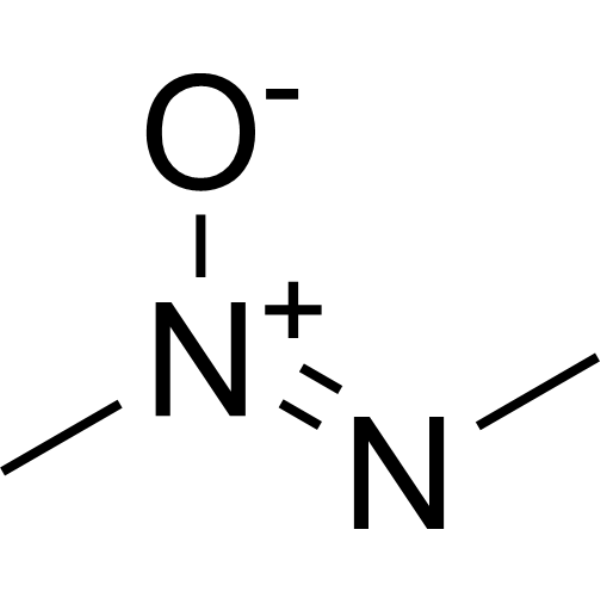
    Azoxymethane is a colon carcinogen which leads to the formation of DNA adducts.
    Azoxymethane
  • HY-D0017

    DNSCl

    Fluorescent Dye Others
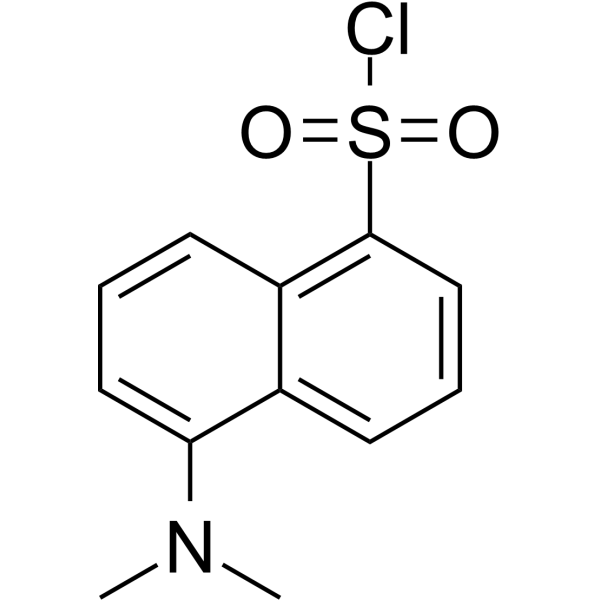
    Dansyl chloride is a reagent that produces stable blue or blue-green fluorescent sulfonamide adducts in the reaction of aliphatic and aromatic amines with primary amino groups, and is widely used for modified amino acids, protein sequencing and amino acid analysis .
    Dansyl chloride
  • HY-21623

    Biochemical Assay Reagents Others
    Dichloro[1,1'-bis(diphenylphosphino)ferrocene]palladium(II) dichloromethane adduct is a common dichloromethane solvate of the palladium catalyst Pd(dppf)Cl2, a phosphine ligand palladium(II) complex, which can be used as a versatile precatalyst for various cross-coupling reactions. Dichloro[1,1'-bis(diphenylphosphino)ferrocene]palladium(II) dichloromethane adduct can stabilize reaction intermediates and lower the reaction activation energy in coupling reactions, and can be used in Suzuki-Miyaura coupling reaction studies .
    Dichloro[1,1'-bis(diphenylphosphino)ferrocene]palladium(II) dichloromethane adduct
  • HY-124489
    2-Hydroxyestradiol
    2 Publications Verification

    Endogenous Metabolite Metabolic Disease
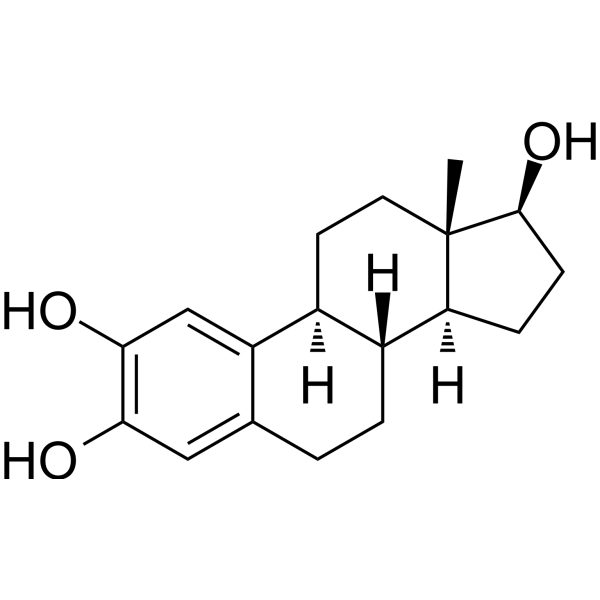
    2-Hydroxyestradiol, a metabolite of 17β-estradiol with minimal estrogenic activity, possesses antioxidant effects and reacts with DNA to form stable adducts and exerts genotoxicity .
    2-Hydroxyestradiol
  • HY-13036A

    Btk Cancer
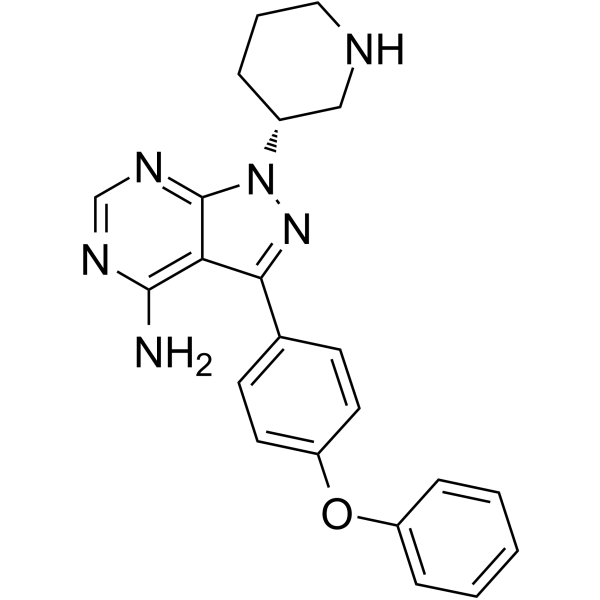
    IBT6A is an impurity of Ibrutinib. IBT6A can be used in synthesis of IBT6A Ibrutinib dimer and IBT6A adduct . Ibrutinib is a selective, irreversible Btk inhibitor with an IC50 of 0.5 nM .
    IBT6A
  • HY-101160

    DRG16

    DNA Alkylator/Crosslinker ADC Payload Cancer
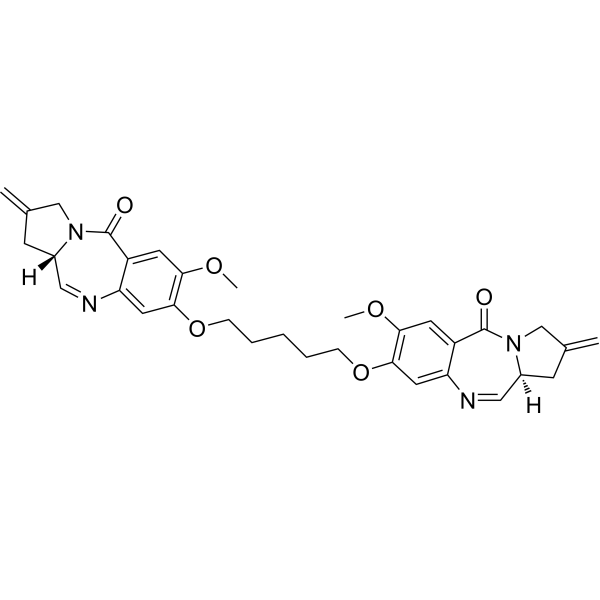
    SG2057 (DRG16) is a PBD dimer containing a pentyldioxy linkage which binds sequence selectively in the minor groove of DNA forming DNA interstrand and intrastrand cross-linked adducts. SG2057 is a highly active antitumor agent .
    SG2057
  • HY-128463
    N-tert-Butyl-α-phenylnitrone
    2 Publications Verification

    COX Reactive Oxygen Species (ROS) Neurological Disease Metabolic Disease Inflammation/Immunology
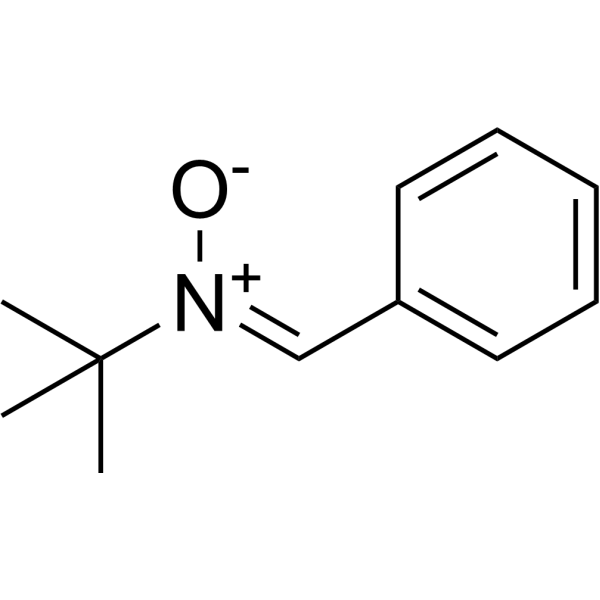
    N-tert-Butyl-α-phenylnitrone is a nitrone-based free radical scavenger that forms nitroxide spin adducts. N-tert-Butyl-α-phenylnitrone inhibits COX2 catalytic activity. N-tert-Butyl-α-phenylnitrone has potent ROS scavenging, anti-inflammatory, neuroprotective, anti-aging and anti-diabetic activities, and can penetrate the blood-brain barrier .
    N-tert-Butyl-α-phenylnitrone
  • HY-Y1010

    Glycidol

    Drug Isomer Cancer
    Oxiran-2-ylmethanol (Glycidol) is an ester product. Oxiran-2-ylmethanol induces base pair point mutations in bacterial strains and structural chromosome aberrations in cultured cells. Oxiran-2-ylmethanol forms N-(2,3-dihydroxypropyl)valine hemoglobin adducts. Oxiran-2-ylmethanol acts as an animal carcinogen but does not significantly induce micronucleated immature erythrocytes in animal bone marrow. Oxiran-2-ylmethanol enables anionic polymerization to produce linear poly(glycidol). Oxiran-2-ylmethanol can be used for cancer-related research .
    Oxiran-2-ylmethanol
  • HY-124171
    Zinquin ethyl ester
    1 Publications Verification

    Fluorescent Dye Drug Derivative Others
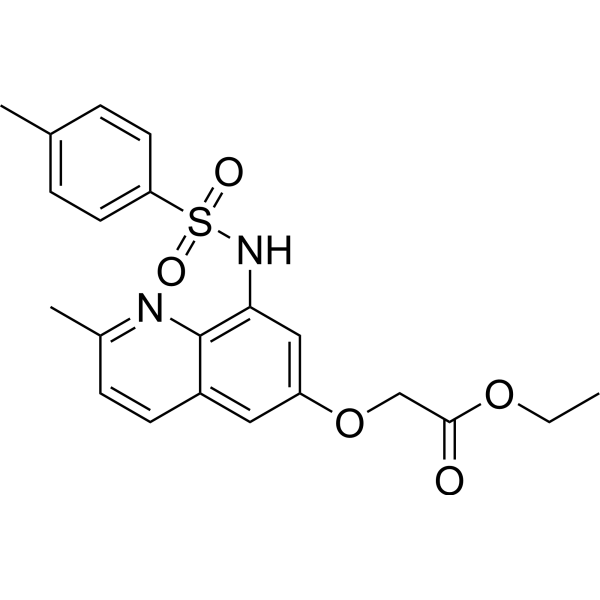
    Zinquin ethyl ester is a cell-permeable and lipophilic fluorescent derivative of Zinquin (HY-D0982). Zinquin ethyl ester reacts with protein-bound Zn 2+ in cells and forms fluorescent ternary adducts. Zinquin ethyl ester undergoes hydrolysis by intracellular esterases impeding its efflux across the plasma membrane (Ex/Em = 370/470 nm) .
    Zinquin ethyl ester
  • HY-N0511
    Aristolochic acid B
    1 Publications Verification

    Aristolochic acid II

    DNA Alkylator/Crosslinker Cancer
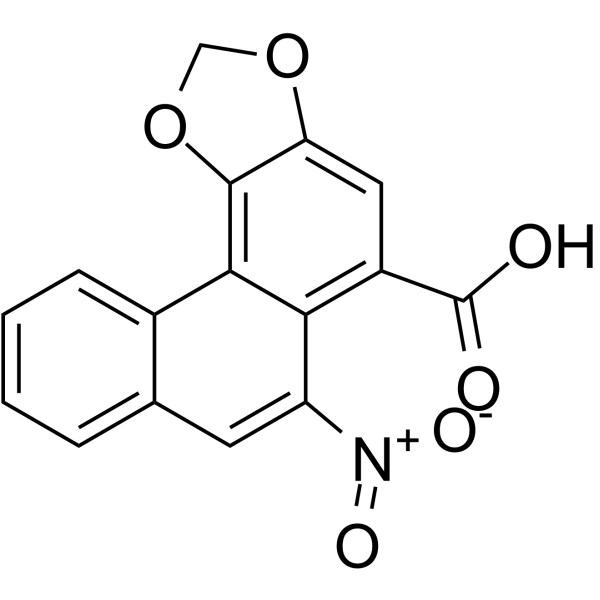
    Aristolochic acid B (Aristolochic Acid II) is an orally active major component of aristolochic acid (AA). Aristolochic acid B can be isolated from plants of the genus Aristolochica. Aristolochic acid B forms DNA adducts. Aristolochic acid B is mutagenic. Aristolochic acid B exhibits a greater carcinogenic risk in vivo than Aristolochic acid I (HY-N0510) .
    Aristolochic acid B
  • HY-W273413

    NBD-H

    Fluorescent Dye Cancer
    4-Hydrazino-7-nitro-benzofurazan hydrazine adduct (NBD-H) is a fluorescent reagent used for protein labeling .
    4-Hydrazino-7-nitro-benzofurazan hydrazine adduct
  • HY-76222

    Drug Intermediate Others
    Isatoic anhydride is a single-adduct forming reagent and a monofunctional SHAPE reagent. Isatoic anhydride reacts with the 2'-hydroxyl group of RNA nucleotides via a single reactive group to form a single adduct, without forming cross-links between nucleotides. In SHAPE-JuMP experiments, Isatoic anhydride serves as a control reagent for single-adduct formation, which is used to distinguish true cross-links from single-adduct formation .
    Isatoic anhydride
  • HY-W013053

    DBA; 1,2,5,6-Dibenzanthracene; Benzo[k]tetraphene

    Environmental Pollutants DNA/RNA Synthesis MDM-2/p53 Apoptosis Cancer
    Dibenz[a,h]anthracene (DBA) is an orally active polycyclic aromatic hydrocarbon, a by-product of incomplete combustion of organic matter, a potent carcinogen, and an agonist of AhR. Dibenz[a,h]anthracene induces dose-dependent increases in DNA adduct formation and lacZ mutation frequency. Dibenz[a,h]anthracene upregulates St3gal5. Dibenz[a,h]anthracene can be used in cancer-related research .
    Dibenz[a,h]anthracene
  • HY-B0306

    Protionamide

    Bacterial Infection
    Prothionamide is an orally active thioamide antibacterial agent. Prothionamide is a substrate of OCT1 with a Km value of 805.8 μM. Prothionamide reacts with NAD to form a covalent adduct, with the adduct being a tight-binding inhibitor of Mycobacterium tuberculosis and Mycobacterium leprae InhA. Prothionamide can effectively inhibit the growth of Mycobacterium tuberculosis (MIC = ~0.5 µg/mL) and Mycobacterium leprae. Prothionamide is used in the research of tuberculosis and leprosy .
    Prothionamide
  • HY-N0769
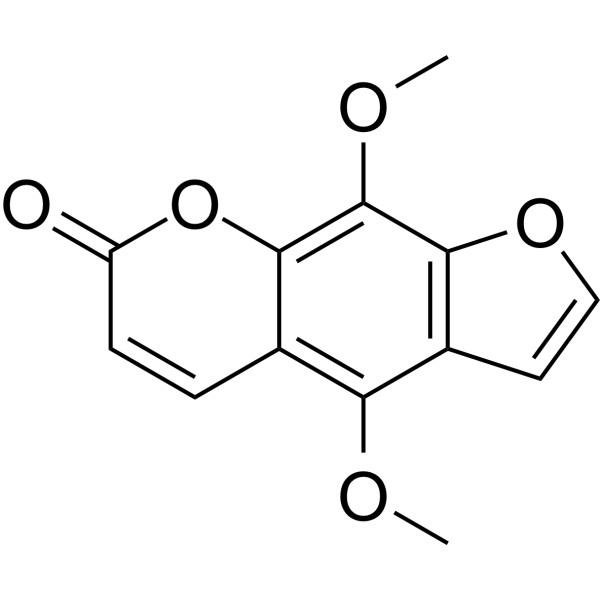
    Isopimpinellin
    1 Publications Verification

    DNA/RNA Synthesis Parasite Infection Inflammation/Immunology Cancer
    Isopimpinellin, an orally active compound isolated from Glomerella cingulata. Isopimpinellin blocks DNA adduct formation and skin tumor initiation by 7,12-dimethylbenz[a]anthracene. Isopimpinellin possesses anti-leishmania effect .
    Isopimpinellin
  • HY-B1309

    AMAP

    Drug Derivative Mitochondrial Metabolism Infection Cancer
    Metacetamol (AMAP) is an analog of Acetaminophen (HY-66005). Metacetamol induces dose-dependent necrosis in primary hepatocytes via glutathione depletion, mitochondrial damage, and formation of mitochondrial protein adducts. Metacetamol derivatives act as anticancer and antibacterial agents. Metacetamol can be used in studies related to breast cancer, bacterial infections, and fungal infections (candidiasis) .
    Metacetamol
  • HY-W011168

    Nucleoside Antimetabolite/Analog DNA/RNA Synthesis Inflammation/Immunology Cancer
    8-Bromo-2'-deoxyguanosine is an inflammation-related DNA halogenated adduct and an early biomarker of inflammation-induced oxidative tissue damage. The formation of 8-Bromo-2'-deoxyguanosine precedes that of oxidative and nitrative products, and it can be generated via the MPO-H2O2-Cl --Br - system. 8-Bromo-2'-deoxyguanosine serves as the immunogen for preparing the monoclonal antibody mAb8B3, which can be used to detect early DNA modifications in preclinical models; its urinary level also increases significantly in inflammatory disease models. 8-Bromo-2'-deoxyguanosine can also be produced in the dermis of UV-B irradiated mice, and the extract of Coprinus comatus significantly reduces its level. 8-Bromo-2'-deoxyguanosine finds applications in studies related to inflammatory diseases, diabetes, hepatocellular carcinoma, and UV-B induced skin inflammation .
    8-Bromo-2'-deoxyguanosine
  • HY-139093A
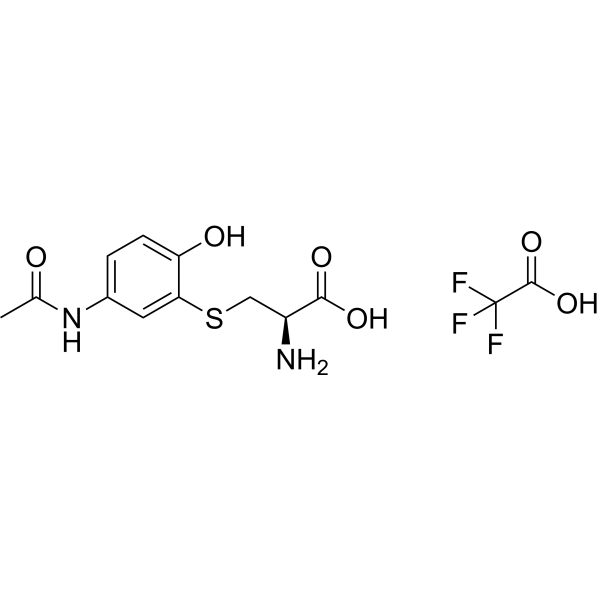
    Paracetamol-cysteine TFA
    1 Publications Verification

    APAP-Cys TFA

    Drug Derivative Others
    Paracetamol-cysteine (TFA) is an acetaminophen-protein adduct formed during the metabolism of acetaminophen (HY-66005) .
    Paracetamol-cysteine TFA
  • HY-69014

    DNA/RNA Synthesis Endogenous Metabolite Cancer
    2-O-Methylcytosine, an O-alkylated analogue a DNA adduct, is the damaged nucleobase .
    2-O-Methylcytosine
  • HY-114713

    4-POBN

    Biochemical Assay Reagents Others
    POBN (4-POBN) is a cell permeable, hydrophilic spin trap that can be used to detect free radical adducts .
    POBN
  • HY-U00279

    DNA/RNA Synthesis Cancer
    Nitracrine inhibits RNA synthesis and covalently, reversibly binds to DNA but also forms covalent adducts with DNA in vivo. Nitracrine, a 1-nitroacridine derivative, is a potent hypoxia-selective agent in vitro and antitumor agent. Nitracrine has cytotoxicity towards most cells .
    Nitracrine
  • HY-171036

    Endogenous Metabolite Metabolic Disease
    GAPDH-IN-1 (Compound F8) is a GAPDH inhibitor (IC50 of 39.31 μM for GAPDH enzymatic activity). GAPDH-IN-1 forms a covalent adduct with an aspartic acid in the active site to displace NAD +, a cofactor of the enzyme, with concomitant enhancement of the cysteine-reactive probe reaction with the catalytic cysteine .
    GAPDH-IN-1
  • HY-N8022

    Lucidin 3-O-β-primeveroside

    Biochemical Assay Reagents Cancer
    Lucidin primeveroside (Lucidin 3-O-β-primeveroside) is an anthraquinone derivative present in madder root, which has been used as a coloring agent and food additive. Lucidin primeveroside can be metabolically converted to genotoxic compound Lucidin, which subsequently forms lucidin-specific DNA adducts .
    Lucidin primeveroside
  • HY-D0017S

    DNSCl-d6

    Biochemical Assay Reagents Others
    Dansyl chloride-d6 is the deuterium labeled Dansyl chloride (HY-D0017). Dansyl chloride is a reagent that produces stable blue or blue-green fluorescent sulfonamide adducts in the reaction of aliphatic and aromatic amines with primary amino groups, and is widely used for modified amino acids, protein sequencing and amino acid analysis .
    Dansyl chloride-d6
  • HY-171213

    Toll-like Receptor (TLR) Neurological Disease
    NB-3 is a nicotinamide adenine dinucleotide (NAD) hydrolase SARM1 inhibitor. NB-3 intercepts NAD hydrolysis and undergoes covalent conjugation with the reaction product adenosine diphosphate ribose (ADPR). The resulting small-molecule ADPR adducts are highly potent and confer compelling neuroprotection in neurological injury .
    NB-3
  • HY-N1282

    Glutathione S-transferase Cytochrome P450 Cancer
    Seneciphylline is an orally effective hepatotoxic inducer. Seneciphylline is metabolized by CYP450 enzymes into active intermediates, which covalently bind to intracellular biomacromolecules such as proteins and DNA to form adducts, which in turn trigger a series of toxic reactions, such as inducing cell apoptosis and damaging mitochondrial function. Seneciphylline can be used in hepatotoxicity research[1][2].
    Seneciphylline
  • HY-W094755

    3-Nitropyrene

    Environmental Pollutants DNA Stain Others
    1-Nitropyrene is a DNA probe whose metabolites can form nucleic acid adducts with DNA .
    1-Nitropyrene
  • HY-W347492

    O6-Methyl-2′-deoxyguanosine

    Nucleoside Antimetabolite/Analog Cancer
    O6-Methyldeoxy guanosine; DNA adduct is a purine nucleoside analog. Purine nucleoside analogs have broad antitumor activity targeting indolent lymphoid malignancies. Anticancer mechanisms in this process rely on inhibition of DNA synthesis, induction of apoptosis, etc .
    6-O-Methyldeoxyguanosine
  • HY-154406

    Nucleoside Antimetabolite/Analog Cancer
    2’-Deoxy-N2-methylguanosine, DNA adduct is a purine nucleoside analog. Purine nucleoside analogs have broad antitumor activity targeting indolent lymphoid malignancies. Anticancer mechanisms in this process rely on inhibition of DNA synthesis, induction of apoptosis, etc .
    2′-Deoxy-N-methylguanosine
  • HY-154578

    Nucleoside Antimetabolite/Analog Cancer
    N1-Methyl-2'-deoxyadenosine, DNA adduct is a purine nucleoside analog. Purine nucleoside analogs have broad antitumor activity targeting indolent lymphoid malignancies. Anticancer mechanisms in this process rely on inhibition of DNA synthesis, induction of apoptosis, etc .
    N1-Methyl-2'-deoxyadenosine
  • HY-D2161A

    Fluorescent Dye Others
    AF 594 azide (triethylamine) is an azide derivative of the red fluorescent dye AF 594, which has high fluorescence quantum yield and high photostability (maximum absorption wavelength of 586 nm, maximum emission wavelength of 613 nm). AF 594 azide (triethylamine) forms stable adducts by reaction of the azide group with alkynyl derivatives (terminal alkynes and cyclooctyne) .
    AF 594 azide triethylamine
  • HY-W683760

    (2S)-N'-Nitrosonornicotine

    DNA/RNA Synthesis Cancer
    N-Nitrosonornicotine is a tobacco-specific nitrosamine that has carcinogenic and mutagenic activity, and it can induce micronuclei in C3A cells. N-Nitrosonornicotine can form DNA adducts .
    N-Nitrosonornicotine
  • HY-D2871

    Biochemical Assay Reagents Neurological Disease
    DAyne is a Dopamine (DA)-mimetic probe. DAyne covalently binds to proteins modified by dopamine oxidation products (e.g., dopaquinone, DQ) to form adducts. DAyne is promising for research of Parkinson’s disease (PD), particularly neurotoxicity, protein modification, and related pathways (e.g., endoplasmic reticulum stress, cytoskeletal instability) caused by dopamine dysregulation .
    DAyne
  • HY-W141077

    Biochemical Assay Reagents Others
    1-Nitrosopyrrolidine is a molecule that primarily interacts with DNA and proteins, leading to the formation of DNA adducts and protein adducts.
    1-Nitrosopyrrolidine
  • HY-W591393

    Biochemical Assay Reagents Cancer
    Biotin Azide Plus is an oxazolidine reagent that integrates azide-biotin click chemistry and a photocleavable linker arm. Biotin Azide Plus not only reacts with biotin thioether to form stable sulfinimide products, but also enables bioconjugation of proteins and DNA through biotin redox-activated chemical labeling technology. Taking advantage of the streptavidin capture and photo-release properties, Biotin Azide Plus effectively facilitates the isolation of lipid-derived electrophile-protein adducts, thus finding wide application in scientific research related to fields such as SKBR3 cancer .
    Biotin Azide Plus
  • HY-W587780

    SMX-NO

    Biochemical Assay Reagents Inflammation/Immunology
    Sulfamethoxazole-NO (SMX-NO) is the major immunogen in sulfonamide allergy, producing modest ascorbic acid depletion and hemoglobin adduct formation. Sulfamethoxazole-NO haptens tissue proteins and is immunogenic in rodents .
    Sulfamethoxazole-NO
  • HY-13036

    Btk Cancer
    (Rac)-IBT6A is a racemate of IBT6A. IBT6A is an impurity of Ibrutinib. IBT6A can be used in synthesis of IBT6A Ibrutinib dimer and IBT6A adduct . Ibrutinib is a selective, irreversible Btk inhibitor with an IC50 of 0.5 nM .
    (Rac)-IBT6A
  • HY-139093

    APAP-Cys

    Drug Derivative Others
    Paracetamol-cysteine is a Paracetamol (HY-66005)-cysteine Paracetamol protein (HY-139093A) adduct (PPA), which is formed when Paracetamol is oxidized to the reactive metabolite N-acetyl-p-benzoquinoneimine (NAPQI) .
    Paracetamol-cysteine
  • HY-W016433

    DNA/RNA Synthesis Others
    2-Aminofluorene is a synthetic chemical insecticide. 2-Aminofluorene is a genotoxin. 2-Aminofluorene can be used in the research of DNA adduct structure, DNA repair, carcinogenesis, and mutagenesis .
    2-Aminofluorene
  • HY-118517

    (E)-α-Hydroxy tamoxifen; α-OHTAM

    Drug Metabolite Cancer
    α-Hydroxytamoxifen is a metabolite of tamoxifen, reacts with DNA in the absence of metabolizing enzymes, and causes formation of DNA adducts .
    α-Hydroxytamoxifen
  • HY-W110776

    Bis(8-quinolinolato)zinc(II) hydrate; Zinc 8-hydroxyquinolinate

    Biochemical Assay Reagents Others
    Zinc oxinate (Zinc 8-hydroxyquinolinate) is a metal chelator that stabilizes zinc complexes by forming pentacoordinate or hexacoordinate adducts. Zinc oxinate is promising for research of zinc quantification .
    Zinc oxinate
  • HY-156883

    Cytochrome P450 Others
    Dasatinib analog-1 (compound 5826) inhibits CYP3A4 viability with a Ki value of 5.4 μM. Dasatinib analog-1 blocks the formation of glutathione adducts .
    Dasatinib analog-1
  • HY-N3515

    Bacterial Infection
    Multicaulisin, a new Diels-Alder type adduct from Morus multicaulis roots, potently effects against Staphylococcus aureus (MRSA) isolates. Multicaulisin is an antibacterial agent and has the potential for MRSA infections research .
    Multicaulisin
  • HY-U00265

    3-Carbethoxypsoralen; 3-Ethoxycarbonylpsoralen

    Bacterial Infection
    3-CPs is a monofunctional furanocoumarin and a photoprotective agent targeting Staphylococcus aureus DNA, possessesing anti-UVB lethal activity. 3-CPs competitively intercalates into DNA, forming exclusively 4',5'-furan-side mono-adducts upon UVB irradiation, and irreversibly inhibits the formation of cyclobutane pyrimidine dimers. 3-CPs prevents UVB-induced DNA damage by preferentially binding to strong (AT)n sites within the DNA, without inducing lethal interstrand DNA cross-links; the limited number of mono-adducts it induces can be efficiently repaired by bacteria. 3-CPs holds potential for use in the development of photoprotective formulations for skin diseases, as well as in studies investigating bacterial DNA photodamage repair mechanisms and the optimization of photochemotherapy safety .
    3-CPs
  • HY-W016433S1

    DNA/RNA Synthesis Others
    2-Aminofluorene-d11 is the deuterium labeled 2-Aminofluorene . 2-Aminofluorene is a synthetic chemical insecticide. 2-Aminofluorene is a genotoxin. 2-Aminofluorene can be used in the research of DNA adduct structure, DNA repair, carcinogenesis, and mutagenesis .
    2-Aminofluorene-d11
  • HY-W010482S

    Isotope-Labeled Compounds Cancer
    3-Ethylaniline-d5 is the deuterium labeled 3-Ethylaniline (HY-W010482). 3-Ethylaniline is metabolized in vivo to electrophilic intermediates that covalently bind to DNA and that adducts are formed in the DNA of bladder. 3-Ethylaniline can be used for the research of bladder cancer .
    3-Ethylaniline-d5
  • HY-113045

    Endogenous Metabolite Metabolic Disease
    Aquacobalamin is one of the major forms of vitamin B12 isolated from mammalian cells. Aquacobalamin accelerates the oxidation of azo-dye Orange II (HY-N1442) by HSO5 - in aqueous solutions. Aquacobalamin binds hydrogen peroxide reversibly to form a cobalt(III) hydroperoxo adduct with a 0.25 mM dissociation constant .
    Aquacobalamin
  • HY-126256

    Histone Methyltransferase Cancer
    PRMT5 IN-1, a hemiaminal, is a potent, selective protein arginine methyltransferase 5 (PRMT5) inhibitor with an IC50 of 11 nM for PRMT5/MEP50. PRMT5 IN-1 can be converted to aldehydes and react with C449 to form covalent adducts under physiological conditions .
    PRMT5-IN-1
  • HY-W016433R

    Reference Standards DNA/RNA Synthesis Others
    2-Aminofluorene is a synthetic chemical insecticide. 2-Aminofluorene is a genotoxin. 2-Aminofluorene can be used in the research of DNA adduct structure, DNA repair, carcinogenesis, and mutagenesis .
    2-Aminofluorene (Standard)
  • HY-119983

    DBC

    Environmental Pollutants Cytochrome P450 Cancer
    7H-Dibenzo[c,g]carbazole (DBC) is an azaarene with high lipophilicity. 7H-Dibenzo[c,g]carbazole has carcinogenic activity and induce DNA adducts in fish, DNA adducts, mutations in diploid human fibroblasts and micronuclei in human blood lymphocytes. 7H-Dibenzo[c,g]carbazole is activated by cytochrome P450 enzymes resulting mainly in the generation of phenolic metabolites .
    7H-Dibenzo[c,g]carbazole

Inquiry Online

Your information is safe with us. * Required Fields.

Salutation


Country or Region *

Applicant Name *


Organization Name *

Department *


Email Address *


Product Name *

Cat. No.


Requested quantity *

Phone Number *


Remarks

Inquiry Online

Inquiry Information

Product Name:
Cat. No.:
Quantity:
MCE Japan Authorized Agent: