

226 Results for "

adults

" in MedChemExpress (MCE) Product Catalog:
Products (226)

226 Results for "adults" in MCE Product Catalog:

45
45 Publications Verification
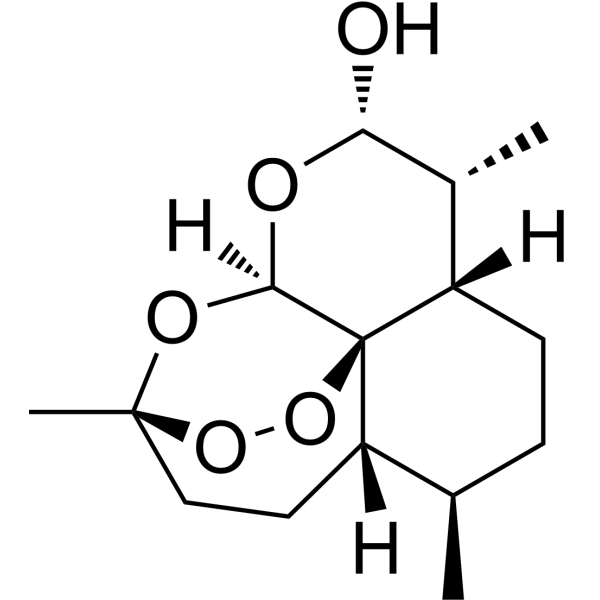
Cat. No.: HY-N0176
CAS No.: 71939-50-9
Synonyms: Dihydroqinghaosu; β-Dihydroartemisinin; Artenimol
Dihydroartemisinin is an orally active metabolite of rtemisinin (HY-B0094) and antimalarial agent. Dihydroartemisinin induces Autophagy by inhibiting NF-κB activation. Dihydroartemisinin promotes ROS accumulation. Dihydroartemisinin exhibits anticancer activity in esophageal cancer cells. Dihydroartemisinin shows schistosomicidal activity against juvenile and adult worms of Schistosoma japonicum, reduces worm burden, and displays antiparasitic activity. Dihydroartemisinin can be used in research related to multiple myeloma, promyelocytic leukemia, esophageal cancer, and Schistosoma japonicum infection .
loading...
    loading...
15
15 Cited Publications
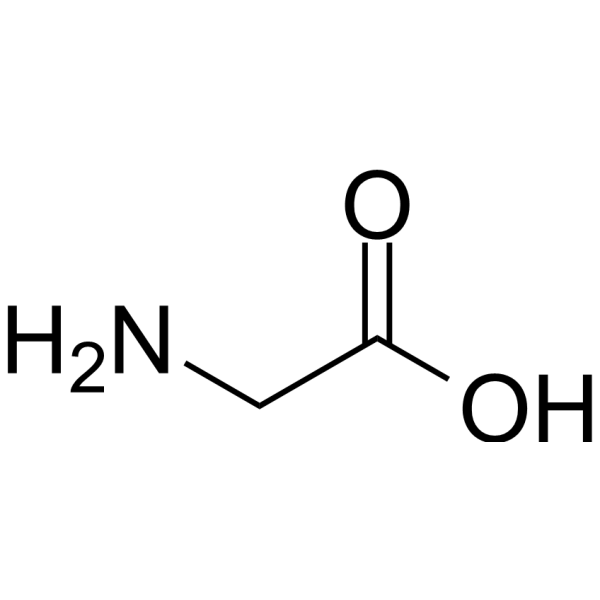
Cat. No.: HY-Y0966
CAS No.: 56-40-6
Glycine is an inhibitory neurotransmitter in the CNS and also acts as a co-agonist along with glutamate, facilitating an excitatory potential at the glutaminergic N-methyl-D-aspartic acid (NMDA) receptors. Glycine is orally active. Glycine inhibits the membrane aggregation of NINJ1 and prevents plasma membrane rupture during cell death. Glycine can be used to study cell protection, cancer, neurological diseases, and angiogenesis .
loading...
    loading...
11
11 Cited Publications
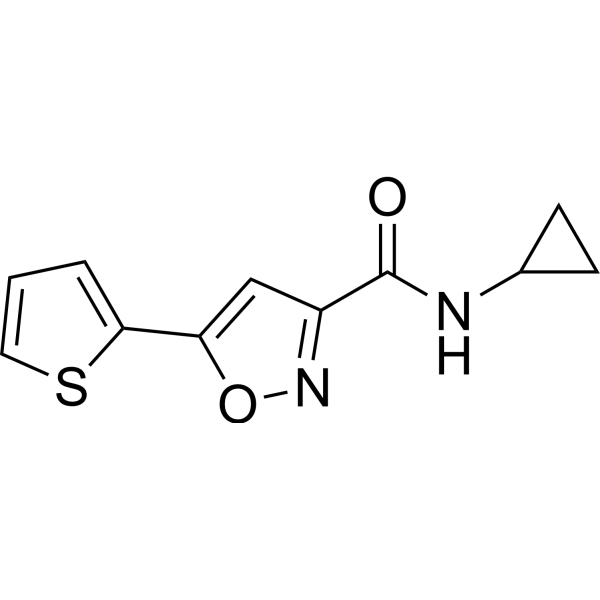
Cat. No.: HY-12323
CAS No.: 832115-62-5
Purity:  99.19%
Synonyms: Isoxazole 9
Target:  

Calcium Channel

Research Areas:  

Neurological Disease

ISX-9 (Isoxazole 9) is a potent inducer of adult neural stem cell differentiation. ISX-9 activates Ca 2+ influx through both voltage-gated Ca 2+ channels and NMDA receptors and increases neuroD expression. ISX-9 also induces cardiomyogenic differentiation of Notch-activated epicardium-derived cells (NECs) .
loading...
    loading...
6
6 Cited Publications
Cat. No.: HY-112680
CAS No.: 1417638-60-8
Target:  

G-quadruplex

Research Areas:  

Neurological Disease

Carboxypyridostatin is a G-quadruplex ligand. Carboxypyridostatin has a highly molecular specificity to RNA on DNA G4s and reduces ATF-5 protein. Carboxypyridostatin reduces cell proliferation and hinders stress granule (SG) formation .
loading...
    loading...
6
6 Cited Publications
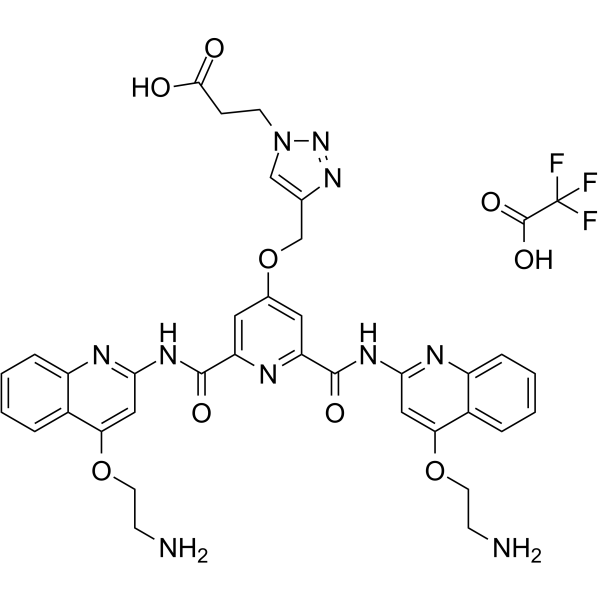
Cat. No.: HY-112680A
CAS No.: 2444713-88-4
Purity:  99.49%
Target:  

G-quadruplex

Research Areas:  

Neurological Disease

Carboxy pyridostatin trifluoroacetate salt is a G-quadruplex ligand. Carboxy pyridostatin trifluoroacetate salt has a highly molecular specificity to RNA on DNA G4s and reduces ATF-5 protein. Carboxy pyridostatin trifluoroacetate salt reduces cell proliferation and hinders stress granule (SG) formation .
loading...
    loading...
5
5 Cited Publications
Cat. No.: HY-N0067
CAS No.: 56-12-2
Synonyms: 4-Aminobutyric acid
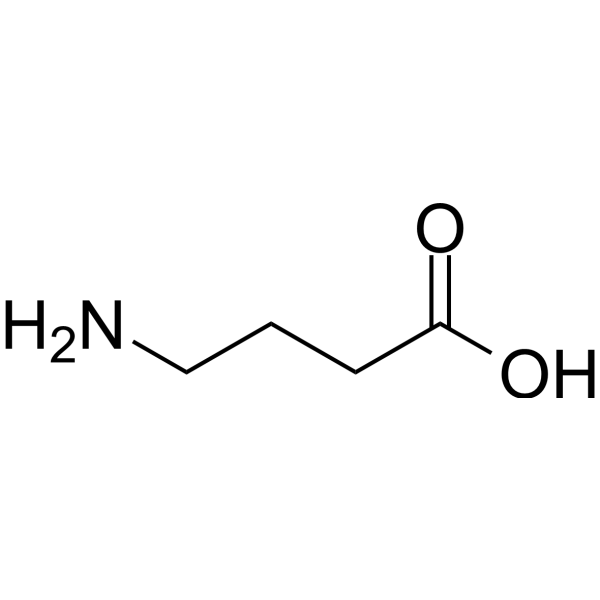
γ-Aminobutyric acid (4-Aminobutyric acid) is a major inhibitory neurotransmitter in the adult mammalian brain, binding to the ionotropic GABA receptors (GABAA receptors) and metabotropic receptors (GABAB receptors. γ-Aminobutyric acid shows calming effect by blocking specific signals of central nervous system .
loading...
    loading...
3
3 Cited Publications
Cat. No.: HY-P99006
CAS No.: 931402-35-6
Synonyms: MORab-009

Target:  

Mesothelin

Research Areas:  

Cancer

Amatuximab (MORab-009) is a chimeric, humanized IgG1/k MAb that targets the cell surface mesothelin (MSLN). Mesothelin is a glycosylphosphatidyl inositol (GPI)-anchored membrane glycoprotein, which is present in a restricted set of normal adult tissues such as the mesothelium .
loading...
    loading...
3
3 Cited Publications
Cat. No.: HY-123857
CAS No.: 2166558-11-6
Purity:  99.82%
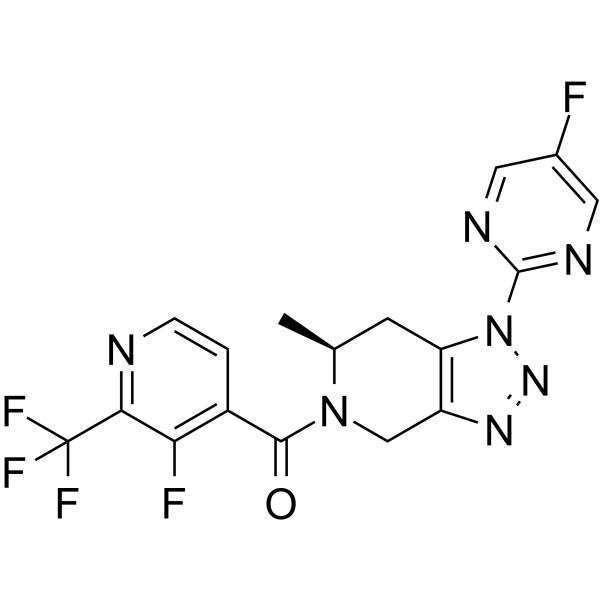
JNJ-55308942 is a high-affinity, selective, brain-penetrant P2X7 functional antagonist (hP2X7: IC50=10 nM, Ki=7.1 nM; rP2X7: IC50=15 nM, Ki=2.9 nM). JNJ-55308942 is orally bioavailable, binds to brain P2X7 and blocks IL-1β release from adult rodent brain .
loading...
    loading...
2
2 Cited Publications
Cat. No.: HY-N0067S
CAS No.: 70607-85-1
Synonyms: 4-Aminobutyric acid-d6
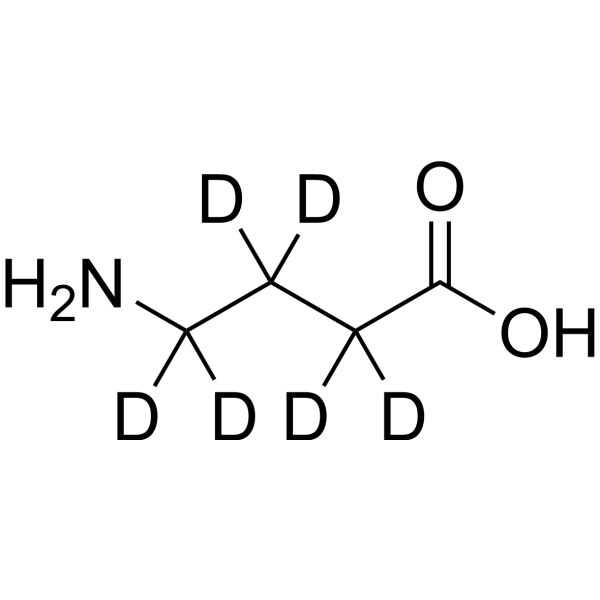
γ-Aminobutyric acid-d6 is the deuterium labeled γ-Aminobutyric acid. γ-Aminobutyric acid (4-Aminobutyric acid) is a major inhibitory neurotransmitter in the adult mammalian brain , binding to the ionotropic GABA receptors (GABAA receptors) and metabotropic receptors (GABAB receptors) .
loading...
    loading...
2
2 Cited Publications
Cat. No.: HY-B1161A
CAS No.: 65733-16-6
Synonyms: (+)-Methoprene; (7S)-Methoprene
Research Areas:  

Others

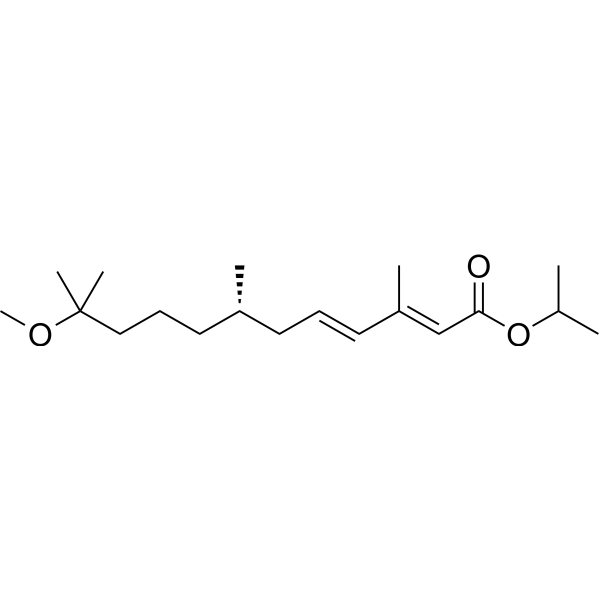
S-Methoprene is an insect juvenile hormone analog and effective insecticide that blocks the transition from pupa to adult. S-Methoprene is also a CB(1) receptor ligand and inhibits the binding of the CB1 receptor antagonist [ 3H]CP-55940 to the CB1 receptor (IC50: 19.31 μM) .
loading...
    loading...
2
2 Cited Publications
Cat. No.: HY-B1268
CAS No.: 577-11-7
Synonyms: Dioctyl sulfosuccinate sodium salt
Research Areas:  

Others

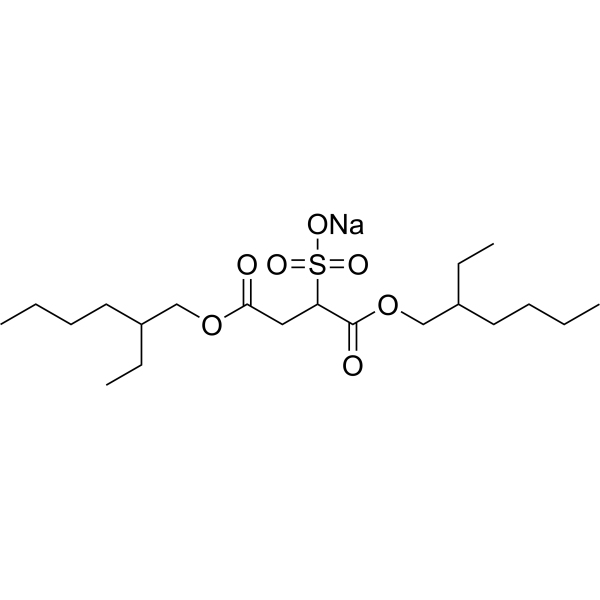
Docusate Sodium (Dioctyl sulfosuccinate sodium salt) is one of the main components in stool softeners. Docusate Sodium is a sulfated surfactant and may inactivate viral pathogens by disrupting viral envelopes and/or denaturing/disassociating proteins. Docusate Sodium is effective in vitro against wild type and drug-resistant strains of HSV type 1 and 2. Docusate Sodium is an obesogen. Docusate Sodium with developmental exposure leads to increased adult adiposity, inflammation, metabolic disorder and dyslipidemia in offspring fed a standard diet in mice .
loading...
    loading...
2
2 Cited Publications
Cat. No.: HY-B1885
CAS No.: 122-14-5
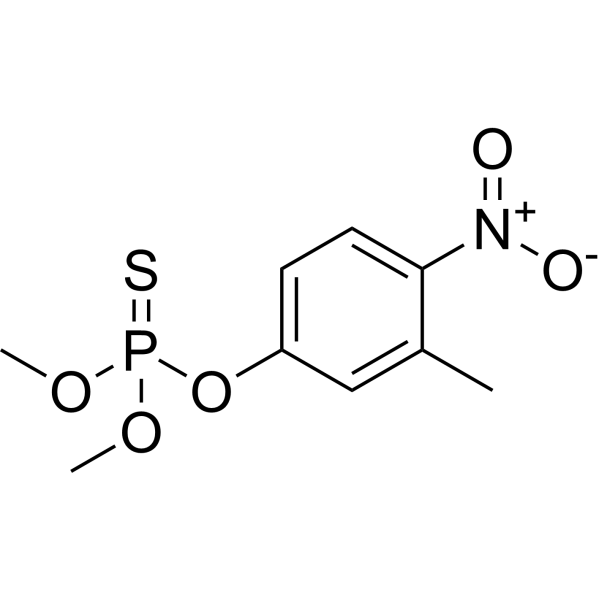
Fenitrothion is a broad-spectrum and orally active insecticide/acaricide. Fenitrothion inhibits cholinesterase, AMPKα and IRS1/PI3K/AKT. Fenitrothion causes Apoptosis, reduces SOD activity. Fenitrothion shows insecticidal effect against Rhyzopertha dominica and Tribolium castaneum adults. Fenitrothion is widely used in cotton crops, vegetable crops, fruit crops and field crops, especially rice. Fenitrothion can be used for brain and spleen toxicology studies .
loading...
    loading...
1
1 Cited Publications
Cat. No.: HY-108573
CAS No.: 60559-98-0
Purity:  99.81%
Target:  

Potassium Channel

Research Areas:  

Cardiovascular Disease

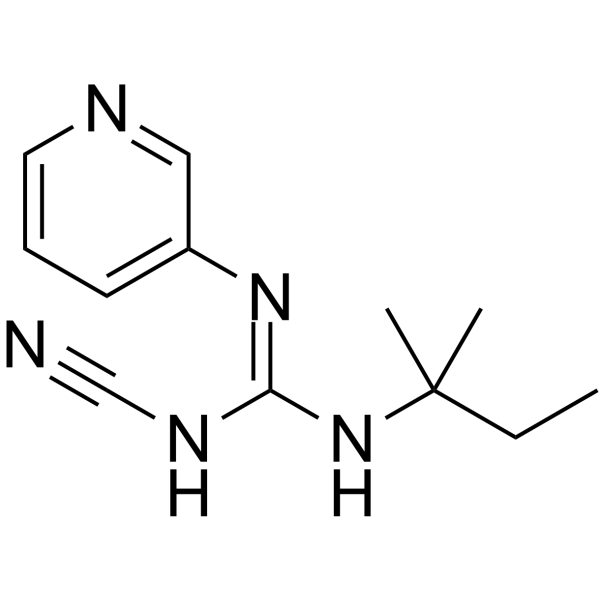
P-1075 is a potent activator of sulfonylurea receptor 2-associated ATP-sensitive potassium channels (SUR2-KIR6), with an EC50 value of 45 nM for SUR2B-KIR6 channel activation . P-1075 also P1075 opens mitochondrial K(ATP) channels and generates reactive oxygen species resulting in cardioprotection of rabbit hearts .
loading...
    loading...
1
1 Cited Publications
Cat. No.: HY-P99253
CAS No.: 1159266-37-1
Synonyms: KW-0761

Target:  

CCR

Research Areas:  

Inflammation/Immunology Cancer

Mogamulizumab (KW-0761) is a recombinant anti-CCR4 monoclonal antibody (MAb). Mogamulizumab can eliminate tumor cells by antibody-dependent cellular cytotoxicity (ADCC). Mogamulizumab can be used in the research of cancers, adult T-cell leukemia/lymphoma (ATLL), cutaneous T-cell lymphoma (CTCL) .
loading...
    loading...
1
1 Cited Publications
Cat. No.: HY-15648C
CAS No.: 1394854-51-3
Purity:  99.96%
Research Areas:  

Cancer

GSK-J5 is a potent inhibitor of Schistosome and worm. GSK-J5 increases schistosomula mortality and adult worm motility and mortality, as well as egg oviposition, in a dose- and time-dependent manner .
loading...
    loading...
1
1 Cited Publications
Cat. No.: HY-107664
CAS No.: 184162-64-9
Purity:  99.16%
Target:  

Neurotensin Receptor

Research Areas:  

Neurological Disease

SR 142948 is an orally active and selective non-peptide neurotensin receptor (NT) antagonist with IC50s of 1.19 nM, 0.32 nM, 3.96 nM in h-NTR1-CHO cells, HT-29 cells, and adult rat brain, respectively. SR 142948 antagonizes NT-induced inositol monophosphate formation in HT-29 cells with an IC50 of 3.9 nM. SR 142948 blocks hypothermia, analgesia and steering behavior induced by NT in vivo. SR 142948 shows blood-brain permeability and can be used in study of psychiatric disorders .
loading...
    loading...
1
1 Cited Publications
Cat. No.: HY-107664A
Purity:  98.6%
Target:  

Neurotensin Receptor

Research Areas:  

Neurological Disease

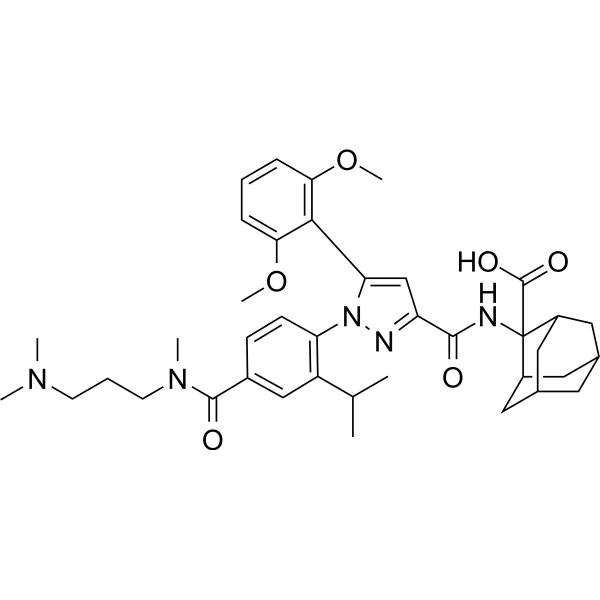
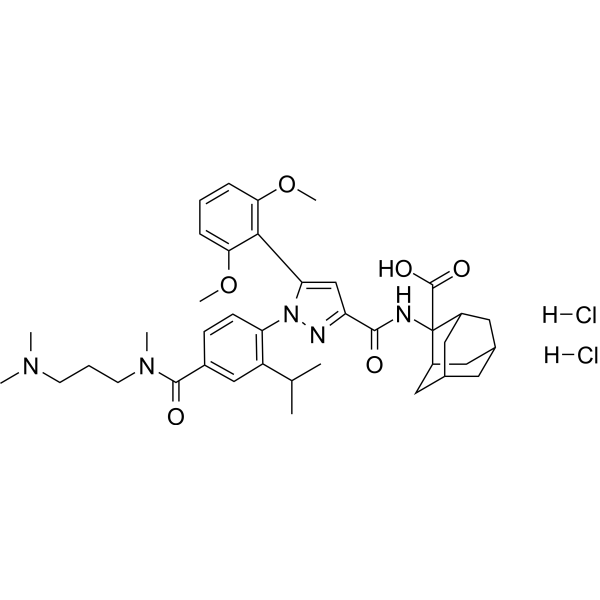
SR 142948 dihydrochloride is an orally active and selective non-peptide neurotensin receptor (NT) antagonist with IC50s of 1.19 nM, 0.32 nM, 3.96 nM in h-NTR1-CHO cells, HT-29 cells, and adult rat brain, respectively. SR 142948 dihydrochloride antagonizes NT-induced inositol monophosphate formation in HT-29 cells with an IC50 of 3.9 nM. SR 142948 dihydrochloride blocks hypothermia, analgesia and steering behavior induced by NT in vivo. SR 142948 dihydrochloride shows blood-brain permeability and can be used in study of psychiatric disorders .
loading...
    loading...
1
1 Cited Publications
Cat. No.: HY-N2411
CAS No.: 60314-89-8
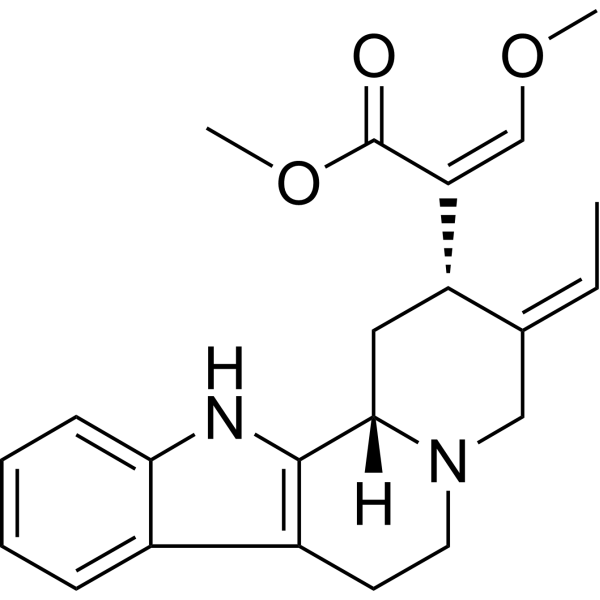
Geissoschizine methyl ether is an orally active, blood-brain barrier permeable alkaloid, and a partial agonist of the 5-HT1A receptor. It can be isolated from Uncaria hook. Geissoschizine methyl ether potently inhibits the binding of [ 3H]8-OH-DPAT to the 5-HT1A receptor in a concentration-dependent manner, with an IC50 of 0.904 μM. It ameliorates isolation-induced increased aggression and reduced sociability in mice. Geissoschizine methyl ether promotes oligodendrocyte differentiation and remyelination in the medial prefrontal cortex of adult mice .
loading...
    loading...
1
1 Cited Publications
Cat. No.: HY-147423
CAS No.: 2154406-04-7
Purity:  99.28%
Synonyms: NBI-921352; XEN901
Target:  

Sodium Channel

Research Areas:  

Neurological Disease

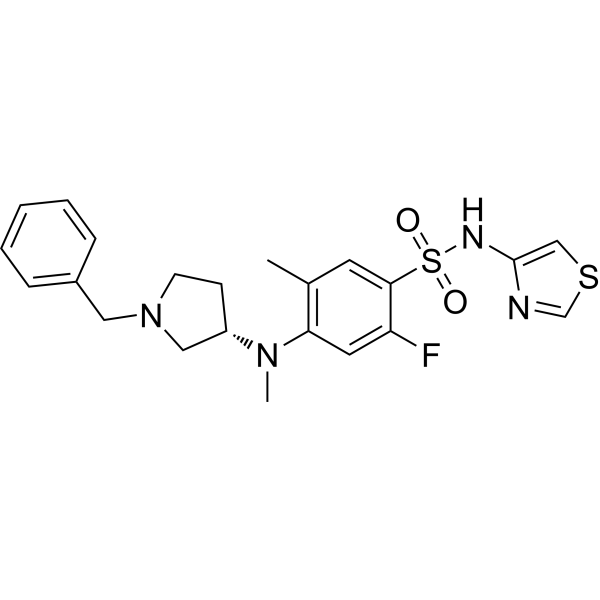
Zandatrigine (NBI-921352; XEN901) is a selective, orally active, voltage-gated sodium channel NaV1.6/SCN8A inhibitor that can penetrate the blood-brain barrier. Zandatrigine inhibits sodium influx by non-covalently binding to the VSD4 structure of NaV1.6, blocking the persistent and resuscitative currents under pathological conditions. Zandatrigine can reduce neuronal hyperexcitability and reduce epileptic seizures. Zandatrigine is 134-756-fold selective for other isoforms such as NaV1.1 and NaV1.2, and has minimal effect on NaV1.1 expressed by inhibitory interneurons. Zandatrigine can be used to study NaV1.6-mediated neuroexcitability diseases such as SCN8A-related developmental epileptic encephalopathy (SCN8A-DEE) and adult focal epilepsy .
loading...
    loading...
1
1 Cited Publications
Cat. No.: HY-N2421
CAS No.: 523-92-2
Synonyms: 5-O-Methyl-myo-inositol
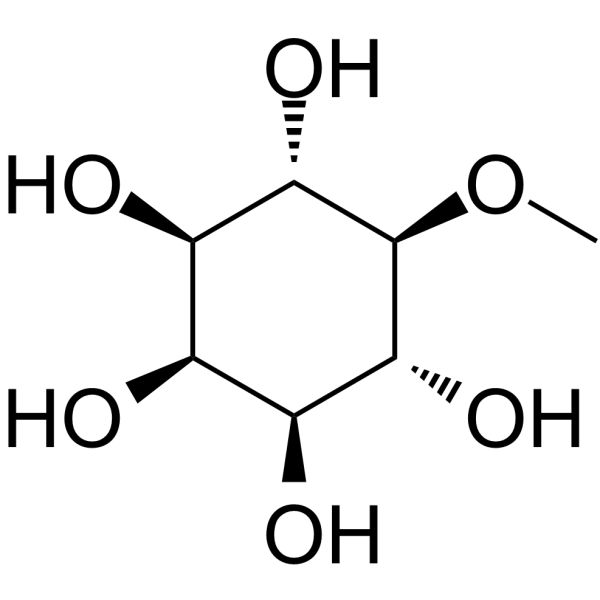
Sequoyitol (5-O-Methyl-myo-inositol) is an orally active hypoglycemic agent and antioxidant. Sequoyitol can be isolated from herbaceous plants. Sequoyitol downregulates the expression of NF-κB and TGF-β1, reduces ROS production and malondialdehyde levels, and enhances total antioxidant capacity. Sequoyitol activates the insulin signaling pathway, including the phosphorylation of IR, IRS1 and Akt. Sequoyitol increases serum insulin levels, inhibits hepatic glucose production, and promotes cellular glucose uptake. Sequoyitol antagonizes TNFα-induced inhibition of the insulin signaling pathway, and decreases blood urea nitrogen and serum creatinine levels. Sequoyitol elicits potential peaks in the chemosensors of adult and larval Atrophaneura alcinous, and acts as an oviposition stimulant for female Atrophaneura alcinous. Sequoyitol can be used in research related to type 2 diabetes, insulin resistance, hyperglycemia, impaired glucose tolerance and diabetic nephropathy .
loading...
    loading...

