Search Result
Results for "
analytical study
" in MedChemExpress (MCE) Product Catalog:
23
Biochemical Assay Reagents
2
Isotope-Labeled Compounds
| Cat. No. |
Product Name |
Target |
Research Areas |
Chemical Structure |
-
- HY-B2219R
-
-
-
- HY-N0666R
-
|
|
Reference Standards
Endogenous Metabolite
|
Inflammation/Immunology
|
|
L-Aspartic acid (Standard) is the analytical standard of L-Aspartic acid. This product is intended for research and analytical applications. L-Aspartic aicd is an amino acid. L-Aspartic aicd is commonly used for preparing prodrugs to target colon and cecal tissues. L-Aspartic aicd commonly used in the study of inflammatory conditions .
|
-
-
- HY-107377R
-
|
3,4-Benzopyrene (Standard)
|
Reference Standards
Endogenous Metabolite
|
Cancer
|
|
Benzo[a]pyrene (Standard) is the analytical standard of Benzo[a]pyrene. This product is intended for research and analytical applications. Benzo[a]pyrene shows lung carcinogenicity in animal models, and it is frequently used in chemoprevention studies.
|
-
-
- HY-B0214R
-
-
-
- HY-B1051R
-
|
Flumetasone (Standard)
|
Reference Standards
Fungal
|
Inflammation/Immunology
|
|
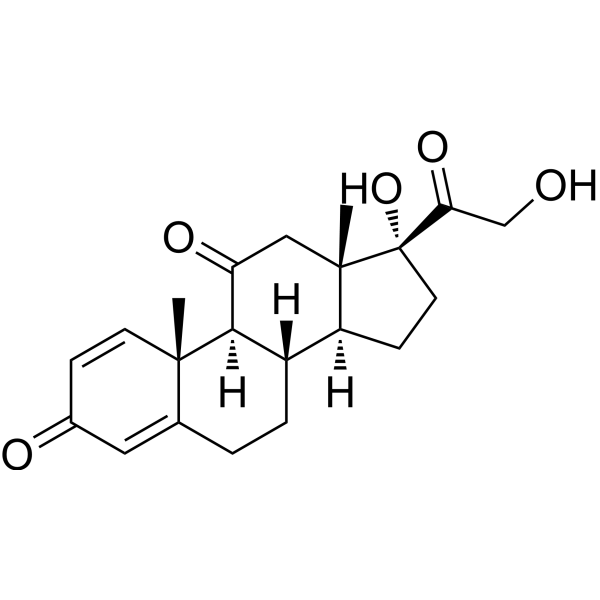
Flumethasone (Standard) is the analytical standard of Flumethasone. This product is intended for research and analytical applications. Flumethasone is a corticosteroid, a topical agent used in combination with Clioquinol for the study of otitis externa and otomycosis. When used in animal models, Flumethasone's anti-inflammatory activity is 420 times higher than that of Cortisone.
|
-
-
- HY-A0090R
-
|
|
Reference Standards
Bacterial
Antibiotic
|
Infection
|
|
Nitrofurantoin (Standard) is the analytical standard of Nitrofurantoin. This product is intended for research and analytical applications. Nitrofurantoin is a potent and orally active broad-spectrum beta-lactamase antimicrobial agent. Nitrofurantoin acts as an antibiotic and can be used for the study of urinary tract infections (UTIs), including cystitis and kidney infections .
|
-
-
- HY-122365R
-
|
Inositol niacinate (Standard); Hexanicit (Standard)
|
Drug Derivative
Reference Standards
|
Cardiovascular Disease
|
|
Inositol nicotinate (Standard) is the analytical standard of Inositol nicotinate. This product is intended for research and analytical applications. Inositol nicotinate, with vasodilatory effect, is used in the study of Peripheral arterial disease (PAD) .
|
-
-
- HY-B2060AR
-
|
Thiamutilin fumarate (Standard)
|
Reference Standards
Bacterial
Antibiotic
|
Infection
|
|
Tiamulin (fumarate) (Standard) is the analytical standard of Tiamulin (fumarate). This product is intended for research and analytical applications. Tiamulin (Thiamutilin) fumarate is a diterpenic antibiotic that is widely used in pigs and poultry for the control of infectious diseases. Tiamulin fumarate is effectively used in the study of airsacculitis, which is primarily caused by Mycoplasma spp .
|
-
-
- HY-B0739AR
-
|
Cytidine diphosphate-choline sodium (Standard); CDP-Choline sodium (Standard); Cytidine 5'-diphosphocholine sodium (Standard)
|
Reference Standards
Endogenous Metabolite
Apoptosis
Reactive Oxygen Species (ROS)
Caspase
|
Neurological Disease
Cancer
|
|
Citicoline sodium (Standard) is the analytical standard of Citicoline sodium. This product is intended for research and analytical applications. Citicoline sodium is an endogenous intermediate in the synthesis of phosphatidylcholine which is a component of cell membranes. Citicoline sodium inhibits reactive oxygen species (ROS) and apoptosis. Citicoline sodium can be used for neurological disease and hearing loss study.
|
-
-
- HY-113365R
-
|
4-Cholesten-3-one (Standard)
|
Reference Standards
Endogenous Metabolite
|
Infection
Metabolic Disease
|
|
Clebopride (malate) (Standard) is the analytical standard of Clebopride (malate). This product is intended for research and analytical applications. Clebopride malate is a dopamine antagonist used in the study of functional gastrointestinal disorders.
|
-
-
- HY-15551R
-
-
-
- HY-B1487R
-
|
Tricyclamol hydrochloride (Standard); (±)-Procyclidine hydrochloride (Standard)
|
Reference Standards
iGluR
mAChR
|
Neurological Disease
|
|
Procyclidine (hydrochloride) (Standard) is the analytical standard of Procyclidine (hydrochloride). This product is intended for research and analytical applications. Procyclidine (Tricyclamol, (±)-Procyclidine) hydrochloride , an anticholinergic agent, is a muscarinic receptor antagonist that also has the properties of an N-methyl-D-aspartate (NMDA) antagonist. Procyclidine hydrochloride can be used in studies of Parkinson's disease and related psychiatric disorders such as Soman-induced epilepsy .
|
-
-
- HY-B1062R
-
|
S-(+)-Chlorpheniramine maleate salt (Standard)
|
Reference Standards
Histamine Receptor
|
Inflammation/Immunology
Endocrinology
|
|
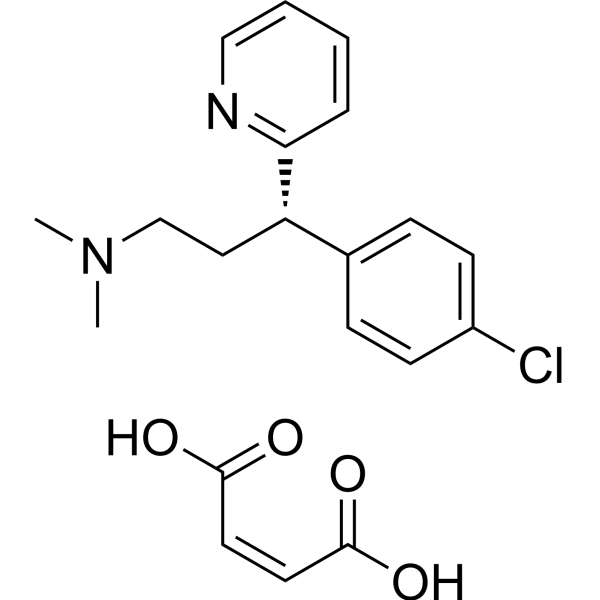
Dexchlorpheniramine (maleate) (Standard) is the analytical standard of Dexchlorpheniramine (maleate). This product is intended for research and analytical applications. Dexchlorpheniramine maleate is an antihistamine with anticholinergic properties used in the study of allergic diseases.
|
-
-
- HY-N2518R
-
-
-
- HY-16737R
-
|
GFT505 (Standard)
|
PPAR
Reference Standards
|
Metabolic Disease
Inflammation/Immunology
|
|
Elafibranor (Standard) is the analytical standard of Elafibranor. This product is intended for research and analytical applications. Elafibranor (GFT505) is a PPARα/δ agonist with EC50s of 45 and 175 nM, respectively. Elafibranor can be used for the study of primary biliary cholangitis .
|
-
-
- HY-W011303R
-
|
4-Hydroxysphinganine (Standard)
|
Reference Standards
Apoptosis
Endogenous Metabolite
Fungal
Free Fatty Acid Receptor
|
Infection
Metabolic Disease
Inflammation/Immunology
Cancer
|
|
Phytosphingosine (Standard) is the analytical standard of Phytosphingosine. This product is intended for research and analytical applications. Phytosphingosine is a phospholipid with anti-inflammatory, antibacterial, and anti-cancer activities, which can induce apoptosis. Phytosphingosine is an immune regulator and can be used in the study of inflammatory skin diseases. Phytosphingosine is also an activator of GPR120 with an IC50 value of 33.4 μM and can be used in the study of type II diabetes[1][2][3][4].
|
-
-
- HY-N2526R
-
|
Selacholeic acid (Standard); cis-15-Tetracosenoic acid (Standard)
|
Reference Standards
Endogenous Metabolite
NF-κB
|
Neurological Disease
Inflammation/Immunology
|
|
Nervonic acid (Standard) is the analytical standard of Nervonic acid. This product is intended for research and analytical applications. Nervonic acid is a monounsaturated fatty acid with oral activity. Nervonic acid exerts anti-inflammatory activity by inhibiting NF-κB signaling. Nervonic acid can be used in the study of neurodegenerative diseases[1][2][3].
|
-
-
- HY-14805R
-
|
ST-246 (Standard)
|
Reference Standards
Arenavirus
Orthopoxvirus
|
Infection
|
|
Tecovirimat (Standard) is the analytical standard of Tecovirimat. This product is intended for research and analytical applications. Tecovirimat(ST-246) is an orally bioavailable antipoxvirus compound; potent and selective active against multiple orthopoxviruses with EC50 about 10 nM. Tecovirimat could be used in the study for orthopoxvirus-induced diseases.
|
-
-
- HY-B0572R
-
|
|
Reference Standards
Cuproptosis
Proton Pump
Bacterial
Fungal
|
Infection
Metabolic Disease
|
|
Zinc Pyrithione (Standard) is the analytical standard of Zinc Pyrithione. This product is intended for research and analytical applications. Zinc Pyrithione is an antifungal and antibacterial agent disrupting membrane transport by blocking the proton pump . Zinc Pyrithione is also a copper ionophore that delivers copper into cells and is a useful tool for studying cuproptosis .
|
-
-
- HY-N7028R
-
|
|
Reference Standards
Notch
Apoptosis
|
Neurological Disease
Inflammation/Immunology
Cancer
|
|
Withanolide A (Standard) is the analytical standard of Withanolide A. This product is intended for research and analytical applications. Withanolide A is an orally active extract from the Indian herb Ashwagandha. Withanolide A can induce apoptosis. Withanolide A has anti-inflammatory and antitumor activity. Withanolide A can be used in the study of neurodegenerative diseases .
|
-
-
- HY-B0078R
-
|
Imidazole Carboxamide (Standard)
|
Apoptosis
Nucleoside Antimetabolite/Analog
Reference Standards
|
Cancer
|
|
Dacarbazine (Standard) is the analytical standard of Dacarbazine. This product is intended for research and analytical applications. Dacarbazine is a nonspecific antineoplastic (antineoplastic) alkylating agent. Dacarbazine inhibits T and B lymphocyte responses with IC50 of 50 and 10 μg/mL, respectively. Dacarbazine can be used in the study of metastatic malignant melanoma .
|
-
-
- HY-109171R
-
|
NT-814 (Standard); BAY3427080 (Standard)
|
Reference Standards
Neurokinin Receptor
|
Cardiovascular Disease
Neurological Disease
|
|
Elinzanetant (Standard) is the analytical standard of Elinzanetant. This product is intended for research and analytical applications. Elizanetant (NT-814) is an orally active, selective NK-1,3 receptor antagonist. Elizanetant can reduce the levels of estradiol and progesterone, and is used in the study of vascular motor symptoms and sleep disorders related to menopause in women .
|
-
-
- HY-128480
-
|
Melaminsulfone sodium salt
|
Drug Derivative
|
Others
|
|
Sulfamidopyrine (Melaminsulfone) sodium salt is an active compound. Sulfamidopyrine (sodium salt) can be used for analytical study .
|
-
-
- HY-W549985
-
-
-
- HY-W010562R
-
|
|
Drug Derivative
Reference Standards
|
Others
|
|
2-Methoxypyrazine (Standard) is the analytical standard of 2-Methoxypyrazine. This product is intended for research and analytical applications. 2-Methoxypyrazine is an active compound. 2-Methoxypyrazine can be used for the research of various biochemical studies[1].
|
-
-
- HY-18719BR
-
|
|
Cytochrome P450
Reference Standards
Estrogen Receptor/ERR
Drug Metabolite
Parasite
|
Cancer
|
|
Endoxifen (hydrochloride) (Standard) is the analytical standard of Endoxifen (hydrochloride). This product is intended for research and analytical applications. Endoxifen hydrochloride is a key active metabolite of Tamoxifen (TAM) with higher affinity and specificity to estrogen receptor that also inhibits aromatase activity. Endoxifen hydrochloride has the potential for breast cancer study[1][2].
|
-
-
- HY-B0465R
-
|
|
Reference Standards
Bacterial
Antibiotic
|
Infection
|
|
Oxacillin (sodium monohydrate) (Standard) is the analytical standard of Oxacillin (sodium monohydrate). This product is intended for research and analytical applications. Oxacillin sodium monohydrate is an antibiotic similar to Flucloxacillin used in resistant staphylococci infections study .
|
-
-
- HY-121527R
-
|
|
Reference Standards
HIV
|
Infection
Neurological Disease
|
|
Amylmetacresol (Standard) is the analytical standard of Amylmetacresol. This product is intended for research and analytical applications. Amylmetacresol possesses antiviral (such HIV) effect. Amylmetacresol has the potential for the study in sore throat .
|
-
-
- HY-12798CR
-
|
AR-13324 M1 metabolite (Standard)
|
Reference Standards
PKC
ROCK
|
Cardiovascular Disease
|
|
Fluanisone (Standard) is the analytical standard of Fluanisone. This product is intended for research and analytical applications. Fluanisone has potent sedative effect in vivo. Fluanisone can be used to study schizophrenia .
|
-
-
- HY-117699R
-
-
-
- HY-B1782R
-
|
|
Reference Standards
Bacterial
Antibiotic
|
Infection
|
|
Sulfamoxole (Standard) is the analytical standard of Sulfamoxole. This product is intended for research and analytical applications. Sulfamoxole is a broad- spectrum chemotherapeutic antimicrobial agent. Sulfamoxole can be used for the study of pediatric infections .
|
-
-
- HY-W775009R
-
|
|
COX
Reference Standards
|
Inflammation/Immunology
|
|
Imidazole salicylate (Standard) is the analytical standard of Imidazole salicylate. This product is intended for research and analytical applications. Imidazole salicylate is a nonsteroidal anti-inflammatory drug that can be used to study cirrhosis and ascites .
|
-
-
- HY-119327R
-
|
|
Autophagy
AMPK
Reference Standards
|
Others
|
|
Butylate (Standard) is the analytical standard of Butylate. This product is intended for research and analytical applications. Butylate is a compound involved in platelet research. Platelet activation can cause autophagy, which is partly mediated by the AMPK-MTOR pathway and is related to sphingolipid metabolism. Butylate mentioned in the study may be a tool or control substance for studying related metabolic processes.
|
-
-
- HY-N7697R
-
|
|
Reference Standards
Others
|
Others
|
|
Butylate (Standard) is the analytical standard of Butylate. This product is intended for research and analytical applications. Butylate is a compound involved in platelet research. Platelet activation can cause autophagy, which is partly mediated by the AMPK-MTOR pathway and is related to sphingolipid metabolism. Butylate mentioned in the study may be a tool or control substance for studying related metabolic processes.
|
-
-
- HY-108297R
-
|
|
COX
Reference Standards
|
Inflammation/Immunology
|
|
Piketoprofen (Standard) is the analytical standard of Piketoprofen. This product is intended for research and analytical applications. Piketoprofen is a non-steroidal anti-inflammatory reagent that can be used as a cream preparation for the study of soft tissue rheumatism .
|
-
-
- HY-146446R
-
|
|
Reference Standards
Bacterial
Antibiotic
|
Infection
|
|
Maltopentaose (Standard) is the analytical standard of Maltopentaose. This product is intended for research and analytical applications. Maltopentaose is the shortest chain oligosaccharide that can be classified as maltodextrin and is also used in a study to investigate glycation and phosphorylation of α-lactalbumin.
|
-
-
- HY-N1495R
-
|
Maltopentose (Standard)
|
Reference Standards
Endogenous Metabolite
|
Inflammation/Immunology
|
|
Maltopentaose (Standard) is the analytical standard of Maltopentaose. This product is intended for research and analytical applications. Maltopentaose is the shortest chain oligosaccharide that can be classified as maltodextrin and is also used in a study to investigate glycation and phosphorylation of α-lactalbumin.
|
-
-
- HY-B1148AR
-
|
Altafur (Standard)
|
Reference Standards
Bacterial
|
Infection
|
|
Furaltadone (Standard) is the analytical standard of Furaltadone. This product is intended for research and analytical applications. Furaltadone, a nitrofuran agent, has the potential for the study in infections of chickens with salmonella enteritidis. Furaltadone is inhibitory and bactericidal in vitro for staphylococci .
|
-
-
- HY-B1148R
-
|
Altafur hydrochloride (Standard)
|
Reference Standards
Bacterial
|
Inflammation/Immunology
|
|
Furaltadone (hydrochloride) (Standard) is the analytical standard of Furaltadone (hydrochloride). This product is intended for research and analytical applications. Furaltadone hydrochloride, a nitrofuran agent, has the potential for the study in infections of chickens with salmonella enteritidis. Furaltadone is inhibitory and bactericidal in vitro for staphylococci .
|
-
-
- HY-133668R
-
|
|
Drug Metabolite
Reference Standards
|
Cancer
|
|
Sulfamonomethoxine (sodium) (Standard) is the analytical standard of Sulfamonomethoxine (sodium). This product is intended for research and analytical applications. Sulfamonomethoxine sodium is a long acting sulfonamide antibacterial agent, used in blood kinetic studies,and blocks the synthesis of folic acid by inhibiting synthetase of dihydropteroate .
|
-
-
- HY-121817R
-
|
|
Reference Standards
Parasite
Aldehyde Dehydrogenase (ALDH)
|
Infection
|
|
Sulfiram (Standard) is the analytical standard of Sulfiram (HY-121817). This product is intended for research and analytical applications. Sulfiram, an ectoparasiticide, is a weak aldehyde dehydrogenase (ALDH) inhibitor. Sulfiram can be used for the study of scabies .
|
-
-
- HY-W097570R
-
|
|
Bacterial
Antibiotic
Reference Standards
|
Infection
|
|
Sulfamonomethoxine (sodium) (Standard) is the analytical standard of Sulfamonomethoxine (sodium). This product is intended for research and analytical applications. Sulfamonomethoxine sodium is a long acting sulfonamide antibacterial agent, used in blood kinetic studies,and blocks the synthesis of folic acid by inhibiting synthetase of dihydropteroate .
|
-
-
- HY-119893R
-
|
|
Reference Standards
Parasite
|
Infection
|
|
Diamfenetide (Standard) is the analytical standard of Diamfenetide. This product is intended for research and analytical applications. Diamfenetide is used for the study of Fasciola hepatica infections in vitro.?Diamfenetide?leads to irreversible paralysis in vitro of immature and adult Fasciola hepatica .
|
-
-
- HY-106392R
-
|
NB-DGJ (Standard); N-(n-Butyl)deoxygalactonojirimycin (Standard)
|
Reference Standards
Glucosylceramide Synthase (GCS)
|
Metabolic Disease
|
|
Lucerastat (Standard) is the analytical standard of Lucerastat. This product is intended for research and analytical applications. Lucerastat, the galactose form of Miglustat, is an orally-available inhibitor of glucosylceramide synthase (GCS). Lucerastat has the potential for Fabry disease study .
|
-
-
- HY-W103960R
-
|
|
Adrenergic Receptor
Reference Standards
|
Metabolic Disease
|
|
Mirabegron impurity-1 (Standard) is the analytical standard of Mirabegron impurity-1. This product is intended for research and analytical applications. Mirabegron impurity-1 is a potent and selective β3- adrenergic receptor agonist. Mirabegron impurity-1 has the activity of inhibiting metabolism. Mirabegron impurity-1 can be used in the study of the study of bladder impurity .
|
-
-
- HY-108013R
-
|
|
Interleukin Related
Reference Standards
|
Inflammation/Immunology
|
|
Armillarisin A (Standard) is the analytical standard of Armillarisin A. This product is intended for research and analytical applications. Armillarisin A has the potential for the ulcerative colitis (UC) study. Armillarisin A increases IL-4 and lower IL-1β .
|
-
-
- HY-D0237R
-
|
|
Reference Standards
Histamine Receptor
|
Inflammation/Immunology
|
|
Betahistine (mesylate) (Standard) is the analytical standard of Betahistine (mesylate). This product is intended for research and analytical applications. Betahistine mesylate is an orally active histamine H1 receptor agonist and a H3 receptor antagonist . Betahistine mesylate is used for the study of rheumatoid arthritis (RA) .
|
-
-
- HY-B0524AR
-
-
-
- HY-N0658AR
-
|
|
Reference Standards
Endogenous Metabolite
|
Inflammation/Immunology
|
|
DL-Threonine (Standard) is the analytical standard of DL-Threonine. This product is intended for research and analytical applications. DL-Threonine, an essential amino acid, is a precursor of Glycine (HY-Y0966). DL-Threonine has the potential for the study of hypostatic leg ulceration.
|
-
-
- HY-B0576R
-
|
Sulphacetamide sodium (Standard)
|
Reference Standards
Antibiotic
Bacterial
Fungal
|
Infection
Inflammation/Immunology
|
|
Sulfacetamide (Standard) (Sulphacetamide (Standard)) sodium is the analytical standard of Sulfacetamide sodium (HY-B0576). This product is intended for research and analytical applications. Sulfacetamide sodium is a sulfonamide antibiotic that can be used for the study of ocular infections. Sulfacetamide sodium has antifungal and antibacterial activities .
|
-
- HY-B0888R
-
|
Sulphacetamide sodium monohydrate (Standard)
|
Reference Standards
Antibiotic
Bacterial
Fungal
|
Infection
Inflammation/Immunology
|
|
Sulfacetamide (Standard) (Sulphacetamide (Standard)) sodium monohydrate is the analytical standard of Sulfacetamide sodium monohydrate (HY-B0888). This product is intended for research and analytical applications. Sulfacetamide sodium monohydrate is a sulfonamide antibiotic that can be used for the study of ocular infections. Sulfacetamide sodium monohydrate has antifungal and antibacterial activities .
|
-
- HY-30151R
-
|
8-Methoxypsoralen (Standard); Xanthotoxin (Standard); 8-MOP (Standard)
|
Reference Standards
Cytochrome P450
|
Inflammation/Immunology
Cancer
|
|
Methoxsalen (Standard) is the analytical standard of Methoxsalen. This product is intended for research and analytical applications. Methoxsalen (8-Methoxypsoralen) is a furanocoumarin compound used in psoralen, used in studies of psoriasis, eczema, vitiligo and some sun-exposed cutaneous lymphomas, and is a P450 inhibitor.
|
-
- HY-A0168R
-
|
CVT-3146 (Standard)
|
Reference Standards
Adenosine Receptor
|
Cardiovascular Disease
|
|
Regadenoson (Standard) is the analytical standard of Regadenoson. This product is intended for research and analytical applications. Regadenoson (CVT-3146) is a selective A2A adenosine receptor agonist and vasodilator that increases coronary blood flow, can be used in study of myocardial perfusion imaging. Regadenoson also increases the permeability of the blood-brain barrier (BBB) in rodents, can be used to study increased delivery of agents to the human CNS .
|
-
- HY-76316R
-
|
5-Hydroxypsoralen (Standard); 4-Hydroxybergapten (Standard)
|
Reference Standards
Cytochrome P450
|
Neurological Disease
Inflammation/Immunology
Cancer
|
|
Bergaptol (Standard) is the analytical standard of Bergaptol. This product is intended for research and analytical applications. Bergaptol is an inhibitor of debenzylation of the CYP3A4 enzyme with an IC50 of 24.92 μM. Recent studies have shown that it has anti-proliferative and anti-cancer properties .
|
-
- HY-N2406R
-
-
- HY-116857R
-
|
|
Reference Standards
Fungal
|
Others
|
|
Ditalimfos (Standard) is the analytical standard of Ditalimfos. This product is intended for research and analytical applications. Ditalimfos is an organophosphate fungicide. Ditalimfos is mainly used in agriculture to control fungal diseases of crops. Ditalimfos can be used for fungal resistance studies and risk assessment of residues in the environment .
|
-
- HY-A0241R
-
|
RP54476 (Standard)
|
Reference Standards
Bacterial
Antibiotic
|
Infection
|
|
Stearic acid (Standard) is the analytical standard of Stearic acid. This product is intended for research and analytical applications. Stearic acid is a long-chain dietary saturated fatty acid that can significantly reduce visceral fat by inducing apoptosis of preadipocytes. Stearic acid can be used in the study of cardiovascular and metabolic diseases .
|
-
- HY-B2060R
-
|
Thiamutilin (Standard)
|
Reference Standards
Bacterial
Antibiotic
|
Infection
|
|
Tiamulin (Standard) is the analytical standard of Tiamulin. This product is intended for research and analytical applications. Tiamulin (Thiamutilin) is a diterpenic antibiotic that is widely used in pigs and poultry for the control of infectious diseases. Tiamulin is effectively used in the study of airsacculitis, which is primarily caused by Mycoplasma spp .
|
-
- HY-50289R
-
|
|
Aldose Reductase
|
Metabolic Disease
|
|
Sorbinil (Standard) is the analytical standard of Sorbinil. This product is intended for research and analytical applications. Sorbinil is an aldose reductase inhibitor (ARI) that prevents the accumulation of sorbitol in cells or animals. Sorbinil is useful in studying diabetes and diabetic complications, reducing AR activity and inhibiting the polyol pathway .
|
-
- HY-B0068R
-
|
|
5-HT Receptor
Reference Standards
|
Neurological Disease
|
|
Azasetron (hydrochloride) (Standard) is the analytical standard of Azasetron (hydrochloride). This product is intended for research and analytical applications. Azasetron (Y-25130) hydrochloride, a benzamide derivative, is a potent and selective 5-HT3 receptor antagonist. Azasetron is used in the study for Chemotherapy-induced nausea and vomiting (CINV) .
|
-
- HY-B1131R
-
|
Sodium taurocholate hydrate (Standard); N-Choloyltaurine sodium salt hydrate (Standard)
|
Reference Standards
Endogenous Metabolite
|
Inflammation/Immunology
|
|
Zuclopenthixol (dihydrochloride) (Standard) is the analytical standard of Zuclopenthixol (dihydrochloride). This product is intended for research and analytical applications. Zuclopenthixol ((Z)-Clopenthixol) dihydrochloride is a thioxanthene derivative which acts as a mixed dopamine D1/D2 receptor antagonist. Zuclopenthixol dihydrochloride is used in the study of schizophrenia .
|
-
- HY-W017401R
-
|
BIT (Standard)
|
Bacterial
Reference Standards
|
Infection
Cancer
|
|
Benzisothiazolone (Standard) is the analytical standard of Benzisothiazolone. This product is intended for research and analytical applications. Benzisothiazolone is an isothiazolone fungicide. Benzisothiazolone has growth inhibiting activity against E. coli ATCC 8739 and saccharornyces pombe NCYC 1354. Benzisothiazolone can be used in the study of growth inhibition model .
|
-
- HY-A0163BR
-
|
(Z)-Clopenthixol dihydrochloride (Standard)
|
Reference Standards
Dopamine Receptor
|
Neurological Disease
|
|
Zuclopenthixol (dihydrochloride) (Standard) is the analytical standard of Zuclopenthixol (dihydrochloride). This product is intended for research and analytical applications. Zuclopenthixol ((Z)-Clopenthixol) dihydrochloride is a thioxanthene derivative which acts as a mixed dopamine D1/D2 receptor antagonist. Zuclopenthixol dihydrochloride is used in the study of schizophrenia .
|
-
- HY-17455R
-
|
CI-879 free base (Standard)
|
Reference Standards
Prolyl Endopeptidase (PREP)
|
Neurological Disease
|
|
Pramiracetam (Standard) is the analytical standard of Pramiracetam. This product is intended for research and analytical applications. Pramiracetam (CI-879 free base) is a PREP (prolyl endopeptidase) inhibitor. Pramiracetam improves cognitive impairment caused by traumatic brain injury. Pramiracetam can be used in the study of neurodegenerative diseases .
|
-
- HY-B1730R
-
|
|
Cyclic GMP-AMP Synthase
Reference Standards
|
Neurological Disease
Metabolic Disease
|
|
Phensuximide (Standard) is the analytical standard of Phensuximide. This product is intended for research and analytical applications. Phensuximide is an orally active succinimide antiepileptic and anticonvulsant agent. Phensuximide inhibits cyclic AMP and cyclic GMP accumulation in depolarized brain tissue. Phensuximide can be used for the study of seizure and petit mal .
|
-
- HY-W017194R
-
|
|
Reference Standards
Endogenous Metabolite
|
Metabolic Disease
|
|
2-Phenylbutanoic acid (Standard) is the analytical standard of 2-Phenylbutanoic acid. This product is intended for research and analytical applications. 2-Phenylbutanoic acid is a monocarboxylic acid. 2-Phenylbutanoic acid interacts with proteins. 2-Phenylbutanoic acid is used in the study of malignant lymphoma and HIV virus-related diseases 。
|
-
- HY-131276R
-
|
|
Reference Standards
Angiotensin Receptor
|
Cardiovascular Disease
|
|
Olmesartan lactone impurity (Standard) is the analytical standard of Olmesartan lactone impurity. This product is intended for research and analytical applications. Olmesartan lactone impurity is a cyclic ester impurity of Olmesartan. Olmesartan is an angiotensin II receptor (AT1R) antagonist and has the potential for high blood pressure study .
|
-
- HY-B0739R
-
|
Cytidine diphosphate-choline (Standard); CDP-Choline (Standard); Cytidine 5'-diphosphocholine (Standard)
|
Reference Standards
Apoptosis
Endogenous Metabolite
Caspase
Reactive Oxygen Species (ROS)
|
Neurological Disease
Cancer
|
|
Citicoline (Cytidine diphosphate-choline) (Standard) is the analytical standard of Citicoline. This product is intended for research and analytical applications. Citicoline is an endogenous intermediate in the synthesis of phosphatidylcholine which is a component of cell membranes. Citicoline inhibits reactive oxygen species (ROS) and apoptosis. Citicoline can be used for neurological disease and hearing loss study.
|
-
- HY-135326R
-
|
|
Drug Derivative
Reference Standards
|
Inflammation/Immunology
|
|
4-Propionamidophenol (Standard) is the analytical standard of 4-Propionamidophenol. This product is intended for research and analytical applications. 4-Propionamidophenol is an important intermediate of alkanolamine derivatives with β-adrenergic blocking activity. 4-Propionamidophenol can be used in the study of diseases such as heart disease and hypertension .
|
-
- HY-N0666AR
-
|
|
Reference Standards
Endogenous Metabolite
|
Inflammation/Immunology
|
|
L-Aspartic acid (potassium) (Standard) is the analytical standard of L-Aspartic acid (potassium). This product is intended for research and analytical applications. L-Aspartic aicd is an amino acid that. L-Aspartic aicd is commonly used for preparing prodrugs to target colon and cecal tissues. L-Aspartic aicd commonly used in the study of inflammatory conditions .
|
-
- HY-112669R
-
|
5-Chlorodeoxyuridine (Standard); CldU (Standard)
|
Nucleoside Antimetabolite/Analog
Reference Standards
|
Neurological Disease
|
|
5-Chloro-2'-deoxyuridine (Standard) is the analytical standard of 5-Chloro-2'-deoxyuridine. This product is intended for research and analytical applications. 5-Chloro-2'-deoxyuridine, a thymine analog, is to study the potential of hypochlorous acid damage to DNA and DNA precursors.
|
-
- HY-14338AR
-
|
Lu AE58054 hydrochloride (Standard)
|
5-HT Receptor
Reference Standards
|
Neurological Disease
|
|
Idalopirdine (hydrochloride) (Standard) is the analytical standard of Idalopirdine (hydrochloride). This product is intended for research and analytical applications. Idalopirdine hydrochloride (Lu AE58054 hydrochloride) is a potent, selective 5-HT6 receptor antagonist with a Ki value of 0.83 nM. Idalopirdine hydrochloride may be used in studies of Alzheimer's disease and schizophrenia, among other related disorders .
|
-
- HY-B0337AR
-
|
Sulphadimethoxine sodium (Standard)
|
Reference Standards
Bacterial
Antibiotic
|
Infection
|
|
Sulfadimethoxine (sodium) (Standard) is the analytical standard of Sulfadimethoxine sodium (HY-B0337A). This product is intended for research and analytical applications. Sulfadimethoxine sodium (Sulphadimethoxine sodium) is a sulfonamide antibiotic. Sulfadimethoxine sodium causes a displacement of Thiopental in plasma protein binding in rats. Sulfadimethoxine sodium is used in a variety of infection studies including urinary tract infections .
|
-
- HY-141578R
-
|
|
Endogenous Metabolite
|
Metabolic Disease
|
|
C18:1-Ceramide (Standard) is the analytical standard of C18:1-Ceramide. This product is intended for research and analytical applications. C18:1-Ceramide is a ceramide subspecies. C18:1-Ceramide can be used in the study of type 2 diabetes
|
-
- HY-B0949R
-
|
|
Reference Standards
Cholinesterase (ChE)
Amyloid-β
|
Neurological Disease
|
|
Protriptyline hydrochloride (Standard) is the analytical standard of Protriptyline hydrochloride (HY-B0949). This product is intended for research and analytical applications. Protriptyline hydrochloride is a potent tricyclic antidepressant (TCA). Protriptyline hydrochloride inhibits AChE activity with an IC50 value of 0.06 mM and inhibits Aβ self-assembly. Protriptyline hydrochloride can be used for the study of depression and Alzheimers disease .
|
-
- HY-B0458R
-
|
|
Reference Standards
Antibiotic
Bacterial
|
Infection
|
|
Cefprozil monohydrate (Standard) is the analytical standard of Cefprozil monohydrate (HY-B0458). This product is intended for research and analytical applications. Cefprozil monohydrate is a second-generation cephalosporin type antibiotic. Cefprozil monohydrate exhibits broad-spectrum antibacterial activity, and is orally active. Cefprozil monohydrate can be used for the study of pharyngitis, tonsillitis, otitis media, and uncomplicated skin infections .
|
-
- HY-A0042R
-
|
CGP 33101 (Standard); E 2080 (Standard); RUF 331 (Standard)
|
Sodium Channel
Reference Standards
|
Neurological Disease
|
|
Rufinamide (Standard) is the analytical standard of Rufinamide (HY-A0042). This product is intended for research and analytical applications. Rufinamide (CGP 33101) is an orally active antiepileptic compound that inhibits Na + current activation, inhibits neuronal hyperexcitability, and has anticonvulsant effects. Rufinamide is used in the study of Lennox-Gastaut syndrome .
|
-
- HY-77995R
-
|
o-Anisaldehyde (Standard)
|
Reference Standards
Bacterial
Fungal
|
Infection
|
|
2-Methoxybenzaldehyde (Standard) is the analytical standard of 2-Methoxybenzaldehyde. This product is intended for research and analytical applications. 2-Methoxybenzaldehyde (o-Anisaldehyde) is a bacterial/fungal inhibitor with a BA50 value of 0.19 for Salmonella. 2-Methoxybenzaldehyde can be used for the study of bacterial and fungal infectious diseases .
|
-
- HY-N0380R
-
|
|
Reference Standards
Others
|
Neurological Disease
|
|
Nardosinone (Standard) is the analytical standard of Nardosinone. This product is intended for research and analytical applications. Nardosinone, isolated from Nardostachys chinensis, is the first enhancer of the neuritogenic action of dbcAMP and staurosporine. Nardosinone may become a useful pharmacological tool for studying the mechanism of action of not only nerve growth factor (NGF) but also both the neuritogenic substances .
|
-
- HY-N0034R
-
|
Arctii (Standard); NSC 315527 (Standard); Arctigenin-4-glucoside (Standard)
|
Reference Standards
NF-κB
|
Inflammation/Immunology
Cancer
|
|
Arctiin (Standard) is the analytical standard of Arctiin. This product is intended for research and analytical applications. Arctiin is an orally active inhibitor of NF-κB. Arctiin suppresses cyclin D1 protein expression in human tumor cells. Arctiin also reduces malondialdehyde and pro-in?ammatory cytokines levels. Arctiin can used in study glomerulonephritis .
|
-
- HY-W016352
-
|
Anilotic acid, 99%
|
Biochemical Assay Reagents
|
Others
|
|
2-Hydroxy-5-nitrobenzoic acid, 99% is used as an HPLC analytical standard, pH indicator, and heavy metal detection agent, and is also used in the study of phenolic compounds oxidation.
|
-
- HY-B1613AR
-
|
|
Reference Standards
Dopamine Receptor
Adrenergic Receptor
|
Metabolic Disease
|
|
Clebopride malate (Standard) is the analytical standard of Clebopride malate (HY-B1613A). This product is intended for research and analytical applications. Clebopride malate is an orally active dopamine Receptor antagonist. Clebopride malate acts on dopamine D2 receptors and has antiemetic and prokinetic effects. Clebopride malate can be used in the study of functional gastrointestinal disorders.
|
-
- HY-103574R
-
|
ADX-10059 hydrochloride (Standard)
|
mGluR
Reference Standards
|
Neurological Disease
|
|
Raseglurant hydrochloride (Standard) is the analytical standard of Raseglurant hydrochloride (HY-103574). This product is intended for research and analytical applications. Raseglurant hydrochloride is a negative allosteric modulator of mGluR5. Raseglurant hydrochloride can be used in study migraine .
|
-
- HY-W010179R
-
|
|
Reference Standards
Biochemical Assay Reagents
|
Others
|
|
2-Methoxynaphthalene (Standard) is the analytical standard of 2-Methoxynaphthalene. This product is intended for research and analytical applications. 2-Methoxynaphthalene can be used to investigate the catalytic benefits of delamination, as well as to study alkali metal-mediated manganization (AMMMn) reactions .
|
-
- HY-B1236R
-
|
Sulfanilylurea (Standard); Urosulfan (Standard)
|
Reference Standards
Bacterial
|
Infection
Metabolic Disease
|
|
Sulfacarbamide (Standard) (Sulfanilylurea (Standard); Urosulfan (Standard)) is the analytical standard of Sulfacarbamide (HY-B1236). This product is intended for research and analytical applications. Sulfacarbamide (Sulfanilylurea, Urosulfan) is a class of sulfonamides with an antimicrobial activity. Sulfacarbamide can be used for the study of diabetes .
|
-
- HY-148053R
-
|
|
Drug Metabolite
|
Cancer
|
|
Rezivertinib analogue 1 (Standard) is the analytical standard of Rezivertinib analogue 1. This product is intended for research and analytical applications. Rezivertinib analogue 1 is a process impurity of osimertinib mesylate. Rezivertinib analogue 1 can be used in the study of non-small cell lung cancer[1].
|
-
- HY-101841R
-
|
|
mAChR
Reference Standards
|
Neurological Disease
|
|
LY 2033298 (Standard) is the analytical standard of LY 2033298 (HY-101841). This product is intended for research and analytical applications. LY 2033298 is a selective positive allosteric modulator of the muscarinic M4 receptor. LY 2033298 can be used in the study of psychiatric disorders .
|
-
- HY-W009208R
-
|
|
Endogenous Metabolite
Reference Standards
|
Metabolic Disease
|
|
Calcium L-Threonate (Standard) is the analytical standard of Calcium L-Threonate (HY-W009208). This product is intended for research and analytical applications. Calcium L-Threonate, a calcium aldonate, is a calcium supplement. Calcium L-Threonate can be used for the study of osteoporosis .
|
-
- HY-10327R
-
|
|
Reference Standards
TGF-β Receptor
|
Metabolic Disease
|
|
GW-6604 (Standard) is the analytical standard of GW-6604 (HY-10327). This product is intended for research and analytical applications. GW-6604 is an ALK5 inhibitor with an IC50 value of 140 nM for inhibiting its autophosphorylation, and can be used in the study of liver fibrosis .
|
-
- HY-W008642R
-
|
L-Leucyl-L-leucine (Standard); Leu-Leu (Standard); H-Leu-Leu-OH (Standard)
|
Amino Acid Derivatives
Reference Standards
|
Metabolic Disease
|
|
Leu-Leu-OH (Standard) is the analytical standard of Leu-Leu-OH (HY-W008642). This product is intended for research and analytical applications. Leu-Leu-OH (L-Leucyl-L-leucine), a Leu derivative, is a neutral dipeptide that can be used to study the functionality of dileucine motifs .
|
-
- HY-W014230R
-
|
|
Reference Standards
Others
|
Others
|
|
1,4-Bis(trifluoromethyl)benzene (Standard) is the analytical standard of 1,4-Bis(trifluoromethyl)benzene. This product is intended for research and analytical applications. 1,4-Bis(trifluoromethyl)benzene is an organic compound of great significance in the study of metalation reactions in organic synthesis .
|
-
- HY-N9516AR
-
|
|
Endogenous Metabolite
Reference Standards
|
Metabolic Disease
|
|
Taurodehydrocholic acid (sodium) (Standard) is the analytical standard of Taurodehydrocholic acid (sodium) (HY-N9516A). This product is intended for research and analytical applications. Taurodehydrocholic acid sodium is a biliary cholesterol secretion activator. Taurodehydrocholic acid sodium significantly increases the expression of Abcg5 and decreases the expression of abc8. Taurodehydrocholic acid sodium can be used in the study of cholesterol metabolism .
|
-
- HY-W016352R
-
|
Anilotic acid, 99% (Standard)
|
Biochemical Assay Reagents
Reference Standards
|
Others
|
|
2-Hydroxy-5-nitrobenzoic acid, 99% (Standard) is the analytical standard of 2-Hydroxy-5-nitrobenzoic acid, 99%. This product is intended for research and analytical applications. 2-Hydroxy-5-nitrobenzoic acid, 99% is used as an HPLC analytical standard, pH indicator, and heavy metal detection agent, and is also used in the study of phenolic compounds oxidation.
|
-
- HY-W009247R
-
|
N-Demethylolanzapine (Standard); LY170055 (Standard)
|
Endogenous Metabolite
Reference Standards
|
Neurological Disease
|
|
N-Desmethylolanzapine (Standard) is the analytical standard of N-Desmethylolanzapine. This product is intended for research and analytical applications. N-Desmethylolanzapine is an antipsychotic drug.
The formation of N-Desmethylolanzapine correlates with the level and activity
of human liver flavin-containing monooxygenase (FMO3). N-Desmethylolanzapine
can be used in the study of antipsychotic drugs .
|
-
- HY-Y1766R
-
|
|
Biochemical Assay Reagents
Reference Standards
|
Others
|
|
2,3,4-Trimethoxybenzaldehyde (Standard) is the analytical standard of 2,3,4-Trimethoxybenzaldehyde. This product is intended for research and analytical applications. 2,3,4-Trimethoxybenzaldehyde (2,3,4-Trihydrooxy Benzaldehyde) can be used to study the effects on tubulin-dependent GTP hydrolysis .
|
-
- HY-10452R
-
|
MLN9708 (Standard)
|
Proteasome
Reference Standards
Autophagy
|
Cancer
|
|
Ixazomib citrate (Standard) is the analytical standard of Ixazomib citrate (HY-10452). This product is intended for research and analytical applications. Ixazomib citrate (MLN9708) is a selective, orally active, second-generation proteasome inhibitor. Ixazomib citrate can be used for the study of a broad range of human malignancies .
|
-
- HY-128720R
-
|
|
Endogenous Metabolite
Reference Standards
|
Metabolic Disease
|
|
Diethyl oxalpropionate (Standard) is the analytical standard of Diethyl oxalpropionate. This product is intended for research and analytical applications. Diethyl oxalpropionate is an intermediate for poly((R,S)-3,3-dimethylmalic acid) (PDMMLA) derivative synthesis. PDMMLA derivative can be used in synthesis of nanoparticles and study of warfarin encapsulation and controlled release .
|
-
- HY-17488R
-
|
UP 164 (Standard)
|
Drug Derivative
Reference Standards
|
Inflammation/Immunology
|
|
Morniflumate (Standard) is the analytical standard of Morniflumate. This product is intended for research and analytical applications. Morniflumate (UP 164) is an orally active nonsteroidal anti-inflammatory agent, the β-morpholinoethyl ester of Niflumic acid (HY-B0493). Morniflumate can be used in the study of inflammatory diseases such as osteoarthritis, painful musculoskeletal disorders and soft tissue inflammation.
|
-
- HY-W011690R
-
-
- HY-W549985S
-
-
- HY-B1703R
-
|
|
Reference Standards
Bacterial
Antibiotic
Parasite
|
Infection
|
|
Nifursol (Standard) is the analytical standard of Nifursol (HY-B1703). This product is used for research and analytical applications. Nifursol is an orally active veterinary antibiotic. Nifursol inhibits Histomonas meleagridis. Nifursol prevents histomoniasis in turkeys. Nifursol is widely used in studies of Escherichia coli gastroenteritis in Salmonella-infected poultry and aquatic animals .
|
-
- HY-B1843R
-
|
BAY 33172 (Standard); Furidazole (Standard)
|
Reference Standards
Fungal
|
Infection
|
|
Fuberidazole (Standard) is the analytical standard of Fuberidazole. This product is intended for research and analytical applications. Fuberidazole (BAY 33172; Furidazole) is a fungicide. Fuberidazole shows a synergistic effect with cucurbituril (CB) macromolecules, such as CB7 and CB8. Studies have shown that, CB8 induces pKa shifts on Fuberidazole. Fuberidazole significantly inhibits the growth of B. cinerea .
|
-
- HY-123294R
-
|
YRC 2388 (Standard); BAY-YRC 2388 (Standard); NBA 061 (Standard)
|
Herbicide
Reference Standards
|
Neurological Disease
Metabolic Disease
|
|
Fentrazamide (Standard) is the analytical standard of Fentrazamide. This product is intended for research and analytical applications. Fentrazamide (YRC 2388) is a herbicide. Fentrazamide has specific toxic effects on the nervous system and erythrocytes in rats, affecting the energy supply of cells mainly by interfering with the glycolysis process. Fentrazamide can be used as a useful tool to study the mechanisms of neurodegenerative diseases and erythrocyte dysfunction .
|
-
- HY-W099580R
-
|
n-Hexadecane (Standard); Cetane (Standard)
|
Reference Standards
Biochemical Assay Reagents
|
Others
|
|
Hexadecane (Standard) (n-Hexadecane (Standard)) is the analytical standard of Hexadecane (HY-W099580). This product is intended for research and analytical applications. Hexadecane (n-Hexadecane) is a saturated hydrocarbon of alkanes or paraffins and can be used as an organic solvent. Hexadecane is a component of petroleum, belongs to hydrophobic substrates, and is a model substance for studying bacterial degradation of hydrophobic compounds .
|
-
- HY-135910R
-
|
OPC-13015 (Standard)
|
Reference Standards
Drug Metabolite
|
Cardiovascular Disease
Cancer
|
|
3,4-Dehydro Cilostazol (Standard) is the analytical standard of 3,4-Dehydro Cilostazol. This product is intended for research and analytical applications. 3,4-Dehydro Cilostazol (OPC-13015) is an active metabolite of Cilostazol (CLZ; HY-17464). 3,4-Dehydro Cilostazol is used for pharmacokinetic study .
|
-
- HY-15408R
-
|
SYR-472 (Standard)
|
Dipeptidyl Peptidase
Reference Standards
|
Metabolic Disease
|
|
Trelagliptin (Standard) is the analytical standard of Trelagliptin. This product is intended for research and analytical applications. Trelagliptin (SYR-472) is a potent, orally active and highly selective DPP-4 inhibitor with an IC50 of 4 nM. Trelagliptin succinate improves glycemic control in vivo and can be used for the study of type 2 diabetes mellitus (T2DM) .
|
-
- HY-N0528R
-
-
- HY-B1285R
-
|
2,3-Dimercapto-1-propanol (Standard); Dithioglycerol (Standard)
|
Reference Standards
HIV
|
Infection
|
|
Dimercaprol (Standard) is the analytical standard of Dimercaprol. This product is intended for research and analytical applications. Dimercaprol (2,3-Dimercapto-1-propanol) is an anti-heavy metal-poisoning agent, which exhibits anti-HIV activity. Dimercaprol can be used for the study for arsenic, mercury, gold, lead, antimony, and other toxic metal poisoning .
|
-
- HY-124408R
-
|
|
Reference Standards
Fungal
|
Infection
|
|
Mepronil (Standard) is the analytical standard of Mepronil. This product is intended for research and analytical applications. Mepronil, a compound belonging to the carboxyamine group of fungicides, has a particularly strong bactericidal effect on basidiomycete fungi. Mepronil acts as a single point inhibitor of the succinate ubiquinone reductase or succinate dehydrogenase complex. Mepronil can be used in the study of cross resistance and biological infection .
|
-
- HY-N6257R
-
-
- HY-W127641R
-
|
|
Biochemical Assay Reagents
Reference Standards
|
Others
|
|
β-Methylcholine (chloride) (Standard) is the analytical standard of β-Methylcholine (chloride). This product is intended for research and analytical applications. β-Methylcholine chloride is an organic compound containing choline and chloride ions. It is commonly used as a pharmacological research tool, especially in the study of acetylcholine receptors and signaling pathways. β-Methylcholine chloride has various applications in the pharmaceutical industry, especially as a standard reference material for the calibration of analytical instruments. In addition, it can be used in the production of other choline derivatives and as a precursor of neurotransmitters.
|
-
- HY-100406R
-
|
(+)-MCPG (Standard)
|
mGluR
Reference Standards
|
Neurological Disease
|
|
(S)-MCPG (Standard) is the analytical standard of (S)-MCPG (HY-100406). This product is intended for research and analytical applications. (S)-MCPG ((+)-MCPG) is a potent group I/II metabotropic glutamate receptor (mGluRs) antagonist and the active isomer of (RS)-MCPG (HY-100371) . (S)-MCPG can be used for the study of the function of mGluRs in spatial learning .
|
-
- HY-B0192R
-
|
SL 77499 (Standard)
|
Adrenergic Receptor
Reference Standards
|
Endocrinology
|
|
Alfuzosin (Standard) is the analytical standard of Alfuzosin. This product is intended for research and analytical applications. Alfuzosin (SL 77499-10) is an orally active, selective and competitive α1-adrenoceptor antagonist. Alfuzosin relaxes the muscles of the prostate and bladder neck, aiding in urination. Alfuzosin can be used in study of benign prostatic hyperplasia (BPH) .
|
-
- HY-15408AR
-
|
SYR-472 succinate (Standard)
|
Reference Standards
Dipeptidyl Peptidase
|
Metabolic Disease
|
|
Trelagliptin (succinate) (Standard) is the analytical standard of Trelagliptin (succinate). This product is intended for research and analytical applications. Trelagliptin (SYR-472) succinate is a potent, orally active and highly selective DPP-4 inhibitor with an IC50 of 4 nM. Trelagliptin succinate improves glycemic control in vivo and can be used for the study of type 2 diabetes mellitus (T2DM) .
|
-
- HY-113144R
-
|
|
Reference Standards
Endogenous Metabolite
|
Metabolic Disease
|
|
L-Hexanoylcarnitine (Standard) is the analytical standard of L-Hexanoylcarnitine. This product is intended for research and analytical applications. L-Hexanoylcarnitine is an acylcarnitine and also a urinary biomarker for hyperlipidemia. The expression of L-Hexanoylcarnitine is upregulated in colorectal cancer cells, which is associated with metabolic pathways related to cell growth and proliferation. L-Hexanoylcarnitine can be used in studies related to hyperlipidemia and stage B colorectal cancer.
|
-
- HY-100365R
-
|
SHP-141 (Standard)
|
HDAC
Reference Standards
|
Inflammation/Immunology
Cancer
|
|
Remetinostat (Standard) is the analytical standard of Remetinostat (HY-100365). This product is intended for research and analytical applications. Remetinostat (SHP-141) is a hydroxamic acid-based histone deacetylase (HDAC) inhibitor. Remetinostat alleviates Imiquimod (HY-B0180)-induced psoriatic dermatitis. Remetinostat can be used for study of cutaneous T-cell lymphoma .
|
-
- HY-16102R
-
|
|
Reference Standards
Antibiotic
Bacterial
|
Infection
|
|
Bismuth subcitrate potassium (Standard) is the analytical standard of Bismuth subcitrate potassium (HY-16102). This product is intended for research and analytical applications. Bismuth subcitrate potassium is a compound bismuth salt with oral activity. Bismuth subcitrate potassium has antibacterial activity and can inhibit the growth of Campylobacter pyloridis with a MIC50 of 8 μg/mL. Bismuth subcitrate potassium can be used in the study of gastrointestinal diseases infected by Campylobacter pyloridis.
|
-
- HY-D0858AR
-
|
2-Morpholinoethanesulphonic acid monohydrate (Standard)
|
Biochemical Assay Reagents
Reference Standards
|
Others
|
|
MES (monohydrate) (Standard) is the analytical standard of MES (monohydrate). This product is intended for research and analytical applications. MES (2-Morpholinoethanesulphonic acid) is a kind of amphoteric ion buffer, the buffer capacity ranging pH 5.5-7.0. As a Good's buffer, MES is widely used in biochemistry and molecular biology experiments, such as cell culture, enzyme activity determination, electrophoresis and protein studies .
|
-
- HY-14789R
-
|
NBI-56418 (Standard)
|
GnRH Receptor
Nuclear Factor of activated T Cells (NFAT)
Reference Standards
|
Endocrinology
Cancer
|
|
(R)-Elagolix (Standard) is the analytical standard of (R)-Elagolix. This product is intended for research and analytical applications. Elagolix is a highly effective, selective, oral-active, short-term, non-peptide gonadotropin-releasing hormone receptor (GnRH receptor) antagonist (KD = 54 pM) and NFAT inhibitor, which can be used to study pain related to endometriosis. .
|
-
- HY-B0878R
-
|
BMY-30056 (Standard); CGP-14458 (Standard); Ulobetasol propionate (Standard)
|
Reference Standards
Glucocorticoid Receptor
|
Inflammation/Immunology
|
|
Halobetasol propionate (Standard) (BMY-30056 (Standard)) is the analytical standard of Halobetasol propionate (HY-B0878). This product is intended for research and analytical applications. Halobetasol propionate (BMY-30056) is a synthetic glucocorticoid corticosteroid. Halobetasol propionate exhibits anti-inflammatory, antipruritic, and vasoconstrictive properties. Halobetasol propionate can be used for the study of psoriasis .
|
-
- HY-121599R
-
|
SGS-742 (Standard)
|
GABA Receptor
Reference Standards
|
Neurological Disease
|
|
CGP 36742 (Standard) is the analytical standard of CGP 36742. This product is intended for research and analytical applications. CGP 36742 (SGS-742) is an orally active and selective antagonist of GABAB receptor (IC50 = 36 µM). CGP 36742 is a brain-penetrant compound and improves cognitive performances. CGP 36742 can be used for depression study .
|
-
- HY-139420R
-
|
|
Reference Standards
Drug Derivative
|
Others
|
|
Tafluprost ethyl amide (Standard) is the analytical standard of Tafluprost ethyl amide (HY-139420). This product is intended for research and analytical applications. Tafluprost ethyl amide is a derivative of Tafluprost (HY-B0600). Tafluprost ethyl amide is commonly used in studies related to eyelash hypotrichosis, and it can also be applied in research related to the cosmetic field .
|
-
- HY-B1172R
-
|
4-O-β-D-Galactopyranosyl-D-fructose (Standard)
|
Reference Standards
Endogenous Metabolite
Bacterial
|
Others
Cancer
|
|
Lactulose (Standard) is the analytical standard of Lactulose. This product is intended for research and analytical applications. Lactulose (4-O-β-D-Galactopyranosyl-D-fructose) is a poorly absorbed sugar that can be used to study constipation and hepatic encephalopathy. The drug generally begins to take effect 8 to 12 hours after administration, but it may take two days to improve constipation.
|
-
- HY-122141R
-
|
GHCA (Standard)
|
Reference Standards
Endogenous Metabolite
|
Infection
Metabolic Disease
|
|
Glycohyocholic acid (Standard) is the analytical standard of Glycohyocholic acid (HY-122141). This product is intended for use in research and analytical applications. Glycohyocholic acid (GHCA) is a primary conjugated bile acid formed by the conjugation of Cholic acid (HY-N0324) and Glycine (HY-Y0966). Glycohyocholic acid can be used in the study of hepatitis C-related cirrhosis and diabetes mellitus .
|
-
- HY-Y1004R
-
|
Decyl alcohol (Standard)
|
Biochemical Assay Reagents
Reference Standards
|
Others
|
|
1-Decanol (Standard) is the analytical standard of 1-Decanol. This product is intended for research and analytical applications. 1-Decanol is used in the production of lubricants, surfactants, plasticizers and solvents. It has also been used to study the thermal properties of polymeric monolithic stationary phases and to enhance homopolyglycine acceptor function. Used in cosmetics, daily flavors, and food flavors.
|
-
- HY-W004049R
-
-
- HY-17443R
-
|
EI546 (Standard); LY544349 (Standard); ONO5046 (Standard)
|
Elastase
SARS-CoV
Reference Standards
|
Cancer
|
|
Sivelestat (Standard) is the analytical standard of Sivelestat. This product is intended for research and analytical applications. Sivelestat (EI546) is a competitive inhibitor of human neutrophil elastase, with an IC50 of 44 nM and a Ki of 200 nM. Sivelestat (EI546) has the potential for the study of acute lung injury/acute respiratory distress syndrome or disseminated intravascular coagulation in COVID-19 .
|
-
- HY-B0192AR
-
|
SL 77499-10 (Standard)
|
Reference Standards
Adrenergic Receptor
|
Endocrinology
|
|
Alfuzosin (hydrochloride) (Standard) is the analytical standard of Alfuzosin (hydrochloride). This product is intended for research and analytical applications. Alfuzosin (SL 77499-10) hydrochloride is an orally active, selective and competitive α1-adrenoceptor antagonist. Alfuzosin hydrochloride relaxes the muscles of the prostate and bladder neck, aiding in urination. Alfuzosin hydrochloride can be used in study of benign prostatic hyperplasia (BPH) .
|
-
- HY-14736R
-
|
TAK-491 (Standard)
|
Reference Standards
Angiotensin Receptor
|
Cardiovascular Disease
Metabolic Disease
|
|
Azilsartan medoxomil (Standard) is the analytical standard of Azilsartan medoxomil (HY-14736). This product is intended for research and analytical applications. Azilsartan medoxomil (TAK 491), a prodrug form of Azilsartan (HY-14914), is an orally active angiotensin II receptor type 1 antagonist. Azilsartan medoxomil can be used for the study of essential hypertension .
|
-
- HY-N0842R
-
|
PA-457 (Standard); MPC-4326 (Standard); YK FH312 (Standard)
|
Reference Standards
Virus Protease
|
Infection
|
|
Bevirimat (Standard) is the analytical standard of Bevirimat. This product is intended for research and analytical applications. Bevirimat (PA-457, MPC-4326, YK FH312) is an inhibitor of HIV-1 viral particle maturation.Bevirimat specifically inhibits the final rate-limiting step in Gag processing, preventing the release of the mature capsid protein (CA) from its precursor (CA-SP1), resulting in the production of immature non-infectious viral particles. Bevirimat can be used in HIV-1 infection studies[1][2][3][4].
|
-
- HY-13676R
-
|
|
Reference Standards
Progesterone Receptor
Autophagy
HIV
|
Endocrinology
Cancer
|
Megestrol acetate (Standard) is the analytical standard of Megestrol acetate. This product is intended for research and analytical applications. Megestrol acetate is a synthetic and orally active progesteronal agent. Megestrol acetate is effective as an appetite stimulant for wasting syndromes such as cachexia. Megestrol acetate decreases nuclear and cytosol androgen receptors human BPH tissue. Megestrol acetate has the potential for HIV study and downregulates autophagic catabolic pathway .
|
-
- HY-A0208R
-
|
Acrosoxacin (Standard)
|
Bacterial
Antibiotic
Reference Standards
|
Infection
|
|
Rosoxacin (Standard) is the analytical standard of Rosoxacin. This product is intended for research and analytical applications. Rosoxacin (Acrosoxacin) is an orally active and broad-spectrum antibacterial quinolone antibiotic. Rosoxacin inhibits Gram-negative bacteria, including N. gonorrhoeae (MIC range=0.03-0.125 μg/mL).Rosoxacin can be used in studies of urinary tract infections and certain sexually transmitted diseases .
|
-
- HY-W015883R
-
|
|
Reference Standards
Endogenous Metabolite
NF-κB
p38 MAPK
|
Metabolic Disease
Inflammation/Immunology
|
|
Fumaric acid (Standard) is the analytical standard of Fumaric acid. This product is intended for research and analytical applications. Fumaric acid is an unsaturated dicarbonic acid, an intermediate product of the citric acid cycle that provides intracellular energy in the form of ATP. Fumaric acid exerts anti-inflammatory effects by inhibiting the NF-κB signaling pathway dependent on p38 MAPK. Fumaric acid can be used in the study of pregnancy-induced hypertension .
|
-
- HY-106542AR
-
|
|
Reference Standards
Fungal
|
Infection
|
|
Eberconazole nitrate (Standard) is the analytical standard of Eberconazole nitrate. This product is intended for research and analytical applications. Eberconazole nitrate is a dichlorinated imidazole derivative with antifungal activity. Eberconazole nitrate is more effective than Clotrimazole (HY-10882), Ketoconazole (HY-B0105), and Miconazole (HY-B0454). Eberconazole nitrate has potential for the study of dermatophytosis .
|
-
- HY-105129R
-
|
|
Reference Standards
Others
|
Cancer
|
|
Pimonidazole (hydrochloride) (Standard) is the analytical standard of Pimonidazole (hydrochloride). This product is intended for research and analytical applications. Pimonidazole is a novel hypoxia marker for complementary study of tumor hypoxia and cell proliferation in tumor . Pimonidazole accumulates in hypoxic cells via covalent binding with macromolecules or by forming reductive metabolites after reduction of its nitro group, it can be used for qualitative and quantitative assessment of tumor hypoxia .
|
-
- HY-B0191R
-
|
AGN 192024 (Standard)
|
Reference Standards
Prostaglandin Receptor
MMP
|
Cardiovascular Disease
Endocrinology
|
|
Bimatoprost (Standard) is the analytical standard of Bimatoprost. This product is intended for research and analytical applications. Bimatoprost is a prostaglandin analog that reduces intraocular pressure by regulating scleral and trabecular outflow. Bimatoprost is used in the study of open-angle glaucoma, ocular hypertension, and other forms of glaucoma. Topical application of bimatoprost induces fat atrophy and causes a deepening of the eyelid sulcus [4] .
|
-
- HY-105129AR
-
|
|
Reference Standards
Others
|
Cancer
|
|
Pimonidazole (Standard) is the analytical standard of Pimonidazole. This product is intended for research and analytical applications. Pimonidazole is a novel hypoxia marker for complementary study of tumor hypoxia and cell proliferation in tumor . Pimonidazole accumulates in hypoxic cells via covalent binding with macromolecules or by forming reductive metabolites after reduction of its nitro group, it can be used for qualitative and quantitative assessment of tumor hypoxia .
|
-
- HY-107495R
-
|
NSC19005 (Standard)
|
Reference Standards
Histamine Receptor
|
Inflammation/Immunology
|
|
Betahistine EP Impurity C (Standard) is the analytical standard of Betahistine EP Impurity C. This product is intended for research and analytical applications. Betahistine EP Impurity C (NSC19005) is an impurity of Betahistine . Betahistine is a potent, orally active and well-tolerated histamine H1 receptor agonist and H3 receptor antagonist used for the study of rheumatoid arthritis (RA) .
|
-
- HY-N7131R
-
|
|
Fluorescent Dye
Reference Standards
|
Others
|
|
Coumarin 6 (Standard) is the analytical standard of Coumarin 6 (HY-N7131). This product is intended for research and analytical applications. Coumarin 6, a fluorescent dye, is used as a fluorescent probe in a microparticle drug delivery system to conduct in vivo tracking, cell uptake, and transport mechanism studies of drug delivery systems (λexc=450 nm, λem=505 nm) .
|
-
- HY-Y0946R
-
|
|
Biochemical Assay Reagents
Reference Standards
|
Inflammation/Immunology
Cancer
|
|
Acetamide (Standard) is the analytical standard of Acetamide. This product is intended for research and analytical applications. Acetamide is used as an intermediate in the synthesis of methylamine, thioacetamide, and insecticides, and as a plasticizer in leather, cloth and coatings. Acetamide has carcinogenicity. Acetamide derivatives may has antioxidant activity and potential anti-inflammatory activity. Acetamide holds promise for research in the fields of anti-inflammatory and cancer studies .
|
-
- HY-B0395CR
-
|
DU6859a hydrate (Standard)
|
Bacterial
Antibiotic
Reference Standards
|
Infection
|
|
Sitafloxacin (hydrate) (Standard) is the analytical standard of Sitafloxacin (hydrate). This product is intended for research and analytical applications. Sitafloxacin (DU6859a) hydrate is an orally active fluoroquinolone antibiotic (antibiotic) with in vitro activity against a wide range of Gram-positive and -negative bacteria, including anaerobic bacteria, as well as atypical pathogens. Sitafloxacin is used in the study of respiratory tract infections and urinary tract infections .
|
-
- HY-101433R
-
|
Acecainide hydrochloride (Standard); NAPA hydrochloride (Standard)
|
Potassium Channel
Drug Metabolite
Reference Standards
|
Cardiovascular Disease
|
|
N-Acetylprocainamide (Acecainide) hydrochloride (Standard) is the analytical standard of N-Acetylprocainamide hydrochloride (HY-101433). This product is intended for research and analytical applications. N-Acetylprocainamide hydrochloride is a class III antiarrhythmic, which blocks K + channels. N-Acetylprocainamide hydrochloride exerts inhibitory effects on the maximum following frequency (MFF) of isolated rabbit atria. N-Acetylprocainamide hydrochloride can be used for the study of arrhythmias .
|
-
- HY-103609R
-
|
Benzo[def]phenanthrene (Standard)
|
Biochemical Assay Reagents
Reference Standards
|
Others
|
|
Pyrene (Standard) is the analytical standard of Pyrene. This product is intended for research and analytical applications. Pyrene is a polycyclic aromatic hydrocarbon (PAH) composed of four fused benzene rings. It has a distinct aromatic odor, produced by incomplete combustion of organic matter. Pyrene exhibits strong fluorescence, emitting in the blue region of the spectrum, making it useful as a probe for studying molecular interactions in solution and on surfaces. Pyrene is also used as a model compound for the study of PAHs in various environments and biological systems because of its ubiquity in these environments. However, long-term exposure to pyrene has been associated with potential health risks, including carcinogenicity and mutagenicity.
|
-
- HY-B0002AR
-
|
GR 38032 hydrochloride dihydrate (Standard); SN 307 hydrochloride dihydrate (Standard)
|
Reference Standards
5-HT Receptor
|
Neurological Disease
|
|
Ondansetron (hydrochloride dihydrate) (Standard) is the analytical standard of Ondansetron (hydrochloride dihydrate). This product is intended for research and analytical applications. Ondansetron (GR 38032) hydrochloride dehydrate is an orally active, highly selective and competitive 5-HT3 receptor antagonist (crosses the blood-brain barrier). Ondansetron hydrochloride dehydrate can be used in studies of preventing nausea and vomiting associated with cancer chemotherapy, radiation therapy and surgery .
|
-
- HY-N6996R
-
|
|
Reference Standards
Autophagy
PI3K
mTOR
Akt
|
Inflammation/Immunology
Cancer
|
|
Methyl Eugenol (Standard) is the analytical standard of Methyl Eugenol. This product is intended for research and analytical applications. Methyl Eugenol is a bait that has oral activity against oriental fruit fly (Hendel).Methyl Eugenol has anti-cancer and anti-inflammatory activities. Methyl Eugenol can induce Autophagy in cells. Methyl Eugenol can be used in the study of intestinal ischemia/reperfusion injury .
|
-
- HY-12366R
-
|
MK-1602 (Standard)
|
CGRP Receptor
Reference Standards
|
Cardiovascular Disease
Neurological Disease
|
|
Ubrogepant (Standard) is the analytical standard of Ubrogepant. This product is intended for research and analytical applications. Ubrogepant (MK-1602) is an orally active and selective antagonist of calcitonin gene-related peptide receptor (CGRP). Ubrogepant has high affinity for CGRP receptors in human and rhesus monkeys, and can effectively block the cAMP response stimulated by α-CGRP. Ubrogepant can be used in the study of acute migraine .
|
-
- HY-B2099AR
-
|
1-Butylbiguanide hydrochloride (Standard)
|
AMPK
Reference Standards
|
Cancer
|
|
Buformin (hydrochloride) (Standard) is the analytical standard of Buformin (hydrochloride). This product is intended for research and analytical applications. Buformin hydrochloride (1-Butylbiguanide hydrochloride), a potent AMPK activator, acts as an orally active biguanide antidiabetic agent. Buformin hydrochloride decreases hepatic gluconeogenesis and lowers blood glucose production in vivo. Buformin hydrochloride also has anti-cancer activities and is applied in cancer study (such as, cervical cancer and breast cancer, et al) .
|
-
- HY-16935R
-
|
JNJ-39439335 (Standard)
|
TRP Channel
Reference Standards
|
Neurological Disease
|
|
Mavatrep (Standard) is the analytical standard of Mavatrep. This product is intended for research and analytical applications. Mavatrep (JNJ-39439335) is an orally active, selective and potent TRPV1 antagonist with high affinity for hTRPV1 channels (Ki=6.5 nM). Mavatrep antagonizes capsaicin-induced Ca2+ influx with an IC50 value of 4.6 nM. Mavatrep can be used in some studies of neuropathic pain .
|
-
- HY-B0433AR
-
|
|
Dengue Virus
Flavivirus
Reference Standards
Parasite
Potassium Channel
|
Infection
|
|
Quinine (hydrochloride dihydrate) (Standard) is the analytical standard of Quinine (hydrochloride dihydrate). This product is intended for research and analytical applications. Quinine hydrochloride dihydrate (Qualaquin) is an orally active and can be used in anti-malarial studies. Quinine hydrochloride dihydrate is a potassium channel inhibitor that inhibits WT mouse Slo3 (KCa5.1) channel currents evoked by voltage pulses to +100?mV with an IC50 of 169 μM .
|
-
- HY-W007828R
-
|
|
Reference Standards
Biochemical Assay Reagents
|
Neurological Disease
|
|
Methyl 3-phenylpropanoate (Standard) is the analytical standard of Methyl 3-phenylpropanoate (HY-W007828). This product is intended for research and analytical applications. Methyl 3-phenylpropanoate is a phenylpropionate compound. Methyl 3-phenylpropanoate derivatives interfere with insect feeding behavior. Methyl 3-phenylpropanoate can be used to study insect feeding behavior .
|
-
- HY-D0143AR
-
|
|
Flavivirus
Dengue Virus
Reference Standards
Parasite
Potassium Channel
|
Infection
|
|
Quinine (dihydrochloride) (Standard) is the analytical standard of Quinine (dihydrochloride). This product is intended for research and analytical applications. Quinine dihydrochloride is an orally active alkaloid extracted from cinchona bark and can be used in anti-malarial studies. Quinine dihydrochloride is a potassium channel inhibitor that inhibits WT mouse Slo3 (KCa5.1) channel currents evoked by voltage pulses to +100?mV with an IC50 of 169 μM .
|
-
- HY-19522R
-
|
MBX-8025 (Standard); RWJ-800025 (Standard)
|
PPAR
Reference Standards
|
Metabolic Disease
|
|
Seladelpar (Standard) is the analytical standard of Seladelpar. This product is intended for research and analytical applications. Seladelpar (MBX-8025) is an orally active, potent and specific PPARδ agonist with an EC50 of 2 nM. Seladelpar shows more than 750-fold and 2500-fold selectivity over the PPARα and PPARγ receptors, respectively. Seladelpar can be used for the study of primary biliary cholangitis .
|
-
- HY-B0164R
-
|
|
Reference Standards
Histamine Receptor
|
Inflammation/Immunology
|
|
Mizolastine (Standard) is the analytical standard of Mizolastine. This product is intended for research and analytical applications. Mizolastine is an orally active, high affinity and specific peripheral histamine H1 receptor antagonist (second generation antihistamine). Mizolastine effectively inhibits mRNA expression of VEGF165, VEGF120, TNF-α and KC. Mizolastine can be used in studies of allergic rhinitis and chronic idiopathic urticarial .
|
-
- HY-Y0966R
-
|
|
Reference Standards
Endogenous Metabolite
iGluR
VEGFR
|
Neurological Disease
|
|
Glycine (Standard) is the analytical standard of Glycine. This product is intended for research and analytical applications. Glycine is an inhibitory neurotransmitter in the CNS and also acts as a co-agonist along with glutamate, facilitating an excitatory potential at the glutaminergic N-methyl-D-aspartic acid (NMDA) receptors. Glycine is orally active. Glycine can be used to study cell protection, cancer, neurological diseases, and angiogenesis .
|
-
- HY-13570BR
-
|
|
Glucocorticoid Receptor
Reference Standards
|
Others
|
|
Betamethasone acetate (Standard) is the analytical standard of Betamethasone acetate (HY-13570B). This product is intended for research and analytical applications. Betamethasone acetate is a glucocorticoid with prenatal application for preventing respiratory distress syndrome (RDS) in premature infants. Betamethasone acetate exhibits dose-dependent effects on somatic and brain development in offspring when administered prenatally to pregnant rats. Betamethasone acetate can be used for the study of antenatal intervention .
|
-
- HY-A0152R
-
|
D-T4 (Standard)
|
Reference Standards
Endogenous Metabolite
|
Metabolic Disease
|
|
D-Thyroxine (Standard) is the analytical standard of D-Thyroxine (HY-A0152). This product is intended for research and analytical applications. D-Thyroxine (D-T4) is an orally active thyroid hormone that inhibits the secretion of TSH. D-Thyroxine can inhibit goiter, promote metamorphosis of tadpoles and influence cholesterol metabolism. D-Thyroxine can be used for the study of hypercholesterolemia .
|
-
- HY-W004078R
-
|
|
Reference Standards
Endogenous Metabolite
|
Metabolic Disease
|
|
4-Hydroxybenzylamine (Standard) is the analytical reference standard of 4-Hydroxybenzylamine (HY-W004078). This product is used for research and analytical applications. 4-Hydroxybenzylamine is a natural biogenic amine. 4-Hydroxybenzylamine can be produced through the breakdown metabolism of glucosinolates, with glutamine serving as the non-classical ammonia donor. 4-Hydroxybenzylamine can be used for studying the biosynthesis of plant amines.
|
-
- HY-10521R
-
|
SB-480848 (Standard)
|
Reference Standards
Phospholipase
Apoptosis
|
Cardiovascular Disease
Cancer
|
|
Darapladib (Standard) is the analytical standard of Darapladib. This product is intended for research and analytical applications. Darapladib (SB-480848) is an orally active, selective and reversible Lp-PLA2 inhibitor (IC50=0.25 nM). Darapladib can trigger irreversible actions on glioma cell apoptosis and induce cycle arrest. Darapladib can be used in the study of atherosclerosis and cancer .
|
-
- HY-D0858DR
-
|
2-Morpholinoethanesulphonic acid hemisodium (Standard)
|
Biochemical Assay Reagents
|
Others
|
|
MES (hemisodium) (Standard) is the analytical standard of MES (hemisodium). This product is intended for research and analytical applications. MES (2-Morpholinoethanesulphonic acid) hemisodium is a kind of amphoteric ion buffer, the buffer capacity ranging pH 5.5-7.0. As a Good's buffer, MES hemisodium is widely used in biochemistry and molecular biology experiments, such as cell culture, enzyme activity determination, electrophoresis and protein studies .
|
-
- HY-W096159R
-
|
|
Reference Standards
Drug Derivative
|
Metabolic Disease
|
|
D-Biotinol (Standard) is the analytical standard of D-Biotinol (HY-W096159). This product is intended for research and analytical applications. D-Biotinol is an orally effective alcohol analogue of D-Biotin (HY-B0511). D-Biotinol can replace D-biotin to restore the biotin deficiency induced by egg whites in rats. D-Biotinol can be used for the study of biotin deficiency disorders.
|
-
- HY-12641R
-
|
|
Reference Standards
Parasite
nAChR
Antibiotic
|
Infection
|
|
Pyrantel (tartrate) (Standard) is the analytical standard of Pyrantel (tartrate). This product is intended for research and analytical applications. Pyrantel tartrate is an orally active anthelmintic and an agonist of the nicotinic acetylcholine receptor (nAChR). Pyrantel tartrate can cause spasmodic muscle paralysis in parasites. Pyrantel tartrate can be used in the study of parasitic infections such as ascariasis, hookworm infections, intestinal worms (pinworm infections), trichinosis and trichinosis .
|
-
- HY-108913R
-
|
|
Beta-lactamase
Reference Standards
Antibiotic
|
Infection
|
|
Nitrocefin (Standard) is the analytical standard of Nitrocefin. This product is intended for research and analytical applications. Nitrocefin is a chromogenic β-lactamase substrate that undergoes a distinctive color change from yellow to red as the amide bond in the β-lactam ring is hydrolyzed by β-lactamase. Nitrocefin is used in competitive inhibition studies in developmental work on β-lactamase-resistant antibiotics .
|
-
- HY-W010040R
-
|
|
Reference Standards
Endogenous Metabolite
|
Cardiovascular Disease
Metabolic Disease
|
|
4-Hydroxyphenylpyruvic acid (Standard) is the analytical standard of 4-Hydroxyphenylpyruvic acid (HY-W010040). This product is intended for research and analytical applications. 4-Hydroxyphenylpyruvic acid is an intermediate in the metabolism of the amino acid phenylalanine. 4-Hydroxyphenylpyruvic acid is a substrate of 4-hydroxyphenylpyruvic acid dioxygenase (HPPA). 4-Hydroxyphenylpyruvic acid can be used in the study of HPD-related diseases, such as type III tyrosinemia and hawkinsinuria .
|
-
- HY-17443BR
-
|
EI546 sodium tetrahydrate (Standard); LY544349 sodium tetrahydrate (Standard); ONO5046 sodium tetrahydrate (Standard)
|
Reference Standards
Elastase
SARS-CoV
|
Cancer
|
|
Sivelestat (sodium tetrahydrate) (Standard) is the analytical standard of Sivelestat (sodium tetrahydrate). This product is intended for research and analytical applications. Sivelestat (EI546) sodium tetrahydrate is a competitive inhibitor of human neutrophil elastase, with an IC50 of 44 nM and a Ki of 200 nM. Sivelestat (EI546) sodium tetrahydrate has the potential for the study of acute lung injury/acute respiratory distress syndrome or disseminated intravascular coagulation in COVID-19 .
|
-
- HY-B1069R
-
|
SIN-10 (Standard); Morsydomine (Standard)
|
Reference Standards
Drug Metabolite
|
Cardiovascular Disease
Neurological Disease
Metabolic Disease
|
|
Molsidomine (Standard) (SIN-10 (Standard)) is the analytical standard of Molsidomine (HY-B1069). This product is intended for research and analytical applications. Molsidomine, a nitric oxide (NO) donor, is an orally active vasodilator agent. Molsidomine is a prodrug that can be rapidly metabolized in the liver to its active metabolite, Linsidomine (HY-101200). Molsidomine can be used for the study of angina pectoris, mental disorders and diabetic complications.
|
-
- HY-107349R
-
|
Spasmopriv (Standard)
|
Reference Standards
Calcium Channel
|
Neurological Disease
|
|
Fenoverine (Standard) is the analytical standard of Fenoverine. This product is intended for research and analytical applications. Fenoverine (Spasmopriv) is an orally active and powerful anti-spasmodic drug. Fenoverine reduces calcium ion influx by suppressing voltage dependent calcium channels. Fenoverine has antiemetic, analgesic, and antidiarrheal effects. Fenoverine induces rhabdomyolysis. Fenoverine can be used to study smooth muscle overexcitation related conditions such as gastrointestinal spasms .
|
-
- HY-100438R
-
-
- HY-B0607R
-
|
NTBC (Standard); Nitisone (Standard); SC0735 (Standard)
|
HPPD
Reference Standards
|
Metabolic Disease
|
|
Nitisinone (Standard) is the analytical standard of Nitisinone. This product is intended for research and analytical applications. Nitisinone is an orally active, competitive and reversible 4-hydroxyphenylpyruvate dioxygenase (4-HPPD) inhibitor with an IC50 of 173 nM. Nitisinone promotes tyrosine accumulation in a dose-dependent manner. nitisinone can be used in studies of hereditary tyrosinemia type 1 (HT-1) (a rare genetic disorder) and albinism .
|
-
- HY-B1715R
-
|
ISF2522 (Standard)
|
Reference Standards
GABA Receptor
NO Synthase
|
Neurological Disease
Inflammation/Immunology
|
|
Oxiracetam (Standard) is the analytical standard of Oxiracetam. This product is intended for research and analytical applications. Oxiracetam (ISF2522) is an orally active and a BBB-penetrable cyclic derivative of γ-aminobutyric acid (GABA). Oxiracetam reaches the hippocampus and cerebral cortex in high concentrations. Oxiracetam can promote cognitive function and regulate inflammatory response, with powerful neuroprotective effects. Oxiracetam can be used in the study of central nervous system diseases .
|
-
- HY-B1695R
-
|
Nicotinic acid methyl ester (Standard)
|
Reference Standards
Others
|
Cardiovascular Disease
Inflammation/Immunology
|
|
Methyl nicotinate (Standard) is the analytical standard of Methyl nicotinate. This product is intended for research and analytical applications. Methyl nicotinate (Nicotinic acid methyl ester) is an orally active vasodilator. Methyl nicotinate has analgesic activity. Methyl nicotinate causes local skin erythema when applied topically to the skin. Methyl nicotinate is used as an active ingredient in over-the-counter topical preparations for the study of muscle and joint pain .
|
-
- HY-12640R
-
|
Pyrantel embonate (Standard)
|
Reference Standards
Parasite
nAChR
Antibiotic
|
Infection
|
|
Pyrantel (pamoate) (Standard) is the analytical standard of Pyrantel (pamoate). This product is intended for research and analytical applications. Pyrantel pamoate (Pyrantel embonate) is an orally active anthelmintic and an agonist of the nicotinic acetylcholine receptor (nAChR). Pyrantel pamoate can cause spasmodic muscle paralysis in parasites. Pyrantel pamoate can be used in the study of parasitic infections such as ascariasis, hookworm infections, intestinal worms (pinworm infections), trichinosis and trichinosis .
|
-
- HY-A0061R
-
|
Trifluorothymidine (Standard); 5-Trifluorothymidine (Standard); TFT (Standard)
|
Reference Standards
Thymidylate Synthase
HSV
Nucleoside Antimetabolite/Analog
Orthopoxvirus
DNA/RNA Synthesis
Apoptosis
Autophagy
|
Cancer
|
|
Trifluridine (Standard) is the analytical standard of Trifluridine. This product is intended for research and analytical applications. Trifluridine (Trifluorothymidine) is an irreversible and orally active thymidylate synthase inhibitor, and thereby suppressing DNA synthesis. Trifluridine is an antiviral molecule used for research of HSV, rhabdovirus and orthopoxvirus infection. Trifluridine induces cell apoptosis and autophagy. Trifluridine is also an anticancer agent used in studies of metastatic colorectal cancer, gastrointestinal tumors .
|
-
- HY-100373R
-
|
BAL8557-002 (Standard)
|
Fungal
Reference Standards
|
Infection
|
|
Isavuconazonium (sulfate) (Standard) is the analytical standard of Isavuconazonium (sulfate) (HY-100373). This product is intended for research and analytical applications. Isavuconazonium sulfate (BAL8557-002) is an orally active broad-spectrum antifungal molecule. Isavuconazonium sulfate is a precursor of the triazole antifungal active molecule Isavuconazole. Isavuconazonium sulfate can be used in the study of invasive aspergillosis, mucormycosis, blastomycosis, and Acanthamoeba keratitis .
|
-
- HY-W015590R
-
|
|
Reference Standards
Drug Metabolite
Fungal
|
Infection
Metabolic Disease
|
|
2-Hydroxyphenylacetic acid (Standard) is an analytical standard for 2-Hydroxyphenylacetic acid (HY-W015590). This product is intended for research and analytical applications. 2-Hydroxyphenylacetic acid is a metabolite of Phenylalanine and Tyrosine, and is also a product of the biotransformation of Phenylacetonitrile by marine fungi. 2-Hydroxyphenylacetic acid can be used as a potential biomarker for food. 2-Hydroxyphenylacetic acid can be used in the study of phenylketonuria and related hyperphenylalaninemias .
|
-
- HY-B0966R
-
|
Benzophenone-8 (Standard); UV-24 (Standard)
|
Biochemical Assay Reagents
Reference Standards
|
Inflammation/Immunology
Cancer
|
|
Dioxybenzone (Standard) is the analytical standard of Dioxybenzone. This product is intended for research and analytical applications. Dioxybenzone (Benzophenone-8; UV-24) is an organic compound used to block UVB and short-wave UVA (ultraviolet) radiation. Dioxybenzone has orally activity. Dioxybenzone exhibits estrogenic disrupting effect. Dioxybenzone up-regulates inflammatory cytokines. Dioxybenzone can be used for cancer, reproductive system disease and inflammatory disease study.
|
-
- HY-75087R
-
|
(+)-(R)-Proline (Standard); (R)-(+)-Proline (Standard); (R)-2-Carboxypyrrolidine (Standard); (R)-Proline (Standard)
|
Reference Standards
Endogenous Metabolite
|
Metabolic Disease
|
|
(R)-pyrrolidine-2-carboxylic acid (Standard) is the analytical standard of (R)-pyrrolidine-2-carboxylic acid. This product is intended for research and analytical applications. (R)-pyrrolidine-2-carboxylic acid ((+)-(R)-Proline) is a proline isomer that exhibits high renal and hepatotoxicity in rats. (R)-pyrrolidine-2-carboxylic acid can be used to study amino acid metabolism and toxicity mechanisms[1].
|
-
- HY-N1366R
-
|
Methylumbelliferone (Standard)
|
Reference Standards
Apoptosis
Bacterial
|
Cancer
|
|
Herniarin (Standard) (Methylumbelliferone (Standard)) is the analytical standard of Herniarin (HY-N1366). This product is intended for research and analytical applications. Herniarin is a natural coumarin occurs in some flowering plants with anticancer effects. Herniarin results in a significant decrease in cell viability by inducing apoptosis in MCF-7 cells. Herniarin also has anti-dermatophytic activity. Herniarin can be used for the study of bladder cancer and breast cancer.
|
-
- HY-105634AR
-
|
|
Reference Standards
Progesterone Receptor
|
Endocrinology
Cancer
|
|
Nomegestrol acetate (Standard) is the analytical standard of Nomegestrol acetate. This product is intended for research and analytical applications. Nomegestrol acetate is an orally active, highly selective progestogen and a progesterone receptor complete agonist. Nomegestrol acetate inhibits ovulation. Nomegestrol acetate is also effective in inhibiting the proliferation of human endometrial cancer RL95-2 cells in vitro and in vivo. Nomegestrol acetate can be used in cancer (especially endometrial cancer) and contraceptive studies .
|
-
- HY-B0757AR
-
|
rel-Vitamin E Nicotinate (Standard)
|
Reference Standards
Reactive Oxygen Species (ROS)
Endogenous Metabolite
|
Cardiovascular Disease
|
|
(±)-α-Tocopherol nicotinate (Standard) is the analytical standard of (±)-α-Tocopherol nicotinate. This product is intended for research and analytical applications. (±)-α-Tocopherol nicotinate, vitamin E - nicotinate, is an orally active fat-soluble antioxidant that prevents lipid peroxidation in cell membranes. (±)-α-Tocopherol nicotinate is hydrolysed in the blood to α -tocopherol and niacin and may be used in studies of related vascular diseases[1][2].
|
-
- HY-B0143R
-
|
Nicotinic acid (standard); Vitamin B3 (standard)
|
MOFs
|
Cardiovascular Disease
Metabolic Disease
Cancer
|
|
Niacin (Standard) is the analytical standard of Niacin. This product is intended for research and analytical applications. Niacin (Vitamin B3) is an orally active water-soluble B3 vitamin that is an essential nutrient for humans. Niacin (Vitamin B3) plays a key role in energy metabolism, cell signaling cascades regulating gene expression and apoptosis. Niacin (Vitamin B3) is also used in the study of cardiovascular diseases .
|
-
- HY-16742BR
-
|
|
Reference Standards
Antibiotic
Bacterial
Topoisomerase
|
Infection
|
|
Niacin (Standard) is the analytical standard of Niacin. This product is intended for research and analytical applications. Niacin (Vitamin B3) is an orally active water-soluble B3 vitamin that is an essential nutrient for humans. Niacin (Vitamin B3) plays a key role in energy metabolism, cell signaling cascades regulating gene expression and apoptosis. Niacin (Vitamin B3) is also used in the study of cardiovascular diseases .
|
-
- HY-17458R
-
|
Azilsartan kamedoxomil (Standard); TAK 491 monopotassium (Standard)
|
Reference Standards
Angiotensin Receptor
|
Cardiovascular Disease
Metabolic Disease
|
|
Azilsartan medoxomil monopotassium (Standard) is the analytical standard of Azilsartan medoxomil monopotassium (HY-17458V). This product is intended for research and analytical applications. Azilsartan medoxomil (TAK 491) monopotassium, a prodrug form of Azilsartan (HY-14914), is an orally active angiotensin II receptor type 1 antagonist. Azilsartan medoxomil monopotassium can be used for the study of essential hypertension .
|
-
- HY-N1458R
-
|
|
Reference Standards
Parasite
Autophagy
p62
Reactive Oxygen Species (ROS)
|
Infection
Metabolic Disease
Inflammation/Immunology
Cancer
|
|
Isoschaftoside (Standard) is the analytical standard of Isoschaftoside. This product is intended for research and analytical applications. Isoschaftoside, a C-glycosylflavonoid from Desmodium uncinatum root exudate, can inhibit growth of germinated S. hermonthica radicles. Isoschaftoside reduces reactive oxygen species (ROS) and induces proliferation in senescent cells. Isoschaftoside activates autophagy. Isoschaftoside can be used for anti-tumor, anti-inflammatory, antioxidant, antihypertensive, hepatoprotective and nematicidal study.
|
-
- HY-W010708R
-
|
|
Reference Standards
Endogenous Metabolite
|
Inflammation/Immunology
|
|
Cholesteryl palmitate (Standard) is the analytical standard of Cholesteryl palmitate. This product is intended for research and analytical applications. Cholesteryl palmitate is the main cholesterol ester found in human blephariol and has been used to form a stable tear film to study amphiphilic block copolymers as surfactants for dry eye syndrome. Cholesteryl palmitate can be used as a predictor of fetal lung maturity. Cholesteryl palmitate can be used as a prognostic biomarker for chronic interstitial pneumonia.
|
-
- HY-N0288R
-
|
|
Fatty Acid Synthase (FASN)
Virus Protease
Bacterial
Apoptosis
Reference Standards
|
Inflammation/Immunology
Cancer
|
|
Lycorine (Standard) is the analytical standard of Lycorine. This product is intended for research and analytical applications. Lycorine is a natural alkaloid extracted from the Amaryllidaceae plant. Lycorine is a potent and orally active SCAP inhibitor with a Kd value 15.24 nM. Lycorine downregulates the SCAP protein level without changing its transcription . Lycorine is also a melanoma vasculogenic inhibitor . Lycorine can be used for the study of prostate cancer and metabolic diseases .
|
-
- HY-113071AR
-
|
MVA lithium salt (Standard)
|
Reference Standards
Endogenous Metabolite
|
Cardiovascular Disease
Neurological Disease
Metabolic Disease
|
|
Mevalonic acid lithium salt (Standard) is the analytical standard of Mevalonic acid lithium salt. This product is intended for research and analytical applications. Mevalonic acid (MVA) lithium salt is a precursor substance of the mevalonate pathway, which is essential for cell growth and proliferation. Mevalonic acid lithium salt is effective in inhibiting Simvastatin (HY-17502)-induced decrease in C2C12 cell viability in vitro. Mevalonic acid lithium salt can be used in studies of myopathy and heart failure .
|
-
- HY-101445BR
-
|
|
Drug Isomer
Reference Standards
|
Neurological Disease
|
|
(S)-Trolox (Standard) is the analytical standard of (S)-Trolox (HY-101445B). This product is intended for research and analytical applications. (S)-Trolox is an analogue of vitamin E, in which the phytyl chain is replaced with a carboxyl group. (S)-Trolox is frequently used as a model compound for studies of structural features, as well as a standard for evaluation of antioxidant activity. (S)-Trolox has potent and specific neuroprotective and antioxidant effects .
|
-
- HY-B1130R
-
|
|
Reference Standards
COX
|
Inflammation/Immunology
|
|
Isoxicam (Standard) is the analytical standard of Isoxicam (HY-B1130). This product is intended for research and analytical applications. Isoxicam is an orally active nonsteroidal anti-inflammatory compound and a COX-1/COX-2 inhibitor. Isoxicam exhibits potent anti-inflammatory activity in rat models of inflammation and significantly lower ulcerogenic risk. Isoxicam can be used for the study of inflammatory diseases and rheumatic disorders .
|
-
- HY-113315R
-
|
|
Reference Standards
Endogenous Metabolite
|
Metabolic Disease
|
|
3b-Hydroxy-5-cholenoic acid (Standard) is an analytical standard for 3b-Hydroxy-5-cholenoic acid. This product is intended for research and analytical applications. 3b-Hydroxy-5-cholenoic acid is a monohydroxy bile acid of endogenous origin. 3b-Hydroxy-5-cholenoic acid can be used in the study of hepatic ductular hypoplasia syndrome .
|
-
- HY-W016009R
-
|
|
Reference Standards
Endogenous Metabolite
|
Metabolic Disease
|
|
2'-Deoxyadenosine-5'-monophosphate (Standard) is the analytical standard of 2'-Deoxyadenosine-5'-monophosphate. This product is intended for research and analytical applications. 2′-Deoxyadenosine 5′-monophosphate, a nucleic acid AMP derivative, is a deoxyribonucleotide found in DNA. 2′-Deoxyadenosine 5′-monophosphate can be used to study adenosine-based interactions during DNA synthesis and DNA damage .
|
-
- HY-125911R
-
-
- HY-107509R
-
|
|
Reference Standards
mGluR
|
Neurological Disease
|
|
LY2389575 hydrochloride (Standard) is the analytical standard of LY2389575 (hydrochloride) (HY-107509). This product is intended for research and analytical applications. LY2389575 hydrochloride is a selective and noncompetitive mGlu3 negative allosteric modulator (NAM), with an IC50 value of 190 nM. LY2389575 hydrochloride induces an increase in Mrc1 levels. LY2389575 hydrochloride also independently amplifies Amyloid beta (Aβ) toxicity and can be used in study of Alzheimer's disease .
|
-
- HY-B0084R
-
|
STS 557 (Standard)
|
Reference Standards
Progesterone Receptor
|
Endocrinology
|
|
Dienogest (Standard) is the analytical standard of Dienogest. This product is intended for research and analytical applications. Dienogest (STS-557) is an orally active and selective progesterone receptor agonist that effectively reduces the gene expression of COX-2, mPGES-1 and aromatase. Dienogest also inhibits the mRNA and protein expression of PGE2 synthase and the activation of NF-κB. Dienogest can be used in studies of endometriosis, menopause and menorrhagia .
|
-
- HY-B1028R
-
|
D-Pantethine (Standard); LBF disulfide (Standard)
|
Reference Standards
Endogenous Metabolite
SARS-CoV
|
Cardiovascular Disease
Neurological Disease
Inflammation/Immunology
Endocrinology
Cancer
|
|
Pantethine (Standard) is the analytical standard of Pantethine. This product is intended for research and analytical applications. Pantethine is an orally active lipid-lowering agent. Pantethine has anti-tumor, anti-inflammatory and anti-SARS-COV virus activities. Pantethine is also a neuroprotective agent. Pantethine can be used in the study of Alzheimer's disease, Parkinson's disease, major depression, systemic sclerosis and pantothenate kinase-related neurodegeneration .
|
-
- HY-N2393R
-
-
- HY-W012653R
-
|
|
Reference Standards
Biochemical Assay Reagents
|
Others
|
|
4'-Methylacetophenone (Standard) is the analytical standard of 4'-Methylacetophenone (HY-W012653). This product is intended for research and analytical applications. 4′-Methylacetophenone is a phenolic compound that can be used as a fragrance material. 4′-Methylacetophenone is wildly occurs in volatile compounds in food and in some natural complex substances (NCS). 4′-Methylacetophenone can be used to study the Bayer-Villiger reaction and to synthesize functionalized terpolymers.
|
-
- HY-17438R
-
|
GS 0504 (Standard); HPMPC (Standard); (S)-HPMPC (Standard)
|
Reference Standards
CMV
Apoptosis
DNA/RNA Synthesis
Orthopoxvirus
Endogenous Metabolite
|
Infection
Cancer
|
|
Cidofovir (Standard) is the analytical standard of Cidofovir. This product is intended for research and analytical applications. Cidofovir (GS 0504) is an acyclic monophosphate nucleotide analogue and CMV inhibitor with antiviral activity. Cidofovir inhibits cytomegalovirus (CMV) replication by selectively inhibiting viral DNA polymerase. Cidofovir induces apoptosis and can be used in studies of AIDS cytomegalovirus retinitis, herpes, and cancer . Cidofovir also has anti-orthopoxvirus and anti-variola activities .
|
-
- HY-W015881R
-
|
NSC-16045 (Standard); NSC-741804 (Standard)
|
Reference Standards
Bcl-2 Family
|
Cardiovascular Disease
|
|
Dimebutic acid (Standard) is an analytical standard of Dimebutic acid (HY-W015881). This product is intended for research and analytical applications. Dimebutic acid is an orally active short-chain fatty acid. Dimebutic acid stimulates fetal globin production and alters the balance of Bcl family proteins. Dimebutic acid prolongs red blood cell survival. Dimebutic acid exhibits toxicity in rats. Dimebutic acid can be used in the study of β-thalassemia and sickle cell disease .
|
-
- HY-16566R
-
|
Kanamycin A (Standard)
|
Reference Standards
Antibiotic
Bacterial
|
Infection
Inflammation/Immunology
|
|
Kanamycin (Standard) is the analytical standard of Kanamycin. This product is intended for research and analytical applications. Kanamycin (Kanamycin A) is an orally active antibacterial (gram-negative/positive bacteria) agent, inhibits translocation and causes misencoding by binding to the 70 S ribosomal subunit. Kanamycin shows good inhibitory activity to both M. tuberculosis (sensitive and drug-resistant ) and K. pneumonia, which can be used in studies of tuberculosis and pneumonia[1][2][3][4].
|
-
- HY-W001959R
-
|
|
Reference Standards
Endogenous Metabolite
|
Metabolic Disease
|
|
D-Allothreonine (Standard) is an analytical standard for D-Allothreonine (HY-001959). This product is intended for research and analytical applications. D-Allothreonine is the D-stereoisomer of allothreonine. D-Allothreonine is a bacterial peptide lipid. D-Allothreonine is specifically oxidized by D-amino acid oxidase, while the L-form is unresponsive. D-Allothreonine is also a component of bacterial polysaccharides. D-Allothreonine can be used to study bacterial pathogenicity, antigenic diversity, and drug resistance.
|
-
- HY-N0567R
-
|
Safflomin A (Standard); HSYA (Standard)
|
Reference Standards
Apoptosis
Autophagy
|
Cardiovascular Disease
Cancer
|
|
Hydroxysafflor yellow A (Standard) is the analytical standard of Hydroxysafflor yellow A. This product is intended for research and analytical applications. Hydroxysafflor yellow A (Safflomin A) is a natural product of flavonoids isolated from safflower. Hydroxysafflor yellow A can inhibit cell proliferation and promote apoptosis through the autophagy pathway. Hydroxysafflor yellow A has anti-inflammatory, antioxidant and antitumor effects. Hydroxysafflor yellow A can be used in the study of cardiovascular disease .
|
-
- HY-B1363R
-
|
Bendrofluazide (Standard)
|
NKCC
Reference Standards
|
Cardiovascular Disease
|
|
Bendroflumethiazide (Standard) (Bendrofluazide (Standard)) is the analytical standard of Bendroflumethiazide (HY-B1363). This product is intended for research and analytical applications. Bendroflumethiazide (Bendrofluazide) is an orally available diuretic. Bendroflumethiazide inhibits the electroneutral sodium-chloride symporter located in the apical membrane of the early segment of the distal convoluted tubule and can effectively lower blood pressure. Bendroflumethiazide is used in the study of hypertension and edema. Bendroflumethiazide has an antidiuretic effect in diabetes insipidus .
|
-
- HY-107469R
-
|
Pyridoxaldehyde (Standard)
|
Endogenous Metabolite
Reference Standards
|
Neurological Disease
Metabolic Disease
|
|
Pyridoxal (Standard) is the analytical standard of Pyridoxal. This product is intended for research and analytical applications. Pyridoxal is a neuroprotectant. Pyridoxal is one of the main forms of vitamin B6. Pyridoxal is phosphorylated by pyridoxal kinase to pyridoxal phosphate (HY-B1744). Pyridoxal is oxidized by the liver to 4-pyridoxic acid (HY-113493) and excreted in the urine. Pyridoxal has shown promise in the study of carpal tunnel syndrome (CTS)[1][2][3].
|
-
- HY-117235R
-
-
- HY-14608AR
-
|
|
Reference Standards
iGluR
Apoptosis
Ferroptosis
Endogenous Metabolite
|
Neurological Disease
|
|
L-Glutamic acid (monosodium salt) (Standard) is the analytical standard of L-Glutamic acid (monosodium salt). This product is intended for research and analytical applications. L-Glutamic acid monosodium salt is an excitatory amino acid neurotransmitter that acts as an agonist for all subtypes of glutamate receptors (metabolic rhodophylline, NMDA, and AMPA). L-Glutamic acid monosodium salt has an agonist effect on the release of DA from dopaminergic nerve endings. L-Glutamic acid monosodium salt can be used in the study of neurological diseases .
|
-
- HY-118545AR
-
|
|
Reference Standards
STAT
|
Inflammation/Immunology
Cancer
|
|
Butamirate citrate (Standard) is the analytical standard of Butamirate citrate (HY-118545A). This product is intended for research and analytical applications. Butamirate citrate is an orally active antitussive agent that acts centrally through the receptors in the brainstem. Butamirate citrate also reduces the resistance in the airways by inhibiting bronchospasm and anti-inflammatory effect. Butamirate citrate inhibits glioblastoma (GBM) growth and STAT3 activity. Butamirate citrate can be used for the study of glioblastoma .
|
-
- HY-12638R
-
|
DDM (Standard)
|
Reference Standards
Bacterial
Fungal
Parasite
|
Infection
|
|
Dichlorophen (Standard) is the analytical standard of Dichlorophen (HY-12638). This product is intended for research and analytical applications. Dichlorophen is a chlorophenol antimicrobial agent that can destroy the integrity of microbial cell membranes and interfere with the activity of metabolic enzymes. Dichlorophen can covalently bind to the thiol groups of microbial proteins and has broad-spectrum antibacterial, antifungal and anthelmintic activity. Dichlorophen can be used as an antimicrobial agent in the study of drug-resistant bacterial infections .
|
-
- HY-B1703S
-
|
|
Antibiotic
Bacterial
Parasite
|
Infection
|
|
Nifursol- 13C6 is the 13C6 labeled Nifursol (HY-B1703). Nifursol (Standard) is the analytical standard of Nifursol (HY-B1703). This product is used for research and analytical applications. Nifursol is an orally active veterinary antibiotic. Nifursol inhibits Histomonas meleagridis. Nifursol prevents histomoniasis in turkeys. Nifursol is widely used in studies of Escherichia coli gastroenteritis in Salmonella-infected poultry and aquatic animals .
|
-
- HY-A0124AR
-
|
(6R)-BH4 dihydrochloride (Standard); (6R)-Tetrahydro-L-biopterin dihydrochloride (Standard)
|
Endogenous Metabolite
Reference Standards
|
Infection
Metabolic Disease
Inflammation/Immunology
|
|
Sapropterin ((6R)-BH4; (6R)-Tetrahydro-L-biopterin) dihydrochloride (Standard) is the analytical standard of Sapropterin dihydrochloride (HY-A0124A) . This product is intended for research and analytical applications. Sapropterin dihydrochloride is an orally active phenylalanine hydroxylase (PAH) cofactor, which is effective in reducing blood phenylalanine concentrations. Sapropterin dihydrochloride can be used in study of phenylketonuria (PKU) phenylketonuria. Sapropterin dihydrochloride can aggravate experimental autoimmune encephalomyelitis (EAE) .
|
-
- HY-B0322R
-
|
Ro 4-2130 (Standard)
|
Reference Standards
Antibiotic
Bacterial
|
Infection
|
|
Sulfamethoxazole (Standard) (Ro 4-2130 (Standard)) is the analytical standard of Sulfamethoxazole (HY-B0322). This product is intended for research and analytical applications. Sulfamethoxazole (Ro 4-2130) is a sulfonamide antibiotic with a widespread antibacterial activity. Sulfamethoxazole inhibits bacterial folate metabolism by competing with 4-Aminobenzoic acid (HY-B1008) (PABA) to act on dihydropteroate synthetase and dihydropteroate reductase. Sulfamethoxazole can be used for the study of urinary tract infections (UTIs), prostatitis, and bronchitis.
|
-
- HY-10232R
-
|
Gaboxadol (Standard)
|
Reference Standards
GABA Receptor
|
Neurological Disease
|
|
THIP (Standard) is the analytical standard of THIP. This product is intended for research and analytical applications. THIP (Gaboxadol) is a selective extrasynaptic GABAA receptors (eGABARs) agonist (with blood-brain barrier permeability), shows an EC50 value of 13 μM for δ-GABAAR. THIP induces strong tense GABAA-mediated currents in layer 2/3 neurons, but shows on effect on miniature IPSCs. THIP can be used in studies of sleep disorders .
|
-
- HY-B0004R
-
|
|
Reference Standards
Adenosine Receptor
Phosphodiesterase (PDE)
Reactive Oxygen Species (ROS)
|
Inflammation/Immunology
|
|
Doxofylline (Standard) is the analytical standard of Doxofylline. This product is intended for research and analytical applications. Doxofylline is an orally active PDE IV inhibitor and A1AR antagonist. Doxofylline reduces inflammation in epithelial cells via inhibiting mitochondrial ROS production and amelioration of multiple cellular pathways (NLRP3-TXNIP inflammasome activation). Doxophylline can be used in studies of asthma, chronic obstructive pulmonary disease, and bronchospasm .
|
-
- HY-A0082R
-
|
Difenidol hydrochloride (Standard)
|
Reference Standards
mAChR
Sodium Channel
|
Neurological Disease
|
|
Diphenidol (hydrochloride) (Standard) is the analytical standard of Diphenidol (hydrochloride). This product is intended for research and analytical applications. Diphenidol hydrochloride (Difenidol hydrochloride) is a non-selective muscarinic M1-M4 receptor antagonist, has anti-arrhythmic activity. Diphenidol hydrochloride is also a potent non-specific blocker of voltage-gated ion channels (Na+, K+, and Ca2+) in neuronal cells. Diphenidol hydrochloride can be used in the study of antivertigo and antinausea [4] .
|
-
- HY-Y1362R
-
|
|
Reference Standards
Autophagy
Apoptosis
Pyroptosis
NF-κB
|
Inflammation/Immunology
Cancer
|
|
Ethyl pyruvate (Standard) is the analytical standard of Ethyl pyruvate. This product is intended for research and analytical applications. Ethyl pyruvate is a simple derivative of the endogenous metabolite pyruvate. Ethyl pyruvate is an HMGB1 release inhibitor. Ethyl pyruvate can induce apoptosis by autophagy. Ethyl pyruvate has anti-inflammatory, antioxidant and anti-tumor activity. Ethyl pyruvate can be used in the study of neurodegenerative diseases such as Alzheimer's and Parkinson's disease .
|
-
- HY-B1037R
-
|
Albuterol (Standard); AH-3365 (Standard)
|
Reference Standards
Adrenergic Receptor
ERK
|
Inflammation/Immunology
Cancer
|
|
Salbutamol (Standard) is the analytical standard of Salbutamol. This product is intended for research and analytical applications. Salbutamol (Albuterol) is a short-acting beta-2 adrenergic receptor agonist with oral activity. Salbutamol promotes tumorigenesis of gastric cancer cells through the β2-AR/ERK/EMT pathway. Salbutamol is used to study bronchospasms caused by asthma and chronic obstructive pulmonary disease (COPD) .
|
-
- HY-B0322AR
-
|
Ro 4-2130 sodium (Standard)
|
Reference Standards
Antibiotic
Bacterial
|
Infection
Cancer
|
|
Sulfamethoxazole (Standard) (Ro 4-2130 (Standard)) sodium is the analytical standard of Sulfamethoxazole sodium (HY-B0322A). This product is intended for research and analytical applications. Sulfamethoxazole (Ro 4-2130) sodium is a sulfonamide antibiotic with a widespread antibacterial activity. Sulfamethoxazole sodium inhibits bacterial folate metabolism by competing with 4-Aminobenzoic acid (HY-B1008) (PABA) to act on dihydropteroate synthetase and dihydropteroate reductase. Sulfamethoxazole sodium can be used for the study of urinary tract infections (UTIs), prostatitis, and bronchitis.
|
-
- HY-136633R
-
|
|
Herbicide
Reference Standards
|
Others
|
|
Pyroxasulfone (Standard) is the analytical standard of Pyroxasulfone. This product is intended for research and analytical applications. Pyroxasulfone is a broad-spectrum pyrazole herbicide used primarily for all-season residual weed control in corn and soybeans. Pyroxasulfone is active against a variety of annual grasses and some broad-leaved weeds, and can be absorbed through roots and stems to inhibit early seedling growth of sensitive plants. Pyroxasulfone can be used to study herbicide effects and weed resistance .
|
-
- HY-13858AR
-
|
P-005672 hydrochloride (Standard)
|
Reference Standards
Antibiotic
Bacterial
DNA/RNA Synthesis
|
Infection
|
|
Sarecycline (hydrochloride) (Standard) is the analytical standard of Sarecycline (hydrochloride). This product is intended for research and analytical applications. Sarecycline hydrochloride is an orally active narrow-spectrum tetracycline derivative antibiotic. Sarecycline hydrochloride has anti-inflammatory activity. Sarecycline hydrochloride inhibits the activity of Gram-positive bacteria and several types of keratobacterium acnes. Sarecycline hydrochloride interferes with tRNA accommodation and tethers mRNA to the 70S ribosome. Sarecycline hydrochloride can be used to study moderate to severe acne .
|
-
- HY-105327R
-
|
|
Reference Standards
Cholinesterase (ChE)
|
Neurological Disease
|
|
P11149 (Standard) is the analytical standard of P11149 (HY-105327). This product is intended for research and analytical applications. P11149 is a competitive, BBB-penetarated weakly, orally active and selective inhibitor of AChE. P11149 exhibits an IC50 of 1.3 μM for rat BChE/AChE. P11149, a Galanthamine derivative, demonstrates central cholinergic activity, behavioral efficacy and safety. P11149 is used in the study for Alzheimer's disease .
|
-
- HY-B0415R
-
|
|
Reference Standards
Glucocorticoid Receptor
Wnt
|
Inflammation/Immunology
Endocrinology
|
|
Fluocinolone (Acetonide) (Standard) is the analytical standard of Fluocinolone (Acetonide). This product is intended for research and analytical applications. Fluocinolone is a glucocorticoid glucocorticoid receptor agonist. Fluocinolone is effective in preventing both lipid accumulation and inflammation. Fluocinolone can promote the proliferation of DPCs and has the potential role in repairing injured pulp tissues. Fluocinolone can be used to study the prevention of chemotherapy-induced peripheral neuropathy caused by Paclitaxel (HY-B0015) .
|
-
- HY-W012658R
-
|
O-Methylacetophenone (Standard)
|
Reference Standards
Xanthine Oxidase
|
Metabolic Disease
|
|
2-Methylacetophenone (O-Methylacetophenone) (Standard) is the analytical standard of 2-Methylacetophenone (HY-W012658). This product is intended for research and analytical applications. 2-Methylacetophenone (O-Methylacetophenone), acetophenone derivative and acaricide, is a xanthine dehydrogenase (XDH) inhibitor. 2-Methylacetophenone competitively binds to the XDH active site, blocking the pathway for xanthine to be converted to uric acid. 2-Methylacetophenone can be used for the study of hyperuricemia and house dust .
|
-
- HY-10224AR
-
|
LBH589 lactate (Standard); NVP-LBH589 lactate (Standard)
|
Reference Standards
HDAC
HIV
Autophagy
Apoptosis
|
Infection
Cancer
|
|
Panobinostat lactate (Standard) is the analytical standard of Panobinostat lactate (HY-10224A). This product is intended for research and analytical applications. Panobinostat lactate is a potent and orally active non-selective HDAC inhibitor. Panobinostat lactate has antineoplastic activities. Panobinostat lactate effectively disrupts HIV latency. Panobinostat lactate induces cell apoptosis and autophagy. Panobinostat lactate can be used for the study of refractory or relapsed multiple myeloma .
|
-
- HY-113958R
-
|
LM-2219 (Standard)
|
TrxR
Reference Standards
|
Others
|
|
Difethialone (Standard) is the analytical standard of Difethialone. This product is intended for research and analytical applications. Difethialone (LM-2219) is an anticoagulant rodenticide. Difethialone shows high rodenticide activity in warfarin-sensitive and resistant strains of rats and mice. Difethialone interferes with the circulation of vitamin K in the liver, preventing the synthesis of coagulation factors, resulting in the inability of the blood to coagulate properly, ultimately causing internal bleeding and death. Difethialone can be used in studies of ecological impacts .
|
-
- HY-N0246R
-
|
|
Reference Standards
LXR
Bacterial
|
Metabolic Disease
Inflammation/Immunology
|
|
Saikosaponin A (Standard) is the analytical standard of Saikosaponin A. This product is intended for research and analytical applications. Saikosaponin A is the main active ingredient in Bupleurum chinense, which can regulate lipid metabolism and promote cholesterol efflux in early atherosclerosis. In addition, Saikosaponin A may also act as a potential peroxisome proliferator-activated receptor-γ (PPAR-γ) agonist, significantly promoting the expression of PPAR-γ. Saikosaponin A can be used in the study of hyperlipidemic pancreatitis .
|
-
- HY-119358R
-
|
|
Reference Standards
Reactive Oxygen Species (ROS)
Apoptosis
|
Cardiovascular Disease
Inflammation/Immunology
|
|
Traumatic Acid (Standard) is the analytical standard of Traumatic Acid. This product is intended for research and analytical applications. Traumatic Acid is a wound healing agent and a cytokinin (phytohormone). Traumatic Acid enhances the biosynthesis of collagen in cultured human skin fibroblasts. Traumatic Acid inhibits MCF-7 breast cancer cells viability and enhances apoptosis and oxidative stress. Traumatic Acid can be used in studies of cancer, circulatory disorders (including arterial hypertension), and skin diseases associated with oxidative stress and impaired collagen biosynthesis[1][2].
|
-
- HY-P0263R
-
|
|
Reference Standards
Bacterial
Fungal
Antibiotic
|
Infection
|
|
Kanamycin (sulfate) (Standard) is the analytical standard of Kanamycin (sulfate). This product is intended for research and analytical applications. Kanamycin (Kanamycin A) sulfate is an orally active antibacterial (gram-negative/positive bacteria) agent, inhibits translocation and causes misencoding by binding to the 70 S ribosomal subunit. Kanamycin sulfate shows good inhibitory activity to both M. tuberculosis (sensitive and drug-resistant ) and K. pneumonia, which can be used in studies of tuberculosis and pneumonia .
|
-
- HY-105064R
-
|
CP-597396 (Standard)
|
Reference Standards
Na+/H+ Exchanger (NHE)
|
Cardiovascular Disease
|
|
Zoniporide (Standard) is the analytical standard of Zoniporide. This product is intended for research and analytical applications. Zoniporide (CP-597396) is a potent and selective NHE-1 inhibitor with cardioprotective activity. Zoniporide inhibits 22Na+ uptake by human NHE-1-expressing fibroblasts in a concentration-dependent manner (IC50=14 nM). Zoniporide inhibits platelet swelling in vitro with an IC50 of 0.059 μM. Zoniporide can be used in the study of cardiovascular disease .
|
-
- HY-B2011R
-
|
|
Reference Standards
Fungal
Mitochondrial Metabolism
Succinate Dehydrogenase
Environmental Pollutants
|
Infection
|
|
Flutolanil (Standard) is the analytical standard of Flutolanil (HY-B2011). This product is intended for research and analytical applications. Flutolanil is a succinate dehydrogenase complex inhibitor and fungicide. Flutolanil blocks electron transfer between the redox center of succinate dehydrogenase and coenzyme Q, inhibits mycelial oxygen consumption, and suppresses mycelial growth. Flutolanil induces acute and sublethal toxicity in zebrafish at different life stages. Flutolanil can be used in studies on plant disease control .
|
-
- HY-B0093AR
-
-
- HY-18054R
-
|
|
11β-HSD
|
Inflammation/Immunology
|
|
BVT 2733 (Standard) is the analytical standard of BVT 2733. This product is intended for research and analytical applications. BVT 2733 is a potent, selective, and orally active non-steroidal 11β-hydroxydehydrogenase 1 (11β-HSD1) inhibitor. BVT 2733 is potently against the mouse enzyme (IC50=96 nM) over the human enzyme (IC50=3341 nM). BVT 2733 has the potential for the study of arthritis and obesity related disease .
|
-
- HY-W010668R
-
|
|
Flavivirus
Dengue Virus
Reference Standards
Parasite
Potassium Channel
|
Others
|
|
Quinine (sulfate hydrate) (Standard) is the analytical standard of Quinine (sulfate hydrate). This product is intended for research and analytical applications. Quinine sulfate hydrate (2:1:4) is an orally active alkaloid extracted from cinchona bark and can be used in anti-malarial studies. Quinine sulfate hydrate (2:1:4) is a potassium channel inhibitor that inhibits WT mouse Slo3 (KCa5.1) channel currents evoked by voltage pulses to +100?mV with an IC50 of 169 μM .
|
-
- HY-16566AR
-
|
Kanamycin A sulfate (Standard)
|
Reference Standards
Bacterial
Antibiotic
|
Infection
|
|
Kanamycin (sulfate) (Standard) is the analytical standard of Kanamycin (sulfate). This product is intended for research and analytical applications. Kanamycin (Kanamycin A) sulfate is an orally active antibacterial (gram-negative/positive bacteria) agent, inhibits translocation and causes misencoding by binding to the 70 S ribosomal subunit. Kanamycin sulfate shows good inhibitory activity to both M. tuberculosis (sensitive and drug-resistant ) and K. pneumonia, which can be used in studies of tuberculosis and pneumonia .
|
-
- HY-B1126R
-
|
|
Reference Standards
iGluR
|
Neurological Disease
Cancer
|
|
Orphenadrine (hydrochloride) (Standard) is the analytical standard of Orphenadrine (hydrochloride). This product is intended for research and analytical applications. Orphenadrine hydrochloride is an orally active and non-competitive NMDA receptor antagonist (crosses the blood-brain barrier) with a Ki of 6.0 μM. Orphenadrine hydrochloride relieves stiffness, pain and discomfort due to muscle strains, sprains or other injuries. Orphenadrine hydrochloride is also used to relieve tremors associated with parkinson's disease. Orphenadrine citrate has good neuroprotective properties, can be used in studies of neurodegenerative diseases .
|
-
- HY-N7513R
-
|
|
TNF Receptor
Reference Standards
Drug Metabolite
|
Cardiovascular Disease
|
|
Orphenadrine (hydrochloride) (Standard) is the analytical standard of Orphenadrine (hydrochloride). This product is intended for research and analytical applications. Orphenadrine hydrochloride is an orally active and non-competitive NMDA receptor antagonist (crosses the blood-brain barrier) with a Ki of 6.0 μM. Orphenadrine hydrochloride relieves stiffness, pain and discomfort due to muscle strains, sprains or other injuries. Orphenadrine hydrochloride is also used to relieve tremors associated with parkinson's disease. Orphenadrine citrate has good neuroprotective properties, can be used in studies of neurodegenerative diseases .
|
-
- HY-16216R
-
|
XP-13512 (Standard)
|
Calcium Channel
Reference Standards
|
Neurological Disease
|
|
Gabapentin enacarbil (Standard) is the analytical standard of Gabapentin enacarbil. This product is intended for research and analytical applications. Gabapentin enacarbil (XP-13512) is a prodrug of Gabapentin (HY-A0057) designed to be absorbed throughout the intestine by high-capacity nutrient transporters. Gabapentin is a potent, orally active P/Q type Ca2+ channel blocker. Gabapentin enacarbil can be used for the study of Restless Legs Syndrome (RLS) and postherpetic neuralgia (PHN) .
|
-
- HY-30216R
-
|
D-α-Hydroxyisocaproic acid (Standard)
|
Reference Standards
Amino Acid Derivatives
Endogenous Metabolite
|
Metabolic Disease
|
|
(R)-Leucic acid (Standard) is the analytical standard of (R)-Leucic acid (HY-30216). This product is intended for research and analytical applications. (R)-Leucic acid (D-α-Hydroxyisocaproic acid) is the D-isomer of the α-hydroxy analogue of Leucine (HY-N0486). (R)-Leucic acid is a metabolite of Lactobacillus and can promote intestinal fatty acid absorption by upregulating CD36 expression. (R)-Leucic acid can be used to study microbe-host interactions and the regulation of lipid metabolism by probiotics.
|
-
- HY-B0360R
-
|
|
COX
Reference Standards
|
Inflammation/Immunology
Cancer
|
|
Rebamipide (Standard) is the analytical standard of Rebamipide. This product is intended for research and analytical applications. Rebamipide (OPC12759) is an orally active gastroprotective agent that enhances the production of endogenous PGs (especially intragastric PGE2) by inducing COX-2 expression, thereby protecting the gastric mucosa from injury. Rebamipide exerts anti-proliferative activity against gastric cancer cells. Rebamipide can be used in studies of mucosal protection, gastroduodenal ulcer, gastritis and gastric cancer .
|
-
- HY-B0416R
-
|
|
Reference Standards
mAChR
|
Cardiovascular Disease
|
|
Gallamine Triethiodide (Standard) is the analytical standard of Gallamine Triethiodide. This product is intended for research and analytical applications. Gallamine Gallamine Triethiodide is a blood-brain barrier-permeable skeletal muscle relaxant. Gallamine Triethiodide induces skeletal muscle paralysis by blocking acetylcholine. Gallamine Triethiodide directly stimulates intracardiac β receptors. Gallamine Triethiodide prolongs the duration of afterdischarge in the cat cerebral cortex. Gallamine Triethiodide can be used in studies related to convulsive disorders .
|
-
- HY-B0419R
-
|
|
Calcium Channel
Interleukin Related
Reference Standards
|
Cardiovascular Disease
Neurological Disease
Endocrinology
|
|
Manidipine (Standard) is the analytical standard of Manidipine. This product is intended for research and analytical applications. Manidipine is an orally active calcium channel antagonist. Manidipine regulates the expression of cytokines (IL-1β, IL-6). Manidipine has a hypotensive effect. Manidipine can be used in the study of cardiovascular diseases (such as hypertension, myocardial ischemia-reperfusion injury, ventricular hypertrophy), kidney diseases (such as glomerular diseases), and epilepsy .
|
-
- HY-107999R
-
|
|
Reference Standards
Reactive Oxygen Species (ROS)
|
Cancer
|
|
CADD522 (Standard) is the analytical standard of CADD522 (HY-107999). This product is intended for research and analytical applications. CADD522 is a RUNX2-DNA binding inhibitor (downregulates RUNX2-mediated transcription of downstream target genes), with an IC50 of 10 nM. CADD522 inhibits primary tumor growth and experimental metastasis of tumor cells in the lungs of immune-compromised mice. CADD522 can be used in study of cancer .
|
-
- HY-W042416R
-
|
DMAc (Standard)
|
Reference Standards
NF-κB
|
Neurological Disease
Metabolic Disease
Inflammation/Immunology
|
|
N,N-Dimethylacetamide (Standard) is the analytical standard of N,N-Dimethylacetamide. This product is intended for research and analytical applications. N,N-Dimethylacetamide (DMAc) is an organic solvent with blood-brain transmissibility and an FDA-approved drug excipient. N, N-dimethylacetamide exerts anti-inflammatory activity by inhibiting the NF-κB signaling pathway. N, N-dimethylacetamide can be used in studies of weight gain caused by a high-fat diet and neuroinflammation in Alzheimer's disease .
|
-
- HY-A0016R
-
|
SR 33589 (Standard)
|
Reference Standards
mAChR
Sodium Channel
Calcium Channel
Adrenergic Receptor
Cytochrome P450
Autophagy
|
Cardiovascular Disease
|
|
Dronedarone (Standard) is the analytical standard of Dronedarone. This product is intended for research and analytical applications. Dronedarone (SR 33589), a derivative of amiodarone (HY-14187), is a class III antiarrhythmic agent for the study of atrial fibrillation (AF) and atrial flutter. Dronedarone is a potent blocker of multiple ion currents, including potassium current, sodium current, and L-type calcium current, and exhibits antiadrenergic effects by noncompetitive binding to β-adrenergic receptors. Dronedarone is a substrate for and a moderate inhibitor of CYP3A4 .
|
-
- HY-B1456AR
-
|
LILLY-53858 (Standard)
|
Reference Standards
COX
Melanocortin Receptor
ERK
|
Inflammation/Immunology
|
|
Fenoprofen (Standard) (LILLY-53858 (Standard)) is the analytical standard of Fenoprofen (HY-B1456A). This product is intended for research and analytical applications. Fenoprofenc is a nonsteroidal anti-inflammatory agent (NSAID) and inhibits cyclooxygenase (COX). Fenoprofen is a melanocortin receptors (MCRs) positive allosteric modulator (PAM). Fenoprofen also increases ERK1/2 activation in HEK293T cells. Fenoprofen has anti-arthritic activities and can be used for the study of rheumatoid arthritis and osteoarthritis.
|
-
- HY-B0900R
-
|
Anise camphor (Standard); p-Propenylanisole (Standard); Isoestragole (Standard)
|
Apoptosis
Fungal
Bacterial
MMP
NF-κB
Reference Standards
|
Infection
Neurological Disease
Inflammation/Immunology
Cancer
|
|
Anethole (Standard) is the analytical standard of Anethole. This product is intended for research and analytical applications. Anethole is a type of orally active aromatic compound that is widely found in nature and used as a flavoring agent. Anethole possesses anticancer, anti-inflammatory, antioxidant, antibacterial, antifungal, anesthetic, estrogenic, central nervous system depressant, hypnotic, insecticidal, and gastroprotective effects. Anethole can be used in the study of oxidative stress-related skin diseases and prostate cancer .
|
-
- HY-N5052R
-
|
|
Reference Standards
|
Neurological Disease
Cancer
|
|
Asiaticoside B (Standard) is the analytical standard of Asiaticoside B (HY-N5052). This product is intended for research and analytical applications. Asiaticoside B is a 9,19-cycloartane-type triterpene glycoside. Asiaticoside B induces cytotoxicity in liver cancer and breast cancer cells. Asiaticoside B alleviates 6-OHDA-induced neuronal cell damage. Asiaticoside B can be used in studies related to liver cancer, breast cancer and Parkinson's disease .
|
-
- HY-103320AR
-
|
|
Reference Standards
CaSR
|
Metabolic Disease
|
|
Calhex 231 hydrochloride (Standard) is the analytical standard of Calhex 231 hydrochloride (HY-103320A). This product is intended for research and analytical applications. Calhex 231 hydrochloride is a potent negative allosteric modulator that blocks (IC50 = 0.39 μM) increases in [3H]inositol phosphates elicited by activating the human wild-type CaSR transiently Ca2+-sensing receptor. Calhex 231 hydrochloride can be used in the study of traumatic hemorrhagic shock (THS) and diabetic cardiomyopathy (DCM) .
|
-
- HY-17637R
-
|
ITI-007 (Standard)
|
Dopamine Receptor
5-HT Receptor
Reference Standards
|
Neurological Disease
Cancer
|
|
Lumateperone (Standard) is the analytical standard of Lumateperone. This product is intended for research and analytical applications. Lumateperone (ITI-007) is an orally active 5-HT2A receptor antagonist (Ki = 0.54 nM), a partial agonist of presynaptic D2 receptors and an antagonist of postsynaptic D2 receptors (Ki = 32 nM), and a dopamine D1 receptor modulator. Lumateperone has anticancer activity and can also be used for the study of schizophrenia and bipolar depression .
|
-
- HY-B0882R
-
|
|
Reference Standards
Cholinesterase (ChE)
|
Neurological Disease
Inflammation/Immunology
|
|
Edrophonium chloride (Standard) is the analytical standard of Edrophonium chloride (HY-B0882). This product is intended for research and analytical applications. Edrophonium chloride is a short-acting acetylcholinesterase (AChE) inhibitor. Edrophonium chloride has Ki values of 0.2, 0.2, and 0.4 μM and IC50 values of 0.2, 0.05, and 0.5 μM for AChE in human erythrocytes, purified calf forebrain, and purified octopus brain, respectively. Edrophonium chloride can be used to detect early digitalis toxicity and in the study of myasthenia gravis.
|
-
- HY-18620R
-
|
|
STAT
PI3K
NF-κB
MEK
ERK
Bacterial
Antibiotic
Akt
|
Inflammation/Immunology
|
|
DZ2002 (Standard) is the analytical standard of DZ2002. This product is intended for research and analytical applications. DZ2002 is an orally active, reversible and low-cytotoxic type III SAHH inhibitor (Ki=17.9 nM), with good immunosuppressive activity. DZ2002 prevents the development of experimental dermal fibrosis by reversing the profibrotic phenotype of various cell types. DZ2002 can be used in studies of autoimmune diseases such as lupus syndrome and systemic sclerosis .
|
-
- HY-B0404AR
-
|
Ro 4-4602 hydrochloride (Standard)
|
Reference Standards
Pyruvate Kinase
|
Neurological Disease
Cancer
|
|
Benserazide hydrochloride (Standard) (Serazide (Standard)) is the analytical standard of Benserazide hydrochloride (HY-B0404A). This product is intended for research and analytical applications. Benserazide hydrochloride (Serazide) is an aromatic L-amino acid decarboxylase (AADC) and L-DOPA decarboxylase inhibitor. Benserazide hydrochloride is also a PKM2 inhibitor. Benserazide hydrochloride directly binds to and blocks PKM2 enzyme activity, leading to inhibition of aerobic glycolysis concurrent up-regulation of OXPHOS. Benserazide hydrochloride can be used for the study of Parkinson's disease and melanoma .
|
-
- HY-B0843AR
-
|
(R)-Metalaxyl (Standard)
|
DNA/RNA Synthesis
Fungal
|
Infection
Inflammation/Immunology
|
|
Metalaxyl-M ((R)-Metalaxyl) (Standard) is the analytical standard of Metalaxyl-M (HY-B0843A). This product is intended for research and analytical applications. Metalaxyl-M ((R)-Metalaxyl) is an orally active and selective inhibitor of fungal RNA polymerase, which exerts fungicidal activity by selectively interfering with the synthesis of fungal ribosomal RNA. Metalaxyl-M can also be used to induce inflammation in hepatocytes and regulate tryptophan metabolism. Metalaxyl-M can be used in ecotoxicology studies .
|
-
- HY-101265R
-
|
S1p receptor agonist 1 (Standard)
|
LPL Receptor
Reference Standards
|
Inflammation/Immunology
|
|
Icanbelimod (Standard) is the analytical standard of Icanbelimod (HY-101265). This product is intended for research and analytical applications. Icanbelimod (S1p receptor agonist 1) is a potent and orally active S1P receptor agonist, exhibits an activity of inducing S1P1 internalization (EC50=9.83 nM). Icanbelimod has the potential for the study of arthritis and EAE (experimental autoimmune encephalitis). Icanbelimod is extracted from patent WO2015039587A1, Compound 2.
|
-
- HY-Y0775R
-
|
|
Biochemical Assay Reagents
Reference Standards
Collagen
|
Others
|
|
1-Bromo-2,5-pyrrolidinedione (Standard) is the analytical standard of 1-Bromo-2,5-pyrrolidinedione (HY-Y0775). This product is intended for research and analytical applications. 1-Bromo-2,5-pyrrolidinedione is a collagen protein ligand in docking experiments. 1-Bromo-2,5-pyrrolidinedione can be used to study wound healing-related diseases .
|
-
- HY-B0189AR
-
|
TAK-370 citrate (Standard); AS-4370 citrate (Standard)
|
5-HT Receptor
Potassium Channel
Cytochrome P450
Reference Standards
|
Neurological Disease
Cancer
|
|
Mosapride (citrate) (Standard) is the analytical standard of Mosapride (citrate). This product is intended for research and analytical applications. Mosapride citrate is an orally active gastroenterokinetic compound. Mosapride citrate is a 5HT4 agonist. Mosapride citrate is a CYP inducer. Mosapride citrate has a concentration-dependent inhibitory effect on Kv4.3, and its IC50 value is 15.2 μM. Mosapride citrate can be used in the study of gastrointestinal diseases .
|
-
- HY-B1393R
-
|
Dehydrocholate (Standard)
|
Reference Standards
Autophagy
Amylases
Lipase
|
Metabolic Disease
|
|
Dehydrocholic acid (Dehydrocholate) (Standard) is the analytical standard of Dehydrocholic acid (HY-B1393). This product is intended for research and analytical applications. Dehydrocholic acid (Dehydrocholate) is an orally active hydrocholeretic agent. Dehydrocholic acid modulates Autophagy, reduces serum amylase and lipase levels. Dehydrocholic acid has the effects of promoting choleretic function, protecting the liver, reducing pancreatic damage, and regulating cholesterol metabolism. Dehydrocholic acid can be used in the study of acute biliary pancreatitis and obstructive jaundice .
|
-
- HY-76938R
-
|
4-Acetylaminophenylacetic acid (Standard); MS-932 (Standard)
|
Carbonic Anhydrase
Reference Standards
|
Inflammation/Immunology
|
|
Actarit (Standard) is the analytical standard of Actarit. This product is intended for research and analytical applications. Actarit (4-Acetylaminophenylacetic acid) is an orally active Carbonic Anhydrase II (CAII) inhibitor with an IC50 of 422 nM. Actarit shows suppressive effects experimental autoimmune encephalomyelitis in rats. Actarit inhibits the development of type ll collagen (CII)-induced arthritis in mice by suppressing delayed-type hypersensitivity to CII. Actarit can be used for the study of Multiple Sclerosis (MS) and rheumatoid arthritis .
|
-
- HY-106443AR
-
|
BRX-220 (Standard)
|
Reference Standards
HSP
|
Neurological Disease
Metabolic Disease
Inflammation/Immunology
|
|
Arimoclomol maleate (Standard) is the analytical standard of Arimoclomol maleate (HY-106443A). This product is intended for research and analytical applications. Arimoclomol maleate (BRX-220) is an orally active co-inducer of heat shock proteins (HSP) . Arimoclomol protects motor neurons by enhancing Hsp expression, thus directly affecting protein aggregation and clearance of misfolded assemblies via the proteasome-ubiquitin system .Arimoclomol maleate can be used for the study of Niemann–Pick disease type C.
|
-
- HY-109013R
-
|
BBI 4000 (Standard)
|
Reference Standards
mAChR
|
Neurological Disease
|
|
Sofpironium bromide (Standard) is the analytical standard of Sofpironium (bromide) (HY-109013). This product is intended for research and analytical applications. Sofpironium bromide (BBI 4000) is an anticholinergic agent used in the study of primary axillary hyperhidrosis (PAH). Sofpironium bromide reduces sweating by inhibiting M3 muscarinic receptors in eccrine glands at the application site. Sofpironium bromide also has a high afnity for the M1, M2, M4 and M5 subtypes .
|
-
- HY-W013386R
-
|
|
Reference Standards
Guanylate Cyclase
|
Cardiovascular Disease
Neurological Disease
Cancer
|
|
LY83583 (Standard) is the analytical standard of LY83583 (HY-W013386). This product is intended for research and analytical applications. LY83583 is inhibitor of soluble guanylate cyclase (sGC) with the ability to target the cGMP signaling pathway. LY83583 inhibits the kinase activity-related proliferation of tumor cells by inducing the Cdk inhibitor p21. LY83583 can be used for the study of cancers (colorectal cancer, breast cancer and melanoma) and cardiovascular disease .
|
-
- HY-100375R
-
|
ALKS 8700 (Standard); BIIB098 (Standard)
|
Reference Standards
Keap1-Nrf2
|
Inflammation/Immunology
|
|
Diroximel fumarate (Standard) is the analytical standard of Diroximel fumarate (HY-100375). This product is intended for research and analytical applications. Diroximel fumarate (ALKS 8700) is an orally-active and well-tolerated monomethyl fumarate (MMF) proagent in a controlled-release formulation. Diroximel fumarate is considered as active equivalent to its active metabolite dimethyl fumarate (DMF). Diroximel fumarate has a favorable safety and efficacy profile, has the potential for the study of multiple sclerosis (MS). Diroximel fumarate is a Nrf2 activator that alleviate MGO-induced pain hypersensitivity .
|
-
- HY-B0182R
-
-
- HY-117651R
-
|
|
Reference Standards
Acyltransferase
|
Cancer
|
|
Quinine (sulfate hydrate) (Standard) is the analytical standard of Quinine (sulfate hydrate). This product is intended for research and analytical applications. Quinine sulfate hydrate (2:1:4) is an orally active alkaloid extracted from cinchona bark and can be used in anti-malarial studies. Quinine sulfate hydrate (2:1:4) is a potassium channel inhibitor that inhibits WT mouse Slo3 (KCa5.1) channel currents evoked by voltage pulses to +100?mV with an IC50 of 169 μM .
|
-
- HY-121383R
-
|
AH5158 (Standard); Sch-15719W free base (Standard)
|
Reference Standards
Adrenergic Receptor
|
Cardiovascular Disease
Inflammation/Immunology
Endocrinology
|
|
Labetalol (Standard) is the analytical standard of Labetalol. This product is intended for research and analytical applications. Labetalol (AH5158) is an orally available, selective α1-adrenergic recepto and non-selective β-adrenergic receptor competitive antagonist. Labetalol is an antihypertensive molecule that partially crosses the blood-brain barrier and has little effect on cardiac output. Labetalol can be used in the study of cardiovascular diseases, such as hypertension during pregnancy .
|
-
- HY-106577R
-
|
Cifenline (Standard); Ro 22-7796 (Standard)
|
Reference Standards
Potassium Channel
|
Cardiovascular Disease
Metabolic Disease
|
|
Cibenzoline (Standard) is the analytical standard of Cibenzoline. This product is intended for research and analytical applications. Cibenzoline is a class Ia antiarrhythmic active molecule with low anticholinergic activity. Cibenzoline is a KATP channel inhibitor, acting through the pore forming subunit Kir6.2, with an IC50 of 22.2 μM. Cibenzoline inhibits IKr and IKs currents with IC50 values of 8.8 μM and 12.3 μM, respectively. Cibenzoline is used in the study of cardiac diseases. In addition, Cibenzoline can induce hypoglycemia .
|
-
- HY-100408R
-
|
|
Wnt
Porcupine
Reference Standards
|
Cardiovascular Disease
Cancer
|
|
GNF-6231 (Standard) is the analytical standard of GNF-6231 (HY-100408). This product is intended for research and analytical applications. GNF-6231 is a porcupine (IC50= 0.8 nM), Pron, and endoplasmic reticulum protein inhibitor with oral activity. GNF-6231 has anticancer activity. GNF-6231 can prevent the activation of the Wnt pathway by blocking the secretion of all Wnt ligands. GNF-6231 can be used in the study of myocardial infarction .
|
-
- HY-128748R
-
|
|
Endogenous Metabolite
Reference Standards
|
Others
|
|
DL-Glyceraldehyde (Standard) is the analytical standard of DL-Glyceraldehyde. This product is intended for research and analytical applications. DL-Glyceraldehyde is a bioactive substance involved in cellular energy metabolism and a key intermediate in sugar metabolism pathways (such as glycolysis and gluconeogenesis). During glycolysis, DL-Glyceraldehyde is converted by enzymes into other metabolites to provide energy for cells; during gluconeogenesis, DL-Glyceraldehyde participates in the synthesis of glucose as a precursor. In the field of medical research, DL-Glyceraldehyde can be used to study diseases related to sugar metabolism, such as diabetes, tumors, etc .
|
-
- HY-B0288BR
-
|
LILLY-53858 Calcium hydrate (Standard)
|
Reference Standards
COX
Melanocortin Receptor
ERK
|
Inflammation/Immunology
|
|
Fenoprofen (LILLY-53858 (Standard)) (Standard) Calcium hydrate is the analytical standard of Fenoprofen Calcium hydrate (HY-B0288B). This product is intended for research and analytical applications. Fenoprofen is a nonsteroidal anti-inflammatory agent (NSAID) and inhibits cyclooxygenase (COX). Fenoprofen is a melanocortin receptors (MCRs) positive allosteric modulator (PAM). Fenoprofen also increases ERK1/2 activation in HEK293T cells. Fenoprofen has anti-arthritic activities and can be used for the study of rheumatoid arthritis and osteoarthritis.
|
-
- HY-W010253R
-
|
|
Bacterial
Reference Standards
|
Infection
Inflammation/Immunology
|
|
Benzylurea (Standard) is the analytical standard of Benzylurea (HY-W010253). This product is intended for research and analytical applications. Benzylurea is a benzylamide. Benzylurea is an anti-inflammatory agent. Benzylurea inhibits LPS (HY-D1056)-induced upregulation of MTCH2 expression and regulates pathways associated with mitochondrial function, inflammation and cell survival. Benzylurea alleviates LPS-induced proliferation inhibition and apoptosis of periodontal ligament fibroblasts, as well as the release of proinflammatory cytokines. Benzylurea can be used in studies related to periodontitis.
|
-
- HY-116691R
-
|
Hydrocortisone 17-propionate 21-acetate (Standard)
|
Reference Standards
Glucocorticoid Receptor
|
Neurological Disease
Inflammation/Immunology
|
|
Hydrocortisone aceponate (Hydrocortisone 17-propionate 21-acetate) Standard is the analytical standard of Hydrocortisone aceponate (HY-116691). This product is intended for research and analytical applications. Hydrocortisone aceponate (Hydrocortisone 17-propionate 21-acetate) is a diester-based topical glucocorticoid. Hydrocortisone aceponate alleviates symptoms such as erythema, dryness/desquamation, pruritus, epidermal exfoliation, and exudation/crusting. Hydrocortisone aceponate causes extremely few adverse reactions. Hydrocortisone aceponate is applicable to various dermatological disease studies .
|
-
- HY-B0985R
-
|
|
Reference Standards
TRP Channel
|
Neurological Disease
|
|
Phenazopyridine (hydrochloride) (Standard) is the analytical standard of Phenazopyridine (hydrochloride). This product is intended for research and analytical applications. Phenazopyridine hydrochlorideis a competitive SARM1 inhibitor, with IC50 145 μM. Phenazopyridine hydrochlorideis a TRPM8 antagonist. Phenazopyridine hydrochloride has a local anesthetic/analgesic effect. Phenazopyridine hydrochlorideis used to relieve painful symptoms of conditions such as cystitis and urethritis. Phenazopyridine hydrochloridecan promote neuronal differentiation and can also be used in the study of traumatic brain injury, peripheral neuropathy and neurodegenerative diseases .
|
-
- HY-B1050R
-
|
SB-265805S (Standard); LB-20304a (Standard)
|
Reference Standards
Bacterial
Antibiotic
DNA/RNA Synthesis
Topoisomerase
|
Infection
|
|
Gemifloxacin (mesylate) (Standard) is the analytical standard of Gemifloxacin (mesylate). This product is intended for research and analytical applications. Gemifloxacin mesylate (SB-265805S; LB-20304a) is an orally active broad-spectrum quinolone antibacterial antibiotic. Gemifloxacin mesylate inhibits DNA synthesis by inhibiting DNA gyrase and Topoisomerase IV activities. Gemifloxacin mesylate has potent antibacterial activities against gram-positive bacteria in vitro efficacy study, particularly Streptococci and Staphylococci. Gemifloxacin mesylate has been used in the research of respiratory tract infections .
|
-
- HY-B0973R
-
|
DBT (Standard); Diphenylene sulfide (Standard)
|
Reference Standards
Cytochrome P450
Aryl Hydrocarbon Receptor
|
Metabolic Disease
|
|
Dibenzothiophene (Standard) is the analytical standard of Dibenzothiophene (HY-B0973). This product is intended for research and analytical applications. Dibenzothiophene is an orally active and a noncompetitive CYP1A inhibitor. Dibenzothiophene inhibits CYP1A-mediated EROD activity with Km of 0.592 μM. Dibenzothiophene interacts with the AHR pathway. Dibenzothiophene enhances the embryotoxicity of β-naphthoflavone (HY-114740). Dibenzothiophene shows acute toxicity in mice. Dibenzothiophene is mainly used for the study of the mechanism of developmental toxicity in organisms .
|
-
- HY-N1501R
-
|
|
α-synuclein
Reference Standards
|
Cardiovascular Disease
Neurological Disease
Inflammation/Immunology
|
|
Beta-asarone (Standard) is the analytical standard of Beta-asarone. This product is intended for research and analytical applications. Beta-asarone is an orally active and BBB-penetrable anti-inflammatory agent and neuroprotective agent, which is the major ingredient of Acorus tatarinowii Schott. Beta-asarone can protect nerve cells from apoptosis and autophagy, inhibit expression of α-synuclein, as well as myocardial protection. Beta-asarone can be used in the study of neurological and cardiovascular diseases .
|
-
- HY-108691R
-
|
|
Reference Standards
Itk
Btk
CXCR
PD-1/PD-L1
LAG-3
|
Cancer
|
|
PF-06465469 (Standard) is the analytical standard of PF-06465469 (HY-108691). This product is intended for research and analytical applications. PF-06465469 is a covalent inhibitor of ITK with an IC50 of 2 nM. PF-06465469 also inhibits BTK. PF-06465469 inhibits cell migration in response to CXCL12. PF-06465469 decreases PD-1 and LAG-3 expression. PF-06465469 can be used to study leukemia and T-cell lymphoma .
|
-
- HY-N0405R
-
|
|
Reference Standards
TNF Receptor
Interleukin Related
|
Neurological Disease
Cancer
|
|
Orientin (Standard) is the analytical standard of Orientin. This product is intended for research and analytical applications. Orientin is a neuroprotective agentinhibits which has anti-inflammation, anti-oxidative, anti-tumor, and cardio protection properties. Orientin inhibits the levels of IL-6, IL-1β and TNF-α. Orientin increases IL-10 level. Orientin exhibits neuroprotective effect by inhibits TLR4 and NF-kappa B signaling pathway. Orientin can used in study neuropathic pain .
|
-
- HY-B0543R
-
|
Thiosinamine (Standard); N-Allylthiourea (Standard)
|
Reference Standards
Reactive Oxygen Species (ROS)
|
Cancer
|
|
Allylthiourea (Standard) is the analytical standard of Allylthiourea. This product is intended for research and analytical applications. Allylthiourea can selectively inhibit the oxidation of ammonia. Allylthiourea is commonly used to inhibit nitrification by targeting ammonia monooxygenase and chelating copper in the active site to suppress its activity. Allylthiourea also exhibits anticancer activity, showing cytotoxicity against the MCF-7 cell line with an IC50 of 5.22 mM. Allylthiourea can be utilized in research related to micropollutant biodegradability and cancer studies [4].
|
-
- HY-107004AR
-
|
S-59 (Standard)
|
Reference Standards
DNA/RNA Synthesis
Parasite
|
Inflammation/Immunology
|
|
Amotosalen hydrochloride (Standard) (S-59 (Standard)) is the analytical standard of Amotosalen (hydrochloride) (HY-107004A). This product is intended for research and analytical applications. Amotosalen hydrochloride (S-59) is a light-activated, DNA-, RNA-crosslinKing psoralen compound, which is used to neutralise pathogens. Light-activated Amotosalen binds and permanently crosslinks DNA, preventing replication and thus stopping proliferation of donor T cells. Amotosalen can be used for the study of blood system pathogen reduction technology and graft-versus-host disease (GVHD) .
|
-
- HY-B1108R
-
|
AH-5158 hydrochloride(Standard); Sch-15719W (Standard)
|
Reference Standards
Adrenergic Receptor
|
Cardiovascular Disease
Inflammation/Immunology
Endocrinology
|
|
Labetalol hydrochloride (Standard) is the analytical standard of Labetalol hydrochloride (HY-B1108). This product is intended for research and analytical applications. Labetalol (AH5158) hydrochloride is an orally available, selective α1-adrenergic recepto and non-selective β-adrenergic receptor competitive antagonist. Labetalol hydrochloride is an antihypertensive molecule that partially crosses the blood-brain barrier and has little effect on cardiac output. Labetalol hydrochloride can be used in the study of cardiovascular diseases, such as hypertension during pregnancy .
|
-
- HY-B0600R
-
|
AFP-168 (Standard); MK2452 (Standard)
|
Prostaglandin Receptor
Reference Standards
|
Cardiovascular Disease
Others
|
|
Tafluprost (Standard) is the analytical standard of Tafluprost. This product is intended for research and analytical applications. Tafluprost (AFP-168) is an anti-glaucoma prostaglandin (PG) analog. Tafluprost can inhibit the apoptosis of retinal ganglion cells (RGCs) and rat RGCs cells. Tafluprost promotes axon regeneration by regulating Zn2+-mTORpathway, inhibits intracellular lipid accumulation in human preorbital adipocytes. Tafluprost can be used in the study of optic nerve injury in glaucoma [4] .
|
-
- HY-16232R
-
|
D 19575 (Standard); Glucosylifosfamide mustard (Standard)
|
Reference Standards
Apoptosis
Bcl-2 Family
Caspase
|
Cancer
|
|
Glufosfamide (Standard) is the analytical standard of Glufosfamide. This product is intended for research and analytical applications. Glufosfamide is a glucose-conjugated alkylating cytotoxic agent and a derivative of Ifosfamide (HY-17419). Glufosfamide induces apoptosis frequency and increase the expression of caspase-9 and caspase-3 in cancer cells. Glufosfamide shows great anti-tumor activity in MiaPaCa-2-RFP mouse model. Glufosfamide can be used for the study of hepatocellular carcinoma, prostate cancer and pancreatic carcinoma .
|
-
- HY-N6726R
-
|
|
Reference Standards
Fungal
Endogenous Metabolite
|
Infection
Cancer
|
|
Fumonisin B3 (Standard) is the analytical standard of Fumonisin B3. This product is intended for research and analytical applications. Fumonisin B3 is an orally active fumonisin Mycotoxin. Fumonisin B3 can be isolated from Fusarium moniliforme, Fusarium proliferatum and Fusarium nygamai. Fumonisin B3 induces precancerous lesions, triggers embryonic death of chicken embryos, causes severe hemorrhage in dead chicken embryos. Fumonisin B3 can be used in studies related to hepatocellular carcinoma .
|
-
- HY-101971R
-
|
|
Reference Standards
Autophagy
|
Cancer
|
|
AZ PFKFB3 26 (Standard) is the analytical standard of AZ PFKFB3 26 (HY-101971). This product is intended for research and analytical applications. AZ PFKFB3 26 is a potent and selective PFKFB3 inhibitor with an IC50 of 23 nM. AZ PFKFB3 26 inhibits PFKFB1 and PFKFB2 with IC50s of 2.06 and 0.384 μM, respectively. AZ PFKFB3 26 can be used in the study of non-small cell lung cancer .
|
-
- HY-B0568R
-
|
|
Reference Standards
Ferroptosis
HCV
Apoptosis
COX
|
Infection
Cardiovascular Disease
Neurological Disease
Inflammation/Immunology
Endocrinology
Cancer
|
|
Deferiprone (Standard) is the analytical standard of Deferiprone. This product is intended for research and analytical applications. Deferiprone is a potent, orally active, brain-penetrant, cell-penetrant, skin-permeable, free iron chelating agent. Deferiprone inhibits the proliferation and migration, and stimulates apoptosis in tumor cell. Deferiprone has antianemic, neuroprotective, anti-inflammatory, antioxidant, and antidotal activity. Deferiprone can be used in cancer, cardiovascular disease, infection, inflammation, and neurological disease study .
|
-
- HY-W039454R
-
|
|
Reference Standards
Bacterial
SARS-CoV
|
Infection
|
|
2,4-Dichlorobenzyl alcohol (Standard) is the analytical standard of 2,4-Dichlorobenzyl alcohol (HY-W039454). This product is intended for research and analytical applications. 2,4-Dichlorobenzyl alcohol is an orally active mild antiseptic, with a broad spectrum for bacterial and virus associated with mouth and throat infections. 2,4-Dichlorobenzyl alcohol exhibits prenatal developmental toxicity.2,4-Dichlorobenzyl alcohol can be used in the study of SARS-CoV .
|
-
- HY-103509R
-
|
|
Reference Standards
GABA Receptor
|
Neurological Disease
|
|
NNC 05-2090 hydrochloride (Standard) is the analytical standard of NNC 05-2090 hydrochloride (HY-103509). This product is intended for research and analytical applications. NNC 05-2090 hydrochloride is a GABA uptake inhibitor and inhibitor of the β-GABA transporter (BGT-1) (IC50< /sub>: 10.6 μM). NNC 05-2090 hydrochloride also inhibits mGAT2 with a Ki value of 1.4 μM. NNC 05-2090 has anticonvulsant activity and can be used in the study of epilepsy and neurological diseases .
|
-
- HY-B0484R
-
|
|
Reference Standards
Adrenergic Receptor
|
Cardiovascular Disease
|
|
Buflomedil hydrochloride (Standard) is the analytical standard of Buflomedil hydrochloride (HY-B0484). This product is intended for research and analytical applications. Buflomedil hydrochloride (Standard), a vasodilator agent, is an orally active α1A-adrenoceptor antagonist with Kis of 4.06 µM and 6.84 µM for α1A-AR and α1B-AR, respectively. Buflomedil hydrochloride can be used for the study of peripheral circulatory disorders .
|
-
- HY-B0369AR
-
|
|
Reference Standards
iGluR
|
Neurological Disease
|
|
Orphenadrine (citrate) (Standard) is the analytical standard of Orphenadrine (citrate). This product is intended for research and analytical applications. Orphenadrine citrate is an orally active and non-competitive NMDA receptor antagonist (crosses the blood-brain barrier) with a Ki of 6.0 μM. Orphenadrine citrate relieves stiffness, pain and discomfort due to muscle strains, sprains or other injuries. Orphenadrine citrate is also used to relieve tremors associated with parkinson's disease. Orphenadrine citrate has good neuroprotective properties, can be used in studies of neurodegenerative diseases .
|
-
- HY-B2053R
-
|
|
Reference Standards
Bacterial
|
Infection
|
|
Tolclofos-methyl (Standard) is the analytical standard of Tolclofos-methyl (HY-B2053). This product is intended for research and analytical applications. Tolclofos-methyl is an organophosphorus fungicide. Tolclofos-methyl undergoes photoinduced oxidative degradation to form oxo-analog derivatives. Tolclofos-methyl inhibits spore division in fungi and oomycetes, induces cytoplasmic leakage, and interferes with flagellar movement. Tolclofos-methyl is rapidly metabolized and excreted in rodents. Tolclofos-methyl can be used in studies related to fungal infections .
|
-
- HY-W004563
-
|
|
Biochemical Assay Reagents
|
Others
|
|
Neocuproine is an organic compound commonly used as a complexing reagent and copper ion detector. It can form stable complexes with copper ions, and can play a catalytic role in certain chemical reactions and analytical methods. In addition, this compound is also widely used in some biomedical fields, such as in the study of copper metabolism disorders and neurodegenerative diseases
|
-
- HY-10227R
-
|
PS-341 (Standard); LDP-341 (Standard); NSC 681239 (Standard)
|
Reference Standards
Proteasome
NF-κB
Apoptosis
Autophagy
TREM receptor
|
Cancer
|
|
Bortezomib (Standard) is the analytical standard of Bortezomib. This product is intended for research and analytical applications. Bortezomib (PS-341) is a reversible and selective proteasome inhibitor, and potently inhibits 20S proteasome (Ki=0.6 nM) by targeting a threonine residue. Bortezomib disrupts the cell cycle, induces apoptosis, and inhibits NF-κB. Bortezomib is the first proteasome inhibitor anticancer agent. Bortezomib can be used for the study of multiple myeloma (MM) . Bortezomib effectively inhibits TREM2 expression in tumor-associated macrophages (TAMs) .
|
-
- HY-17522R
-
|
2,4-DNOPC (Standard)
|
Reference Standards
Bacterial
|
Infection
Endocrinology
|
|
Meptyldinocap (2,4-DNOPC) (Standard) is the analytical standard of Meptyldinocap. This product is intended for research and analytical applications. Meptyldinocap is a fungicide and cytotoxic agent that acts against powdery mildew. Meptyldinocap upregulates the phosphorylation levels of ERK1/2, JNK and p38. Meptyldinocap induces apoptosis and endoplasmic reticulum stress, disrupts calcium homeostasis, inhibits cell proliferation and migration, downregulates the expression of proliferation- and pregnancy-related genes, and triggers mitochondrial dysfunction. Meptyldinocap can be used in studies related to powdery mildew and implantation failure .
|
-
- HY-B0135R
-
|
|
Reference Standards
NKCC
GABA Receptor
|
Metabolic Disease
Cancer
|
|
Furosemide (Standard) is the analytical standard of Furosemide. This product is intended for research and analytical applications. Furosemide is a potent and orally active inhibitor of Na +/K +/2Cl - (NKCC) cotransporter, NKCC1 and NKCC2 . Furosemide is also a GABAA receptors antagonist and displays 100-fold selectivity for α6-containing receptors than α1-containing receptors. Furosemide acts as a loop diuretic and used for the study of congestive heart failure, hypertension and edema .
|
-
- HY-101765R
-
|
|
Reference Standards
Cannabinoid Receptor
|
Neurological Disease
Inflammation/Immunology
|
|
GW 833972A (Standard) is the analytical standard of GW 833972A (HY-101765). This product is intended for research and analytical applications. GW 833972A is a selective CB₂ receptor agonist with pEC₅₀ of the human CB₂ receptor for GW 833972A of 7.3, and its selectivity for the CB₂ receptor is approximately 1000 times higher than that for the CB₁ receptor. GW 833972A inhibits induced neuronal depolarization and suppresses coughing caused by citric acid in guinea pig models. GW 833972A can be used for the study of chronic cough .
|
-
- HY-B0573R
-
|
|
Reference Standards
Adrenergic Receptor
Bacterial
|
Neurological Disease
Endocrinology
Cancer
|
|
Propranolol (hydrochloride) (Standard) is the analytical standard of Propranolol (hydrochloride). This product is intended for research and analytical applications. Propranolol hydrochloride is a nonselective β-adrenergic receptor (βAR) antagonist, has high affinity for the β1AR and β2AR with Ki values of 1.8 nM and 0.8 nM, respectively . Propranolol hydrochloride inhibits [ 3H]-DHA binding to rat brain membrane preparation with an IC50 of 12 nM . Propranolol hydrochloride is used for study of hypertension, pheochromocytoma, myocardial infarction, cardiac arrhythmias, angina pectoris, and hypertrophic cardiomyopathy .
|
-
- HY-B0347R
-
|
|
Reference Standards
Calcium Channel
Reactive Oxygen Species (ROS)
Caspase
Apoptosis
|
Cardiovascular Disease
|
|
Lacidipine (Standard) is the analytical standard of Lacidipine. This product is intended for research and analytical applications. Lacidipine is an orally active and highly selective L-type calcium channel blocker that acts on smooth muscle calcium channels, primarily dilates peripheral arteries, reduces peripheral resistance, and has long-lasting anti-hypertensive activity. Lacidipine protects HKCs from apoptosis induced by ATP depletion and recovery by modulating the caspase-3 pathway. Lacidipine can be used in studies of hypertension, atherosclerosis and acute kidney injury (AKI) .
|
-
- HY-B0436R
-
|
Albuterol hemisulfate (Standard); AH-3365 hemisulfate (Standard)
|
Reference Standards
Adrenergic Receptor
ERK
|
Inflammation/Immunology
Cancer
|
|
Salbutamol (Albuterol) hemisulfate (Standard) is the analytical standard of Salbutamol hemisulfate (HY-B0436). This product is intended for research and analytical applications. Salbutamol (Albuterol) hemisulfate is an orally active short-acting β2-adrenergic receptor agonist. Salbutamol hemisulfate promotes tumorigenesis in gastric cancer cells through the β2-AR/ERK/EMT pathway. Salbutamol hemisulfate can relax bronchial smooth muscle and is used to study bronchospasm induced by asthma and chronic obstructive pulmonary disease.
|
-
- HY-107835R
-
|
FCR 2769 (Standard)
|
Reference Standards
Insecticide
Parasite
Apoptosis
Bcl-2 Family
|
Infection
Cancer
|
|
Flumethrin (Standard) (FCR 2769 (Standard)) is the analytical standard of Flumethrin (HY-107835). This product is intended for research and analytical applications. Flumethrin (FCR 2769) is a pyrethroid insecticide and acaricide. Flumethrin targets voltage-gated sodium channels and estrogen receptor α (ERα). Flumethrin induces cytotoxicity, apoptosis, genotoxicity and DNA damage in breast cancer cells by regulating the expression of BCL2, BAX, TP53 and P21 genes. Flumethrin is applicable to relevant studies on ectoparasite infections (tick and flea burdens) in dogs and cats, as well as breast cancer.
|
-
- HY-N1780R
-
|
|
Reference Standards
Tyrosinase
Bacterial
|
Infection
|
|
3,4-Dimethoxyphenol (Standard) is the analytical standard of Lithocholic acid. This product is intended for research and analytical applications. 3,4-Dimethoxyphenol is a plant-derived phenylpropanoid compound and can use as a whitening agent in cosmetics. 3,4-Dimethoxyphenol exhibits broad-spectrum antimicrobial activity. 3,4-Dimethoxyphenol has tyrosinase-inhibiting activity. 3,4-Dimethoxyphenol has potent antioxidant effect isolated from the bacterial fermentation broth. 3,4-Dimethoxyphenol can be used for the study of infection .
|
-
- HY-B0374R
-
|
BDF5895 (Standard)
|
Reference Standards
Imidazoline Receptor
Adrenergic Receptor
LDLR
|
Cardiovascular Disease
Neurological Disease
|
|
Moxonidine (Standard) is the analytical standard of Moxonidine (HY-B0374). This product is intended for research and analytical applications. Moxonidine (BDF5895) is an orally active imidazoline type 1 receptor (I1-R) agonist. Moxonidine activates imidazoline I1 receptors and α2 adrenoceptors, affecting oxidized low-density lipoprotein uptake. Moxonidine reduces atherosclerotic lesions and lowers blood pressure. Moxonidine can be used in the study of hypertension, heart failure, and atherosclerosis .
|
-
- HY-A0066R
-
|
Imidaline (Standard); NSC35110 (Standard)
|
Adrenergic Receptor
Reference Standards
|
Cardiovascular Disease
Endocrinology
|
|
Tolazoline (Standard) is the analytical standard of Tolazoline. This product is intended for research and analytical applications. Tolazoline (Imidaline) is an α-adrenergic receptor antagonist. Tolazoline inhibits Noradrenaline (HY-13715)-induced cell contraction, modulates vascular resistance, increases arterial pressure, and reverses bradycardia and tachypnea. Tolazoline can be used to study erectile dysfunction, α2-adrenergic receptor agonist-related poisoning, and skin vascular disease research .
|
-
- HY-109040R
-
|
VT-1129 (Standard)
|
Fungal
Cytochrome P450
Reference Standards
|
Infection
Neurological Disease
Inflammation/Immunology
|
|
Quilseconazole (Standard) is the analytical standard of Quilseconazole (HY-109040). This product is intended for research and analytical applications. Quilseconazole (VT-1129) is an orally active, highly selective fungal cytochrome P450 enzyme Cyp51 inhibitor that can cross the blood-brain barrier. Quilseconazole prevents the synthesis of ergosterol, an important component of the fungal cell membrane, by inhibiting Cyp51. Quilseconazole has minimal effects on human CYP enzymes. Quilseconazole has antifungal activity and can be used in the study of cryptococcal meningitis and other diseases .
|
-
- HY-17582R
-
|
UCB-1402 (Standard); NSC289116 (Standard)
|
Reference Standards
Histamine Receptor
5-HT Receptor
|
Metabolic Disease
Inflammation/Immunology
|
|
Decloxizine (UCB-1402; NSC289116) (Standard) is the analytical standard of Decloxizine. This product is intended for research and analytical applications.Decloxizine is an orally active bronchodilator that can penetrate the blood-brain barrier. Decloxizine is a piperazine-type H1 histamine receptor antagonist. Decloxizine selectively blocks H1 histamine receptors, inhibiting histamine-induced capillary dilation, edema, and itching. Decloxizine has some 5-HT2 receptor antagonistic activity. Decloxizine can be used in studies of urticaria, allergic rhinitis, and bronchial asthma.
|
-
- HY-B0374AR
-
|
BDF5895 hydrochloride (Standard)
|
Imidazoline Receptor
Adrenergic Receptor
LDLR
Reference Standards
|
Cardiovascular Disease
Neurological Disease
|
|
Moxonidine hydrochloride (Standard) is the analytical standard of Moxonidine hydrochloride (HY-B0374A). This product is intended for research and analytical applications. Moxonidine (BDF5895) is an orally active imidazoline type 1 receptor (I1-R) agonist. Moxonidine activates imidazoline I1 receptors and α2 adrenoceptors, affecting oxidized low-density lipoprotein uptake. Moxonidine reduces atherosclerotic lesions and lowers blood pressure. Moxonidine can be used in the study of hypertension, heart failure, and atherosclerosis .
|
-
- HY-108044R
-
|
|
Reference Standards
Cathepsin
SARS-CoV
|
Metabolic Disease
|
|
ONO-5334 (Standard) is the analytical standard of ONO-5334 (HY-108044). This product is intended for research and analytical applications. ONO-5334 is a potent, selective and orally active cathepsin K inhibitor with Ki values of 0.10 nM, 0.049 nM and 0.85 nM for human, rabbit and rat cathepsin K, respectively. ONO 5334 is an effective antiviral compound against SAR-COV-2 virus activity with an EC50 value of 500 nM. ONO-5334 has the potential for the study of osteoporosis and COVID-19 disease .
|
-
- HY-W035709R
-
|
Dihydrocinchonine (Standard)
|
Reference Standards
P-glycoprotein
Apoptosis
|
Cancer
|
|
Hydrocinchonine (Dihydrocinchonine) (Standard) is the analytical standard of Hydrocinchonine (HY-W035709). This product is used for research and analytical purposes.Hydrocinchonine is a multidrug resistance (MDR)-reversal agent. Hydrocinchonine directly inhibits the function and expression of P-gp, which is the mechanism by which it reverses MDR. Hydrocinchonine exerts synergistic apoptotic effect with Paclitaxel (HY-B0015) in MES-SA/DX5 cells. Hydrocinchonine can be used for the study of gynecological malignant tumors (such as uterine sarcoma) with drug resistance caused by excessive expression of P-gp .
|
-
- HY-100047R
-
|
|
Taste Receptor
Reference Standards
|
Others
|
|
Nα,Nα-Bis(carboxymethyl)-L-lysine (Standard) is the analytical standard of Nα,Nα-Bis(carboxymethyl)-L-lysine (HY-100047). This product is intended for research and analytical applications. Nα,Nα-Bis(carboxymethyl)-L-lysine is a competitive inhibitor of bitter taste receptor 4, with an IC50 of 59 nM. Nα,Nα-Bis(carboxymethyl)-L-lysine can be used in bitter receptors related study .
|
-
- HY-W047478R
-
|
NSC 10154 (Standard)
|
Reference Standards
Interleukin Related
Fungal
|
Infection
Inflammation/Immunology
Cancer
|
|
3-Methylcarbazole (NSC 10154) Standard is the analytical standard of 3-Methylcarbazole (HY-W047478). This product is intended for research and analytical applications. 3-Methylcarbazole (NSC 10154) is a carbazole alkaloid with an IC50 of 25 μg/mL against human fibrosarcoma cells. 3-Methylcarbazole inhibits mycelial growth and conidial germination of a variety of phytopathogenic fungi. 3-Methylcarbazole exhibits anti-inflammatory and antitumor activities. 3-Methylcarbazole can be used in studies related to fibrosarcoma, phytopathogenic fungal infections and inflammatory diseases.
|
-
- HY-10585R
-
|
VPA (Standard); 2-Propylpentanoic acid (Standard); Dipropylacetic acid (Standard)
|
Reference Standards
Organoid
HDAC
Autophagy
Mitophagy
HIV
Notch
Apoptosis
Endogenous Metabolite
|
Infection
Neurological Disease
Metabolic Disease
Cancer
|
|
Valproic acid (Dipropylacetic Acid) (Standard) is an analytical standard for valproic acid. This product is intended for research and analytical applications. Valproic acid is an orally active HDAC inhibitor (IC50=0.5-2 mM), inhibits the activity of HDAC1 (IC50=400 μM), and induces the degradation of HDAC2. Valproic acid activates Notch1 signaling and inhibits the proliferation of small cell lung cancer (SCLC) cells. Valproic acid is used in the study of epilepsy, bipolar disorder, metabolic diseases, HIV infection, and migraine .
|
-
- HY-B1202R
-
|
AY-22284 (Standard)
|
Reference Standards
Aldose Reductase
|
Metabolic Disease
|
|
Alrestatin (AY-22284) Standard is the analytical standard of Alrestatin (HY-B1202). This product is intended for research and analytical applications. Alrestatin (AY-22284) is an aldose reductase inhibitor. Alrestatin reduces fructose levels in the uterine fluid of mice. Alrestatin interferes with sperm capacitation and impairs fertilization function in mice. Alrestatin decreases basal and tyramine-induced norepinephrine release in rat pancreatic specimens in vitro. Alrestatin enhances glucose- and arginine-stimulated insulin secretion in vivo. Alrestatin can be used in studies related to diabetes and reproductive diseases.
|
-
- HY-W013549R
-
|
6-APA (Standard)
|
Drug Metabolite
Reference Standards
Bacterial
|
Infection
|
|
6-Aminopenicillanic acid (Standard) is the analytical standard of 6-Aminopenicillanic acid. This product is intended for research and analytical applications. 6-Aminopenicillanic acid (6-APA) is a parent amine, an important precursor for the synthesis of β-lactam antibiotics and an antibacterial agent. 6-Aminopenicillanic acid interferes with cell wall synthesis during bacterial division in a manner similar to penicillin. 6-Aminopenicillanic acid has antibacterial activity against Gram-negative bacteria. 6-Aminopenicillanic acid is mainly used in the study of Penicillin-associated immune responses.
|
-
- HY-135470R
-
|
P-7138 (Standard)
|
Reference Standards
Bacterial
|
Infection
|
|
Nifurpirinol (P-7138) (Standard) is the analytical standard of Nifurpirinol (HY-135470). This product is intended for research and analytical applications. Nifurpirinol (P-7138) is a selective prosubstrate of bacterial nitroreductase (NTR). NTR catalyzes the reduction of nifurpirinol to generate cytotoxic metabolites that induce apoptosis in target cells. Nifurpirinol selectively ablates NTR-expressing cells such as pancreatic β cells, osteoblasts, dopaminergic neurons, and podocytes in transgenic zebrafish models. Nifurpirinol can be used in regeneration studies and disease modeling such as focal segmental glomerulosclerosis (FSGS) .
|
-
- HY-10224R
-
|
LBH589 (Standard); NVP-LBH589 (Standard)
|
Reference Standards
HDAC
Autophagy
HIV
Apoptosis
|
Infection
Cancer
|
|
Panobinostat (Standard) (LBH589 (Standard)) is the analytical standard of Panobinostat (HY-10224). This product is intended for research and analytical applications. Panobinostat is a potent and orally active non-selective HDAC inhibitor, and has antineoplastic activities . Panobinostat induces HIV-1 virus production even at low concentration range 8-31 nM, stimulates HIV-1 expression in latently infected cells . Panobinostat induces cell apoptosis and autophagy. Panobinostat can be used for the study of refractory or relapsed multiple myeloma .
|
-
- HY-B0135AR
-
|
|
NKCC
GABA Receptor
Reference Standards
|
Cardiovascular Disease
Metabolic Disease
Cancer
|
|
Furosemide (sodium) (Standard) is the analytical standard of Furosemide (sodium). This product is intended for research and analytical applications. Furosemide sodium is a potent and orally active inhibitor of Na+/K+/2Cl- (NKCC) cotransporter, NKCC1 and NKCC2 . Furosemide sodium is also a GABAA receptors antagonist and displays 100-fold selectivity for α6-containing receptors than α1-containing receptors. Furosemide sodium acts as a loop diuretic and used for the study of congestive heart failure, hypertension and edema .
|
-
- HY-B0488R
-
|
L631529 (Standard); MK401 (Standard)
|
Reference Standards
Parasite
|
Infection
|
|
Clorsulon (Standard) is the analytical standard of Clorsulon (HY-B0488). This product is intended for research and analytical applications. Clorsulon (L631529; MK401) is an orally active flukicidal agent. Clorsulon inhibits glycolysis, the primary energy production pathway in flukes. Clorsulon is also a competitive inhibitor of 3-phosphoglycolate and ATP, inhibiting glucose utilization and acetate and propionate formation by mature Fasciola hepatica in vitro. Clorsulon can be used in studies of liver fluke (Fasciola hepatica and Fasciola gigantica) infection in calves and sheep .
|
-
- HY-A0075R
-
|
UCB 1402 dihydrochloride (Standard); NSC289116 dihydrochloride (Standard)
|
Reference Standards
Histamine Receptor
5-HT Receptor
|
Metabolic Disease
Inflammation/Immunology
|
|
Decloxizine (UCB-1402; NSC289116) dihydrochloride (Standard) is the analytical standard of Decloxizine dihydrochloride. This product is intended for research and analytical applications. Decloxizine dihydrochloride is an orally active bronchodilator that can penetrate the blood-brain barrier. Decloxizine dihydrochloride is a piperazine-type H1 histamine receptor antagonist. Decloxizine dihydrochloride selectively blocks H1 histamine receptors, inhibiting histamine-induced capillary dilation, edema, and itching. Decloxizine dihydrochloride has some 5-HT2 receptor antagonistic activity. Decloxizine dihydrochloride can be used in studies of urticaria, allergic rhinitis, and bronchial asthma.
|
-
- HY-W075885R
-
|
trans-platinumdiamminedichloride (Standard)
|
Biochemical Assay Reagents
Reference Standards
|
Others
|
|
trans-Platinum(II)diammine dichloride (trans-platinumdiamminedichloride) (Standard) is an analytical standard for trans-Platinum(II)diammine dichloride (HY-W075885). This product is intended for research and analytical applications. trans-Platinum(II)diammine dichloride is a geometric isomer of Cisplatin (HY-17394). trans-Platinum(II)diammine dichloride is a DNA cross-linking agent that induces significant DNA cross-link damage but exhibits low cytotoxicity. trans-Platinum(II)diammine dichloride can be used to study DNA-protein cross-links.
|
-
- HY-D0803R
-
|
|
Reference Standards
Apoptosis
VEGFR
PI3K
Akt
|
Infection
Cardiovascular Disease
Neurological Disease
Inflammation/Immunology
Cancer
|
|
Thymoquinone (Standard) is the analytical standard of Thymoquinone. This product is intended for research and analytical applications. Thymoquinone is an orally active natural product isolated from N. sativa Thymoquinone down-regulates the VEGFR2-PI3K-Akt pathway. Thymoquinone has antioxidant, anti-inflammatory, anticancer, antiviral, anticonvulsant, antifungal, antiviral, antiangiogenic activity and hepatoprotective effects. Thymoquinone can be used to study Alzheimer's disease, cancer, cardiovascular disease, infectious disease and inflammation .
|
-
- HY-B0124R
-
|
AD 810 (Standard); CI 912 (Standard)
|
Reference Standards
Carbonic Anhydrase
Apoptosis
|
Neurological Disease
|
|
Zonisamide (Standard) is the analytical standard of Zonisamide. This product is intended for research and analytical applications. Zonisamide (AD 810) is an orally active carbonic anhydrase inhibitor, with Kis of 35.2 and 20.6 nM for hCA II and hCA V, respectively. Zonisamide exerts neuroprotective effects through anti-apoptosis and upregulating MnSOD levels. Zonisamide also increases the expression of Hrd1, thereby improving cardiac function in AAC rats. Zonisamide can be used in studies of seizure, parkinson’s disease and cardiac hypertrophy .
|
-
- HY-107150R
-
|
ADX-102 (Standard); NS-2 (Standard)
|
Reference Standards
PKC
Caspase
|
Neurological Disease
Inflammation/Immunology
|
|
Reproxalap (Standard) (ADX-102 (Standard)) is the analytical standard of Reproxalap (HY-107150). This product is intended for research and analytical applications. Reproxalap (ADX-102) is an active aldehyde sequestering agent. Reproxalap reduces the PKCα activity. Reproxalap blocks caspase 3/7 activation. Reproxalap protects cells from the cytotoxicity of C18:0-al. Reproxalap has anti-inflammatory and pain-relieving effects. Reproxalap is used in studies of dry eye, allergic conjunctivitis, and non-infectious anterior uveitis .
|
-
- HY-B0988R
-
|
Desferrioxamine B mesylate (Standard); DFOM (Standard)
|
Reference Standards
Autophagy
HIF/HIF Prolyl-Hydroxylase
Reactive Oxygen Species (ROS)
Apoptosis
Akt
|
Infection
Neurological Disease
Metabolic Disease
Inflammation/Immunology
Cancer
|
|
Deferoxamine (mesylate) (Standard) is the analytical standard of Deferoxamine (mesylate). This product is intended for research and analytical applications. Deferoxamine mesylate (Deferoxamine B mesylate) is an iron chelator (binds to Fe(III) and many other metal cations), is widely used to reduce iron accumulation and deposition in tissues. Deferoxamine mesylate upregulates HIF-1α levels with good antioxidant activity. Deferoxamine mesylate also shows anti-proliferative activity, can induce apoptosis and autophagy in cancer cells. Deferoxamine mesylate can be used in studies of diabetes, neurodegenerative diseases as well as anti-cancer and anti-COVID-19 .
|
-
- HY-126179R
-
|
MG-13054 (Standard)
|
Reference Standards
Potassium Channel
|
Cardiovascular Disease
Metabolic Disease
|
|
Fenquizone (MG-13054) (Standard) is the analytical standard of Fenquizone (HY-126179). This product is intended for research and analytical applications. Fenquizone is an orally active diuretic. Fenquizone acts primarily on the diluting segment of the nephron cortex, similar to thiazide diuretics. Fenquizone demonstrates diuretic and natriuretic potency and duration of action comparable to thiazide diuretics but weaker than loop diuretics. Fenquizone reduces CH₂O without affecting TCH₂O, does not increase calcium/phosphate excretion, and has no loop or collecting duct effects. Fenquizone is used in the study of edema and hypertension.
|
-
- HY-113248R
-
|
|
Endogenous Metabolite
Reference Standards
|
Cardiovascular Disease
Inflammation/Immunology
|
|
3-Nitro-L-tyrosine (Standard) is the analytical standard of 3-Nitro-L-tyrosine (HY-113248). This product is intended for research and analytical applications. 3-Nitro-L-tyrosine serves as a biomarker of oxidative stress. 3-Nitro-L-tyrosine attenuates the pressor and vasoconstrictive effects of angiotensin II by inhibiting the α1-adrenergic receptor-mediated signaling pathway, and participates in hemodynamic regulation under pathological conditions such as inflammation and ischemia. 3-Nitro-L-tyrosine can be used in studies related to atherosclerosis, ischemia-reperfusion and sepsis .
|
-
- HY-B1853R
-
|
|
Herbicide
Reference Standards
ERK
MEK
Apoptosis
|
Cardiovascular Disease
|
|
Simetryn (Standard) is the analytical standard of Simetryn (HY-B1853). This product is intended for research and analytical applications. Simetryn is a triazine herbicide that exerts teratogenicity. Simetryn inhibits photosynthesis by blocking electron transfer in the chloroplast photosystem II and activates the MEK/Erk signaling pathway. Simetryn triggers vascular and developmental abnormalities in zebrafish and tadpoles, suppresses proliferation, enhances apoptosis, and induces malformations. Simetryn serves as a tool to establish a zebrafish model for studying arteriovenous malformations and related pathogenesis. Simetryn controls paddy weeds and can be used for research on developmental and vascular disorders .
|
-
- HY-101562R
-
|
GDC-0077 (Standard); RG6114 (Standard)
|
PI3K
Reference Standards
Apoptosis
|
Cancer
|
|
Inavolisib (Standard) is the analytical standard of Inavolisib (HY-101562). This product is intended for research and analytical applications. Inavolisib (GDC-0077) is a potent, orally active, and selective PI3Kα inhibitor (IC50=0.038 nM). Inavolisib exerts its activity by binding to the ATP binding site of PI3K, thereby inhibiting the phosphorylation of PIP2 to PIP3. Inavolisib is more selective for mutant versus wild-type PI3Kα. Inavolisib can be used for the study of breast cancer .
|
-
- HY-W007539R
-
|
|
Reference Standards
Endogenous Metabolite
Drug Intermediate
NO Synthase
Reactive Oxygen Species (ROS)
COX
|
Metabolic Disease
Inflammation/Immunology
|
|
2,4-Dihydroxybenzaldehyde (Standard) is the analytical standard of 2,4-Dihydroxybenzaldehyde. This product is intended for research and analytical applications. 2,4-Dihydroxybenzaldehyde is an endogenous metabolite. 2,4-Dihydroxybenzaldehyde is a pharmaceutical intermediate that can be used to synthesize various Schiff base compounds. 2,4-Dihydroxybenzaldehyde exhibits significant anti angiogenic, anti-inflammatory, and analgesic activities. 2,4-Dihydroxybenzaldehyde reduces the production of NO and ROS by inhibiting the expression of iNOS and COX-2. 2,4-Dihydroxybenzaldehyde is commonly used in the study of inflammatory conditions .
|
-
- HY-B0712AR
-
|
Ro 13-9904 sodium hydrate (Standard)
|
Reference Standards
Bacterial
Antibiotic
GSK-3
Aurora Kinase
|
Infection
Cancer
|
|
Ceftriaxone (sodium hydrate) (Standard) is the analytical standard of Ceftriaxone (sodium hydrate). This product is intended for research and analytical applications. Ceftriaxone sodium hydrate (Ro 13-9904 sodium hydrate) is a broad spectrum β-lactam third-generation cephalosporin antibiotic, which has good antibacterial activity against a variety of gram-negative and positive bacteria. Ceftriaxone sodium hydrate is a covalent inhibitor of GSK3β with IC50 value of 0.78 μM. Ceftriaxone sodium hydrate is an inhibitor of Aurora B. Ceftriaxone sodium hydrate has anti-inflammatory, antitumor and antioxidant activities. Ceftriaxone sodium hydrate can be used in the study of bacterial infections and meningitis .
|
-
- HY-16474R
-
|
TAK-385 (Standard)
|
Reference Standards
GnRH Receptor
|
Endocrinology
Cancer
|
|
Relugolix (Standard) is the analytical standard of Relugolix. This product is intended for research and analytical applications. Relugolix (TAK-385) is a potent, orally active, nonpeptidic gonadotropin-releasing hormone (GnRH) antagonist. Relugolix possesses high affinity and potent antagonistic activity for human receptor (binding IC50=0.33 nM) and monkey receptor (IC50=0.32 nM) compared with TAK-013 (HY-100209) . Relugolix is used for the study of sex-hormone-dependent diseases, such as including endometriosis, uterine fibroids and prostate cancer et al .
|
-
- HY-A0066AR
-
|
Imidaline hydrochloride (Standard); NSC35110 hydrochloride (Standard)
|
Reference Standards
Adrenergic Receptor
|
Cardiovascular Disease
Endocrinology
|
|
Tolazoline (hydrochloride) (Standard) is the analytical standard of Tolazoline hydrochloride (HY-A0066A). This product is intended for research and analytical applications. Tolazoline hydrochloride (Imidaline hydrochloride) is an α-adrenergic receptor antagonist. Tolazoline hydrochloride inhibits Noradrenaline (HY-13715)-induced cell contraction, modulates vascular resistance, increases arterial pressure, and reverses bradycardia and tachypnea. Tolazoline hydrochloride can be used to study erectile dysfunction, α2-adrenergic receptor agonist-related poisoning, and skin vascular disease research .
|
-
- HY-109061R
-
|
YH25448 (Standard); GNS-1480 (Standard)
|
Apoptosis
Akt
TRP Channel
EGFR
ERK
Reference Standards
|
Infection
Neurological Disease
Metabolic Disease
Cancer
|
|
Lazertinib (Standard) is the analytical standard of Lazertinib (HY-109061). This product is intended for research and analytical applications. Lazertinib (YH25448) is a potent, selective, CNS-penetrant, orally available and irreversible EGFR tyrosine Kinase inhibitor, exhibiting high selectivity for activating (EGFRm) and T790M resistance mutations. Lazertinib inhibits phosphorylation of EGFR, AKT and ERK, leading to apoptosis and suppression of tumor growth in mouse H1975-luc brain metastasis xenograft models. Lazertinib can be used in the study of non-small cell lung cancer .
|
-
- HY-B1149AR
-
|
|
Reference Standards
Drug Derivative
Bacterial
Antibiotic
|
Infection
|
|
Bacampicillin (hydrochloride) (Standard) is the analytical standard of Bacampicillin hydrochloride (HY-B1149A). This product is intended for research and analytical applications. Bacampicillin hydrochloride is an orally active semi-synthetic aminopenicillin derivative, prodrug and bactericide that is readily inactivated by β-lactamases. Bacampicillin hydrochloride is hydrolyzed by carboxylester hydrolases and non-specific esterases in the gastrointestinal wall and plasma to form Ampicillin (HY-B0522), and produces higher levels of Ampicillin in rodents in vivo. Bacampicillin hydrochloride exhibits bactericidal activity against Gram-positive and Gram-negative bacteria. Bacampicillin hydrochloride can be used in studies related to bacterial infections .
|
-
- HY-13508R
-
|
|
Histamine Receptor
|
Inflammation/Immunology
|
|
JNJ-7777120 (Standard) is the analytical standard of JNJ-7777120. This product is intended for research and analytical applications. JNJ-7777120 is a potent and selective histamine H4 receptor antagonist (Ki=4.5 nM). JNJ-7777120 effectively blocks histamine-induced migration of mouse tracheal mast cells from connective tissue to epithelial cells. JNJ-7777120 also significantly blocks neutrophil infiltration in a mouse Zymosan-induced peritonitis model. JNJ-7777120 has a good potential to study antipruritic and anti-inflammatory .
|
-
- HY-W015236R
-
|
Triglycine (Standard)
|
Biochemical Assay Reagents
Reference Standards
|
Others
|
|
H-Gly-Gly-Gly-OH (Standard) is the analytical standard of H-Gly-Gly-Gly-OH. This product is intended for research and analytical applications. H-Gly-Gly-Gly-OH, also known as Triglycine, is a tripeptide composed of glycine, glycine and glycine, which are linked by peptide bonds. Often used as a model compound in the study of protein structure and function. Glycylglycylglycine also acts as a neurotransmitter in the central nervous system and has been shown to have antioxidant properties. Furthermore, it may have potential research roles in various diseases such as cancer, diabetes and neurodegenerative diseases.
|
-
- HY-18300AR
-
|
GLPG0634 maleate (Standard)
|
JAK
HIV
Reference Standards
|
Inflammation/Immunology
|
|
Filgotinib (maleate) (Standard) is the analytical standard of Filgotinib (maleate). This product is intended for research and analytical applications. Filgotinib maleate (GLPG0634 maleate) is a selective, orally available JAK1 inhibitor with anti-inflammatory and antiviral activities. Filgotinib maleate can effectively inhibit the activities of JAK1, JAK2, JAK3 and TYK2 with IC50 values of 10 nM, 28 nM, 810 nM and 116 nM, respectively. Filgotinib maleate also inhibits HIV-1 driven gene transcription and reduces proliferation of HIV-1 infected cells. Filgotinib maleate can be used in the study of rheumatoid arthritis and inflammatory bowel disease .
|
-
- HY-W053583R
-
|
DOTA (Standard)
|
Biochemical Assay Reagents
Reference Standards
Radionuclide-Drug Conjugates (RDCs)
|
Cancer
|
|
Tetraxetan (Standard) is the analytical standard of Tetraxetan (HY-W053583). This product is intended for research and analytical applications. Tetraxetan (DOTA) is a macrocyclic chelating agent. Tetraxetan can form stable coordination complexes with a variety of metal ions (e.g., 68Ga, 111In, 177Lu). Tetraxetan can be conjugated with targeting molecules (e.g., RGD peptide, folic acid) to enable the complex to target specific biomolecules or cells. Tetraxetan can be used for imaging studies of tumors, including melanoma and folate receptor-positive tumors (e.g., cervical cancer) .
|
-
- HY-N7123R
-
|
Sulphacetamide (Standard)
|
Reference Standards
Antibiotic
Bacterial
Fungal
|
Infection
Inflammation/Immunology
|
|
Sulfacetamide (Standard) (Sulphacetamide (Standard)) is the analytical standard of Sulfacetamide (HY-N7123). This product is intended for research and analytical applications. Sulfacetamide (Sulphacetamide) is a sulfonamide antibiotic. Sulfacetamide has antifungal and antibacterial activities. Sulfacetamide is employed as a topical formulation in various ophthalmic, dermatological, and hair solutions against bacterial infections, acne and scalp conditions. Sulfacetamide targets bacterial folic acid synthesis and is effective against various gram-positive and gram-negative bacteria. Sulfacetamide inhibits the synthesis of both dihydro-folic acid and para-aminobenzoic acid. Sulfacetamide can be used for the study of ocular infections .
|
-
- HY-118700AR
-
|
Guanidinobiotin hydrobromide (Standard)
|
Reference Standards
NO Synthase
|
Neurological Disease
|
|
H-Gly-Gly-Gly-OH (Standard) is the analytical standard of H-Gly-Gly-Gly-OH. This product is intended for research and analytical applications. H-Gly-Gly-Gly-OH, also known as Triglycine, is a tripeptide composed of glycine, glycine and glycine, which are linked by peptide bonds. Often used as a model compound in the study of protein structure and function. Glycylglycylglycine also acts as a neurotransmitter in the central nervous system and has been shown to have antioxidant properties. Furthermore, it may have potential research roles in various diseases such as cancer, diabetes and neurodegenerative diseases.
|
-
- HY-17428R
-
|
|
Reference Standards
Histamine Receptor
|
Neurological Disease
Inflammation/Immunology
|
|
Tripelennamine hydrochloride (Standard) is the analytical standard of Tripelennamine hydrochloride (HY-17428). This product is intended for research and analytical applications. Tripelennamine hydrochloride is a histamine H1-receptor antagonist. Tripelennamine hydrochloride effectively reverses histamine-induced bronchoconstriction, increased transpulmonary pressure, elevated pulmonary vascular resistance and reduced dynamic compliance. Tripelennamine hydrochloride does not significantly affect arterial hypoxemia, hemoglobin desaturation and hypercapnia in horses undergoing short-term high-intensity exercise. Tripelennamine hydrochloride exhibits local and central analgesic activity. Tripelennamine hydrochloride can be used in studies related to emphysema, urticaria and acute laminitis .
|
-
- HY-107678R
-
|
WAY-317538 (Standard)
|
Reference Standards
nAChR
|
Neurological Disease
|
|
SEN12333 (Standard) is the analytical standard of SEN12333 (HY-107678). This product is intended for research and analytical applications. SEN 12333 (WAY-317538) is a potent, selective and orally active α7 nAChR agonist. SEN12333 displays high affinity for the rat α7 nAChRs expressed in GH4C1 cells (K>i=260 nM) and acts as full agonist in functional Ca2+ flux studies (EC50=1.6 μM). SEN 12333 is used for AD and schizophrenia research .
|
-
- HY-109061BR
-
|
YH25448 mesylate (Standard); GNS-1480 mesylate (Standard)
|
Reference Standards
|
Cancer
|
|
Lazertinib mesylate (Standard) is the analytical standard of Lazertinib (mesylate) (HY-109061B). This product is intended for research and analytical applications. Lazertinib (YH25448) mesylate is a potent, selective, CNS-penetrant, orally available and irreversible EGFR tyrosine Kinase inhibitor, exhibiting high selectivity for activating (EGFRm) and T790M resistance mutations. Lazertinib mesylate inhibits phosphorylation of EGFR, AKT and ERK, leading to apoptosis and suppression of tumor growth in mouse H1975-luc brain metastasis xenograft models. Lazertinib mesylate can be used in the study of non-small cell lung cancer .
|
-
- HY-10571R
-
|
U 90152 (Standard); BHAP-U 90152 (Standard)
|
Reference Standards
HIV
Reverse Transcriptase
|
Infection
|
|
Delavirdine (Standard) is the analytical standard of Delavirdine. This product is intended for research and analytical applications. Delavirdine (U 90152) is a potent, highly specific and orally active non-nucleoside reverse transcriptase inhibitor (NNRTI). Delavirdine selectively inhibits HIV-1 reverse transcriptase (RT) (IC50=0.26?μM) over DNA polymerase?α?(IC50=440 μM) and polymerase?δ (IC50>550?μM). Delavirdine is an inhibitor of HIV-1 replication and can can be used for the study of AIDs .
|
-
- HY-136587R
-
|
|
Reference Standards
Histamine Receptor
mGluR
|
Inflammation/Immunology
|
|
Oxomemazine (Standard) is the analytical standard of Oxomemazine (HY-136587). This product is intended for research and analytical applications. Oxomemazine is a phenothiazine-based histamine H1-receptor blocker. Oxomemazine is a selective antagonist for muscarinic M1 receptor, displays about 20-fold difference in the affinity for high (Ki = 84 nM, M1 receptor) and low (Ki = 1.65 μM, M2 receptor) affinity sites. Oxomemazine is an antihistamine and anticholinergic agent used for the study of cough treatment. Oxomemazine is protective against anaphylactic microshock in guinea pigs .
|
-
- HY-N4095R
-
|
|
Reference Standards
Aryl Hydrocarbon Receptor
Glycosidase
Reactive Oxygen Species (ROS)
GLUT
|
Metabolic Disease
Inflammation/Immunology
Cancer
|
|
Brevifolincarboxylic acid (Standard) is the analytical standard of Brevifolincarboxylic acid (HY-N4095). This product is intended for research and analytical applications. Brevifolincarboxylic acid is a phenolic compound. Brevifolincarboxylic acid can be isolated from Duchesnea chrysantha. Brevifolincarboxylic acid inhibits α-glucosidase with an IC50 value of 323.46 μM. Brevifolincarboxylic acid has an inhibitory effect on the aryl hydrocarbon receptor (AhR). Brevifolincarbacid scavenges ROS. Brevifolincarbacid restores the glucose uptake activity of myotubes. Brevifolincarboxylic acid has antitumor activity against lung and gastric cancer. Brevifolincarbacid can be used in the study of diabetes and inflammatory diseases .
|
-
- HY-B1231R
-
|
RP-2831 hydrochloride (Standard)
|
Adrenergic Receptor
Reference Standards
|
Cardiovascular Disease
Neurological Disease
Inflammation/Immunology
Cancer
|
|
Heptaminol (hydrochloride) (Standard) is the analytical standard of Heptaminol (hydrochloride). This product is intended for research and analytical applications. Heptaminol (RP-2831) hydrochloride is a vasoconstrictor used in the study of hypotension, especially orthostatic hypotension. Heptaminol is also a skin cancer proliferation inhibitor that inhibits immune inflammation induced by the tumor promoting factor 12-O-tetradecanoylphorbol-13-acetate (TPA) in an NO-dependent manner. Heptaminol also acts as a sympathomimetic amine, exerting indirect sympathetic effects. Heptaminol is also an antagonist of catecholamine release and uptake and can increase intracellular free calcium levels .
|
-
- HY-N0864R
-
|
Macranthoiside I (Standard)
|
Reference Standards
Others
|
Cancer
|
|
Macranthoidin B (Macranthoiside I) Standard is the analytical standard of Macranthoidin B (HY-N0864). This product is intended for research and analytical applications. Macranthoidin B (Macranthoiside I) is an orally active triterpene saponin. Macranthoidin B inhibits epithelial-mesenchymal transition in endometriosis via the COX‑2/PGE2 pathway, and also induces tumor cell apoptosis and inhibits their proliferation by regulating metabolism and increasing ROS levels . Macranthoidin B can be used in studies related to endometriosis, colorectal cancer and hepatocellular carcinoma .
|
-
- HY-B1392R
-
|
|
Reference Standards
Adrenergic Receptor
Autophagy
Mitophagy
|
Cardiovascular Disease
Endocrinology
Cancer
|
|
Esmolol hydrochloride (Standard) is the analytical standard of Esmolol hydrochloride (HY-B1392).This product is intended for research and analytical applications. Esmolol hydrochloride is an ultra-short-acting cardioselective β1-adrenergic blocker. Esmolol hydrochloride exerts its antiarrhythmic effect by activating Neurokinin 1 Receptoraldose reductase and the production of advanced glycation end products and promoting fibroblast migration. Esmolol hydrochloride can be used to study cardiac diseases such as arrhythmias and diabetic foot ulcers .
|
-
- HY-B0215R
-
|
N-Acetylcysteine (Standard); N-Acetyl-L-cysteine (Standard); NAC (Standard)
|
Reference Standards
Reactive Oxygen Species (ROS)
Endogenous Metabolite
Apoptosis
Ferroptosis
Influenza Virus
Disulfidptosis
|
Infection
Neurological Disease
Cancer
|
|
Acetylcysteine (Standard) is the analytical standard of Acetylcysteine. This product is intended for research and analytical applications. Acetylcysteine (N-Acetylcysteine) is a mucolytic agent which reduces the thickness of the mucus. Acetylcysteine is a ROS inhibitor . Acetylcysteine is a cysteine precursor, prevents hemin-induced ferroptosis by neutralizing toxic lipids generated by arachidonate-dependent activity of 5-lipoxygenases . Acetylcysteine induces cell apoptosis . Acetylcysteine also has anti-influenza virus activities . In addition, Acetylcysteine is the most stable form of cysteine during drug delivery and can be used in disulfidptosis studies .
|
-
- HY-100009R
-
|
Flufenamic acid butyl ester (Standard); Butyl flufenamate (Standard)
|
Reference Standards
COX
Prostaglandin Receptor
|
Inflammation/Immunology
|
|
Ufenamate (Standard) is the analytical standard of Ufenamate (HY-100009). This product is intended for research and analytical applications. Ufenamate (Flufenamic acid butyl ester) is an anthranilic acid-based anti-inflammatory drug that can be used in the study of skin diseases such as acute and chronic eczema, contact dermatitis, diaper dermatitis, miliary rashes and atopic dermatitis. Ufenamate has a certain photoprotective effect, reduces the degree of skin erythema and swelling in the photoaging model, downregulates the expression level of COX-2 and can promote the healing of mouse skull defects by secreting BMP2 .
|
-
- HY-B1625R
-
|
Deferoxamine B (Standard); Deferriferrioxamine B (Standard); Deferrioxamine (Standard)
|
Reference Standards
HIF/HIF Prolyl-Hydroxylase
Reactive Oxygen Species (ROS)
Apoptosis
Akt
Autophagy
|
Infection
Neurological Disease
Metabolic Disease
Inflammation/Immunology
Cancer
|
|
Deferoxamine (Standard) is the analytical standard of Deferoxamine. This product is intended for research and analytical applications. Deferoxamine (Deferoxamine B) is an iron chelator (binds to Fe(III) and many other metal cations), is widely used to reduce iron accumulation and deposition in tissues. Deferoxamine upregulates HIF-1α levels with good antioxidant activity. Deferoxamine also shows anti-proliferative activity, can induce apoptosis and autophagy in cancer cells. Deferoxamine can be used in studies of diabetes, neurodegenerative diseases as well as anti-cancer and anti-COVID-19 .
|
-
- HY-139554AR
-
|
KBP-7072 TFA (Standard)
|
Bacterial
Antibiotic
Reference Standards
|
Infection
|
|
Zifanocycline (TFA) (Standard) is the analytical standard of Zifanocycline (TFA). This product is intended for research and analytical applications. Zifanocycline (KBP-7072) TFA is an orally active, semi-synthetic aminomethylcycline antibiotic that inhibits the normal function of bacterial ribosomes. Zifanocycline TFA has broad spectrum in vitro antimicrobial activity against Gram-positive and Gram-negative bacteria, including many multidrug-resistant pathogens. Zifanocycline TFA is indicated for the study of acute bacterial skin and skin structure infections, community-acquired bacterial pneumonia, and complicated intra-abdominal infections[1][2].
|
-
- HY-N2013R
-
|
Aristololactam (Standard); Aristolactam (Standard)
|
Reference Standards
Caspase
Apoptosis
|
Inflammation/Immunology
|
|
Aristolactam I (Standard) is the analytical standard of Aristolactam I. This product is intended for research and analytical applications. Aristolactam I is an AQP1 inhibitor and Aristolochic acid I metabolite. Aristolactam I can be isolated from Aristolochia plants. Aristolactam I downregulates Twist1 expression, increases E-cadherin expression, and activates the TGF-β/Smad signaling pathway. Aristolactam I has anticancer activity against breast cancer. Aristolactam I is nephrotoxic. Aristolactam I is mainly used in the study of breast cancer and kidney diseases such as renal interstitial fibrosis .
|
-
- HY-10571AR
-
|
U 90152 mesylate (Standard); BHAP-U 90152 mesylate (Standard)
|
Reference Standards
HIV
Reverse Transcriptase
|
Infection
|
|
Delavirdine (mesylate) (Standard) is the analytical standard of Delavirdine (mesylate). This product is intended for research and analytical applications. Delavirdine (U 90152) mesylate is a potent, highly specific and orally active non-nucleoside reverse transcriptase inhibitor (NNRTI). Delavirdine mesylate selectively inhibits HIV-1 reverse transcriptase (RT) (IC50=0.26?μM) over DNA polymerase?α?(IC50=440 μM) and polymerase?δ (IC50>550?μM). Delavirdine mesylate is an inhibitor of HIV-1 replication and can can be used for the study of AIDs .
|
-
- HY-A0012R
-
|
UK-88525 hydrobromide (Standard)
|
Reference Standards
mAChR
p38 MAPK
Akt
|
Neurological Disease
Metabolic Disease
Cancer
|
|
Darifenacin (hydrobromide) (Standard) is the analytical standard of Darifenacin (hydrobromide). This product is intended for research and analytical applications. Darifenacin (hydrobromide) is a selective and orally active M3 muscarinic receptor (M3R) antagonist with a pKi of 8.9. Darifenacin (hydrobromide) binds >20-fold more specifically to M3R than to other muscarinic receptors. Darifenacin (hydrobromide) can be used in the study of urinary incontinence and other symptoms of overactive bladder. Darifenacin (hydrobromide) inhibits tumor growth in colorectal cancer cells and has anti-tumor effects .
|
-
- HY-W015786R
-
|
|
Reference Standards
Bacterial
|
Infection
Metabolic Disease
|
|
L-Amoxicillin (Standard) is the analytical standard of L-Amoxicillin. This product is intended for research and analytical applications. L-Amoxicillin is an antibiotic with activity against a wide range of bacterial infections. L-Amoxicillin is commonly used in antibacterial combinations when used in combination with the β-lactamase inhibitor potassium clavulanic acid. The related substances analysis method for L-Amoxicillin has been developed and validated according to the International Conference on Harmonization (ICH) guidelines, ensuring its effectiveness and accuracy in mixtures. L-Amoxicillin and some of its impurities have been further analyzed in stress testing and stability studies, providing support for optimizing its application .
|
-
- HY-15790R
-
|
A 3309 (Standard); AZD 7806 (Standard)
|
Apical Sodium-Dependent Bile Acid Transporter
Reference Standards
|
Metabolic Disease
Inflammation/Immunology
Cancer
|
|
Elobixibat (Standard) is the analytical standard of Elobixibat (HY-15790). This product is intended for research and analytical applications. Elobixibat (A 3309; AZD 7806) is orally active, bile acid transporter (IBAT) inhibitor with IC50 values ??of 0.53 nM (human IBAT), 0.13 nM (mouse IBAT), and 5.8 nM (canine IBAT). Elobixibat can lower LDL cholesterol, increase serum GLP-1, promote colonic motility, and has the potential to treat metabolic syndrome. Elobixibat can be used in the study of chronic functional constipation (CIC), dyslipidemia, non-alcoholic hepatitis, and liver tumors in the elderly .
|
-
- HY-A0245R
-
|
|
Reference Standards
VD/VDR
|
Metabolic Disease
|
|
1-Palmitoyl-2-oleoyl-sn-glycero-3-PC (Standard) is the analytical standard of 1-Palmitoyl-2-oleoyl-sn-glycero-3-PC. This product is intended for research and analytical applications. 1-Palmitoyl-2-oleoyl-sn-glycero-3-PC (POPC), a phospholipid, is a major component of biological membranes. 1-Palmitoyl-2-oleoyl-sn-glycero-3-PC is used for the preparation of liposomes and studying the properties of lipid bilayers .
|
-
- HY-N0546R
-
|
Nuezhenoside (Standard)
|
Reference Standards
CaSR
RIP kinase
Mixed Lineage Kinase
TGF-beta/Smad
|
Cardiovascular Disease
Neurological Disease
Metabolic Disease
Endocrinology
|
|
Ligustroflavone (Standard) is the analytical standard of Ligustroflavone (HY-N0546). This product is intended for research and analytical applications. Ligustroflavone is an orally active flavonoid compound. Ligustroflavone can be extracted from Ligustrum lucidum. Ligustroflavone antagonizes the calcium-sensing receptor (CaSR), inhibits the RIPK1/RIPK3/MLKL pathway, and downregulates TGF-β/Smad signaling. Ligustroflavone regulates calcium metabolism, protects bone tissue, reduces cerebral ischemic injury, and inhibits liver fibrosis. Ligustroflavone can be used in the study of diabetic osteoporosis, ischemic stroke, and liver fibrosis .
|
-
- HY-130462R
-
|
POPC (Standard)
|
Liposome
Reference Standards
|
Others
|
|
1-Palmitoyl-2-oleoyl-sn-glycero-3-PC (Standard) is the analytical standard of 1-Palmitoyl-2-oleoyl-sn-glycero-3-PC. This product is intended for research and analytical applications. 1-Palmitoyl-2-oleoyl-sn-glycero-3-PC (POPC), a phospholipid, is a major component of biological membranes. 1-Palmitoyl-2-oleoyl-sn-glycero-3-PC is used for the preparation of liposomes and studying the properties of lipid bilayers .
|
-
- HY-B1275AR
-
|
Cephalotin (Standard)
|
Beta-lactamase
Reference Standards
Bacterial
Antibiotic
|
Cardiovascular Disease
Infection
|
|
Cephalothin (Cephalotin) (Standard) is the analytical standard of Cephalothin (HY-B1275A). This product is intended for research and analytical applications. Cephalothin is a semi-synthetic cephalosporin antibiotic and beta-lactam antibiotic. Cephalothin inhibits class C β-lactamase AmpC, with an Ki of 0.32 µM. Cephalothin binds to penicillin-binding proteins, interfering with the cross-linking of peptidoglycan in the cell wall and thus hindering the normal synthesis of the bacterial cell wall. Cephalothin shows antibacterial activity against a variety of bacteria. Cephalothin can be used in hematological and nephrotoxicity studies .
|
-
- HY-W008091R
-
|
|
Reference Standards
DNA/RNA Synthesis
Endogenous Metabolite
|
Cancer
|
|
5-Methylcytosine (Standard) is the analytical standard of 5-Methylcytosine (HY-W008091). This product is intended for research and analytical applications. 5-Methylcytosine is a well-characterized DNA modification in prokaryotes and eukaryotes. 5-Methylcytosine forms symmetrical methylation on CpG dinucleotides in DNA, stabilizes tRNA/rRNA structure in RNA, and affects mRNA translation. 5-Methylcytosine can be oxidized to generate 5hmC, 5fC, and 5caC. 5-Methylcytosine can be used in epigenetics, developmental biology, and the study of diseases such as colorectal cancer and hepatocellular carcinoma .
|
-
- HY-I0746R
-
|
m-Aminobenzoic acid (Standard); 3ABA (Standard)
|
Reference Standards
Endogenous Metabolite
|
Neurological Disease
Inflammation/Immunology
|
|
3-Aminobenzoic acid (Standard) is the analytical standard of 3-Aminobenzoic acid. This product is intended for research and analytical applications. 3-Aminobenzoic acid (3-ABA) is an orally active anti-inflammatory agent targeting the tight junction (TJ) regulatory pathways in intestinal epithelial cells. 3-Aminobenzoic acid improves intestinal inflammation by enhancing intestinal barrier integrity and reducing epithelial permeability. It can be used in studies related to improving gut health. Additionally, 3-Aminobenzoic acid analogs can act as γ-aminobutyric acid transaminase (GABA-AT) inhibitors, exhibiting anticonvulsant effects .
|
-
- HY-103045R
-
|
|
ROCK
PKC
G Protein-coupled Receptor Kinase (GRK)
Reference Standards
|
Cardiovascular Disease
|
|
CMPD101 (Standard) is the analytical standard of CMPD101 (HY-103045). This product is intended for research and analytical applications. CMPD101 is a potent, highly selective and membrane-permeable small-molecule inhibitor of GRK2/3 with IC50 of 18 nM and 5.4 nM, respectively. CMPD101 exhibits less selectively against GRK1, GRK5, ROCK-2 and PKCα with IC50s of 3.1 μM , 2.3 μM, 1.4 μM and 8.1 μM, respectively. CMPD101 can be used for the study of heart failure .
|
-
- HY-129836R
-
|
|
Antibiotic
Reference Standards
|
Infection
|
|
L-Amoxicillin (Standard) is the analytical standard of L-Amoxicillin. This product is intended for research and analytical applications. L-Amoxicillin is an antibiotic with activity against a wide range of bacterial infections. L-Amoxicillin is commonly used in antibacterial combinations when used in combination with the β-lactamase inhibitor potassium clavulanic acid. The related substances analysis method for L-Amoxicillin has been developed and validated according to the International Conference on Harmonization (ICH) guidelines, ensuring its effectiveness and accuracy in mixtures. L-Amoxicillin and some of its impurities have been further analyzed in stress testing and stability studies, providing support for optimizing its application .
|
-
- HY-B1907R
-
|
Rifamycin SV sodium (Standard)
|
Reference Standards
Bacterial
Antibiotic
|
Infection
|
|
Rifamycin (sodium) (Standard) is the analytical standard of Rifamycin (sodium). This product is intended for research and analytical applications. Rifamycin sodium (Rifamycin SV sodium) is an orally active ansamycin antibiotic. Rifamycin sodium inhibits DNA-dependent RNA synthesis. Rifamycin sodium has antibacterial activity against Mycobacterium tuberculosis. Rifamycin sodium interferes with hepatic bile acid metabolism. Rifamycin sodium has anti-inflammatory effects. Rifamycin sodium can be used in the study of Mycobacterium tuberculosis, Bacteroides fragilis infection, and Lipopolysaccharide (HY-D1056B3)-induced inflammation .
|
-
- HY-B1275R
-
|
Cefalotin sodium (Standard)
|
Reference Standards
Bacterial
Antibiotic
|
Cardiovascular Disease
Infection
|
|
Cephalothin (Cephalotin) sodium (Standard) is the analytical standard of Cephalothin sodium (HY-B1275). This product is intended for research and analytical applications. Cephalothin sodium is a semi-synthetic cephalosporin antibiotic and beta-lactam antibiotic. Cephalothin inhibits class C β-lactamase AmpC, with an Ki of 0.32 µM. Cephalothin sodium binds to penicillin-binding proteins, interfering with the cross-linking of peptidoglycan in the cell wall and thus hindering the normal synthesis of the bacterial cell wall. Cephalothin sodium shows antibacterial activity against a variety of bacteria. Cephalothin sodium can be used in hematological and nephrotoxicity studies .
|
-
- HY-N0247R
-
|
|
Reference Standards
Smo
|
Cancer
|
|
Saikosaponin B1 (Standard) is the analytical standard of Saikosaponin B1. This product is intended for research and analytical applications. Saikosaponin B1 is a bioactive constituent of Radix Bupleuri. Saikosaponin B1 is an agonist of the 5-HT2C receptor with an EC50 of 147.41 μM. Saikosaponin B1 inhibits the Hedgehog (Hh) signaling pathway by targeting the transmembrane protein SMO. Sailosaponin B1 can reduce liver fibrosis. Saikosaponin B1 has anti-cancer activities thus can be studies in research for cancers such as Medulloblastoma (MB) .
|
-
- HY-103371R
-
|
|
Reference Standards
Chloride Channel
Potassium Channel
|
Neurological Disease
|
|
DCPIB (Standard) is the analytical standard of DCPIB (HY-103371). This product is intended for research and analytical applications. DCPIB is a selective, reversible and potent inhibitor of volume-regulated anion channels (VRAC). DCPIB voltage-dependently activates potassium channels TREK1 and TRAAK, and inhibits TRESK, TASK1 and TASK3 (IC50s: 0.14, 0.95, 50.72 μM, respectively). DCPIB is also a selective blocker of swelling-induced chloride current (ICl,swell), with an IC50 of 4.1 μM. DCPIB is a useful tool for investigating structure-function studies of K2P channels .
|
-
- HY-N1516R
-
|
|
Reference Standards
Apoptosis
|
Cancer
|
|
3-Aminobenzoic acid (Standard) is the analytical standard of 3-Aminobenzoic acid. This product is intended for research and analytical applications. 3-Aminobenzoic acid (3-ABA) is an orally active anti-inflammatory agent targeting the tight junction (TJ) regulatory pathways in intestinal epithelial cells. 3-Aminobenzoic acid improves intestinal inflammation by enhancing intestinal barrier integrity and reducing epithelial permeability. It can be used in studies related to improving gut health. Additionally, 3-Aminobenzoic acid analogs can act as γ-aminobutyric acid transaminase (GABA-AT) inhibitors, exhibiting anticonvulsant effects .
|
-
- HY-14648AR
-
|
Dexamethasone 21-acetate (Standard); Hexadecadrol acetate (Standard)
|
Reference Standards
Glucocorticoid Receptor
|
Inflammation/Immunology
|
|
Dexamethasone acetate (Standard) (Dexamethasone 21-acetate (Standard)) is the analytical standard of Dexamethasone acetate (HY-14648A). This product is intended for research and analytical applications. Dexamethasone acetate (Dexamethasone 21-acetate) is the acetate form of the glucocorticoid Dexamethasone (HY-14648). Dexamethasone acetate has a longer duration of action than Dexamethasone. Dexamethasone acetate can accumulate at inflammatory sites, in mouse liver and mouse lung via nanostructured lipid carriers. Dexamethasone acetate can be used to prepare topical formulations for studies related to sensorineural hearing loss, γ-carrageenan-induced paw edema, chronic active hepatitis, pulmonary diseases, and inflammation after vitreoretinal surgery.
|
-
- HY-B0455R
-
|
SC47111A hydrochloride (Standard); NY-198 hydrochloride (Standard)
|
Reference Standards
Bacterial
Antibiotic
Topoisomerase
Reactive Oxygen Species (ROS)
Apoptosis
|
Infection
Endocrinology
Cancer
|
|
Lomefloxacin (hydrochloride) (Standard) is the analytical standard of Lomefloxacin hydrochloride (HY-B0455). This product is intended for research and analytical applications. Lomefloxacin hydrochloride (NY-198 hydrochloride) is an orally active difluoroquinolone antibiotic. Lomefloxacin hydrochloride prevents DNA supercoiling and replication by inhibiting bacterial topoisomerase II. Lomefloxacin hydrochloride induces ROS production and Apoptosis. Lomefloxacin hydrochloride has broad-spectrum bactericidal activity against Gram-positive and Gram-negative bacteria. Lomefloxacin hydrochloride has anticancer effects against melanoma. Lomefloxacin hydrochloride can be used in the study of systemic bacterial infections (such as Salmonella typhimurium infections), skin and melanoma .
|
-
- HY-B2015R
-
|
|
Reference Standards
Parasite
Insecticide
Cholinesterase (ChE)
|
Infection
|
|
Carbosulfan (Standard) is the analytical standard of Carbosulfan. This product is intended for research and analytical applications. Carbosulfan is an orally active AChE inhibitor that hydrolyzes to Carbofuran in organisms to exert insecticidal effects. Carbosulfan exhibits broad-spectrum insecticidal activity, and it also induces severe oxidative stress by enhancing lipid peroxidation and impairing the antioxidant defense system. Carbosulfan causes reproductive toxicity in male rats and developmental disorders in their offspring. Carbosulfan shows persistence in paddy field environments and potential hazards to non-target organisms, and it is commonly used in studies related to reproductive toxicity and environmental risk assessment .
|
-
- HY-113224R
-
|
|
Reference Standards
Endogenous Metabolite
LXR
Fatty Acid Synthase (FASN)
Interleukin Related
Reactive Oxygen Species (ROS)
NOD-like Receptor (NLR)
|
Cardiovascular Disease
Metabolic Disease
Inflammation/Immunology
|
|
Desmosterol (Standard) is the analytical standard of Desmosterol. This product is intended for research and analytical applications. Desmosterol is a cholesterol-like molecule. In the Bloch pathway of cholesterol biosynthesis, Desmosterol is a direct precursor of cholesterol. As an endogenous metabolite, Desmosterol is used to study cholesterol metabolism [1]. Desmosterol is an LXR activator and SREBP inhibitor, which can suppress macrophage inflammasome activation and prevent vascular inflammation and atherosclerosis. A reduction in Desmosterol promotes the production of mitochondrial reactive oxygen species (ROS) in macrophages and pyrin domain-dependent inflammasome activation of NLRP3. Desmosterol holds potential for research in inflammation, metabolism, and cardiovascular diseases [1][2][3].
|
-
- HY-B1693R
-
|
Methotrimeprazine (Standard)
|
Reference Standards
5-HT Receptor
Dopamine Receptor
Autophagy
Histamine Receptor
Enterovirus
Calcium Channel
|
Infection
Neurological Disease
Inflammation/Immunology
|
|
Levomepromazine (Standard) is the analytical standard of Levomepromazine. This product is intended for research and analytical applications. Levomepromazine (Methotrimeprazine) is an orally active antipsychotic compound and Ca 2+ release inducer. Levomepromazine inhibits SERCA pump and induces an increase in cytoplasmic Ca 2+ levels. Levomepromazine has antagonistic effects on a variety of neurotransmitter receptors, including dopamine, cholinergic, serotonin, and histamine receptors. Levomepromazine can induce adaptive ER stress and autophagy. In addition, Levomepromazine has antiviral, anti-inflammatory, neuroprotective and analgesic, sedative and anti-injurious activities. Levomepromazine can be used in the study psychiatric disorders and relieving nausea and vomiting .
|
-
- HY-125783R
-
|
16:0 Lyso PC (Standard)
|
Endogenous Metabolite
Reference Standards
|
Cardiovascular Disease
Metabolic Disease
Inflammation/Immunology
|
|
1-Palmitoyl-sn-glycero-3-phosphocholine (Standard) (16:0 Lyso PC (Standard)) is the analytical standard of 1-Palmitoyl-sn-glycero-3-phosphocholine (HY-125783). This product is intended for research and analytical applications. 1-Palmitoyl-sn-glycero-3-phosphocholine is an abundant lysophosphatidylcholine. 1-Palmitoyl-sn-glycero-3-phosphocholine exhibits proinflammatory activity. 1-Palmitoyl-sn-glycero-3-phosphocholine can be used in the study of atherosclerosis .
|
-
- HY-B0712R
-
|
Ro 13-9904 free acid (Standard)
|
Reference Standards
Bacterial
Antibiotic
GSK-3
Aurora Kinase
|
Infection
Inflammation/Immunology
Cancer
|
|
Ceftriaxone (Standard) is the analytical standard of Ceftriaxone. This product is intended for research and analytical applications. Ceftriaxone (Ro 13-9904 free acid) is a broad spectrum β-lactam third-generation cephalosporin antibiotic, which has good antibacterial activity against a variety of gram-negative and positive bacteria. Ceftriaxone is a covalent inhibitor of GSK3β with IC50 value of 0.78 μM. Ceftriaxone is an inhibitor of Aurora B. Ceftriaxone has anti-inflammatory, antitumor and antioxidant activities. Ceftriaxone can be used in the study of bacterial infections and meningitis[1][2][3][4][5][6][7].
|
-
- HY-N1181R
-
-
- HY-A0165R
-
|
|
Phosphodiesterase (PDE)
Reference Standards
|
Neurological Disease
|
|
Tofisopam (Standard) is the analytical standard of Tofisopam (HY-A0165). This product is intended for research and analytical applications. Tofisopam, a 2,3-benzodiazepine compound, is an orally active anxiolytic agent. Tofisopam can inhibit phosphodiesterase PDE isoenzyme activity, withIC50 values of 2.11 μM, 1.98 μM, 0.42 μM, and 0.92 μM for PDE-2A3, PDE-3A, PDE-4A1, and PDE-10A1, respectively. Tofisopam can be used for the study of anxiety .
|
-
- HY-10029R
-
|
Rebemadlin (Standard)
|
MDM-2/p53
Reference Standards
E1/E2/E3 Enzyme
Autophagy
Apoptosis
|
Cancer
|
|
Nutlin-3a (Standard) is the analytical standard of Nutlin-3a (HY-10029). This product is intended for research and analytical applications. Nutlin-3a (Rebemadlin), an active enantiomer of Nutlin-3, is a potent murine double minute (MDM2) inhibitor (IC50=90 nM). Nutlin-3a inhibits MDM2-p53 interactions and stabilizes the p53 protein, and induces cell autophagy and apoptosis. Nutlin-3a has the potential for the study of TP53 wild-type ovarian carcinomas .
|
-
- HY-114740R
-
|
5,6-Benzoflavone (Standard); beta-NF (Standard)
|
Aryl Hydrocarbon Receptor
Apoptosis
Reference Standards
|
Neurological Disease
Cancer
|
|
β-Naphthoflavone (Standard) is the analytical standard of β-Naphthoflavone. This product is intended for research and analytical applications. β-Naphthoflavone is an exogenous aryl hydrocarbon receptor (AHR) ligand. β-Naphthoflavone can activate AHR to participate in various biological processes, including cell growth, differentiation, apoptosis, and metabolism. β-Naphthoflavone has antioxidant activity and can exert its antioxidant function by regulating the activity of antioxidant enzymes. β-Naphthoflavone is also a non-carcinogenic CYP1A inducer and can be used to study aristolochic acid (AAI) induced renal injury .
|
-
- HY-107831R
-
|
|
Reference Standards
Others
|
Inflammation/Immunology
Cancer
|
|
5-Acetylsalicylic acid (Standard) is the analytical standard of 5-Acetylsalicylic acid (HY-107831). This product is intended for research and analytical applications. 5-Acetylsalicylic acid is the derivate of Aspirin (HY-14654), with anti-inflammatory property. 5-Acetylsalicylic acid is the active metabolite of Sulfasalazine (HY-14655) and its production is regulated by beneficial bacteria in the gut but is confined to the intestinal tract. 5-Acetylsalicylic acid exhibits a mild cytotoxicity effect on B16F10 cells. 5-Acetylsalicylic acid can be used for the study of inflammatory bowel disease (IBD) such as ulcerative colitis (UC) .
|
-
- HY-Y0308D
-
|
Disodium hydrogen phosphate, meets analytical specification of Ph. Eur. BP USP FCC E339
|
Biochemical Assay Reagents
|
Endocrinology
|
|
Sodium phosphate dibasic (Disodium hydrogen phosphate), meets analytical specification of Ph. Eur. BP USP FCC E339 is an inorganic dibasic phosphate that functions as an electrolyte supplement, a buffer carrier for injectable drugs, while also exhibiting nephrotoxicity. Sodium phosphate dibasic, meets analytical specification of Ph. Eur. BP USP FCC E339 induces extensive nephrotic syndrome-like changes, including systemic symptoms such as persistent proteinuria, lipemia, hypercholesterolemia, and anemia, and causes severe renal pathological alterations such as renal enlargement, glomerular calcification, podocyte injury, and tubulointerstitial lesions. Sodium phosphate dibasic, meets analytical specification of Ph. Eur. BP USP FCC E339 has the ability to induce phosphate-induced nephropathy and glomerular calcification, and can be widely used in studies on nephrotic syndrome and related renal pathological mechanisms .
|
-
- HY-W003607R
-
|
|
Reference Standards
Tyrosinase
|
Inflammation/Immunology
|
|
3-O-Ethyl-L-ascorbic acid (Standard) is the analytical reference standard for 3-O-Ethyl-L-ascorbic acid. 3-O-Ethyl-L-ascorbic acid is a stable derivative of vitamin C and a cosmetic tyrosinase inhibitor. 3-O-Ethyl-L-ascorbic acid has antioxidant, anti-aging, and skin-whitening activities. 3-O-Ethyl-L-ascorbic acid is often used in the study of cosmetic .
|
-
- HY-112540AR
-
|
|
Endogenous Metabolite
Reference Standards
|
Metabolic Disease
|
|
Acetoacetic acid (lithium) (Standard) is the analytical standard of Acetoacetic acid (lithium). This product is intended for research and analytical applications. Acetoacetic acid lithium is an oxidative stress inducer that affects the antioxidant enzyme system and lipoprotein metabolism. Acetoacetic acid lithium induces oxidative stress by decreasing the mRNA expression and activity of superoxide dismutase (SOD), catalase (CAT), and glutathione peroxidase (GSH-Px), increasing MDA content, and inhibiting very low density lipoprotein (VLDL) assembly by downregulating apolipoprotein ApoB100, ApoE, and low density lipoprotein receptor (LDLR), leading to triglyceride (TG) accumulation in hepatocytes. Acetoacetic acid lithium can be used to study metabolic diseases .
|
-
- HY-W009783R
-
|
|
Reference Standards
HIV
Influenza Virus
|
Infection
Cancer
|
|
1-Deoxymannojirimycin (hydrochloride) (Standard) is the analytical standard of 1-Deoxymannojirimycin (hydrochloride) (HY-W009783). This product is intended for research and analytical applications. 1-Deoxymannojirimycin hydrochloride is a selective class I α1,2-mannosidase inhibitor with an IC50 of 20 μM. 1-Deoxymannojirimycin hydrochloride is also a N-linked glycosylation inhibitor. 1-Deoxymannojirimycin hydrochloride has antiviral activity against HIV‐1 strains . 1-Deoxymannojirimycin hydrochloride increases high mannose structures. 1-Deoxymannojirimycin hydrochloride can be used for the study of liver cancer and colon cancer .
|
-
- HY-10406R
-
|
SCIO-469 (Standard)
|
Reference Standards
p38 MAPK
TNF Receptor
Interleukin Related
VEGFR
Apoptosis
|
Neurological Disease
Metabolic Disease
Inflammation/Immunology
Cancer
|
|
Talmapimod (Standard) is the analytical standard of Talmapimod (HY-10406). This product is intended for research and analytical applications. Talmapimod (SCIO-469) is an orally active and selective inhibitor of p38α MAPK with an IC50 of 9 nM. Talmapimod inhibits the secretion of inflammatory factors (such as TNFα, IL-1β, IL-6, and VEGF) by suppressing the p38α MAPK pathway, and it also inhibits angiogenesis and osteoclast activation. Talmapimod inhibits the growth of multiple myeloma cells and induces apoptosis. Talmapimod can be used to study various hematological malignancies (such as multiple myeloma, myelodysplastic syndrome) .
|
-
- HY-12756AR
-
|
|
Toll-like Receptor (TLR)
Stearoyl-CoA Desaturase (SCD)
|
Metabolic Disease
Inflammation/Immunology
|
|
E6446 (dihydrochloride) (Standard) is the analytical standard of E6446 (dihydrochloride). This product is intended for research and analytical applications. E6446 dihydrochloride is a potent and orally acitve TLR7 and TLR9 antagonist, used in the research of deleterious inflammatory responses. E6446 dihydrochloride is also a potent SCD1 inhibitor (KD: 4.61 μM), significantly inhibiting adipogenic differentiation and hepatic lipogenesis through SCD1-ATF3 signaling. E6446 dihydrochloride also improves liver pathology in high-fat diet (HFD)-fed mice and may be useful in the study of non-alcoholic fatty liver disease (NAFLD) .
|
-
- HY-A0148AR
-
|
SKF-102886 (Standard); WR-171669 hydrochloride (Standard)
|
Reference Standards
Parasite
Fungal
Potassium Channel
Reactive Oxygen Species (ROS)
|
Infection
|
|
Halofantrine hydrochloride (Standard) is the analytical standard of Halofantrine hydrochloride. This product is intended for research and analytical applications. Halofantrine hydrochloride (SKF-102886 hydrochloride; WR-171669 hydrochloride) is a blocker that delays the delayed rectifier potassium current by inhibiting human ERG channels, and it is a potent antimalarial agent. Halofantrine hydrochloride inhibits the Cap1-dependent oxidative stress response of Candida albicans, suppresses ROS responses, and enhances the antifungal (Fungal) activity of oxidative damage agents. Halofantrine hydrochloride exhibits antifungal activity in the Galleria mellonella model, and shows antimalarial activity against Plasmodium strains both in vitro and in animal models. Halofantrine hydrochloride can be used in studies related to invasive candidiasis, falciparum malaria, and vivax malaria.
|
-
- HY-122308R
-
|
|
Reference Standards
Others
|
Inflammation/Immunology
|
|
Militarine (Standard) is the analytical standard of Militarine (HY-122308). This product is intended for research and analytical applications. Militarine is a plant growth inhibitor and anti-inflammatory agent. Militarine inhibits the elongation of radicles and hypocotyls in seedlings of lettuce, Italian ryegrass and timothy grass. Militarine alleviates PM2.5-induced inflammatory injury and inhibits cell migration in human alveolar epithelial A549 cells by inhibiting the NF-κB signaling pathway, reducing oxidative stress and the release of inflammatory factors. Militarine can be used in studies related to PM2.5-induced pulmonary diseases .
|
-
- HY-66008R
-
|
N-Acetyl-5-aminosalicylic acid (Standard); N-Acetyl-ASA (Standard)
|
Drug Metabolite
Reference Standards
|
Inflammation/Immunology
Cancer
|
|
N-Acetyl mesalazine (Standard) (N-Acetyl-5-aminosalicylic acid (Standard)) is the analytical standard of N-Acetyl mesalazine (HY-66008). This product is intended for research and analytical applications. N-Acetyl mesalazine (N-Acetyl-5-aminosalicylic acid) is the primary intestinal metabolite of 5-Aminosalicylic Acid (HY-15027) and serves as a biomarker for evaluating the efficacy of 5-Aminosalicylic Acid (HY-15027). N-Acetyl mesalazine can scavenge free radicals, reduce DNA base hydroxylation, and ameliorate mucosal inflammation. N-Acetyl mesalazine can be used in the study of diseases such as colitis and colon cancer .
|
-
- HY-N0307R
-
|
|
Reference Standards
Bcl-2 Family
NF-κB
DNA/RNA Synthesis
Apoptosis
|
Cardiovascular Disease
Neurological Disease
|
|
Ciwujianoside B (Standard) is the analytical standard of Ciwujianoside B. This product is intended for research and analytical applications. Ciwujianoside B is an orally active, blood-brain barrier penetrable radioprotective agent and memory enhancer. Ciwujianoside B reduces radiation-induced DNA damage, cell cycle arrest and apoptosis, downregulates NF-κB and the Bax/Bcl-2 ratio, and enhances the proliferative capacity of bone marrow cells. Ciwujianoside B enhances object recognition memory in normal mice and induces dendritic extension in primary cultured cortical neurons. Ciwujianoside B can be used in studies related to hematopoietic system radiation injury and memory enhancement.
|
-
- HY-110023R
-
|
|
Reference Standards
Serotonin Transporter
|
Neurological Disease
|
|
Zimelidine dihydrochloride (Standard) is the analytical standard of Zimelidine dihydrochloride (HY-110023). This product is intended for research and analytical applications. Zimelidine dihydrochloride is an orally active selective serotonin reuptake inhibitor. Zimelidine dihydrochloride competitively inhibits central 5-HT uptake and desensitizes 5-HT autoreceptors in dorsal raphe nucleus. Zimelidine dihydrochloride time-dependently modulates 5-HT neuronal firing and hippocampal CA3 responses. Zimelidine dihydrochloride strengthens central serotonergic neurotransmission and produces related behavioral changes. Zimelidine dihydrochloride exerts anxiolytic, analgesic, feeding-suppressive and tolerance-attenuating effects. Zimelidine dihydrochloride is used for the study of depressive disorders and analgesic tolerance .
|
-
- HY-70057R
-
|
FCE 26743 (Standard); EMD 1195686 (Standard)
|
Reference Standards
Monoamine Oxidase
|
Neurological Disease
|
|
Safinamide (Standard) is the analytical standard of Safinamide. This product is intended for research and analytical applications. Safinamide is a potent, selective, and reversible monoamine oxidase B (MAO-B) inhibitor (IC50=0.098 µM) over MAO-A (IC50=580 µM) . Safinamide also blocks sodium channels and modulates glutamate (Glu) release, showing a greater affinity at depolarized (IC50=8 µM) than at resting (IC50=262 µM) potentials. Safinamide has neuroprotective and neurorescuing effects and can be used for the study of parkinson disease, ischemia stroke etc.al .
|
-
- HY-Y1826R
-
|
|
Reference Standards
Bacterial
Antibiotic
|
Infection
|
|
IITR01324 (Standard) is the analytical standard of IITR01324. This product is intended for research and analytical applications. IITR01324 is an antimicrobial agent. IITR01324 has antimicrobial activity against Escherichia coli (MIC=3.58 mg/L) and other Gram-negative bacteria (Shigella flexneri: MIC=3.58 mg/L; Cronobacter sakazakii: MIC=28.63 mg/L). IITR01324 exerts its antimicrobial activity by destroying bacterial DNA after activation of intracellular reductases. IITR01324 can be used to study the development of new antimicrobial drugs, especially against multidrug-resistant (MDR) pathogens .
|
-
- HY-N0671R
-
|
Rhaponiticin (Standard)
|
Reference Standards
Apoptosis
|
Cardiovascular Disease
Metabolic Disease
Inflammation/Immunology
Cancer
|
|
Rhapontin (Standard) is the analytical standard of Rhapontin (HY-N0671). This product is intended for research and analytical applications. Rhapontin (Rhaponiticin) is an orally aactive SIRT1 agonist and AMPK activator with anti-inflammatory and anti-fibrotic activities. Rhapontin inhibits NLRP3 inflammasome activation by activating SIRT1 and inhibits TGF-β/Smad signaling via the AMPK pathway. Rhapontin reduces intestinal and lung inflammation, inhibits fibroblast differentiation and extracellular matrix deposition, and enhances tight junction protein expression to repair epithelial barriers. Rhapontin can be used in the study of inflammatory bowel diseases (such as ulcerative colitis) and pulmonary fibrosis .
|
-
- HY-15340R
-
|
LG268 (Standard)
|
RAR/RXR
Autophagy
Reference Standards
|
Metabolic Disease
|
|
LG100268 (Standard) is the analytical standard of LG100268. This product is intended for research and analytical applications. LG100268 (LG268) is a potent, selective and orally active retinoid X receptor (RXR) agonist with EC50 values of 4 nM, 3 nM, and 4 nM for RXR-α, RXR-β, and RXR-γ, respectively . LG100268 displays >1000-fold selectivity for RXR over RAR, the Ki values are 3.4 nM, 6.2 nM and 9.2 nM for RXR-α, RXR-β, and RXR-γ, respectively . LG100268 activates RXR homodimers to induce transcriptional activation. LG100268 can be used for the study of lung carcinogenesisy .
|
-
- HY-113329R
-
|
Taurocyamine (Standard)
|
Endogenous Metabolite
Reference Standards
|
Metabolic Disease
|
|
Guanidinoethyl sulfonate (Standard) is the analytical standard of Guanidinoethyl sulfonate. This product is intended for research and analytical applications. Guanidinoethyl sulfonate is an orally available, blood-brain permeable competitive inhibitor of taurine transporters and a competitive antagonist of glycine receptors (GlyR) (IC50=565 μM). Guanidinoethyl sulfonate has both weak agonist and antagonist effects on GABAA receptors. Guanidinoethyl sulfonate inhibits taurine transmembrane transport and competitively binds to the GlyR ligand binding domain, thereby blocking glycine-mediated chloride influx, and may regulate brain pH to exert neuroprotective effects. Guanidinoethyl sulfonate can be used for neuroprotection studies of ischemic brain injury .
|
-
- HY-G0004R
-
|
3-Hydroxyacetaminophen (Standard)
|
Reference Standards
Drug Metabolite
|
Inflammation/Immunology
|
|
Acetaminophen metabolite 3-hydroxy-acetaminophen (3-Hydroxyacetaminophen) (Standard) is the analytical standard of Acetaminophen metabolite 3-hydroxy-acetaminophen (HY-G0004). This product is intended for research and analytical applications. Acetaminophen metabolite 3-hydroxy-acetaminophen is a non-toxic metabolite and antioxidant of acetaminophen (HY-66005) with free radical scavenging activity. Acetaminophen metabolite 3-hydroxy-acetaminophen can reduce oxidative damage by exerting electron donation ability and antioxidant activity through phenolic hydroxyl groups. 3-hydroxy-acetaminophen can be used to study the toxicity mechanism and drug metabolism of acetaminophen .
|
-
- HY-101310R
-
|
|
iGluR
Reference Standards
EAAT
Bcl-2 Family
Caspase
|
Cardiovascular Disease
Neurological Disease
Inflammation/Immunology
|
|
SYM 2081 (Standard) is the analytical standard of SYM 2081 (HY-101310). This product is intended for research and analytical applications. SYM 2081 is a kainate receptor agonist. SYM 2081 is a substrate of EAAT1 (Km of 54 μM). SYM 2081 inhibits EAAT2-mediated glutamate transport (Kb is 3.4 μM in Xenopus oocytes), modulates Apoptotic signaling pathways (increases Bcl-2 and decreases Bax/caspase-3 expression). SYM 2081 exhibits neuroprotective activity. SYM 2081 can be used in the study of hypoxic-ischemic brain damage and inflammatory or neuropathic pain .
|
-
- HY-14151R
-
|
|
Reference Standards
5-HT Receptor
Apoptosis
Autophagy
|
Neurological Disease
Cancer
|
|
Prucalopride (Standard) is the analytical standard of Prucalopride. This product is intended for research and analytical applications. Prucalopride is an orally active, selective and specific 5-HT 4 receptor agonist (high affinity), with pKis of 8.6 and 8.1 for human 5-HT4a/4b receptors, respectively. Prucalopride improves intestinal motility by promoting regeneration of the intestinal nervous system in rats. Prucalopride also shows anticancer activity by blocking of the PI3K/AKT/mTor signaling pathway. Prucalopride can be used in studies of chronic constipation, pseudo-intestinal obstruction and cancer .
|
-
- HY-B0267AR
-
|
|
Reference Standards
mAChR
Potassium Channel
|
Neurological Disease
|
|
Oxybutynin (chloride) (Standard) is the analytical standard of Oxybutynin (chloride). This product is intended for research and analytical applications. Oxybutynin chloride is an oral active and competitive mAChR antagonist with Kis of 14.3 and 5.55 nM for specific [ 3H]NMS binding in the mouse bladder and cerebral cortex, respectively. Oxybutynin chloride inhibits vascular Kv channels in a manner independent of anticholinergic effect, with an IC50 value of 11.51 μM. Oxybutynin chloride reduces muscle spasm in the bladder and urinary tract, can be used in study of overactive bladder syndrome (OAB) . Oxybutynin (chloride) is a click chemistry reagent, it contains an Alkyne group and can undergo copper-catalyzed azide-alkyne cycloaddition (CuAAc) with molecules containing Azide groups.
|
-
- HY-113410R
-
|
|
Reference Standards
Na+/K+ ATPase
Mitochondrial Metabolism
Reactive Oxygen Species (ROS)
|
Neurological Disease
Metabolic Disease
|
|
3-Methylglutaric acid (Standard) is the analytical standard of 3-Methylglutaric acid (HY-113410). This product is intended for research and analytical applications. 3-Methylglutaric acid is a non-selective inhibitor of mitochondrial function and Na +, K +-ATPase, with an inhibition rate of 30% on rat cortical synaptosomal Na +, K +-ATPase. 3-Methylglutaric acid can induce reactive oxygen species (ROS) generation, thereby causing oxidative damage and inhibiting mitochondrial redox potential and ion pump function of cell membranes. 3-Methylglutaric acid can be used to study the neuropathological mechanisms of metabolic diseases and the role of oxidative stress-mediated neuronal damage in neurodegeneration .
|
-
- HY-B0168AR
-
|
|
Reference Standards
Serotonin Transporter
PERK
|
Neurological Disease
|
|
Milnacipran (hydrochloride) (Standard) is the analytical standard of Milnacipran hydrochloride (HY-B0168A). This product is intended for research and analytical applications. Milnacipran hydrochloride is an orally active Serotonin (HY-B1473A) and Norepinephrine (HY-13715) reuptake inhibitor. Milnacipran hydrochloride inhibits monoamine transporters, especially the norepinephrine transporter and the serotonin transporter (Ki values of 31 and 8.5 nM, respectively). Milnacipran hydrochloride inhibits pERK1/2 activation. Milnacipran hydrochloride has antidepressant, anxiolytic and analgesic properties. Milnacipran hydrochloride inhibits biting behavior in mice. Milnacipran hydrochloride can be used in the study of major depressive disorder, anxiety disorders, and neuropathic pain (e.g., fibromyalgia) .
|
-
- HY-W014901R
-
|
BPF (Standard); 4,4'-Dihydroxydiphenylmethane (Standard)
|
Reference Standards
Reactive Oxygen Species (ROS)
Akt
GSK-3
Apoptosis
|
Neurological Disease
Metabolic Disease
Endocrinology
|
|
Bisphenol F (Standard) is the analytical standard of Bisphenol F (HY-W014901). This product is intended for research and analytical applications. Bisphenol F is an orally active endocrine disruptor. Bisphenol F promotes ROS generation, upregulates p-AKT/p-GSK3β, and induces Apoptosis. Bisphenol F interferes with glucose metabolism, affects neurodevelopment and reproductive function. Bisphenol F reduces social novelty preference in mouse offspring. Bisphenol F can be used in bone, blood, and fat-related studies. Bisphenol F is used as a substitute for Bisphenol A (HY-18260) .
|
-
- HY-10226R
-
|
R306465 (Standard)
|
Reference Standards
Apoptosis
HDAC
|
Cancer
|
|
JNJ-16241199 (Standard) is the analytical standard of JNJ-16241199 (HY-10226). This product is intended for research and analytical applications. JNJ-16241199 (R306465) is an orally active, selectivehydroxamate-based histone deacetylase (HDAC) inhibitor, with theIC50of 3.3 nM and 23 nM for HDAC1and HDAC8, respectively.JNJ-16241199induces histone 3 acetylation and strongly increases
the expression of p21waf1, cip1 in A2780 ovarian carcinoma cells.JNJ-16241199 inducescell apoptosisand shows anticancer activityin a broad spectrum of human malignancies. JNJ-16241199 can be used for cancer study .
|
-
- HY-122351AR
-
|
|
Reference Standards
Taste Receptor
|
Others
|
|
Advantame (Standard) is the analytical standard of Advantame. This product is intended for research and analytical applications. Advantame is an N-substituted derivative of aspartame. Advantame is a high-intensity, low calorie sweetener. Advantame can interact with plasma protein. Advantame has the potential to produce hypotension and inhibit hERG K + channel to produce carditoxicity. Advantame binds to T1R2/T1R3 taste GPCR to form an oligomeric functional selectivity of biased heteromers with NMBR to induce a significant sialidase activity in vitro. Advantame has maternal toxicity (gastrointestinal disturbances) in the prenatal developmental toxicity study in rabbits .
|
-
- HY-D0889R
-
|
Gly-Gly (Standard); H-Gly-Gly-OH (Standard)
|
Reference Standards
Endogenous Metabolite
|
Metabolic Disease
|
|
Glycylglycine (Standard) is the analytical standard of Glycylglycine (HY-D0889). This product is intended for research and analytical applications. Glycylglycine is a non-selective glycylglycine dipeptidase substrate and iNOS inhibitor. Glycylglycine can cross the cell membrane by passive diffusion and is hydrolyzed to glycine in the cell, participating in energy metabolism and antioxidant processes. Glycylglycine promotes spermatogonial stem cells (SSCs) proliferation, inhibits astrocyte overactivation and reduces nitric oxide (NO) release, while upregulating the expression of neurotrophic factors (such as PDGFA, FGF2, CNTF) to support nerve myelin repair. Glycylglycine can be used to study male reproductive biology (such as SSCs proliferation regulation) and neurodegenerative diseases (such as neuroprotective mechanisms in multiple sclerosis) .
|
-
- HY-W012814R
-
|
|
Reference Standards
Endogenous Metabolite
Apoptosis
Reactive Oxygen Species (ROS)
|
Cardiovascular Disease
Inflammation/Immunology
Cancer
|
|
4-Methylcatechol (Standard) is the analytical standard of 4-Methylcatechol. This product is intended for research and analytical applications. 4-Methylcatechol is an intermediate in the degradation of some alkylbenzenes and an orally active suicide inhibitor of catechol 2,3-dioxygenase (C23O). 4-Methylcatechol induces apoptosis in melanoma cells through oxidative stress, but some studies have also shown that 4-Methylcatechol is carcinogenic. In addition, 4-Methylcatechol has antiplatelet and blood pressure-lowering activities. 4-Methylcatechol can also inhibit protein oxidation in beef but does not disulfide formation[1][2][3][4][5][6].
|
-
- HY-100903R
-
|
nor-Binaltorphimine dihydrochloride (Standard); nor-BNI dihydrochloride (Standard)
|
Opioid Receptor
Reference Standards
|
Neurological Disease
|
|
Norbinaltorphimine dihydrochloride (Standard) is the analytical standard of Norbinaltorphimine dihydrochloride (HY-100903). This product is intended for research and analytical applications. Norbinaltorphimine dihydrochloride (nor-Binaltorphimine dihydrochloride; nor-BNI dihydrochloride) is a selective, long-acting competitive antagonist of the κ-opioid receptor. Norbinaltorphimine dihydrochloride blocks κ-opioid receptor-mediated analgesic effects, and inhibits butorphanol-induced changes in κ-opioid receptor binding kinetics, desensitization and down-regulation. Norbinaltorphimine dihydrochloride suppresses specific opioid withdrawal symptoms, precipitates withdrawal behaviors in butorphanol-dependent rats, and serves as a molecular probe for studying κ-opioid receptor-agonist interactions. Norbinaltorphimine dihydrochloride is applicable to research related to neurological disorders such as pain .
|
-
- HY-B1885R
-
|
|
Reference Standards
Insecticide
Parasite
Cholinesterase (ChE)
AMPK
PI3K
Akt
Apoptosis
SOD
|
Infection
|
|
Fenitrothion (Standard) is the analytical standard of Fenitrothion (HY-B1885). This product is intended for research and analytical applications. Fenitrothion is a broad-spectrum and orally active insecticide/acaricide. Fenitrothion inhibits cholinesterase, AMPKα and IRS1/PI3K/AKT. Fenitrothion causes Apoptosis, reduces SOD activity. Fenitrothion shows insecticidal effect against Rhyzopertha dominica and Tribolium castaneum adults. Fenitrothion is widely used in cotton crops, vegetable crops, fruit crops and field crops, especially rice. Fenitrothion can be used for brain and spleen toxicology studies .
|
-
- HY-108795R
-
|
GLP-1-Gly8 (Standard); GLP-1 (7-36) analog (Standard)
|
Reference Standards
GLP Receptor
|
Metabolic Disease
|
|
Albiglutide fragment (Standard) is the analytical standard of Albiglutide fragment (HY-108795). This product is intended for research and analytical applications. Albiglutide fragment (GLP-1 (7-36) analog) is an active fragment of Albiglutide (7-36) and a glucagon-like peptide-1 (GLP-1) analog (a long-acting GLP-1 receptor agonist). Albiglutide is produced by the fusion of DPP-4 resistant GLP-1 dimer with the human albumin gene. Moreover, Albiglutide fragment significantly reduces glycosylated hemoglobin (A1C) and is used in type 2 diabetes (T2D) studies .
|
-
- HY-N4090R
-
|
|
Reference Standards
Angiotensin-converting Enzyme (ACE)
ERK
MMP
p38 MAPK
|
Cardiovascular Disease
|
|
Vicenin 3 (Standard) is the analytical standard of Vicenin 3. Vicenin 3 is an angiotensin-converting enzyme (ACE) inhibitor (IC50 = 46.91 μM) that can be isolated from the aerial parts of Desmodium styracifolium. Vicenin 3 ameliorates IL-1β-induced extracellular matrix degradation in SW1353 chondrocytes by regulating the MAPK pathway. Vicenin 3 can be used for the study of osteoarthritis (OA) and hypertension .
|
-
- HY-B0147R
-
|
Pefloxacinium (Standard)
|
Reference Standards
Topoisomerase
DNA/RNA Synthesis
Antibiotic
Bacterial
Parasite
|
Infection
Inflammation/Immunology
|
|
Pefloxacin (Standard) (Pefloxacinium (Standard)) is the analytical standard of Pefloxacin (HY-B0147). This product is intended for research and analytical applications. Pefloxacin (Pefloxacinium) is a broad spectrum antibiotic. Pefloxacin blocks DNA replication by inhibiting DNA gyrase. Pefloxacin inhibits DNA relaxation catalyzed by topoisomerase I with an IC50 of 45 μg/mL. Pefloxacin exhibits antibacterial activity against Escherichia coli, Pseudomonas aeruginosa, and Bacteroides fragilis with MIC90s of 0.12, 4, and 16 mg/L, respectively. Pefloxacin has anti-Plasmodium yoelii infection activity. Pefloxacin increase UVA-induced edema and immunesuppression. Pefloxacin can be used for infection studies .
|
-
- HY-A0236AR
-
|
|
Reference Standards
Sodium Channel
Potassium Channel
Calcium Channel
Calmodulin
|
Cardiovascular Disease
|
|
Aprindine hydrochloride (Standard) is the analytical reference standard of Aprindine hydrochloride (HY-A0236A). This product is used for research and analytical applications. Aprindine hydrochloride is an Ib-class anti-arrhythmic agent. Aprindine hydrochloride mainly exerts its effect by blocking sodium channels (INa), thereby reducing the excitability and conduction velocity of cardiac muscle cells. Aprindine hydrochloride significantly inhibits delayed potassium currents, which helps to prolong the atrial effective refractory period (AERP) and inhibit the occurrence of atrial fibrillation. Aprindine hydrochloride can also regulate intracellular calcium ion concentration by inhibiting Na +/Ca 2+ exchange current (INCX), thereby further stabilizing cardiac electrical activity. Aprindine hydrochloride can be used for the study of atrial fibrillation (AF) and ventricular arrhythmias.
|
-
- HY-145453R
-
|
|
Reference Standards
Interleukin Related
|
Inflammation/Immunology
|
|
Propacetamol (Standard) is the analytical standard of Propacetamol (HY-145453). This product is intended for research and analytical applications. Propacetamol is an orally active prodrug of Acetaminophen (HY-66005), which exerts antipyretic and analgesic effects after metabolism. Propacetamol reduces Aspirin (ASA) (HY-14654)-induced elevation of malondialdehyde (MDA) in gastric mucosa and plasma, regulates the levels of gastric mucosal glutathione (GSH and GSSG) to maintain cellular antioxidant defense, and increases gastric mucosal uric acid (UA) levels. Propacetamol exerts a dose-dependent protective effect against ASA-induced gastric mucosal damage in rats. Propacetamol can be used for the study of gastric mucosal injury by interfering with oxidative stress .
|
-
- HY-W001160R
-
|
|
Reference Standards
Endogenous Metabolite
nAChR
Calcium Channel
|
Neurological Disease
Endocrinology
Cancer
|
|
5-Hydroxyindole (Standard) is the analytical standard of 5-Hydroxyindole (HY-W001160). This product is intended for research and analytical applications. 5-Hydroxyindole is an orally active hydroxylated indole and tryptophan metabolite. 5-Hydroxyindole activates α7 nicotinic acetylcholine receptors and acts on intestinal L-type calcium channels. 5-Hydroxyindole slows down the desensitization of 5-HT3 receptor-mediated ion currents in cells. 5-Hydroxyindole causes convulsions and loss of consciousness. 5-Hydroxyindole is used in the study of neuroblastoma, schizophrenia, and diseases related to intestinal motility disorders .
|
-
- HY-W010516R
-
|
2-Methylpentanoic acid (Standard)
|
Reference Standards
Endogenous Metabolite
|
Metabolic Disease
|
|
2-Methylvaleric acid (Standard) is the analytical standard of 2-Methylvaleric acid. This product is intended for research and analytical applications. 2-Methylvaleric acid is a branched short-chain fatty acid (SCFA) produced by the metabolism of branched-chain amino acids by gut microbes. 2-Methylvaleric acid can be used as a potential biomarker for metabolic diseases such as type 2 diabetes, and its content is significantly reduced in the feces of diabetic mice. 2-Methylvaleric acid may regulate host energy metabolism and inflammatory response through G protein-coupled receptors (GPCRs) or histone deacetylase (HDAC) inhibition. 2-Methylvaleric acid can be used to study gut microbe-host interactions and metabolic diseases as a fecal biomarker[1][2].
|
-
- HY-B1127R
-
|
N-Benzoyl-β-alanine (Standard)
|
Reference Standards
Bacterial
Antibiotic
|
Infection
Endocrinology
|
|
Betamipron (Standard) is the analytical standard of Betamipron (HY-B1127). This product is intended for research and analytical applications. Betamipron (N-benzoyl-β-alanine) is a carbapenem β-lactam antibiotic with antibacterial activity against most Gram-positive and Gram-negative aerobic and anaerobic bacteria. Betamipron can target and inhibit renal organic anion transporters, alleviate renal injury caused by Cisplatin (HY-17394), without interfering with the biological activity of cisplatin. Betamipron is often used in combination with panipenem, which can attenuate the renal effects induced by panipenem and slightly promote the proliferation of Clostridium difficile in the cecum. Betamipron can be used in studies related to renal injury and bacterial infection .
|
-
- HY-B0147AR
-
|
Pefloxacinium mesylate (Standard)
|
Reference Standards
Topoisomerase
DNA/RNA Synthesis
Antibiotic
Bacterial
Parasite
|
Infection
Inflammation/Immunology
|
|
Pefloxacin mesylate (Standard) (Pefloxacinium mesylate (Standard)) is the analytical standard of Pefloxacin mesylate (HY-B0147A). This product is intended for research and analytical applications. Pefloxacin (Pefloxacinium) mesylate is a broad spectrum antibiotic. Pefloxacin blocks DNA replication by inhibiting DNA gyrase. Pefloxacin mesylate inhibits DNA relaxation catalyzed by topoisomerase I with an IC50 of 45 μg/mL. Pefloxacin mesylate exhibits antibacterial activity against Escherichia coli, Pseudomonas aeruginosa, and Bacteroides fragilis with MIC90s of 0.12, 4, and 16 mg/L, respectively. Pefloxacin mesylate has anti-Plasmodium yoelii infection activity. Pefloxacin mesylate increase UVA-induced edema and immunesuppression. Pefloxacin mesylate can be used for infection studies .
|
-
- HY-12694R
-
|
R-108512 (Standard)
|
5-HT Receptor
Apoptosis
Autophagy
Reference Standards
|
Metabolic Disease
Cancer
|
|
Prucalopride (succinate) (Standard) is the analytical standard of Prucalopride (succinate). This product is intended for research and analytical applications. Prucalopride succinate is an orally active, selective and specific 5-HT 4 receptor agonist (high affinity), with pKis of 8.6 and 8.1 for human 5-HT4a/4b receptors, respectively. Prucalopride succinate improves intestinal motility by promoting regeneration of the intestinal nervous system in rats. Prucalopride succinate also shows anticancer activity by blocking of the PI3K/AKT/mTor signaling pathway. Prucalopride succinate can be used in studies of chronic constipation, pseudo-intestinal obstruction and cancer .
|
-
- HY-107413R
-
|
BMS-649 (Standard)
|
Reference Standards
RAR/RXR
Tyrosine Hydroxylase
|
Neurological Disease
Inflammation/Immunology
|
|
SR11237 (Standard) is the analytical standard of SR11237 (HY-107413). This product is intended for research and analytical applications. SR11237 is a RXR activator and lipid metabolism regulator that promotes the differentiation of induced neural stem cells into dopaminergic (TH-positive) neurons. SR11237 induces transcriptional regulation of lipogenic genes and cholesterol transporters, increases glycosaminoglycan release, and elevates total cellular triglyceride levels. SR11237 promotes heterodimerization of RXR with Nurr1, thereby enhancing tyrosine hydroxylase expression and facilitating dopamine release. SR11237 produces a synergistic effect when used in combination with bFGF/EGF. SR11237 is mainly used in studies related to osteoarthritis and Parkinson's disease .
|
-
- HY-10499R
-
|
BIM-46187 (Standard)
|
Reference Standards
Serotonin Transporter
Akt
|
Neurological Disease
Inflammation/Immunology
Cancer
|
|
PH-064 (Standard) is the analytical standard of PH-064 (HY-10499). This product is intended for research and analytical applications. PH-064 (BIM-46187) is an orally active inhibitor of the heterotrimeric G-protein complex. PH-064 inhibits SERT activity and attenuates shear stress-induced Akt phosphorylation. PH-064 has potent anti-hyperalgesia activity. PH-064 inhibits G protein-coupled receptor-dependent tumorigenesis. PH-064 can be used in the study of pain (e.g., inflammatory pain, neuropathic pain), GPCR-dependent tumors, and inflammatory lung injury .
|
-
- HY-N0466R
-
|
|
Reference Standards
Glycosidase
HMG-CoA Reductase (HMGCR)
Fatty Acid Synthase (FASN)
LDLR
|
Others
|
|
Rebaudioside A (Standard) is the analytical standard of Rebaudioside A. This product is intended for research and analytical applications. Rebaudioside A is an orally effective steviol glycoside with high sweetness. Rebaudioside A acts as an inhibitor of α-glucosidase with an IC50 value of 35.01 μg/mL. Rebaudioside A increases the ATP/ADP ratio in β cells in a glucose-dependent manner, thereby inhibiting KATP channels, leading to membrane depolarization, calcium influx, and ultimately stimulating insulin secretion. Rebaudioside A activates the SREBP signaling pathway by inhibiting HMGCR, the rate-limiting enzyme in cholesterol synthesis, resulting in increased expression of LDLR on the cell surface, thus promoting the uptake of LDL-C in the blood. Rebaudioside A can be used for studies on blood glucose and lipid regulation as well as anti-obesity.
|
-
- HY-B1012R
-
|
W-3566 (Standard)
|
Reference Standards
Estrogen Receptor/ERR
|
Metabolic Disease
Endocrinology
|
|
Quinestrol (Standard) is the analytical standard of Quinestrol (HY-B1012). This product is intended for research and analytical applications. Quinestrol (W-3566) is an orally effective synthetic estrogen compound that acts on CYP3A4, CYP1A2, and GnRH. Quinestrol interferes with GnRH release and disrupts the hypothalamic-pituitary-ovarian axis. Quinestrol downregulates the gene expression of follicle-stimulating hormone β and luteinizing hormone β, induces oxidative stress, damages reproductive organs, reduces sperm density and motility, increases sperm malformation rate, and alters the levels of sex hormones such as testosterone, luteinizing hormone, estradiol, and progesterone. Quinestrol can be used in studies related to reproductive function regulation .
|
-
- HY-W090065
-
|
1-Pyrenemethylamine hydrochloride
|
Biochemical Assay Reagents
|
Others
|
|
Pyren-1-ylmethanamine hydrochloride, Pyren-1-ylmethanamine hydrochloride is commonly used as a fluorescent probe in biochemistry and molecular biology to detect and study nucleic acids, proteins and other biomolecules, moreover, it has been used in analytical chemistry Among them, for the detection of heavy metals and other pollutants in environmental samples, the pyrene group in the molecule exhibits strong fluorescence properties, which makes it useful as a sensitive and selective detector in various applications.
|
-
- HY-B1128AR
-
|
Cephamandole sodium (Standard)
|
Reference Standards
Antibiotic
Bacterial
|
Infection
|
|
Cefamandole (sodium) (Standard) is the analytical standard of Cefamandole (sodium). This product is intended for research and analytical applications. Cefamandole (Cephamandole) sodium is a semi-synthetic second-generation cephalosporin antibiotic with broad-spectrum antimicrobial activity. Cefamandole sodium is resistant to hydrolysis by β-lactamases produced by some Gram-negative bacteria. Cefamandole sodium kills Gram-positive cocci and various Gram-negative bacilli mainly by inhibiting cell wall synthesis, but it is inactive against Pseudomonas, Proteus vulgaris and Providencia stuartii, and its efficacy is affected by inoculum size. The plasma elimination half-life of Cefamandole sodium in rats is only 0.4 h, it is mainly excreted in urine in biologically active form, and it hardly penetrates the non-inflamed blood-brain barrier. Cefamandole sodium is widely used in studies related to bacterial infections .
|
-
- HY-D0932R
-
|
Solvent Red 24 (Standard); C.I. 26105 (Standard)
|
Biochemical Assay Reagents
Aryl Hydrocarbon Receptor
Cytochrome P450
Reference Standards
|
Metabolic Disease
|
|
Sudan IV (Standard) (Solvent Red 24 (Standard)) is the analytical standard of Sudan IV (HY-D0932). This product is intended for research and analytical applications. Sudan IV is an agonist of the aryl hydrocarbon receptor (AhR) that activates downstream signaling pathways and induces CYP1A1 expression. Sudan IV promotes CYP1A1 gene transcription by activating AhR-ARNT heterodimers and binding to exogenous response elements (XREs) on DNA, thereby enhancing drug metabolizing enzyme activity. Sudan IV can be used to study the toxicity mechanisms of industrial dyes and the effects of interactions with serum proteins (such as bovine serum albumin (BSA)) on their distribution in vivo. Sudan IV is a fat-soluble diazo dye that can be used to stain lipids, triglycerides, and lipoproteins on frozen sections.
|
-
- HY-17355AR
-
|
(R)-Pramipexole dihydrochloride (Standard); R-(+)-Pramipexole dihydrochloride (Standard); KNS-760704 dihydrochloride (Standard)
|
Reference Standards
ATP Synthase
Sodium Channel
Glutathione Peroxidase
NOD-like Receptor (NLR)
Mitophagy
Ferroptosis
PINK1/Parkin
Autophagy
Apoptosis
|
Cardiovascular Disease
Neurological Disease
Inflammation/Immunology
|
|
Dexpramipexole ((R)-Pramipexole) dihydrochloride (Standard) is the analytical standard of Dexpramipexole (dihydrochloride). This product is intended for research and analytical applications. Dexpramipexole dihydrochloride is an orally active, blood-brain barrier permeable mitochondrial protective agent. Dexpramipexole dihydrochloride upregulates the expression of Parkin, PINK1, GPX4 and FSP1; binds to mitochondrial F1/Fo-ATP synthase; blocks the Nav1.8 sodium channel; and inhibits the activation of the NLRP3 inflammasome. Dexpramipexole dihydrochloride induces mitophagy, inhibits ferroptosis, pyroptosis, apoptosis, neuroinflammation and eosinophilopoiesis; maintains mitochondrial function and redox homeostasis; reduces reactive oxygen species production; and decreases myocardial infarct size. Dexpramipexole dihydrochloride is applicable to studies on eosinophilic asthma, myocardial ischemia/reperfusion injury, sepsis-associated encephalopathy, analgesia, and more.
|
-
- HY-121246R
-
|
|
ACSL Family
Reference Standards
NF-κB
ERK
TGF-beta/Smad
|
Inflammation/Immunology
|
|
Fluorofenidone (Standard) is the analytical standard of Fluorofenidone (AKF-PD) (HY-121246). This product is intended for research and analytical applications. Fluorofenidone is an orally active compound with anti-fibrotic, antioxidant, and anti-inflammatory pharmacological effects. Fluorofenidone downregulates the expression of ACSL4, upregulates GPX4 expression and inhibits the NF-κB signaling pathway to alleviate inflammation and fibrosis. Fluorofenidone ameliorates cholestasis and fibrosis by inhibiting hepatic Erk/-Egr-1 signaling and Tgfβ1/Smad pathway in mice. Fluorofenidone demonstrates protective effects against chronic lung injury in mice. Fluorofenidone can be used for the study of chronic obstructive pulmonary disease (COPD), pulmonary interstitial fibrosis (PIF) and non-small cell lung cancer (NSCLC) .
|
-
- HY-107664R
-
|
|
Reference Standards
Neurotensin Receptor
|
Neurological Disease
|
|
SR 142948 (Standard) is the analytical standard of SR 142948 (HY-107664). This product is intended for research and analytical applications. SR 142948 is an orally active and selective non-peptide neurotensin receptor (NT) antagonist with IC50s of 1.19 nM, 0.32 nM, 3.96 nM in h-NTR1-CHO cells, HT-29 cells, and adult rat brain, respectively. SR 142948 antagonizes NT-induced inositol monophosphate formation in HT-29 cells with an IC50 of 3.9 nM. SR 142948 blocks hypothermia, analgesia and steering behavior induced by NT in vivo. SR 142948 shows blood-brain permeability and can be used in study of psychiatric disorders .
|
-
- HY-N0667R
-
|
(-)-Asparagine (Standard); Asn (Standard); Asparamide (Standard)
|
Reference Standards
Endogenous Metabolite
Apoptosis
DNA/RNA Synthesis
|
Inflammation/Immunology
|
|
L-Asparagine (Standard) is the analytical standard of L-Asparagine (HY-N0667). This product is intended for research and analytical applications. L-Asparagine is an essential amino acid for leukemic cells and a substrate for L-Asparaginase. L-Asparaginase is a potent anti-leukemic enzyme that promotes asparagine (Asn) and glutamine (Gln) depletion and inhibits protein biosynthesis in lymphoblasts. Removal of L-asparagine from plasma by L-Asparaginase results in inhibition of RNA and DNA synthesis and subsequent apoptosis. L-Asparaginase has cell-killing ability in vitro and in vivo, and selectively inhibits the growth of cancer cells with low asparagine synthetase (AASNS) expression. L-Asparagine can be used as a biomarker and sensor for the study of childhood acute lymphoblastic leukemia .
|
-
- HY-W698249R
-
|
|
Reference Standards
Ferroptosis
Bacterial
|
|
|
Ferrous gluconate (Standard) is the analytical standard of Ferrous gluconate. This product is intended for research and analytical applications. Ferrous gluconate is a highly water-soluble iron-containing agent with high bioavailability and bactericidal activity. As a non-heme iron, Ferrous gluconate is used for meat product fortification and improvement of iron deficiency anemia. Ferrous gluconate induces ferroptosis in E. coli through Fe 2+ infiltration, reactive oxygen species burst, lipid peroxidation and direct interaction with DNA. Ferrous gluconate also downregulates the SOS responsive transcriptional repressor LexA. In addition, Ferrous gluconate regulates multiple key pathways in E. coli such as fatty acid metabolism, iron-sulfur cluster assembly and pyruvate metabolism, and is applied in studies related to *E. coli* infection and iron deficiency anemia .
|
-
- HY-N2037AR
-
|
Norcoclaurine hydrochloride (Standard)
|
MAP3K
Reference Standards
MDM-2/p53
ROS Kinase
Apoptosis
|
Infection
Cardiovascular Disease
Endocrinology
Cancer
|
|
Higenamine (hydrochloride) (Standard) is the analytical standard of Higenamine (hydrochloride). This product is intended for research and analytical applications. Higenamine hydrochloride is a selective LSD1 inhibitor (IC50=1.47 μM) that can be isolated from aconite. Higenamine hydrochloride has anti-inflammatory and antibacterial activity. Higenamine (Norcoclaurine) can attenuate IL-1β-induced Apoptosis through ROS-mediated PI3K/Akt signaling pathway. Higenamine hydrochloride protects brain cells from oxygen deprivation. Higenamine can promote bone formation in osteoporosis through the SMAD2/3 pathway. Higenamine hydrochloride can be used to study cancer, inflammation, cardiorenal syndrome and other diseases .
|
-
- HY-W017443R
-
|
|
Reference Standards
Endogenous Metabolite
Apoptosis
DNA/RNA Synthesis
|
Neurological Disease
Metabolic Disease
Inflammation/Immunology
Cancer
|
|
L-Asparagine monohydrate (Standard) is the analytical standard of L-Asparagine monohydrate (HY-W017443). This product is intended for research and analytical applications. L-Asparagine monohydrate is an essential amino acid for leukemic cells and a substrate for L-Asparaginase. L-Asparaginase is a potent anti-leukemic enzyme that promotes asparagine (Asn) and glutamine (Gln) depletion and inhibits protein biosynthesis in lymphoblasts. Removal of L-asparagine from plasma by L-Asparaginase results in inhibition of RNA and DNA synthesis and subsequent apoptosis. L-Asparaginase has cell-killing ability in vitro and in vivo, and selectively inhibits the growth of cancer cells with low asparagine synthetase (AASNS) expression. L-Asparagine monohydrate can be used as a biomarker and sensor for the study of childhood acute lymphoblastic leukemia .
|
-
- HY-16278R
-
|
LCQ-908 (Standard)
|
Acyltransferase
BCRP
OAT
Reference Standards
|
Infection
Metabolic Disease
|
|
Pradigastat (Standard) is the analytical standard of Pradigastat. This product is intended for research and analytical applications. Pradigastat (LCQ-908) is a selective and orally effective diacylglyceryl acyltransferase 1 (DGAT1) inhibitor with IC50 at 0.157 µM. Pradigastat is primarily used to study diseases associated with abnormal triglyceride metabolism. Pradigastat has anti-obesity and anti-diabetic effects. Pradigastat inhibited BCRP, OATP1B1, OATP1B3 and OAT3 activities with IC50 of 5 µM, 1.66µM, 3.34µM and 0.973µM, respectively. In addition, Pradigastat has antiviral activity and can inhibit hepatitis C virus replication in vitro .
|
-
- HY-B0147BR
-
|
Pefloxacinium mesylate dihydrate (Standard)
|
Reference Standards
Topoisomerase
DNA/RNA Synthesis
Antibiotic
Bacterial
Parasite
|
Infection
Inflammation/Immunology
|
|
Pefloxacin (Pefloxacinium) mesylate dihydrate (Standard) is the analytical standard of Pefloxacin mesylate dihydrate (HY-B0147B). This product is intended for research and analytical applications. Pefloxacin (Pefloxacinium) mesylate dihydrate is a broad spectrum antibiotic. Pefloxacin mesylate dihydrate blocks DNA replication by inhibiting DNA gyrase. Pefloxacin mesylate dihydrate inhibits DNA relaxation catalyzed by topoisomerase I with an IC50 of 45 μg/mL. Pefloxacin mesylate dihydrate exhibits antibacterial activity against Escherichia coli, Pseudomonas aeruginosa, and Bacteroides fragilis with MIC90s of 0.12, 4, and 16 mg/L, respectively. Pefloxacin mesylate dihydrate has anti-Plasmodium yoelii infection activity. Pefloxacin mesylate dihydrate increase UVA-induced edema and immunesuppression. Pefloxacin mesylate dihydrate can be used for infection studies .
|
-
- HY-N4314R
-
|
4',5,6,7-Tetramethoxyflavone (Standard)
|
Reference Standards
Bacterial
COX
NO Synthase
NF-κB
|
Infection
Inflammation/Immunology
Cancer
|
|
Scutellarein tetramethyl ether (Standard) is the analytical standard of Scutellarein tetramethyl ether. This product is intended for research and analytical applications. Scutellarein tetramethyl ether (4',5,6,7-Tetramethoxyflavone) is a bioactive compound extracted from Eupatorium odoratum. Scutellarein tetramethyl ether exhibits anti-inflammatory, antibacterial, pro-coagulant, and anti-tumor activities. Scutellarein tetramethyl ether exerts its anti-inflammatory effects by modulating the NF-κB pathway and regulates bacterial resistance through the inhibition of efflux pumps. Additionally, Scutellarein tetramethyl ether accelerates coagulation time via the endogenous coagulation pathway. Studies have shown that Scutellarein tetramethyl ether can effectively inhibit the growth of the liver cancer cell line HepG2 (IC50= 20.08 μg/mL) .
|
-
- HY-W414915R
-
|
CGP 48933 methyl ester (Standard)
|
Reference Standards
Drug Derivative
Angiotensin Receptor
|
Cardiovascular Disease
|
|
Valsartan (CGP 48933) methyl ester (Standard) is the analytical standard of Valsartan methyl ester (HY-W414915). This product is intended for research and analytical applications. Valsartan methyl ester is the methyl ester derivative of Valsartan (HY-18204). Valsartan is a selective angiotensin II type 1 (AT1) receptor blocker (ARB) with potent antihypertensive and cardioprotective effects. Valsartan competitively binds to AT1 receptors, inhibiting the binding of angiotensin II to AT1 receptors, thereby blocking angiotensin II-mediated vasoconstriction, sodium retention, and myocardial hypertrophy signaling pathways. Valsartan reduces systolic blood pressure in L-NAME-induced hypertensive rats. Valsartan can be used for the study and treatment of arterial hypertension, hypertensive heart disease, and heart failure .
|
-
- HY-N1964R
-
|
Gibberellin A3 (Standard)
|
Reference Standards
Drug Derivative
|
Metabolic Disease
|
|
Gibberellic acid (Standard) is the analytical standard of Gibberellic acid (GA3) (HY-N1964). This product is intended for research and analytical applications. Gibberellic acidis a natural plant growth regulator with oral bioactivity. Gibberellic acid governs multiple plant developmental events, including seed germination, cell elongation, floral organ formation, and rice spikelet fertility. Gibberellic acid optimizes root morphology and secondary metabolite production in Echinacea purpurea hairy roots, and serves as a bioactive seed priming agent to improve chilling stress tolerance in chickpea. Gibberellic acid mediates modulation of enzyme activity and secondary metabolism in plants and exerts tissue-specific regulatory effects on antioxidant systems and lipid peroxidation in rats. Gibberellic acid can be used in studies of plant growth, metabolism, and abiotic stress responses .
|
-
- HY-17431R
-
|
GW433908G (Standard)
|
Reference Standards
Drug Intermediate
HIV
HIV Protease
|
Infection
|
|
Fosamprenavir Calcium Salt (GW433908G) (Standard) is the analytical standard of Fosamprenavir Calcium Salt (HY-17431R). This product is intended for research and analytical applications. Fosamprenavir Calcium Salt (GW433908G) is an orally active inhibitor targeting HIV-1 protease and is a prodrug of Amprenavir (HY-17430). Fosamprenavir Calcium Salt is hydrolyzed into Amprenavir (VX-478) by cell phosphatases in the intestinal epithelium. Amprenavir binds to the active site of HIV-1 protease, preventing the processing of viral gag and gag-pol polyprotein precursors, thereby inhibiting the formation of mature infectious virus particles and exerting anti-HIV-1 infection activity. Fosamprenavir Calcium Salt can be used for the study of human immunodeficiency virus (HIV-1) infection .
|
-
- HY-106591AR
-
|
Vinylcyclohexene diepoxide (Standard)
|
Reference Standards
Apoptosis
Reactive Oxygen Species (ROS)
PI3K
Akt
mTOR
|
Endocrinology
|
|
4-Vinylcyclohexene dioxide (Standard) is the analytical standard of 4-Vinylcyclohexene dioxide (HY-106591A). This product is intended for research and analytical applications. 4-Vinylcyclohexene dioxide (4-Vinylcyclohexene diepoxide) is an orally active metabolite of 4-vinylcyclohexene. 4-Vinylcyclohexene dioxide induces Apoptosis, increases intracellular ROS, and activates the PI3K/Akt/mTOR pathway. 4-Vinylcyclohexene dioxide selectively damages small ovarian follicles, inhibits granulosa cell function, and disrupts the male reproductive system. 4-Vinylcyclohexene dioxide can be used in the study of premature ovarian insufficiency, reproductive toxicity, and related fertility disorders .
|
-
- HY-107091R
-
|
DA-DKP (Standard)
|
Reference Standards
MEK
p38 MAPK
IFNAR
TNF Receptor
Ras
JNK
|
Inflammation/Immunology
|
|
Aspartyl-alanyl-diketopiperazine (DA-DKP) (Standard) is the analytical standard of Aspartyl-alanyl-diketopiperazine (HY-107091). This product is intended for research and analytical applications. Aspartyl-alanyl-diketopiperazine is an immunomodulatory molecule and anti-inflammatory agent. Aspartyl-alanyl-diketopiperazine increases the level of active Rap1 in activated human T lymphocytes and reduces the phosphorylation levels of Ras, ATF-2, c-jun, MEK1, MEKK1, ERK1, JNK1,2,3, p38MAPK and MEF-2. Aspartyl-alanyl-diketopiperazine inhibits the production of pro-inflammatory cytokines, including the levels of IFN-γ and TNF-α. Aspartyl-alanyl-diketopiperazine can be used in studies of inflammatory immune responses .
|
-
- HY-B0927R
-
|
(-)-β-Hydrastine (Standard); (1R,9S)-β-Hydrastine (Standard)
|
Reference Standards
Tyrosine Hydroxylase
Dopamine Receptor
OAT
|
Others
|
|
Hydrastine (Standard) is the analytical standard of Hydrastine (HY-B0927). This product is intended for research and analytical applications. Hydrastine ((-)-β-Hydrastine; (1R,9S)-β-Hydrastine) is a selective competitive inhibitor of tyrosine hydroxylase (TH), inhibiting dopamine biosynthesis (IC50=20.7 μM, PC12 cells). Hydrastine also inhibits the organic cation transporter OCT1 (IC50=6.6 μM). Hydrastine may cause neuronal toxicity through mitochondrial dysfunction rather than oxidative stress damage, and can aggravate cell apoptosis when combined with L-DOPA. Hydrastine can be used to study Parkinson's disease-related dopaminergic neuronal damage .
|
-
- HY-W020788R
-
|
CGA 154281 (Standard)
|
Reference Standards
Glutathione S-transferase
Estrogen Receptor/ERR
Pregnane X Receptor (PXR)
FXR
|
Others
|
|
Benoxacor (Standard) is the analytical standard of Benoxacor. This product is intended for research and analytical applications. Benoxacor (CGA 154281) is a herbicide safener and xenobiotic metabolism regulator. Benoxacor protects maize from the toxicity of metolachlor mainly by inducing detoxifying enzymes such as Glutathione S-transferase. Benoxacor also activates FXR, PXR and ERRα, and inhibits aromatase (aromatase). However, Benoxacor exhibits potential subacute oral toxicity and a high risk of hepatotoxicity in animal models. Benoxacor induces reactive oxygen species accumulation, interferes with embryonic heart development, and causes increased liver and kidney weights as well as alterations in gut microbiota in mice. Benoxacor can be used in studies related to hepatic steatosis, infertility, breast cancer and developmental toxicity .
|
-
- HY-W075176R
-
|
|
Insecticide
Reference Standards
|
Others
|
|
Transfluthrin (Standard) is the analytical standard of Transfluthrin (HY-W075176). This product is intended for research and analytical applications. Transfluthrin is an insecticide with extremely low acute toxicity to vertebrates. Transfluthrin acts as a mosquito repellent, exerts mosquito control effects via electric heating fumigators, and is widely used in studies related to malaria, bancroftian filariasis and mosquito-borne infectious diseases. Transfluthrin may also induce adverse reactions such as pulmonary sensory irritation, sensitization, genotoxicity and respiratory depression, and can increase the concentrations and activities of CYP2E1 and CYP3A2 in rat brains. Transfluthrin can be removed from wastewater through biodegradation and activated sludge adsorption, and can be degraded by microorganisms such as Azovibrio and Tauera .
|
-
- HY-N1442R
-
|
Orange II (Standard); D&C Orange NO. 4 (Standard)
|
Biochemical Assay Reagents
Reference Standards
|
Others
|
|
Acid orange 7 (Standard) is the analytical standard of Acid orange 7 (HY-1442). This product is intended for research and analytical applications. Acid Orange 7 (Orange II; D&C Orange NO. 4) is an azo dye widely used in the textile, food and cosmetic industries. Acid Orange 7 is mainly used as a colorant by combining with fibers and other substances through azo bonds. Acid Orange 7 has a maximum absorption wavelength at 484-485 nm, and the concentration is measured using a UV-visible spectrophotometer. Acid Orange 7 is difficult to degrade and has a certain degree of toxicity. Acid Orange 7 is often used to study various sewage treatment technologies and photocatalytic degradation reactions, and to evaluate the removal effects of different treatment methods on organic pollutants .
|
-
- HY-W050000R
-
|
|
Drug Metabolite
Reference Standards
Reactive Oxygen Species (ROS)
ERK
p38 MAPK
|
Cardiovascular Disease
Inflammation/Immunology
|
|
OR-1855 (Standard) is an analytical standard of OR-1855 (HY-W050000). This product is intended for research and analytical applications. OR-1855, an active metabolite of Levosimendan (HY-14286), has effect on myometrial contractility. OR-1855 exerts anti-inflammatory effects by inhibiting IL-1β-induced ROS formation and NAD(P)H oxidase-dependent superoxide radical generation in HUVECs. OR-1855 inhibits IL-1β-induced phosphorylation p38 MAPK, ERK1/2, c-Jun and JNK in HUVECs. OR-1855 can be used for the study of inflammation .
|
-
- HY-W010066R
-
|
|
Reference Standards
NO Synthase
COX
IKK
|
Inflammation/Immunology
Endocrinology
|
|
3,4-Dihydroxyphenylglycol (Standard) is the analytical standard of 3,4-Dihydroxyphenylglycol (HY-W010066). This product is intended for research and analytical applications. 3,4-Dihydroxyphenylglycol is a phenolic compound and antioxidant. 3,4-Dihydroxyphenylglycol can be extracted from olive oil. 3,4-Dihydroxyphenylglycol downregulates the expression of proinflammatory enzymes (iNOS, COX-2) and prevents the degradation of IκBα. 3,4-Dihydroxyphenylglycol has antioxidant properties. 3,4-Dihydroxyphenylglycol has shown positive effects on frozen-thawed ram sperm. 3,4-Dihydroxyphenylglycol can be used in the study of inflammatory-related diseases (such as ulcerative colitis) and reproductive health (sperm cryopreservation) .
|
-
- HY-13568R
-
|
LRCL 3794 (Standard)
|
Reference Standards
COX
Cytochrome P450
Lipoxygenase
PGE synthase
|
Inflammation/Immunology
|
|
Benoxaprofen (Standard) is the analytical standard of Benoxaprofen. This product is intended for research and analytical applications. Benoxaprofen (LRCL 3794) is a nonsteroidal anti-inflammatory agent that blocks the biosynthesis of inflammatory mediators such as leukotrienes and prostaglandins by inhibiting 5-LOX, PGH2 synthase and cytochrome P-450. Benoxaprofen exhibits significant toxicity: it not only alters cellular redox status, uncouples oxidative phosphorylation and disrupts calcium ion homeostasis, but also causes liver injury through the formation of covalent adducts between its active metabolites and hepatic proteins. Benoxaprofen shows strong phototoxicity under ultraviolet irradiation, and induces erythrocyte lysis, mast cell degranulation and histamine release. Benoxaprofen is widely used in studies of urticaria and related phototoxic mechanisms .
|
-
- HY-116474R
-
|
|
Reference Standards
JNK
β-catenin
NO Synthase
PGE synthase
Fungal
STAT
ERK
MMP
p38 MAPK
Bacterial
NF-κB
Wnt
|
Infection
Metabolic Disease
Inflammation/Immunology
|
|
Viridicatol (Standard) is the analytical standard of Viridicatol (HY-116474). This product is intended for research and analytical applications. Viridicatol is a quinolone alkaloid with anti-inflammatory, antibacterial, antifungal, osteogenic and chondrogenic activities. Viridicatol reduces the phosphorylation levels of ERK, JNK, p38 and STAT6; inhibits MMP-2, MMP-9, NF-κB signaling pathway and PTP1B; downregulates genes related to mast cell activation; and binds to SHN3 to activate the Wnt/SHN3 signaling pathway. Viridicatol inhibits the expression of pro-inflammatory mediators and cytokines, and promotes osteogenic/chondrogenic differentiation. Viridicatol can be used in studies related to fibrosarcoma, allergy, bacterial infection, fungal infection and osteoporosis .
|
-
- HY-130207
-
|
NSC-743380
|
Endogenous Metabolite
DNA/RNA Synthesis
|
Cancer
|
|
Oncrasin-72 (NSC-743380) is an RNA polymerase II inhibitor with activity in inhibiting growth and inducing cell death in human cancer cells. Oncrasin-72 exhibits antitumor activity through JNK activation and STAT3 inhibition. Analytical method development and validation for Oncrasin-72 is essential for quantifying its concentration in biological fluids for pharmacokinetic studies. This method was able to successfully quantify Oncrasin-72 in different dose groups when applied in rat plasma .
|
-
- HY-B0428BR
-
|
OKY-046 hydrochloride (Standard)
|
Reference Standards
Prostaglandin Receptor
|
Cardiovascular Disease
Neurological Disease
Inflammation/Immunology
|
|
Ozagrel hydrochloride (Standard) is the analytical reference standard of Ozagrel hydrochloride (HY-B0428B). Ozagrel hydrochloride (OKY-046 hydrochloride) is a high selective and orally active thromboxane A2 (TXA2) synthase inhibitor with an IC50 of 11 nM. Ozagrel hydrochloride exerts anti-platelet aggregation, vasodilation and anti-inflammatory effects by inhibiting the production of TXA2 and increasing the production of prostacyclin (PGI2). Ozagrel hydrochloride can be used for the study of ischemic stroke, asthma and thromboembolic diseases .
|
-
- HY-B0551AR
-
|
|
Reference Standards
Potassium Channel
|
Neurological Disease
|
|
Doxapram hydrochloride hydrate (Standard) is the analytical standard of Doxapram hydrochloride hydrate (HY-B0551A). This product is intended for research and analytical applications. Doxapram hydrochloride hydrate is a respiratory stimulant. Doxapram hydrochloride hydrate increases breathing rate and depth by acting on the brain's respiratory centers and peripheral chemoreceptors. Doxapram hydrochloride hydrate inhibits TASK-1, TASK-3, TASK-1/TASK-3 heterodimeric channel function with EC50s of 410 nM, 37 μM, 9 μM, respectively. Doxapram hydrochloride hydrate inhibits the Ca²⁺-activated potassium current (IC50 ≈ 13 μM) and Ca²⁺-independent potassium current (IC50 ≈ 20 μM) in type I cells of the carotid body. Doxapram hydrochloride hydrate significantly prolongs the effective refractory period of the atrium and has an anti-arrhythmic effect. Doxapram hydrochloride hydrate can be used for the study of respiratory depression such as post-anesthesia respiratory depression, chronic obstructive pulmonary disease and apnea of prematurity.
|
-
- HY-13749R
-
|
MK-0431 (Standard)
|
Reference Standards
Dipeptidyl Peptidase
GLP Receptor
Endogenous Metabolite
PKA
ERK
|
Metabolic Disease
|
|
Sitagliptin (Standard) is the analytical standard of Sitagliptin (HY-13749). This product is intended for research and analytical applications. Sitagliptin is an orally active and highly selective DPP4 inhibitor with an IC50 value of 19 nM. Sitagliptin blocks the degradation of glucagon-like peptide-1 (GLP-1) and glucose-dependent insulinotropic peptide (GIP) by competing inhibition mechanism (Kᵢ = 1 nM), thereby increasing the level of active incretin. Sitagliptin can also directly stimulate the secretion of GLP-1 by intestinal L cells by activating the cAMP/PKA and ERK1/2 pathways, and this effect is independent of DPP-4. Sitagliptin shows protective effects on pancreatic islet grafts in 1-type diabetes models. Sitagliptin can be used for the study of 1-type and 2-type diabetes.
|
-
- HY-113138R
-
|
N3-Methyluridine (Standard)
|
Endogenous Metabolite
Reference Standards
|
Metabolic Disease
|
|
3-Methyluridine (Standard) is the analytical standard of 3-Methyluridine. This product is intended for research and analytical applications. 3-Methyluridine (m3U; N3-Methyluridine) is a methylated nucleotide present in ribosomal RNA (rRNA), mainly targeting specific base sites of RNA molecules such as 23S rRNA. 3-Methyluridine can introduce a methyl group at the N3 position of uracil, affecting the secondary structure stability and base pairing ability of RNA, and regulating ribosome function. For example, it affects ribosomal subunit binding and tRNA interaction. 3-Methyluridine is often used as a key raw material for the synthesis of modified nucleotides, and is used to construct RNA oligonucleotides containing methylation modifications to study the effects of RNA methylation on gene expression and drug resistance .
|
-
- HY-13749AR
-
|
MK-0431 phosphate (Standard)
|
Reference Standards
Dipeptidyl Peptidase
GLP Receptor
Endogenous Metabolite
PKA
ERK
|
Metabolic Disease
|
|
Sitagliptin (MK-0431) phosphate (Standard) is the analytical standard of Sitagliptin phosphate (HY-13749A). This product is intended for research and analytical applications. Sitagliptin phosphate is an orally active and highly selective DPP4 inhibitor with an IC50 value of 19 nM. Sitagliptin phosphate blocks the degradation of glucagon-like peptide-1 (GLP-1) and glucose-dependent insulinotropic peptide (GIP) by competing inhibition mechanism (Kᵢ = 1 nM), thereby increasing the level of active incretin. Sitagliptin phosphate can also directly stimulate the secretion of GLP-1 by intestinal L cells by activating the cAMP/PKA and ERK1/2 pathways, and this effect is independent of DPP-4. Sitagliptin phosphate shows protective effects on pancreatic islet grafts in 1-type diabetes models. Sitagliptin phosphate can be used for the study of 1-type and 2-type diabetes.
|
-
- HY-40136R
-
|
|
Reference Standards
Endogenous Metabolite
|
Cardiovascular Disease
Metabolic Disease
Endocrinology
Cancer
|
|
cis-4-Hydroxy-L-proline (Standard) is the analytical standard of cis-4-Hydroxy-L-proline (HY-40136). This product is intended for research and analytical applications. cis-4-Hydroxy-L-proline is an orally active proline analog and collagen production inhibitor. cis-4-Hydroxy-L-proline inhibits cell growth by preventing the deposition of triple helical collagen on the cell layer. cis-4-Hydroxy-L-proline inhibits N-nitrosomethylurea-induced breast tumor growth. cis-4-Hydroxy-L-proline improves lung compliance and reduces prostate weight. cis-4-Hydroxy-L-proline can be used in the study of hypoxic pulmonary hypertension .
|
-
- HY-B2169R
-
|
|
5-HT Receptor
Reference Standards
Dopamine Receptor
Adrenergic Receptor
Cytochrome P450
|
Neurological Disease
|
|
Melperone (Standard) is the analytical standard of Melperone (HY-B2169). This product is intended for research and analytical applications. Melperone is a butyrophenone with atypical antipsychotic properties. Melperone is a multireceptor antagonist with Kds of 102 nM, 180 nM, 180 nM, and 150 nM for 5-HT2A, dopamine D2, α1-adrenergic, and α2-adrenergic receptors, respectively. Melperone has weak binding to histamine H1, 5-HT2C, 5-HT1A, 5-HT1D, and muscarinic receptors, with Kd values of 580 nM, 2100 nM, 2200 nM, 3400 nM, >10000 nM, respectively. Melperone is also a CYP2D6 inhibitor. Melperone can be used for the study of schizophrenia, and agitation in the elderly.
|
-
- HY-N10319R
-
|
|
Reference Standards
TRP Channel
Necroptosis
Epigenetic Reader Domain
|
Metabolic Disease
Inflammation/Immunology
Cancer
|
|
Artepillin C (Standard) is the analytical standard of Artepillin C (HY-N10319). This product is intended for research and analytical applications. Artepillin C is an orally active CREB/CRTC2 inhibitor and TRPA1 covalent agonist (EC50=1.8 μM). Artepillin C inhibits CREB/CRTC2-mediated gene transcription and downregulates BMAL1 expression to regulate glucose and lipid metabolism. Artepillin C can also activate TRPA1 channels to induce spicy taste signals. Artepillin C can inhibit tumor cell proliferation, induce apoptosis, improve insulin resistance and inhibit liver lipid synthesis. Artepillin C can be used in the study of metabolic syndrome, tumor prevention and treatment, and inflammation .
|
-
- HY-B0516R
-
|
Hoe-045 (Standard)
|
Reference Standards
Sodium Channel
NF-κB
NOD-like Receptor (NLR)
|
Neurological Disease
|
|
Articaine (Hoe-045) hydrochloride (Standard) is the analytical standard of Articaine hydrochloride (HY-B0516). This product is intended for research and analytical applications. Articaine (Hoe-045) hydrochloride is a selective inhibitor of voltage-gated sodium channels (such as rNav1.4, hNav1.7, and rNav1.8), with an IC50 of 15.8 μM for open-state Na + channels, and IC50 of 40.6 μM and 378 μM for inactivated and resting-state Na + channels, respectively. Articaine hydrochloride exerts local anesthetic activity by inhibiting Na + influx to block nerve impulse conduction, and can also inhibit NF-κB activation and NLRP3 inflammasome pathways, exhibiting anti-inflammatory function. Articaine hydrochloride can be used in the study of dental local anesthesia and inflammatory-related diseases (such as acute kidney injury) .
|
-
- HY-W017424R
-
|
|
Reference Standards
Apoptosis
Drug Intermediate
Caspase
|
Others
|
|
2-Aminobenzothiazole (Standard) is the analytical standard of 2-Aminobenzothiazole. This product is intended for research and analytical applications. 2-Aminobenzothiazole acts as a caspase 3/7 activator, an anticancer cytotoxic agent, and also exhibits neurotoxicity. 2-Aminobenzothiazole drives the apoptotic pathway by activating caspase 3/7, induces mitochondrial inner membrane depolarization, and triggers both early and late apoptosis via a caspase-dependent pathway. In zebrafish models, 2-Aminobenzothiazole induces oxidative damage in brain tissues and inhibits genes related to GABA and 5-HT synthesis pathways. Long-term exposure to 2-Aminobenzothiazole impairs motor ability, social behavior, anxiety-like state and cognitive function. 2-Aminobenzothiazole can be used in studies of human laryngeal carcinoma and related neurotoxicity .
|
-
- HY-B0762R
-
|
O-Acetyl-L-carnitine hydrochloride (Standard); ALCAR hydrochloride (Standard)
|
Endogenous Metabolite
Caspase
Reference Standards
Apoptosis
|
Neurological Disease
|
|
Acetyl-L-carnitine hydrochloride (Standard) is the analytical standard of Acetyl-L-carnitine hydrochloride. This product is intended for research and analytical applications. Acetyl-L-carnitine (O-Acetyl-L-carnitine; ALCAR) hydrochloride is an orally active mitochondrial energy metabolism regulator and neuroprotectant that can penetrate the blood-brain barrier. Acetyl-L-carnitine hydrochloride selectively enters cells and the brain through the organic cation transporter OCTN2. Acetyl-L-carnitine hydrochloride can participate in fatty acid β-oxidation, promote acetylcholine synthesis, regulate mitochondrial function and inhibit oxidative stress as an acetyl donor. Acetyl-L-carnitine hydrochloride exerts its activity by enhancing energy metabolism, protecting neurons and improving synaptic plasticity. Acetyl-L-carnitine hydrochloride is mainly used in the study of neurodegenerative diseases and metabolic disorder-related diseases such as neonatal hypoxic-ischemic brain damage, Alzheimer's disease, and depression .
|
-
- HY-B0515R
-
|
BM-210955 (Standard); RPR-102289A (Standard)
|
Reference Standards
Apoptosis
|
Cancer
|
|
Ibandronate Sodium Monohydrate (BM-210955; RPR-102289A) (Standard) is the analytical standard of Ibandronate Sodium Monohydrate (HY-B0515). This product is intended for research and analytical applications. Ibandronate Sodium Monohydrate (BM-210955; RPR-102289A) is an orally active, selective inhibitor of farnesyl pyrophosphate synthase (FPP synthase). Ibandronate Sodium Monohydrate can block the mevalonate pathway to inhibit the isoprenylation modification of small GTPases (such as RAS, RHO family proteins), induce tumor cell apoptosis and inhibit bone resorption. Ibandronate Sodium Monohydrate inhibits tumor cell proliferation (such as ER + breast cancer cells), promotes the expression of the pro-apoptotic gene FAS, and can produce synergistic anti-tumor effects with anti-estrogen compounds. Ibandronate Sodium Monohydrate is used in the study of osteoporosis and bone metastatic tumors (such as breast cancer bone metastasis) .
|
-
- HY-107111R
-
|
|
Reference Standards
mAChR
|
Neurological Disease
|
|
GSK1034702 (Standard) is the analytical standard of GSK1034702 (HY-107111). This product is intended for research and analytical applications. GSK1034702 is an orally active and allosteric agonist of M1 mAChR (pEC50=8.1) that can cross the blood-brain barrier. GSK1034702 activates the Gq/11 protein-mediated signaling pathway, enhancing neuronal firing and long-term potentiation (LTP) in the CA1 region of the hippocampus. GSK1034702 can modulate hippocampal function, improve memory encoding in the nicotine withdrawal cognitive dysfunction model, and show pro-cognitive effects in rodents. GSK1034702 can be used for the study of the mechanisms of cognitive impairment diseases such as Alzheimer's disease, and has certain peripheral M receptor activation-related side effects (such as gastrointestinal reactions) .
|
-
- HY-B0516AR
-
|
Hoe-045 free base (Standard)
|
Reference Standards
Sodium Channel
NF-κB
NOD-like Receptor (NLR)
|
Inflammation/Immunology
|
|
Articaine (Standard) is the analytical standard of Articaine (HY-B0516A). This product is intended for research and analytical applications. Articaine (Hoe-045) hydrochloride is a selective inhibitor of voltage-gated sodium channels (such as rNav1.4, hNav1.7, and rNav1.8), with an IC50 of 15.8 μM for open-state Na + channels, and IC50 of 40.6 μM and 378 μM for inactivated and resting-state Na + channels, respectively. Articaine hydrochloride exerts local anesthetic activity by inhibiting Na + influx to block nerve impulse conduction, and can also inhibit NF-κB activation and NLRP3 inflammasome pathways, exhibiting anti-inflammatory function. Articaine hydrochloride can be used in the study of dental local anesthesia and inflammatory-related diseases (such as acute kidney injury) .
|
-
- HY-W015924R
-
|
|
Reference Standards
Endogenous Metabolite
|
Metabolic Disease
|
|
2-Hydroxyisobutyric acid (Standard) is the analytical standard of 2-Hydroxyisobutyric acid. This product is intended for research and analytical applications. 2-Hydroxyisobutyric acid (2-HIBA) is a selective modulator of the Insulin/IGF-1 pathway and the p38 MAPK pathway, which reduces reactive oxygen species (ROS) and fat accumulation in Caenorhabditis elegans. 2-Hydroxyisobutyric acid promotes β-oxidation and inhibits fatty acid synthesis by upregulating SKN-1/NRF2 and downregulating SREBP-1c transcription factors. 2-Hydroxyisobutyric acid has anti-aging and lipid-lowering effects, and can be used to study metabolic diseases such as obesity and diabetes. 2-Hydroxyisobutyric acid is also a renewable precursor of methacrylate through 2-HIB-CoA mutase-mediated biosynthesis[1][2].
|
-
- HY-B0199R
-
|
RS 61443 (Standard); TM-MMF (Standard)
|
Reference Standards
Interleukin Related
|
Cancer
|
|
Mycophenolate Mofetil (Standard) is the analytical standard of Mycophenolate Mofetil. This product is intended for research and analytical applications. Mycophenolate mofetil (RS 61443; TM-MMF) hydrochloride is an orally active antimetabolic immunosuppressant with antiproliferative and anti-inflammatory properties. Mycophenolate mofetil hydrochloride significantly inhibits the production of B, T lymphocytes and the proliferation of smooth muscle cells by selectively blocking the de novo purine synthesis pathway. Mycophenolate mofetil hydrochloride effectively reduces adventitial inflammation, medial necrosis and intimal thickening in rat aortic allografts, and decreases the number of lymphocytes expressing the IL-2 receptor, thereby delaying xenograft rejection. Mycophenolate mofetil hydrochloride shows certain toxicity in a hamster-to-rat limb xenotransplantation model when used in combination with FK506 (HY-13756). Mycophenolate mofetil hydrochloride is widely used in studies related to allograft arteriosclerosis (chronic rejection) .
|
-
- HY-126236R
-
|
|
Thyroid Hormone Receptor
Reference Standards
|
Cardiovascular Disease
Endocrinology
|
|
3,5-Diiodothyropropionic acid (Standard) is the analytical standard of 3,5-Diiodothyropropionic acid. This product is intended for research and analytical applications. 3,5-Diiodothyropropionic acid is a thyroid hormone analog, induces α-myosin heavy chain mRNA expression, binds to thyroid hormone receptor (TR), with Ka of 2.40 and 4.06 M -1 for TRα1 and TRβ1, respectively. 3,5-Diiodothyropropionic acid promotes angiogenesis in 3-D human dermal microvascular endothelial cell sprouting assay. 3,5-Diiodothyropropionic acid prevents myocardial arteriolar loss in thyroidectomized rats and enhances cardiac energy-generating capacity in postinfarction heart failure rats. 3,5-Diiodothyropropionic can be used in studies related to angiogenesis and heart failure .
|
-
- HY-17471AR
-
|
1,1-Dimethylbiguanide hydrochloride (Standard)
|
Reference Standards
AMPK
Autophagy
Mitophagy
Apoptosis
mTOR
|
Cardiovascular Disease
Metabolic Disease
Cancer
|
|
Metformin hydrochloride (Standard) is the analytical standard of Metformin hydrochloride (HY-17471A). This product is intended for research and analytical applications. Metformin (1,1-Dimethylbiguanide) hydrochloride inhibits the mitochondrial respiratory chain in the liver, leading to AMPK activation and enhancing insulin sensitivity, and can be used in the study of type 2 diabetes. Metformin hydrochloride exerts central glucose-lowering effects by inhibiting Ras-related protein 1 (Rap1) in SF1 hypothalamic neurons. Metformin hydrochloride also inhibits liver oxidative stress, nitrosative stress, inflammation, and apoptosis caused by liver ischemia/reperfusion injury. In addition, Metformin hydrochloride regulates the expression of autophagy-related proteins by activating AMPK and inhibiting the mTOR signaling pathway, thereby inducing tumor cell autophagy and inhibiting the growth of renal cell carcinoma in vitro and in vivo .
|
-
- HY-N0248R
-
|
|
Reference Standards
P-glycoprotein
HCV
|
Infection
Cancer
|
|
Saikosaponin B2 (Standard) is the analytical standard of Saikosaponin B2. This product is intended for research and analytical applications. Saikosaponin B2 is an antiviral and anticancer agent that regulates multiple transporters (such as various solute carriers and ATP-binding cassette transporters including MRP1, MRP2, and OCT2). Saikosaponin B2 is isolated from the plant glycoside component of the roots of Bupleurum scorzonerifolium. Saikosaponin B2 enhances the liver targeting of anticancer drugs via vinegar-baked Radix Bupleuri. Saikosaponin B2 inhibits HCV entry, replication, and translation, is effective against Daclatasvir (HY-10466)-resistant strains, and exerts a synergistic effect when used in combination with Daclatasvir. Saikosaponin B2 is commonly used in studies related to hepatocellular carcinoma and HCV infection .
|
-
- HY-100607AR
-
|
ONO1101 hydrochloride (Standard)
|
Reference Standards
Adrenergic Receptor
Calcium Channel
Potassium Channel
Reactive Oxygen Species (ROS)
|
Cardiovascular Disease
Inflammation/Immunology
Endocrinology
|
|
Landiolol (ONO1101) hydrochloride (Standard) is the analytical standard of Landiolol hydrochloride (HY-100607A). This product is intended for research and analytical applications. Landiolol (ONO1101) hydrochloride is a highly selective, ultra-short-acting competitive inhibitor of β1 adrenergic receptors. Landiolol hydrochloride specifically blocks cardiac β1 receptors, reducing heart rate and myocardial oxygen consumption. Landiolol hydrochloride inhibits TNF-α-induced excessive mitochondrial oxygen consumption and reactive oxygen species production in a sepsis model, alleviating renal injury. Landiolol hydrochloride has little effect on cardiac ion channels (such as L-type calcium current and inward rectifier potassium current) and has a weak negative inotropic effect. Landiolol hydrochloride can be used for perioperative tachycardia control and protection studies of sepsis-related acute kidney injury .
|
-
- HY-B2004R
-
|
|
Reference Standards
Fungal
Mitochondrial Metabolism
|
Infection
|
|
Thifluzamide (Standard) is the analytical standard of Thifluzamide. This product is intended for research and analytical applications. Thifluzamide is a fungicide that inhibits fungal respiration by blocking the ubiquinone-binding site in mitochondrial complex II. Thifluzamide exhibits significant activity against Basidiomycota pathogens (such as Rhizoctonia cerealis, Ustilago and Puccinia genera) and is commonly used in studies on wheat sharp eyespot. Thifluzamide displays a dual mechanism in regulating lipid metabolism: it reduces fatty acid synthase activity to inhibit endogenous fatty acid synthesis, and increases carnitine palmitoyltransferase-I activity to accelerate fatty acid β-oxidation, thereby reducing total cholesterol and triglyceride levels in the liver. Thifluzamide also induces hepatotoxicity in zebrafish models and carries a risk of developmental toxicity. Thifluzamide inhibition of Rhizoctonia cerealis may result in low to moderate levels of drug resistance, leading to the generation of stable drug-resistant mutants .
|
-
- HY-107207R
-
|
Kaempferol 3-O-neohesperidoside (Standard)
|
Reference Standards
Others
|
Metabolic Disease
|
|
Kaempferol 3-neohesperidoside (Kaempferol 3-O-neohesperidoside) Standard is the analytical standard of Kaempferol 3-neohesperidoside (HY-107207). This product is intended for research and analytical applications. Kaempferol 3-neohesperidoside (Kaempferol 3-O-neohesperidoside) is a flavonoid. Kaempferol 3-neohesperidoside mimics insulin action via the PI3K/PKC pathway, significantly promoting glucose uptake and increasing muscle glycogen content in rat soleus muscles. Kaempferol 3-neohesperidoside also exhibits anti-glycation activity. Kaempferol 3-neohesperidoside binds to albumin through hydrogen bonding and hydrophobic interactions, and inhibits the formation of advanced glycation end products. Kaempferol 3-neohesperidoside can be used in studies of diabetes and its related complications .
|
-
- HY-N7046R
-
|
Silibinin B (Standard)
|
Reference Standards
JNK
Amyloid-β
p38 MAPK
Apoptosis
|
Neurological Disease
Cancer
|
|
Silybin (Silibinin B) (Standard) is the analytical standard of Silybin B (HY-N7046). This product is intended for research and analytical applications. Silybin B (Silibinin B) is an orally active amyloid-β aggregation inhibitor and ATR pathway activator, that can cross the blood-brain barrier. Silybin B inhibits Aβ fibril formation and promotes amorphous aggregate formation, while activating the ATR-mediated DNA damage repair pathway and inhibiting JNK/p38 MAPK signaling. Silybin B can reduce Cisplatin (HY-17394)-induced neuronal DNA damage and apoptosis. Silybin B has anti-oxidative stress, cell cycle regulation and neuroprotective activities. Silybin B is mainly used in the study of Alzheimer's disease and Cisplatin chemotherapy-related neurotoxicity .
|
-
- HY-13749BR
-
|
MK-0431 phosphate monohydrate (Standard)
|
Reference Standards
Dipeptidyl Peptidase
GLP Receptor
Endogenous Metabolite
PKA
ERK
|
Metabolic Disease
|
|
Sitagliptin (MK-0431) phosphate monohydrate (Standard) is the analytical standard of Sitagliptin phosphate monohydrate (HY-13749B). This product is intended for research and analytical applications. Sitagliptin phosphate monohydrate is an orally active and highly selective DPP4 inhibitor with an IC50 value of 19 nM. Sitagliptin phosphate monohydrate blocks the degradation of glucagon-like peptide-1 (GLP-1) and glucose-dependent insulinotropic peptide (GIP) by competing inhibition mechanism (Kᵢ = 1 nM), thereby increasing the level of active incretin. Sitagliptin phosphate monohydrate can also directly stimulate the secretion of GLP-1 by intestinal L cells by activating the cAMP/PKA and ERK1/2 pathways, and this effect is independent of DPP-4. Sitagliptin phosphate monohydrate shows protective effects on pancreatic islet grafts in 1-type diabetes models. Sitagliptin phosphate monohydrate can be used for the study of 1-type and 2-type diabetes.
|
-
- HY-W540972
-
|
Primuline
|
Fluorescent Dye
HCV
Dengue Virus
|
Infection
|
|
Primulin is a versatile fluorescent dye and bioactive compound widely used in analytical, biological, botanical and virological studies. Primulin acts as a versatile stain that labels plant cell walls and differentiates live and dead spermatozoa via distinct fluorescence patterns. Primulin exhibits strong albumin‑binding capacity. Primulin acts as a retrograde axonal tracer in neurobiological investigations. Primulin and its derivatives inhibit HCV NS3, block dengue virus NS3-mediated ATP hydrolysis, and disrupt HCV replicase assembly .
|
-
- HY-N8593R
-
|
|
Reference Standards
Histamine Receptor
p38 MAPK
NF-κB
TNF Receptor
Interleukin Related
|
Inflammation/Immunology
Endocrinology
|
|
Undecane (Standard) is an analytical standard of Undecane (HY-N8593).Undecane is a potent cAMP agonist with anti-allergic and anti-inflammatory activities. Undecane inhibits degranulation and the secretion of histamine and TNF-α. Undecane reverses the increased levels of p38 phosphorylation, NF-κB transcriptional activity and target cytokine/chemokine genes, including thymus and activation-regulated chemokine (TARC), macrophage-derived chemokine (MDC) and interleukin-8 (IL-8). Undecane can be used for the study of skin inflammatory disorders, such as atopic dermatitis .
|
-
- HY-N0475R
-
|
Hypolide (Standard); (+)-Triptophenolide (Standard)
|
Reference Standards
Androgen Receptor
Pyroptosis
Caspase
Bcl-2 Family
Apoptosis
|
Inflammation/Immunology
Cancer
|
|
Triptophenolide (Standard) (Hypolide) is the analytical standard of Triptophenolide (HY-N0475). This product is intended for research and analytical applications. Triptophenolide is a colorless crystal isolated from the ethyl acetate extract of Tripterygium wilfordii. Triptophenolide is an orally active pan‑antagonist of the androgen receptor (AR) with an IC50 of 467 nM against human wild‑type AR. Triptophenolide reduces AR expression, inhibits AR nuclear translocation, downregulates prostate‑specific antigen mRNA levels, and suppresses the growth of AR‑positive prostate cancer cells. Triptophenolide shows anti-tumor effects against breast cancer by inhibiting cell proliferation and migration, inducing G1-phase arrest and apoptosis, repressing xenograft tumor growth. Triptophenolide inhibits pyroptosis, alleviates tissue inflammation, and ameliorates synovial injury. Triptophenolide can be used for the study of prostate cancer, rheumatoid arthritis and breast cancer .
|
-
- HY-103078R
-
|
|
Reference Standards
HIV
Reverse Transcriptase
|
Infection
|
|
I-XW-053 (Standard) is the analytical standard of I-XW-053 (HY-103078). This product is intended for research and analytical applications. I-XW-053 is a specific anti-HIV-1 capsid inhibitor (IC50=164.2 μM). By binding to the CA NTD-NTD hexamerization interface and the R173 region of CTD (Kd=66.3 μM), I-XW-053 disrupts capsid function and reduces polymerization levels. I-XW-053 effectively blocks HIV-1 uncoating, inhibits reverse transcription and early replication, and exhibits broad-spectrum activity against primary HIV-1 isolates in peripheral blood mononuclear cells. I-XW-053 can be widely used in studies related to HIV-1 infection .
|
-
- HY-N4226R
-
|
|
Reference Standards
AP-1
COX
|
Inflammation/Immunology
|
|
1-Methyl-6-oxo-1,6-dihydropyridine-3-carboxylic acid (Standard) is the analytical standard of 1-Methyl-6-oxo-1,6-dihydropyridine-3-carboxylic acid (HY-N4226). This product is intended for research and analytical applications. 1-Methyl-6-oxo-1,6-dihydropyridine-3-carboxylic acid is an AP-1 inhibitor which can be found in Cordyceps bassiana. 1-Methyl-6-oxo-1,6-dihydropyridine-3-carboxylic acid downregulates the expression of COX-2. 1-Methyl-6-oxo-1,6-dihydropyridine-3-carboxylic acid can be used for the study of atopic dermatitis.
|
-
- HY-137910R
-
|
|
Reference Standards
Herbicide
HPPD
|
Others
|
|
Tembotrione (Standard) is the analytical standard of Tembotrione. This product is intended for research and analytical applications. Tembotrione is a drug that may reduce the
productivity of carrots. Tembotrione has the activity of reducing carrot stem
mass. Tembotrione can be used to study the total productivity of carrot
. Tembotrione is a herbicide belonging to the HPPD (dioxygenase) inhibitor class with crop selectivity. Tembotrione effectively controls a variety of weeds including broadleaf and gramineous species by disrupting carotenoid synthesis, which leads to chlorophyll degradation and leaf whitening. Mixing Tembotrione with isoxaflutole or adding surfactants optimizes its efficacy and reduces phytotoxicity, with no residual impact on subsequent cruciferous crops, thus helping to increase maize grain yield. The activity of Tembotrione decreases under drought conditions, and under specific conditions (such as double-dose treatment), it may cause reversible yellowing and even yield reduction in crops such as poppy .
|
-
- HY-122940R
-
|
Ageratochromene (Standard)
|
Others
Reference Standards
|
Metabolic Disease
|
|
Precocene II (Standard) is the analytical standard of Precocene II (HY-122940). This product is intended for research and analytical applications. Precocene II (Ageratochromene) is a plant larva hormone antagonists that inhibits the biosynthesis of juvenile hormone. Precocene II inhibits corpora allata function and downregulates juvenile hormone levels, while exerting multiple effects including inducing precocious metamorphosis, forming macropterous morphs, inhibiting ovarian growth, producing cytotoxicity, disrupting insect development, and causing sterility and kidney damage. Precocene II blocks normal nymphal development, causes renal tubular damage and increases blood urea nitrogen levels, and also blocks juvenile hormone biosynthesis in vitro. Precocene II undergoes oxidative metabolism catalyzed by NADPH-dependent monooxygenase to generate a variety of metabolites. Precocene II can be applied in studies related to insect growth regulation and nephrotoxicity .
|
-
- HY-10966R
-
|
|
Reference Standards
Raf
Apoptosis
|
Cancer
|
|
SB-590885 (Standard) is the analytical standard of SB-590885 (HY-10966). This product is intended for research and analytical applications. SB-590885 is a BRAF/c-Raf kinase inhibitor that selectively targets B-Raf, and it amplifies the ERK/MAPK signaling pathway in RAS-activated cells. SB-590885 effectively inhibits the malignant proliferation, transformation and tumorigenicity of oncogenic B-Raf cells; it also induces the proliferation of erythroid progenitor cells, delays their differentiation and promotes hemoglobin synthesis, thereby improving ineffective erythropoiesis and reducing apoptosis. SB-590885 exerts a synergistic effect with TGF-β inhibitors and glucocorticoids, significantly promoting the formation of erythroid colonies in cells from patients with Diamond-Blackfan anemia (DBA). SB-590885 is mainly used in relevant studies on DBA, cisplatin-induced myelosuppression-related anemia, and pan-cancers such as melanoma and colorectal cancer .
|
-
- HY-N0260R
-
|
Epimedin-C (Standard); Baohuoside-VI (Standard)
|
Reference Standards
Keap1-Nrf2
CDK
Caspase
|
Inflammation/Immunology
|
|
Epmedin C (Standard) is the analytical standard of Epmedin C. This product is intended for research and analytical applications. Epmedin C (Epimedin-C; Baohuoside-VI) is an orally active anti-inflammatory agent and immunomodulator that binds to multiple key proteins including UCP1, Caspase-1, CDK2 and Keap1. Epmedin C inhibits epithelial cell proliferation by disrupting the complex function of CDK2/Cyclin E. Epmedin C also upregulates Nrf2 expression, reduces ROS levels and inhibits pro-inflammatory cytokine secretion, thereby effectively restoring antibody production and alleviating tissue damage. Epmedin C has good safety with no hepatotoxicity or skin sensitization, and it has been used in studies on diseases such as obesity, Deoxynivalenol (HY-N6684)-induced immunotoxicity and mammary hyperplasia .
|
-
- HY-104042R
-
|
AG-881 (Standard)
|
Reference Standards
Isocitrate Dehydrogenase (IDH)
|
Cancer
|
|
Vorasidenib (Standard) is the analytical standard of Vorasidenib (HY-104042). This product is intended for research and analytical applications. Vorasidenib (AG-881) is an orally available, brain penetrant second-generation dual mutant isocitrate dehydrogenases 1 and 2 (mIDH1/2) inhibitor. Vorasidenib (AG-881) exhibits nanomolar inhibition of (D)-2-hydroxyglutarate (D-2-HG), and the IC50 ranges of 0.04~22 nM against IDH1 R132C, IDH1 R132G, IDH1 R132H and IDH1 R132S and 7~14 nM against IDH2 R140Q and 130 nM against IDH2 R172K. Vorasidenib can be used for the study of grade 2 astrocytoma or oligodendroglioma with a susceptible IDH1/2 mutation .
|
-
- HY-113440R
-
|
|
Reference Standards
Interleukin Related
Endogenous Metabolite
Melatonin Receptor
TNF Receptor
ERK
MMP
|
Neurological Disease
Metabolic Disease
Inflammation/Immunology
|
|
5-Methoxytryptophol (Standard) is the analytical standard of 5-Methoxytryptophol. This product is intended for research and analytical applications. 5-Methoxytryptophol is a 5-methoxyindole alcohol structurally homologous to Melatonin (HY-B0075). It is secreted by the mammalian pineal gland and exhibits an inverse circadian rhythm. 5-Methoxytryptophol regulates bone metabolism by activating the ERK1/2 pathway. It reduces the levels of pro-inflammatory cytokines TNF-α and IL-1β, as well as proteolytic enzymes MMP-1 and MMP-2, in serum and dental pulp tissues, thereby ameliorating acute pulpitis. 5-Methoxytryptophol induces rapid sleep in mice, while high doses cause respiratory depression and death. 5-Methoxytryptophol. 5-Methoxytryptophol can be used in studies related to acute pulpitis, hypnosis, and bone metabolism.
|
-
- HY-100712R
-
|
|
Potassium Channel
Reference Standards
Calcium Channel
NOD-like Receptor (NLR)
Interleukin Related
|
Cardiovascular Disease
Inflammation/Immunology
|
|
DPO-1 (Standard) is the analytical standard of DPO-1 (HY-100712). This product is intended for research and analytical applications. DPO-1 is a potent Kv1.5 and Kv1.3 (EC50 = 3.1 μM) channels inhibitor with potential immunomodulatory and anti-inflammatory effects. DPO-1 reduces Kv1.3 current density, blunts Ca2+ influx in Ca2+-depleted Jurkat cells, and inhibits IL-2 secretion in activated Jurkat cells. DPO-1 inhibits Uric acid sodium (HY-B2130A) (MSU)-induced NLRP3 inflammasome activation by blocking Kv1.5-mediated K+ efflux. DPO-1 can be used for the study of immunologic disorders and atrial fibrillation .
|
-
- HY-W100287R
-
|
|
NF-κB
Reference Standards
p38 MAPK
Interleukin Related
IKK
JNK
β-catenin
Wnt
|
Neurological Disease
Inflammation/Immunology
Cancer
|
|
Murrayafoline A (Standard) is the analytical standard of Murrayafoline A (HY-W100287). This product is intended for research and analytical applications. Murrayafoline A is a carbazole alkaloid that can be extracted from Murraya tetramera. Murrayafoline A directly targets Specificity protein 1 (Sp1), thereby inhibiting NF-κB and MAPK signaling pathways. Murrayafoline a induces a G0/G1-phase arrest in platelet-derived growth factor (PDGF)-stimulated vascular smooth muscle cells. Murrayafoline A attenuates the Wnt/β-catenin pathway by promoting the degradation of intracellular β-catenin proteins. Murrayafoline A enhances the contraction of rat ventricular myocytes and L-type calcium current by activating protein kinase C. Murrayafoline A inhibits LPS (HY-D1056)-induced neuroinflammation in vivo. Murrayafoline A can be used for the study of inflammation, vascular complications and colon cancer .
|
-
- HY-N1420AR
-
|
L-Rhamnose monohydrate (Standard)
|
Reference Standards
Endogenous Metabolite
MMP
Interleukin Related
PKA
|
Infection
Metabolic Disease
Cancer
|
|
Rhamnose monohydrate (Standard) is the analytical standard of Rhamnose monohydrate (HY-N1420A). Rhamnose monohydrate (L-Rhamnose monohydrate) is an orally active deoxysugar. Rhamnose monohydrate can inhibit levels of pro-inflammatory interleukin and matrix metalloproteinases (MMPs) in skin aging models. Rhamnose can promote the phosphorylation levels of PKA substrates and HSL in SVF-derived adipocytes, stimulating PKA signaling. Rhamnose monohydrate can act against obesity in mice by stimulating fat dopamine receptors and inducing thermogenesis. Rhamnose monohydrate shows anti-aging effects. Rhamnose monohydrate can be used in the study of Ehrlich’s solid tumors and sarcomas .
|
-
- HY-B0380AR
-
|
|
Reference Standards
Opioid Receptor
Apoptosis
Potassium Channel
NF-κB
Akt
IRAK
JNK
Toll-like Receptor (TLR)
ERK
Calcium Channel
|
Neurological Disease
Metabolic Disease
Inflammation/Immunology
Cancer
|
|
Trimebutine maleate (Standard) is the analytical standard of Trimebutine maleate (HY-B0380A). This product is intended for research and analytical applications. Trimebutine maleate is a multi-target inhibitor and opioid receptor agonist with antimuscarinic activity. Trimebutine maleate inhibits L-type Ca 2+ channels and large-conductance calcium-activated potassium channels (BKCa channels), thereby inhibiting extracellular calcium influx and potassium ion efflux. Trimebutine maleate also targets Toll-like receptors, inhibits Toll-like receptor 2/4/7/8/9 signals, and inhibits LPS-induced IRAK1 activation, as well as ERK1/2, JNK and NF-κB activation, thereby exerting anti-inflammatory effects. Trimebutine maleate also induces tumor cell apoptosis by inhibiting the AKT/ERK pathway. Trimebutine maleate also inhibits excessive contraction of smooth muscle and can be used in the study of gastrointestinal disorders such as irritable bowel syndrome (IBS) .
|
-
- HY-B0407AR
-
|
|
Reference Standards
Dopamine Receptor
Autophagy
Cytochrome P450
5-HT Receptor
|
Cardiovascular Disease
Neurological Disease
Cancer
|
|
Chlorpromazine (hydrochloride) (Standard) is the analytical standard of Chlorpromazine (hydrochloride). This product is intended for research and analytical applications. Chlorpromazine hydrochloride is an orally active, blood-brain barrier-transparent antipsychotic agent that effectively antagonises D2 dopamine receptors and 5-HT2A, which is widely used in schizophrenia and other psychiatric disorders. Chlorpromazine hydrochloride exerts anti-cancer activity through a variety of pathways, including anti-proliferation, induction of autophagy and cycle arrest (G2-M phase), inhibition of cytochrome c oxidase (CcO), inhibition of tumour growth and metastasis, and inhibition of tumour immune escape. Chlorpromazine hydrochloride also blocks hNav1.7 channels (IC50=25.9 μM; concentration-dependent) and HERG potassium channels (IC50=21.6 μM), which has potential for analgesic and cardiac arrhythmic studies. Chlorpromazine hydrochloride also can inhibit clathrin-mediated endocytosis .
|
-
- HY-118773R
-
|
A22 hydrochloride (Standard)
|
Reference Standards
Bacterial
|
Infection
|
|
MreB Perturbing Compound A22 hydrochloride (Standard) is the analytical standard for MreB Perturbing Compound A22 hydrochloride (HY-118773). This product is intended for research and analytical applications. MreB Perturbing Compound A22 hydrochloride (A22 hydrochloride) is a reversible MreB inhibitor and antimicrobial agent that exhibits bacteriostatic activity against Escherichia coli, with low activity against Gram-positive bacteria. MreB Perturbing Compound A22 hydrochloride rapidly and reversally delocalizes MreB from the helical/circular structures in cells, impairs MreB function, and reduces the binding of MreB to the chromosomal region proximal to the replication origin. MreB Perturbing Compound A22 hydrochloride alters the cell morphology of caulobacters to round/lemon-shaped, slows caulobacter growth, blocks their cell division, and induces the formation of spherical morphology, asymmetric division, and anucleate cells in Escherichia coli. MreB Perturbing Compound A22 hydrochloride is used for studies related to bacterial rod-shaped morphology determination, chromosome segregation, and cell division mechanisms .
|
-
- HY-113066AR
-
|
GDP disodium salt (Standard)
|
Hepcidin
Endogenous Metabolite
Potassium Channel
Reference Standards
|
Neurological Disease
Inflammation/Immunology
Cancer
|
Guanosine 5'-diphosphate (disodium salt) (Standard) is the analytical standard of Guanosine 5'-diphosphate (disodium salt). This product is intended for research and analytical applications. Guanosine 5'-diphosphate (GDP) disodium salt, a purine nucleoside diphosphate, is interconverted to guanosine by the action of exonucleotidase and phosphorylation of nucleoside to guanine. Guanosine 5'-diphosphate disodium salt activates adenosine 5'-triphosphate-sensitive K+ channel and is used to study the kinetics and characteristics of GTPases such as those associated with G-protein coupled receptors (GPCR). Guanosine 5'-diphosphate disodium salt is a potential iron mobilizer, which prevents the Hepcidin (HY-P70400)-ferroportin interaction and modulates the interleukin-6 (IL-6)/stat-3 pathway. Elevated levels of guanosine 5’-diphosphate are associated with the pathogenesis of neurological diseases. Guanosine 5'-diphosphate disodium salt is promising for the research of inflammation, such as anemia of inflammation (AI) .
|
-
- HY-N0837R
-
|
NSC17821 (Standard); NSC23880 (Standard)
|
Reference Standards
PI3K
Akt
mTOR
Autophagy
Apoptosis
|
Neurological Disease
Metabolic Disease
Cancer
|
|
Veratramine (NSC17821; NSC23880) (Standard) is the analytical standard of Veratramine (HY-N0837). This product is intended for research and analytical applications. Veratramine (NSC17821; NSC23880) is an orally active inhibitor of the PI3K/Akt/mTOR signaling pathway and a SIGMAR1 modulator. Veratramine induces autophagic apoptosis of tumor cells, arrests the cell cycle at the G0/G1 phase, and inhibits epithelial-mesenchymal transition (EMT)-related proteins to reduce tumor migration. Veratramine reduces spinal cord and sciatic nerve pathological damage in a neuropathy model by inhibiting SIGMAR1 binding to NMDAR and phosphorylation of NMDAR Ser896. Veratramine has anti-tumor proliferation, apoptosis induction, anti-inflammatory and neuroprotective activities, and can be used in the study of cancers such as liver cancer and osteosarcoma, as well as diabetic peripheral neuropathy .
|
-
- HY-14608R
-
|
|
Reference Standards
Endogenous Metabolite
iGluR
Ferroptosis
Apoptosis
|
Neurological Disease
|
L-Glutamic acid (Standard) is the analytical standard of L-Glutamic acid. This product is intended for research and analytical applications. L-Glutamic acid is an excitatory amino acid neurotransmitter that acts as an agonist for all subtypes of glutamate receptors (metabolic rhodophylline, NMDA, and AMPA). L-Glutamic acid has an agonist effect on the release of DA from dopaminergic nerve endings. L-Glutamic acid can be used in the study of neurological diseases .
IC50 & Target:DA .
In Vitro: L-Glutamic acid (120, 500, 750, 1000 mg/dL) can reduce the harmful effect of lithium on the embryonic development of Xenopus Xenopus .
L-Glutamic acid (2, 5, 10, 20 mM, 24-48 h) can induce neuroexcitotoxicity in neuroblastoma .
In Vivo: L-Glutamic acid (3 g/kg, subcutaneous injection) can promote excitotoxic degeneration of retinal ganglion cells in mice .
L-Glutamic acid (750 mg/kg, intraperitoneal injection) can reduce and inhibit oxidative stress induced by chlorpyrifos (CPF) in rats .
|
-
- HY-B0464R
-
|
|
Reference Standards
PGE synthase
NO Synthase
Reactive Oxygen Species (ROS)
DNA Methyltransferase
COX
|
Cardiovascular Disease
Inflammation/Immunology
Cancer
|
|
Hydralazine (hydrochloride) (Standard) is the analytical standard of Hydralazine (hydrochloride). This product is intended for research and analytical applications. Hydralazine hydrochloride is an orally active, blood-brain barrier-permeable DNA methyltransferase inhibitor with vasodilatory, arterial smooth muscle relaxant and hypotensive activities. Hydralazine hydrochloride reactivates silenced tumor suppressor genes via mediating DNA demethylation, while exerting neuroprotective and anti-inflammatory properties. Hydralazine hydrochloride inhibits NOS-2 (iNOS) and COX-2, and reduces the production of NO and PGEE2; meanwhile, Hydralazine hydrochloride scavenges reactive oxygen species and inhibits macrophage activation. Hydralazine hydrochloride alleviates motor dysfunction, neuropathic inflammatory pain, and formalin-induced somatic and emotional pain responses. In addition, Hydralazine hydrochloride directly induces DNA strand breaks and sister chromatid exchange, exhibiting certain mutagenic characteristics. Hydralazine hydrochloride has been widely used in studies on hypertension, various cancers (such as cervical cancer, leukemia), spinal cord injury and the mechanisms of inflammatory pain .
|
-
- HY-N0440R
-
|
|
Reference Standards
Influenza Virus
NF-κB
5 alpha Reductase
Keap1-Nrf2
Lactate Dehydrogenase
Apoptosis
|
Infection
Neurological Disease
Inflammation/Immunology
Endocrinology
Cancer
|
|
Germacrone (Standard) is an analytical standard of Gemmacrone (HY-N0440). This product is intended for research and analytical applications. Germacrone (Standard) is a sesquiterpene compound with multiple biological activities. Germacrone (Standard) inhibits the H1N1 and H3N2 influenza A viruses and the influenza B virus. Germacrone (Standard) blocks the progressionof arthritis by regulating Th1/Th2 balance and inhibiting NF-κB signaling. Germacrone (Standard) can arrest the cell cycle at G0/G1 and G2/M phases and induce apoptosis in breast cancer cells. Germacrone (Standard) inhibits 5α-reductase and has anti-androgenic effect. Germacrone (Standard) has neuroprotective functions and can be used for the study of traumatic brain injury (TBI). Germacrone (Standard) also has antioxidant activity .
|
-
- HY-W008270R
-
|
γ-Crotonolactone (Standard)
|
Reference Standards
Endogenous Metabolite
|
Others
|
|
2(5H)-Furanone (Standard) is the analytical standard of 2(5H)-Furanone. This product is intended for research and analytical applications. 2(5H)-Furanone (γ-Crotonolactone) is an endogenous metabolite. 2(5H)-Furanone mimics N-acyl homoserine lactone signals, occupies the binding site of LuxR homologs, and interferes with quorum sensing-mediated gene regulation. 2(5H)-Furanone inhibits quorum sensing mediated by AHLs with different acyl chain lengths. 2(5H)-Furanone inhibits biofilm formation of environmental Aeromonas hydrophila strains on polystyrene plates. 2(5H)-Furanone suppresses spike-and-wave discharges in a rat model of generalized absence seizures and exhibits selective activity against absence seizures. 2(5H)-Furanone can be used in studies related to bacteria infections and generalized absence seizures.
|
-
- HY-B2035R
-
|
|
Herbicide
Reference Standards
|
Others
|
|
Pretilachlor (Standard) is the analytical standard of Pretilachlor (HY-B2035). This product is intended for research and analytical applications. Pretilachlor is a chloroacetamide herbicide with biological activities including endocrine disruption, oxidative stress induction, apoptosis induction, and immunotoxicity. Pretilachlor exerts its effects by interfering with hormone metabolism, inducing oxidative stress, activating apoptotic pathways, and inhibiting immune functions. Pretilachlor upregulates the transcription of P53, Mdm2, and Bbc3, and increases the activities of Caspase3 and Caspase9; it upregulates the transcription of genes in the HPG/HPT axis and the activity of aromatase; it induces oxidative stress, elevates ROS levels, and upregulates CAT, SOD, and GPX. Pretilachlor downregulates the transcription of CXCL-C1C, IL-1β, and IL-8. Pretilachlor disrupts the normal physiological processes and embryonic development of fish, exhibiting significant toxicity. Pretilachlor can be used in studies related to weeding, environmental pollution, and behavioral toxicity in fish .
|
-
- HY-113416R
-
|
DHEA sulfate (Standard); Prasterone sulfate (Standard)
|
Reference Standards
GABA Receptor
Sigma Receptor
iGluR
PPAR
NF-κB
|
Neurological Disease
Metabolic Disease
Inflammation/Immunology
|
|
Dehydroepiandrosterone sulfate (DHEA sulfate; Prasterone sulfate) (Standard) is the analytical standard of Dehydroepiandrosterone sulfate (HY-113416). This product is intended for research and analytical applications. Dehydroepiandrosterone sulfate (DHEA sulfate; Prasterone sulfate) is a neurosteroid and the main secretion product of the adrenal gland. Dehydroepiandrosterone sulfate has both non-competitive antagonist activity of GABAA receptor and agonist activity of σ1 receptor. Dehydroepiandrosterone sulfate can partially penetrate the blood-brain barrier, inhibit GABAA receptor-mediated chloride influx, enhance NMDA receptor activity through σ1 receptors, exert anti-inflammatory, anti-glucocorticoid and antidepressant effects, and increase convulsive sensitivity. Dehydroepiandrosterone sulfate participates in neuroprotection, neurite growth regulation and catecholamine secretion regulation, and can be used in the study of depression, post-traumatic stress disorder (PTSD), Alzheimer's disease, etc. Dehydroepiandrosterone sulfate may also be a biomarker for cardiovascular disease mortality, and its concentration is independently and negatively correlated with mortality .
|
-
- HY-W091541R
-
|
4-Hydroxyindole-3-carboxaldehyde (Standard)
|
Endogenous Metabolite
Reference Standards
|
Others
Inflammation/Immunology
|
|
4-Hydroxy-1H-indole-3-carbaldehyde (Standard) is the analytical standard of 4-Hydroxy-1H-indole-3-carbaldehyde (HY-W091541). This product is intended for research and analytical applications. 4-Hydroxy-1H-indole-3-carbaldehyde (4-Hydroxyindole-3-carboxaldehyde) is a plant metabolite. 4-Hydroxy-1H-indole-3-carbaldehyde can be isolated from Capparis spinosa L. 4-Hydroxy-1H-indole-3-carbaldehyde can be used in the synthesis of fluorescent probe. 4-Hydroxy-1H-indole-3-carbaldehyde can be used in the study of inflammation-related diseases .
|
-
- HY-B1120R
-
|
Temefos (Standard)
|
Reference Standards
Insecticide
Cholinesterase (ChE)
Dengue Virus
Flavivirus
|
Infection
|
|
Temephos (Standard) is the analytical standard of Temephos. This product is intended for research and analytical applications. Temephos (Temefos) is an orally active, blood-brain barrier-permeable organophosphate insecticide and AChE inhibitor. By irreversibly inhibiting AChE to induce cholinergic overactivation, Temephos effectively blocks larval development of Aedes aegypti (yellow fever mosquito) and Aedes albopictus (Asian tiger mosquito), and is commonly used in studies related to Dengue Virus, Zika Virus and other relevant pathogens. Temephos exhibits genotoxicity and neurodevelopmental toxicity, and may also cause liver injury, reproductive system abnormalities and cholinergic poisoning symptoms in mammals. Temephos tends to accumulate in adipose tissues and aquatic organisms, and is excreted via feces after metabolism through oxidation and hydrolysis. Note that CYP-mediated metabolic detoxification may reduce the actual larvicidal efficacy of Temephos against some mosquito species. Temephos can be used in research related to dengue fever, Zika virus disease, chikungunya and dracunculiasis .
|
-
- HY-B1173R
-
|
D-(+)-Camphor (Standard); (1R)-(+)-Camphor (Standard)
|
Reference Standards
Bacterial
|
Neurological Disease
Inflammation/Immunology
Cancer
|
|
(+)-Camphor (Standard) is the analytical standard of (+)-Camphor. This product is intended for research and analytical applications. (+)-Camphor (D-(+)-Camphor; (1R)-(+)-Camphor) is an isomer of Camphor. Camphor is an agonist of monoterpenoid transient receptor potential (TRP) channels (such as TRPV1, TRPV3, TRPM8) and an inhibitor of TRPA1 channels. Camphor's derivatives have multiple biological activities, including antibacterial, antiviral, antioxidant, analgesic and anticancer. Camphor can selectively activate cold-sensitive TRP channels and inhibit TRPA1-mediated nociceptive signals. Camphor stimulates the cold-sensing nerve endings in the skin and regulates the activity of ion channels to exert analgesic, anti-inflammatory and anti-itching effects. It also has anti-proliferative and anti-mutagenic activities on tumor cells, which may be related to inhibiting ribosome function or inducing cell apoptosis. Camphor can be absorbed through the skin and (+)-Camphor can be used in the study of muscle and joint pain and inflammation .
|
-
- HY-B0380R
-
|
|
Opioid Receptor
Toll-like Receptor (TLR)
Calcium Channel
Potassium Channel
IRAK
ERK
JNK
NF-κB
Akt
Apoptosis
Reference Standards
|
Neurological Disease
Metabolic Disease
Inflammation/Immunology
Cancer
|
|
Trimebutine (Standard) is the analytical standard of Trimebutine (HY-B0380). This product is intended for research and analytical applications. Trimebutine is a multi-target inhibitor and opioid receptor agonist with antimuscarinic activity. Trimebutine inhibits L-type Ca 2+ channels and large-conductance calcium-activated potassium channels (BKCa channels), thereby inhibiting extracellular calcium influx and potassium ion efflux. Trimebutine also targets Toll-like receptors, inhibits Toll-like receptor 2/4/7/8/9 signals, and inhibits LPS-induced IRAK1 activation, as well as ERK1/2, JNK and NF-κB activation, thereby exerting anti-inflammatory effects. Trimebutine also induces tumor cell apoptosis by inhibiting the AKT/ERK pathway. Trimebutine also inhibits excessive contraction of smooth muscle and can be used in the study of gastrointestinal disorders such as irritable bowel syndrome (IBS) .
|
-
- HY-100516R
-
|
UR-8880 (Standard)
|
Reference Standards
Cytochrome P450
COX
|
Inflammation/Immunology
|
|
Cimicoxib (Standard) is the analytical standard of Cimicoxib. This product is intended for research and analytical applications. Cimicoxib (UR-8880) is an orally active, blood-brain barrier-permeable COX-2 inhibitor that also exerts targeted inhibition on CYP2D15. It has an IC50 of 66 nM against hCOX-2, an IC50 of 1.6 μM against canine CYP2D15, and an IC50 of 0.056 μM against feline CYP2D15. By inhibiting the COX-2 pathway to reduce the production of thromboxane B2 and prostaglandin E2, Cimicoxib exerts antipyretic, anti-inflammatory and analgesic effects. Cimicoxib is metabolized by CYP2D15 to form demethyl-cimicoxib, undergoes glucuronidation via UDP-glucuronosyltransferases, and exhibits biphasic elimination kinetics in beagle dogs. Cimicoxib is widely used in studies of inflammatory diseases, osteoarthritis, and perioperative pain associated with orthopedic or soft tissue surgeries .
|
-
- HY-W041470R
-
|
|
Reference Standards
Endogenous Metabolite
|
Metabolic Disease
|
|
Chlorpromazine (hydrochloride) (Standard) is the analytical standard of Chlorpromazine (hydrochloride). This product is intended for research and analytical applications. Chlorpromazine hydrochloride is an orally active, blood-brain barrier-transparent antipsychotic agent that effectively antagonises D2 dopamine receptors and 5-HT2A, which is widely used in schizophrenia and other psychiatric disorders. Chlorpromazine hydrochloride exerts anti-cancer activity through a variety of pathways, including anti-proliferation, induction of autophagy and cycle arrest (G2-M phase), inhibition of cytochrome c oxidase (CcO), inhibition of tumour growth and metastasis, and inhibition of tumour immune escape. Chlorpromazine hydrochloride also blocks hNav1.7 channels (IC50=25.9 μM; concentration-dependent) and HERG potassium channels (IC50=21.6 μM), which has potential for analgesic and cardiac arrhythmic studies. Chlorpromazine hydrochloride also can inhibit clathrin-mediated endocytosis .
|
-
- HY-B1451R
-
|
TA-6366 (Standard)
|
Reference Standards
Angiotensin-converting Enzyme (ACE)
MMP
JNK
|
Cardiovascular Disease
Metabolic Disease
|
|
Imidapril (hydrochloride) (Standard) is the analytical standard of Imidapril (hydrochloride). This product is intended for research and analytical applications. Imidapril hydrochloride (TA-6366) is an orally active dual inhibitor of angiotensin-converting enzyme (ACE) and MMP-9. Imidapril hydrochloride inhibits lipopolysaccharide-induced phosphorylation of c-Jun, MKK4 and JNK in monocytes, and downregulates the production of specific inflammatory factors such as TNF-α and IP-10, thereby exerting anti-inflammatory activity. Imidapril hydrochloride also effectively ameliorates mesangial expansion and reduces urinary albumin excretion by inhibiting angiotensin AngII production, lowering glomerular pressure and oxidative stress, thus delaying disease progression. Imidapril hydrochloride can also directly bind to the active site of MMP-9 to inhibit gelatinase activity, and suppress the enlargement of cerebral aneurysms without altering systemic blood pressure. Imidapril hydrochloride is widely applicable to related studies on autoimmune glomerulonephritis, diabetic nephropathy, cerebral aneurysms and other conditions .
|
-
- HY-128483R
-
|
|
TGF-beta/Smad
PI3K
NF-κB
Akt
Apoptosis
Dopamine β-hydroxylase
mTOR
Adrenergic Receptor
Reference Standards
|
Cardiovascular Disease
Endocrinology
Cancer
|
|
Fusaric acid (Standard) is the analytical standard of Fusaric acid (HY-128483). This product is intended for research and analytical applications. Fusaric acid is an orally active multi-pathway inhibitor with the activity of inducing oxidative stress and apoptosis. Fusaric acid can chelate divalent metal cations, damage mitochondrial membrane structure, and activate apoptosis-related proteases such as Caspase-3/7, -8, and -9. Fusaric acid also regulates Bax/Bcl-2 protein, inhibits fibrosis-related signaling pathways such as NF-κB, TGF-β1/SMADs, and PI3K/AKT/mTOR, and reduces collagen deposition. Fusaric acid is also a dopamine β-hydroxylase inhibitor, which reduces endogenous levels of norepinephrine and epinephrine in the brain, heart, spleen, and adrenal glands. Fusaric acid can play a role in myocardial fibrosis and improve cardiac hypertrophy in heart disease, and can also be used in the study of esophageal cancer and liver cancer .
|
-
- HY-N1957R
-
|
γ-Mangostin (Standard)
|
Reference Standards
5-HT Receptor
COX
Transthyretin (TTR)
|
Metabolic Disease
Inflammation/Immunology
Cancer
|
|
Gamma-Mangostin (Standard) is the analytical standard of Gamma-Mangostin. This product is intended for research and analytical applications. Gamma-Mangostin is a novel competitive 5-hydroxytryptamine 2A (5-HT2A) receptor antagonist and potent epoxidase 2 (COX-2) inhibitor, as well as a transthyroxin protein (TTR) profibrosis inhibitor. Gamma-Mangostin binds to the thyroxine (T4)-binding sites and stabilized the TTR tetramer . Gamma-Mangostin inhibits [3H] spiperone binding to cultured rat aortic myocytes (IC50=3.5 nM) and reduces The perfusion pressure response of rat coronary artery to 5-HT2A (IC50=0.32 μM). Gamma-Mangostin has anti-inflammatory, antibacterial, antioxidant and anticancer activities, and can be used in the study of metabolic disorders such as diabetes .
|
-
- HY-16900R
-
|
(R,S)-Rolipram (Standard); (±)-Rolipram (Standard); ZK 62711 (Standard)
|
Reference Standards
Bacterial
HIV
Phosphodiesterase (PDE)
Epigenetic Reader Domain
Amyloid-β
|
Neurological Disease
Cancer
|
|
Rolipram (Standard) is the analytical standard of Rolipram (HY-16900). This product is intended for research and analytical applications. Rolipram is a PDE4 inhibitor, with blood-brain barrier permeability, that reverses β-amyloid-induced learning and memory impairment in rats. Rolipram elevates intracellular cAMP and clevels and regulates the cAMP/CREB signaling pathway, thereby alleviating neuroinflammation and apoptotic responses. Rolipram promotes neuronal differentiation of human bone marrow mesenchymal stem cells and inhibits Methamphetamine- and morphine-induced hyperlocomotion in mice. Rolipram also reduces the viability of glioblastoma stem-like cells and enhances Bevacizumab (HY-P9906)-induced cell death. Rolipram inhibits the expression of proinflammatory cytokines and enhances central noradrenergic transmission. Rolipram is mainly used in studies related to various central nervous system diseases including Alzheimer's disease, major depressive disorder, glioblastoma multiforme, and multiple sclerosis .
|
-
- HY-G0007R
-
|
Omeprazole sulphone (Standard)
|
Reference Standards
Drug Metabolite
Cytochrome P450
Aryl Hydrocarbon Receptor
|
Infection
Cancer
|
|
Omeprazole sulfone (Standard) is the analytical standard of Omeprazole sulfone. This product is intended for research and analytical applications. Omeprazole sulfone (Omeprazole sulphone) is one of the major circulating metabolites of Omeprazole (HY-B0113) in vivo, and belongs to class 4 non-mutagenic impurities. Omeprazole sulfone does not bind to the aryl hydrocarbon receptor (AhR), nor does it induce the expression of CYP1A1 or CYP1A2. However, Omeprazole sulfone promotes the migration of gastric epithelial cells under basal conditions and reverses the inhibitory effect of Indomethacin (HY-14397) on cell migration. Omeprazole sulfone does not promote cell proliferation, nor does it upregulate COX-2 expression or activate signaling pathways such as ERK, P38 MAPK and PI3K. Omeprazole sulfone maintains basal ulcer healing under non-acid-dependent conditions and can be used in studies related to gastric ulcer repair .
|
-
- HY-W688732
-
|
|
Biochemical Assay Reagents
|
Others
|
|
2-Chloro-4,4,5,5-tetramethyl-1,3,2-dioxaphospholane is a biochemical reagent. 2-Chloro-4,4,5,5-tetramethyl-1,3,2-dioxaphospholane serves as a phosphorylation reagent for alcohols and heteroatoms, which is used in the synthesis of glycosyl donors and ligands, and also applied in the analytical research of derivatized lignin samples. 2-Chloro-4,4,5,5-tetramethyl-1,3,2-dioxaphospholane acts as a catalyst in copper oxide/titanium dioxide-catalyzed lignin oxidation studies .
|
-
- HY-N0565AR
-
|
|
Reference Standards
MMP
Parasite
Bacterial
Antibiotic
Apoptosis
Akt
PI3K
|
Infection
Neurological Disease
Inflammation/Immunology
Cancer
|
|
Doxycycline hydrochloride (Standard) is the analytical standard of Doxycycline hydrochloride (HY-N0565A). This product is intended for research and analytical applications. Doxycycline hydrochloride is an orally active highly lipophilic, tissue-permeable MMP inhibitor with broad-spectrum antibacterial activity. Doxycycline hydrochloride is also a semi-synthetic antibiotic with chelating properties, which blocks bacterial protein synthesis and inhibits extracellular matrix degradation through interactions with zinc and calcium atoms. Doxycycline hydrochloride also inhibits mitochondrial biogenesis, translation, and the expression of respiratory chain proteins. Doxycycline hydrochloride induces apoptosis, inhibits autophagy and EMT, downregulates stem cell markers, and activates the PI3K-AKT pathway, thereby effectively inhibiting the viability and proliferation of cancer cells such as breast cancer cells. Doxycycline hydrochloride also promotes the survival and self-renewal of embryonic stem cells and neural stem cells, and reduces the frequency of medium changes in culture. Doxycycline hydrochloride has been applied in studies related to breast cancer, prostate cancer, bladder cancer, and other cancers .
|
-
- HY-N0565R
-
|
|
Reference Standards
MMP
Parasite
Bacterial
Antibiotic
Apoptosis
Akt
PI3K
|
Infection
Neurological Disease
Inflammation/Immunology
Cancer
|
|
Doxycycline (Standard) is the analytical standard of Doxycycline (HY-N0565). This product is intended for research and analytical applications. Doxycycline is an orally active highly lipophilic, tissue-permeable MMP inhibitor with broad-spectrum antibacterial activity. Doxycycline is also a semi-synthetic antibiotic with chelating properties, which blocks bacterial protein synthesis and inhibits extracellular matrix degradation through interactions with zinc and calcium atoms. Doxycycline also inhibits mitochondrial biogenesis, translation, and the expression of respiratory chain proteins. Doxycycline induces apoptosis, inhibits autophagy and EMT, downregulates stem cell markers, and activates the PI3K-AKT pathway, thereby effectively inhibiting the viability and proliferation of cancer cells such as breast cancer cells. Doxycycline also promotes the survival and self-renewal of embryonic stem cells and neural stem cells, and reduces the frequency of medium changes in culture. Doxycycline has been applied in studies related to breast cancer, prostate cancer, bladder cancer, and other cancers .
|
-
- HY-107785R
-
|
D-Glucosamine-2-N-sulfate sodium (Standard)
|
Reference Standards
Endogenous Metabolite
|
Metabolic Disease
|
|
2-Deoxy-2-sulfoamino-D-glucose (sodium) (Standard) is the analytical standard of 2-Deoxy-2-sulfoamino-D-glucose (sodium). This product is intended for research and analytical applications. 2-Deoxy-2-sulfoamino-D-glucose sodium (D-Glucosamine-2-N-sulfate sodium) is an endogenous metabolite. The main regulatory mechanism of 2-Deoxy-2-sulfoamino-D-glucose sodium involves the interaction of sulfuric acid groups with biomolecules. Sulfate groups can influence the charge density and configuration of polysaccharides, thereby regulating their ability to bind to proteins such as antithrombin. This combination can enhance the activity of antithrombin, which in turn inhibits key enzymes in the blood clotting process to achieve anti-clotting effects. 2-Deoxy-2-sulfoamino-D-glucose sodium can be used to study the selective removal of n-sulfate groups from Heparin (HY-17567) which has important implications for understanding the biological activity of heparin and developing related drugs .
|
-
- HY-N0805R
-
|
23-Acetylalismol B (Standard); 23-O-Acetylalisol B (Standard); Alisol B monoacetate (Standard)
|
Reference Standards
Apoptosis
Reactive Oxygen Species (ROS)
CDK
MMP
PARP
FXR
Syk
|
Cardiovascular Disease
Metabolic Disease
Inflammation/Immunology
Cancer
|
|
Alisol B 23-acetate (Standard) is the analytical standard of Alisol B 23-acetate (HY-N0805). This product is intended for research and analytical applications. Alisol B 23-acetate is an orally active prototerpane-type triterpenoid. Alisol B 23-acetate can be isolated from Alisma orientalis. Alisol B 23-acetate induces Apoptosis, promotes ROS generation, downregulates CDK4/6, MMP-2/9, upregulates cleaved PARP, activates FXR and inhibits Syk. Alisol B 23-acetate has anti-inflammatory and hepatoprotective activities. Alisol B 23-acetate protects the kidney from ischemia-reperfusion injury. Alisol B 23-acetate has anticancer activity against ovarian cancer, colon cancer, lung cancer, and gastric cancer. Alisol B 23-acetate can be used in the study of atherosclerosis and allergic asthma .
|
-
- HY-Y0106R
-
|
|
Reference Standards
mTOR
Xanthine Oxidase
Apoptosis
|
Cardiovascular Disease
Metabolic Disease
Inflammation/Immunology
|
|
2,6-Dihydroxyacetophenone (Standard) is the analytical standard of 2,6-Dihydroxyacetophenone (HY-Y0106). This product is intended for research and analytical applications. 2,6-Dihydroxyacetophenone, a polyphenolic derivative of Acetophenone (HY-Y0989), is an orally active mTOR inhibitor. 2,6-Dihydroxyacetophenone shows antioxidant activity. 2,6-Dihydroxyacetophenone inhibits cell growth and proliferation in CRC cells. 2,6-Dihydroxyacetophenone arrests at G0/G1 phase of cell cycle, induces apoptosis and suppresses cell migration in CRC cells. 2,6-Dihydroxyacetophenone inhibits xanthine oxidase (XOD) with an IC50 of 1.24 mM. 2,6-dihydroxyacetophenone improves uric acid metabolism in hyperuricemia mice, reduces plasma cholesterol in hypercholesterolemic rats, and inhibits lipid accumulation in HFD-induced obese mice. 2,6-Dihydroxyacetophenone can be used for the study of colorectal cancer (CRC), hyperuricemia and hypercholesterolemia .
|
-
- HY-B0765R
-
|
DHEA sulfate sodium (Standard); Prasterone sulfate sodium (Standard)
|
Reference Standards
GABA Receptor
Sigma Receptor
iGluR
PPAR
NF-κB
|
Neurological Disease
Metabolic Disease
Inflammation/Immunology
|
|
Dehydroepiandrosterone sulfate (DHEA sulfate; Prasterone sulfate) sodium salt (Standard) is the analytical standard of Dehydroepiandrosterone sulfate sodium salt (HY-B0765). This product is intended for research and analytical applications. Dehydroepiandrosterone sulfate (DHEA sulfate; Prasterone sulfate) is a neurosteroid and the main secretion product of the adrenal gland. Dehydroepiandrosterone sulfate has both non-competitive antagonist activity of GABAA receptor and agonist activity of σ1 receptor. Dehydroepiandrosterone sulfate can partially penetrate the blood-brain barrier, inhibit GABAA receptor-mediated chloride influx, enhance NMDA receptor activity through σ1 receptors, exert anti-inflammatory, anti-glucocorticoid and antidepressant effects, and increase convulsive sensitivity. Dehydroepiandrosterone sulfate participates in neuroprotection, neurite growth regulation and catecholamine secretion regulation, and can be used in the study of depression, post-traumatic stress disorder (PTSD), Alzheimer's disease, etc. Dehydroepiandrosterone sulfate may also be a biomarker for cardiovascular disease mortality, and its concentration is independently and negatively correlated with mortality .
|
-
- HY-113308AR
-
|
|
Reference Standards
Calcium Channel
Ferroptosis
PI3K
Reactive Oxygen Species (ROS)
Akt
HBV
|
Metabolic Disease
|
|
Taurolithocholic acid (sodium salt) (Standard) is the analytical standard of Taurolithocholic acid (sodium salt). This product is intended for research and analytical applications. Taurolithocholic acid sodium salt is an orally active bile acid and antiviral agent. Taurolithocholic acid sodium salt upregulates FADS2 by activating the TGR5-PI3K/AKT-SREBP2 signaling axis, inhibits SFTSV-induced ferroptosis, viral replication and viral entry of HBV/HDV, while reducing the release of IL-1β, lipid ROS and LDH. While exerting antiviral protective effects, Taurolithocholic acid sodium salt also stimulates the recycling of hepatocellular membrane transporters, impairs canalicular bile acid secretion function, and induces hepatocyte cholestasis, apoptosis and acute hepatocellular injury. Taurolithocholic acid sodium salt serves as an experimental model compound for hepatocellular cholestasis. At concentrations ≤200 μM, Taurolithocholic acid sodium salt shows no cytotoxicity and does not activate the interferon pathway. Taurolithocholic acid sodium salt not only protects mice from lethal SFTSV infection but also is suitable for studies related to severe fever with thrombocytopenia syndrome and cholestasis .
|
-
- HY-N1353R
-
|
|
Reference Standards
Others
p38 MAPK
|
Cardiovascular Disease
Inflammation/Immunology
|
|
Rhamnocitrin (Standard) is the analytical standard of Rhamnocitrin. This product is intended for research and analytical applications. Rhamnocitrin is an anti-inflammatory and antioxidant agent that targets STIM-1, NFATc3 and MAPK pathways and can scavenge DPPH (IC50=28.38 mM). Rhamnocitrin selectively inhibits oxidative stress and inflammatory responses in vascular endothelial cells and neurons. Rhamnocitrin up-regulates miR-185 to inhibit STIM-1-mediated store-operated calcium entry (SOCE), thereby blocking NFATc3 nuclear translocation and downstream inflammatory factor expression, while inducing heme oxygenase HO-1 expression and regulating the ERK/p38 MAPK pathway, inhibiting antioxidant and pro-inflammatory cytokines (such as IL-6, IL-8) and adhesion molecules (such as ICAM-1, VCAM-1). Rhamnocitrin can be used in the study of endothelial-related inflammatory diseases (such as sepsis, acute lung injury, atherosclerosis) and neuroprotection (such as oxidative damage of PC12 cells) .
|
-
- HY-109056R
-
|
R-1206 (Standard)
|
Reference Standards
Drug Intermediate
HIV
Reverse Transcriptase
Carbonic Anhydrase
|
Infection
Cancer
|
|
Elsulfavirine (Standard) is the analytical standard of Elsulfavirine (HY-109056). This product is intended for research and analytical applications. Elsulfavirine (R-1206) is an orally active human carbonic anhydrase (carbonic anhydrase, CA) inhibitor and an allosteric inhibitor of HIV-1 non-nucleoside reverse transcriptase (NNRT). Elsulfavirine also targets and blocks the interaction between adenylosuccinate lyase (ADSL) and insulin-induced gene proteins INSIG1/2, blocks SREBP-1-mediated de novo lipid synthesis, and inhibits the proliferation of liver cancer cells. The combination of Elsulfavirine and Lenvatinib (HY-10981) produces a synergistic anti-tumor effect. Elsulfavirine is converted into the active metabolite VM1500A in vivo, blocks the DNA polymerase activity of reverse transcriptase, and inhibits HIV-1 replication. Elsulfavirine exhibits a Ki of 1960 nM-52400 nM against human carbonic anhydrase isoforms including I, VII, VI, VA, VB, IX, XIII, XIV. Elsulfavirine is used in studies related to HIV-1 infection and liver cancer .
|
-
- HY-108652R
-
|
|
Reference Standards
P2X Receptor
|
Inflammation/Immunology
|
|
α,β-Methylene-ATP trisodium (Standard) is the analytical standard of α,β-Methylene-ATP (trisodium) (HY-108652). This product is intended for research and analytical applications. α,β-Methylene-ATP trisodium is an agonist of P2X1 and P2X3 receptors and can cross the blood-brain barrier. α,β-Methylene-ATP trisodium can trigger a reflex pressor response by activating P2X receptors in peripheral muscles and the central locus coeruleus (LC); this effect can be blocked by the P2X antagonist PPADS (HY-108960). α,β-Methylene-ATP trisodium also activates noradrenergic neurons in the central locus coeruleus, mediating antinociceptive effects; this effect can be attenuated by the locus coeruleus damaging agent DSP-4 (HY-103210/HY-121602). α,β-Methylene-ATP trisodium can be used to study the pathological mechanisms of neuropathic pain, cardiovascular reflex regulation, and antinociceptive effects of the central nervous system .
|
-
- HY-125740R
-
|
Malvidin-3-O-glucoside chloride (Standard); Oenin chloride (Standard)
|
Reference Standards
Interleukin Related
NO Synthase
NF-κB
TNF Receptor
|
Metabolic Disease
Inflammation/Immunology
|
|
Malvidin-3-glucoside (Malvidin-3-O-glucoside; Oenin) chloride (Standard) is the analytical standard of Malvidin-3-glucoside chloride (HY-125740). This product is intended for research and analytical applications. Malvidin-3-glucoside chloride is an orally active inhibitor of the NF-κB pathway, which blocks inflammatory responses induced by TNF-α, reduces IκB-α degradation and p65 nuclear translocation, and upregulates endothelial nitric oxide synthase eNOS to increase NO production. Malvidin-3-glucoside chloride exerts anti-inflammatory and antioxidant effects by inhibiting pro-inflammatory molecules such as MCP-1, ICAM-1, and IL-6, and regulating intestinal microorganisms and metabolites, while protecting endothelial cells and improving intestinal microecological dysbiosis under inflammatory conditions. Malvidin-3-glucoside chloride can be used to study chronic inflammatory-related diseases such as atherosclerosis and inflammatory bowel disease, and has the potential to prevent vascular inflammation and improve intestinal health .
|
-
- HY-N0565BR
-
|
Doxycycline (hydrochloride hemiethanolate hemihydrate) (Standard); WC2031 (Standard)
|
Reference Standards
MMP
Parasite
Bacterial
Antibiotic
Apoptosis
Akt
PI3K
|
Infection
Neurological Disease
Inflammation/Immunology
Cancer
|
|
Doxycycline hyclate (Standard) is the analytical standard of Doxycycline hyclate (HY-N0565B). This product is intended for research and analytical applications. Doxycycline hyclate is an orally active highly lipophilic, tissue-permeable MMP inhibitor with broad-spectrum antibacterial activity. Doxycycline hyclate is also a semi-synthetic antibiotic with chelating properties, which blocks bacterial protein synthesis and inhibits extracellular matrix degradation through interactions with zinc and calcium atoms. Doxycycline hyclate also inhibits mitochondrial biogenesis, translation, and the expression of respiratory chain proteins. Doxycycline hyclate induces apoptosis, inhibits autophagy and EMT, downregulates stem cell markers, and activates the PI3K-AKT pathway, thereby effectively inhibiting the viability and proliferation of cancer cells such as breast cancer cells. Doxycycline hyclate also promotes the survival and self-renewal of embryonic stem cells and neural stem cells, and reduces the frequency of medium changes in culture. Doxycycline hyclate has been applied in studies related to breast cancer, prostate cancer, bladder cancer, and other cancers .
|
-
- HY-100138R
-
|
|
Radionuclide-Drug Conjugates (RDCs)
ADC Linker
Reference Standards
|
Cancer
|
|
2-Aminoethyl-mono-amide-DOTA-tris(tBu ester) (Standard) is the analytical standard of 2-Aminoethyl-mono-amide-DOTA-tris(tBu ester) (HY-100138). This product is intended for research and analytical applications. 2-Aminoethyl-mono-amide-DOTA-tris(tBu ester) is a metal chelator precursor containing a DOTA macrocyclic structure. DOTA can form highly stable complexes with metal ions (such as 68Ga, 177Lu) through four nitrogen atoms and four carboxylic acid groups to mediate targeted delivery of radionuclides. The tert-butyl ester group (tBu ester) of 2-Aminoethyl-mono-amide-DOTA-tris(tBu ester) also protects the carboxylic acid group during synthesis, and forms a free carboxyl group after deprotection reaction for coupling with targeting molecules (such as antibodies, peptides). 2-Aminoethyl-mono-amide-DOTA-tris(tBu ester) may be combined with tumor pre-targeting systems through bioorthogonal reactions (such as reverse electron demand Diels-Alder reaction) to study radioactive imaging or therapy of tumor tissues, and is mainly used in tumor pre-targeting research in the field of nuclear medicine .
|
-
- HY-N0534R
-
|
|
Reference Standards
DNA/RNA Synthesis
Apoptosis
PI3K
Akt
Caspase
SOD
Interleukin Related
|
Cardiovascular Disease
Inflammation/Immunology
Cancer
|
|
Vitexin-2"-O-rhamnoside (Standard) is the analytical standard of Vitexin-2"-O-rhamnoside (HY-N0534). This product is intended for research and analytical applications. Vitexin-2"-O-rhamnoside is an orally active flavonoid glycoside. Vitexin-2"-O-rhamnoside inhibits Apoptosis, increases the phosphorylation levels of PI3K/Akt, inhibits caspase-3, SOD activity, and promotes cytokine (IL-2, IL-6, and IL-12) secretion. Vitexin-2"-O-rhamnoside strongly inhibits DNA synthesis in MCF-7 cells with an IC50 of 17.5 μM. Vitexin-2"-O-rhamnoside enhances immune function and improves the absorption of active compounds. Vitexin-2"-O-rhamnoside has antioxidant activity. Vitexin-2"-O-rhamnoside is used in the study of cardiovascular disease and immune-related diseases .
|
-
- HY-114557R
-
|
3,5-Diiodo-L-thyronine (Standard)
|
Reference Standards
Endogenous Metabolite
|
Metabolic Disease
|
|
NSC 90469 (Standard) is the analytical standard of NSC 90469. This product is intended for research and analytical applications. NSC 90469 (3,5-Diiodo-L-thyronine) is an orally active thyroid hormone derivative. NSC 90469 inhibits JNK phosphorylation and NF-κB acetylation, blocks SIRT1 protein expression, induces elevated PGC-1α levels, and stimulates COX activity. NSC 90469 enhances UCP1-mediated thermogenesis, increases hepatic Dio1 activity, inhibits TSH levels and hypothalamic-pituitary-thyroid axis function, enhances lipid metabolism, and regulates energy metabolism via the mitochondrial pathway. NSC 90469 prevents blood glucose reduction, reduces urinary albumin excretion, inhibits renal matrix expansion, decreases TGF-β1 expression, and reduces renal fibronectin and type Ⅳ collagen deposition. NSC 90469 also increases energy expenditure and prevents diet-induced overweight. NSC 90469 can be used in studies related to diabetic nephropathy, hypothyroidism, non-alcoholic fatty liver disease, and diet-induced obesity .
|
-
- HY-W015551R
-
|
(E)-Dec-2-enal (Standard)
|
Biochemical Assay Reagents
Reference Standards
|
Infection
|
|
trans-2-Decenal ((E)-Dec-2-enal)) Standard is the analytical standard of trans-2-Decenal (HY-W015551). This product is intended for research and analytical applications. trans-2-Decenal ((E)-Dec-2-enal) acts as a urease inhibitor and antibacterial agent against Helicobacter pylori, with an IC50 of 9.484 μg/mL against Helicobacter pylori urease. trans-2-Decenal reduces the urease activity of Helicobacter pylori, and possesses antibacterial, bactericidal, anti-biofilm and anti-migratory activities. It alters the morphology of Helicobacter pylori, induces bacterial rupture, inhibits biofilm formation, reduces the number of mature biofilms and impairs the migratory capacity of Helicobacter pylori. trans-2-Decenal disrupts the cell wall integrity of Phytophthora capsici, damages membrane integrity and permeability, triggers intracellular reactive oxygen species (ROS) accumulation, decreases glutathione levels and disrupts the mitochondrial membrane potential of Phytophthora capsici. trans-2-Decenal is applicable to studies related to Helicobacter pylori and plant diseases induced by and Phytophthora capsici.
|
-
- HY-W015954R
-
|
|
Reference Standards
Endogenous Metabolite
Calcium Channel
Bacterial
|
Infection
Metabolic Disease
|
|
(2R,3R)-Butane-2,3-diol (Standard) is the analytical standard of (2R,3R)-Butane-2,3-diol (HY-W015954). This product is intended for research and analytical applications. (2R,3R)-Butane-2,3-diol is a non-covalent, reversible agonist targeting lanthanum (La 3+)-sensitive calcium channels in bacteria (e.g., Escherichia coli) with an EC50 of approximately 25 mM. (2R,3R)-Butane-2,3-diol binds to calcium channel proteins or related complexes, induces channel opening, promotes extracellular calcium influx, and triggers intracellular calcium transients, which may regulate bacterial physiological activities such as growth, metabolism, and signal transduction. (2R,3R)-Butane-2,3-diol mediates bacterial-host cell signaling interactions and affects the metabolic balance of intestinal microorganisms, and can be used to study lactose intolerance and other related diseases .
|
-
- HY-W034953
-
|
|
Biochemical Assay Reagents
|
Others
|
|
Bathocuproine disulfonate disodium (BCS) is an organic compound used as a highly sensitive colorimetric reagent for copper ions in biochemical and analytical applications. It has a bright yellow color and absorbs light at specific wavelengths, so it can be used to detect and quantify trace copper. In biochemical applications, BCS is commonly used to study the role of copper ions in various biological processes. Copper is an essential nutrient for many organisms, but it can also be toxic in high concentrations, so accurate measurement of copper levels is important to understand its impact on living systems. In terms of analysis, BCS is often used in environmental monitoring and water quality testing to detect copper pollution. It can detect copper even at very low concentrations, making it an invaluable tool for identifying potential sources of pollution and assessing the impact of industrial activities on aquatic ecosystems.
|
-
- HY-N0696R
-
|
Imperialine (Standard)
|
Reference Standards
PI3K
NF-κB
Akt
NOD-like Receptor (NLR)
Pyroptosis
Ferroptosis
|
Inflammation/Immunology
|
|
Sipeimine (Standard) is the analytical standard of Sipeimine (HY-N0696R). Sipeimine (Imperialine) is an inhibitor targeting the PI3K/AKT/NF-κB pathway and NLRP3 inflammasome, which can competitively bind to PI3K and p65. Sipeimine inhibits PI3K/AKT phosphorylation, blocks NF-κB nuclear translocation and NLRP3 inflammasome activation. Sipeimine exerts anti-inflammatory activities, inhibits pyroptosis and ferroptosis, and protects the extracellular matrix. Sipeimine can reduce cartilage degradation and synovial inflammation in osteoarthritis and improve PM2.5-induced lung injury. Sipeimine is mainly used in the study of anti-inflammatory and degenerative diseases .
|
-
- HY-N0566R
-
|
Anemosapogenin (Standard)
|
Reference Standards
Apoptosis
Autophagy
Bcl-2 Family
Caspase
Survivin
p38 MAPK
MMP
|
Cancer
|
|
23-Hydroxybetulinic acid (Standard) is the analytical standard of 23-Hydroxybetulinic acid (HY-N0566). This product is intended for research and analytical applications. 23-Hydroxybetulinic acid (Anemosapogenin) is an orally active triterpenoid with broad-spectrum anticancer activity. 23-Hydroxybetulinic acid reduces the levels of Bcl-2 and survivin, elevates the level of Bax, promotes the cleavage/activation of caspase-3 and caspase-9, and induces apoptosis via the endogenous mitochondrial pathway involving cytochrome C release and mitochondrial membrane potential disruption. 23-Hydroxybetulinic acid arrests the cell cycle at S and G1 phases, inhibits cancer cell proliferation, blocks the MAPK signaling pathway, regulates MMP2, and induces autophagic apoptosis by upregulating beclin-1. 23-Hydroxybetulinic acid inhibits the activity and efflux function of P-gp, increases the intracellular accumulation of chemotherapeutic drugs, and synergistically enhances cytotoxicity with Doxorubicin (HY-15142). 23-Hydroxybetulinic acid inhibits the phosphorylation and nuclear translocation of STAT6, blocks M2 macrophage polarization, and reduces M2 macrophage-mediated apoptosis resistance of colon cancer cells. 23-Hydroxybetulinic acid can be used in related studies on chronic myeloid leukemia, hepatocellular carcinoma, sarcoma 180, multidrug-resistant breast cancer, leukemia, Doxorubicin-induced cardiotoxicity, and colorectal cancer.
|
-
- HY-W097625R
-
|
|
Toll-like Receptor (TLR)
MyD88
p38 MAPK
NF-κB
Heme Oxygenase (HO)
Reference Standards
PERK
|
Neurological Disease
Metabolic Disease
Inflammation/Immunology
Cancer
|
|
6-Methoxyflavone (Standard) is the analytical standard of 6-Methoxyflavone (HY-W097625). This product is intended for research and analytical applications. 6-Methoxyflavone is an orally active methoxyflavone. 6-Methoxyflavone suppresses neuroinflammation in microglia through the inhibition of TLR4/MyD88/p38 MAPK/NF-κB dependent pathways and the activation of HO-1/NQO-1 signaling. 6-Methoxyflavone induces S-phase arrest through the CCNA2/CDK2/p21CIP1 signaling pathway and activates the PERK/EIF2a/ATF4/CHOP pathway in HeLa cells. 6-Methoxyflavone acts as a Flumazenil (HY-B0009)-insensitive positive allosteric modulator at human recombinant α1β2γ2L and α2β2γ2L GABAα receptors. 6-Methoxyflavone inhibits NFAT Translocation into the nucleus and suppresses T cell activation. 6-Methoxyflavone partially restores chronic ethanol-induced behavioral deficits in mice. 6-Methoxyflavone antagonizes chronic constriction injury and diabetes associated neuropathic nociception expression. 6-Methoxyflavone can be used for the study of cancer, inflammation and neurological diseases .
|
-
- HY-W008923R
-
|
|
Reference Standards
MMP
Parasite
Bacterial
Antibiotic
Apoptosis
Akt
PI3K
|
Infection
Neurological Disease
Inflammation/Immunology
Cancer
|
|
Doxycycline monohydrate (Standard) is the analytical standard of Doxycycline monohydrate (HY-W008923). Doxycycline monohydrate is an orally active highly lipophilic, tissue-permeable MMP inhibitor with broad-spectrum antibacterial activity. Doxycycline monohydrate is also a semi-synthetic antibiotic with chelating properties, which blocks bacterial protein synthesis and inhibits extracellular matrix degradation through interactions with zinc and calcium atoms. Doxycycline monohydrate also inhibits mitochondrial biogenesis, translation, and the expression of respiratory chain proteins. Doxycycline monohydrate induces apoptosis, inhibits autophagy and EMT, downregulates stem cell markers, and activates the PI3K-AKT pathway, thereby effectively inhibiting the viability and proliferation of cancer cells such as breast cancer cells. Doxycycline monohydrate also promotes the survival and self-renewal of embryonic stem cells and neural stem cells, and reduces the frequency of medium changes in culture. Doxycycline monohydrate has been applied in studies related to breast cancer, prostate cancer, bladder cancer, and other cancers .
|
-
- HY-N0660R
-
|
|
Reference Standards
ERK
p38 MAPK
Akt
PI3K
11β-HSD
STING
VEGFR
Ferroptosis
Autophagy
Apoptosis
Keap1-Nrf2
Caspase
PARP
AMPK
|
Neurological Disease
Metabolic Disease
Inflammation/Immunology
Cancer
|
|
Jujuboside B (Standard) is the analytical standard of Jujuboside B. This product is intended for research and analytical applications. Jujuboside B is a bioactive saponin component isolated from Ziziphi Spinosae Semen (sour jujube seed), with oral efficacy and blood-brain barrier permeability. Jujuboside B induces acute leukemia cell death and drives necroptosis apoptosis by activating the RIPK1/RIPK3/MLKL pathway. Jujuboside B upregulates the expression of NOXA, PARP and caspase-3, activates AMPK, inhibits the proliferation of breast cancer cells, and induces cell apoptosis and autophagy. Jujuboside B inhibits angiogenesis and tumor growth by blocking the VEGFR-2 signaling pathway. Jujuboside B alleviates liver injury in mice by regulating the Nrf2-STING signaling pathway . Jujuboside B alleviates liver injury by regulating anti-inflammatory responses and downregulating the expression of 11β-HSD2. Jujuboside B induces ferroptosis and overcomes radioresistance in non-small cell lung cancer via the PPARγ-ATF3-Gpx4 signaling pathway. Jujuboside B exerts inhibitory effects on platelet aggregation. Jujuboside B inhibits febrile seizures by suppressing the activity of AMPA receptors. Jujuboside B reverses chronic unpredictable mild stress-promoted tumor progression by blocking the PI3K/Akt and MAPK/ERK pathways and dephosphorylating CREB signaling. Jujuboside B is applicable to related studies on acute leukemia, breast cancer, PM2.5-induced lung injury, hepatotoxicity, liver injury, colorectal cancer, non-small cell lung cancer, thromboembolic diseases, cardiovascular diseases associated with high platelet aggregation, febrile seizures, and depressive-like phenotypes.
|
-
- HY-N2110R
-
|
|
Reference Standards
Akt
Sirtuin
Integrin
STAT
PI3K
Apoptosis
ERK
PPAR
PKC
Toll-like Receptor (TLR)
HIV
|
Infection
Cardiovascular Disease
Neurological Disease
Metabolic Disease
Inflammation/Immunology
Cancer
|
|
Phellopterin (Standard) is the analytical standard of Phellopterin. Phellopterin, an orally active furocoumarin with multiple biological activities. Phellopterin is a partial agonist of the central benzodiazepine receptors. Phellopterin exerts anti-inflammatory effects by upregulating SIRT1, downregulating ICAM-1 (reducing chronic inflammation, aiding diabetic ulcer healing), inhibiting STAT3 phosphorylation (easing atopic dermatitis inflammation), regulating Akt/PKC pathways (lowering TNF-α-induced VCAM-1 to block monocyte adhesion), and inhibiting TLR4/NF-κB pathway and macrophage M2 polarization (alleviating colitis-related cancers). Phellopterin suppresses ovarian cancer progression via inhibiting the PU.1/CLEC5A/PI3K-AKT loop (inducing cell cycle arrest, apoptosis, DNA damage). Phellopterin alleviates murine diabetes by promoting adipocyte differentiation and increasing PPARγ. Phellopterin also has anti-HSV-1 activity. Phellopterin can be used for studying anti-inflammation, anti-cancer (e.g., ovarian cancer, colitis cancer), blood glucose lowering, anti-diabetes, and anti-virus.
|
-
| Cat. No. |
Product Name |
Type |
-
- HY-D0932R
-
|
Solvent Red 24 (Standard); C.I. 26105 (Standard)
|
Fluorescent Dyes
|
|
Sudan IV (Standard) (Solvent Red 24 (Standard)) is the analytical standard of Sudan IV (HY-D0932). This product is intended for research and analytical applications. Sudan IV is an agonist of the aryl hydrocarbon receptor (AhR) that activates downstream signaling pathways and induces CYP1A1 expression. Sudan IV promotes CYP1A1 gene transcription by activating AhR-ARNT heterodimers and binding to exogenous response elements (XREs) on DNA, thereby enhancing drug metabolizing enzyme activity. Sudan IV can be used to study the toxicity mechanisms of industrial dyes and the effects of interactions with serum proteins (such as bovine serum albumin (BSA)) on their distribution in vivo. Sudan IV is a fat-soluble diazo dye that can be used to stain lipids, triglycerides, and lipoproteins on frozen sections.
|
-
- HY-103609R
-
|
Benzo[def]phenanthrene (Standard)
|
Fluorescent Dyes
|
|
Pyrene (Standard) is the analytical standard of Pyrene. This product is intended for research and analytical applications. Pyrene is a polycyclic aromatic hydrocarbon (PAH) composed of four fused benzene rings. It has a distinct aromatic odor, produced by incomplete combustion of organic matter. Pyrene exhibits strong fluorescence, emitting in the blue region of the spectrum, making it useful as a probe for studying molecular interactions in solution and on surfaces. Pyrene is also used as a model compound for the study of PAHs in various environments and biological systems because of its ubiquity in these environments. However, long-term exposure to pyrene has been associated with potential health risks, including carcinogenicity and mutagenicity.
|
-
- HY-N1442R
-
|
Orange II (Standard); D&C Orange NO. 4 (Standard)
|
Fluorescent Dyes
|
|
Acid orange 7 (Standard) is the analytical standard of Acid orange 7 (HY-1442). This product is intended for research and analytical applications. Acid Orange 7 (Orange II; D&C Orange NO. 4) is an azo dye widely used in the textile, food and cosmetic industries. Acid Orange 7 is mainly used as a colorant by combining with fibers and other substances through azo bonds. Acid Orange 7 has a maximum absorption wavelength at 484-485 nm, and the concentration is measured using a UV-visible spectrophotometer. Acid Orange 7 is difficult to degrade and has a certain degree of toxicity. Acid Orange 7 is often used to study various sewage treatment technologies and photocatalytic degradation reactions, and to evaluate the removal effects of different treatment methods on organic pollutants .
|
-
- HY-N7131R
-
|
|
Fluorescent Dyes
|
|
Coumarin 6 (Standard) is the analytical standard of Coumarin 6 (HY-N7131). This product is intended for research and analytical applications. Coumarin 6, a fluorescent dye, is used as a fluorescent probe in a microparticle drug delivery system to conduct in vivo tracking, cell uptake, and transport mechanism studies of drug delivery systems (λexc=450 nm, λem=505 nm) .
|
| Cat. No. |
Product Name |
Type |
-
- HY-W034953
-
|
|
Biochemical Assay Reagents
|
|
Bathocuproine disulfonate disodium (BCS) is an organic compound used as a highly sensitive colorimetric reagent for copper ions in biochemical and analytical applications. It has a bright yellow color and absorbs light at specific wavelengths, so it can be used to detect and quantify trace copper. In biochemical applications, BCS is commonly used to study the role of copper ions in various biological processes. Copper is an essential nutrient for many organisms, but it can also be toxic in high concentrations, so accurate measurement of copper levels is important to understand its impact on living systems. In terms of analysis, BCS is often used in environmental monitoring and water quality testing to detect copper pollution. It can detect copper even at very low concentrations, making it an invaluable tool for identifying potential sources of pollution and assessing the impact of industrial activities on aquatic ecosystems.
|
-
- HY-W004563
-
|
|
Biochemical Assay Reagents
|
|
Neocuproine is an organic compound commonly used as a complexing reagent and copper ion detector. It can form stable complexes with copper ions, and can play a catalytic role in certain chemical reactions and analytical methods. In addition, this compound is also widely used in some biomedical fields, such as in the study of copper metabolism disorders and neurodegenerative diseases
|
-
- HY-W540972
-
|
Primuline
|
Biochemical Assay Reagents
|
|
Primulin is a versatile fluorescent dye and bioactive compound widely used in analytical, biological, botanical and virological studies. Primulin acts as a versatile stain that labels plant cell walls and differentiates live and dead spermatozoa via distinct fluorescence patterns. Primulin exhibits strong albumin‑binding capacity. Primulin acts as a retrograde axonal tracer in neurobiological investigations. Primulin and its derivatives inhibit HCV NS3, block dengue virus NS3-mediated ATP hydrolysis, and disrupt HCV replicase assembly .
|
-
- HY-D0858AR
-
|
2-Morpholinoethanesulphonic acid monohydrate (Standard)
|
Biochemical Assay Reagents
|
|
MES (monohydrate) (Standard) is the analytical standard of MES (monohydrate). This product is intended for research and analytical applications. MES (2-Morpholinoethanesulphonic acid) is a kind of amphoteric ion buffer, the buffer capacity ranging pH 5.5-7.0. As a Good's buffer, MES is widely used in biochemistry and molecular biology experiments, such as cell culture, enzyme activity determination, electrophoresis and protein studies .
|
-
- HY-Y0308D
-
|
Disodium hydrogen phosphate, meets analytical specification of Ph. Eur. BP USP FCC E339
|
Biochemical Assay Reagents
|
|
Sodium phosphate dibasic (Disodium hydrogen phosphate), meets analytical specification of Ph. Eur. BP USP FCC E339 is an inorganic dibasic phosphate that functions as an electrolyte supplement, a buffer carrier for injectable drugs, while also exhibiting nephrotoxicity. Sodium phosphate dibasic, meets analytical specification of Ph. Eur. BP USP FCC E339 induces extensive nephrotic syndrome-like changes, including systemic symptoms such as persistent proteinuria, lipemia, hypercholesterolemia, and anemia, and causes severe renal pathological alterations such as renal enlargement, glomerular calcification, podocyte injury, and tubulointerstitial lesions. Sodium phosphate dibasic, meets analytical specification of Ph. Eur. BP USP FCC E339 has the ability to induce phosphate-induced nephropathy and glomerular calcification, and can be widely used in studies on nephrotic syndrome and related renal pathological mechanisms .
|
-
- HY-W053583R
-
|
DOTA (Standard)
|
Biochemical Assay Reagents
|
|
Tetraxetan (Standard) is the analytical standard of Tetraxetan (HY-W053583). This product is intended for research and analytical applications. Tetraxetan (DOTA) is a macrocyclic chelating agent. Tetraxetan can form stable coordination complexes with a variety of metal ions (e.g., 68Ga, 111In, 177Lu). Tetraxetan can be conjugated with targeting molecules (e.g., RGD peptide, folic acid) to enable the complex to target specific biomolecules or cells. Tetraxetan can be used for imaging studies of tumors, including melanoma and folate receptor-positive tumors (e.g., cervical cancer) .
|
-
- HY-130462R
-
|
POPC (Standard)
|
Biochemical Assay Reagents
|
|
1-Palmitoyl-2-oleoyl-sn-glycero-3-PC (Standard) is the analytical standard of 1-Palmitoyl-2-oleoyl-sn-glycero-3-PC. This product is intended for research and analytical applications. 1-Palmitoyl-2-oleoyl-sn-glycero-3-PC (POPC), a phospholipid, is a major component of biological membranes. 1-Palmitoyl-2-oleoyl-sn-glycero-3-PC is used for the preparation of liposomes and studying the properties of lipid bilayers .
|
-
- HY-W090065
-
|
1-Pyrenemethylamine hydrochloride
|
Biochemical Assay Reagents
|
|
Pyren-1-ylmethanamine hydrochloride, Pyren-1-ylmethanamine hydrochloride is commonly used as a fluorescent probe in biochemistry and molecular biology to detect and study nucleic acids, proteins and other biomolecules, moreover, it has been used in analytical chemistry Among them, for the detection of heavy metals and other pollutants in environmental samples, the pyrene group in the molecule exhibits strong fluorescence properties, which makes it useful as a sensitive and selective detector in various applications.
|
-
- HY-W688732
-
|
|
Biochemical Assay Reagents
|
|
2-Chloro-4,4,5,5-tetramethyl-1,3,2-dioxaphospholane is a biochemical reagent. 2-Chloro-4,4,5,5-tetramethyl-1,3,2-dioxaphospholane serves as a phosphorylation reagent for alcohols and heteroatoms, which is used in the synthesis of glycosyl donors and ligands, and also applied in the analytical research of derivatized lignin samples. 2-Chloro-4,4,5,5-tetramethyl-1,3,2-dioxaphospholane acts as a catalyst in copper oxide/titanium dioxide-catalyzed lignin oxidation studies .
|
-
- HY-W016352
-
|
Anilotic acid, 99%
|
Biochemical Assay Reagents
|
|
2-Hydroxy-5-nitrobenzoic acid, 99% is used as an HPLC analytical standard, pH indicator, and heavy metal detection agent, and is also used in the study of phenolic compounds oxidation.
|
-
- HY-W099580R
-
|
n-Hexadecane (Standard); Cetane (Standard)
|
Biochemical Assay Reagents
|
|
Hexadecane (Standard) (n-Hexadecane (Standard)) is the analytical standard of Hexadecane (HY-W099580). This product is intended for research and analytical applications. Hexadecane (n-Hexadecane) is a saturated hydrocarbon of alkanes or paraffins and can be used as an organic solvent. Hexadecane is a component of petroleum, belongs to hydrophobic substrates, and is a model substance for studying bacterial degradation of hydrophobic compounds .
|
-
- HY-B0757AR
-
|
rel-Vitamin E Nicotinate (Standard)
|
Biochemical Assay Reagents
|
|
(±)-α-Tocopherol nicotinate (Standard) is the analytical standard of (±)-α-Tocopherol nicotinate. This product is intended for research and analytical applications. (±)-α-Tocopherol nicotinate, vitamin E - nicotinate, is an orally active fat-soluble antioxidant that prevents lipid peroxidation in cell membranes. (±)-α-Tocopherol nicotinate is hydrolysed in the blood to α -tocopherol and niacin and may be used in studies of related vascular diseases[1][2].
|
-
- HY-W042416R
-
|
DMAc (Standard)
|
Biochemical Assay Reagents
|
|
N,N-Dimethylacetamide (Standard) is the analytical standard of N,N-Dimethylacetamide. This product is intended for research and analytical applications. N,N-Dimethylacetamide (DMAc) is an organic solvent with blood-brain transmissibility and an FDA-approved drug excipient. N, N-dimethylacetamide exerts anti-inflammatory activity by inhibiting the NF-κB signaling pathway. N, N-dimethylacetamide can be used in studies of weight gain caused by a high-fat diet and neuroinflammation in Alzheimer's disease .
|
-
- HY-Y0775R
-
|
|
Biochemical Assay Reagents
|
|
1-Bromo-2,5-pyrrolidinedione (Standard) is the analytical standard of 1-Bromo-2,5-pyrrolidinedione (HY-Y0775). This product is intended for research and analytical applications. 1-Bromo-2,5-pyrrolidinedione is a collagen protein ligand in docking experiments. 1-Bromo-2,5-pyrrolidinedione can be used to study wound healing-related diseases .
|
-
- HY-W015236R
-
|
Triglycine (Standard)
|
Biochemical Assay Reagents
|
|
H-Gly-Gly-Gly-OH (Standard) is the analytical standard of H-Gly-Gly-Gly-OH. This product is intended for research and analytical applications. H-Gly-Gly-Gly-OH, also known as Triglycine, is a tripeptide composed of glycine, glycine and glycine, which are linked by peptide bonds. Often used as a model compound in the study of protein structure and function. Glycylglycylglycine also acts as a neurotransmitter in the central nervous system and has been shown to have antioxidant properties. Furthermore, it may have potential research roles in various diseases such as cancer, diabetes and neurodegenerative diseases.
|
-
- HY-W015551R
-
|
(E)-Dec-2-enal (Standard)
|
Biochemical Assay Reagents
|
|
trans-2-Decenal ((E)-Dec-2-enal)) Standard is the analytical standard of trans-2-Decenal (HY-W015551). This product is intended for research and analytical applications. trans-2-Decenal ((E)-Dec-2-enal) acts as a urease inhibitor and antibacterial agent against Helicobacter pylori, with an IC50 of 9.484 μg/mL against Helicobacter pylori urease. trans-2-Decenal reduces the urease activity of Helicobacter pylori, and possesses antibacterial, bactericidal, anti-biofilm and anti-migratory activities. It alters the morphology of Helicobacter pylori, induces bacterial rupture, inhibits biofilm formation, reduces the number of mature biofilms and impairs the migratory capacity of Helicobacter pylori. trans-2-Decenal disrupts the cell wall integrity of Phytophthora capsici, damages membrane integrity and permeability, triggers intracellular reactive oxygen species (ROS) accumulation, decreases glutathione levels and disrupts the mitochondrial membrane potential of Phytophthora capsici. trans-2-Decenal is applicable to studies related to Helicobacter pylori and plant diseases induced by and Phytophthora capsici.
|
-
- HY-W010179R
-
|
|
Biochemical Assay Reagents
|
|
2-Methoxynaphthalene (Standard) is the analytical standard of 2-Methoxynaphthalene. This product is intended for research and analytical applications. 2-Methoxynaphthalene can be used to investigate the catalytic benefits of delamination, as well as to study alkali metal-mediated manganization (AMMMn) reactions .
|
-
- HY-W016352R
-
|
Anilotic acid, 99% (Standard)
|
Biochemical Assay Reagents
|
|
2-Hydroxy-5-nitrobenzoic acid, 99% (Standard) is the analytical standard of 2-Hydroxy-5-nitrobenzoic acid, 99%. This product is intended for research and analytical applications. 2-Hydroxy-5-nitrobenzoic acid, 99% is used as an HPLC analytical standard, pH indicator, and heavy metal detection agent, and is also used in the study of phenolic compounds oxidation.
|
-
- HY-Y1766R
-
|
|
Biochemical Assay Reagents
|
|
2,3,4-Trimethoxybenzaldehyde (Standard) is the analytical standard of 2,3,4-Trimethoxybenzaldehyde. This product is intended for research and analytical applications. 2,3,4-Trimethoxybenzaldehyde (2,3,4-Trihydrooxy Benzaldehyde) can be used to study the effects on tubulin-dependent GTP hydrolysis .
|
-
- HY-W127641R
-
|
|
Biochemical Assay Reagents
|
|
β-Methylcholine (chloride) (Standard) is the analytical standard of β-Methylcholine (chloride). This product is intended for research and analytical applications. β-Methylcholine chloride is an organic compound containing choline and chloride ions. It is commonly used as a pharmacological research tool, especially in the study of acetylcholine receptors and signaling pathways. β-Methylcholine chloride has various applications in the pharmaceutical industry, especially as a standard reference material for the calibration of analytical instruments. In addition, it can be used in the production of other choline derivatives and as a precursor of neurotransmitters.
|
-
- HY-D0858DR
-
|
2-Morpholinoethanesulphonic acid hemisodium (Standard)
|
Biochemical Assay Reagents
|
|
MES (hemisodium) (Standard) is the analytical standard of MES (hemisodium). This product is intended for research and analytical applications. MES (2-Morpholinoethanesulphonic acid) hemisodium is a kind of amphoteric ion buffer, the buffer capacity ranging pH 5.5-7.0. As a Good's buffer, MES hemisodium is widely used in biochemistry and molecular biology experiments, such as cell culture, enzyme activity determination, electrophoresis and protein studies .
|
-
- HY-W075885R
-
|
trans-platinumdiamminedichloride (Standard)
|
Biochemical Assay Reagents
|
|
trans-Platinum(II)diammine dichloride (trans-platinumdiamminedichloride) (Standard) is an analytical standard for trans-Platinum(II)diammine dichloride (HY-W075885). This product is intended for research and analytical applications. trans-Platinum(II)diammine dichloride is a geometric isomer of Cisplatin (HY-17394). trans-Platinum(II)diammine dichloride is a DNA cross-linking agent that induces significant DNA cross-link damage but exhibits low cytotoxicity. trans-Platinum(II)diammine dichloride can be used to study DNA-protein cross-links.
|
-
- HY-107785R
-
|
D-Glucosamine-2-N-sulfate sodium (Standard)
|
Biochemical Assay Reagents
|
|
2-Deoxy-2-sulfoamino-D-glucose (sodium) (Standard) is the analytical standard of 2-Deoxy-2-sulfoamino-D-glucose (sodium). This product is intended for research and analytical applications. 2-Deoxy-2-sulfoamino-D-glucose sodium (D-Glucosamine-2-N-sulfate sodium) is an endogenous metabolite. The main regulatory mechanism of 2-Deoxy-2-sulfoamino-D-glucose sodium involves the interaction of sulfuric acid groups with biomolecules. Sulfate groups can influence the charge density and configuration of polysaccharides, thereby regulating their ability to bind to proteins such as antithrombin. This combination can enhance the activity of antithrombin, which in turn inhibits key enzymes in the blood clotting process to achieve anti-clotting effects. 2-Deoxy-2-sulfoamino-D-glucose sodium can be used to study the selective removal of n-sulfate groups from Heparin (HY-17567) which has important implications for understanding the biological activity of heparin and developing related drugs .
|
| Cat. No. |
Product Name |
Target |
Research Area |
-
- HY-D0889R
-
|
Gly-Gly (Standard); H-Gly-Gly-OH (Standard)
|
Reference Standards
Endogenous Metabolite
|
Metabolic Disease
|
|
Glycylglycine (Standard) is the analytical standard of Glycylglycine (HY-D0889). This product is intended for research and analytical applications. Glycylglycine is a non-selective glycylglycine dipeptidase substrate and iNOS inhibitor. Glycylglycine can cross the cell membrane by passive diffusion and is hydrolyzed to glycine in the cell, participating in energy metabolism and antioxidant processes. Glycylglycine promotes spermatogonial stem cells (SSCs) proliferation, inhibits astrocyte overactivation and reduces nitric oxide (NO) release, while upregulating the expression of neurotrophic factors (such as PDGFA, FGF2, CNTF) to support nerve myelin repair. Glycylglycine can be used to study male reproductive biology (such as SSCs proliferation regulation) and neurodegenerative diseases (such as neuroprotective mechanisms in multiple sclerosis) .
|
-
- HY-P0263R
-
|
|
Reference Standards
Bacterial
Fungal
Antibiotic
|
Infection
|
|
Kanamycin (sulfate) (Standard) is the analytical standard of Kanamycin (sulfate). This product is intended for research and analytical applications. Kanamycin (Kanamycin A) sulfate is an orally active antibacterial (gram-negative/positive bacteria) agent, inhibits translocation and causes misencoding by binding to the 70 S ribosomal subunit. Kanamycin sulfate shows good inhibitory activity to both M. tuberculosis (sensitive and drug-resistant ) and K. pneumonia, which can be used in studies of tuberculosis and pneumonia .
|
-
- HY-W008642R
-
|
L-Leucyl-L-leucine (Standard); Leu-Leu (Standard); H-Leu-Leu-OH (Standard)
|
Amino Acid Derivatives
Reference Standards
|
Metabolic Disease
|
|
Leu-Leu-OH (Standard) is the analytical standard of Leu-Leu-OH (HY-W008642). This product is intended for research and analytical applications. Leu-Leu-OH (L-Leucyl-L-leucine), a Leu derivative, is a neutral dipeptide that can be used to study the functionality of dileucine motifs .
|
-
- HY-100047R
-
|
|
Taste Receptor
Reference Standards
|
Others
|
|
Nα,Nα-Bis(carboxymethyl)-L-lysine (Standard) is the analytical standard of Nα,Nα-Bis(carboxymethyl)-L-lysine (HY-100047). This product is intended for research and analytical applications. Nα,Nα-Bis(carboxymethyl)-L-lysine is a competitive inhibitor of bitter taste receptor 4, with an IC50 of 59 nM. Nα,Nα-Bis(carboxymethyl)-L-lysine can be used in bitter receptors related study .
|
-
- HY-108795R
-
|
GLP-1-Gly8 (Standard); GLP-1 (7-36) analog (Standard)
|
Reference Standards
GLP Receptor
|
Metabolic Disease
|
|
Albiglutide fragment (Standard) is the analytical standard of Albiglutide fragment (HY-108795). This product is intended for research and analytical applications. Albiglutide fragment (GLP-1 (7-36) analog) is an active fragment of Albiglutide (7-36) and a glucagon-like peptide-1 (GLP-1) analog (a long-acting GLP-1 receptor agonist). Albiglutide is produced by the fusion of DPP-4 resistant GLP-1 dimer with the human albumin gene. Moreover, Albiglutide fragment significantly reduces glycosylated hemoglobin (A1C) and is used in type 2 diabetes (T2D) studies .
|
| Cat. No. |
Product Name |
Category |
Target |
Chemical Structure |
-
- HY-Y0966R
-
-
-
- HY-B2219R
-
-
-
- HY-N0666R
-
-
-
- HY-B0143R
-
-
-
- HY-N0288R
-
-
-
- HY-107469R
-
-
-
- HY-107377R
-
-
-
- HY-W015883R
-
-
-
- HY-N6996R
-
-
-
- HY-N1501R
-
-
-
- HY-B0573R
-
|
|
Alkaloids
Other Alkaloids
Endogenous metabolite
Source Classification
|
Reference Standards
Adrenergic Receptor
Bacterial
|
|
Propranolol (hydrochloride) (Standard) is the analytical standard of Propranolol (hydrochloride). This product is intended for research and analytical applications. Propranolol hydrochloride is a nonselective β-adrenergic receptor (βAR) antagonist, has high affinity for the β1AR and β2AR with Ki values of 1.8 nM and 0.8 nM, respectively . Propranolol hydrochloride inhibits [ 3H]-DHA binding to rat brain membrane preparation with an IC50 of 12 nM . Propranolol hydrochloride is used for study of hypertension, pheochromocytoma, myocardial infarction, cardiac arrhythmias, angina pectoris, and hypertrophic cardiomyopathy .
|
-
-
- HY-B0215R
-
-
-
- HY-B0739AR
-
-
-
- HY-W010040R
-
-
-
- HY-B1695R
-
|
Nicotinic acid methyl ester (Standard)
|
Structural Classification
Natural Products
Microorganisms
Source Classification
|
Reference Standards
Others
|
|
Methyl nicotinate (Standard) is the analytical standard of Methyl nicotinate. This product is intended for research and analytical applications. Methyl nicotinate (Nicotinic acid methyl ester) is an orally active vasodilator. Methyl nicotinate has analgesic activity. Methyl nicotinate causes local skin erythema when applied topically to the skin. Methyl nicotinate is used as an active ingredient in over-the-counter topical preparations for the study of muscle and joint pain .
|
-
-
- HY-W016009R
-
-
-
- HY-119358R
-
-
-
- HY-113365R
-
-
-
- HY-N6257R
-
-
-
- HY-W004049R
-
-
-
- HY-16566R
-
|
Kanamycin A (Standard)
|
Microorganisms
Source Classification
|
Reference Standards
Antibiotic
Bacterial
|
|
Kanamycin (Standard) is the analytical standard of Kanamycin. This product is intended for research and analytical applications. Kanamycin (Kanamycin A) is an orally active antibacterial (gram-negative/positive bacteria) agent, inhibits translocation and causes misencoding by binding to the 70 S ribosomal subunit. Kanamycin shows good inhibitory activity to both M. tuberculosis (sensitive and drug-resistant ) and K. pneumonia, which can be used in studies of tuberculosis and pneumonia[1][2][3][4].
|
-
-
- HY-D0803R
-
|
|
Quinones
Structural Classification
Nigella sativa L.
Ranunculaceae
Benzene Quinones
Plants
|
Reference Standards
Apoptosis
VEGFR
PI3K
Akt
|
|
Thymoquinone (Standard) is the analytical standard of Thymoquinone. This product is intended for research and analytical applications. Thymoquinone is an orally active natural product isolated from N. sativa Thymoquinone down-regulates the VEGFR2-PI3K-Akt pathway. Thymoquinone has antioxidant, anti-inflammatory, anticancer, antiviral, anticonvulsant, antifungal, antiviral, antiangiogenic activity and hepatoprotective effects. Thymoquinone can be used to study Alzheimer's disease, cancer, cardiovascular disease, infectious disease and inflammation .
|
-
-
- HY-113248R
-
-
-
- HY-N2518R
-
-
-
- HY-W011303R
-
-
-
- HY-N2526R
-
-
-
- HY-N7028R
-
-
-
- HY-N0528R
-
-
-
- HY-125911R
-
-
-
- HY-B1028R
-
|
D-Pantethine (Standard); LBF disulfide (Standard)
|
Structural Classification
Natural Products
Endogenous metabolite
Source Classification
|
Reference Standards
Endogenous Metabolite
SARS-CoV
|
|
Pantethine (Standard) is the analytical standard of Pantethine. This product is intended for research and analytical applications. Pantethine is an orally active lipid-lowering agent. Pantethine has anti-tumor, anti-inflammatory and anti-SARS-COV virus activities. Pantethine is also a neuroprotective agent. Pantethine can be used in the study of Alzheimer's disease, Parkinson's disease, major depression, systemic sclerosis and pantothenate kinase-related neurodegeneration .
|
-
-
- HY-17438R
-
-
-
- HY-N0567R
-
-
-
- HY-14608AR
-
-
-
- HY-N0246R
-
-
-
- HY-W010668R
-
|
|
Plants
Source Classification
|
Flavivirus
Dengue Virus
Reference Standards
Parasite
Potassium Channel
|
|
Quinine (sulfate hydrate) (Standard) is the analytical standard of Quinine (sulfate hydrate). This product is intended for research and analytical applications. Quinine sulfate hydrate (2:1:4) is an orally active alkaloid extracted from cinchona bark and can be used in anti-malarial studies. Quinine sulfate hydrate (2:1:4) is a potassium channel inhibitor that inhibits WT mouse Slo3 (KCa5.1) channel currents evoked by voltage pulses to +100?mV with an IC50 of 169 μM .
|
-
-
- HY-B0900R
-
|
Anise camphor (Standard); p-Propenylanisole (Standard); Isoestragole (Standard)
|
Structural Classification
Simple Phenylpropanols
Leguminosae
Phenylpropanoids
Umbelliferae
Plants
Vernonia Schreb.
Glycyrrhiza uralensis Fisch.
Source Classification
|
Apoptosis
Fungal
Bacterial
MMP
NF-κB
Reference Standards
|
|
Anethole (Standard) is the analytical standard of Anethole. This product is intended for research and analytical applications. Anethole is a type of orally active aromatic compound that is widely found in nature and used as a flavoring agent. Anethole possesses anticancer, anti-inflammatory, antioxidant, antibacterial, antifungal, anesthetic, estrogenic, central nervous system depressant, hypnotic, insecticidal, and gastroprotective effects. Anethole can be used in the study of oxidative stress-related skin diseases and prostate cancer .
|
-
-
- HY-N0405R
-
-
-
- HY-W035709R
-
|
Dihydrocinchonine (Standard)
|
Structural Classification
Alkaloids
Other Alkaloids
Rubiaceae
Neolamarckia cadamba (Roxb.) Bosser
Plants
Source Classification
|
Reference Standards
P-glycoprotein
Apoptosis
|
|
Hydrocinchonine (Dihydrocinchonine) (Standard) is the analytical standard of Hydrocinchonine (HY-W035709). This product is used for research and analytical purposes.Hydrocinchonine is a multidrug resistance (MDR)-reversal agent. Hydrocinchonine directly inhibits the function and expression of P-gp, which is the mechanism by which it reverses MDR. Hydrocinchonine exerts synergistic apoptotic effect with Paclitaxel (HY-B0015) in MES-SA/DX5 cells. Hydrocinchonine can be used for the study of gynecological malignant tumors (such as uterine sarcoma) with drug resistance caused by excessive expression of P-gp .
|
-
-
- HY-W013549R
-
|
6-APA (Standard)
|
Human Gut Microbiota Metabolites
Microorganisms
Endogenous metabolite
Source Classification
|
Drug Metabolite
Reference Standards
Bacterial
|
|
6-Aminopenicillanic acid (Standard) is the analytical standard of 6-Aminopenicillanic acid. This product is intended for research and analytical applications. 6-Aminopenicillanic acid (6-APA) is a parent amine, an important precursor for the synthesis of β-lactam antibiotics and an antibacterial agent. 6-Aminopenicillanic acid interferes with cell wall synthesis during bacterial division in a manner similar to penicillin. 6-Aminopenicillanic acid has antibacterial activity against Gram-negative bacteria. 6-Aminopenicillanic acid is mainly used in the study of Penicillin-associated immune responses.
|
-
-
- HY-N7697R
-
-
-
- HY-N1495R
-
-
-
- HY-133668R
-
|
|
Other disease
Disease markers
Endogenous metabolite
|
Drug Metabolite
Reference Standards
|
|
Sulfamonomethoxine (sodium) (Standard) is the analytical standard of Sulfamonomethoxine (sodium). This product is intended for research and analytical applications. Sulfamonomethoxine sodium is a long acting sulfonamide antibacterial agent, used in blood kinetic studies,and blocks the synthesis of folic acid by inhibiting synthetase of dihydropteroate .
|
-
-
- HY-108013R
-
-
-
- HY-N0658AR
-
-
-
- HY-30151R
-
-
-
- HY-76316R
-
-
-
- HY-N2406R
-
-
-
- HY-B1131R
-
|
Sodium taurocholate hydrate (Standard); N-Choloyltaurine sodium salt hydrate (Standard)
|
Structural Classification
Endogenous metabolite
Steroids
Source Classification
|
Reference Standards
Endogenous Metabolite
|
|
Zuclopenthixol (dihydrochloride) (Standard) is the analytical standard of Zuclopenthixol (dihydrochloride). This product is intended for research and analytical applications. Zuclopenthixol ((Z)-Clopenthixol) dihydrochloride is a thioxanthene derivative which acts as a mixed dopamine D1/D2 receptor antagonist. Zuclopenthixol dihydrochloride is used in the study of schizophrenia .
|
-
-
- HY-W017194R
-
-
-
- HY-B0739R
-
-
- HY-N0666AR
-
-
- HY-141578R
-
-
- HY-77995R
-
-
- HY-N0380R
-
-
- HY-N0034R
-
-
- HY-113144R
-
-
- HY-B1172R
-
-
- HY-122141R
-
|
GHCA (Standard)
|
Endogenous metabolite
Steroids
Source Classification
|
Reference Standards
Endogenous Metabolite
|
|
Glycohyocholic acid (Standard) is the analytical standard of Glycohyocholic acid (HY-122141). This product is intended for use in research and analytical applications. Glycohyocholic acid (GHCA) is a primary conjugated bile acid formed by the conjugation of Cholic acid (HY-N0324) and Glycine (HY-Y0966). Glycohyocholic acid can be used in the study of hepatitis C-related cirrhosis and diabetes mellitus .
|
-
- HY-Y1004R
-
|
Decyl alcohol (Standard)
|
Microorganisms
Source Classification
|
Biochemical Assay Reagents
Reference Standards
|
|
1-Decanol (Standard) is the analytical standard of 1-Decanol. This product is intended for research and analytical applications. 1-Decanol is used in the production of lubricants, surfactants, plasticizers and solvents. It has also been used to study the thermal properties of polymeric monolithic stationary phases and to enhance homopolyglycine acceptor function. Used in cosmetics, daily flavors, and food flavors.
|
-
- HY-N0842R
-
|
PA-457 (Standard); MPC-4326 (Standard); YK FH312 (Standard)
|
Triterpenes
Structural Classification
Terpenoids
Myrtaceae
Plants
Syzygium aromaticum
Source Classification
|
Reference Standards
Virus Protease
|
|
Bevirimat (Standard) is the analytical standard of Bevirimat. This product is intended for research and analytical applications. Bevirimat (PA-457, MPC-4326, YK FH312) is an inhibitor of HIV-1 viral particle maturation.Bevirimat specifically inhibits the final rate-limiting step in Gag processing, preventing the release of the mature capsid protein (CA) from its precursor (CA-SP1), resulting in the production of immature non-infectious viral particles. Bevirimat can be used in HIV-1 infection studies[1][2][3][4].
|
-
- HY-Y0946R
-
-
- HY-B0433AR
-
-
- HY-D0143AR
-
-
- HY-A0152R
-
-
- HY-W004078R
-
-
- HY-W015590R
-
-
- HY-75087R
-
-
- HY-N1366R
-
|
Methylumbelliferone (Standard)
|
Structural Classification
other families
Coumarins
Phenylpropanoids
Plants
Source Classification
|
Reference Standards
Apoptosis
Bacterial
|
|
Herniarin (Standard) (Methylumbelliferone (Standard)) is the analytical standard of Herniarin (HY-N1366). This product is intended for research and analytical applications. Herniarin is a natural coumarin occurs in some flowering plants with anticancer effects. Herniarin results in a significant decrease in cell viability by inducing apoptosis in MCF-7 cells. Herniarin also has anti-dermatophytic activity. Herniarin can be used for the study of bladder cancer and breast cancer.
|
-
- HY-B0757AR
-
-
- HY-N1458R
-
-
- HY-W010708R
-
|
|
Structural Classification
Endogenous metabolite
Steroids
Source Classification
|
Reference Standards
Endogenous Metabolite
|
|
Cholesteryl palmitate (Standard) is the analytical standard of Cholesteryl palmitate. This product is intended for research and analytical applications. Cholesteryl palmitate is the main cholesterol ester found in human blephariol and has been used to form a stable tear film to study amphiphilic block copolymers as surfactants for dry eye syndrome. Cholesteryl palmitate can be used as a predictor of fetal lung maturity. Cholesteryl palmitate can be used as a prognostic biomarker for chronic interstitial pneumonia.
|
-
- HY-113071AR
-
|
MVA lithium salt (Standard)
|
Structural Classification
Ketones, Aldehydes, Acids
Endogenous metabolite
Source Classification
|
Reference Standards
Endogenous Metabolite
|
|
Mevalonic acid lithium salt (Standard) is the analytical standard of Mevalonic acid lithium salt. This product is intended for research and analytical applications. Mevalonic acid (MVA) lithium salt is a precursor substance of the mevalonate pathway, which is essential for cell growth and proliferation. Mevalonic acid lithium salt is effective in inhibiting Simvastatin (HY-17502)-induced decrease in C2C12 cell viability in vitro. Mevalonic acid lithium salt can be used in studies of myopathy and heart failure .
|
-
- HY-113315R
-
-
- HY-N2393R
-
-
- HY-W012653R
-
-
- HY-W001959R
-
-
- HY-117235R
-
-
- HY-W012658R
-
|
O-Methylacetophenone (Standard)
|
Structural Classification
Ketones, Aldehydes, Acids
Endogenous metabolite
Source Classification
|
Reference Standards
Xanthine Oxidase
|
|
2-Methylacetophenone (O-Methylacetophenone) (Standard) is the analytical standard of 2-Methylacetophenone (HY-W012658). This product is intended for research and analytical applications. 2-Methylacetophenone (O-Methylacetophenone), acetophenone derivative and acaricide, is a xanthine dehydrogenase (XDH) inhibitor. 2-Methylacetophenone competitively binds to the XDH active site, blocking the pathway for xanthine to be converted to uric acid. 2-Methylacetophenone can be used for the study of hyperuricemia and house dust .
|
-
- HY-30216R
-
-
- HY-P0263R
-
|
|
Structural Classification
Natural Products
Animals
Source Classification
|
Reference Standards
Bacterial
Fungal
Antibiotic
|
|
Kanamycin (sulfate) (Standard) is the analytical standard of Kanamycin (sulfate). This product is intended for research and analytical applications. Kanamycin (Kanamycin A) sulfate is an orally active antibacterial (gram-negative/positive bacteria) agent, inhibits translocation and causes misencoding by binding to the 70 S ribosomal subunit. Kanamycin sulfate shows good inhibitory activity to both M. tuberculosis (sensitive and drug-resistant ) and K. pneumonia, which can be used in studies of tuberculosis and pneumonia .
|
-
- HY-16566AR
-
-
- HY-N7513R
-
|
|
Structural Classification
Monophenols
other families
Phenols
Plants
Source Classification
|
TNF Receptor
Reference Standards
Drug Metabolite
|
|
Orphenadrine (hydrochloride) (Standard) is the analytical standard of Orphenadrine (hydrochloride). This product is intended for research and analytical applications. Orphenadrine hydrochloride is an orally active and non-competitive NMDA receptor antagonist (crosses the blood-brain barrier) with a Ki of 6.0 μM. Orphenadrine hydrochloride relieves stiffness, pain and discomfort due to muscle strains, sprains or other injuries. Orphenadrine hydrochloride is also used to relieve tremors associated with parkinson's disease. Orphenadrine citrate has good neuroprotective properties, can be used in studies of neurodegenerative diseases .
|
-
- HY-N5052R
-
-
- HY-128748R
-
-
- HY-N6726R
-
-
- HY-N1780R
-
|
|
Structural Classification
Monophenols
Microorganisms
Phenols
Source Classification
|
Reference Standards
Tyrosinase
Bacterial
|
|
3,4-Dimethoxyphenol (Standard) is the analytical standard of Lithocholic acid. This product is intended for research and analytical applications. 3,4-Dimethoxyphenol is a plant-derived phenylpropanoid compound and can use as a whitening agent in cosmetics. 3,4-Dimethoxyphenol exhibits broad-spectrum antimicrobial activity. 3,4-Dimethoxyphenol has tyrosinase-inhibiting activity. 3,4-Dimethoxyphenol has potent antioxidant effect isolated from the bacterial fermentation broth. 3,4-Dimethoxyphenol can be used for the study of infection .
|
-
- HY-W007539R
-
|
|
Monophenols
Ketones, Aldehydes, Acids
Phenols
Polyphenols
Endogenous metabolite
Source Classification
|
Reference Standards
Endogenous Metabolite
Drug Intermediate
NO Synthase
Reactive Oxygen Species (ROS)
COX
|
|
2,4-Dihydroxybenzaldehyde (Standard) is the analytical standard of 2,4-Dihydroxybenzaldehyde. This product is intended for research and analytical applications. 2,4-Dihydroxybenzaldehyde is an endogenous metabolite. 2,4-Dihydroxybenzaldehyde is a pharmaceutical intermediate that can be used to synthesize various Schiff base compounds. 2,4-Dihydroxybenzaldehyde exhibits significant anti angiogenic, anti-inflammatory, and analgesic activities. 2,4-Dihydroxybenzaldehyde reduces the production of NO and ROS by inhibiting the expression of iNOS and COX-2. 2,4-Dihydroxybenzaldehyde is commonly used in the study of inflammatory conditions .
|
-
- HY-A0066AR
-
|
Imidaline hydrochloride (Standard); NSC35110 hydrochloride (Standard)
|
Alkaloids
Other Alkaloids
Alpinia officinarum Hance
Plants
Source Classification
Zingiberaceae
|
Reference Standards
Adrenergic Receptor
|
|
Tolazoline (hydrochloride) (Standard) is the analytical standard of Tolazoline hydrochloride (HY-A0066A). This product is intended for research and analytical applications. Tolazoline hydrochloride (Imidaline hydrochloride) is an α-adrenergic receptor antagonist. Tolazoline hydrochloride inhibits Noradrenaline (HY-13715)-induced cell contraction, modulates vascular resistance, increases arterial pressure, and reverses bradycardia and tachypnea. Tolazoline hydrochloride can be used to study erectile dysfunction, α2-adrenergic receptor agonist-related poisoning, and skin vascular disease research .
|
-
- HY-17428R
-
|
|
Structural Classification
Alkaloids
Pyridine Alkaloids
Endogenous metabolite
Source Classification
|
Reference Standards
Histamine Receptor
|
|
Tripelennamine hydrochloride (Standard) is the analytical standard of Tripelennamine hydrochloride (HY-17428). This product is intended for research and analytical applications. Tripelennamine hydrochloride is a histamine H1-receptor antagonist. Tripelennamine hydrochloride effectively reverses histamine-induced bronchoconstriction, increased transpulmonary pressure, elevated pulmonary vascular resistance and reduced dynamic compliance. Tripelennamine hydrochloride does not significantly affect arterial hypoxemia, hemoglobin desaturation and hypercapnia in horses undergoing short-term high-intensity exercise. Tripelennamine hydrochloride exhibits local and central analgesic activity. Tripelennamine hydrochloride can be used in studies related to emphysema, urticaria and acute laminitis .
|
-
- HY-N4095R
-
-
- HY-N0864R
-
|
Macranthoiside I (Standard)
|
Triterpenes
Structural Classification
other families
Terpenoids
Plants
Source Classification
|
Reference Standards
Others
|
|
Macranthoidin B (Macranthoiside I) Standard is the analytical standard of Macranthoidin B (HY-N0864). This product is intended for research and analytical applications. Macranthoidin B (Macranthoiside I) is an orally active triterpene saponin. Macranthoidin B inhibits epithelial-mesenchymal transition in endometriosis via the COX‑2/PGE2 pathway, and also induces tumor cell apoptosis and inhibits their proliferation by regulating metabolism and increasing ROS levels . Macranthoidin B can be used in studies related to endometriosis, colorectal cancer and hepatocellular carcinoma .
|
-
- HY-W009208R
-
-
- HY-W008642R
-
-
- HY-128720R
-
-
- HY-W011690R
-
-
- HY-N7131R
-
-
- HY-W007828R
-
-
- HY-W096159R
-
-
- HY-W010253R
-
|
|
Structural Classification
Natural Products
Opiliaceae
Plants
Salvadora persica
|
Bacterial
Reference Standards
|
|
Benzylurea (Standard) is the analytical standard of Benzylurea (HY-W010253). This product is intended for research and analytical applications. Benzylurea is a benzylamide. Benzylurea is an anti-inflammatory agent. Benzylurea inhibits LPS (HY-D1056)-induced upregulation of MTCH2 expression and regulates pathways associated with mitochondrial function, inflammation and cell survival. Benzylurea alleviates LPS-induced proliferation inhibition and apoptosis of periodontal ligament fibroblasts, as well as the release of proinflammatory cytokines. Benzylurea can be used in studies related to periodontitis.
|
-
- HY-W047478R
-
|
NSC 10154 (Standard)
|
Alkaloids
Structural Classification
other families
Plants
Indole Alkaloids
Source Classification
|
Reference Standards
Interleukin Related
Fungal
|
|
3-Methylcarbazole (NSC 10154) Standard is the analytical standard of 3-Methylcarbazole (HY-W047478). This product is intended for research and analytical applications. 3-Methylcarbazole (NSC 10154) is a carbazole alkaloid with an IC50 of 25 μg/mL against human fibrosarcoma cells. 3-Methylcarbazole inhibits mycelial growth and conidial germination of a variety of phytopathogenic fungi. 3-Methylcarbazole exhibits anti-inflammatory and antitumor activities. 3-Methylcarbazole can be used in studies related to fibrosarcoma, phytopathogenic fungal infections and inflammatory diseases.
|
-
- HY-N2013R
-
|
Aristololactam (Standard); Aristolactam (Standard)
|
Natural Products
other families
Plants
Source Classification
|
Reference Standards
Caspase
Apoptosis
|
|
Aristolactam I (Standard) is the analytical standard of Aristolactam I. This product is intended for research and analytical applications. Aristolactam I is an AQP1 inhibitor and Aristolochic acid I metabolite. Aristolactam I can be isolated from Aristolochia plants. Aristolactam I downregulates Twist1 expression, increases E-cadherin expression, and activates the TGF-β/Smad signaling pathway. Aristolactam I has anticancer activity against breast cancer. Aristolactam I is nephrotoxic. Aristolactam I is mainly used in the study of breast cancer and kidney diseases such as renal interstitial fibrosis .
|
-
- HY-W015786R
-
|
|
Structural Classification
Monophenols
Phenols
Endogenous metabolite
Source Classification
|
Reference Standards
Bacterial
|
|
L-Amoxicillin (Standard) is the analytical standard of L-Amoxicillin. This product is intended for research and analytical applications. L-Amoxicillin is an antibiotic with activity against a wide range of bacterial infections. L-Amoxicillin is commonly used in antibacterial combinations when used in combination with the β-lactamase inhibitor potassium clavulanic acid. The related substances analysis method for L-Amoxicillin has been developed and validated according to the International Conference on Harmonization (ICH) guidelines, ensuring its effectiveness and accuracy in mixtures. L-Amoxicillin and some of its impurities have been further analyzed in stress testing and stability studies, providing support for optimizing its application .
|
-
- HY-N0546R
-
-
- HY-130462R
-
|
POPC (Standard)
|
Structural Classification
Natural Products
Microorganisms
Plants
Source Classification
|
Liposome
Reference Standards
|
|
1-Palmitoyl-2-oleoyl-sn-glycero-3-PC (Standard) is the analytical standard of 1-Palmitoyl-2-oleoyl-sn-glycero-3-PC. This product is intended for research and analytical applications. 1-Palmitoyl-2-oleoyl-sn-glycero-3-PC (POPC), a phospholipid, is a major component of biological membranes. 1-Palmitoyl-2-oleoyl-sn-glycero-3-PC is used for the preparation of liposomes and studying the properties of lipid bilayers .
|
-
- HY-W008091R
-
-
- HY-B1907R
-
|
Rifamycin SV sodium (Standard)
|
Structural Classification
Microorganisms
Antibiotics
Antibacterial
Disease Research
Other Antibiotics
Source Classification
|
Reference Standards
Bacterial
Antibiotic
|
|
Rifamycin (sodium) (Standard) is the analytical standard of Rifamycin (sodium). This product is intended for research and analytical applications. Rifamycin sodium (Rifamycin SV sodium) is an orally active ansamycin antibiotic. Rifamycin sodium inhibits DNA-dependent RNA synthesis. Rifamycin sodium has antibacterial activity against Mycobacterium tuberculosis. Rifamycin sodium interferes with hepatic bile acid metabolism. Rifamycin sodium has anti-inflammatory effects. Rifamycin sodium can be used in the study of Mycobacterium tuberculosis, Bacteroides fragilis infection, and Lipopolysaccharide (HY-D1056B3)-induced inflammation .
|
-
- HY-N0247R
-
-
- HY-N1516R
-
-
- HY-113224R
-
-
- HY-125783R
-
-
- HY-N1181R
-
-
- HY-112540AR
-
|
|
Structural Classification
Ketones, Aldehydes, Acids
Endogenous metabolite
Source Classification
|
Endogenous Metabolite
Reference Standards
|
|
Acetoacetic acid (lithium) (Standard) is the analytical standard of Acetoacetic acid (lithium). This product is intended for research and analytical applications. Acetoacetic acid lithium is an oxidative stress inducer that affects the antioxidant enzyme system and lipoprotein metabolism. Acetoacetic acid lithium induces oxidative stress by decreasing the mRNA expression and activity of superoxide dismutase (SOD), catalase (CAT), and glutathione peroxidase (GSH-Px), increasing MDA content, and inhibiting very low density lipoprotein (VLDL) assembly by downregulating apolipoprotein ApoB100, ApoE, and low density lipoprotein receptor (LDLR), leading to triglyceride (TG) accumulation in hepatocytes. Acetoacetic acid lithium can be used to study metabolic diseases .
|
-
- HY-W009783R
-
|
|
Alkaloids
Piperidine Alkaloids
Structural Classification
other families
Plants
Source Classification
|
Reference Standards
HIV
Influenza Virus
|
|
1-Deoxymannojirimycin (hydrochloride) (Standard) is the analytical standard of 1-Deoxymannojirimycin (hydrochloride) (HY-W009783). This product is intended for research and analytical applications. 1-Deoxymannojirimycin hydrochloride is a selective class I α1,2-mannosidase inhibitor with an IC50 of 20 μM. 1-Deoxymannojirimycin hydrochloride is also a N-linked glycosylation inhibitor. 1-Deoxymannojirimycin hydrochloride has antiviral activity against HIV‐1 strains . 1-Deoxymannojirimycin hydrochloride increases high mannose structures. 1-Deoxymannojirimycin hydrochloride can be used for the study of liver cancer and colon cancer .
|
-
- HY-122308R
-
|
|
Bletilla striata (Thunb. ex Murray) Rchb. f.
Structural Classification
Orchidaceae
Phenols
Plants
Source Classification
|
Reference Standards
Others
|
|
Militarine (Standard) is the analytical standard of Militarine (HY-122308). This product is intended for research and analytical applications. Militarine is a plant growth inhibitor and anti-inflammatory agent. Militarine inhibits the elongation of radicles and hypocotyls in seedlings of lettuce, Italian ryegrass and timothy grass. Militarine alleviates PM2.5-induced inflammatory injury and inhibits cell migration in human alveolar epithelial A549 cells by inhibiting the NF-κB signaling pathway, reducing oxidative stress and the release of inflammatory factors. Militarine can be used in studies related to PM2.5-induced pulmonary diseases .
|
-
- HY-N0307R
-
-
- HY-N0671R
-
|
Rhaponiticin (Standard)
|
Stilbenes
Classification of Application Fields
Polygonaceae
Rheum officinale Baill.
Phenols
Plants
Disease Research Fields
Source Classification
Cancer
|
Reference Standards
Apoptosis
|
|
Rhapontin (Standard) is the analytical standard of Rhapontin (HY-N0671). This product is intended for research and analytical applications. Rhapontin (Rhaponiticin) is an orally aactive SIRT1 agonist and AMPK activator with anti-inflammatory and anti-fibrotic activities. Rhapontin inhibits NLRP3 inflammasome activation by activating SIRT1 and inhibits TGF-β/Smad signaling via the AMPK pathway. Rhapontin reduces intestinal and lung inflammation, inhibits fibroblast differentiation and extracellular matrix deposition, and enhances tight junction protein expression to repair epithelial barriers. Rhapontin can be used in the study of inflammatory bowel diseases (such as ulcerative colitis) and pulmonary fibrosis .
|
-
- HY-113329R
-
|
Taurocyamine (Standard)
|
Structural Classification
Natural Products
Other disease
Disease markers
Endogenous metabolite
|
Endogenous Metabolite
Reference Standards
|
|
Guanidinoethyl sulfonate (Standard) is the analytical standard of Guanidinoethyl sulfonate. This product is intended for research and analytical applications. Guanidinoethyl sulfonate is an orally available, blood-brain permeable competitive inhibitor of taurine transporters and a competitive antagonist of glycine receptors (GlyR) (IC50=565 μM). Guanidinoethyl sulfonate has both weak agonist and antagonist effects on GABAA receptors. Guanidinoethyl sulfonate inhibits taurine transmembrane transport and competitively binds to the GlyR ligand binding domain, thereby blocking glycine-mediated chloride influx, and may regulate brain pH to exert neuroprotective effects. Guanidinoethyl sulfonate can be used for neuroprotection studies of ischemic brain injury .
|
-
- HY-113410R
-
-
- HY-W014901R
-
|
BPF (Standard); 4,4'-Dihydroxydiphenylmethane (Standard)
|
Orchidaceae
Galeola faberi Rolfe
Phenols
Polyphenols
Plants
Source Classification
|
Reference Standards
Reactive Oxygen Species (ROS)
Akt
GSK-3
Apoptosis
|
|
Bisphenol F (Standard) is the analytical standard of Bisphenol F (HY-W014901). This product is intended for research and analytical applications. Bisphenol F is an orally active endocrine disruptor. Bisphenol F promotes ROS generation, upregulates p-AKT/p-GSK3β, and induces Apoptosis. Bisphenol F interferes with glucose metabolism, affects neurodevelopment and reproductive function. Bisphenol F reduces social novelty preference in mouse offspring. Bisphenol F can be used in bone, blood, and fat-related studies. Bisphenol F is used as a substitute for Bisphenol A (HY-18260) .
|
-
- HY-D0889R
-
|
Gly-Gly (Standard); H-Gly-Gly-OH (Standard)
|
Structural Classification
Ketones, Aldehydes, Acids
Endogenous metabolite
Source Classification
|
Reference Standards
Endogenous Metabolite
|
|
Glycylglycine (Standard) is the analytical standard of Glycylglycine (HY-D0889). This product is intended for research and analytical applications. Glycylglycine is a non-selective glycylglycine dipeptidase substrate and iNOS inhibitor. Glycylglycine can cross the cell membrane by passive diffusion and is hydrolyzed to glycine in the cell, participating in energy metabolism and antioxidant processes. Glycylglycine promotes spermatogonial stem cells (SSCs) proliferation, inhibits astrocyte overactivation and reduces nitric oxide (NO) release, while upregulating the expression of neurotrophic factors (such as PDGFA, FGF2, CNTF) to support nerve myelin repair. Glycylglycine can be used to study male reproductive biology (such as SSCs proliferation regulation) and neurodegenerative diseases (such as neuroprotective mechanisms in multiple sclerosis) .
|
-
- HY-W012814R
-
-
- HY-N4090R
-
-
- HY-W001160R
-
-
- HY-W010516R
-
|
2-Methylpentanoic acid (Standard)
|
Structural Classification
other families
Ketones, Aldehydes, Acids
Plants
Endogenous metabolite
Source Classification
|
Reference Standards
Endogenous Metabolite
|
|
2-Methylvaleric acid (Standard) is the analytical standard of 2-Methylvaleric acid. This product is intended for research and analytical applications. 2-Methylvaleric acid is a branched short-chain fatty acid (SCFA) produced by the metabolism of branched-chain amino acids by gut microbes. 2-Methylvaleric acid can be used as a potential biomarker for metabolic diseases such as type 2 diabetes, and its content is significantly reduced in the feces of diabetic mice. 2-Methylvaleric acid may regulate host energy metabolism and inflammatory response through G protein-coupled receptors (GPCRs) or histone deacetylase (HDAC) inhibition. 2-Methylvaleric acid can be used to study gut microbe-host interactions and metabolic diseases as a fecal biomarker[1][2].
|
-
- HY-N0466R
-
|
|
Structural Classification
Trifolium hybridum L.
Terpenoids
Diterpenoids
Plants
Compositae
Endogenous metabolite
Source Classification
|
Reference Standards
Glycosidase
HMG-CoA Reductase (HMGCR)
Fatty Acid Synthase (FASN)
LDLR
|
|
Rebaudioside A (Standard) is the analytical standard of Rebaudioside A. This product is intended for research and analytical applications. Rebaudioside A is an orally effective steviol glycoside with high sweetness. Rebaudioside A acts as an inhibitor of α-glucosidase with an IC50 value of 35.01 μg/mL. Rebaudioside A increases the ATP/ADP ratio in β cells in a glucose-dependent manner, thereby inhibiting KATP channels, leading to membrane depolarization, calcium influx, and ultimately stimulating insulin secretion. Rebaudioside A activates the SREBP signaling pathway by inhibiting HMGCR, the rate-limiting enzyme in cholesterol synthesis, resulting in increased expression of LDLR on the cell surface, thus promoting the uptake of LDL-C in the blood. Rebaudioside A can be used for studies on blood glucose and lipid regulation as well as anti-obesity.
|
-
- HY-N0667R
-
-
- HY-N2037AR
-
-
- HY-W017443R
-
|
|
Structural Classification
Amino acids
Endogenous metabolite
Source Classification
|
Reference Standards
Endogenous Metabolite
Apoptosis
DNA/RNA Synthesis
|
|
L-Asparagine monohydrate (Standard) is the analytical standard of L-Asparagine monohydrate (HY-W017443). This product is intended for research and analytical applications. L-Asparagine monohydrate is an essential amino acid for leukemic cells and a substrate for L-Asparaginase. L-Asparaginase is a potent anti-leukemic enzyme that promotes asparagine (Asn) and glutamine (Gln) depletion and inhibits protein biosynthesis in lymphoblasts. Removal of L-asparagine from plasma by L-Asparaginase results in inhibition of RNA and DNA synthesis and subsequent apoptosis. L-Asparaginase has cell-killing ability in vitro and in vivo, and selectively inhibits the growth of cancer cells with low asparagine synthetase (AASNS) expression. L-Asparagine monohydrate can be used as a biomarker and sensor for the study of childhood acute lymphoblastic leukemia .
|
-
- HY-N4314R
-
|
4',5,6,7-Tetramethoxyflavone (Standard)
|
Structural Classification
Flavonoids
Flavones
Plants
Compositae
Genista maderensis (Webb & Berthel.) Lowe
|
Reference Standards
Bacterial
COX
NO Synthase
NF-κB
|
|
Scutellarein tetramethyl ether (Standard) is the analytical standard of Scutellarein tetramethyl ether. This product is intended for research and analytical applications. Scutellarein tetramethyl ether (4',5,6,7-Tetramethoxyflavone) is a bioactive compound extracted from Eupatorium odoratum. Scutellarein tetramethyl ether exhibits anti-inflammatory, antibacterial, pro-coagulant, and anti-tumor activities. Scutellarein tetramethyl ether exerts its anti-inflammatory effects by modulating the NF-κB pathway and regulates bacterial resistance through the inhibition of efflux pumps. Additionally, Scutellarein tetramethyl ether accelerates coagulation time via the endogenous coagulation pathway. Studies have shown that Scutellarein tetramethyl ether can effectively inhibit the growth of the liver cancer cell line HepG2 (IC50= 20.08 μg/mL) .
|
-
- HY-N1964R
-
-
- HY-17431R
-
|
GW433908G (Standard)
|
Structural Classification
Natural Products
Endogenous metabolite
Source Classification
|
Reference Standards
Drug Intermediate
HIV
HIV Protease
|
|
Fosamprenavir Calcium Salt (GW433908G) (Standard) is the analytical standard of Fosamprenavir Calcium Salt (HY-17431R). This product is intended for research and analytical applications. Fosamprenavir Calcium Salt (GW433908G) is an orally active inhibitor targeting HIV-1 protease and is a prodrug of Amprenavir (HY-17430). Fosamprenavir Calcium Salt is hydrolyzed into Amprenavir (VX-478) by cell phosphatases in the intestinal epithelium. Amprenavir binds to the active site of HIV-1 protease, preventing the processing of viral gag and gag-pol polyprotein precursors, thereby inhibiting the formation of mature infectious virus particles and exerting anti-HIV-1 infection activity. Fosamprenavir Calcium Salt can be used for the study of human immunodeficiency virus (HIV-1) infection .
|
-
- HY-B0927R
-
|
(-)-β-Hydrastine (Standard); (1R,9S)-β-Hydrastine (Standard)
|
Structural Classification
Alkaloids
Piperidine Alkaloids
Ranunculaceae
Plants
|
Reference Standards
Tyrosine Hydroxylase
Dopamine Receptor
OAT
|
|
Hydrastine (Standard) is the analytical standard of Hydrastine (HY-B0927). This product is intended for research and analytical applications. Hydrastine ((-)-β-Hydrastine; (1R,9S)-β-Hydrastine) is a selective competitive inhibitor of tyrosine hydroxylase (TH), inhibiting dopamine biosynthesis (IC50=20.7 μM, PC12 cells). Hydrastine also inhibits the organic cation transporter OCT1 (IC50=6.6 μM). Hydrastine may cause neuronal toxicity through mitochondrial dysfunction rather than oxidative stress damage, and can aggravate cell apoptosis when combined with L-DOPA. Hydrastine can be used to study Parkinson's disease-related dopaminergic neuronal damage .
|
-
- HY-W010066R
-
-
- HY-116474R
-
|
|
Alkaloids
Structural Classification
Monophenols
Microorganisms
Phenols
Quinoline Alkaloids
Source Classification
|
Reference Standards
JNK
β-catenin
NO Synthase
PGE synthase
Fungal
STAT
ERK
MMP
p38 MAPK
Bacterial
NF-κB
Wnt
|
|
Viridicatol (Standard) is the analytical standard of Viridicatol (HY-116474). This product is intended for research and analytical applications. Viridicatol is a quinolone alkaloid with anti-inflammatory, antibacterial, antifungal, osteogenic and chondrogenic activities. Viridicatol reduces the phosphorylation levels of ERK, JNK, p38 and STAT6; inhibits MMP-2, MMP-9, NF-κB signaling pathway and PTP1B; downregulates genes related to mast cell activation; and binds to SHN3 to activate the Wnt/SHN3 signaling pathway. Viridicatol inhibits the expression of pro-inflammatory mediators and cytokines, and promotes osteogenic/chondrogenic differentiation. Viridicatol can be used in studies related to fibrosarcoma, allergy, bacterial infection, fungal infection and osteoporosis .
|
-
- HY-113138R
-
|
N3-Methyluridine (Standard)
|
Structural Classification
Natural Products
Endogenous metabolite
Source Classification
|
Endogenous Metabolite
Reference Standards
|
|
3-Methyluridine (Standard) is the analytical standard of 3-Methyluridine. This product is intended for research and analytical applications. 3-Methyluridine (m3U; N3-Methyluridine) is a methylated nucleotide present in ribosomal RNA (rRNA), mainly targeting specific base sites of RNA molecules such as 23S rRNA. 3-Methyluridine can introduce a methyl group at the N3 position of uracil, affecting the secondary structure stability and base pairing ability of RNA, and regulating ribosome function. For example, it affects ribosomal subunit binding and tRNA interaction. 3-Methyluridine is often used as a key raw material for the synthesis of modified nucleotides, and is used to construct RNA oligonucleotides containing methylation modifications to study the effects of RNA methylation on gene expression and drug resistance .
|
-
- HY-40136R
-
-
- HY-N10319R
-
|
|
Ketones, Aldehydes, Acids
Plants
Compositae
Artemisia capillaris Thunb.
Source Classification
|
Reference Standards
TRP Channel
Necroptosis
Epigenetic Reader Domain
|
|
Artepillin C (Standard) is the analytical standard of Artepillin C (HY-N10319). This product is intended for research and analytical applications. Artepillin C is an orally active CREB/CRTC2 inhibitor and TRPA1 covalent agonist (EC50=1.8 μM). Artepillin C inhibits CREB/CRTC2-mediated gene transcription and downregulates BMAL1 expression to regulate glucose and lipid metabolism. Artepillin C can also activate TRPA1 channels to induce spicy taste signals. Artepillin C can inhibit tumor cell proliferation, induce apoptosis, improve insulin resistance and inhibit liver lipid synthesis. Artepillin C can be used in the study of metabolic syndrome, tumor prevention and treatment, and inflammation .
|
-
- HY-B0762R
-
|
O-Acetyl-L-carnitine hydrochloride (Standard); ALCAR hydrochloride (Standard)
|
Structural Classification
Alkaloids
Other Alkaloids
Endogenous metabolite
Source Classification
|
Endogenous Metabolite
Caspase
Reference Standards
Apoptosis
|
|
Acetyl-L-carnitine hydrochloride (Standard) is the analytical standard of Acetyl-L-carnitine hydrochloride. This product is intended for research and analytical applications. Acetyl-L-carnitine (O-Acetyl-L-carnitine; ALCAR) hydrochloride is an orally active mitochondrial energy metabolism regulator and neuroprotectant that can penetrate the blood-brain barrier. Acetyl-L-carnitine hydrochloride selectively enters cells and the brain through the organic cation transporter OCTN2. Acetyl-L-carnitine hydrochloride can participate in fatty acid β-oxidation, promote acetylcholine synthesis, regulate mitochondrial function and inhibit oxidative stress as an acetyl donor. Acetyl-L-carnitine hydrochloride exerts its activity by enhancing energy metabolism, protecting neurons and improving synaptic plasticity. Acetyl-L-carnitine hydrochloride is mainly used in the study of neurodegenerative diseases and metabolic disorder-related diseases such as neonatal hypoxic-ischemic brain damage, Alzheimer's disease, and depression .
|
-
- HY-W015924R
-
|
|
Structural Classification
Ketones, Aldehydes, Acids
Endogenous metabolite
Source Classification
|
Reference Standards
Endogenous Metabolite
|
|
2-Hydroxyisobutyric acid (Standard) is the analytical standard of 2-Hydroxyisobutyric acid. This product is intended for research and analytical applications. 2-Hydroxyisobutyric acid (2-HIBA) is a selective modulator of the Insulin/IGF-1 pathway and the p38 MAPK pathway, which reduces reactive oxygen species (ROS) and fat accumulation in Caenorhabditis elegans. 2-Hydroxyisobutyric acid promotes β-oxidation and inhibits fatty acid synthesis by upregulating SKN-1/NRF2 and downregulating SREBP-1c transcription factors. 2-Hydroxyisobutyric acid has anti-aging and lipid-lowering effects, and can be used to study metabolic diseases such as obesity and diabetes. 2-Hydroxyisobutyric acid is also a renewable precursor of methacrylate through 2-HIB-CoA mutase-mediated biosynthesis[1][2].
|
-
- HY-B0199R
-
|
RS 61443 (Standard); TM-MMF (Standard)
|
Structural Classification
Monophenols
Phenols
Endogenous metabolite
Source Classification
|
Reference Standards
Interleukin Related
|
|
Mycophenolate Mofetil (Standard) is the analytical standard of Mycophenolate Mofetil. This product is intended for research and analytical applications. Mycophenolate mofetil (RS 61443; TM-MMF) hydrochloride is an orally active antimetabolic immunosuppressant with antiproliferative and anti-inflammatory properties. Mycophenolate mofetil hydrochloride significantly inhibits the production of B, T lymphocytes and the proliferation of smooth muscle cells by selectively blocking the de novo purine synthesis pathway. Mycophenolate mofetil hydrochloride effectively reduces adventitial inflammation, medial necrosis and intimal thickening in rat aortic allografts, and decreases the number of lymphocytes expressing the IL-2 receptor, thereby delaying xenograft rejection. Mycophenolate mofetil hydrochloride shows certain toxicity in a hamster-to-rat limb xenotransplantation model when used in combination with FK506 (HY-13756). Mycophenolate mofetil hydrochloride is widely used in studies related to allograft arteriosclerosis (chronic rejection) .
|
-
- HY-N0248R
-
|
|
Triterpenes
Structural Classification
Terpenoids
Umbelliferae
Plants
Carphephorus corymbosus (Nutt.) Torr. & A.Gray
Source Classification
|
Reference Standards
P-glycoprotein
HCV
|
|
Saikosaponin B2 (Standard) is the analytical standard of Saikosaponin B2. This product is intended for research and analytical applications. Saikosaponin B2 is an antiviral and anticancer agent that regulates multiple transporters (such as various solute carriers and ATP-binding cassette transporters including MRP1, MRP2, and OCT2). Saikosaponin B2 is isolated from the plant glycoside component of the roots of Bupleurum scorzonerifolium. Saikosaponin B2 enhances the liver targeting of anticancer drugs via vinegar-baked Radix Bupleuri. Saikosaponin B2 inhibits HCV entry, replication, and translation, is effective against Daclatasvir (HY-10466)-resistant strains, and exerts a synergistic effect when used in combination with Daclatasvir. Saikosaponin B2 is commonly used in studies related to hepatocellular carcinoma and HCV infection .
|
-
- HY-107207R
-
|
Kaempferol 3-O-neohesperidoside (Standard)
|
Flavonols
Structural Classification
Flavonoids
Typhaceae
Typha orientalis Presl
Phenols
Polyphenols
Plants
Source Classification
|
Reference Standards
Others
|
|
Kaempferol 3-neohesperidoside (Kaempferol 3-O-neohesperidoside) Standard is the analytical standard of Kaempferol 3-neohesperidoside (HY-107207). This product is intended for research and analytical applications. Kaempferol 3-neohesperidoside (Kaempferol 3-O-neohesperidoside) is a flavonoid. Kaempferol 3-neohesperidoside mimics insulin action via the PI3K/PKC pathway, significantly promoting glucose uptake and increasing muscle glycogen content in rat soleus muscles. Kaempferol 3-neohesperidoside also exhibits anti-glycation activity. Kaempferol 3-neohesperidoside binds to albumin through hydrogen bonding and hydrophobic interactions, and inhibits the formation of advanced glycation end products. Kaempferol 3-neohesperidoside can be used in studies of diabetes and its related complications .
|
-
- HY-N7046R
-
|
Silibinin B (Standard)
|
Flavanonols
Structural Classification
Flavonoids
Glycine soya
Phenols
Polyphenols
Cyamopsis tetragonoloba (L.) Taub.
Plants
Compositae
Source Classification
|
Reference Standards
JNK
Amyloid-β
p38 MAPK
Apoptosis
|
|
Silybin (Silibinin B) (Standard) is the analytical standard of Silybin B (HY-N7046). This product is intended for research and analytical applications. Silybin B (Silibinin B) is an orally active amyloid-β aggregation inhibitor and ATR pathway activator, that can cross the blood-brain barrier. Silybin B inhibits Aβ fibril formation and promotes amorphous aggregate formation, while activating the ATR-mediated DNA damage repair pathway and inhibiting JNK/p38 MAPK signaling. Silybin B can reduce Cisplatin (HY-17394)-induced neuronal DNA damage and apoptosis. Silybin B has anti-oxidative stress, cell cycle regulation and neuroprotective activities. Silybin B is mainly used in the study of Alzheimer's disease and Cisplatin chemotherapy-related neurotoxicity .
|
-
- HY-N8593R
-
-
- HY-N0475R
-
|
Hypolide (Standard); (+)-Triptophenolide (Standard)
|
Structural Classification
Monophenols
Terpenoids
Celastraceae
Phenols
Diterpenoids
Tripterygium wilfordii Hook. f.
Plants
Source Classification
|
Reference Standards
Androgen Receptor
Pyroptosis
Caspase
Bcl-2 Family
Apoptosis
|
|
Triptophenolide (Standard) (Hypolide) is the analytical standard of Triptophenolide (HY-N0475). This product is intended for research and analytical applications. Triptophenolide is a colorless crystal isolated from the ethyl acetate extract of Tripterygium wilfordii. Triptophenolide is an orally active pan‑antagonist of the androgen receptor (AR) with an IC50 of 467 nM against human wild‑type AR. Triptophenolide reduces AR expression, inhibits AR nuclear translocation, downregulates prostate‑specific antigen mRNA levels, and suppresses the growth of AR‑positive prostate cancer cells. Triptophenolide shows anti-tumor effects against breast cancer by inhibiting cell proliferation and migration, inducing G1-phase arrest and apoptosis, repressing xenograft tumor growth. Triptophenolide inhibits pyroptosis, alleviates tissue inflammation, and ameliorates synovial injury. Triptophenolide can be used for the study of prostate cancer, rheumatoid arthritis and breast cancer .
|
-
- HY-N4226R
-
|
|
Microorganisms
other families
Ketones, Aldehydes, Acids
Plants
Source Classification
|
Reference Standards
AP-1
COX
|
|
1-Methyl-6-oxo-1,6-dihydropyridine-3-carboxylic acid (Standard) is the analytical standard of 1-Methyl-6-oxo-1,6-dihydropyridine-3-carboxylic acid (HY-N4226). This product is intended for research and analytical applications. 1-Methyl-6-oxo-1,6-dihydropyridine-3-carboxylic acid is an AP-1 inhibitor which can be found in Cordyceps bassiana. 1-Methyl-6-oxo-1,6-dihydropyridine-3-carboxylic acid downregulates the expression of COX-2. 1-Methyl-6-oxo-1,6-dihydropyridine-3-carboxylic acid can be used for the study of atopic dermatitis.
|
-
- HY-122940R
-
|
Ageratochromene (Standard)
|
Structural Classification
Natural Products
Animals
Source Classification
|
Others
Reference Standards
|
|
Precocene II (Standard) is the analytical standard of Precocene II (HY-122940). This product is intended for research and analytical applications. Precocene II (Ageratochromene) is a plant larva hormone antagonists that inhibits the biosynthesis of juvenile hormone. Precocene II inhibits corpora allata function and downregulates juvenile hormone levels, while exerting multiple effects including inducing precocious metamorphosis, forming macropterous morphs, inhibiting ovarian growth, producing cytotoxicity, disrupting insect development, and causing sterility and kidney damage. Precocene II blocks normal nymphal development, causes renal tubular damage and increases blood urea nitrogen levels, and also blocks juvenile hormone biosynthesis in vitro. Precocene II undergoes oxidative metabolism catalyzed by NADPH-dependent monooxygenase to generate a variety of metabolites. Precocene II can be applied in studies related to insect growth regulation and nephrotoxicity .
|
-
- HY-N0260R
-
|
Epimedin-C (Standard); Baohuoside-VI (Standard)
|
Flavonols
Structural Classification
Monophenols
Flavonoids
Phenols
Epimedium brevicornu Maxim.
Plants
Berberidaceae
Source Classification
|
Reference Standards
Keap1-Nrf2
CDK
Caspase
|
|
Epmedin C (Standard) is the analytical standard of Epmedin C. This product is intended for research and analytical applications. Epmedin C (Epimedin-C; Baohuoside-VI) is an orally active anti-inflammatory agent and immunomodulator that binds to multiple key proteins including UCP1, Caspase-1, CDK2 and Keap1. Epmedin C inhibits epithelial cell proliferation by disrupting the complex function of CDK2/Cyclin E. Epmedin C also upregulates Nrf2 expression, reduces ROS levels and inhibits pro-inflammatory cytokine secretion, thereby effectively restoring antibody production and alleviating tissue damage. Epmedin C has good safety with no hepatotoxicity or skin sensitization, and it has been used in studies on diseases such as obesity, Deoxynivalenol (HY-N6684)-induced immunotoxicity and mammary hyperplasia .
|
-
- HY-113440R
-
|
|
Alkaloids
Structural Classification
Endogenous metabolite
Indole Alkaloids
Source Classification
|
Reference Standards
Interleukin Related
Endogenous Metabolite
Melatonin Receptor
TNF Receptor
ERK
MMP
|
|
5-Methoxytryptophol (Standard) is the analytical standard of 5-Methoxytryptophol. This product is intended for research and analytical applications. 5-Methoxytryptophol is a 5-methoxyindole alcohol structurally homologous to Melatonin (HY-B0075). It is secreted by the mammalian pineal gland and exhibits an inverse circadian rhythm. 5-Methoxytryptophol regulates bone metabolism by activating the ERK1/2 pathway. It reduces the levels of pro-inflammatory cytokines TNF-α and IL-1β, as well as proteolytic enzymes MMP-1 and MMP-2, in serum and dental pulp tissues, thereby ameliorating acute pulpitis. 5-Methoxytryptophol induces rapid sleep in mice, while high doses cause respiratory depression and death. 5-Methoxytryptophol. 5-Methoxytryptophol can be used in studies related to acute pulpitis, hypnosis, and bone metabolism.
|
-
- HY-W100287R
-
|
|
Structural Classification
Alkaloids
Murraya tetramera C. C. Huang
Rutaceae
Carbazole Alkaloids
Plants
Source Classification
|
NF-κB
Reference Standards
p38 MAPK
Interleukin Related
IKK
JNK
β-catenin
Wnt
|
|
Murrayafoline A (Standard) is the analytical standard of Murrayafoline A (HY-W100287). This product is intended for research and analytical applications. Murrayafoline A is a carbazole alkaloid that can be extracted from Murraya tetramera. Murrayafoline A directly targets Specificity protein 1 (Sp1), thereby inhibiting NF-κB and MAPK signaling pathways. Murrayafoline a induces a G0/G1-phase arrest in platelet-derived growth factor (PDGF)-stimulated vascular smooth muscle cells. Murrayafoline A attenuates the Wnt/β-catenin pathway by promoting the degradation of intracellular β-catenin proteins. Murrayafoline A enhances the contraction of rat ventricular myocytes and L-type calcium current by activating protein kinase C. Murrayafoline A inhibits LPS (HY-D1056)-induced neuroinflammation in vivo. Murrayafoline A can be used for the study of inflammation, vascular complications and colon cancer .
|
-
- HY-N1420AR
-
|
L-Rhamnose monohydrate (Standard)
|
Structural Classification
Microorganisms
other families
Plants
Saccharides
Monosaccharides
Source Classification
|
Reference Standards
Endogenous Metabolite
MMP
Interleukin Related
PKA
|
|
Rhamnose monohydrate (Standard) is the analytical standard of Rhamnose monohydrate (HY-N1420A). Rhamnose monohydrate (L-Rhamnose monohydrate) is an orally active deoxysugar. Rhamnose monohydrate can inhibit levels of pro-inflammatory interleukin and matrix metalloproteinases (MMPs) in skin aging models. Rhamnose can promote the phosphorylation levels of PKA substrates and HSL in SVF-derived adipocytes, stimulating PKA signaling. Rhamnose monohydrate can act against obesity in mice by stimulating fat dopamine receptors and inducing thermogenesis. Rhamnose monohydrate shows anti-aging effects. Rhamnose monohydrate can be used in the study of Ehrlich’s solid tumors and sarcomas .
|
-
- HY-113066AR
-
|
GDP disodium salt (Standard)
|
Structural Classification
Natural Products
Endogenous metabolite
Source Classification
|
Hepcidin
Endogenous Metabolite
Potassium Channel
Reference Standards
|
Guanosine 5'-diphosphate (disodium salt) (Standard) is the analytical standard of Guanosine 5'-diphosphate (disodium salt). This product is intended for research and analytical applications. Guanosine 5'-diphosphate (GDP) disodium salt, a purine nucleoside diphosphate, is interconverted to guanosine by the action of exonucleotidase and phosphorylation of nucleoside to guanine. Guanosine 5'-diphosphate disodium salt activates adenosine 5'-triphosphate-sensitive K+ channel and is used to study the kinetics and characteristics of GTPases such as those associated with G-protein coupled receptors (GPCR). Guanosine 5'-diphosphate disodium salt is a potential iron mobilizer, which prevents the Hepcidin (HY-P70400)-ferroportin interaction and modulates the interleukin-6 (IL-6)/stat-3 pathway. Elevated levels of guanosine 5’-diphosphate are associated with the pathogenesis of neurological diseases. Guanosine 5'-diphosphate disodium salt is promising for the research of inflammation, such as anemia of inflammation (AI) .
|
-
- HY-N0837R
-
|
NSC17821 (Standard); NSC23880 (Standard)
|
Alkaloids
Piperidine Alkaloids
Structural Classification
other families
Plants
Source Classification
|
Reference Standards
PI3K
Akt
mTOR
Autophagy
Apoptosis
|
|
Veratramine (NSC17821; NSC23880) (Standard) is the analytical standard of Veratramine (HY-N0837). This product is intended for research and analytical applications. Veratramine (NSC17821; NSC23880) is an orally active inhibitor of the PI3K/Akt/mTOR signaling pathway and a SIGMAR1 modulator. Veratramine induces autophagic apoptosis of tumor cells, arrests the cell cycle at the G0/G1 phase, and inhibits epithelial-mesenchymal transition (EMT)-related proteins to reduce tumor migration. Veratramine reduces spinal cord and sciatic nerve pathological damage in a neuropathy model by inhibiting SIGMAR1 binding to NMDAR and phosphorylation of NMDAR Ser896. Veratramine has anti-tumor proliferation, apoptosis induction, anti-inflammatory and neuroprotective activities, and can be used in the study of cancers such as liver cancer and osteosarcoma, as well as diabetic peripheral neuropathy .
|
-
- HY-14608R
-
|
|
Structural Classification
Microorganisms
Disease markers
Endocrine diseases
Amino acids
Nervous System Disorder
Endogenous metabolite
Cardiovascular System Disorder
Cancer
Source Classification
|
Reference Standards
Endogenous Metabolite
iGluR
Ferroptosis
Apoptosis
|
L-Glutamic acid (Standard) is the analytical standard of L-Glutamic acid. This product is intended for research and analytical applications. L-Glutamic acid is an excitatory amino acid neurotransmitter that acts as an agonist for all subtypes of glutamate receptors (metabolic rhodophylline, NMDA, and AMPA). L-Glutamic acid has an agonist effect on the release of DA from dopaminergic nerve endings. L-Glutamic acid can be used in the study of neurological diseases .
IC50 & Target:DA .
In Vitro: L-Glutamic acid (120, 500, 750, 1000 mg/dL) can reduce the harmful effect of lithium on the embryonic development of Xenopus Xenopus .
L-Glutamic acid (2, 5, 10, 20 mM, 24-48 h) can induce neuroexcitotoxicity in neuroblastoma .
In Vivo: L-Glutamic acid (3 g/kg, subcutaneous injection) can promote excitotoxic degeneration of retinal ganglion cells in mice .
L-Glutamic acid (750 mg/kg, intraperitoneal injection) can reduce and inhibit oxidative stress induced by chlorpyrifos (CPF) in rats .
|
-
- HY-N0440R
-
|
|
Structural Classification
Terpenoids
Sesquiterpenes
Plants
Curcuma longa
Source Classification
Zingiberaceae
|
Reference Standards
Influenza Virus
NF-κB
5 alpha Reductase
Keap1-Nrf2
Lactate Dehydrogenase
Apoptosis
|
|
Germacrone (Standard) is an analytical standard of Gemmacrone (HY-N0440). This product is intended for research and analytical applications. Germacrone (Standard) is a sesquiterpene compound with multiple biological activities. Germacrone (Standard) inhibits the H1N1 and H3N2 influenza A viruses and the influenza B virus. Germacrone (Standard) blocks the progressionof arthritis by regulating Th1/Th2 balance and inhibiting NF-κB signaling. Germacrone (Standard) can arrest the cell cycle at G0/G1 and G2/M phases and induce apoptosis in breast cancer cells. Germacrone (Standard) inhibits 5α-reductase and has anti-androgenic effect. Germacrone (Standard) has neuroprotective functions and can be used for the study of traumatic brain injury (TBI). Germacrone (Standard) also has antioxidant activity .
|
-
- HY-W008270R
-
|
γ-Crotonolactone (Standard)
|
Structural Classification
Natural Products
Endogenous metabolite
Source Classification
|
Reference Standards
Endogenous Metabolite
|
|
2(5H)-Furanone (Standard) is the analytical standard of 2(5H)-Furanone. This product is intended for research and analytical applications. 2(5H)-Furanone (γ-Crotonolactone) is an endogenous metabolite. 2(5H)-Furanone mimics N-acyl homoserine lactone signals, occupies the binding site of LuxR homologs, and interferes with quorum sensing-mediated gene regulation. 2(5H)-Furanone inhibits quorum sensing mediated by AHLs with different acyl chain lengths. 2(5H)-Furanone inhibits biofilm formation of environmental Aeromonas hydrophila strains on polystyrene plates. 2(5H)-Furanone suppresses spike-and-wave discharges in a rat model of generalized absence seizures and exhibits selective activity against absence seizures. 2(5H)-Furanone can be used in studies related to bacteria infections and generalized absence seizures.
|
-
- HY-113416R
-
|
DHEA sulfate (Standard); Prasterone sulfate (Standard)
|
Human Gut Microbiota Metabolites
Microorganisms
Disease markers
Endocrine diseases
Nervous System Disorder
Endogenous metabolite
Source Classification
|
Reference Standards
GABA Receptor
Sigma Receptor
iGluR
PPAR
NF-κB
|
|
Dehydroepiandrosterone sulfate (DHEA sulfate; Prasterone sulfate) (Standard) is the analytical standard of Dehydroepiandrosterone sulfate (HY-113416). This product is intended for research and analytical applications. Dehydroepiandrosterone sulfate (DHEA sulfate; Prasterone sulfate) is a neurosteroid and the main secretion product of the adrenal gland. Dehydroepiandrosterone sulfate has both non-competitive antagonist activity of GABAA receptor and agonist activity of σ1 receptor. Dehydroepiandrosterone sulfate can partially penetrate the blood-brain barrier, inhibit GABAA receptor-mediated chloride influx, enhance NMDA receptor activity through σ1 receptors, exert anti-inflammatory, anti-glucocorticoid and antidepressant effects, and increase convulsive sensitivity. Dehydroepiandrosterone sulfate participates in neuroprotection, neurite growth regulation and catecholamine secretion regulation, and can be used in the study of depression, post-traumatic stress disorder (PTSD), Alzheimer's disease, etc. Dehydroepiandrosterone sulfate may also be a biomarker for cardiovascular disease mortality, and its concentration is independently and negatively correlated with mortality .
|
-
- HY-W091541R
-
-
- HY-B1173R
-
|
D-(+)-Camphor (Standard); (1R)-(+)-Camphor (Standard)
|
Structural Classification
Other Monoterpenes
Terpenoids
Plants
Lauraceae
Cinnamomum camphora
Source Classification
|
Reference Standards
Bacterial
|
|
(+)-Camphor (Standard) is the analytical standard of (+)-Camphor. This product is intended for research and analytical applications. (+)-Camphor (D-(+)-Camphor; (1R)-(+)-Camphor) is an isomer of Camphor. Camphor is an agonist of monoterpenoid transient receptor potential (TRP) channels (such as TRPV1, TRPV3, TRPM8) and an inhibitor of TRPA1 channels. Camphor's derivatives have multiple biological activities, including antibacterial, antiviral, antioxidant, analgesic and anticancer. Camphor can selectively activate cold-sensitive TRP channels and inhibit TRPA1-mediated nociceptive signals. Camphor stimulates the cold-sensing nerve endings in the skin and regulates the activity of ion channels to exert analgesic, anti-inflammatory and anti-itching effects. It also has anti-proliferative and anti-mutagenic activities on tumor cells, which may be related to inhibiting ribosome function or inducing cell apoptosis. Camphor can be absorbed through the skin and (+)-Camphor can be used in the study of muscle and joint pain and inflammation .
|
-
- HY-W041470R
-
|
|
Ketones, Aldehydes, Acids
Endogenous metabolite
Source Classification
|
Reference Standards
Endogenous Metabolite
|
|
Chlorpromazine (hydrochloride) (Standard) is the analytical standard of Chlorpromazine (hydrochloride). This product is intended for research and analytical applications. Chlorpromazine hydrochloride is an orally active, blood-brain barrier-transparent antipsychotic agent that effectively antagonises D2 dopamine receptors and 5-HT2A, which is widely used in schizophrenia and other psychiatric disorders. Chlorpromazine hydrochloride exerts anti-cancer activity through a variety of pathways, including anti-proliferation, induction of autophagy and cycle arrest (G2-M phase), inhibition of cytochrome c oxidase (CcO), inhibition of tumour growth and metastasis, and inhibition of tumour immune escape. Chlorpromazine hydrochloride also blocks hNav1.7 channels (IC50=25.9 μM; concentration-dependent) and HERG potassium channels (IC50=21.6 μM), which has potential for analgesic and cardiac arrhythmic studies. Chlorpromazine hydrochloride also can inhibit clathrin-mediated endocytosis .
|
-
- HY-128483R
-
|
|
Structural Classification
Microorganisms
Ketones, Aldehydes, Acids
Source Classification
|
TGF-beta/Smad
PI3K
NF-κB
Akt
Apoptosis
Dopamine β-hydroxylase
mTOR
Adrenergic Receptor
Reference Standards
|
|
Fusaric acid (Standard) is the analytical standard of Fusaric acid (HY-128483). This product is intended for research and analytical applications. Fusaric acid is an orally active multi-pathway inhibitor with the activity of inducing oxidative stress and apoptosis. Fusaric acid can chelate divalent metal cations, damage mitochondrial membrane structure, and activate apoptosis-related proteases such as Caspase-3/7, -8, and -9. Fusaric acid also regulates Bax/Bcl-2 protein, inhibits fibrosis-related signaling pathways such as NF-κB, TGF-β1/SMADs, and PI3K/AKT/mTOR, and reduces collagen deposition. Fusaric acid is also a dopamine β-hydroxylase inhibitor, which reduces endogenous levels of norepinephrine and epinephrine in the brain, heart, spleen, and adrenal glands. Fusaric acid can play a role in myocardial fibrosis and improve cardiac hypertrophy in heart disease, and can also be used in the study of esophageal cancer and liver cancer .
|
-
- HY-N1957R
-
|
γ-Mangostin (Standard)
|
Structural Classification
Xanthones
Guttiferae
Phenols
Polyphenols
Garcinia mangostana Linn.
Plants
|
Reference Standards
5-HT Receptor
COX
Transthyretin (TTR)
|
|
Gamma-Mangostin (Standard) is the analytical standard of Gamma-Mangostin. This product is intended for research and analytical applications. Gamma-Mangostin is a novel competitive 5-hydroxytryptamine 2A (5-HT2A) receptor antagonist and potent epoxidase 2 (COX-2) inhibitor, as well as a transthyroxin protein (TTR) profibrosis inhibitor. Gamma-Mangostin binds to the thyroxine (T4)-binding sites and stabilized the TTR tetramer . Gamma-Mangostin inhibits [3H] spiperone binding to cultured rat aortic myocytes (IC50=3.5 nM) and reduces The perfusion pressure response of rat coronary artery to 5-HT2A (IC50=0.32 μM). Gamma-Mangostin has anti-inflammatory, antibacterial, antioxidant and anticancer activities, and can be used in the study of metabolic disorders such as diabetes .
|
-
- HY-N0805R
-
|
23-Acetylalismol B (Standard); 23-O-Acetylalisol B (Standard); Alisol B monoacetate (Standard)
|
Triterpenes
Structural Classification
Alisma plantago-aquatica Linn.
Terpenoids
Alismataceae
Plants
Source Classification
|
Reference Standards
Apoptosis
Reactive Oxygen Species (ROS)
CDK
MMP
PARP
FXR
Syk
|
|
Alisol B 23-acetate (Standard) is the analytical standard of Alisol B 23-acetate (HY-N0805). This product is intended for research and analytical applications. Alisol B 23-acetate is an orally active prototerpane-type triterpenoid. Alisol B 23-acetate can be isolated from Alisma orientalis. Alisol B 23-acetate induces Apoptosis, promotes ROS generation, downregulates CDK4/6, MMP-2/9, upregulates cleaved PARP, activates FXR and inhibits Syk. Alisol B 23-acetate has anti-inflammatory and hepatoprotective activities. Alisol B 23-acetate protects the kidney from ischemia-reperfusion injury. Alisol B 23-acetate has anticancer activity against ovarian cancer, colon cancer, lung cancer, and gastric cancer. Alisol B 23-acetate can be used in the study of atherosclerosis and allergic asthma .
|
-
- HY-Y0106R
-
|
|
Structural Classification
Ketones, Aldehydes, Acids
Phenols
Polyphenols
Endogenous metabolite
Source Classification
|
Reference Standards
mTOR
Xanthine Oxidase
Apoptosis
|
|
2,6-Dihydroxyacetophenone (Standard) is the analytical standard of 2,6-Dihydroxyacetophenone (HY-Y0106). This product is intended for research and analytical applications. 2,6-Dihydroxyacetophenone, a polyphenolic derivative of Acetophenone (HY-Y0989), is an orally active mTOR inhibitor. 2,6-Dihydroxyacetophenone shows antioxidant activity. 2,6-Dihydroxyacetophenone inhibits cell growth and proliferation in CRC cells. 2,6-Dihydroxyacetophenone arrests at G0/G1 phase of cell cycle, induces apoptosis and suppresses cell migration in CRC cells. 2,6-Dihydroxyacetophenone inhibits xanthine oxidase (XOD) with an IC50 of 1.24 mM. 2,6-dihydroxyacetophenone improves uric acid metabolism in hyperuricemia mice, reduces plasma cholesterol in hypercholesterolemic rats, and inhibits lipid accumulation in HFD-induced obese mice. 2,6-Dihydroxyacetophenone can be used for the study of colorectal cancer (CRC), hyperuricemia and hypercholesterolemia .
|
-
- HY-B0765R
-
|
DHEA sulfate sodium (Standard); Prasterone sulfate sodium (Standard)
|
Structural Classification
Endogenous metabolite
Steroids
Source Classification
|
Reference Standards
GABA Receptor
Sigma Receptor
iGluR
PPAR
NF-κB
|
|
Dehydroepiandrosterone sulfate (DHEA sulfate; Prasterone sulfate) sodium salt (Standard) is the analytical standard of Dehydroepiandrosterone sulfate sodium salt (HY-B0765). This product is intended for research and analytical applications. Dehydroepiandrosterone sulfate (DHEA sulfate; Prasterone sulfate) is a neurosteroid and the main secretion product of the adrenal gland. Dehydroepiandrosterone sulfate has both non-competitive antagonist activity of GABAA receptor and agonist activity of σ1 receptor. Dehydroepiandrosterone sulfate can partially penetrate the blood-brain barrier, inhibit GABAA receptor-mediated chloride influx, enhance NMDA receptor activity through σ1 receptors, exert anti-inflammatory, anti-glucocorticoid and antidepressant effects, and increase convulsive sensitivity. Dehydroepiandrosterone sulfate participates in neuroprotection, neurite growth regulation and catecholamine secretion regulation, and can be used in the study of depression, post-traumatic stress disorder (PTSD), Alzheimer's disease, etc. Dehydroepiandrosterone sulfate may also be a biomarker for cardiovascular disease mortality, and its concentration is independently and negatively correlated with mortality .
|
-
- HY-113308AR
-
|
|
Structural Classification
Animals
Steroids
Source Classification
|
Reference Standards
Calcium Channel
Ferroptosis
PI3K
Reactive Oxygen Species (ROS)
Akt
HBV
|
|
Taurolithocholic acid (sodium salt) (Standard) is the analytical standard of Taurolithocholic acid (sodium salt). This product is intended for research and analytical applications. Taurolithocholic acid sodium salt is an orally active bile acid and antiviral agent. Taurolithocholic acid sodium salt upregulates FADS2 by activating the TGR5-PI3K/AKT-SREBP2 signaling axis, inhibits SFTSV-induced ferroptosis, viral replication and viral entry of HBV/HDV, while reducing the release of IL-1β, lipid ROS and LDH. While exerting antiviral protective effects, Taurolithocholic acid sodium salt also stimulates the recycling of hepatocellular membrane transporters, impairs canalicular bile acid secretion function, and induces hepatocyte cholestasis, apoptosis and acute hepatocellular injury. Taurolithocholic acid sodium salt serves as an experimental model compound for hepatocellular cholestasis. At concentrations ≤200 μM, Taurolithocholic acid sodium salt shows no cytotoxicity and does not activate the interferon pathway. Taurolithocholic acid sodium salt not only protects mice from lethal SFTSV infection but also is suitable for studies related to severe fever with thrombocytopenia syndrome and cholestasis .
|
-
- HY-N1353R
-
|
|
Flavonols
Structural Classification
Flavonoids
other families
Phenols
Polyphenols
Plants
Source Classification
|
Reference Standards
Others
p38 MAPK
|
|
Rhamnocitrin (Standard) is the analytical standard of Rhamnocitrin. This product is intended for research and analytical applications. Rhamnocitrin is an anti-inflammatory and antioxidant agent that targets STIM-1, NFATc3 and MAPK pathways and can scavenge DPPH (IC50=28.38 mM). Rhamnocitrin selectively inhibits oxidative stress and inflammatory responses in vascular endothelial cells and neurons. Rhamnocitrin up-regulates miR-185 to inhibit STIM-1-mediated store-operated calcium entry (SOCE), thereby blocking NFATc3 nuclear translocation and downstream inflammatory factor expression, while inducing heme oxygenase HO-1 expression and regulating the ERK/p38 MAPK pathway, inhibiting antioxidant and pro-inflammatory cytokines (such as IL-6, IL-8) and adhesion molecules (such as ICAM-1, VCAM-1). Rhamnocitrin can be used in the study of endothelial-related inflammatory diseases (such as sepsis, acute lung injury, atherosclerosis) and neuroprotection (such as oxidative damage of PC12 cells) .
|
-
- HY-125740R
-
|
Malvidin-3-O-glucoside chloride (Standard); Oenin chloride (Standard)
|
Structural Classification
Anthocyans
Flavonoids
Vitis vinifera cv. Zalema
Phenols
Polyphenols
Plants
Vitaceae
Source Classification
|
Reference Standards
Interleukin Related
NO Synthase
NF-κB
TNF Receptor
|
|
Malvidin-3-glucoside (Malvidin-3-O-glucoside; Oenin) chloride (Standard) is the analytical standard of Malvidin-3-glucoside chloride (HY-125740). This product is intended for research and analytical applications. Malvidin-3-glucoside chloride is an orally active inhibitor of the NF-κB pathway, which blocks inflammatory responses induced by TNF-α, reduces IκB-α degradation and p65 nuclear translocation, and upregulates endothelial nitric oxide synthase eNOS to increase NO production. Malvidin-3-glucoside chloride exerts anti-inflammatory and antioxidant effects by inhibiting pro-inflammatory molecules such as MCP-1, ICAM-1, and IL-6, and regulating intestinal microorganisms and metabolites, while protecting endothelial cells and improving intestinal microecological dysbiosis under inflammatory conditions. Malvidin-3-glucoside chloride can be used to study chronic inflammatory-related diseases such as atherosclerosis and inflammatory bowel disease, and has the potential to prevent vascular inflammation and improve intestinal health .
|
-
- HY-N0534R
-
|
|
Structural Classification
Flavonoids
other families
Flavones
Phenols
Polyphenols
Plants
Source Classification
|
Reference Standards
DNA/RNA Synthesis
Apoptosis
PI3K
Akt
Caspase
SOD
Interleukin Related
|
|
Vitexin-2"-O-rhamnoside (Standard) is the analytical standard of Vitexin-2"-O-rhamnoside (HY-N0534). This product is intended for research and analytical applications. Vitexin-2"-O-rhamnoside is an orally active flavonoid glycoside. Vitexin-2"-O-rhamnoside inhibits Apoptosis, increases the phosphorylation levels of PI3K/Akt, inhibits caspase-3, SOD activity, and promotes cytokine (IL-2, IL-6, and IL-12) secretion. Vitexin-2"-O-rhamnoside strongly inhibits DNA synthesis in MCF-7 cells with an IC50 of 17.5 μM. Vitexin-2"-O-rhamnoside enhances immune function and improves the absorption of active compounds. Vitexin-2"-O-rhamnoside has antioxidant activity. Vitexin-2"-O-rhamnoside is used in the study of cardiovascular disease and immune-related diseases .
|
-
- HY-114557R
-
|
3,5-Diiodo-L-thyronine (Standard)
|
Structural Classification
Monophenols
Ketones, Aldehydes, Acids
Phenols
Endogenous metabolite
Source Classification
|
Reference Standards
Endogenous Metabolite
|
|
NSC 90469 (Standard) is the analytical standard of NSC 90469. This product is intended for research and analytical applications. NSC 90469 (3,5-Diiodo-L-thyronine) is an orally active thyroid hormone derivative. NSC 90469 inhibits JNK phosphorylation and NF-κB acetylation, blocks SIRT1 protein expression, induces elevated PGC-1α levels, and stimulates COX activity. NSC 90469 enhances UCP1-mediated thermogenesis, increases hepatic Dio1 activity, inhibits TSH levels and hypothalamic-pituitary-thyroid axis function, enhances lipid metabolism, and regulates energy metabolism via the mitochondrial pathway. NSC 90469 prevents blood glucose reduction, reduces urinary albumin excretion, inhibits renal matrix expansion, decreases TGF-β1 expression, and reduces renal fibronectin and type Ⅳ collagen deposition. NSC 90469 also increases energy expenditure and prevents diet-induced overweight. NSC 90469 can be used in studies related to diabetic nephropathy, hypothyroidism, non-alcoholic fatty liver disease, and diet-induced obesity .
|
-
- HY-W015551R
-
|
(E)-Dec-2-enal (Standard)
|
Structural Classification
Natural Products
Vaccinium vitis-idaea L.
Ericaceae
Plants
Source Classification
|
Biochemical Assay Reagents
Reference Standards
|
|
trans-2-Decenal ((E)-Dec-2-enal)) Standard is the analytical standard of trans-2-Decenal (HY-W015551). This product is intended for research and analytical applications. trans-2-Decenal ((E)-Dec-2-enal) acts as a urease inhibitor and antibacterial agent against Helicobacter pylori, with an IC50 of 9.484 μg/mL against Helicobacter pylori urease. trans-2-Decenal reduces the urease activity of Helicobacter pylori, and possesses antibacterial, bactericidal, anti-biofilm and anti-migratory activities. It alters the morphology of Helicobacter pylori, induces bacterial rupture, inhibits biofilm formation, reduces the number of mature biofilms and impairs the migratory capacity of Helicobacter pylori. trans-2-Decenal disrupts the cell wall integrity of Phytophthora capsici, damages membrane integrity and permeability, triggers intracellular reactive oxygen species (ROS) accumulation, decreases glutathione levels and disrupts the mitochondrial membrane potential of Phytophthora capsici. trans-2-Decenal is applicable to studies related to Helicobacter pylori and plant diseases induced by and Phytophthora capsici.
|
-
- HY-W015954R
-
|
|
Structural Classification
Natural Products
Human Gut Microbiota Metabolites
Microorganisms
Endogenous metabolite
Source Classification
|
Reference Standards
Endogenous Metabolite
Calcium Channel
Bacterial
|
|
(2R,3R)-Butane-2,3-diol (Standard) is the analytical standard of (2R,3R)-Butane-2,3-diol (HY-W015954). This product is intended for research and analytical applications. (2R,3R)-Butane-2,3-diol is a non-covalent, reversible agonist targeting lanthanum (La 3+)-sensitive calcium channels in bacteria (e.g., Escherichia coli) with an EC50 of approximately 25 mM. (2R,3R)-Butane-2,3-diol binds to calcium channel proteins or related complexes, induces channel opening, promotes extracellular calcium influx, and triggers intracellular calcium transients, which may regulate bacterial physiological activities such as growth, metabolism, and signal transduction. (2R,3R)-Butane-2,3-diol mediates bacterial-host cell signaling interactions and affects the metabolic balance of intestinal microorganisms, and can be used to study lactose intolerance and other related diseases .
|
-
- HY-N0696R
-
-
- HY-N0566R
-
|
Anemosapogenin (Standard)
|
Triterpenes
Structural Classification
other families
Terpenoids
Plants
Source Classification
|
Reference Standards
Apoptosis
Autophagy
Bcl-2 Family
Caspase
Survivin
p38 MAPK
MMP
|
|
23-Hydroxybetulinic acid (Standard) is the analytical standard of 23-Hydroxybetulinic acid (HY-N0566). This product is intended for research and analytical applications. 23-Hydroxybetulinic acid (Anemosapogenin) is an orally active triterpenoid with broad-spectrum anticancer activity. 23-Hydroxybetulinic acid reduces the levels of Bcl-2 and survivin, elevates the level of Bax, promotes the cleavage/activation of caspase-3 and caspase-9, and induces apoptosis via the endogenous mitochondrial pathway involving cytochrome C release and mitochondrial membrane potential disruption. 23-Hydroxybetulinic acid arrests the cell cycle at S and G1 phases, inhibits cancer cell proliferation, blocks the MAPK signaling pathway, regulates MMP2, and induces autophagic apoptosis by upregulating beclin-1. 23-Hydroxybetulinic acid inhibits the activity and efflux function of P-gp, increases the intracellular accumulation of chemotherapeutic drugs, and synergistically enhances cytotoxicity with Doxorubicin (HY-15142). 23-Hydroxybetulinic acid inhibits the phosphorylation and nuclear translocation of STAT6, blocks M2 macrophage polarization, and reduces M2 macrophage-mediated apoptosis resistance of colon cancer cells. 23-Hydroxybetulinic acid can be used in related studies on chronic myeloid leukemia, hepatocellular carcinoma, sarcoma 180, multidrug-resistant breast cancer, leukemia, Doxorubicin-induced cardiotoxicity, and colorectal cancer.
|
-
- HY-W097625R
-
|
|
Structural Classification
Flavonoids
Flavones
Thymelaeaceae
Plants
Pimelea simplex F.Muell.
Source Classification
|
Toll-like Receptor (TLR)
MyD88
p38 MAPK
NF-κB
Heme Oxygenase (HO)
Reference Standards
PERK
|
|
6-Methoxyflavone (Standard) is the analytical standard of 6-Methoxyflavone (HY-W097625). This product is intended for research and analytical applications. 6-Methoxyflavone is an orally active methoxyflavone. 6-Methoxyflavone suppresses neuroinflammation in microglia through the inhibition of TLR4/MyD88/p38 MAPK/NF-κB dependent pathways and the activation of HO-1/NQO-1 signaling. 6-Methoxyflavone induces S-phase arrest through the CCNA2/CDK2/p21CIP1 signaling pathway and activates the PERK/EIF2a/ATF4/CHOP pathway in HeLa cells. 6-Methoxyflavone acts as a Flumazenil (HY-B0009)-insensitive positive allosteric modulator at human recombinant α1β2γ2L and α2β2γ2L GABAα receptors. 6-Methoxyflavone inhibits NFAT Translocation into the nucleus and suppresses T cell activation. 6-Methoxyflavone partially restores chronic ethanol-induced behavioral deficits in mice. 6-Methoxyflavone antagonizes chronic constriction injury and diabetes associated neuropathic nociception expression. 6-Methoxyflavone can be used for the study of cancer, inflammation and neurological diseases .
|
-
- HY-N0660R
-
|
|
Triterpenes
Structural Classification
other families
Terpenoids
Plants
Source Classification
|
Reference Standards
ERK
p38 MAPK
Akt
PI3K
11β-HSD
STING
VEGFR
Ferroptosis
Autophagy
Apoptosis
Keap1-Nrf2
Caspase
PARP
AMPK
|
|
Jujuboside B (Standard) is the analytical standard of Jujuboside B. This product is intended for research and analytical applications. Jujuboside B is a bioactive saponin component isolated from Ziziphi Spinosae Semen (sour jujube seed), with oral efficacy and blood-brain barrier permeability. Jujuboside B induces acute leukemia cell death and drives necroptosis apoptosis by activating the RIPK1/RIPK3/MLKL pathway. Jujuboside B upregulates the expression of NOXA, PARP and caspase-3, activates AMPK, inhibits the proliferation of breast cancer cells, and induces cell apoptosis and autophagy. Jujuboside B inhibits angiogenesis and tumor growth by blocking the VEGFR-2 signaling pathway. Jujuboside B alleviates liver injury in mice by regulating the Nrf2-STING signaling pathway . Jujuboside B alleviates liver injury by regulating anti-inflammatory responses and downregulating the expression of 11β-HSD2. Jujuboside B induces ferroptosis and overcomes radioresistance in non-small cell lung cancer via the PPARγ-ATF3-Gpx4 signaling pathway. Jujuboside B exerts inhibitory effects on platelet aggregation. Jujuboside B inhibits febrile seizures by suppressing the activity of AMPA receptors. Jujuboside B reverses chronic unpredictable mild stress-promoted tumor progression by blocking the PI3K/Akt and MAPK/ERK pathways and dephosphorylating CREB signaling. Jujuboside B is applicable to related studies on acute leukemia, breast cancer, PM2.5-induced lung injury, hepatotoxicity, liver injury, colorectal cancer, non-small cell lung cancer, thromboembolic diseases, cardiovascular diseases associated with high platelet aggregation, febrile seizures, and depressive-like phenotypes.
|
-
- HY-N2110R
-
|
|
Structural Classification
Coumarins
Phenylpropanoids
Umbelliferae
Helogyne apaloidea Nutt.
Plants
Source Classification
|
Reference Standards
Akt
Sirtuin
Integrin
STAT
PI3K
Apoptosis
ERK
PPAR
PKC
Toll-like Receptor (TLR)
HIV
|
|
Phellopterin (Standard) is the analytical standard of Phellopterin. Phellopterin, an orally active furocoumarin with multiple biological activities. Phellopterin is a partial agonist of the central benzodiazepine receptors. Phellopterin exerts anti-inflammatory effects by upregulating SIRT1, downregulating ICAM-1 (reducing chronic inflammation, aiding diabetic ulcer healing), inhibiting STAT3 phosphorylation (easing atopic dermatitis inflammation), regulating Akt/PKC pathways (lowering TNF-α-induced VCAM-1 to block monocyte adhesion), and inhibiting TLR4/NF-κB pathway and macrophage M2 polarization (alleviating colitis-related cancers). Phellopterin suppresses ovarian cancer progression via inhibiting the PU.1/CLEC5A/PI3K-AKT loop (inducing cell cycle arrest, apoptosis, DNA damage). Phellopterin alleviates murine diabetes by promoting adipocyte differentiation and increasing PPARγ. Phellopterin also has anti-HSV-1 activity. Phellopterin can be used for studying anti-inflammation, anti-cancer (e.g., ovarian cancer, colitis cancer), blood glucose lowering, anti-diabetes, and anti-virus.
|
-
| Cat. No. |
Product Name |
Chemical Structure |
-
- HY-B1703S
-
|
|
|
Nifursol- 13C6 is the 13C6 labeled Nifursol (HY-B1703). Nifursol (Standard) is the analytical standard of Nifursol (HY-B1703). This product is used for research and analytical applications. Nifursol is an orally active veterinary antibiotic. Nifursol inhibits Histomonas meleagridis. Nifursol prevents histomoniasis in turkeys. Nifursol is widely used in studies of Escherichia coli gastroenteritis in Salmonella-infected poultry and aquatic animals .
|
-
-
- HY-W549985S
-
|
|
|
Oleoyl-L-carnitine-d3-1 chloride is the deuterium labeled Oleoyl-L-carnitine chloride (HY-W549985). Oleoyl-L-carnitine (chloride) is an active compound and can be used for the research of analytical study .
|
-
Your information is safe with us. * Required Fields.
Inquiry Information
- Product Name:
- Cat. No.:
- Quantity:
- MCE Japan Authorized Agent: