1. Search Result
Search Result
Results for "

antinociceptive effect

" in MedChemExpress (MCE) Product Catalog:

50

Inhibitors & Agonists

6

Peptides

10

Natural
Products

1

Isotope-Labeled Compounds

1

GMP Molecules

Cat. No. Product Name Target Research Areas Chemical Structure
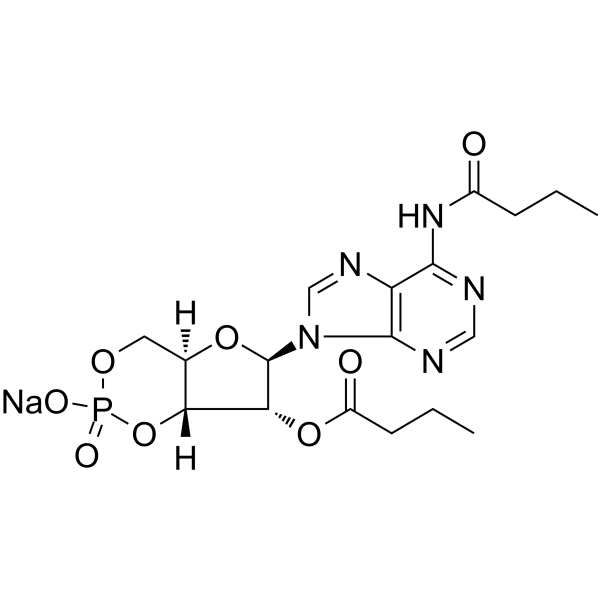
  • HY-B0764
    Bucladesine sodium
    Maximum Cited Publications
    41 Publications Verification

    Dibutyryl cAMP sodium; DBcAMP sodium

    PKA Reactive Oxygen Species (ROS) Apoptosis Neurological Disease Inflammation/Immunology Cancer
    Bucladesine (Dibutyryl cAMP; DBcAMP) sodium is a membrane-permeable 3′, 5′-cyclic adenosine monophosphate (cAMP) analog. Bucladesine selectively activates cAMP dependent protein kinase (PKA) by increasing the intracellular level of cAMP. Bucladesine significantly attenuates MDMA-induced increases in hippocampal mitochondrial ROS formation, mitochondrial outer membrane damage, cytochrome c release, and hippocampal ADP/ATP ratio, thereby improving spatial learning and memory impairments. Bucladesine exhibit anti-nociceptive and anti-inflammation effect. Bucladesine can inhibit cancer cells proliferation, induce apoptosis. Bucladesine can be used for the researches of neurological disease, cancer, inflammation .
    Bucladesine sodium
  • HY-N0709
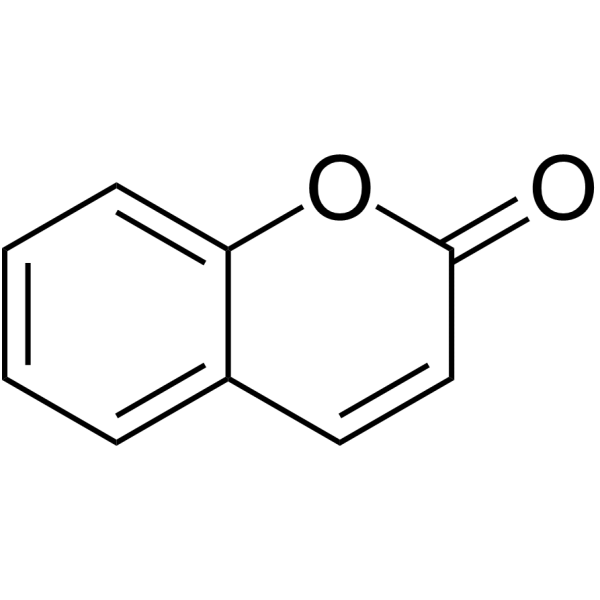
    Coumarin
    3 Publications Verification

    Environmental Pollutants Bacterial Fungal Infection Neurological Disease Inflammation/Immunology Cancer
    Coumarin is a potent and orally active anti-inflammatory agent. Coumarin shows an antinociceptive effect. Coumarin shows antibacterial, antifungal and anticancer activity .
    Coumarin
  • HY-108652
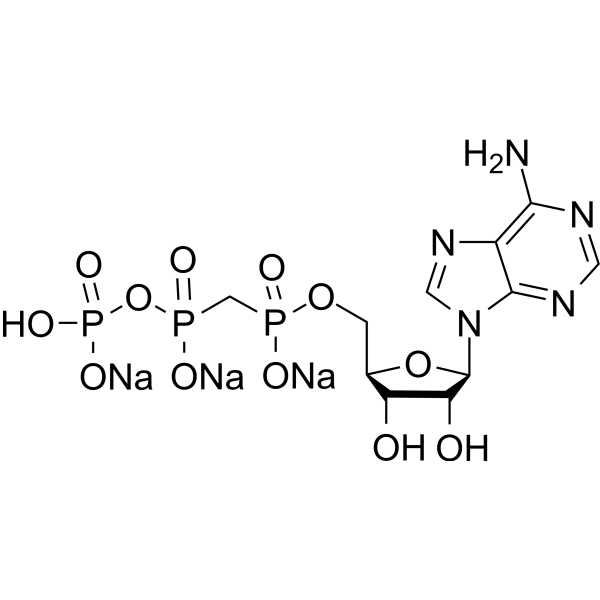
    α,β-Methylene-ATP trisodium
    1 Publications Verification

    P2X Receptor Inflammation/Immunology
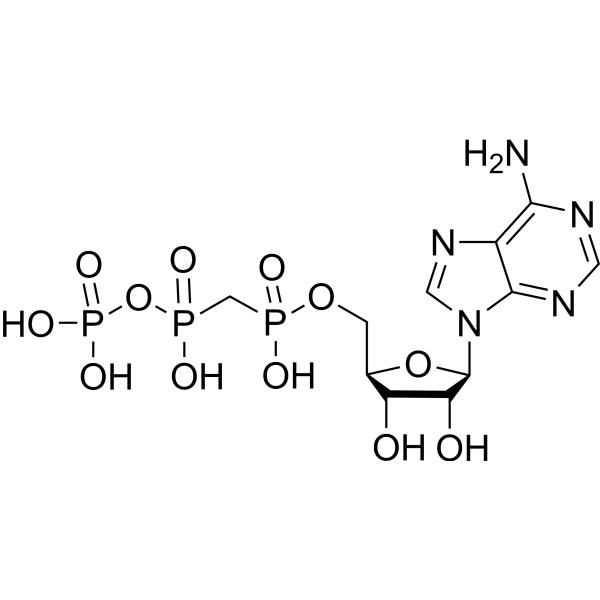
    α,β-Methylene-ATP trisodium is an agonist of P2X1 and P2X3 receptors and can cross the blood-brain barrier. α,β-Methylene-ATP trisodium can trigger a reflex pressor response by activating P2X receptors in peripheral muscles and the central locus coeruleus (LC); this effect can be blocked by the P2X antagonist PPADS (HY-108960). α,β-Methylene-ATP trisodium also activates noradrenergic neurons in the central locus coeruleus, mediating antinociceptive effects; this effect can be attenuated by the locus coeruleus damaging agent DSP-4 (HY-103210/HY-121602). α,β-Methylene-ATP trisodium can be used to study the pathological mechanisms of neuropathic pain, cardiovascular reflex regulation, and antinociceptive effects of the central nervous system .
    α,β-Methylene-ATP trisodium
  • HY-Y0892
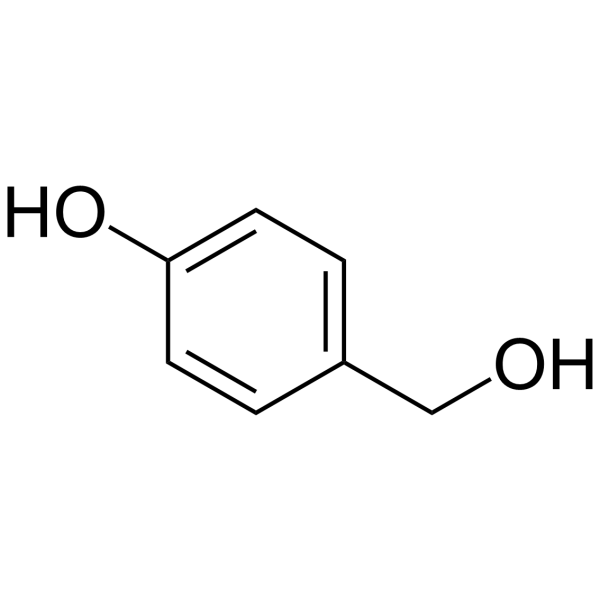
    4-Hydroxybenzyl alcohol
    1 Publications Verification

    Apoptosis Endogenous Metabolite Neurological Disease Inflammation/Immunology Cancer
    4-Hydroxybenzyl alcohol is a phenolic compound widely distributed in various kinds of plants. Anti-inflammatory, anti-oxidant, anti-nociceptive activity. Neuroprotective effect. Inhibitor of tumor angiogenesis and growth .
    4-Hydroxybenzyl alcohol
  • HY-N3017
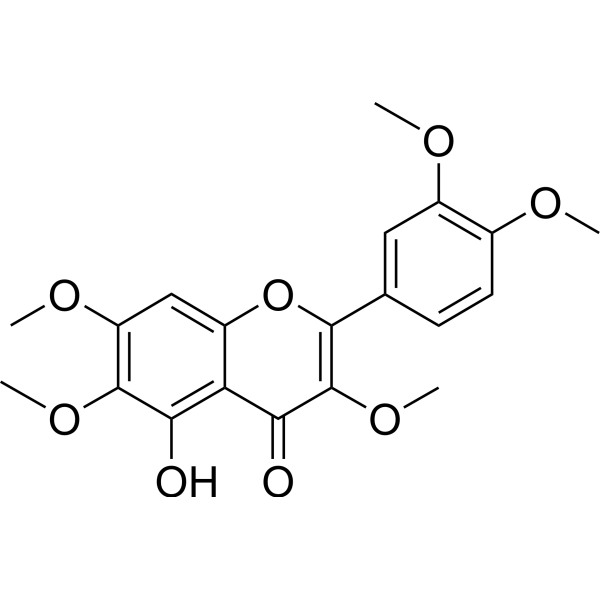
    Artemitin
    1 Publications Verification

    Antibiotic Neurological Disease Inflammation/Immunology
    Artemitin is a flavonoid neuroanesthetic agent with moderate cytotoxicity. Artemitint has selective inhibitory activity against Meth-A sarcoma cells with an ED50 of 5-10 μg/mL, and has no significant effect on LLC lung cancer cells. Artemitin exerts anticancer activity by affecting cell proliferation signaling pathways, and also has potential anti-inflammatory and neuroprotective effects. Artemitin exhibits a dose-dependent antinociceptive effect in the mouse hot plate test, with an ED50 of 1.6 μg/kg, and has analgesic activity .
    Artemitin
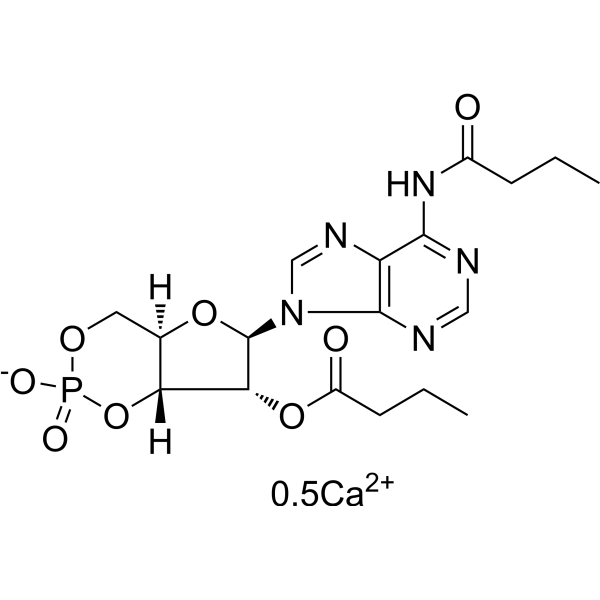
  • HY-B0764A
    Bucladesine hemicalcium
    Maximum Cited Publications
    41 Publications Verification

    Dibutyryl cAMP hemicalcium; DBcAMP hemicalcium

    PKA Apoptosis Reactive Oxygen Species (ROS) Neurological Disease Cancer
    Bucladesine (Dibutyryl cAMP; DBcAMP) hemicalcium is a membrane-permeable 3′, 5′-cyclic adenosine monophosphate (cAMP) analog. Bucladesine selectively activates cAMP dependent protein kinase (PKA) by increasing the intracellular level of cAMP. Bucladesine significantly attenuates MDMA-induced increases in hippocampal mitochondrial ROS formation, mitochondrial outer membrane damage, cytochrome c release, and hippocampal ADP/ATP ratio, thereby improving spatial learning and memory impairments. Bucladesine exhibit anti-nociceptive and anti-inflammation effect. Bucladesine can inhibit cancer cells proliferation, induce apoptosis. Bucladesine can be used for the researches of neurological disease, cancer, inflammation .
    Bucladesine hemicalcium
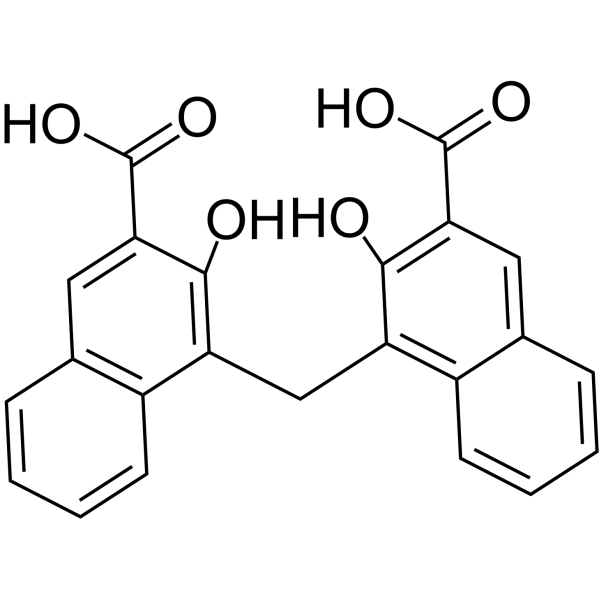
  • HY-W008613
    Pamoic acid
    5 Publications Verification

    Embonic acid

    GPR35 ERK Neurological Disease Inflammation/Immunology
    Pamoic acid (Embonic acid) is a potent GPR35 agonist with an EC50 of 79 nM. Pamoic acid exhibits neuroprotective and anti-inflammatory properties .
    Pamoic acid
  • HY-107944

    Maolate; U 19646

    Drug Derivative Neurological Disease
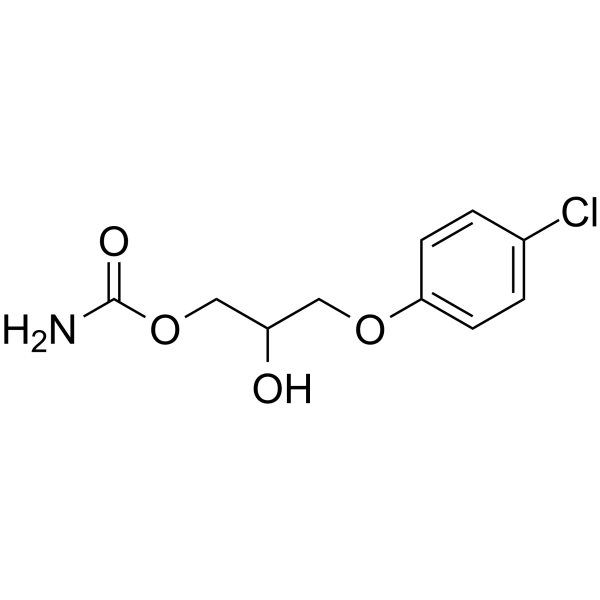
    Chlorphenesin carbamate is a centrally acting skeletal muscle relaxant, as well as a derivate of Chlorphenesin (HY-A0133). Chlorphenesin carbamate can be used for the research of pain and discomfort related to skeletal muscle trauma and inflammation . Chlorphenesin carbamate is a selective blocker of polysynaptic pathways at the spinal and supra-spinal levels . Antinociceptive effect .
    Chlorphenesin carbamate
  • HY-17391

    Adenosine Receptor Endocrinology
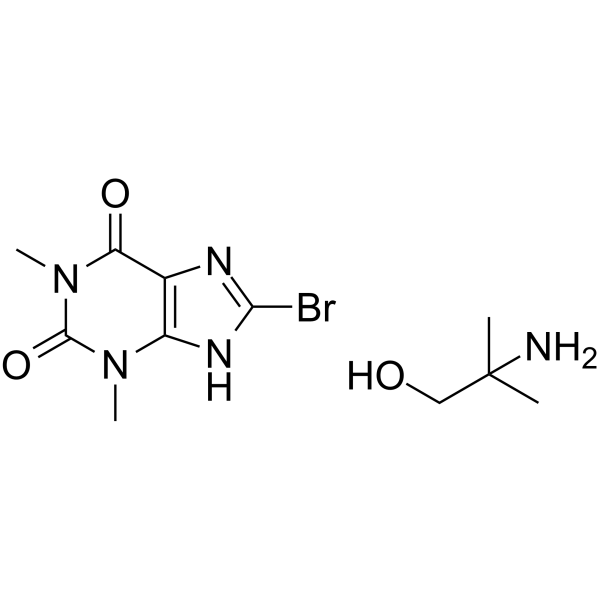
    Pamabrom is a diuretic that acts on the opioid receptor-nitric oxide (NO) -cyclic guanosine monophosphate (cGMP) -K + channel pathway. Pamabrom exerts peripheral antinociceptive activity by activating this pathway. The mechanism involves activating opioid receptors, promoting the release of nitric oxide, and then influencing cyclic guanosine monophosphate and K channels to produce an analgesic effect. Pamabrom is orally active and is mainly used in the research and treatment of premenstrual syndrome and primary dysmenorrhea[1].
    Pamabrom
  • HY-N1478
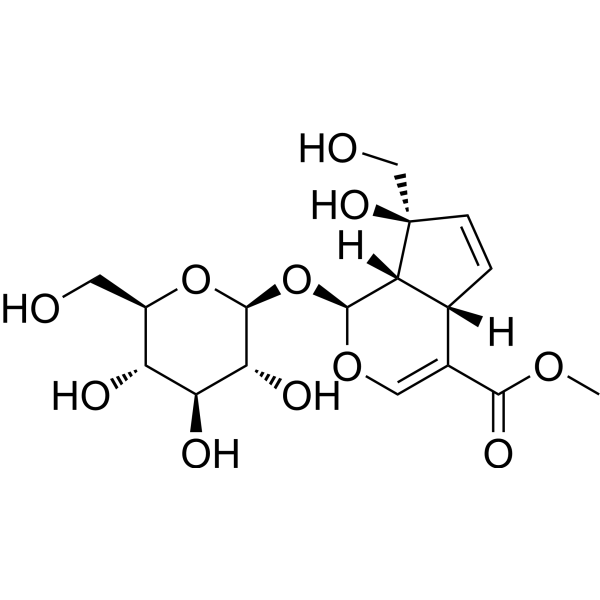
    Gardenoside
    2 Publications Verification

    P2X Receptor Reactive Oxygen Species (ROS) Neurological Disease Inflammation/Immunology
    Gardenoside is an orally active natural compound found in Gardenia fruits. Gardenoside reliefs chronic constriction injury (CCI)-induced neuropathic pain by regulating the P2X3 and P2X7 receptors. Gardenoside has an inhibitory effect on free fatty acids (FFA)-induced cellular steatosis. Gardenoside reduces reactive oxygen species (ROS). Gardenoside can be used for anti-inflammatory, antinociceptive and hepatoprotective study .
    Gardenoside
  • HY-P1626

    Opioid Receptor Neurological Disease
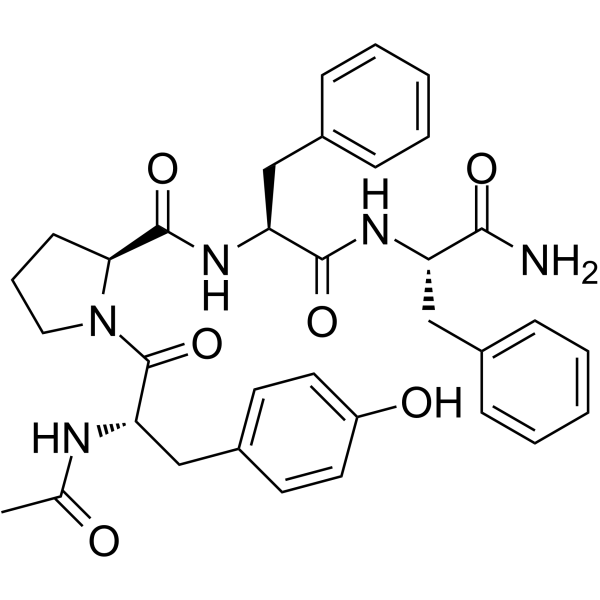
    Acetyl tetrapeptide-15 is a synthetic peptide. Acetyl tetrapeptide-15 is derived from endomorphin-2 (Tyr-Pro-Phe-Phe-NH2), a human μ-opioid agonist with selective anti-nociceptive effect. Acetyl tetrapeptide-15 reduces skin hyperreactivity producing inflammatory, chronic and neuropathic pain, by increasing the threshold of neuronal excitability in μ-opioid receptor via an endorphin-like pathway. Acetyl tetrapeptide-15 is used in the cosmetics for sensitive skin .
    Acetyl tetrapeptide-15
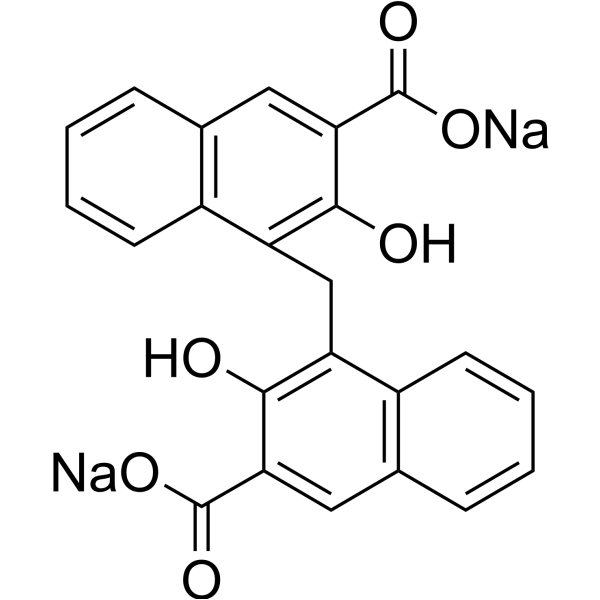
  • HY-W010907
    Pamoic acid disodium
    4 Publications Verification

    GPR35 ERK Neurological Disease
    Pamoic acid disodium is a potent GPR35 agonist with an EC50 value of 79 nM. Pamoic acid disodium induces GPR35 internalization and activates ERK1/2 with EC50 values of 22 nM and 65 nM, respectively. Pamoic acid disodium potently recruits β-arrestin2 to GPR35 and has an antinociceptive effect .
    Pamoic acid disodium
  • HY-P1074
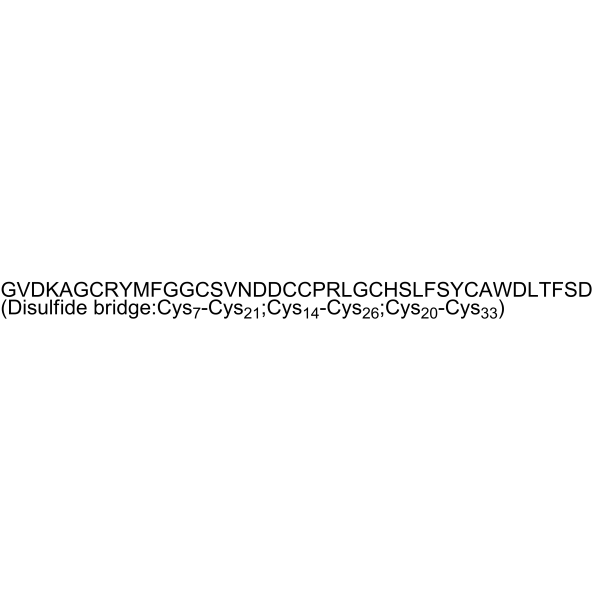
    SNX-482
    1 Publications Verification

    Calcium Channel Neurological Disease
    SNX-482, a peptide, is a potent, high affinity, selective and voltage-dependent R-type CaV2.3 channel blocker with an IC50 of 30 nM. SNX-482 has antinociceptive effect .
    SNX-482
  • HY-108519

    ROCK Neurological Disease
    AS1892802 is a potent, orally active, and highly selective inhibitor of ROCK. The onset of antinociceptive effect of AS1892802 is as fast as those of Tramadol and Diclofenac. AS1892802 did not induce gastric irritation or abnormal behavior. AS1892802 is an attractive analgesic profile for the research of severe osteoarthritis pain .
    AS1892802
  • HY-N6663

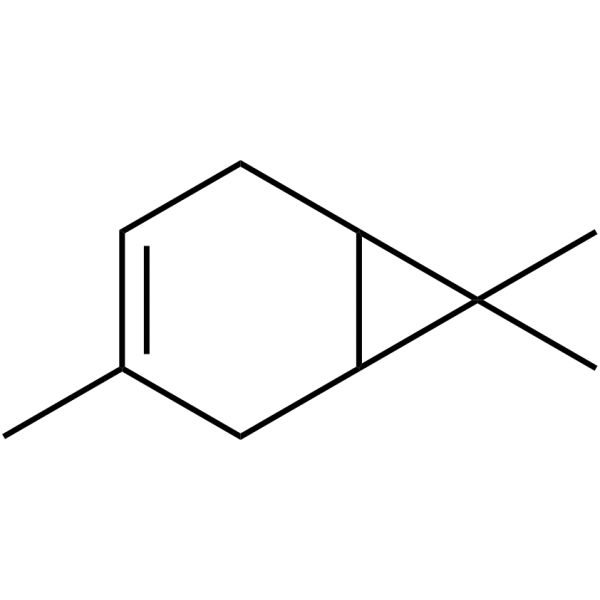
    Environmental Pollutants COX Inflammation/Immunology
    3-Carene is a bicyclic monoterpene in essential oils extracted from pine trees. 3-Carene inhibits nociceptive stimulus-induced inflammatory infiltrates and COX-2 overexpression, and with antinociceptive effect. 3-Carene stimulates the activity and expression of alkaline phosphatase that is an early phase marker of osteoblastic differentiation .
    3-Carene
  • HY-134440A

    P2X Receptor Inflammation/Immunology
    α,β-Methylene-ATP is an agonist of P2X1 and P2X3 receptors and can cross the blood-brain barrier. α,β-Methylene-ATP can trigger a reflex pressor response by activating P2X receptors in peripheral muscles and the central locus coeruleus (LC); this effect can be blocked by the P2X antagonist PPADS (HY-108960). α,β-Methylene-ATP also activates noradrenergic neurons in the central locus coeruleus, mediating antinociceptive effects; this effect can be attenuated by the locus coeruleus damaging agent DSP-4 (HY-103210/HY-121602). α,β-Methylene-ATP can be used to study the pathological mechanisms of neuropathic pain, cardiovascular reflex regulation, and antinociceptive effects of the central nervous system .
    α,β-Methylene-ATP
  • HY-N0092R

    Reference Standards Adenosine Receptor Endogenous Metabolite Neurological Disease Inflammation/Immunology
    Inosine (Standard) is the analytical standard of Inosine. This product is intended for research and analytical applications. Inosine is an endogenous purine nucleoside produced by catabolism of adenosine. Inosine has anti-inflammatory, antinociceptive, immunomodulatory and neuroprotective effects. Inosine is an agonist for adenosine A1 (A1R) and A2A (A2AR) receptors . In Vitro:Inosine dose-dependently stimulates cAMP production mediated through the A2AR .
    Inosine dose-dependently induces hA2AR-mediated ERK1/2 phosphorylation .
    Inosine (100 μM; 24 hours) reduces oxidative stress in MES 23.5 cells cultured with astrocytes .
    In Vivo:Inosine (10-100 mg/kg; i.p.) exhibits antinociceptive effect in mice .
    Inosine (Standard)
  • HY-B0764B

    Dibutyryl cAMP; DBcAMP

    PKA Reactive Oxygen Species (ROS) Apoptosis Neurological Disease Inflammation/Immunology Cancer
    Bucladesine (Dibutyryl cAMP; DBcAMP) is a membrane-permeable 3′, 5′-cyclic adenosine monophosphate (cAMP) analog. Bucladesine selectively activates cAMP dependent protein kinase (PKA) by increasing the intracellular level of cAMP. Bucladesine significantly attenuates MDMA-induced increases in hippocampal mitochondrial ROS formation, mitochondrial outer membrane damage, cytochrome c release, and hippocampal ADP/ATP ratio, thereby improving spatial learning and memory impairments. Bucladesine exhibit anti-nociceptive and anti-inflammation effect. Bucladesine can inhibit cancer cells proliferation, induce apoptosis. Bucladesine can be used for the researches of neurological disease, cancer, inflammation .
    Bucladesine
  • HY-147907

    Adenosine Receptor Neurological Disease Inflammation/Immunology Cancer
    Adenosine receptor inhibitor 1 is a potent and selective adenosine receptor (AR) inhibitor with Ki values of >1000, 68.5, >1000, >1000 nM for A1AR, A2AAR, A2BAR, A3AR, respectively. Adenosine receptor inhibitor 1 shows antinociceptive activity, anti-inflammatory effect and peripheral analgesic effect. Adenosine receptor inhibitor 1 has the potential for the research of cancer or neurodegenerative diseases .
    Adenosine receptor inhibitor 1
  • HY-111029A

    GlyT Others
    ALX-1393 TFA, a selective GlyT2 inhibitor, has an antinociceptive effect on thermal, mechanical, and chemical stimulations in a rat acute pain model .
    ALX-1393 TFA
  • HY-101205

    Opioid Receptor Cardiovascular Disease Neurological Disease
    ICI-199441 hydrochloride is a potent and selective κ-opioid receptor agonist with analgesic effects. ICI 199441 hydrochloride can improve heart resistance to ischemia/reperfusion .
    ICI-199441 hydrochloride
  • HY-N0709R

    Reference Standards Bacterial Fungal Infection Neurological Disease Inflammation/Immunology Cancer
    Coumarin (Standard) is the analytical standard of Coumarin. This product is intended for research and analytical applications. Coumarin is a potent and orally active anti-inflammatory agent. Coumarin shows an antinociceptive effect. Coumarin shows antibacterial, antifungal and anticancer activity .
    Coumarin (Standard)
  • HY-136207

    nAChR Neurological Disease
    TC-2559 idifumarate is a CNS-selective, orally active α4β2 subtype of nicotinic acetylcholine receptor (nAChR) partial agonist (EC50=0.18 μM). TC-2559 difumarate shows selectivity for α4β2 over α2β4, α4β4 and α3β4 receptors, with EC50s in the range of 10-30 µM. Antinociceptive effect .
    TC-2559 difumarate
  • HY-B0764G

    Dibutyryl cAMP sodium; DBcAMP sodium

    PKA Reactive Oxygen Species (ROS) Apoptosis Neurological Disease Inflammation/Immunology Cancer
    Bucladesine (Dibutyryl cAMP; DBcAMP) sodium (GMP) is a Bucladesine sodium (HY-B0764) produced by using GMP guidelines. Bucladesine (Dibutyryl cAMP; DBcAMP) is a membrane-permeable 3′, 5′-cyclic adenosine monophosphate (cAMP) analog. Bucladesine selectively activates cAMP dependent protein kinase (PKA) by increasing the intracellular level of cAMP. Bucladesine significantly attenuates MDMA-induced increases in hippocampal mitochondrial ROS formation, mitochondrial outer membrane damage, cytochrome c release, and hippocampal ADP/ATP ratio, thereby improving spatial learning and memory impairments. Bucladesine exhibit anti-nociceptive and anti-inflammation effect. Bucladesine can inhibit cancer cells proliferation, induce apoptosis. Bucladesine can be used for the researches of neurological disease, cancer, inflammation .
    Bucladesine sodium
  • HY-111029

    GlyT Neurological Disease
    ALX-1393, a selective GlyT2 inhibitor, has an antinociceptive effect on thermal, mechanical, and chemical stimulations in a rat acute pain model .
    ALX-1393
  • HY-P1044

    LVV-hemorphin-4

    Carboxypeptidase Neurological Disease
    Spinorphin is an inhibitor of enkephalin-degrading enzymes. Spinorphin inhibits aminopeptidase, dipeptidyl aminopeptidase III, angiotensin-converting enzyme and enkephalinase. Spinorphin possesses an antinociceptive effect .
    Spinorphin
  • HY-P1044A

    LVV-hemorphin-4 TFA

    Angiotensin Receptor Neurological Disease
    Spinorphin TFA is an inhibitor of enkephalin-degrading enzymes. Spinorphin inhibits aminopeptidase, dipeptidyl aminopeptidase III, angiotensin-converting enzyme and enkephalinase. Spinorphin possesses an antinociceptive effect .
    Spinorphin TFA
  • HY-B0764R

    Dibutyryl cAMP sodium (Standard); DBcAMP sodium (Standard)

    Reference Standards PKA Reactive Oxygen Species (ROS) Apoptosis Neurological Disease Inflammation/Immunology Cancer
    Bucladesine (Dibutyryl cAMP; DBcAMP) sodium (Standard) is the analytical standard of Bucladesine sodiumn (HY-B0764). This product is intended for research and analytical applications. Bucladesine is a membrane-permeable 3′, 5′-cyclic adenosine monophosphate (cAMP) analog. Bucladesine selectively activates cAMP dependent protein kinase (PKA) by increasing the intracellular level of cAMP. Bucladesine significantly attenuates MDMA-induced increases in hippocampal mitochondrial ROS formation, mitochondrial outer membrane damage, cytochrome c release, and hippocampal ADP/ATP ratio, thereby improving spatial learning and memory impairments. Bucladesine exhibit anti-nociceptive and anti-inflammation effect. Bucladesine can inhibit cancer cells proliferation, induce apoptosis. Bucladesine can be used for the researches of neurological disease, cancer, inflammation .
    Bucladesine sodium (Standard)
  • HY-Y0892R

    Reference Standards Apoptosis Endogenous Metabolite Neurological Disease Inflammation/Immunology Cancer
    4-Hydroxybenzyl alcohol (Standard) is the analytical standard of 4-Hydroxybenzyl alcohol. This product is intended for research and analytical applications. 4-Hydroxybenzyl alcohol is a phenolic compound widely distributed in various kinds of plants. Anti-inflammatory, anti-oxidant, anti-nociceptive activity. Neuroprotective effect. Inhibitor of tumor angiogenesis and growth [4].
    4-Hydroxybenzyl alcohol (Standard)
  • HY-P6053

    Opioid Receptor Neurological Disease
    KK-103 is a precursor of leucine-enkephalin (Leu-ENK) overcomes high proteolytic instability of Leu-ENK via markedly increased plasma stability in mice that has antinociceptive effect .
    KK-103
  • HY-N0709S1

    Bacterial Fungal Isotope-Labeled Compounds Cancer
    Coumarin-d6 is deuterated labeled Coumarin (HY-N0709). Coumarin is a potent and orally active anti-inflammatory agent. Coumarin shows an antinociceptive effect. Coumarin shows antibacterial, antifungal and anticancer activity .
    Coumarin-d6
  • HY-101317A

    SB-205607

    Opioid Receptor Metabolic Disease
    TAN-67 (SB-205607) is a non-peptidic delta-opioid receptor agonist that exhibits significant antinociceptive activity in both diabetic and non-diabetic mice. TAN-67 demonstrates a marked and dose-dependent reduction in acetic acid-induced abdominal constrictions, with a notably stronger effect in diabetic mice compared to their non-diabetic counterparts. TAN-67's antinociceptive properties are primarily mediated through the activation of delta 1-opioid receptors, as indicated by the pronounced antagonism observed upon administration of a selective delta 1-opioid receptor antagonist.
    TAN-67
  • HY-134440

    P2X Receptor Inflammation/Immunology
    α,β-Methylene-ATP dilithium is an agonist of P2X1 and P2X3 receptors and can cross the blood-brain barrier. α,β-Methylene-ATP dilithium can trigger a reflex pressor response by activating P2X receptors in peripheral muscles and the central locus coeruleus (LC); this effect can be blocked by the P2X antagonist PPADS (HY-108960). α,β-Methylene-ATP dilithium also activates noradrenergic neurons in the central locus coeruleus, mediating antinociceptive effects; this effect can be attenuated by the locus coeruleus damaging agent DSP-4 (HY-103210/HY-121602). α,β-Methylene-ATP dilithium can be used to study the pathological mechanisms of neuropathic pain, cardiovascular reflex regulation, and antinociceptive effects of the central nervous system .
    α,β-Methylene-ATP dilithium
  • HY-N1478R

    Reference Standards P2X Receptor Reactive Oxygen Species (ROS) Neurological Disease Inflammation/Immunology
    Gardenoside is an orally active natural compound found in Gardenia fruits. Gardenoside reliefs chronic constriction injury (CCI)-induced neuropathic pain by regulating the P2X3 and P2X7 receptors. Gardenoside has an inhibitory effect on free fatty acids (FFA)-induced cellular steatosis. Gardenoside reduces reactive oxygen species (ROS). Gardenoside can be used for anti-inflammatory, antinociceptive and hepatoprotective study .
    Gardenoside (Standard)
  • HY-176063

    TRP Channel Opioid Receptor Neurological Disease
    TRPV1 antagonist 11 (compound 2ac) is a potent TRPV1 antagonist with an IC50 of 29.3 nM. TRPV1 antagonist 11 is a potent μ-opioid receptor (MOR) agonist with a Ki of 60.3 nM. TRPV1 antagonist 11, a pyrimidine piperazine, exhibits pain relieving effects by antagonizing TRPV1 and stimulating MOR. TRPV1 antagonist 11 shows a potent, dose-dependent anti-nociceptive effect in a Formalin-induced pain model in mice .
    TRPV1 antagonist 11
  • HY-P5756

    Opioid Receptor Neurological Disease
    CSD-CH2(1,8)-NH2 is a selective and competitive KOR antagonist (Ki: 6.8 nM). CSD-CH2(1,8)-NH2 inhibits calcium mobilization in DRG neurons. CH2(1,8)-NH2 antagonizes the antinociceptive effect of U50,488. CSD-CH2(1,8)-NH2 can be used for research of neuropsychiatric disorders .
    CSD-CH2(1,8)-NH2
  • HY-136623

    Opioid Receptor Neurological Disease
    BW443C is a selective opioid receptor agonist. BW443C has antinociceptive effect .
    BW443C
  • HY-W008613R

    Embonic acid (Standard)

    Reference Standards GPR35 ERK Neurological Disease Inflammation/Immunology
    Pamoic acid (Standard) is the analytical standard of Pamoic acid. This product is intended for research and analytical applications. Pamoic acid (Embonic acid) is a potent GPR35 agonist with an EC50 of 79 nM. Pamoic acid exhibits neuroprotective and anti-inflammatory properties .
    Pamoic acid (Standard)
  • HY-103341

    Cannabinoid Receptor Neurological Disease
    UCM707, a potent and selective inhibitor of endocannabinoid uptake, potentiates hypokinetic and antinociceptive effects of Anandamide .
    UCM707
  • HY-19206

    Opioid Receptor Neurological Disease
    R-84760 is a selective κ-opioid receptor agonist. R-84760 has antinociceptive effect .
    R-84760
  • HY-W325509

    Opioid Receptor Neurological Disease
    AH 8532, an opioid, possesses anti-nociceptive effect and inhibits writhing induced by phenylquinone, with a ED50 of 16 mg/kg in mice orally .
    AH 8532
  • HY-14316C

    Ebanicline tosylate; ABT-594 tosylate

    nAChR Neurological Disease
    Tebanicline tosylate, an analogue of epibatidine, is a neuronal nicotinic acetylcholine receptor agonist. Tebanicline tosylate exhibits potent antinociceptive effects and has a high affinity for the α4β2 neuronal nicotinic acetylcholine receptor subunit in the central nervous system.
    Tebanicline tosylate
  • HY-14316

    Ebanicline; ABT-594

    nAChR Neurological Disease
    Tebanicline, an analogue of epibatidine, is a neuronal nicotinic acetylcholine receptor agonist. Tebanicline exhibits potent antinociceptive effects and has a high affinity for the α4β2 neuronal nicotinic acetylcholine receptor subunit in the central nervous system.
    Tebanicline
  • HY-101205A

    Opioid Receptor Cardiovascular Disease Neurological Disease
    ICI-199441 is a potent and selective κ-opioid receptor agonist with analgesic effects. ICI 199441 can improve heart resistance to ischemia/reperfusion .
    ICI-199441
  • HY-107944R

    Maolate (Standard); U 19646 (Standard)

    iGluR Reference Standards Neurological Disease
    Chlorphenesin carbamate (Standard) is the analytical standard of Chlorphenesin carbamate. This product is intended for research and analytical applications. Chlorphenesin carbamate is a centrally acting skeletal muscle relaxant. Chlorphenesin carbamate can be used for the research of pain and discomfort related to skeletal muscle trauma and inflammation . Chlorphenesin carbamate is a selective blocker of polysynaptic pathways at the spinal and supra-spinal levels . Antinociceptive effect .
    Chlorphenesin carbamate (Standard)
  • HY-N6663R

    Reference Standards COX Inflammation/Immunology
    3-Carene (Standard) is the analytical standard of 3-Carene. This product is intended for research and analytical applications. 3-Carene is a bicyclic monoterpene in essential oils extracted from pine trees. 3-Carene inhibits nociceptive stimulus-induced inflammatory infiltrates and COX-2 overexpression, and with antinociceptive effect. 3-Carene stimulates the activity and expression of alkaline phosphatase that is an early phase marker of osteoblastic differentiation .
    3-Carene (Standard)
  • HY-105142

    COX Inflammation/Immunology
    M-5011 is a potent and orally active anti-inflammatory agent. M-5011 shows potent antinociceptive effects and inhibits kaolin (HY-W115786)-induced writhing. M-5011 decreases peritoneal 6-keto-PGF1 alpha levels with low ulcerogenic activities. M-5011 shows anti-inflammatory and anti-pyretic effects and analgesic effect .
    M-5011
  • HY-161539

    Opioid Receptor Neurological Disease
    KOR agonist 1 (Compound 7a) is a selective agonist for opioid receptor, with EC50s of 3.4, 701.2 and 1649 nM, for KOR, MOR and DOR, respectively. KOR agonist 1 binds KOR, MOR and DOR, with Kis of 3.9, 1053 and 4196 nM, respectively. KOR agonist 1 exhibits antinociceptive effect in ICR mouse model (ED50 in hot plate test is 0.3 mg/kg, in abdominal constriction test is 0.2 mg/kg) .
    KOR agonist 1
  • HY-108519R

    Reference Standards ROCK Neurological Disease
    AS1892802 (Standard) is the analytical standard of AS1892802 (HY-108519). This product is intended for research and analytical applications. AS1892802 is a potent, orally active, and highly selective inhibitor of ROCK. The onset of antinociceptive effect of AS1892802 is as fast as those of Tramadol and Diclofenac. AS1892802 did not induce gastric irritation or abnormal behavior. AS1892802 is an attractive analgesic profile for the research of severe osteoarthritis pain .
    AS1892802 (Standard)
  • HY-108652R

    Reference Standards P2X Receptor Inflammation/Immunology
    α,β-Methylene-ATP trisodium (Standard) is the analytical standard of α,β-Methylene-ATP (trisodium) (HY-108652). This product is intended for research and analytical applications. α,β-Methylene-ATP trisodium is an agonist of P2X1 and P2X3 receptors and can cross the blood-brain barrier. α,β-Methylene-ATP trisodium can trigger a reflex pressor response by activating P2X receptors in peripheral muscles and the central locus coeruleus (LC); this effect can be blocked by the P2X antagonist PPADS (HY-108960). α,β-Methylene-ATP trisodium also activates noradrenergic neurons in the central locus coeruleus, mediating antinociceptive effects; this effect can be attenuated by the locus coeruleus damaging agent DSP-4 (HY-103210/HY-121602). α,β-Methylene-ATP trisodium can be used to study the pathological mechanisms of neuropathic pain, cardiovascular reflex regulation, and antinociceptive effects of the central nervous system .
    α,β-Methylene-ATP trisodium (Standard)

Inquiry Online

Your information is safe with us. * Required Fields.

Salutation


Country or Region *

Applicant Name *


Organization Name *

Department *


Email Address *


Product Name *

Cat. No.


Requested quantity *

Phone Number *


Remarks

Inquiry Online

Inquiry Information

Product Name:
Cat. No.:
Quantity:
MCE Japan Authorized Agent:

