

1. Search Result
Search Result
Results for "

antitumour

" in MedChemExpress (MCE) Product Catalog:

108

阻害剤およびアゴニスト

1

ペプチド

10

阻害性抗体

23

天然物

8

同位体標識化合物

2

クリックケミストリー

製品番号 製品名 Target 研究分野 構造式
  • HY-32735
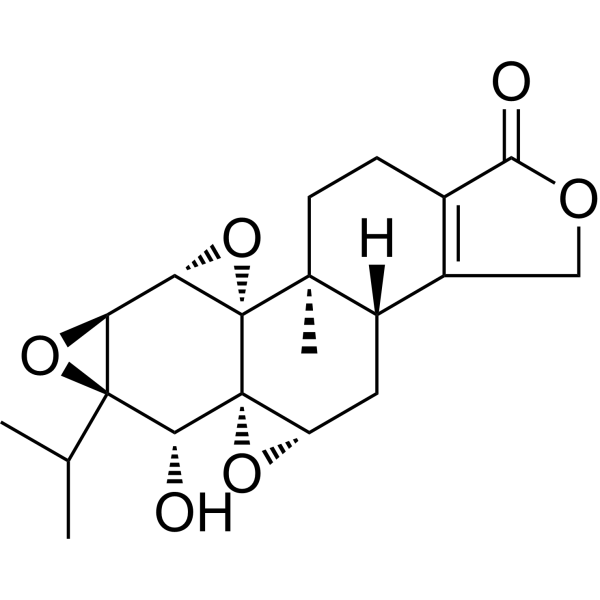
    Triptolide
    Maximum Cited Publications
    70 Publications Verification

    PG490

    Environmental Pollutants NF-κB Apoptosis Cancer
    Triptolide is a diterpenoid triepoxide extracted from the root of Tripterygium wilfordii with immunosuppressive, anti-inflammatory, antiproliferative and antitumour effects. Triptolide is a NF-κB activation inhibitor .
    Triptolide
  • HY-50895
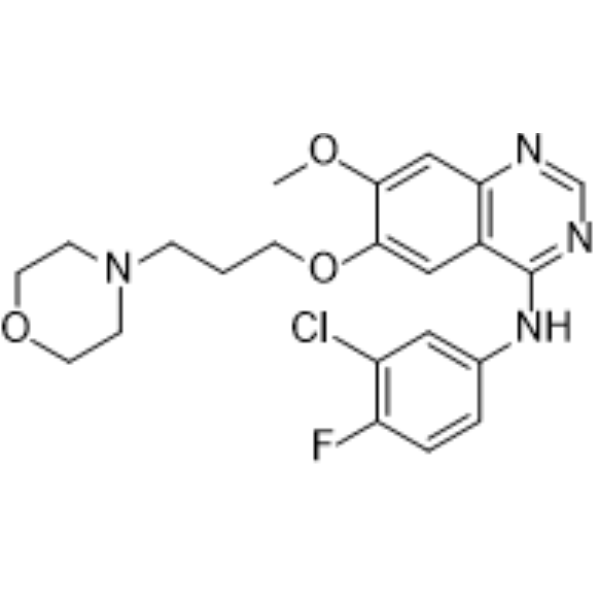
    Gefitinib
    Maximum Cited Publications
    200 Publications Verification

    ZD1839

    EGFR Autophagy Apoptosis Cancer
    Gefitinib (ZD1839) is a potent, selective and orally active EGFR tyrosine kinase inhibitor with an IC50 of 33 nM. Gefitinib selectively inhibits EGF-stimulated tumor cell growth (IC50 of 54 nM) and that blocks EGF-stimulated EGFR autophosphorylation in tumor cells. Gefitinib also induces autophagy and cell apoptosis, which can be used for cancer related research, such as Lung cancer and breast cancer .
    Gefitinib
  • HY-101488
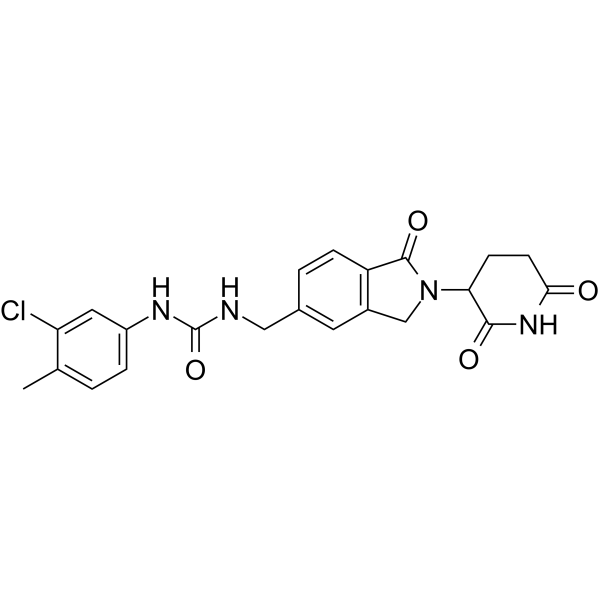
    CC-885
    15+ Cited Publications

    Molecular Glues Ligands for E3 Ligase Cancer
    CC-885 is a cereblon (CRBN) modulator with potent anti-tumour activity. CC-885 is also a known degrader of GSPT1, inhibiting protein translation.
    CC-885
  • HY-108357
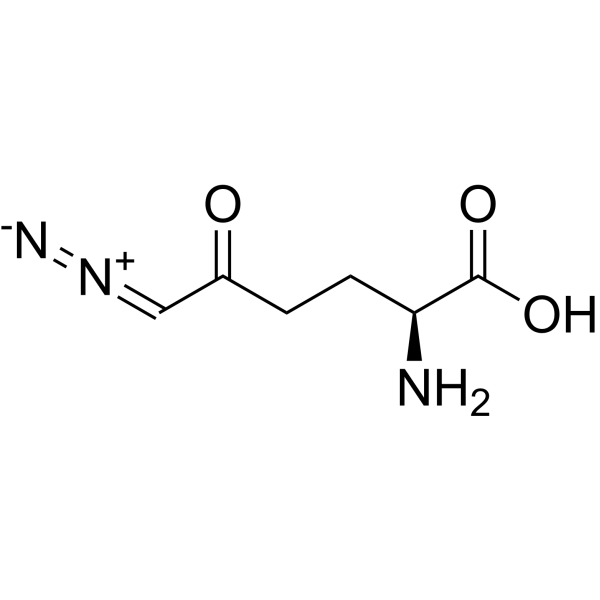
    6-Diazo-5-oxo-L-nor-Leucine
    10+ Cited Publications

    L-6-Diazo-5-oxonorleucine; DON

    Glutaminase Bacterial Influenza Virus Antibiotic Infection Cancer
    6-Diazo-5-oxo-L-nor-Leucine (L-6-Diazo-5-oxonorleucine; DON) is a glutamine antagonist that irreversibly inhibits the catabolic effect of glutamine. 6-Diazo-5-oxo-L-nor-Leucine shows good anticancer activity (especially in pancreatic cancer) and reduces the self-renewal potential and metastatic capacity of tumour cells. 6-Diazo-5-oxo-L-nor-Leucine also possesses antibacterial and antiviral activity .
    6-Diazo-5-oxo-L-nor-Leucine
  • HY-16293
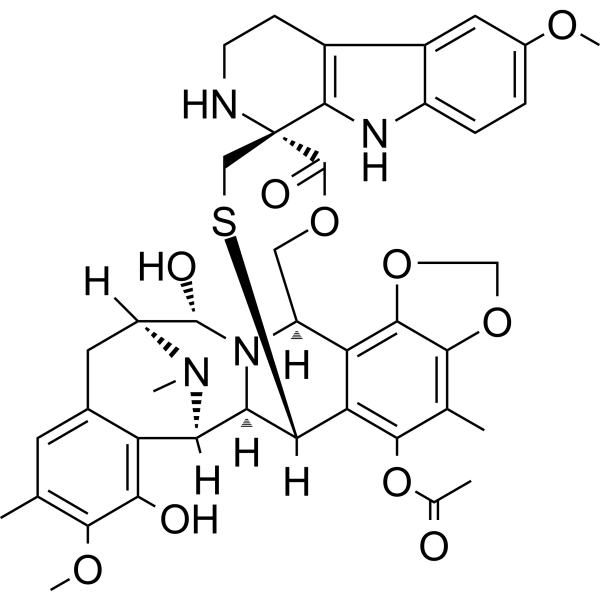
    Lurbinectedin
    5+ Cited Publications

    PM01183; LY-01017

    DNA Alkylator/Crosslinker DNA/RNA Synthesis Cancer
    Lurbinectedin (PM01183) is a DNA minor groove covalent binder with potent anti-tumour activity; inhibits RMG1 and RMG2 cell growth with IC50 values of 1.25 and 1.16 nM, respectively.
    Lurbinectedin
  • HY-129389
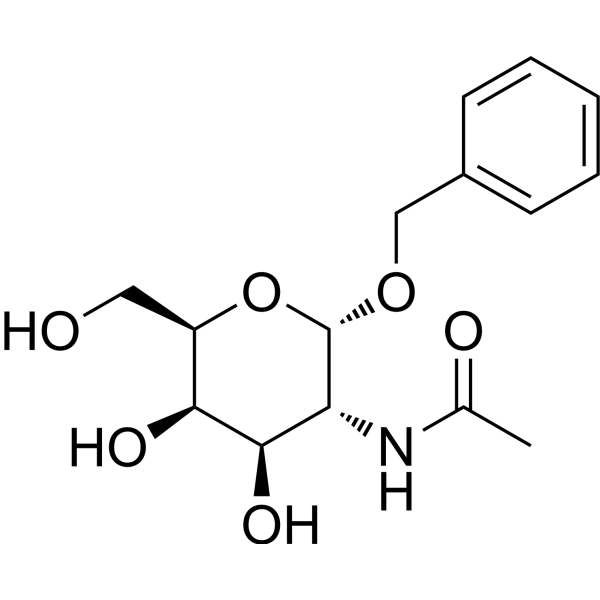
    Benzyl-α-GalNAc
    5+ Cited Publications

    Glycosyltransferase Cancer
    Benzyl-α-GalNAc is a potent O-glycosylation inhibitor. Benzyl-α-GalNAc effectively inhibits the proliferation and activation of LX-2 cells and suppresses the expression of collagen I/III, which has good potential for investigation in liver fibrosis. Benzyl-α-GalNAc also significantly enhances the anti-tumour activity of 5-Fluorouracil (HY-90006) (e.g. pancreatic cancer) by inhibiting O-glycosylation .
    Benzyl-α-GalNAc
  • HY-P99380
    Zanidatamab
    1 Publications Verification

    ZW 25; ZW-49 Antibody

    EGFR Cancer
    Zanidatamab (ZW25) is a humanised, bispecific monoclonal antibody targeting 2 distinct HER2 epitopes (ECD2 and ECD4). Zanidatamab has anti-tumour activity .
    Zanidatamab
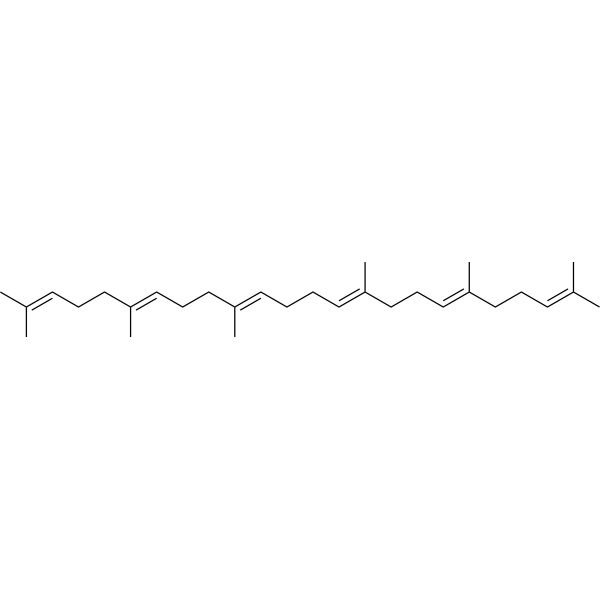
  • HY-N1214

    Super Squalene; trans-Squalene; AddaVax

    Endogenous Metabolite Reactive Oxygen Species (ROS) Fungal Infection Cardiovascular Disease Cancer
    Squalene (Super Squalene) is an intermediate product in the synthesis of cholesterol, and shows several pharmacological properties such as hypolipidemic, hepatoprotective, antiatherosclerotic, cardioprotective, antioxidant, and antitumour activity .
    Squalene
  • HY-103160A
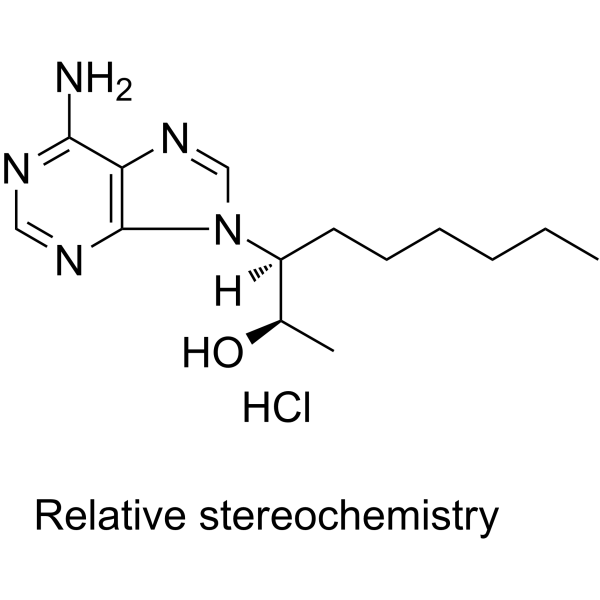
    EHNA hydrochloride
    5 Publications Verification

    Adenosine Deaminase Phosphodiesterase (PDE) Influenza Virus Infection Cardiovascular Disease Neurological Disease Cancer
    EHNA hydrochloride is a potent and selective dual inhibitor of cyclic nucleotide phosphodiesterase 2 (PDE2)(IC50=4 μM) and adenosine deaminase (ADA). EHNA hydrochloride exerts a concentration inhibition of the cGMP-stimulated PDE II (cGs-PDE)(IC50:0.8 μM (human), 2 μM (porcine myocardium)), but has smaller inhibitory effect on the unstimulated PDE2 activity. EHNA hydrochloride play roles in mediating diverse pharmacological responses, including antiviral, antitumour and antiarrhythmic effects .
    EHNA hydrochloride
  • HY-137067
    IMT1B
    5+ Cited Publications

    LDC203974

    DNA/RNA Synthesis Cancer
    IMT1B (LDC203974) is an orally active, noncompetitive and specific allosteric inhibitor of mitochondrial RNA polymerase (POLRMT) and inhibits mitochondrial DNA (mtDNA) expression. IMT1B has anti-tumour effects .
    IMT1B
  • HY-N1214S

    Super Squalene-d6; trans-Squalene-d6; AddaVax-d6

    Isotope-Labeled Compounds Others
    Squalene-d6 (Super Squalene-d6) is a deuterium labeled Squalene. Squalene (Super Squalene) is an intermediate product in the synthesis of cholesterol, and shows several pharmacological properties such as hypolipidemic, hepatoprotective, antiatherosclerotic, cardioprotective, antioxidant, and antitumour activity .
    Squalene-d6
  • HY-P99048
    Sintilimab
    1 Publications Verification

    IBI308

    PD-1/PD-L1 Inflammation/Immunology Cancer
    Sintilimab (IBI308) is a safe and effectivel humanized IgG4 monoclonal antibody that binds to PD-1 with a KD value of 74 pM. Sintilimab blocks the interaction of PD-1 with its ligands (PD-L1 and PL-L2), consequently helping to restore the endogenous antitumour T-cell response. Sintilimab combined with prebiotics inhibits tumor volume and regulates immune cell subpopulation balance in lung adenocarcinoma mice. Sintilimab can be used for the research of classical Hodgkin's lymphoma, non-small cell lung cancer and oesophageal cancer .
    Sintilimab
  • HY-111651
    Gboxin
    4 Publications Verification

    Oxidative Phosphorylation ATP Synthase Mitochondrial Metabolism Cancer
    Gboxin is an oxidative phosphorylation (OXPHOS) inhibitor that targets glioblastoma. Gboxin inhibits the activity of F0F1 ATP synthase. Antitumour activity .
    Gboxin
  • HY-121401A

    (1R)-(−)-Myrtenal; (−)-(1R,5S)-Myrtenal

    Akt Metabolic Disease Cancer
    (-)-Myrtenal ((1R)-(-)-Myrtenal) is an orally active terpene with antitumour activity. (-)-Myrtenal ameliorates hyperglycemia by enhancing GLUT2 through Akt in the skeletal muscle and liver of diabetic rats .
    (−)-Myrtenal
  • HY-50895A
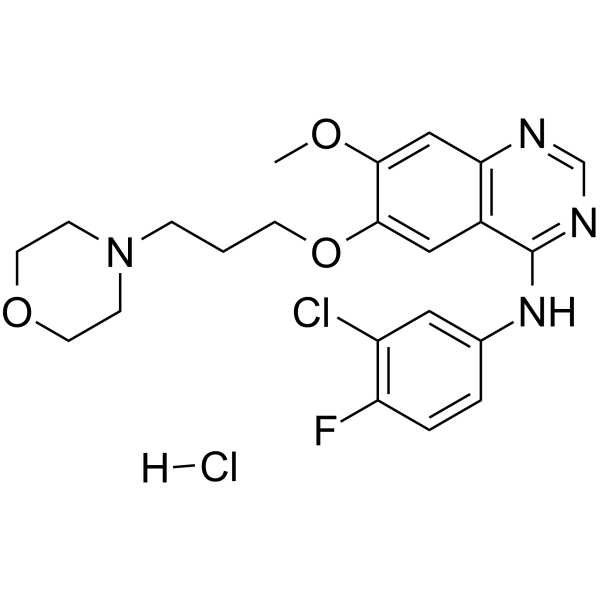
    Gefitinib hydrochloride
    Maximum Cited Publications
    200 Publications Verification

    ZD-1839 hydrochloride

    EGFR Cancer
    Gefitinib hydrochloride (ZD1839 hydrochloride) is a potent, selective and orally active EGFR tyrosine kinase inhibitor with an IC50 of 33 nM. Gefitinib hydrochloride selectively inhibits EGF-stimulated tumor cell growth (IC50 of 54 nM) and that blocks EGF-stimulated EGFR autophosphorylation in tumor cells. Gefitinib hydrochloride also induces autophagy. Gefitinib hydrochloride has antitumour activity .
    Gefitinib hydrochloride
  • HY-13627
    Estramustine phosphate sodium
    1 Publications Verification

    Apoptosis Microtubule/Tubulin Mitosis Inflammation/Immunology Endocrinology Cancer
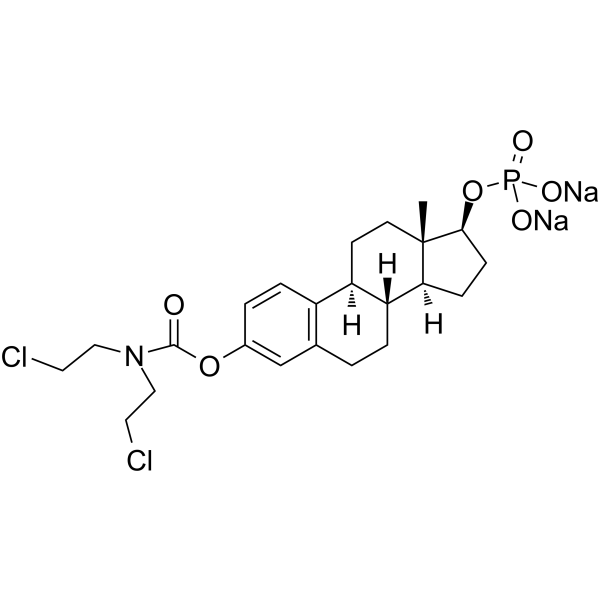
    Estramustine phosphate sodium, an estradiol analog, is an orally active antimicrotubule chemotherapy agent. Estramustine phosphate sodium depolymerises microtubules by binding to microtubule associated proteins (MAPs) and/or to tubulin. Estramustine phosphate sodium can interfere mitosis, trigger cell death and induce apoptosis, which can be used for the research of cancer like prostate cancer .
    Estramustine phosphate sodium
  • HY-175606

    ATP Citrate Lyase Cancer
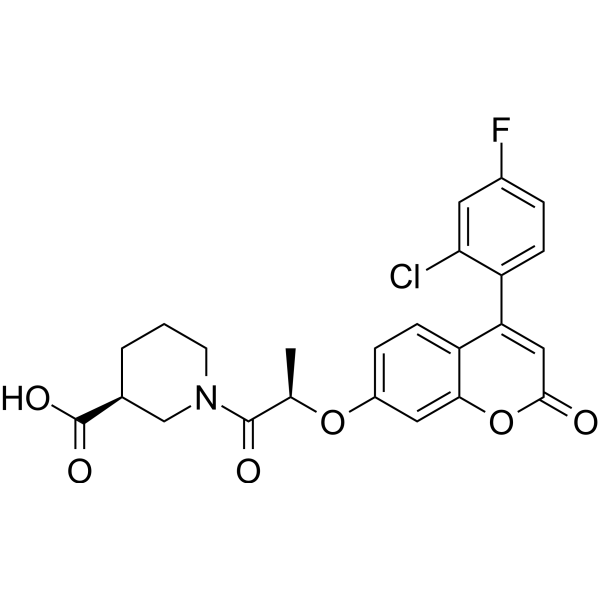
    EVT0185 is an orally active ATP citrate lyase (ACLY) inhibitor. EVT0185 is converted to a CoA thioester in the liver by SLC27A2 and interacts with the CoA-binding site of ACLY. EVT0185-CoA inhibits ACLY activity with an IC50 of 2.5 μM. EVT0185 can phenocopy the immune and antitumour effects of genetic ACLY deletion. EVT0185 can increase tumour-infiltrating B cells and chemokine CXCL13 levels. EVT0185 can be used for the research of cancer, such as hepatocellular carcinoma (HCC) .
    EVT0185
  • HY-P9964

    11F8; IMC-11F8; LY3012211

    EGFR Cancer
    Necitumumab (11F8; IMC-11F8; LY3012211) is a human IgG monoclonal antibody directed against EGFR. Necitumumab binds to the EGF binding site of EGFR, blocks ligand binding, neutralizes ligand-induced EGFR phosphorylation and downstream signaling, induces EGFR internalization and degradation, and mediates antibody-dependent cellular cytotoxicity (ADCC) in EGFR-expressing cells. Necitumumab enhances antitumour activity in combination with Gemcitabine (HY-17026) and Cisplatin (HY-17394) in murine non-small-cell lung cancer xenograft models. Necitumumab can be used in research on cancers such as non-small cell lung cancer and colorectal cancer .
    Necitumumab
  • HY-16382
    PCI-27483
    1 Publications Verification

    Factor VIIa Cancer
    PCI-27483 is a FVIIa/tissue factor inhibitor, with antitumour effects.
    PCI-27483
  • HY-110244

    BRK Cancer
    Tilfrinib (compound 4f) is a potent and selective Brk/PTK6 inhibitor with an IC50 value of 3.15 nM for Brk. Tilfrinib shows good anti-proliferative activity and has potential of anti-tumour .
    Tilfrinib
  • HY-119367

    FGFR VEGFR Cancer
    ODM-203 is an orally active and selective FGFR/VEGFR inhibitor with IC50 values of 6, 11, 16, 5, 9, 26 and 35 nM for FGFR3/1/2 and VEGFR3/2/1/4, respectively. ODM-203 has strong anti-tumour activity and activates immune responses in the tumour microenvironment .
    ODM-203
  • HY-108345

    Antibiotic Cancer
    Bleomycin is a glycopeptide antibiotic. Bleomycin has potent antitumour activities against a range of lymphomas, head and neck cancers and germ-cell tumours. Bleomycin can be used for the research of cancer and chemotherapy .
    Bleomycin
  • HY-19350
    BML-210
    2 Publications Verification

    HDAC Apoptosis Cancer
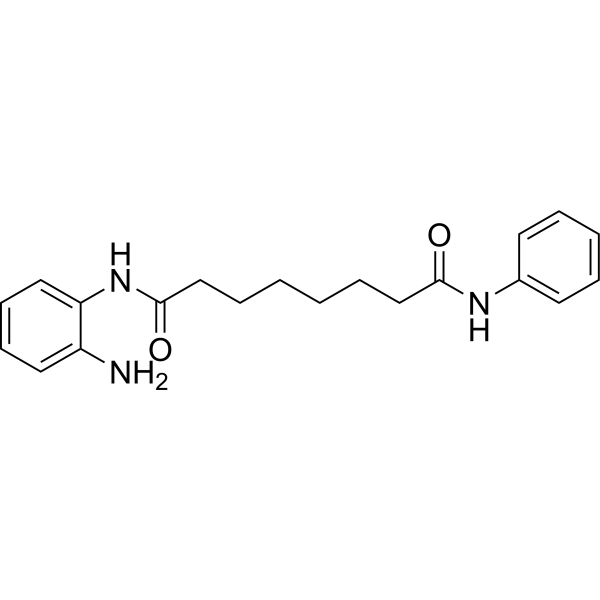
    BML-210 is a potent HDAC inhibitor. BML-210 can inhibit the HDAC4-VP16-driven reporter signal with an apparent IC50 of ∼5 µM. BML-210 has a specific disruptive effect on the HDAC4:MEF2 interaction. BML-210 causes an increase in the G0/G1 phase. BML-210 induces apoptosis and displays antitumour activities in orthotopic mammary tumours in mice .
    BML-210
  • HY-P99617

    REGN3767

    LAG-3 Inflammation/Immunology Cancer
    Fianlimab (REGN3767) is a human monoclonal antibody that targets the immune checkpoint receptor LAG-3 on T cells and has anti-tumour activity .
    Fianlimab
  • HY-N0793

    Corydinine

    Cholinesterase (ChE) Infection Neurological Disease Inflammation/Immunology Cancer
    Protopine (Corydinine), an isoquinoline alkaloid, is a specific reversible and competitive inhibitor of acetylcholinesterase. Protopine exhibits anti-inflammation, anti-microbial, anti-angiogenic and anti-tumour activity .
    Protopine
  • HY-W008634
    Bropirimine
    2 Publications Verification

    U-54461; U-54461S; PNU-54461

    Toll-like Receptor (TLR) Cancer
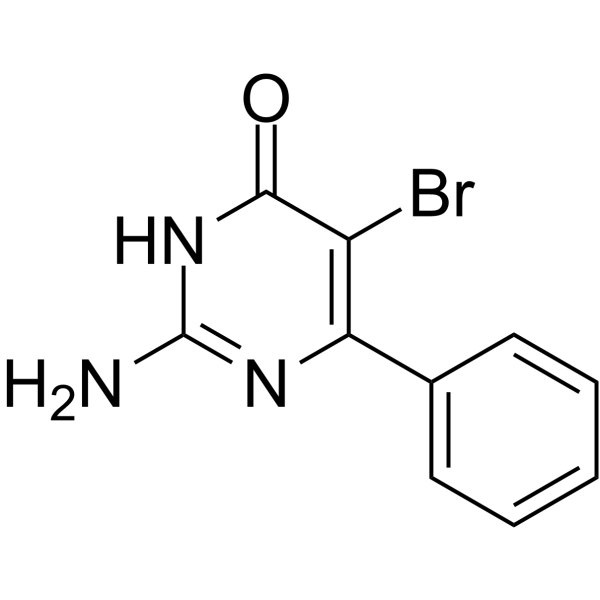
    Bropirimine (U-54461; U-54461S; PNU-54461) is an orally active TLR7 agonist. Bropirimine inhibits RANKL-induced osteoclast differentiation of mouse bone marrow-derived macrophages (BMMs). Bropirimine exhibits dose-dependent direct inhibitory effects on colony formation of cultured KK-47 and 724 cells. Bropirimine can be used for the study of cancers and bone metabolic disorders such as osteoporosis .
    Bropirimine
  • HY-125098
    Illudin S
    1 Publications Verification

    DNA Alkylator/Crosslinker Apoptosis Infection Cancer
    Illudin S, a cytotoxic Illudin, is a natural sesquiterpene with strong anti-tumour and antiviral activities. Illudin S has genotoxic activities. Illudin S blocks the G1-S phase interface of the cell cycle in human leukemia cells .
    Illudin S
  • HY-40294

    Monoamine Oxidase GSK-3 LRRK2 Cardiovascular Disease Neurological Disease Cancer
    Indazole, also called isoindazole, a heterocyclic aromatic organic compound. Its derivatives display a broad variety of biological activities including anti-inflammatory, antibacterial, anti-HIV, antiarrhythmic, antifungal and antitumour properties. Indazole and its derivatives can be used for research of cancer, neurological disorders, cardiovascular diseases, gastrointestinal diseases .
    Indazole
  • HY-P99189

    IMC-A12; NSC742460

    IGF-1R Cancer
    Cixutumumab (IMC-A12) is a human anti-IGF-1R monoclonal antibody with high affinity that inhibits ligand-dependent receptor activation and downstream signaling. Cixutumumab also mediates the internalization and degradation of IGF-IR. Cixutumumab shows broad-spectrum anti-tumour activity and can be used in studies of cancers such as lung cancer, malignancies, leukaemia, non-small cell lung cancer and prostate cancer .
    Cixutumumab
  • HY-N3845
    Ergosterol peroxide
    1 Publications Verification

    Bacterial Inflammation/Immunology Cancer
    Ergosterol peroxide is a steroid derivative and can be isolated from a variety of fungi, yeast, lichens or sponges. Ergosterol peroxide has anti-tumour, proapoptotic, anti-inflammatory, anti-mycobacterial, and anti-proliferative activities .
    Ergosterol peroxide
  • HY-147895
    PCAF-IN-2
    2 Publications Verification

    Histone Acetyltransferase Apoptosis Cancer
    PCAF-IN-2 (compound 17) is a potent PCAF inhibitor with an IC50 value of 5.31 µM. PCAF-IN-2 shows anti-tumour activity. CAF-IN-2 induces apoptosis and arrest the cell cycle at the G2/M phase .
    PCAF-IN-2
  • HY-15228
    RX-3117
    2 Publications Verification

    TV-1360; Fluorocyclopentenylcytosine

    Nucleoside Antimetabolite/Analog Apoptosis Cancer
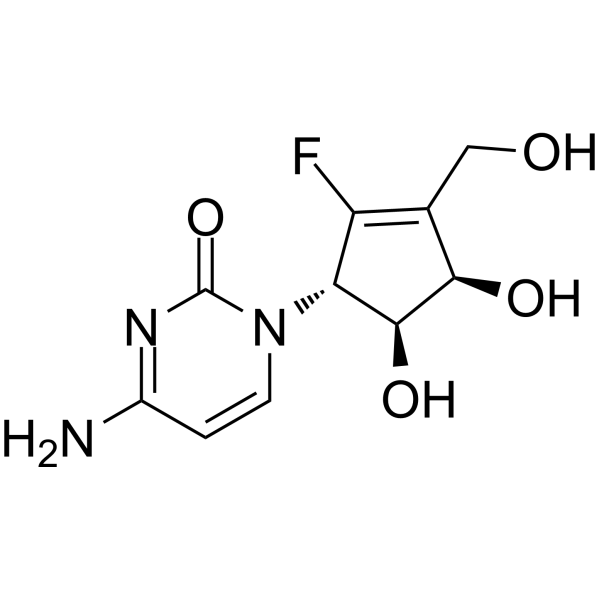
    RX-3117 (TV-1360) is a potent and orally active anticancer and antimetaboliteagent. RX-3117 inhibits DNA methyltransferase 1 (DNMT1). RX-3117 shows antiproliferative and anti-tumour activity. RX-3117 induces cell cycle arrest at S phase and apoptosis .
    RX-3117
  • HY-N1377

    Lysionotin

    Carboxylesterase (CES) DNA/RNA Synthesis Apoptosis Bacterial Infection Metabolic Disease Inflammation/Immunology Endocrinology Cancer
    Nevadensin (Lysionotin), a natural flavonoid, is a selective human carboxylesterase 1 (hCE1) inhibitor with an IC50 of 2.64 μM. Nevadensin is more selective for hCE1 than hCE2 (IC50 of 132.8 μM). Nevadensin can induce apoptosis and DNA damage in cancer cells. Nevadensin has a variety of pharmacological effects such as anti-inflammatory, anti-tumour, anti-hypertensive, anti-tubercular, antitussive, antioxidant and anti-microbial activities .
    Nevadensin
  • HY-N2447
    Amarogentin
    2 Publications Verification

    AMPK Apoptosis Metabolic Disease Cancer
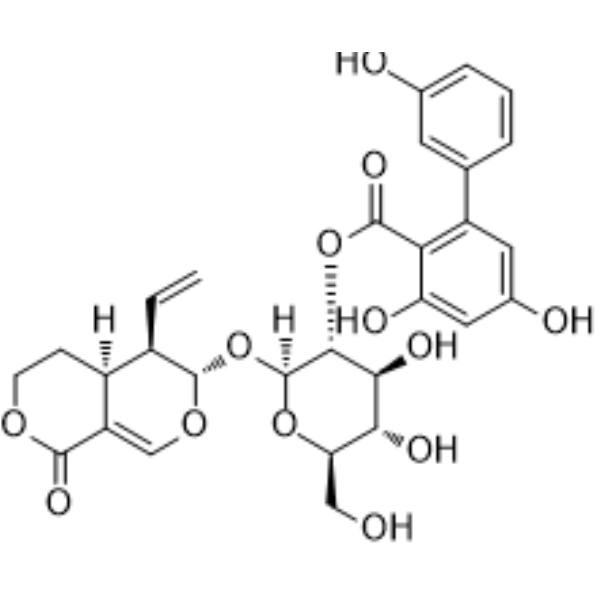
    Amarogentin is a secoiridoid glycoside that is mainly extracted from Swertia and Gentiana roots. Amarogentin exhibits many biological effects, including anti-oxidative, anti-tumour, and anti-diabetic activities. Amarogentin exerts hepatoprotective and immunomodulatory effects. Amarogentin promotes apoptosis, arrests G2/M cell cycle and downregulates of PI3K/Akt/mTOR signalling pathways. Amarogentin exerts beneficial vasculo-metabolic effect by activating AMPK .
    Amarogentin
  • HY-N10793

    Others Cancer
    RA-XI is a bicyclic hexapeptide isolated from Rubia cordifolia with antitumour activity .
    RA-XI
  • HY-N6067

    Bacterial Infection Cancer
    Primin is a natural product stored in trichomes on leaves and stems of Primula obconica, with antimicrobial and antitumour properties .
    Primin
  • HY-P99895

    PD-1/PD-L1 Inflammation/Immunology Cancer
    Rulonilimab is a human IgG1 monoclonal antibody against PD-1 that targets, binds and inhibits PD-1 and its downstream signalling pathways with potential immune checkpoint inhibition and anti-tumour activity .
    Rulonilimab
  • HY-N1214R

    Super Squalene (Standard); trans-Squalene (Standard); AddaVax (Standard)

    Reference Standards Endogenous Metabolite Reactive Oxygen Species (ROS) Fungal Infection Cardiovascular Disease
    Squalene (Standard) is the analytical standard of Squalene. This product is intended for research and analytical applications. Squalene (Super Squalene) is an intermediate product in the synthesis of cholesterol, and shows several pharmacological properties such as hypolipidemic, hepatoprotective, antiatherosclerotic, cardioprotective, antioxidant, and antitumour activity .
    Squalene (Standard)
  • HY-N9318

    Others Cancer
    4'-Demethyldehydropodophyllotoxin is an aryltetralin lignan that can be isolated from leaves of Podophyllum hexandrum. 4'-Demethyldehydropodophyllotoxin exhibits some cytotoxic and antitumour activity .
    4'-Demethyldehydropodophyllotoxin
  • HY-W000427

    Bacterial Infection Cancer
    Ethyl orsellinate is a lichen metabolite and a derivative of lecanoric acid with antiproliferative and antitumour activities . Ethyl Orsellinate is against A. salina for the cytotoxic activity with an LC50 of 495 μM .
    Ethyl Orsellinate
  • HY-32735S

    PG490-d3

    Isotope-Labeled Compounds NF-κB Apoptosis Cancer
    Triptolide-d3 is the deuterium labeled Triptolide. Triptolide is a diterpenoid triepoxide extracted from the root of Tripterygium wilfordii with immunosuppressive, anti-inflammatory, antiproliferative and antitumour effects. Triptolide is a NF-κB activation inhibitor .
    Triptolide-d3
  • HY-135312

    Estrogen Receptor/ERR PROTACs Cancer
    AZ'6421 acts as Protcolysis Targeting Chimera (PROTAC) to selectively degrade estrogen receptor alpha. AZ'6421 has a potent anti-tumour effect to inhibit the uncontrolled cellular proliferation which arises from malignant disease. AZ'6421 can be used for the research of cancer such as breast cancer .
    AZ'6421
  • HY-113604

    TGF-β Receptor Cancer
    Pentabromopseudilin (PBrP) is a marine antibiotic isolated from the marine bacteria Pseudomonas bromoutilis and Alteromonas luteoviolaceus. PBrP exhibits antimicrobial, anti-tumour and phytotoxic activities. PBrP is a reversible and allosteric inhibitor of myosin Va (MyoVa). PBrP also is a potent inhibitor of transforming growth factor-β (TGF-β) activity. PBrP can be used for the research of fibrotic diseases and cancer .
    Pentabromopseudilin
  • HY-148278

    SOS1 Ras Cancer
    BI-0474 is a potent KRAS G12C inhibitor with an IC50 value of 7.0 nM for the GDP-KRAS::SOS1 protein-protein interaction. BI-0474 exhibits good anti-proliferative activity against NCI-H358 cells carrying the G12C mutation. BI-0474 also shows good anti-tumour activity in non-small cell lung cancer xenograft models .
    BI-0474
  • HY-16138

    CG-200745

    HDAC MDM-2/p53 Apoptosis Cancer
    Ivaltinostat (CG-200745) is an orally active, potent pan-HDAC inhibitor which has the hydroxamic acid moiety to bind zinc at the bottom of catalytic pocket. Ivaltinostat inhibits deacetylation of histone H3 and tubulin. Ivaltinostat induces the accumulation of p53, promotes p53-dependent transactivation, and enhances the expression of MDM2 and p21 (Waf1/Cip1) proteins. Ivaltinostat enhances the sensitivity of Gemcitabine-resistant cells to Gemcitabine (HY-16138) and 5-Fluorouracil (5-FU; HY-90006). Ivaltinostat induces apoptosis and has anti-tumour effects .
    Ivaltinostat
  • HY-108610C

    (S)-ET-18-OCH3

    Apoptosis Cancer
    (S)-Edelfosine ((S)-ET-18-OCH3) is the (S)-enantiomer of Edelfosine (ET-18-OCH3) (HY-108610C). Edelfosine is a selective antitumour lipid targeting apoptosis through intracellular activation of Fas/CD95 Death receptor .
    (S)-Edelfosine
  • HY-W145584

    Endogenous Metabolite Metabolic Disease Cancer
    D-Iditol is a fungal metabolite, a sugar alcohol that accumulates in galactokinase deficiency. D-Iditol may have potential antitumour activity .
    D-Iditol
  • HY-119995

    Apoptosis Histamine Receptor Cardiovascular Disease Cancer
    Chloropyramine is competitive reversible H1 receptor antagonist. Chloropyramine also has anti-tumour activity in breast cancer. Chloropyramine can be used for the research of allergic conditions, such as conjunctivitis and bronchial asthma .
    Chloropyramine
  • HY-N3797A

    Ditaine chloride

    Apoptosis Cancer
    Echitamine (Ditaine) chloride is the major monoterpene indole alkaloid present in Alstonia scholaris with potent anti-tumour activity. Echitamine chloride induces DNA fragmentation and cells apoptosis. Echitamine chloride inhibits pancreatic lipase with an IC50 of 10.92 μM .
    Echitamine chloride
  • HY-103396
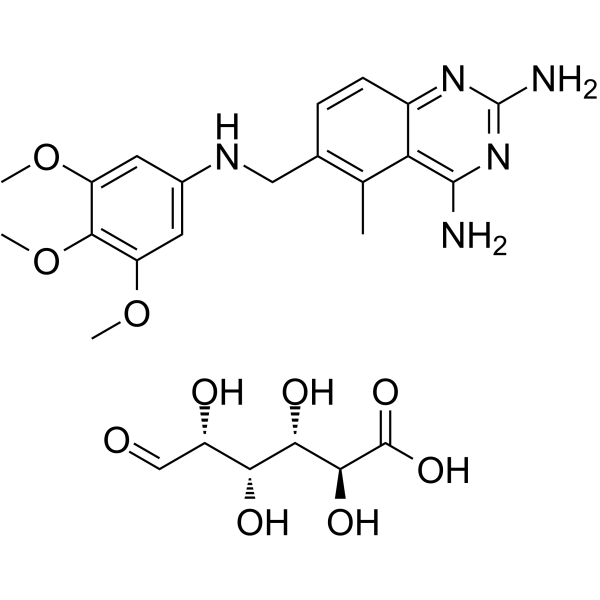
    Trimetrexate glucuronate
    2 Publications Verification

    CI-898 glucuronate

    Antifolate Bacterial Infection Cancer
    Trimetrexate glucuronate (NSC 352122) is a folic acid antagonist. Trimetrexate glucuronate affects DNA and RNA synthesis by inhibiting dihydrofolate reductase and preventing the synthesis of purine nucleotides and thymidylate. Trimetrexate glucuronate has potential antitumour activity and can also be used to inhibit Pneumocystis carinii pneumonia .
    Trimetrexate glucuronate

オンラインお問い合わせ

入力情報は安全に管理されます. 必須入力項目.

タイトル


国或いは地域 *

お名前 *


組纖名 *

デパートメント *


メールアドレス *


製品名 *

製品番号


カスタマ需要量 *

電話番号 *


必ず会社名を記載ください。個人への返信は行いません。

備考

バルクお問い合わせ

Inquiry Information

製品名:
製品番号:
数量:
MCE 日本正規代理店:

