1. Search Result
Search Result
Pathways Recommended: Neuronal Signaling JAK/STAT Signaling
Results for "

biased signaling

" in MedChemExpress (MCE) Product Catalog:

27

Inhibitors & Agonists

1

Screening Libraries

10

Peptides

Targets Recommended:
Cat. No. 상품명 Target 연구분야 Chemical Structure
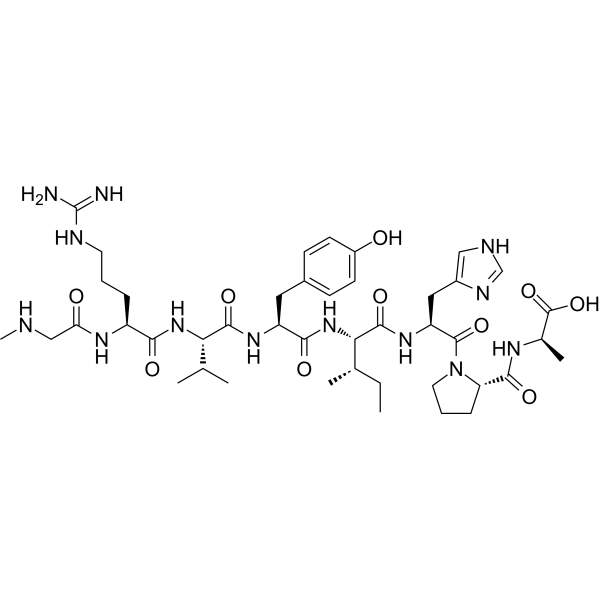
  • HY-P2141
    TRV-120027
    3 Publications Verification

    TRV027

    Angiotensin Receptor Arrestin Cardiovascular Disease
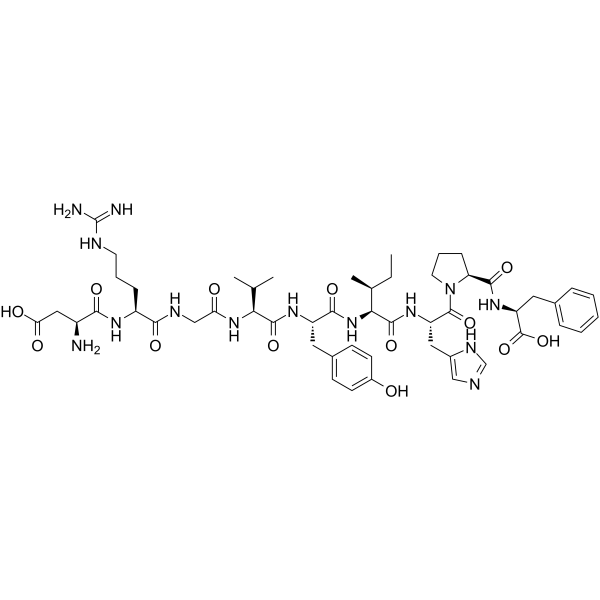
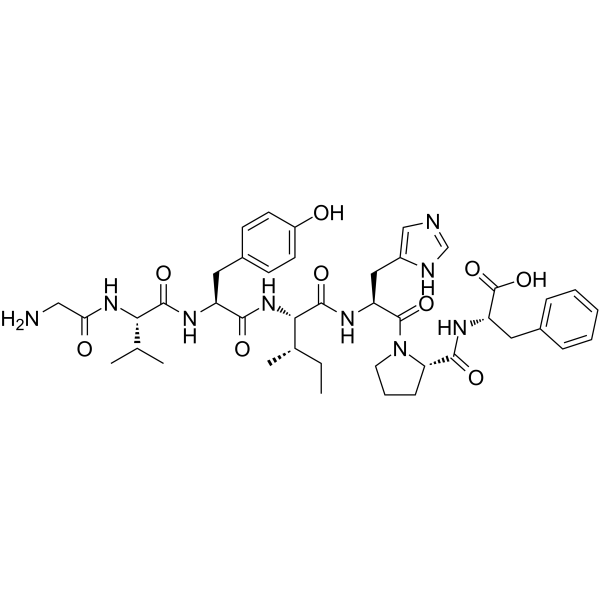
    TRV120027, a β-arrestin-1-biased agonist of the angiotensin II receptor type 1 (AT1R), engages β-arrestins while blocking G-protein signaling . TRV120027 induces acute catecholamine secretion through cation channel subfamily C3 (TRPC3) coupling, promotes the formation of a macromolecular complex composed of AT1R-β-arrestin-1-TRPC3-PLCγ at the plasma membrane. TRV120027 inhibits angiotensin II-mediated vasoconstriction and increases cardiomyocyte contractility. TRV120027 has the potential for the acute decompensated heart failure (ADHF) treatment .
    TRV-120027
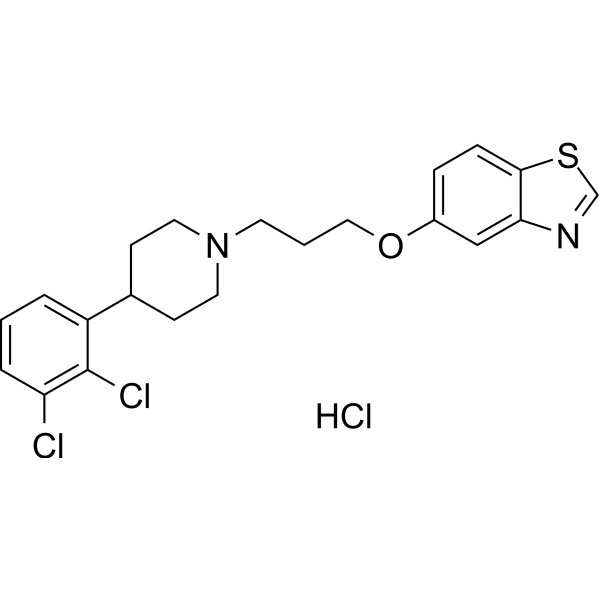
  • HY-128121

    Dopamine Receptor Neurological Disease
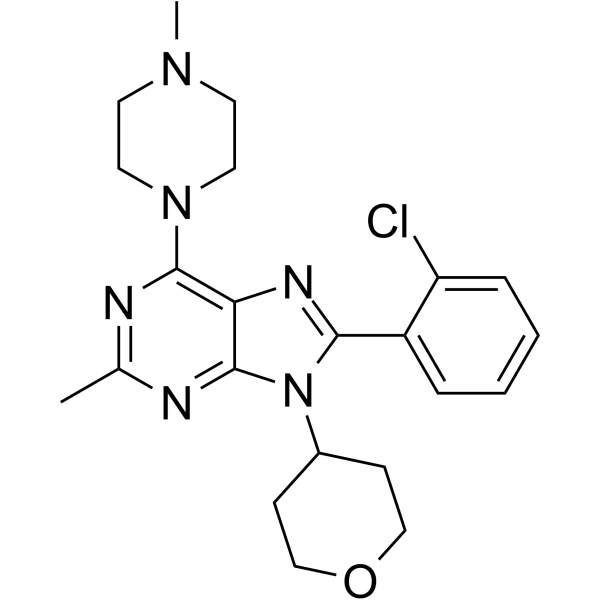
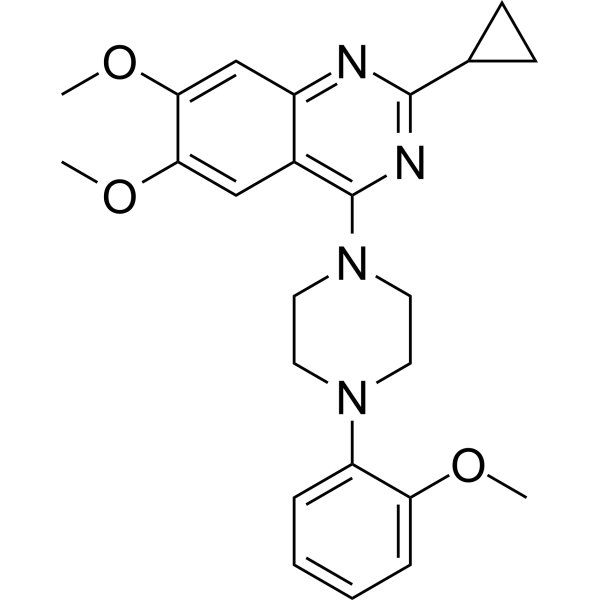
    MLS1547 is a highly efficacious G protein-biased dopamine D2 receptor (D2R) agonist (Ki=1.2 μM). MLS1547 stimulates D2R G protein-mediated signaling (EC50=0.37 μM in a calcium mobilization assay). MLS1547 acts as an antagonist for dopamine (DA)-stimulated β-arrestin recruitment to the D2R (IC50=9.9 μM) .
    MLS1547
  • HY-P3137

    Angiotensin Receptor Cardiovascular Disease
    TRV056 is a Gq-biased ligand of the angiotensin II receptor type 1 (AT1R). TRV056 is efficacious in stimulating cellular Gq-mediated signaling. TRV056 can be used to develop the Gq-biased AT1R agonists .
    TRV056
  • HY-16642A
    LY2828360
    1 Publications Verification

    Cannabinoid Receptor Neurological Disease
    LY2828360 is a slowly acting but efficacious G protein-biased cannabinoid (CB2) agonist, inhibiting cAMP accumulation and activating ERK1/2 signaling.
    LY2828360
  • HY-171978

    Adrenergic Receptor Cardiovascular Disease
    LM-189 is a β2-adrenergic receptor (β2AR) ligand and G protein-biased modulator with a human β2AR Ki of 0.063 nM.LM-189 promotes β2AR coupling to Gαs and Gαi heterotrimers, stabilizes distinct β2AR conformations including a TM6 outward state, and increases β2AR ICL2 dynamics.LM-189 restricts β2AR ligand-binding pocket conformational heterogeneity, stabilizes polar ligand-receptor interaction networks, and exhibits bias toward Gαi signaling over Gαs signaling.LM-189 enabled cryo-EM structural characterization of the β2AR-Gi complex.LM-189 can be used for the research of congestive heart failure .
    LM-189
  • HY-111385
    UNC9994 hydrochloride
    2 Publications Verification

    Dopamine Receptor 5-HT Receptor Arrestin Neurological Disease
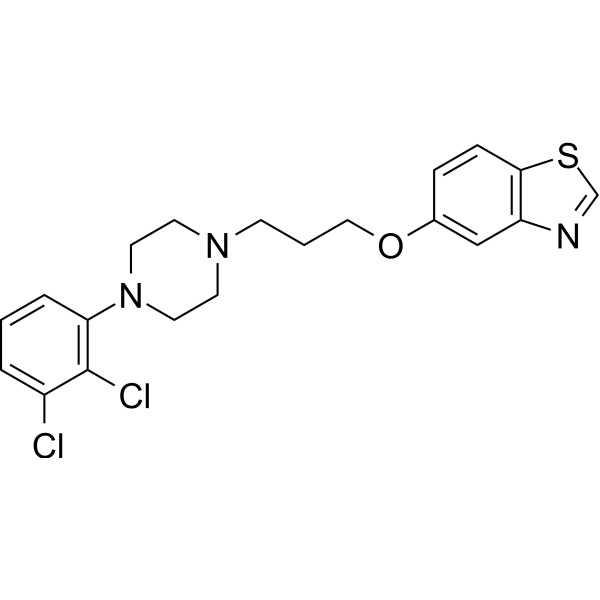
    UNC9994 hydrochloride is a functionally selective, β-arrestin–biased dopamine D2 receptor (D2R) agonist that selectively activates β-arrestin recruitment and signaling. UNC9994 hydrochloride shows a binding affinity with a Ki of 79 nM for D2R. UNC9994 hydrochloride is also an antagonist of Gi-regulated cAMP production and partial agonist for D2R/β-arrestin-2 interactions. UNC9994 hydrochloride shows antipsychotic-like activity .
    UNC9994 hydrochloride
  • HY-120511
    KNT-127
    1 Publications Verification

    Opioid Receptor Neurological Disease
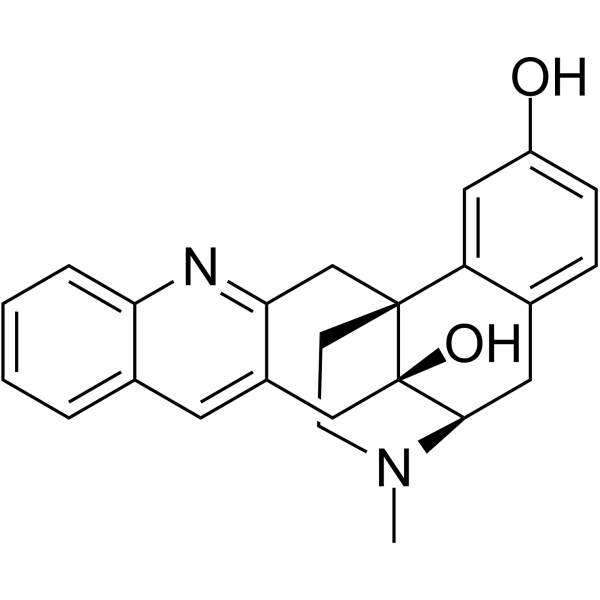
    KNT-127 is a selective and BBB-penetrant δ-opioid receptor (DOR) agonist (Ki = 0.16 nM). KNT-127 is highly selective to the δ receptor, with Ki values of 0.16, 21.3 and 153 nM for δ, μ and κ receptors, respectively. KNT-127 acts as a biased ligand that mainly activates cyclic adenosine monophosphate (cAMP) signaling with lower beta-arrestin signaling activation. KNT-127 increases the release of dopamine and L-glutamate in the striatum, nucleus accumbens, and prefrontal cortex. KNT-127 exhibits antidepressant- and anxiolytic-like effects. KNT-127 can be studied in research on neurological diseases .
    KNT-127
  • HY-16639

    GPR35 Neurotensin Receptor Neurological Disease Endocrinology
    ML314 is a potent, BBB-penetrant and β-arrestin biased molecule agonist of NTR1 (EC50 = 1.9 μM). ML314 shows good selectivity against NTR2 and GPR35, but does not stimulate Ca2+ mobilization. ML314 can attenuate amphetamine-like hyperlocomotion in dopamine transporter knockout mice. ML314 attenuates methamphetamine-associated hyperlocomotion and potentiates the psychostimulant inhibitory effects of a ghrelin antagonist in wild type mouse model. ML314 also acts as an allosteric enhancer of endogenous neurotensin. ML314 antagonizes G protein signaling. ML314 can be studied in research for methamphetamine abuse conditions .
    ML314
  • HY-P3136

    TRV120055

    Angiotensin Receptor ERK Cardiovascular Disease
    TRV055 (TRV120055) is a G protein-biased agonist of angiotensin II type 1 receptors (AT1Rs). TRV120055 induces fibroblast proliferation, overexpression of collagen I and α-SMA, and stress fibre formation in human cardiac fibroblasts. TRV055 activates AT1 receptor/Gαq-mediated signaling pathways, upregulates TGF-β1 and p-ERK1/2. TRV055 induces collagen secretion in adult rat myofibroblasts at a level comparable to Ang II. TRV055 can be used to study the role of G protein-biased signaling of AT1Rs in regulating fibrotic responses [1]
    TRV055
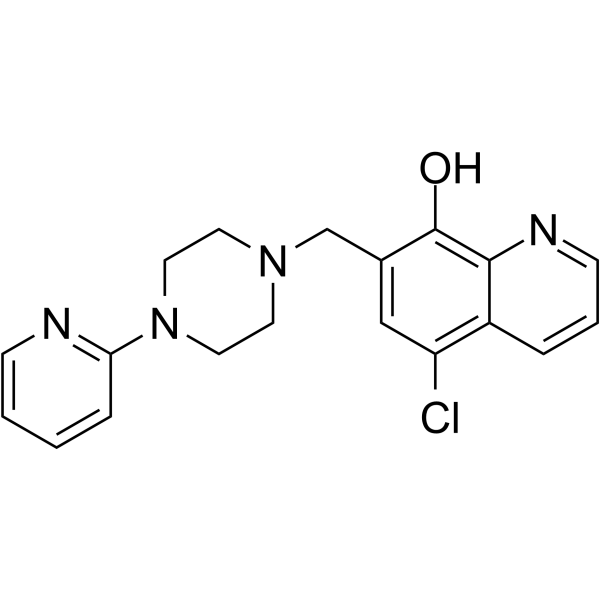
  • HY-120920

    Dopamine Receptor Inflammation/Immunology
    UNC9995 is a β-arrestin2-biased agonist of dopamine receptor Drd2. UNC9995 inhibits NLRP3 inflammasome activation by enhancing β-arrestin2-NLRP3 interaction, thus prevents neuronal degeneration. Futhermore, UNC9995 activates the Drd2/β-arrestin2 signaling to prevent inflammation-related genes transcription-induced by JAK/STAT3. UNC9995 improves depressive behavior in mouse model, and improves astrocytes dysfunctions .
    UNC9995
  • HY-103475

    GABA Receptor Neurological Disease
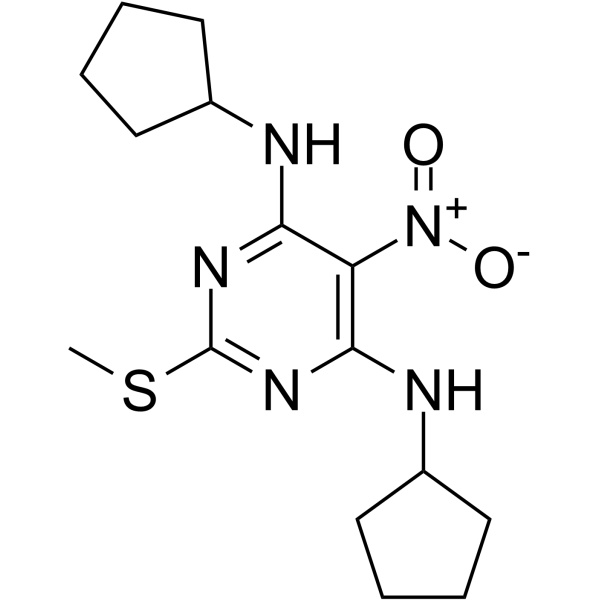
    GS39783 is a positive allosteric modulator (PAM) of GABABR. Positive modulation of the GABABR can be used for the research of Nicotine addiction .
    GS39783
  • HY-P3136A

    TRV120055 hydrochloride

    Angiotensin Receptor Cardiovascular Disease
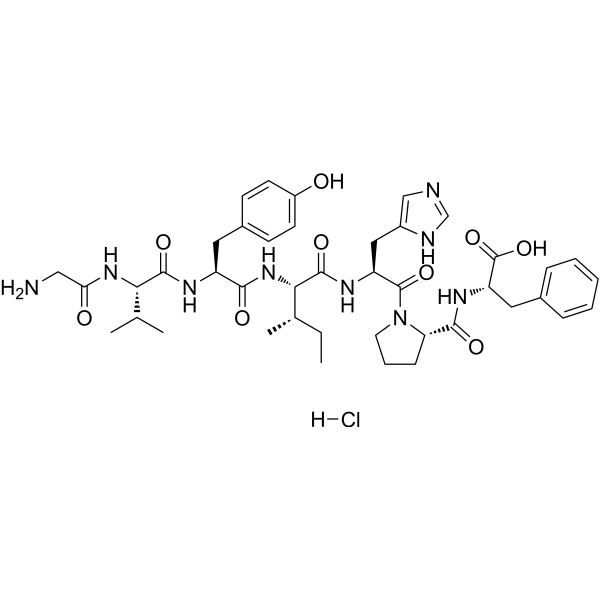
    TRV055 (TRV120055) hydrochloride is a G protein-biased agonist of angiotensin II type 1 receptors (AT1Rs). TRV055 hydrochloride induces fibroblast proliferation, overexpression of collagen I and α-SMA, and stress fibre formation in human cardiac fibroblasts. RV055 hydrochloride activates AT1 receptor/Gαq-mediated signaling pathways, upregulates TGF-β1 and p-ERK1/2. RV055 hydrochloride induces collagen secretion in adult rat myofibroblasts at a level comparable to Ang II. RV055 hydrochloride can be used to study the role of G protein-biased signaling of AT1Rs in regulating fibrotic responses [1]
    TRV055 hydrochloride
  • HY-163671

    GPR52 Arrestin Neurological Disease
    PW0729 is a selective GPR52 agonist. PW0729 activates G protein/cAMP signaling pathway, with bias toward this pathway over β-arrestin recruitment, and induces GPR52 desensitization. PW0729 can be used for the research of neuropsychiatric and neurological diseases .
    PW0729
  • HY-156025

    Hydroxycarboxylic Acid Receptor (HCAR) Inflammation/Immunology
    HCAR2 agonist 1 (Compound 9n) is a Gi protein-biased allosteric modulator of HCAR2. HCAR2 agonist 1 activates the Gi protein signaling pathway. HCAR2 agonist 1 shows anti-inflammatory effect, and reduces mRNA level of pro-inflammatory cytokine (TNF-α, IL-1β, IL-6, and MCP-1). HCAR2 agonist 1 enhances anti-inflammatory effects of orthosteric agonists in the mouse model of colitis .
    HCAR2 agonist 1
  • HY-110302

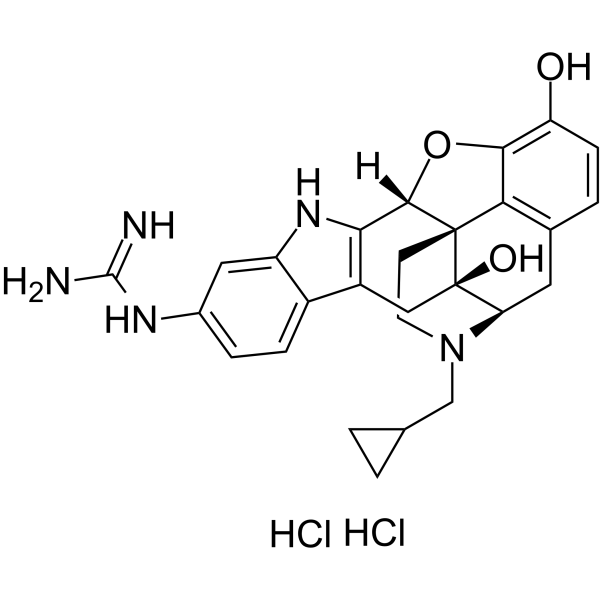
    Opioid Receptor Neurological Disease
    6'-GNTI dihydrochloride, a κ-opioid receptor (KOR) agonist, displays bias toward the activation of G protein-mediated signaling over β-arrestin2 recruitment. 6'-GNTI 6'-GNTI dihydrochloride only activates the Akt pathway in striatal neurons .
    6'-GNTI dihydrochloride
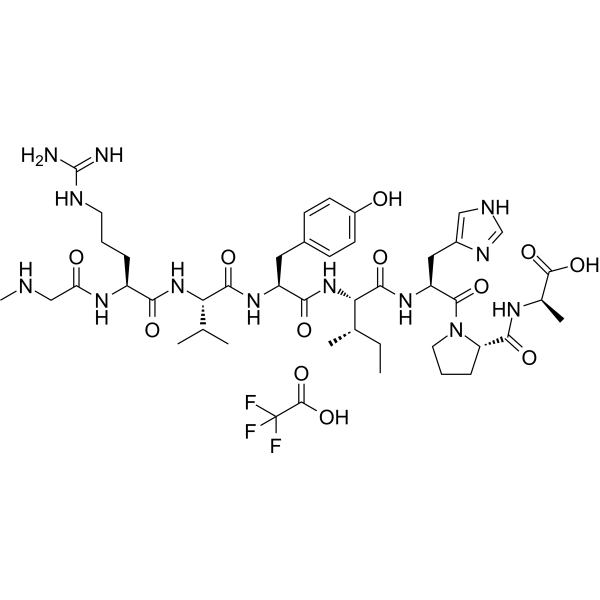
  • HY-P2141A
    TRV-120027 TFA
    3 Publications Verification

    Angiotensin Receptor Arrestin Cardiovascular Disease
    TRV120027 TFA, a β-arrestin-1-biased agonist of the angiotensin II receptor type 1 (AT1R), engages ?-arrestins while blocking G-protein signaling . TRV120027?TFA induces?acute?catecholamine?secretion?through cation channel subfamily C3 (TRPC3) coupling, promotes the formation of a macromolecular complex composed of AT1R–β-arrestin-1–TRPC3–PLCγ at the plasma membrane. TRV120027 TFA inhibits angiotensin II–mediated vasoconstriction and increases cardiomyocyte contractility. TRV120027 TFA has the potential for the?acute decompensated heart failure (ADHF) treatment .
    TRV-120027 TFA
  • HY-P11540

    Cholecystokinin Receptor MMP Amyloid-β Neurological Disease
    CCKBR agonist-1 (Compound 3r1) is a Gq-protein-preferring cholecystokinin B receptor (CCKBR) agonist with an EC50 of 35 pM. CCKBR agonist-1 significantly increases the survival rate of neurons, with an EC50 of 37 pM. CCKBR agonist-1 can improve the cognitive decline in mice by upregulating α-secretase (ADAM10) and calcium signaling molecule PLCB4, reduce the number of amyloid β () plaques, and promote long-term potentiation (LTP). CCKBR agonist-1 can be used for the study of Alzheimer's disease .
    CCKBR agonist-1
  • HY-P3347

    Apelin Receptor (APJ) Cardiovascular Disease
    NH2-c[X-R-L-S-X]-K-G-P-(D-2Nal) (compound 40), a macrocyclic analogue of Ape13, is a potent APJ agonist (Ki=5.7 nM). NH2-c[X-R-L-S-X]-K-G-P-(D-2Nal) exhibits a favorable Gα12-biased signaling and an increased in vivo half-life .
    NH2-c[X-R-L-S-X]-K-G-P-(D-2Nal)
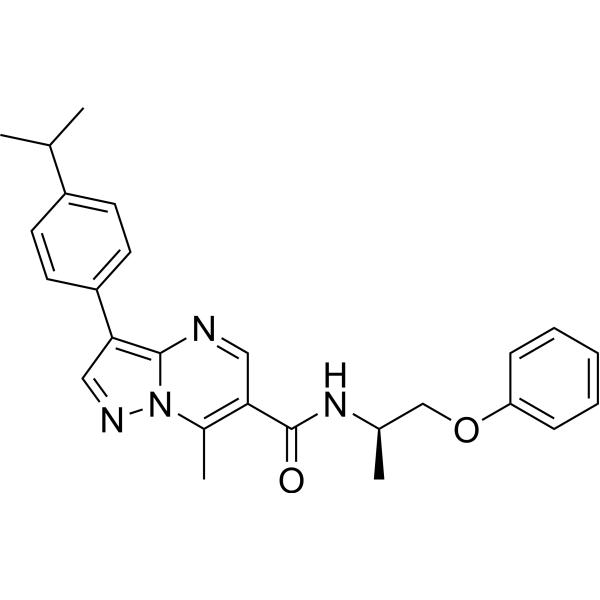
  • HY-161107

    GPR84 Inflammation/Immunology
    OX04529 (compound 69) is a potent, selective and orally active agonist of GPR84. OX04529 inhibits FSK-induced cAMP production with an EC50 of 0.0185 nM. OX04529 displayed excellent potency, high G-protein signaling bias .
    OX04529
  • HY-P3259

    Protease Activated Receptor (PAR) Inflammation/Immunology Cancer
    AY254 is an analogue of AY77 (HY-138951). AY254 is ERK-biased PAR2 agonist with an EC50 of 2 nM. AY254 relieves cytokine-induced caspase 3/8 activation. AY254 also promotes scratch-wound healing and induced IL-8 secretion via PAR2-ERK1/2 signaling
    AY254
  • HY-P11275

    GLP Receptor GCGR Neuropeptide Y Receptor Metabolic Disease
    TC4 is a highly balanced single-molecule quadruple agonist that can respectively activate GIPR, GLP-1R, GcgR, and Y2R with IC50 values of 0.95, 31, 81, and 1100 nM respectively. TC4 exhibits extremely strong signal bias on GLP-1R and has very low recruitment efficacy for β-inhibitor protein 2 (βArr2) and this strong cAMP preference is believed to maximize metabolic benefits (such as weight loss and hypoglycemia) while possibly minimizing side effects mediated by β-inhibitor protein recruitment (such as receptor desensitization). TC4 can be used for research on obesity and diabetes .
    TC4
  • HY-161812

    Opioid Receptor Others
    MOR agonist-4 (2d) is a G protein signaling-biased Kappa opioid receptor (KOR) agonist with an EC50 value of 11 nM. MOR agonist-4 contains an electron withdrawing CF3 group and a bias factor of 38 based on triazole. MOR agonist-4 is used in the research of pruritis and analgesia .
    MOR agonist-4
  • HY-116445

    Dopamine Receptor Neurological Disease
    UNC9975 is a D2R agonist that displays signaling bias via β-arrestin–ergic signaling and a simultaneously antagonist of Gi-regulated cAMP production and partial agonist for D2R/β-arrestin-2 interactions. UNC9975 can be utilized in antipsychotic research .
    UNC9975
  • HY-P11279

    GLP Receptor GCGR Neuropeptide Y Receptor Metabolic Disease
    TC2 is an efficient GIPR-preferring monomeric quadruple agonist that can respectively activate GIPR, GLP-1R, GcgR, and Y2R with IC50 values of 0.47, 2.1, 30, and 55 nM respectively. TC2 exhibits a significant GLP-1R preference, with a significant reduction in β-inhibitory protein 2 (βArr2) recruitment, while maintaining a strong cAMP signal. TC2 can be used for research on obesity and diabetes .
    TC2
  • HY-183777

    Apelin Receptor (APJ) Arrestin Cardiovascular Disease
    B-007 is an AplnR agonist with G protein-biased signaling (EC50 = 11.6 nM). B-007 activates the G protein pathway while abolishing β-arrestin1 and β-arrestin2 signaling. B-007 serves as a scaffold for development of G protein-biased apelin receptor agonists. B-007 can be used for the research of heart failure .
    B-007
  • HY-179606

    Transmembrane Glycoprotein Arrestin ERK Epigenetic Reader Domain Neurological Disease
    RWT9996 is a balanced GPR17 antagonist. RWT9996 has an inhibitory effect on G protein activation and β-arrestin-2 recruitment induced by MDL-29951. RWT9996 inhibits the phosphorylation of ERK/CREB and the accumulation of inositol phosphate (b IP1) induced by MDL-29951. RWT9996 can be used for the study of neurological diseases .
    RWT9996
  • HY-179721

    Cholecystokinin Receptor Neurological Disease
    CCKBR agonist-2 (Compound z-44) is a Gi-preferring CCKBR agonist. CCKBR agonist-2 effectively activates the CCKBR-Gi signaling pathway (EC50 = 0.27 nM), but has almost no activity on Gq and Gs signaling pathways. CCKBR agonist-2 shows no significant protective effect in the mouse Alzheimer's disease model, proving that the simple activation of the Gi signal pathway does not play a dominant role in the improvement of cognitive function .
    CCKBR agonist-2

온라인 문의

Your information is safe with us. * Required Fields.

호칭


Country or Region *

고객명 *


회사명 *

Department *


메일주소 *


상품명 *

Cat. No.


Requested quantity *

전화번호 *


비고

온라인 문의

Inquiry Information

상품명:
Cat. No.:
수량:
MCE Japan Authorized Agent:

