1. Search Result
Search Result
Results for "

binding site

" in MedChemExpress (MCE) Product Catalog:

790

Inhibitors & Agonists

13

Screening Libraries

16

Fluorescent Dye

18

Biochemical Assay Reagents

80

Peptides

1

MCE Kits

21

Inhibitory Antibodies

61

Natural
Products

37

Isotope-Labeled Compounds

1

Antibodies

6

Click Chemistry

8

Oligonucleotides

Cat. No. Product Name Target Research Areas Chemical Structure
  • HY-A0005
    Clofarabine
    10+ Cited Publications

    Nucleoside Antimetabolite/Analog Autophagy Apoptosis Metabolic Disease Cancer
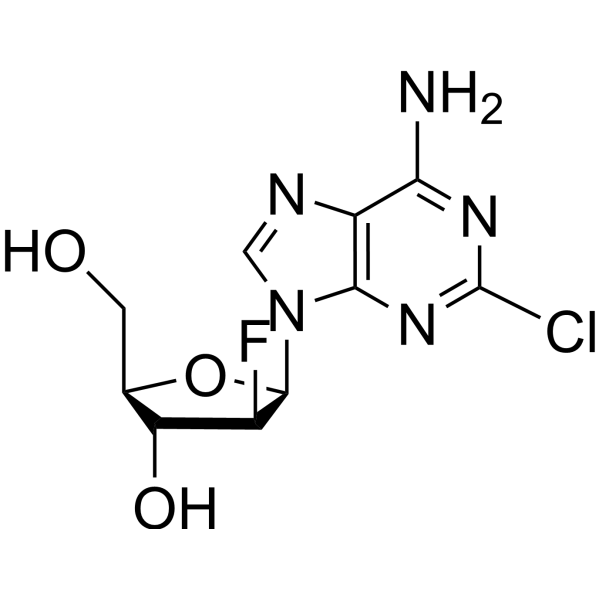
    Clofarabine, a nucleoside analogue for research of cancer, is a potent inhibitor of ribonucleotide reductase (IC50=65 nM) by binding to the allosteric site on the regulatory subunit .
    Clofarabine
  • HY-D0987

    Calmodulin Others
    Stains-All, a cationic carbocyanine dye, is a convenient probe to study the structural features of the individual calcium-binding sites of calmodulin (CaM) and related calcium-binding proteins (CaBP) .
    Stains-All
  • HY-P1315

    Glycylglycyl-L-tyrosyl-L-arginine

    Cathepsin Others
    Papain inhibitor (Glycylglycyl-L-tyrosyl-L-arginine) is a competitive papain-targeting enzyme inhibitor with a Ki of 9 μM. Papain inhibitor binds directly to the substrate binding site of papain, inhibiting substrate hydrolysis by the enzyme. Papain inhibitor functions as a component of an electrochemical probe for the detection of papain .
    Papain inhibitor
  • HY-P99009

    RVT-1401; HBM9161; IMVT-1401

    Fc Receptor (FcR) Inflammation/Immunology
    Batoclimab (RVT-1401) is a fully humanized IgG1 monoclonal antibody targeting FcRn. Batoclimab has high affinity for the IgG-binding site on FcRn. By competitively binding to the IgG binding site on FcRn, Batoclimab blocks FcRn-mediated recycling of IgG, resulting in enhanced degradation and subsequent reductions in IgG levels. Batoclimab can be used in the research of autoimmune diseases such as myasthenia gravis and thyroid eye disease .
    Batoclimab
  • HY-17592
    Bithionol
    3 Publications Verification

    Environmental Pollutants Bacterial Parasite Infection Cancer
    Bithionol is an antibacterial, anthelmintic, and algaecide agent. Bithionol is also a potent inhibitor of soluble adenylyl cyclase through binding to the allosteric activator site (IC50: 4 μM) .
    Bithionol
  • HY-100815B

    (±)-AMPA

    iGluR Neurological Disease
    (RS)-AMPA ((±)-AMPA) is a glutamate analogue and a potent and selective excitatory neurotransmitter L-glutamic acid agonist. (RS)-AMPA does not interfere with binding sites for kainic acid or NMDA receptors .
    (RS)-AMPA
  • HY-18698

    iGluR Neurological Disease
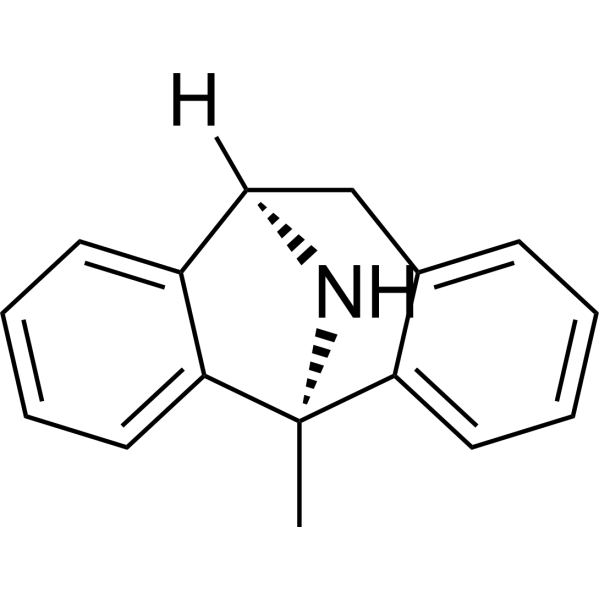
    L-701324 is a potent, orally active NMDA receptor antagonist that antagonizes the activity of the NMDA receptor by blocking its glycine B binding site. L-701324 binds with high affinity to rat brain membranes (IC50=2 nM). L-701324 has antidepressant activity .
    L-701324
  • HY-119323
    7-Azido-4-methylcoumarin
    1 Publications Verification

    Fluorescent Dye Others
    7-Azido-4-methylcoumarin is a selective coumarin-based fluorescent probe for hydrogen sulfide (H2S). In the presence of H2S, the aromatic azido group of 7-Azido-4-methylcoumarin is selectively reduced to produce the fluorescently active 7-amino-4-methylcoumarin (AMC). 7-Azido-4-methylcoumarin binds to the coumarin/phenol-binding site of BSA, the aglycone-binding site of UGT1A6, and the substrate-binding site of SULT1A1, respectively. 7-Azido-4-methylcoumarin retains its fluorescent properties after covalent binding, acts as a fluorescent H2S probe, and does not react with cysteine, homocysteine or glutathione (Ex/Em = 340/445 nm) .
    7-Azido-4-methylcoumarin
  • HY-16307
    MB05032
    5+ Cited Publications

    FBPase Metabolic Disease
    MB05032 is a special and efficacious gluconeogenesis inhibitor targeted the AMP binding site of fructose 1,6-bisphosphatase (FBPase) with an IC50 value of 16 nM.
    MB05032
  • HY-128914

    ADC Payload Microtubule/Tubulin Apoptosis Cancer
    Tubulysin is a microtubule destabilizer that binds to the β-tubulin peptide site adjacent to the vinca alkaloid binding site and inhibits tubulin polymerization. Tubulysin induces apoptosis and exhibits antiproliferative activity against a variety of human cancer cells, including multidrug-resistant strains. Tubulysin can be conjugated to antibodies via a disulfide-containing quaternary ammonium linker for ADC synthesis . Tubulysin is applicable to tumor-related research .
    Tubulysin
  • HY-D1030

    Fluorescent Dye Others
    Fluorescein Biotin is a fluorescent modulator with avidin and streptavidin binding activity. Fluorescein Biotin binds to the biotin-binding sites of avidin and streptavidin, and this binding induces significant fluorescence quenching .
    Fluorescein Biotin
  • HY-W008270

    γ-Crotonolactone

    Endogenous Metabolite Bacterial Infection Neurological Disease
    2(5H)-Furanone (γ-Crotonolactone) is an endogenous metabolite. 2(5H)-Furanone mimics N-acyl homoserine lactone signals, occupies the binding site of LuxR homologs, and interferes with quorum sensing-mediated gene regulation. 2(5H)-Furanone inhibits quorum sensing mediated by AHLs with different acyl chain lengths. 2(5H)-Furanone inhibits biofilm formation of environmental Aeromonas hydrophila strains on polystyrene plates. 2(5H)-Furanone suppresses spike-and-wave discharges in a rat model of generalized absence seizures and exhibits selective activity against absence seizures. 2(5H)-Furanone can be used in studies related to bacteria infections and generalized absence seizures.
    2(5H)-Furanone
  • HY-B0115
    Pizotifen
    2 Publications Verification

    Pizotyline; BC-105

    5-HT Receptor Neurological Disease
    Pizotifen (Pizotyline) is a potent 5-HT2 receptor antagonist, with a high affinity for 5-HT1C binding site.
    Pizotifen
  • HY-12062
    PD318088
    1 Publications Verification

    MEK Cancer
    PD318088 is a potent, allosteric and non-ATP competitive MEK1/2 inhibitor, an analog of PD184352 (HY-50295). PD318088 binds simultaneously with ATP in a region of the MEK1 active site that is adjacent to the ATP-binding site. PD318088 can be used for cancer research .
    PD318088
  • HY-157508
    VCP Activator 1
    2 Publications Verification

    p97 Others
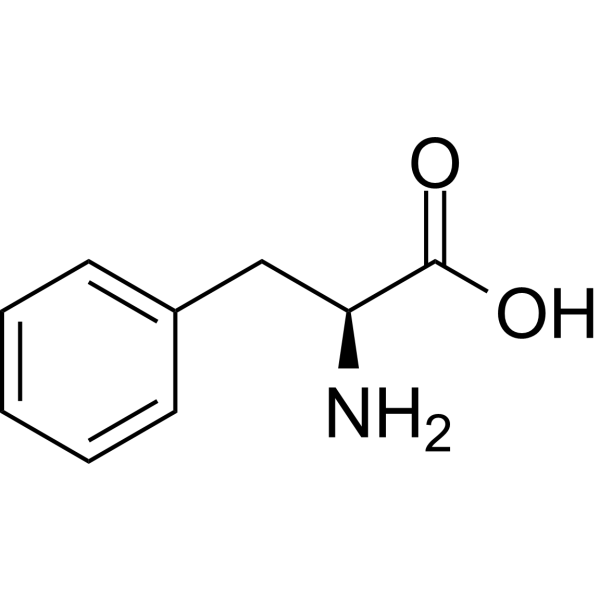
    VCP Activator 1 is a VCP activator that dose-dependently stimulates VCP ATPase activity. VCP Activator 1 binds an allosteric pocket near the C-terminus. In addition, VCP Activator 1 binding site can also be occupied by a phenylalanine residue in the VCP C-terminal tail .
    VCP Activator 1
  • HY-P1741
    Fibrinogen-Binding Peptide
    1 Publications Verification

    Thrombin Cardiovascular Disease
    Fibrinogen-Binding Peptide (designed by anticomplementarity hypothesis) is a presumptive peptide mimic of the vitronectin binding site on the fibrinogen receptor. Fibrinogen-Binding Peptide binds fibrinogen and inhibits both the adhesion of platelets to fibrinogen and platelet aggregation, and also inhibits the adhesion of platelets to vitronectin .
    Fibrinogen-Binding Peptide
  • HY-B0115A
    Pizotifen malate
    2 Publications Verification

    Pizotyline malate; BC-105 malate

    5-HT Receptor Neurological Disease
    Pizotifen malate (Pizotyline malate) is a potent 5-HT2 receptor antagonist, with a high affinity for 5-HT1C binding site.
    Pizotifen malate
  • HY-136299
    Sepimostat
    2 Publications Verification

    FUT-187 free base

    iGluR Neurological Disease
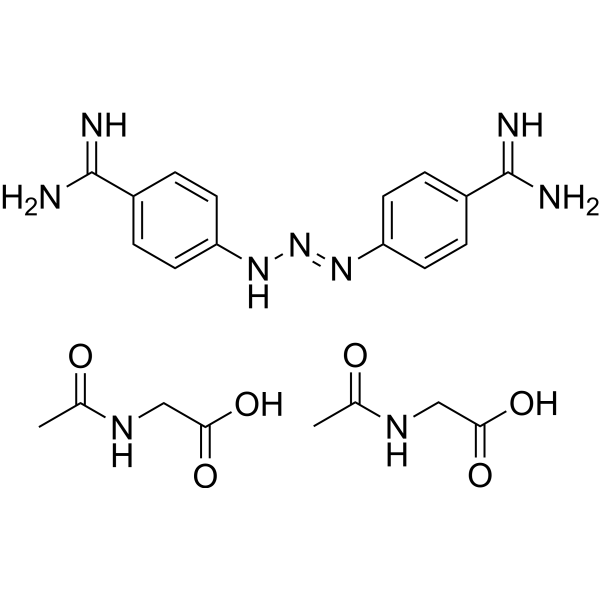
    Sepimostat (FUT-187 free base) exhibits neuroprotective activity via NR2B N-methyl-D-aspartate receptor antagonism at the Ifenprodil-binding site of the NR2B subunit. Sepimostat inhibits the Ifenprodil binding with a Ki value of 27.7?μM .
    Sepimostat
  • HY-D0871

    N-Cyclohexyltaurine

    Biochemical Assay Reagents Influenza Virus Infection
    CHES (N-Cyclohexyltaurine) is a biological buffer reagent that binds to influenza virus hemagglutinin (HA). CHES mimics the binding mode of sialic acid to the HA receptor-binding site .
    CHES
  • HY-P2463

    Arp2/3 Complex Inflammation/Immunology
    Fequesetide, a peptide segment, is the active site within the protein thymosin β4 responsible for actin binding, cell migration and wound healing .
    Fequesetide
  • HY-100982

    trans-4-Hydroxycrotonic acid; trans-γ-Hydroxycrotonic acid; T‐HCA

    GABA Receptor Neurological Disease
    (E)-4-Hydroxycrotonic acid (T-HCA) is a high-affinity ligand for GHB binding sites, with a ki value of 1.1 μM. The introduction of diaryl substituents into (E)-4-Hydroxycrotonic acid significantly enhances its affinity for GHB binding sites, with ki values ranging from 0.023 to 0.075 μM. (E)-4-Hydroxycrotonic acid holds promise for optimizing GHB ligand structures and assisting in the development of effective three-dimensional pharmacophore models .
    (E) -4-Hydroxycrotonic acid
  • HY-145310

    Epigenetic Reader Domain Inflammation/Immunology
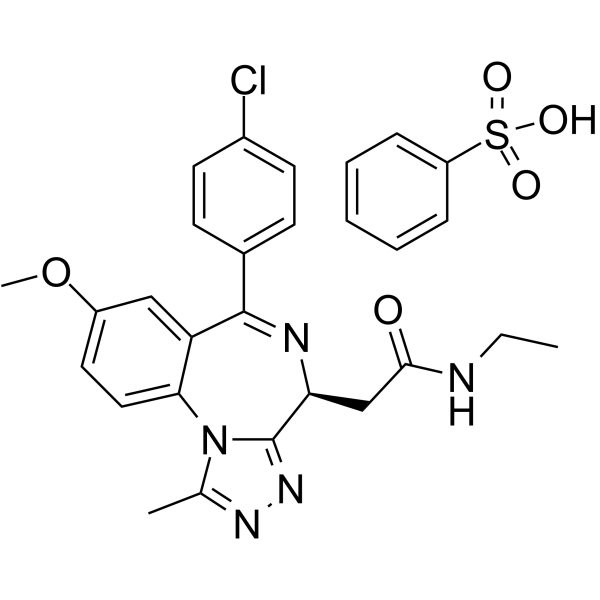
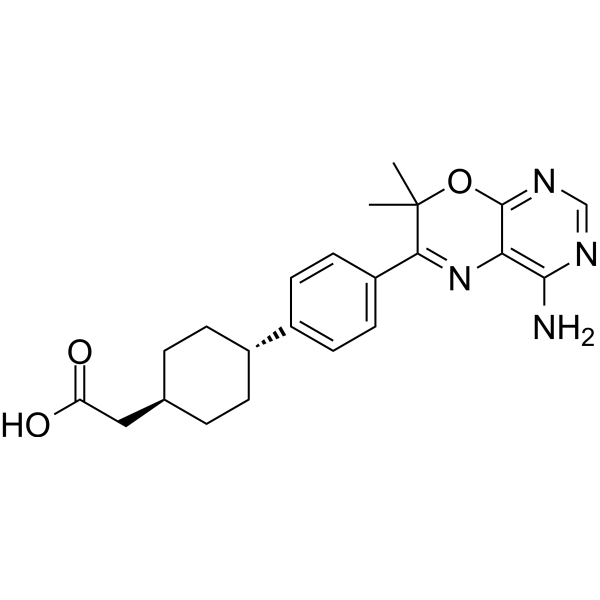
    ZL0590 is a potent, orally active BRD4 BD1-selective inhibitor with an IC50 of 90 nM for human BRD4 BD1. ZL0590 exhibits significant anti-inflammatory activities. ZL0590 can reduce mucosal inflammation in animal models of inflammatory bowel disease and restores tissue architecture. ZL0590 can be used in research on inflammatory diseases such as inflammatory bowel disease .
    ZL0590
  • HY-124673
    AF40431
    1 Publications Verification

    Neurotensin Receptor Neurological Disease
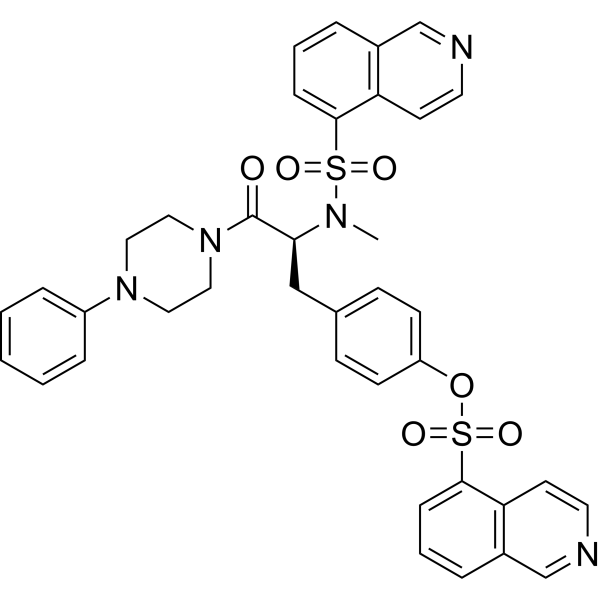
    AF40431, the first reported small-molecule ligand of sortilin, has an IC50 of 4.4 µM and a Kd of 0.7 µM . AF40431 is bound in the neurotensin-binding site of sortilin .
    AF40431
  • HY-D1190

    RAR/RXR Others
    DC271 is a RAR agonist and synthetic retinoid that binds to the retinoid-binding site of cellular retinoic acid-binding protein II (CRBP-II). DC271 exhibits solvatochromic fluorescence properties: it produces intense blue-shifted emission in nonpolar environments and weak red-shifted emission in polar environments, and its severe fluorescence quenching in aqueous solutions can be reversed by embedding in the hydrophobic retinoid-binding protein pocket. DC271 enables direct detection of the binding between unlabeled compounds and related retinoid-binding proteins via fluorescence competition assays (Ex/Em = 355 nm/460 nm) .
    DC271
  • HY-148547

    Amyloid-β Neurological Disease
    q-FTAA is an oligothiophene. q-FTAA competes for binding to the X-34 binding site on fibrils. q-FTAA is applicable to research related to Alzheimer's disease .
    q-FTAA
  • HY-163097

    iGluR Neurological Disease
    ZCAN262 (compound 6 ) is an AMPA modulator. ZCAN262 prevents AMPA-mediated excitotoxicity by targeting an allosteric binding site .
    ZCAN262
  • HY-153178

    E1/E2/E3 Enzyme Others
    HECT E3-IN-1 (compound 3) is a HECT E3 ligase inhibitor. HECT E3-IN-1 (compound 3) disrupts Ub binding to the noncovalent Ub-binding site of Nedd4-1 .
    HECT E3-IN-1
  • HY-100214

    EGFR Cancer
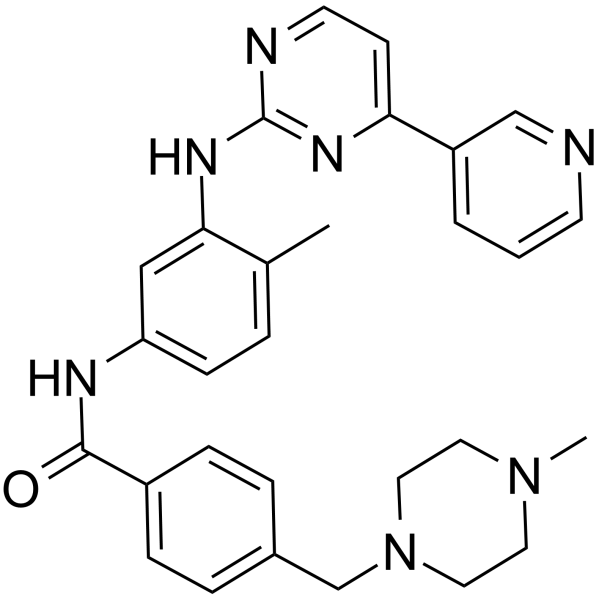
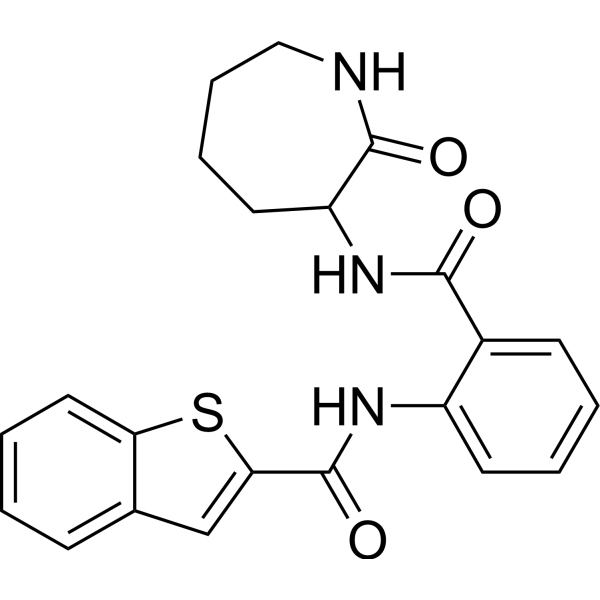
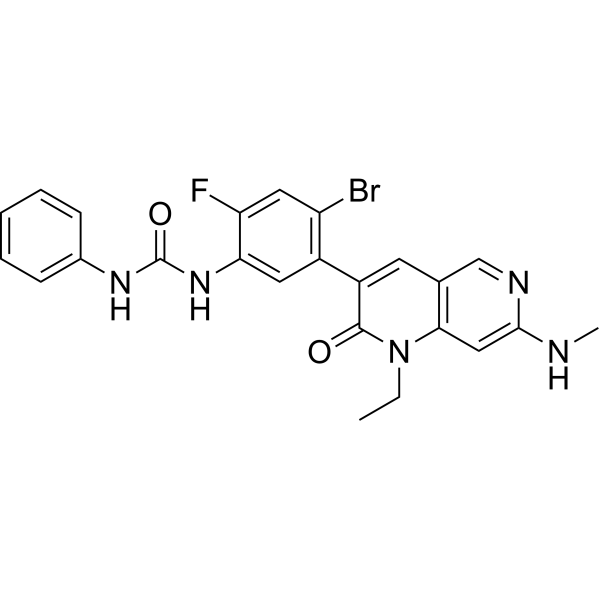
    EAI001 is a potent, selective mutant epidermal growth factor receptor (EGFR) allosteric inhibitor with an IC50 value of 24 nM for EGFR L858R/T790M. EAI001 can be used for research of cancer .
    EAI001
  • HY-P991246

    Virus Protease HIV Infection
    VRC01LS is a humanized monoclonal antibody inhibitor targeting the CD4-binding site of HIV-1 envelope glycoprotein (Env). VRC01LS blocks the binding of HIV-1 to host cell CD4 receptor, inhibiting viral entry. VRC01LS is promising for research of HIV-1 infection .
    VRC01LS
  • HY-150761
    MY-875
    1 Publications Verification

    Microtubule/Tubulin Apoptosis Cancer
    MY-875 is a competitive microtubulin polymerization inhibitor with an IC50 value of 0.92 μM. MY-875 inhibits microtubulin polymerization by targeting colchicine binding sites and activates the Hippo pathway. MY-875 induces apoptosis and has anticancer activity .
    MY-875
  • HY-149414

    Microtubule/Tubulin Apoptosis ERK TGF-beta/Smad Cancer
    MY-673 is a colchicine binding site inhibitor (CBSI), that inhibits tubulin polymerization. MY-673 inhibits the ERK signaling pathway, which in turn affects SMAD4 protein expression levels in the TGF-β/SMAD pathway. MY-673 inhibited cell proliferation, migration and induced apoptosis in vivo and in vitro .
    MY-673
  • HY-P0294A

    6X His Tag TFA

    Biochemical Assay Reagents Others
    Hexa-His TFA is a peptide consisting of 6 His residues, used as a metal binding site for the recombinant protein .
    Hexa-His TFA
  • HY-P1507

    Integrin Cardiovascular Disease
    Fibrinogen Binding Inhibitor Peptide is a dodecapeptide (HHLGGAKQAGDV, H12), which is a fibrinogen γ-chain carboxy-terminal sequence (γ400-411). Fibrinogen Binding Inhibitor Peptide is a specific binding site of the ligand for activated glycoprotein (GP) IIb/IIIa.
    Fibrinogen Binding Inhibitor Peptide
  • HY-136280

    EMD 57445

    Sigma Receptor Neurological Disease
    Panamesine (EMD 57445) is a sigma receptor ligand, which has a high affinity (IC50 6 nM) and selectivity for sigma binding sites. Panamesine is a potential atypical neuroleptic agent .
    Panamesine
  • HY-D1608

    Calcium Channel Others
    BODIPY FL Thapsigargin is a potent green fluorescent dye. BODIPY FL Thapsigargin inhibits intracellular SERCA-type Ca2+ pumps present in the sarcoplasmic/endoplasmic reticulum. BODIPY FL Thapsigargin used for investigation of thapsigargin binding sites in live cells .
    BODIPY FL Thapsigargin
  • HY-N7437

    Opioid Receptor DNA/RNA Synthesis Neurological Disease Inflammation/Immunology
    Akuammidine, isolated from the seeds of Picralima nitida, shows a preference for μ-opioid binding sites with Ki values of 0.6, 2.4 and 8.6 μM at μ-, σ- and κ-opioid binding sites, respectively. Akuammidine possesses anti-inflammatory and anti-asthmatic properties .
    Akuammidine
  • HY-169847

    SARS-CoV Dengue Virus Infection
    ZK-806450 is a compound with antiviral activity. ZK-806450 has a high binding potential to the allosteric binding site of the SARS-CoV-2 3CL protease. ZK-806450 can also specifically and stably bind to the GAG site of the dengue virus envelope protein .
    ZK-806450
  • HY-10830A

    Estrogen Receptor/ERR Cancer
    PBPE hydrochloride is a derivative of tamoxifen (HY-13757A) and a selective ligand for the anti-estrogen binding site (AEBS), the binding affinities (Ki) of PBPE hydrochloride and MBPE to AEBS are 8.79 and 17.57 nM, respectively .
    PBPE hydrochloride
  • HY-P1741A
    Fibrinogen-Binding Peptide TFA
    1 Publications Verification

    Integrin Cardiovascular Disease
    Fibrinogen-Binding Peptide TFA (designed by anticomplementarity hypothesis) is a presumptive peptide mimic of the vitronectin binding site on the fibrinogen receptor. Fibrinogen-Binding Peptide TFA binds fibrinogen and inhibits both the adhesion of platelets to fibrinogen and platelet aggregation, and also inhibits the adhesion of platelets to vitronectin .
    Fibrinogen-Binding Peptide TFA
  • HY-106969A

    Glycine Receptor (GlyR) iGluR Cardiovascular Disease Neurological Disease
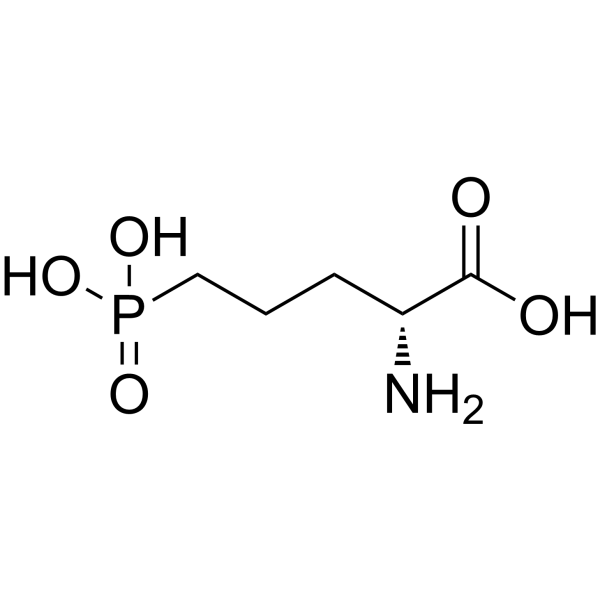
    ZD 9379 sodium is a competitive glycine/NMDA receptor antagonist, with an IC50 value of 75 nM (glutamate site). ZD 9379 sodium selectively antagonizes the glycine binding site (GlyB site) on the NMDA receptor, inhibiting the binding of glycine to the NMDA receptor and alleviating excitotoxicity. ZD 9379 sodium reduces the frequency of cortical spreading depression (SDs), alleviates energy depletion in the ischemic penumbra, and delays the expansion of infarction. ZD 9379 sodium reduces the infarct volume and improves neurological function in mouse models. ZD 9379 sodium can be used in studies of acute ischemic stroke, etc .
    ZD 9379 sodium
  • HY-143251

    Microtubule/Tubulin Apoptosis Cancer
    Tubulin inhibitor 13 (E27) is a potent tubulin inhibitor with an IC50 value of 16.1 μM for the tubulin polymerization inhibition. Tubulin inhibitor 13 inhibits migration and invasion of cancer cells, induces apoptosis and has anticancer activity .
    Tubulin inhibitor 13
  • HY-161800

    Aminoacyl-tRNA Synthetase Infection
    Aminoacyl tRNA synthetase-IN-3 (compound 36K3) is an inhibitor of lysine tRNA synthetase (PfLysRS) from Plasmodium falciparum (IC50=59.2 nM), which inhibits the activity of PfLysRS by occupying the ATP binding site and L-lysine binding site of PfLysRS. Aminoacyl tRNA synthetase-IN-3 can be used in the development of antimalarial drugs .
    Aminoacyl tRNA synthetase-IN-3
  • HY-136299A

    FUT-187

    iGluR Neurological Disease
    Sepimostat dimethanesulfonate (FUT-187) exhibits neuroprotective activity via NR2B N-methyl-D-aspartate receptor antagonism at the Ifenprodil-binding site of the NR2B subunit. Sepimostat dimethanesulfonate inhibits the Ifenprodil binding with a Ki value of 27.7 µM .
    Sepimostat dimethanesulfonate
  • HY-P0186

    Opioid Receptor Neurological Disease
    Endomorphin 2, a high affinity, highly selective agonist of the μ-opioid receptor, displays reasonable affinities for kappa3 binding sites, with Ki value between 20 and 30 nM.
    Endomorphin 2
  • HY-10050

    Neurokinin Receptor Neurological Disease
    CJ-17493 is a neurokinin-1 (NK1) receptor antagonist, with a Ki of 0.2 nM. CJ-17493 shows moderate affinity for the verapamil-binding site of L-type Ca 2+ channels (IC50 = 164 nM) and site 2 of sodium channels (IC50 = 48 nM). CJ-17493 can be used for the study of neurological diseases .
    CJ-17493
  • HY-149020

    Microtubule/Tubulin Apoptosis Cancer
    Tubulin polymerization-IN-26 (compound 12h) can inhibit the polymerization of microtubulin by binding to the colchicine binding site of microtubulin with an IC50 value of 4.64 μM. Tubulin polymerization-IN-26 can induce apoptosis and inhibit cell metastasis or migration, and can be used as a potential compound for lung cancer research .
    Tubulin polymerization-IN-26
  • HY-19111

    TIBO-R 82150

    HIV Reverse Transcriptase Infection
    R-82150 (TIBO-R 82150) is an HIV-1 reverse transcriptase inhibitor that blocks the reverse transcription of viral RNA by binding to the non-substrate binding site of reverse transcriptase, thereby inhibiting viral replication. R-82150 does not inhibit the replication of HIV-2, other RNA viruses, and DNA viruses .
    R-82150
  • HY-162089

    Microtubule/Tubulin Apoptosis Cancer
    MY-1442 (I-3) is a microtubulin polymerization inhibitor. MY-875 inhibits tubulin polymerization by targeting colchicine binding sites. MY-1442 has anticancer activity. MY-1442 can induce apoptosis of MGC-803 cells and inhibit cell migration .
    MY-1442
  • HY-147736

    GABA Receptor Neurological Disease
    GABAA receptor agonist 2 (compound 4c) is a potent GABAA receptor agonist. GABAA receptor agonist 2 shows anti-depression activities in classical mouse models of depression of FST and TST. GABAA receptor agonist 2 binds at the GABA binding site of GABAA receptor in order to produce GABAergic effects. GABAA receptor agonist 2 has the potential for the research of depression .
    GABAA receptor agonist 2
  • HY-147947

    Microtubule/Tubulin Cancer
    Tubulin polymerization-IN-30 (compound 6e) is a potent Tubulin polymerization inhibitor. Tubulin polymerization-IN-30 is a colchicine binding site inhibitor. Tubulin polymerization-IN-30 can disrupt intracellular microtubule organization, arrest cell cycle at the G2/M phase. Tubulin polymerization-IN-30 exhibits the high potency against the cancer cell lines including SGC-7901, A549 and HeLa, with IC50 values of 2.16, 2.21, and 0.403 μM .
    Tubulin polymerization-IN-30

Inquiry Online

Your information is safe with us. * Required Fields.

Salutation


Country or Region *

Applicant Name *


Organization Name *

Department *


Email Address *


Product Name *

Cat. No.


Requested quantity *

Phone Number *


Remarks

Inquiry Online

Inquiry Information

Product Name:
Cat. No.:
Quantity:
MCE Japan Authorized Agent:

