
Search Result
Results for "
carbon chain
" in MedChemExpress (MCE) Product Catalog:
14
Biochemical Assay Reagents
10
Isotope-Labeled Compounds
| Cat. No. |
Product Name |
Target |
Research Areas |
Chemical Structure |
-
- HY-W010505
-
|
|
Biochemical Assay Reagents
Lipase
|
Others
|
|
Hexane-1,6-diol is a 6-carbon straight-chain diol with hydroxyl groups at both ends. Hexane-1,6-diol can be used as an additive for drilling fluids. Hexane-1,6-diol can also be used as a substrate in life science-related research .
|
-
-
- HY-W013136
-
|
UX007
|
Biochemical Assay Reagents
|
Neurological Disease
|
|
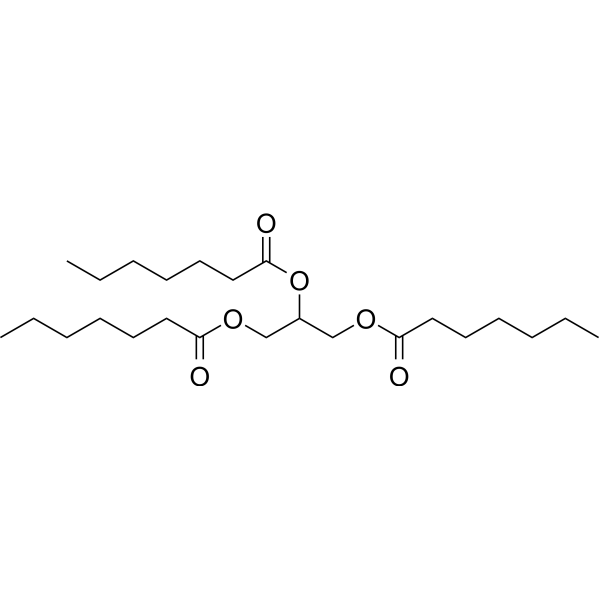
Triheptanoin (Propane-1,2,3-triyl triheptanoate) is a synthetic medium-chain triglyceride (MCT) consisting of three odd-chain 7-carbon (heptanoate) fatty acids on a glycerol backbone. Triheptanoin can be used for the research of inherited metabolic disorders .
|
-
-
- HY-N6811
-
|
|
Insecticide
|
Infection
Cardiovascular Disease
|
|
1-Octacosanol is a straight-chain aliphatic 28-carbon fatty alcohol and a major component of the cholesterol-lowering agent Policosanol. 1-Octacosanol exhibits various activities such as anti-fatigue, anti-angiogenic, cholesterol-lowering, and insecticidal effects .
|
-
-
- HY-N2024A
-
|
|
Endogenous Metabolite
Glycosidase
|
Metabolic Disease
|
|
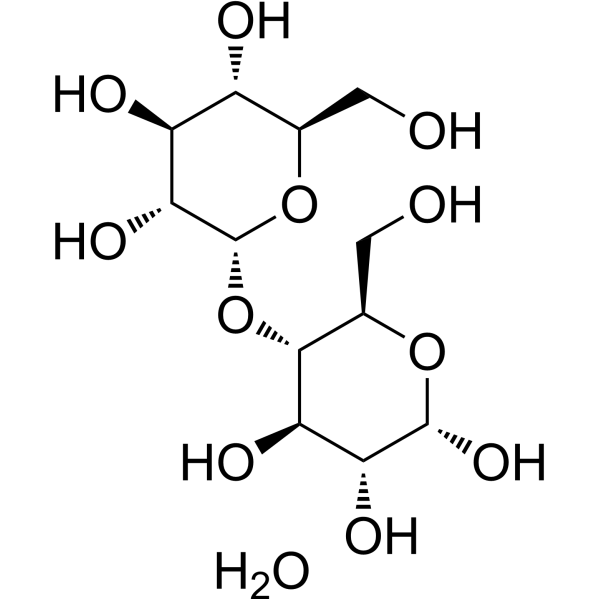
Maltose monohydrate is a disaccharide composed of two glucose molecules linked together. Maltose monohydrate is an endogenous metabolic product in plants, yeast, or bacteria, and it participates in carbon source storage and metabolism. Maltose monohydrate is a key core metabolite and main transport form in the temporary starch degradation, carbon output, and subsequent sucrose synthesis metabolism of the night chloroplast. In X. dendrorhous, maltose can act as a sugar donor and is converted into isomaltulose by α-glucosidase. Maltose monohydrate can act as a osmotic agent, supporting continuous capillary ultrafiltration and preventing severe metabolic disorders .
|
-
-
- HY-N3686
-
|
|
AMPK
PGC-1α
|
Metabolic Disease
|
|
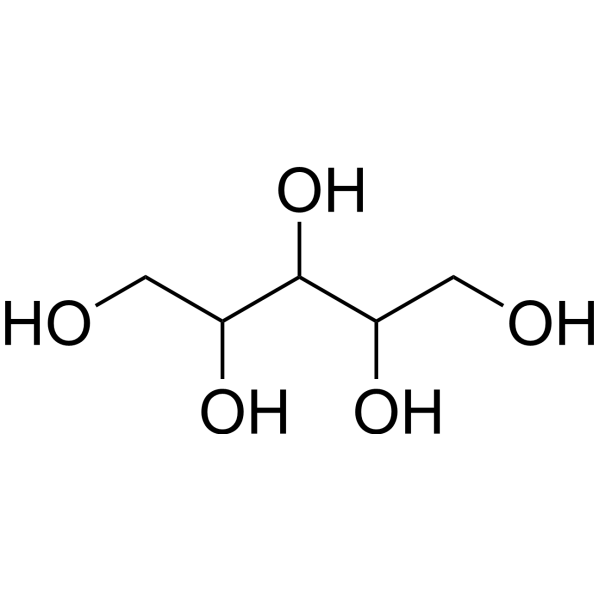
D-Arabitol is an orally active D-enantiomer of arabitol. D-Arabitol modulates the composition of gut microbiota, increases short-chain fatty acids, and promotes AMPK-PGC-1α-related browning of white adipose tissue. D-Arabitol improves weight gain, fat accumulation, insulin resistance, lipid deposition and inflammatory responses. D-Arabitol serves as the sole carbon/energy source for Bacillus methanolicus MGA3, a strain that can co-utilize it with mannitol. D-Arabitol is applicable to obesity-related research .
|
-
-
- HY-W015936
-
|
trans-Hex-2-en-1-ol
|
Environmental Pollutants
Biochemical Assay Reagents
|
Others
|
|
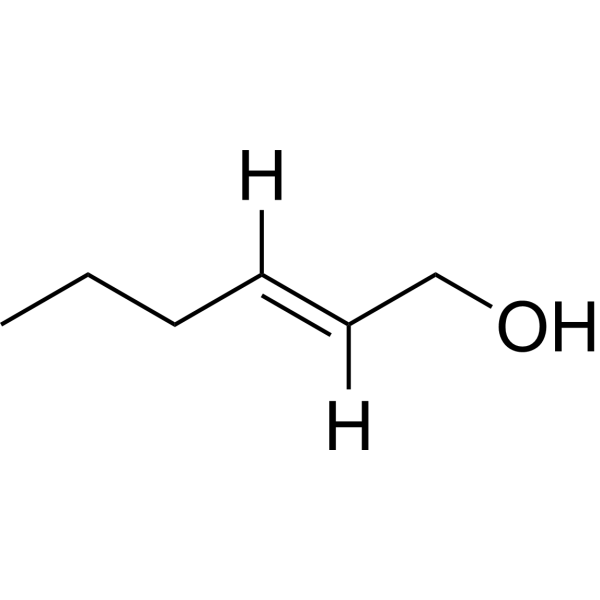
(E)-Hex-2-en-1-ol belongs to the class of unsaturated alcohols consisting of a six-carbon chain with a double bond between carbon atoms 2 and 3 and a hydroxyl group attached to carbon atom 1. The compound has a grassy or herbaceous smell and is commonly used as a flavoring in foods such as baked goods, candy and beverages. It can also be used as a fragrance ingredient in personal care products and as a starting material for the synthesis of other organic compounds. Furthermore, (E)-hex-2-en-1-ol can be used as a solvent or reagent in various chemical reactions.
|
-
-
- HY-W018829
-
|
Undecylenic aldehyde
|
Environmental Pollutants
Biochemical Assay Reagents
|
Others
|
|
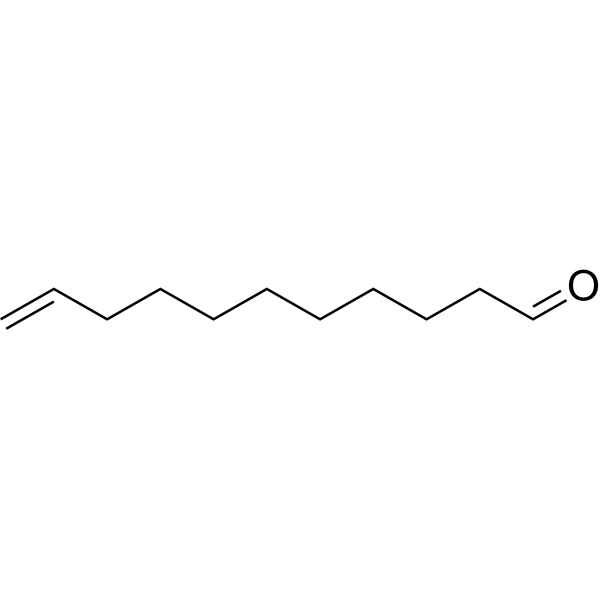
10-Undecenal consists of an 11-carbon chain with a double bond between the 9th and 10th carbon atoms and an aldehyde group attached to the 1st carbon atom. This compound has a pungent or fatty smell and is commonly used as a flavoring commodity in foods such as bakery, confectionary and beverages.
|
-
-
- HY-N8451
-
|
Triacontanoic acid
|
Biochemical Assay Reagents
|
Others
|
|
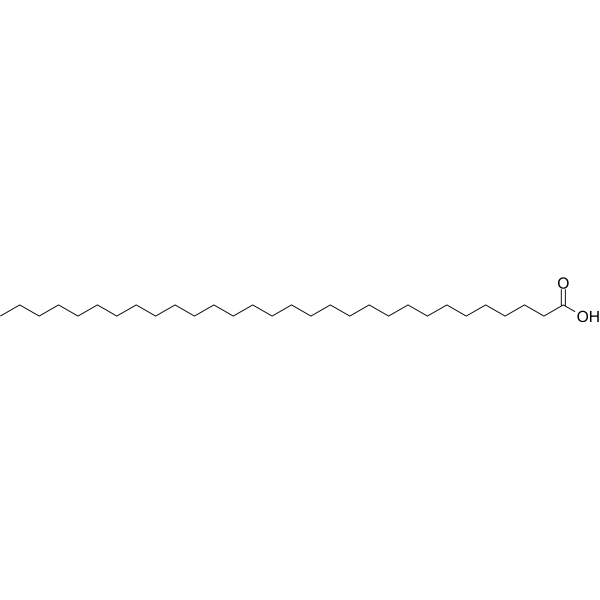
Melissic acid, which belongs to the category of long-chain saturated fatty acids. It is a 30-carbon straight-chain fatty acid found in a variety of natural sources, including beeswax and coconut oil. Due to its unique physical properties, such as high melting point and viscosity, Melissic acid has a variety of uses in industry. It can be used as a lubricant in the production of some plastics and rubber, and is also used in the manufacture of surfactants and detergents.
|
-
-
- HY-W017690
-
|
|
Biochemical Assay Reagents
|
Others
|
|
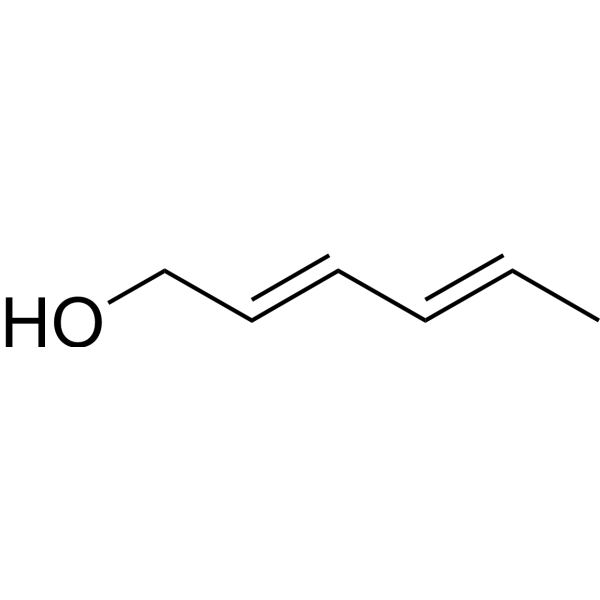
(2E,4E)-Hexa-2,4-dien-1-ol consists of a six-carbon chain with two conjugated double bonds between carbon atoms 2 and 3 and between carbon atoms 4 and 5, and a The hydroxyl group attached to carbon atom 1. This compound has a floral fragrance and can be found in a variety of plants in nature.
|
-
-
- HY-W336328
-
|
|
Biochemical Assay Reagents
|
Others
|
|
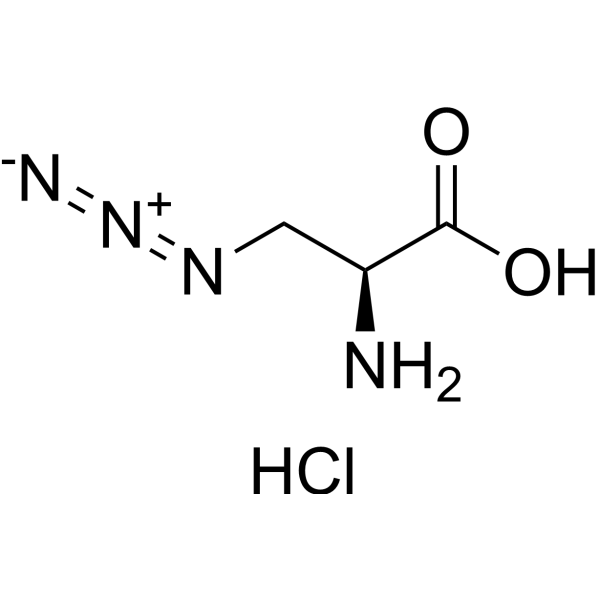
3-Azido-L-alanine hydrochloride is an aliphatic functionalized amino acid with side chain lengths of up to four carbons . 3-Azido-L-alanine (hydrochloride) is a click chemistry reagent, it contains an Azide group and can undergo copper-catalyzed azide-alkyne cycloaddition reaction (CuAAc) with molecules containing Alkyne groups. It can also undergo strain-promoted alkyne-azide cycloaddition (SPAAC) reactions with molecules containing DBCO or BCN groups.
|
-
-
- HY-106991A
-
|
S-303 dihydrochloride
|
HIV
Bacterial
CHIKV
|
Infection
|
|
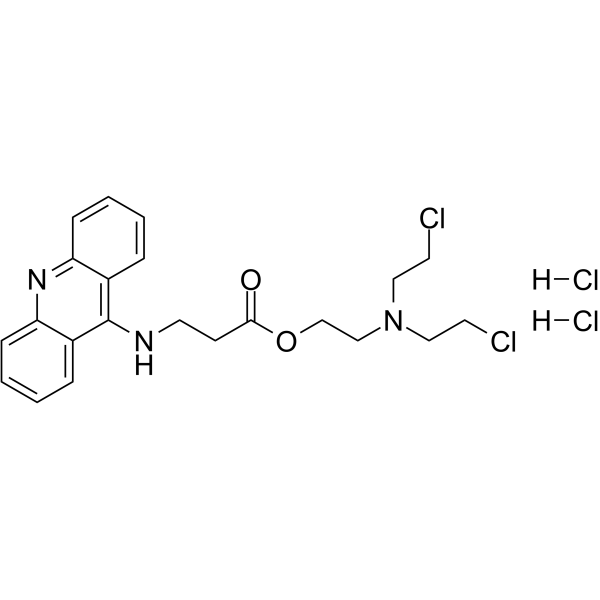
Amustaline (S-303) dihydrochloride, a nucleic acid-targeted alkylator, is an efficient pathogen inactivation agent for blood components containing red blood cells. Amustaline dihydrochloride has three components: an acridine anchor (an intercalator that targets nucleic acids non-covalently), an effector (a bis-alkylator group that reacts with nucleophiles), and a linker (a small flexible carbon chain containing a labile ester bond that hydrolyzes at neutral pH to yield non-reactive breakdown products) .
|
-
-
- HY-N7864
-
|
all-cis-4,7,10,13,16-Docosapentaenoic acid
|
Biochemical Assay Reagents
|
Others
|
|
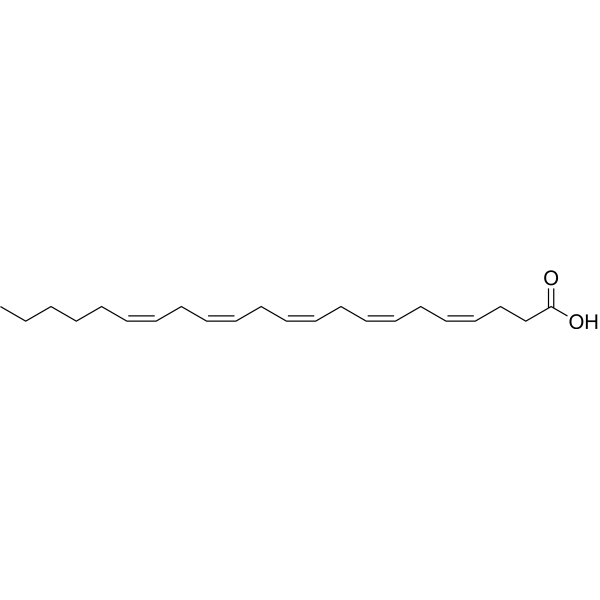
Docosapentaenoic acid (DPA) is a 22-carbon fatty acid found in fish oil. It is a minor component of total serum unsaturated fatty acids in humans, ranging from 0.1% to 1%, and increasing with dietary supplementation. all-cis-4,7,10,13,16-DPA, also known as Austrian acid, is an isomer of DPA. It is an omega-6 fatty acid formed by the extension and desaturation of arachidonic acid. During fatty acid desaturase syndrome, levels of this fatty acid may be reduced, which may affect development. Upregulated hepatic elongate expression of very long fatty acid protein 6 and elevated levels of very long chain fatty acids, including all-cis 4,7,10,13,16-DPA, are characteristic of nonalcoholic steatohepatitis, a precancerous disease of hepatocellular carcinoma.
|
-
-
- HY-W088037
-
|
|
Environmental Pollutants
|
Others
|
|
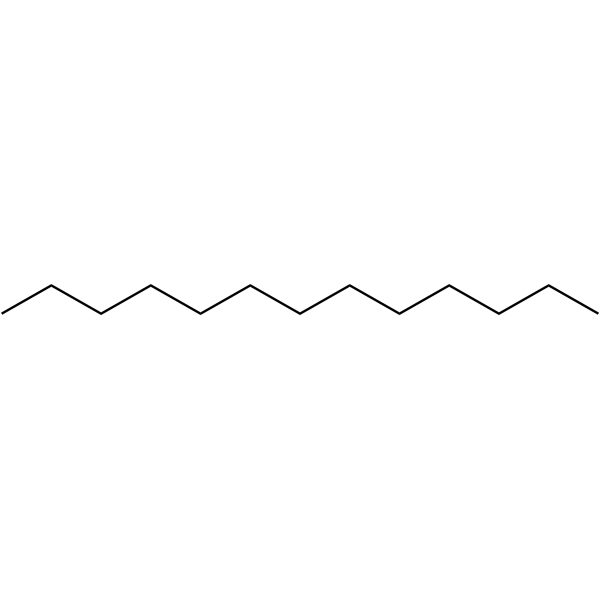
Tridecane is a short chain aliphatic hydrocarbon containing 13 carbon atoms. Tridecane is an volatile oil component isolated from essential oil of Piper aduncum L. Tridecane is a stress compound released by the brown marmorated stink bugs stress compound .
|
-
-
- HY-W284558
-
|
|
Biochemical Assay Reagents
|
Others
|
|
Sodium hexadecyl sulfate is a long-chain anionic surfactant. Sodium hexadecyl sulfate can act as an interface-regulating substance to form a soft layer on the surface of carbon nanotubes, guide proteins to adsorb in the correct orientation with active sites facing outward through electrostatic interactions, and significantly enhance the activity of immobilized enzymes. Sodium hexadecyl sulfate can replace or supplement SDS (HY-Y0316) in capillary gel electrophoresis (CGE) .
|
-
-
- HY-W006886
-
|
|
Amino Acid Derivatives
|
Others
|
Fmoc-(R)-2-(7-octenyl) Ala-OH is an unnatural Fmoc-protected amino acid and modification module. Fmoc-(R)-2-(7-octenyl) Ala-OH serves as a key building block for all-hydrocarbon cross-linking modification of antimicrobial peptides, and facilitates the generation of stapled peptide derivatives. When introduced into specific sites of the parent peptide, Fmoc-(R)-2-(7-octenyl) Ala-OH effectively increases the α-helix content of the peptide chain, thereby significantly enhancing its antimicrobial activity and proteolytic stability. Fmoc-(R)-2-(7-octenyl) Ala-OH is widely used in research on bacterial infections and the development of related antimicrobial agents . Stapled peptide is a specially chemically modified polypeptide. It locks the peptide chain into a stable α-helical structure by introducing a "staple"-like chemical bridge (usually an all-carbon backbone) at specific positions of the peptide chain.
|
-
-
- HY-124422
-
-
-
- HY-Y1718S1
-
|
N-Tridecanoic acid-d25
|
Isotope-Labeled Compounds
Endogenous Metabolite
Bacterial
|
Cancer
|
|
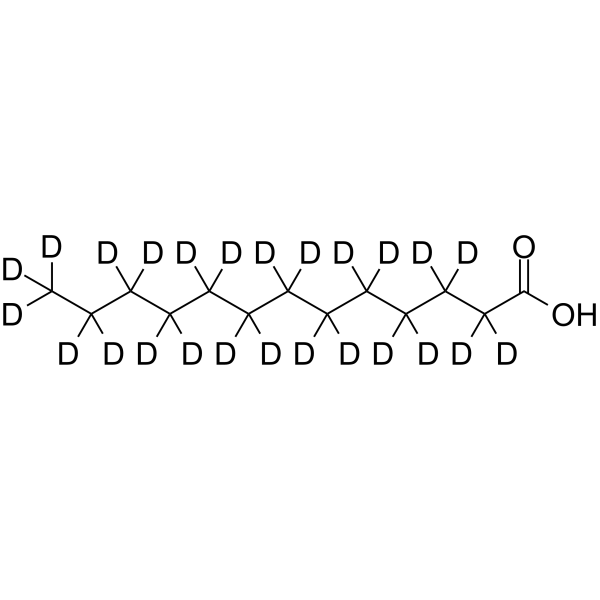
Tridecanoic acid-d25 is the deuterium labeled Tridecanoic acid. Tridecanoic acid (N-Tridecanoic acid), a 13-carbon medium-chain saturated fatty acid, can serve as an antipersister and antibiofilm agent that may be applied to research bacterial infections. Tridecanoic acid inhibits Escherichia coli persistence and biofilm formation .
|
-
-
- HY-Y1718S
-
|
N-Tridecanoic acid-d2
|
Isotope-Labeled Compounds
Endogenous Metabolite
Bacterial
|
Infection
|
|
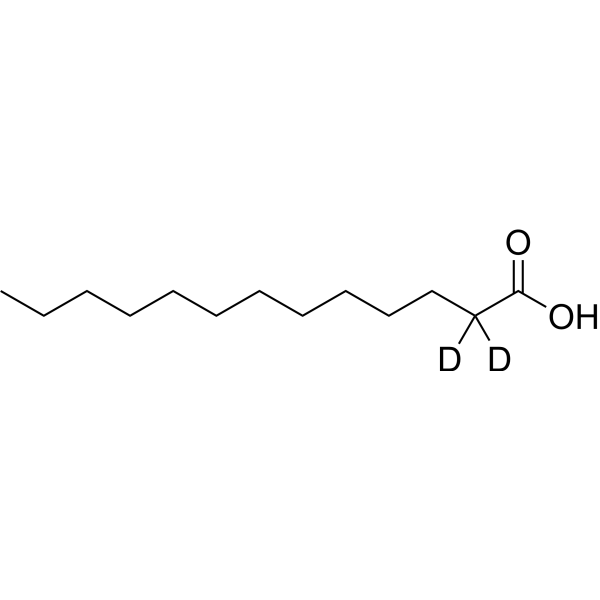
Tridecanoic acid-d2 is the deuterium labeled Tridecanoic acid. Tridecanoic acid (N-Tridecanoic acid), a 13-carbon medium-chain saturated fatty acid, can serve as an antipersister and antibiofilm agent that may be applied to research bacterial infections. Tridecanoic acid inhibits Escherichia coli persistence and biofilm formation .
|
-
-
- HY-W088037S
-
|
|
Isotope-Labeled Compounds
|
Others
|
|
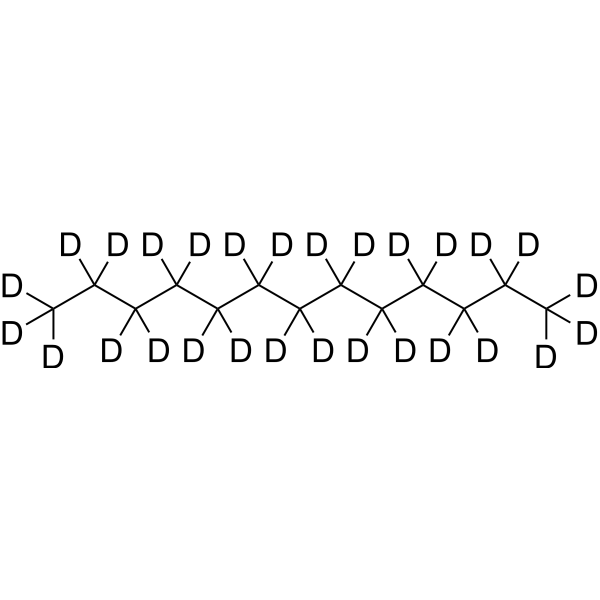
Tridecane-d28 is the deuterium labeled Tridecane . Tridecane is a short chain aliphatic hydrocarbon containing 13 carbon atoms. Tridecane is an volatile oil component isolated from essential oil of Piper aduncum L. Tridecane is a stress compound released by the brown marmorated stink bugs stress compound .
|
-
-
- HY-N3686R
-
|
|
Reference Standards
AMPK
PGC-1α
|
Metabolic Disease
|
|
D-Arabitol (Standard) is the analytical standard of D-Arabitol. This product is intended for research and analytical applications. D-Arabitol is an orally active D-enantiomer of arabitol. D-Arabitol modulates the composition of gut microbiota, increases short-chain fatty acids, and promotes AMPK-PGC-1α-related browning of white adipose tissue. D-Arabitol improves weight gain, fat accumulation, insulin resistance, lipid deposition and inflammatory responses. D-Arabitol serves as the sole carbon/energy source for Bacillus methanolicus MGA3, a strain that can co-utilize it with mannitol. D-Arabitol is applicable to obesity-related research.
|
-
-
- HY-157833
-
|
|
Cannabinoid Receptor
|
Metabolic Disease
|
|
Heptadecanoyl ethanolamide is an endogenous cannabinoid. Heptadecanoyl ethanolamide is a synthetic analog of PEA which incorporates an odd-numbered (17-carbon) fatty acid chain .
|
-
-
- HY-104031
-
|
|
Notch
|
Neurological Disease
|
|
tCFA15 is a trimethyl cyclohexenonic long chain fatty alcohol containing 15 carbon atoms on the side chain, promotes the differentiation of neurons, and may regulates Notch signaling.
|
-
-
- HY-W017567
-
|
trans-2-Hexenoic Acid Ethyl Ester
|
Biochemical Assay Reagents
|
Others
|
|
Ethyl (E)-2-hexenoate consists of a six-carbon chain with a double bond between the 2nd and 3rd carbon atoms, an ethyl ester group attached to the 1st carbon atom, and a A methyl group connected by 4 carbon atoms. This compound has a fruity, sweet or floral aroma and is commonly used as a flavoring in foods such as baked goods, confectionary and beverages.
|
-
-
- HY-W411827
-
|
4:2 FTSA
|
Biochemical Assay Reagents
|
Others
|
|
1H,1H,2H,2H-Perfluorohexanesulfonic acid (4:2 FTSA) is a short-chain perfluoroalkyl sulfonic acid with 6 carbon atoms that can bind to human serum albumin .
|
-
-
- HY-134645
-
|
Heneicosyl alcohol
|
Biochemical Assay Reagents
|
Others
|
|
1-Heneicosanol is a long-chain alcohol with 21 carbon atoms commonly used in the production of surfactants, lubricants and pharmaceuticals. It can be found in various natural sources such as vegetable waxes and insect pheromones. Additionally, it has been shown to be bioactive against plants and animals and has antimicrobial properties.
|
-
-
- HY-W127489
-
|
|
Biochemical Assay Reagents
|
Others
|
|
3-PentadecylphenolIt is an organic compound belonging to the phenolic class. It is attached to the phenolic ring by 15Carbon pentadecyl chain composition, with a touch of sweetness.3-Pentadecylphenol has various applications in the chemical and pharmaceutical industries, especially as an intermediate in the synthesis of various chemicals and pharmaceuticals. In addition, it can be used as an antioxidant for plastics and rubber.
|
-
-
- HY-151641
-
|
|
Biochemical Assay Reagents
|
Others
|
|
3-Azido-L-alanine is an aliphatic functionalized amino acid with side chain lengths of up to four carbons . 3-Azido-L-alanine is a click chemistry reagent, it contains an Azide group and can undergo copper-catalyzed azide-alkyne cycloaddition reaction (CuAAc) with molecules containing Alkyne groups. It can also undergo strain-promoted alkyne-azide cycloaddition (SPAAC) reactions with molecules containing DBCO or BCN groups.
|
-
-
- HY-N8082
-
|
|
HSV
|
Infection
|
|
Stearyl gallate is an alkyl gallate with a long alkyl chain (carbon number of 18). Stearyl gallate has an antioxidant activity, and a weak antiviral activity against HSV-1 .
|
-
-
- HY-178106
-
|
|
Drug Intermediate
|
Cancer
|
|
SCN2 is a esterase-responsive prodrug-based amphiphile composed of SN38 (HY-13704) and di-(triazole-[12]aneN3, N) moiety through a 7‑carbon alkyl chains. SCN2 has excellent self-assembly and reversible siRNA condensation capabilities as well as anti-proliferation activity against cancer cells. SCN2 can be used for synthesis of nanoparticles for drug delivery of lung cancer .
|
-
-
- HY-E70263
-
|
|
Endogenous Metabolite
|
Metabolic Disease
|
|
04:1 Coenzyme A is a biochemical reagent that is a specific form of coenzyme A (CoA), "04:1" usually indicates that the acyl chain of the CoA contains four carbon atoms and one double bond. 04:1 Coenzyme A can be used to study specific biochemical reactions or pathways .
|
-
-
- HY-W127393
-
|
|
Biochemical Assay Reagents
|
Others
|
|
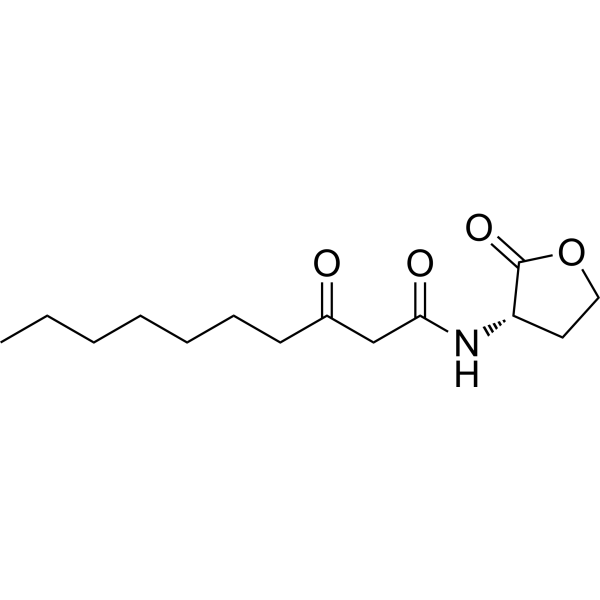
Quorum sensing is a regulatory system used by bacteria to control gene expression in response to increased cell density. This regulatory process manifests itself in a variety of phenotypes, including biofilm formation and virulence factor production. Coordinated gene expression is achieved through the production, release and detection of small diffusible signaling molecules called autoinducers. N-acylated homoserine lactones (AHLs) comprise a class of such autoinducers, each of which generally consists of a fatty acid coupled to a homoserine lactone (HSL). Modulation of bacterial quorum-sensing signaling systems to suppress pathogenesis represents a new approach to antimicrobial research for infectious diseases. AHLs differ in acyl length (C4-C18), C3 substitution (hydrogen, hydroxyl, or oxo group), and the presence or absence of one or more carbon-carbon double bonds in the fatty acid chain. These differences confer signaling specificity through the affinity of the LuxR family of transcriptional regulators. C9-HSL is a rare odd-numbered acyl carbon chain produced by wild-type Erwinia carotovora strain SCC 3193 grown in nutrient-rich Luria-Bertani broth (LB) medium.
|
-
-
- HY-116037A
-
|
|
Others
|
Others
|
|
trans-10-Heptadecenoic acid is a trans-fatty acid. trans-10-Heptadecenoic acid synthesizes polyhydroxy-chain alkanoates under the action of 2, 4-dienyl-CoA reductase and Delta3, Delta2-enyl-CoA isomerase. In the absence of 2, 4-dienyl-CoA reductase, trans-10-Heptadecenoic acid is degraded by enyl-CoA hydratase II of the multifunctional enzyme (MFE). trans-10-Heptadecenoic acid leads to massive intracellular carbon outflow through reductase dependent and direct MFE dependent pathways .
|
-
-
- HY-124279
-
|
|
Biochemical Assay Reagents
|
Others
|
|
14-Pentadecenoic acid is a 15-carbon long-chain fatty acid that contains an olefin functional group on the terminal carbon of its fatty tail. 14-Pentadecenoic acid can be used as a fibrous scaffold biomaterial for tissue engineering applications, as well as a metal-forming side-chain polymer for constructing capillary columns in gas chromatography .
|
-
-
- HY-W284557
-
|
2-Hydroxydecane; Methyl octyl carbinol
|
Biochemical Assay Reagents
|
Others
|
|
2-Decanol can be used to develop a miniature catalytic reactor for the oxidation of alcohols with oxygen in supercritical carbon dioxide. 2-Decanol can be used in research on the substrate spectrum of phytanoyl-CoA hydroxylase with regard to the length of both the acyl chain and the branch at position .
|
-
-
- HY-133587
-
-
-
- HY-157738
-
|
|
Biochemical Assay Reagents
|
Others
|
|
1,2-Dilauroyl-3-myristoyl-rac-glycerol is a medium carbon chain glyceride which can be used for synthesis of functional edible oil .
|
-
-
- HY-124422R
-
|
|
Reference Standards
Endogenous Metabolite
|
Metabolic Disease
|
|
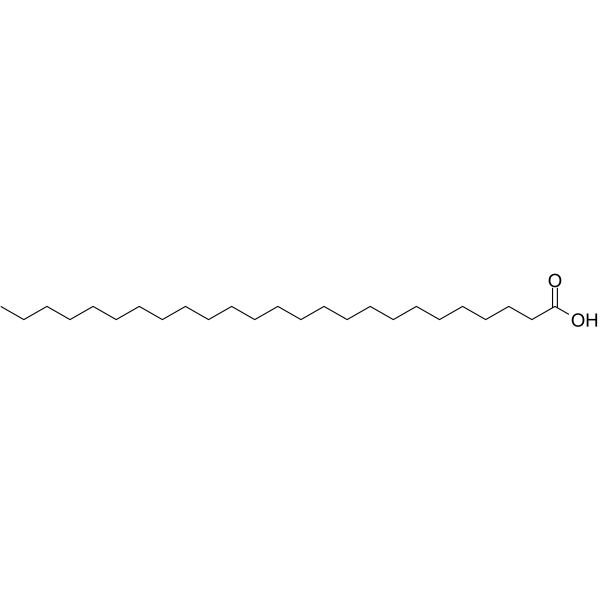
Pentacosanoic acid (Standard) is the analytical standard of Pentacosanoic acid. This product is intended for research and analytical applications. Pentacosanoic acid is a 25-carbon long-chain saturated fatty acid. Pentacosanoic is a conjugate acid of a pentacosanoate[1].
|
-
-
- HY-W004260B
-
|
Glycerol diarachidate
|
Endogenous Metabolite
Biochemical Assay Reagents
|
Others
|
|
Dieicosanoin is a diacylglycerol containing arachidic acid (HY-W004260). Arachidic acid is a saturated long-chain fatty acid with a 20-carbon backbone. Arachidic acid can be isolated from peanut butter and anaerobic fungi .
|
-
-
- HY-W013136R
-
|
UX007 (Standard)
|
Biochemical Assay Reagents
Reference Standards
|
Neurological Disease
|
|
Triheptanoin (Standard) is the analytical standard of Triheptanoin. This product is intended for research and analytical applications. Triheptanoin (Propane-1,2,3-triyl triheptanoate) is a synthetic medium-chain triglyceride (MCT) consisting of three odd-chain 7-carbon (heptanoate) fatty acids on a glycerol backbone. Triheptanoin can be used for the research of inherited metabolic disorders .
|
-
-
- HY-W800819
-
|
|
Biochemical Assay Reagents
|
Others
|
|
Arachidic Acid N-Hydroxysuccinimide Ester is a lipid comprised of a saturated fatty acid with a 20-carbon chain with a terminal NHS ester. The NHS ester can be used to label the primary amines (-NH2) of proteins, amine-modified oligonucleotides, and other amine-containing molecules.
|
-
-
- HY-W190939
-
|
|
Biochemical Assay Reagents
|
Others
|
|
C11-PEG9-alcohol is a linker with an aliphatic carbon chain and a PEG chain. The hydrophilic PEG chain increases the water solubility of the compounds in the aqueous media. The hydroxyl group enables further derivatization or replacement with other reactive functional groups.
|
-
-
- HY-120996
-
|
trans-10-Pentadecenoic acid
|
Tyrosinase
|
Metabolic Disease
|
|
10(E)-Pentadecenoic Acid (trans-10-Pentadecenoic acid) is a long-chain monounsaturated fatty acid containing 15 carbons .
|
-
-
- HY-W440954
-
|
|
Liposome
|
Others
|
|
Stearic acid-PEG2000-CH2CO2H is a heterobifunctional polyPEG with 18-carbon aliphatic chain and carboxyl. The polymer has stearic acid as the hydrophobic tail and PEG as the hydrophilic chain, therefore it forms micelles in water. Carboxyl can react with amine in the presence of activator, such as HATU/EDC to generate a stable amide bond. Reagent grade, for research use only.
|
-
-
- HY-Y1718S2
-
|
N-Tridecanoic acid-d9
|
Isotope-Labeled Compounds
Endogenous Metabolite
Bacterial
|
Infection
|
|
Tridecanoic acid-d9 is the deuterium labeled Tridecanoic acid. Tridecanoic acid (N-Tridecanoic acid), a 13-carbon medium-chain saturated fatty acid, can serve as an antipersister and antibiofilm agent that may be applied to research bacterial infections. Tridecanoic acid inhibits Escherichia coli persistence and biofilm formation .
|
-
-
- HY-104031R
-
|
|
Reference Standards
Notch
|
Neurological Disease
|
|
tCFA15 (Standard) is the analytical standard of tCFA15. This product is intended for research and analytical applications. tCFA15 is a trimethyl cyclohexenonic long chain fatty alcohol containing 15 carbon atoms on the side chain, promotes the differentiation of neurons, and may regulates Notch signaling.
|
-
-
- HY-Y1718R
-
|
N-Tridecanoic acid (Standard)
|
Reference Standards
Endogenous Metabolite
Bacterial
|
Infection
Metabolic Disease
|
|
Tridecanoic acid (Standard) is the analytical standard of Tridecanoic acid. This product is intended for research and analytical applications. Tridecanoic acid (N-Tridecanoic acid), a 13-carbon medium-chain saturated fatty acid, can serve as an antipersister and antibiofilm agent that may be applied to research bacterial infections. Tridecanoic acid inhibits Escherichia coli persistence and biofilm formation .
|
-
-
- HY-W190941
-
|
3,6,9,12,15-Pentaoxahexacosan-1-ol
|
Biochemical Assay Reagents
|
Others
|
|
C11-PEG6-alcohol (3,6,9,12,15-Pentaoxahexacosan-1-ol) is a linker with an aliphatic carbon chain and a PEG chain. The hydrophilic PEG chain increases the water solubility of the compounds in the aqueous media. The hydroxyl group enables further derivatization or replacement with other reactive functional groups.
|
-
-
- HY-130656
-
|
cis-8-Eicosenoic acid
|
Endogenous Metabolite
|
Metabolic Disease
|
|
8(Z)-Eicosenoic acid is a cis-unsaturated free fatty acid with a 20-carbon chain. It potentiates acetylcholine (ACh) receptor channel currents without depression and enhances PCKε phosphorylation of a substrate peptide in Xenopus oocytes. 8(Z)-Eicosenoic acid constitutes 6% of the fatty acid pool in seed oil isolated from B. collina.
|
-
-
- HY-155442
-
|
|
Biochemical Assay Reagents
|
Inflammation/Immunology
|
MIQ-N-succinate is a hapten with a four-carbon chain. MIQ-N-succinate consist of MIQ and succinic anhydride. MIQ-N-succinate has a carboxylic acid end group to attach to the lysine residues on the carrier proteins .
|
-
-
- HY-W010505S
-
|
|
Isotope-Labeled Compounds
Biochemical Assay Reagents
Lipase
|
Others
|
|
Hexane-1,6-diol-d4 is the deuterium labeled Hexane-1,6-diol (HY-W010505). Hexane-1,6-diol is a 6-carbon straight-chain diol with hydroxyl groups at both ends. Hexane-1,6-diol can be used as an additive for drilling fluids. Hexane-1,6-diol can also be used as a substrate in life science-related research .
|
-
- HY-W088037R
-
|
|
Reference Standards
Others
|
Others
|
|
Tridecane (Standard) is the analytical standard of Tridecane. This product is intended for research and analytical applications. Tridecane is a short chain aliphatic hydrocarbon containing 13 carbon atoms. Tridecane is an volatile oil component isolated from essential oil of Piper aduncum L. Tridecane is a stress compound released by the brown marmorated stink bugs stress compound .
|
-
- HY-114773
-
|
|
Biochemical Assay Reagents
|
Others
|
|
Quorum sensing is a regulatory system used by bacteria to control gene expression in response to increased cell density. This regulatory process manifests itself in a variety of phenotypes, including biofilm formation and virulence factor production. Coordinated gene expression is achieved through the production, release and detection of small diffusible signaling molecules called autoinducers. N-acylated homoserine lactones (AHLs) comprise a class of such autoinducers, each of which generally consists of a fatty acid coupled to a homoserine lactone (HSL). Modulation of bacterial quorum-sensing signaling systems to suppress pathogenesis represents a new approach to antimicrobial research for infectious diseases. AHLs differ in acyl length (C4-C18), C3 substitution (hydrogen, hydroxyl, or oxo group), and the presence or absence of one or more carbon-carbon double bonds in the fatty acid chain. These differences confer signaling specificity through the affinity of the LuxR family of transcriptional regulators. C11-HSL has a rare odd-numbered acyl carbon chain and may be a minor quorum-sensing signaling molecule in Pseudomonas aeruginosa strains.
|
-
- HY-W284558S
-
|
|
Isotope-Labeled Compounds
Biochemical Assay Reagents
|
Others
|
|
Sodium hexadecyl sulfate-d33 is the deuterium labeled Sodium hexadecyl sulfate. Sodium hexadecyl sulfate is a long-chain anionic surfactant. Sodium hexadecyl sulfate can act as an interface-regulating substance to form a soft layer on the surface of carbon nanotubes, guide proteins to adsorb in the correct orientation with active sites facing outward through electrostatic interactions, and significantly enhance the activity of immobilized enzymes. Sodium hexadecyl sulfate can replace or supplement SDS (HY-Y0316) in capillary gel electrophoresis (CGE) .
|
-
- HY-106991AR
-
|
S-303 dihydrochloride (Standard)
|
HIV
Bacterial
Reference Standards
CHIKV
|
Infection
|
|
Amustaline (dihydrochloride) (Standard) is the analytical standard of Amustaline (dihydrochloride). This product is intended for research and analytical applications. Amustaline (S-303) dihydrochloride, a nucleic acid-targeted alkylator, is an efficient pathogen inactivation agent for blood components containing red blood cells. Amustaline dihydrochloride has three components: an acridine anchor (an intercalator that targets nucleic acids non-covalently), an effector (a bis-alkylator group that reacts with nucleophiles), and a linker (a small flexible carbon chain containing a labile ester bond that hydrolyzes at neutral pH to yield non-reactive breakdown products) .
|
-
- HY-W127487
-
|
|
Biochemical Assay Reagents
|
Others
|
|
Quorum sensing is a regulatory system used by bacteria to control gene expression in response to increased cell density. This regulatory process manifests itself in a variety of phenotypes, including biofilm formation and virulence factor production. Coordinated gene expression is achieved through the production, release and detection of small diffusible signaling molecules called autoinducers. N-acylated homoserine lactones (AHLs) comprise a class of such autoinducers, each of which generally consists of a fatty acid coupled to a homoserine lactone (HSL). Modulation of bacterial quorum-sensing signaling systems to suppress pathogenesis represents a new approach to antimicrobial research for infectious diseases. AHLs differ in acyl length (C4-C18), C3 substitution (hydrogen, hydroxyl, or oxo group), and the presence or absence of one or more carbon-carbon double bonds in the fatty acid chain. These differences confer signaling specificity through the affinity of the LuxR family of transcriptional regulators. C18-HSL, one of four lipophilic long acyl side chain AHLs produced by the LuxI AHL synthase homolog SinI, is involved in quorum-sensing signaling in strains of Rhizobium meliloti (a nitrogen-fixing bacterial symbiont of the legume M. sativa) . C18-HSL and other hydrophobic AHLs tend to localize in the relatively lipophilic environment of bacterial cells and cannot diffuse freely across the cell membrane. Long-chain N-acyl homoserine lactones can be exported from cells by efflux pumps, or can be transported between communicating cells by extracellular outer membrane vesicles.
|
-
- HY-N3686S
-
|
|
Isotope-Labeled Compounds
AMPK
PGC-1α
|
Metabolic Disease
|
|
D-Arabitol- 13C is the 13C labeled D-Arabitol. D-Arabitol is an orally active D-enantiomer of arabitol. D-Arabitol modulates the composition of gut microbiota, increases short-chain fatty acids, and promotes AMPK-PGC-1α-related browning of white adipose tissue. D-Arabitol improves weight gain, fat accumulation, insulin resistance, lipid deposition and inflammatory responses. D-Arabitol serves as the sole carbon/energy source for Bacillus methanolicus MGA3, a strain that can co-utilize it with mannitol. D-Arabitol is applicable to obesity-related research.
|
-
- HY-N3686S1
-
|
|
Isotope-Labeled Compounds
AMPK
PGC-1α
|
Metabolic Disease
|
|
D-Arabitol- 13C-1 is the 13C labeled D-Arabitol. D-Arabitol is an orally active D-enantiomer of arabitol. D-Arabitol modulates the composition of gut microbiota, increases short-chain fatty acids, and promotes AMPK-PGC-1α-related browning of white adipose tissue. D-Arabitol improves weight gain, fat accumulation, insulin resistance, lipid deposition and inflammatory responses. D-Arabitol serves as the sole carbon/energy source for Bacillus methanolicus MGA3, a strain that can co-utilize it with mannitol. D-Arabitol is applicable to obesity-related research.
|
-
- HY-N3686S2
-
|
|
Isotope-Labeled Compounds
AMPK
PGC-1α
|
Metabolic Disease
|
|
D-Arabitol- 13C-2 is the 13C labeled D-Arabitol. D-Arabitol is an orally active D-enantiomer of arabitol. D-Arabitol modulates the composition of gut microbiota, increases short-chain fatty acids, and promotes AMPK-PGC-1α-related browning of white adipose tissue. D-Arabitol improves weight gain, fat accumulation, insulin resistance, lipid deposition and inflammatory responses. D-Arabitol serves as the sole carbon/energy source for Bacillus methanolicus MGA3, a strain that can co-utilize it with mannitol. D-Arabitol is applicable to obesity-related research.
|
-
- HY-W127434A
-
|
(12R)-Octadecane-1,12-diol
|
Biochemical Assay Reagents
|
Others
|
|
(12R)-1,12-Octadecanediol ((12R)-Octadecane-1,12-diol) is a compound characterized by a linear chain of 18 carbon atoms with two hydroxyl groups (C18H38O2). This colorless substance has unique properties owing to the presence of two hydroxyl groups in its molecular structure.
Whether derived from natural sources or synthesized chemically, 12-Octadecanediol finds applications in various industries. It is often utilized in the formulation of cosmetics, personal care products, and pharmaceuticals due to its emollient properties, enhancing moisturization and conditioning effects in different formulations. The compound's distinctive structure may make it suitable for specific uses in research or industrial processes.
In industrial contexts, 12-Octadecanediol serves as a valuable chemical intermediate for synthesizing other compounds. Its specialized structure and adaptability in formulations make it a significant component across diverse industries, contributing to the development of products for various purposes.
|
-
- HY-N15472
-
|
C24:0(2R-OH) Galactosyl(ß) Ceramide (d18:1/24:0)
|
Others
|
Others
|
|
Phrenosine (C24:0(2R-OH) Galactosyl(ß) Ceramide (d18:1/24:0)) is a cerebroside with a 24-carbon fatty acid chain and an 18-carbon sphingosine moiety .
|
-
- HY-N16496
-
|
|
Others
|
Others
|
|
17-Oxoheptadecanoic acid is a ω-oxocarboxylic acid with a carbon chain length of 17 carbon atoms. 17-Oxoheptadecanoic acid can be as a tracer for atmospheric source organic matter .
|
-
- HY-157675
-
|
|
Endogenous Metabolite
|
Others
|
|
1,2-Dinervonoyl-sn-glycero-3-phosphocholine (24:1 cis PC), characterized by its two 24-carbon fatty acid chains, each featuring a cis double bond at the 15th carbon, is believed to play a role in neuronal differentiation signaling.
|
-
- HY-W800616
-
|
|
Biochemical Assay Reagents
|
Others
|
|
C11-PEG4-alcohol is a linker with an aliphatic carbon chain and a PEG chain. The hydrophilic PEG chain increases the water solubility of the compounds in the aqueous media. The hydroxyl group enables further derivatization or replacement with other reactive functional groups.
|
-
- HY-139281
-
|
N-C12-Deoxysphingosine
|
Drug Derivative
|
Others
|
|
C12 1-Deoxyceramide (m18:1/12:0), a synthetic sphingolipid containing a 12-carbon chain, is widely employed in scientific investigations focusing on the intricate mechanisms underlying sphingolipid-mediated cellular signaling pathways.
|
-
- HY-N17693
-
|
|
Others
|
Others
|
|
LysoPS (C16:1) is a lysophosphatidylserine with ratio of its carbon chain to double bonds and double bonds is 16:1 .
|
-
- HY-W018829R
-
|
Undecylenic aldehyde (Standard)
|
Biochemical Assay Reagents
Reference Standards
|
Others
|
|
10-Undecenal (Standard) is the analytical standard of 10-Undecenal (HY-W018829). This product is intended for research and analytical applications. 10-Undecenal consists of an 11-carbon chain with a double bond between the 9th and 10th carbon atoms and an aldehyde group attached to the 1st carbon atom. This compound has a pungent or fatty smell and is commonly used as a flavoring commodity in foods such as bakery, confectionary and beverages.
|
-
- HY-178711
-
|
|
Others
|
Metabolic Disease
|
|
18-Oxooctadecanoic acid is a long-chain fatty acid derivative. 18-Oxooctadecanoic acid is exclusively oxidized by P450BM-3 to the corresponding α,ω-dicarboxylic acid (1,18-octadecanedioic acid) without undergoing decarboxylation to form one-carbon-shorter olefins. 18-Oxooctadecanoic acid can be used for the study of metabolic pathways of aldehyde-containing long-chain fatty acids .
|
-
- HY-W004303S
-
|
Tetradecyl Aldehyde-d27
|
Isotope-Labeled Compounds
|
Others
|
|
Tetradecanal-d27 (Tetradecyl Aldehyde-d27) is the deuterium labeled Tetradecanal. Tetradecanal is a compound belonging to the class of fatty aldehydes. It is an aldehyde with a 14-carbon chain that occurs naturally in certain plant and animal sources, such as coconut oil and butter. Due to its unique properties, Tetradecanal has several uses in industry, such as a flavoring agent in certain foods and as a precursor for the production of perfumes and other cosmetics. It is also used as an insecticide and insecticide due to its ability to repel certain types of insects.
|
-
- HY-W099633
-
|
|
Amino Acid Derivatives
|
Neurological Disease
|
|
2-Aminodecanoic acid is a lipophilic α-amino acid with an aliphatic side chain of 10 carbon atoms. 2-Aminodecanoic acid modifies the N-terminus of endogenous opioid peptide endomorphin-1 to enhance metabolic stability and membrane permeability. 2-Aminodecanoic acid can be used for the research of neuropathic pain .
|
-
- HY-E71112
-
|
|
Biochemical Assay Reagents
|
Others
|
|
(S)-3-Amino-2-methylpropionate transaminase (EC 2.6.1.22) acts on β-alanine and other ω-amino acids having carbon chains between 2 and 5. The two enantiomers of the 2-methyl-3-oxopropanoate formed by the enzyme interconvert by enolization.
|
-
- HY-D3375
-
|
|
Fluorescent Dye
|
Neurological Disease
|
|
RAPID DiI is a cyanine dye with orange-red fluorescenc (EX≈550 nm; Em≈565 nm). RAPID DiI is a lipophilic dye that labels cell membranes by inserting its two long hydrocarbon (C18 carbon) chains into the lipid bilayer. RAPID DiI is weakly fluorescent until incorporated into membranes. RAPID DiI diffuses laterally to stain the entire cell, allowing it to be used as an anterograde and retrograde tracer of neurons.
|
-
- HY-D3372
-
|
Dilinoleyl DiO
|
Fluorescent Dye
|
Neurological Disease
|
|
RAPID DiO (Dilinoleyl DiO) is a cyanine dye with green fluorescence (EX≈490 nm; Em≈505 nm). RAPID DiO is a lipophilic dye that labels cell membranes by inserting its two long hydrocarbon (C18 carbon) chains into the lipid bilayer. RAPID DiO is weakly fluorescent until incorporated into membranes. RAPID DiO diffuses laterally to stain the entire cell, allowing it to be used as an anterograde and retrograde tracer of neurons.
|
-
| Cat. No. |
Product Name |
Type |
-
- HY-D3375
-
|
|
Fluorescent Dyes
|
|
RAPID DiI is a cyanine dye with orange-red fluorescenc (EX≈550 nm; Em≈565 nm). RAPID DiI is a lipophilic dye that labels cell membranes by inserting its two long hydrocarbon (C18 carbon) chains into the lipid bilayer. RAPID DiI is weakly fluorescent until incorporated into membranes. RAPID DiI diffuses laterally to stain the entire cell, allowing it to be used as an anterograde and retrograde tracer of neurons.
|
-
- HY-D3372
-
|
Dilinoleyl DiO
|
Fluorescent Dyes
|
|
RAPID DiO (Dilinoleyl DiO) is a cyanine dye with green fluorescence (EX≈490 nm; Em≈505 nm). RAPID DiO is a lipophilic dye that labels cell membranes by inserting its two long hydrocarbon (C18 carbon) chains into the lipid bilayer. RAPID DiO is weakly fluorescent until incorporated into membranes. RAPID DiO diffuses laterally to stain the entire cell, allowing it to be used as an anterograde and retrograde tracer of neurons.
|
| Cat. No. |
Product Name |
Type |
-
- HY-W010505
-
|
|
Biochemical Assay Reagents
|
|
Hexane-1,6-diol is a 6-carbon straight-chain diol with hydroxyl groups at both ends. Hexane-1,6-diol can be used as an additive for drilling fluids. Hexane-1,6-diol can also be used as a substrate in life science-related research .
|
-
- HY-W015936
-
|
trans-Hex-2-en-1-ol
|
Biochemical Assay Reagents
|
|
(E)-Hex-2-en-1-ol belongs to the class of unsaturated alcohols consisting of a six-carbon chain with a double bond between carbon atoms 2 and 3 and a hydroxyl group attached to carbon atom 1. The compound has a grassy or herbaceous smell and is commonly used as a flavoring in foods such as baked goods, candy and beverages. It can also be used as a fragrance ingredient in personal care products and as a starting material for the synthesis of other organic compounds. Furthermore, (E)-hex-2-en-1-ol can be used as a solvent or reagent in various chemical reactions.
|
-
- HY-W018829
-
|
Undecylenic aldehyde
|
Biochemical Assay Reagents
|
|
10-Undecenal consists of an 11-carbon chain with a double bond between the 9th and 10th carbon atoms and an aldehyde group attached to the 1st carbon atom. This compound has a pungent or fatty smell and is commonly used as a flavoring commodity in foods such as bakery, confectionary and beverages.
|
-
- HY-N8451
-
|
Triacontanoic acid
|
Biochemical Assay Reagents
|
|
Melissic acid, which belongs to the category of long-chain saturated fatty acids. It is a 30-carbon straight-chain fatty acid found in a variety of natural sources, including beeswax and coconut oil. Due to its unique physical properties, such as high melting point and viscosity, Melissic acid has a variety of uses in industry. It can be used as a lubricant in the production of some plastics and rubber, and is also used in the manufacture of surfactants and detergents.
|
-
- HY-W017690
-
|
|
Biochemical Assay Reagents
|
|
(2E,4E)-Hexa-2,4-dien-1-ol consists of a six-carbon chain with two conjugated double bonds between carbon atoms 2 and 3 and between carbon atoms 4 and 5, and a The hydroxyl group attached to carbon atom 1. This compound has a floral fragrance and can be found in a variety of plants in nature.
|
-
- HY-N7864
-
|
all-cis-4,7,10,13,16-Docosapentaenoic acid
|
Biochemical Assay Reagents
|
|
Docosapentaenoic acid (DPA) is a 22-carbon fatty acid found in fish oil. It is a minor component of total serum unsaturated fatty acids in humans, ranging from 0.1% to 1%, and increasing with dietary supplementation. all-cis-4,7,10,13,16-DPA, also known as Austrian acid, is an isomer of DPA. It is an omega-6 fatty acid formed by the extension and desaturation of arachidonic acid. During fatty acid desaturase syndrome, levels of this fatty acid may be reduced, which may affect development. Upregulated hepatic elongate expression of very long fatty acid protein 6 and elevated levels of very long chain fatty acids, including all-cis 4,7,10,13,16-DPA, are characteristic of nonalcoholic steatohepatitis, a precancerous disease of hepatocellular carcinoma.
|
-
- HY-W284558
-
|
|
Biochemical Assay Reagents
|
|
Sodium hexadecyl sulfate is a long-chain anionic surfactant. Sodium hexadecyl sulfate can act as an interface-regulating substance to form a soft layer on the surface of carbon nanotubes, guide proteins to adsorb in the correct orientation with active sites facing outward through electrostatic interactions, and significantly enhance the activity of immobilized enzymes. Sodium hexadecyl sulfate can replace or supplement SDS (HY-Y0316) in capillary gel electrophoresis (CGE) .
|
-
- HY-W017567
-
|
trans-2-Hexenoic Acid Ethyl Ester
|
Biochemical Assay Reagents
|
|
Ethyl (E)-2-hexenoate consists of a six-carbon chain with a double bond between the 2nd and 3rd carbon atoms, an ethyl ester group attached to the 1st carbon atom, and a A methyl group connected by 4 carbon atoms. This compound has a fruity, sweet or floral aroma and is commonly used as a flavoring in foods such as baked goods, confectionary and beverages.
|
-
- HY-134645
-
|
Heneicosyl alcohol
|
Biochemical Assay Reagents
|
|
1-Heneicosanol is a long-chain alcohol with 21 carbon atoms commonly used in the production of surfactants, lubricants and pharmaceuticals. It can be found in various natural sources such as vegetable waxes and insect pheromones. Additionally, it has been shown to be bioactive against plants and animals and has antimicrobial properties.
|
-
- HY-W127489
-
|
|
Biochemical Assay Reagents
|
|
3-PentadecylphenolIt is an organic compound belonging to the phenolic class. It is attached to the phenolic ring by 15Carbon pentadecyl chain composition, with a touch of sweetness.3-Pentadecylphenol has various applications in the chemical and pharmaceutical industries, especially as an intermediate in the synthesis of various chemicals and pharmaceuticals. In addition, it can be used as an antioxidant for plastics and rubber.
|
-
- HY-W127393
-
|
|
Biochemical Assay Reagents
|
|
Quorum sensing is a regulatory system used by bacteria to control gene expression in response to increased cell density. This regulatory process manifests itself in a variety of phenotypes, including biofilm formation and virulence factor production. Coordinated gene expression is achieved through the production, release and detection of small diffusible signaling molecules called autoinducers. N-acylated homoserine lactones (AHLs) comprise a class of such autoinducers, each of which generally consists of a fatty acid coupled to a homoserine lactone (HSL). Modulation of bacterial quorum-sensing signaling systems to suppress pathogenesis represents a new approach to antimicrobial research for infectious diseases. AHLs differ in acyl length (C4-C18), C3 substitution (hydrogen, hydroxyl, or oxo group), and the presence or absence of one or more carbon-carbon double bonds in the fatty acid chain. These differences confer signaling specificity through the affinity of the LuxR family of transcriptional regulators. C9-HSL is a rare odd-numbered acyl carbon chain produced by wild-type Erwinia carotovora strain SCC 3193 grown in nutrient-rich Luria-Bertani broth (LB) medium.
|
-
- HY-114773
-
|
|
Biochemical Assay Reagents
|
|
Quorum sensing is a regulatory system used by bacteria to control gene expression in response to increased cell density. This regulatory process manifests itself in a variety of phenotypes, including biofilm formation and virulence factor production. Coordinated gene expression is achieved through the production, release and detection of small diffusible signaling molecules called autoinducers. N-acylated homoserine lactones (AHLs) comprise a class of such autoinducers, each of which generally consists of a fatty acid coupled to a homoserine lactone (HSL). Modulation of bacterial quorum-sensing signaling systems to suppress pathogenesis represents a new approach to antimicrobial research for infectious diseases. AHLs differ in acyl length (C4-C18), C3 substitution (hydrogen, hydroxyl, or oxo group), and the presence or absence of one or more carbon-carbon double bonds in the fatty acid chain. These differences confer signaling specificity through the affinity of the LuxR family of transcriptional regulators. C11-HSL has a rare odd-numbered acyl carbon chain and may be a minor quorum-sensing signaling molecule in Pseudomonas aeruginosa strains.
|
-
- HY-W127487
-
|
|
Biochemical Assay Reagents
|
|
Quorum sensing is a regulatory system used by bacteria to control gene expression in response to increased cell density. This regulatory process manifests itself in a variety of phenotypes, including biofilm formation and virulence factor production. Coordinated gene expression is achieved through the production, release and detection of small diffusible signaling molecules called autoinducers. N-acylated homoserine lactones (AHLs) comprise a class of such autoinducers, each of which generally consists of a fatty acid coupled to a homoserine lactone (HSL). Modulation of bacterial quorum-sensing signaling systems to suppress pathogenesis represents a new approach to antimicrobial research for infectious diseases. AHLs differ in acyl length (C4-C18), C3 substitution (hydrogen, hydroxyl, or oxo group), and the presence or absence of one or more carbon-carbon double bonds in the fatty acid chain. These differences confer signaling specificity through the affinity of the LuxR family of transcriptional regulators. C18-HSL, one of four lipophilic long acyl side chain AHLs produced by the LuxI AHL synthase homolog SinI, is involved in quorum-sensing signaling in strains of Rhizobium meliloti (a nitrogen-fixing bacterial symbiont of the legume M. sativa) . C18-HSL and other hydrophobic AHLs tend to localize in the relatively lipophilic environment of bacterial cells and cannot diffuse freely across the cell membrane. Long-chain N-acyl homoserine lactones can be exported from cells by efflux pumps, or can be transported between communicating cells by extracellular outer membrane vesicles.
|
-
- HY-W018829R
-
|
Undecylenic aldehyde (Standard)
|
Biochemical Assay Reagents
|
|
10-Undecenal (Standard) is the analytical standard of 10-Undecenal (HY-W018829). This product is intended for research and analytical applications. 10-Undecenal consists of an 11-carbon chain with a double bond between the 9th and 10th carbon atoms and an aldehyde group attached to the 1st carbon atom. This compound has a pungent or fatty smell and is commonly used as a flavoring commodity in foods such as bakery, confectionary and beverages.
|
| Cat. No. |
Product Name |
Target |
Research Area |
-
- HY-W006886
-
|
|
Amino Acid Derivatives
|
Others
|
Fmoc-(R)-2-(7-octenyl) Ala-OH is an unnatural Fmoc-protected amino acid and modification module. Fmoc-(R)-2-(7-octenyl) Ala-OH serves as a key building block for all-hydrocarbon cross-linking modification of antimicrobial peptides, and facilitates the generation of stapled peptide derivatives. When introduced into specific sites of the parent peptide, Fmoc-(R)-2-(7-octenyl) Ala-OH effectively increases the α-helix content of the peptide chain, thereby significantly enhancing its antimicrobial activity and proteolytic stability. Fmoc-(R)-2-(7-octenyl) Ala-OH is widely used in research on bacterial infections and the development of related antimicrobial agents . Stapled peptide is a specially chemically modified polypeptide. It locks the peptide chain into a stable α-helical structure by introducing a "staple"-like chemical bridge (usually an all-carbon backbone) at specific positions of the peptide chain.
|
-
- HY-151641
-
|
|
Biochemical Assay Reagents
|
Others
|
|
3-Azido-L-alanine is an aliphatic functionalized amino acid with side chain lengths of up to four carbons . 3-Azido-L-alanine is a click chemistry reagent, it contains an Azide group and can undergo copper-catalyzed azide-alkyne cycloaddition reaction (CuAAc) with molecules containing Alkyne groups. It can also undergo strain-promoted alkyne-azide cycloaddition (SPAAC) reactions with molecules containing DBCO or BCN groups.
|
| Cat. No. |
Product Name |
Category |
Target |
Chemical Structure |
-
- HY-N6811
-
-
-
- HY-N2024A
-
-
-
- HY-N3686
-
|
|
Structural Classification
Endogenous metabolite
Saccharides
Source Classification
|
AMPK
PGC-1α
|
|
D-Arabitol is an orally active D-enantiomer of arabitol. D-Arabitol modulates the composition of gut microbiota, increases short-chain fatty acids, and promotes AMPK-PGC-1α-related browning of white adipose tissue. D-Arabitol improves weight gain, fat accumulation, insulin resistance, lipid deposition and inflammatory responses. D-Arabitol serves as the sole carbon/energy source for Bacillus methanolicus MGA3, a strain that can co-utilize it with mannitol. D-Arabitol is applicable to obesity-related research .
|
-
-
- HY-W015936
-
|
trans-Hex-2-en-1-ol
|
Source Classification
|
Environmental Pollutants
Biochemical Assay Reagents
|
|
(E)-Hex-2-en-1-ol belongs to the class of unsaturated alcohols consisting of a six-carbon chain with a double bond between carbon atoms 2 and 3 and a hydroxyl group attached to carbon atom 1. The compound has a grassy or herbaceous smell and is commonly used as a flavoring in foods such as baked goods, candy and beverages. It can also be used as a fragrance ingredient in personal care products and as a starting material for the synthesis of other organic compounds. Furthermore, (E)-hex-2-en-1-ol can be used as a solvent or reagent in various chemical reactions.
|
-
-
- HY-W018829
-
-
-
- HY-W088037
-
-
-
- HY-124422
-
-
-
- HY-N3686R
-
|
|
Structural Classification
Microorganisms
Endogenous metabolite
Saccharides
Source Classification
|
Reference Standards
AMPK
PGC-1α
|
|
D-Arabitol (Standard) is the analytical standard of D-Arabitol. This product is intended for research and analytical applications. D-Arabitol is an orally active D-enantiomer of arabitol. D-Arabitol modulates the composition of gut microbiota, increases short-chain fatty acids, and promotes AMPK-PGC-1α-related browning of white adipose tissue. D-Arabitol improves weight gain, fat accumulation, insulin resistance, lipid deposition and inflammatory responses. D-Arabitol serves as the sole carbon/energy source for Bacillus methanolicus MGA3, a strain that can co-utilize it with mannitol. D-Arabitol is applicable to obesity-related research.
|
-
-
- HY-157833
-
-
-
- HY-116037A
-
|
|
Ketones, Aldehydes, Acids
Endogenous metabolite
Source Classification
|
Others
|
|
trans-10-Heptadecenoic acid is a trans-fatty acid. trans-10-Heptadecenoic acid synthesizes polyhydroxy-chain alkanoates under the action of 2, 4-dienyl-CoA reductase and Delta3, Delta2-enyl-CoA isomerase. In the absence of 2, 4-dienyl-CoA reductase, trans-10-Heptadecenoic acid is degraded by enyl-CoA hydratase II of the multifunctional enzyme (MFE). trans-10-Heptadecenoic acid leads to massive intracellular carbon outflow through reductase dependent and direct MFE dependent pathways .
|
-
-
- HY-124422R
-
-
-
- HY-Y1718R
-
-
-
- HY-W088037R
-
|
|
Natural Products
Piper aduncum L.
Piperaceae
Plants
Source Classification
|
Reference Standards
Others
|
|
Tridecane (Standard) is the analytical standard of Tridecane. This product is intended for research and analytical applications. Tridecane is a short chain aliphatic hydrocarbon containing 13 carbon atoms. Tridecane is an volatile oil component isolated from essential oil of Piper aduncum L. Tridecane is a stress compound released by the brown marmorated stink bugs stress compound .
|
-
-
- HY-N15472
-
-
-
- HY-N16496
-
-
-
- HY-N17693
-
-
-
- HY-W018829R
-
-
| Cat. No. |
Product Name |
Chemical Structure |
-
- HY-Y1718S1
-
|
|
|
Tridecanoic acid-d25 is the deuterium labeled Tridecanoic acid. Tridecanoic acid (N-Tridecanoic acid), a 13-carbon medium-chain saturated fatty acid, can serve as an antipersister and antibiofilm agent that may be applied to research bacterial infections. Tridecanoic acid inhibits Escherichia coli persistence and biofilm formation .
|
-
-
- HY-Y1718S
-
|
|
|
Tridecanoic acid-d2 is the deuterium labeled Tridecanoic acid. Tridecanoic acid (N-Tridecanoic acid), a 13-carbon medium-chain saturated fatty acid, can serve as an antipersister and antibiofilm agent that may be applied to research bacterial infections. Tridecanoic acid inhibits Escherichia coli persistence and biofilm formation .
|
-
-
- HY-W088037S
-
|
|
|
Tridecane-d28 is the deuterium labeled Tridecane . Tridecane is a short chain aliphatic hydrocarbon containing 13 carbon atoms. Tridecane is an volatile oil component isolated from essential oil of Piper aduncum L. Tridecane is a stress compound released by the brown marmorated stink bugs stress compound .
|
-
-
- HY-Y1718S2
-
|
|
|
Tridecanoic acid-d9 is the deuterium labeled Tridecanoic acid. Tridecanoic acid (N-Tridecanoic acid), a 13-carbon medium-chain saturated fatty acid, can serve as an antipersister and antibiofilm agent that may be applied to research bacterial infections. Tridecanoic acid inhibits Escherichia coli persistence and biofilm formation .
|
-
-
- HY-W010505S
-
|
|
|
Hexane-1,6-diol-d4 is the deuterium labeled Hexane-1,6-diol (HY-W010505). Hexane-1,6-diol is a 6-carbon straight-chain diol with hydroxyl groups at both ends. Hexane-1,6-diol can be used as an additive for drilling fluids. Hexane-1,6-diol can also be used as a substrate in life science-related research .
|
-
-
- HY-W284558S
-
|
|
|
Sodium hexadecyl sulfate-d33 is the deuterium labeled Sodium hexadecyl sulfate. Sodium hexadecyl sulfate is a long-chain anionic surfactant. Sodium hexadecyl sulfate can act as an interface-regulating substance to form a soft layer on the surface of carbon nanotubes, guide proteins to adsorb in the correct orientation with active sites facing outward through electrostatic interactions, and significantly enhance the activity of immobilized enzymes. Sodium hexadecyl sulfate can replace or supplement SDS (HY-Y0316) in capillary gel electrophoresis (CGE) .
|
-
-
- HY-N3686S
-
|
|
|
D-Arabitol- 13C is the 13C labeled D-Arabitol. D-Arabitol is an orally active D-enantiomer of arabitol. D-Arabitol modulates the composition of gut microbiota, increases short-chain fatty acids, and promotes AMPK-PGC-1α-related browning of white adipose tissue. D-Arabitol improves weight gain, fat accumulation, insulin resistance, lipid deposition and inflammatory responses. D-Arabitol serves as the sole carbon/energy source for Bacillus methanolicus MGA3, a strain that can co-utilize it with mannitol. D-Arabitol is applicable to obesity-related research.
|
-
-
- HY-N3686S1
-
|
|
|
D-Arabitol- 13C-1 is the 13C labeled D-Arabitol. D-Arabitol is an orally active D-enantiomer of arabitol. D-Arabitol modulates the composition of gut microbiota, increases short-chain fatty acids, and promotes AMPK-PGC-1α-related browning of white adipose tissue. D-Arabitol improves weight gain, fat accumulation, insulin resistance, lipid deposition and inflammatory responses. D-Arabitol serves as the sole carbon/energy source for Bacillus methanolicus MGA3, a strain that can co-utilize it with mannitol. D-Arabitol is applicable to obesity-related research.
|
-
-
- HY-N3686S2
-
|
|
|
D-Arabitol- 13C-2 is the 13C labeled D-Arabitol. D-Arabitol is an orally active D-enantiomer of arabitol. D-Arabitol modulates the composition of gut microbiota, increases short-chain fatty acids, and promotes AMPK-PGC-1α-related browning of white adipose tissue. D-Arabitol improves weight gain, fat accumulation, insulin resistance, lipid deposition and inflammatory responses. D-Arabitol serves as the sole carbon/energy source for Bacillus methanolicus MGA3, a strain that can co-utilize it with mannitol. D-Arabitol is applicable to obesity-related research.
|
-
-
- HY-W004303S
-
|
|
|
Tetradecanal-d27 (Tetradecyl Aldehyde-d27) is the deuterium labeled Tetradecanal. Tetradecanal is a compound belonging to the class of fatty aldehydes. It is an aldehyde with a 14-carbon chain that occurs naturally in certain plant and animal sources, such as coconut oil and butter. Due to its unique properties, Tetradecanal has several uses in industry, such as a flavoring agent in certain foods and as a precursor for the production of perfumes and other cosmetics. It is also used as an insecticide and insecticide due to its ability to repel certain types of insects.
|
-
| Cat. No. |
Product Name |
|
Classification |
-
- HY-W336328
-
|
|
|
Azide
|
|
3-Azido-L-alanine hydrochloride is an aliphatic functionalized amino acid with side chain lengths of up to four carbons . 3-Azido-L-alanine (hydrochloride) is a click chemistry reagent, it contains an Azide group and can undergo copper-catalyzed azide-alkyne cycloaddition reaction (CuAAc) with molecules containing Alkyne groups. It can also undergo strain-promoted alkyne-azide cycloaddition (SPAAC) reactions with molecules containing DBCO or BCN groups.
|
-
- HY-151641
-
|
|
|
Azide
|
|
3-Azido-L-alanine is an aliphatic functionalized amino acid with side chain lengths of up to four carbons . 3-Azido-L-alanine is a click chemistry reagent, it contains an Azide group and can undergo copper-catalyzed azide-alkyne cycloaddition reaction (CuAAc) with molecules containing Alkyne groups. It can also undergo strain-promoted alkyne-azide cycloaddition (SPAAC) reactions with molecules containing DBCO or BCN groups.
|
| Cat. No. |
Product Name |
|
Classification |
-
- HY-W440954
-
|
|
|
Pegylated Lipids
|
|
Stearic acid-PEG2000-CH2CO2H is a heterobifunctional polyPEG with 18-carbon aliphatic chain and carboxyl. The polymer has stearic acid as the hydrophobic tail and PEG as the hydrophilic chain, therefore it forms micelles in water. Carboxyl can react with amine in the presence of activator, such as HATU/EDC to generate a stable amide bond. Reagent grade, for research use only.
|
-
- HY-157675
-
|
|
|
Phospholipids
|
|
1,2-Dinervonoyl-sn-glycero-3-phosphocholine (24:1 cis PC), characterized by its two 24-carbon fatty acid chains, each featuring a cis double bond at the 15th carbon, is believed to play a role in neuronal differentiation signaling.
|
Your information is safe with us. * Required Fields.
Inquiry Information
- Product Name:
- Cat. No.:
- Quantity:
- MCE Japan Authorized Agent:

