Search Result
Results for "
cationic surfactant
" in MedChemExpress (MCE) Product Catalog:
15
Biochemical Assay Reagents
11
Isotope-Labeled Compounds
| Cat. No. |
Product Name |
Target |
Research Areas |
Chemical Structure |
-
- HY-15435
-
CHAPS
4 Publications Verification
|
Exosomes
Biochemical Assay Reagents
|
Others
|
|
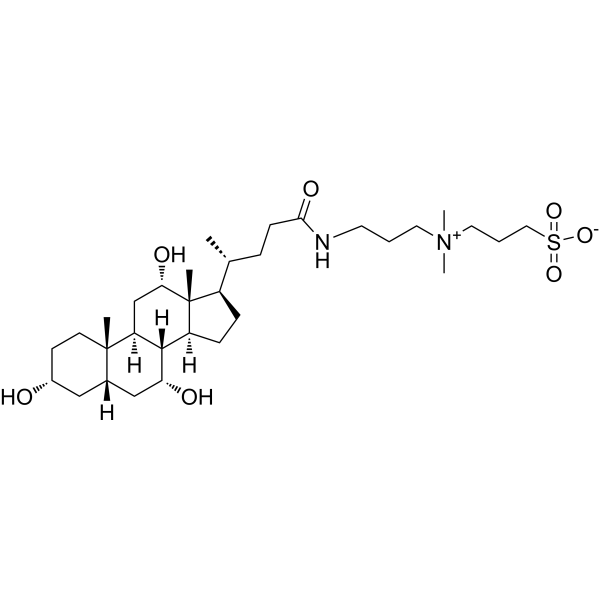
CHAPS is a cholic acid-derived, sulfobetaine-type zwitterionic detergent and micelle-forming agent. CHAPS exhibits properties of weak cationic or nonionic surfactants in different solution systems, undergoes micellization, and forms small, loose hydrophilic aggregates that are temperature-dependent. CHAPS stabilizes mononucleosomes under different ionic strengths, reduces nucleosome sequence specificity, promotes sliding of histone cores along DNA, solubilizes Tamm-Horsfall protein to reduce its interference with urinary exosome isolation, and maintains vesicle structure and the activity of related proteins at the same time. CHAPS is used to recover native folded fusion proteins, enhance the binding capacity of GST fusion proteins, and restore GST enzyme activity. However, CHAPS cannot refold proteins denatured by urea, guanidine hydrochloride or heat, nor can it construct the structure of intrinsically disordered proteins. CHAPS is commonly used in research on the separation and purification of membrane proteins .
|
-
-
- HY-131119
-
|
Dioctadecyldimethylammonium bromide; DODAB
|
Liposome
|
Others
|
|
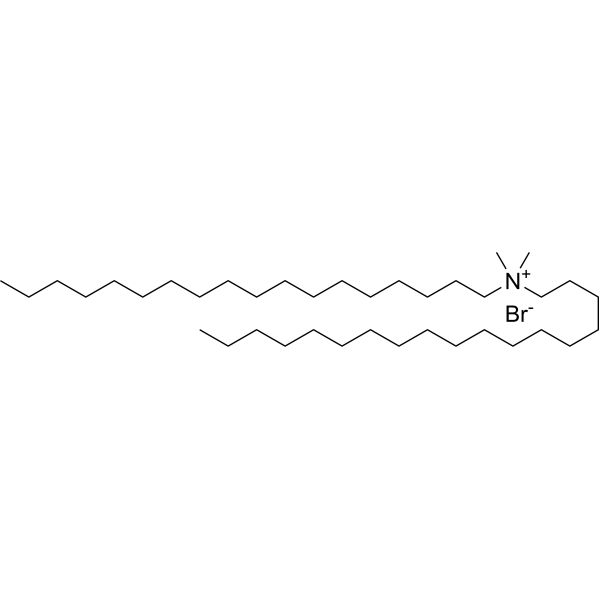
Dimethyldioctadecylammonium bromide is a synthetic cationic lipid commonly used in gene delivery and vaccine development. Also known as DODAB or DDAB, it consists of a positively charged ammonium head group and two long hydrophobic tails. These properties make it useful for forming liposomes and other lipid-based nanoparticles that can efficiently deliver genetic material into cells. In addition to its applications in biotechnology, DDAB is also used in surfactants, emulsifiers and fabric softeners. However, due to its potential toxicity and irritation, extreme care should be taken when handling DDAB.
|
-
-
- HY-B2232
-
|
Alkyldimethylbenzylammonium chloride
|
Bacterial
Biochemical Assay Reagents
|
Infection
|
|
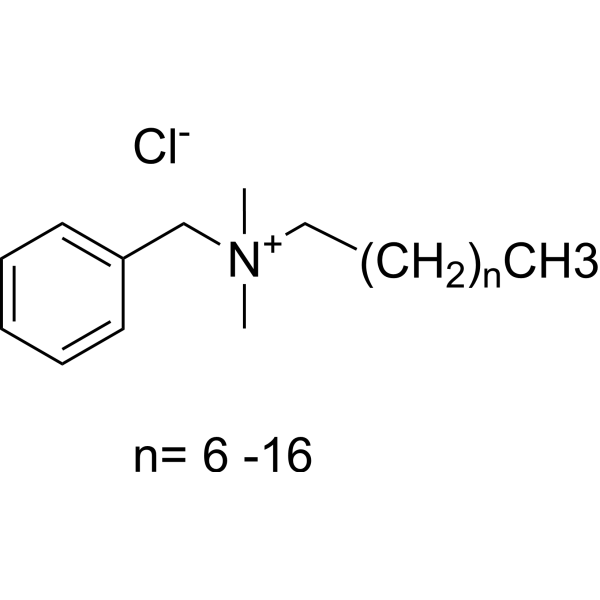
Benzalkonium (Alkyldimethylbenzylammonium) chloride (51% in water) is a quaternary ammonium preservative, cationic surfactant, and antimicrobial (Antimicrobial) agent. Benzalkonium chloride (51% in water) is toxic .
|
-
-
- HY-B1467
-
|
|
Potassium Channel
Bacterial
Parasite
Phosphatase
|
Infection
Inflammation/Immunology
|
|
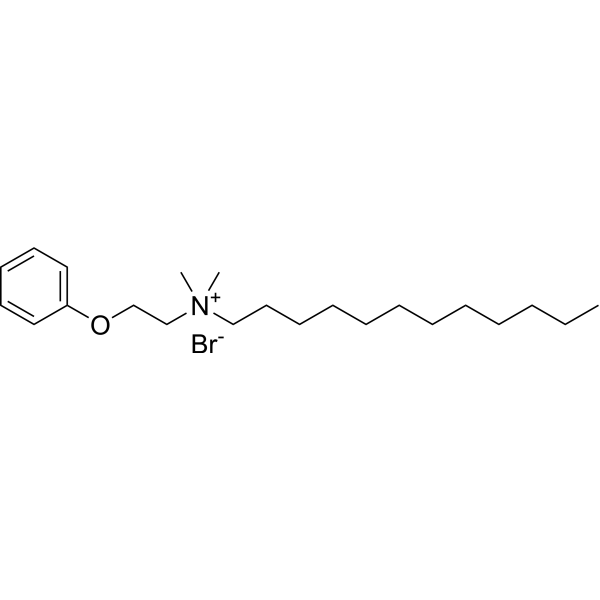
Domiphen bromide is a cationic active quaternary ammonium salt and also an inhibitor of HERG channels (IC50: 9 nM), aminopeptidase-like enzymes, Escherichia coli alkaline phosphatase, and α-chymotrypsin. Domiphen bromide has multiple activities such as antibacterial, antimalarial, and disinfectant properties, and it is also a synergist of Colistin (HY-113678). Domiphen bromide can be used as a chemical preservative and a cationic surfactant, and it can also be used in the research of bacterial infectious diseases such as pharyngitis, thrush, and oral ulcers .
|
-
-
- HY-B1549
-
-
-
- HY-B1597
-
|
Benzyldimethylhexadecylammonium chloride
|
Bacterial
|
Infection
Inflammation/Immunology
|
|
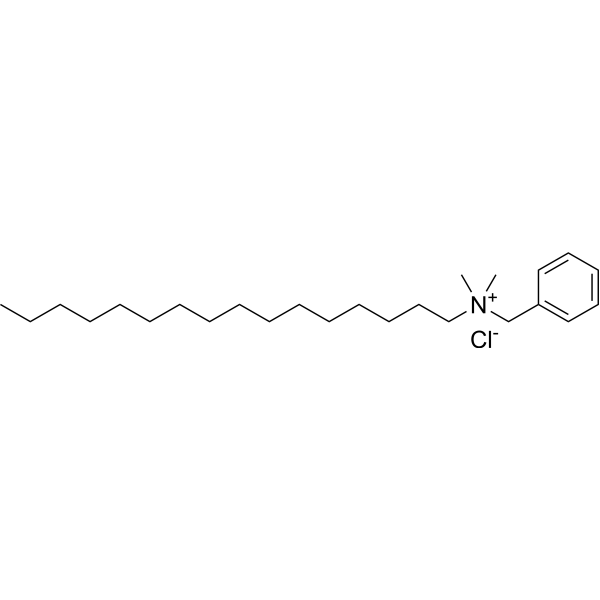
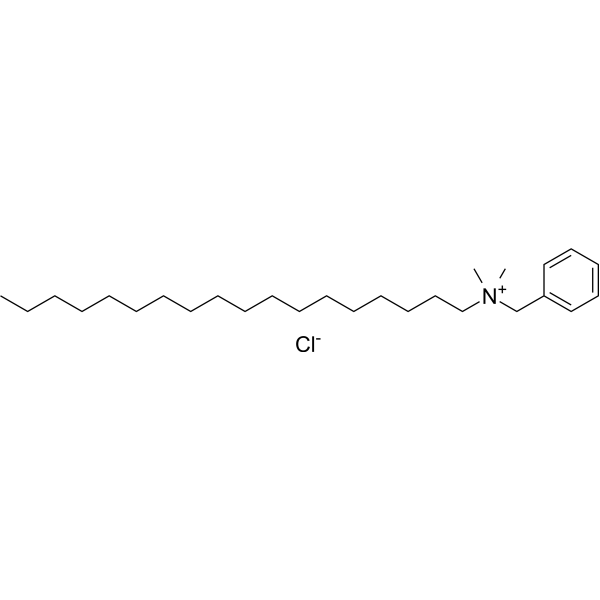
Cetalkonium chloride is an ammonium antiseptic agent used in many topical agents for infections of mouth, throat and eye. Cetalkonium chloride acts as anti-inflammatory amphiphilic agent. Cetalkonium chloride is a cationic surfactant, that improves the precorneal residence time and bioavailability of drugs. Cetalkonium chloride interacts with the negative charges on the bacterial cell membrane, disrupts the integrity of the cell membrane, causes leakage of cell contents and ultimately leading to bacterial death .
|
-
-
- HY-15435A
-
|
|
Biochemical Assay Reagents
Exosomes
|
Others
|
|
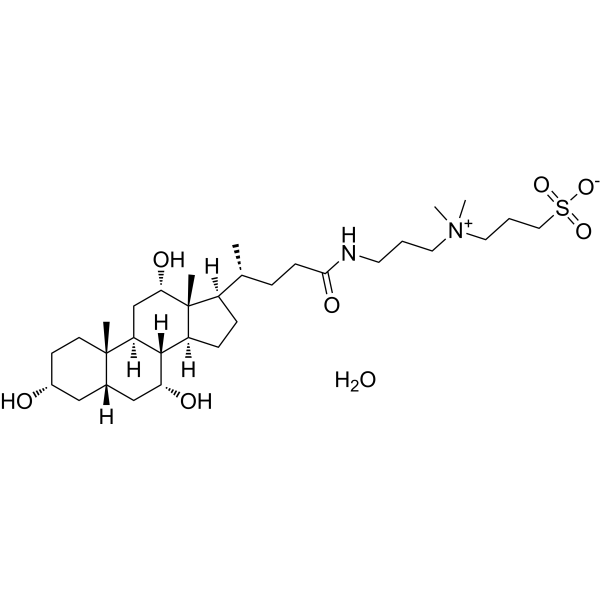
CHAPS hydrate is a cholic acid-derived, sulfobetaine-type zwitterionic detergent and micelle-forming agent. CHAPS hydrate exhibits properties of weak cationic or nonionic surfactants in different solution systems, undergoes micellization, and forms small, loose hydrophilic aggregates that are temperature-dependent. CHAPS hydrate stabilizes mononucleosomes under different ionic strengths, reduces nucleosome sequence specificity, promotes sliding of histone cores along DNA, solubilizes Tamm‑Horsfall protein to reduce its interference with urinary exosome isolation, and maintains vesicle structure and the activity of related proteins at the same time. CHAPS hydrate is used to recover native folded fusion proteins, enhance the binding capacity of GST fusion proteins, and restore GST enzyme activity. However, CHAPS hydrate cannot refold proteins denatured by urea, guanidine hydrochloride or heat, nor can it construct the structure of intrinsically disordered proteins. CHAPS hydrate is commonly used in research on the separation and purification of membrane proteins .
|
-
-
- HY-W096983
-
|
Dodecyltrimethylammonium chloride,for IPC,≥99%
|
Environmental Pollutants
Biochemical Assay Reagents
|
Others
|
|
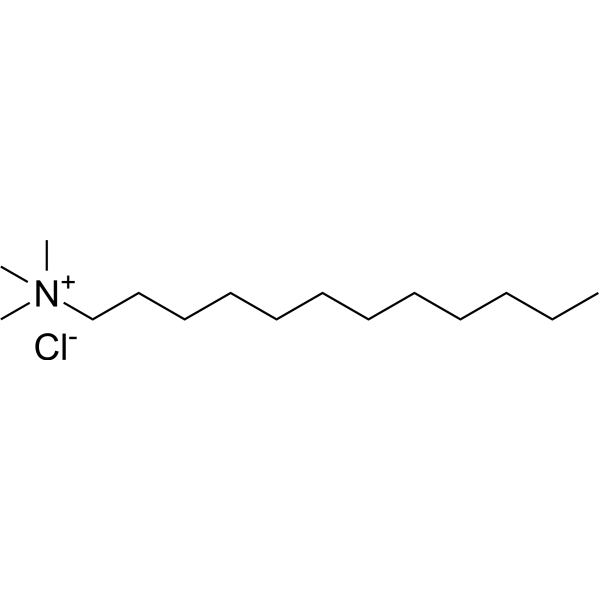
DTAC (Dodecyltrimethylammonium chloride), for IPC, ≥99% is a quaternary ammonium cationic surfactant. DTAC, for IPC, ≥99% can form micelles in aqueous media, which interact with and encapsulate Diclofenac sodium (HY-15037) molecules; the micellization process is entropy-driven at lower temperatures and enthalpy-driven at higher temperatures .
|
-
-
- HY-113404
-
|
|
Tyrosinase
Dopamine Receptor
|
Neurological Disease
|
|
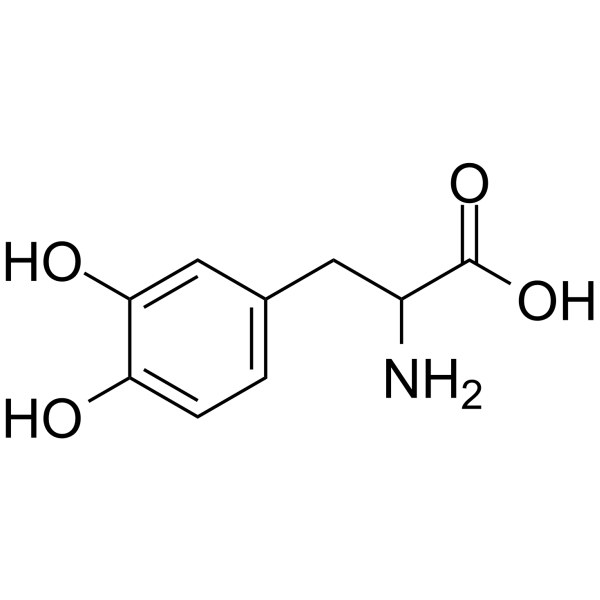
DL-Dopa is a dopamine precursor. It serves as a substrate for Mushroom Tyrosinase, which oxidizes it to dopaquinone, an intermediate in the DOPA-melanin polymerization process, and this reaction can be detected at 475 nm. DL-Dopa also forms synergistic hydrophobic and π-π stacking interactions with cationic surfactants. Its binding to cetylpyridinium chloride (HY-B1464) is stronger and exhibits better thermodynamic stability than its binding to benzalkonium chloride (HY-B2232). DL-Dopa can compensate for dopamine depletion in the brain and is applicable to research related to Parkinson's disease .
|
-
-
- HY-D0839
-
-
-
- HY-W250186
-
|
Teterdecyl dimethyl amine oxide; Myristyldimethylamine N-oxide
|
Environmental Pollutants
Biochemical Assay Reagents
|
Others
|
|
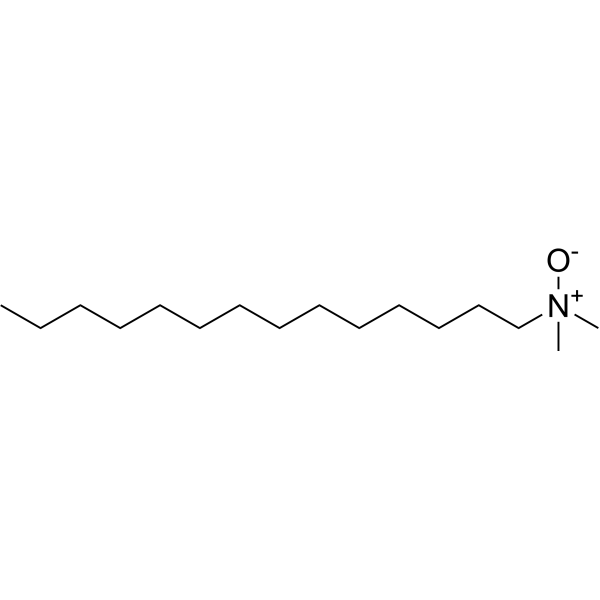
Myristyl dimethylamine oxide is a cationic surfactant belonging to the family of amine oxides. It is commonly used as a foam booster, thickener and conditioning agent in a variety of personal care and household cleaning products. Myristyl dimethylamine oxide has several properties suitable for these applications, including the ability to reduce surface tension, increase viscosity and provide antistatic properties. In addition, it can be used as a raw material for the production of other surfactants and specialty chemicals.
|
-
-
- HY-108004
-
|
Septefril; Decametoxin
|
Bacterial
Fungal
|
Infection
|
|
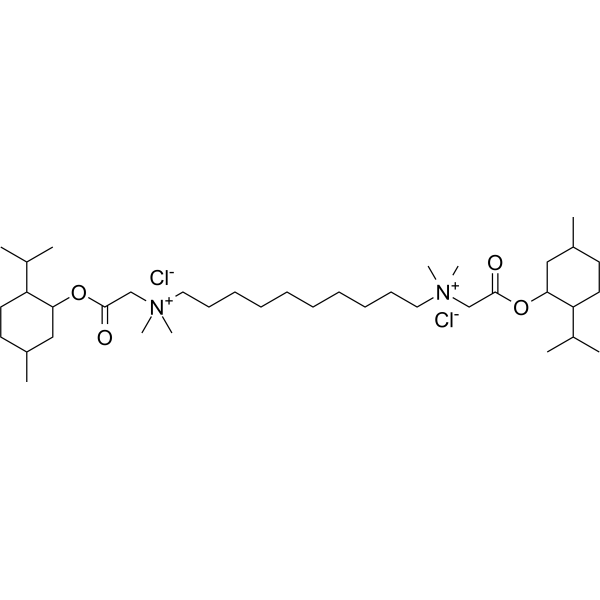
Decamethoxine (Septefril) is a cationic gemini surfactant. Decamethoxine exhibits strong bactericidal and fungicidal effects. Decamethoxine modifies the permeability of the microbial cell membrane, resulting in the destruction and death of diverse microorganisms .
|
-
-
- HY-128443
-
-
-
- HY-W010851
-
-
-
- HY-W098322
-
|
|
Drug Intermediate
|
Others
|
|
Z-Lys-OMe hydrochloride is a synthetic intermediate that can be used in the synthesis of peptide enzyme substrates and lysine cationic surfactants.
|
-
-
- HY-W099682
-
|
n-Hexyl trimethylammonium bromide
|
Biochemical Assay Reagents
|
Others
|
|
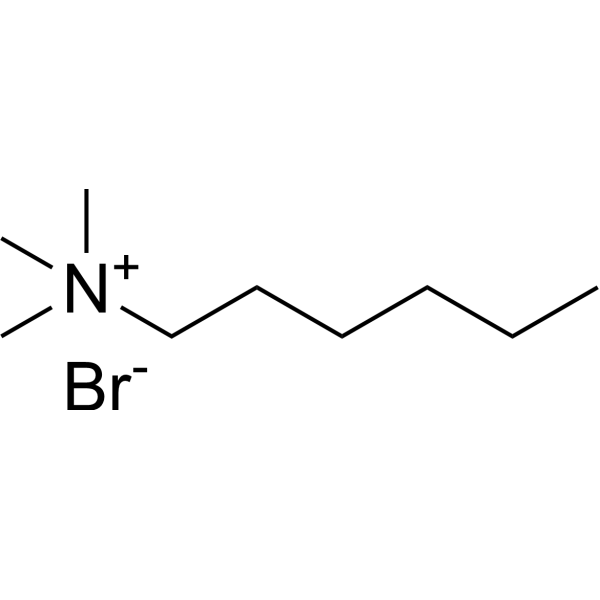
Hexyltrimethylammonium bromide is a cationic surfactant, quaternary ammonium compound, detergent, emulsifier, phase transfer catalyst, antibacterial agent, electrochemical device, corrosion inhibitor, micelle former, industrial chemical.
|
-
-
- HY-W012167
-
|
|
Environmental Pollutants
Biochemical Assay Reagents
|
Others
|
|
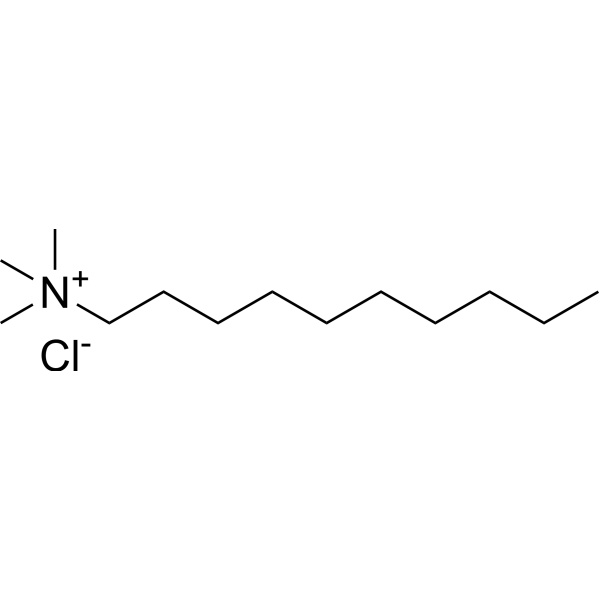
N,N,N-Trimethyldecan-1-aminium chloride is a compound belonging to the class of quaternary ammonium compounds. It is a salt with cationic properties and thus useful in various industrial and biomedical applications. Decyltrimethylammonium chloride is commonly used as a surfactant, emulsifier and disinfectant in personal care products, detergents, textiles and pharmaceutical formulations. It is also used as a phase transfer catalyst in organic synthesis reactions, which involves facilitating the movement of reactants between immiscible phases.
|
-
-
- HY-W012412
-
|
|
Biochemical Assay Reagents
|
Others
|
|
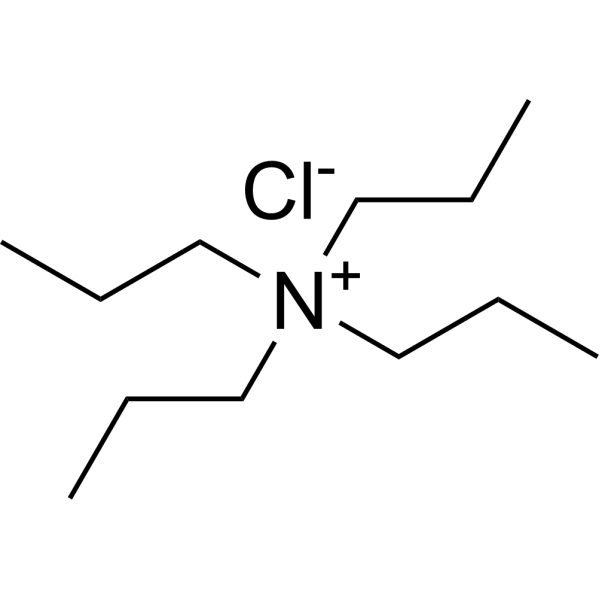
Tetrapropylammonium chloride is a compound belonging to the class of quaternary ammonium compounds. It is a salt with cationic properties and is used in various industrial and biomedical applications. Tetrapropylammonium chloride is commonly used as a phase transfer catalyst to facilitate the movement of reactants between immiscible phases in organic synthesis reactions. It is also used as a surfactant in the formulation of personal care products, detergents, textiles and pharmaceuticals. Additionally, it is used in the production of certain types of polymers and resins.
|
-
-
- HY-D0839S2
-
|
TTAB-d38 ; TTABr-d38 ; MiTMAB-d38
|
Isotope-Labeled Compounds
|
Others
|
|
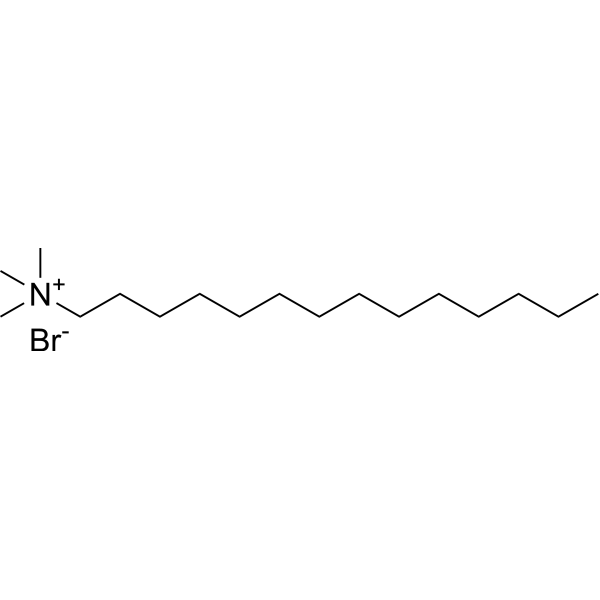
Tetradecyltrimethylammonium-d38 (bromide) is the deuterium labeled Tetradecyltrimethylammonium (bromide) . Tetradecyltrimethylammonium bromide, an organic building block, is a cationic surfactant with asymmetrical structure .
|
-
-
- HY-B1260S3
-
|
CTAB-d9; Cetyltrimethylammonium-d9 bromide; Hexadecyltrimethylammonium-d9 bromide
|
Isotope-Labeled Compounds
|
Others
|
|
Cetrimonium-d9 (bromide) is the deuterium labeled Cetrimonium bromide . Cetrimonium bromide (CTAB) is an amine based cationic quaternary surfactant, is one of the components of the topical antiseptic Cetrimide.
|
-
-
- HY-B1260S1
-
|
CTAB-d33; Cetyltrimethylammonium-d33 bromide; Hexadecyltrimethylammonium-d33 bromide
|
Isotope-Labeled Compounds
|
Others
|
|
Cetrimonium-d33 bromide is the deuterium labeled Cetrimonium bromide . Cetrimonium bromide (CTAB) is an amine based cationic quaternary surfactant, is one of the components of the topical antiseptic Cetrimide.
|
-
-
- HY-15934A
-
-
-
- HY-B1549R
-
|
Dimethylbenzyllaurylammonium chloride (Standard)
|
Biochemical Assay Reagents
Reference Standards
|
Others
|
|
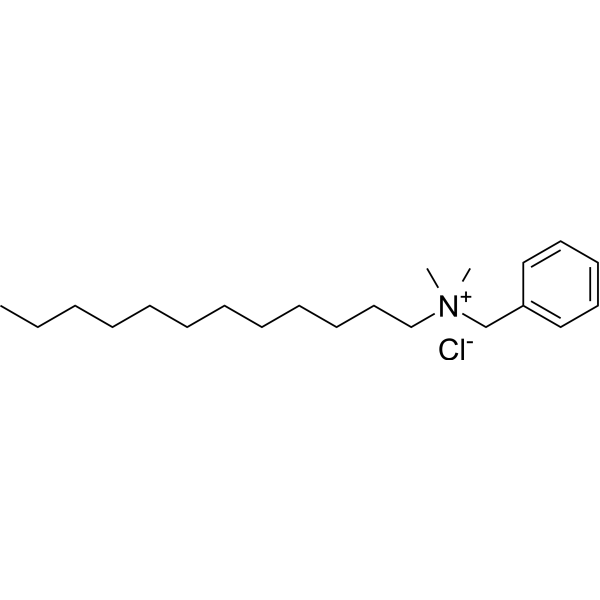
Lauryl benzalkonium (chloride) (Standard) is the analytical standard of Lauryl benzalkonium (chloride). This product is intended for research and analytical applications. Lauryl benzalkonium chloride is a cationic surfactant .
|
-
-
- HY-W010900
-
|
|
Biochemical Assay Reagents
|
Others
|
|
Tetrahexylammonium bromide is a compound that belongs to the class of quaternary ammonium compounds. It is a salt with cationic properties and thus useful in various industrial and biomedical applications. Tetrahexylammonium bromide is commonly used as a phase transfer catalyst to facilitate the movement of reactants between immiscible phases in various organic synthesis reactions. It is also used as a surfactant and emulsifier in the formulation of detergents, personal care products and pharmaceuticals.
|
-
-
- HY-W011038S
-
|
HDPB-d5
|
Isotope-Labeled Compounds
Biochemical Assay Reagents
|
Others
|
|
Hexadecylpyridinium bromide-d5 (HDPB-d5) is the deuterated form of Hexadecylpyridinium bromide. Hexadecylpyridinium bromide (HDPB) is a cationic surfactant. Hexadecylpyridinium bromide can act as a sensitizer and solubilizer, and is a key component in spectrophotometric determination of metal ion reaction systems. Hexadecylpyridinium bromide can be used as a new passivating ligand for the synthesis and stabilization of cesium lead bromide calcium phosphate nanocrystals.
|
-
-
- HY-W106486
-
|
N,N-Dimethyl-N-2-propenyl-2-propen-1-aminium chloride
|
Biochemical Assay Reagents
|
Others
|
|
Diallyldimethylammonium chloride (60% in water) is a quaternary ammonium compound belonging to the class of alkylammonium salts. The compound is widely used as a cationic monomer in the production of water-soluble polymers, especially in the manufacture of flocculants and coagulants for water treatment processes. In addition, it can be used as an antimicrobial agent, surfactant or adhesive in various industrial applications. Its unique chemical properties make it an important ingredient in a variety of industrial processes, including papermaking, textiles and personal care products.
|
-
-
- HY-B1549S
-
|
Dimethylaurylbenzylammonium-d7 chloride
|
Isotope-Labeled Compounds
|
Others
|
|
Lauryl benzalkonium-d7 (Dimethylaurylbenzylammonium-d7) chloride is the deuterium labeled Lauryl benzalkonium chloride. Lauryl benzalkonium chloride is a cationic surfactant .
|
-
-
- HY-W142313
-
|
Dimethyldodecylethylammonium bromide, 98%(T)
|
Biochemical Assay Reagents
|
Others
|
|
Dodecylethyldimethylammonium bromide (EDDAB), 98%(T) (Dimethyldodecylethylammonium bromide, 98%(T)) is a cationic surfactant .
|
-
-
- HY-W724343
-
|
Dimethylbenzyllaurylammonium-d5 chloride
|
Isotope-Labeled Compounds
Biochemical Assay Reagents
|
Others
|
|
Lauryl benzalkonium-d5 chloride (Dimethylbenzyllaurylammonium-d5 chloride) is the deuterium labeled Lauryl benzalkonium chloride (HY-B1549). Lauryl benzalkonium (Dimethylbenzyllaurylammonium) chloride is a cationic surfactant that may produce some irritant contact dermatitis (ICD) to the skin .
|
-
-
- HY-W250177
-
|
|
Biochemical Assay Reagents
|
Others
|
|
Tridodexylmethylammonium chloride, also known as TDMAC, is a cationic surfactant commonly used in various industrial and research applications. It belongs to the family of quaternary ammonium compounds and has a positively charged head and a hydrophobic tail, which allows it to be used as a detergent, emulsifier and antimicrobial. Known for its ability to disrupt cell membranes, TDMAC is frequently used in microbiology for the selective isolation and identification of bacteria.
|
-
-
- HY-B1467R
-
|
|
Reference Standards
Potassium Channel
Bacterial
Parasite
Phosphorylase
|
Infection
Inflammation/Immunology
|
|
Domiphen bromide (Standard) is the analytical standard of Domiphen bromide (HY-B1467). This product is intended for research and analytical applications. Domiphen bromide is a cationic active quaternary ammonium salt and also an inhibitor of HERG channels (IC50: 9 nM), aminopeptidase-like enzymes, Escherichia coli alkaline phosphatase, and α-chymotrypsin. Domiphen bromide has multiple activities such as antibacterial, antimalarial, and disinfectant properties, and it is also a synergist of Colistin (HY-113678). Domiphen bromide can be used as a chemical preservative and a cationic surfactant, and it can also be used in the research of bacterial infectious diseases such as pharyngitis, thrush, and oral ulcers.
|
-
-
- HY-W008974
-
|
|
Biochemical Assay Reagents
|
Others
|
|
3-(Dimethyl(octadecyl)ammonio)propane-1-sulfonate is a class of quaternary ammonium compounds. It is a surfactant and cationic detergent with amphiphilic properties and therefore useful in various industrial and biomedical applications. 3-(Dimethyl(octadecyl)ammonium)propane-1-sulfonate is commonly used as an emulsifier, solubilizer and antimicrobial agent in personal care products, detergents, textiles and pharmaceutical formulations. It is also used as a reagent in analytical chemistry, especially in the analysis of proteins and DNA.
|
-
-
- HY-B1597R
-
|
Benzyldimethylhexadecylammonium chloride (Standard)
|
Reference Standards
Bacterial
|
Infection
Inflammation/Immunology
|
|
Cetalkonium (chloride) (Standard) is the analytical standard of Cetalkonium (chloride). This product is intended for research and analytical applications. Cetalkonium chloride is an ammonium antiseptic agent used in many topical agents for infections of mouth, throat and eye. Cetalkonium chloride acts as anti-inflammatory amphiphilic agent. Cetalkonium chloride is a cationic surfactant, that improves the precorneal residence time and bioavailability of drugs. Cetalkonium chloride interacts with the negative charges on the bacterial cell membrane, disrupts the integrity of the cell membrane, causes leakage of cell contents and ultimately leading to bacterial death .
|
-
-
- HY-W250187
-
|
|
Biochemical Assay Reagents
|
Others
|
|
DDMAB, or didodecyldimethylammonium bromide, is a cationic surfactant commonly used in a variety of industrial and research applications. It belongs to the family of quaternary ammonium compounds and has a positively charged head and a hydrophobic tail, which allows it to be used as a detergent, emulsifier and antimicrobial. Known for its ability to disrupt cell membranes, DDMAB is commonly used in microbiology to selectively isolate and identify bacteria. It is also used in nanotechnology to synthesize metal nanoparticles and other materials. In addition, DDMAB has the ability to interact with and penetrate cell membranes, which has potential applications in drug delivery, gene therapy, and other medical fields.
|
-
-
- HY-W654567
-
|
|
Biochemical Assay Reagents
Bacterial
|
Infection
|
|
N,N-Dimethyl-N-(3-(trimethoxysilyl)propyl)tetradecan-1-aminium chloride is a cationic surfactant of the silylated quaternary ammonium salt type, possessing dual functions of antibacterial activity and silane coupling. N,N-Dimethyl-N-(3-(trimethoxysilyl)propyl)tetradecan-1-aminium chloride can be used as a cationic silane coupling agent, antibacterial surface treatment agent, and disinfectant.
|
-
-
- HY-108004R
-
|
Septefril (Standard); Decametoxin (Standard)
|
Reference Standards
Bacterial
Fungal
|
Infection
|
|
Decamethoxine (Standard) is the analytical standard of Decamethoxine (HY-108004). This product is intended for research and analytical applications. Decamethoxine (Septefril) is a cationic gemini surfactant. Decamethoxine exhibits strong bactericidal and fungicidal effects. Decamethoxine modifies the permeability of the microbial cell membrane, resulting in the destruction and death of diverse microorganisms .
|
-
-
- HY-B2232A
-
|
Alkyldimethylbenzylammonium chloride (solid)
|
Biochemical Assay Reagents
Bacterial
|
Infection
|
|
Benzalkonium chloride (solid) (Alkyldimethylbenzylammonium chloride (solid)) is a quaternary ammonium preservative, cationic surfactant, and antimicrobial (Antimicrobial) agent. Benzalkonium chloride (solid) is toxic .
|
-
-
- HY-D0839S1
-
|
TTAB-d29; TTABr-d29; MiTMAB-d29
|
Isotope-Labeled Compounds
|
Others
|
|
Tetradecyltrimethylammonium-d29 (bromide) is the deuterium labeled Tetradecyltrimethylammonium (bromide) . Tetradecyltrimethylammonium bromide, an organic building block, is a cationic surfactant with asymmetrical structure .
|
-
-
- HY-W714323
-
|
Teterdecyl dimethyl amine oxide-d6; Myristyldimethylamine N-oxide-d6
|
Isotope-Labeled Compounds
Biochemical Assay Reagents
|
Others
|
|
Myristyl dimethylamine oxide-d6 (Teterdecyl dimethyl amine oxide-d6) is the deuterium labeled Myristyl dimethylamine oxide (HY-W250186). Myristyl dimethylamine oxide is a cationic surfactant belonging to the family of amine oxides. It is commonly used as a foam booster, thickener and conditioning agent in a variety of personal care and household cleaning products. Myristyl dimethylamine oxide has several properties suitable for these applications, including the ability to reduce surface tension, increase viscosity and provide antistatic properties. In addition, it can be used as a raw material for the production of other surfactants and specialty chemicals.
|
-
-
- HY-W724293
-
|
|
Isotope-Labeled Compounds
Biochemical Assay Reagents
|
Others
|
|
Tetrapropylammonium-d28 chloride is the deuterium labeled Tetrapropylammonium chloride (HY-W012412). Tetrapropylammonium chloride is a compound belonging to the class of quaternary ammonium compounds. It is a salt with cationic properties and is used in various industrial and biomedical applications. Tetrapropylammonium chloride is commonly used as a phase transfer catalyst to facilitate the movement of reactants between immiscible phases in organic synthesis reactions. It is also used as a surfactant in the formulation of personal care products, detergents, textiles and pharmaceuticals. Additionally, it is used in the production of certain types of polymers and resins.
|
-
-
- HY-W724344
-
|
Benzyldimethylhexadecylammonium-d5 chloride
|
Isotope-Labeled Compounds
Bacterial
|
Infection
Inflammation/Immunology
|
|
Cetalkonium-d5 chloride (Benzyldimethylhexadecylammonium-d5 chloride) is the deuterium labeled Cetalkonium chloride (HY-B1597). Cetalkonium chloride is an ammonium antiseptic agent used in many topical agents for infections of mouth, throat and eye. Cetalkonium chloride acts as anti-inflammatory amphiphilic agent. Cetalkonium chloride is a cationic surfactant, that improves the precorneal residence time and bioavailability of drugs. Cetalkonium chloride interacts with the negative charges on the bacterial cell membrane, disrupts the integrity of the cell membrane, causes leakage of cell contents and ultimately leading to bacterial death .
|
-
-
- HY-W724291
-
|
Dioctadecyldimethylammonium-d3 bromide; DODAB-d3
|
Isotope-Labeled Compounds
Liposome
|
Others
|
|
Dimethyldioctadecylammonium-d3 bromide (Dioctadecyldimethylammonium-d3 bromide) is the deuterium labeled Dimethyldioctadecylammonium bromide (HY-131119). Dimethyldioctadecylammonium bromide is a synthetic cationic lipid commonly used in gene delivery and vaccine development. Also known as DODAB or DDAB, it consists of a positively charged ammonium head group and two long hydrophobic tails. These properties make it useful for forming liposomes and other lipid-based nanoparticles that can efficiently deliver genetic material into cells. In addition to its applications in biotechnology, DDAB is also used in surfactants, emulsifiers and fabric softeners. However, due to its potential toxicity and irritation, extreme care should be taken when handling DDAB.
|
-
| Cat. No. |
Product Name |
Type |
-
- HY-131119
-
|
Dioctadecyldimethylammonium bromide; DODAB
|
Biochemical Assay Reagents
|
|
Dimethyldioctadecylammonium bromide is a synthetic cationic lipid commonly used in gene delivery and vaccine development. Also known as DODAB or DDAB, it consists of a positively charged ammonium head group and two long hydrophobic tails. These properties make it useful for forming liposomes and other lipid-based nanoparticles that can efficiently deliver genetic material into cells. In addition to its applications in biotechnology, DDAB is also used in surfactants, emulsifiers and fabric softeners. However, due to its potential toxicity and irritation, extreme care should be taken when handling DDAB.
|
-
- HY-15435A
-
|
|
Biochemical Assay Reagents
|
|
CHAPS hydrate is a cholic acid-derived, sulfobetaine-type zwitterionic detergent and micelle-forming agent. CHAPS hydrate exhibits properties of weak cationic or nonionic surfactants in different solution systems, undergoes micellization, and forms small, loose hydrophilic aggregates that are temperature-dependent. CHAPS hydrate stabilizes mononucleosomes under different ionic strengths, reduces nucleosome sequence specificity, promotes sliding of histone cores along DNA, solubilizes Tamm‑Horsfall protein to reduce its interference with urinary exosome isolation, and maintains vesicle structure and the activity of related proteins at the same time. CHAPS hydrate is used to recover native folded fusion proteins, enhance the binding capacity of GST fusion proteins, and restore GST enzyme activity. However, CHAPS hydrate cannot refold proteins denatured by urea, guanidine hydrochloride or heat, nor can it construct the structure of intrinsically disordered proteins. CHAPS hydrate is commonly used in research on the separation and purification of membrane proteins .
|
-
- HY-W096983
-
|
Dodecyltrimethylammonium chloride,for IPC,≥99%
|
Biochemical Assay Reagents
|
|
DTAC (Dodecyltrimethylammonium chloride), for IPC, ≥99% is a quaternary ammonium cationic surfactant. DTAC, for IPC, ≥99% can form micelles in aqueous media, which interact with and encapsulate Diclofenac sodium (HY-15037) molecules; the micellization process is entropy-driven at lower temperatures and enthalpy-driven at higher temperatures .
|
-
- HY-W250186
-
|
Teterdecyl dimethyl amine oxide; Myristyldimethylamine N-oxide
|
Biochemical Assay Reagents
|
|
Myristyl dimethylamine oxide is a cationic surfactant belonging to the family of amine oxides. It is commonly used as a foam booster, thickener and conditioning agent in a variety of personal care and household cleaning products. Myristyl dimethylamine oxide has several properties suitable for these applications, including the ability to reduce surface tension, increase viscosity and provide antistatic properties. In addition, it can be used as a raw material for the production of other surfactants and specialty chemicals.
|
-
- HY-W010851
-
|
HTAPS
|
Biochemical Assay Reagents
|
|
Hexadecyltrimethylammonium (p-toluenesulfonate) is a cationic surfactant commonly used in micelle experiments.
|
-
- HY-W099682
-
|
n-Hexyl trimethylammonium bromide
|
Biochemical Assay Reagents
|
|
Hexyltrimethylammonium bromide is a cationic surfactant, quaternary ammonium compound, detergent, emulsifier, phase transfer catalyst, antibacterial agent, electrochemical device, corrosion inhibitor, micelle former, industrial chemical.
|
-
- HY-W012167
-
|
|
Biochemical Assay Reagents
|
|
N,N,N-Trimethyldecan-1-aminium chloride is a compound belonging to the class of quaternary ammonium compounds. It is a salt with cationic properties and thus useful in various industrial and biomedical applications. Decyltrimethylammonium chloride is commonly used as a surfactant, emulsifier and disinfectant in personal care products, detergents, textiles and pharmaceutical formulations. It is also used as a phase transfer catalyst in organic synthesis reactions, which involves facilitating the movement of reactants between immiscible phases.
|
-
- HY-W012412
-
|
|
Biochemical Assay Reagents
|
|
Tetrapropylammonium chloride is a compound belonging to the class of quaternary ammonium compounds. It is a salt with cationic properties and is used in various industrial and biomedical applications. Tetrapropylammonium chloride is commonly used as a phase transfer catalyst to facilitate the movement of reactants between immiscible phases in organic synthesis reactions. It is also used as a surfactant in the formulation of personal care products, detergents, textiles and pharmaceuticals. Additionally, it is used in the production of certain types of polymers and resins.
|
-
- HY-15934A
-
|
|
Biochemical Assay Reagents
|
|
5-Bromo-4-chloro-3-indolyl-α-D-mannopyranoside, 93% is a cationic surfactant commonly used in micelle experiments.
|
-
- HY-W010900
-
|
|
Biochemical Assay Reagents
|
|
Tetrahexylammonium bromide is a compound that belongs to the class of quaternary ammonium compounds. It is a salt with cationic properties and thus useful in various industrial and biomedical applications. Tetrahexylammonium bromide is commonly used as a phase transfer catalyst to facilitate the movement of reactants between immiscible phases in various organic synthesis reactions. It is also used as a surfactant and emulsifier in the formulation of detergents, personal care products and pharmaceuticals.
|
-
- HY-W106486
-
|
N,N-Dimethyl-N-2-propenyl-2-propen-1-aminium chloride
|
Biochemical Assay Reagents
|
|
Diallyldimethylammonium chloride (60% in water) is a quaternary ammonium compound belonging to the class of alkylammonium salts. The compound is widely used as a cationic monomer in the production of water-soluble polymers, especially in the manufacture of flocculants and coagulants for water treatment processes. In addition, it can be used as an antimicrobial agent, surfactant or adhesive in various industrial applications. Its unique chemical properties make it an important ingredient in a variety of industrial processes, including papermaking, textiles and personal care products.
|
-
- HY-W142313
-
|
Dimethyldodecylethylammonium bromide, 98%(T)
|
Biochemical Assay Reagents
|
|
Dodecylethyldimethylammonium bromide (EDDAB), 98%(T) (Dimethyldodecylethylammonium bromide, 98%(T)) is a cationic surfactant .
|
-
- HY-W250177
-
|
|
Biochemical Assay Reagents
|
|
Tridodexylmethylammonium chloride, also known as TDMAC, is a cationic surfactant commonly used in various industrial and research applications. It belongs to the family of quaternary ammonium compounds and has a positively charged head and a hydrophobic tail, which allows it to be used as a detergent, emulsifier and antimicrobial. Known for its ability to disrupt cell membranes, TDMAC is frequently used in microbiology for the selective isolation and identification of bacteria.
|
-
- HY-W008974
-
|
|
Biochemical Assay Reagents
|
|
3-(Dimethyl(octadecyl)ammonio)propane-1-sulfonate is a class of quaternary ammonium compounds. It is a surfactant and cationic detergent with amphiphilic properties and therefore useful in various industrial and biomedical applications. 3-(Dimethyl(octadecyl)ammonium)propane-1-sulfonate is commonly used as an emulsifier, solubilizer and antimicrobial agent in personal care products, detergents, textiles and pharmaceutical formulations. It is also used as a reagent in analytical chemistry, especially in the analysis of proteins and DNA.
|
-
- HY-W250187
-
|
|
Biochemical Assay Reagents
|
|
DDMAB, or didodecyldimethylammonium bromide, is a cationic surfactant commonly used in a variety of industrial and research applications. It belongs to the family of quaternary ammonium compounds and has a positively charged head and a hydrophobic tail, which allows it to be used as a detergent, emulsifier and antimicrobial. Known for its ability to disrupt cell membranes, DDMAB is commonly used in microbiology to selectively isolate and identify bacteria. It is also used in nanotechnology to synthesize metal nanoparticles and other materials. In addition, DDMAB has the ability to interact with and penetrate cell membranes, which has potential applications in drug delivery, gene therapy, and other medical fields.
|
| Cat. No. |
Product Name |
Category |
Target |
Chemical Structure |
| Cat. No. |
Product Name |
Chemical Structure |
-
- HY-D0839S2
-
|
|
|
Tetradecyltrimethylammonium-d38 (bromide) is the deuterium labeled Tetradecyltrimethylammonium (bromide) . Tetradecyltrimethylammonium bromide, an organic building block, is a cationic surfactant with asymmetrical structure .
|
-
-
- HY-B1260S3
-
|
|
|
Cetrimonium-d9 (bromide) is the deuterium labeled Cetrimonium bromide . Cetrimonium bromide (CTAB) is an amine based cationic quaternary surfactant, is one of the components of the topical antiseptic Cetrimide.
|
-
-
- HY-B1260S1
-
|
|
|
Cetrimonium-d33 bromide is the deuterium labeled Cetrimonium bromide . Cetrimonium bromide (CTAB) is an amine based cationic quaternary surfactant, is one of the components of the topical antiseptic Cetrimide.
|
-
-
- HY-W011038S
-
|
|
|
Hexadecylpyridinium bromide-d5 (HDPB-d5) is the deuterated form of Hexadecylpyridinium bromide. Hexadecylpyridinium bromide (HDPB) is a cationic surfactant. Hexadecylpyridinium bromide can act as a sensitizer and solubilizer, and is a key component in spectrophotometric determination of metal ion reaction systems. Hexadecylpyridinium bromide can be used as a new passivating ligand for the synthesis and stabilization of cesium lead bromide calcium phosphate nanocrystals.
|
-
-
- HY-B1549S
-
|
|
|
Lauryl benzalkonium-d7 (Dimethylaurylbenzylammonium-d7) chloride is the deuterium labeled Lauryl benzalkonium chloride. Lauryl benzalkonium chloride is a cationic surfactant .
|
-
-
- HY-W724343
-
|
|
|
Lauryl benzalkonium-d5 chloride (Dimethylbenzyllaurylammonium-d5 chloride) is the deuterium labeled Lauryl benzalkonium chloride (HY-B1549). Lauryl benzalkonium (Dimethylbenzyllaurylammonium) chloride is a cationic surfactant that may produce some irritant contact dermatitis (ICD) to the skin .
|
-
-
- HY-D0839S1
-
|
|
|
Tetradecyltrimethylammonium-d29 (bromide) is the deuterium labeled Tetradecyltrimethylammonium (bromide) . Tetradecyltrimethylammonium bromide, an organic building block, is a cationic surfactant with asymmetrical structure .
|
-
-
- HY-W714323
-
|
|
|
Myristyl dimethylamine oxide-d6 (Teterdecyl dimethyl amine oxide-d6) is the deuterium labeled Myristyl dimethylamine oxide (HY-W250186). Myristyl dimethylamine oxide is a cationic surfactant belonging to the family of amine oxides. It is commonly used as a foam booster, thickener and conditioning agent in a variety of personal care and household cleaning products. Myristyl dimethylamine oxide has several properties suitable for these applications, including the ability to reduce surface tension, increase viscosity and provide antistatic properties. In addition, it can be used as a raw material for the production of other surfactants and specialty chemicals.
|
-
-
- HY-W724293
-
|
|
|
Tetrapropylammonium-d28 chloride is the deuterium labeled Tetrapropylammonium chloride (HY-W012412). Tetrapropylammonium chloride is a compound belonging to the class of quaternary ammonium compounds. It is a salt with cationic properties and is used in various industrial and biomedical applications. Tetrapropylammonium chloride is commonly used as a phase transfer catalyst to facilitate the movement of reactants between immiscible phases in organic synthesis reactions. It is also used as a surfactant in the formulation of personal care products, detergents, textiles and pharmaceuticals. Additionally, it is used in the production of certain types of polymers and resins.
|
-
-
- HY-W724344
-
|
|
|
Cetalkonium-d5 chloride (Benzyldimethylhexadecylammonium-d5 chloride) is the deuterium labeled Cetalkonium chloride (HY-B1597). Cetalkonium chloride is an ammonium antiseptic agent used in many topical agents for infections of mouth, throat and eye. Cetalkonium chloride acts as anti-inflammatory amphiphilic agent. Cetalkonium chloride is a cationic surfactant, that improves the precorneal residence time and bioavailability of drugs. Cetalkonium chloride interacts with the negative charges on the bacterial cell membrane, disrupts the integrity of the cell membrane, causes leakage of cell contents and ultimately leading to bacterial death .
|
-
-
- HY-W724291
-
|
|
|
Dimethyldioctadecylammonium-d3 bromide (Dioctadecyldimethylammonium-d3 bromide) is the deuterium labeled Dimethyldioctadecylammonium bromide (HY-131119). Dimethyldioctadecylammonium bromide is a synthetic cationic lipid commonly used in gene delivery and vaccine development. Also known as DODAB or DDAB, it consists of a positively charged ammonium head group and two long hydrophobic tails. These properties make it useful for forming liposomes and other lipid-based nanoparticles that can efficiently deliver genetic material into cells. In addition to its applications in biotechnology, DDAB is also used in surfactants, emulsifiers and fabric softeners. However, due to its potential toxicity and irritation, extreme care should be taken when handling DDAB.
|
-
| Cat. No. |
Product Name |
|
Classification |
-
- HY-131119
-
|
Dioctadecyldimethylammonium bromide; DODAB
|
|
Cationic Lipids
|
|
Dimethyldioctadecylammonium bromide is a synthetic cationic lipid commonly used in gene delivery and vaccine development. Also known as DODAB or DDAB, it consists of a positively charged ammonium head group and two long hydrophobic tails. These properties make it useful for forming liposomes and other lipid-based nanoparticles that can efficiently deliver genetic material into cells. In addition to its applications in biotechnology, DDAB is also used in surfactants, emulsifiers and fabric softeners. However, due to its potential toxicity and irritation, extreme care should be taken when handling DDAB.
|
-
- HY-B2232
-
|
Alkyldimethylbenzylammonium chloride
|
|
Solubilizing Agents
|
|
Benzalkonium (Alkyldimethylbenzylammonium) chloride (51% in water) is a quaternary ammonium preservative, cationic surfactant, and antimicrobial (Antimicrobial) agent. Benzalkonium chloride (51% in water) is toxic .
|
Your information is safe with us. * Required Fields.
Inquiry Information
- Product Name:
- Cat. No.:
- Quantity:
- MCE Japan Authorized Agent:

