1. Search Result
Search Result
Results for "

cecal

" in MedChemExpress (MCE) Product Catalog:

65

Inhibitors & Agonists

2

Fluorescent Dye

4

Biochemical Assay Reagents

4

Peptides

19

Natural
Products

22

Isotope-Labeled Compounds

1

Oligonucleotides

2

GMP Molecules

Cat. No. Product Name Target Research Areas Chemical Structure
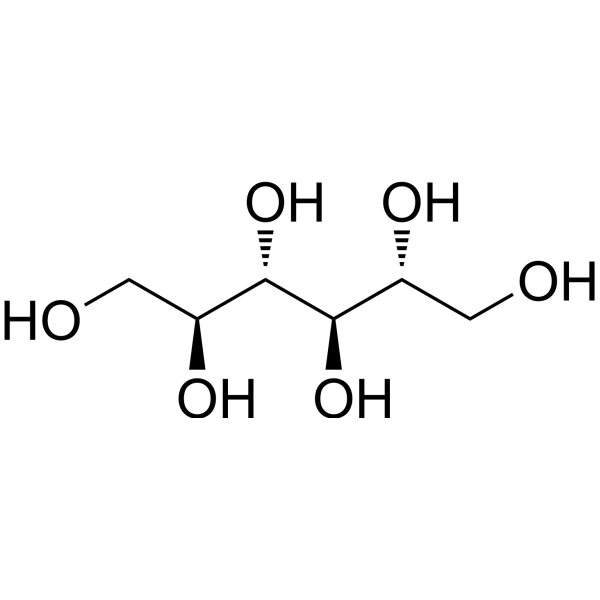
  • HY-N0378
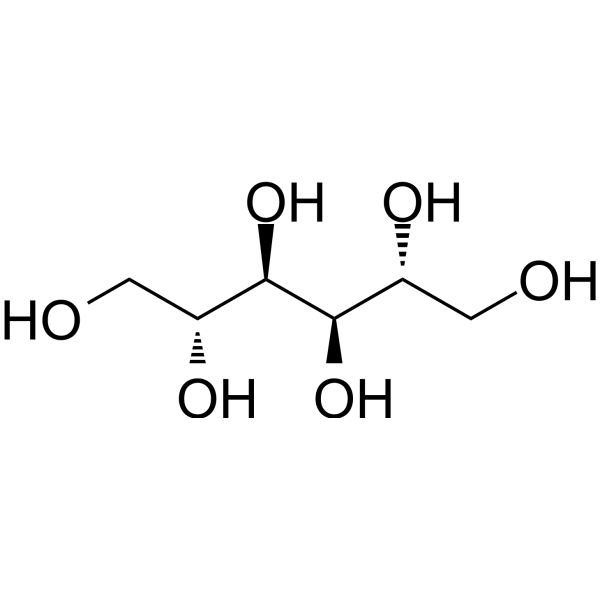
    D-Mannitol
    Maximum Cited Publications
    13 Publications Verification

    Mannitol; Mannite

    Environmental Pollutants Endogenous Metabolite Apoptosis PGC-1α PKA Adrenergic Receptor Cardiovascular Disease Metabolic Disease Cancer
    D-Mannitol (Mannitol) is an oral, resistant sugar widely used in the food and pharmaceutical industries to promote the absorption and retention of calcium and magnesium through cecal fermentation, while acting as a osmotic diuretic to reduce tissue edema. D-Mannitol can enhance brown fat formation, improve insulin effect, reduce blood sugar levels, And through the start the β3-adrenergic receptor (β3-AR), PGC1α and PKA induced by means of white fat cells into brown fat cells . D-Mannitol is commonly used to maintain osmotic pressure between the plant cytoplasm and the culture medium and protect cells when the cell wall is weakened or even removed .
    D-Mannitol
  • HY-N0666
    L-Aspartic acid
    4 Publications Verification

    Endogenous Metabolite Neurological Disease Inflammation/Immunology
    L-Aspartic aicd is an amino acid. L-Aspartic aicd is commonly used for preparing prodrugs to target colon and cecal tissues. L-Aspartic aicd commonly used in the study of inflammatory conditions .
    L-Aspartic acid
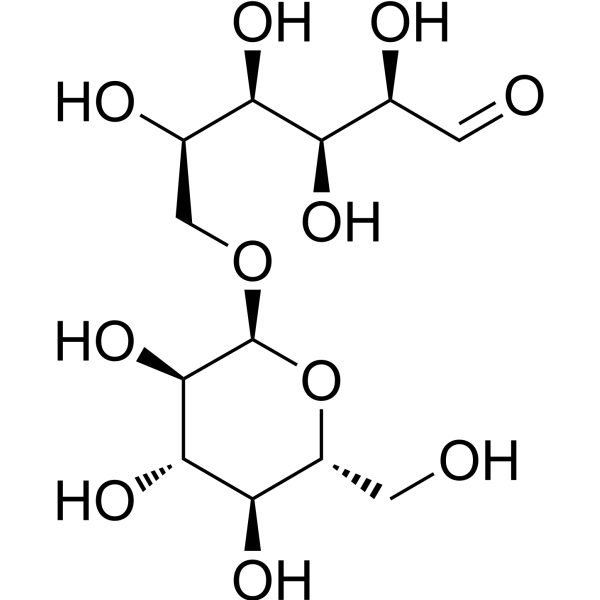
  • HY-N3018

    6-O-α-D-Glucopyranosyl-D-glucose; D-Isomaltose

    Endogenous Metabolite Parasite Infection Metabolic Disease
    Isomaltose (6-O-α-D-Glucopyranosyl-D-glucose) is a glucose disaccharide. Isomaltose induces G-CSF secretion via heat-induced oxidative polymerization of glucose groups into high-molecular-weight compounds. Isomaltose modulates cecal bacterial cluster structure in mice. Isomaltose exhibits low glycemic index, slow hydrolysis, and prebiotic properties. Isomaltose reduces in vivo Cryptosporidium parvum colonization in neonatal mice. Isomaltose can be used for the research of Cryptosporidium parvum infection .
    Isomaltose
  • HY-B0921
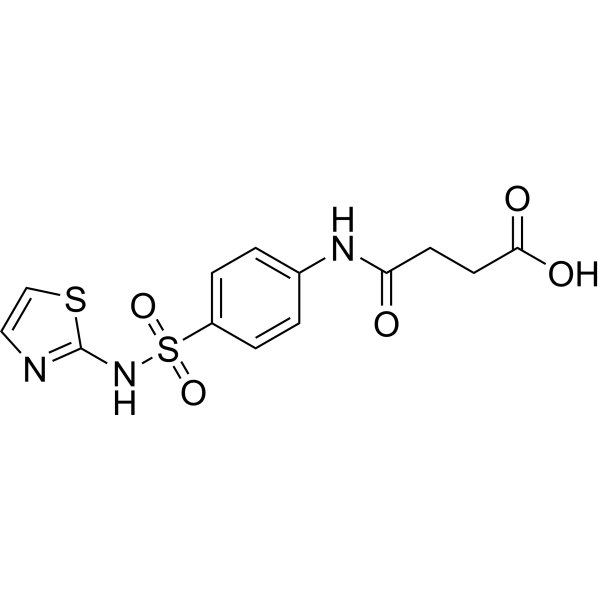
    Succinylsulfathiazole
    1 Publications Verification

    Succinylsulphathiazole

    Antibiotic Bacterial Dihydrofolate reductase (DHFR) mTOR Infection
    Succinylsulfathiazole (Succinylsulphathiazole) is a long-acting sulfonamide antibiotic with localized gut-specific antibacterial activity and is orally active. Succinylsulfathiazole inhibits bacterial folate synthesis, reduces coliform counts, suppresses intestinal bacterial growth and vitamin biosynthesis, and depletes gut folate-producing bacteria. Succinylsulfathiazole modulates hepatic mTOR signaling, diminishes cecal fermentation, decreases hepatic folate levels and total folate excretion, elevates nitrogen excretion and reduces the fermentability of certain dietary fibers. Succinylsulfathiazole induces folate deficiency and triggers biotin- and folate-related nutritional deficiency symptoms in rats and C57BL/6 mice .
    Succinylsulfathiazole
  • HY-N2183
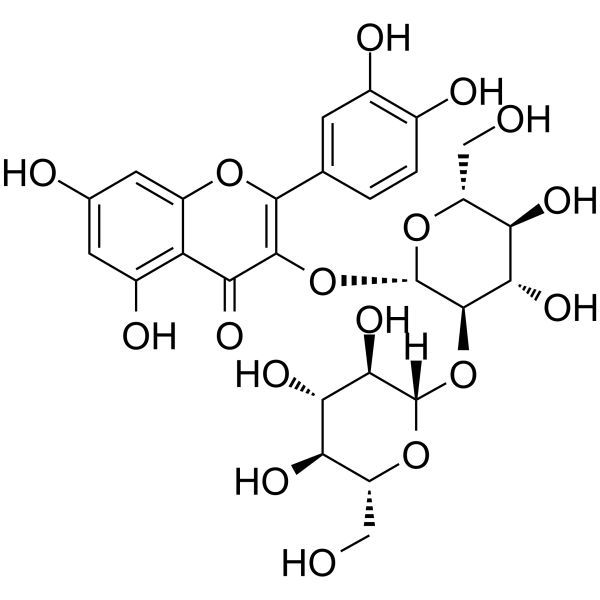
    Baimaside
    3 Publications Verification

    Quercetin 3-O-sophoroside

    SARS-CoV Infection Neurological Disease
    Baimaside (Quercetin 3-O-sophoroside) is a flavonoid cholinergic function modulator that binds to SARS-CoV-2-related targets. Baimaside regulates the expression of cholinergic system-related proteins and acetylcholine levels, improves scopolamine-induced learning and memory impairment, protects hippocampal neurons, inhibits pollen protein fluorescence, and protects pollen DNA. Its biosynthesis is regulated by multiple enzymes. Baimaside is completely absorbed in rats, undergoes phase Ⅱ metabolism and gut microbiota decomposition, and inhibits the invasion and proliferation of SARS-CoV-2 and its variants, making it suitable for research related to Alzheimer's disease and COVID-19 .
    Baimaside
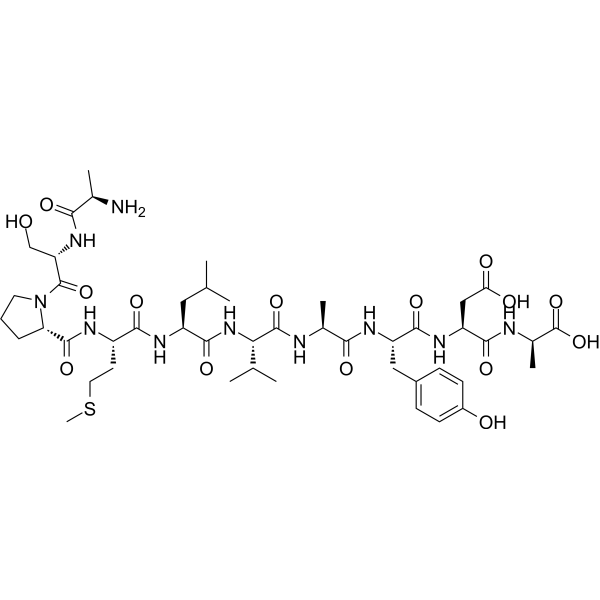
  • HY-P1698

    AB-103

    Bacterial CD28 Infection Inflammation/Immunology Cancer
    Reltecimod (AB-103) is a T-cell-specific surface glycoprotein CD28 (TP44) antagonist. Reltecimod has beneficial effects against different bacterial infections, their exotoxins and endotoxins, and ionizing radiation. Reltecimod modulates the inflammatory response by targeting and attenuating the critical CD28/B7-2 co-stimulatory pathway, without inhibiting it. Reltecimod can be used to research necrotizing soft-tissue infections (NSTIs) .
    Reltecimod
  • HY-Y1325I

    Environmental Pollutants Biochemical Assay Reagents Apoptosis NO Synthase p38 MAPK Heme Oxygenase (HO) Keap1-Nrf2 Wnt β-catenin Metabolic Disease Inflammation/Immunology Cancer
    Sodium acetate trihydrate, 99.5% is a short-chain fatty acid salt with multiple biological activities. Sodium acetate trihydrate, 99.5% serves as a direct precursor of acetyl-CoA, and it extensively affects gene expression by promoting histone acetylation. Sodium acetate trihydrate, 99.5% can activate the p38 MAPK pathway to induce cancer cell apoptosis. Sodium acetate trihydrate, 99.5% can activate the Wnt/β-catenin signaling pathway to stimulate the proliferation and migration of cecal epithelial cells, thereby improving intestinal health. Sodium acetate trihydrate, 99.5% alleviates lead accumulation and oxidative damage by upregulating the testosterone-dependent eNOS/NO/cGMP signaling pathway, as well as activating the Nrf2/HO-1 pathway and its downstream antioxidant enzymes .
    Sodium acetate trihydrate, 99.5%
  • HY-W081067

    HFPO-DA

    PPAR Infection
    Perfluoro (2-methyl-3-oxahexanoic) acid (HFPO-DA) is an orally active peroxisome proliferator-activated receptor α (PPARα) agonist with an EC50 of 2.1 μM for human PPARα. Perfluoro (2-methyl-3-oxahexanoic) acid induces peroxisome proliferation and increases the levels of proinflammatory mediators. It impairs intestinal barrier function and disrupts cecal flora balance. Perfluoro (2-methyl-3-oxahexanoic) acid is applicable to research related to developmental toxicity, hepatotoxicity and intestinal toxicity .
    Perfluoro(2-methyl-3-oxahexanoic) acid
  • HY-N0666S8

    Endogenous Metabolite Inflammation/Immunology
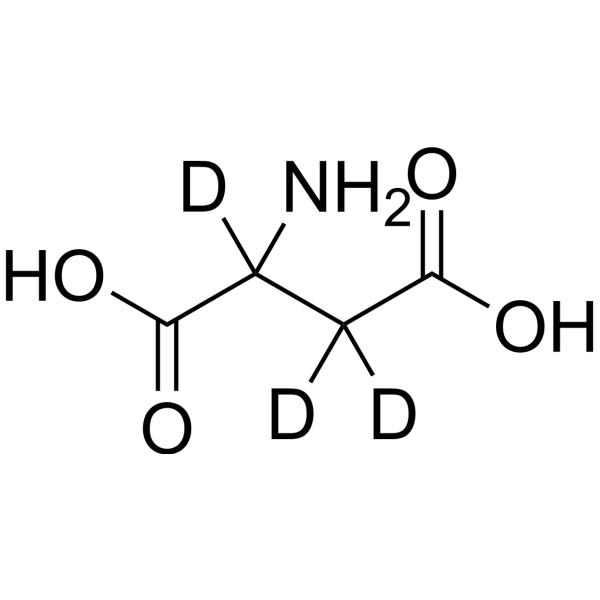
    L-Aspartic acid-d3 is the deuterium labeled L-Aspartic acid. L-Aspartic aicd is an amino acid that can penetrate the blood-brain barrier. L-Aspartic aicd is commonly used for preparing prodrugs to target colon and cecal tissues. L-Aspartic aicd commonly used in the study of inflammatory conditions .
    L-Aspartic acid-d3
  • HY-178159

    RNA MTase Inflammation/Immunology
    SA91-0178 is a METTL1 inhibitor. SA91-0178 inhibits m 7G methylation of RNA, reduces SARM1 stability, mitigates NAD + depletion and metabolic reprogramming in macrophages. SA91-0178 demonstrates excellent protective efficacy against multiple organ injury in cecal ligation and puncture (CLP)-induced and ischemia/reperfusion (I/R)-induced mice. SA91-0178 can be used for the study of systemic inflammatory diseases .
    SA91-0178
  • HY-N0378R
    D-Mannitol (Standard)
    Maximum Cited Publications
    13 Publications Verification

    Mannitol(Standard); Mannite (Standard)

    Reference Standards Endogenous Metabolite Apoptosis PGC-1α Adrenergic Receptor PKA Cardiovascular Disease Metabolic Disease Cancer
    D-Mannitol (Standard) is the analytical standard of D-Mannitol (HY-N0378). This product is intended for research and analytical applications. D-Mannitol (Mannitol) is an oral, resistant sugar widely used in the food and pharmaceutical industries to promote the absorption and retention of calcium and magnesium through cecal fermentation, while acting as a osmotic diuretic to reduce tissue edema. D-Mannitol can enhance brown fat formation, improve insulin effect, reduce blood sugar levels, And through the start the β3-adrenergic receptor (β3-AR), PGC1α and PKA induced by means of white fat cells into brown fat cells . D-Mannitol is commonly used to maintain osmotic pressure between the plant cytoplasm and the culture medium and protect cells when the cell wall is weakened or even removed .
    D-Mannitol (Standard)
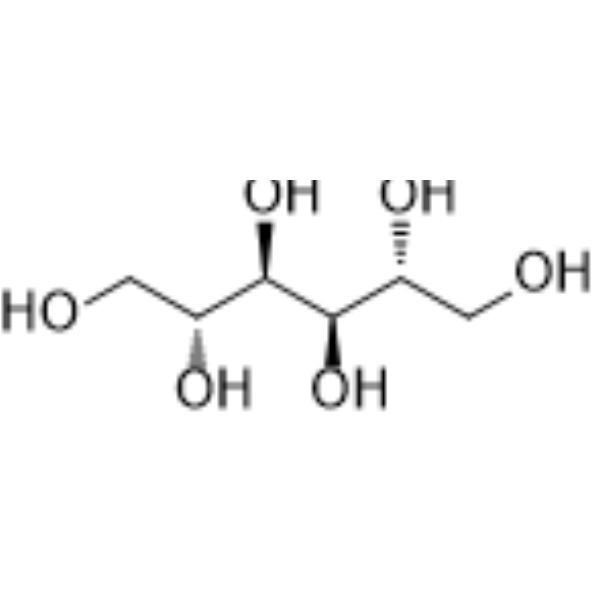
  • HY-N2840
    Allitol
    1 Publications Verification

    Allodulcitol

    Others Metabolic Disease
    Allitol (Allodulcitol) is an orally active rare sugar alcohol found in Itea virginica L, Tylopilus plumbeoviolaceus. Allitol has anti-obesity and hypoglycaemic activities. Allitol reduces carcass and total body fat mass, increases cecal weight, surface area, and short-chain fatty acid production, and upregulates cecal microbial enzymes linked to butyrate metabolism. Allitol can be used for the researches of obesity and diabetes .
    Allitol
  • HY-N0666S4

    Endogenous Metabolite Inflammation/Immunology
    L-Aspartic acid- 13C4 is the 13C-labeled L-Aspartic acid. L-Aspartic aicd is an amino acid that can penetrate the blood-brain barrier. L-Aspartic aicd is commonly used for preparing prodrugs to target colon and cecal tissues. L-Aspartic aicd commonly used in the study of inflammatory conditions .
    L-Aspartic acid-13C4
  • HY-N0666A
    L-Aspartic acid potassium
    4 Publications Verification

    Endogenous Metabolite Neurological Disease Inflammation/Immunology
    Aspartic acid potassium is an amino acid. L-Aspartic aicd potassium is commonly used for preparing prodrugs to target colon and cecal tissues. L-Aspartic aicd potassium commonly used in the study of inflammatory conditions .
    L-Aspartic acid potassium
  • HY-N0666B
    Aspartic acid calcium
    4 Publications Verification

    Calcium L-aspartate

    Endogenous Metabolite Inflammation/Immunology
    Aspartic acid calcium (Calcium L-aspartate) is a chelate where calcium is attached to an amino acid naming L-Aspartic acid. L-Aspartic aicd calcium is an amino acid that can penetrate the blood-brain barrier. L-Aspartic aicd calcium is commonly used for preparing prodrugs to target colon and cecal tissues. L-Aspartic aicd calcium commonly used in the study of inflammatory conditions .
    Aspartic acid calcium
  • HY-W722277A

    Interleukin Related NADH Dehydrogenase TNF Receptor JAK STAT IRAK Inflammation/Immunology
    LCC-12 (formate) is a copper (II) chelator and a derivative of the biguanide metformin (HY-B0627). LCC-12 (formate) reduces its hydrogen peroxide-dependent oxidation of NADH to NAD+. LCC-12 (formate) reduces IL-1β, IL-2, IL-6, IL-8, and TNF-α levels, as well as JAK2, STAT2, and IL-1 receptor-associated kinase 4 (IRAK4) levels in primary human cytokine-activated monocyte-derived macrophages (MDMs). LCC-12 (formate) reduces the number of CD80+ and CD86+ cytokine-activated MDMs. LCC-12 LCC-12 (formate) improves survival in a mouse model of sepsis induced by LPS or cecal ligation and puncture .
    LCC-12 formate
  • HY-N1388
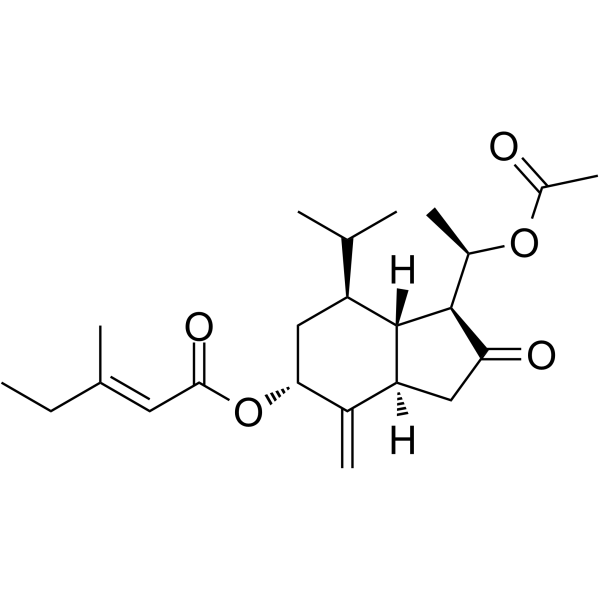
    Tussilagone
    3 Publications Verification

    Others Inflammation/Immunology
    Tussilagone, a major active component in Tussilago farfara, has anti-inflammatory effect. Tussilagone ameliorates inflammatory responses in dextran sulphate sodium-induced murine colitis. Tussilagone inhibits the inflammatory response and improves survival in cecal ligation and puncture (CLP)-induced septic mice .
    Tussilagone
  • HY-N0666C
    L-Aspartic aicd sodium
    4 Publications Verification

    Sodium L-aspartate

    Endogenous Metabolite Neurological Disease Inflammation/Immunology
    L-Aspartic aicd sodium is an amino acid. L-Aspartic aicd sodium is commonly used for preparing prodrugs to target colon and cecal tissues. L-Aspartic aicd sodium commonly used in the study of inflammatory conditions .
    L-Aspartic aicd sodium
  • HY-N0666R
    L-Aspartic acid (Standard)
    1 Publications Verification

    Reference Standards Endogenous Metabolite Inflammation/Immunology
    L-Aspartic acid (Standard) is the analytical standard of L-Aspartic acid. This product is intended for research and analytical applications. L-Aspartic aicd is an amino acid. L-Aspartic aicd is commonly used for preparing prodrugs to target colon and cecal tissues. L-Aspartic aicd commonly used in the study of inflammatory conditions .
    L-Aspartic acid (Standard)
  • HY-N0666S

    Endogenous Metabolite Inflammation/Immunology
    L-Aspartic acid- 13C is a 13C labeled L-Aspartic acid. L-Aspartic aicd is an amino acid that can penetrate the blood-brain barrier. L-Aspartic aicd is commonly used for preparing prodrugs to target colon and cecal tissues. L-Aspartic aicd commonly used in the study of inflammatory conditions .
    L-Aspartic acid-13C
  • HY-N0666D
    L-Aspartic aicd disodium
    4 Publications Verification

    Disodium L-aspartate

    Endogenous Metabolite Neurological Disease Inflammation/Immunology
    L-Aspartic acid disodium is an amino acid. L-Aspartic aicd disodium is commonly used for preparing prodrugs to target colon and cecal tissues. L-Aspartic aicd disodium commonly used in the study of inflammatory conditions .
    L-Aspartic aicd disodium
  • HY-163409

    Wnt β-catenin Inflammation/Immunology Cancer
    CKG012 is an inhibitor for Wnt/βcatenin signaling pathway. CGK012 inhibits release of HMGB1 and transcription of β-catenin, exhibits attenuating activities against cecal ligation and puncture (CLP)-induced sepsis and multiple myeloma cancer .
    CGK012
  • HY-101122

    SGLT GLP Receptor Metabolic Disease
    LX2761 is an orally active, dual SGLT1/SGLT2 inhibitor with IC50 values of 2.2 nM and 2.7 nM against human SGLT1 and SGLT2, respectively. LX2761 locks human SGLT1 in an outward-open conformation and blocks its putative water permeation pathway. After oral administration, LX2761 is confined exclusively to the intestinal lumen, delays intestinal glucose absorption, regulates intestinal glucose metabolism, increases cecal glucose levels, reduces cecal pH, improves glycemic control and elevates plasma total GLP-1 levels. However, LX2761 induces diarrhea in a dose-dependent manner. LX2761 can be used in diabetes-related research .
    LX2761
  • HY-N0666S3

    Endogenous Metabolite Inflammation/Immunology
    L-Aspartic acid- 15N is the 15N-labeled L-Aspartic acid. L-Aspartic aicd is an amino acid that can penetrate the blood-brain barrier. L-Aspartic aicd is commonly used for preparing prodrugs to target colon and cecal tissues. L-Aspartic aicd commonly used in the study of inflammatory conditions .
    L-Aspartic acid-15N
  • HY-N0666S2

    Isotope-Labeled Compounds Endogenous Metabolite Inflammation/Immunology
    DL-Aspartic acid-d3 is the deuterium labeled L-Aspartic acid. L-Aspartic aicd is an amino acid that can penetrate the blood-brain barrier. L-Aspartic aicd is commonly used for preparing prodrugs to target colon and cecal tissues. L-Aspartic aicd commonly used in the study of inflammatory conditions .
    DL-Aspartic acid-d3
  • HY-N0666S1

    Endogenous Metabolite Cardiovascular Disease
    L-Aspartic acid- 13C4, 15N is the 13C-labeled and 15N-labeled L-Aspartic acid. L-Aspartic aicd is an amino acid that can penetrate the blood-brain barrier. L-Aspartic aicd is commonly used for preparing prodrugs to target colon and cecal tissues. L-Aspartic aicd commonly used in the study of inflammatory conditions .
    L-Aspartic acid-13C4,15N
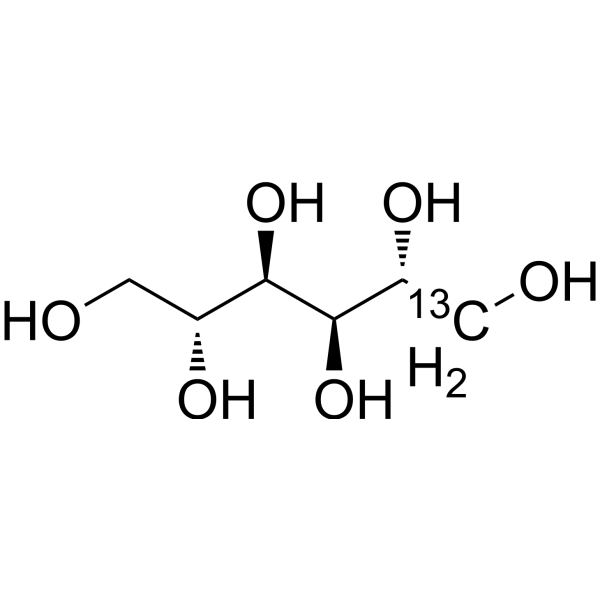
  • HY-N0378S1

    Mannitol-13C; Mannite-13C

    Isotope-Labeled Compounds Endogenous Metabolite Apoptosis PGC-1α Adrenergic Receptor PKA Cardiovascular Disease Metabolic Disease Cancer
    D-Mannitol- 13C is the 13C labeled D-Mannitol (HY-N0378). D-Mannitol (Mannitol) is an oral, resistant sugar widely used in the food and pharmaceutical industries to promote the absorption and retention of calcium and magnesium through cecal fermentation, while acting as a osmotic diuretic to reduce tissue edema. D-Mannitol can enhance brown fat formation, improve insulin effect, reduce blood sugar levels, And through the start the β3-adrenergic receptor (β3-AR), PGC1α and PKA induced by means of white fat cells into brown fat cells . D-Mannitol is commonly used to maintain osmotic pressure between the plant cytoplasm and the culture medium and protect cells when the cell wall is weakened or even removed .
    D-Mannitol-13C
  • HY-137325A

    Calcium Channel Metabolic Disease
    2-Chloro-ATP sodium (2-Chloro ATP) is an adenine nucleotide and an analog of ATP. It is an antagonist of the purinergic P2Y1 receptor and inhibits intracellular calcium mobilization induced by ADP (HY-W010918) in Jurkat cells expressing the human receptor (Ki=2.3 μM). 2-Chloro-ATP sodium is an agonist of the purinergic P2X receptor and induces inward currents in HEK293 cells expressing human bladder smooth muscle or rat PC12 forms of the receptor (EC50=0.5 and 2.5 μM). 2-Chloro-ATP sodium induces relaxation of precontracted guinea pig cecal strips in a concentration-dependent manner. 2-Chloro-ATP sodium has been used to study the substrate specificity of cyclic nucleotide-dependent protein kinases such as protein kinase A (PKA) and PKG.
    2-Chloro-ATP sodium
  • HY-178136

    Toll-like Receptor (TLR) MyD88 p38 MAPK NF-κB JNK Infection Inflammation/Immunology
    MyD88-IN-3 is an orally active, selective MyD88 Inhibitor. MyD88-IN-3 specifically targets the TIR domain of MyD88 (KD = 28.5 μM), thereby preventing MyD88 self-polymerization and interaction with TLRs, which suppresses the activation of MAPK and NF-κB pathways. MyD88-IN-3 demonstrates significant anti-inflammatory efficacy and effectively mitigates Acute Lung Injury (ALI) symptoms in CLP (cecal ligation and puncture) and Lipopolysaccharides (HY-D1056) (LPS)-induced ALI models. MyD88-IN-3 can be used for the study of ALI .
    MyD88-IN-3
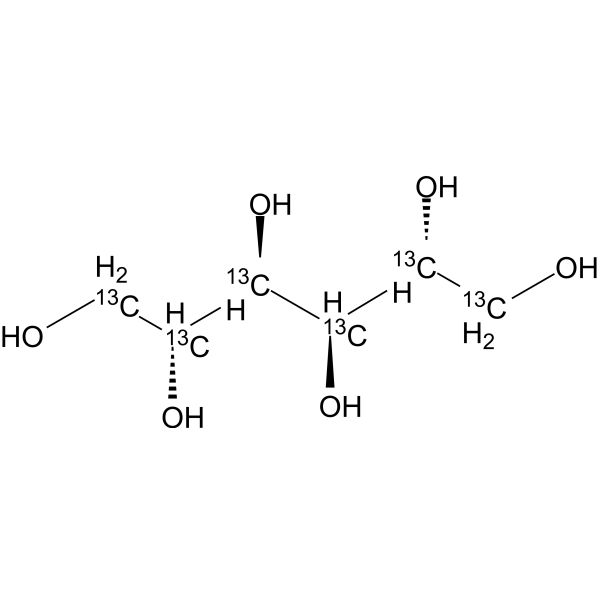
  • HY-N0378S2

    Mannitol-13C6; Mannite-13C6

    Isotope-Labeled Compounds Endogenous Metabolite Apoptosis PGC-1α Adrenergic Receptor PKA Cardiovascular Disease Metabolic Disease Cancer
    D-Mannitol- 13C6 is the 13C labeled D-Mannitol (HY-N0378). D-Mannitol (Mannitol) is an oral, resistant sugar widely used in the food and pharmaceutical industries to promote the absorption and retention of calcium and magnesium through cecal fermentation, while acting as a osmotic diuretic to reduce tissue edema. D-Mannitol can enhance brown fat formation, improve insulin effect, reduce blood sugar levels, And through the start the β3-adrenergic receptor (β3-AR), PGC1α and PKA induced by means of white fat cells into brown fat cells . D-Mannitol is commonly used to maintain osmotic pressure between the plant cytoplasm and the culture medium and protect cells when the cell wall is weakened or even removed .
    D-Mannitol-13C6
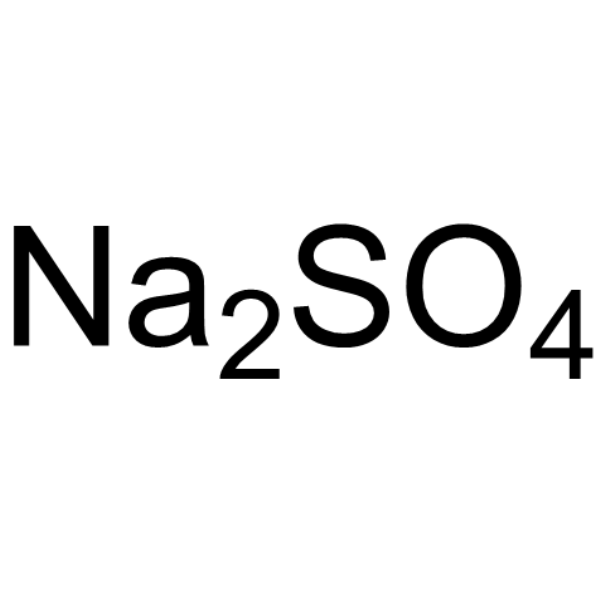
  • HY-Y0317I

    Disodium sulfate, meets analytical specification of Ph. Eur. BP USP

    Biochemical Assay Reagents Cancer
    Sodium sulfate anhydrous (Disodium sulfate), meets analytical specification of Ph. Eur. BP USP is an orally active multifunctional ionic salt that serves as a protein precipitant, collagen fibril bundling inducer, and chlorine-free sodium source. Sodium sulfate anhydrous, meets analytical specification of Ph. Eur. BP USP promotes collagen fibril bundling to increase matrix pore size, alters cancer cell morphology and regulates their migration direction via geometric signals, and separates plasma/serum proteins or concentrates proteins at 37°C without causing thermal denaturation. In poultry farming applications, Sodium sulfate anhydrous, meets analytical specification of Ph. Eur. BP USP improves laying performance and eggshell quality, and is safe and effective at an addition level of 0.3-1.5%, while a high concentration of 3.0% causes negative physiological effects. Sodium sulfate anhydrous, meets analytical specification of Ph. Eur. BP USP can be widely applied in scientific research on cervical cancer and related fields .
    Sodium sulfate anhydrous, meets analytical specification of Ph. Eur. BP USP
  • HY-N0666S6

    Endogenous Metabolite Inflammation/Immunology
    L-Aspartic acid-1,4- 13C2 is the 13C-labeled L-Aspartic acid. L-Aspartic aicd is an amino acid that can penetrate the blood-brain barrier. L-Aspartic aicd is commonly used for preparing prodrugs to target colon and cecal tissues. L-Aspartic aicd commonly used in the study of inflammatory conditions .
    L-Aspartic acid-1,4-13C2
  • HY-W015824S6

    Isotope-Labeled Compounds Endogenous Metabolite Inflammation/Immunology
    L-Aspartic acid- 13C-2 is the 13C-labeled L-Aspartic acid (HY-N0666). L-Aspartic aicd is an amino acid that can penetrate the blood-brain barrier. L-Aspartic aicd is commonly used for preparing prodrugs to target colon and cecal tissues. L-Aspartic aicd commonly used in the study of inflammatory conditions .
    L-Aspartic acid-13C-2
  • HY-116433

    Parasite Xanthine Oxidase Infection Metabolic Disease
    Nequinate, a quinoline compound, is an anticoccidial agent against cecal coccidiosis (Eimeria tenella) infections . Nequinate inhibits xanthine oxidoreductase (XOD) activity .
    Nequinate
  • HY-149426

    Sirtuin Inflammation/Immunology
    SIRT5 inhibitor 7 (compound 58) is a substrate-competitive and selective SIRT5 inhibitor with anti-inflammatory activity. SIRT5 inhibitor 7 has renal protective effects and regulates protein succinylation and the release of pro-inflammatory cytokines. SIRT5 inhibitor 7 has in vivo activity in AKI mouse models of lipopolysaccharide (LPS) and cecal ligation/perforation (CLP)-induced sepsis-related acute kidney injury .
    SIRT5 inhibitor 7
  • HY-N0378AGL

    Mannitol, M200 (GMP Like); Mannite, M200 (GMP Like)

    Endogenous Metabolite Apoptosis Adrenergic Receptor PGC-1α PKA Cardiovascular Disease Metabolic Disease Cancer
    D-Mannitol, M200 (GMP Like) (Mannitol, M200 (GMP Like)) is the GMP Like class D-Mannitol that can be used as pharmaceutical excipients. D-Mannitol (Mannitol) is an oral, resistant sugar widely used in the food and pharmaceutical industries to promote the absorption and retention of calcium and magnesium through cecal fermentation, while acting as a osmotic diuretic to reduce tissue edema. D-Mannitol can enhance brown fat formation, improve insulin effect, reduce blood sugar levels, And through the start the β3-adrenergic receptor (β3-AR), PGC1α and PKA induced by means of white fat cells into brown fat cells .
    D-Mannitol, M200 (GMP Like)
  • HY-N0378S4

    Mannitol-d2; Mannite-d2

    Isotope-Labeled Compounds Endogenous Metabolite Apoptosis PGC-1α Adrenergic Receptor PKA Cardiovascular Disease Metabolic Disease Cancer
    D-Mannitol-d2 is the deuterium labeled D-Mannitol (HY-N0378). D-Mannitol (Mannitol) is an oral, resistant sugar widely used in the food and pharmaceutical industries to promote the absorption and retention of calcium and magnesium through cecal fermentation, while acting as a osmotic diuretic to reduce tissue edema. D-Mannitol can enhance brown fat formation, improve insulin effect, reduce blood sugar levels, And through the start the β3-adrenergic receptor (β3-AR), PGC1α and PKA induced by means of white fat cells into brown fat cells . D-Mannitol is commonly used to maintain osmotic pressure between the plant cytoplasm and the culture medium and protect cells when the cell wall is weakened or even removed .
    D-Mannitol-d2
  • HY-N1388R

    Reference Standards Others Inflammation/Immunology
    Tussilagone (Standard) is the analytical standard of Tussilagone. This product is intended for research and analytical applications. Tussilagone, a major active component in Tussilago farfara, has anti-inflammatory effect. Tussilagone ameliorates inflammatory responses in dextran sulphate sodium-induced murine colitis. Tussilagone inhibits the inflammatory response and improves survival in cecal ligation and puncture (CLP)-induced septic mice .
    Tussilagone (Standard)
  • HY-N2840S

    Allodulcitol-13C

    Isotope-Labeled Compounds Metabolic Disease
    Allitol (Allodulcitol)- 13C is the 13C labeled Allitol (HY-N2840). Allitol is an orally active rare sugar alcohol found in Itea virginica L, Tylopilus plumbeoviolaceus. Allitol has anti-obesity and hypoglycaemic activities. Allitol reduces carcass and total body fat mass, increases cecal weight, surface area, and short-chain fatty acid production, and upregulates cecal microbial enzymes linked to butyrate metabolism. Allitol can be used for the researches of obesity and diabetes .
    Allitol-13C
  • HY-N2840R

    Allodulcitol (Standard)

    Reference Standards Metabolic Disease
    Allitol (Allodulcitol) (Standard) is the analytical standard of Allitol (HY-N2840). This product is intended for research and analytical applications. Allitol is an orally active rare sugar alcohol found in Itea virginica L, Tylopilus plumbeoviolaceus. Allitol has anti-obesity and hypoglycaemic activities. Allitol reduces carcass and total body fat mass, increases cecal weight, surface area, and short-chain fatty acid production, and upregulates cecal microbial enzymes linked to butyrate metabolism. Allitol can be used for the researches of obesity and diabetes .
    Allitol (Standard)
  • HY-N0666DR

    Disodium L-aspartate (Standard)

    Reference Standards Endogenous Metabolite Inflammation/Immunology
    L-Aspartic acid disodium is an amino acid. L-Aspartic acid disodium is commonly used for preparing prodrugs to target colon and cecal tissues. L-Aspartic acid disodium commonly used in the study of inflammatory conditions .
    L-Aspartic aicd disodium (Standard)
  • HY-N0666CR

    Sodium L-aspartate (Standard)

    Reference Standards Endogenous Metabolite Inflammation/Immunology
    L-Aspartic aicd sodium is an amino acid. L-Aspartic aicd sodium is commonly used for preparing prodrugs to target colon and cecal tissues. L-Aspartic aicd sodium commonly used in the study of inflammatory conditions .
    L-Aspartic aicd sodium (Standard)
  • HY-116433R

    Reference Standards Parasite Xanthine Oxidase Infection Metabolic Disease
    Nequinate (Standard) is the analytical standard of Nequinate. This product is intended for research and analytical applications. Nequinate, a quinoline compound, is an anticoccidial agent against cecal coccidiosis (Eimeria tenella) infections . Nequinate inhibits xanthine oxidoreductase (XOD) activity .
    Nequinate (Standard)
  • HY-N0666AR

    Reference Standards Endogenous Metabolite Inflammation/Immunology
    L-Aspartic acid (potassium) (Standard) is the analytical standard of L-Aspartic acid (potassium). This product is intended for research and analytical applications. L-Aspartic aicd is an amino acid that. L-Aspartic aicd is commonly used for preparing prodrugs to target colon and cecal tissues. L-Aspartic aicd commonly used in the study of inflammatory conditions .
    L-Aspartic acid potassium (Standard)
  • HY-W654353

    T-α-MCA-d4-1 sodium

    Isotope-Labeled Compounds FXR Endogenous Metabolite Others
    Tauro-α-muricholic acid-d4-1 (sodium) is deuterium labeled Tauro-α-muricholic acid (sodium). Tauro-α-muricholic acid (T-α-MCA) sodium is a FXR (Farnesoid X receptor) antagonist (IC50=28μM). Tauro-α-muricholic acid sodium is also a endogenous metabolite that can be found in cecal .
    Tauro-α-muricholic acid-d4-1 sodium
  • HY-N0666E

    Endogenous Metabolite Inflammation/Immunology
    L-Aspartic acid monocesium is the monocesium salt form of L-Aspartic acid (HY-N0666). L-Aspartic aicd monocesium is an amino acid that can penetrate the blood-brain barrier. L-Aspartic aicd monocesium is commonly used for preparing prodrugs to target colon and cecal tissues. L-Aspartic aicd monocesium commonly used in the study of inflammatory conditions .
    L-Aspartic acid monocesium
  • HY-N0666S9

    Isotope-Labeled Compounds Endogenous Metabolite Cardiovascular Disease
    L-Aspartic acid- 15N,d3 is the deuterium and 15N-labeled L-Aspartic acid. L-Aspartic aicd is an amino acid that can penetrate the blood-brain barrier. L-Aspartic aicd is commonly used for preparing prodrugs to target colon and cecal tissues. L-Aspartic aicd commonly used in the study of inflammatory conditions .
    L-Aspartic acid-15N,d3
  • HY-N0666S10

    [3-13C]Aspartic acid

    Isotope-Labeled Compounds Endogenous Metabolite Inflammation/Immunology
    L-Aspartic acid- 13C-1 is the 13C-labeled L-Aspartic acid (HY-N0666). L-Aspartic aicd is an amino acid that can penetrate the blood-brain barrier. L-Aspartic aicd is commonly used for preparing prodrugs to target colon and cecal tissues. L-Aspartic aicd commonly used in the study of inflammatory conditions .
    L-Aspartic acid-C13-1
  • HY-N0666S7

    Isotope-Labeled Compounds Endogenous Metabolite Cardiovascular Disease
    L-Aspartic acid-1,4- 13C2, 15N is the 13C- and 15N-labeled L-Aspartic acid. L-Aspartic aicd is an amino acid that can penetrate the blood-brain barrier. L-Aspartic aicd is commonly used for preparing prodrugs to target colon and cecal tissues. L-Aspartic aicd commonly used in the study of inflammatory conditions .
    L-Aspartic acid-1,4-13C2,15N
  • HY-N0666S5

    Isotope-Labeled Compounds Endogenous Metabolite Inflammation/Immunology
    L-Aspartic acid- 13C4, 15N,d3 is the deuterium, 13C-, and 15-labeled L-Aspartic acid. L-Aspartic aicd is an amino acid that can penetrate the blood-brain barrier. L-Aspartic aicd is commonly used for preparing prodrugs to target colon and cecal tissues. L-Aspartic aicd commonly used in the study of inflammatory conditions .
    L-Aspartic acid-13C4,15N,d3

Inquiry Online

Your information is safe with us. * Required Fields.

Salutation


Country or Region *

Applicant Name *


Organization Name *

Department *


Email Address *


Product Name *

Cat. No.


Requested quantity *

Phone Number *


Remarks

Inquiry Online

Inquiry Information

Product Name:
Cat. No.:
Quantity:
MCE Japan Authorized Agent:

